-Cryptoxanthin Reduces Body Fat and Increases Oxidative Stress Response in Caenorhabditis elegans Model - MDPI
←
→
Page content transcription
If your browser does not render page correctly, please read the page content below
nutrients
Article
β-Cryptoxanthin Reduces Body Fat and Increases
Oxidative Stress Response in
Caenorhabditis elegans Model
Silvia Llopis 1,† , María Jesús Rodrigo 2,† , Nuria González 1 , Salvador Genovés 1 ,
Lorenzo Zacarías 2 , Daniel Ramón 1 and Patricia Martorell 1, *
 1   Cell Biology Laboratory, Food Biotechnology Department, Biópolis SL/Archer Daniels Midland,
     C/Catedrático Agustín Escardino Benlloch 9, Paterna, 46890 Valencia, Spain; silvia.llopis@adm.com (S.L.);
     nuria.gonzalez@adm.com (N.G.); Salvador.Genoves@adm.com (S.G.); Daniel.RamonVidal@adm.com (D.R.)
 2   Food Biotechnology Department, Instituto de Agroquímica y Tecnología de Alimentos (IATA), Consejo
     Superior de Investigaciones Científicas (CSIC), C/Catedrático Agustín Escardino 7, Paterna, 46890 Valencia,
     Spain; mjrodrigo@iata.csic.es (M.J.R.); lzacarias@iata.csic.es (L.Z.)
 *   Correspondence: patricia.martorell@adm.com; Tel.: +34-963-160-299
 †   These authors contributed equally to this work.

 Received: 12 November 2018; Accepted: 15 January 2019; Published: 22 January 2019

 Abstract: β-Cryptoxanthin (BCX) is a major dietary pro-vitamin A carotenoid, found mainly in
 fruits and vegetables. Several studies showed the beneficial effects of BCX on different aspects of
 human health. In spite of the evidence, the molecular mechanisms of action of BCX need to be
 further investigated. The Caenorhabditis elegans model was used to analyze in vivo the activity of
 BCX on fat reduction and protection to oxidative stress. Dose-response assays provided evidence
 of the efficacy of BCX at very low dose (0.025 µg/mL) (p < 0.001) on these processes. Moreover,
 a comparative analysis with other carotenoids, such as lycopene and β-carotene, showed a stronger
 effect of BCX. Furthermore, a transcriptomic analysis of wild-type nematodes supplemented with
 BCX revealed upregulation of the energy metabolism, response to stress, and protein homeostasis as
 the main metabolic targets of this xanthophyll. Collectively, this study provides new in vivo evidence
 of the potential therapeutic use of BCX in the prevention of diseases related to metabolic syndrome
 and aging.

 Keywords: β-Cryptoxanthin; carotenoids; Caenorhabditis elegans; fat reduction; oxidative stress;
 transcriptomic analysis; metabolic syndrome; aging

1. Introduction
     Xanthophyll β-cryptoxanthin (BCX)—also known as 3-hydroxy-β-carotene ((3R)-β,β-caroten-3-
ol)—is primarily synthetized in higher plants by non-heme di-iron β-carotene hydroxylases adding
a hydroxyl group at the C3 position of the β-carotene ring [1,2]. Xanthophyll β-cryptoxanthin is
a major dietary pro-vitamin A carotenoid, the most important pro-vitamin A xanthophyll in the diet
and commonly found in human plasma [3–5]. Moreover, several studies suggest that BCX has a relative
high bioavailability from common food sources and conversion to retinol can be comparable to that
of β-carotene [6,7]. The main dietary sources of BCX are fruits and vegetables; however, only a small
number contain significant amounts of BCX; the most common foods rich in this xanthophyll are:
sweet red pepper and hot chili peppers, pumpkins, papaya, persimmons, tangerines and sweet
oranges, peaches, and sweet corn [6,8]. Among these foods, the citrus tangerines and sweet oranges are
considered the main contributors of BCX to the diet in many countries due to their high consumption
both as fresh fruit and juice [6,7,9]. In fact, clinical studies indicated that seasonal intake of citrus fruits

Nutrients 2019, 11, 232; doi:10.3390/nu11020232                                 www.mdpi.com/journal/nutrients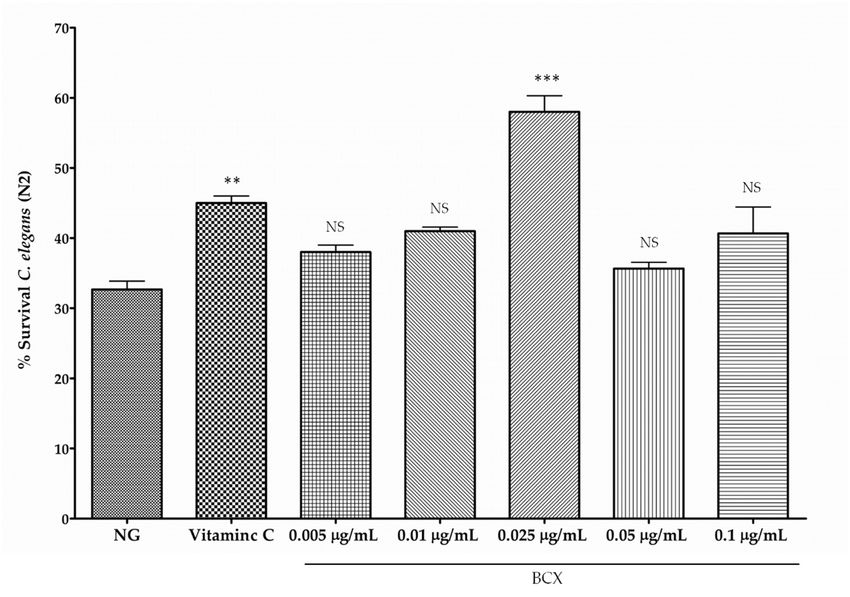
Nutrients 2019, 11, 232                                                                           2 of 20

in many populations significantly increases plasma levels of BCX and its concentration is considered to
be a biomarker of citrus fruit consumption [3,10]. Interestingly, the preferential natural accumulating
form of BCX in the flesh of ripen citrus fruit is esterified with lauric, myristic, and palmitic acid,
and only a minor proportion—ranging from less than 5% up to 20%—remains in free form [11,12].
      Besides the well-established function of BCX as a source of vitamin A [3,13], this xanthophyll may
exert other beneficial functions in different processes of human health. Evidence indicates that BCX
has as potent in vitro antioxidant capacity and may protect human cells against oxidative damage,
leading to the suppression of inflammation, acting also as a scavenger of free radicals and preventing
the oxidative damage of biomolecules as lipids, proteins, and nucleic acids [14–16]. However, there is
scarce information regarding in vivo studies where the antioxidant capacity of BCX has been assessed
in targeted tissues at suitable concentration relative to the oxidizing agent [6]. Moreover—related with
its antioxidant property—BCX may be also beneficial in the prevention of vascular disease [17–20].
Additionally, other studies propose that a moderated BCX intake may be helpful in reducing the risk of
certain cancers [21,22] and in the prevention of age-related cognitive dysfunction in mouse brain [16].
Furthermore, one of the most remarkable biological functions of BCX is its role in bone health [23],
since BCX has been proven to play a role in bone homeostasis by promoting osteoclast formation and
inhibiting osteoblast action [24,25].
      In the case of obesity-related disorders, a relationship between oral intake of BCX with
obesity and metabolic syndrome in humans has been described. Thus, some studies established
lower serum BCX levels in obese than in non-obese patients, independently of the diet [26,27].
A previous work indicated that a supplementation of BCX in obese subjects improved serum
adipocytokine profiles [28]. Other authors described that a continuous oral intake of BCX reduced
visceral adipose tissue, body weight, and abdominal circumference in mildly obese males [29,30].
Moreover, oral administration of BCX also repressed body weight and adipocyte hypertrophy in
obese model mice [31]. Indeed, some authors concluded that a diet rich in BCX may prevent
the development of metabolic syndrome [28,32–34]. However—in spite of these evidences—there
are few studies focused on the potential molecular targets of BCX upon obesity and metabolic
syndrome. Studies in obese diabetic mice indicate that BCX may act on modulating PPARγ (peroxisome
proliferator-activated receptors-gamma type) to reduce adipocyte proliferation and hypertrophy,
and its chronic inflammation through the downregulation of genes involved in the cell cycle,
chemotaxis, and immune system [31,35]. However—as in many other studies—the mechanism
of visceral fat reduction has been mainly addressed in mice upon oral administration of a complex
food matrix (powder from pulp of Satsuma mandarin) as the source of BCX, thus the potential activity
of other compounds cannot be ruled out [31] and the metabolic targets of BCX need to be further
investigated using in vivo models.
      Caenorhabditis elegans is an excellent model organism to study obesity. Previous studies have
described the possible mechanisms and the genes involved in the pathways that regulate fat metabolism
in this nematode [36–38]. Many of the identified genes involved in lipid metabolism have orthologues
in humans, sharing also the same control of homeostasis [39]. Furthermore, fat accumulation in lipid
droplets are mainly in gut and hypodermal cells, which enables its detection and quantification by
different dying techniques. Although there are different methods available to measure lipids in the
nematode, each one has advantages and disadvantages. Nile Red is a dye widely used because offers
several advantages that are rapid, sensitive, and suitable for live imaging and screening studies [40].
Moreover, it has been used by many authors to identify evolutionarily conserved fat regulatory genes
and small molecules that affect fat metabolism when investigated through a variety of independent
methodologies [41]. Thereby, several studies have used the nematode C. elegans to evaluate potential
obesity therapeutics [42–45]. This organism has been also used to validate functional properties of
several carotenoids such as increase of longevity and antioxidant activity [46–50], being relevant to
study the antioxidant effect of astaxanthin stereoisomers [51]. Regarding the carotenoids conversion to
retinoids, two carotenoid cleavage dioxygenase have been identified in C. elegans with similarity to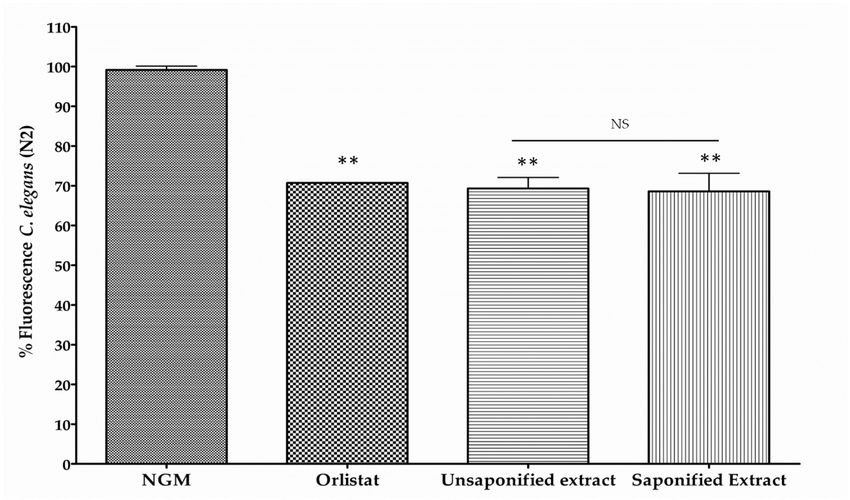
Nutrients 2019, 11, 232                                                                             3 of 20

β-carotene 15,15-oxygenase (BCO1) (central cleavage of β-carotene) and β-carotene 90 ,100 -oxygenase
(BCO2) [52]. The BCO1 role in the nematode, as in other animals, has been shown to be essential in the
transformation of β-carotene to retinal [53]. However, there is no previous report about the effects of
BCX on C. elegans and the molecular mechanisms targeted by this carotenoid.
     In the present study, the potential fat-reducing effect and antioxidant activity of BCX have been
investigated using the in vivo model system of C. elegans. As a result of treatment, nematodes reduced
the body fat content and were more resistant to an acute oxidative stress. Global transcriptional
analysis revealed that BCX influences energy expenditure, response to stress, and protein turnover.

2. Materials and Methods

2.1. Carotenoid Standards and Extracts
      Carotenoid β-cryptoxanthin (BCX) (purity ≥ 97%) was supplied by Extrasynthese (Lyon,
France) and lycopene (purity ≥ 98%) and β-carotene (purity ≥ 97%) by Sigma-Aldrich (Saint
Louis, MO, USA). The carotenoid stock solutions were prepared in chloroform and hexane (HPLC
grade, Scharlau, Barcelona, Spain) and purity tested by HPLC-DAD (Waters, Barcelona, Spain)
(High Performance Liquid Chromatography-Diode Array Detector) using conditions described in
Rodrigo et al. [54]. Aliquots for the experiments were prepared from stocks, completely dried under
N2 gas and immediately used. Furthermore, carotenoid extracts rich in BCX were obtained from
fresh juice of mature Clementine mandarin (Citrus clementina) as described in Rodrigo et al. [54]
and individual carotenoid composition was determined by HPLC-DAD immediately before use
as indicated elsewhere [54]. Briefly, 2-mL aliquots of fresh juice were weighted in screw-capped
polypropylene tubes (50 mL), and 4 mL of methanol were added. The suspension was stirred for
10 min at 4 ◦ C. Tris-HCl (50 mM, pH 7.5) (containing 1 M NaCl) was then added (3 mL) and further
stirred for 10 min at 4 ◦ C. Chloroform (5 mL) was added to the mixture, stirred for 5 min at 4 ◦ C
and centrifuged at 3000× g for 10 min at 4 ◦ C. The hypo-phase was removed, and the aqueous phase
re-extracted with chloroform until it was colorless. The pooled chloroform extracts were dried on
a rotary evaporator at 40 ◦ C. To test the potential effect of esterified versus free carotenoids extracts
on in vivo assays, half of the extracts were saponified in a methanolic solution of KOH (6% w/v)
overnight at room temperature. Free carotenoids from saponified extracts were recovered from the
upper phase after adding 3 mL of MilliQ water and 5 mL of solution A (petroleum ether:diethyl ether,
9:1) to the mixture. Repeated re-extractions by adding 3 mL of solution A were carried out until the
hypo-phase was colorless. Non-saponified samples were dissolved in 5 mL of solution A and 3 mL of
MilliQ water and proceeded as described above for saponified extracts. The extracts were reduced to
dryness by rotary evaporation at 40 ◦ C, dissolved with chloroform and methanol, and the extract was
transferred to a 1.5-mL vial, dried under N2 and kept at −20 ◦ C until HPLC analysis or in vivo assays
were conducted. All operations were carried out on ice under dim light to prevent photodegradation,
isomerization, and structural changes of the carotenoids.
      For in vivo assays dried aliquots of carotenoids (commercial standards and Clementine juice
extracts) were dissolved in chloroform: ethanol solution (ratio 1:15, v/v).

2.2. Quantification of Individual Carotenoids in Extracts
     To determine the carotenoid profile and concentration in mandarin juice extracts, aliquots were
analyzed by HPLC using a Waters liquid chromatography system equipped with a 600E pump (Waters,
Barcelona, Spain) and a model 2998 photodiode array detector (DAD) (Waters, Barcelona, Spain),
and Empower software (Waters, Barcelona, Spain). A C30 carotenoid column (250 × 4.6 mm, 5 µm)
coupled to a C30 guard column (20 × 4.0 mm, 5 µm) (YMC, Teknokroma, Barcelona, Spain) was
used. Samples were prepared for HPLC by dissolving the dried carotenoid extracts in chloroform:
methanol: acetone (3:2:1, v:v:v). Ternary gradient elution was used for carotenoid separation. The initial
solvent composition consisted of 90% methanol, 5% water, and 5% methyl tert-butyl ether (MTBE).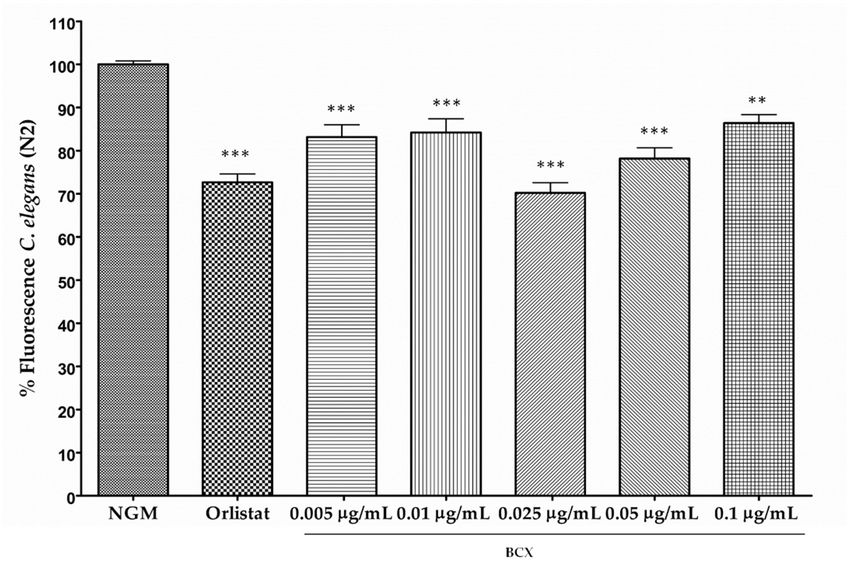
Nutrients 2019, 11, 232                                                                          4 of 20

The solvent composition changed in linear fashion to 95% methanol and 5% MTBE at 12 min. During
the next 8 min, the solvent composition was changed to 86% methanol and 14% MTBE. After reaching
this concentration, the solvent was gradually changed to 75% methanol and 25% MTBE at 30 min.
After 20 min, the solvent composition changed linearly, being 50% methanol and 50% MTBE at 50 min
and maintained at this proportion until 60 min. The initial conditions were re-established in 5 min and
equilibrated for 15 min before the next injection. The flow rate was 1 mL/min, column temperature
was set to 25◦ C, and the injection volume was 20 µL. The PAD was set to scan from 250 to 540 nm,
and for each elution a Maxplot chromatogram was obtained, plotting each carotenoid peak at its
corresponding maximum absorbance wavelength.
     Carotenoids were identified by their retention time, absorption, and fine spectra [54,55].
The carotenoid peaks were integrated at their individual maximal wavelength, and their contents
were calculated using the appropriate calibration curves as described elsewhere [54,56]. For the
quantification of esterified xanthophylls the calibration curves of the corresponding free carotenoids
were used.

2.3. C. elegans Strain and Treatments
     Caenorhabditis elegans strain N2, Bristol (wild-type) was provided by the Caenorhabditis Genetics
Center (University of Minnesota, Minneapolis, MN, USA). Nematodes were grown and maintained on
nematode growth medium (NGM) at 20 ◦ C using Escherichia coli OP50 bacteria as food source.
     For the evaluation of BCX, worms were grown on NGM as control diet, or NGM supplemented
with different doses of BCX (0.005, 0.01, 0.025, 0.05, and 0.1 µg/mL). The carotenoids lycopene and
β-carotene were also tested at 0.025 µg/mL. All carotenoids solutions were prepared as described
above and added on the agar plate surface. The appropriate amount of chloroform: ethanol (ratio 1:15)
was also added on NGM control medium.
     In addition, C. elegans body-fat reduction was evaluated with NGM plates supplemented with the
carotenoid extract from mandarin juice containing BCX at a final concentration of 0.025 µg/mL.
     Finally, the activity on C. elegans fat-reduction was evaluated in different food matrices
supplemented with BCX. Different volumes of each matrix were added to the NGM plates in order
to obtain a final dose of 0.025 µg/mL of BCX: dairy fermented product (250 µL/plate), skimmed
milk (250 µL/plate), sugar-free soft drink (with or without caffeine) (100 µL/plate) or orange juice
(50 µL/plate).

2.4. Bioassimilation Assay in C. elegans
     In order to confirm the absorption of BCX by the nematodes during feeding experiments,
populations of the C. elegans strain N2 Bristol were cultured on NGM or NGM supplemented with BCX
(1 µg/mL). At least 40 plates per condition were prepared and worms were recovered with M9 buffer
and immediately washed three times to remove E. coli OP50 present in the media. Additionally, 2 h of
incubation in M9 buffer was performed to facilitate the removal of gut microbiota from the nematodes.
The evacuated and washed worm pellets (containing approximately 100 mg per condition) were
recovered in 2 mL cryotubes and immediately frozen in liquid nitrogen. The pellets were defrosted
on ice, transferred to 1.5-mL tubes with 0.5 mL of acetone (HPLC grade, Scharlab, Barcelona, Spain),
and disrupted with micro-pestle. Disrupted pellets were vortexed for 30 s and centrifuged for 3 min at
15,700× g at 4 ◦ C. The acetone was recovered, and pellets were re-extracted twice with 2 mL acetone.
The pooled acetone extract for each condition was dried under nitrogen stream. The dried residue was
dissolved in 250 µL dichloromethane (HPLC grade, Scharlab, Barcelona, Spain), and 250 µL MilliQ
water was added and vortexed for 30 s. The organic phases were recovered, and aqueous phase were
re-extracted twice with 250 µL of dichloromethane. The pooled organic phases were dried under
nitrogen stream and stored at −20 ◦ C until HPLC-PAD analysis. The analytical chromatographic and
identification conditions used were the same as indicated in Section 2.2.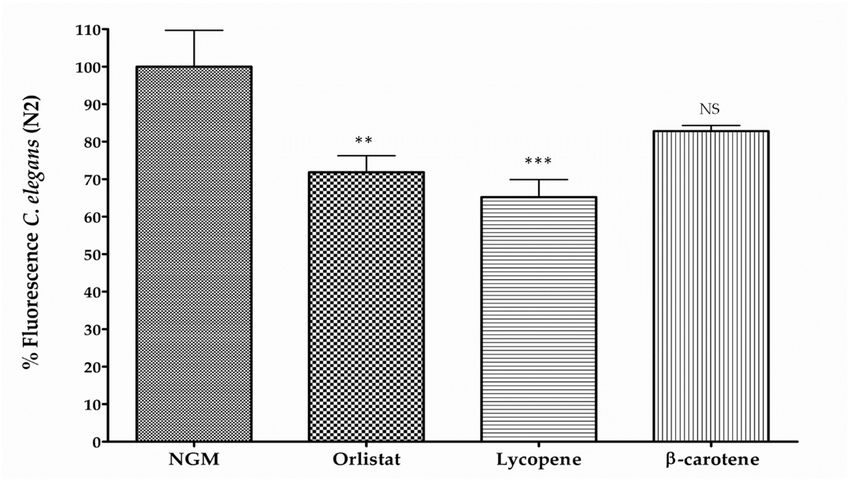
Nutrients 2019, 11, 232                                                                         5 of 20

2.5. Body Fat Reduction Assays in C. elegans
      For Nile Red assays, age-synchronized nematodes were cultured in NGM or NGM supplemented
with the different doses of commercial carotenoids, carotenoid extract from mandarin juice, or the
different food matrices supplemented with commercial BCX. The NGM plates with 6 µg/mL of
Orlistat (Sigma–Aldrich, Madrid, Spain) were used as positive control. The nematode fat content was
measured by Nile Red staining as previously described by Martorell and coworkers [45]. Nile Red
(Sigma-Aldrich, St. Louis, MO, USA) was added on the surface of NGM agar plates, previously seeded
with E. coli OP50, to a final concentration of 0.05 µg/mL. Worms were incubated at 20 ◦ C and when
they reached young adult stage, nematodes were placed in M9 buffer and fluorescence was measured
in a spectrofluorometer FP-6200 (Jasco, Easton, MD, USA) with λ excitation 480 nm and λ emission
571 nm. At least two independent experiments were performed with each sample.
      Nematode triglyceride (TG) content was measured using Triglyceride Quantification Kit
(Biovision, Mountain View, CA, USA). Age-synchronized N2 nematodes were treated with BCX
at a dose of 0.025 µg/mL until nematodes reached young adult stage. Then, worms were collected
and washed with PBS buffer. After worm settling, supernatant was removed and 400 µL of TG
assay buffer was added to worm pellet. Nematodes were sonicated with a digital sonifier (Branson
Ultrasonics Corporation, Danbury, CT, USA) using 4 pulses for 30 s at 10% power. Samples were
slowly heated twice at 90 ◦ C for 5 min in a thermomixer (Eppendorf, Hamburg, Germany) to solubilize
all TGs in the solution. After brief centrifugation, samples were used for the TG assay following
the manufacturer’s instructions. Five different biological replicates were included for each condition
in four independent experiments. Total protein content was estimated by bicinchoninic acid assay
(PierceTM BCA Protein Assay Kit, Thermo Scientific, Rockford, IL, USA) to normalize TG content
following the manufacturer’s instructions.
      The significance between control and treatment conditions was analyzed by one-way analysis of
variance (ANOVA). Statistical comparisons of the different treatments were performed using Tukey’s
test. All statistical analyses were performed using the GraphPad Prism 4 software (GraphPad Software,
Suite, San Diego, CA, USA).

2.6. Oxidative Stress Assays in C. elegans
     Populations of age-synchronized worms were obtained by isolating eggs from gravid adults
and hatching the eggs in NGM plates (as control media) or NGM plates with the different doses
of commercial carotenoids. In order to get a comparison of the antioxidant capacity provided
by carotenoids respect to other well-recognized antioxidant compounds, vitamin C (0.1 µg/mL,
Sigma-Aldrich, St. Louis, MO, USA) was used as positive control in the different oxidative stress
assays. Experiments were performed according to a previously published protocol [57]. At least two
independent experiments were performed with each sample.
     Viability of worms between nematodes cultured in control and treatment conditions after oxidative
stress were evaluated by means of one-way analysis of variance (ANOVA) and the Tukey test for
comparative analysis. All the analyses were performed with the GraphPad Prism 4 statistical software
(GraphPad Software, Suite, San Diego, CA, USA).

2.7. Transcriptomic Analysis in C. elegans
      Gene expression in C. elegans N2 strain was analyzed in worm populations treated in NGM or
NGM supplemented with BCX at 0.025 µg/mL dose. Synchronized populations were obtained from
embryos isolated from gravid adults in the different feeding conditions. Worms were incubated at
20 ◦ C. Then, 5-day adult worms were collected with M9 buffer, washed three times, and collected in
1.5-mL tubes for worm disruption by sonication (3 pulses at 10 W, 20 s/pulse). Total RNA isolation
was performed with RNeasy kit (Qiagen, Barcelona, Spain). The RNA samples were processed for
hybridization using the GeneChip® C. elegans Genome Arrays of Affymetrix (UCIM, University of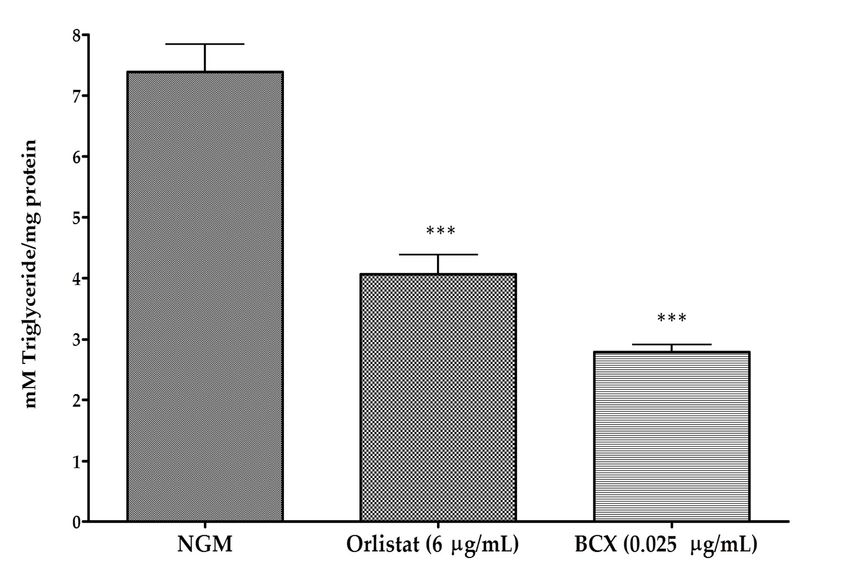
Nutrients 2019, 11, 232                                                                                        6 of 20

   Nutrients Valencia,
Valencia,    2018, 10, x FOR PEER REVIEW
                          Spain).  These chips contain oligonucleotide probe sets designed to asses over       6 of 21
22,500 transcripts from the C. elegans genome. Three biological replicates were examined per condition
byusing   the RMA (Robust
    bioinformatics.      Raw data Multi‐Array   Average)
                                    obtained from        methodology
                                                    Affymetrix           [58]. background
                                                               arrays were     Signal intensity   was standardized
                                                                                             corrected   using the
   across    arrays    via  quantile  normalization   algorithm.  Limma     moderated     t‐statistics
RMA (Robust Multi-Array Average) methodology [58]. Signal intensity was standardized across             was arrays
                                                                                                             used to
   evaluate    differential   gene  expression   between  control and   treated  conditions.   To
via quantile normalization algorithm. Limma moderated t-statistics was used to evaluate differentialcontrol the  false
   discovery
gene  expression rate,   p‐values
                     between        wereand
                                control   corrected
                                             treated for multipleTotesting
                                                     conditions.    controlastheisfalse
                                                                                    described
                                                                                        discoveryby rate,
                                                                                                     Benjamini
                                                                                                          p-valuesand
   Hochberg      [59].    Finally, gene  set  analysis  was  performed     for  each   comparison
were corrected for multiple testing as is described by Benjamini and Hochberg [59]. Finally, gene set  using  logistic
   regression
analysis         models [60].
          was performed        for each comparison using logistic regression models [60].

   3. Results
3. Results

3.1.3.1.              Reduces
         β‐Cryptoxanthin
      β-Cryptoxanthin         FatFat
                         Reduces  Content in in
                                     Content C. C.
                                                elegans N2N2
                                                   elegans in in
                                                              a Dose-Dependent Manner
                                                                 a Dose‐Dependent Manner
      The  effect
         The       onon
              effect  BCXBCXononbody-fat
                                  body‐fatreduction,
                                            reduction,expressed
                                                         expressedas  as percentage
                                                                         percentage of fluorescence reduction,
                                                                                                            reduction, in
in nematode
   nematode populations
                populationsfed fedwith
                                    withdifferent
                                         differentconcentration
                                                    concentration     (0.005,  0.01, 0.025,    0.05, and  0.1
                                                                    (0.005, 0.01, 0.025, 0.05, and 0.1 μg/mL) µg/mL)
                                                                                                                   of the
of xanthophyll
   the xanthophyll     versus
                   versus      control
                            control     feeding
                                     feeding     is shown
                                              is shown    in inFigure
                                                                 Figure1A.
                                                                         1A.All
                                                                              AllBCX
                                                                                   BCX doses
                                                                                         doses assayed produced
                                                                                                             produced a
a significant
   significantbody
                 bodyfat
                       fatreduction,
                           reduction,and
                                       andranged
                                            rangedfrom
                                                     from13.6%
                                                           13.6%toto29.8%
                                                                       29.8% inin
                                                                                respect
                                                                                   respectto to
                                                                                              feeding  under
                                                                                                 feeding  undercontrol
                                                                                                                 control
conditions
   conditions    ≤ ≤0.001).
             (p (p    0.001).However,
                               However,the themost
                                                mosteffective
                                                       effectivedose
                                                                   dosewaswas0.025
                                                                                0.025  μg/mL,
                                                                                    µg/mL,       with a fluorescence
                                                                                                   with  a fluorescence
reduction
   reductionof of
                near 30%.
                  near  30%.These
                              Theseresults indicate
                                      results        that
                                              indicate    BCX
                                                        that  BCXhashas
                                                                      a significant
                                                                         a significanteffect  upon
                                                                                         effect      fatfat
                                                                                                  upon   reduction  in in
                                                                                                            reduction
C. C.
   elegans in aindose-dependent
      elegans     a dose‐dependent  manner.
                                       manner.

         (A)

                                                   Figure 1. Cont.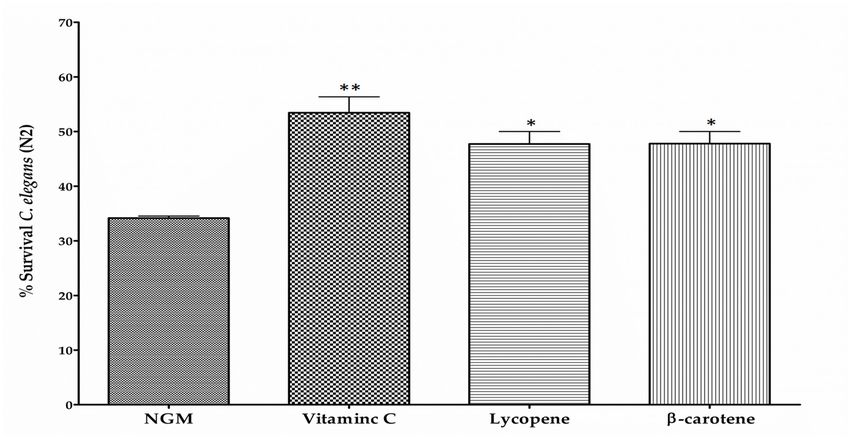
2018, 11,
Nutrients 2019, 10, 232
                    x FOR PEER REVIEW                                                                                      77 of 21
                                                                                                                              of 20

     (B)

     (C)

     Figure 1.
     Figure   1. Body
                 Body fat
                        fat reduction
                            reduction inin Caenorhabditis
                                           Caenorhabditis elegans
                                                            elegans provided
                                                                     provided by by BCX
                                                                                      BCX (β-Cryptoxanthin)
                                                                                           (β‐Cryptoxanthin) and  and other
                                                                                                                       other
     carotenoids.   (A)  Dose‐response     Nile   Red  assay   with  different  doses   of commercial
     carotenoids. (A) Dose-response Nile Red assay with different doses of commercial β-cryptoxanthin.    β‐cryptoxanthin.
     Nematode growth
     Nematode                medium (NGM)
                  growth medium        (NGM) was       used as
                                                 was used    as control
                                                                 control feeding
                                                                            feeding condition
                                                                                     condition and
                                                                                                 and Orlistat
                                                                                                       Orlistat as
                                                                                                                 as positive
                                                                                                                    positive
     control. Percentage
     control.  Percentage of offluorescence
                                fluorescenceisisthethemean       fourindependent
                                                       meanofoffour     independent     experiments;
                                                                                      experiments;   (B)(B)  Quantification
                                                                                                          Quantification   of
     of triglycerides   (TG)  content  (mM    TG/mg    protein)   in C.  elegans fed  with  BCX   (0.025
     triglycerides (TG) content (mM TG/mg protein) in C. elegans fed with BCX (0.025 µg/mL), Orlistat, andμg/mL),   Orlistat,
     and NGM;
     NGM;    (C) C.(C)  C. elegans
                     elegans         were
                              were fed     fedcarotenoids
                                         with   with carotenoids
                                                              lycopenelycopene     and β‐carotene
                                                                           and β-carotene             at the
                                                                                             at the dose   of dose
                                                                                                              0.025 of 0.025
                                                                                                                    µg/mL.
     μg/mL.
     Data  areData   are the average
                the average            ofthree
                              of at least  at least three independent
                                                 independent                experiments.
                                                                 experiments.              *** ≤
                                                                                  *** p-value  p‐value
                                                                                                  0.001,≤**0.001, ** p‐value
                                                                                                            p-value   ≤ 0.01,
     ≤ 0.01,
     NS:  notNS:  not significant.
               significant.

                                       constituents in lipid droplets stored in C.
     Triglycerides (TGs) are the main constituents                                C. elegans.  Therefore,
                                                                                      elegans. Therefore,
TG quantification was
                   was performed
                       performed with
                                   withworms
                                         wormsfed
                                                fedwith
                                                     withBCX
                                                           BCXatatthe
                                                                   theeffective
                                                                        effectivedose
                                                                                  doseofof  0.025
                                                                                          0.025   µg/mL
                                                                                                μg/mL  to
validate quantification of fluorescence in Nile Red stained worms. Results indicated a significant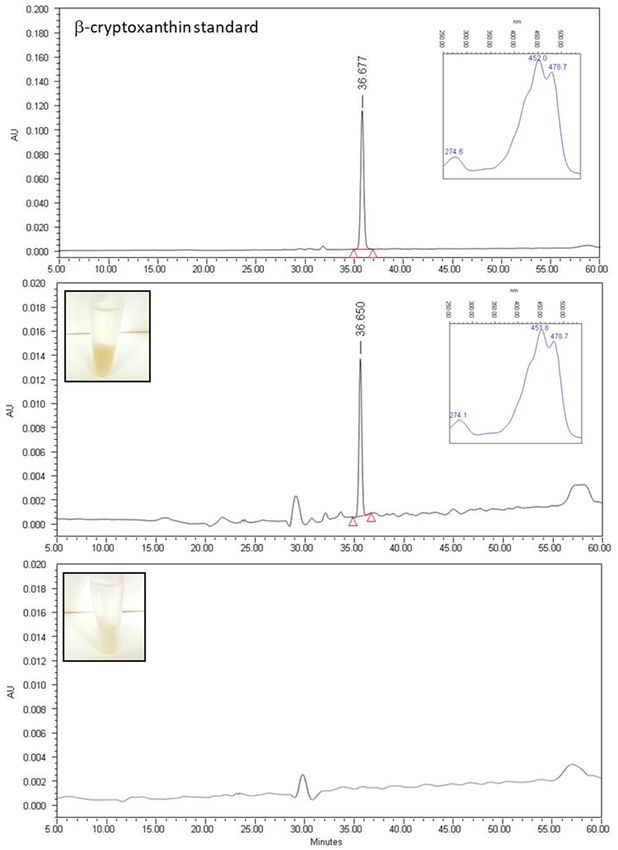
Nutrients 2019, 11, 232                                                                          8 of 20

to validate quantification of fluorescence in Nile Red stained worms. Results indicated a significant
reduction in total TG in worms fed with BCX (p ≤ 0.001) compared with the control-fed nematodes
(Figure 1B). Worms cultivated under control conditions presented a TG concentration of 7.39 mM/mg
protein, while for BCX 0.025 µg/mL had a value of 2.79 mM/mg protein (a reduction of 62.23% of TG
content in comparison to control conditions). This reduction was even higher than that of positive
control Orlistat, with a TG content of 4.07 mM/mg protein (44.96% reduction over to control-fed
nematodes). These results were consistent with the effect observed by Nile Red staining. Therefore,
quantification of TG content in nematodes supports the reduction of total fat described in previous
works [40,45].
     To determine whether the fat reduction was a specific effect of BCX or may be also attributed to
other carotenoids with health-related benefits, the fat reducing activity of lycopene and β-carotene
was assessed in C. elegans (Figure 1C). Nematodes were fed with the concentration of 0.025 µg/mL of
each carotenoid, since it was the most effective dose in body fat reduction in the BCX dose-response
assays. Results showed a significant reduction in fluorescence produced by lycopene (34.8 %; p ≤ 0.01)
whereas no significant effect was observed in nematodes fed with β-carotene (Figure 1C).
     To confirm the intake of BCX by the worms, experiments were performed by feeding nematodes
with BCX and using the NGM without supplementation as a control. In these experiments we used
a highest dose of BCX (1 µg/mL) to facilitate the detection of BCX in the worm extracts. The pellet
corresponding to BCX-supplemented worms showed a cream-yellowish color while that of control
populations showed a white-translucent color (Figure 2). The HPLC-PAD analysis showed the presence
of BCX only in the extracts derived from worms fed with plates supplemented with BCX, whereas
no carotenoids were detected in the extract of nematodes grown in control condition (Figure 2B,C).
In the chromatogram from the worms extract grown in BCX supplemented media, a single peak with
carotenoid spectrum was detected with a retention time and absorbance spectrum matching that of
BCX standard (Figure 2A,B). This result indicates that BCX added to the culture media is uptake by
the nematode.
        Nutrients 2018, 10, x FOR PEER REVIEW                                                     9 of 21

               (A)

              (B)

              (C)                           Figure 2. Cont.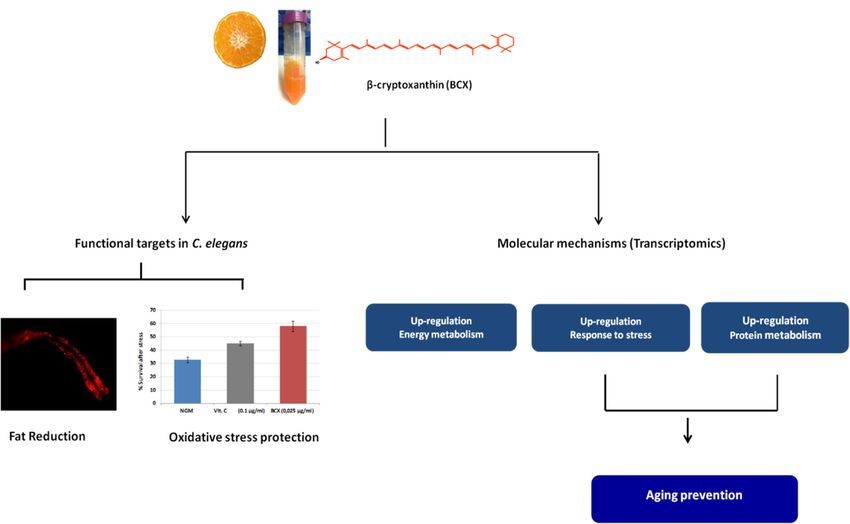
Nutrients 2019, 11, 232 9 of 20
(C)
(A) BCX
Figure 2.Figure 2. uptake
(A) BCX by C. elegans.
uptake HPLC-PAD
by C. elegans. (High HPLC‐PAD
Performance (High
Liquid Chromatography-
Performance Liquid
Chromatography‐Photodiode
Photodiode Array Detector) chromatograms Array of
Detector) chromatograms of
BCX (β-Cryptoxanthin) BCX (β‐Cryptoxanthin)
standard; (B) pellet extractstandard;
from
(B) pellet fed
worms previously extract
withfrom
BCXworms previously
at 1 µg/mL; and (C)fed with
from BCX at
worms 1 μg/mL;
grown underand (C) condition
control from worms (NGMgrown
under
(Nematode control
growth conditionwithout
medium) (NGM (Nematode growth medium)
supplementation). without
Insert plots supplementation).
in (A,B) Insert plots
show the absorbance
spectruminof(A,B) show the absorbance
the carotenoid spectrum
peak identified of chromatograms.
in the the carotenoid peak identified
Insert imagesininthe chromatograms.
(B,C) show the
corresponding worm pellets before disruption showing the differences in coloration. AU, showing
Insert images in (B,C) show the corresponding worm pellets before disruption arbitrary the
differences
absorbance units. in coloration. AU, arbitrary absorbance units.
One important
One important source source
of BCXofinBCX
the in the human
human dietmandarins
diet are are mandarins
which which is esterified
is esterified with
with a variety
a variety
of fatty acids in a high proportion [8,12]. Analysis of carotenoid composition in the juice extract of
of fatty acids in a high proportion [8,12]. Analysis of carotenoid composition in the juice extract
Clementine
of Clementine mandarin
mandarin showed
showed thatthat
BCX BCXwaswas thethe maincarotenoid
main carotenoidaccounting
accounting forfor nearly
nearly 60%
60%ofofthe
the totaltotal carotenoid
carotenoid content
content andand being
being 90%90% in esterified
in esterified formform (Table
(Table 1). expected,
1). As As expected, thethe mandarin
mandarin
extract also contained significant amounts of other β,β‐xanthophylls (violaxanthin, zeaxanthin, and
extract also contained significant amounts of other β,β-xanthophylls (violaxanthin, zeaxanthin, and
antheraxanthin), as well as β‐carotene and colorless carotenes (phytoene and phytofluene) (Table 1).
antheraxanthin), as well as β-carotene and colorless carotenes (phytoene and phytofluene) (Table 1).
To investigate whether carotenoid esterification with fatty acids may have an impact on the
To investigate whether carotenoid esterification with fatty acids may have an impact on the reduction
reduction of lipid content in the nematode, the reduction in body fat was determined in nematodes
of lipid content in the nematode, the reduction in body fat was determined in nematodes fed with
fed with a non‐saponified carotenoid extract from mandarin juice and compared with that of a
a non-saponified carotenoid extract from mandarin juice and compared with that of a saponified
saponified extract. Aliquots of free (saponified) or esterified (non‐saponified) carotenoid extracts
extract. from
Aliquots of
mandarinfreejuice
(saponified) or esterified
were prepared to adjust(non-saponified)
the BCX to a finalcarotenoid extracts
concentration fromμg/mL
of 0.025 mandarin
and the
juice were prepared to adjust the BCX to a final concentration of 0.025 µg/mL
effect on worm body fat reduction was determined (Figure 3). Both types of extracts and the effect onprovide
worm a
body fatsignificant
reduction reduction
was determined (Figure 3).respect
of fluorescence Both types of extracts
control mediumprovide
(30.66%a and
significant
31.38%,reduction of
respectively),
fluorescence respect control medium (30.66% and 31.38%, respectively), without significant differences
between them. Therefore, it appears that BCX in both free or esterified form provided a similar
reduction in the body fat content of the nematodes.
Table 1. Carotenoid content and composition in saponified and non-saponified juice extracts of
Clementine mandarins. The percentage of β-Cryptoxanthin over the total amount of carotenoids is
indicated in parenthesis.
Concentration (µg/mL) in Mandarin Juice Extract 1
Carotenoid
Saponified Non-saponified
Phytoene 0.80 ± 0.05 0.86 ± 0.03
Phytofluene 0.37 ± 0.09 0.45 ± 0.02
ζ-Carotene 0.19 ± 0.04 0.25 ± 0.03
β-Carotene 0.28 ± 0.05 0.35 ± 0.02
β-Cryptoxanthin 4.86 ± 0.23 (61%) 0.30 ± 0.02 (3%)
Zeaxanthin 0.11 ± 0.02 N.D.
Anteraxanthin 0.52 ± 0.01 N.D.
Violaxanthin 2 0.75 ± 0.01 N.D.
Esters (mono- and diesters)
β-Crytoxanthin N.D. 5.35 ± 0.25 (57%)
Zeaxanthin N.D. 0.20 ± 0.01
Antherxanthin N.D. 0.70 ± 0.03
Violaxanthin 2 N.D. 0.92 ± 0.04
Total carotenoids 7.88 ± 0.62 9.38 ± 0.48
1 Data are mean ± SD (n = 3); 2 Sum of 9-Z- and all-E-isomers; N.D. Not detected.Nutrients 2018, 10, x FOR PEER REVIEW 10 of 21
Nutrients 2019, 11, 232 10 of 20
without significant differences between them. Therefore, it appears that BCX in both free or
esterified form provided a similar reduction in the body fat content of the nematodes.
Figure 3. Measurement of fluorescence in Nile Red stained C. elegans worms fed with non‐saponified
Figure 3. Measurement of fluorescence in Nile Red stained C. elegans worms fed with non-saponified or
or saponified carotenoid extracts from mandarin juice adjusted to contain 0.025 μg/mL of
saponified β‐Cryptoxanthin
carotenoid extracts from mandarin juice adjusted to contain 0.025 µg/mL of β-Cryptoxanthin
(BCX). Nematode growth medium (NGM) was used as control feeding condition
(BCX). Nematode
and Orlistatgrowth
(6 μg/mL)medium
as positive (NGM) was used
control. Percentage as control
of fluorescence feeding
is the mean of condition and Orlistat
two independent
(6 µg/mL) experiments.
as positive**control.
p‐value ≤Percentage
0.01, NS: not of fluorescence is the mean of two independent experiments.
significant.
** p-value ≤ 0.01, NS: not significant.
Table 1. Carotenoid content and composition in saponified and non‐saponified juice extracts of
Clementine mandarins. The percentage of β‐Cryptoxanthin over the total amount of carotenoids is
To investigate theineffect
indicated of different food matrices on the BCX-induced body fat reduction,
parenthesis. a dairy
fermented product, skimmed milk, and sugar Concentration
Carotenoid
free soft drink (with or without caffeine) were tested.
(μg/mL) in Mandarin Juice Extract 1
Each food matrix was supplemented with the most effective BCX dose
Saponified (0.025 µg/mL) and the lipid
Non‐saponified
Phytoene 0.80 ± 0.05 0.86 ± 0.03
reduction was assayed inPhytofluene the nematode model for0.37 obesity.
± 0.09
Figure 4 shows0.45that all tested food matrices
± 0.02
supplemented with
Nutrients 2018,BCX reduced
ζ‐Carotene
10, x FOR body fat. However,
PEER REVIEW 0.19 ± 0.04sugar free soft drink with caffeine
0.25 ± 0.03 11 of+21BCX was
β‐Carotene 0.28 ± 0.05 0.35 ± 0.02
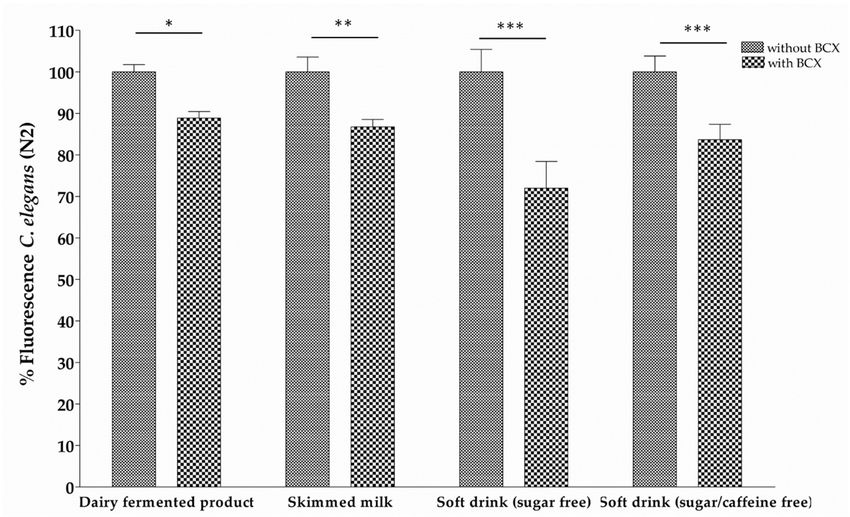
the food matrix with a major fluorescence
β‐Cryptoxanthin reduction (28.01%).
4.86 ± 0.23 (61%) These data indicate
0.30 ± 0.02 (3%) that addition of BCX
BCX was the food matrix with a major fluorescence reduction (28.01%). These data indicate that
to the different food matrices preserve its anti-obesity activity.
Zeaxanthin 0.11 ± 0.02 N.D.
addition of BCX to the different food matrices preserve
Anteraxanthin 0.52 ± 0.01 its anti‐obesity activity.
N.D.
Violaxanthin 2 0.75 ± 0.01 N.D.
Esters (mono‐ and diesters)
β‐Crytoxanthin N.D. 5.35 ± 0.25 (57%)
Zeaxanthin N.D. 0.20 ± 0.01
Antherxanthin N.D. 0.70 ± 0.03
Violaxanthin 2 N.D. 0.92 ± 0.04
Total carotenoids 7.88 ± 0.62 9.38 ± 0.48
1 Data are mean ± SD (n = 3); 2 Sum of 9‐Z‐ and all‐E‐isomers; N.D. Not detected.
To investigate the effect of different food matrices on the BCX‐induced body fat reduction, a
dairy fermented product, skimmed milk, and sugar free soft drink (with or without caffeine) were
tested. Each food matrix was supplemented with the most effective BCX dose (0.025 μg/mL) and the
lipid reduction was assayed in the nematode model for obesity. Figure 4 shows that all tested food
matrices supplemented with BCX reduced body fat. However, sugar free soft drink with caffeine +
Figure 4. Body fat reduction measured by Red Nile staining in C. elegans worms fed with different
Figure 4. Body fat reduction measured by Red Nile staining in C. elegans worms fed with different
food matrices supplemented with β‐Cryptoxanthin (BCX) at 0.025 μg/mL. Nematode growth
food matrices supplemented with β-Cryptoxanthin (BCX) at 0.025 µg/mL. Nematode growth medium
medium (NGM) was used as control feeding condition and Orlistat (6 μg/mL) as positive control.
(NGM) was Percentage
used as control feedingiscondition
of fluorescence the mean of and
twoOrlistat (6 µg/mL)
independent as positive
experiments. control.
*** Significant Percentage
p‐value ≤ of
fluorescence0.001,
is the** mean of two
Significant independent
p‐value experiments.
≤ 0.01, * Significant *** Significant p-value ≤ 0.001, ** Significant
p‐value ≤ 0.05.
p-value ≤ 0.01, * Significant p-value ≤ 0.05.
3.2. BCX has Antioxidant Activity in C. elegans N2
Carotenoids are recognized as antioxidants scavenging harmful reactive oxygen species (ROS)
generated in the cell [14,61]. In order to check if BCX may also protect C. elegans N2 worms from
oxidative stress, nematodes were fed with different doses of commercial BCX and subjected to an
acute oxidative stress with H2O2 [57] (Figure 5A). Although the antioxidant capacity of carotenoids is
different to that of the water‐soluble molecules, an experiment with worms treated with ascorbic
acid (0.1 μg/mL) was performed in order to include in the assays a well‐recognized antioxidant as aNutrients 2019, 11, 232 11 of 20
3.2. BCX has Antioxidant Activity in C. elegans N2
Carotenoids are recognized as antioxidants scavenging harmful reactive oxygen species (ROS)
generated in the cell [14,61]. In order to check if BCX may also protect C. elegans N2 worms from
oxidative stress, nematodes were fed with different doses of commercial BCX and subjected to an acute
oxidative stress with H2 O2 [57] (Figure 5A). Although the antioxidant capacity of carotenoids is
different to that of the water-soluble molecules, an experiment with worms treated with ascorbic
acid (0.1 µg/mL) was performed in order to include in the assays a well-recognized antioxidant as
a positive internal control of the assay (not for comparative purposes). The survival percentage of
H2 O2 -challenged nematodes was reduced to 33% whereas treatment with vitamin C (0.1 µg/mL)
increased survival rate up to 45% (Figure 5A). Among the different BCX doses assayed, 0.025 µg/mL
was the dose providing a significant increase in worm survival respect control medium, with survival
percentage of 58%, that was even higher than that provided by vitamin C (Figure 5A). No significant
effect on worm survival was observed with BCX concentrations lower or higher than 0.025 µg/mL.
These results suggest that BCX exerts an antioxidant activity on nematodes after an acute oxidative
stress at the same optimum concentration than that observed in fat reduction assays.
Nutrients 2018, 10, x FOR PEER REVIEW 12 of 21
(A)
(B)
Figure 5. Percentage of C. elegans worm’s survival after an acute oxidative stress with 2 mM of H2O2.
Figure 5. Percentage of C. elegans worm’s survival after an acute oxidative stress with 2 mM of H2 O2 .
Vitamin C (0.1 μg/mL) was used as positive control. (A) Worms were fed at different concentrations
Vitamin C (0.1ofµg/mL) was
commercial used as positive
β‐Cryptoxanthin (BCX). control.
Survival (A)
valuesWorms werewith
correspond fedthe
at different concentrations of
mean of three
commercial β-Cryptoxanthin (BCX).
independent experiments; Survival activity
(B) Antioxidant valuesofcorrespond with
C. elegans fed with the mean
carotenoids of three
lycopene and independent
β‐carotene at the dose of 0.025 μg/mL. In both experiments, Vitamin C (0.1 μg/mL) was used as
experiments; (B) Antioxidant activity of C. elegans fed with carotenoids lycopene and β-carotene at the
antioxidant positive control. Survival values correspond with the mean of at least two independent
dose of 0.025 µg/mL. In both
experiments. experiments,
*** p‐value ≤ 0.001, ** Vitamin
p‐value ≤ C (0.1* µg/mL)
0.01, wasNS:
p‐value ≤ 0.05, used
notas antioxidant
significant. NGM:positive control.
Survival valuesnematode with the mean of at least two independent experiments. *** p-value ≤ 0.001,
growth medium.
correspond
** p-value ≤ 0.01, * p-valueto≤
Furthermore, 0.05, NS:
compare not significant.
the effect NGM:
of BCX in respect nematode
to other growth
carotenoids medium.
upon worms’ viability
after an acute oxidative stress, we evaluated survival capacity in nematodes treated with lycopene
and β‐carotene at dose of 0.025 μg/mL, that showed the highest antioxidant effect for BCX (Figure
5A). Both carotenoids assayed produced a significant increase in nematode survival in respect to
NGM medium in oxidative conditions, with very similar activity (48% of survival) (Figure 5B).Nutrients 2019, 11, 232 12 of 20
Furthermore, to compare the effect of BCX in respect to other carotenoids upon worms’ viability
after an acute oxidative stress, we evaluated survival capacity in nematodes treated with lycopene and
β-carotene at dose of 0.025 µg/mL, that showed the highest antioxidant effect for BCX (Figure 5A).
Both carotenoids assayed produced a significant increase in nematode survival in respect to NGM
medium in oxidative conditions, with very similar activity (48% of survival) (Figure 5B). Therefore,
both carotenoids presented effective protection against an acute oxidative stress in nematodes, but to
a lesser extent than BCX.
3.3. BCX Modulates Energy Metabolism, Antioxidant Response, and Protein Homeostasis in C. elegans
To understand the molecular mechanisms underlying the BCX effect in C. elegans, the transcriptomic
profile of BCX-fed worms was studied using Affymetrix microarrays platform. Five-day adult worms were
fed with BCX at 0.025 µg/mL, and the changes in gene expression as well as the study of functional blocks
was made by comparing the transcriptomic profiling of BCX–treated worms versus control-fed worms.
First, differential expression at gene level was studied by analyzing the differences between
BCX-treated samples and controls using limma moderated t-statistic. After feeding BCX, 542 genes
were upregulated compared with control-fed nematodes. However, to get a stronger statistical
significance, a p-value correction was applied, with no significant differences in gene expression.
Therefore, a gene set analysis was performed by using two databases, GO (Gene Ontology) Biological
Process and KEGG (Kyoto Encyclopedia of Genes and Genomes) Pathways, to facilitate the biological
interpretation of microarray data. Thus, in BCX-treated worms, 18 metabolic pathways were found to
be upregulated (p ≤ 0.05) compared with control nematodes (Table 2), while a total of 35 biological
processes were upregulated (Table 3).
Table 2. KEGG (metabolic pathways were significantly (p ≤ 0.05) upregulated in C. elegans N2 after
feeding with β-Cryptoxanthin (BCX) (0.025 µg/mL) as compared with control feeding conditions.
Upregulated KEGGSs Pathways (BCX vs. Control)
ID Name Size a p-Value
04141 Protein processing in endoplasmic reticulum 170 1.26 × 10⁹
00020 Citrate cycle (TCA cycle) 42 0.0005
03040 Spliceosome 123 0.0025
00010 Glycolysis/gluconeogenesis 38 0.0067
03030 DNA replication 39 0.0088
00970 Aminoacyl-tRNA biosynthesis 49 0.0118
03050 Proteasome 45 0.0180
00030 Pentose phosphate pathway 26 0.0180
04144 Endocytosis 109 0.0231
00520 Amino sugar and nucleotide sugar metabolism 32 0.0232
04130 SNARE interactions in vesicular transport 23 0.0232
00240 Pyrimidine metabolism 71 0.0232
00052 Galactose metabolism 13 0.0247
00051 Fructose and mannose metabolism 31 0.0247
00564 Glycerophospholipid metabolism 54 0.0323
04330 Notch signaling pathway 28 0.0393
00190 Oxidative phosphorylation 127 0.0393
04120 Ubiquitin mediated proteolysis 111 0.0393
aNumber of genes among the group. (KEGG: Kyoto Encyclopedia of Genes and Genomes; TCA: Tricarboxylic Acid
Cycle); SNARE: Soluble NSF Attachment Protein Receptor.Nutrients 2019, 11, 232 13 of 20
Table 3. GO Biological Processes was significantly (p ≤ 0.05) non-redundantly upregulated in C. elegans
N2 feeding with β-Cryptoxanthin (BCX) (0.025 µg/mL) as compared with control feeding conditions.
Non-Redundant Upregulated GOs (BCX vs. Control)
ID Name
0000910 Cytokinesis
0048598 Embryonic morphogenesis
0006886 Intracellular protein transport
0006400 tRNA modification
0006479 Protein amino acid methylation
0006099 Tricarboxylic acid cycle
0006412 Translation
0019751 Polyol metabolic process
0006261 DNA-dependent DNA replication
0006457 Protein folding
0007346 Regulation of mitotic cell cycle
0030261 Chromosome condensation
0008593 Regulation of Notch signaling pathway
0008284 Positive regulation of cell proliferation
0040028 Regulation of vulval development
0000075 Cell cycle checkpoint
0001708 Cell fate specification
0040019 Positive regulation of embryonic development
0007067 Mitosis
0008356 Asymmetric cell division
0006096 Glycolysis
0040015 Negative regulation of multicellular organism growth
0007283 Spermatogenesis
0051246 Regulation of protein metabolic process
0040039 Inductive cell migration
0033554 Cellular response to stress
0000132 Stablishment of mitotic spindle orientation
0045132 Meiotic chromosome segregation
0045137 Development of primary sexual characteristics
0035194 Posttranscriptional gene silencing by RNA
0007143 Female meiosis
0046580 Negative regulation of Ras protein signal transduction
Nuclear-transcribed mRNA catabolic process,
0000184
nonsense-mediated decay
0022613 Ribonucleoprotein complex biogenesis
0051302 Regulation of cell division
GO: Gene Ontology.
Regarding the metabolic pathways in BCX-treated worms, we found an upregulation of
metabolic pathways related with energy metabolism (citrate cycle, pentose phosphate pathway,
glycolysis/gluconeogenesis, and oxidative phosphorylation). Moreover, other pathways related
to protein metabolism/processing were over-expressed under BCX supplementation (spliceosome,
proteasome, and ubiquitin mediated proteolysis) (Table 2).
Concerning the non-redundant GO biological processes upregulated by BCX, different processes
related to protein metabolism (translation, transport, and folding), as well as energy and carbohydrate
metabolism processes (aerobic respiration, tricarboxylic acid cycle, glycolysis, oxidation of organic
compounds), Notch signaling pathway and cell division were induced and cellular response to stress
was also upregulated under BCX treatment (Table 3). All these processes were consistent with the
observed upregulated KEGG pathways.
Finally, only three processes were found to be significantly downregulated in BCX-treated
nematodes: potassium transport, sensory perception, and protein signaling pathway (Table 4).Nutrients 2019, 11, 232 14 of 20
Table 4. GO Biological Processes was significantly (p ≤ 0.05) non-redundantly downregulated
in C. elegans N2 feeding with β-Cryptoxanthin (BCX) (0.025 µg/mL) as compared with control
feeding conditions.
Non-Redundant Downregulated GOs (BCX vs. Control)
ID Name
0006813 Potassium ion transport
0007606 Sensory perception of chemical stimulus
0007186 G-protein coupled receptor protein signaling pathway
GO: Gene Ontology.
4. Discussion
Xanthophyll β-cryptoxanthin is a xanthophyll with significant contribution to the pro-vitamin
A activity in the human diet and its bio-accessibility from different food sources is similar or greater
than that of α- or β-carotene [3,7]. The occurrence of BCX in food is variable and only a limited
number of fruits and vegetables have moderate to high concentrations of BCX, being citrus fruits,
especially mandarins and sweet oranges and their derivates, which are the major contributors to
its intake in a common Western diet [6,9]. Besides the pro-vitamin A activity, in vitro, in vivo,
and epidemiological studies suggest that BCX provides diverse health-related benefits, such as reducing
risk of certain cancer [62], antioxidant [63], anti-inflammatory [15], anti-obesity [31], antidiabetic [33],
and antiatherosclerosis properties [64]. Moreover, a positive effect on bone-related functions [23] and
cognitive function [16] has been also described. However—in spite of the evidence of their beneficial
properties in human nutrition and health—information about the mechanisms and metabolic pathways
related to these beneficial effects of BCX are largely unknown [6].
Caenorhabditis elegans is a well-studied biological system and is considered an excellent model to
study many health-related diseases, such as obesity and aging [37,65,66]. Moreover, other advantages
of this model are that many of the pathways related to energy, lipid metabolism, and fat storage are
conserved with humans [36]. Several researchers have used C. elegans to evaluate different ingredients
with anti-obesity and antioxidant properties and to explore their mechanisms of action [40,42,45,67].
In the present study, we have used this nematode to investigate the anti-obesity and antioxidant effects
of BCX (Figures 1 and 5) and also to dissect the molecular responses caused by BCX intake in the
nematode (Figure 6, Tables 2 and 3). Our study demonstrates that BCX exhibits fat-reducing effect and
protects nematodes from acute oxidative stress. Furthermore, BCX displays higher functional activity
than other carotenoids as lycopene and β-carotene. This stronger effect of BCX has been previously
postulated by other authors, specifically in relation with the improvement of inflammatory markers
protecting against rheumatoid arthritis [20,68]. It can be speculated that the differential functional
activity among carotenoids may be due to different bioassimilation or uptake. Analysis of carotenoids
from worms fed with NGM media supplemented with BCX confirmed the BCX was uptake by the
nematodes (Figure 2). The bioassimilation of other carotenoids by C. elegans was also demonstrated
in feeding experiments with citrus pulp, where the presence of the β,β-xanthophyll violaxanthin,
the main carotenoid in sweet orange pulp, was identified in worm pellets [47]. These results suggest
that carotenoids are bioassimilated by C. elegans when added to the culture media either as a single
ingredient or in a food matrix (Figure 2).supplemented with BCX confirmed the BCX was uptake by the nematodes (Figure 2). The
bioassimilation of other carotenoids by C. elegans was also demonstrated in feeding experiments
with citrus pulp, where the presence of the ,‐xanthophyll violaxanthin, the main carotenoid in
sweet orange pulp, was identified in worm pellets [47]. These results suggest that carotenoids are
bioassimilated
Nutrients 2019, 11, 232by C. elegans when added to the culture media either as a single ingredient or in
15 a
of 20
food matrix (Figure 2).
Figure
Figure 6. Model
6. Model of the
of the mechanism
mechanism of action
of action proposed
proposed for β‐Cryptoxanthin
for β-Cryptoxanthin (BCX)(BCX) in C. elegans.
in C. elegans. Analysis
Analysis of phenotype showed the efficacy of BCX on fat reduction and protection
of phenotype showed the efficacy of BCX on fat reduction and protection upon oxidative upon oxidative
stress.
stress. The transcriptomic study provided the molecular mechanisms underlying these bioactivities,
The transcriptomic study provided the molecular mechanisms underlying these bioactivities, being the
being the energy metabolism, the response to stress, and the protein metabolism the processes
energy metabolism, the response to stress, and the protein metabolism the processes upregulated by
upregulated by BCX. NGM: nematode growth medium. VIt. C: Vitamin C.
BCX. NGM: nematode growth medium. VIt. C: Vitamin C.
To understand the molecular mechanisms underlying the functional activity of BCX,
a transcriptomic study was performed in C. elegans. Microarray analysis showed an upregulation
of biological processes related to energy expenditure. Thus, citrate cycle (TCA cycle) and glycolysis
were induced after BCX feeding. Taking into account that the major portion of glucose flux takes
place through the TCA cycle [69], our results would suggest that BCX enhances glucose metabolism to
ensure ATP demands for cells, being consistent with the anti-diabetic properties proposed for BCX [70].
Moreover, ATP-metabolic process such as oxidative phosphorylation pathway was upregulated in
BCX-fed nematodes. Therefore, these findings would explain the fat-reduced phenotype observed
in BCX-treated nematodes, and correlate with the mechanism of action exerted by other fat-reducing
compounds, which induced the energy expenditure and oxidative stress response [45]. It is worthy to
remark that the reduction of body fat accumulation observed in the nematode by supplementation of
BCX was maintained in different food matrices (Figure 3). This observation is of particular practical
interest since BCX would preserve its beneficial properties when added to different types of food
preparation or supplementations, in accordance with the EFSA (European Food Safety Authority)
recommendations. All these results, together with the previous evidence showing a reduction of
visceral fat in mice, rats, and humans [29,31,71], reinforce the notion that BCX has an anti-obesity
function in several biological systems.
The transcriptomic profile of BCX-treated nematodes also showed upregulation of processes
related to cellular stress response. The observed transcriptomic response to oxidative stress produced
by BCX was confirmed by survival analysis in nematodes treated with BCX and subjected to acute
oxidative stress. Results indicate a marked antioxidant effect of BCX in a dose-dependent manner
(Figure 5A), in agreement with other authors reporting the anti-inflammatory activity of BCX and its
potential use for preventing vascular disease [20,68]. The antioxidant effect was even higher than that
induced by other carotenoids with demonstrated antioxidant function as lycopene (Figure 5B) [72].
These results are consistent with those obtained with in vitro systems, where BCX also display
potent scavenger activity against several ROS [73]. Under this system, BCX esterification with fatty
acids did not affect scavenger activity compared to the free form and it was suggested that thisNutrients 2019, 11, 232 16 of 20
modification may stabilize BCX to allow massive accumulation in plant biosynthetic tissues and also
provides thermostability to the xanthophyll structure [11,73]. Moreover, a study in humans showed no
differences in plasma response when BCX was given as esterified or non-esterified form, indicating
a similar bioavailability of both [74]. This observation is also compatible with our results in the
nematode model since no significant differences in the reduction of body fat were found between
saponified or non-saponified carotenoid mandarin extracts where nearly 94% of the BCX was naturally
accumulated in esterified form (Table 1). In other biological systems, antioxidant properties of BCX has
also been observed, as the reduction of DNA oxidative damage in brain of aged mice [16], cultured
Caco-2 and HeLa cells [75], or in the liver and the adipose tissues of rats [71]. Overall, these evidences
suggest that BCX supplementation contributes to decrease cellular oxidative stress.
Obesity is thought to be a symptom of metabolic syndrome and leading to the production of
oxidative stress and ROS [76]. Since our results show that BCX has anti-obesity and antioxidative effects
in C. elegans, it is tempting to hypothesize that BCX may have a protective effect against development
of the metabolic syndrome. Recent epidemiological studies indicate the relationship between the
serum antioxidant status and the metabolic syndrome [32,34]. The metabolic syndrome is a complex
disorder clustering obesity, diabetes mellitus, and atherosclerotic cardiovascular diseases [76]. It has
been suggested that BCX supplementation is able to prevent metabolic syndrome in both mice and
humans [28,29,31] and the BCX concentrations in serum are inversely related to indices of oxidative
DNA damage and lipid peroxidation [33,77].
Analysis of the microarray data in nematodes fed with BCX also revealed an activation of several
pathways related to protein metabolism, such as proteasome, translation, spliceosome, ubiquitin
mediated proteolysis, and protein folding. A protein homeostasis process is associated with aging
and neurodegeneration [78,79]. A failure in this homeostasis can result in protein misfolding and in
the accumulation of insoluble protein fibrils and aggregates, such as amyloids. Thus, the search for
compounds or molecules such as BCX that enhance protein turnover could have a beneficial effect
against aging and age-related diseases. This suggestion is in accordance with previous report where
mice fed with BCX showed a reduction of the risk of age-related cognitive dysfunction and higher
learning ability [16].
In summary, the in vivo anti-obesity and antioxidant activity of BCX in the nematode model
system has been described in this study. Our results suggest a molecular mechanism based on
promoting energy expenditure and cellular response to stress pathways. Moreover, BCX also displays
upregulation of biological processes related to protein homeostasis. Therefore, this study provides new
evidences for the potential therapeutic use of BCX in the prevention of diseases related to metabolic
syndrome and aging. In this respect, further studies would be necessary to confirm the role of BCX on
aging-related diseases.
Author Contributions: M.J.R., P.M., and S.G. designed the experiments; M.J.R., and L.Z. obtained the carotenoid
extracts and analysis; S.L., and N.G. performed the C. elegans assays; P.M., and S.L. run statistical analyses; P.M.,
and S.L. analyzed the data; P.M., S.L., M.J.R., L.Z. and D.R. wrote the paper; all authors revised and approved
the manuscript.
Funding: This study has been funded by the Spanish Ministry of Economy and Competitiveness (MINECO),
Consolider Fun-C-Food (CSD 2007-00063 project), and AGL2015-70218. M.J.R. and L.Z. belong to the
Spanish Carotenoid Network (CaRed) funded by the Spanish MINECO grant BIO2015-71703-REDT and
BIO2017-90877-REDT, and the European Carotenoid Network (EuroCaroten) funded by the European Commission
COST action CA15136. We thank to the UCIM at University of Valencia for performing the DNA arrays.
Conflicts of Interest: The authors declare no conflict of interest.
References
1. Rodriguez-Concepcion, M.; Avalos, J.; Bonet, M.L.; Boronat, A.; Gomez-Gomez, L.; Hornero-Mendez, D.;
Limon, M.C.; Meléndez-Martínez, A.J.; Olmedilla-Alonso, B.; Palou, A.; et al. A global perspective on
carotenoids: Metabolism, biotechnology and benefits for nutrition and health. Prog. Lipid Res. 2018, 70,
62–93. [CrossRef] [PubMed]You can also read


