DUBA, BUDU, BARRA TEN STEPS TO A LIVING RIVER THE PARRAMATTA RIVER MASTERPLAN - Our Living River
←
→
Page content transcription
If your browser does not render page correctly, please read the page content below
DUBA, BUDU, BARRA TEN STEPS TO A LIVING RIVER THE PARRAMATTA RIVER MASTERPLAN
RECOGNITION OF THE RIVER’S
    TRADITIONAL CUSTODIANS
    We would like to acknowledge the Aboriginal traditional
    custodians of the land on which we gather. Their lore, traditions
    and customs have led to the bountiful land, rivers and ocean we
    all enjoy today. We would like to acknowledge all Aboriginal and
    Torres Strait Islanders living on the land today.

    Aboriginal people have had a custodial
    role with the Parramatta River and the
                                                         Aboriginal principles of biodiversity, water
                                                         quality management and controlling the          DUBA, BUDU, BARRA (land, water and sky)
    land surrounding and under it since time             speed and flow of water together form the
                                                                                                         Aboriginal people hold a unique knowledge         The holistic approach of the Parramatta
    immemorial. For the estimated 29 family              template for the sustainable preservation
                                                                                                         of the land, waterways, weather, climate and      River Masterplan addresses DUBA (LAND)
    groups, scientific explorations have dated           and protection of the land and waterways.
                                                                                                         oceans that has been built up over tens of        – developments, water systems,
    their occupation to around 30,000 years.             These principles are based in belief,
                                                                                                         thousands of years. Aboriginal and Torres         regeneration of biodiversity and
    Aboriginal oral history tracks the changing          traditions, customs and practices.
                                                                                                         Strait Islander people acknowledge and refer      stabilisation of river banks; BUDU (WATER)
    body of the river itself from a small creek          Aboriginal knowledge of creeks, flood plains,   to land, waterways, star maps and oceans as       – feeding creeks and catchments, surface
    tracing the valley floor to the large scale          mud flats and water run off that feeds into     ‘Entities’ – beings that are alive, capable of    water, flow speed, and the river body itself;
    body of water that has flooded the valley to         the Parramatta River will support water         decisions, interact with those around, and are    and BARRA (SKY) – the weather, calendar
    form the river as it is today.                       quality and ecological objectives within this   distinct and independent but still hold a level   systems, climate, and day and night.
    It is internationally recognised that                Masterplan.                                     of dependence on others for their survival.       Aboriginal nations have successfully
    Aboriginal nations manage land and                   Aboriginal understanding of water-based         This integrated approach understands the          continued their cultural practices to
    waterways as living entities. As living              activities will provide insight into future     intricate nature of the interactions between      maintain the custodial role in managing the
    entities, rivers have a body and spirit and          access to the river either in the form of       entities and is key to protecting cultural        DUBA, BUDU, BARRA, and we acknowledge
    require nourishment and care. We recognise           swimming, water craft use or access to          heritage, preserving cultural development         and prioritise their important historical,
    the Parramatta River as a living entity, and         resources like the harvesting of plants and     and creating the right balance points for         present and future roles in breathing life
    the importance of Aboriginal leadership in           marine animals.                                 thriving ecosystems.                              into and creating sustainability on Country.
    the management of the Parramatta River
    and the lands surrounding it.

    Image courtesy of Ben Bowen Shared Path Aboriginal and Torres Strait Islander Corporation.

2                                                                                                                                                                                                          3
CONTENTS
                                                                  OUR MASTERPLAN IN BRIEF
                                Recognition of the river’s traditional custodians 2   Now is the time                                    8
                                From our Chair                                    6   Ten Steps to a Living River                       10
                                Sydney deserves a world-class river               7   Three new swimming sites by 2025                  12

                                                              PART 1: THE PARRAMATTA RIVER
                                The Parramatta River catchment                  16    A global movement                                 28
                                Our river – our responsibility                  18    Swimmable once, can be again                      30
                                A sacred and special river                      20    A brief history                                   32
                                Who is behind this Masterplan?                  22    Changing river – changing city                    34
                                Our Living River                                24    Where you can swim now                            36
                                What is a living river?                         26    Lake Parramatta – our first major success story   38

                                                         PART 2: DEVELOPING THE MASTERPLAN
                                How did we come to the ten steps?               42    Water quality                                     52
                                The Masterplan process                          44    Healthy ecosystems                                56
                                What our community told us                      46    Waterway governance                               58
                                Where to swim next                              48    Economic analysis                                 60
                                It’s not just about swimming                    51

                                                            PART 3: OUR PLAN FOR THE RIVER
                                1.   Get swimming                               64     6. Improve overflows                             74
                                2.   Keep watch                                 66     7. Involve the community                         76
                                3.   Create new swimming spots                  68     8. Bring in nature                               78
                                4.   Standardise the standards                  70     9. Report back regularly                         80
                                5.   Reduce stormwater run-off                  72    10.		Create new leadership                        82

                                                                           GET INVOLVED
                                One river, many plans                           84    What you need to know about the river             88
                                Our thanks                                      86    Tell us what you think                            90
                                Ten ways you can help the river                 87

    Bridgewater Park, Rozelle
4                                                                                                                                            5
SYDNEY DESERVES
    FROM OUR                                                                                             A WORLD-CLASS RIVER
    CHAIR                                                                                             One that the millions of people who live and work within 20 minutes
                                                   Wildlife has come back to the river and              of the Parramatta River can swim in again – like they once did.
                                                   we are already swimming naturally at
                                                   four sites along the river.
                                                                                                  Our goal is to make it happen by 2025.          Five river health mascots have been identified
                                                   The Parramatta River is at the heart and       And it’s going swimmingly.                      and voted by the community. If we help them
                                                   soul of our region. The river’s shores are                                                     thrive, then our river will thrive too.
                                                   set for another period of change, with         Four swimming sites are already open. The
                                                   the burgeoning Greater Parramatta to           most recent is Lake Parramatta, which we        Fourteen organisations have led the cause,
                                                   Olympic Peninsula corridor now named           opened in 2015 as part of this initiative.      supported by local communities and many
                                                   the ‘Central River City’. Our scientific       Twelve new sites have been scoped, with         other partners.
                                                   modelling shows that water quality             investigations on water quality, swim safety,   And now, we have this ten-step Masterplan
                                                   can be improved even with predicted            ecological health and community interest        which sets out our agreed actions to turn our
                                                   development but that additional                informing the preferred options at each.        vision into reality.
                                                   management is needed to achieve this.
                                                   The implementation of this ten-step
                                                   plan will deliver the changes needed to
                                                   do more for the river and its surrounds,
                                                   rather than looking back in 20 years
                                                   with regret.
    The Parramatta River is arguably               The Parramatta River Masterplan is the
    Australia’s most iconic waterway – and one     culmination of years of collaboration with
    which millions of people deeply connect        our many partners and the community,
    with. Aboriginal people have had a close       and we sincerely thank the thousands of
    connection with the Parramatta River           people and organisations who have been
    for thousands of years and we sincerely        involved with its development. Robust
    respect and acknowledge the continuing         science, collaboration, cultural sensitivity
    connection they have with the river and        and community decision making are at
    the land surrounding it.                       the heart of this plan to ensure that we
    The Parramatta River used to be                deliver real outcomes for our living river
    swimmable. Following English colonisation,     and its communities.
    thousands of people would regularly            This plan, of course, is only the beginning.
    gather around its shores or dive into its      We all have a role in making the river
    waters to participate in water-based           swimmable again. So, let’s dive in and
    events, learn how to swim or just cool off     make it a reality together!
    on a hot summer’s day. Sadly, by the 1950s,
    most of our river swimming spots were
    closed due to pollution from local industry,
    sewage and stormwater runoff.
    Over the last 20 years, we have seen
    great improvements to the health of the        Clr Mark Drury
    river, with advancements in regulation,        Chair of the Parramatta River
    technology and community awareness.            Catchment Group

6                                                                                                                                                                                                  7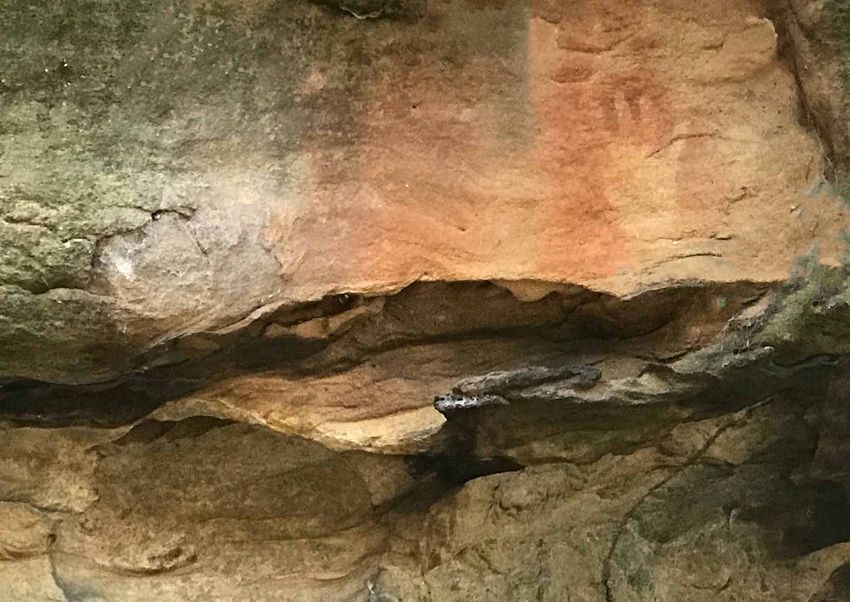
NOW
                              IS THE TIME
                              We have a once in a lifetime
                             opportunity to make our river
                                  swimmable again.

                   Sydney is changing rapidly and the Parramatta River is at the
                   heart of that change. Development is booming, with high and
                   medium density housing across the catchment predicted to
                   increase by 64% and 58% respectively by 2025. We know that
                   the river has been improving over the last few decades. We
                   also know that if we do nothing, the new pressures placed on
                   Sydney’s infrastructure will likely see the river degrade.
                   The future can go two ways:
                     1. If we continue to manage the river and its catchment in
                   		 the way we do, water quality and river health is predicted
                   		 to worsen as the city grows.
                     2. If we improve our management, water quality and river
                   		 health will continue to improve, and the river will be
                   		 swimmable again.
                   That’s what this Masterplan is about. It’s a plan for action that
                   will improve the river’s shores and clean its waters. In doing so,
                   we will create a home for nature and an oasis for the millions of
                   people who live near it.

    Cabarita Park beach
8                                                                                       9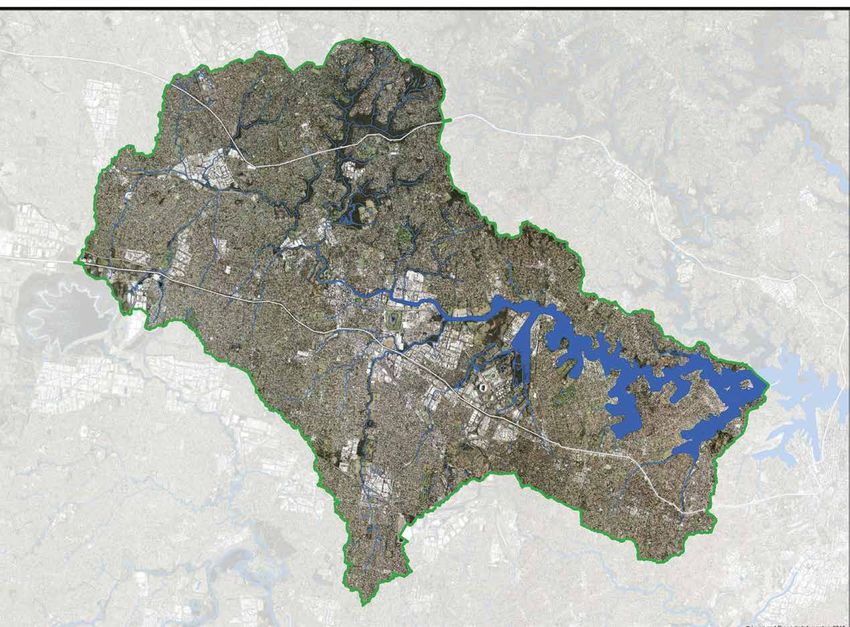
TEN STEPS TO
                                         2. KEEP
                                         WATCH
                                         Put a Riverwatch water
                                                                            A LIVING RIVER
                                         monitoring program in place.       Our plan to make the Parramatta River
                                                                                  swimmable again by 2025.

                                                                                         3. CREATE NEW
                                                                            COMING       SWIMMING SPOTS
                                                                             SOON!       Our goal is to create
                                                                                         three new ones by 2025.
     1. GET
     SWIMMING
     There are already four places
     you can swim in the river.                                                                                       4. STANDARDISE
                                                                                                                      THE STANDARDS
                                                                                                                      Create consistent policies
                                                                                                                      and practices across all
                                                                                                                      catchment councils.

     10. CREATE CLEAR
     LEADERSHIP
     A collaborative effort across all
     our agencies, with Sydney Water
     as lead, will ensure success.

                                                                                                                      5. REDUCE
                                                                                                                      RUNOFF
                                                                                                                      And, in doing so, reduce the
                                                                                                                      rubbish and pollution flowing
                                                                                                                      into the river.
                                                                                        7. INVOLVE THE
                                                                                        COMMUNITY
     9. REPORT BACK                                                                     Everyone has a role to play
     REGULARLY                                                                          in keeping the river clean.
     To keep track of progress
     and involve everyone
     in the journey.
                                          8. BRING
                                          IN NATURE                                                                   6. IMPROVE
                                           A truly living river needs                                                 OVERFLOWS
                                           people, fish, birds, bats,
                                           frogs, turtles and plant life.                                             So, when it rains, sewage
                                                                                                                      doesn’t end up in the river.

10                                                                                                                                                    11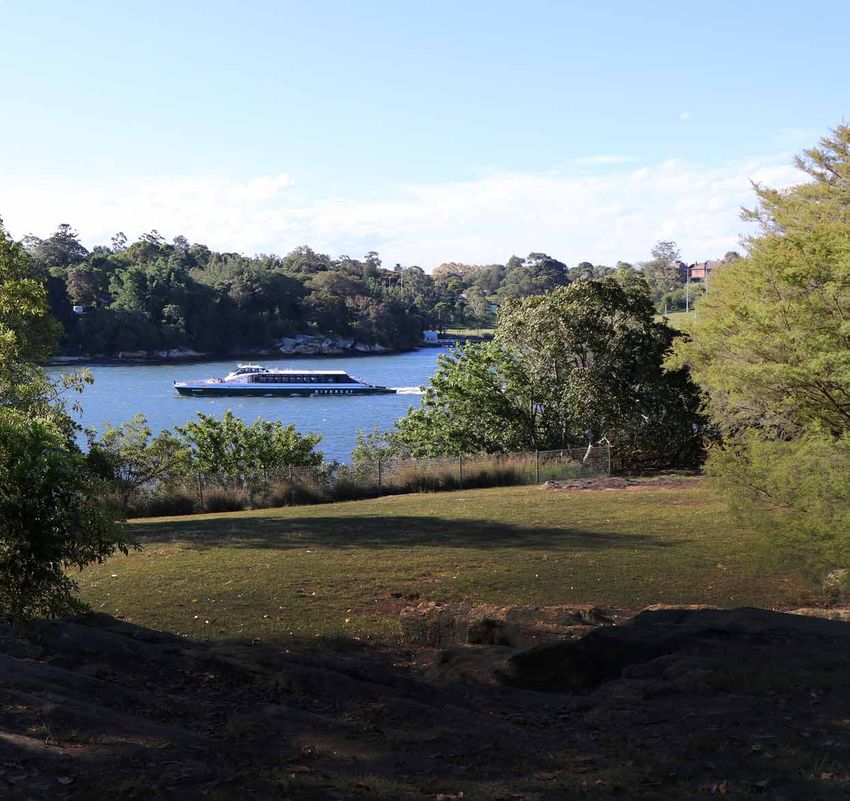
THREE NEW                                              NEW SWIM SITE VISUALISATIONS
     SWIM SITES BY 2025
     By 2025, our local communities will be able to enjoy
     a swim or a splash at three new swimming sites along
     the Parramatta River.

     Bayview Park, Concord
     Bayview Park is bordered by the Hen and
     Chicken Bay Foreshore Walk, which offers
     stunning views of the Parramatta River. There
     is ample tree shade, covered picnic tables,
     barbecues and toilets, as well as a beautiful,
     sandy beach where children can play in the sand
     and explore the rock pools at low tide. Plans are
     now underway to allow natural river swimming
     with the addition of a new netted swimming
     area, shower and public water quality reporting.

     McIlwaine Park, Rhodes East
     McIlwaine Park is located in Rhodes and looks
     out onto Brays Bay. The park is a very popular
     recreational spot with picnic tables, barbecues,
     toilets, play equipment and parking. Kayaking,
     canoeing, paddle boarding and other water-
     based activities will also soon become a
     common sight on Brays Bay under plans to
     activate the riverfront area through upgrades
     to the adjacent foreshore and construction of a
     new jetty.

     Putney Park, Putney
     Putney Park is a large, regional park that
     features playgrounds for older and younger
     children, splash pools, a huge slide, extensive
     grass and natural areas, barbecue and picnic
     facilities and ample parking. It links to the Ryde
     River Walk and is a popular place for events. By
     2019, the existing seawall will be upgraded,
     providing a series of sandstone steps down to
     the shore and the river, with activation towards
     natural swimming to follow.

12                                                                                         13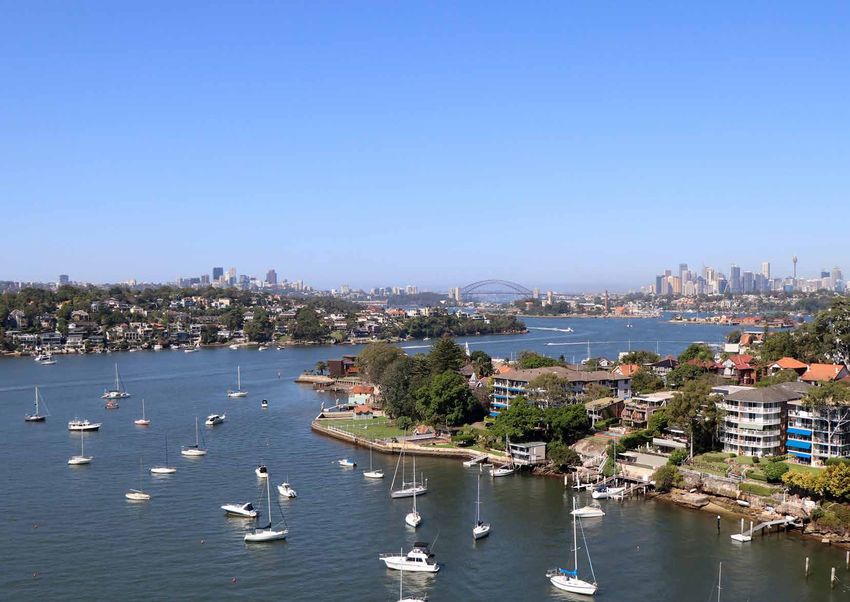
PART 1:

     THE PARRAMATTA
          RIVER

14                    15
THE PARRAMATTA RIVER A healthy river and tributaries reflect a healthy
community, so let’s help the Parramatta River and
CATCHMENT its communities thrive.
The Parramatta River is one of Australia’s most
iconic waterways.
For indigenous Australians it served as a centre of
life for tens of thousands of years.
K
RC
M7
WES
When Sydney was colonised, it became the centre-
IO
TLIN
CASTLE HILL SA
LS
K W
CE
BELLA VISTA MI
EX
piece of the new city, with farms and settlements LL BELLAMYS CK
CK
CK
BIRD
K
stretching up the river to Parramatta and beyond. It WEST PENNANT
ABBIE C
BELL
is and has long been Sydney’s lifeline and backbone. EG
UM
CK
TOONG
M2 MOTORW
BLU AY
ST
The catchment area itself covers 266 km , 2
EV
BAULKHAM
BAULKHAM HILLS
HILLS
EN
CARLINGFORD
SO
extending from Blacktown Creek in the west to the RIFL
E RA
N
NGE
CK
CK
Lane Cove River in the east.
DARLING MILLS CK
L
WINSTON HILLS
GU
WN CK CK
BLACKTO
The river is freshwater down to the Charles Street NTS
AD
HU
ME
weir in the Parramatta CBD. From there it becomes
RTH
Macquarie
NO
estuarine – a mix of salty and fresh water, becoming BLACKTOWN N
CK
DUNDAS VALLEY
W
EE Park
saltier the further you travel downstream. GI
R RA
DS C
K
WENTWORTHVILLE THE
PON
The catchment area is currently home to over
CK
750,000 people from all walks of life and it’s
WESTERN RYDE
YARD
MOTORWAY PARRAMA
PARRAMATTA
AR
growing fast. So while the catchment is part of
VINE
K
CK
CH
CK
SC
LAN
IN
ER
ER
DLE
RYDALMERE
MA
Sydney’s history, it is also a new home to many CK
CK
OP
E CO
PEN
Parramatta
DO
Y
IT
CO
CK
R
HA
Australians.
S
CBD
VE R
C
YSON
Prospect GREYSTANES GLADESVILLE
IVER
FINLA
The catchment spans eleven local government CLAY CLI
Reservoir FF CK
PARRAMATTA RIVER CK
areas: Blacktown, Burwood, Canada Bay, Canterbury ABECKETTS
CK
OV
E
SC
K
GR DE
Bankstown, Cumberland, Hunters Hill, Inner West, HOLROYD GL
A
HUNTERS HILL
GRANVILLE HOMEBUSH BAY
Parramatta, Ryde, Strathfield and The Hills Shire.
CK
CK
DU
Sydney
SYDNEY
Olympic HARBOUR
K Park ABBOTSFORD
D
Where does our rainwater go?
SC SALTWATER CK
SLAM DRUMMOYNE
POW
HA CONCORD
EL
GUILDFORD AUBURN
LS C
The Parramatta River is big, but its catchment CANADA BAY
K
IRON
IRO COVE
is a lot bigger. Every creek, gutter or
LIDCOMBE
stormwater drain that leads to the river forms STRATHFIELD
part of the catchment. So, everything that we
K
do within the catchment affects our ability to BURWOOD LEICHHARDT
EC
OV
AY
TORW
swim in the Parramatta River.
NC
CN
RN MO
WESTE
IRO
HAWTHORNE
This includes what we do in our homes, REGENTS PARK ASHFIELD
backyards, streets, schools, workplaces and
parks. Every time we build a building or design
a new urban area, we affect the quality of BANKSTOWN
water that runs off it and so the quality of the
YAGOONA COOKS RIVER
water in the river.
16 17
OUR RIVER
           OUR RESPONSIBILITY
      Everyone who lives, works and plays within the catchment has
     a role to play in making it swimmable again. In doing so, we also
       make our local creeks, rivers, wetlands and lakes cleaner and
              better places to love and enjoy in different ways.
                      Find out how you can help at:
                 www.ourlivingriver.com.au

18                                                                       19
A SACRED AND
SPECIAL RIVER
The Parramatta River is regarded as a living and create habitats for the balanced production
entity by Aboriginal people both in spirit and of the river environment. The production of
body. It has been witnessed in many forms over rock pools, intricate weaving of large nets,
thousands of years from a small creek following manufacture of tools (e.g. clay bricks, hooks,
the valley floor to its current form filling the spears etc.) and cooking facilities (e.g. large
valley. The river and land surrounding it remain ovens near eel farms) all created a complex
to this day an encyclopaedia for Aboriginal and overlapping social network and communal
people maintaining dreaming storylines, culture culture.
and traditions. Even though the area around the Parramatta
Agriculture and aquaculture were key to the River has been highly developed, many
establishment of successful and sustainable significant Aboriginal sites remain, including
Aboriginal society prior to 1788. The midden sites, carvings, burial sites, points of
Parramatta River was also a key travel route conflict, breeding areas and flood overflow
to access trade and continue culture and was zones. The region is well known to Aboriginal
a key factor in colonial farmers being shown people and changes made to the landscape
and creating crop lands up the river in the have not affected their recall of the river’s use,
Parramatta region. history and impact.
At the time of English settlement, sources
describe the landscape as already having large Above: Drawn by J. Eyre; engraved by P. Slaeger [sic],
agricultural fields of grain and yams, amongst A native camp near Cockle Bay, New South Wales
other productions, which started near the with a view of Parramatta River, taken from
Drummoyne area and extended west and north. Dawes’s Point, National Library of Australia,
In addition, there was large eel farming, rocky nla.obj-135782267.
outcrops for shell fish and obstacles placed Right: Burramatta 2018.
strategically in the river to slow the water flow Image courtesy of City of Parramatta.
20 21WHO IS BEHIND
THIS MASTERPLAN? Our financial members include:
The PRCG is an alliance of councils, government
agencies and community groups who are
together working to improve the Parramatta
River and the creeks that flow into it.
The PRCG drives strategic actions through
Development of the Parramatta River planning and research, coordination, advocacy,
Masterplan has been led by the Parramatta monitoring and reporting, communications and
River Catchment Group (PRCG), with engagement – all to create a healthy river and
substantial input and support from enable Sydney-siders to once again enjoy the
stakeholders and community members from waters of this iconic river.
across the catchment.
Our Associate (non-financial) members include:
Other key organisations who have contributed to the
development of this Masterplan include:
William Lawson Wetland, Blacktown
22 23OUR LIVING
RIVER OUR
VISION
OUR
PURPOSE
OUR
MISSION
We believe To make To make Parramatta
In 2014, the Parramatta River Sydney deserves Parramatta River River swimmable
a world-class a living river. again by 2025.
Catchment Group launched river.
Our Living River with a new vision,
purpose and mission.
24 Coastal Saltmarsh, Bicentennial Park 25WHAT IS A
LIVING RIVER?
A living river is one where people and wildlife can swim,
splash or simply enjoy time on the shores of the river and
creeks that flow into it. It means thriving ecosystems on
the river banks and below the water.
We asked our partners and community what a living river
means to them. Here is what they told us:
AN ENGAGED CLEAN, BUSINESS HEALTHY EASE OF QUALITY
COMMUNITY CLEAR WATER OPPORTUNITIES ECOSYSTEMS ACCESS FACILITIES
that loves and cares that is safe enabling thriving in the river, through improved for events, leisure,
for their waterways. and supports life local businesses due to the catchment and public transport and recreation and
in the river. the river’s popularity. natural creeks. connected cycleways family fun.
and walkways.
We have considered all of these elements
in our ten-step plan.
26 Kissing Point Beach 27A GLOBAL
MOVEMENT
There’s a global movement to make city
rivers the centres of life like they once were.
Now it’s Sydney’s turn.
Dawn Fraser Baths, Balmain
Copenhagen Berlin London New York
Harbour Bath offers an urban harbour This out of the ordinary swimming pool is called Thames Baths is a proposal for a floating + POOL is an initiative to build the world’s first
landscape with dry-docks, piers, boat ramps, The Badeschiff, which is created from recycled swimming pool in the River Thames that water-filtering, floating pool. The design filters
cliffs, playgrounds and pontoons, making it cargo containers and floats on the River Spree incorporates the tidal waters of the river, which the very river that it floats in through the pool’s
possible for the citizens of Copenhagen to go in Berlin. will be clean enough to bathe in after the arrival walls, making it possible for New Yorkers to swim
for a swim in the middle of the city. of London’s new sewage tunnel. in clean river water for the first time in 100 years.
28 29SWIMMABLE ONCE, “I used to swim in the Parramatta River, make rafts from the
Bamboo that was growing near Drummoyne wharf, sail in PJ’s,
CAN BE AGAIN look for crabs and shells and loved growing up there. Dad has a
rowing board and used it to set fishing traps and catch leather
The Parramatta River was once one of Sydney’s favourite jackets and blue swimmer crabs.”
swimming spots. This plan will make it possible again.
“Our family all
learnt to swim at
the old Cabarita
Baths (no lessons –
self taught) and we
spent many happy
hours paddling
around the shores
of Mortlake and
Cabarita.”
In 1926, a Meadowbank Art Union Raffle offered over £4000
pounds of prizes (equivalent to over $300,000 today) to help
“purchase hours of health and happiness for 30,000 young
Australians. The Art Union is to provide funds for the erection of
baths at Meadowbank for free use of the Children.”
Clockwise from top:
Crowds at Lake
Parramatta, 1942; “In the school holidays
Lake Parramatta in 1944, I attended
Life Saving Amateur
swimming lessons held
Swimming Club, 1930;
The Glades Bay Baths, in the Meadowbank
1951 (Ryde Library and baths. My memory is
Information Services); that they were held for
Meadowbank Baths, 2 weeks and the time
c1930 (Ryde Library and
Information Services).
had to be adjusted
because of the tides.”
30 31A BRIEF
HISTORY
When could you swim in
the river and when did it stop?
Let history be your guide…
The Olympic Carnival in Parramatta Park, 1914 Lake Parramatta, 1938 (State Library of NSW). View of bathers on constructed stone edge of Lake
(National Library of Australia). Parramatta, late 1930s (Parramatta Heritage Centre).
Aboriginal people use Wetlands along the First ferry service Industrialisation Introduction of the Clean
and enjoy the Parramatta Parramatta River are drained begins with services begins to see illegal Waters Act to improve
River. British settlement and filled to create firm and often terminating at dumping of soil and water quality. Increased
commences in 1788. arable land. Rydalmere. Ferry trips rubbish in the river. awareness sees plans for river
to Parramatta cease in improvement and relocation
1928 due to siltation
and shallowing. 1880– of waterfront factories.
1791 1850s 1930s 1960s
1830s 1866 Early 1900s 1970
Parramatta becomes
a main metropolis. Twenty-two swimming baths are
River modification begins, Water quality in the river
established along the Parramatta becomes a health risk.
including planting of vineyards, River. Rowing and sailing also
citrus trees and other plants become very popular with thousands Most river swimming
along the riverine landscape. of spectators at river events. baths close.
New sites along the Parramatta Lake Parramatta is officially Commercial Upper Parramatta River Clean Waterways Program
River are open for swimming, re-opened for swimming 72 years fishing ban for all Catchment Trust resolves critical provides investment and
and monitored and reported via after its closure. It attracts more areas west of the flooding issues in the upper coordination in waterway
a new Riverwatch program. than 12,000 visitors in the first Sydney Harbour catchment and works towards improvements.
summer season. Bridge due to heavy swimming at Lake Parramatta.
metal accumulation
in fish.
2018 2008 2006 Early 1990s 1989
2025 2015 2006 2005 1989–1994 Beachwatch
established in
response to public
The Parramatta River Catchment Stormwater Management Service The upper Parramatta concern over the
Launch of the Parramatta River Group is formed with the purpose Charge introduced to allow additional River is dredged for level of sewage at
Masterplan at the International of restoring and protecting the stormwater management services to ferry access. Rivercat Sydney’s ocean
Riversymposium. Parramatta River. be undertaken in eligible areas. service begins in 1993. beaches.
32 33CHANGING CITY A CHANGING
CLIMATE
CHANGING RIVER Sydney is getting hotter, and the
further west you go the hotter it
Sydney is changing, and the Parramatta gets. This means, in future, we will
River is at the centre of this change. It is need more places to cool down.
the geographic centre of Sydney and flows The Parramatta River and the local
through the heart of one of the fastest creeks that flow into it provide
growing regions in Australia. important, natural places for both
people and wildlife in need of
refuge from the heat.
Indeed, it is the centrepiece of what is now being called
Sydney’s ‘Central River City’ in the three city vision for
greater Sydney. In 2017:
Until the 1950s, the Parramatta River was the focal point
for many social and recreational activities. However, lack
of regulation and rapid industrial development caused
water quality to decline, leading to the closure of many
popular river swimming spots.
Regulation and technology have now advanced, and
houses and businesses have replaced many of the old
industrial sites along the river’s shores. As a result, the
condition of the river has been improving and interest in Parramatta
a healthy, swimmable river has renewed.
had 22 more days
above 35OC than
it did in 1967.
Planning for change
Making the river swimmable again is
inherently connected to the liveability
goals of greater Sydney. It is specifically
referenced in key state planning
documents, including three District Plans
and the Greater Parramatta and the
Olympic Peninsula Plan.
Planning Priority C13 in the District Plans Parramatta
includes sections on both Parramatta River had 16 more days
and Duck River. It specifically references
the Parramatta River Masterplan.
above 35OC than
Sydney CBD did
Direction 11 in the Greater Parramatta and
the Olympic Peninsula Plan is to “Make in the same year.
Parramatta River a great living waterway
and connector, where people enjoy
walking, cycling and safe swimming.”
Parramatta CBD
34 35WHERE YOU CAN
SWIM NOW
Is it possible to swim in the river again? Yes, it’s already happening.
There are four swimming spots you can already swim safely at in the
river: Cabarita Park beach, Chiswick Baths, Dawn Fraser Baths and
Lake Parramatta. The more you swim at these sites, the more you
show the need to create new swimming spots along the river.
View from Chiswick Baths
Cabarita Park beach Chiswick Baths Dawn Fraser Baths Lake Parramatta
Cabarita Park beach is a wide, sandy beach Since the launch of the Our Living River Dawn Fraser Baths, built in the 1880s, Since it was opened in 2015, the popularity
bordered by rocks at either end. It is backed campaign, the profile of Chiswick baths as is the oldest pool and swimming club in of swimming at Lake Parramatta has
by beautiful parklands with great amenities, a local swimming site has increased, and Australia. The baths structure is listed on escalated, creating justification for additional
which provided a glorious lunch stop on our City of Canada Bay has responded with the National Trust and on the Register of the infrastructure to improve access and local
inaugural Parramatta River Source to Sea installing a new shower, undertaking a National Estate. A major upgrade is currently amenity, such as additional parking, a new
kayaking journey in May 2015. range of clean-up activities and holding underway to improve accessibility and playground, a BBQ facility, a viewing deck and
two Family Fun Days at the site. restore the original heritage buildings. paved access to the swimming site.
36 37LAKE PARRAMATTA –
OUR FIRST SUCCESS STORY
Lake Parramatta is our biggest success story to date. It opened for swimming
on Australia Day 2015. Here’s how we made it happen.
1855
Lake Parramatta created by construction of
a dam wall across Hunts Creek, one of the
tributaries of the Parramatta River. The lake
becomes a popular swimming area, with
thousands of visitors every summer and
events such as swimming carnivals,
fundraisers and life-saving exhibitions.
1942
Local council bans swimming due to
concerns about pollution caused by increasing
urbanisation in the Lake’s catchment area and
drownings at the Lake.
1970–1980s
Sewage and stormwater pollution slowly
brought under control.
1990–2000s Today
Scientific and other work show the lake could
be made swimmable again. Tentative efforts Lake Parramatta is one of the most popular
made to return swimming under controlled swimming spots in inland Sydney with
circumstances, such as special events. thousands of visitors every year.
TripAdvisor rates it 4.5 stars – one of the
2014 top three things to do in Parramatta. It has
Efforts to open the lake for swimming earned a Certificate of Excellence.
accelerated by the launch of the mission to
Water quality is monitored by a
make the Parramatta River swimmable again.
comprehensive program and is publicly
reported on the City of Parramatta Council
2015 website.
On 24 January, Lake Parramatta is re-opened A boat hire business has been established
for public swimming, 72 years and 54 days and the café is thriving. City of Parramatta
after its closure. In its first season, it attracts Top: Lake Parramatta 2015, reopened for public
Council has put in new facilities and
more than 12,000 visitors.
infrastructure to service the growing swimming for the first time in 72 years.
number of visitors, including more car Above: Lake Parramatta in 1942, later closed for
2017/18 parking, a new playground and BBQ facility, swimming due to poor water quality.
In its fourth season, visitation grows to new viewing platform and an improved path
more than 80,000 swimmers. leading down to the swimming site.
38 39PART 2:
DEVELOPING
THE MASTERPLAN
40 41HOW DID WE COME
TO THE TEN STEPS?
The Masterplan has been designed based on scientific
studies and community consultation.
From the very beginning, we have involved We have done this via:
our community in decision-making for this • Parramatta River Catchment Group Full
Masterplan. Thousands of people have been Group quarterly meetings
involved in its development in some way.
• Parramatta River Masterplan Reference
The more you tell us, the better it gets.
Group biannual meetings Sydney Home Show 2017 Source to Sea, 2015
We have also consulted widely among the many • Cross-agency Technical Groups for each of
stakeholders with the expertise, legislative the seven key work streams.
power and influence to make it happen.
COMING
SOON
VOTE
6700
votes for a favourite
12
shortlisted future
5000
votes for a favourite
5
confirmed
swimming site swimming sites river mascot mascots
Riverfest! 2017
1500residents
12
on-site
66
Active Riverkeepers
158
site desirability
surveyed focus groups helping make the river surveys
swimmable
9
stakeholder workshops
5
PRCG community
1000s
of people at our
involving 24 agencies representatives events and stalls
42 43
Riverfest! 2016 Stakeholder Workshop, 2017THE MASTERPLAN
In Stage 1 of the Masterplan, we gathered
evidence on water quality, community
interest, swimming site activation and
PROCESS ecological health to develop an
understanding of what makes a river
swimmable.
Stage 1 – Background Research In Stage 2 we focused on using evidence
gathered during Stage 1 to make decisions
on the actions, pathways and targets
needed to form the final Masterplan.
The reports for each of the above
work streams are the backbone of this
Masterplan. They provide the detailed
background research, action plans and
Community Engagement and Decision Making
processes behind each of the ten steps.
Water Community Ecological Swimming Site
The vast library of research-based
Quality Research Health Activation
documents that has helped direct this
Masterplan is available for download at
www.ourlivingriver.com.au.
Stage 2 – Decision Making
Wateway Governance
Stakeholder Economic Impact
Decision Making Analysis
Agreed Action Plan
and Metrics
PARRAMATTA RIVER MASTERPLAN
This process aligns with the Risk-based framework for considering waterway health outcomes
in strategic land-use planning decisions (2017) developed by the NSW Office of Environment
and Heritage and Environment Protection Authority. This approach considers links between
development, waterway health and the community’s uses and values of the waterways, On-site community focus groups were held at all proposed swimming sites to understand current and future
and is consistent with the ISO risk management standard. desirability (August 2017).
44 45WHAT OUR COMMUNITY
TOLD US
Community Research
To succeed in our mission of a swimmable places to play, exercise, picnic or simply escape
river, we needed to understand how the the urban bustle.
community feel about swimming in the Interestingly, people in offshore council
Parramatta River and what it means to areas showed a particularly high level of
them, so we can establish active, well-used interest in swimming in the Parramatta River.
swimming spots that meet community wants This included residents from Strathfield,
and needs. Cumberland, Blacktown and The Hills Shire.
We asked more than 1100 residents from
across the 11 local government areas in the
Parramatta River catchment about their Relevant documents
current behaviour around water, barriers
• Parramatta River Masterplan
to swimming in the river, preferences for
Community Research
swimming site activation and appetite for
recreation in the Parramatta River. • Community Research summary
The research confirmed that people want a infographic
more convenient, natural swimming location. These reports can be downloaded at:
Residents also highlighted the importance of www.ourlivingriver.com.au.
sites as more than places just to swim but as
Research showed us that, to make sure current sites are loved
and used, and future sites follow the same path, we need to:
Ensure that barriers to Increase
swimming are overcome awareness of
and/or levels of risk current and
are communicated to future sites.
swimmers.
Provide facilities at
swimming sites such as Report publicly
toilets and showers, as on water quality
well as picnic areas and results.
playgrounds.
46 47WHERE TO Then, we created a swimming
START HERE
site activation framework
SWIM NEXT The framework shows everyone what factors
we need to consider before opening a
swimming site and helps us to compare and
Swimming site activation FEASIBILITY choose the best sites.
Feasibility
Choosing the right places to invest our time and efforts is crucial to a smooth This is a simple question of, “Is it possible?”
rollout that delivers what the community wants. Not all places with good water START HERE To be a feasible swimming spot, we ask:
quality are safe for swimming, and not all safe places have the shore infrastructure • Is it attached to public land?
in place to make them easy for people to access. Here’s how we have chosen which VULNERABILITY DESIRABILITY • Is it easily accessible without damaging
parts of the river to prioritise for each activity. local wildlife?
• Does it pose any danger from boats?
Firstly, we shortlisted 12 potential Over 6000 community votes were lodged for a • Does it have good water quality?
favourite swimming site. Twelve potential new • Is it deep enough?
swimming sites swimming sites were shortlisted. This initial
We engaged the community and local foreshore selection was based on community interest Vulnerability
councils to identify potential sites where people and willingness of land owners to activate and
In simple terms, how risky is the location?
want to swim along the Parramatta River. manage the site. HIGHEST POTENTIAL SWIM SITES To understand this, we ask:
• If the water quality is good now, will it stay
that way throughout the year?
1 1. Lake Parramatta 9. Putney Park
2. Little Coogee 10. Cabarita Park beach • Are there dangerous things under the
3. Parramatta CBD 11. Bayview Bay water?
4. MacArthur Street Bridge 12. Quarantine Reserve • Is the water clear enough to see dangerous
5. Silverwater Park 13. Henley Baths
6. Meadowbank 14. Chiswick Baths things under the water?
7. McIlwaine Park 15. Callan Park • Are there any dangerous currents?
2 8. Kissing Point Park 16. Dawn Fraser Baths
• Is the river edge easy to get in and out of?
3 PARRAMATTA
• Is the site heritage restricted?
RYDE
4
6 Desirability
5 In other words, how many people will use the
site if we spend the time and effort to open it?
8 To answer this, we ask:
9 HUNTERS • Is it easy to get to by car, bike, public
HILL transport and foot?
7 • Is there lots of open space to relax and
10 13 spend time?
11 14 • Is there shade and grass?
AUBURN
• Are there places to sit and eat?
16 • Is there a strong local council or other
Sites already open for Potential
swimming swimming sites
12 organisation that will take responsibility for
CANADA BAY the site?
Cabarita Park beach, Chiswick Baths
and Dawn Fraser Baths are monitored 15 • Does the community want it to happen?
as part of the Beachwatch Program. Parramatta River
Lake Parramatta was newly opened in Catchment Area We used this framework to assess each of our
January 2015 for the first time in 72 years.
12 shortlisted sites as well as the four current
swimming sites.
48 49Example of a high level IT’S NOT JUST
ABOUT SWIMMING
potential plan for design and
activation of a swimming site
Just because a place isn’t right for swimming are also great ways to enjoy time by the water.
doesn’t mean it’s not an important part of a And if community really wants swimming in
swimmable river. Sitting, running or cycling on a location, but it’s not possible in the river, a
the shore or paddling and wading in the water treated water riverside pool could be an option.
Swimming River
Feasibility Swimming
Finally, we asked our In August, 2017, all of this work was then
reviewed at a ‘swimming site prioritisation
Treated
communities to help Water River
and interventions’ stakeholder workshop to Swimming
assess the sites further refine and agree on the preferred types
of activation for each site.
A qualified urban planner undertook full, high
level assessments at each site. We also held on- We also engaged specifically with Aboriginal River
communities to better understand how Swimming
site community focus groups at all 12 potential Activity
cultural heritage can be protected and Desire
swimming sites. A further 131 people completed Feasibility
online site desirability surveys. This gave us promoted at the sites proposed, and to
an excellent insight into what people love and identify alternative locations that are
don’t love about the current sites and what they culturally appropriate to the type of water
would like to see there in future. access proposed. Splash
Now we have this framework, we can Contact
We also explored precedents from Australia
and internationally to provide inspiration for use it to assess other sites along the
different types of possible site activations. river as they are nominated.
Relevant documents
• Parramatta River Aboriginal Leadership Report
• Parramatta River Swimming Site Activation Framework
• Parramatta River Masterplan Stakeholder and Community Engagement Report Land-based
Activation
• Swimming Site Activation Overview
• Where can we swim by 2025? Parramatta River Water Quality Modelling Report.
These reports can be downloaded at www.ourlivingriver.com.au.
50 51WATER
QUALITY
A swimmable river needs clean water.
To make the water cleaner, we first need to The four current swimming sites in the river
understand what impacts its cleanliness are generally suitable for swimming during dry
now and how we can improve it. After all, the weather but can become unsuitable following
Parramatta River has a history of contamination rain. This is consistent with the Beachwatch
stretching back to European colonisation. recommendation that people should not swim
Even today, it continues to be polluted by at harbour beaches for three days following
industrial and municipal waste, as well as urban heavy rain.
stormwater and sewerage systems. Results show that water quality appears
To overcome this, we undertook a series of to be improving as a result of catchment
technical studies to understand: management measures although many sites
are still affected by nutrients from wastewater
overflows and stormwater runoff.
1. What, how and when we need to monitor
to assess suitability of a site for swimming. The recommended Riverwatch monitoring
program will fill in data gaps and provide key
Before new sites on the Parramatta River can
information needed to support future
be declared safe for swimming, we need to first
management decisions to make the river
assess the risk and monitor water quality. We
swimmable again. This is outlined in Business
undertook a literature review to understand
Case: Riverwatch Monitoring Program at
how recreational water quality should be
www.ourlivingriver.com.au.
assessed in the Parramatta River. This work has
provided the basis for a targeted Riverwatch
monitoring program to ensure a future of safe
river swimming. We have already begun Stage 1
of this monitoring program at six sites along the
river.
2. The condition of the river now and as it
changes over time.
We reviewed existing water quality data to
determine the condition of proposed swimming
sites in relation to both swimming and general
ecosystem health. The bacterial indicator
Enterococci was used as the main indicator of
recreational suitability in line with the current
Beachwatch program.
Other indicators of bacterial pollution
proposed in our Riverwatch program have
never been monitored in the Parramatta River,
but are recommended for future monitoring
programs at specific swimming sites. This
will help us better understand the sources of Above: Sediment laden water from construction site
bacterial pollution and adapt our management at Harris Park; Right: Residential development at
accordingly. Wentworth Point on the Parramatta River.
52 53PARRAMATTA RIVER CATCHMENT MODEL
Baseline Model
Enterococci Mean Load (cfu/d)
Legend
Swim Sites
RMA Model Boundary
SOURCE Links
Baseline Link Mean Load
< 100
1
100 – 1,000
1,000 – 10,000
2 10,000 – 100,000
3 > 100,000
4
6
5
7 9 8
10 12
Swim Sites Legend 11 14
1. Lake Parramatta 16
2. Little Coogee 13
3. Parramatta CBD
4. MacArthur Street Bridge 15
5. Silverwater Park
6. Meadowbank
7. Bray Bay
8. Putney Park
Sediment sample testing 9. Kissing Point Park
10. Cabarita Park beach
11. Quarantine Reserve
12. Henley Baths
13. Bayview Park
3. Where could natural swimming be The modelling shows that: 14. Chiswick Baths
possible by 2025? • Water quality will likely worsen with predicted 15.
16.
Callan Park
Dawn Fraser Baths
To answer this question, we undertook a development if we continue to manage the
detailed modelling study that investigated way that we currently do.
the future of water quality in the river under • Water quality can be improved under
Our water quality modelling allows identifi- Areas shaded in green are likely contributing
different management scenarios. additional management scenarios, even with
cation of potential low risk subcatchments the least pollution load, while areas shaded
predicted development in the catchment.
Data from this important work has helped where further investigation of creeks for local in red are likely contributing the greatest
guide target setting that will successfully meet • Improving river quality will require additional splash play may be worthwhile. pollution load. Creeks flowing from
regulatory objectives associated with river planning controls for stormwater subcatchments shaded green are likely to have
management, wastewater infrastructure The diagram above shows the current pollution
swimming. load flowing from different subcatchments into the best recreational water quality.
and community education.
An integrated modelling framework was • It is possible that more swim sites in the the Parramatta River based on the water quality Where can we swim in 2025: Parramatta River
adopted that combined the use of three models, lower parts of the river could be opened for modelling study. Pollution load is predicted Water Quality Modelling Report provides further
which modelled: natural swimming by 2025. using the indicator enterococci, which is the analysis for prioritising subcatchments for
• Other sites in the upper river would need primary indicator used by the Beachwatch future interventions.
• wet weather overflows
more innovative solutions and/or increased program to measure suitability for swimming.
• catchment processes such as pathogen
application of existing solutions, to become
generation and stormwater runoff; and
safe for swimming.
• where these pathogens move and end up in Relevant documents
These water quality modelling outcomes have
the river. • How should water quality be assessed in the Parramatta River – Literature Review
been used to inform the types of swimming site
• Technical analysis of water quality in the Parramatta River
A sub-daily simulation was used which captured activation that are feasible at each site by 2025.
changes in flow and pathogens over space and time. • Business Case: Riverwatch Monitoring Program
Further modelling is recommended in • Where can we swim by 2025? Parramatta River Water Quality Modelling Report.
We investigated several management scenarios consultation with the community and relevant
to understand how and where we can return stakeholders, particularly at the lower river sites These reports can be downloaded at: www.ourlivingriver.com.au.
swimming to the river. where natural river swimming appears feasible.
54 55OUR MASCOTS
Delineate special-purpose HEALTHY
BAR-TAILED GODWIT
recreation and interpretive areas,
including dog off-leash areas, to
protect Godwit forage and roost
ECOSYSTEMS
A fishing bird that lives on sand and mud-dwelling invertebrates found areas from disturbance.
A living river means many things.
along the estuarine areas of the Parramatta River. Foreshore birds like the
Godwit show we are maintaining our mangroves, saltmarsh and mudflats
Our mission includes seeing the
against urbanisation, pollution, weeds, erosion and reclamation. Parramatta River become a river
Create new oyster reefs as barriers that is packed with life and healthy
to protect the mudflats the Godwits ecosystems, where plants and
rely on from boat and ferry wake, animals can flourish in the water
and help protect shorebirds from and surrounding environments.
human contact.
STRIPED MARSH FROG We identified five iconic species (our river
Dwells across the catchment and thrives in clean water. Frogs can be a mascots) living in the Parramatta River
good indication of aesthetic, recreational and (often) primary contact catchment that are valued by community and
water quality. A diverse frog community tells us that the freshwater and Construct off-line wetlands to treat
and regulate stormwater flows and whose presence and habitat requirements link to
riparian environment is healthy.
create habitat for riparian species. the goal to make the river swimmable by 2025.
These five species represent the range of
environmental domains in the catchment –
terrestrial, riparian, freshwater and estuarine
Maintain smaller hollow bearing habitats – and the communities they are part of.
EASTERN LONG-NECKED TURTLE trees, and encourage man-made They are the centre of ecological action in the
Lives in freshwater creeks and needs deep ponds to swim and forage hollows and ‘bat flats’ for roosting. Masterplan and will be used as indicators of the
and sandy banks to lay eggs. Healthy turtles inform us that creeks are health of our local waterways and catchment
not overly polluted by pesticides and other chemicals, banks are not and our progress to making more areas safe for
badly eroded and flows are just right. natural swimming. Management actions can be
Maintain and enhance areas of grouped into the following three areas in order
dense, fully structured vegetation, of priority:
including large canopy trees. 1. Habitat protection
2. Habitat management
3. Habitat creation.
SOUTHERN MYOTIS
Extend vegetation connectivity in Our mascots were chosen by our community.
Australia’s only fishing bat. It requires creekside vegetation and catches
water insects and the smallest fish. The Southern Myotis benefits from priority corridors with particular Following a desktop review of local community
the retention of native riparian vegetation that offers roosting sites. It focus on riparian areas. groups and threatened species records, 19
also enjoys water bodies with good water quality. species were shortlisted and put up for public
vote, with nearly 5000 votes being lodged over
three weeks.
Maintain large hollow bearing trees,
and encourage man-made hollows
and stags for owls to nest. Relevant documents
POWERFUL OWL • Parramatta River Masterplan Ecological
Lives in forests and woodlands and moves along native vegetation corridors, Health Report
which stabilise creek banks and acts as a filter that limits erosion and cleans • Ecological Health Summary Report
the water. This reduces the amount of pollution entering the waterways, Conduct bush regeneration using
dense canopy/understory plantings These reports can be downloaded at:
such as sediment, litter, nutrients, oils, fertilisers and heavy metals.
as roost sites and habitat for prey. www.ourlivingriver.com.au.
56 57WATERWAY
ABORIGINAL LEADERSHIP
GOVERNANCE IN WATERWAY GOVERNANCE
To successfully achieve our mission, we will all need to do our part.
The complex, intrinsic connection representation is then balanced across
There are many stakeholders involved in making the river swimmable again, between Aboriginal culture and land areas of governance, policy, advisory
and the current governance can be confusing and complex. A revised and waterways is tied directly to belief and advocacy.
governance framework is being developed to enable greater clarity, systems that holds land and waterways • Having Aboriginal custom and culture
coordination and leadership in delivering the Masterplan. as living entities with their own body, at the core to ensure the continued
spirit and free will. This is a key starting connection and practice of culture that
point for all policy and decision making will build on modern techniques of
within Aboriginal communities as any water access, management, pollution
changes must consider the effect on land and environment.
and waterways and their ‘thoughts’ on
this impact. • Supporting Aboriginal communities
to continue their role as custodians and
This creates some conflict in the modern develop economic opportunities to
era of policy making and needs to be support the protection of a healthy
considered in how Aboriginal people swimmable river (e.g. festivals, net
are included and take leadership in the making for swimming areas, information
future planning for the river. Decision sign posting and tourism operations).
making processes and parameters may
not easily align with other members of To inform our discussions of these
the wider Australian community and will and other elements, two contrasting
require translation and negotiation. models were explored in New Zealand
and Australia. These are outlined in the
As the Traditional Custodians of the land Parramatta River Aboriginal Leadership:
and waterways, Aboriginal communities Case Study Report.
have the longest connection and working
relationship with the area and therefore The identification and inclusion of
should be a priority for inclusion in any Aboriginal leadership is of significant
research, review or design of policy. importance to the overall success of this
Masterplan. Continued work is needed to
To understand the current governance and get there. Sydney Water was also agreed Some key considerations in relation identify those responsible for different
inform our future approach, we worked as the agency best placed to take the lead to Aboriginal leadership around this parts of the Parramatta River catchment
coordinating role. Masterplan include: to support the creation of collaborative
with our partner agencies to map the
existing governance structures around A collaborative governance arrangement • The use of language in establishing the leadership and Aboriginal custom through
waterway management, ecological health has now been agreed, which defines Sydney priority of values and inclusion. a balanced view of the entire catchment.
and swimming site activation and identify Water’s lead role and the role of all agencies • Recognising Aboriginal people as a
gaps and issues in these structures. A key in Masterplan delivery and confirms that, priority stakeholder in the protection, Relevant documents
recommendation from the review was the collectively, the Parramatta River Catchment preservation and planning around the • Parramatta River Masterplan Waterway
need to establish a lead state agency with Group will continue to be the overarching future use of the river and surrounding Governance Report
sufficient powers, funding and whole of body overseeing the Masterplan. land. • Parramatta River Aboriginal Leadership:
government support to drive delivery of this
At the workshop, Aboriginal leadership was • The inclusion of Aboriginal people in Case Study Report
Masterplan.
also recognised as a key gap that needs the design of legal representation and • Parramatta River Masterplan Aboriginal
A major stakeholder workshop was held to be addressed in conversations around bodies to shape policy. Leadership Report.
on March 2018, which was attended by river knowledge, use and governance. We
45 participants from 22 organisations. At therefore commissioned a specific Aboriginal • The number of Aboriginal communities These reports can be downloaded at:
this workshop, the ten recommendations Leadership project to commence engagement across the catchment and how www.ourlivingriver.com.au.
underpinning this plan were agreed, along on the appropriate inclusion of Aboriginal
with who is responsible and how we will people within the governance framework.
Werrell Reserve, Abbotsford
58 59ECONOMIC The estimated costs of specific swim site
developments range from less than $50,000 to
Investments in swimming sites can generate
economic benefits and returns that far exceed
additional value to the known health and
productivity benefits of other physical activity.
ANALYSIS
around $7.5 million, depending on the facilities the initial and ongoing investment. Our Community Research also indicates that
and level of treatment. Investments to improve The opening of Lake Parramatta four years creating new river swimming sites could reduce
river quality and river and land-based recreation ago has revealed significant recreational swimming congestion at other sites across
opportunities have the potential to deliver and economic benefits. Last season, the lake Sydney, as more than half of people said they
We need to invest to make a healthy, significant returns on investment and an overall attracted around 80,000 visitors, which equates would prefer to swim in the river than travel
net benefit to Greater Sydney households. Work to a total economic return of around $1.4 to the beach if it were half the distance from
swimmable river but we will only home. This has an added benefit to beach goers
to date shows: million in visitor experience. Assuming that the
make these investments if there is lake’s popularity continues, its benefits will far by reducing crowding at the site and reducing
clear evidence that they will deliver There is a strong economic case for investing exceed the costs to ensure it continues to be vehicle congestion in attending the site.
benefits and that people want them in both improving and maintaining good water
a safe and enjoyable destination. Opening the
quality in the Parramatta River. Next steps
to be made. lake for swimming has also helped create local
Recent work suggests that, overall, households economic activity, bringing revenue and jobs to The Business Case to be delivered with the
in the Parramatta River catchment area are the area. This includes a new boat hire business, final Masterplan will focus on the costs and
We are undertaking an economic analysis of willing to invest a combined $30 million for thriving café, additional car parking, a new benefits of the proposed investments to
investments proposed in this Masterplan to good water quality and healthy ecosystems playground, BBQ facility and viewing platform improve water quality and river health. We will
demonstrate their overall economic benefits and $450,000 for every additional truckload and an improved path to the swimming site. then take a staged approach to prioritising
and inform the business case that will be of garbage taken out of the river each year. It swim sites for future development by tracking
delivered with the final Masterplan. Choosing is likely that many households outside of the The Masterplan investments are likely to visitor numbers and activity at existing swim
the right places to invest our time and efforts Parramatta River catchment area boundary generate additional economic benefits that sites and at the three new swimming sites along
is crucial to a smooth rollout that delivers what would also be willing to invest to improve can be hard to measure but do exist. the river before and after they are redeveloped.
the community wants. the river’s condition, which means the total Evidence shows that nature-based recreation By understanding existing site use and demand,
willingness to invest is probably much higher. can lead to physical health benefits and we can better plan and prioritise future
improved wellbeing and that nature provides swim site developments.
60 The Bay Run, Lilyfield 61You can also read


