How The Library Can Help You Transmit Knowledge and Lead Students to Wisdom - Prepared by Daniel D. Stuhlman and the Malcolm X College Library ...
←
→
Page content transcription
If your browser does not render page correctly, please read the page content below
How The Library Can Help You Transmit
Knowledge and Lead Students to Wisdom

Prepared by Daniel D. Stuhlman and the Malcolm X College Library staff.
                   ©2019 Last revised July 9, 2019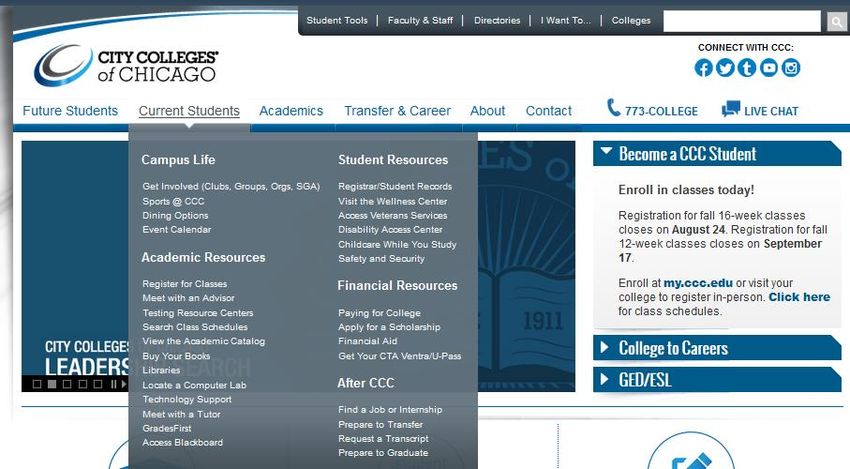
Welcome

We have data all around us and we are constantly being bombarded
information. This session will help you understand how the Library can
help you and your students on the road to knowledge. This
presentation has two parts – showing what library resources are
offered and discussing of what is the nature of our business.

                                                                         2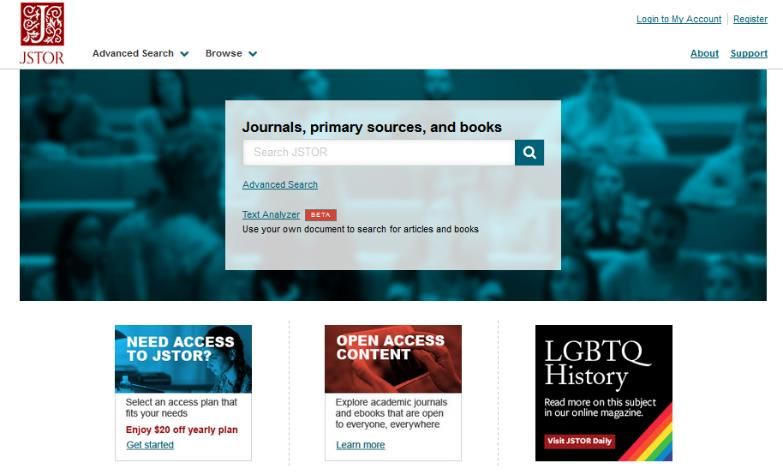
Library Services
    •   Library catalog and discovery tools
    •   Library databases
    •   Books and non-print media
    •   Periodicals
    •   Research and reference guidance
    •   Faculty support
    •   Library instruction
    •   Guides and forms posted on library web pages
    •   And much more if you ask …
        Library home page: ccc.edu/mxlibrary

3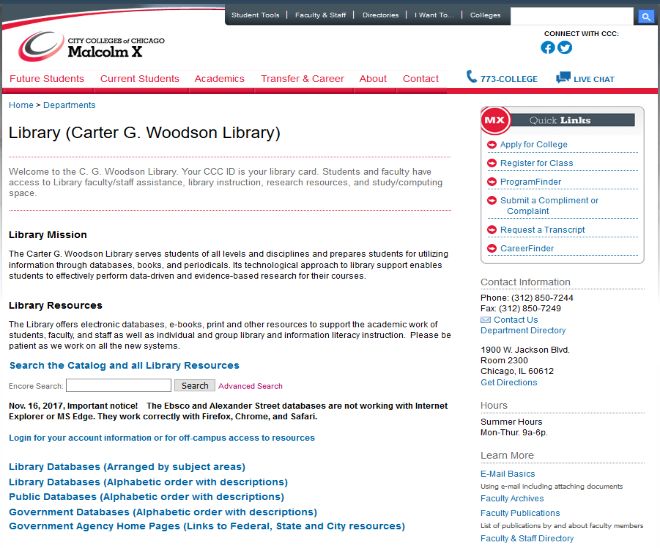
Library Book Resources
The Library catalog has bibliographic records for all CCC Colleges
representing about 280,000 items. The Library has books to support the
classroom and research needs of the students and also recreational
reading materials.
E-book collections
   EBSCO more than 148,650
   ProQuest EBook Central about 4,000
   Gale Virtual Reference Library about 12,200
   Sage e-Reference Books -- 4000

                                                                         4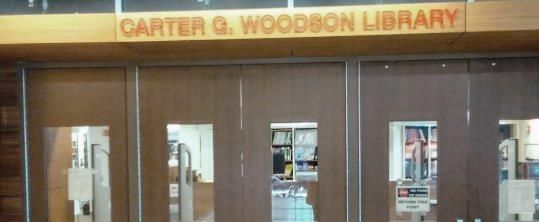
Library Periodical Resources
• CCC subscribes to about 85 databases covering all
  academic fields
• Library subscribes to about 51 serial titles in print
• Databases give bibliographic and indexing access to
  more than 26,000 journals, monographs, reports,
  conference proceedings, etc. The coverage varies by title
  with the oldest from the mid-1800’s
• Databases offer full text access to more 9000 journals

                                                         5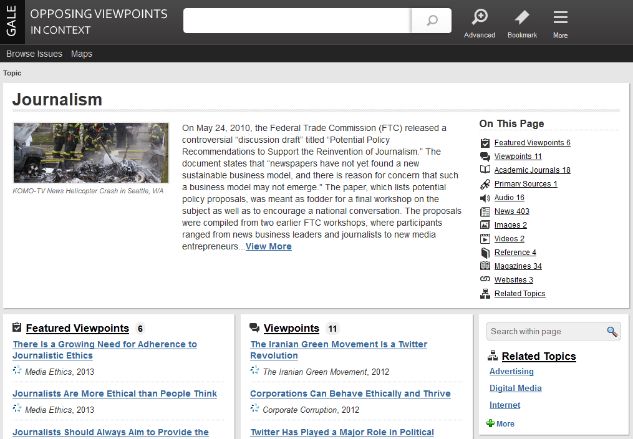
Find the
  Library
Home Page

            6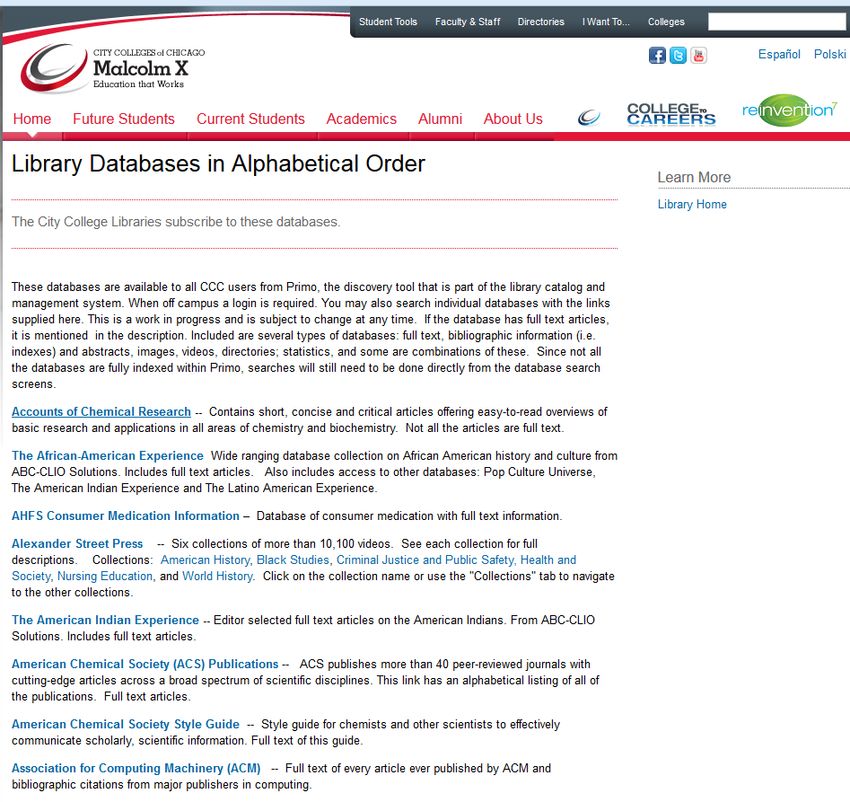
MXC Library Home Page
ccc.edu/mxlibrary
                                                                                        The Library catalog may be
                                                                                        searched from any Internet
                                                                                        connection using this URL:
                                                                                        ccc.edu/mxlibrary
                                                                                        or library.ccc.edu

            Use this page to connect to Library resources, additional tools and more.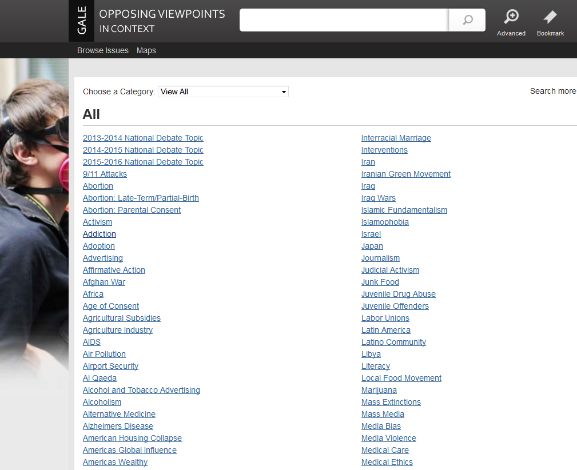
From the District Home Page

                Under Current Students, then Academic
                Resources, click on Libraries. Or go directly to
                the URL: http://library.ccc.edu

                                                                   8
Library Catalog Search Screen

                                9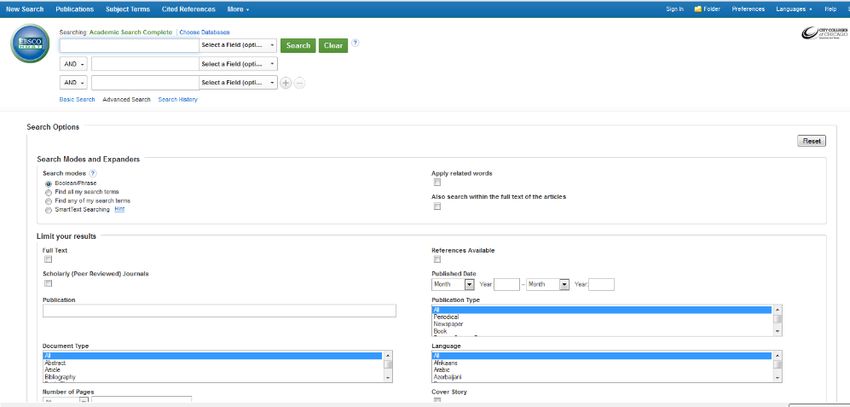
Sign in Screen

            Enter your CCC ID and password.

                 Login is required to
                 use databases off
                 campus and to access
                 your Library account.

                                          10
                                               10
Library Database List
This page has an
alphabetic list of all
databases. Click on
a link to go to the
search page.
11General Academic Databases
Ebsco Academic Search Complete
JSTOR. Arts & sciences
Opposing Viewpoints : In Context
Library Catalog
12Ebsco Sample Search Screen
13JStor
Jstor has 1,900
scholarly/ academic
journals, 19,000
books, and 2 million
primary sources
Click here to try JStor
14Opposing Viewpoints
Click here
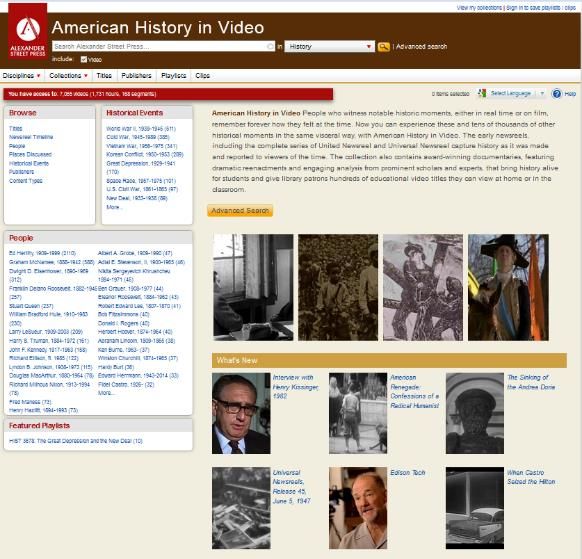
15Visual Databases
Alexander Street Video Collections
▪ American History
▪ Black Studies
▪ Criminal Justice and Public Safety
▪ Health and Society
▪ Nursing Education
▪ World History
16Alexander Street Video
Click here
17Library Publications
• The Library prepares displays that connect the collection
to a timely topic or celebration. Frequently the book
display has an accompanying electronic version. Link to
electronic display
• Approximately every month school is in session News
Your Can Use is prepared for the whole campus.
• Research and information guides
Links to all publications are on the Library Home Page
18Takeaways
1. Library resources hold the knowledge of the past.
2. Librarians create the tools for systematic gathering, storing and
retrieving of knowledge. The catalog is both a record of all holdings
and a discovery tool for the databases.
3. The librarians are here to help you with creating assignments, using
the Library and its resources, or giving advice on any information or
knowledge seeking tasks.
19Questions, Comments
20Thank you for joining us. If you have any questions or
comments on this presentation please direct them
Daniel D. Stuhlman in the MXC Library Reference
Department 312-850-7244 (5-7244) dstuhlman@ccc.edu.
For library or database information direct your
questions to your MXC librarians.
This file is subject to change. Make sure that you have the latest version.
Last revised July 9, 2019. Ver. Fac-Dist-GEd
Prepared by the Library staff.
Malcolm X College is one of the City Colleges of Chicago ©2019
21Questions for Discussion
What business are we in? What is our end product?
How does information lead to knowledge and wisdom?
What is the role of education in a society?
What do you see as the role of the knowledge in this process?
22What is Knowledge? 1
Creatio ex-nihilo only happened at the creation of the world.
Everything we know is derivative. This “everything” is information. All
language, all socialization, all civilization, all science is based on what
came before us. Information is used for the creation of knowledge.
Our unique or new contribution is how we interpret and synthesize the
ideas, the experience, and the experiments of others.
23What is Knowledge Management?
Knowledge management is a conscious, hopefully consistent, strategy
implemented to gather, store and retrieve knowledge and then help
distribute the information and knowledge to those who need it in a timely
manner.
The best computers and software are not useful without the people and
procedures for using them. Knowledge management is a framework and
management mind-set that includes building on experience and creating
new avenues for exchanging knowledge. The strategy includes both the
technological infrastructure and the human aspects that uses the tools.
For further information see: Stuhlman, Daniel D. “Knowledge Management Terms.” http://home.earthlink.net/~ddstuhlman/defin1.htm
24Questions for Discussion 2
What is the role of education in a society?
What do you see as the role of the knowledge in this process?
25Why are we Here? Our job as educators is to pass on the knowledge of the past and teach the procedures for analysis and synthesis for the creation of the new. Data are the facts, figures, and symbols that are the units of knowledge creation. Information is the relationship with the data. Information answers, what, who, where, and when. Understanding patterns found in the information is knowledge. Knowledge answers the “how?” questions. The application of knowledge, that embodies principles, insights, morals, and the incite for the future is wisdom. Wisdom answers the questions of why are we here?
You can also read


