Impact of elevation and slope aspect on floristic composition in wadi Elkor, Sarawat Mountain, Saudi Arabia
←
→
Page content transcription
If your browser does not render page correctly, please read the page content below
www.nature.com/scientificreports
OPEN Impact of elevation and slope
aspect on floristic composition
in wadi Elkor, Sarawat Mountain,
Saudi Arabia
Mohamed A. Fadl1,2, Hatim M. Al‑Yasi1 & Emad A. Alsherif2,3*
The current research was carried out in Wadi Elkor, one of the Sarawat Mountains regions, which
is a special location from an environmental standpoint and one of the only places in Saudi Arabia
where a range of Palaearctic flora co-exists with Afrotropical species. The study aimed to determine
the floristic composition as well as the effects of slope aspect and elevation on species, life forms,
and phytogeographical elements distribution. The study area is located in Wadi Elkor, a valley in the
Sarawat Mountains that cuts off the Al-Hada escarpment, 47 km southeast of Makkah City, Saudi
Arabia. We conducted the research at three different locations, each with a different elevation and
slope aspect. Based on floristic composition, Ward classification moreover Jaccard comparisons were
performed. A total of 189 species was discovered, divided into 131 genera and 43 families. The current
study identified Argyrolobium rarum Dumme as a new vascular plant in Saudi Arabia’s terrestrial flora.
In the current study, the Gramineae, Leguminosae, and Compositae families contributed 29% of
the total plant species, whereas 14 families were represented by one species each. Solanum was the
most numerous genus, with seven species, followed by Acacia and Pulicaria, each with six species,
while Commicarpos and Euphorbia, each with four species. At an elevation of 1060 m above sea level,
the north facing slope had the most plants, genera, and families. Therophytes had the most species,
accounting for 44%, followed by Chamaephytes, which accounted for 26%. Hemicryptophytes
accounted for 12% of the total, while phanerophytes accounted for 10%. In the studied area, the
bioregional Saharo-Sindian and Sudano-Zambesian groups were the most well-represented (41%).
The floristic composition, as well as the distribution of life forms and phytogeographical components,
were found to be significantly affected by the elevation and slope aspects. The study showed that
slope aspect and elevation both affected the distribution of plant species, with elevation being the
most influential of the two variables.
Native plant diversity is widely regarded as an integral component of terrestrial e cosystems1. Its main role is to
provide ecological viability in a given area, but it also stabilizes slopes, buffers weather, improve soils, and offers
habitats for wild f auna2. Saudi Arabia is a large region of arid land that covers more than 2 million k m2. The coun-
try covers the major part of the Arabian Peninsula and contains many ecosystems differing in plant diversity3–5.
The components of Saudi`s flora come from Asia, Africa, and the Mediterranean and include medicinal plants
as well as important genetic sources for crops and f odders4,6,7.
Mountains, according to Körner8, have a major impact on global trends in species richness. Mountains are
beneficial to many endemic species and preserve plant populations because of their special climatic conditions
and diversity of ecosystems, which differ from the conditions in their s urroundings9,10,10. Life-form diversity is
normally correlated with climatic h eterogeneity11 and decreases with increasing e levations12,13. This is generally
explained as a result of changing c ircumstance14, as the elevation rises, the climatic conditions become colder.
It has been repeatedly shown that life-form spectra (proportion of species belonging to individual life forms)
can be predicted from particular climate properties, for any continent, biogeographic region, and e levation14,15.
Conversely, the life-form spectrum gives basic climatic i nformation16–20.
1
Department of Biology, College of Science, Taif University, P.O. Box 11099, Taif 21944, Saudi Arabia. 2Department
of Botany and Microbiology, Faculty of Science, Beni-Suef University, Beni Suef, Egypt. 3Department of Biology,
College of Science and Arts, University of Jeddah, Jeddah, Saudi Arabia. *email: eaalsherif@uj.edu.sa
Scientific Reports | (2021) 11:16160 | https://doi.org/10.1038/s41598-021-95450-4 1
Vol.:(0123456789)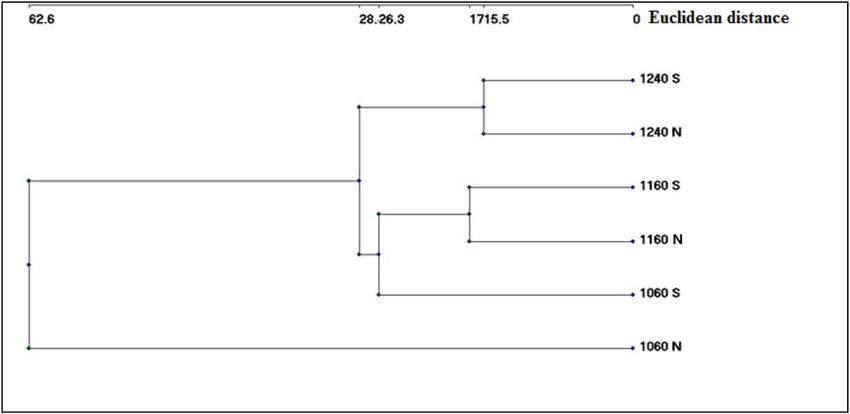
www.nature.com/scientificreports/
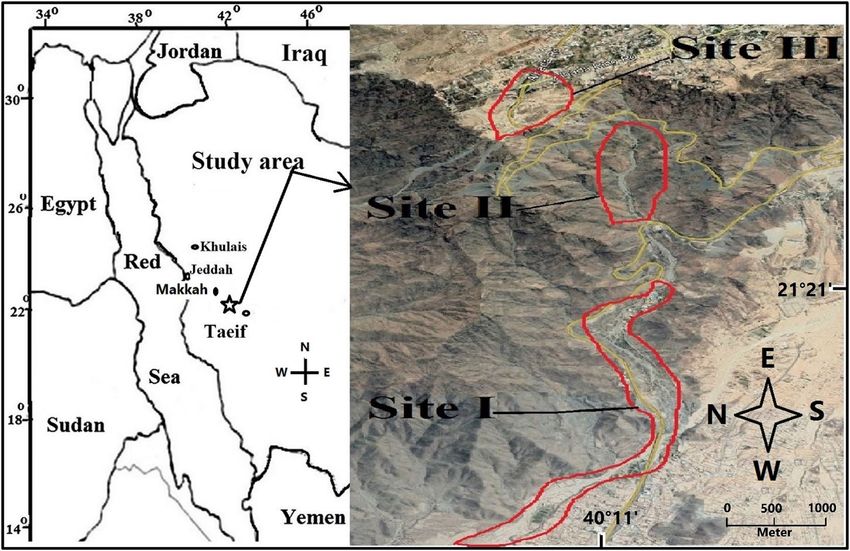
Figure 1. Diagram of the studied three sites (Image modified from the URL: https://www.google.com/maps/@
21.385676,40.2515776,11109m/data=!3m1!1e3).
The Asir Mountains of Saudi Arabia form a continuous chain of escarpments, which extend from the Yemen
border to Taif, running parallel to the Red Sea. Osman et al.21 recorded that southwestern and northwestern
Saudi Arabia was densely vegetated and contained almost 70% of Saudi’s flora. The difference in species diversity
of particular regions or habitats can be attributed to many ecological gradients22–24. The elevational gradient in
particular is one of the critical factors shaping the local patterns of the floristic diversity25–32. Previous studies also
confirmed that the contrast between two opposite sides, north and south, is considered one of the factors affecting
floral distribution due to the differences in the received solar radiation (e.g., the study of Kutiel and L avee33 in
the Middle East, C antlon34 in North America, V etaas35 in East Africa, and Kirkpatrick et al.36 in Australia). The
current study area is ecologically unique and lies between Eurasia and Africa, which contains many Afrotropical
species21. Its difficult topography and relative inaccessibility have led to a paucity of information about the effect
of the slope aspect and elevation on species distribution. This study aims to identify the floristic composition
and the effects of slope aspect and elevation on the distribution of species, life forms, and phytogeographical
elements where a range of Palaearctic flora co-exists with Afrotropical plants.
Material and methods
Study area. The study area (Fig. 1) is located at the beginning of the Al-Hada highlands in the Sarawat
mountain, 47 km southeast of Makkah City, Saudi Arabia (from 21°21′39.21″N 40°15′47.69″E to 21°21′24.08″N
40°14′21.93″E). The foothills and highland slopes are created mainly of resistant, coarse, pink granite, mixed
with grey diorite and granodiorite37. The rocks are broadly exposed, steep-faced, with little soil cover and a lit-
tle bit covered with vegetation that is fundamentally constrained to crevices or small depressions in which fine
sediments have aggregated into pockets. Large boulders, gravel, and small stones are present in the steep runnels.
The climate is arid with 181 mm of the 30-year average annual rainfall38. The rainy season is between April and
November, and the mean annual temperature is 22.8 °C, with the coldest mean temperatures (15 °C) in January
and the warmest (29 °C) in July (Table 1).
Sample collection. An extensive survey was carried out during the period of March 2019 to March 2020.
’Three sites were studied in the valley (Fig. 1): Site I is located in the Al-Hada escarpment and is connected to
the main bed of Wadi Al-Numan. At an altitude of 750 m, it is the lowest of the three sites. Site II is located on an
escarpment of Al-Hada that ranges in elevation from 1060 to 1240 m above sea level with north and south facing
aspects. Site III is located at the beginning of Al-Hada mountain, at an altitude of 1830 m. The near-vertical rise
in elevation from 1240 to 1830 m meant it was impossible to study vegetation in this elevation belt. To study the
effect of slope, aspect and elevation on growth, Site II was divided into six belts, with three different height classes
assigned to both sides. The plant samples were collected following the guidelines and legislation of both the
Environmental Affairs Agency and the Wildlife Authority in the Taif Governorate. Plant samples were collected
from 34 stands (five stands for each belt of elevation, except at 1800 m a.s.l. with four stands), which represented
the different habitats of the study area. These are usually placed perpendicular to the slope. In each stand, we
Scientific Reports | (2021) 11:16160 | https://doi.org/10.1038/s41598-021-95450-4 2
Vol:.(1234567890)www.nature.com/scientificreports/
Average high Average low
temperature temperature Annual average Annual average
(°C) (°C) humidity (%) rainfall (mm)
Makkah Taif Makkah Taif Makkah Taif Makkah Taif
January 30.5 22.6 18.8 8.4 58 61 20.8 9.9
February 31.7 24.6 19.1 9.9 54 54 3 1.6
March 34.9 27.3 21.1 12.5 48 47 5.5 15.1
April 38.7 30.1 24.5 15.5 43 47 10.3 35.7
May 42 33.5 27.6 19.1 36 38 1.2 35.3
June 43.8 35.8 28.6 22.3 33 25 0 3.9
July 43 35.2 29.1 23.2 34 27 1.4 2.1
August 42.8 35.7 29.5 23.6 39 31 5 17.9
September 42.8 34.8 28.9 20.8 45 33 5.4 10.6
October 40.1 30.7 25.9 15.8 50 42 14.5 14.6
November 35.2 26.7 23 12.3 58 56 22.6 25
December 32 23.8 20.3 9.5 59 61 22.1 7.6
Table 1. Climate data for the two cities between which the study area is located.
marked five 10 m × 20 m plots, each separated by 30 m. We purposefully located the plots in areas selected with
similar vegetation because of the various habitats in some elevational belts. The study area is not a nature reserve
and it is allowed to collect plant samples from it for study. Species to genera ratios in the studied belts were
determined and we visually estimated the dominant and codominant species in each site. The lead author, Fadl
M.A., identified and named the gathered plant species according to Migahid39, Collenette40, and C haudhary41.
The collected samples were deposited in the Herbarium of the Biology Department at Taif University and the ID
numbers of the voucher specimens are presented in Supplementary Information: Appendix 1. The life forms of
the identified species were determined relying on the location of the regenerative buds and the parts that were
shed during the undesirable season42. The chorology of the studied species was determined according to the
method of Wickens43 and Zohary44.
Soil analysis. Soil texture was determined by the hydrometer method, which provided quantitative data
on the percentage of sand, silt, and clay45. Soil salinity and pH were determined in a saturated soil paste extract
with conductivity and pH meters, respectively46. Organic matter was determined by the Walkley Black method45,
while total nitrogen was calculated according to the method of B remmer46.
Statistical analyses. Floristic similarities among elevation belts were assessed by performing a hierarchical
classification analysis based on presence/absence data with Wards’ (minimum variance) method and Euclidean
distances as a dissimilarity measure47. The analysis was undertaken using the Statistica statistical software pack-
age ver. 8 (StatSoft, Inc., Tulsa, OK, USA). The Jaccard similarity index was applied to evaluate ß-diversity/simi-
larity among stands according to the following formula: Jaccard Index = (the number in both sites)/(the number
in either site) * 10), which is based on the presence/absence of s pecies48.
Results
Soil characters. The results of soil character showed slight differences in soil texture and electrical conduc-
tivity of all sites, including all elevation belts of Site II (Table 2). Soil alkalinity (pH) ranged between 7.4 and 7.8.
Total nitrogen, organic carbon, and moisture, of site II, recorded higher values than the other two sites by 27%,
37% and 96%, respectively, with maximum values on the north facing slope at an elevation of 1060 m.a.s.l. At the
same time, soil characters in site II showed that the north facing slope exhibited higher values of total nitrogen,
organic carbon, and moisture than the south facing slope at all elevation belts by about 35%, 15% and 200%,
respectively.
Floristic composition. The study area comprised 191 species belonging to 131 genera from 43 different
families (Supplementary Information: Appendix 2). The current results recorded Argyrolobium rarum Düm-
mer as a new species of the Saudi Arabia flora. The largest family was Gramineae with 20 genera and 24 species,
followed by Leguminosae (Fabaceae) and Compositae with 15 species for each. Malvaceae and Euphorbiaceae
accounted for ten species each. The three families, Gramineae, Leguminosae, and Compositae contributed to
29% of the total plant species in the current study, whereas 14 families were represented by one species each.
Solanum was the largest genus with seven species, while each of Acacia and Pulicaria was represented by six spe-
cies, followed by Commicarpos and Euphorbia, each represented by four species. Figure 2 showed that the three
sites differed in their taxa numbers, with the middle site exhibiting the highest numbers of species, genera, and
families. The fewer taxa numbers were detected at the highest elevation (Site III). The effects of slope aspect and
elevation on taxa distribution are presented in Fig. 3. There was no clear pattern of increase or decrease the taxa
numbers by increasing the elevation on the south facing side. In contrast to the north facing side, the higher
Scientific Reports | (2021) 11:16160 | https://doi.org/10.1038/s41598-021-95450-4 3
Vol.:(0123456789)www.nature.com/scientificreports/
Site 2 (Middle)
1060 m.a.s.l 1160 m.a.s.l 1240 m.a.s.l
Site 1 (Lower) North Face South Face North Face South Face North Face South Face Site 3 (Upper)
Sand (%) 93.5 ± 1.5 95 ± 0.8 94.8 ± 1.5 95.2 ± 1.3 94.8 ± 1.6 96.1 ± 1.5 96.2 ± 2 97 ± 1.1
Silt (%) 4.1 ± 0.1 2.3 ± 0.1 2.1 ± 0.2 2.4 ± 0.1 3.1 ± 0.2 2.3 ± 0.1 2.4 ± 0.1 1.9 ± 0.2
Clay (%) 2.4 ± 0.1 2.7 ± 0.1 3.1 ± 0.1 2.4 ± 0.1 2.1 ± 0.1 1.6 ± 0.1 1.4 ± 0.1 1.1 ± 0.1
pH 7.6 ± 0.3 7.6 ± 0.4 7.8 ± 0.3 7.8 ± 0.2 7.8 ± 0.4 7.5 ± 0.3 7.5 ± 0.2 7.4 ± 0.1
EC (µS) 0.26 ± 0.01 0.29 ± 0.02 0.27 ± 0.01 0.22 ± 0.01 0.27 ± 0.01 0.19 ± 0.01 0.23 ± 0.01 0.31 ± 0.01
OM (%) 1.5 ± 0.01 3.7 ± 0.03 2.9 ± 0.01 1.5 ± 0.03 1.4 ± 0.02 1.6 ± 0.03 1.4 ± 0.002 1.1 ± 0.01
N (%) 0.18 ± 0.01 0.35 ± 0.03 0.27 ± 0.02 0.23 ± 0.01 0.19 ± 0.01 0.25 ± 0.02 0.14 ± 0.02 0.11 ± 0.01
Moisture (%) 3.2 ± 0.02 24.2 ± 1.2 11.3 ± 0.1 16.7 ± 2.3 8.5 ± 0.9 12.3 ± 1.1 7.5 ± 0.8 5.6 ± 1.2
Table 2. Soil parameters registered along with the three sites of the studies area, EC, electrical conductivity;
OM, organic matter; N, total nitrogen. Values are means of 5 replicates ± standard deviation.
180
Species Genera Families
160
140
120
Taxa numbers
100
80
60
40
20
0
Site I Site II Site III
Figure 2. Taxa number recorded in the three sites.
140
Species Genera Families
120
100
Numbers
80
60
40
20
0
1060 NF 1060 SF 1160 NF 1160 SF 1240 NF 1240 SF
Different elevations (m.a.s.l.) and directions
Figure 3. Effect of elevation and slope aspect on taxa numbers in site (II). SF, south face; NF, north face.
the elevation, the higher the taxa number. The results showed significant differences between the north face
and south face directions. The numbers of species, genera, and families on the north facing slopes were higher
than those in the south facing ones, which were more obvious at an elevation of 1060 m.a.s.l (Fig. 3). Aizoon
canariense, Achyranthes aspera, Aerva javanica, Calotropis procera, and Abutilon bidentatum were recorded at
all three sites.
Within site II, Caralluma retrospiciens, Cenchrus pennisetiformis, Ocimum forsskaolii, Acacia ehrenbergiana,
Acacia hamulosa, Sidda alba, Triumfetta flavescens, Coccolus pendulus and Forsskaolea tenacissima were recorded
in all elevation belts on both north and south facing sides. The Ward classification of different elevation belts on
both sides resulted in a dendrogram (Fig. 4).
Figure 4 indicates the effect of both the elevation and the direction on floristic composition, where all belts
were divided into two main groups: one represented by 1060 m elevation on the north facing side, and one
comprising the remaining belts. The latter is subdivided into 1240 m north and south facing sides, and one with
all other categories. The Jaccard similarities showed the one-height belts on both sides (north facing and south
facing) were greater than those of different heights in the same direction. Besides, the higher the height, the
greater the similarity (Table 3).
Scientific Reports | (2021) 11:16160 | https://doi.org/10.1038/s41598-021-95450-4 4
Vol:.(1234567890)www.nature.com/scientificreports/
Figure 4. Hierarchical classification of the different belts, in site II, based on their floristic structure (incidence
data), by using Ward’s method and Euclidean distances as measurement of Linkage Distance. Elevation
value = m.a.sl., N, north facing; S, south facing.
1240 SF 1240 NF 1160 SF 1160 NF 1060 SF 1060 NF
1240 SF 1
1240 NF 0.5079 1
1160 SF 0.3846 0.2931 1
1160 NF 0.3247 0.3636 0.4138 1
1060 SF 0.3188 0.2703 0.2909 0.2785 1
1060 NF 0.3106 0.3037 0.186 0.3456 0.3438 1
Table 3. JACCARD similarities between different elevation belts within site II. SF, south facing; NF, north
facing.
Dominant species. Acacia tortilis was the dominant species in the lower site (Site I), with A. hamulosa as
a codominant, while Ficus palmata exhibited the dominant species in the upper site (Site III). In site II, Acacia
ehrenbergiana was the dominant species on both the north and south facing at 1160 m.a.s.l., while Cenchrus
pennisetiformis and Triumfetta flavescens were the codominant species, respectively. A. ehrenbergiana also was
the dominant species at an elevation of 1240 m.a.s.l. on the north facing side. At an elevation of 1060 m.a.s.l.,
Grewia tenax recorded the dominant species on the north facing slope with A. hamulosa as a codominant, while
A. etbaica was the dominant species on the south facing slope with c. myrrha as a codominant.
Life forms. Five life forms were recorded among the total species found in the three study sites. Therophytes
exhibited the highest species with 44%, followed by chamaephytes with 26%. Hemicryptophytes and phanero-
phytes were represented by 12% and 10%, respectively, whereas the lowest life form, 7.8%, was geophytes with 14
species (Table 4, Fig. 5). Life form proportions showed remarkable variations in the studied three sites. Site (III),
with the highest elevation, included the highest percentage of therophytes and chaemophytes and the lowest
proportions of the other life forms. Phanerophytes in Site II exhibited a higher proportion on the south facing
slope than on the north-facing slope at all elevations. The percentages of both chaemophytes and hemicrypto-
phytes recorded remarkable differences between Sit I (750 m a.s.l) and Site III (1830 m.a.s.l). In the upper Site,
chaemophytes increased by about 10% and heimicryptophtes decreased by about 58% from the lower site. While
geophytes percentages showed a slightly stable ratio along the altitudinal gradient at both aspects.
Chorological affinities. The chorological composition is summarized in Table 5. Generally, monoregional
elements exhibited 26% of the recorded species, while biregional elements recorded 54%. Pluriregional species
were represented by 7.8%. The Pantropic elements showed the highest numbers, 9.4%, within the monoregional
elements; followed by Saharo-Sindian and Palaeotropical elements, each represented by 4%. The bioregional
Saharo-Sindian and Sudano-Zambesian groups were the most represented in the studied area (41%). Cosmo-
politan taxa accounted for 8% of the total species, whereas the endemic species, Kickxia pseudoscoparia, was
recorded in the study area. The chorological affinities shown were variable in their distribution in the studied
area. The Pluriregional elements in Site (III) were more than those recorded in Site (I) by 145 folds, with the
Scientific Reports | (2021) 11:16160 | https://doi.org/10.1038/s41598-021-95450-4 5
Vol.:(0123456789)www.nature.com/scientificreports/
Site II (155)
1060 m.a.s.l 1160 m.a.s.l 1240 m.a.s.l
Life forms Site 1 (68) NF (128) SF (26) NF (59) SF (45) NF (61) SF (46) Site 3 (55)
Chamaephytes 28.0 31.2 34.6 37.2 35.5 39.3 36.9 31.0
Geophytes 4.0 6.2 3.8 3.3 6.6 6.5 6.5 5.0
Hemicryptophytes 12.0 12.5 7.6 10.1 13.3 9.8 8.6 5.0
Phanerophytes 16.0 12.5 19.2 11.8 20.0 13.1 19.5 10.0
Therophytes 40.0 37.5 34.6 37.2 24.4 14.7 6.5 49.0
Table 4. Life form percentage (Actual counts between brackets) in the three sites of the studied area, NF,
north facing; SF, south facing.
90
80
70
60
Numbers
50
40
30
20
10
0
Figure 5. Total life form numbers recorded in all the study areas.
Species
Chorotype Number %
Saharo-Sindian 16 8.38
Pantropic 17 8.90
Sudano-Zambesian 3 1.57
Mediterranean 1 0.52
Plaeotropical 13 6.81
Saharo-Sindian + Sudano-Zambesian 79 41.36
Saharo-Sindian + Irano-Turanian 6 3.14
Saharo-Sindiani + Mediterranean 7 3.66
Mediterranean + Irano-Turanian 5 2.62
Pantropic + Plaeotropical 7 3.66
Pluriregional 15 7.85
Cosmopolitan 10 5.24
Endemic 1 0.52
Others 11 5.76
Table 5. Chorological type’s numbers recorded in the all studied area.
highest percentage recorded on the north-facing slope at 1060 m a.s.l. In contrast, the Sudano-Zambesian ele-
ments have completely disappeared from Site III, Table 6. The bioregional Saharo-Sindian/Sudano-Zambesian,
which recorded the highest chorotype in the studied area, increased facing aside from the north facing side in
all elevations, an increase ranging from between 13.7 and 35%. Palaeotropical elements decreased by increasing
elevation (Table 6) and their proportions were higher on the north facing side than those on the south facing site.
In contrast, the bioregional Mediterranean/Irano-Turanian increased at a higher elevation. A slight change was
recorded for the Saharo-Sindian elements between Site I and Site III, while it was recorded with higher propor-
tions on the second site, on all elevations for both north and south-facing sides.
Scientific Reports | (2021) 11:16160 | https://doi.org/10.1038/s41598-021-95450-4 6
Vol:.(1234567890)www.nature.com/scientificreports/
Site II (155)
1060 m.a.s.l 1160 m.a.s.l 1240 m.a.s.l
Site I (68) NF (128) SF (26) NF (59) SF (45) NF (61) SF (46) Site III (55)
Cosmopolitan 6.0 5.0 4.0 7.0 4.0 3.0 2.0 3.6
Plaeotropical 10.0 5.0 4.0 7.0 2.0 0.0 4.0 3.6
Pantropic 6.0 7.0 0.0 8.0 2.0 0.0 0.0 5.5
Sudano-Zambesian 3.0 0.0 4.0 3.0 2.0 3.0 2.0 0.0
Saharo-Sindian 7.0 10.0 19.0 15.0 11.0 16.0 11.0 7.3
Saharo-Sindian + Sudano-Zambesian 44.0 45.0 61.0 50.0 59.0 58.0 66.0 43.6
Saharo-Sindian + Irano-Turanian 3.0 2.0 0.0 0.0 0.0 0.0 2.0 5.5
Mediterranean + Irano-Turanian 4.0 4.0 4.0 2.0 4.0 0.0 0.0 9.1
Endemic 0.0 1.0 0.0 0.0 0.0 2.0 0.0 1.8
Mediterranean 0.0 1.0 0.0 0.0 0.0 0.0 0.0 0.0
Pluriregional 0.1 20.0 4.0 8.0 16.0 18.0 13.0 14.5
Table 6. Chorological type’s percentage (actual counts between brackets) recorded in the three different sites,
NF, north facing; SF, south facing.
Discussion
The study confirmed that both slope aspect and elevation affect the distribution of plant species, with elevation
having the greater impact. In this study, 35% of the recorded families were represented by only one species per
family, a prevalent characteristic of desert flora, and considered a sign of plant adaptability to xeric conditions6.
A large number of families recorded with only one species indicated that only a few species of the many plant
families adapt and survive in harsh environments. The species to genera ratio in the current study (1.46) was
close to those reported in previous studies of other regions in the Kingdom of Saudi A rabia6. According to
Magurran49 and Pielou50, taxonomic diversity is greater in an environment where species are distributed across
several genera than in one where the majority of species belong to the same genus. The species per genus ratio
is higher than that recorded in the Al-Shafa Highland r egion5 (1.3), and it is less than that reported in the entire
Saudi Arabia6, 2.6, and lower than the estimated ratios in Khulais4. Consequently, the taxonomic diversity of
the study area is less diverse than in the Al-Shafa heights and greater than in the Khulais region and all of Saudi
Arabia. This result indicates that the taxonomic diversity is increasing with increasing height in the west of the
Kingdom of Saudi Arabia.
The dominance of Gramineae, Leguminosae, and Compositae and the patterns of the most different families
were consistent with previous studies of other regions in Saudi Arabia, such as K hulais4, Al-shafa h ighland5, the
Asir Mountains51, and Hail52. Moreover, the current results are like those of neighboring countries, which include
Egypt53 and Sudan, in the Marra Mountains43. Only one endemic species was recorded inside the studied area,
Kickxia pseudoscoparia. This is in agreement with Al-Nafie6, who stated that endemism in Saudi Arabia is insig-
nificant in comparison to some of the adjoining nations, such as Yemen and Oman. The highest taxa numbers in
the middle part of the study area (Site II) may be attributed to the minor impact of human disturbances in this
section. This site is far from the road, while the first and third sites are close to it (Fig. 1). The observed widespread
species in all elevation belts in the north facing and south facing sides could be attributed to their wide ecologi-
cal amplitude. The contents of total nitrogen, organic matter, and moisture in the soils of the north facing side
at 1060 m a.s.l have made suitable conditions for many plants, resulting in a large increase in all taxa numbers.
It has been recorded that in areas where annual precipitation is less than 600 mm, moisture becomes an
important factor in the composition, intensity, and structure of plant communities33. Besides, it was argued that
soil moisture was the main environmental issue governing plant species composition and richness54.
Small differences in soil analysis were found among the studied belts, except at 1060 m a.s.l on the north
facing slope. This result is not in line with Kutiel and Lavee33, who stated that considerable variations in soil
properties between the opposing directions can be predicted in arid zones (< 400 mm of annual precipitation)
due to low rainfall and high potential evaporation. Our finding is in line with Burke’s55 study of Namibia’s arid
Nama Karoo inselbergs.
The higher numbers of recorded taxa in all the north facing belts than those in the south facing belts can be
explained because the south facing slopes receive more sunlight and become warmer and xeric, helping drought-
resistant flora, and are less conducive to tree growth, while the north facing slopes preserve moisture and are
humid, supporting moisture-loving plants56. It has been reported that insolation affects greatly the composi-
tion of plant species, particularly in arid and semiarid regions at low latitudes, through its impact on the water
balance57. In addition, high evapotranspiration on the south facing slopes may cause drought stress during the
growing season. Acacia tortilis, which was the dominant species at the lowest site, was recorded as well adapted
to disturbances such as drought, fire, browsing, and p ollarding58. Ficus palmata, the dominant species on the
upper site is distributed from Egypt to Central Asia and is typical of the cold desert mountains of this area.
Sometimes Ficus palmata subsp. virgata is also confused with its closely allied species, F. carica, a native of the
Mediterranean region to Afghanistan59.
The high percentage of therophytes (44%) in the study area agrees with previous studies in other parts of
Saudi Arabia4,6,40,41,52,60–62. A similar result was published for the northern part of the Eastern Desert of Egypt63.
Scientific Reports | (2021) 11:16160 | https://doi.org/10.1038/s41598-021-95450-4 7
Vol.:(0123456789)www.nature.com/scientificreports/
Sharma and Rajpal64 also reported that in semi-deserts, therophytes typically contribute about 30% to 55% of
all life forms.
Previous publications indicate that topography affects the life forms of desert p lants39,44,51,65–69. The cur-
rent results are in full agreement with Cain and C astro70 and Pavón et al.13, who stated that therophytes and
chamaephytes increased in dominance and/or abundance with increasing elevation. In addition, the therophytes
percentage in the current study mediates the proportions of the Khulais, with a lower elevation4, and the Al-
shafa highland regions, with a higher e levation5. Chamaephytes distribution in the current study contrasts with
the observations of Dickoré and Nüsser71, who reported that chamaephytes decrease with increasing elevation.
This discrepancy between the current study and the study of Dickoré and Nüsser71 could be attributed to the
large difference in elevation (1200–1400 m a.s.l.) to 3000–3400 m a.s.l. Phanerophytes distribution in our results
agrees with the finding of Hoffmann and Hoffmann72, who reported that phanerophytes decrease in a temperate
area and are very common in tropical regions. The percent of Phanerophytes recorded in this study agrees with
White and Leonard73 statement that “the southern and southwestern Arabian Peninsula is very poor in trees”.
Numerous early studies express that the flora and vegetation of Saudi Arabia have included elements from two
main phytogeographical regions that cover much of North Africa and East Asia, the Sudano-Zambezian region
and the Saharo-Arabian-Sindian region71–75. The studied region belongs to the Nubo-Sindian Province, which
is a part of the Sudanian region44. Wickens43 recorded that the current examined area is principally impacted by
the Saharo-Sindian element, whereas White and L eonard73 stated that the Sudano-Zambezian region stretches
out into southern and western Arabia. These influences clarify why the highest percentages for monoregional,
bioregional, and pluriegional species have been recorded for the Saharo-Sindian elements, followed by those of
the Sudano-Zambesian. In addition, the White and Leonard73 statement explains that the bioregional Saharo-
Sindian and Sudano-Zambesian groups were the most represented in the studied area. Alsherif et al.4 recorded
that Saharo-Arabian and Sudanian elements exhibited the highest chronological elements in the Khulais region,
a region away from the current location by 140 km in the northwest direction. Al-sherif and Fadl5 recorded that
Saharo-Sindian had the most bioregional groups in the Alshafa highlands (1700–2300 m a.s.l). The biregional
elements Saharo-Sindian and Sudano-Zambesian biregional elements were more frequent on the southern rather
than northern facing slopes because the southern slopes experienced warmer and drier conditions than the
northern slopes. Sudano-Zambesian elements were most frequent at lower elevations and decreased in frequency
with rising elevation, possibly because these elements rely on tropical climatic conditions6. In contrast, a high
percentage of Saharo-Sindian and Irano-Turanian elements were found at high e levations6. On the contrary, a
high percent of Saharo-Sindian and Irano-Turanian elements were found at high elevations.
Conclusions
In the current study of a valley that cuts through the Sarawat Mountains, we identified a range of Palaearctic flora
co-existing with Afrotropical plants. It is the first study of the influence of slope direction in the distribution of
plant species in the Sarawat Mountains, and it sheds light on the study area in terms of its floristic significance.
The study found that both slope aspects and elevation have an impact on plant distribution, with the influence
of elevation being the most important. Since south facing slopes receive more sunlight and become warmer
and xeric, the higher numbers of the reported taxa in all north facing belts than in the south facing belts can
be explained. The report of the new addition to the flora of Saudi Arabia (Argyrolobium rarum) showed that
the Sarawat mountains need careful botanical exploration. We recommend using LiDAR data as part of future
research.
Received: 6 December 2020; Accepted: 22 July 2021
References
1. Cunningham, S. C. et al. Balancing the environmental benefits of reforestation in agricultural regions. Perspect. Plant Ecol. Evol.
Syst. 17, 301–317. https://doi.org/10.1016/j.ppees.2015.06.001 (2015).
2. Pearse, I. S. & Hipp, A. L. Phylogenetic and trait similarity to a native speciespredict herbivory on non-native oaks. Proc. Natl.
Acad. Sci. U. S. A. 106, 18097–18102 (2009).
3. Abdel Khalik, K., El-Sheikh, M. & El-Aidarous, A. Floristic diversity and vegetation analysisof wadi Al Noman, Holy Mecca, Saudi
Arabia. Turk. J. Bot. 37, 894–907. https://doi.org/10.3906/bot-1209-56 (2013).
4. Al-Sherif, E. A., Ayesh, A. M. & Rawi, S. M. Floristic composition, life form and chorology of plant life at Khulais region western
Saudi Arabia. Pak. J. Bot. 45, 29–38 (2013).
5. Al-Sherif, E. A. & Fadl, M. A. Floristic study of the Al-Shafa Highlands in Taif, western Saudi Arabia. Flora 225, 20–29. https://
doi.org/10.1016/j.flora.2016.09.004 (2016).
6. Al-Nafie, A. H. Phytogeography of Saudi Arabia. Saudi J. Biol. Sci. 15, 159–176 (2008).
7. Mossa, J. S., Al-Yahya, M. A. & Al-Meshal, I. A. Medicinal Plants of Saudi Arabia (King Saud University Press, 1987).
8. Körner, C. Why are there global gradients in species richness? Mountains might hold the answer. Trends Ecol. Evol. 15, 513–514.
https://doi.org/10.1016/S01695347(00)02004-8 (2000).
9. Cano-Ortiz, A., Musarella, C. M., PiNar Fuentes, J. C., Gomes, C. J. P. & Cano, E. Distribution patterns of endemic flora to define
hotspots on Hispaniola. Syst. Biodiv. 14, 261–275. https://doi.org/10.1080/14772000.2015.1135195 (2016).
10. Hedberg, O. The flora of Ethiopia: a progress report. in Research in Ethiopia Flora (ed. Hedberg, I.). Symb. Bot. Ups. 26, 17–18
(1986).
11. Cowling, R. M., Esler, K. J., Midgley, G. F. & Honing, M. A. Plant functional diversity, species diversity and climate in arid and
semi-arid southern Africa. J. Arid Environ. 27, 141–158. https://doi.org/10.1006/jare.1994.1054 (1994).
12. Montana, C. & Valientebanuet, A. Floristic and life-form diversity along an altitudinal gradient in an intertropical semiarid Mexican
region. Southwest. Nat. 43, 25–39 (1998).
13. Pavón, N. P., Hernández-Trejo, H. & Rico-Gray, V. Distribution of plant lifeforms along an altitudinal gradient in the semi-arid
valley of Zapotitlón, Mexico. J. Veg. Sci. 11, 39–42. https://doi.org/10.2307/3236773 (2000).
Scientific Reports | (2021) 11:16160 | https://doi.org/10.1038/s41598-021-95450-4 8
Vol:.(1234567890)www.nature.com/scientificreports/
14. Raunkiaer, C. Statistik der Lebensformen als Grundlage für die biologische Pflanzengeographie. Beih. Bot. Centralbl. 27, 171–206
(1910).
15. Sarmiento, G. & Monasterio, M. Life form and phenology. In Tropical Savannas (ed. Bourlièrre, F.) 79–108 (Elsevier, 1983).
16. Meher-Homji, V. M. Environmental implications of life-form spectra from India. J. Econ. Tax. Bot. 2, 23–30 (1981).
17. Campbell, B. M. & Werger, M. J. A. Plant form in mountains of the Cape, South Africa. J. Ecol. 76, 637–653 (1988).
18. Komárková, V. & McKendrick, J.D. Patterns in vascular plant growth forms in arctic communities and environment at Atkasook,
Alaska. in Plant Form and Vegetation Structure (eds. Werger, M. J. A., van der Aart, P. J. M., During, H. J. & Verhoeven, J. T. A.)
45–70 (SPB Academic Publishing BV, 1988).
19. Cody, M. L. Growth-form diversity and community structure in desert plants. J. Arid Environ. 17, 199–209 (1989).
20. Danin, A. & Orshan, G. The distribution of Raunkiaer life forms in Israel in relation to the environment. J. Veg. Sci. 1, 41–48 (1990).
21. Osman, A. K., Al-Ghamdi, F. & Bawadekji, A. Floristic diversity and vegetation analysis of Wadi Arar: a typical desert Wadi of the
Northern Border region of Saudi Arabia. Saud. J. Biol. Sci. 21, 554–565. https://doi.org/10.1016/j.sjbs.2014.02.001 (2014).
22. Grime, J. P. Plant Strategies and Vegetation Processes (John Wiley, 1979).
23. Palmer, M. W. The coexistence of species in fractal landscapes. Am. Nat. 139, 375–397 (1992).
24. Huston, M. & DeAngelis, D. L. Competition and coexistence: the effects of resource transport and supply rates. Am. Nat. 144,
954–977. https://doi.org/10.1086/285720 (1994).
25. Szaro, R. C. Riparian forest and scrubland communities of Arizona and New Mexico. Desert Plants 9, 69–138 (1989).
26. DeBano, L. F. & Schimdt, L. J. Potential for enhancing riparian habitat in the Southwestern United States with watershed practices.
For. Ecol. Manag. 33(34), 385–403. https://doi.org/10.1016/0378-1127(90)90205-P (1990).
27. Lieberman, D., Lieberman, M., Peralta, R. & Hartshorn, G. S. Tropical forest structure and composition on a large-scale altitudinal
gradient in Costa Rica. J. Ecol. 84, 137–152. https://doi.org/10.2307/2261350 (1996).
28. Zimmerman, J. C., DeWald, L. E. & Rowlands, P. G. Vegetation diversity in an interconnected ephemeral riparian system of north-
central Arizona, USA. Biol. Conserv. 90, 217–228. https://doi.org/10.1016/S0006-3207(99)00035-X (1999).
29. Brown, J. Mammals on mountainsides: elevational patterns of diversity. Glob. Ecol. Biogeogr. 10, 101–109. https://d oi.o
rg/1 0.1 046/j.
1466-822x.2001.00228.x (2001).
30. Lomolino, M. V. Elevation gradients of species-density: historical and prospective views. Glob. Ecol. Biogeogr. 10, 3–13. https://
doi.org/10.1046/j.1466822x.2001.00229.x (2001).
31. Ahmed, M. J., Murtaza, G., Shaheen, H. & Habib, T. Distribution pattern and associated flora of Jurinea dolomiaea in the western
Himalayan highlands of Kashmir: an indicator endemic plant of alpine phytodiversity. Ecol. Ind. 116, 106461. https://doi.org/10.
1016/j.ecolind.2020.106461 (2020).
32. Bhat, J. A. et al. Influence of altitude on the distribution pattern of flora in a protected area of Western Himalaya. Acta Ecol. Sin.
40, 30–43. https://doi.org/10.1016/j.chnaes.2018.10.006 (2020).
33. Kutiel, P. & Lavee, H. Effect of slope aspect on soil and vegetation properties along an aridity transect. Isr. J. Plant Sci. 47, 169–178.
https://doi.org/10.1080/07929978.1999.10676770 (1999).
34. Cantlon, J. Vegetation and microclimates of north and south slopes of Cushetunk mountain. New Jersey. Ecol. Monogr. 23, 241–270
(1953).
35. Vetaas, O. R. Gradients in field-layer vegetation on an arid misty mountain plateau in the Sudan. J. Veg. Sci. 3, 527–534 (1992).
36. Kirkpatrick, J., Fensham, R., Nunez, M. & Bowman, D. Vegetation-radiation relation in the wet-dry tropics: granite hills in northern
Australia. Vegetatio 76, 103–112 (1998).
37. Ady, J. The Taif escarpment, Saudi Arabia: a study for nature conservation and recreational development. Mt. Res. Dev. 15, 101–120
(1995).
38. Almazroui, M., Nazrul Islam, M., Athar, H., Jones, P. D. & Rahman, M. A. Recent climate change in the Arabian Peninsula: annual
rainfall and temperature analysis of Saudi Arabia for 1978–2009. Int. J. Climatol. https://doi.org/10.1002/joc.3446 (2012).
39. Migahid, A. M. Flora of Saudi Arabia 4th edn. (King Saud University Press, 1996).
40. Collenette, S. Wild Flowers of Saudi Arabia (National Commission for Wildlife Conservation and Development, 1999).
41. Chaudhary, S. Flora of the Kingdom of Saudi Arabia (Ministry of Agriculture and Water, 2001).
42. Raunkiaer, C. Life Forms of Plants and Statistical Plant Geography (Collected Paper Translated into English) (University Press, 1934).
43. Wickens, G. E. The Flora of Jebel Morra (Sudan Republic) and Its Geographical Affinities. Kew Bulletin Additional Series V (HMSO,
London, 1976).
44. Zohary, M. Geobotanical Foundations of the Middle East Vol. 2 (GustavFischer Verlag, 1973).
45. Broadbent, F. E. Organic matter. In Methods of Soil Analysis Part 1 (ed. Black, C. A.) 1397–1400 (American Society of Agronomy,
Inc, 1965).
46. Bremmer, J. M. Total nitrogen. In Methods of Soil Analysis Part 1 (ed. Black, C. A.) 1149–1176 (American Society of Agronomy,
Inc, 1965).
47. Ward, J. H. Hierarchical grouping to optimize an objective function. Am. Stat. Assoc. J. 58, 236–244 (1963).
48. Castro, S. A. & Jaksic, F. M. Patterns of turnover and floristic similarity show a non random distribution of naturalized flora in
Chile. South America. Rev. Hist. Nat. 81, 111–121 (2008).
49. Magurran, A. E. Ecological Diversity and Its Measurements (Princeton University Press, 1988).
50. Pielou, E. C. Ecological Diversity 1st edn. (Wiely Interscience, 1975).
51. Hosni, H. A. & Hegazy, A. K. Contribution to the flora of Asir, Saudi Arabia. Candollea 51, 169–202 (1996).
52. Al-Turki, T. A. & Al-Olayan, H. A. Contribution to the flora of Saudi Arabia: hail region. Saud. J. Biol. Sci. 10, 190–222 (2003).
53. Abd El-Ghani, M. M. & Abdel-Khalik, K. N. Floristic diversity and phytogeography of the gebel Elba national park South-East
Egypt. Turk. J. Bot. 30, 121–136 (2006).
54. Panthi, M. P., Chaudhary, R. P. & Vetaas, O. R. Plant species richness and composition in a trans Himalayan inner valley of manang-
ing district, Central Nepal. Himal. J. Sci. 4, 57–64. https://doi.org/10.3126/hjs.v4i6.983 (2007).
55. Burke, A. Properties of soil pockets on arid Nama karoo inselbergsethe effect of geology and derived landforms. J. Arid Environ.
50, 219–234. https://doi.org/10.1006/jare.2001.0907 (2002).
56. Måren, I. E., Karki, S., Prajapati, C., Yadav, R. K. & Shrestha, B. B. Facing north or south: does slope aspect impact forest stand-
characteristics and soil properties in a semiarid trans-Himalayanvalley?. J. Arid Environ. 121, 112–123. https://doi.org/10.1016/j.
jaridenv.2015.06.004 (2015).
57. Boyko, H. On the role of plants as quantitative climate indicators and the geoecological law of distributions. J. Ecol. 25, 138–157
(1947).
58. Andersen, G. L. & Krzywinski, K. Longevity and growth of Acacia tortilis; insights from 14C content and anatomy of wood. BMC
Ecol. 7, 4. https://doi.org/10.1186/1472-6785-7-4 (2007).
59. Tiwari, N., Srivastava, N. & Sharma, V. Comparative analysis of total phenolic content and antioxidant activity of in vivo and
in vitro grown plant parts of Carica papaya L. Ind. J. Plant Physiol. 19, 356–362 (2014).
60. Daur, I. Plant flora in the rangeland of Western Saudi Arabia. Pak. J. Bot. 44, 23–26 (2012).
61. El-Demerdash, M. A., Hegazy, A. K. & Zilay, A. M. Distribution of plant communities in Tihamah coastal plains of Jazan region,
Saudi Arabia. Vegetatio 112, 141–151 (1994).
62. El-Ghanim, W. M., Hassan, L. M., Galal, T. M. & Badr, A. Floristic composition and vegetation analysis in Hail region north of
Central Saudi Arabia. Saudi J. Biol. Sci. 17, 119–128. https://doi.org/10.1016/j.sjbs.2010.02.004 (2010).
Scientific Reports | (2021) 11:16160 | https://doi.org/10.1038/s41598-021-95450-4 9
Vol.:(0123456789)www.nature.com/scientificreports/
63. Abd El-Ghani, M. M. Environmental correlates of species distribution in arid desert ecosystems of eastern Egypt. J. Arid Environ.
38, 297–313 (1998).
64. Sharma, M. & Rajpal, K. Life-forms and biological spectrum of the flora of the Punjab state, India. Bull. Bot. Surv. India 33, 276–280.
https://doi.org/10.1078/1439-1791-00163 (1991).
65. Hegazy, A. K., El-Demerdash, M. A. & Hosni, H. A. Vegetation, species diversity and floristic relations along an altitudinal gradient
in South-West Saudi Arabia. J. Arid Environ. 38, 3–13. https://doi.org/10.1006/jare.1997.0311 (1998).
66. Kassas, M. & Girgis, W. A. Habitats and plant communities in the Egyptian deserts. V. The limestone plateau. J. Ecol. 52, 107–119
(1964).
67. Orshan, G. The desert of the middle east. In Ecosystems of the World, 12B, Hot Desert and Arid Shrublands (eds Evenari, M. et al.)
1–28 (Elsevier, 1986).
68. Shaltout, K. H., Sheded, M. G. & Salem, A. M. Vegetation spatial heterogeneity in a hyper arid biosphere reserve area in North
Africa. Act. Bot. Croat. 69, 31–46 (2010).
69. Stewart, L. et al. The regional species richness and genetic diversity of Arctic vegetation reflect both past glaciations and current
climate. Ecol. Biogeogr. 25, 430–442. https://doi.org/10.1111/geb.12424 (2016).
70. Cain, S. A. & Castro, M. O. Manual of Vegetation Analysis (Harper Brothers, 1959).
71. Dickoré, W. B. & Nüsser, M. Flora of Nanga Parbat (NW Himalaya, Pakistan): an annotated inventory of vascular plants with
remarks on vegetation dynamics. Englera 19, 1–253. https://doi.org/10.2307/3776769 (2000).
72. Hoffmann, A. J. & Hoffmann, A. E. Altitudinal ranges of phanerophytes and chamaephytes in central Chile. Vegetatio 48, 151–163.
https://doi.org/10.1007/BF00726885 (1982).
73. White, F. & Leonard, J. Phytogeographical links between Africa and Southwest Asia. Flora Veg. Mundi. 9, 229–246. https://doi.
org/10.1007/BF01117080 (1991).
74. König, P. Phytogeography of South-Western Saudi Arabia (Asir, Tihama). Erde 119, 75–89 (1988).
75. White, F. The vegetation of Africa: A descriptive memoir to accompany the UNSECO, AETFAT, UNSO vegetation map of Africa
(United Nations Educational, Scientific and Cultural Organization, Paris, 1983).
Acknowledgements
The authors would like to thank Taif University Researchers Supporting Project Number (TURSP-2020/199),
Taif University, Taif, Saudi Arabia for supporting this work.
Author contributions
All authors participate equally in all manuscript sections.
Competing interests
The authors declare no competing interests.
Additional information
Supplementary Information The online version contains supplementary material available at https://doi.org/
10.1038/s41598-021-95450-4.
Correspondence and requests for materials should be addressed to E.A.A.
Reprints and permissions information is available at www.nature.com/reprints.
Publisher’s note Springer Nature remains neutral with regard to jurisdictional claims in published maps and
institutional affiliations.
Open Access This article is licensed under a Creative Commons Attribution 4.0 International
License, which permits use, sharing, adaptation, distribution and reproduction in any medium or
format, as long as you give appropriate credit to the original author(s) and the source, provide a link to the
Creative Commons licence, and indicate if changes were made. The images or other third party material in this
article are included in the article’s Creative Commons licence, unless indicated otherwise in a credit line to the
material. If material is not included in the article’s Creative Commons licence and your intended use is not
permitted by statutory regulation or exceeds the permitted use, you will need to obtain permission directly from
the copyright holder. To view a copy of this licence, visit http://creativecommons.org/licenses/by/4.0/.
© The Author(s) 2021
Scientific Reports | (2021) 11:16160 | https://doi.org/10.1038/s41598-021-95450-4 10
Vol:.(1234567890)You can also read


