MARINE PARKS A VISION FOR BRITISH SEAS - Blue Marine Foundation
←
→
Page content transcription
If your browser does not render page correctly, please read the page content below
N AT I O N A L
M A R I N E PA R K S
   A VISION FOR BRITISH SEAS

          by Natasha Bradshaw
            & Daniel Crockett
BLUE MARINE FOUNDATION   NATIONAL MARINE PARKS

In the 1949 National Parks and
Access to the Countryside Act,
no-one thought about the sea
being part of a National Park.

Photo: James Bowden

                                2                       3
BLUE MARINE FOUNDATION   NATIONAL MARINE PARKS

”Marine Parks have the potential
to take us a new distance towards
engaging people with the sea”
Dan Laffoley, IUCN

Photo: James Bowden

                                4                       5
BLUE MARINE FOUNDATION   NATIONAL MARINE PARKS

“We must simplify how we
communicate about our designations
to make it easier for users to
understand them and help the
authorities improve management”
Sue Wells, Flora and Fauna International                                            Photo: James Bowden

                                             6                       7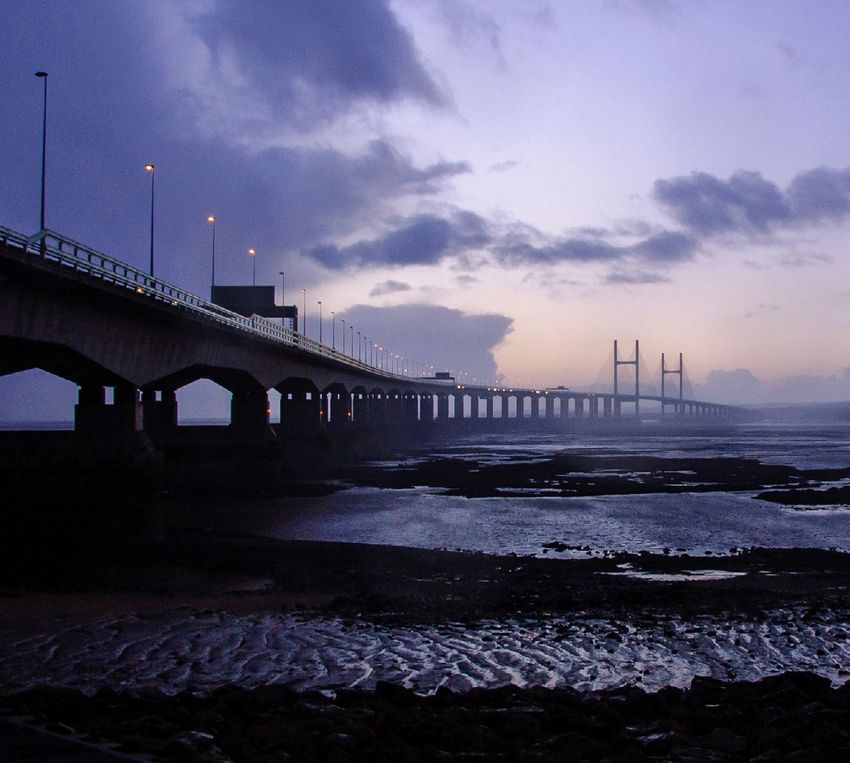
BLUE MARINE FOUNDATION   NATIONAL MARINE PARKS

“National Marine Parks could
support our existing protection
network to ensure long-term
awareness and stewardship”
Dan Crockett, Blue Marine Foundation

Photo: James Bowden

                                           8                       9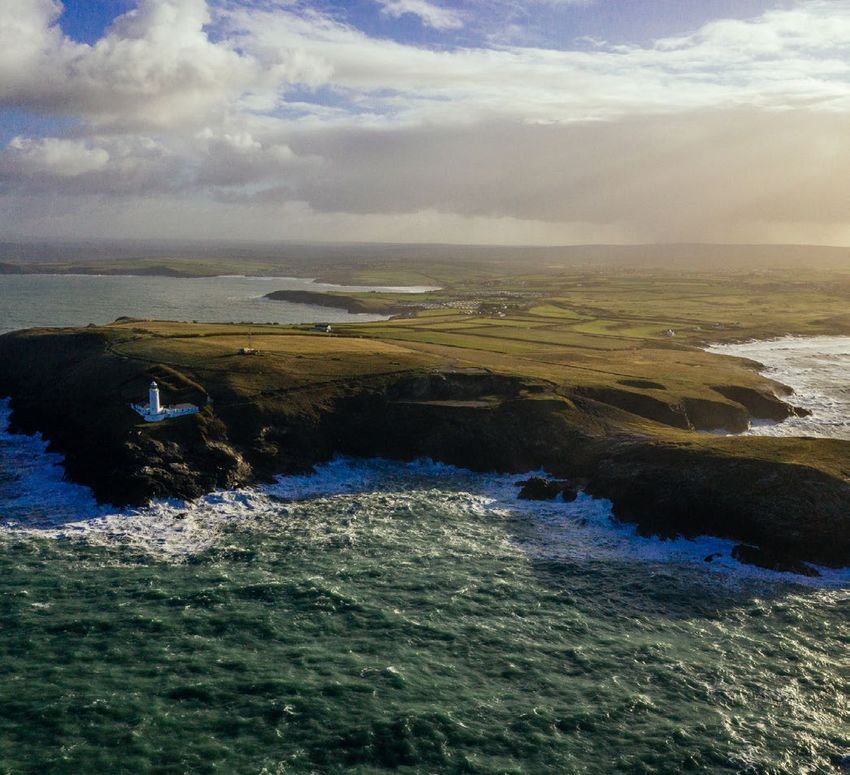
BLUE MARINE FOUNDATION                                     NATIONAL MARINE PARKS

                         ”The idea for National Marine
                         Parks means different things to
                         different people, from playgrounds
                         to protected areas”

                         BLUE has created this vision to start
                         a conversation and invite you to join
                         a new journey - to explore where
                         and how this could work for Britain.
                         Natasha Bradshaw, National Marine Parks Research Advisor

         10                                                         11
BLUE MARINE FOUNDATION                 NATIONAL MARINE PARKS

OVERVIEW                                                                This is the start of a conversation
                                                                        about the purpose and benefits of
                                                                        National Marine Parks in Britain
This report sets out a vision for establishing National
Marine Parks in the seas around Britain. Marine Parks
could celebrate our biodiversity and heritage, improve
public understanding and communicate the value of
our coast and sea. They could improve stewardship by
uniting communities to engage with and sustainably
manage their local marine area.

To explore the potential for Marine Parks in British
waters, the Blue Marine Foundation ‘BLUE’ explored
maps and interviewed a range of stakeholders across
Britain to discover areas where they could bring social,
economic and conservation benefits. This is a summary
of the research, offering insights for further discussion
and debate.

The report builds on the outcomes from a conference
led by BLUE in 2018 and the learnings from a pioneering
initiative in Plymouth Sound, where a National Marine
Park was self-declared by the local community in 2019.

This report proposes the start of a conversation about
the purpose and benefits of National Marine Parks. It
offers insights into some potential locations that might
benefit, and some of the principles that might support
their evolution from within communities to form a
framework for National Marine Parks.

Please address all thoughts and feedback to
marineparks@bluemarinefoundation.com

                                                            12                                 13
BLUE MARINE FOUNDATION   NATIONAL MARINE PARKS

CONTENTS

16   Executive Summary

18   History

19   The Value of National Parks

20   National Designations

24   Vision

26   Aims

27   Opportunity

28   Locations

50   Conclusions

52   Next Steps

54   References

                            14                       15
BLUE MARINE FOUNDATION                                                                                                          NATIONAL MARINE PARKS

EXECUTIVE SUMMARY

Of the 15 National Parks in Britain today, only a few
include the coast and none include the sea. The
                                                                                                                                                    Daniel Crockett
formalisation of National Parks happened in the                                                                                                     Development Director
                                                                                                                                                    Blue Marine Foundation

days following the Second World War.

Recognising Britain’s natural and cultural heritage                  We propose that a clear way to solve this challenge,      This initiative presents inspiration and opportunity                to announce a three-year campaign to further its
became all-important after the looming threat of                     one that respects the progress made to establish an       for other locations across Britain. Following the 2018              ambitions and conclusions. Natasha discovered a
invasion. What many people do not realise is that                    ecologically coherent network of protected areas in       conference in Plymouth, BLUE commissioned Natasha                   groundswell of support for the idea of Marine Parks. We
National Parks did not arrive fully formed in 1949. The              British seas, one that celebrates marine conservation     Bradshaw to look at where the evidence might support                have therefore put this research in context, detailing
campaign for their designation took decades and                      in a way that people understand, is to create National    the creation of other national marine parks and the                 the history, current situation and future possibilities
continues today.                                                     Marine Parks. They would ultimately benefit people,       level of support for the idea. This report is a distillation        for Marine Parks in British Seas, while recommending a
                                                                     the marine environment and our collective efforts to      of her research.                                                    number of potential locations for further conversations.
Of course, at that time, our appreciation and                        protect it.                                                                                                                   Ultimately, though, this is about local communities and
understanding of the sea was very different. In some                                                                           Natasha    found    evidence     of   past   and    current         the value they see in the idea.
ways we were closer to it, our history as a great maritime           Our vision is for Marine Parks to evolve where there      conversations about coastal or marine parks across
nation was less distant. But we had no concept of the                are clusters of marine designated sites and a need        the country, from Cornwall and Dorset to North West                 One highlight from Natasha’s interview process was
need to protect it from exploitation or celebrate it as an           to link them with human culture across those areas.       England and to Scotland. This included the Isles of                 a thought from Lyme Bay fisherman Rob King, who
incredible public asset and home to a huge diversity of              Marine Parks have the potential to help us improve        Scilly, where specific provision was written into the               said: “To go forward, we need someone to write a
marine life. The result is that people sometimes see our             co-ordinated management and improve opportunities         1949 Act. Many more coastal areas were proposed in                  mission statement about what Marine Park status
seas as murky, unappealing and cold. But our 30,000km                for people and marine life. They could make more          the 1940s than have come into fruition. In fact only one            seeks to achieve including the financial, logistical and
long coastline and islands offer many places which are               of the connections between our lives on land and          site – the Pembrokeshire Coast National Park in Wales               management needs.” Our plan is to take up the mantle
hugely appreciated by locals, visitors and tourists. Our             the value of our coasts and the sea. Marine Parks         - has been formally designated for its seascape. In                 of Rob’s request over the next three years. We see
seas are extraordinary for their diversity and the huge              would bring together our maritime heritage with our       Scotland, Coastal and Marine National Parks have been               this report as our first contribution towards framing a
abundance of marine life that they support, which                    newer appreciation of marine wildlife and the need        considered and a Hope Spot on the west coast brings                 mission statement for National Marine Parks.
brings us to consider the need for National Parks in                 for its conservation. Marine Parks would enable us        new opportunities. Further afield, Jersey is considering
the sea.                                                             to find new ways to celebrate our relationship with       the creation of a Marine Park.                                      The campaign for National Parks rose to prominence in
                                                                     the sea.                                                                                                                      the 1940s and continues today. People were struck by
Over the past few decades, scientists have understood                                                                          “To go forward, we need                                             the need to conserve and enhance the natural beauty of
much more about the value of the ocean and the                       Several years ago, it became clear that Plymouth
                                                                                                                               someone to write a mission                                          our precious countryside alongside economic recovery.
importance of the marine environment to the health of                had the bold and ambitious vision to recognise the                                                                            They emerged from a time of tragedy and conflict to
the planet. Britain has designated fragile places with               great opportunity for Plymouth and the Sound, with a      statement about what Marine                                         make a bold new future for people and nature. As our
an array of acronyms designed to protect them, while                 National Marine Park in the highly-designated and well-
                                                                                                                               Park status seeks to achieve                                        first National Parks reach their 70th Birthdays, we are
striking a balance with the many users of the sea for                managed waters surrounding the city. BLUE jumped to                                                                           again emerging from a challenging time and must plan
business and enjoyment. Marine conservation here has                 support this opportunity, framing a conference in June    including the financial, logistical                                 for a recovery that improves on what came before. Our
been a lifelong endeavour for many people, myself one of             2018 at which there was unanimous support to develop
                                                                                                                               and management needs”                                               access to the sea, together with its preservation, has
them. The building blocks are now complete, we have a                a Marine Park in Plymouth Sound. A little over a year                                                                         become more important than ever. BLUE believe that
marine protection network, but it is opaque to the British           later, seventy stakeholders from around Plymouth          Based on maps of existing conservation designations                 the time has come to do for the sea what we did for the
public. Our belief is that this limits its potential. Despite        Sound formed a declaration of intent. Tudor Evans,        and coastal population density, Natasha interviewed                 land. We therefore consider this report to be the start of
a growing global appreciation of the ocean and the                   Leader of Plymouth City Council, boldly declared it and   dozens of people around the country. We believe                     a campaign for National Marine Parks. We couldn’t be
challenges it faces, many people are disconnected from               brought the initiative to life and now has the task of    this is hugely important work and we are delighted                  more excited about where it might lead.
truly understanding and appreciating their home waters.              framing its future.

                                                                16                                                                                                                            17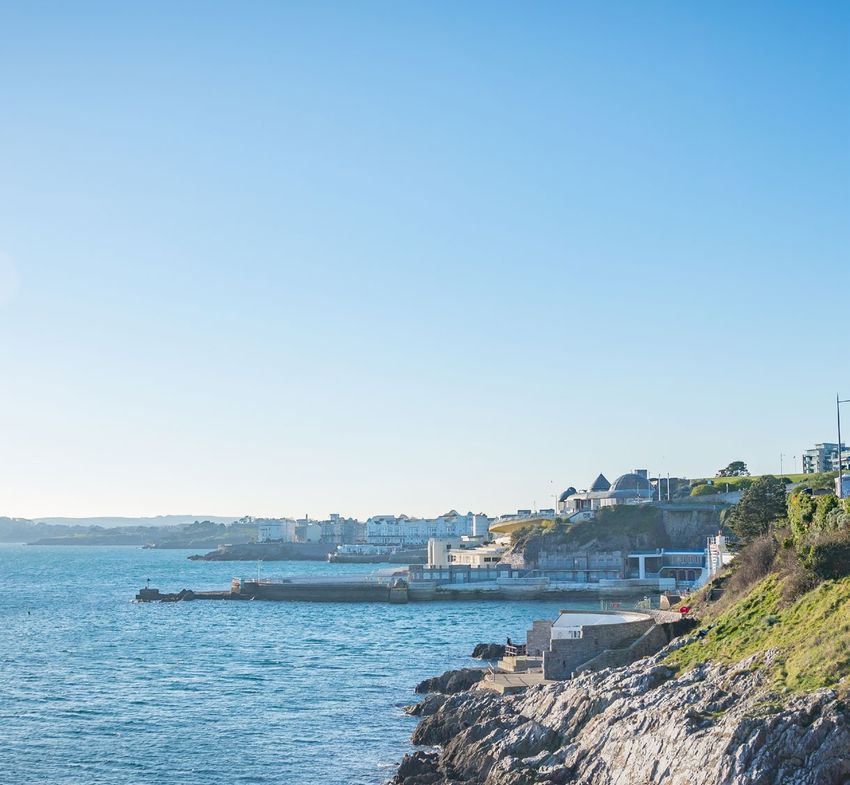
BLUE MARINE FOUNDATION                                                                                                        NATIONAL MARINE PARKS

HISTORY                                                                                                                    THE VALUE OF
                                                                                                                           NATIONAL PARKS
Over 70 years ago, an important step was taken to look         However, the designation landscape has become               The value of National Parks to our environment, society
after our special places on land. The National Parks           complicated and, in some areas, crowded and                 and economy is well recognised. National landscapes
and Access to the Countryside Act (1949) created the           confusing. The different designations often overlap         cover almost a quarter of England, providing health
opportunity for the most appreciated landscapes                and there are good reasons for this – underlying            and well-being through outdoor space, cultural value
in England and Wales to be recognised as National              legislation to protect different species and habitats.      and employment opportunities as well as ecosystem
Parks, but designation stopped at the coast, with just         We have come a long way to protect our coastal and          benefits.3,4 The ten National Parks in England have been
one Coastal National Park in Pembrokeshire (1952).             marine environment over the past decade, with effort        shown to contribute to the economy with 90 million
Scotland has designated two parks since the National           focused on identifying the most important areas for         visitors each year spending as much as £4 billion and
Parks (Scotland) Act 2000, but neither include the sea.        designation based on scientific evidence and liaison        22,500 businesses employing 140,000 people.5,6 In Wales,
Highly valued parts of the coast have been designated          between industry, NGOs and government. A network of         three National Parks cover 20% of the land surface,
as Heritage Coasts and Areas of Outstanding Natural            Marine Protected Areas is now established. However,         bringing an estimated 12 million visitors per year, and
Beauty (AONBs). These national landscapes have                 more engagement of the public is needed to encourage        over half a billion pounds into the Welsh economy.
gained prominence through the Countryside and Rights           meaningful understanding and stewardship.                   Scotland has designated two National Parks since
of Way Act (2000), National Planning Policy Framework                                                                      the enabling legislation in 2000 and there is an active
(2019) and the Landscapes Review (2019).1
                                                               On a voluntary basis, there has been significant interest   campaign for more areas to gain this status. The socio-
                                                               in caring for our coast and seas. Fifty years ago, The      economic benefits of National Parks have been proven,
There have been other legal and voluntary initiatives          National Trust began their ‘Enterprise Neptune’             nature-based tourism is growing and the value of blue
which have considered the value of land and sea beyond         campaign and they now look after 780 miles of coastline.    health benefits from spending time by the sea are
the coastline. The Wildlife and Countryside Act (1981)         In the 1990s, the ‘Campaign for a Living Coast ’ led
                                                                                                                  2
                                                                                                                           becoming evident.7-10 National Parks show how working
established legislation for National Nature Reserves           by English Nature, and ‘Focus on Firths’ initiative led     landscapes can be areas in which people live and work
(NNRs) but only one marine NNR was designated - Lundy          by Scottish Natural Heritage,    together with the UK       in harmony. There is potential for similar principles and
Island in 1986 - having been managed as a Voluntary            Government’s interest in coastal policy, led to the         practices to be applied to the seascape. The Jurassic
Marine Nature Reserve since 1971. It wasn’t until the          formation of over 50 coastal and estuary partnerships.      Coast brings £111 million per year into the Dorset and
Marine and Coastal Access Act in 2009 and Marine               They continue to bring coastal communities and              Devon economy.11
(Scotland) Act in 2010 that a higher proportion of the         stakeholders together across Britain. Combining this
marine environment was protected, after many years of          voluntary effort to care for our coast, with the past
campaigning by environmental organisations. Marine             few decades’ campaign to designate Marine Protected
Protected Areas have made a crucial difference, by             Areas and the history behind National Parks, could bring
designating special places in the sea where damaging           further momentum towards celebrating our national
activities must be managed, to protect the important           landscapes and seascape.
habitats and species within them.

“Marine Parks have the potential                                                                                           “There can be few national purposes
to take us a new distance towards                                                                                          which, at so modest a cost, offer so large
engaging people with the sea”                                                                                              a prospect of health-giving happiness for
Dan Laffoley, IUCN                                                                                                         the people”
                                                                                                                           John Dower (1945)12

                                                          18                                                                                                                           19
BLUE MARINE FOUNDATION NATIONAL MARINE PARKS
NATIONAL
DESIGNATIONS
Britain has 15 National Parks showcasing some of
our most treasured landscapes. Only one of them
reflects our connection with the sea: Pembrokeshire
Coast National Park in Wales, designated in 1952. Over
the past two decades as international conventions,
European Directives and national legislation have come
into being, an increasing proportion of our seas have
been designated with the aim of protecting important
habitats to protect or restore marine biodiversity.
There are now 371 Marine Protected Areas in UK
waters covering 885,430 km2 including Special Areas
of Conservation (SAC), Special Protection Areas
(SPA), marine National Nature Reserves (NNR), Marine
Conservation Zones (MCZ) and National Conservation
Marine Protected Areas (NCMP). Well over a quarter
of UK waters are now designated as some form of
Marine Protected Area.13 In addition, coastal areas are
designated as Sites of Special Scientific Interest (SSSIs),
Heritage Coasts and Areas of Outstanding Natural
Beauty (AONB), Local and National Nature Reserves
(NNRs). There are also a handful of Biosphere Reserves
and World Heritage Sites. The map in Figure 1 illustrates
twelve different kinds of designation supported
through domestic laws and international conventions
within 3km inshore and 3nm offshore reflecting the
importance of our coast and seas.
“We need to stop getting tangled up in terminology
and designations that confuse people. We don’t need
a new type of designation which could cause more
complication, but better branding of what we’ve got –
the name Marine Park might be a better term”
Photo: James Bowden Sue Wells, Flora and Fauna International
20 21BLUE MARINE FOUNDATION NATIONAL MARINE PARKS
How would a National Marine Park be National Parks
different to existing designations? Figure 1: Coastal and Marine designations across Britain National Nature Reserves
Local Nature Reserves
There is no single agreed definition for a Marine Park designations have been added as international, Twelve different types of designations protect specific
used internationally, but what many have in common European and national marine legislation developed habitats, species and landscapes, from the local to Biosphere Reserve
is that they are multiple use areas with different zones over the last 50 years, leading to a myriad of different national and international scale and with different
Heritage Coasts
allowing different types of activities. Several Marine terms that are generally opaque and can be confusing levels of voluntary and legal status.
Parks are defined as a form of Marine Protected Area to the general public. Areas of Outstanding Natural Beauty
where limits have been placed on human activities, but World Heritage Site
most of them allow – or indeed actively encourage - A National Marine Park, as envisaged by BLUE and many
Marine Conservation Zones
access and recreational activities. people that attended the Marine Parks conference in
2018, is a status for a larger multi-use space that draws Nature Conservation Marine
Protected Areas
Existing designations for Britain’s coast and seas together pre-existing, valuable designations such as
are typically focused on a single purpose; to protect Marine Protected Areas and Areas of Outstanding Special Areas of Conservation
biodiversity, archaeology or seascape; or to manage Natural Beauty, alongside carefully managed Special Protection Areas
activities such as fishing or recreation. Layers of commercial and recreational uses.
RAMSAR wetland sites
Sites of Special Scientific Interest
Six Mile limit
Photo: James Bowden
22 23BLUE MARINE FOUNDATION NATIONAL MARINE PARKS
VISION
Blue Marine Foundation (BLUE) has a vision for National This is a vision that is focused on engagement and
Marine Parks which builds on what has come before stewardship to compliment existing designation,
in the designation, management and governance regulations and governance. It will build on and emerge
of our seas. It is a vision that supports and enhances from local people understanding the complexities of
the solid foundations laid by decades of hard work by governance and the challenges faced to reach this
scientists, conservationists, government agencies and point. There cannot be a one-size-fits-all approach
numerous local stakeholders who have worked together to National Marine Parks. This is a status that should
successfully. At no point do we suggest replacing what be considered on a case-by-case basis, and driven by
already exists. the particular natural, cultural, social and economic
characteristics of a local area. It will bring about a
National Marine Parks would be about shared wide range of benefits which are in the long-term
opportunity. About the recognition of what is precious to public interest.
us all. About conserving and enhancing our rich coastal
waters in a way that people understand. We want coastal BLUE have mapped all existing designations for the
communities to feel pride in their marine environment coastal and marine environment and looked at areas
and for visitors to respect the value of our seas. where they overlap. These areas were compared with
coastal population density, focusing on places where
National parks on land have been found to be important people visit the sea. We spoke to stakeholders across
to 90% of people - their value is well recognised. By Britain and discovered a groundswell of support for a
contrast, the way in which we communicate the value status that would help to unite and communicate the
of the sea through many designations can be hard way we protect the sea. Going forwards, BLUE wishes
to understand. An important part of the picture - to act as a catalyst and enabler, helping to support
encouraging stewardship by connecting people with the growth of the idea by building momentum across
greater understanding and appreciation of what’s each site and sharing information between the sites
under the sea - feels unfinished. With a comprehensive around Britain.
network of Marine Protected Areas now in place, the
time is right to bring them to life for the public and An idea is a powerful thing. One day, we hope that
celebrate the marine species, habitats and heritage they National Marine Parks will support health and
protect. By taking a broader view that encompasses wellbeing around the coastlines of Britain. That they
and celebrates all the important features, protected will give people a sense of purpose and renewed
areas and uses within a marine area, the National identity with the sea. That they will deliver benefits to Photo: James Bowden
Marine Park concept could instigate much more coastal communities, raise awareness of the marine
meaningful and positive engagement between diverse environment and its role in supporting our lives on land.
marine stakeholders and local communities. Through We believe that stronger and simpler communication
the power of narrative, Marine Parks can create more holds the key to all of these things and more. What we “We heard impressive arguments from those in favour
opportunities for understanding, enjoyment and found during the development of this report was a wide
stewardship of marine areas. range of people who believe in exploring the idea. of giving particular areas protection and many
enthusiastic calls for change, including with regard
to our marine and coastal areas.”
Defra Landscapes Review, 20191
24 25BLUE MARINE FOUNDATION NATIONAL MARINE PARKS
AIMS OPPORTUNITY
What can Marine Parks achieve? Over 30 people from around Britain were interviewed
The following aims are a starting point for a national “There is a rich seam of to explore their views on the potential for Marine Parks. “Despite being a
framework for British seas, based on BLUE’s initial research. People involved in planning, managing or caring for the
existing sustainability coast and sea in local authorities, industry, fisheries, maritime city, Plymouth
- Celebrate our extraordinary natural and cultural academia, government, environmental NGOs, coastal
maritime heritage. principles to apply to partnerships and independent strategic thinkers. One is disconnected from the
- Connect people’s lives with the sea to improve third of the people we interviewed had given previous
health and wellbeing. Marine Parks, which consideration to the concept of Marine Parks; one third sea. In many deprived
- Promote better understanding of life below water. were giving the idea current consideration; and one third
- Build awareness of, and support for, existing will need strong guiding based their understanding only on knowledge of the communities there are
conservation designations. existing land-based National Parks.
- Encourage positive communication around our principles” children that have never
marine environment amongst those that use and The value of Marine Parks has been considered before.
protect it. Bob Earll, CMS Ltd and convenor of Coastal Futures The Scottish Government researched coastal and marine visited the water. A
- Promote balance and collaboration between the national parks in 2006 and a consultation for an Argyll
many different types of users and visitors. and Islands Coastal/Marine National Park took place Marine Park in Plymouth
- Facilitate recreation and tourism opportunities in 2017. Over ten years ago the North West Regional
and generate additional economic opportunities “Marine Parks could Development Agency proposed Regional Parks including has the opportunity to
through better branding. the North West Coast. A Maritime Strategy for Cornwall
- Engage local communities in developing an bring down boundaries, included debate about a Cornish Marine Park. Recent make the environment
inclusive plan to solve local challenges, promote proposals for a Dorset National Park considered inclusion
local opportunities and generate a stronger sense bring everyone together, of the sea. These are just a few of the insights we gained better than the sum
of stewardship. from talking to people around Britain.
- A National Marine Park would not necessarily need allow groups to see what of the parts, in a way
any new legislation or authority - it could build on The UK Government’s recent review of England’s protected
existing governance arrangements. connects them all and get landscapes has sparked new interest in National Parks that resonates with
and AONBs. There is growing interest in Plymouth Sound
People we interviewed indicated a range of views people working together National Marine Park and the conference hosted by BLUE the public”
of what a Marine Park could be and how it could be in 2018 to promote a national debate.
formed. We believe the above aims provide a starting in their place” Professor Martin Attrill
point for conversations worth having and a journey Everybody we spoke to could see the value of Marine Parks.
worth starting. Aisling Lannin, Marine Pioneer Coordinator, MMO Their main reasons for this were the need to simplify the
complexity around existing designations, through a single
status that enables easier communication. Most people
understood that Marine Parks would promote more than
conservation and environmental protection: they could
be a way of promoting and protecting seascape for the
benefit of all. Climate change, Brexit and the Covid-19
pandemic pose threats but also provide us with a chance
to look at things anew. As part of our socio-economic
recovery and resilience planning for the future, this could
be the right decade to give National Marine Parks serious
consideration.
26 27BLUE MARINE FOUNDATION NATIONAL MARINE PARKS
LO CAT I O N S
Photo: George Karbus
28 29BLUE MARINE FOUNDATION NATIONAL MARINE PARKS
Figure 2: Heat map of designation and population density
Marine and coastal designation
density (up to 3km from the
coastline)
BLUE mapped existing designations within 3km of the 1. The South 4-5
coastline inland and 3nm offshore, to create a ‘heat Plymouth Sound National Marine Park
6-7
map’ of designation density (see Figure 2). We Dorset, Solent and the Isle of Wight to Sussex
also mapped population density to explore where 8-9
highly designated coastal and marine areas linked 2. The Greater Thames 10+
with proximity to people. In a range of locations London Gateway, North Kent & South Essex
we interviewed stakeholders who understand the
existing way that coastal and marine designations 3. East Anglia Population Density (persons per
work alongside the planning system, the regulatory Suffolk, The Wash & North Norfolk hectare, by Local Authority)
duties of public bodies, the work of local authorities, 2-7
coastal partnerships and voluntary groups, to promote 4. North East England
7.1 - 19
awareness and connection between people and the sea.
Tyne to Tees Seascape, Northumberland
and Berwickshire 19.1 - 36
Based on our mapping work and interviews with over
36.1 - 72
thirty people from across Britain, we have identified an 5. North West England
appetite for furthering the conversation about Marine
Cumbria’s Colourful Coast, the Solway Firth 72.1 - 139
Parks. The locations illustrated below are not proposals and Coastal Regional Parks.
intended to be exclusive or exhaustive, they are places
where we recommend conversations are furthered. 6. The Severn Sea
BLUE believe that Marine Parks will only be successful Severn Estuary and the Bristol Channel
if stakeholders agree that this is appropriate and they
are driven by the will of local people. 7. Atlantic Cornwall
The Isles of Scilly
Starting from Plymouth, where National Marine Park
status was declared voluntarily in 2019, we showcase 8. Wales
a selection of areas across England and offer a Pembrokeshire
perspective on Wales, Scotland and experience from
Jersey. 9. Scotland
Argyll Coast & Islands
10. A Crown Dependency
Jersey
30 31BLUE MARINE FOUNDATION NATIONAL MARINE PARKS
THE SOUTH “Plymouth - Britian’s Ocean City - has a
long history of launching many pioneering
voyages, from the Beagle to the Mayflower and
In Devon, a pioneering National Marine Park has triggered interest along every time one of her majesty’s ships crosses
the south coast to Lyme Bay, Dorset, the Solent and to Sussex.
Plymouth Sound we are reminded of how our
maritime space has helped shape the city,
nation and world. Plymouth Sound National
Marine Park is Plymouth’s next exciting marine
voyage. With more than 1000 species residing
in Plymouth Sound, it’s not about additional
regulation, it’s about users and stakeholders
Plymouth Sound National Marine Park
working collaboratively to increase knowledge,
Britain’s “Ocean City” initiative is led by Plymouth internationally important wildlife in the sea. The marine
City Council who self-declared National Marine Park sector in Plymouth employs over 13,000 people. opportunities and understanding of the sea.”
status in September 2019 with the support of 70 local
stakeholders. There had been a background level of Plymouth City Council realised that many children Tudor Evans OBE, Leader, Plymouth City Council
interest in a Marine Park by local academics (Martin living in the city, within a few miles of the sea, hadn’t
Attrill chiefly) and a small number of individuals for visited Plymouth Sound. New opportunities for people
some years. With political momentum from Luke to benefit from the city’s waterside location could
Pollard MP, the Leader of Plymouth City Council Tudor arise through raising its status as a National Marine
Evans and others in 2017, the initiative really took off. Park. BLUE identified 64 natural and cultural heritage
They promoted a vision for a Marine Park that enabled designations in and around Plymouth Sound, including
people to understand marine protection and connect the coast and estuaries extending beyond the Sound,
better with the ocean, bringing more people into particularly in the South Hams District which is an
contact with the sea through education, exploration extensive Area of Outstanding Natural Beauty (AONB).
and employment. BLUE organised a national
conference in 2018, convened by Dan Crockett, that The Tamar Estuaries Consultative Forum (TECF) offer
brought together 120 interested parties at the National best practice in working with organisations and local
Marine Aquarium in Plymouth. The end of the day saw a authorities with statutory responsibility towards the
near-unanimous show of hands for Plymouth to create management of Plymouth Sound and its advisory groups
a Marine Park. which the marine park looks to support and celebrate.
The City Council were supported by a secondee, Josh
A key feature of Plymouth Sound National Marine Park McCarty, from BLUE to launch the declaration of intent
is the link between the marine environment and the for Plymouth Sound National Marine Park. With a grant
city’s cultural maritime heritage. The area supports from the Marine Management Organisation, Plymouth
a naval dockyard, commercial ports, watersports, a City Council commissioned a National Marine Park
marine research cluster, a tourist destination and a feasibility study, which should be delivered in 2021.
base for a fishing fleet and fish market – all alongside
32 33BLUE MARINE FOUNDATION NATIONAL MARINE PARKS
Dorset and Lyme Bay Solent and the Isle of Wight to Sussex
Dorset occupies a long stretch (142 km) of the coast managed by fishermen, regulators, researchers and A high density of coastal and marine designations and that to ensure wide and open discussion, any
of south England. It has the most densely designated conservation groups. population concentration exists around Southampton Marine Park proposal would start its journey with the
marine environment with three Special Areas of and the Isle of Wight. East of Southampton, Portsmouth Solent Forum.
Conservation, two Special Protection Areas, nine The co-management of the reserve has resulted in and Chichester Harbour are backed by the South
Marine Conservation Zones and numerous Sites of measurable recovery of biodiversity, whilst the creation Downs National Park, the most recently designated There is clear evidence to suggest that the conversation
Special Scientific Interest, across one of the most by BLUE of the Lyme Bay Reserve Seafood initiative has National Park in England. West of the Solent, the New about Marine Parks should be developed further and
intensively used areas in UK marine waters. An active bought financial benefits for participating fishermen Forest National Park includes 40 miles of coastline wider along the south coast of England. The experience
group of individuals with support from local groups has that fish sustainably. A schools outreach programme from Barton on Sea into Southampton Water and up from Plymouth in Devon could be explored across
proposed a new National Park for Dorset. Interest has has also delivered education and engagement with the to Totton, a town not far from the city of Southampton. Lyme Bay and Dorset to the Solent. There may also be
grown and there is some suggestion that the proposal local community. The Solent and Southampton Water are designated potential eastwards along the Sussex and Kent coasts.
could include a marine element. as Special Protection Areas. Parts of the Solent and The potential for a Sussex Bay Marine Park is being
With such a successful model already in place at the the Isle of Wight Lagoons are also a Special Area of explored alongside proposals for kelp restoration.
There is a good level of groundwork already undertaken heart of the Dorset coast, there is a strong foundation for Conservation. This area also has five relatively recently
in Dorset to consider Marine Park status. The Dorset developing a Marine Park that broadens engagement designated Marine Conservation Zones. Approximately
Coast Forum wrote about the concept of a Marine Park and partnership across a wider area with other user half of the Isle of Wight is designated an Area of
in Dorset about a decade ago and found that the term groups of this marine space. Outstanding Natural Beauty and the western side is
Marine Park means different things to different people. Heritage Coast, with proposals for World Heritage “Marine Parks could be a
The pursuit of Marine Conservation Zones through the Site status.
Marine Act has been the predominant driver since that “Dorset is at the heart focus for us to celebrate
time. The Dorset coast from Studland Bay westward to There are similarities between Plymouth and the Solent
the Devon border and onto Exmouth is included in the of many lively discussions – both are proud of their rich maritime heritage with maritime activity, our
Jurassic Coast World Heritage Site designated in 2001. significant past and present naval interests, lively
about National Park recreational watersports and nearby National Parks. maritime history, our
Like Plymouth Sound, the Solent and Isle of Wight
A Marine Park initiative could build on the success of status and the opportunity offer potential to celebrate the special characteristics marine research institutes
BLUE’s ground-breaking work setting up the Lyme of the area and promote greater understanding and
Bay Fisheries and Conservation Reserve, which has for a Marine Park here” engagement. This would include residents within the and promote citizen
established an effective ecosystem-based approach urban communities of Southampton and Portsmouth,
to marine management through a combination of Dr Simon Cripps, Chair Dorset Local Nature many of whom find it challenging to access the coast science to raise awareness
regulatory and voluntary measures co-developed and Partnership 2012-2020 and water for recreation and wellbeing benefits, plus
over 1.4 million people who live within a ten-minute of the importance of the
drive of the Solent. This is a challenging area to manage
multiple-use with major ports, commercial interests marine environment”
and recreational events and many people separated
from the sea by urban development. BLUE recommends Peter Barham MBE, SUDG and Solent Forum Chair
“Dorset Coast Forum could lead a project to explore “Just as the post-war government was ambitious to
Marine Park status: they are neutral, trusted with establish National Parks, so too must we be ambitious
a proven track record of delivery. They could bring for more National Marine Parks. In the middle of a
people from different marine and coastal sectors to climate crisis, this is a perfect response to growing
discuss this opportunity.” public interest in our oceans.”
Bridget Betts, Dorset Council Luke Pollard MP for Plymouth Sutton and Devonport and Shadow Environment Secretary
34 35BLUE MARINE FOUNDATION NATIONAL MARINE PARKS
T H E G R E AT E R T H A M E S EAST ANGLIA
The Thames Estuary is an area with great potential. It has sizeable The North Sea is very much a ‘working sea’ where meaningful
economic power, a strong feeling of collaboration and a ‘can do attitude’ engagement is needed with the seascape and marine environment. The
from London right out to the sea. The Estuary has an important brand and challenge to engage people here is perhaps tougher than anywhere due
status, which makes a significant contribution to the UK economy.15 to the lack of open, sandy beaches in Suffolk and the vastness of the
mudflats of The Wash.
Many people do not recognise that London is by the supported by sustainable finance. More consideration The Wash Estuary and North Suffolk Coast
sea. The River Thames is tidal through central London could be given in these plans to marine conservation Norfolk Coast
and upstream as far as Teddington. This presents an and seascape. There is potential to engage with local The Suffolk coast also has potential to explore Marine
opportunity to tell millions of people about the value initiatives and explore the opportunity for Marine Park The Wash Estuary and North Norfolk coast offer Park status. It runs from Landguard Point south of
of our coastal and marine environment. The Thames status alongside the recently designated London City contrasting environments of salt marsh, mud flats and Felixstowe to the Norfolk border just above Lowestoft.
Estuary extends beyond Greater London into Kent National Park. The city marine parks concept shows
17
open coast across a vast rural area. The Wash is included The shoreline is predominately shingle, worked by
and Essex as it reaches the sea. Here there are Special unfulfilled potential for coastal cities such as London. in a large Special Protection Area of international small fishing boats launched off the beach in places
Areas of Conservation, Marine Conservation Zones and It could enhance community well-being, prosperity and significance for birds with several National Nature like Aldeburgh, Dunwich and Southwold. Several sandy
protected wrecks offering maritime connections with sustainable living in the heart of our capital city around Reserves. The North Norfolk coastline is an extensive beaches including the unusual Covehithe, are well-
our capital city. the Thames Estuary. Heritage Coast and Area of Outstanding Natural loved by locals and visitors alike. There is a rich history
Beauty (AONB) which links to the Broads National Park. of human interaction with the sea and in several
Efforts to safeguard, restore and enhance the natural places once-thriving harbours have been reclaimed
and man-made environmental assets around the “Marine awareness will Norfolk County Council are leading a review of and drowned. A large MPA, the Orford Inshore, has
Thames are gaining recognition. The Thames Estuary is legislation and its integration, in which the option of a been designated 14km offshore from the Alde-Ore
central to the Greater Thames Gateway vision. It involves be easier through the Marine Park has been raised. They are part of a North Estuary, providing a vital nursery and spawning ground
socio-economic regeneration around a tapestry of Sea region project to explore the benefits of linking
18
for many fish species. Suffolk Coast & Heaths AONB
‘productive places’ including the city ribbon, inner creation of Marine Parks sustainable growth and nature protection. This will be was designated in 1970 to conserve and enhance the
estuary, south Essex foreshore, north Kent foreshore achieved through unlocking the potential of nature habitats and biodiversity of heathlands, woodlands,
and the River Thames out to sea. Plans include a for inshore areas such heritage brands as a driver for jobs and sustainable estuaries and coast. This includes several important
continuous Thames Path and a Greater Thames Park, regional development. Opportunity and appetite exists estuaries with abundant saltmarsh, known to sequester
recognising that the Thames Estuary is a precious yet as estuaries and where to unite existing designations through a World Heritage and store carbon. Rewilding has a growing momentum
undervalued landscape with only 11% of the Estuary Site, Biosphere Reserve or Marine Park. The designated in the county, led by a group of landowners called Wild
having statutory protection for nature conservation.16 The there are already clusters marine sites extend up to mean high water and overlap East. There is likely to be an appetite for a Marine Park
Council for the Protection of Rural England are calling for with the North Norfolk Coast AONB which reaches that would help to communicate the value of marine life.
a Regional Park to co-ordinate environmental protection of designated sites” out to mean low water mark. There is potential in the
and improvement alongside regeneration and renewal, in overlapping designations to simplify messaging around
particular encouraging nature conservation, landscape Amy Pryor, Technical Director, Thames Estuary the Wash Estuary and North Norfolk coast.
restoration, sustainable farming and public access Partnership
36 37BLUE MARINE FOUNDATION NATIONAL MARINE PARKS
NORTH EAST ENGLAND NORTH WEST ENGLAND
North East England is an area of contrasting coastlines, some highly A high proportion of the North West coast and inshore marine
designated and recognised for their special character and others less environment is designated, in particular around the Solway Firth,
designated but with potential to be more appreciated. Morecambe Bay and the Ribble Estuary. Liverpool Mercantile Maritime
City is the UK’s only cultural World Heritage Site. The Lake District
National Park and World Heritage Site meets the sea in a rural area of
Cumbria with 23 miles of coastline.
Tyne to Teas seascape Northumberland National Park. The northern section of The combined cultural maritime heritage and natural English part of the Solway Coast has been recognised
the Northumberland and Berwickshire coast is essentially beauty of this area are worthy of consideration for as an AONB since 1964. National Scenic Areas on the
The Durham Heritage Coast is at the heart of a SeaScapes a rural area which is recognised for its special character National Marine Park status with landscape value Scottish side in Dumfries and Galloway are pioneering
initiative between the Rivers Tyne and Tees. This area including the coast and marine conservation. The recognised in two coastal AONBs and over 90% of the consideration of nationally important landscapes,
lies between the Yorkshire coast - adjacent to the North southern section of the Northumberland coast extends north west coast within a Marine Protected Area. The including consideration of whether to include coastal
York Moors National Park - and heavily designated down into urban Tyneside and is more industrial and post- Lake District is one of eight of Britain’s National Parks and marine in a National Park proposal. The Solway
Northumberland and Berwickshire marine sites. It is an industrial in character, but retains recognised importance which reach the coast, where opportunities could be Firth Partnership brings together communities and
area of unique, post-industrial, recovering coastline with for marine conservation. There is potential for National explored to connect the existing National Park to a stakeholders across the border including joint work
a deep history of coal mining, ship building and trade Marine Park status to connect the larger proportion of Marine Park. between Scottish and UK authorities for marine planning.
which has embedded communities with a dependency on the population of Northumberland and Tyneside in the
the coastal and marine environment. The importance of south with the highly designated coastal and marine Cumbria’s Colourful Coast Coastal Regional Parks
connecting a poorly engaged and deprived community environment in the north.
with conservation goals is seen as a route to its future West of the Lake District National Park, the coast of Proposals have been made in the past for coastal
success and sustainability. National Marine Park status North East England highlights that National Marine Whitehaven to St. Bees Head Heritage Coast is being regional parks in North West England including a
could work for this stretch of coast out to 6nm offshore, Parks have the potential to restore as well as protect the promoting as the ‘Colourful Coast’. It has a rich history Morecambe Bay Regional Park, the Ribble Coast
to support the full recovery of its natural heritage and to marine environment for the benefit of people and the sea. with the village of Whitehaven formally dependent upon and Wetlands Regional Park and Mersey Waterfront
recognise its cultural heritage significance - there are a fishing, farming and salt-making, until coal mining and Regional Park, linked by a North West Coastal Trail.
high number of wrecks and offshore features. Marine Park the construction of the pier in the 1600s introduced it These connecting concepts were pursued by the North
status could ignite stewardship by further encouraging “We are watching the as a port and trade route. St Bees is a popular seaside West Regional Assembly and Regional Development
people’s connection with the sea. tourist destination and the start of the Coast to Coast Agency over a decade ago and included guiding
National Marine Park Walk across northern England. The Colourful Coast principles for a coastal Regional Parks framework.19
could be explored as a Marine Park extension of the Coastal Regional Parks would have given recognition to
Northumberland and Berwickshire process closely as we Lake District National Park. special places such as Morecambe Bay and the Ribble
Estuary. The momentum was lost when the English
Contrasting with the Tyne to Tees seascape, the think it could work well for Solway Firth regional bodies closed. The concept had similarities to
Northumberland coastal and marine space is one of the what a Marine Park could offer in future.
most highly designated areas of England with Heritage the Durham Coast and Straddling England and Scotland, the Solway Firth is
Coast, Marine Conservation Zones and European Marine a highly designated area supporting internationally
Sites. Central to this area is the Lindisfarne National SeaScapes project area” important habitats and species such as saltmarsh and
Nature Reserve including Holy Island. Inland, lies the sand dunes, geese, waders, seabirds and migratory fish,
Niall Benson, Durham County Council with an important nursery area for skates and rays. The
38 39BLUE MARINE FOUNDATION NATIONAL MARINE PARKS
THE SEVERN SEA
Known as ‘Mor Hafren’ in Welsh, the ‘Severn Sea’ has one of the highest tidal
ranges in the world and Britain’s largest estuary. The Severn Estuary and
surrounding areas have the highest level of international and European
designations for wetlands which are linked to the Somerset Levels and
Moors, the Gwent Levels and River Wye.
The Severn Estuary and Bristol Channel are surrounded are significant pressures for development on both
by nationally designated coastal landscapes with sides. The Severn Estuary Partnership has been
Exmoor National Park, the Wye Valley AONB, Quantock co-ordinating local authorities and key stakeholders
Hills AONB, Glamorgan Heritage Coast, Gower around the estuary since the 1990s, providing essential
Peninsula Heritage Coast AONB and the North Devon networking effort across the border. There is significant
UNESCO Biosphere Reserve. potential to work on citizen engagement, particularly
with deprived coastal communities who could benefit
Despite the special features and many designations from socio-economic opportunities associated with
around the ‘Severn Sea’ there is limited understanding the Severn Estuary and Bristol Channel. Marine Park
and celebration of the natural seascape and status could attract investment for awareness raising
marine environment amongst neighbouring urban and engagement effort, bridging connectivity between
communities. Accessibility to the coast and water is millions of people and this vast ecosystem.
challenging due to the fast tidal currents and large
mudflats in many areas. The cities of Gloucester, Bristol,
Newport and Cardiff offer significant potential for more
community awareness, understanding, engagement
and enjoyment of this ecosystem. Wilderness and well- “Many people living in
being opportunities exist, but few interpretation and
recreational facilities are available to encourage people Cardiff, within 1 mile of
to understand the marine environment or connect their
daily lives with the sea. the coast, have never
The ‘Severn Sea’ faces many challenges and been there”
opportunities. Coastal and marine designations
span the border across England and Wales but there Rhoda Ballinger, Cardiff University
40 41BLUE MARINE FOUNDATION NATIONAL MARINE PARKS
“In the past, stakeholders in Cornwall have
AT L A N T I C C O R N WA L L considered the option of Marine and Coastal
Park status for the Cornish coast and
Cornwall and the Isles of Scilly offer significant potential to demonstrate
how enhancing public connection with the sea leads to a greater sense of nearshore waters, linking and extending the
stewardship and sustainable living based around the marine environment. coastal elements of the AONB and existing
Marine Protected Areas”
Philippa Hoskin, Cornwall Council
Cornwall Isles of Scilly
There is hardly a stretch of the Cornish coast that isn’t In the 1949 National Parks Act, special provision was
recognised for its high value, with 34% of Cornwall’s given for the Isles of Scilly Council to designate a
inshore waters (to 12nm) now within a Marine Protected National Park. The main islands collectively form an
Area. Much of the coast has Heritage Coast and Area of AONB and Heritage Coast, with European Marine Site
Outstanding Natural Beauty (AONB) status. The highest designations and ten Marine Conservation Zones.
coastal and marine designation density in Cornwall Island livelihoods are highly embedded with the sea and
is around Falmouth and the Lizard Peninsula where the clear tropical-like waters of the open Atlantic attract
citizen engagement in marine stewardship is high. many visitors. However, access and interpretation
opportunities to communicate the value of marine
In the past, stakeholders in Cornwall have considered wildlife and protected wrecks are still quite limited.
the option of Marine and Coastal Park status for the
Cornish coast and nearshore waters, linking and Promoting the uniqueness of Scilly could improve
extending the coastal elements of the AONB and sustainable livelihoods by attracting additional
existing Marine Protected Areas. investment. National Marine Park status would
promote wellbeing from the sea, support a strong sense
In evidence to the Glover Review of Designated of identity for Scillonians and offer new experiences for
Landscapes , Cornwall AONB Partnership requested
1
visitors, such as a new marine education and science
stronger protection for landscape in the planning centre. It could help to secure long term community
system and a new model to reflect more accurately the resilience for people and the sea.
purposes and highest status of protection for national
landscapes. National Marine Park status could unite the large
number of existing designations, connecting them under
one ‘umbrella brand’. Enabling simpler communication
would offer new marketing and branding opportunities.
A Marine Park would support local fishing and
fishermen’s alliance with resource conservation –
protecting local interests and building higher value
for seafood. It could draw in new audiences, sustaining
and enhancing locals’ and visitors’ understanding and
appreciation of our connection to the sea.
42 43BLUE MARINE FOUNDATION NATIONAL MARINE PARKS
Pembrokeshire is one of the smallest of the UK’s Park status could help to improve understanding and
existing National Parks. The majority of land in the connectivity between people and the sea.
National Park is in private ownership (>95%) with a small Pembrokeshire Coast National Park, together with
WALES percentage owned by the National Park Authority, the
County Council and the National Trust. The National
Park Authority works with landowners, and acts as
commitment to the Well-being of Future Generations
(Wales) Act 2015, offer strong experience to draw on for
the rest of Britain.
the planning and regulatory body for development
within the park. The Pembrokeshire Coastal Forum
The west coast of Wales has a range of designations across the coastal and helps to balance conservation with meeting the “The beautiful beaches,
inshore marine area, with the highest density in north-west Wales where needs of the local communities, through consistent
stakeholder engagement and careful communication cliffs, harbours and coves
Snowdonia National Park reaches the coast. However, it is in south-west since its formation in 2000. Pembrokeshire Coast
Wales where Pembrokeshire has the only Coastal National Park in Britain. National Park offers a vision for National Marine Parks of the Pembrokeshire
and Pembrokeshire Coastal Forum a role model for
engagement. Coast National Park
are unforgettable. Stroll
Beyond Pembrokeshire
along the 300km coast
Wales has two other National Parks: Snowdonia
(1951), and Brecon Beacons (1957) which together with path to admire the
Pembrokeshire Pembrokeshire Coast (1952) cover approximately one
fifth of the country’s land area. In addition, Wales has surroundings and don’t
Pembrokeshire designated the majority of its coastline Park Authority was created in 1996 as a result of the designated 69% of the Welsh seas with 133 Marine
in 1952 under the National Parks and Access to the Environment Act (1995) and has planning controls Protected Areas (MPAs) covering 4200 square miles. forget to look out for
Countryside Act (1949). It is the only National Park in to manage the balance between development and Natural Resources Wales manages 58 National Nature
the UK to have been designated primarily because conservation. The Authority has two statutory purposes, Reserves, some of which are coastal. incredible marine wildlife
of its spectacular coastline, with nowhere in the park common to all National Parks designated under the
more than 10 miles from the sea. The Pembrokeshire 1949 Act: Snowdonia National Park includes a long stretch of such as seals, dolphins
Coast Path National Trail, opened in 1970, is 299 km • T
o conserve and enhance the natural beauty, wildlife coastline from Afon Dwyyd in Ceredigion Bay in the
long and provides access to 420km of coastline. Over and cultural heritage of the National Park, and; north to the Aberdyfi estuary in the south. Cardigan Bay and basking sharks”
ten years ago a study revealed that the coastal park • To
promote opportunities for public enjoyment and with its stunning seascape, marine mammal watching
contributed 4650 jobs and £81 million annually to understanding of its special qualities. opportunities and an existing marine wildlife centre Pembrokeshire Coast National Park Authority
the Welsh economy.20 The 629km2 of land within the in New Quay offer scope for consideration. Marine
National Park includes coastal habitats, the Cleddau The socio-economic and environmental benefits of this
Estuary, rivers and marshes, upland areas, offshore Coastal National Park have been proven. Over 22,000
islands, farmland and small pockets of woodland. people live in the Park – it is one of the most densely
The coastal strip is relatively unspoilt and the marine populated National Parks with St Davids city and Tenby
environment supports a rich diversity of life with many town – plus small villages, isolated farms and hamlets. It
offshore bird colonies. The legacy of castles, churches is estimated that residents make over 500,000 day visits “Neutral facilitation had been used to help develop
and prehistoric landscape provide a unique historic within the National Park annually. In addition, there are
and cultural heritage which are a key feature of the around 7.2 million day visits to the National Park every codes of conduct and accurate maps of marine use.
Coastal National Park. year, of which 1.1 million are holidaymakers.21 Milford
Haven waterway is the second deepest natural harbour Buy-in and a sense of ownership has been created
The purpose of the National Park includes promoting in the world (after Sydney Harbour in Australia) so hosts
a healthy environment: fresh air, clean water, local important port facilities and commercial interests that through community engagement”
produce, tranquillity, a sense of ‘wilderness’ and are balanced with conservation interests. There are
interesting literary, artistic and scientific connections. active measures to encourage sustainability through Paul Renfro, Pembrokeshire Coastal Forum
The Park offers opportunities for quiet recreation and reducing car use and noise, encouraging people to get
for more ‘upbeat’ activity breaks including climbing, involved in voluntary work and help the local economy
sailing and coasteering. Pembrokeshire Coast National by staying in the park to support local businesses.
44 45You can also read


