Minimizing complications in bikini incision direct anterior approach total hip arthroplasty: A single surgeon series of 865 cases
←
→
Page content transcription
If your browser does not render page correctly, please read the page content below
Alva et al. Journal of Experimental Orthopaedics              (2021) 8:1
https://doi.org/10.1186/s40634-020-00318-7
                                                                                                                                      Journal of
                                                                                                                      Experimental Orthopaedics

 ORIGINAL PAPER                                                                                                                                      Open Access

Minimizing complications in bikini incision
direct anterior approach total hip
arthroplasty: A single surgeon series of 865
cases
Avinash Alva1, Ikram Nizam2* and Sophia Gogos3

  Abstract
  Purpose: The purpose of this study was to report all complications during the first consecutive 865 cases of bikini
  incision direct anterior approach (DAA) total hip arthroplasty (THA) performed by a single surgeon. The secondary
  aims of the study are to report our clinical outcomes and implant survivorship. We discuss our surgical technique to
  minimize complication rates during the procedure.
  Methods: We undertook a retrospective analysis of our complications, clinical outcomes and implant survivorship
  of 865 DAA THA’s over a period of 6 years (mean = 3.9yrs from 0.9 to 6.8 years).
  Results: The complication rates identified in this study were low. Medium term survival at minimum 2-year survival
  and revision as the end point, was 99.53% and 99.84% for the stem and acetabular components respectively.
  Womac score improved from 49 (range 40–58) preoperatively to 3.5(range 0–8.8) and similarly, HHS scores
  improved from 53(range 40–56) to 92.5(range 63–100) at final follow-up (mean = 3.9 yrs) when compared to
  preoperative scores.
  Conclusions: These results suggest that bikini incision DAA technique can be safely utilised to perform THA.
  Keywords: Bikini incision, Total hip arthroplasty, Total hip replacement, Direct anterior approach, Complications,
  Enhanced recovery

Introduction                                                                            transverse bikini incision allows access to the hip in a
Rapid functional recovery through minimally invasive                                    true inter-nervous plane, thus minimising damage to the
techniques for THA has received increased attention in                                  abductor mechanism and complications of the longitu-
recent times [1, 18]. Recent studies indicate that the                                  dinal incision [4, 35, 36]. Many studies have reported a
advantages of DAA include tissue preservation, early                                    high complication rate with DAA and attributed this to
functional recovery, decreased post-operative pain, in-                                 a learning curve [7, 10, 12, 40, 49]. With appropriate
creased accuracy of implant alignment, decreased risk of                                training and precautions, DAA THA may be safely per-
dislocation, lower risk of revision for instability, smaller                            formed with similar complication rates when compared
leg length discrepancies and improved patient satisfac-                                 to the posterior approach [43]. The primary aim of this
tion at one year following DAA compared to posterior                                    study was to report all complications during bikini inci-
approach [5, 39]. The DAA to the hip using a cosmetic                                   sion DAA THA performed by a single surgeon using a
                                                                                        standard operating table. The secondary aims are to re-
* Correspondence: ikramnizam@hotmail.com                                                port clinical outcomes and implant survivorship. The
2
 Centre for Adult Joint Arthroplasty, 1356 High Street, Malvern, VIC 3144,
Australia                                                                               complication rates and technical steps undertaken to
Full list of author information is available at the end of the article                  avoid common complications are discussed Table 1.
                                        © The Author(s). 2021 Open Access This article is licensed under a Creative Commons Attribution 4.0 International License,
                                        which permits use, sharing, adaptation, distribution and reproduction in any medium or format, as long as you give
                                        appropriate credit to the original author(s) and the source, provide a link to the Creative Commons licence, and indicate if
                                        changes were made. The images or other third party material in this article are included in the article's Creative Commons
                                        licence, unless indicated otherwise in a credit line to the material. If material is not included in the article's Creative Commons
                                        licence and your intended use is not permitted by statutory regulation or exceeds the permitted use, you will need to obtain
                                        permission directly from the copyright holder. To view a copy of this licence, visit http://creativecommons.org/licenses/by/4.0/.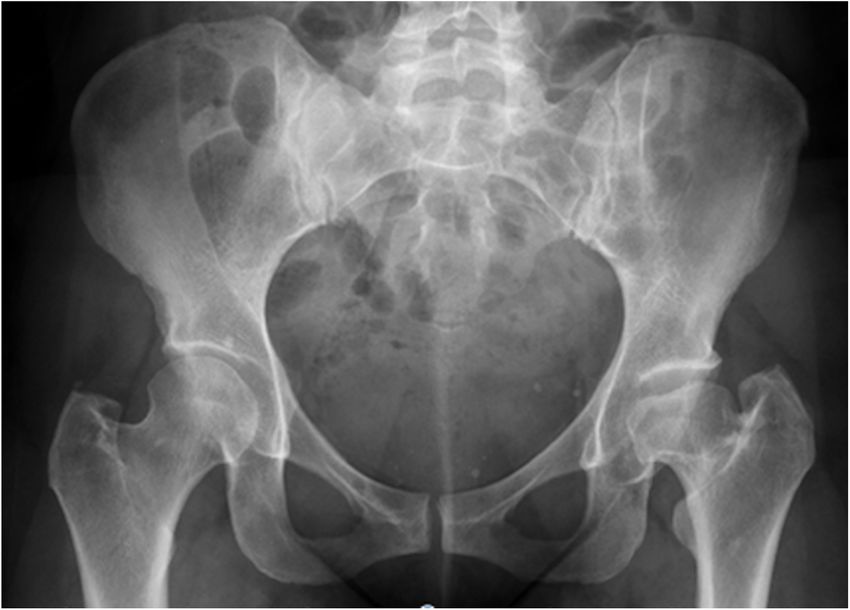
Alva et al. Journal of Experimental Orthopaedics       (2021) 8:1                                                           Page 2 of 9

Table 1 Overview of complications found in our series (851 hips with average 3.9 years follow-up) and results from published
studies on DAA and bikini incision DAA THA
Complication                                       Results in current study (%)                Results from published literature on DAA
                                                                                               and Bikini incision DAA THA (references)
Superficial wound infection                        3 (0.35)                                    0.3–4% [21, 32, 50, 54]
Deep wound infection                               2 (0.23)                                    0.3–0.8% [20, 29, 33]
Dislocation                                        2 (0.23)                                    0.3–2.7% [11, 20, 35]
Calcar fracture                                    3 (0.35)                                    0.3–1.5% [20, 35, 40]
Stem subsidence                                    3 (0.35)                                    0.2–0.7% [35, 40]
Trochanteric fracture                              3 (0.35)                                    2.3% [29]
Femoral fracture                                   4 (0.47)                                    0.12%-0.45% [19, 29]
Leg length discrepancy                             2 (0.23)                                    0.2% [35]
Deep vein thrombosis                               3 (0.35)                                    0.8–1.35% [11, 30]
Permanent neuropraxia (LFCN)                       3 (0.35)                                    1.2–11% [25, 33, 35]
Transient neuropraxia (LFCN)                       55 (6.4)                                    15–81% [17, 20, 45]
Canal perforation                                  0                                           0.8–9% [16, 52]
Trochanteric Bursitis                              8 (1.1)                                     6.1% [48]

Materials and methods                                                    subsequent consultation notes throughout post-
A retrospective analysis of elective primary total hip                   operative follow-up. Patients who underwent posterior
arthroplasties performed by a single surgeon on a stand-                 total hip replacement (indicated in the presence of intes-
ard operating table between May 2013 and December                        tinal stoma, those with concomitant abductor tendon
2019 (Fig. 1) were included in the study. All procedures                 tears, with a fractured neck of femur) were excluded
were performed utilizing the bikini incision DAA regard-                 from the study. Institutional review board approval was
less of the indication for surgery or body mass index. Pa-               obtained for this study as appropriate.
tient demographics, indications for surgery and patient                    The modified vessel sparing bikini anterior approach,
reported outcome measures were prospectively recorded.                   namely a horizontal incision over the lateral groin
Complications were documented in operative notes and                     crease, was utilized in all cases [35, 42]. A superolateral

 Fig. 1 Flow chart with overview of study
Alva et al. Journal of Experimental Orthopaedics (2021) 8:1 Page 3 of 9
capsular window was utilised preserving the ascending hip joint to ensure hip extension and provide adequate
branches of the circumflex femoral vessels. A dedicated access and delivery of the proximal femur for broaching.
fracture table or intraoperative radiography was not rou- A 6–8 cm skin incision was made in the lateral groin
tinely used in any of the cases. All procedures were per- crease, starting inferior to the ASIS and extending
formed by the senior author who was fellowship trained laterally. This approach utilises the subfascial plane
in direct anterior approach hip arthroplasty. Rapid re- between the tensor fascia latae [TFL] and sartorius, pre-
covery protocols were instituted for all cases [31]. serving the branches of the lateral circumflex femoral
Patient reported outcome measures were prospectively vessels and the anteromedial capsule [35, 42].
collected both pre- and post-operatively using Harris A capsular incision exposes the femoral neck. After
Hip scores (HHS) and The Western Ontario and excising the head and neck, a secondary capsular release
McMaster Universities Osteoarthritis Index (Womac) is performed with the leg in a figure of four position
scores. Intra-operative and post-operative complications stretching the postero-superior capsule. The femur was
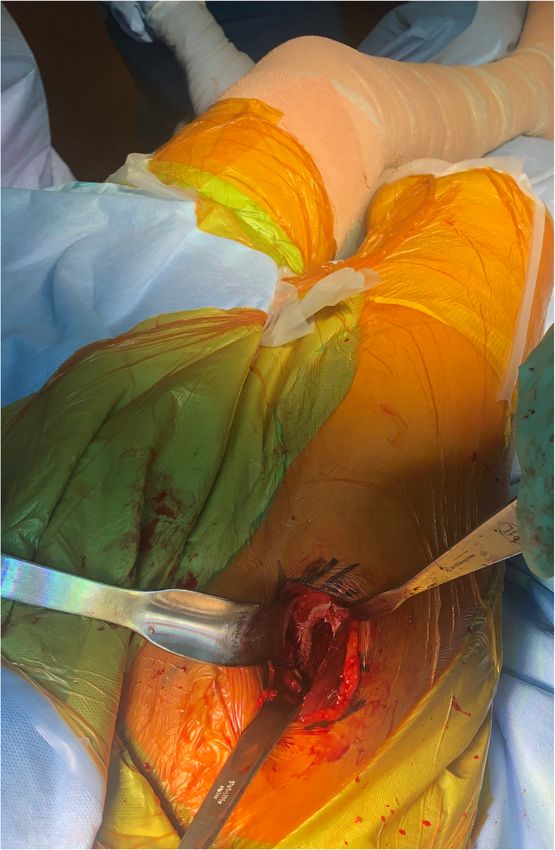
were identified from patient records and plain radio- first prepared with the operative leg placed in a figure of
graphs. Antero-posterior pelvic x-rays were routinely lazy four position under the contralateral leg, the table
obtained day one post-operatively, six months post- broken to 30–45 degrees and the broach left in situ
operatively and annually thereafter. Post-operative x-rays (Fig. 2). A rat tailed rasp customised with increased
were assessed for fractures, dislocations, implant loosen- curve is used to find the canal. The surgeon routinely
ing, stem subsidence, heterotrophic ossification and leg used the Woodpecker pneumatic broaching system
length discrepancy. Measurements were performed on (IMT USA, LLC) to prepare the femur. The acetabulum
digital radiographs (Intelerad Medical Systems Incorpo- was then prepared with the table levelled. Intra-
rated, Quebec, Canada) to identify stem subsidence. operative imaging was not used in any of the procedures
Subsidence was measured as the perpendicular distance and two screws were placed through the acetabular shell
from the trochanter to the shoulder of the stem [9]. Leg
length discrepancy was measured on AP Pelvis x-ray as
the distance from the line at the inferior aspect of the is-
chial tuberosities to the most prominent medial point of
the lesser trochanter [23]. Implant survival was esti-
mated using Kaplan Meyer survival analysis using im-
plant revision for any reason as the endpoint. Implant
survivorship was calculated for cases with a minimum
follow up of 2 years. Since there is significant overlap be-
tween complications of DAA and bikini incision DAA, a
literature search was performed on open athens to iden-
tify complication rates reported during DAA THA and
bikini DAA approach. We utilised the literature search
to discuss our complication rates.
Clinical protocols and surgical technique
All patients were provided with a detailed booklet pre-
operatively with information regarding the peri-
operative period and postoperative expectations, as
reports suggested mental preparation can impact early
recovery [28]. Since 2018, the author recommends the
patient commence oral supplements (Zinc, selenium,
iron, Vitamin C, Vitamin D) two weeks pre-operatively
to optimise their nutritional status [3]. Patients were ad-
vised to bathe using an antibacterial skin emulsion daily
for upto 7 days before surgery [6]. Patients over the age
of 75 years and those with premorbid medical conditions
were reviewed by a perioperative physician before
surgery.
A traction table or leg holders were not used intra-
Fig. 2 Surgeon’s view of the proximal femur during a bikini DAA
operatively in any of the cases reported. The standard
THA with the table-break providing hip extension
operating table included a table break at the level of theAlva et al. Journal of Experimental Orthopaedics (2021) 8:1 Page 4 of 9
in majority of cases. Trial reductions were performed for was 28 (range 18–44). A total of 223 cemented CPCS
stability and leg lengths were measured using the two femoral stems and 642 polar cementless stems were
medial malleoli with the pelvis in neutral position. used. Indication for surgery included primary osteoarth-
Oxinium (Smith and Nephew Memphis, TN) femoral ritis (77%), developmental dysplasia of the hip (16%),
heads were used in all cases, with the femoral head size rheumatoid arthritis (2.5%), sequelae of Perthes disease
determined by cup size. 48 mm acetabular shells (Ace- (1.5%) and post-traumatic arthritis (3%). The average
tabular shell: R3 three hole HA coated Smith and length of surgery was 71 min (45–98 min) and mean
Nephew Memphis, TN) were used for femoral heads less duration of hospital stay was 1.6 days (range 1–4 days).
than or equal to 32 mm in diameter. Larger femoral We noted the following complications in this series.
heads (> 36 mm) were encased in 52 mm shells and We identified neuropraxia of the lateral femoral cutane-
above. A highly cross-linked R3 polyethylene liner was ous nerve of the thigh (LFCN) in 55 patients (6.4%) who
used in all cases with Polar cementless femoral stem reported temporary hypoesthesia that resolved within
(Smith and Nephew AG, Baar, Switzerland) and CPCS two years and three patients (0.35%) reporting perman-
cemented stems (CPCS Smith and Nephew, Memphis ent hypoesthesia. Three patients (0.35%) had a trochan-
TN). Cemented femoral components were preferentially teric fracture and four patients (0.47%) had a femoral
used in patients over the age of 75 years, bone density fracture. Post-operative infections included three (0.35%)
test T-score of less than or equal to -2.5 (diagnostic of superficial wound infections and two (0.23%) incidences
osteoporosis), Dorr type C femurs, currently taking ste- of deep infections. There were two cases (0.23%) of hip
roids or anticoagulants or where poor bone quality was dislocation, three cases (0.35%) of stem subsidence and
suspected by the operating surgeon during femoral three (0.35%) calcar fractures. Post-operatively, two
broaching. Fourth generation cementation techniques patients (0.23%) had a leg length discrepancy and three
were used including vacuum mixing system, pulsatile patients (0.35%) suffered a deep vein thrombosis. Eight
lavage, cement guns, cement restrictor, distal stem cen- patients (1.1%) suffered from ipsilateral trochanteric bur-
traliser and sustained pressurisation. Simplex HV with sitis post-operatively. There were 3 patients (0.35%) who
Gentamycin cement was used (Stryker Howmedica developed postoperative iliopsoas tendinitis. No canal
Osteonics, USA). perforations or heterotropic ossifications were reported
Perioperative intravenous cefuroxime was routinely in this study.
used on induction. Local infiltrative anaesthesia (3–4 The average HHS improved from 53 (range 40–56)
doses of bupivacaine 0.5% 20 ml every 6 h) via an intra- pre-operatively to 92.5 (range 63–100) post-operatively
articular catheter was administered for 24 h postopera- at final follow -up. Similarly, average Womac scores im-
tively routinely [31]. Skin closure was achieved using proved from 49 (range 40–58) pre-operatively to 3.5
Monocryl monofilament absorbable sutures and a thin (range 0–8.8) at final follow-up. 213 cases had a follow-
Comfeel (Coloplast Pty Ltd, Victoria, Australia) pressure up of less than 2 years. Of the 652 cases with over 2 years
dressing applied. follow-up one cup was revised for infection and 3 stems
All patients underwent post-operative rehabilitation were revised. Using revision of implant as endpoint at
protocol with early mobilisation and discharge [31]. final follow-up and minimum of 2 years follow-up, mean
Postoperatively, patients were cautioned against com- survival of stem and cup were 99.53% and 99.84% re-
bined hip extension and external rotation. Patients were spectively. 14 cases were lost to follow-up.
encouraged to mobilise within 3 to 4 h of the procedure,
allowing for cessation of the spinal anaesthetic. Mechan- Discussion
ical thrombo-prophylaxis in the form of above knee Understandably, there is a degree of concern during
thromboembolic deterrent stockings and pneumatic calf inception and learning of novel surgical techniques
compressors were used in conjunction with chemical such as DAA THR, with presumed implications on
prophylaxis (aspirin 300 oral daily therapy unless on oral the incidence of complications [22, 55]. Previously re-
anticoagulants preoperatively) in all patients. ported complications of DAA include lateral femoral
cutaneous nerve (LFCN) dysfunction, intra-operative
Results fractures, early revision for component loosening,
Over the 6-year study period a total of 865 bikini THAs femoral nerve palsy, superficial and deep infections,
were performed on 732 patients, including nine cases leg length discrepancy, excessive bleeding and hetero-
performed as part of bilateral THA. There were 331 topic ossification [33].
males, 401 females, 460 left and 405 right hips. Average
age at the time of operation was 69 (range 32–91). The Neuropraxia
average duration of follow-up was 0.9 to 6.8 years Injury to the lateral femoral cutaneous nerve (LFCN)
(mean = 3.9yrs). The average BMI at the time of surgery has been previously reported as a potential complicationAlva et al. Journal of Experimental Orthopaedics (2021) 8:1 Page 5 of 9
of DAA [33, 39]. In this series, 58(6.75%) patients were
diagnosed with post-operative neuropraxia, 55(94.8%) of
which completely resolved within two years post-
operatively. None of these patients reported functional
problems secondary to this painless sensory deficit. The
incidence of both temporary and permanent neuropraxia
affecting the LFCN varies widely in reported literature.
The rate of transient LFCN neuropraxia reported in this
study (6.4%) was higher than comparable studies (1.5%),
although the significance of this result in the context of
varying data is unclear [20]. Recent reports suggest that
the bikini incision may be protective for the LFCN [14].
To minimise the risk of LFCN injury, we recommend
that the TFL fascia is carefully incised lateral to the
intermuscular plane during surgical exposure, before
commencing deep dissection in the subfascial plane. Fig. 4 X-ray of postoperative displacement of trochanteric fracture
in the case of dysplastic hip
Fractures
Fractures in this series included three trochanteric frac-
tures (0.35%), four femoral shaft fractures (0.47%) (one fractures (Fig. 5) were treated with cable or plate fixation
intraoperative and three postoperative) and three intra- with one case requiring stem revision. We recommend
operative calcar fractures (0.35%). A meta-analysis of ad- that adequate femoral elevation and exposure is achieved
verse effects of DAA THA by De Geest et al. reported to provide the appropriate trajectory for femoral broach-
an incidence of femoral fractures of 0.5% and trochan- ing. Using a canal finder and clearing the lateral cortex
teric fractures of 0.8% [11]. The trochanteric fractures in minimises varus positioning and risk of lateral cortical
our series were noted in cases with a short neck or perforation. Since the lead surgeon in our series had
flattened dysplastic head (Fig. 3 and 4), which led to crossed the learning curve prior to this study, we did not
inadvertent fractures during resection of the head/neck utilize x-rays routinely during surgery. We however rec-
or excessive levering with femoral retractor. Sang et al. ommend the use of x-rays during the learning curve to
have reported the impact of hip anatomy (low distance achieve appropriate femoral stem sizes and acetabular
between greater trochanter and anterior superior iliac component orientation.
spine) on complication rates in DAA THA [46]. Two
trochanter fractures were managed with trochanteric Stem subsidence and early femoral failure
plate and one undisplaced fracture was treated success- Leunig et al. reported an incidence of 0.2% stem subsid-
fully with protected weight bearing for 6 weeks. Calcar ence post-operatively, a slight decrease compared to the
fractures were treated with circlage wiring and protected three cases of stem subsidence (0.35%) reported in this
weight bearing for 6 weeks. All four femoral shaft study [35]. A commonly reported challenge in DAA is
poor femoral exposure leading to under-sizing, implant
subsidence and early femoral failure [38]. Femoral com-
plications can be minimised with precise preoperative
Fig. 3 X-ray of a dysplastic left hip with short neck and
flattened head Fig. 5 X-ray of femoral fracture with subsidence of stemAlva et al. Journal of Experimental Orthopaedics (2021) 8:1 Page 6 of 9
templating, sequential soft tissue releases, methodical ex- reduce the risk of infection the perineum was carefully
posure and delivery of the proximal femur. Capsular re- isolated from the operative field using adhesive plastic
leases enable external rotation of the femur, sufficient to drape with a “U” split.
safely work on the femur without damaging the abduc-
tors. The femur may be elevated with a bone hook to Leg length discrepancy
stretch the tissues and improve femoral exposure. Leg length discrepancies were detected in two patients
(0.23%) post-operatively in this report, similar to the
Dislocation 0.2% incidence reported by Leunig et al. [35]. The sur-
Two patients (0.23%) had posterior joint dislocations geon was aware of the discrepancy intraoperatively
post-operatively in this series. A dislocation rate of 0.6% where 1 patient had a short leg after contralateral THR
was reported by Leunig et al. who utilized the bikini inci- and the other patient had a dysplastic acetabulum. In
sion DAA [35]. In our series, one dislocation occurred as our series, both legs were draped separately in all cases,
a dashboard injury in a car crash and the other was re- enabling an accurate leg length check during the
corded 3 weeks post operatively after a fall. Preservation procedure.
of the posteromedial capsule and short external rotators
contributed to a low dislocation rate in our series. A cus- Iliopsoas tendinitis
tomized cup alignment guide was used to seat the cup in All three cases of iliopsoas tendinitis in this report were
the desired inclination and anteversion. An anatomical treated initially with physiotherapy. One of them eventu-
bone-preserving cup position as opposed to the traditional ally underwent arthroscopic release resulting in
medialization was utilised in majority of the cases [2]. complete relief of symptoms. Impingement of iliopsoas
has been reported following DAA [13]. Preserving the
Cortical perforation anterio-medial capsule and avoiding oversizing of the
We did not come across any cases of lateral cortical per- cup could reduce the incidence of tendonitis.
foration. Perforation is a known complication of DAA
due to incorrect trajectory of femoral broaching [16]. Femoral nerve injury
We routinely try to ensure that the stem position is suit- Femoral nerve injury, although infrequent, has been re-
ably lateralized, minimising the likelihood of lateral stem ported in DAA THR surgery. Cadaveric studies have
perforation. The use of X-rays during the step may be highlighted that the position of the acetabular retractor
particularly useful for surgeons during their learning tip may be as close as 2.8 mm to the nerve during DAA
curve. and anterior retractors can inadvertently stretch the
femoral nerve [15, 51, 53]. In this study, the lead surgeon
Traction table complications placed the retractors himself to avoid inadvertent
No traction table or leg holders were used in any case stretching of the nerve, with the medial retractor placed
during this series. DAA THA undertaken with a stand- at 7–8 o’clock position for preparation of a left acetabu-
ard table has shown to provide short-term perioperative lum. We did not come across any case of femoral nerve
benefits like decreased blood loss, lower incidence of in- injury in our series. In addition, the pneumatic broach-
traoperative fractures and shorter operative time [47]. ing system minimises the time the operative leg is placed
in extension, adduction and external rotation thereby
Infection minimising stretching of the femoral nerve [27].
An increased incidence of superficial wound dehiscence
and deep infections has been reported with DAA THR Heterotrophic ossification
[7]. The incidence of deep wound infection reported in In addition to carefully protecting the abductors and
this study is lower than the 0.88% reported by Jewett minimizing soft tissue trauma, the use of LIA mixture
and Collis in their series of DAA THA [29]. Low infec- with ketorolac and routine use of aspirin post-
tion rate in our series may be attributed to reduced op- operatively may have helped prevent heterotrophic ossi-
eration times, careful haemostasis and soft tissue fication (HO) as no cases were found to have HO until
retraction. In the majority of cases in this series, the lat- the most recent follow-up [8, 44]. Lower rates of HO
eral femoral circumflex vessels were preserved to reduce has been reported in DAA when compared to the pos-
likelihood of post-operative bleeding, swelling and infec- terior approach [41].
tion [42]. When comparing our results with published
studies, there was no significant increase in superficial or Other complications (DVT, trochanteric bursitis)
deep post-operative wound infections. The bikini inci- The incidence of deep vein thrombosis (DVT) and tro-
sion follows Langer lines and been shown to facilitate chanteric bursitis following DAA THR varies widely in
wound healing in obese patients [34, 36]. In order to reported literature. Three patients (0.35%) reported aAlva et al. Journal of Experimental Orthopaedics (2021) 8:1 Page 7 of 9
DVT post-operatively in this study compared to the Availability of data and materials
1.5% reported by Hallert et al. [20]. Trochanteric bursitis Data pertaining to all patients are stored in clinical records at
Ozorthopaedics, Malvern, Melbourne and multiple hospitals in Melbourne,
was diagnosed in eight patients (1.1%) in this series. In Australia. No identifiable patient data is present in the manuscript.
contrast, Shemesh et al. reported a higher 6.1% inci-
dence of trochanteric bursitis in their series [48]. We Ethics approval and consent to participate
Ethics approval was obtained from all participating hospitals.
recommend restoring the natural hip offset and per-
forming an adhesiolysis using a finger sweep over the Competing interests
greater trochanter to reduce the risk of bursitis. None.
All cases in this study were elective, privately insured
Author details
patients who were motivated in regards to early recovery 1
Mulgrave Private Hospital, Cnr Police Rd and Gladstone Rd, Mulgrave, VIC
and discharge. Limitations of this study include the op- 3170, Australia. 2Centre for Adult Joint Arthroplasty, 1356 High Street,
erative surgeon’s fellowship training in DAA prior to Malvern, VIC 3144, Australia. 3Alfred Hospital, 55 Commercial Road,
Melbourne, VIC 3004, Australia.
commencement of the study, which likely impacted the
learning curve and associated results. As this study was Received: 7 September 2020 Accepted: 3 December 2020
undertaken by a single surgeon in the private healthcare
system, it was not possible to randomise and perform
References
other surgical approaches as a comparison, where pa- 1. Berry DJ, Berger RA, Callaghan JJ, Dorr LD, Duwelius PJ, Hartzband MA,
tients requested a DAA THR at initial consult. Our fol- Lieberman JR, Mears DC (2003) Minimally invasive total hip arthroplasty.
low up is not long term, which may not address late Development, early results, and a critical analysis. Presented at the Annual
Meeting of the American Orthopaedic Association, Charleston, South
failures resulting from this technique. Carolina, USA, June 14, 2003. J Bone Joint Surg Am 85(11):2235–2246
Despite recent systematic reviews demonstrating no 2. Bhaskar D, Rajpura A, Board T (2017) Current Concepts in Acetabular
significant advantages of DAA beyond six weeks and no Positioning in Total Hip Arthroplasty. Indian J Orthop 51(4):386–396. https://
doi.org/10.4103/ortho.IJOrtho_144_17
significant difference in complication rates between 3. Burgess LC, Phillips SM, Wainwright TW (2018) What Is the Role of
DAA and posterior approach THR, joint registries high- Nutritional Supplements in Support of Total Hip Replacement and Total
light increasing adoption of DAA for THR [24, 26, 37]. Knee Replacement Surgeries? A Systematic Review. Nutrients 10(7):820.
https://doi.org/10.3390/nu10070820
Although DAA and particularly a bikini incision DAA is 4. C., H. (1883):[Fifth division: the injuries and diseases of the hip joint]. In:
technically demanding, with appropriate training and Hueter C, ed. [Plan of surgery]. 2nd. Leipzig: FCW Vogel; 129–200
precautions this approach may be safely performed with- 5. Charney M, Paxton EW, Stradiotto R, Lee JJ, Hinman AD, Sheth DS, Prentice
HA (2020) A Comparison of Risk of Dislocation and Cause-Specific Revision
out increased risk to the patient [12, 22, 43]. Between Direct Anterior and Posterior Approach Following Elective
Cementless Total Hip Arthroplasty. J Arthroplasty 35(6):1651–1657. https://
doi.org/10.1016/j.arth.2020.01.033
Conclusion 6. Chen AF, Wessel CB, Rao N (2013) Staphylococcus aureus screening and
decolonization in orthopaedic surgery and reduction of surgical site
We conclude that the bikini incision DAA may be used infections. Clin Orthop Relat Res 471(7):2383–2399. https://doi.org/10.1007/
to perform THA with minimal complications on a s11999-013-2875-0
standard orthopaedic operating table. Further large mul- 7. Christensen CP, Karthikeyan T, Jacobs CA (2014) Greater prevalence of
wound complications requiring reoperation with direct anterior approach
ticentre studies by suitably trained surgeons are total hip arthroplasty. J Arthroplasty 29(9):1839–1841. https://doi.org/10.
encouraged. 1016/j.arth.2014.04.036
8. Cohn RM, Della Valle AG, Cornell CN (2010) Heterotopic ossification is less
after THA in patients who receive aspirin compared to coumadin. Bull NYU
Abbreviations Hosp Jt Dis 68(4):266–272
DAA: Direct anterior approach; THA: Total hip arthroplasty; HHS: Harris Hip 9. Cordero-Ampuero J, Penalver P, Anton R, Galan M, Cordero E (2013)
scores; TFL: Tensor fascia latae; LFCN: Lateral femoral cutaneous nerve; Radiographic Subsidence in Asymptomatic Patients After THR Using the
Womac scores: The Western Ontario and McMaster Universities Osteoarthritis Furlong Active HAP Stem. HSS journal : the musculoskeletal journal of
Index Hospital for Special Surgery 9(2):161–165. https://doi.org/10.1007/s11420-
013-9342-z
Acknowledgements 10. D’Arrigo C, Speranza A, Monaco E, Carcangiu A, Ferretti A (2009) Learning
Aaron Sutton: photography curve in tissue sparing total hip replacement: comparison between different
approaches. J Orthop Traumatol 10(1):47–54. https://doi.org/10.1007/s10195-
008-0043-1
Authors’ contributions 11. De Geest T, Fennema P, Lenaerts G, De Loore G (2015) Adverse effects
Avinash Alva: Study design, data analysis, Writing of the manuscript, Editing, associated with the direct anterior approach for total hip arthroplasty: a
analysed scientific content, Revised Manuscript. Ikram Nizam: Primary Bayesian meta-analysis. Arch Orthop Trauma Surg 135(8):1183–1192. https://
surgeon, Maintained data, Obtained ethical board clearance, Edited doi.org/10.1007/s00402-015-2258-y
manuscript, shared technical insights, Revised Manuscript. Sophia Gogos: 12. de Steiger RN, Lorimer M, Solomon M (2015) What is the learning curve for
Formatting and Editing of the manuscript. The author(s) read and approved the anterior approach for total hip arthroplasty? Clin Orthop Relat Res
the final manuscript. 473(12):3860–3866. https://doi.org/10.1007/s11999-015-4565-6
13. Eto S, Hwang K, Huddleston JI, Amanatullah DF, Maloney WJ, Goodman SB
(2017) The Direct Anterior Approach is Associated With Early Revision Total
Funding Hip Arthroplasty. J Arthroplasty 32(3):1001–1005. https://doi.org/10.1016/j.
Funding was received for this retrospective study. arth.2016.09.012Alva et al. Journal of Experimental Orthopaedics (2021) 8:1 Page 8 of 9
14. Fernández-Valencia JM-M, Ernesto & Tornero, Eduard & Capurro, Bruno & 34. Leunig M, Faas M, von Knoch F, Naal FD (2013) Skin crease “bikini” incision
Alías, Alfonso & Gallart, Xavier, (2019) Can skin crease “bikini” incision for anterior approach total hip arthroplasty: surgical technique and
diminish the rate of complications in direct anterior approach for total hip preliminary results. Clin Orthop Relat Res 471(7):2245–2252. https://doi.org/
arthroplasty? International Journal of Advanced Joint Reconstruction 6:34– 10.1007/s11999-013-2806-0
41. https://doi.org/10.1302/2058-5241.3.180023 35. Leunig M, Hutmacher JE, Ricciardi BF, Impellizzeri FM, Rudiger HA, Naal FD
15. Fleischman AN, Rothman RH, Parvizi J (2018) Femoral Nerve Palsy Following (2018) Skin crease “bikini” incision for the direct anterior approach in total
Total Hip Arthroplasty: Incidence and Course of Recovery. J Arthroplasty hip arthroplasty: a two- to four-year comparative study in 964 patients.
33(4):1194–1199. https://doi.org/10.1016/j.arth.2017.10.050 Bone Joint J 100-B(7):853–861. https://doi.org/10.1302/0301-620X.100B7.BJJ-
16. Fravel W, D., Seth BS, Kocher, Tim BS, Wood A Novel Technique to Detect 2017-1200.R2
Femoral Shaft Perforation during Direct Anterior Total Hip Arthroplasty. 36. Manrique J, Paskey T, Tarabichi M, Restrepo C, Foltz C, Hozack WJ (2019)
Arthroplasty Today(10.1016). Total Hip Arthroplasty Through the Direct Anterior Approach Using a Bikini
17. Gala L, Kim PR, Beaule PE (2019) Natural history of lateral femoral cutaneous Incision Can Be Safely Performed in Obese Patients. J Arthroplasty 34(8):
nerve neuropraxia after anterior approach total hip arthroplasty. Hip Int 1723–1730. https://doi.org/10.1016/j.arth.2019.03.060
29(2):161–165. https://doi.org/10.1177/1120700019827201 37. Meermans G, Konan S, Das R, Volpin A, Haddad FS (2017) The direct anterior
18. Goebel S, Steinert AF, Schillinger J, Eulert J, Broscheit J, Rudert M, Noth U approach in total hip arthroplasty: a systematic review of the literature.
(2012) Reduced postoperative pain in total hip arthroplasty after minimal- Bone Joint J 99-B(6):732–740. https://doi.org/10.1302/0301-620X.99B6.38053
invasive anterior approach. Int Orthop 36(3):491–498. https://doi.org/10. 38. Meneghini RM, Elston AS, Chen AF, Kheir MM, Fehring TK, Springer BD
1007/s00264-011-1280-0 (2017) Direct Anterior Approach: Risk Factor for Early Femoral Failure of
19. Gofton WT, Ibrahim MM, Kreviazuk CJ, Kim PR, Feibel RJ, Beaule PE (2020) Cementless Total Hip Arthroplasty: A Multicenter Study. J Bone Joint Surg
Ten-Year Experience With the Anterior Approach to Total Hip Arthroplasty Am 99(2):99–105. https://doi.org/10.2106/JBJS.16.00060
at a Tertiary Care Center. J Arthroplasty 35(5):1281–1289. https://doi.org/10. 39. Miller LE, Gondusky JS, Kamath AF, Boettner F, Wright J, Bhattacharyya S
1016/j.arth.2019.12.025 (e1281) (2018) Influence of surgical approach on complication risk in primary total
20. Hallert O, Li Y, Brismar H, Lindgren U (2012) The direct anterior approach: hip arthroplasty. Acta Orthop 89(3):289–294. https://doi.org/10.1080/
initial experience of a minimally invasive technique for total hip 17453674.2018.1438694
arthroplasty. J Orthop Surg Res 7:17. https://doi.org/10.1186/1749-799X-7-17 40. Muller DA, Zingg PO, Dora C (2014) Anterior minimally invasive approach
21. Hart A, Wyles CC, Abdel MP, Perry KI, Pagnano MW, Taunton MJ (2019) for total hip replacement: five-year survivorship and learning curve. Hip Int
Thirty-Day Major and Minor Complications Following Total Hip Arthroplasty- 24(3):277–283. https://doi.org/10.5301/hipint.5000108
A Comparison of the Direct Anterior, Lateral, and Posterior Approaches. J 41. Newman EA, Holst DC, Bracey DN, Russell GB, Lang JE (2016) Incidence of
Arthroplasty 34(11):2681–2685. https://doi.org/10.1016/j.arth.2019.06.046 heterotopic ossification in direct anterior vs posterior approach to total hip
22. Hartford JM, Bellino MJ (2017) The learning curve for the direct anterior arthroplasty: a retrospective radiographic review. Int Orthop 40(9):1967–
approach for total hip arthroplasty: a single surgeon’s first 500 cases. Hip Int 1973. https://doi.org/10.1007/s00264-015-3048-4
27(5):483–488. https://doi.org/10.5301/hipint.5000488 42. Nizam I (2015) The Bikini Hip Replacement - Surgical Technique Preserving
23. Heaver C, St Mart JP, Nightingale P, Sinha A, Davis ET (2013) Measuring limb Vessels and Deep Soft Tissues in Direct Anterior Approach Hip
length discrepancy using pelvic radiographs: the most reproducible Replacement. HSOA J Orthop Res Physiother 1(2):100007
method. Hip Int 23(4):391–394. https://doi.org/10.5301/hipint.5000042 43. Pirruccio K, Evangelista PJ, Haw J, Goldberg T, Sheth NP (2020) Safely
24. Higgins BT, Barlow DR, Heagerty NE, Lin TJ (2015) Anterior vs. posterior Implementing the Direct Anterior Total Hip Arthroplasty: A Methodological
approach for total hip arthroplasty, a systematic review and meta-analysis. J Approach to Minimizing the Learning Curve. J Am Acad Orthop Surg.
Arthroplasty 30(3):419–434. https://doi.org/10.1016/j.arth.2014.10.020 https://doi.org/10.5435/JAAOS-D-19-00752
25. Homma Y, Baba T, Sano K, Ochi H, Matsumoto M, Kobayashi H, Yuasa T, 44. JW Pritchett 1995 Ketorolac prophylaxis against heterotopic ossification
Maruyama Y, Kaneko K (2016) Lateral femoral cutaneous nerve injury with after hip replacement Clin Orthop Relat Res 314 162 165
the direct anterior approach for total hip arthroplasty. Int Orthop 40(8): 45. Restrepo C, Parvizi J, Pour AE, Hozack WJ (2010) Prospective randomized
1587–1593. https://doi.org/10.1007/s00264-015-2942-0 study of two surgical approaches for total hip arthroplasty. J Arthroplasty
26. https://aoanjrr.sahmri.com/documents/10180/668596/Hip%2C+Knee+%26+ 25(5):671–679. https://doi.org/10.1016/j.arth.2010.02.002 (e671)
Shoulder+Arthroplasty/c287d2a3-22df-a3bb-37a2-91e6c00bfcf0 (2019). 46. Sang W, Zhu L, Ma J, Lu H, Wang C (2016) The Influence of Body Mass
Australian Orthopaedic Association National Joint replacement registry. Index and Hip Anatomy on Direct Anterior Approach Total Hip
27. I. Nizam, A.B., S. Gogos (2020):Woodpecker pneumatic femoral broaching in Replacement. Med Princ Pract 25(6):555–560. https://doi.org/10.1159/
direct anterior approach hip arthroplasty: how safe is it? An evaluation of 000447455
649 cases. Bone Joint J 102-B(1). 47. Sarraj M, Chen A, Ekhtiari S, Rubinger L (2020) Traction table versus standard
28. Ibrahim MS, Khan MA, Nizam I, Haddad FS (2013) Peri-operative table total hip arthroplasty through the direct anterior approach: a
interventions producing better functional outcomes and enhanced recovery systematic review. Hip Int 30(6):662–672. https://doi.org/10.1177/
following total hip and knee arthroplasty: an evidence-based review. BMC 1120700019900987
Med 11:37. https://doi.org/10.1186/1741-7015-11-37 48. Shemesh SS, Moucha CS, Keswani A, Maher NA, Chen D, Bronson MJ (2018)
29. Jewett BA, Collis DK (2011) High complication rate with anterior total hip Trochanteric Bursitis Following Primary Total Hip Arthroplasty: Incidence,
arthroplasties on a fracture table. Clin Orthop Relat Res 469(2):503–507. Predictors, and Treatment. J Arthroplasty 33(4):1205–1209. https://doi.org/10.
https://doi.org/10.1007/s11999-010-1568-1 1016/j.arth.2017.11.016
30. Keggi KJ, Huo MH, Zatorski LE (1993) Anterior approach to total hip 49. Spaans AJ, van den Hout JA, Bolder SB (2012) High complication rate in the
replacement: surgical technique and clinical results of our first one early experience of minimally invasive total hip arthroplasty by the direct
thousand cases using non-cemented prostheses. Yale J Biol Med 66(3):243– anterior approach. Acta Orthop 83(4):342–346. https://doi.org/10.3109/
256 17453674.2012.711701
31. Kerr DR, Kohan L (2008) Local infiltration analgesia: a technique for the 50. Statz JM, Duethman NC, Trousdale RT, Taunton MJ (2019) Outcome of
control of acute postoperative pain following knee and hip surgery: a case Direct Anterior Total Hip Arthroplasty Complicated by Superficial Wound
study of 325 patients. Acta Orthop 79(2):174–183. https://doi.org/10.1080/ Dehiscence Requiring Irrigation and Debridement. J Arthroplasty 34(7):
17453670710014950 1492–1497. https://doi.org/10.1016/j.arth.2019.03.020
32. Klasan A, Neri T, Oberkircher L, Malcherczyk D, Heyse TJ, Bliemel C (2019) 51. Sullivan CW, Banerjee S, Desai K, Smith M, Roberts JT (2019) Safe Zones for
Complications after direct anterior versus Watson-Jones approach in total Anterior Acetabular Retractor Placement in Direct Anterior Total Hip
hip arthroplasty: results from a matched pair analysis on 1408 patients. BMC Arthroplasty: A Cadaveric Study. J Am Acad Orthop Surg 27(21):e969–e976.
Musculoskelet Disord 20(1):77. https://doi.org/10.1186/s12891-019-2463-x https://doi.org/10.5435/JAAOS-D-18-00712
33. Lee GC, Marconi D (2015) Complications Following Direct Anterior Hip 52. Talmo CT, B.J. (2005) Preventing and Managing Intraoperative Fractures and
Procedures: Costs to Both Patients and Surgeons. J Arthroplasty 30(9 Suppl): Perforations in Hip Arthroplasty. Orthopedics 28(9):S10185–S11088
98–101. https://doi.org/10.1016/j.arth.2015.03.043 53. Wang TI, Chen HY, Tsai CH, Hsu HC, Lin TL (2016) Distances between bony
landmarks and adjacent nerves: anatomical factors that may influenceAlva et al. Journal of Experimental Orthopaedics (2021) 8:1 Page 9 of 9
retractor placement in total hip replacement surgery. J Orthop Surg Res 11:
31. https://doi.org/10.1186/s13018-016-0365-2
54. Watts CD, Houdek MT, Wagner ER, Sculco PK, Chalmers BP, Taunton MJ
(2015) High Risk of Wound Complications Following Direct Anterior Total
Hip Arthroplasty in Obese Patients. J Arthroplasty 30(12):2296–2298. https://
doi.org/10.1016/j.arth.2015.06.016
55. Woolson ST, Pouliot MA, Huddleston JI (2009) Primary total hip arthroplasty
using an anterior approach and a fracture table: short-term results from a
community hospital. J Arthroplasty 24(7):999–1005. https://doi.org/10.1016/j.
arth.2009.04.001
Publisher’s Note
Springer Nature remains neutral with regard to jurisdictional claims in
published maps and institutional affiliations.You can also read


