Novel Applications of NSAIDs: Insight and Future Perspectives in Cardiovascular, Neurodegenerative, Diabetes and Cancer Disease Therapy - MDPI
←
→
Page content transcription
If your browser does not render page correctly, please read the page content below
International Journal of
               Molecular Sciences

Review
Novel Applications of NSAIDs: Insight and Future Perspectives
in Cardiovascular, Neurodegenerative, Diabetes and Cancer
Disease Therapy
Edmundas Kaduševičius

                                          Institute of Physiology and Pharmacology, Medical Academy, Lithuanian University of Health Sciences,
                                          9 A. Mickeviciaus Street, LT-44307 Kaunas, Lithuania; edmundas.kadusevicius@lsmuni.lt

                                          Abstract: Once it became clear that inflammation takes place in the modulation of different degen-
                                          erative disease including neurodegenerative, cardiovascular, diabetes and cancer the researchers
                                          has started intensive programs evaluating potential role of non-steroidal anti-inflammatory drugs
                                          (NSAIDs) in the prevention or therapy of these diseases. This review discusses the novel mechanism
                                          of action of NSAIDs and its potential use in the pharmacotherapy of neurodegenerative, cardiovascu-
                                          lar, diabetes and cancer diseases. Many different molecular and cellular factors which are not yet fully
                                          understood play an important role in the pathogenesis of inflammation, axonal damage, demyeli-
                                          nation, atherosclerosis, carcinogenesis thus further NSAID studies for a new potential indications
                                          based on precise pharmacotherapy model are warranted since NSAIDs are a heterogeneous group of
                                          medicines with relative different pharmacokinetics and pharmacodynamics profiles. Hopefully the
                                          new data from studies will fill in the gap between experimental and clinical results and translate our

                                   knowledge into successful disease therapy.
Citation: Kaduševičius, E. Novel
Applications of NSAIDs: Insight and
                                          Keywords: NSAIDs; neuro-inflammation; axonal damage; demyelination; atherosclerosis; carcino-
Future Perspectives in Cardiovascular,    genesis; diabetes
Neurodegenerative, Diabetes and
Cancer Disease Therapy. Int. J. Mol.
Sci. 2021, 22, 6637. https://doi.org/
10.3390/ijms22126637                      1. Introduction
                                               Historically, medicines applied for the relief of pain, fever, and inflammation from
Academic Editors: Seung Joon Baek
                                          herbs or plants were known for centuries. The first record was about 3500 years ago in the
and Thomas Eling
                                          Ebers papyrus. Hippocrates, Celsus, Pliny the Elder, Dioscorides, and Galen recommended
                                          decoctions containing salicylate for rheumatic pain [1]. Edward Stone made most probably
Received: 1 May 2021
                                          the first “clinical trial” and found that 1 dram (1.8 g) of willow bark reduced fever in
Accepted: 1 June 2021
                                          50 patients [2]. Felix Hoffmann, a chemist of Friedrich Bayer & Co in Elberfeld laboratory,
Published: 21 June 2021
                                          prepared the first sample of pure acetylsalicylic acid on 10 August 1897. Bayer’s Research
                                          Director Dr. Heinrich Dreser tested acetylsalicylic acid in animals, found antipyretic,
Publisher’s Note: MDPI stays neutral
                                          analgesic, and anti-inflammatory properties, and marketed the product in 1899 under the
with regard to jurisdictional claims in
published maps and institutional affil-
                                          trademark of Aspirin [3]. Neither tablets nor sugar-coating tablets were available at that
iations.
                                          time, thus aspirin was introduced on market in powder pharmaceutical form and had a
                                          bitter taste [1]. Later on, in Germany, a few antipyretic/analgesic agents likeantipyrine,
                                          aminopyrine, phenacetin, and paracetamol (acetaminophen) as the active metabolite of
                                          phenacetin were commercially developed for use in the management of pain, fever, and
                                          inflammation in the 1950s [4].
Copyright: © 2021 by the author.
                                               It looks like the chemical advances of the 19th–20th centuries promoted the develop-
Licensee MDPI, Basel, Switzerland.
                                          ment of non-steroidal anti-inflammatory drugs (NSAIDs), most of which were initially
This article is an open access article
distributed under the terms and
                                          organic acids, and later on non-acidic compounds were discovered [4]. It was agreed that
conditions of the Creative Commons
                                          aspirin was recognized as the progenitor of the pharmacotherapeutic class of NSAIDs
Attribution (CC BY) license (https://
                                          medicines and the first in the class of medicine was phenylbutazone in 1946 and in-
creativecommons.org/licenses/by/          domethacin in the 1960s [5] continuing with other NSAIDs, including ibuprofen, diclofenac,
4.0/).                                    naproxen, piroxicam [6]. The progress of new NSAIDs development and introduction to the

Int. J. Mol. Sci. 2021, 22, 6637. https://doi.org/10.3390/ijms22126637                                         https://www.mdpi.com/journal/ijms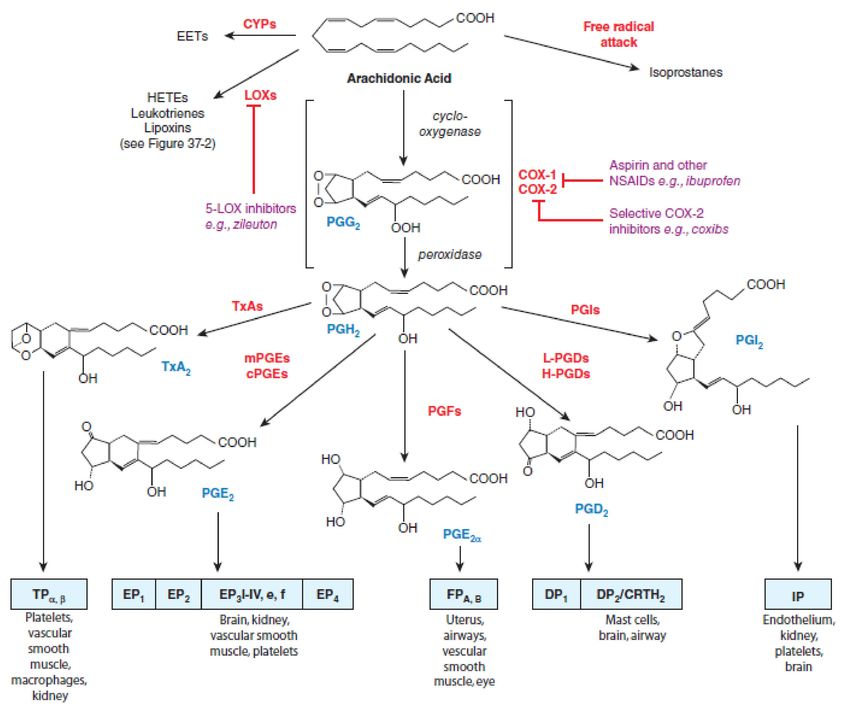
Int. J. Mol. Sci. 2021, 22, 6637                                                                                           2 of 18

                                   market was derived by the discovery of the mechanism of action NSAIDs drugs based on
                                   the inhibition synthesis of prostaglandins via an arachidonic acid pathway. In 1971, Sir Vane
                                   demonstrated that aspirin and NSAID related drugs inhibit the formation of prostaglandins
                                   associated with pain, fever, and inflammation [7], thus providing a physiologic rationale
                                   for the use of NSAIDs in the management of pain, fever, and inflammation.
                                         The British pharmacologist John Robert Vane shared the 1982 Nobel Prize in phys-
                                   iology or medicine with Swedish scientists Sune K. Bergström and Bengt I. Samuelsson
                                   for their discoveries concerning prostaglandins and related biologically active substances
                                   that influence blood pressure, body temperature, allergic reactions, and other physiologic
                                   phenomena in mammals [8,9] and NSAIDs have become first choice drugs for the treatment
                                   of various pain, fever, and inflammation conditions.

                                   2. Mechanism of Action and Classification of NSAIDs
                                        Despite Sir Vane’s prostaglandin hypothesis has been generally accepted, various
                                   in vitro studies have suggested that additional mechanisms may have a role in the effects of
                                   NSAIDs [10]. There have been many hypothesis and studies to link the anti-inflammatory
                                   action of so-called “anti-defensive or aspirin like” [11] medicines to their ability to in-
                                   hibit the activity of endogenous substances like kinines [11,12] slow-reacting substance
                                   in anaphylaxis (SRS-A) [13] adenosine triphosphate (ATP) [14–16] arachidonic acid (AA)
                                   and prostaglandin F2α (PGF2α) [17,18]. In the 1990s an important discovery was made
                                   from molecular and cellular studies that there are two cyclooxygenase (COX) enzymes
                                   controlling the production of prostaglandins (PGs) and thromboxane A2 (TxA2 ). COX-1
                                   enzyme that produces PGs and TxA2 that regulate gastrointestinal, renal, vascular, and
                                   other physiological functions, and COX-2 that regulates production of PGs involved in
                                   inflammation, pain, and fever [19,20].
                                        Intention to avoid the gastrointestinal side effects associated with COX-1 inhibition
                                   stimulated the development of selective COX-2 inhibitors so-called “coxibs”, which were
                                   designed to inhibit COX-2 without altering COX-1 activity at therapeutic doses [21]. COX-2
                                   inhibitors reduce inflammation without the risk of ulceration. The hypothesis of ideal
                                   NSAIDs with inhibition of COX-2 synthesis while preserving COX-1 [22] was set in the
                                   1990s for the discovery and development of NSAIDs selective COX-2 inhibitors without
                                   effect on COX-1 [23] whose inhibition was being a major factor in the development of
                                   gastrointestinal adverse drug reactions of NSAIDs [24–27]. The discovery of two COX iso-
                                   forms has triggered a rapid development of COX-2 selective inhibitors and very soon a new
                                   generation of NSAIDs so-called “COX-II inhibitors” like celecoxib, etoricoxib, rofecoxib,
                                   and others were placed to market.
                                        For a long time, NSAIDs have been classified according to their chemical structure
                                   into two groups: NSAIDs of acidic and non-acidic origin. NSAIDs of acidic origin are
                                   subdivided according to the name of the organic acid which forms the basis of the structure
                                   of the medicinal product [28]. The differences between these drugs are small, but they can
                                   sometimes be relevant to clinical practice in the presence of hypersensitivity to NSAIDs [29].
                                        Identification of COX isoenzyme selectivity has stimulated NSAIDs classification
                                   according to their relative inhibitory activities against COX-1 and COX-2. NSAIDs with
                                   the IC50 ratio (COX-2 IC50/COX-1 IC50) > 5 were classified as COX-1-selective inhibitors,
                                   and those with the IC50 ratio < 0.2 were classified as COX-2-selective inhibitors. NSAIDs
                                   classification according to selectivity to COX-1 and COX-2 is as follows: (1) COX-1 selective
                                   inhibitors (low-dosage aspirin); (2) COX non-selective inhibitors (the majority of classified
                                   NSAIDs, which when administered over the long term, e.g., in cases of rheumatoid arthritis,
                                   cause duodenal ulcers in 20% of cases and gastric hemorrhage in 1–4% of cases/year);
                                   (3) COX-2 preferential inhibitors (meloxicam and nimesulide, which have fewer gastric
                                   side effects than standard NSAIDs, but which are not risk-free at high doses); (4) COX-2
                                   selective inhibitors (celecoxib and rofecoxib) [20].
                                        There are two isoforms of COX enzymes: the constitutively expressed COX-1 isoform
                                   and the inducible COX-2 isoform. COX-1 is present in the majority of cells and tissues,
Int. J. Mol. Sci. 2021, 22, 6637 3 of 18
including the endothelium, monocytes, gastrointestinal epithelial cells, and platelets, while
COX-2 is constitutively expressed in only a few tissues [30]. Expression of COX-2 is
upregulated in a variety of cells and tissues, such as vascular endothelium, rheumatoid
synovial endothelial cells, monocytes, and macrophages, during inflammation through the
actions of various inflammatory mediators and the increase in COX-2 protein levels is the
primary driving force for enhanced production of prostanoids at inflammatory sites [30,31].
Evidence from non-clinical trials suggests that COX-1 might play an important role in the
contribution of the initial phase of prostanoid-dependent pain and inflammation [19,32].
The AA metabolism via cyclooxygenases pathway and the roles of COX-1 and COX-2 in
different conditions are summarized in Figure 1.
Figure 1. Cyclooxygenases pathways of arachidonic acid (AA) metabolism. With permission of Mc Graw Hill.
At the very beginning, the researchers focused investigations on the evaluation of
the effects of NSAIDs on cyclooxygenase metabolism of arachidonic acid, but subsequent
studies have shown that metabolites of the arachidonate 5-lipoxygenase (5-LOX) pathway
“pro-inflammatory” cytokines such as tumor necrosis factor-alpha (TNF-α) and interleukin-
1 (IL-1) may also play an important role in the modulation of various disorders since
cytokines increase microvascular permeability and are potent chemotactic agents and
attract eosinophils, neutrophils, and monocytes into the synovium [33,34]. Arachidonate
5-lipoxygenase pathway metabolites eicosanoids regulate a number of functions in T cells,
including proliferation, apoptosis, cytokine secretion, differentiation, chemotaxis, and
a wide array of physiological processes, starting from inflammatory processes such as
asthma and allergies, to diseases such as cancer and AIDS [35]. The development of a new
NSAIDs potential able to inhibit both cyclooxygenases and arachidonate 5-lipoxygenase
have been started for a new therapeutic applications [36–40]. The dual-acting NSAIDsInt. J. Mol. Sci. 2021, 22, 6637 4 of 18
with dual inhibition of both COX and 5-LOX demonstrated neuroprotective effects by
suppressing toxic actions of reactive microglia and macrophages, which are increased
in the aging brain and in age-related degenerative conditions, such as Alzheimer’s and
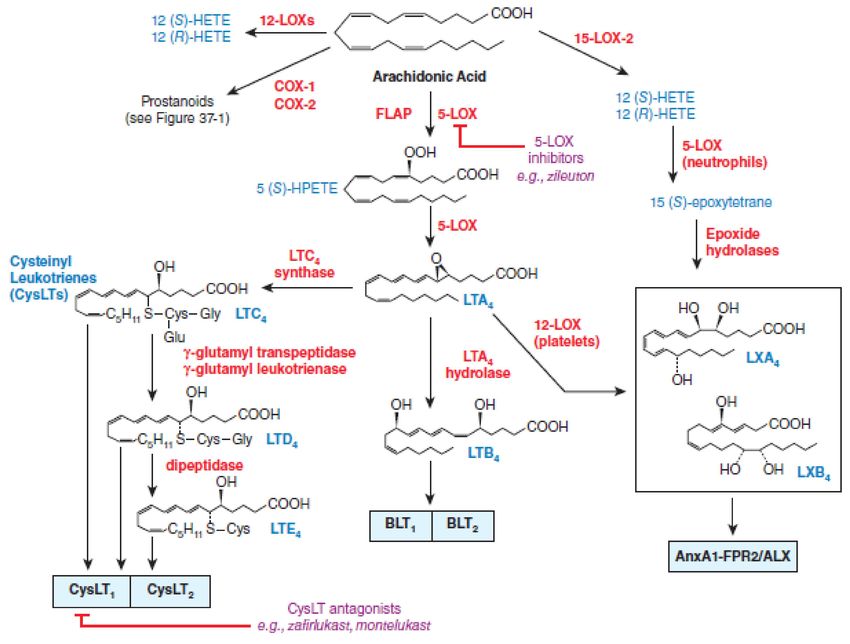
Parkinson’s diseases [36,37,41]. The dual-acting NSAIDs by blocking the 5-LOX pathway
does not alter the synthesis of lipoxins (LXs), which are produced by lipoxygenation
of 15(S)-hydroperoxyeicosatetraenoic acid (15(S)-HpETE), and which can have potent
anti-inflammatory properties and can be considered as “stop-signal” mediators [36]. The
lipoxygenase pathways of AA metabolism is presented in Figure 2.
Figure 2. Lipoxygenase pathways of AA metabolism. With permission of Mc Graw Hill.
The discovery of the COX isoforms and NSAIDs inhibition of leukotriene pathway of
AA metabolism stipulated the hypothesis, that dual-acting NSAIDs may play an important
role in non-arthritic or non-pain conditions where there is an inflammatory component
to pathogenesis, including cancer, Alzheimer’s, and other neurodegenerative diseases.
Non-clinical studies have supported evidence, that potential molecular (cyclooxygenases,
secretases, nuclear factor kappa-light-chain-enhancer of activated B cells (NF-κB), perox-
isome proliferator-activated receptors gamma (PPAR-γ), or a large family of hydrolase
enzymes that bind to the nucleotide guanosine triphosphate ((Rho-GTPases) and cellular
(neurons, microglia, astrocytes or endothelial cells) targets of NSAIDs may mediate the
therapeutic function of NSAIDs in neurodegeneration [41,42].
Evidence from non-clinical trials indicates that eicosanoids and lipid mediators
may are involved in cancer development surrounding inflammatory and stromal cell
responses [43] and provides a reference for the potential benefits of NSAIDs in cancer
chemotherapy via activation apoptosis [44] and modulation tumor autophagy through the
PI3K/Akt/mTOR, MAPK/ERK1/2, P53/DRAM, AMPK/mTOR, Bip/GRP78, CHOP/GADD153,
and HGF/MET signaling pathways and inhibition lysosome function, leading to p53-
dependent G1 cell-cycle arrest [45].Int. J. Mol. Sci. 2021, 22, 6637 5 of 18
Data from new preclinical studies, scientific and technological developments in the
21st century have stimulated research and clinical trials of NSAIDs, which have been
commonly used to control inflammation, pain, and fever over the last few centuries, for
new NSAIDs therapeutic targets never used before, including neurodegenerative disorders,
psychiatric, epilepsy, cardiovascular, diabetes and cancer [43,46–50].
3. Neurodegenerative Diseases
3.1. Alzheimer’s Disease
Several studies have been conducted to evaluate the effects of NSAIDs on neurode-
generative diseases such as Alzheimer’s disease, multiple sclerosis, Parkinson’s disease,
and amyotrophic lateral sclerosis since reports have identified the inflammatory process in
the pathogenesis of neurodegenerative disorders [51]. Inflammation in the brain is mainly
mediated by two distinct glial cell types, astrocytes, and microglia [52] Amyloid beta (Aβ)
and amyloid precursor protein (APP) activate release cytokines from microglia, astrocytes,
and neurons and also promote the expression and deposition of amyloid beta [53]. An
important factor in the onset of the inflammatory process is interleukin-1 (IL-1), which
produces many reactions that cause dysfunction and neuronal death. Other important
cytokines in neuroinflammation are interleukin-6 (IL-6) and tumor necrosis factor alfa
(TNF-α). Other cytokines such as IL-1 receptor antagonist (IL-1ra), interleukins IL-4, IL-10,
and transforming growth factor beta (TGF-β) have positive action and can suppress both
pro-inflammatory cytokine production protecting the brain [54,55].
The recognition of an inflammatory process in the pathogenesis of neurodegenerative
disease triggered the investigation of the potential use of NSAIDs in the prevention and
treatment of Alzheimer’s disease (AD, Parkinson’s disease (PD, Huntington’s disease
(HD, multiple sclerosis (MS and amyotrophic lateral sclerosis (ALS. Molecular and cellular
potential targets were selected for pre-clinical and clinical studies to prove the therapeutic
function of NSAIDs in the management of neurodegeneration diseases [42,56–58]. Recent
studies also confirmed that ion channels, matrix metalloproteases, and microRNAs have
an important place in the pathogenesis of neuroinflammation, in particular, microRNA-32
regulates microglia-mediated neuroinflammation and neurodegeneration [59].
3.2. Clinical Evidence
Evidence from the epidemiological observations confirmed that subjects with arthritis
have a reduced incidence of AD [60]. Systematic review and meta-analysis of observa-
tional studies published between 1966 and 2002 that examined the role of NSAID use in
preventing Alzheimer’s disease identified that the long-term use of NSAIDs may protect
against Alzheimer’s disease but not against vascular dementia [61]. A large Alzheimer’s
Disease Anti-inflammatory Prevention Trial (ADAPT) reported that the use of naproxen
or celecoxib did not improve cognitive function [62]. NSAIDs have an adverse effect in
later stages of AD pathogenesis, whereas asymptomatic individuals treated with conven-
tional NSAIDs such as naproxen experience reduced AD incidence, but only after 2 to
3 years. Thus, naproxen appeared thereafter to be protective in subjects who had been
asymptomatic at baseline, but treatment effects differ at various stages of the disease and
that timing and choice of specific NSAID might be a key factor [63]. It should be noted that
the ADAPT trial was not designed to evaluate cardiovascular events and this is in contrast
with the available safety data about the cardiovascular risk of naproxen use [63].
Many further trials with different NSAIDs including indomethacin [64], ibuprofen [65],
diclofenac [66], nimesulide [67], rofecoxib [68], triflusal [69], flurbiprofen [70] in patients with
established AD showed no or small benefit and clinical development of novel NSAID-derived
γ-secretase modulator tarenflurbil were terminated in view unsatisfactory findings [71].
The failure of the trials may be attributed to many facts, including the choice of
NSAIDs and the disease stage. NSAIDs may be beneficial only in the initial suppression of
Aβ deposition, microglial activation, and release of pro-inflammatory mediators at very
early stages of the AD process. When the Aβ deposition process is already started, NSAIDsInt. J. Mol. Sci. 2021, 22, 6637 6 of 18
are no longer effective and may even be detrimental because of their inhibitory activity
on chronically activated microglia that in the long-term may mediate Aβ clearance [71].
NSAID differs by pharmacokinetics and pharmacodynamics profiles, including NSAID
concentration reaching the brain and COX-2-specific molecular targets, and only a subset
of NSAIDs can lower Aβ production [72,73].
The short duration of the trials, choice of NSAIDs and treatment timing (patients too
old or too severely ill), and the genetic variability of the patients may all have contributed
to the failures. It would be helpful in the future to determine whether patients involved
in trials experience changes in biomarkers in blood or CSF (such as Aβ levels, tau, or
inflammatory markers) and whether those correlate with cognitive performance [74].
Long-term use of NSAIDs is associated with a reduced incidence of AD in epi-
demiologic studies, but randomized controlled trials with various NSAIDs including
indomethacin, naproxen, celecoxib, diclofenac, and nimesulide have not replicated these
findings. Thus, NSAID use cannot currently be recommended either for primary preven-
tion or treatment of AD. However, the available evidence does suggest that cognitively
normal patients taking long-term courses of NSAIDs for other indications likely have a
decreased risk of AD, which represents an important finding given the high prevalence of
NSAID use among older adults [75].
To date, the therapeutic paradigm for Alzheimer’s disease has focused on a single
intervention for all patients. However, a new modern concept of disease pharmacotherapy
supports an integrating approach into pathogenesis evaluation [76] and the precision
medicine therapy model. Integrated inflammatory-based (NSAID-general and NSAID-
specific) diagnostics tools have significant potential to identify select patients with AD
who have a high likelihood of responding to NSAID therapy and it might be a new toll
of successful clinical trials in the future [77]. Whatever the explanations for past NSAID
trial failures are, based on compelling new genetic evidence for a causal role for innate
immunity in AD risk, new trials with both longer and earlier interventions and alternative
approaches to favorably modulate neuroinflammation are warranted [76].
3.3. Parkinson Disease
Investigation from experimental models and samples of PD patients suggested central
and peripheral inflammatory responses of neuron and glial cells in PD pathogenesis [75].
Neuroinflammatory responses could be regulated by neuron-glia interaction which can be
considered as one of the biomarkers of the PD disease diagnosis, pathogenesis, and thera-
peutics [78]. Neuroinflammatory response is associated with an increased level of COX
and accordingly inflammation modulator Prostaglandin F2α (PGF2α) [79,80]. Studies con-
firmed evidence for a major role of microglial crosstalk with astrocytes, mDA neurons, and
neural stem progenitor cells (NSCs) in the 1-methyl-4-phenyl-1,2,3,6-tetrahydropyridine
(MPTP) mouse model of PD, and identified Wnt/β-catenin signaling, a pivotal morphogen
for mDA neurodevelopment, neuroprotection, and neuroinflammatory modulation, as
a critical actor in glia-neuron and glia-NSCs crosstalk [81]. Activated microglia release
various factors involved in neuroinflammation, such as cytokines, chemokines, growth
factors, reactive oxygen species (ROS), reactive nitrogen species (RNS), and PGs. Acti-
vated microglia interact with other cell types (e.g., neurons, astrocytes, and mast cells) and
are closely associated with α-synuclein (α-syn) pathophysiology and iron homeostasis
disturbance. Microglial activation and microglia-mediated inflammatory responses play
essential roles in the pathogenesis of PD and elucidation of the complexity and imbalance
of microglial activation may shed light on novel therapeutic approaches for PD [82].
NSAIDs were clinically used for PD patients’ treatment [83,84]. Effect of indomethacin,
ibuprofen, and celecoxib on various disease-related signaling factors and mechanisms
involving nitrosative stress, neurotransmission, neuronal communication, and peroxisome
proliferator-activated receptor-γ has been documented in experimental PD models [85,86].
There may be a protective effect of non-aspirin NSAIDs use on the risk of PD consistent
with a possible neuroinflammatory pathway in PD pathogenesis [87], but no association orInt. J. Mol. Sci. 2021, 22, 6637 7 of 18
week was found between regular use of various NSAIDs including aspirin and ibuprofen
and reduction of PD risk from epidemiological studies [88–93]. Case-control analysis
of 22,007 male aged 40–84 years without indications for or contraindications to regular
NSAID use and free of Parkinson’s disease at baseline did not find evidence that NSAID
use reduces PD risk. The positive associations observed between NSAID use and PD might
have been due to confounding by indication as the use was clustered in the few years
before disease diagnosis [94].
A recent meta-analysis of fifteen eligible studies confirmed, that NSAIDs use was
not associated with the risk of Parkinson’s disease, and the potency and the cumulative
NSAIDs use did not play critical roles [95,96] and clinicians have to use NSAIDs only to
their approved anti-inflammatory and analgesic effects [97].
3.4. Amyotrophic Lateral Sclerosis
Amyotrophic lateral sclerosis, a neurodegenerative disease, causes neuronal losses in
the CNS and inflammatory process is involved in the pathogenesis of the disease [98,99].
The molecular and cellular changes leading to neurodegeneration occur in the astrocytes
and glial cells [100]. Administration of NSAIDs with peroxisome proliferator-activated
receptor-γ (PPAR γ) agonism such as sulindac, celecoxib, rofecoxib, and nimesulide has
been shown to delay motor impairment in addition to treatment with COX inhibitors and
therefore may be considered as promising in the treatment of ALS and other neurodegener-
ative diseases [42].
3.5. Clinical Evidence
Data from studies showed that aspirin use might reduce the risk of ALS, and the
benefit might be more prominent for older people [101], but another case-control study of
incident cases (n = 111) conducted within the Kaiser Permanente Medical Care Program of
Northern California during the years 1996–2000 found no evidence that the use of ASA or
other NSAIDs prevented ALS [102]. In another study evaluating five prospective cohorts,
no correlation was found between the use of NSAIDs and the risk of ALS [100].
Data from meta-analysis confirmed, that the use of non-aspirin NSAIDs and ac-
etaminophen is associated with a decreased risk of development of ALS, and these medica-
tions seem to confer neuroprotective effects, but for more convincing evidence regarding
the effectiveness of aspirin, non-aspirin NSAIDs, and acetaminophen in reducing risks
of ALS, more qualified prospective studies are required [103]. The weak effectiveness
of NSAIDs in neurodegenerative disease management could be explained by pharma-
cokinetic and pharmacodynamics data. In general, NSAIDs cross the blood-brain barrier
(BBB) efficiently, but the effective dose reaching the brain can be different under different
neuropathological conditions, depending on BBB integrity [104] and amphiphilic nature
of NSAID which allows NSAID interaction with lipid membranes, on the modulation of
membrane biomechanical properties and cell signaling events [105]. NSAID doses required
for PPAR-γ agonist activity are in the high micromolar range, largely exceeding those
required for in vivo inhibition of COXs. Aspirin and paracetamol possess a lack of PPAR-γ
agonist activity or the activity is very weak [106] and also interindividual variations in
response to NSAIDs have been reported in peripheral organs, which all makes it difficult
to correlate pharmacokinetic parameters to clinical efficacy [107].
4. Anticancer Action
Development of nitric oxide (NO) donating aspirin formulations for the prevention of
cardiovascular disease supported the pro-apoptotic [108–111], anti-proliferative [108] pro-
oxidant [112], and inhibition of mitogen-activated protein kinase (MAPK) pathways [113,114]
effects and possible NO donating NSAIDs application in the prevention and treatment of a
variety of different cancers [115]. Studies supported the NSAIDs hypothesis, that chemo-
prevention of cancers such as colorectal cancer (CRC) can be either COX-dependent orInt. J. Mol. Sci. 2021, 22, 6637 8 of 18
COX-independent which can be synergistic at different steps of this multistep process [116]
with evidence for replacement of adenomatous polyposis coli (APC) function by NSAIDs.
Studies with NSAIDs confirmed, that COX-2 selective NSAIDs might selectively
inhibit the induction of apoptosis in human intestinal stem cells with aberrant Wnt signal-
ing [117]. Aspirin reduces the risk of CRC in individuals with elevated COX-2 expression,
but not in those without [118] and with associated reduced mortality [119]. Thus, these find-
ings confirmed the involvement of prostaglandins and non-prostaglandin COX-2 products
in the development of CRC [120–122].
The over-expression of NSAID-activated gene (NAG-1) in cancer cells results in
growth arrest and an increase in apoptosis, suggesting that NAG-1 has anti-tumorigenic
activity acting as a tumor suppressor in the early stages of tumor progression and the
expression of NAG-1 can be increased by the COX-II inhibitors. An increase in NAG-1
is observed in inhibition of the AKT/GSK-3 beta pathway, suggesting NAG-1 alters cell
survival [122]. Thus, forced NAG-1 expression by COX-II inhibitors could provide a
mechanistic basis for the apoptotic effect of COX inhibitors in cancer cells [121–124] may
serve as a potential biomarker for the diagnosis and prognosis of cancer and a therapeutic
target for the inhibition and treatment of cancer development and progression [125].
Other potential anticancer action of NSAIDs can be explained by the ability of selective
COX-2 inhibitors to enhance the sensitivity of lung cancer cells to NK cell-mediated cytotox-
icity. Sublethal concentrations of celecoxib increased the expression levels of UL16-binding
protein 1 (ULBP-1), a natural-killer group 2 member D (NKG2D) ligand, in lung cancer
A549 and H460 cell lines. ULBP-1 mRNA and protein expression was induced in a dose-
and time-dependent manner in lung cancer cells, thereby increasing their susceptibility
to NK cell cytotoxicity. These results suggest that the effects of conventional anticancer
therapy may potentially be enhanced by using celecoxib to enhance the sensitivity of lung
cancer cells to NK cell-mediated cytotoxicity [126] and a combination of NSAIDs with
docosahexaenoic acid (DHA), commonly derived from fish oils, would possibly synergize
their anticancer activity and which can be further developed for chemoprevention and
adjunct therapy in lung cancer [127].
The potential COX-2-independent mechanism of NSAIDs’ antineoplastic action in-
cludes downregulation of proto-oncogenes, such as c-Myc, and transcriptional factors
such as peroxisome proliferator-activated receptor delta (PPARδ), nuclear factor kappa-
light-chain-enhancer of activated B cells (NF-κB), prostate apoptosis response-4 (PAR-4),
and B-cell lymphoma 2 (Bcl-2) [128,129]. Sulindac and indomethacin in vivo studies
demonstrated inhibition of tumorigenesis through inhibition of peroxisome proliferator-
activated receptor delta (PPARδ), a gene that is normally regulated by APC [130]. Stud-
ies have shown that NSAIDs display anticarcinogenic and chemopreventive properties
through the regulation of autophagy in certain types of cancer [131]. In recent years,
an increasing number of studies have indicated that NSAIDs, such as celecoxib, meloxi-
cam, sulindac, aspirin, sildenafil, rofecoxib, and sodium salicylate, have diverse effects
in cancer that are mediated by the autophagy pathway. These NSAIDs can modulate
tumor autophagy through the PI3K/Akt/mTOR, MAPK/ERK1/2, P53/DRAM, AMPK/mTOR,
Bip/GRP78, CHOP/GADD153, and HGF/MET signaling pathways and inhibit lysosome
function, leading to p53-dependent G1 cell-cycle arrest [45,132–138].
Clinical Evidence
Several epidemiologic studies have evaluated the association between the use of
NSAIDs and certain types of cancer [138–140]. In a case-control study of 417 prostate
cancer patients and 420 group-matched control subjects regular daily use of over the counter
and prescription NSAIDs, ibuprofen or aspirin, was associated with a 66% reduction in
prostate cancer risk accordingly odds ratio = 0.34, (95% confidence interval = 0.23–0.58,
p < 0.01) and 0.35, (95% confidence interval = 0.15–0.84, p < 0.05) [141]. Another data from
91 epidemiologic studies showed a significant decline in the risk of malignancies with the
regular use of NSAIDs. Daily intake of NSAIDs, primarily aspirin, produced risk reductionsInt. J. Mol. Sci. 2021, 22, 6637 9 of 18
of 63% for colon, 39% for breast, 36% for lung, 39% for prostate, 73% for esophageal, 62%
for stomach, and 47% for ovarian cancer. NSAID effects became apparent after five or more
years of use, were stronger with longer-term use and cancer-protective effects were stronger
for gastrointestinal malignancies (esophagus, stomach, and colon). Initial epidemiologic
studies of malignant melanoma, Hodgkin’s disease, and adult leukemia also found that
NSAIDs are protective, but results for pancreatic, urinary bladder, and renal cancer were
inconsistent [141].
Despite evidence that NSAIDs could theoretically have anticancer properties and data
from epidemiological studies that NSAIDs use can decline the risk for malignancies results
from large cohort studies of NSAIDs and breast cancer (BC) risk are inconsistent [142–144].
French E3N prospective cohort study, which included 98,995 women did not differ by
NSAID names and selectivity to COX-1 and COX-2, BC subtypes, risk factors, and comor-
bidities, nor by duration and dose of use. However, a statistically significant decreased risk
of BC with NSAID use was only observed among women who also used PPI before [145].
The Third National Health and Nutrition Examination Study (NHANES III) data
revealed that regular use of ibuprofen resulted in a 48% reduced risk of lung cancer
mortality (HR = 0.52, 95% CI: 0.33–0.82, p < 0.01), but the main effects of other NSAIDs
used, such as aspirin or acetaminophen, were not statistically significant. Thus, study
results suggest that high-risk subgroups of smokers may benefit from the regular use of
specific NSAIDs, which may prove to be a useful strategy for lung cancer prevention [146].
It is well known that the antitumor effects of NSAIDs mainly are related to their
autophagy modulating effects, but the effectiveness of NSAIDs anti-cancer autophagy may
depend on many factors of tumor and the NSAID used. The type of tumor, stage of tumori-
genesis, tumor microenvironment, genetic, epigenetic factors, NSAIDs pharmacokinetics
profile, and selectivity of COX-I and COX-II inhibition may have an impact on anticancer
activity. Thus, further studies are warranted with the discovery of new NSAIDs anticancer
mechanisms and the development of molecular biology techniques to study autophagy
and understanding the effects of NSAIDs and their antitumor effects at the molecular and
cellular levels.
5. Cardio Effects
It is widely accepted that immune activation may trigger the atherosclerotic process
and that inflammation may have a potential role in the progression of atherosclerosis.
Cyclooxygenases (COX) mediate the production of eicosanoids, which are involved in
atherosclerotic processes in the vessel wall and platelet aggregation [147]. The production
of vasoconstrictor and platelets aggregator Thromboxane A2 (TXA2 ) is mainly regulated
by COX-I, while both COX-1 and COX-II are involved in the production of vasodilator
and platelet aggregation inhibitor Prostacyclin (PGI2 ) [148]. It was evidence that COX-2
promotes the development of atheromatous lesions in low-density lipoprotein receptor-
deficient (LDLR−/−) mice in vivo [149] and that selective inhibition of the COX-2 enzyme
with celecoxib prevented the development of atherosclerotic lesions in the proximal aor-
tas from apo E−/− mice [147]. Further studies confirmed that increased COX-2, IL-6,
and matrix metalloproteinase 9 (MMP-9) levels are associated with acute ischemic syn-
dromes [150–152].
These findings support the hypothesis that the COX-2/prostaglandin E2 axis may
have a potential role in atherosclerosis development and its selective inhibition might be
an attractive therapeutic target in atherosclerosis patients. At the very beginning COX-
2 inhibitors held a promise however, clinical studies raised several clinically relevant
questions as to their beneficial role in atherosclerosis prevention, because of increased
thrombogenicity and cardiovascular risk, and therefore COX-2 inhibitors should be re-
stricted in atherosclerosis patients [153]. Selective COX-2 inhibitors in all dosages and
nonselective NSAIDs in high dosages increase mortality in patients with previous MI and
should therefore be used with particular caution in these patients [154]. Naproxen and
low dose ibuprofen (Int. J. Mol. Sci. 2021, 22, 6637 10 of 18
botic cardiovascular safety profile of all NSAIDs and is typically recommended as first
line analgesics.
Clinical Evidence
Despite results from a few studies that treatment with COX-2 inhibitors as adjuvants
could be beneficial for the patients with stable angina pectoris scheduled for percutaneous
coronary intervention or in patients with coronary artery disease (CAD) undergoing
coronary stenting [155,156] in terms of the incidence of myocardial infarction, defined as the
elevation of creatine kinase muscle type (CK-MB) [157] and less frequent reduction in the
revascularization rate [158], the researchers concluded that there is still a lack of evidence
regarding the long-term safety of the NSAIDs [159] or the evidence is negative [160].
Several theories have been proposed to explain the pathogenesis of atherosclerosis and
in the particular inflammatory response, however, the detailed mechanisms of inflamma-
tion in atherosclerosis development have not been fully clarified, and effective diagnostic
and therapeutic approaches remain limited. Studies demonstrated that the expression
of miR-16 was downregulated in the cell and animal models of atherosclerosis, as the
main contributor to CAD, thus these findings suggest, that the miR-16 gene from miR-16
microRNA precursor’s family may be a potential diagnostic biomarker and therapeutic
target for atherosclerosis anti-inflammatory therapy [161,162].
6. Diabetes
There is evidence, that type 2 diabetes (T2DM) is associated with a mild-to-moderate
inflammation and that has been proposed as a link to disease progression as well as its
complications [163]. An increased level of IL-6 has been noted in obese individuals and in
patients with T2DM [164]. Data from studies confirm, that NSAIDs could improve in vivo
glucose and lipid homeostasis, and could lead to a hypothesis targeting inflammation and
NF-κB as a therapeutic approach in type 2 diabetes [165]. The hypothesis that subacute-
chronic inflammation contributes to the pathogenesis of obesity-related dysglycemia and
that targeting inflammation may provide a therapeutic route for diabetes prevention [166]
and chronic diabetic wound healing. Previous studies confirmed that diabetic wounds
are trapped in a persistent inflammatory state with elevated levels of pro-inflammatory
cytokines and proteases together with impaired expression of growth factors [167] and a
macrophage are the primary producers of pro-inflammatory cytokines in wounds [168–170].
Thus, investigating the effects of NSAIDs medications on wound healing process may
allow clinicians the opportunity to offer personalized diabetic patients treatments that both
treat the systemic diabetic condition and chronic wounds healing [171].
7. Conclusions
Anti-inflammatory, antipyretic, and analgesic properties of NSAIDs are well evaluated,
but many other different molecular and cellular factors which are not yet fully understood
play an important role in the pathogenesis of inflammation, axonal damage, demyelination,
atherosclerosis, carcinogenesis, and other pathological conditions. NSAIDs are a heteroge-
neous group of medicines with relative different pharmacokinetics and pharmacodynamics
profiles, including inhibition of arachidonic metabolism via cyclooxygenases and lipoxyge-
nases pathway, thus further studies based on precise NSAIDs pharmacotherapy model are
warranted for the discovery of new potential NSAIDs mechanisms. Data from new studies
at the molecular and cellular levels will fill in the gap between experimental and clinical
results and translate our knowledge into successful disease therapy.
Funding: This research received no external funding.
Institutional Review Board Statement: Not applicable.
Informed Consent Statement: Not applicable.Int. J. Mol. Sci. 2021, 22, 6637 11 of 18
Data Availability Statement: 3rd Party Data. Figures 1 and 2 were obtained from Mc Graw Hill
and are available at: Figure 1. Citation: Chapter 37 Lipid-Derived Autacoids: Eicosanoids and
Platelet-Activating Factor, Brunton LL, Hilal-Dandan R, Knollmann BC. Goodman & Gilman’s: The
Pharmacological Basis of Therapeutics, 13e; 2017. Available online: https://accesspharmacy.mhmedical.
com/content.aspx?bookid=2189§ionid=170271821 accessed on: 2 April 2021 Copyright © 2021
McGraw-Hill Education. All rights reserved. Figure 2. Citation: Chapter 37 Lipid-Derived
Autacoids: Eicosanoids and Platelet-Activating Factor, Brunton LL, Hilal-Dandan R, Knollmann
BC. Goodman & Gilman’s: The Pharmacological Basis of Therapeutics, 13e; 2017. Available online:
https://accesspharmacy.mhmedical.com/content.aspx?bookid=2189§ionid=170271821 accessed
on: 2 April 2021 Copyright © 2021 McGraw-Hill Education. All rights reserved with the permission
of Mc Graw Hill. Additional license agreement is signed and enclosed.
Conflicts of Interest: The author declare no conflict of interest.
Abbreviations
15(S)-hydroperoxyeicosatetraenoic acid (15(S)-HpETE)
1-methyl-4-phenyl-1,2,3,6-tetrahydropyridine (MPTP)
78-kDa glucose-regulated protein (GRP78)
Adenomatous polyposis coli (APC)
Adenosine triphosphate (ATP)
AMP-activated protein kinase (AMPK)
Amyloid beta (Aβ)
Amyloid precursor protein (APP)
Amyotrophic lateral sclerosis (ALS)
Arachidonate 5-lipoxygenase (5-LOX)
Arachidonic acid (AA)
Binding immunoglobulin protein (BiP)
Blood brain barrier (BBB)
Breast cancer (BC)
C/EBP homologous protein (CHOP)
CCAAT/enhancer-binding proteins (C/EBPs)
Colorectal cancer (CRC)
Coronary artery disease (CAD)
Damage-regulated autophagy modulator (DRAM)
DNA damage-inducible gene 153 (GADD153)
Docosahexaenoic acid (DHA)
Extracellular signal-regulated kinase (ERK)
Hepatocyte growth factor (HGF)
IL-1 receptor antagonist (IL-1ra)
Interleukin-1 (IL-1)
Interleukin-6 (IL-6)
Creatine kinase muscle type (CK-MB)
Large family of hydrolase enzymes that bind to the nucleotide
(Rho-GTPases)
guanosine triphosphate
Lipoxins (LXs)
Low-density lipoprotein receptor deficient (LDLR−/−)
Matrix metalloproteinase 9 (MMP-9)
Met tyrosine kinase (TK)
Mitogen-activated protein kinase (MAPK)
Natural-killer group 2 member D (NKG2D)
Neural stem progenitor cells (NSCs)
Nitric oxide (NO)
Non-steroidal anti-inflammatory drugs (NSAIDs)
NSAID activated gene (NAG-1)
Nuclear factor kappa-light-chain-enhancer of activated B cells (NF-κB)Int. J. Mol. Sci. 2021, 22, 6637 12 of 18
Parkinson Disease (PD)
Peroxisome proliferator-activated receptor delta (PPARδ)
Peroxisome proliferator-activated receptor-γ (PPAR γ)
Prostacyclin (PGI2 )
Prostaglandin F2α (PGF2α )
Prostaglandins (PGs)
Reactive nitrogen species (RNS)
Reactive oxygen species (ROS)
Slow reacting substance in anaphylaxis (SRS-A)
The mammalian target of rapamycin (mTOR)
The phosphatidylinositol-3-kinase (PI3K)/Akt
Thromboxane (TxA2 )
Tumor necrosis factor-alfa (TNF-α)
Tumor protein (P53)
Type 2 diabetes (T2DM)
UL16-binding protein 1 (ULBP-1)
α-synuclein (α-syn)
References
1. Vane, J.R. The fight against rheumatism: From willow bark to COX-1 sparing drugs. J. Physiol. Pharmacol. 2000, 51, 573–586.
[PubMed]
2. Stone, E. XXXII. An account of the success of the bark of the willow in the cure of agues. In a letter to the Right Honourable
George Earl of Macclesfield, President of RS from the Rev. Mr. Edward Stone, of Chipping-Norton in Oxfordshire. Phil. Trans. R.
Soc. 1763, 53, 195–200.
3. Sneader, W. The discovery of aspirin: A reappraisal. Br. Med. J. 2000, 321, 1591–1594. [CrossRef] [PubMed]
4. Prescott, L. The third Lilly Prize Lecture. University of London, January, 1979. The nephrotoxicity and hepatotoxicity of
antipyretic analgesics. Br. J. Clin. Pharmacol. 1979, 7, 453–462. [CrossRef]
5. Wright, V. Historical overview of NSAIDs. Eur. J. Rheumatol. Inflamm. 1993, 13, 4–6.
6. Pasero, G.; Marson, P. A short history of anti-rheumatic therapy-V. Analgesics. Reumatismo 2011, 63, 55–60. [CrossRef]
7. Vane, J.R. Inhibition of prostaglandin synthesis as a mechanism of action for aspirin-like drugs. Nat. New Biol. 1971, 231, 232–235.
[CrossRef]
8. Botting, R.M. Vane’s discovery of the mechanism of action of aspirin changed our understanding of its clinical pharmacology.
Pharmacol. Rep. 2010, 62, 518–525. [CrossRef]
9. Shampo, M.A.; Kyle, R.A.; Steensma, D. John Robert Vane—British Pharmacologist and Nobel Laureate. Mayo Clin. Proc. 2013,
88, e71. [CrossRef]
10. Vane, J.R.; Botting, R.M. Anti-Inflammatory Drugs and Their Mechanism of Action. Inflamm. Res. 1998, 42, 78–87. [CrossRef]
11. Coles, L.S.; Fries, J.F.; Kraines, R.G.; Roth, S.H. From experiment to experience: Side effects of nonsteroidal anti-inflammatory
drugs. Am. J. Med. 1983, 74, 820–828. [CrossRef]
12. Fries, J. Toward an understanding of NSAID-related adverse events: The contribution of longitudinal data. Scand. J. Rheumatol.
1996, 102, 3–8. [CrossRef]
13. Änggård, E.; Samuelsson, B. Biosynthesis of Prostaglandins from Arachidonic Acid in Guinea Pig Lung: Prostaglandins and
related factors 38. J. Biol. Chem. 1965, 240, 3518–3521. [CrossRef]
14. Ferreira, S.H.; Moncada, S.; Vane, J.R. Prostaglandins and the mechanism of analgesia produced by aspirin like drugs. Ann. R.
Coll. Surg. Engl. 1974, 55, 287.
15. Moncada, S.; Ferreira, S.H.; Vane, J.R. Bioassay of prostaglandins and biologically active substances derived from arachidonic
acid. Adv. Prostaglandin Thromboxane Res. 1978, 5, 211–236.
16. Moncada, S.; Ferreira, S.H.; Vane, J.R. Inhibition of prostaglandin biosynthesis as the mechanism of analgesia of aspirin-like drugs
in the dog knee joint. Eur. J. Pharmacol. 1975, 31, 250–260. [CrossRef]
17. Ferreira, S.H.; Moncada, S.; Vane, J.R. Indomethacin and aspirin abolish prostaglandin release from the spleen. Nat. New Biol.
1971, 231, 237–239. [CrossRef]
18. Higgs, G.A.; Mugridge, K.G.; Moncada, S.; Vane, J.R. Inhibition of tissue damage by the arachidonate lipoxygenase inhibitor
BW755C. Proc. Natl. Acad. Sci. USA 1984, 81, 2890–2892. [CrossRef]
19. Ricciotti, E.; Fitzgerald, G.A. Prostaglandins and inflammation. Arterioscler. Thromb. Vasc. Biol. 2011, 31, 986–1000. [CrossRef]
20. Blain, H.; Jouzeau, J.Y.; Netter, P.; Jeandel, C. Les anti-inflammatoires non steroidiens inhibiteurs selectifs de la cyclooxygenase 2.
Interet et perspectives. Rev. Med. Interne 2000, 21, 978–988. [CrossRef]
21. Brune, K.; Hinz, B. The discovery and development of antiinflammatory drugs. Arthritis Rheum. 2004, 50, 2391–2399. [CrossRef]
22. Seaver, B.; Smith, J.R. Inhibition of COX isoforms by nutraceuticals. J. Herb. Pharmacother. 2004, 4, 11–18. [CrossRef]
23. Atchison, J.W.; Herndon, C.M.; Rusie, E. NSAIDs for musculoskeletal pain management: Current perspectives and novel
strategies to improve safety. J. Manag. Care Pharm. 2013, 19, 1–9. [CrossRef]Int. J. Mol. Sci. 2021, 22, 6637 13 of 18
24. Bannwarth, B. Gastrointestinal tolerance of nonsteroidal anti-inflammatory Agents. Drugs 2000, 59, 17–23. [CrossRef]
25. Singh, G. Recent considerations in nonsteroidal anti-inflammatory drug gastropathy. Am. J. Med. 1998, 105, 31S–38S. [CrossRef]
26. Kendall, B.J.; Peura, D.A. NSAID-associated gastrointestinal damage and the elderly. GI disease in the elderly series: Article five
in the series. Pract. Gastroenterol. 1993, 17, 13–20.
27. Committee on Safety of Medicines. Non-steroidal anti-inflammatory drugs and serious gastrointestinal adverse reactions. Br.
Med. J. 1986, 292, 1190–1191. [CrossRef]
28. Schlegel, S.I. General characteristics of nonsteroidal anti-inflammatory drugs. In Drugs for Rheumatic Disease; Paulus, H.E., Furst,
D.E., Dromgoole, S.H., Eds.; Churchill Livingstone: London, UK, 1987; Volume 1, pp. 203–255.
29. Kowalski, M.L.; Woessner, K.; Sanak, M. Approaches to the diagnosis and management of patients with a history of nonsteroidal
anti-inflammatory drug-related urticaria and angioedema. J. Allergy Clin. Immunol. 2015, 136, 245–251. [CrossRef]
30. Praveen Rao, P.N.; Knaus, E.E. Evolution of nonsteroidal anti-inflammatory drugs (NSAIDs): Cyclooxygenase (COX) inhibition
and beyond. J. Pharm. Pharm. Sci. 2008, 11, 81s–110s.
31. Simmons, D.L.; Botting, R.M.; Hla, T. Cyclooxygenase isozymes: The biology of prostaglandin synthesis and inhibition. Pharmacol.
Rev. 2004, 56, 387–437. [CrossRef]
32. Smyth, E.M.; Grosser, T.; Wang, M.; Yu, Y.; FitzGerald, G.A. Prostanoids in health and disease. J. Lipid Res. 2009, 50, S423–S428.
[CrossRef] [PubMed]
33. Gilston, V.; Blake, D.R.; Winyard, P.G. Inflammatory mediators, free radicals and gene transcription. Free Radic. Inflamm. 2000,
83–98. [CrossRef]
34. Arend, W.P.; Dayer, J.-M. Inhibition of the production and effects of interleukins-1 and tumor necrosis factor α in rheumatoid
arthritis. Arthritis Rheum. 1995, 38, 151–160. [CrossRef] [PubMed]
35. Lone, A.M.; Taskén, K. Proinflammatory and immunoregulatory roles of eicosanoids in T cells. Front. Immunol. 2013, 4, 130.
[CrossRef]
36. Leone, S.; Ottani, A.; Bertolini, A. Dual Acting Anti-Inflammatory Drugs. Curr. Top. Med. Chem. 2007, 7, 265–275. [CrossRef]
37. Bertolini, A.; Ottani, A.; Sandrini, M. Selective COX-2 Inhibitors and Dual Acting Anti-inflammatory Drugs: Critical Remarks.
Curr. Med. Chem. 2005, 9, 1033–1043. [CrossRef]
38. Fiorucci, S.; Meli, R.; Bucci, M.; Cirino, G. Dual inhibitors of cyclooxygenase and 5-lipoxygenase. A new avenue in anti-
inflammatory therapy? Biochem. Pharmacol. 2001, 62, 1433–1438. [CrossRef]
39. Celotti, F.; Durand, T. The metabolic effects of inhibitors of 5-lipoxygenase and of cyclooxygenase 1 and 2 are an advancement in
the efficacy and safety of anti-inflammatory therapy. Prostaglandins Other Lipid Mediat. 2003, 71, 147–162. [CrossRef]
40. Celotti, F.; Laufer, S. Anti-inflammatory drugs: New multitarget compounds to face an old problem. The dual inhibition concept.
Pharmacol. Res. 2001, 43, 429–436. [CrossRef]
41. Ling, Q.L.; Murdoch, E.; Ruan, K.H. How can we address the controversies surrounding the use of NSAIDS in neurodegeneration?
Future Med. Chem. 2016, 8, 1153–1155. [CrossRef]
42. Lleo, A.; Galea, E.; Sastre, M. Molecular targets of non-steroidal anti-inflammatory drugs in neurodegenerative diseases. Cell Mol.
Life Sci. 2007, 64, 1403–1418. [CrossRef]
43. Chatterjee, K.; Jana, S.; Choudhary, P.; Swarnakar, S. Triumph and tumult of matrix metalloproteinases and their crosstalk with
eicosanoids in cancer. Cancer Metastasis Rev. 2018, 37, 279–288. [CrossRef]
44. Chang, C.Y.; Li, J.R.; Wu, C.C.; Wang, J.D.; Liao, S.L.; Chen, W.Y.; Chen, C.J. Endoplasmic reticulum stress contributes to
indomethacin-induced glioma apoptosis. Int. J. Mol. Sci. 2020, 21, 557. [CrossRef]
45. Yu, C.; Li, W.B.; Liu, J.B.; Lu, J.W.; Feng, J.F. Autophagy: Novel applications of nonsteroidal anti-inflammatory drugs for primary
cancer. Cancer Med. 2018, 7, 471–484. [CrossRef]
46. Ciotu, C.I.; Fischer, M.J.M. Novel Analgesics with Peripheral Targets. Neurotherapeutics 2020, 17, 784–825. [CrossRef]
47. Shadfar, S.; Hwang, C.J.; Lim, M.S.; Choi, D.Y.; Hong, J.T. Involvement of inflammation in Alzheimer’s disease pathogenesis and
therapeutic potential of anti-inflammatory agents. Arch. Pharmacal. Res. 2015, 38, 2106–2119. [CrossRef]
48. Ahmad, M.H.; Fatima, M.; Mondal, A.C. Influence of microglia and astrocyte activation in the neuroinflammatory pathogenesis
of Alzheimer’s disease: Rational insights for the therapeutic approaches. J. Clin. Neurosci. 2019, 59, 6–11. [CrossRef]
49. Park, J.C.; Han, S.H.; Mook-Jung, I. Peripheral inflammatory biomarkers in Alzheimer’s disease: A brief review. BMB Rep. 2020,
53, 10–19. [CrossRef]
50. Sang, C.N.; Schmidt, W.K. Aligning New Approaches to Accelerate the Development of Non-opioid Analgesic Therapies.
Neurotherapeutics 2020, 17, 765–769. [CrossRef]
51. Chen, W.W.; Zhang, X.; Huang, W.J. Role of neuroinflammation in neurodegenerative diseases (Review). Mol. Med. Rep. 2016, 13,
3391–3396. [CrossRef]
52. Jha, M.K.; Jeon, S.; Suk, K. Glia as a Link between Neuroinflammation and Neuropathic Pain. Immune Netw. 2012, 12, 41.
[CrossRef]
53. Solfrizzi, V.; D’Introno, A.; Colacicco, A.M.; Capurso, S.A.; Pietrarossa, G.; Santamato, V.; Capurso, A.P.F. Circulating biomarkers
of cognitive decline and dementia. Clin. Chim. Acta 2006, 364, 91–112. [CrossRef]
54. Rubio-Perez, J.M.; Morillas-Ruiz, J.M. A review: Inflammatory process in Alzheimer’s disease, role of cytokines. Sci. World J.
2012, 2012, 756357. [CrossRef]
55. Small, D.H.; Klaver, D.W.; Foa, L. Presenilins and the γ-secretase: Still a complex problem. Mol. Brain 2010, 3, 1–6. [CrossRef]Int. J. Mol. Sci. 2021, 22, 6637 14 of 18
56. Ransohoff, R.M. How neuroinflammation contributes to neurodegeneration. Science 2016, 353, 777–783. [CrossRef]
57. Ray, R.; Juranek, J.K.; Rai, V. RAGE axis in neuroinflammation, neurodegeneration and its emerging role in the pathogenesis of
amyotrophic lateral sclerosis. Neurosci. Biobehav. Rev. 2016, 62, 48–55. [CrossRef]
58. Subhramanyam, C.S.; Wang, C.; Hu, Q.; Dheen, S.T. Microglia-mediated neuroinflammation in neurodegenerative diseases.
Semin. Cell Dev. Biol. 2019, 94, 112–120. [CrossRef]
59. Niranjan, R. Recent advances in the mechanisms of neuroinflammation and their roles in neurodegeneration. Neurochem. Int.
2018, 120, 13–20. [CrossRef]
60. Mcgeer, P.L.; Mcgeer, E.; Rogers, J.; Sibley, J. Anti-inflammatory drugs and Alzheimer disease. Lancet 1990, 335, 1037. [CrossRef]
61. Veld, T.B.A.; Ruitenberg, A.; Hofman, A.; Launer, L.J.; van Duijn, C.M.; Stijnen, T. Nonsteroidal Antiinflammatory Drugs and the
Risk of Alzheimer’s Disease. N. Engl. J. Med. 2001, 345, 1515–1521. [CrossRef]
62. Martin, B.K.; Szekely, C.; Brandt, J.; Piantadosi, S.; Breitner, J.C.S.; Craft, S.; Evans, D.; Green, R. Cognitive function over time in
the Alzheimer’s disease anti-inflammatory prevention trial (ADAPT): Results of a randomized, controlled trial of naproxen and
celecoxib. Arch. Neurol. 2008, 65, 896–905. [PubMed]
63. Breitner, J.C.; Baker, L.D.; Montine, T.J.; Meinert, C.L.; Lyketsos, C.G.; Ashe, K.H.; Brandt, J.; Craft, S.; Evans, D.E.; Green, R.C.;
et al. Extended results of the Alzheimer’s disease anti-inflammatory prevention trial. Alzheimer’s Dement. 2011, 7, 402–411.
[CrossRef] [PubMed]
64. Angiolillo, D.J.; Weisman, S.M. Clinical Pharmacology and Cardiovascular Safety of Naproxen. Am. J. Cardiovasc. Drugs 2017, 17,
97–107. [CrossRef] [PubMed]
65. Rogers, J.; Kirby, L.C.; Hempelman, S.R.; Berry, D.L.; McGeer, P.L.; Kaszniak, A.W. Clinical trial of indomethacin in alzheimer’s
disease. Neurology 1993, 43, 1609–1611. [CrossRef] [PubMed]
66. Pasqualetti, P.; Bonomini, C.; Dal Forno, G.; Paulon, L.; Sinforiani, E.; Marra, C.; Rossini, P.M. A randomized controlled study on
effects of ibuprofen on cognitive progression of Alzheimer’s disease. Aging Clin. Exp. Res. 2009, 21, 102–110. [CrossRef] [PubMed]
67. Scharf, S.; Mander, A.; Ugoni, A.; Vajda, F.; Christophidis, N. A double-blind, placebo-controlled trial of diclofenac/misoprostol
in Alzheimer’s disease. Neurology 1999, 53, 197–201. [CrossRef] [PubMed]
68. Aisen, P.S.; Schmeidler, J.; Pasinetti, G.M. Randomized pilot study of nimesulide treatment in alzheimer’s disease. Neurology 2002,
58, 1050–1054. [CrossRef] [PubMed]
69. Reines, S.A.; Block, G.A.; Morris, J.C.; Liu, G.; Nessly, M.L.; Lines, C.R.; Norman, B.A.; Baranak, C.C. Rofecoxib: No effect on
Alzheimer’s disease in a 1-year, randomized, blinded, controlled study. Neurology 2004, 62, 66–71. [CrossRef]
70. Gómez-Isla, T.; Blesa, R.; Boada, M.; Clarimón, J.; Del Domenech, G. A randomized, double-blind, placebo controlled-trial of
triflusal in mild cognitive impairment: The TRIMCI study. Alzheimer Dis. Assoc. Disord. 2008, 22, 21–29. [CrossRef]
71. Mintzer, J.E.; Wilcock, G.K.; Black, S.E.; Zavitzk, H.; Hendrix, S.B. MPC-7869 (R-flurbiprofen), a selective Ab42-lowering agent,
delays time to clinically significant psychiatric events in Alzheimer_s disease (AD): Analysis from a 12-month phase 2 trial.
Alzheimer’s Dement. 2006, 2–412.
72. Uddin, S.; Kabir, T.; Jeandet, P.; Mathew, B.; Ashraf, G.M.; Perveen, A.; Bin-Jumah, M.N.; Mousa, S.A.; Abdel-Daim, M.M. Novel
Anti-Alzheimer’s Therapeutic Molecules Targeting Amyloid Precursor Protein Processing. Oxidative Med. Cell. Longev. 2020, 2020,
1–19. [CrossRef]
73. Weggen, S.; Eriksen, J.; Das, P.; Sagi, S.A.; Wang, R.; Pietrzik, C.U.; Findlay, K.A.; Smith, T.E.; Murphy, M.P.; Bulter, T.; et al.
A subset of NSAIDs lower amyloidogenic Aβ42 independently of cyclooxygenase activity. Nat. Cell Biol. 2001, 414, 212–216.
[CrossRef] [PubMed]
74. Sastre, M.; Dewachter, I.; Landreth, G.E.; Willson, T.M.; Klockgether, T.; Van Leuven, F.; Heneka, M.T. Nonsteroidal Anti-
Inflammatory Drugs and Peroxisome Proliferator-Activated Receptor-γ Agonists Modulate Immunostimulated Processing of
Amyloid Precursor Protein through Regulation of β-Secretase. J. Neurosci. 2003, 23, 9796–9804. [CrossRef]
75. Sastre, M.; Gentleman, S.M. NSAIDs: How they work and their prospects as therapeutics in Alzheimer’s disease. Front. Aging
Neurosci. 2010. [CrossRef]
76. Yang, L.; Mao, K.; Yu, H.; Chen, J. Neuroinflammatory Responses and Parkinson’ Disease: Pathogenic Mechanisms and
Therapeutic Targets. J. Neuroimmune Pharmacol. 2020, 15, 830–837. [CrossRef]
77. Heneka, M.T.; Carson, M.J.; El Khoury, J.; E Landreth, G.; Brosseron, F.; Feinstein, D.L.; Jacobs, A.H.; Wyss-Coray, T.; Vitorica, J.;
Ransohoff, R.M.; et al. Neuroinflammation in Alzheimer’s disease. Lancet Neurol. 2015, 14, 388–405. [CrossRef]
78. O’Bryant, S.E.; Zhang, F.; Johnson, L.; Hall, J.; Edwards, M.; Grammas, P.; Oh, E.; Lyketsos, C.G.; Rissman, R.A. A Precision
Medicine Model for Targeted NSAID Therapy in Alzheimer’s Disease. J. Alzheimer’s Dis. 2018, 66, 97–104. [CrossRef]
79. Panicker, N.; Saminathan, H.; Jin, H.; Neal, M.; Harischandra, D.S.; Gordon, R.; Kanthasamy, K.; Lawana, V.; Sarkar, S.; Luo, J.;
et al. Fyn Kinase Regulates Microglial Neuroinflammatory Responses in Cell Culture and Animal Models of Parkinson’s Disease.
J. Neurosci. 2015, 35, 10058–10077. [CrossRef] [PubMed]
80. Pasinetti, G.M. Cyclooxygenase and inflammation in Alzheimer’s disease: Experimental approaches and clinical interventions. J.
Neurosci. Res. 1998, 54, 1–6. [CrossRef]
81. Corwin, C.; Nikolopoulou, A.; Pan, A.L.; Nunez-Santos, M.; Vallabhajosula, S.; Serrano, P. Prostaglandin D2/J2 signaling pathway
in a rat model of neuroinflammation displaying progressive parkinsonian-like pathology: Potential novel therapeutic targets 11
Medical and Health Sciences 1109 Neurosciences. J. Neuroinflammation 2018, 15, 272. [CrossRef]You can also read


