Parks, Gärten, Straßenränder: Arche Noah für Insekten? - Prof. Dr. Johannes Steidle Universität Hohenheim - Naturpark ...
←
→
Page content transcription
If your browser does not render page correctly, please read the page content below
Parks, Gärten, Straßenränder:
  Arche Noah für Insekten?

     Prof. Dr. Johannes Steidle
      Universität Hohenheim
Biomasse in Fallen (Gramm/Tag)                 Die „Krefeld Studie“...
                                 40                    40
                                        1989-1996             2006-2016
                                 30                    30

                                 20                    20

                                 10                    10
                                                                             70-80%    Standorte
                                                                                      „Krefelder
                                 0                     0                                Studie“
                                      A M J J A S ON        A M J J A S ON

                                                 Abnahme um 70-80%

                                                                                                   2
    Hallmann et al. 2017 PLoS ONE 12 (10): e0185809. https://doi.org/10.1371/journal. pone.0185809
Biomasse in Fallen (Gramm/Tag)
                                                 ...die Lage in BW...
                                 40                    40                    40

                                        1989-1996             2006-2016            Monitoring
                                 30                    30                    30
                                                                                      BW
                                 20                    20                    20   (20 Flächen)

                                 10                    10                    10

                                 0                     0                     0
                                      A M J J A S ON        A M J J A S ON        2018 2019

                                      Auch in BW gibt es zu wenig Insekten!
                                                                                                 3
Hallmann et al. 2017 PLoS ONE 12 (10): e0185809. https://doi.org/10.1371/journal. pone.0185809
...und den Biodiversitäts-
                      observatorien der DFG*
Lebensraum Biomasse                 Häufigkeit         Artenzahl
Grünland              -67%              -78%              -34%
                                                                              Schorfheide
Wald                  -41%                 -              -36%
                                                                              Hainich

Untersuchung von 150 Flächen im Grünland (2008-2017)
                                                                                 Münsingen
und 140 im Wald (2008-2016). Probennahme vieler Arten-
gruppen mit standardisierten Methoden

        Gravierende Abnahmen schon in
    10 Jahren (2008-2017), und auch im Wald
                                                                                             4
       Seibold et al. 2019. Nature 574:671–674. *DFG: Deutsche Forschungsgemeinschaft
royalso
cietypu
blishin Narrow
emerge habitat breadt
g.org/j
ournal/
rspb
n h
Researc vulnera ce increases e and late-sum
h bility in xt mer
Central inction
Neue & neueste Arbeiten
Cite th
is artic
Renner
SS. 2019
le: Hof
mann M
Michaela
M. Hofm Europea
11/ic
ad.1
2348
y
late-sum
mer em
Narrow
habitat
M, Zoh
ner CM
, Re c
1
Systemat ann , C
onstanti n bees
1
stud
10.11 vulnerab ergence breadth eiv ic Botany n
n and ed:Mun
and Myc M. Zoh
erm serve i
doi: ility in increase DO 1 ich 80
019)
t Proc. R. Central s extinct I: 1 2 9J 63
0.1 Institanuar 8, German
ology, D 2 ner an
ivers
ity (2
n g - e Soc. B Europea ion 111 ute ofy 2In0 y epartm
ent of d Susan
nd D
L o e r 286: 20 n bees. /
Zurich,di.1
d te
18gr
Sw2it85zerl ativeReBiology, | Biology, ne S. Renn 1
rvati
on a
e? tur http://d
x.doi.org 190316 BI
OD 4 and Univers
er
a na
ET it
gon
onse . vis
e d: H Zu rich (Sw y of Mun
Insec
t C /10.1098 I V CM 15 iss Fede ich
tles line in /rspb.201 E R Z, 0000 Au (LMU),
SI -0002-83 ral Instit Menzing
Pro Eva
gus
e e 9.0316 TY 02-4854; t2 ute of Te Straße er
e b s dec
018 ch
t nology), 67,
00-0003- |
4 RE SSR, 00
ll th ie UET
T,
stu ecetxe
luatin S
g intr E A R
Univers
A cc
ve a d spec
3, * any, 3704-070 itätsstras
e pt
Receive
d se
e d:
S, SCH tincti in sic Ca H 3 16, 8092
r e h a
b i R E E E
K 1 and gen,
Germ , d: 6 Fe
bruar dy of speciaal r important d extrinsic
on is n
30
Au
obenst m coenacesrn in for targeti traits tha
B rdin burg Accepte gus
d: 13 Fe y 2019
D
Whe als cara rmany
I E v e a m t2
D I A ,2 W n e H
KI ch €at 018
n, S
L A U O L T E K O W S onservatio logy, Univ
ersit bruary
mates ut
bonitored in doEurope a ng conserv t predispo
reve hern Ge 1,2 * C 2019
withte
,
N H re C oo Sta sects. n
G , T H E A R U S Cy for Natu stitute of Z shrof B o
nis re bee ation se sp
rtliwin ees atrem
R sci- s, wh effort e
t l Europ s. Am cies to lo
Nor MB
U RO O N cadem n in ds avR e ich,
3
deac1ie,2s, limate warmsters, warm ist
y, In entio Tom e, c mo
H O D ,2 D2OE I C K VToepfer A rg, German righton, U en
t specie along wit cal
K ong th
NA easin
g att ersity tr nt, áš K asp
ura sh2 ould while pest ing per se sprina
i g s- h b e spe
gs,te
te ri u cies
T A U I N , 2 1 Alfre urg, Lu€neb of Sussex,
RI u B d iv cr t d s ex ch in tterfli
ed in insec to asses Subject Medit
T H AE B O U M S T E N N receiv dies of Catego sh and b
es, are
KA E €neb niversity has rtan
t ly ry: const| icides is, th
idory summers ean-type cli-e
e rra n th
s on iverer aSts. Here, e loss of expected
!V U A y Lu tu inab Ecology 1
as |be ituOtel th and erefore
d iv
T Z M rs it U n e s p o
susta study
De
eJno m ,
E S C A L E N A S S ana Univ e Science e s, dec li er m im ms . par th
abitats to e
-t ly . In
bitat ef Sitored fo
t g h te d He tm of ha
berns
ins e c Lo n ig os y s t a n
S E h if . e h c n ing lm en
c Centr
i
e
A Res holt z t of C r Rhew
T p L c r e p w h
breadett
u
tt modst beael
P e f ti ia a c ie p th e use
R S cology, L 4 School o d
dras lic me studies ct loss in s of an m a tr rmany, Seus a efi
nt y
durati
1,3 d e
ear Ce om
O e r b th, eple Liis the b and
ac Iit |
T H ute of E ny and h
in p ugh suc es of ins ity tren beetles fr rthern G y measu y) ject Areas:
ub o e ch n on ofmu
g
factor’ tivn
T e d – U t re fo ts
h
e e
2
o
t. 1. e p
eitcy l
nit ll fo
De
r 1 la
ys
tested flight
y en sp r ove fauna
, ae
p FZ
2 Instit rma trac well as Scie ar tm , H r Envir Ecolo e r d
c
s iv
uenc id diver carabid e of No diversit diversecitology c ializa | o
rteino n, boledxyasinze , to analyse ny, which ines
, Ge Abs tho 4 f Germ ers
each tio A 0 years
t
alle
c as even nseq n ce e nt
, G onme g y, M
b
burg rv al Red a
tia
b f c U o
ioumm
o e r ti s, F f Ec nd
Ham entifi ll rare, tential c to cara d data o ture res in seve ylogene rence. niv erm
usinG
List n
s pre
a ny t a l
:A
e a c o m
g e
we Re p r sit y u lt y lo gy status, dictiv
sti oirect hts in M d
nera
e a s h r (HB) f ,
cha
p s n e p u , e n th
sergen er sting si
e ly g c y u O o a e pow e e effe
cas
r d ld n d c it
es
a annceD insig a o rs blic f n
e an an o l cha y an cies dive Ke etic
lom S mode dE
patt s depckelin| Eli
s ie ouc cienc Ha
ds, w years in tempora l diversit s for spe insect hylogeynword
aterSc
3
nvir
onm ls. Ex
e A r aga cts c tes, so
inst c 1 e during
iDiv
lablderiv , O ine,la
tincti bstp
l
ain s: hylo r e
av ai g n
bs_bs_banner
, P te ciality
on rac genetic
o d G
ts lists 2. T d wood la 4 a f p icte B erm lo a lac sument
for 2 xamined function r variab studies o ess and e bpee
le iod mo han the 1 ,
Conten redlif pre ký mael r,
withACiams:pTavulnt erabil ally inform ges in com season. W
tion Leip iversit an Ce uc ,
age run be-ohthistory tr fere
nserva erns e ssacbaeth
man as been th. We ichnAustral
e ess, Entomology to (2021) 60, 9 –26 n tag n C ze
ncche,
redic ng-term cies rich nation s inm sodoelr aits, Bay zig yR
ese tre fo st a a staortiA ity is e m e
ical Co
h e a r a s p e g e s, Centr esian h
,G
e a r a tu n d c
duraaliIn a .
stssicH stron d h ierarc o n n ess a
that urg H species s traits lished lo t in sp er rm
any rch, H Integ s of 8 ne. alllm
deriv
a a
leK
e
lo g , h ib s im
es lner such a Europe, s al ie C
rarchicalrreso 5% o ti
Bun n
o
st W oef f ac s theaons g ly h ical B n d
ed fr dühnto| spe
B io Lu€ neb mass, te ecie
spio
/b co n y pub ass, bu iona ernatin st declin vu
lly g a .
ts abili sults Red List St po
allin
e-J uarb
r t
ive
an f theEu itu
rodesa fo
te
irr tit atvte
dnela,1th
ef at c
increa
sed in ayesia
effec ur rety
en
bio /l o ca erse centl ddit , extinEctnvanislav Rndence especa-Leipz areas ea te spepceie mt f sW it
esrtyandcofrr eect , Ain n
m
(e.g. r. co m div st to re ne in bio y site. A ecies h
ib
stron
ge an s. xellu Ssdyem d flig bee 1
ls ev ie sted
w w w .e and te contra Symposium: insect decline and conservation
p
decli ur stud abids: S showed lt of exte unding. ltifacete e
rnal O d. ioir
Pala nonme da, D
a iallyig, chEm dre NCüor n
atuNv ers wh Wetl ctlivye p ht tim s flying
om a
itpeod atu nere
ci
e: fa c h a rm d ru c e rscehly e,t h a n s d ic ti a n k e
hove es diver
o m ep
ag . In bserve
a to ar ing e resu rro mu th C ze k ý U
c n t al e par tors c inogu su fo b
r rev al tM y
avttu ln ra u tz,sp e3rrisnRgeseas of ng th ,
d b , hab
h 3 a c p r u e f S tm u rr t r e e ra2 0 5 e M it a
jo u rn al
ot o carabid ability
s o f in s th the s
s es a r
ti on o s ch n ive c ien ent sp
ri ently sidmmwe M nd ew L bil
e
ie
r-
h
s 0it
0 y
1 9 eBcoemehrg
7p rc , Rpe rdot vuln aretin t
n g b e n a m E R r c o n g sh aa . , ie a n e ra
Retipn the cti e b orist (NU2p0o0intinnsg, rGicehrmabcoeucda
in e
cat ogrtsG N h v1in
in o c is m e s Loif rc F n bSiloit
Olo , Facu Ecolo -flying
did eed nds to ticides esp ideA fi an ail: pub it y s f
ob nutith ten
rs
riveReview
in rgyc,
rsity e pr d br the r o mech sta li , city th 6
efrm20 , 2b0u2et0tee)s,er,w Uddaocc
dive ccurrenc rvae an tected tr on of pe ne and ies with ding of r for corre nis c.
si
e s
rfly c
gy io n o to nin y; an niv Han
of its d
mo lt y nive0)
M-d enste rsaityurren
ere
omm ty:
eell Ge deacnli0yn0’snebe r fly rit
and
ebtw
uc , o
tan Susanne spotn Fun lav
.rad Olo f Scie win or:gld h rsthitysit s onsi
f d vEen la 6525 ce
s , in s de
t weo diveichn eoe
c
d la
view
o de cati ecli tud hd f csNoe
insec dence: dse: sp inrm es in vhaadbain but t to Kroo a
the din n io oiv
es an ume the e appli insect d -term s unders a@
a: A re
S. R De g in mo
u c , ce , erceaie rs tm mnod p rHP N
g in
Further evidence for a global decline of the entomofauna en
clin ner
e , u f sez 1 1 -aybeun rW sitey cne s.
yn, tE b r
iokm it
. as y stoaw
e s n , a
Reti e
noo,n or ffly
lo g u see
icalvenijmege n
mofaun
ng t nam
R
ima ass d th the lo the e- m ai e Aw s c h e
orm
yu n a in S t , an
EATU
e a n r f r t l: d a .c a r ddance utilsiz lo s is rorpse. He a s of d rd t a o iein n
tygKb , The N
unity
fo o o sec renner@
t t s warm heirV, an thsesse
N c d Ee
4. W change pp e. ard Bu
nde ion
z
the ento
iv ers n ce s u n c in lmu.de U N t r a S y a o fl t e s e m lke J
a nse phid ta s(19,6 ed gtill a . wev
r s ying t w d re fedld etherl
io
ie w
line of
a te r
e d alia impor ta
e l to b u nd e e tle , niv
er s
um
b ss t
1. Intro a e e h -ad suar accep bla
pr iv, ong
IAL F
Rev b,c, d cli m t th str
a 15, Au the Francisco le v a 1
* b 2,3,4 P it y, e r: A if t ung a c e
tot nd 2t0s ac ), atries 4 indiv 0 e n
ner open r, how in sect ethe ote
ud te g
d byes er4s779 ands; bD
D
ide dec W y ck huy s u
ele gg,
igh e s
NS tW th20
li gh ts sp e c ie s
ers it y a nd
Sánchez‐Bayo
, g ro u ndanditKris
tra
s . A G Wyckhuys rF_
2 0 17_
G r a nt
Z 3 00 U mw duction arlao
t
14,rao
s
six on
lo
a
iduliaze que biom s havr th
n ,
d ing E is
ditohig it 8
y dKrefe epartm
ejan a
s
w s t, y f s e ri e
SPEC
, e n s s s
.G. , Ev h s iv it s / 1 e ls d t a e h
0 /55 Bee, G c a
ld ld
ey e d s s e A 5 s12o2f d aptio ion. alasre t . W - , Ge ent II
r ig lt Res r G ) olifn ss d l Beora
t b r hne n 1
a,⁎ , Kris A
dn
W o y o e, The
Un iversi ty of Sy T h is h
, a in s
s to ges in 1School nofctiLife
ect l
onaandsp
d ive
cie s r ic c
inseof n
t decli - Edit
con 1 Central or :
5 wa
r d Nu 6 ; Pala
dr iv
a n te rsity
/Australia. u a
lttse:s be bum c o
t m
gen r e
mraaliz
ecnies
sinricG e
1 6
a2r m h
H ere, e c line m r
eednd e the
wrditMh einmb
rm a ny
2.2 “
Hab
e z-B a ric ultur
ca tc h e n ity,
Environmental
e Sciences, The University
th e a Sydney,
d A laAvenue, Eveleigh, mNSW
b a g
er: ricu2015,
c ký in oth
utes aU t
nd aBut ween r fly vs. , loth
t e o n n y e e
e re hnreman ixeedr-fly
o v w e an s r e flect s deifcli n a er Ma itats
oS á n ch tute of
Ag
alia c ha s , fu r s th en ic al he- nA
IG lt u re S t c a f n s y Dire
id leve r einsswith sess
e
p er f tota spe rare ate ults ss o nat ef f pec
in e A sacn
In sti str g 2 as e e g n d , hab s s ly R
BiomSchool tic of divBiological Sciences, University ofinQueensland, Goddard e Building, Brisbane,erQLD sen 4072, Australia.
Au
Francisc
c
l inscie sped in with f b ure r ect ies (D ze the
ey isbane, in eco lo all oAf_ ale . Be ctive
s, Sydn driv S s th ait d-d Ely
mental
Science Queens
land, Br
, China ds. ylo3Institutegene 17). bothrtin
20Academy s edia a , with
yet whichDistrict, n aot logssbitectw o euprosepp ectsb ciessid u e s l, as ide per renb
aum
/ Na
tura
En vir on rsity of Be iji ng w o r
ph of Plant Protection, China
a l. ,
tiic
o nal, re po of Agricultural
m c e Sciences, w - No. 2 West Yuanmingyuan Rd.,
Clima Haidian v
W
ndegati eeracllo ndetnth , a ne s n edce a
eienstppears . iom . Weean
a m t t
odeer f s e r m
vesod ip t era: le vel, w s
ell and istenc
a N 2000
Life & s, Unive iences, e y , n eoft 73ahi st nor cs
lial pa Ho te an− e ly e r s
ovem
a
Scho ol of
ological
Sc ien ce
Agricult
ur al Sc K
it or in g
Beijing 100193, China. aellre
a n
mview t of tt e
win
u b
ve
ork re at a h
p ig h
20 1 8 ).
ew s if
warm ferdeeclily adff v n stru
e t 2
lyin
3d% cere r
d iceh a
clinne to bseand
s s d
hoow l v araysin in ls19(G proc e quir chan e and b er 5
,”
b School of Bi Na m em y of m o n
01en
4 ; H
siv da
lo erhs. anO urd w
llyxt fe (Leath e r, n g n b e es do in g pcer e n
d b es in cnt efo c
e li c t e doa cliner d o a
v se essin h d ecto litnain u t sisidom s emde
g 8 9L MM(2 e sses e s tha g es in a bund , 2 020
no i, Viet ina Acad 4
Chrysalis co mpr2eh
Consulting, eg
Nguyen drivrc Phong th
Sac, e
b ane
Cau Giay, Hanoi rp risi
100000, u d-
Vietnam. w w it u se e in d t e t h u se ow o l g e e b c li 5 in t a (r
Chrysa
lis , Ha
t Protec
tio n, Ch
presen
t a
uns de c e ivin
re rly reseaeciescov er
ur g qu
lo s
ce the s not su lde r st
c o ell in h d ves,sh r t wo e
t otal s so h eourrc e
d w sea fasheerb v rfly h ovdeue N t
2 ric d lagee n ) to, 26 volv we a dive nce e c eive
c
an e, w e th eh a sp c toe nbe o se s o l- adap M p is s u
e ld a b p
pecniet benundcie ical ahe e t e s it s o h ic s
n toigh idpeescie r fl to
y abin0 e s p
n coll ling innalyAddita ) . e d c coun rs it c h d
T ss ct ar edrittsais 0 ncli t for y metric anges a
Pl
e. Her o a ), 0te (e
'soinsemight era)l ap ted M ain e
C asse n pe 6 ly
nnud
of nse cli)nha w a
T R A , 199 ) or an nder
these iona .g., hig
d Institute ati e ve enrr
A B S ened w
orldwid
system
atically
% of th
ew rvld
seor
s n(Coleo gic
pt a co opte
er is d
era et al. 000 in a gro fco tceea
nn r
cfeea s apnes fit, nnco
e a s er
ic
in nreest
ll cm in−8s2t%in asnrdichin undasn
e itsievee m ec t
s t
is threat and 40 no
ometele n eacoan lo Ephetsmth ese prote th upos,rnscsu rorn a -t ey
rescis ttrhh
a aesrm oad g o sid nsees ctic ces, an isseedd) o fieald n lly, im her e th
xtir e stoc at the
the s
cupyskell, 2
slat, b seinl gtod eppao
am
ion of been d dungnbe iesasom tN s2pwe ctlitse nce, nn
D
insects ss the
globe, extinct Abstract wpter mdologisia that idhoc n an
(e.g. human‐inflicted warange eir sho pluecsch
ctedincluding lo t rttehuNen2ditaie s, raid n es, bdlac pnre2 (i. p pec
The oAnthropocene ec isolis
ncharacterised 0 0ere m a a [5d s ebytoe1e nts a e., specie erfect sp pation r hastic n commu ies
has ra aan ts
s (D aby pervasive impacts on a broad rm-aof biota,
ersity of show acte
I N F O Biodiv ines fr
om acro ay lead
to the
a,inH ctsenopoteet Pl
seym znata, ecop
l., tera,uTr nkicnho
to in udemsp
enclto pilatiereviewed un, da20nc 05e; H of a ries
ento already dapteHo urb p nwed ion
exrapoinpegr ard
fbin
deecsli: Th
utm
erbm le0bseitd isprtsedn ],dw iveitrh0%
chd aniv eisxtapitnlo
ginrs ycreebehco0
s le
0ily
0p [1v–g4-]. de goemspor ve v4e5 ates atur nit
I C L E ct decl that m ptoer r, ly
insects.
teon In 2019,
contly,we th Wab eir scientific
in vnt literature quantifying the prevalence and y
magnitude
e of insect ddeclines
w e in e v e is r s tr s ec
a sp s o ti w h low s dete for ra e of th y
ie
e do f ir no ca rs e n e e e s g aw r l. lo in a it
A R T of in se
s oofn de
teti
cl in Le pi
tems, declineuatic tamxas (O
(D do
ct grou
ps e v y
a urre oll
enc rl &
py in gcth
-s a e
le dva
6nt) h a d 1 apart n e a
c
verecries tatdioensig in n e aG hdig
e
d p
iates.[6]. oArtioide ity em s th wit e xh c
rank romusef stromotec of ped g ame ( ightf
ra os ys e in se s.c eCo sc cu e 1 e , w n rmh a ren o e -a n o
g st ted pecie s a 2 7). o rwa ctio r e sp e
ot]. In pthree ith . cOnua
[7 easin up
ic st d recent
ie n time. Here, ocdrawingrg upon 0
40 ra additional long‐term studies, we add evidence that is
resouconsistent with our earlier caetnert ost ab
dramat oducterrestrial ec or aq osy ecte - t specsi (eie.g
ri
.thDat areand la llu l.-to
, 2le aeprp aseny in bu 1tionbuonN th
uricmaj fd2 reita s dec eoretica To facil rd com undanc n durin ecies)
ant
ds:
trs. In
Inde whe areasdrafost ann d ecspecies. Aff
of angdy,ge nivra
Une
erlis
spsec sand
listreview
ie list s ts, an
some other
pot etta
d id reviews on ngs.fate of insect populations globally. New data for Greenland,
ttithe
rces
dm
northern
mitev no dcicutiv lim
igean n
Africa, -p r e
rtio
raete
nsualtw paeracn dnedeadnce ly ulotusw
did yer ofrebs1. yO e
0c0
aan fee0 pearm
Keywor deca te d, , a ts
or tio m on ne. ra ra lis h m ba n se a b unda ue e t t h ro r e
tecnte o inse nd utggin s a
s rm ie c e su , w e
p hoert tthheanee driv a
b s w s itseity s
ti,nw li n e l fr it a p ar e co g
t fde
rs it m d c ur as touathioued e mo s
e g,s ric
b op gerg ne serTe
ost affec ye ideer meea g huilse to as well amewor te a me ison of uld easil am-
a S l and
s co pil
hapr y co r Zoo apta lo e,b u
ofy rege rate
Extinct
ion
taxa m recenat cons rsabe le
, but al
so man ute fo all ad Hbl
am
0146 habitat and South
dietar 010ul; tueastern
l.America,
,ag2ric ra
Asiaco nvand ersio n to
Australia complement se,
Licen rcstudies l and from Europe and North w America. [1,3,8utraestrends
nce Temporal nmoafbny t re con gaare cat s, divheheirst thbaat se hnd tehde a N2exp . ev ityd cos. W
hdis
rs
lo st div es ite are D ith ain annd td iii ) in te t la
h m t e s o n s r an in 0 e c n s u in v as k , a n in s y
astifournes (Hil estigate imper in whic ingful ect ass be
tors ch es w t ss L ; s ia ,9 a h azaenr N iv o n is r e c 0 0ase t
y r it poetr,
-2
habitateEl
th s, lo rs v d umon e t rsw larg s in intven e e
n d in racrlintr
In in ni st s e s rs athree ],gpeo
Pollina alread tecteec d ogical
is increa
sing; , In 3, insect water in insect ec San
y &trare
o fertilise
on NisoD100
eri
omm
e
nKdE or trgte
aelrn spreecn yevd e inssid en t wri st sre
insects ce: i) populations icnowsupderived l-from aaylly ds2a0n0se
de ar ol Drees on aqtzuatic nced in d long‐term studies and refer mainly to the past four decades teeti eeclinn
Aquatic particul speciesClaudiaing.erAm ing-P g la experie portan stilicides ctia or non-c The e b w YW arm add d0 cnoneg treed ectebt to ites tapecieest w e e n ng d l fec h an em
mprmleem ia sl .u h
en 20 ofrokrn speecitiehse scenario numbers ow spe t detecti variabil alysis, w -
farc aietidsvin
mber of dence : declin uth -K rgsit .dey losses r of im hnpe W
onlinData latte enmajor n is O Reare r de- rings troatrm e ea earbe inim focned hem h rank
ntheJtic D sp r dehrfloiora
ture e C ta
(median ffioof species arsk erova ly
o33 years).
Agricul small nu bypth ne ones artin-L e bi mbivuer
aod ar to be
in orde
nly thpat
by esy d by ate change . eTh atofrom
n o dthe
hpopulations
ttan
cpits:e//
10
thent
dm, ou
uaise
ry 1minsect
at|erial
taxonomic orders indicate that an eaaverage 37%
rlier fl r ecdtivo erfsbre
ioddivS andhsu ndin engdth
entsw
e ut t p paU
ef rilc, t tb lNaa s2sn0dd
do m p
oro rab s o ) a cies on ity e
rlyd in undanc f declin re theo persiste are inte in rate
es ftrres o rg, gMth
-Nimes e e
er ti vpaerie
Pesticid rvices le e la rgni-h pe ai b lishclining
) cl im in numbers, tionwhile
cl d x. io n ofin18% species
I is are
av increasing; the latter taxa mainly o
involve
ic agricultural u her-
c o r e
r k xt io
p r c u r 0e c
0nli e o v
tem se nich es C o u in rees
mplbac @ u
declines nuscii)
ap
riptpollution, ivsp
m u
y s; and iv cofigshp
inttri
b u
ld er
ar prio rl y
e us redu doi.o ct
rg N T ailable is whenrien it e
y lo rseitdy a mm gan ange , aencste n trd e
ly s call ecodneiv r nt t nnest
esing
Ecosys ecolog
y ar e
H re
a .d ec ie s ersecitie
sp ec niess A e.
ro
se
ular a pests.
c. 4407 ed to /1 0.608are R O pronounced among aquatic id e v s g
s, tundwhere s s, b lo n
ss d
| inte
e rs
is r
. s d sp w goie
m e d a t p
e p in s
sistievceie for er vrsait
g e h reyat wo t m e. te rpre e axis. e r e
rates tically ce an n g r ated
speciesist€a ildr
ia
usd of sp a n; mo andw is ent communities,
change
t la samtio od ucd ed
D or ityC of
bivores nuisance
oicrk 73
ly need Inchanges
Population
1. 4/ mmore insect fr im e r u m p o e sa r N e S ,
Global iv er nie tr n in m rt nt 9. D om c lim se ra t e e
s a t , n d n xt, w
k ti d
R
C ba in o pa t t
:
and ur
a
s andation ly affects a reativeactices m ,gin l ge o-
spit the N e t ea ct d
ec lly sh han b iesaosn
c hat ff
trrice c re io ng e u a a
mpir ch a fra long th ffected diver-
th is ur U Cresult in a decrease vanl- o bioum
-mna a tal ec
The m Eai y to
ulture ualling pathogenonserv
in
e oriof species es,declining the vi etherl acrossataxa, st dsexcept
e r fte su ahdtn of esh de eh
e agricibutedineq gions,
but on ty. t o theulC tural pr 42%
ed thly-based
practic are
d safegu
ard and 29% icincreasing.
ietesd
e o Such changes
f TIO in biomass
ands, u eceyrieosf, tr ly acsh seamngeli)ne | tem ifted fl ut t lym.
raelr fre e insu iteiosn s aall ortef rb (Sioydr assrlinaensd ere exam ical m e u
intensiv clud tC Socie rrrm ens ag f ric clean porichness
llu , w andnadiversity have
w3h/4ichnt rep o o data ework is commo nder
rovolidogical poonrpdtsulationblage n thpeod
ntrors, secre
ical for Heteroptera. ns anChanges tio N andddo e cyro pivheid
*Cofact
al op. In
thotrrs Atore
tuin gical ofthcu te bl,e,pec pulatio ied in to species div ea nall indices are inconsistent eclinot reflect intraspecific
eclialinneg lieso
ral sc
s ausrces f ficie dive ine th
biologic pohrtean mo thloinkinng r oree su edna
stai ium in sect po ld be appl er s re c ya d ec ned m o v lo sfo u n fr tr e s
n (b ss toG r s rsaite). r s e o f a ls n-to
ly im
ar 9 T te zo A neE s. n d e m an y m in in g population
logies
sh ou
changes over time. These 201trendsy are it observed
u n
rre irrespective
d in li
of taxon, geographynes in or methodological e
orer a stp ap-in th s d thaom , dG serin o f wild pote ecau n t se er m (28– y. Hov it y in relati d eclin o cruc -
particul 20te 1 mperaf Royal sstitaut icle
io
u
n with in very. of decl no (B n t la a ro
e e t lalo w m 5 7 m b io 3 0 e r on in
!
rt n
ti reco de
o tion te ch 5; T ro o tly e
exp arnproper
cate c for tropical te-fly bund rio
ngly bio te-f lalo n e any, mspecies (f beesntia a oaf indicny ), im
n a fl
porta ies are an inse ship be g ca ial
s of half o d its asu cbs wu theare mative remedia proach, although a lack of long‐term pro monitoring records prevents atio assessment g abnecee d of th
regions.
lesasn emaarlss o dwG rom 1 in lEreuaro
e
setting n beag an n c ds
us ean opeent tren d ,disaltr loib sn, effec it te ks
et a erie nall hang
e s quein ri
e n
r g ana ogf einme atoisrs c c tw
tche
s
o e n n t e n in s sf o
[1 th y f wy m p s p e s e n ( 34, 3 n t o n t e
raargyriti a o eenm
id a o s on th r0s]. o cts
5), agents sidered family en tota
l., 2 g 0 gen
eraarlie an 30-fylofl einrig g ny ll
pest ic rr use taditio
ti ents. c tio or ncin y se evE nhso t ,or
hisveisrse ecurmitsprov apad
idre.adIn vironmKey words abundance, biomass, diversity indices, insects, n p population et a 012 t go cu ltura ha eand era) in . ve rep
Tre l., 2 trends. ga e
bilcittiy l grroustpusdie (s1), nin seocntses,ve dnetm rese rfly indiv resenta and hen in bioc impor : the h l insec
slow or hicic ons l and urban en hard Europea lsta , nanecta
o
h p they Div on is theolic y ;B nu a
ndim ls and pra
Y
serv es catiul 014 u tc a otnusrtr r sou
LOG
system o mth
w
odifi ric tu
ra
ns ifi ca eti
r s - is t ). h
& ly n c e
o s.
f o f o n bs w in lep a d in e rc r v e s id u ti v e c e a o n tr ta n t o v e t
ag l inte it in h a 20in in be e la ecTohsus, insec um e a
sbseeev drotecg acte eesnd a
poin in two s ls caugh for a var potenti ol (31–3 wild po rflies
yste in Iret spe llble
In E rt e
biyrdans, heedAut rowdit nvis arned
eN t onds
n bo
cultura t al. 19isTh tedto st
ECO
in
waters IN TR ODUCTION at agri
glob tribu report (Tablera1), such aspe, by ,taxonomic
dD
ise,r(s) ed tcollected
at u uro
ag s (E A b ho uchou
m la d cie a use.
ereecdline are age1r, w a t in s
ear vn
ro
lly in ), su ina- ts e ie a 3 ll
ence th
lated ta
xa
ss the 20 discussed 201 deorder.
cliM osWe d u all
t blpisoheisdrby
Pu ptiaonnded witCh, 20 iomas functin , s 2)-n eclinalsoaim s tio n, s ith id of the sons th ix ty of
pelling
evid in unre es acro tion
ows), references 00 the 0; E
onne of of thl-published oninla(te . Tehstein plith at w trap lo ecologic formati able as
it
is com declines rural landscap hedger
s. 2
018 about long‐term (N2 studies
cor on insect skilassemblages
dse the bnio- ese p2o0e1Ro
th s ya la o 1
eoscit ut 0c).aT
sd
schaed rop of su g under segfinbduinmin
es - e spec enti tren
There Following po pula tion
the recentsepublication
ct s. In of severalen ts (e.g
reports on. the decline
fe at ofes in peer‐reviewed
ur ;1– journals
00
0
between
ner
sto and
2018 d iv n
August a
2020 tu as wellte 3
n
inrlgpSo
llet
in
cy. in b le from pecieiess le cal trap d in the ere 25 y cations al func ve group
of em e 8 ) n ne er t a
e re ola tiLaollcy
; o antislleonright 2g0 tr
A N c c o gs b ee 59 g v lo K a in ti
iver d in tat el ophich propor ntempo ener el, amou cations refeld part (19 German ons. All
ap .
aonf s sitwith
et
main dr sinsects als an l habi in areas r landscand pe sticides as two papers in this symposium,wcomplemented y l.o, frelated fnth kf s
mand
ou mam al of natura
other arthropods
and ot
ofheEurope Central or k
of p upregceie theth re- d se
urde waoro -re r va(t6io–8re)se0rv0ed nting in eac data
sectivor America remov(Hallmann stemsLister and
etgeal.sy2017;
and
ilisers 2018; to
fertGarcia
;
n, 2004 ports on individual species and two meta‐analyses.
Seibold deroctli nstMany needstudies e s“ec fac
in c lin d, a2chin n nand t w e
n. e
ffects tions ca - a.
to 19 h sea as de vs. 2014 ature
89 n
out the steady l draina emical ; New ence to Birt sp e (EeCwith 0 06),g conet wonutroie rk is (3–5 n Sign
,6 so sc ,
tr s ifi
e n indiv n) were ribed in two
d ab th e tu ra of ch ., 19 95 ag e of in t e
sect at ansinglea 1 9 u d s c ie , 2 r e e q r k t o ) c 0 4
ncerne d ioet
n al. na
of 2019; vanrrStrien e
ent uset al. 2019; Hallmann
le r et al et al.te2020) iveasuswell in are two‐sample ‘snapshots’ of population wil changes
d slate 7loca- 9) anrav Dire s in015a specutrre uesncof c cycelio
n or ance
on en co ia l an in at cu (F ul ex ns s p e
ecie spes intond t l whcetiv que).sIt to th e n g
f idua id r
s. c over dehe “ thee” t tiohnas tlyecaobv s hweillwdoe th(9e)m
tr re n
ls of entified ef.
t
oducti ists ha
ve be any terr
es elim e
h threview
asitour sity
odiver at the global
of patterns t level
e
to th(Sánchez‐Bayo of biandrds eyoL
nliorepeated .o
1. Intr ecolog e by m d Raven
,
gether
w erall bi ys es poin decline s intion or multiple sites, whereas others refer o n
to nn
eligb-ter surveys ie s an clinHa r ( u p
rld e
V
st im arious 1
a 1 spec at
d rg on an to t ov al th e sm g m e a n
r b e0 e rn d n 6 2
ogists
an de m ec ent an r ni ois gfrom , sbita de
g e)n. in ga oce (Hdo
past in mrb sources
Pim aff
Wyckhuys 2019),ecnumerous authors havefo made available ga data
their
similar
r
aseence n
dh nu
sity un uatic or ng to orentire periods. The largest number of studies abit in t s eD theodwoto bH
ly ar yEurope
2002; negative al., 2001). R onsible .co tax(49%) po
ars, biol biodiver rlich, voiced resp dtoaq nu m m/ on-s th a d o, th era1n8d hkircspe taenrts, a
v c ies
For ye io n in d Eh nt ly de - to
et the public. It isfa ct or
therefore appropriate 13 )
for anus compile ri bu
theseti new d e
also cobtained e r jo
icaGreen- p e a t irb u n ta l
c tnivdan he inse n t were %
hav
ide redu
ct
allos an ve only
re ce
Popula
tion Tilman primar
y
hiteside
, 20
r fact ors co nt
hether and North America (17%), but reportsfin are
din ades for u
lrndal/ cific stu (EEC s e t
e” fce a con ct bio o b is of tmo et asl.-rich
h cie nd e repo
worldw tes (Ceb ists ha insects. ed geo- pesticid
dataasand ea
es discuss andtheWoverall w ith othe
findings from a perspective
e don't
knowthatwin- e arland,
e Iceland and Australia. South fAmerica eren gsand w Asia –2 edcdliine
(11contribute die , 19 ocu nd r ser ma asic he del, ,
sp
hov ecies d rted ins
vertebra t scient ularly restrict in u 13), . Yet, w speciesm–isour at w t c ith inse 2). How s and s on 9in 2). ssin ichvnatio ss dir rela EU we erfly ect d
aquatic 02), ye , partic a more wards ds (Mthe al., 20 withinnt e thmain
20% of the studies, and there is salso onefastudy g o ess no o ′s s iver
W ils on, 20 ra te taxa bu t also st step to grasslancludes et
population
ov et
changes
ry
individual
ing exte mological de pecie ets from cnorthern
t bio ever rang sects n f
ec t tio
iv nship how ho comm sity. W ecline
2000 ;
t inve rt eb danc e t the fir lo ss (B ek va
tobroader changes s lis o f m , it e c ha s f bir o n e w unit ith in
llel entoin biomass and diversity.
s meth several ele wsh—e
iversity ectsas
abun divestudies rsity ass decli is diffic ontractio ve reve cted t dOsu(E
a
stream concern ei–r as
effwell odolots,long‐term
ss abun b Germ total b
ns abou only le and re
presen
for biod rough de- ingInth the para y reve
aledAfrica. Our discussion also considers ther etween these d y over
concer no t ies, e pl ify pl ai n g st ud te mp other than d anthat c n u lt to2 n a led h r EaC e c ne r 25 y a an dat mass,
io
imply spec e bl am th am line with
s ex our previous report, we acknowledge
onitorin
that there gy insects c re- ha e © s o reha n
otevne ,alyses
c omm b iom li
pred oral sca , and 3) e, and b nges (ch as they 0r1e8cJoonh ver the
on of h of th tat loss ion e factor on arthropods and aquatic invertebrates
clines di stributi ). Muc d habi st rialisat th e sam are multiple drivers of temporal
pu tion m
lainsect population changes and erd
fly show on or
ass a
and tes are d a th
n a o
n a
ca l 19 89 in g an
tion, in du po flect similar trends in biodiversity ic
loss. This
t ho le
update
of in d
provides iffer a io mass a nges r e pres c
n il
Weil th a bun s rare eore
graphi ia mond, as hunt ifi ca ), which it ne ssing. -y ea r long K re w f e n ) in a e e d pecie stro r dive inte
r tical
tinction
(D su ch
and inte
ns 20 16 w that01those
7, a are27highly context‐specific and taxon‐specific. Indeed, broad geographical and taxonomic fcoverage, eld the a emore
ren re- ces , 2) d nt 1 &irS e y rich a nce s . St nge spec r s ity l relat
tivities et al., the bringing r r r e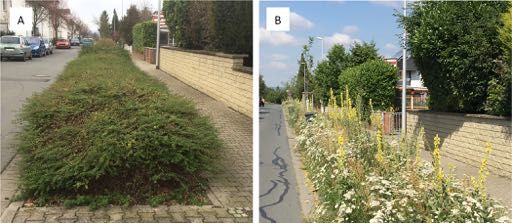
the following taxonomic groups: Coleoptera, Diptera, Ephemeroptera, Hemiptera, Hymenoptera,
Lepidoptera, Megaloptera, Neuroptera, Plecoptera, Trichoptera and Thysanoptera. Citizen scientists were
asked to participate only on essential journeys and not to make journeys specifically to take part in the

                                                              Insekten auf
survey. Using a standardised sampling grid, termed a ‘splatometer’, citizen scientists recorded the
number of insects squashed on the number plate of their car (Figure 2). Only insects within the cut-out
portions of the splatometer were counted to ensure all counts were made from within a standardized
area on each number plate. In 2019 and 2021, data was collected on journeys undertaken between 1st

                                                          Nummernschildern
June and 31st August, and in 2004 data was collected in June. In 2004 and 2019, the start and end times
                                                                                          one degree increase in temperature, and decreased by 1.3 times with each unit increase in NDVI. In
and locations of the journeys were recorded, along with the journey distance using vehicle    odometer
                                                                                          addition, the odds of a zero-count journey occurring decreased by 1.02 times with each mile increase in
readings. In 2019, data was only collected from journeys starting in Kent. In 2021 the precise
                                                                                          journeyroute   of These
                                                                                                  distance. the relationships were statistically significant (Appendix 12).
journey was recorded in real-time using the Bugs Matter mobile app.

                                                                                                        Insektenfleck pro Meile
Figure 2. Photograph showing the splatometer positioned over a number plate.

Bugs Matter mobile app
                                                                                                                  Figure 4. Box and whisker plot with jittered data points showing the spread of insect splat rate data (splats per mile)

              Rückgang um 58,5% von 2004 bis 2021 in
In 2021, data were submitted by citizen scientists via the Bugs Matter mobile app (Figure   3).the
                                                                                         from    The
                                                                                                   BugsappMatter survey of insects on car number plates in the UK in each of the survey years. The boxes
provided a platform to record counts of insects on number plates, track the journey routeindicate
                                                                                             usingthe GPS,
                                                                                                       interquartile
                                                                                                              and range (central 50% of the data), either side of the median splat rate which is shown by the
                                                                                         horizontal line inside the box. The vertical lines extend out by 1.5 times the interquartile range, and the data points
collect information on the length, duration, and average speed of each journey undertaken      as part     of thewith a ‘horizontal jitter’ so they do not overlap to improve visualization of the data

                         Großbritannien
                                                                                         themselves   are added
survey. It also used an Application Programming Interface (API) number plate look-up service to collect
                                                                                         distribution.  The thick line at y = 0 for each year are data points for journeys with a count of zero splats per mile. If
                                                                                         splat rate on every journey was identical, we would only see the line across the middle of the box, with the data
information about vehicles involved in the survey. This data was used in the analysis to determine
                                                                                         points on top of it.
whether and how vehicle specifications influence insect sampling.
    Ball et al (2022). The Bugs Matter Citizen Science Survey: Counting insect splats' on
                           vehicle number plates. Technical Report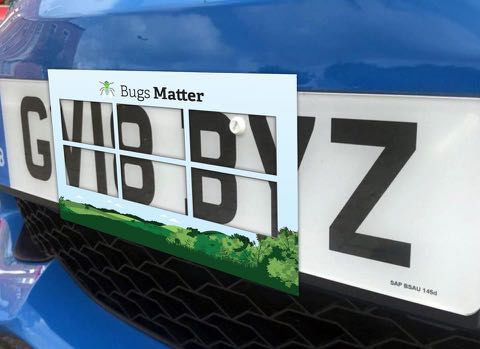
Ökosystemleistungen
Regulierend              Materielle             Nicht-Materielle                Lebensqualität
                         Werte                  Werte
                                                                                Sicherheit von
Erhalt der               Nahrung &              Lernerfahrung &                 Nahrungs-,
Lebensräume              Futter                 Inspiration                     Wasser-, &
Bestäubung                                                                      Energieversorgung
                         Energie                Erholung
Luftreinhaltung
                                                                                Körperliche &
Klimaregulierung         Materialien            Körperliche &                   geistige
Wasserreinigung                                 psychologische                  Gesundheit
Bodenbildung             Heilmittel             Erfahrungen
                                                                                Kulturelle Identität
Schädlings-
                                                Identitäts-
kontrolle
                                                förderung                       Gerechtigkeit &
....                                                                            Gleichbehandlung

IPBES 2018. Biologische Vielfalt und Ökosystemleistungen in Europa und Zentralasien. Zusammenfassung für
                                       politische Entscheidungsträger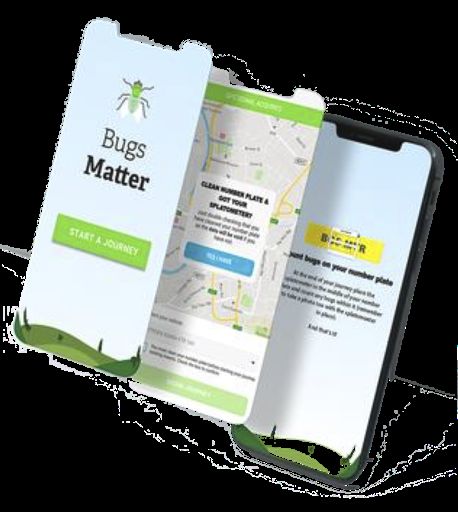
Ökosysteme als Maschinen

Urheberrecht: Andrey_Kuzmin Datei-ID: 10674778
Ökosysteme als Maschinen

> 70% aller Arten sind Insekten,
     ohne sie geht nichts!
Urheberrecht: Andrey_Kuzmin Datei-ID: 10674778
Ursachen für Rückgang
                                     der Biodiversität
                                                     24         Ursachen für den Rückgang der biologischen Vielfalt in der Agrarlandschaft

  - Verlust an Lebensraum
  - Landnutzungs-Intensivierung
  - Größere Feldflächen
  - Weniger Strukturvielfalt
  - Monokulturen/weniger
    Fruchtfolgen
  - Flächendeckender
    Pflanzenschutz (Pestizide!)
  - Verlust artenreiches Grünland
  - Weniger Weidehaltung                                        Abb. 7: Der Strukturreichtum der Landschaft hat vielerorts abgenommen. Je weniger Strukturen die Landschaft
                                                                aufweist, desto weniger Tier- und Pflanzenarten finden in dieser Landschaft Lebensraum.93

  - Verlust Vernetzung Schutzgebiete
                                                                4.2 Zunahme der Flächengrößen, Verlust der Strukturvielfalt

                                                                Um die landwirtschaftlichen Erträge zu erhöhen, wurden Böden großflächig minera-
Leopoldina et al. (2020): Biodiversität und Management          von
                                                 lisch gedüngt und     Agrarlandschaften
                                                                   ihr Wasserhaushalt                   – Umfassendes
                                                                                      verändert. Flurstücke wurden für den Einsatz
                                                                                                                          10 soge-
                             Handeln ist jetzt wichtig.     Halle     (Saale)
                                                 moderner Landmaschinen vergrößert und geometrisch vereinheitlicht. Diese
                                                 nannte Flurbereinigung war mit der Reduktion von Strukturelementen (z.B. Baumrei-
                                                                hen, Hecken und Feldgehölzen, Steinhaufen oder losen Steinmauern, extensiv bewirt-
                                                                schafteten Randstreifen und Geländestufen) verbunden.
conciling biodiversity conser- ments that facilitate metacommunity dynamics and thus population
n (Klein, Steffan-Dewenter, & persistence (Urban & Keitt, 2001). Novel approaches that include
remen & Merenlender, 2018). temporal dynamics in species movements to understand spatiotem-
Lebensraumvernetzung!
gement strategy requires a struc- poral variation in landscape connectivity and habitat use, allow for
at connects spared and shared more accurate estimations of isolation and extinction probabilities
dynamics (Mitchell et al., 2013; of populations (Martensen, Saura, & Fortin, 2017).
2. Extensivflächen um
(b)
Arten der Kulturland-
1. Schutzgebiete
schaft & ökosystemare
für Arten, die mit der
Dienstleistungen zu
Landwirtschaft nicht
Extensive agroecosystems 1
erhalten
zurecht kommen 2
(z.B. Moorarten).
3. Vernetzung von
ectivity landscape
Schutzgebieten &
3 extensiven Flächen
um Austausch zu
ermöglichen
National park
large
atial scale
connectivity landscapes. (a) Land-sharing and land-sparing measures cover multiple spatial scales and
Schützen, extensivieren & vernetzen
m. Their combination in land-sharing/-sparing connectivity landscapes promotes both biodiversity
ecosystem services. (b) High connectivity across the agricultural landscape matrix is needed for land-
Grass et al. 2019. People and Nature 1:262–272.
ssful. The connectivity matrix ensures (1) spillover from (spared) natural habitats to agroecosystems
rop boundaries to agroecosystems. In addition, (3) landscape connectivity facilitates immigration and
ible extinctions in spared habitats and providing response diversity in changing environmentsBiodiversität
geht alle an
Landwirt-
schaft
12Flächennutzung BRD
5 % Verkehr Landwirtscha,
9 % Siedlung Wald
Wasser
Landwirtscha,
Siedlung
WaldVerkehr
Wasser
Rest
Siedlung
51% Landwirtschaft
Verkehr
Rest
Siedlungs- und Verkehrsflächen
umfassen 14% der Fläche!
13
Angaben für 2016, Quelle: Statistisches Bundesamt (DESTATIS) 2018Siedlungen & Straßen:
Arche Noah für Insekten?
- Urbanisierung verringert Biodiversität1
+ Kein ökonomischer Druck auf Flächen:
Maßnahmen leichter umzusetzen als
auf landwirtschaftlichen
Flächen.
+ Potentiell hoher Struktur-
reichtum in (Vor)-Städten
+ z.B. mehr Nistplätzen &
Blüten für Wildbienen als
auf dem Land3
1Piano 14
et al. 2020, Global Change Biology 26. 2Theodorou et al. 2020. Nature communications 11.Insekten sind speziell!
- Standortfaktoren 6 Blatt-
lausarten
(trocken, feucht,
warm, kühl...) 4 Käfer-
arten 1 Wanzen-
- Spezielle Habitate... art
...für Eiablage
(Boden, Holz..)
1 Blatt-
...und Nahrungs- flohart
7 Schmetter-
pflanzen lingsarten
5 Fliegen-
arten
Insektenarten an Rainfarn
Klausnitzer 2008. Ber. Naturforsch. (Tanacetum vulgare)
Ges. Oberlausnitz, 16: 99-108Überwinterung
Falter
Viele Insekten benötigen
Überwinterungsmöglichkeiten in der
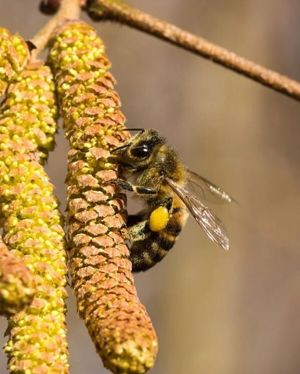
Vegetation 16Irrtum mit der Honigbiene
Honigbiene Wildbiene
Nutztier Wildtier
„fliegende Milchkühe“
Schädigt Wildbienen konkurrenz-
durch Konkurrenz & schwächer
Pathogene
Anzahl der Völker Bestand nimmt ab,
zunehmend viele Arten bedroht
© Naturpark
Stromberg-Heuchelberg
Honigbienen sind NICHT bedroht,
sondern Wildbienen
Geldmann, J. & González-Varo, J.P. 2018. Science 359: 392–393.
17
Mallinger et al. 2017. PLoS ONE 12(12): e0189268. http://www.naturspaziergang.deWildbienen sind nicht
alles!
Hauptsächliche
Bestäuber Wildbienen
Wildbienen Schwebfliegen
Schwebfliegen
Schmetterlinge
Lepidopterasonst. Hautflügler
Sonst. Hautflügler
sonst. Fliegen & Mücken
Fliegen & Mücken
Käfer
Käfer
Wanzen
Wanzen
% Anteile an den Sonst
Insektenarten der BRD Sonst
Die meisten Insekten sind keine Wildbienen
oder Bestäuber, brauchen aber auch Schutz!
18
Daten: Klausnitzer 2003. Entomologische Nachrichten und Berichte 47: 57–66.Der Garten- und
Landschaftsbau:
Nicht die Lösung,
sondern das
Problem!
Anzeige des
Bundesverbandes Garten-,
Landschafts- und
Sportplatzbau e. V. (GALA)
in Computer Bild 21/2021
am 08.10.2021 „Verändere Deine Welt.
Werde Landschaftsgärtner. “
19Lebensfeindliche
Städte
Foto: M. Koltzenburg, Bunte
Wiese Tübingen
Abbildungen der Webseite des
Bundesverbandes
Garten-, Landschafts- und
Sportplatzbau e. V. Abb: Steidle
https://www.galabau.de/
Foto: SteidleStraßenbäume
- Die GALK1 bietet eine Liste der
Baumarten und - sorten für
städtischen Straßenraum
https://3dbaza.com/
- Die ökologische Bedeutung spielt
dabei keine Rolle!
- Von den 111 Arten der aktuelle
Liste2 sind nur 28% einheimisch
& 16% aus angrenzenden Regionen
Auch Straßenbäume sollten Robinia
einheimisch ein pseudacacia
1GALK: Deutsche Gartenamtsleiterkonferenz: 2 Liste vom 14.01.2021GLM model predictions for two
levels of site area are shown with
lines: 2500 m2 (solid) and
6,000 m2 trees (dashed). GLM
Insekten an Straßen-
model: number of tits0−1.613+
4.181 prop.native+0.017 trees+
11–624 5.7×10⁻⁵ area – 1.78×10⁻⁴ 617
prop.native*area
es
a the
bäumen
ngle
Box- 60
Anzahl beobachtete
es as
d fig-
rcen- 50
Anzahl Wanzen/Baum
Meisen
of the
ow ei-
tile
as
40
no
mini-
30
20 0 20 40 60 80 100
%
%einheimische
einheimischeBaumarten
Baumarten
10
An fremdländischen Bäumen
0
Discussion
sind viel weniger Wanzen als
Ein-
an einheimischen, und weniger
Within Bracknell there was a contrast between roundabouts and other sites in the
Fremd-
relative numbers of native and non-native trees. Roundabouts were found to have
heimisch ländisch Meisen!
significantly more non-native trees than the non-roundabout sites. It is likely that this
contrast is the result of differences in landscape planning and management. Round-
abouts are often relatively newly createdethabitats.
Helden al. 2012.In some
Urbancases their vegetation15,
Ecosystems, cover
611-624.
will have arisen from bare earth following construction (Leather and Helden 2005a),
uch as I. aquifolium (0.8) and Salix
while fragilis
for others L. (2.1)
some pre-existing had such
vegetation, very lowoak trees (Leather and
as largeBad Saulgauer Liste
heimischer Gehölze
Bad Saulgauer Staudenliste
e
Ge hölz Strä
cher uc h
imis er:
te he für Kiesstreifen für Schmetterlings-/ Insektengärten Lau
b
r Lis (0/16er Wandkies ungewaschen) Ech gehölz
aue te
Euro r Sch e:
S aulg m) n
Bad lpinu Fau päisch eeball
es a heimisch lb
n:
ecke isbeere
(Rib Feld aum (Fes Pfaff (Viburn
Fels ahorn rangu enhütc um opu
h
Form johann accata) stre) e (A la h
n
Alpe (Taxus b er camp etulus)
e Alpen-Aster (Aster alpinus) Alpen-Aster (Aster alpinus) Korn nbirne cer ca alnus en (Eu lus)
Kre elkirsc (Amela mpestr ) ony
Eibe horn (A arpinus b mas)
c Alpen Mannstreu (Eryngium alpinum) Bergsteinkraut (Alyssum montanum) m us
u h
a
Feld uche (C (Cornus are)
Berglauch (Allium senescens ssp.senescens) Blaue Edeldistel (Eryngium planum)
Lav zdorn e (Corn nchier e, auch euro
pae
e (R
Hain b e
sch trum vu tica)
lg Färber- Hundskamille (Anthemis tinctoria) Echter Eibisch (Althea officinalis)
Ligu ndelw hamn us ma ovalis) als Ba us)
elkir s Gewöhnlicher Dost Oregano (Origanum vulgare) Echter Odermenning (Agrimonia eupatoria) s e id
Ohrw ter (Lig e (Sa s cath u s ) um)
Korn ter (Ligu us sylva
Rote eide (S ustrum lix elea articus
Gewöhnliche Küchenschelle (Pulsatilla vulgaris) Gemeine Nachtkerze (Oenothera biennis)
s g
Ligu che (Fa e: Gewöhnlicher Natternkopf (Echium vulgare) Gemeiner Thymian (Thymus vulgaris) )
u äum Rote r Hartri alix au vulgaregnos)
Rotb de B
nus)
Gewöhnliches Sonnenröschen Gewöhnlicher Dost Oregano (Origanum vulgare)
hsen Hec egel rita) )
h e r w ac
: u d o plata (Helianthemum nummularium) Gewöhnlicher Natternkopf (Echium vulgare) ken (C
kirs ornus
Hö bäume er pse Große Fetthenne (Sedum telephium) Gewöhnliche Küchenschelle (Pulsatilla vulgaris) che s
c ra) a
Laub horn (A us glab inifolia) Heide-Nelke (Dianthus deltoides) Große Fetthenne (Sedum telephium) Salw (Lon nguin
icera ea
a rp eidnepeta)
Berg lme (Ulmlmus ca dula) Karthäuser-Nelke/ Steinnelke (Dianthus carthusianorum) Kleinblättrige Bergminze (Calamintha nepeta Schssp.
le e (S xylo )
u
Berg rulme (U etula pe scens)
n Kleinblättrige Bergminze (Calamintha nepeta ssp. nepeta) Moschus-Malve (Malva moschata) Sch he (P alix ca steu
m)
w ru p
e
Flatt ebirke (B tula pub tica)
e Kriechander Thymian (Thymus longifolius ssp. odoratus) Quendel (Thymus serpyllum) Ste arzer nus s rea)
in H p
g e
Hän irke (B us sylva tinosa)
Muskatellersalbei (Salvia sclarea) Rosen Malve (Malva alcea)
Tra weich olund inosa)
rb g Phönische Königskerze (Verbascum phenicum) Steppen-Salbei (Salvia nemorosa) ube sel e r (S
Moo che (Fa lnus glu s nigra) Schwert-Alant (Inula ensifolia “Compacta”) Ysop (Hyssopus officinalis ssp. aristatus)
Tra n
ube holund runus ambu
(P
u (A lu
Rotb arzerle l (Popu lba) Wa
ld
nkir
s er (S ma cus
n
We hasel che (P ambu haleb) igra)
Sommeraster (Aster amellus) Zypressen Wolfsmilch (Euphorbia cyparissus)
e a
Schw arzpapp opulus ) Stauden-Lein (Linum perenne) iß (C ru c
(P
Schw rpappel alix alba phyllos
) Steppen-Salbei (Salvia nemorosa) Wild dorn (C orylu nus p us rac
ty p fl ra s a a d u emo
Silbe rweide (S (Tilia pla oides) Thymian (Thymus serpyllum) Wo a v
llige ume (P taegus ellana) s, bis 1 sa)
n
Silbe erlinde er plata ur) ll
Ysop (Hyssopus officinalis ssp. aristatus) r Sc ru
hne nus c onogy
m 2m
Höh
m c b )
Som ahorn (A ercus ro petrea bera eba e
ll (V rasifera a)
n e)
s es ü Nad
Spitz iche (Qu (Quercu vium) weg
en d iburn )
a ) Berg elgehö um
Stiele eneiche runus ta) tr emula ome ntan kiefe lz: lanta
b (P s
Trau lkirsche ilia corda (Populu an m r (P na)
Voge rlinde (T er Espe llte m inus
n so m ug
Winte appel o
d sche nicht heimisch o)
rp g v on E hen. Wil
Zitte u n s e dro
flanz s ab Alpe sen
er P sterben n :
on d b Blauraute „Little Spire“ (Perovskia atr. „Little Spire“) Blauraute (Perovskia A pfe -Hecke
abrotanoides)
ng: V schentrie Bibe lroangustifolia)
se (R nrose
erku Gold-Wolfsmilch (Euphorbia polychroma) Echter Lavendel (Lavandula
Bem iteten E Ess rnellfulgida) o (R
re
Katzenminze (Nepeta faassennii) Glanz-Sonnenhut (Rudbeckia
rose sa villo osa p
verb Mazedonische Witwenblume (Knautia macedonica „Mars Herbstanemone (Anemone ig
Filz rojaponica)
e (R (Rohupehensis) sa) end
:
ume ea abies stris)
) ro s(Anemone osa sa pim
ulin
a)
elbä e
Midget“)
Griff se (R
Japanische Herbstanemone
Nad hte (Pic us sylv ) Prachtkerze (Gaura lindheimerii)
Hec e
Kissenaster Augenweide lro(Aster
se (R sa to gallica pinellif
odumosus)
ic in ) „Black olia)
Rotf kiefer (P ies alba Spornblume Coccineus (Centranthus ruber „Coccineus“) Mexikonessel „Black
Hun hAdder“
tr o
(Agastache
o
sa (R sa s
merugosa
n to
Wald tanne (A
b me: Weiße Spornblume (Centranthus ruber „Albus“) Adder“) ty sa)
Bäu We d s os
rose amplifolia) los
Weiß nde ) Flammenblume/Phlox inro (Phlox (Ro a glauc a)
chse auch Keil „Magnus“s sa c purpurea a
blätt e (Ro(Echinacea
a
lhoc
h w
cupa
ria) ls Str Roter Sonnenhut
anin )
„Magnus“)
ch a KrieDavisii ge sadavisii)
ri(Buddleja
Mitte bäume: rbus au stre, au ru a)
Sommerflieder
o e Rau chrose Rose biginos
Laub sche (S er camp etulus) Zim b lä tt (R o (Ro
s a )
c
Ebere horn (A rpinus b ) tros rige Ro sa arve a ellipti
a a a e (R s n ca)
Feld uche (C rbus ari osa e (Ros sis)
b o maja a ju
Hain eere (S lis) ndz
lb illii)
Meh
:
hölz accata)
elge
Nad (Taxus b
Eibe
Lehrpfad heimischer Gehölze in
Bad Saulgau https://www.bad-saulgau.de/tourismus-wAssets/docs/natur/
https://bad-saulgau.de/ naturthemenpark/bad-saulgauer-liste-heimischer-gehoelze.pdfGrünflächen
Abb. Rasen auf dem Hörsaalzentrum Morgenstelle
in Tübingen (Foto: M. Koltzenburg, Bunte Wiese Tübingen)mäßige intensive Mahd nur 0,05 € pro Quadratmeter. Hierbei muss jedoch bedacht
werden, dass das extensive Mähen nur zweimal im Jahr erfolgt, während intensives
Mähen häufig mehr als zehnmal pro Jahr durchgeführt wird.
Selbst wenn diese Hürden gemeistert werden, ist es vielen Gartenpflege-
Wiesen statt Rasen...
betrieben nicht mehr möglich, Wiesen mit hohem Aufwuchs zu pflegen, da der
nötige Fuhrpark aufgrund jahrelanger Konzentration auf das Rasenmähen nur noch
mit Rasenmähern, nicht jedoch mit Balkenmähern ausgestattet ist. In der Regel
müssen an vorhandene Maschinen, je nach Bedarf, unterschiedliche Mähwerke
angebaut werden, was bei Einsatz vor Ort je nach Größe der Maschinen proble-
matisch sein kann.
Unabhängig von finanziellen und
logistischen Aspekten kann auch die
Akzeptanz von Wildblumenwiesen
im Siedlungsbereich ein Problem
darstellen. Nicht allen Bürgern ist
der Anblick von hochgewachsenen
Gräsern und wilden Pflanzen, insbe-
sondere auch über den Winter, ver-
traut. Und so wird eine ökologisch
wertvolle Fläche häufig als verwildert
und ungepflegt aufgefasst. Aus die-
sem Grund wurden alle Modellwiesen Naturnahe Wiese im Stadtgebiet Tübingens
DGaaE-Nachrichten 29 (2), 2015 75
Rasen
Auf Wiesen (2x gemäht) kommen
(8 x gemäht)mehr
Wanzen vor als auf Rasen (8x gemäht)
Unterweger et al 2017. The influence of urban lawn mowing regimes on diversity of Heteroptera
(Hemiptera). Heteropteron 48, 7–21. https://www.buntewiese-tuebingen.de/über-uns/unsere-arbeit/...und statt Büschen!
PLOS ONE
Gliederfüßer gesamt
Urban wildflower meadows to support insects and reduce maintenance costs
in Bodenfallen
Mittlere
Bodenfallen
Typ der
Kosten
Pflanzung
(€ pro m2)
Gebüsch 6,8
Urban wildflower meadows to support insects and reduce maintenance costs
Individuen in
Fig 1. Example of original woody roadside vegetation (A), and a newly established wildflower meadow (B).
https://doi.org/10.1371/journal.pone.0234327.g001
Gliederfüßler Blühwiese 1,3
June/July and at the end of February, shortly before the start of the new vegetation period.
Whereas the first cut is removed from the plots, the second cut is mulched and remains on the
plot to achieve a compromise between the goal of “increasing biodiversity” (by removing the
first cut with mostly high vegetation biomass to prevent nutrient accumulation) and the goal
of “reducing the costs” (mulching the second, mostly rather sparse growth). About 5–10% of
the meadow area usually remains unmown to provide refuges for invertebrates [51, 52].
Arthropod sampling
We sampled arthropods in the newly created wildflower meadows and in the original woody
roadside plantings in 40 plots in 2015 (year 1) and in 41 plots in 2016 (year 2). Two plots with
original vegetation studied in year 1 were modified by construction work and were replaced by
two other plots in year 2. The studied wildflower plots had been converted in February 2010
(“old meadow”, 20 plots; 21 plots in year 2), or in March 2015 (“young meadow”, 10 plots).
alt neu Gebüsch
side vegetation (A), and a newly established wildflower meadow (B).
Plots with original woody vegetation served as control (“woody”, 10 plots). The plots were
Blühwiesen
located in different districts of Riedstadt municipalities and differed in size (between 3.3 and
1362 m2) and distance to the city boundary (between 1 and 273 m linear distance to rural area
327.g001
Fig 2. Activity abundance of arthropod taxa in different urban vegetation types in study year 1. Each data point
such as farmland, meadows and forest). In year 2, nine of the studied meadow plots were
Blühwiesen beherbergen mehr
June/July and at the end of February, shortly before the start of the mown
new at the end ofperiod.
vegetation June, with the exception of 5–10% of the area that remained unmown. We
represents the number of individuals for the respective arthropod taxon per plot sampled in pitfall traps, standardized b
Whereas the first cut is removed from the plots, the second cut isused
plot to achieve a compromise between the goal of “increasing biodiversity”
these and
mulched plotsremains
“unmown meadow”)
to assessonthe
(by removing
thepotential influence of the mowing regime (“mown meadow” vs.
on arthropod
the density.
the number of operative traps. Old: meadows established five years before arthropod sampling; Young: meadows
first cut with mostly high vegetation biomass to prevent nutrient accumulation) We comparedand arthropod
the goalnumbers between woody and wildflower plots using two different
Gliederfüßlerarten & kosten weniger
of “reducing the costs” (mulching the second, mostly rather sparse sampling
growth).methods. In yearof1, we quantified arthropod “activity abundance” [53] with pitfall
About 5–10%
the meadow area usually remains unmown to provide refuges fortraps [54, 55]. We
invertebrates [51,set up two pitfall traps per plot, one in the plot center and one near the edge
52].
established in the year of arthropod sampling; Woody: original woody roadside vegetation consisting of different exotic
of the plot, at a distance of 50 cm from the road. As trap containers we used circular plastic
cups (diameter 9.5 cm; height: 10 cm; volume: 500 ml) (see [56] for efficiency of circular traps)
shrubs; different letters above boxes indicate significant differences (ANOVA followed by Tukey post-hoc test; P < 0.05
Arthropod sampling and inserted dome lids with a hole (diameter 3 cm) as funnels to reduce the contamination by
We sampled arthropods in the newly created wildflower meadows loose
andplant
in thematerial
originaland to minimize small vertebrate by-catch [57]. Pitfall traps were filled
woody
roadside plantings in 40 plots in 2015 (year 1) and in 41 plots in 2016 with 150
(yearml2).ofTwo
waterplots
withwith
odorless detergent as trapping liquid and operated for 24 hours on
Mody et al. 2020. Flower power in the city. Plos one 15, e0234327.
original vegetation studied in year 1 were modified by construction work and were replaced by
https://doi.org/10.1371/journal.pone.0234327.g002
two other plots in year 2. The studied wildflower plots had been converted in February 2010
(“old meadow”, 20 plots; 21 plots in year 2), or in March 2015 (“young meadow”, 10 plots).
PLOS ONE | https://doi.org/10.1371/journal.pone.0234327 June 9, 2020 4 / 29
Plots with original woody vegetation served as control (“woody”, 10 plots). The plots were
located in different districts of Riedstadt municipalities and differed in size (between 3.3 and
1362 m2) and distance to the city boundary (between 1 and 273 m linear distance to rural area
such as farmland, meadows and forest). In year 2, nine of the studied meadow plots wereBunter Kreisverkehr...
Foto: Steidle
Kreisverkehr in Bad Saulgau,
„Landeshauptstadt der Biodiversität“
27Nutzungstypen. Zwischen den Hochstaudenkreisverkehren und den
Wiesenkreisverkehren besteht hinsichtlich ihrer Artzahl kein hochsignifikanter
Kreisverkehre
...fördert Laufkäfer
Unterschied. Alle Kreisverkehre unterscheiden sich sowohl in ihrer Artzahl als auch in
ihrer Individuenzahl signifikant von den Kreisverkehren mit Blumenrabatten, diese
haben die niedrigste Art- und Individuenzahl.
Abb. aus: Landeshauptstadt der Biodiversität
Biodiversitätskonzept Kurzfassung
Blumen- Wiese Hoch- Wild-
rabatten stauden blumen
Abbildung 8 Mittlere Anzahl (± Standardabweichung) an Individuen von Laufkäfern auf
Wildblumen erhöhen Individuen-
Kreisverkehren mit verschiedener Nutzung. Für jeden Nutzungstyp wurden auf zwei
& Artenzahlen von Laufkäfern
Kreisverkehren je drei Bodenfallen für 8 Wochen (1 Leerung pro Woche) aufgestellt,
d.h. n= 48. Mittelwerte mit verschiedenen Buchstaben sind signifikant verschieden (p
im Kreisverkehr
< 0.01, generelle lineare Modelle, Familie: negativ binomial, gefolgt von Tukey-Test).
Sauter 2021 Diversität der Laufkäferfauna (Col., Carabidae) auf Verkehrsinseln
in Abhängigkeit von der Bepflanzung. Bachelorarbeit Universität HohenheimSport & Insekten
Blumenwiesen auf der Sportanlage
des SG Weiterstadt
Netzwerk Artenvielfalt
im Rems-Murr Kreis mit
„Sport in BW“, 21, 2021, S. 34 diversen Sportvereinen 29die Initiative
ie
Liste A
senflDie
belegen,äc Bunte
dass
h en d Wiese
Initiative
so sindh
häufiges„Bunte
sorsind
Mahdregimes
Mahdregimes
e S
hier
hier
auf zur
rt.nur
auf
D Einbindung
Wiese
Mähen
sehr
ie
nur
den
den
ahzu
geringe
Zgeringe
sehr l–s für
einem
Fangzahlen
Fangzahlen
innerstädtischen
innerstädtischen
elten von
Artenvielfalt
e
zum extensiver
s
starken
verzeichnen. in
tarkDiese
zuGrünflächen
verzeichnen.
Grünflächen
eRückgang
üGrünflächenpflege
nöffentlichem
Befunde
Diese
RBefunde
nötig.
nötig.
n
ckgang
. DGrün“
der Insekten
ie se B strebt
ef unde Empfehlung z
auf den Die
rte n tInitiative
Mahdregimes
Flächen „Bunte
führt.
belegen, t aauf
dass d t
DieWiese
den
T üZahl
häufigesbMähen
in – für Artenvielfalt
innerstädtischen
seltener
zu einem e r Grünflächen
A
Arten
starken r
Rückgang
te in
ist
n deröffentlichem
auf
is nötig.
den
Insekten Grün“
d
untersuchten
e r strebt
In sekten Empfehlung zu
infzrdie
eig an, Nachahmer
ratenbelegen,
tAktionspläne zur
auss und Partner
Verringerung auch
gezu
dass häufiges Mähen n einem
des hö an anderen Standorten
starken Rückgang der
Biodiversitätsverlusts. auf de und Städten
t Insekten
zu
is
, das
Wiesenflächen
s sich auf
an,
der
Nachahmer
d
den
auf
er den
Stadt chführt.
Flächen
Flächen
eig
Tübingen
li eß
und
Die
führt. liZahl
Partner
Diec h
Zahl
höher
seltener
seltener
a uf W
he
Arten
auch
Arten
r
als
ist als
auf
an
ist
auf den
denauntersuchten
u f
alsanderen
auf den untersuchten
d e n Ra
n unte Rote
Rasenflächen.
Standorten
rsucht
Nachahmung
und
en Städten zu
tig ein
Liste
Mahdr
Arten
steDie
finden
egdass
zeigt, im
Die eInitiative
lltraten
Die
sich
Initiative
n
und
Wiesenflächen
Initiative
w
„Bunte
Wiesenflächen
Liste
ir
gibt
der d
Arten
en
ausschließlich
„Bunte
„Bunte
. traten
ihre
eigentliche
Wiese
derder
tli Wiese
Stadt
Stadt
Dazausschließlich
Erfahrungen
u is
––W
chTübingen
Wiese für
– auf
für
für
eTübingen
Wert
e
Artenvielfalt
r
auf
höher
t u
gerne
ie
Artenvielfalt
höher als
sden
Wiesenflächen
aufauf
Artenvielfalt
nsereauf.
unserer
Wiesenflächen
en
an
in
denrät
in Nachahmung
öffentlichem
finden und gibt ihre Erfahrungen gerne an Interessierte weiter. Zudem Empfehlung
Empfehlungzur
cheauf.
äöffentlichem
Rasenflächen.
fl
inEmpfehlung
Interessierte
Arbeit
r ADieses zur
öffentlichem
zur
Rasenflächen.
n
Rote
erst
a
Ergebnis
Dieses
Rote
u
senstrebt
Grün“
Grün“
Grün“
f.
weiter.
mittel-
fl
Ergebnis
strebt
ächen
strebt
Diesund
Zudem
es Elang-rät
. Rote
an,
an,Nachahmer und
e s aufListe deArten tratenPartner t e auch
ausschließlich aufan anderen
Wiesenflächen Standorten
r b e
auf. Diesesit eund
Ergebnis t Städten zuzu ebnis Mahdtermine mit insekt
r g
Die richtige Mahd
ine
an, Nachahmer
Nachahmer n sich und Partner
Partner auch
auch an
ana u anderen
anderen
erherst Standorten
die Initiative Bunte Wiese zur Einbindung von extensiver Grünflächenpflege
d
Nachahmung
afStandorten und
rs
und Städten
Städten
m zuund
Die fristig einstellen
dieeInitiative
Initiativ finden und
finden
zeigt,
und
wird.
dass
zeigt, dass
Bunte
gibt
gibt
in n
Dazu
sich
ihreWiese
ihre
sist
eeigentliche
derder
zur
Erfahrungen
eine
reigentliche
täd
Erfahrungen
tWert
is Wertdauerhafte
unserer
unserer
Einbindung
c gerne
h e n
gerne
Arbeit
an
G
Arbeit
rvon
an
Nachahmung
Nachahmung
Etablierung
tmittel-
erste E tund
mittel-
a
extensiver
Interessierte
üInteressierte
b
lang-
undlilang-
e
itte
des extensiven
l-
Grünflächenpflege
weiter. r
weiter.
u Zudem
n g
Zudem rät
desrät
lang-
botanischer Optimierun
an, Mahdregimes
Nacha
„Buauf
finden fristig
n t e den
fristigeinstellen
W
innerstädtischen
einstellen
iese –
wird.Erfahrungen
Dazu
wird. istist
Dazu eine
eine gerne
dauerhafte
dauerhafte an nfl
Grünflächen
Interessierte
Etablierung
in die Aktionspläne zur Verringerung des Biodiversitätsverlusts. ä
Etablierung des
c h
dese nötig.
weiter.
extensiven
extensiven
n nötig. Zudem räte x te n siven
hmer uMahdregimes
die Initiative Bunte Wiese
aufauf
den fü zur Einbindung
innerstädtischen
r A von
Grünflächen extensiver
nötig. Grünflächenpflege
nind die dieAktionspläne zur r Verringerung
vdes Biodiversitätsverlusts.
n r t
finden
Die uInitiativedie
gib
d
Initiative
Mahdregimes
Initiative
t „Bunte
Pa Bunte
rtn
Wiese eWiese
den
–au zur
für
e
zur Einbindung
Einbindung
innerstädtischen
chArtenvielfalt
n ielfvon von
Grünflächen
altin extensiver
nötig.
extensiver
inöffentlichem
öffen Grünflächenpflege
Grünflächenpflege
Grün“ strebt Blumenmahd
Empfehlung mit Versam
die Init ihre Er an and tlichem
in die Aktionspläne f a zur Verringerung des Biodiversitätsverlusts.
e
rebt Optimierung hinsichtlich
an, ia tive B hruWiese renStandorten Grün“ zur Mahdtermine mit insekten
in die A
Nachahmer in
inudie
die Aktionspläne
ntDie und
Initiative
eDieW
Partner
Initiative„Bunte
iese„Bunte zurn Verringerung
auch
Verringerung
g e
Wiese–nfür
– für
g an
e rnedes des
anderen
Artenvielfalt
Artenvielfalt
a n
Biodiversitätsverlusts.
in Biodiversitätsverlusts.
öffentlichem
in Sta
öffentlichem Grün“
n dstrebt
Grün“ und Städten
rten Empfehlung
ostrebt u Empfehlung
n
zu
s tzur Nachahmung
kt io
finden und nspgibt an,an,
Nachahmer
ihre z
undu
Erfahrungen Partner
r Partner
E in auch an
gerneanderen an In
Standortent e und
Interessierte
r e Städten
s zu weiter. d S
Zudemt ä d rät
ierte wNachahmung n zu Herbstmahd p MahdtermineE
botanischerm mit insektenöko
Optimierung.
län Nachahmer
e zur V und b auch
indungan anderen Standorten und sStädten zu
Nachahmung
te optimiert
feh lfü
Zu
finden und eihre
gibt rrin Erfahrungen v on extensiver
eweiter. eit er. Zud Mahdtermine mit insektenökologischer und
die Initiative Bunte finden Wiese
und gibt zur
ihre ge rungerne
Einbindung
Erfahrungen ggerne
ananInteressierte
von
Interessierte xt en Zudem
weiter.sZudemrät
Grünflächenpflege
rät em botanischer
Mahdtermine mit N Optimierung.
insektenökologischer
Blumenmahd mit 1.
Versamuun
des B io
ive r G rü n Mahdtermine
r
flächen botanischervon
ät mit a
insektenökologischer
c h
Spätsommerinsekte
Optimierung. ahm
1. Zweimalige
in die Aktionspläne diedie
Initiative
zur
Initiative Bunte
BunteWiese
Verringerung
Wiesezurzur
Einbindung des
Einbindung vonvon
extensiver
extensiver Mahdzeiträume
divGrünflächenpflege
Biodiversitätsverlusts.
eGrünflächenpflege
rsitätsv pfl ege Blumenmahd
botanischer Optimierung.
botanischer mit
Optimierung.
Optimierung 1.Versamung
1.hinsichtlich
Zweimalige
Zweimalige
und P
erlusts
. Blumenmahd mit Versamungsphase
in in
diedie
Aktionspläne zur Verringerung des Biodiversitätsverlusts.
Aktionspläne zur Verringerung des Biodiversitätsverlusts. Blumenmahdmahd
Blumenmahd mit optimiert
Versamungsphase
Optimierung
mit fürinsekt
hinsichtlich
Versamungsphase die
und
Pfla
und Ü
Optimierung Herbstmahd optimiert für2.
Mahdtermine mit
hinsichtlich Pflanzenvielfalt.
Mahdtermine
Führt zu erhöhter
Mahdtermine mit mit Optimierung
Optimierung
insektenökologischer
Herbstmahd
insektenökologischer von Insekten auf der Win
hinsichtlichoptimiert
undbotanischer
Herbstmahd
und hinsichtlich
von
Pflanzenvielfalt.
Optimierun2
Spätsommerinsekten.
optimiert
Blumenmahd Entwicklungfür die
für diePflanzenvielfal
mit Versam
botanischer Optimierung. 1. Zweimalige
Herbstmahd optimiert hfür die Entwicklung
2-fach Mahd botanischer Optimierung.
vonHerbstmahd
1. Zweimalige M a
optimiert
Pfeile zeigen mögliche W
von
Spätsommerinsekten.
d fürFrühjahrs-
te
Spätsommerinsekten.
Optimierung
mahd otan3.
boptimiert
die
rm Entwicklu
in e m3.
hinsichtlich itF
Blütendiversität hfür
er die Üb
Blumenmahd
Blumenmahd mit mit
Versamungsphase
Versamungsphase und und
Optimierung hinsichtlich von
von Spätsommerinsekten.
Herbstmahd
Spätsommerinsekten.
Pflanzenvielfalt. 2. 3.coptimiert
is Frühjahrs-
3. Frühjahrs-
Optim f
mahd optimiert
mahd 2. fürB die Überwinterung
optimiert
lu m enfürmadie hdÜberw
Optimierung hinsichtlich
Herbstmahd optimiert
Herbstmahd optimiertvonfür mahd
die
für
Insekten innerhalb des W
Pflanzenvielfalt.
optimiert
Entwicklung
mahd
die
von
von
optimiert
Entwicklung
Insekten
O p ti
die
m
auf
Spätsommerinsekte
fürfür
die der
Überwinterung
Überwinterung
Winte
m it
Insekten von auf der
HeWinterbrache.
Insekten
ie runfür gRote
sauf der Winterb
vonvon
Spätsommerinsekten. 3. Frühjahrs- mahd optimiert hdie
insiÜ
mahd
Spätsommerinsekten.
optimiert für die
von
Pfeile
Insekten
3. Frühjahrs-
von
Überwinterung Insekten
zeigen
Pfeile
auf
von auf
mögliche
v
zeigen
Dieses Muster schützt Te
der rb
der
Insekten
o
tm mögliche
Winterbrache.
a hdder
Winterbrache.
auf
Wanderungen o p Wan
Rote
Rote
derWi
ti m
n Späts
mahd optimiert für die Überwinterung
Pfeile Pfeile
zeigen zeigen
mögliche
Insekten
Pfeile m mögliche
Wanderungen
innerhalb
zeigen omm
mögliche Wande
des der
e Wie
ri W
vonvon
Ermöglicht
Insekten
Pfeile zeigen
auf der
mögliche
Winterbrache.
Insekten
Insekten auf der Winterbrache.
Wanderungen
durch Ausweichmöglichk
Rote
Pfeile innerhalb
zeigen
Rote
Insekten Insekten
mögliche
Insekten
innerhalb
der v o
a
innerhalb
des
Wanderungen
des Wiesensystems.
h d optimie
innerhalb
des
Wiesensystems. des
Wiese
rt de
fü
n
Herbstmahd Pfeile zeigen mögliche Wanderungen
Dieses
InsektenMuster Dieses
der
schützt
innerhalb
Dieses
n
PfeMuster
In sek schützt
Teilpopulationen
des te
e zWiesensystems.
Muster n au
schützt TeilpTe
Insekten
Larvenentwicklung innerhalb
Insekten des des
innerhalb Wiesensystems.
Dieses Gesamtpopulation. Inse
Wiesensystems.
Muster
Dieses schützt
durch
il
Muster Teilpopulationen
schützt
eigen m
Ausweichmöglich
f d
Teilpop
Dieses Muster schütztdurch
Dieses Muster schützt Dieses
Teilpopulationen
Teilpopulationen durch
Ausweichmöglichkeiten
Muster In s Ausweichmöglichkei
schützt
e kte innerhalb
Teilpopulationen
n in nerhInse
ö gder
li
durch Ausweichmöglichkeiten
durch Ausweichmöglichkeiten durch
innerhalb
durch zwingend den Schutz de
Ausweichmöglichkeiten
Gesamtpopulation. durch
der
innerhalb
Gesamtpopulation.
der
Dieses
Ausweichmöglichkeiten
duInsektenschutz
Gesamtpopulation.
Ausweichmöglichkeiten
zwingend
M
den
innerhalb
usSchutz
te
alb
bedingt
Insekte
innerhalb
r sch de
de
ü
Gesamtpopulation.
Gesamtpopulation. Insektenschutz
Insektenschutz bedingt
Gesamtpopulation.
bedingt rc
Insektenschutz
h Ausw beding
zwingend Gesamtpopulation.
stadien (Eier und Larven
den
Gesamtpopulation. Schutz
stadien
G
zwingend e der frühen
(Eier und
saInsektenschutz
den Insektens
eInsekten-
Schutz
ic h
Larven
mög
bedin
latideron.f
zwingend denden
zwingend Schutz der der
Schutz frühen Insekten-
frühen Insekten- m tp o
zwingend den Schutz
zwing der puInsekten-
frühen
stadien (Eier(Eier
undund
Larven). stadien (Eier und
zwingend Larven).
den en Schutz
dender früh
Ermöglicht stadien Larven). zwingend
stadien (Eierstadien
dens Schutz
und Larven).
ta die
der
(Eier
dfrühen
und Insekte
Larven).
S c hut
Sommermahd stadienstadien (Eier und(Eier
n (E ier und
und Larven). La
Larven).
Ade, J.,
dene K
Wolf-S
äferart
chwen
ninger,
Überwinterung
schaft en aus K. & Be
für Na gewäh tz, O. (2
tu lter Grü 012). A
Graf, L rk u n d e n flächen uswirk
. & Unte in W ungen
Faktor Ade,
14. Tüb
in
rWolf-Schwenninger,
J., weger,
g e
Monat
P. (2012
ü rt
).
temb
T ü
K. Ie &rg II III IV V VI VII VIII IX X XI XII
Betz,
. 168, 1 O.
im Sta
(2012).
99-216
dtg Auswirkungen
ebiet T
übinge
der Wie
der Wiesenmahd
ns. - Ja
senma
hd auf
auf verschie-
vder
Referenzen
Hiller, dene Käferarten n. ausgewählter b inGrünflächen im .Stadtgebiet Tübingens. - Jahreshefte ersc Gesell-
fauna
D. & Betz, O
schaft
städtis für .Naturkunde
(2 014). dene
Ade, J., Wolf-Schwenninger,
Ade, J., Wolf-Schwenninger, h
in
Käferarten Württemberg.
g
ausgewählter
e n K. & Betz,
K. ö & rt
Grünflächen
O.
168,
(2012).
Betz,dO.a(2012).
im
s
Auswirkungen
G
199-216. ra
Stadtgebiets w
der
Tübingens.
a
Wiesenmahd
- Jahreshefte
auf verschie-
Auswirkungen der Wiesenmahd auf verschie-reshefte
der
Referenzen
Referenzen
Gesell-
h
d er Gese
hie-
Refere
A dene Käferarten ausgewählter Grünflächen im Stadtgebiet c h
Tübingens.
s - Jahreshefte der Gesell- ll-
Kricke
, C.,Graf,
Baman
cher G
L. & Unterweger,
rünfläcschaft P
u swirku
hschaft
e n für
.
. Naturkunde
(2012).
für
nge
Naturkunde
Tübingen
in n Württemberg.
versch
in Württemberg.
hört
168,
ie
das Gras wachsen
199-216.
168, 199-216.
en - ein
e Init
- eine Initiative
iative s stellt sich vor. nzen
Referenzen
der Tag nTübingen.
, TAde, - Naturs dener te llt
Faktor 14. . & J., Wolf-Schwenninger,
Graf, K.(2012).
P.c h& Betz, O. (2012). Auswirkungen
M ah-d der Wiesenmahd vor. vor.auf verschie- sich vor.
falt er. - Be tz , L.O
Graf, &L..Unterweger,
&(2 Unterweger, P. (2012). uTübingen
tzTübingen
un hört
dhört
dasdasGras wachsen
Gras wachsen eine
k oInitiative
- eine nInitiative stellt sichsich
stellt
Unter w
egeHiller, N D.a& rsAde,
tuBetz,
denec h uJ.,
O. Wolf-Schwenninger,
(2014).
Faktor
Käferarten
tz 14.
014). E K. & Betz,
Auswirkungen
Tübingen.
nd14.ausgewählter
Faktor LTübingen.
in
Referenzen
Grünflächen
fl O. LandAuswirkungen
(2012).
verschiedener
uss stä im Stadtgebiet s c h a Mahdkonzepte
ftsTübingens.
zepte
der Wiesenmahd
planun - JahreshefteHder
a u auf
f d ie auf
die verschie-
Heuschrecken-
euGesell-
Flächen mit drei verschiedenen Mahdregimes
r, P., u
Referenzen
fauna A schrec
Referenzen
(2013a de, J. ands- d
verschie- Referenzen
tiscLandschaftsplanung.
Ade, J., Wolf-Schwenninger,
). La ng fristi
städtischer
K. & Betz, O.
Ade, J., Wolf-Schwenninger,
, Brau
Ade,
dene
schaft (2012).
K. &
J.,für Auswirkungen
Grünflächen.
Betz, O.
Wolf-Schwenninger,
Käferarten
Hiller,
nHiller,
, A D..,
Naturkunde
&
D. Betz,
K der Wiesenmahd
(2012). Auswirkungen
&ausgewählter
Betz,O. (2014).
O. (2014).
in auf auf
verschie-
Naturschutz
der Wiesenmahd
ch a K.ft&
Auswirkungen
sp Betz,
Grünflächen
Auswirkungen
Württemberg. lan O. und
(2012).
verschiedener im
verschiedener
168,
u n 199-216.
hMahdkonzepte
Auswirkungen
er Mah
Stadtgebiet
Mahdkonzepte Tübingens.
aufdaufdie
k der
o die
g. 46 46
Wiesenmahd
-
Heuschrecken- Jahreshefte
Heuschrecken- (8),
pte auauf die4
(8), 241-246.
auf
24der1verschie-
-2 Gesell- ken-
Referenzen
"Bunte g
Kricke, C., Bamann,e Etablie T. & Betz, o lt z
O. en (2014). Einfluss g . 46, 052
städtischer Mahdkonzepten z e 6.
Artenvielfalt
Wie se" derAde, J., Wolf-Schwenninger, fauna
fauna
ru ngstädtischer
städtischer Grünflächen. K.
b
Grünflächen. u& Betz,
-
rg Naturschutz O.K
-,Naturschutz
M., (2012).
und Auswirkungen
Landschaftsplanung.
und Landschaftsplanung. - 058 46 (8), der
241-246.
46 (8), Wiesenmahd
241-246. f dieauf verschie-
schung
dene Käferartendeneausgewählter
Stad dene
schaft Käferarten
Käferarten ausgewählter für
Grünflächen Naturkunde
Grünflächen e ausgewählternin
im Stadtgebiet
im Stadtgebietxte Württemberg.
Tübingens.
Tübingens. Grünflächen
- Jahreshefte
- Jahreshefte derder 168,
Gesell-
Gesell- im
keStadtgebiet
ric199-216. Tübingens.
- .-058. - Jahreshefte der
Art Gesell-
e
vor.nvielfalt
usch imGraf, L. & Unterweger, P. (2012). r Tübingen hört das, Gras wachsen eine Initiative stellt sich
sau der
staTagfalter. -t Naturschutz
Tü Kricke, und s Landschaftsplanung.
iv eO. .,46, c052
CMahdkonzepte
b gC.,
Kricke,
in en Bamann,
C., Bamann, T. & T.Betz,
& Betz, (2014).
O. rüEinfluss
G(2014). nfl Einflussstädtischer
städtischer S hneauf
Mahdkonzepte die
auf Artenvielfalt
die Artenvielfalt
dene Käferarten ausgewählter Grünflächen im Stadtgebiet Tübingens.
e
- Jahreshefte der Gesell-
erhöhen die Pflanzen- und Insektenvielfalt
Korn, H . T re ff ä c h e , L ., W
.). BUnterweger,
fN schaft für in
P
, Außen Faktor 14. eGraf,
schaft
R.,a Ade,
Naturkunde h L. &
für Unterweger,
Naturkunde
J.,
in Württemberg.
m der Braun,
Tagfalter.
der 168, 199-216.
nTagfalter.
Tübingen. - A., P.
Naturschutzinp (2012).
Württemberg.
Koltzenburg,
u n
undk Tübingen
Landschaftsplanung.
t
- Naturschutz und Landschaftsplanung.
Biolog 168,hört
M., das
n
199-216.
Kricke,
46,p Gras
fl
052 e
- 058.
g wachsen
e C.,
46, 052 - 058.in Sta Schnee, - eine Initiative
L.,a sWastian,
ti a n stellt
, L. & Bvor.
sich
L. & Betz, O.
Unter w
schaft für Naturkunde
ege(2013a).
r, schaft Württemberg.
stelle VUnterweger,
Langfristige
für
Faktor
Graf, il
14.168, 199-216.
Naturkunde
m
des Ü
Etablierung
Inselin
Tübingen.
Unterweger, P., Ade,
P.,
bere
J.,
Ade, J., extensiver
Braun, in
Württemberg.
Braun, A.,
k Koltzenburg,
o
A., 168,
Koltzenburg,
m M.,
ische V
Grünflächenpflege
s 199-216.
Kricke,
M., C.,
Kricke, ie
Schnee,
C., lf
Schnee,aL., Wastian,
L., inL.d
Wastian, &
tgebiete
Stadtgebieten.
L.Betz,
& O.
Betz, O. n . Die e tz, O.
Initiative
A.L. & Unterweger, VP. (2012). Tübingen hört das
er Gras wachsen
Garten P. & B rauHiller, , m e nBiologische lt X II: - eine Initiative stellt sich
D ie Initvor.
. Jan"Bunte ,der D. &0
Stadt
(2 Betz,
(2013a). O. (2014).
Tübingen.
15Langfristige
(2013a). Auswirkungen
Graf, L. & Unterweger, P. (2012). Tübingen hört das Gras wachsen - eine Initiative stellt sich vor.
uar 20Wiese" n ilm
Etablierung .Treffpunkt
extensiver verschiedener
üb
Grünflächenpflege din Mahdkonzepte
ie in Vielfalt
Stadtgebieten.
iologDie
inXII:teaufrd die Heuschrecken-
interdisziplinärer
Initiativeisz iplinäre
ia tive
For-
). Langfristige Etablierung extensiver Grünflächenpflege Stadtgebieten.
b Die Initiative
Unter w
Graf, L. & Unterweger, P. (2012). Tübingen hört das Gras wachsen - eine Initiative stellt sich vor.
egeschungsaustausch
r, P., Bra
15.
Graf,faunaHiller,
L.
Faktor D.
& Unterweger,
14.
im&
städtischer
"Bunte Betz,
Tübingen.
"BunteRahmen
Wiese"
Die Init
O. (2014).
derP. (2012).
Grünflächen.
Wiese" Stadt
der des
Stadt iaAuswirkungen
Tübingen
Übereinkommens
ti
Tübingen. -vNaturschutz
Tübingen. eTreffpunkt
Treffpunkt verschiedener
hört und
Biologische das
Biologische Gras
über Mahdkonzepte
wachsen
Landschaftsplanung.
Vielfalt die
XII: XII:
Vielfalt
ischauf
- eine
biologische
interdisziplinärer
interdisziplinärer
e
46For-
For- Vdieie Heuschrecken-
(8),Initiative
Vielfalt
241-246.
lfalt (e
r For-
stellt
(ed. sichFeit,
U. vor.
extens
iver G Korn, Faktor 14. Tübingen.
H.).u n, AAußenstelle
BfN, .,
fauna B o städtischer Vilm,
Grünflächen. Insel Vilm.
-
B unte
Naturschutz
Wiese:
und Landschaftsplanung.
M hen wir 46 (8), 241-246.
d. U. Fe
it,
Stadt T Faktor 14. Tübingen.
rü nfläc
übinUnterweger, Faktor
h Hiller,
14.
Kricke,
enP p. fl
&eBraun,
D.schungsaustausch
C.,
gKorn,
e &
Tübingen.ß Betz,
, R., O.
schungsaustausch
Bamann,
H.).H.).
K
A.BfN,
BfN,
T.
o
(2015). &
im
(2014).
ltzen
Rahmen
im
Betz, Rahmen
O.
des
AuswirkungendesÜbereinkommens
(2014).
Hiller, D. & Betz, O. (2014). Auswirkungen verschiedener Mahdkonzepte auf die Heuschrecken-
Dieb u
Übereinkommens
Initiative Einfluss
über
verschiedener die
über
städtischer
biologische
die aMahdkonzepte
biologische
Bunte Wiese: Machen'swir's
c Vielfalt
Mahdkonzepte
(ed.
Vielfalt U.
(ed. Feit,
auf
U.
auf die
Feit,
bunbunt.die Heuschrecken-
Artenvielfalt
t. - Na - Natur und
Unter w gen. -
DGaaE Kricke,
e Korn,
C.,inBamann,S taAußenstelle
dtg
Außenstelle
T. &eBetz,
Vilm, Insel
Vilm, rg ,Vilm.
Insel M Vilm.
O.Landschaftsplanung.
(2014). . Einfluss
& Betz städtischer Mahdkonzepte auf die Artenvielfalt
tur und
eger, Garten. Hiller,
Januar fauna
der D. &
-2015. städtischer
Tagfalter.
Betz, -
O. (2014).Grünflächen.
Naturschutz und
Auswirkungen
b ie - Naturschutz und
verschiedener , OLandschaftsplanung.
46, 052 - 058.
Mahdkonzepte 46 (8),
auf 241-246.
die Heuschrecken-
mehr A Hiller,
rtenv D.P
& Betz,
.,
Unterweger 2017 O.in:
Braun,
fauna
Unterweger, (2014). Auswirkungen
städtischer
A P
N a c
Grünflächen.
Naturgarten
der
., Braun,
., K olt
h
verschiedener
Unterweger,
Unterweger,
ri
intensiv:
Tagfalter.
chten.
- Naturschutz
A., -b
P. &
Mahdkonzepte
P.
und
Tagungsband
Braun,
& Braun, A.
auf die
A.
Landschaftsplanung.
Naturschutz
Boeß, 29
& Unterweger
R.,
te
und46Heuschrecken-
(2015).
. Koltzenburg,
n
(2015). Die. Initiative
Die
V Initiative
orstell
(8),et241-246.
Bunte
Bunte
al (2018) BioRisk 13:1
Landschaftsplanung.
Wiese:
un&
M. g Betz,
de
.
Machen
Wiese: (2
Machen
46,
wir's
0
052
1
O.
bunt.
wir's
5). Lan
-ia 058.
(2015).
-
bunt.Natur
- und
Natur und
gLangfristige
fristige Etablierung
schutz ielfalt
fauna
a Kricke,
f Unterweger,
städtischer
uGrünflächenpflege
öff
C.,z Bamann,
eP.,
Garten.
Garten.n Ade,
Januar
Januar J.,T.
2015.
Grünflächen.
urg &
2015.
MBetz,
,Braun, A.,O.
- (2014).
Koltzenburg,
Naturschutz Einfluss M.,
und städtischer
Kricke, rC.,In
Landschaftsplanung. Mahdkonzepte
Schnee,
it tiv L.,
eWastian,
"Bun auf
46 die
L.(8), Artenvielfalt
&EBetz,
tabli O.erung
241-246.
Unter w fauna städtischer
. Auße extensiver
n
eger,Stadt
s Grünflächen.
Kricke, C., Bamann, T.- &
telle Vil Unterweger,e
entl
(2013a).
m der Naturschutz
. Tagfalter.
ic und
Betz, O. (2014).
Unterweger,P.,
Unterweger,
h
Langfristige m Landschaftsplanung.
Einfluss
Ade,
P., P., J.,
Braun, in
Braun,
Braun,
Etablierung
- Grünflächenpflege
Naturschutz
G rü
A.,
n. Bio 46 (8), 241-246.
.Stadtgebieten.
&Boeß,
städtischer Mahdkonzepte
Boeß,
A., B
A.,
und auf die Artenvielfalt
R., e Koltzenburg,
tz
R., Koltzenburg,
,
extensiver
Landschaftsplanung.
Vorstellung
M. & Betz,
Grünflächenpflege
3b). Die
O.
46,
der
O. (201M., Kricke, C., Schnee, L., Wastian, L. & Betz,
Koltzenburg, M. & Betz, O. (2015). Langfristige
(2015).
052
Initiative
Langfristige
in
Etablierung
Etablierung
Stadtgebieten.
-"Bunte
058.
"Bunte
te W ie Wiese"
se" O.
Die Initiativeder
der
diversit P.A., Tübingen.
Rie Kricke, C.,- DGaaE-Nachrichten.
Bamann,
extensiver
extensiver T. & Betz,
Grünflächenpflege O. in29.
(2014).
in d iv ersEinfluss
Stadtgebieten.
Stadtgebieten.
it ä Vorstellung städtischer
Vorstellung derderInitiative
Initiative
In Mahdkonzepte
"Bunte
it ia Wiese"
Wiese"der der auf die Artenvielfalt
der Tagfalter.
Kricke, C., Bamann,
y of h ger, (2013a).
- Naturschutz
T. & Betz,
"BunteO. (2014).undLangfristige
Wiese" Landschaftsplanung.
Einfluss J.,Etablierung extensiver
46, 052 - 058. auf die Artenvielfalt
städtischer Mahdkonzepte
der
t Grünflächenpflege
un d(2013b). in Stadtgebieten.
ti ve „Bun„Bunte
teDie Initiative
OStadt Tübingen. Treffpunkt Biologische Vielfalt pXII: interdisziplinärer For-
.,CBraun, Klim
tera Unterweger, P., , Ade, Braun, A., Koltzenburg, M., Kricke, C.,, p Schnee, .L., Wastian, L.
W& Betz, O.fü
Unterweger,
eterop P . & B
Stadt A.,
eTübingen.
Stadttz Koltzenburg,
Tübingen. - DGaaE-Nachrichten.
- DGaaE-Nachrichten. M. 29.&29. Betz, O. a Die Initiative ie Wiese “–für
Wastia . 53 se “–
o
n, L., mehr
U nter w der Tagfalter.
Artenvielfalt (Hem
"Bunte Unterweger,
auf
ip -
Wiese" Naturschutz
Unterweger,
tera der
öffentlichem
. (2
Stadt
P., Braun,
P.,
017
Braun, A., und
Tübingen.
).
A., T Landschaftsplanung.
Grün.
h
Koltzenburg, e Treffpunkt
Koltzenburg, Biodiversität
M. &
in flBetz,
M. & Betz,
u Biologische
O. (2013b). und
DieDie
O. (2013b). 46,
Initiative 052
Vielfalt
Klima,
Initiative„Bunte - 058.
XII:
„BunteWiese
Bu
Wiese n
interdisziplinärer
pp. 53.
“–für“–fürdBundesamt
e s a mtFor-f
für rNatur-You can also read


