Working on water - Otago Regional Council
←
→
Page content transcription
If your browser does not render page correctly, please read the page content below
White background
Rural Otago’s update
Winter 2019
Working on water
Water is the lifeblood of our region—for recreation, the economy and culture—and ORC’s number one
priority. The challenges we face in this area are knotty, complex and contentious. We’re kicking off this
issue of Waterlines with a recap of all the work happening around water at ORC right now.
Water Plan Progressive Implementation Programme to confirm whether the values they
has committed to giving effect to the identified in the past are still current,
All regional councils in the country National Policy Statement for Freshwater and then we will work through a range
are required by the Ministry for the Management (NPSFM) by 2025. of options for future management of
Environment to set physical areas for these catchments. These discussions will
We are taking a staged approach to
managing waterways. These are called form the basis of proposed new parts
understanding values across the FMU
Freshwater Management Units, or FMUs. of the Water Plan for these rivers. We’re
and rohe, which has already started in
ORC set five of these units for Otago in aiming to be able to publicly notify the
the Cardona and Arrow River catchments
April this year, one of which (the Clutha/ plan changes for Arrow and Cardrona
(part of the Dunstan Rohe), and will
Mata-au) was further divided into five in March 2020, and the Manuherekia in
continue with the Manuherekia later this
sub-areas, called rohe. August 2020.
year. These areas have been prioritised
Alongside the national requirements, because of the work their communities Deemed Permits
we've begun the process of a full have already done with us in relation to
Water Plan review. ORC has agreed managing their rivers. These processes might seem complex
to do this in stages, based on the enough, but at the same time ORC is
We’re currently working with key
development of FMUs and community also working with people who hold
stakeholders, community groups
values, objectives and limit setting. soon-to-expire 'deemed permits'
(including a Technical Advisory Group
Each FMU or rohe will essentially form (historical rights to use water for gold
in the Manuherekia) and members of
a chapter of the new Water Plan. Our mining), and who need to apply for a new
the wider public in these three areas
Continued overleaf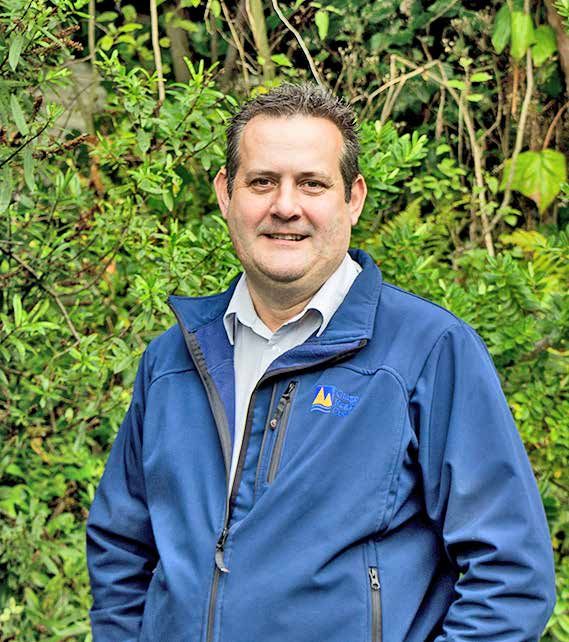
GLOSSARY
                        UPPER                                                             NPSFM
                        LAKES
                        ROHE                                                              The Ministry for the Environment’s
                                                                                          'National Policy Statement for
                                                                                          Freshwater Management 2014
                                                                                          (amended 2017)' provides direction
                                                                                          on how local authorities should
                            DUNSTAN                                                       carry out their responsibilities
                             ROHE                                                         under the Resource Management
        CLUTHA/MATA-AU                                                                    Act 1991 for managing freshwater.
            Freshwater                 MANUHEREKIA                      NORTH OTAGO
          Management Unit                 ROHE                            Freshwater      All regional councils must give
                                                                        Management Unit   effect to these policies by 31
                            ROXBURGH                                                      December 2025.
                              ROHE
                                                                                          FMU
                                                         TAIERI                           Freshwater Management Units set
                                                       Freshwater                         out physical boundaries for how we
                                                     Management Unit
                                                                                          manage freshwater in the region.
                                                                                          Otago’s FMUs have been created
                                                                                          using a holistic environmental
                                                                                          management approach, which
                                                                                          involved overlaying cultural, land-
                                       LOWER
                                       CLUTHA                          DUNEDIN COAST      use, geological and scientific maps
                                        ROHE                             Freshwater       and other relevant information to
                                                                       Management Unit    identify areas with commonalities.
The Otago FMU
boundaries have                                                                           Rohe
been created using a
holistic environmental                                                                    One of Otago’s FMUs—the Clutha/
management approach,
                                       CATLINS                                            Mata-au—is broken up into five
                                    Freshwater
which involved overlaying         Management Unit
                                                                                          smaller units within it, which are
cultural, land-use,                                                                       called rohe, for a more tailored
geological and scientific                                                                 water management approach in the
maps and other relevant                                                                   area.
information to identify
areas with commonalities.                                                                 Regional Plan: Water
                                                                                          This is our plan for managing
                                                                                          water in Otago’s rivers, lakes,
                                                                                          groundwater and wetlands. The
                                                                                          purpose of the plan is to promote
Continued from cover
                                                                                          the sustainable management of
                                                                                          Otago's water resources.
resource consent water permit by October 2021. These land-users must complete
resource consent applications on time if they want to keep using water on their land in   To achieve this, the plan has
the future. They must also be aware that there’s no guarantee a new water permit will     policies and methods (which
be granted, or that if one is granted, it will be for the same amount of water or for a   include rules) to address issues of
long period of time.                                                                      use, development and protection of
                                                                                          Otago's freshwater resources.
Many of the active deemed permits are in place in the Manuherekia, Arrow and
Cardrona catchments, so we’re working to ensure the notified plan changes for these       Deemed Permit
areas are in place before applications for resource consents come in from these           Deemed permits to use water were
areas, to provide surety for land-users in these communities.                             granted in Otago’s gold-mining
There’s a lot of work to do, but we’re focused on having the right conversations with     heyday, but these expire in 2021,
affected stakeholders and the community to progress to a water plan which gives           meaning anyone who wishes to
effect to the NPSFM as efficiently as we can.                                             continue to use water granted
                                                                                          under a deemed permit will need to
If you’re in the Manuherekia, Arrow or Cardrona catchments, keep an eye out for           apply for a resource consent water
consultation opportunities on Water Plan options in the coming months.                    permit.

2
Introducing Manager Good Water Programme
Andrea Howard
Andrea Howard is one of ORC’s
newest hires, in the position
of Manager Good Water
Programme. She tells us a
bit about herself and her role
managing the implementation of
the Water Plan.

Tell us a bit about yourself
I was born in Milton, South Otago,
but grew up in Dunedin. I attended
the University of Otago, ultimately
graduating with a Master’s degree in
Social Geography, which involved the
study of people and their communities,
cultures, economies and interactions
with the natural and built environment.
While at University I completed a
dissertation on farm-based tourism as a
diversification strategy in South Otago
and a thesis on deprivation in rural
areas.

What brings you to the Otago
Regional Council?
I have worked in a range of research,
policy, planning and operational roles
at the Dunedin City Council and the
University of Otago before coming            Manager Good Water Programme, Andrea Howard.
to ORC. My prior roles were focused
primarily on economic development,           Tell us about the role—What are your responsibilities?
                                                                                                  White background

tourism, education and health. While         Who will you be working with?
much of the day-to-day subject matter
                                             The Manager Good Water Programme role fits within the
of my position ORC is new to me, the
                                             Operations group but will work across all areas of ORC. The
skills and experience gained working in
                                             role is responsible for the development of a programme
other public sector roles will be directly
                                             of projects and initiatives to help implement ORC’s Water
relevant.
                                             Plan, with the overall aim of driving improvement in
                                             Otago’s rural water quality.
What about the role
appealed to you?                             I will be working across all areas of ORC, with various teams
                                             and stakeholders to manage, mitigate and escalate risks, issues
I am interested in complex problem
                                             and interdependencies that impact on the rural water quality compliance
solving, identifying what actions need to
                                             goals that have been established.
occur to achieve goals and assembling
the different parts of the puzzle to make
everything work together effectively.
                                             What are your top priorities in this role for
In short, I like to get things done. The     the first few months?
Manager Good Water Programme role            I am very much looking forward to developing a comprehensive programme
ticks all these boxes and will hopefully     plan to support the implementation of the rural water quality rules in the
provide a chance to positively contribute    Water Plan. This will involve identifying clear actions and accountabilities
to the strategic goals of ORC and the        and helping to ensure that tangible progress is made, in a constructive way,
environmental and wellbeing outcomes         to achieve both regulatory requirements and ORC’s strategic objectives.
of the region’s communities.

                                                                                                                            3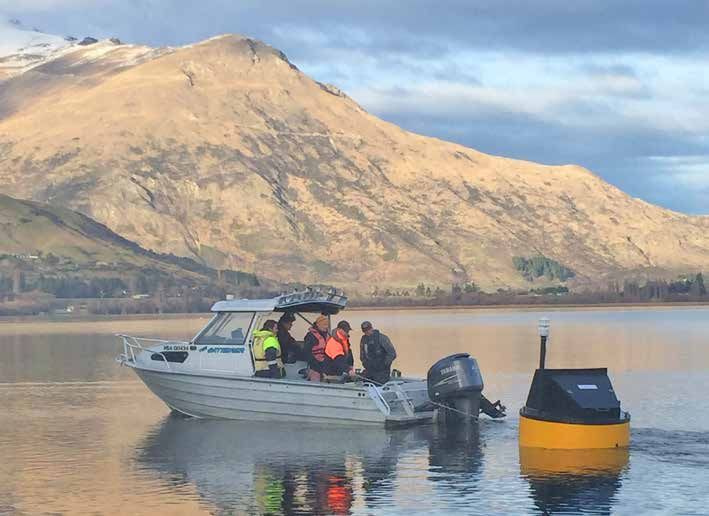
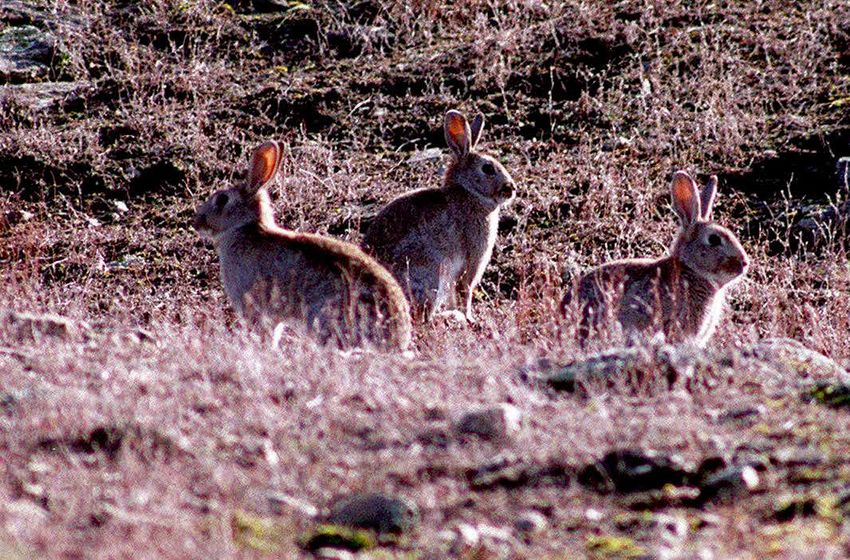
Photo: ODT.

Rabbit management tips
Rabbits are the #1 pest in Otago. Ten rabbits can eat as much grass
as one sheep, affecting pasture production.

They are a serious threat to our             Rules for rabbits, which require all land
biodiversity and environment, they ruin      occupiers to undertake pest control if a
beautiful landscapes with rabbit holes,      neighbouring property is doing so.
they destroy gardens and—as the saying
                                             There is no silver bullet for reducing
suggests—they breed prolifically.
                                             the number of rabbits in Otago. To keep
We’re all responsible for pest               numbers down, rabbit management
management in Otago: as a property           needs to be ongoing and long-term.
owner, you’re responsible for rabbit         Biological controls like the K5 virus,
management on your land. These rules         released here in March 2018, do not
apply equally to farmers, lifestyle block    replace traditional rabbit management
owners, the Crown, councils or anyone        methods.
who owns land in the region.
                                             Secondary control is important to keep
When it comes to rabbit management,          numbers down and make the most out
working with others is the best form         of these controls. There are a number
of control. Rabbits don’t understand         of methods you can choose from or
property boundaries, so have a chat with     combine to control rabbits on your
your neighbours about what will work         property, such as rabbit-proof fencing,
best for you all, and work together to get   poisoning, shooting, trapping and
the best results.                            fumigation.
To encourage cooperative efforts, our        For more information on rabbit
proposed Regional Pest Management            management, visit our website at
Plan sets out new Good Neighbour             www.orc.govt.nz/rabbits

4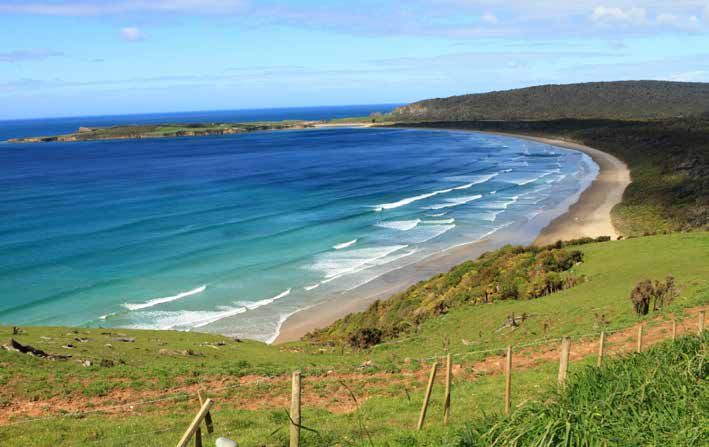
Newest addition to the Rural Liaison team
Jason Evered is the newest
member of ORC’s Rural Liaison
team, covering North Otago. He
tells us how his first few months
are going, and about the rural
water quality challenges on the
horizon for landowners.
Hello, Waterlines readers!
I’m really pleased to be a part of the
rural liaison team— if you’re based in
North Otago, you may have already
met me in this job or my last one, at the
Waitaki District Council.
After spending the majority of my
working life as a Police Officer with the
Metropolitan Police Service in London, I
found my way to New Zealand and fell in
love with the landscapes and the people.
I’ve been here with my wife and two kids
ever since.
"Improving the quality and
managing the quantity
of water in our region is
something I won’t be taking
lightly, and something that
will require collaboration
with the North Otago Rural Liaison and Support Officer for North Otago, Jason Evered.
community."
What an exciting time to start my Otago Also high on my priorities is support the Improving the quality and managing
Regional Council career, lots of things catchment group work in North Otago the quantity of water in our region is
are going on and I am impressed with as I can see the positives of land owners something I won’t be taking lightly, and
what I have seen so far. One or two things and farmers working together. For me, something that will require collaboration
that I have planned are, firstly, around getting a group together to talk about with the North Otago community.
ORC’s ECO Fund— I will be working issues allows for greater discussion—
Well, that’s all from me. For rural readers
hard to find suitable projects and bring and, on occasion, debate. It’s not just
in North Otago, I hope to see you when
some funding into the area. I’ve read someone from ORC turning up and telling
I’m out and about!
about some great projects that have had people what to do— good catchment
successful applications to the fund, and groups are willing to learn from each If you need advice on good water
look forward to supporting North Otago other, and the industry is also providing management practices, feel free to get
groups with their applications. them with great professional support. in touch by sending me an email
jason.evered@orc.govt.nz
or by calling me on 027 298 3460.
5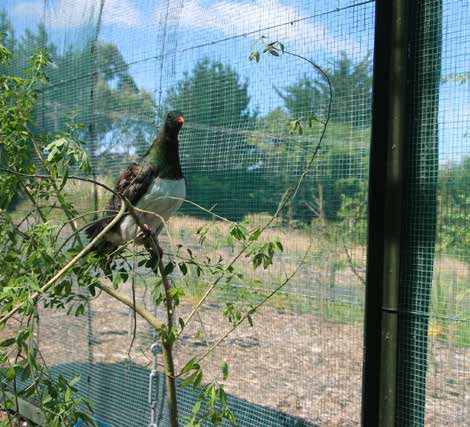
Improving
stock truck
effluent
disposal in
Otago
ORC’s newest stock truck
effluent disposal site is open
for business on State Highway
85 near Brassknocker Road,
north of Alexandra.

The site became operational on
17 May, and has been receiving
glowing reviews from trucking
companies ever since. Along with
the Raes Junction facility, it is well-   Otago's newest stock truck effluent disposal site on SH85 in use. Photo: Bruce Robertson.
located to collect effluent from stock
trucks in Central Otago. Drivers have
commended its easy access and
solar-powered lighting.
In March, Councillors voted in favour
of moving the planned location of the
next location of the next stock truck
effluent disposal facility (STED) from
Ripponvale Straight in Cromwell to
State Highway 8 approaching Tarras.
Effluent spillage onto roads is a
serious issue for safety, health and
environmental reasons, and it is very
difficult to stop trucks from spilling
effluent or prosecute those who do.
A public STED network that all trucks
can use greatly reduces the amount
of effluent being spilled onto roads.
The law does not require the facilities
to be used, so we have to minimise
the barriers to safe and responsible
effluent disposal.
The publicly-owned and managed
STEDs that ORC plan and maintain
with district and city councils and
the NZ Transport Agency are a public
good approach to keep people safer
and protect the environment.

                                          Stock truck effluent disposal sites around Otago.

6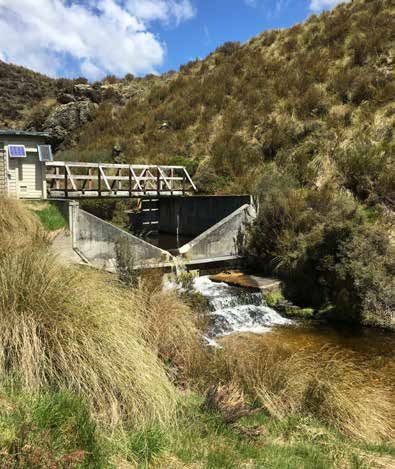
Tautuku Bay in the Catlins.

Otago South River Care:
Farmers helping farmers
The Otago South River Care group is a Clutha Community Trust initiative building
on previous work to improve the understanding of water quality in the area, and to
promote good management practices that will enhance water quality.

The group covers Tokomairiro, Waiwera,
Catlins/Owaka, and Tuapeka/Waitahuna.
Otago South River Care is an umbrella
group facilitating a series of catchment
groups, setting visions and objectives,
and assisting with initiatives that are
relevant to each catchment.
The group received $27,000 in funding
in the September round of ORC’s
community grants scheme, the
ECO Fund. The Waiwera catchment
group, which was born out of the Otago         Attendees at the initial stakeholder group meeting of Otago South River Care.
South River Care group, has received
just over $5,000 in funding for projects       The catchment groups have each held a            quality. They are also undertaking water
in their area, like a sediment fencing trial   field day or information session for their       tests in waterways around the region
and a community planting day.                  area this year, and have partnered with          to help assess the quality in areas
                                               a local school for a stream health and           where there is no existing water quality
“The idea of the group is to get farmers       riparian planning initiative.                    information.
talking to farmers about their local
catchment,” said Project Leader Lloyd          Otago South River Care is assisting              For more information, visit Otago South
McCall, “to share ideas and to work            farmers to access water tests on their           River Care’s Facebook page:
together to improve farm management            own properties, so they can better               www.facebook.com/
practices, which will lead to improved         understand what impact their farming             OtagoSouthRiverCare
water quality.”                                practices might be having on water

                                                                                                                                             7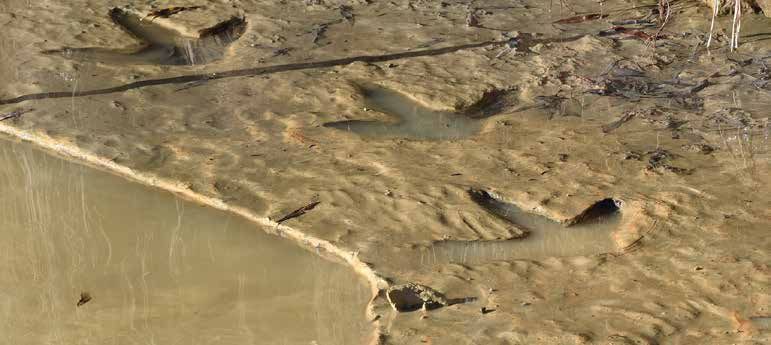
Water samplers at weirs in the control tussock catchment and the treatment forest catchment collected water samples during high flow events.
Photos: Christina Bright, University of Otago.

Glendhu forestry study
A multi-year study conducted by ORC with the University of Otago has examined how pine
harvesting operations affect sediment levels in water at Central Otago’s Glendhu Forestry.

Best practice measures at Glendhu
meant forest clearance effects were             The environmental best practices demonstrated at the
compliant with ORC’s Water Plan rules.          Glendhu forestry are key to reducing the discharge of
The study compared two adjacent                 contaminants at higher flows.
Glendhu catchments, one of which
retained indigenous snow tussock, while         The turbidimeters showed that,                   are key to reducing the discharge of
the other was converted into a pine             compared to the tussock catchment, the           contaminants at higher flows. These
forestry in 1982.                               pine plantation catchment had increased          practices included maintaining extensive
Manaaki Whenua Landcare Research                turbidity, higher suspended sediment             riparian buffer networks, keeping roads
(on behalf of Rayonier Matariki Forests)        and reduced water clarity as a result            and landings to the periphery of the
maintained two weirs, located at                of forest clearance, meaning forest              catchment and carrying harvesting out
the bottom of the ‘control’ tussock             clearance in Glendhu has a small but             in a staggered timeframe over a longer
catchment and the ‘treatment’ forest            measurable effect on the discharge of            period.
catchment, which recorded water levels          sediment. However, the turbidity during
                                                                                                 The research is a part of a long-term
during a forest clearance period in 2017.       the harvest phase of the pine plantation
                                                                                                 research collaboration with the
                                                catchment did not exceed Regional Plan
Upstream turbidimeters monitored                                                                 University of Otago, Rayonier Matariki
                                                limits.
sediment, and water samplers on the                                                              Forests and Manaaki Whenua Landcare
weirs collected samples during high flow        The environmental best practices                 Research.
events.                                         demonstrated at the Glendhu forestry

8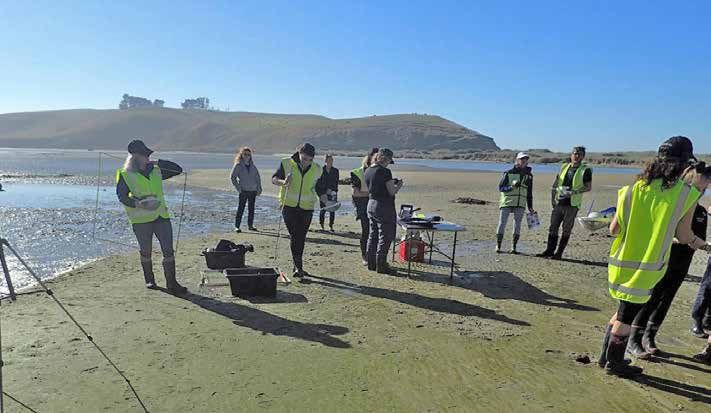
Staff from ORC, Southern Monitoring Services, the University of Otago and the University of Waikato towing the monitoring buoy into place at its
new home on Lake Hayes.

Otago’s first monitoring buoy
installed in Lake Hayes
It’s a buoy! ORC is pleased to                    data related to climate and weather,              The buoy is part of a wider work
welcome its much-anticipated                      including wind speed and direction, air           programme in Lake Hayes, including a
                                                  temperature, solar radiation, relative            turbidity study at Mill Creek, a catchment
Lake Hayes monitoring buoy into
                                                  humidity, barometric pressure and                 study, and upcoming consultation on
the world, transmitting up-to-                    rainfall.                                         options for remediating water quality
date weather and water quality                                                                      in the lake. The data it generates will
                                                  Below the surface, winch-operated
data to ORC every 15 minutes.                     sensors move up and down the water
                                                                                                    greatly improve ORC’s understanding
                                                                                                    of how Lake Hayes is responding to the
                                                  column collating data related to water
The Lake Hayes buoy is the first to be                                                              environment in both the
                                                  quality, including water temperature,
installed in the region, supplementing                                                              short- and long-term, so we can make
                                                  dissolved oxygen, chlorophyll
the recently extended State of the                                                                  informed decisions about remediation.
                                                  fluorescence, phycocyanin fluorescence,
Environment monitoring programme                  turbidity, pH and conductivity.                   On the subject of Lakes Hayes,
in the Upper Clutha Lakes. Two more                                                                 consultation on remediation options
buoys are planned for Lakes Wanaka and            The advantage of this system is that
                                                                                                    began on 6 August through our
Wakatipu.                                         water can be measured at multiple
                                                                                                    consultation platform at
                                                  depths up to every 0.1m, offering new
ORC commissioned the University of                                                                  yoursay.govt.nz and will run through
                                                  insight into important water column
Waikato to build and install the high-                                                              until 3 September. We are also hosting
                                                  variables such as the vertical distribution
frequency monitoring buoy. Its top-                                                                 drop-in sessions on 13 August, and 3
                                                  of algae.
mounted weather station measures                                                                    September, from 12-1:30pm and 5:30-
                                                                                                    7:00pm at the Lake Hayes Pavilion.

                                                                                                                                                   9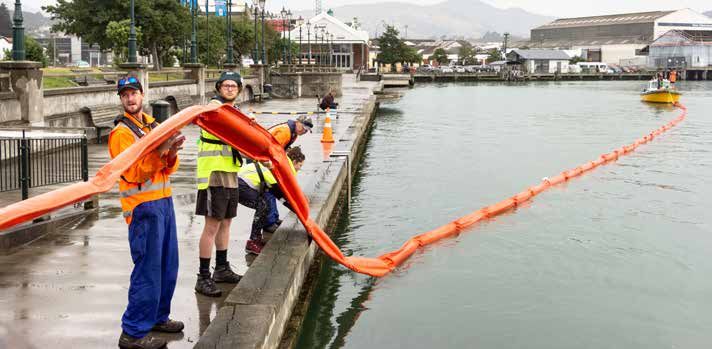
A day in the life of…

Moa footprints discovered in the Kyeburn in May. ORC worked with the Otago Museum on a consent for their removal. Photo: ODT.

In every issue of Waterlines,
we profile a team within ORC,
highlighting some of the hard
work that goes on behind the
scenes. Today, we’re spending
some time to learn more about
the Consents team.
ORC’s 14-strong Consents team
has a lot on their plate. Otago is the
second-largest region in the country
by area and the team works hard to
advise and process applications in a
timely manner.
“It’s really important to people in
Otago that they work under the surety
of a resource consent, so we know
how essential it is that our consenting
                                                The Dunedin-based contingent of ORC's Consents Team.
officers are up to the task.”
That’s Joanna Gilroy, ORC’s Consents            “Part of being a Consents Officer is site       divert the Kyeburn for the purpose of
Manager. She moved to Dunedin to start          visits and meetings with applicants.            fossil footprint extraction.”
with ORC in February, after six years           That can mean getting out and visiting
working for Environment Southland.                                                              When a local man made the chance
                                                properties to advise people and assess
                                                                                                discovery of moa footprints in the
Jo is in charge of a dedicated team             the need for consents,” says Jo.
                                                                                                river—the only such find ever in the
with a wide range of experience, based          “We offer a free half-hour of advice
                                                                                                South Island—museum staff had to act
between Dunedin and Alexandra. Many             to anyone considering a consent
                                                                                                quickly to remove and preserve them.
of the Consents Officers are lifelong           application, and our team are more
                                                                                                That required an urgent effort by ORC’s
locals—they live and breathe Otago;             than happy to provide it.”
                                                                                                Consents team.
they grew up around its lakes and rivers.       In fact, there’s a surprising variety of
Their day-to-day work centres mostly on                                                         “We worked closely with the Otago
                                                work for the Consents team. A recent
water permits, but there’s more to the                                                          Museum to be able to turn that consent
                                                example from left field involved
job than sitting in front of a computer.                                                        around really quickly, so that the fossils
                                                approving a consent for the Otago
                                                                                                could be removed and preserved before
                                                Museum to “disturb and temporarily
                                                                                                they were lost,” Jo tells us. “It was great

10
New staff and improved
processes in compliance
ORC’s Compliance team is getting a boost with fresh
faces in both Dunedin and Alexandra
to have a part to play in such a cool
discovery.”
ORC’s Consents Officers have arrived
here from a variety of backgrounds,
including dairy farming and other
councils, but they all share a strong
understanding of Otago’s water quantity
issues. It’s fair to say these represent
the most pressing challenge for ORC’s
consenting function.
“The situation with deemed permits
is unique to Otago,” says Jo. “There
are just over 300, often very complex,
permits with a deadline approaching.
We’ve made a big push to ensure we are
resourced to process these.” ORC staff looking out over farmland from above during one of this year's flyovers to monitor
winter grazing practices. The flights are undertaken to spot sediment disturbance and
Preparations for deemed permit renewal discharges to water. ORC teams follow up on issues seen from the air, with responses
have included developing a Guidance ranging from education and advice, through to enforcement notices and prosecution.
Note, having additional people on
standby to process extra applications,
Four new compliance staff have recently started work in the Dunedin and
upgrading the consents database to
Alexandra teams, and a permanent appointment has been made to the role
easily identify allocation risks, and
of Team Leader Investigations and Enforcement. Meanwhile, recruitment is
recruiting, training, and clarifying
underway to find four additional staff, including an Alexandra-based Team Leader
deemed permit processes.
of Compliance.
A key element of this preparation has
Staff have also improved processes and procedures for undertaking investigations
been making consent services more
and collecting evidence, and for commissioning legal advice and managing cases.
user-friendly, especially online where
applicants are increasingly keen to get The staff in the Regulatory Group are focusing on implementing a risk-based
their applications sorted. There are approach to compliance and enforcement. This will aim compliance efforts
significant consenting challenges on the squarely at the activities and geographic areas where they will have the most
horizon, but Jo is resolutely confident positive impact.
in her team. “We’re really proud of how
This approach will also align the tools at our disposal (from awareness and
the team is holding up; they’re a great,
education, to infringement, abatement and prosecution) with the range of
passionate group and they’re thriving in
activities and risks that we need to manage in Otago.
a really busy period.”
11Contact our pollution hotline
ORC staff engaged in an oil spill exercise at Steamer's Basin, Dunedin, in February this year.
ORC is responsible for looking How quickly we know about an environmental incident can make a huge
after our region’s natural difference to how well we can investigate it.
resources. To help us do this, If you see pollution, please call our pollution hotline which is staffed 24/7
we have rules that are designed on 0800 800 033 straight away.
to prevent pollution harming the You can also report pollution by filling in our reporting form online, at
environment. www.orc.govt.nz/pollution or by emailing pollution@orc.govt.nz
Annual Plan 2019-20
now in effect
ORC’s Annual Plan for 2019-20 has been in effect since 1 July, building
on the Long-term Plan 2018-2028. The Annual Plan reaffirms a focus
for ORC in the four priority areas of water, climate change, urban
development and biodiversity.
Water is our top priority. We’ve begun reviewing our regional Water Plan, which will
acknowledge the principles of Te Mana o te Wai—the health of our waterbodies,
ecosystems and people. We have a lot of work to do in this area, working with
communities to understand their values, so that we’re better placed to set objectives
and limits for waterways.
Climate change is here. It’s impacting our weather, our assets and our lifestyle, which
is why we’re fast-tracking our work programme this year to get a better understanding
of the impacts across all of Otago. Our requirement to minimise the impacts of urban
development on water quality is increasing, as is ensuring natural hazards and climate
change are accounted for. We’re reviewing our Regional Policy Statement this year, to
give more direction and guidance on future development.
With so many native species and unique landscapes here in Otago, we all need to
do our bit to look after biodiversity. The revised Pest Plan comes into effect soon,
which will help us protect biodiversity by managing pest plants and animals that can
negatively impact our ecosystems.
12Proposed Pest Plan progresses
towards implementation
ORC’s Pest Plan is getting an update, following research, stakeholder engagement,
and a consultation process that began in November 2018.
Photo: ODT
Clockwise from left: Ragwort, rabbits, Russell Lupins, wilding conifers, gorse and Old Man's Beard.
Some of the biggest changes in the additional pests in areas with special sign-off. Once the plan is adopted by
proposed plan are new 'Good Neighbour biodiversity values, such as the Otago Council it will be implemented over the
Rules' for gorse, broom, Russell lupin, Peninsula. next ten years.
ragwort, nodding thistle, rabbits and
We received 344 submissions on the plan If you would like to receive updates on
wilding conifers. These rules require
over a six-week consultation period, and the plan, you can email us at
land occupiers, including the Crown, to
we have wrapped up hearings in Dunedin pests@orc.govt.nz.
undertake pest control if a neighbouring
and Queenstown, where 36 submitters
property is doing so. You can find all the information about
took the chance to present in person.
the proposed plan, consultation and
The proposed plan also follows a
The hearing panel, made up of submissions on our website, at
national template allowing for the
three Councillors and an external yoursay.orc.govt.nz/pestplan.
establishment of site-led programmes.
commissioner, is currently deliberating
These programmes are new to Otago,
on submissions, after which the final
and were added to manage a range of
document will be brought to Council for
13Looking back on a year of the ECO Fund
The ECO Fund (Environment, Community, Otago) has completed three funding
rounds, bringing its first full year to a close.
A KererŪ in Project KererŪ’s rehabilitation aviary, in Green Island. A Good Nature possum trap installed
The project was awarded funding during the ECO Fund’s first year. by Project KererŪ.
The Fund has now distributed $250,000 The final round ended on 20 May, with 11 projects supported.
to environmental community groups Projects funded include:
around the region. 30 projects received
• Native riparian planting by school kids with the Waiwera Kaihiku
funding, out of 78 applications seeking
Farmer-Led Watercare Group.
over $1,000,000.
• Further research in the Makarora Catchment Threatened Species
The interest shown in the ECO Fund’s
Project by the Aspiring Biodiversity Trust.
first year has demonstrated an appetite
from Otago community groups to take • Control of weed species in and around Lakes Waihola and Waipori
ownership and take action in their Wetlands by the Lake Waihola Waipori Wetlands Society.
backyards.
For more information on the ECO Fund and the projects we have funded, visit
www.orc.govt.nz/ecofund, or if you have a project in mind and want to ask us
Environment. Community. Otago.
Te Ao Turoa. Hapori. Ōtākou.
about the fund, you can email ecofund@orc.govt.nz or call 0800 474 082.
14BioBlitz hits Otago coasts
A team made up of representatives from ORC, the University of Otago’s Marine Science
department and the Department of Conservation spent the day in a ‘BioBlitz’ with
Waikouaiti locals at Pleasant River Estuary recently.
Participants at Pleasant River Estuary taking part in the Marine Studies Centre's pilot BioBlitz. One-square-metre quadrats (the square frames)
were used to set out the area for each group to make biological observations during low-tide. There was one leader (in high-vis) per group of
three to four schoolchildren from around East Otago. Photo: Jean McKinnon.
A BioBlitz involves a group of people—
usually scientists, naturalists and
volunteers—attempting to record
as many of the living species within
a designated area as possible. The
programme encourages communities
to work together to collect valuable
baseline data about the biodiversity,
distribution and abundance of marine
species along the Otago coastline.
The BioBlitz was run by the University of
Otago’s Marine Studies Centre and was
used as a pilot for a larger event to be
held in Karitane in September.
The BioBlitz events are part of the
Monitoring Coastal Change in Otago
project by the Marine Studies Centre,
funded in part by ORC’s ECO Fund. The
ORC has contributed over $24,000 Keep an eye out on our Facebook page closer to the September school holidays
across two funding rounds to support for more information on how to get involved, and in the meantime, keep Sunday 29
the project, which will travel the coast September for the community BioBlitz at Karitane. The BioBlitz team hopes to involve
of Otago engaging local communities in schools on Friday 27 September. For further information, contact
monitoring their coastal environment. marine-studies@otago.ac.nz
15What’s up at ORC?
Report wallaby sightings
Wallabies have the potential to significantly impact the Otago economy and local
biodiversity values by damaging crops and competing with livestock for pasture.
ORC undertakes monitoring and contracts poisoning operations to try and
eradicate wallabies from the region. They are currently not well established, but
it’s essential we keep the population down so it stays that way.
The Otago Pest Plan requires land occupiers in Otago to destroy wallabies on their
land. If you spot a wallaby in Otago—dead or alive—report it by calling
0800 474 082 or through our wallaby sighting form at:
Register to vote or stand
www.orc.govt.nz/wallabies in local body elections
2019 is an election year for local
Direct debit rate payments authorities, and that includes
Invoices for 2019-20 rates will be in your letterbox this month. These must be paid ORC. Candidate nominations
by 31 October to avoid a penalty. close at 12 noon on 16 August,
Did you know you can set up a direct debit to pay your ORC rates in instalments? so if you’re interested in running
With direct debit, you can either: you will need to put your name
forward before then.
• Pay the full amount owing by direct debit on the due date 31 October, or
Voting documents will be
• Pay in three equal instalments on 31 October and the last business day in the delivered between 20 and 25
months of February and June. Rate penalties will not apply to current year September, ahead of election
rates using this option. day on 12 October; the polls
You can set up a direct debit to make paying your rates easy and stress-free at: close at 12 noon. Preliminary
results will be announced later
www.orc.govt.nz/rates/ways-to-pay on election day, before being
confirmed between 17 and 23
Enviroschools update October.
Enviroschools across Otago are finding out what lives in You can visit www.vote.nz
their neighbourhoods. Fenwick Primary students spent to enrol to vote or update your
last term learning about the local ecology and made details.
tracking tunnels to identify the animals they share their Check out the Candidate
community with. Handbook for more information
They found out about the impact introduced mammals about standing for election in
are having on birds, invertebrates and lizards. the ORC at:
The students have built trap boxes and are working with www.orc.govt.nz/2019election
their local community to reduce the numbers of rats
and mice. They will carry on monitoring the tracking
tunnels to see if the traps are making a difference.
Have you signed up for On-Stream yet?
We have a monthly e-newsletter that keeps you up to date with what's You can like Otago Regional Council
happening around Otago. Email us to sign up: water@orc.govt.nz on Facebook for regular updates.
70 Stafford St Private Bag 1954 Dunedin 9054
Phone 03 474 0827 Freephone 0800 474 082 Pollution Hotline 0800 800 033
www.orc.govt.nz
Enquiries: info@orc.govt.nz
16You can also read


