AHEAD THE ROAD Disinformation T - National Endowment for Democracy
←
→
Page content transcription
If your browser does not render page correctly, please read the page content below
January 2021 • Working Paper

THE ROAD

      T
           Mapping Civil Society
           Responses to
 AHEAD     Disinformation
           Samantha Bradshaw
           Lisa-Maria Neudert
THE ROAD AHEAD: Mapping Civil Society Responses to Disinformation

                              Table of Contents
                              EXECUTIVE SUMMARY                                                   3

                              INTRODUCTION                                                       5

                              MAPPING CIVIL SOCIETY RESPONSES                                     7

                              LESSONS LEARNED                                                     9
                                  Insufficient Access to Data
                                  Duplicative Rather than Innovative Programming
                                  Regional Divides in Relationship Capital
                                  Regional Divides in Skill Sets and Capacity

                              CONCLUSION AND RECOMMENDATIONS                                     15
                                  Make Data Access More Inclusive
                                  Support Diversity
                                  Increase Flexibility
                                  Prioritize Skill Diffusion and Knowledge Transfer
                                  Improve Networking, Collaboration, and Interest Pooling

                              APPENDICES AND REFERENCES                                          18
                                  Appendix A: Consultations with Civil Society Experts
                                  Appendix B: Interview and Survey Participants
                                  Appendix C: Sample Interview Questions
                                  Appendix D: Sample Survey Questions
                                  Appendix E: Coded Spreadsheet of Civil Society Organizations
                                  Endnotes

                              ABOUT THE AUTHORS                                                  26

                              ABOUT THE NATIONAL ENDOWMENT FOR DEMOCRACY                         26

                              ACKNOWLEDGMENTS                                                    27

2   NATIONAL ENDOWMENT FOR DEMOCRACY           /   INTERNATIONAL FORUM FOR DEMOCRATIC STUDIES
THE ROAD AHEAD: Mapping Civil Society Responses to Disinformation

                                EXECUTIVE SUMMARY
                                C     ivil society organizations (CSOs) play a central role in addressing disinforma-
                                      tion’s growing impact on democracy. Given the vast scope of the global dis-
                                information challenge, the landscape for CSOs working in this space has evolved
                                rapidly in recent years. Established efforts to combat disinformation have incorpo-
                                rated the new challenges posed by social media into their agendas, while new ini-
                                tiatives have emerged to fill gaps in research, monitoring, and advocacy. The work
                                of these organizations in the disinformation fight is critical for positively shaping
                                policy making, improving platform responses, and enhancing citizen knowledge and
                                engagement.

                                Yet, CSOs face ongoing challenges in this complex and fast-changing field. How has
                                civil society grown in its understanding and response to the digital disinformation
                                challenge and what should be done to further empower this work?

                                To acquire insights into these questions, this paper draws on two methods—a
                                mapping exercise of civil society initiatives and a survey of leading CSOs working
                                in this field. This approach reveals that CSOs bring a wide range of skill sets to
                                the problem of digital disinformation. Some organizations focus on digital media
                                literacy and education; others engage in advocacy and policy work. Another seg-
                                ment has developed expertise in fact-checking and verification. Other organizations
                                have developed refined technical skills for extracting and analyzing data from social
                                media platforms.

                                This research yielded several clear observations about the state of CSO responses to
                                disinformation and, in turn, suggests several recommendations for paths forward.

                                 •     rioritize Skill Diffusion and Knowledge Transfer. Civil society organiza-
                                      P
                                      tions seeking funding for counter-disinformation initiatives should emphasize
                                      the importance of skill diffusion and knowledge-transfer initiatives. The siloed
                                      nature of disinformation research points to a growing need to blend technical
                                      expertise with deep cultural and political knowledge.

                                 • Crespondents
                                      SO researchers lack sufficient access to social media data. Survey
                                                 identified insufficient access to data as a challenge. Sometimes
                                      data are not made available to CSOs; in other instances, data are made
                                      available in formats that are not workable for meaningful research purposes.
                                      Unequal access to the data that private companies do provide can exacerbate
                                      regional inequities, and the nature of data sharing by social media platforms
                                      can unduly shape the space for inquiry by civil society and other researchers.
                                      Funders, platforms, and other key actors should develop approaches that pro-
                                      vide more consistent, inclusive data access to CSOs.

                                 • Dtools,
                                     uplicative programming hampers innovation. CSOs drawing on similar
                                           approaches, and techniques to meet similar goals pointed to three main
                                      factors preventing more specialized, innovative initiatives: lack of coordina-

3   NATIONAL ENDOWMENT FOR DEMOCRACY          /   INTERNATIONAL FORUM FOR DEMOCRATIC STUDIES
THE ROAD AHEAD: Mapping Civil Society Responses to Disinformation

                                      tion, lack of specific expertise, and lack of flexible funding. Community building
                                      and collaboration among relevant organizations deserve more investment,
                                      as do initiatives that partner larger, established organizations with smaller or
                                      growing ones, or pool efforts, skill sets, and expertise to encourage diverse
                                      research by design rather than by coincidence.

                                  • Roften
                                       elationships with tech platforms vary across regions. Surveyed CSOs
                                            held simultaneously skeptical and positive opinions about their relation-
                                      ships with social media companies. Some receive preferential access to data
                                      and even funding for their work (raising concerns about independence), while
                                      others report a lack of responsiveness from company representatives. In the
                                      Global South and Eastern Europe, many CSOs expressed concern that plat-
                                      forms failed to meaningfully engage with them on issues of critical concern.

                                  • Mencourage
                                      ore flexible funding and more diverse research are both necessary. To
                                                greater platform accountability across varied geographic contexts,
                                      CSOs and their funders should draw on the perspectives of specific, under-an-
                                      alyzed communities.

                                  • Rby
                                      egional divides in capacity influence the types of responses pursued
                                        CSOs. Technology-reliant and resource-intensive responses are more
                                      common in North America and, to a lesser extent, Europe, and CSO represen-
                                      tatives in those regions are more likely to have backgrounds in technology,
                                      software engineering, or data analysis. By extension, they are less likely to
                                      have backgrounds in fields often traditionally associated with CSOs, such as
                                      human rights, law, or the social sciences. To bridge these gaps, funders should
                                      emphasize support that builds knowledge between technical experts, civil
                                      society, and journalism, with a particular emphasis on the Global South and
                                      smaller organizations working in underserved settings.

                                The sphere devoted to combating disinformation must continue to evolve. Critical
                                to this evolution will be civil society access to data, funding, and skills necessary for
                                the next generation of disinformation responses. The strength of these responses
                                will be integral to shoring up democracy at a time when society is becoming increas-
                                ingly digital.

4   NATIONAL ENDOWMENT FOR DEMOCRACY          /   INTERNATIONAL FORUM FOR DEMOCRATIC STUDIES
THE ROAD AHEAD: Mapping Civil Society Responses to Disinformation
INTRODUCTION
Concerns surrounding the coordinated spread of digital disinformation—purposefully
misleading, deceptive, and manipulative information spread through online platforms
and channels—prominently entered the international public agenda in the aftermath of
Russia’s annexation of Crimea in 2014 and the 2016 U.S. presidential election. In both
instances, Russian state actors and their proxies weaponized social media to deploy
disinformation. Since then, a variety of actors have turned to the tools and techniques
of “computational propaganda” to shape the outcome of elections and undermine
democracy around the world.1 At the same time, digital authoritarians have adopted
trolling, online harassment, and disinformation to silence political dissent and under-
mine the expression of human rights in their own countries.2 Populist political parties
and candidates have used social media platforms to fuel nationalism and push fringe
ideas and values into mainstream conversations, sometimes leading to violence against
minority communities.3 Partisan fringe media, influencers, and high-profile personalities
have used social media to deepen divides, amplifying conspiracy, hate, and distrust in
the media. Similarly, conspiracy theorists have used social media to spread disinforma-
tion—such as false claims about a link between autism and vaccines, climate change
denialism, or coronavirus conspiracies—that aims to galvanize support for policies and
practices that reject science.4
DEFINING DISINFORMATION
Disinformation, often used interchangeably with propaganda, is a broad term usually
referring to the purposeful use of non-rational argument to undermine a political ideal,
inflame social division, or engender political cynicism. It may contain a blend of truth
and falsehood, or purposefully exclude important context. Propaganda tends to refer
to the use of non-rational argument to either undermine a political ideal or promote a
preferred alternative.
This report deals primarily with digital disinformation, or disinformation spread using
modern information communications networks.
Misinformation refers to the incidental, accidental spread of untrue or misleading
information.
Computational propaganda refers to the use of computer software to spread and
amplify disinformation and otherwise distort or manipulate public conversations
through similar tactics, often relying on automation to produce and disseminate content
at large scales.
Civic activists, journalists, and political dissidents are on the frontlines of the battle
against disinformation. As crucial voices for holding governments and private companies
accountable, civil society organizations (CSOs) have responded to growing concerns over
5 NATIONAL ENDOWMENT FOR DEMOCRACY / INTERNATIONAL FORUM FOR DEMOCRATIC STUDIESTHE ROAD AHEAD: Mapping Civil Society Responses to Disinformation
the impact of disinformation on democracy by developing strategic programming and
The landscape of providing independent scrutiny. Their efforts range from digital media literacy cam-
paigns, open-access social media analytics tools, platform audits, and rigorous open-
CSOs working on source research to informing policy making, lobbying, and civic engagement. As advo-
cates of truth, trust, and civic interests, CSOs can represent the voiceless and champion
disinformation is digital rights and freedoms before policy makers and platforms. Through research, activ-
ism, and advocacy, they are uniquely positioned to draw attention to inequality, bias,
flourishing and has
injustice, and repression, promoting change and demanding accountability. But CSOs
evolved rapidly since are also frequent targets of political hate speech, bot attacks, and malicious information
operations, and do not always have adequate resources to effectively fight disinfor-
2016. Established mation. As social media platforms continue to erect barriers to data access, they must
increasingly rely on the benevolence of private companies to share data and collaborate
efforts have in meaningful ways.
incorporated the new The landscape of CSOs working on disinformation is flourishing and has evolved rapidly
since 2016. Established efforts have incorporated the unique challenges posed by social
challenges posed by media into their agendas while new initiatives have emerged to fill gaps in research,
monitoring, and advocacy. The collective work of these organizations has been remark-
social media into able and continues to positively shape policy making, platform responses, and citizen
knowledge and engagement. Yet, CSOs face a number of challenges in this nascent field.
their agendas while
How has civil society grown in its understanding and response to the challenge of dig-
new efforts have ital disinformation, and what should be done to further empower it in this work? This
paper presents the findings of a research project that mapped out various civil society
emerged to fill gaps in
responses. It offers evidence about which responses work and why, and identifies gaps
research, monitoring, and challenges facing the community of CSOs engaged in this task.
and advocacy. To gain a deep and contextual understanding of this landscape, we mapped out 175
CSOs working against digital disinformation, identified through sources such as Cred-
map, Credco, RAND, Poynter’s International Fact-Checking Network, and MediaWell. We
also interviewed or surveyed nineteen experts and practitioners from seventeen CSOs
from diverse regions. The respondents included researchers, managers, and policy and
advocacy experts at the forefront of countering disinformation on private platforms,
educating the public about platform harms, and engaging with policy makers and indus-
try stakeholders.
The research identified some of the most pressing challenges that these organizations
face and possible remedial measures. The following sections present and analyze
the evidence for these challenges, and then offer recommendations that CSOs, their
funders, and social media companies could pursue to overcome these obstacles and
continue improving the democratic response to disinformation.
6 NATIONAL ENDOWMENT FOR DEMOCRACY / INTERNATIONAL FORUM FOR DEMOCRATIC STUDIESTHE ROAD AHEAD: Mapping Civil Society Responses to Disinformation
MAPPING CIVIL SOCIETY RESPONSES
Many civil society organizations around the world work on issues at the intersection of
disinformation, technology, and democracy. They have a wide range of programming
strategies for global, regional, and country contexts. Some research organizations like
Bellingcat, the Alliance for Security Democracy, and Debunk.eu use open-source and
platform data to monitor information flows and detect malicious campaigns as they take
place. Others, such as the Centre for Democracy and Development West Africa (CDD
West Africa) or the Institute of Strategic Dialogue (ISD), work alongside policy makers and
the media to monitor pre-electoral media environments and limit the spread of politi-
cal disinformation that could undermine the integrity of democratic processes. As they
independently fact-check viral disinformation on social media, CSOs such as Verificado
in Mexico and Correctiv in Germany collaborate with platforms to increase the health of
information ecosystems. In countries where freedom of speech is limited through media
control, CSOs such as Zaśto Ne in Bosnia and Herzegovina have adopted innovative
strategies to identify disinformation spread by governments and state-controlled media.
These organizations work across a wide range of platforms and address several audi-
ences including industry, media and journalism, citizens, and policy makers.
This study covers CSOs in Africa, Asia, Europe, Latin America, and North America whose
primary mission is to combat disinformation through detection, verification, provision
of tools, education, or advocacy efforts. Typically, CSOs include nonprofit entities that
represent a wide range of interests and ties. Some organizations in the sample also
received government, industry, or private funding like venture capital, but were included
because they demonstrate rigorous and independent work.
The CSOs in the sample were categorized based on six different types of activities they
implement: credibility initiatives; verification initiatives; education and media literacy
programs; research and tool provision; developing norms, standards, and policy recom-
mendations; and initiatives to support journalism (see Table 1). These categories are not
mutually exclusive, but they are helpful for understanding the different approaches to
combating disinformation.
7 NATIONAL ENDOWMENT FOR DEMOCRACY / INTERNATIONAL FORUM FOR DEMOCRATIC STUDIESTHE ROAD AHEAD: Mapping Civil Society Responses to Disinformation
Credibility Initiatives
This category refers to the use of indicators (sometimes detected using automated technological tools) for evaluating the
credibility of a piece of information or domain. This may include creating credibility scores and indicator systems for rating
the security and transparency of web content and underlying infrastructures. Credibility initiatives do not verify the veracity
of information but instead signal transparency and quality issues.
Verification Initiatives
This category refers to evaluations of the veracity or trustworthiness of information. It can be thought of as an extension of
the traditional fact-checking initiatives that have been developed to help users navigate an increasingly complex informa-
tion ecosystem. Normally, the unit of analysis for verification initiatives is text, image, or video.
Education and Media Literacy
This category refers to the provision of curricula, activities, or training materials designed to improve citizens’ ability to
critically engage with news content and detect disinformation online.
Research and Tool Provision
This category refers to research organizations using and developing tools to help users, civil society, journalists, or inter-
ested publics detect disinformation, automated “bot accounts,” or foreign influence operations. Sometimes they also con-
duct research and collect data on the state of disinformation and evaluate its impact on society and politics.
Norms, Standards, and Policy Recommendations
This category refers to initiatives that try to develop standards or norms around the production of information, such as
health labels or codes of conduct for journalists. It also includes initiatives that promote or advocate policies to improve
the digital information environment.
Journalism Support
This category refers to tools and programs supporting professionally produced, high-quality, and credible journalistic
content through fact-checking, consulting multiple sources, verifying material, and making transparent the sources and
processes of content production.
Table 1: Civil Society Responses to Disinformation
Norms, Stan-
dards, & Policy
Education & Research & Recommenda- Journalism
Credibility Verification Media Literacy Tool Provision tions Support
Africa & the Middle East* 3 16 7 1 6 3
Asia 1 19 3 1 0 0
Europe 3 10 5 2 4 0
Latin America 1 23 8 6 3 0
North America 19 13 12 15 8 5
Regional or International 3 3 5 3 1 2
Source: Authors (2020). Based on data collected from mapping exercise. Note: Values do not add up to 175 because some organizations
may be involved in multiple activities.
*These regions were combined as data collection yielded few initiatives in the Middle East and North Africa.
8 NATIONAL ENDOWMENT FOR DEMOCRACY / INTERNATIONAL FORUM FOR DEMOCRATIC STUDIESTHE ROAD AHEAD: Mapping Civil Society Responses to Disinformation
LESSONS LEARNED
Civil society responses to combating digital disinformation have burgeoned, with organiza-
tions around the world carrying out a wide variety of research, advocacy, monitoring and
evaluation, and educational programming. This diverse programming encompasses differ-
ent regions and a wide variety of tech platforms, including Facebook, Google, Instagram,
Telegram, Twitter, and YouTube. CSOs have adapted their programming to address some
of the unique concerns that arise from the contemporary information and communication
landscape. While many CSOs based in Western Europe and North America focus on global
or regional challenges, those based in Africa, Asia, Eastern Europe, and Latin America tend
to focus more on innovative responses at the country level.
CSOs working on digital disinformation use a wide range of skill sets. Some focus on
digital media literacy and education, while others engage in advocacy and policy work.
Several have developed expertise in fact-checking and verification, and a host of orga-
nizations have developed refined technical skills for extracting and analyzing data from
social media platforms. CSOs cover a wide array of online spaces, from large public plat-
forms such as Twitter, Facebook, Reddit, and YouTube to private, encrypted applications
such as WhatsApp and Telegram to small, obscure, or specialized spaces such as Gab,
Discord, or Parler, as well as content hosting and the open web.
All of the organizations surveyed reported developing successful projects and initiatives
around some of the new challenges that technology, and especially social media plat-
forms, raise for information consumption, digital media literacy, democracy, and human
rights. For example, Jennifer 8. Lee from the Credibility Coalition and Hacks/Hackers
pointed to developing standards for assessing information quality that have become
widely adopted by CSOs, and Nick Monaco from the Institute for the Future emphasized
“democratizing expertise” by providing technical and skills training to stakeholders in civil
society and journalism.
But respondents also highlighted important hurdles to conducting meaningful research
and advocacy work in this area related to access to platform data, a lack of coordination
among CSOs, and insufficient funding. The following section identifies these persistent
challenges and lessons to advance innovation and progress.
Insufficient Access to Data
Continuous access to meaningful and relevant data is one important concern. Every
respondent raised issues about access to three main types of data, in particular from
social media platforms: first, data in the public domain that consenting users share
publicly and is accessible to anyone browsing the web, such as public posts, images, or
videos shared; second, hidden information that does not reveal personally identifiable
information about a user, such as metadata about link sharing through private messenger
channels (for example, how often a link was shared over WhatsApp, irrespective of the
user) or content takedown statistics; and third, private data that has been anonymized or
pseudonymized to remove all identifying personal information, such as posts in private
groups with all information about the user removed. None of the respondents said they
9 NATIONAL ENDOWMENT FOR DEMOCRACY / INTERNATIONAL FORUM FOR DEMOCRATIC STUDIESTHE ROAD AHEAD: Mapping Civil Society Responses to Disinformation
requested encrypted data or data containing identifying
personal information that had not been shared publicly.
At the moment, most platforms share data either through
data-sharing research initiatives such as Facebook’s Social
Science One, which have been highly criticized due to the
lack of research independence or transparency around
them, or through highly restrictive application program-
ming interfaces (APIs). Accessing social media through
bespoke web-scraping tools is also increasingly difficult as
platforms use proprietary systems to limit such activities
and can threaten legal action when scraping is prohibited
in their terms of service agreements.
While data access is incredibly important for conducting research about the effect of
digital disinformation on politics and society, the use of social media data raises several
privacy concerns. As advocates of digital rights and privacy, many respondents empha-
sized the importance of protecting user privacy by collecting and analyzing data only
with the consent of individuals. The European Union’s General Data Protection Regu-
lation covers this type of data use by platforms and researchers (or any type of data
processor), and it has become widely applied by platforms that cannot assess whether
their users are protected under European law.
Issues around insufficient access to data impact the CSOs surveyed in multiple ways.
While some platforms are more open than others, Chloe Colliver, head of digital policy
and strategy for ISD, said that transparent access to rigorous, large-scale data sets with
clear instructions remains a hurdle for the organization’s research, monitoring, and pol-
icy work. In order to perform statistical analysis with computer programs, data needs to
be machine-readable. What is more, platforms need to provide context and documen-
tation for the data they collect; for example, by which “rules” they decide to include or
exclude certain data, the collection period, and method. Furthermore, large amounts of
data are needed to conduct quantitative analysis that allows for statistical inferences.
Alexandre Alaphilippe, executive director and co-founder of the EU DisinfoLab, high-
lighted how important it is for platforms to not only make data more accessible, but
also to make sure that data is relevant and actionable for civil society. He noted that
platforms doing more to make data available will only be meaningful if it is structured
in a way that civil society actors can work with, and if civil society actors are significantly
empowered and funded to provide strong and independent assessments. For example,
when platforms provided data about foreign interference on their networks to the U.S.
Senate Select Committee on Intelligence, Google supplied non-machine-readable PDFs
of tabulated data on advertising and provided no context or documentation about this
data. As a result, what Google submitted was not useful for statistical analysis.5 What is
more, several companies share data when they detect an anomaly on their platforms,
such as inauthentic behavior by fake accounts, which may be highly relevant to research,
but do not give research organizations access to data on “normal activity.” This makes it
impossible to contextualize anomalous activity. As a result, the impact of these anoma-
lies may be over- or understated.
Access to data from platforms is also highly volatile, especially in light of growing con-
cerns over privacy implications and the misuse of data for commercial and political gain.
10 NATIONAL ENDOWMENT FOR DEMOCRACY / INTERNATIONAL FORUM FOR DEMOCRATIC STUDIESTHE ROAD AHEAD: Mapping Civil Society Responses to Disinformation
Sam Jeffers from Who Targets Me? pointed out that data access is far from continuous
By failing to as platforms tend to frequently change what they make available. Also, while multiple
platforms have launched data access programs, these tools and datasets are not always
offer accessible equally available to all, which can discriminate against non-academic types of inquiry and
researchers working in the Global South.6
and transparent
Importantly, the CSOs surveyed rely on similar sources of data that are frequently
information about collected with standard typologies. The Twitter API, the YouTube API, Facebook’s Crowd
tangle, Facebook’s ad library, and, to a lesser extent, the Reddit API provide important
what qualifies as nodes for access to data, whereas other platforms remain less accessible. As a result,
data-driven research disproportionately focuses on a handful of platforms relying on
disinformation limited access to select data inside “walled gardens,” or sources of limited access to
curated data provided and controlled by the relevant company. The limited access to
and may thus be data deeply shapes research questions and design, and it limits what type of insights
CSOs and researchers can generate from the data. The sparsity of data may also pro-
removed, flagged,
mote duplication of research efforts when researchers rely on the same streams of data
or fact-checked, to tackle similar questions about platform disinformation.
Finally, the issue of limited access to data is connected to that of insufficient definitions and
platforms have
transparency around issues of digital disinformation. Jennifer 8. Lee said that many plat-
hindered the forms have been reluctant “to take a firm stance on deliberate misinformation,” including
false claims coming from government officials and public authorities. However, she further
development noted that this tendency “shifted with misinformation related to the COVID–19 pandemic,
setting an important precedent.” By failing to offer accessible and transparent information
of shared about what qualifies as disinformation and may thus be removed, flagged, or fact-checked,
platforms hinder the development of shared understandings and consensus around issues
understandings of disinformation. This also allows social media companies to evade scrutiny on content
moderation decisions, for instance by not offering replication data for content removal.
and consensus
Duplicative Rather than Innovative Programming
around issues of
Several CSOs surveyed use similar technological tools, manual approaches, or other
disinformation. techniques that aim to meet congruent sets of goals. This is especially apparent with
regard to fact-checking and blockchain-based technologies for content verification, and
for early-stage and more advanced organizations alike. Interviewees offered insights
into the reasons and motivations behind obsolete or duplicative programming, pointing
to three main drivers for this trend: lack of coordination between CSOs, lack of specific
expertise, and lack of flexible funding opportunities.
With regard to the first driver, Chloe Colliver pointed to a pressing need for more
formal and informal coordination between CSOs to avoid the duplication of efforts (for
example, monitoring the same election on the same platform with the same API data
and similar methods) and to allocate resources more efficiently. Rafael Goldzweig from
Democracy Reporting International said that, while there is a strong community of CSOs
and to a lesser extent academic research projects, the coordination of research efforts
is still rare. The COVID–19 pandemic has further exacerbated this: virtual meetings do
not usually offer sufficient spaces for meaningful and quality exchange.
With regard to the second driver, Sam Jeffers observed that, as the field has grown to
cover a variety of issue areas, most organizations have remained generalists rather than
11 NATIONAL ENDOWMENT FOR DEMOCRACY / INTERNATIONAL FORUM FOR DEMOCRATIC STUDIESTHE ROAD AHEAD: Mapping Civil Society Responses to Disinformation
specialists. Not all have developed the expertise and
skill set necessary to ask further questions about
the impact of technology on society and politics—for
example, by developing new methods to access or
analyze data, or to study small platforms or under-
studied events and countries or regions—or conduct
more nuanced, in-depth analysis. In the aftermath of
the Brexit referendum and the U.S. presidential elec-
tion in 2016, broad conversations about the role of
platforms, algorithms, and digital information literacy
were still widely novel and relevant to policy mak-
ers and the public alike, providing a vast, but often
unspecific agenda for CSO activity. However, as Jeffers
pointed out, that discourse must now become more
“fine-grained” and CSOs need a certain “narrowness
of expertise and tight definitions” to bring research
agendas together, identify overlap, and answer some
of the harder questions about impact.
Regarding the third driver, in light of rapid technological innovation and volatile access
to data, funding and grant opportunities need to evolve to accommodate uncertainty
and change. Multiple CSOs said that they are often required to commit well in advance
to studying specific events on specific networks using specific methodologies with a
specific team when applying for funding. Chloe Colliver suggested more flexible and
Multiple CSOs risk-tolerant approaches, whereby funders might commit to supporting an organization
and a broad direction of research while allowing more flexibility in research design, pro-
said that they are gramming, recruitment, and collaboration with other organizations. Mackenzie Nelson
from AlgorithmWatch stressed that project-based funding (as compared to organization-
often required to based funding) could result in CSOs “chasing the latest trends in tech policy, rather than
thinking about long-term impact.”
commit to studying
This challenge is also reflected in the views CSO experts express toward funders’ current
specific events on strategies. Several respondents noted that funders often support large, established
organizations with well-tested methods and toolkits over new ones studying non-
specific networks mainstream networks, such as Gab or Parler, or using experimental methods, such as
studying conversations in semi-private WhatsApp channels with user consent. This fund-
using specific ing trend is especially worrisome as the sheer scale of disinformation across multiple
digital platforms requires diverse and distributed research approaches, even as CSOs
methodologies with
work to understand the “big picture” in the information space as a whole.
a specific team well Regional Divides in Relationship Capital
in advance when Civil society organizations have developed meaningful relationships with industry
stakeholders, policy makers, and other activist communities in the work they carry out.
applying for funding.
Respondents highlighted how important industry relationships are for the credibility
of their organizations. But the challenge many noted is whether they are treated as
true partners; that is, whether tech companies and governments see them as credible
sources of expertise and evidence that can help advance products and policies—the
role that many statements from platforms and governments say CSOs should hold.
12 NATIONAL ENDOWMENT FOR DEMOCRACY / INTERNATIONAL FORUM FOR DEMOCRATIC STUDIESTHE ROAD AHEAD: Mapping Civil Society Responses to Disinformation
Our research revealed a degree of ambivalence, with CSOs often simultaneously holding
both skeptical and positive opinions about their relationships with social media compa-
nies. Multiple experts shared positive experiences about cooperation and other types of
exchange with platforms. For example, several spoke about regularly sharing evidence
of digital disinformation and interference with platforms. One expert acknowledged the
important role of industry funding for CSO work and that some programming would not
be possible without industry partnerships. However, this type of funding is often con-
sidered to be somewhat controversial, especially when CSOs conduct research on the
platforms that are funding their work. This emphasizes the importance of platforms pro-
viding greater independent access to data and developing strategic partnerships with
CSOs. Both of these measures might provide greater opportunities for CSOs to conduct
research about the scale and scope of disinformation, bring issues to the attention of
platforms, and make policy recommendations to improve governance.
Some experts noted a lack of responsiveness from the companies they work with when
Experts noted alerted about isolated instances of disinformation and persistent grievances on their
networks. Frequent personnel changes are one potential cause behind this: Sam Jeffers
that governments pointed out that his organization has faced situations in which established points of con-
tact at platforms had either left the company or were not responsive. This challenge could
have become be resolved through changes in the organizational culture of platforms to ensure that
individuals assuming new roles are introduced to all of the CSO partners in their portfolio,
more interested in or by creating a new team or position within the company to liaise with civil society.
issues surrounding Experts from large, well-established Western European and North American organiza-
tions reported more positive experiences about their relationships with platforms than
disinformation and their colleagues in the Global South and Eastern Europe. This is mirrored in research on
the underrepresentation of platform policy and content moderation staff in countries
corresponding policy with a relatively small market share. Some respondents were critical of the engagement
of social media companies with organizations based in the Global South and Eastern
solutions, yet they
Europe. For example, Darko Brkan from Zaśto Ne highlighted that the organization’s
Facebook ads debunking COVID–19 related disinformation were repeatedly blocked by
were conflicted about
the platform—possibly because they were repeating elements of false claims in order to
the impact of their debunk them—even though it has received Facebook funding for fact-checking COVID–
19 related claims.
work on governance.
Similarly, Idayat Hassan from CDD West Africa said that platforms frequently fail to
Very few of the CSOs engage with civil society organizations in Nigeria in meaningful ways. She pointed out
that networks merely “tick the boxes,” particularly during elections, rather than devel-
surveyed were able to oping preemptive measures and implementing clear strategies, as they do in the Global
North. These findings not only highlight the lesser bargaining power of small and
point to examples of non-Western CSOs but also demonstrate the importance of efforts to help companies
develop cultural knowledge and sensitivities, even in smaller markets.
where their work had
Several experts also emphasized the importance of a more integrated policy response
a direct impact on to the large-scale, global policy problem that digital disinformation poses. For example,
Rasťo Kužel of Memo 98 described disinformation as a “multidimensional policy prob-
policy making. lem” requiring “coordinated stakeholder cooperation and shared understandings.” How-
ever, many experts shared similar ambivalent accounts of their engagement with policy
makers and governments. Almost all had participated in a public or off-the-record policy
briefing, except those researching disinformation in authoritarian countries where the
13 NATIONAL ENDOWMENT FOR DEMOCRACY / INTERNATIONAL FORUM FOR DEMOCRATIC STUDIESTHE ROAD AHEAD: Mapping Civil Society Responses to Disinformation
government is involved in social media manipulation and censorship. The experts noted
that governments have become more interested in issues surrounding disinformation
and corresponding policy solutions, yet they were conflicted about the impact of their
work on governance. Very few of the CSOs surveyed were able to point to examples of
where their work had a direct impact on policy making, and some pointed even to exam-
ples where policy makers had neglected their advice and evidence.
Regional Divides in Skill Sets and Capacity
Experts at civil society organizations combating digital disinformation often make use of
diverse technical capacities and knowledge. This includes subject-matter expertise (for
example, about disinformation, and its perpetrators, spread, and history) and analytical
expertise (for example, in big-data analysis, machine learning, and collecting data from
the internet). CSOs have engaged in diverse activities including the automated detection
of disinformation, AI-driven credibility ranking, and media literacy and advocacy efforts.
However, technology-reliant and resource-intensive techniques are common in North
America and, to a lesser extent, in Europe, whereas non-automated fact-checking is
prevalent in the Global South.
This divide in capacity could be the result of timing; that is, a function of when issues of
digital disinformation first became relevant to funding portfolios. The majority of CSOs
surveyed pointed to the 2016 U.S. presidential election, referring to foreign information
operations and homegrown disinformation. Following this event, large investments were
made in North American and European CSOs studying digital disinformation. However,
organizations in Eastern Europe, the Balkans, and Africa referred to earlier events, often
involving state-sponsored propaganda, such as cyber attacks from Russia on websites
of Estonian institutions and organizations during the controversy over the relocation of
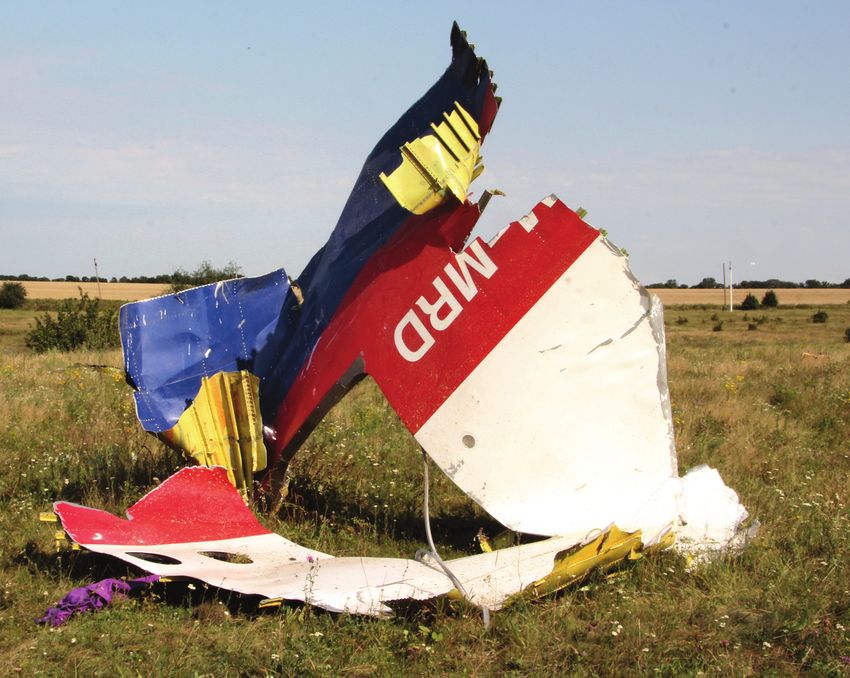
a Soviet World War II memorial in Tallinn in 2007, or the downing of a Malaysian Airlines
plane by Russian forces in eastern
Ukraine in 2014, or issues around ongo-
ing corruption and media freedom.
To an extent, the regional capacity
divide is also present in the professional
backgrounds of civil society experts
working on digital disinformation. Several
North American and Western European
respondents formerly worked in big tech,
software engineering, or data analysis.
Significantly fewer had a background in
fields often associated with CSOs and
other public-interest organizations, such
as human rights, law, international rela-
tions, or political and social science. This
suggests that CSOs responding to disin-
formation in North America and Europe
possess specific technical knowledge
more often than they do skill sets found
in public interest groups.
14 NATIONAL ENDOWMENT FOR DEMOCRACY / INTERNATIONAL FORUM FOR DEMOCRATIC STUDIESTHE ROAD AHEAD: Mapping Civil Society Responses to Disinformation
CONCLUSION AND RECOMMENDATIONS
Civil society organizations have adopted effective and innovative programs and tool-
The number and kits to combat the spread of digital disinformation as well as to advocate for better
government policies and platform accountability. From media literacy and education
diversity of CSOs
programs to developing norms and standards or conducting research and develop-
involved in combating ing tools for disinformation detection, civil society is empowering citizens and equip-
ping policy makers and platforms with evidence to counter platform deficiencies and
digital disinformation to foster technology that supports democratic rights.
has led to unique and Civil society actors working in this space face several challenges, however. Access
innovative measures, to meaningful data remains a problem, as companies increasingly restrict access
to data on public social media activity (such as posts, comments, or images that
but it has also are visible to all platform users) through their APIs and limit the availability of other
types of data relevant to the spread of disinformation on their platforms. Although
introduced coordination platforms have introduced ambitious initiatives to make large-scale datasets avail-
problems. able to researchers and CSOs, these often lack transparency about application and
evaluation processes or present only walled-garden access to selective data curated
by platforms.
The number and diversity of CSOs involved in combating digital disinformation has
led to unique and innovative measures, but it has also introduced coordination
problems as organizations working on security issues, election monitoring, human
rights advocacy, fact-checking, digital rights advocacy, and journalism come together
with different definitions and approaches to the problem. And not all organizations
are equipped with the digital skill set required to keep up with the evolving disin-
formation landscape as governments or other malicious actors continue to develop
new technologies and methods for evading detection.
CSOs are doing important work to combat digital disinformation, but greater coop-
eration from platforms—like making public data more accessible—could empower
them to do more. Interviewees also highlighted the important role of funders, and
especially the need for flexible programming that could allow projects to adapt
to the evolving disinformation landscape and the need to invest in programs that
emphasize collaboration and knowledge exchange.
Based on these findings, we make the following recommendations:
15 NATIONAL ENDOWMENT FOR DEMOCRACY / INTERNATIONAL FORUM FOR DEMOCRATIC STUDIESTHE ROAD AHEAD: Mapping Civil Society Responses to Disinformation
Make data access more inclusive: Civil society organizations and researchers should
push for public-interest access to data on platforms, asking that data be accessible to
an internationally diverse set of organizations working on different aspects of digital
disinformation. This particularly extends to data that is already in the public domain
and shared by consenting users, such as public posts, comments, or images that are
visible to all platform users. Nevertheless, this public data often remains inaccessible to
systematic research, especially since some platforms have increasingly restricted access
to aggregate-level data through their APIs. With greater API access to data in the public
domain, civil society can help platforms protect user rights and limit privacy concerns
while analysts conduct independent research about technology, society, and politics.
Greater API access would also facilitate a more even playing field for large- and small-
scale organizations that could not only carry out independent research but also study
the impact of social media platforms on society in real time.
Support Diversity: Funders should revise their strategies to include minimum levels of
investment in small organizations or short-term projects studying non-Western con-
texts and underrepresented and underprivileged groups in society. This would not only
support diversity and research innovation but also provide a greater body of empirical
work highlighting the unique perspectives of women, people of color or with disabilities,
immigrants, or other minority communities experiencing digital disinformation. Without
greater attention to these communities, civil society will not be equipped to make policy
recommendations that enhance the well-being of all technology users.
Increase Funding Flexibility: Civil society should seek—and funders should devise
mechanisms to provide—more flexibility when it comes to research contexts (for exam-
ple, social media networks, emerging events) and methodologies. Frequently, funding—
and, by extension, research—focuses on dominant platforms such as Facebook, Twit-
ter, and YouTube, with less attention to smaller networks or platforms that operate in
non-English-language contexts or are devoted to niche communities and topics. Flexible
funding arrangements would allow CSOs to adapt their research to the evolving disinfor-
mation landscape, in which elections, civil unrest, or political developments can provide
important insight into the impact of technology on society and politics.
Prioritize Skill Diffusion and Knowledge Transfer: Civil society organizations seeking
funding for counter-disinformation programming should emphasize the importance
of skill diffusion and knowledge-transfer initiatives. The siloed nature of disinformation
research points to a growing need to blend technical expertise with deep cultural and
political knowledge. Funding should emphasize programming that builds knowledge
between technical experts, civil society, and journalism, with a particular emphasis on
the Global South or smaller organizations working in understudied, under-represented,
and non-English-language contexts. This could also involve running donor-supported
“hackathons” around a particular issue or election, investing in developing detection
tools for harassment and disinformation in non-English-language contexts, or investing
in data science or open-source analysis training workshops or courses.
Improve Networking, Collaboration, and Interest Pooling: Civil society organizations
have a wealth of experience and knowledge about digital disinformation’s impact on cit-
izens, society, and democracy. While there are a growing number of initiatives that allow
organizations and activists to share their knowledge and experience with one another,
there is also a gap in meaningful and widely accessible networking events, workshops,
and roundtables. This is, in part, due to the fact that questions at the intersection of
16 NATIONAL ENDOWMENT FOR DEMOCRACY / INTERNATIONAL FORUM FOR DEMOCRATIC STUDIESTHE ROAD AHEAD: Mapping Civil Society Responses to Disinformation
social media, disinformation, and society create space for a wide range of CSOs to
participate, from digital rights communities to elections and oversight organizations,
news and fact-checking organizations, national security think tanks, and human rights
organizations. The diverse array of organizations involved in activism and advocacy
is a strength that can bring together unique perspectives, but it also introduces chal-
lenges like project redundancy which can hamper coordination and collaboration. Some
funders have begun to play a facilitating role in bringing diverse voices to the table, but
more attention and investment could be paid to initiatives that emphasize community
building and collaboration, that partner large established organizations with smaller or
growing ones, and that pool individual interests, skill sets, and expertise to accommo-
date diverse research by design rather than by coincidence. For funders, this strategy
may also be a way to manage risk when working with new organizations that have yet
to develop a portfolio: fostering collaboration between new and more experienced
organizations not only enables knowledge and skill transfer between them but may also
empower funders to support more diverse organizations.
While this space will continue to evolve, ensuring civil society has access to the
data, funding, and skills necessary to support the next generation of disinformation
research can help improve civic engagement and democratic accountability as politi-
cal communication becomes increasingly digital. Despite ongoing platform and policy
efforts, digital disinformation—foreign or homegrown, by fringe dissident or main-
stream political figures, profit-driven or politically motivated, propagated with mali-
cious intent or shared by unknowing users—continues to pose an ongoing threat to
the integrity of democracy and human rights around the globe. As part of the effort to
overcome this information crisis, CSOs provide impactful research and advocacy work.
Even more importantly, they represent the voice of the public in re-envisioning demo-
cratic discourse online.
17 NATIONAL ENDOWMENT FOR DEMOCRACY / INTERNATIONAL FORUM FOR DEMOCRATIC STUDIESTHE ROAD AHEAD: Mapping Civil Society Responses to Disinformation
APPENDIX A: CONSULTATIONS WITH CIVIL
SOCIETY EXPERTS
Interviews
In order to access rich and contextualized evidence about the practices, experiences,
and expertise of civil society actors working on issues of disinformation, we conducted
in-depth interviews with experts.7 We used semi-structured interviews with individ-
ualized questions to reveal actor-specific knowledge and address diverse contexts
and backgrounds. By opting for the “open, flexible, and interactive”8 semi-structured
approach, we could draw upon interviewees’ perspectives, experiences, and interpreta-
tions.9 Interviewees were given the choice to remain anonymous, but most allowed us
to disclose their name and affiliation. Interviews were not recorded, but we selectively
transcribed notes while conducting the interviews and quotes were shared with the
participants for their approval and adapted where required. To identify the interviewees,
we drew from the civil society inventory we developed, in addition to drawing upon our
personal and professional networks. We identified three target groups:
1. Research practitioners. These experts conduct research into various phenomena
related to disinformation and social media manipulation. They develop and deploy
research methodologies, and collect, verify, and analyze data from APIs and other
data sources.
2. Managers. These experts lead the day-to-day business of organizations and make deci-
sions on staffing, funding, and logistical aspects of research and outreach projects.
3. Policy and advocacy specialists. These experts convey the research and agendas of
CSOs to the public, policy makers, regulators, and industry. They engage with diverse
stakeholders, present findings, and undertake education and advocacy efforts.
These groups are not mutually exclusive. Experts frequently perform diverse tasks
within their organization, regardless of its size.
We interviewed eleven experts from ten organizations based in different regions, includ-
ing Africa, Asia, Europe, Latin America, and North America. Four interviewees identified
as female and seven as male. Each of the interviews lasted between thirty and forty min-
utes and was conducted over video conferencing software. Face-to-face interviews were
not possible due to restrictions related to the COVID–19 pandemic. A detailed table of
participant demographics and representative examples of our interview questions are
provided in Appendices B and C.
Survey
Several experts we approached struggled to make time for an interview despite express-
ing credible willingness to contribute to this research. Frequently, subjects pointed to new
care obligations and changing work routines arising in the context of the ongoing COVID–
19 pandemic. Given the current working climate, we decided to use a survey as a supple-
18 NATIONAL ENDOWMENT FOR DEMOCRACY / INTERNATIONAL FORUM FOR DEMOCRATIC STUDIESTHE ROAD AHEAD: Mapping Civil Society Responses to Disinformation
mentary methodology drawing from the structure and questions of our interview design.
The survey was designed to take respondents between ten to fifteen minutes to complete
and respondents were able to take a break and return to the survey at a later point in
time. We used Google Forms for the survey, which did not require a log-in or registration
from participants. This survey design accommodated the busy schedules of participants
and allowed us to obtain data from eight experts from seven organizations who otherwise
would not have been able to contribute due to work and care commitments.
Our survey data highlighted emerging trends and overarching findings, lending addi-
tional depth to our interview data. While survey data usually falls short of offering the
level of complexity that interviews can reveal, the survey complemented initial findings
from the interviews by providing additional context and nuance. Representative exam-
ples of questions from the survey are available in Appendix D. Participants were asked
to provide responses to questions relevant to their expertise and experience only.
19 NATIONAL ENDOWMENT FOR DEMOCRACY / INTERNATIONAL FORUM FOR DEMOCRATIC STUDIESTHE ROAD AHEAD: Mapping Civil Society Responses to Disinformation
APPENDIX B: INTERVIEW AND SURVEY PARTICIPANTS
INTERVIEWS
Subject Title Organization Date of Interview Region Gender
Sam Jeffers CEO Who Targets Me? August 7, 2020 United Kingdom Male
Nick Monaco Director of the Digital Institute for the August 11, 2020 United States Male
Intelligence Lab Future
Rafael Goldzweig Research Coordinator Democracy Report- August 13, 2020 Germany Male
ing International
Darko Brkan President Zaśto Ne August 13, 2020 Bosnia & Male
Herzegovina
Alexandre Executive Director EU DisinfoLab August 14, 2020 Italy Male
Alaphilippe
Chloe Colliver Head of Digital Policy Institute for Strategic August 17, 2020 United Kingdom Female
and Strategy Dialogue
Idayat Hassan Director CDD West Africa August 18, 2020 Nigeria Female
Mackenzie Project Manager for Algorithm Watch September 9, 2020 Germany Female
Nelson Governing Platforms
SURVEYS
Subject Title Organization Region Gender
Ben Nimmo Head of Investigations Graphika United States Male
Jennifer 8. Lee Co-founder at CredCo, Board Credibility Coalition, Hacks/Hackers United States Female
Member at Hacks/Hackers
Anonymous Advocacy Coordinator EU DisinfoLab Europe —
Ttcat CEO Doublethink Lab Taiwan Male
Claire Pershan Responding in Personal Capacity Formerly Internews, now EU Europe Female
DisinfoLab
Rasto Kuzel Executive Director Memo 98 Slovakia Male
Carlos Cortes Co-founder Linterna Verde Colombia Male
20 NATIONAL ENDOWMENT FOR DEMOCRACY / INTERNATIONAL FORUM FOR DEMOCRATIC STUDIESTHE ROAD AHEAD: Mapping Civil Society Responses to Disinformation
APPENDIX C: SAMPLE INTERVIEW QUESTIONS
About the Subject/Background Questions
Q.1 What is the gender of the subject (male, female, non-binary)?
Q.2 Where is your organization based?
Q.3 What is your current position and what organization do you work for?
Q.4 How long have you worked in this role?
Q.5 If you have taken on this role less than two years ago, which field or industry have
you worked in before?
Q.6 D
o you work individually or as part of a team? How many people do you directly
work with on issues related to disinformation and social media?
Q.7 W
hen did questions around disinformation, fake news, and social media manipula-
tion become relevant to your work?
Q.8 What areas and what social networks does your organization’s work focus on?
Probing Questions for Subject
Q.1a F
rom your perspective, what are the biggest challenges your organization sees with
social media and disinformation?
Q.1b O
f these challenges surrounding social media manipulation, which is the most
pressing for civil society organizations to address (hate speech, the spread of
political disinformation, social media advertising, COVID–19 conspiracy theories,
other)?
Q.2a What current strategies does your organization pursue to combat disinformation?
Q.2b O
f these strategies, which are your organization pursuing or considering (monitor-
ing, automated detection, education, policy engagement, industry engagement)?
Q.2c Where do the current strategies fall short for addressing these issues?
Q.3 C
an you detail a successful project your organization has pursued in relation to
disinformation on social media? What is your core product?
Q.4a Can you describe the decision-making process?
Q.4b W
ho are the key actors involved in decision making around these issues in your
organization? Can you describe the industry and policy stakeholders your organi-
zation is targeting?
Q.4c C
an you tell me more about the kinds of groups and audiences of disinformation
you are targeting in your work?
Q.4d What kind of steps do you take to work with the tech companies when thinking
21 NATIONAL ENDOWMENT FOR DEMOCRACY / INTERNATIONAL FORUM FOR DEMOCRATIC STUDIESYou can also read


