Digital Twin Lean Intralogistics: Research Implications - MDPI
←
→
Page content transcription
If your browser does not render page correctly, please read the page content below

applied
              sciences
Review
Digital Twin Lean Intralogistics: Research Implications
Pawel Pawlewski               , Monika Kosacka-Olejnik *             and Karolina Werner-Lewandowska

                                           Faculty of Engineering Management, Poznan University of Technology, 60-965 Poznan, Poland;
                                           pawel.pawlewski@put.poznan.pl (P.P.); karolina.werner@put.poznan.pl (K.W.-L.)
                                           * Correspondence: monika.kosacka@put.poznan.pl; Tel.: +48-616653414

                                           Abstract: This article presents research implications related to the analysis of current trends occurring
                                           in the industry and resulting from the analysis of trends in literature. A new trend is noticeable
                                           in the range of computer simulations using digital twin technologies in the optimization of intral-
                                           ogistics processes, the implementation of which is based on Lean philosophy. This article shows
                                           the connection of Industry 4.0 with Lean in the context of Digital Twin (simulation) in the area of
                                           intralogistics. A three-step methodology of literature research was developed and described. In
                                           accordance with the adopted research methodology, research questions were indicated and a detailed
                                           list of selection criteria was developed. The research methods included brainstorming and statistical
                                           analysis. The research results are presented in three sections: the results of the trend analysis, the
                                           results of the quantitative literature research, and the results of the complementary research. The
                                           research results confirm the existence of a new trend and form the basis for formulating objectives
                                           for further research.

                                           Keywords: digital twin; lean; intralogistics; digital twin lean intralogistics


Citation: Pawlewski, P.;                   1. Introduction
Kosacka-Olejnik, M.;                             This article presents the effect of research carried out in recent years by the team of
Werner-Lewandowska, K. Digital             authors. The result of the research is the authors’ thoughts on new trends and changes in the
Twin Lean Intralogistics: Research         industry. On the one hand, there is a mechanistic approach by Elon Musk in the production
Implications. Appl. Sci. 2021, 11, 1495.   of the Tesla Model 3, which was expressed by excessive automation (too many robots in
https://doi.org/10.3390/app11041495
                                           the final assembly), something that Elon Musk assessed as a mistake [1] “Yes, excessive
                                           automation at Tesla was a mistake. To be precise, my mistake. Humans are underrated”.
Academic Editor: Piera Centobelli
                                           On the other hand, there is the Toyota approach, expressed in the book [2]; today’s car
Received: 14 January 2021
                                           complexity requires a methodology such as the one developed by Toyota through many
Accepted: 3 February 2021
                                           decades. Employees are the central focus as they have the best knowledge in the range
Published: 7 February 2021
                                           of production processes. Automation is secondary and should be used to an extent not
                                           greater than absolutely necessary. Toyota first tries to understand the production process
Publisher’s Note: MDPI stays neutral
                                           very well, and only then does it introduce robots into it. In turn, 2011 saw the emergence
with regard to jurisdictional claims in
published maps and institutional affil-
                                           of an initiative of the German government called Industry 4.0 (shortened to I4.0).
iations.
                                                 The aim of the article is to present research implications related to the analysis of
                                           current trends observed in the industry and resulting from the analysis of trends in the
                                           literature. A new trend is noticeable in the range of computer simulations using digital
                                           twin technologies in the optimization of intralogistics processes, the implementation of
                                           which is based on Lean philosophy.
Copyright: © 2021 by the authors.
                                                 The main contribution of this paper is to demonstrate the research implications of
Licensee MDPI, Basel, Switzerland.
                                           the new trend referred to by the authors as Digital Twin Lean Intralogistics and justify the
This article is an open access article
distributed under the terms and
                                           need to define it based on the quantitative analysis of literature.
conditions of the Creative Commons
                                                 The paper is divided into five sections. Following the introduction, the second section
Attribution (CC BY) license (https://
                                           concerns the demonstration of the background of the presented research. It explains the
creativecommons.org/licenses/by/           rationale for undertaking research and provides arguments concerning the proposal to
4.0/).                                     introduce the concept of Digital Twin Lean Intralogistics into the terminology. The second

Appl. Sci. 2021, 11, 1495. https://doi.org/10.3390/app11041495                                              https://www.mdpi.com/journal/applsci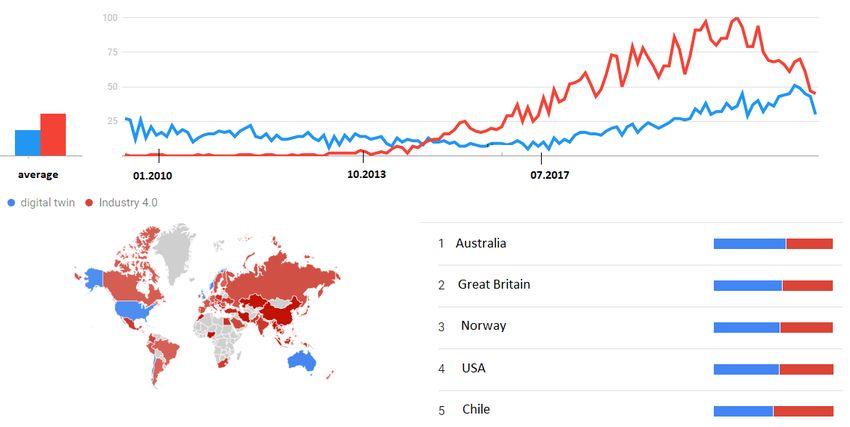
Appl. Sci. 2021, 11, x FOR PEER REVIEW 2 of 14
the rationale for undertaking research and provides arguments concerning the proposa
Appl. Sci. 2021, 11, 1495 2 of 13
to introduce the concept of Digital Twin Lean Intralogistics into the terminology. The sec
ond section presents the existing implications between the concepts of Digital Twin, Lean
and Intralogistics. The third section describes the adopted research methodology for the
section presents the existing implications between the concepts of Digital Twin, Lean,
quantitative review of the literature. The results of the conducted quantitative literature
and Intralogistics. The third section describes the adopted research methodology for the
research are
quantitative presented
review of the in section The
literature. four.results
The last section
of the presents
conducted conclusions
quantitative and outlines
literature
further are
research research.
presented in section four. The last section presents conclusions and outlines
further research.
2. Related Work
2. Related Work
In learning about complex systems (complexity of details and dynamic complexity)
In learning
simulation, dueabout complex
to its abilitysystems (complexity
to manipulate of detailsis
space-time, and
thedynamic
only toolcomplexity),
that allows us to
simulation, due to its ability to manipulate space-time, is the only tool that allows us to
grasp and understand cause-and-effect relationships distant in time and space and related
grasp and understand cause-and-effect relationships distant in time and space and related
by frequent feedback (dynamic complexity) [3].
by frequent feedback (dynamic complexity) [3].
Supply
Supply chains
chains andand factories
factories are complex
are complex and dynamic
and dynamic systems.
systems. On the Ononethe one hand
hand,
complexity results from the intricacy of manufactured products and manufacturing tech- tech
complexity results from the intricacy of manufactured products and manufacturing
nologies.
nologies.On Onthe other
the otherhand, complexity
hand, complexity is influenced by theby
is influenced structure of processes
the structure imple- imple
of processes
mented
mentedin inthe the
factory. Dynamics
factory. are the effects
Dynamics are the of changes in the
effects of market in
changes (requiring changes
the market (requiring
inchanges
the products
in theoffered)
products and internaland
offered) changes resulting
internal from
changes changes from
resulting in processes
changes imple-
in processes
mented inside factories
implemented caused by,
inside factories for example,
caused by, for changes
example, in changes
the organization of material of ma
in the organization
flows,
terial the introduction
flows, of new products,
the introduction of newtheproducts,
terminationtheoftermination
processes related to products
of processes related to
withdrawn from the offer, etc. Figure 1 presents four levels of complexity for the supply
products withdrawn from the offer, etc. Figure 1 presents four levels of complexity for the
chains and factories and the impact of external (market) and internal changes (changes in
supply chains and factories and the impact of external (market) and internal changes
processes, introduction of new and termination of old processes) on the dynamics of the
(changes
entire in processes, introduction of new and termination of old processes) on the dy
system.
namics of the entire system.
Figure 1. Levels of complexity in supply chains and factories and the impact of external and internal
Figure 1. Levels of complexity in supply chains and factories and the impact of external and inter-
changes on the dynamics of the entire system.
nal changes on the dynamics of the entire system.
We are now at a time referred to as the industrial revolution 4.0. Industry 4.0., along
Weassociated
with the are now at a time referred
involvement to as the industrial
of information revolutiontechnologies,
and communication 4.0. Industryis4.0.,
a along
with the associated involvement of information and communication
time for manufacturing companies to think about adapting and changing their current technologies, is a
production systems. Industry
time for manufacturing 4.0 is a general
companies term
to think for various
about adaptingdigital
andconcepts
changingsuch as: curren
their
the Internet ofsystems.
production Things (IoT), the Cyber-Physical
Industry 4.0 is a generalSystem (CPS),
term for Big Data,
various digitalData Analytics,
concepts such as: the
Digital
InternetTwin, Digital Shadow,
of Things (IoT), theHuman-Robot
Cyber-PhysicalCollaboration (HRC),Big
System (CPS), etc.Data,
[4]. These
Dataconcepts
Analytics, Dig
promise new potential for production planning and control.
ital Twin, Digital Shadow, Human-Robot Collaboration (HRC), etc. [4]. These concepts
The term “Industry 4.0” was used for the first time in 2011 at the Hannover trade
promise new potential for production planning and control.
fair in Germany. At this event, the German government presented the I4.0 initiative plan
The term “Industry 4.0” was used for the first time in 2011 at the Hannover trade fair
for the first time to protect the long-term competitiveness of the domestic manufacturing
in Germany.
industry [5]. A At thiscalled
group event,the
the“Industry
German4.0 government presented
Working Group” the I4.0 chaired
was created, initiative
by plan fo
the first time to protect the long-term competitiveness of the domestic
Siegfried Dais (Robert Bosch GmbH) and Henning Kagermann (Acatech). The Industry manufacturing in
dustry
4.0 concept[5].defines
A groupa new called the “Industry
organization 4.0(called
of factories Working
smartGroup” was
factories), created,
enabling chaired by
better
customer
Siegfriedservice through great
Dais (Robert Boschflexibility
GmbH)and andoptimization of resources.(Acatech). The Industry
Henning Kagermann
Appl. Sci. 2021, 11, 1495                                                                                           3 of 13

                                  The key principles for I4.0 are [6]:
                                  1. The factory becomes digital and flexible, which means continuous and immediate
                            communication between various workstations and tools integrated with production lines
                            and supply chains;
                                  2. The use of simulation and data processing tools to collect and analyze data from
                            assembly lines which are used for modelling and testing, which is of great value for
                            employees who want to better understand industrial conditions and processes;
                                  3. Factories become energy-and resource-efficient by using communication net-
                            works for the continuous and immediate exchange of information to coordinate needs
                            and availability.
                                  This approach is characterized by a strong link between processes, products, and ser-
                            vices represented by the Internet of Things. This concept was widely discussed by scientists
                            and organizations, and its high level of integration creates a working network that connects
                            the physical space and the virtual world via the Cyber-Physical System [7]. In this sense,
                            the I4.0 concept can be interpreted as a strategy to increase competitiveness in the future
                            scenario. It focuses on value-chain optimization because of dynamic and autonomously
                            controlled production [7]. As a result, it facilitates fundamental improvements in industrial
                            processes related to production, material use, supply chain, and life-cycle management.
                            Smart factories, which are already beginning to appear, are adopting a new, productive
                            approach. Intelligent products are uniquely identified. They can be located at any stage of
                            the process and one can learn about their history, current status, and alternative ways to
                            achieve the goal [7].
                                  At the same time, a new term has recently appeared: “Intralogistics”. This term is
                            particularly popular in German industries; there are many scientific articles in this area
                            from recognized German universities [8–10]. This term was defined by the Intralogistics
                            Forum Verband Deutscher Maschinen- und Anlagenbau (VDMA) [11] (p. 132) as: “The
                            organisation, control, implementation and optimisation of the internal flow of materials,
                            the flow of information and the handling of goods in industry, retail and public facilities.”
                            Other definitions can also be found, e.g., [12]: “Every dimension of logistics within the four
                            walls related to implementing, managing, monitoring and optimizing materials handling
                            and information flows.”
                                  Together with the product, process, and layout, intralogistics creates one coherent
                            system in which each element depends on the other. The layout as the central point in this
                            system plays a special role. The layout is a floor plan of the plant that locates equipment
                            according to its functions. It is the integration of the physical arrangement of departments,
                            workstations, machines, equipment, materials, common areas, etc. within the existing or
                            planned enterprise [13].
                                  A change in the product is, for example, a change in the product design, which
                            may result in changing the technology. This, in turn, affects the process structure. The
                            introduction of a new product involves the design of a new process, and the implementation
                            of a new process in the same factory results in changes in layout as well as changes in
                            supporting intralogistic processes. Figure 2 shows three instances of how the situation
                            in the factory has changed: first, three processes P1, P2, P3 were implemented; then,
                            process P4 was introduced in place of P2 and P3, and then process P5 instead of process
                            P4, which does not share common positions with process P1 but uses the same transport
                            infrastructure. The described situation took place in a large factory producing parts for the
                            automotive industry and is characteristic for short series of products.
                                  Another situation is a change in the organization of intralogistic processes based on,
                            for example, forklifts into processes based on logistics trains; the main process remains
                            unchanged while the processes of supplying workstations and receiving finished products
                            change completely.
Appl. Sci. 2021, 11, 1495 4 of 13
Appl. Sci. 2021, 11, x FOR PEER REVIEW 4 of 14
Figure 2. Factory layout dynamics.
Figure 2. Factory layout dynamics.
Another situation is a change in the organization of intralogistic processes based on,
for example,
Another forklifts
situationinto is a processes
change in based on logisticsoftrains;
the organization the main
intralogistic processbased
processes remainson,
unchanged
for example, while the processes
forklifts of supplying
into processes based on workstations and receiving
logistics trains; the mainfinished
processproducts
remains
Figure 2.
change
unchanged Factory
completely.
while layout
the dynamics.
processes of supplying workstations and receiving finished prod-
Figure 2. Factory layout dynamics.
Data
ucts change availability
completely. (thanks to the IoT and Digital Twin) makes it possible to increase the
Data availability (thanks to the IoT and Digital Twin) makes it possible to increase the
efficiency
Data
efficiency of
Another production
availability
of production planning
(thanks
situation isplanning
a change and
to the
and
in the control
IoT
control [14].
and[14].
Digital
organization Lean
Lean of manufacturing
Twin) makes it
manufacturing
intralogistic system
possible
system
processes managers
to increase
managers
based on,
keep
the
keep asking
askingthemselves
forefficiency
example, of production
themselves
forklifts how
intohow to integrate
to integrate
planning
processes and
based these
these
onnewnewopportunities
control opportunities
[14].
logistics with
Lean manufacturing
trains; thewith
main thethe existing
process system
existing philos-
man-
philos-
remains
ophy
agers
ophy and
keep optimization
asking
and optimization
unchanged themselvesprojects.
while the processes how It
projects. of is
to
It is currently
integrate uncertain
these
currentlyworkstations
supplying new
uncertain whether whether the
opportunities I4.0 approach
with
the I4.0 finished
and receiving the willwill
existing
approachprod-
replace
replace
philosophy or revive
or revive
ucts change and Lean Manufacturing [4]. There are articles whose
Lean Manufacturing [4]. There are articles whose authors give examples
optimization
completely. projects. It is currently uncertain authors
whether thegive
I4.0 examples
approach
that
thatLean
will Dataand
Lean
replace orI4.0
and I4.0 should
should
revive
availability Lean be
(thanks treated complementarily
beManufacturing
treated
to thecomplementarily
IoT and[4]. There
Digital [9,15].
[9,15].
are articles
Twin) makes itwhose authors
possible give ex-
to increase
the The
amples The connection
connection
that
efficiency Lean and of Leanshould
ofI4.0
of production with
with I4.0
I4.0
planning and
beand the
andthe
treated location
location ofofsimulation
complementarily
control [14]. simulation
Lean regarding
regarding
[9,15].
manufacturing intralogistics
intralogistics
system man-
processes
processes
agersThe isisshown
connection
keep asking in
inofFigure
shownthemselves Lean with which
3,how
which to is
I4.0 is
andinspired
inspired
integrate bybythe
the location
these thesiemens.com
new ofsiemens.com website
simulationwebsite
opportunities the[16].
with [16].
regarding intralogis-
existing
philosophy
tics processesand optimization
is shown projects.
in Figure 3, whichIt is currently
is inspired uncertain whether the I4.0
by the siemens.com approach
website [16].
will replace or revive Lean Manufacturing [4]. There are articles whose authors give ex-
amples that Lean and I4.0 should be treated complementarily [9,15].
The connection of Lean with I4.0 and the location of simulation regarding intralogis-
tics processes is shown in Figure 3, which is inspired by the siemens.com website [16].
Figure 3. Industry 4.0 and Lean connection in the context of Digital Twin—based on [16].
Figure3.3.Industry
Figure Industry4.0
4.0 and
and Lean connection
connectionin
inthe
thecontext
contextofofDigital
Digital Twin—based
Twin—based onon [16].
[16].
3. Methodology
3.3. Methodology
Methodology
Figure 3. Industry
In this study,4.0
theand Lean connection
following in the
research context of Digital
methodology was Twin—based on [16].
chosen (Figure 4) considering
Inthis
In thisstudy,
study, the
the following
following research
research methodology
methodology was
waschosen
chosen(Figure 4) 4)
(Figure considering
considering
works [17,18].
works
works [17,18].
[17,18].
3. Methodology
Referring to Figure 4, a three-stage study was conducted to demonstrate research impli-
Referring
Inin
this to Figure 4, a three-stage study was conducted to demonstrate research
cations thestudy,
rangetheof following research
Digital Twin Leanmethodology
Intralogistics.was chosen (Figure 4) considering
implications
works [17,18]. in the range of Digital Twin Lean Intralogistics.
Referring to Figure 4, a three-stage study was conducted to demonstrate research impli-
cations in the range of Digital Twin Lean Intralogistics.Appl.
Appl.Sci. 11,1495
2021,11,
Sci.2021, x FOR PEER REVIEW 55of
of13
14
Figure 4. Research
Figure4. Research methodology.
methodology.
Stage Planning. At
Stage I:I: Planning. At this
this stage,
stage, studies
studies were
were planned
planned that
that concerned
concerned the
the justification
justification
of research on the presented topic (step 1.1.), the determination of
of research on the presented topic (step 1.1.), the determination of research questions research questions
(step
(step 1.2.), and the specification of detailed selection criteria (step 1.3.).
1.2.), and the specification of detailed selection criteria (step 1.3.).
In order to justify undertaking research on the implication of the Digital Twin, Lean,
In order to justify undertaking research on the implication of the Digital Twin, Lean, and
and Intralogistics concepts, in accordance with the adopted methodology, a trend analysis
Intralogistics concepts, in accordance with the adopted methodology, a trend analysis was
was performed. The authors used Google Trends, which allows the analysis of words and
performed. The authors used Google Trends, which allows the analysis of words and
phrases entered by users into the Google search engine. The results show the popularity of
phrases entered by users into the Google search engine. The results show the popularity
a search term within a given period and in a selected region. Data in Google Trends are
of a search term within a given period and in a selected region. Data in Google Trends are
normalized and presented in the range of 0 to 100. Normalization consists of finding the
normalized and presented in the range of 0 to 100. Normalization consists of finding the
day on which Internet users in a given region and at a given time most often ask for the
day on which Internet users in a given region and at a given time most often ask for the
selected term in the Google search engine (compared to all searches in a given area and
selected term in the Google search engine (compared to all searches in a given area and
time). The obtained result is marked as 100. The following days are given numbers from 0
time). The obtained result is marked as 100. The following days are given numbers from
to 100 in proportion to the highest score.
0 to 100
In the in proportion
study relatedto the
to highest score.of trends, the following preliminary research
the analysis
In the
question wasstudy related
posed to the analysis
(hereinafter referredoftotrends,
as pRQ):the following preliminary research ques-
tion was posed (hereinafter referred to as pRQ):
• pRQ1: What is the extent of interest in terms such as: “digital twin”, “intralogistics”,
pRQ1:
“lean What is the extent
intralogistics”, of interest
or “digital in terms
twin lean such as: “digital twin”, “intralogistics”,
intralogistics”?
• “lean intralogistics”, or “digital twin lean intralogistics”?
pRQ2: Has the digital revolution/Industry 4.0 influenced an increase in interest in
pRQ2: twin?
digital Has the digital revolution/Industry 4.0 influenced an increase in interest in
digital twin?
The research question pRQ1 results directly from the purpose of the research, while
pRQ2The is aresearch question pRQ1
kind of derivative results
question directly afrom
indicating the purpose
relationship of theI4.0
between research, while
and Digital
pRQ2 is a kind of derivative question indicating
Twin technology, which was discussed in Section 2 of the article. a relationship between I4.0 and Digital
TwinThetechnology,
results of which
the studywasofdiscussed in Section
trend analysis 2 of the
allowed the definition
article. of the main research
The results
questions of the
according study1.2.
to step of of
trend
the analysis
adopted allowed
researchthe definition
cycle of the main
methodology. research
It is therefore
held that it is justified to conduct a literature analysis related to concepts such as Digital
questions according to step 1.2. of the adopted research cycle methodology. It is therefore
held that it is justified to conduct a literature analysis related to concepts such as DigitalAppl. Sci. 2021, 11, 1495 6 of 13
Twin, Lean intralogistics, and Digital Twin Lean Intralogistics. After justifying the need for
literature research, research questions (RQ) were developed:
• RQ1: Is scientific research related to digital twin being undertaken?
• RQ2: Is research on intralogistics being undertaken?
• RQ2: Is research on lean intralogistics being undertaken?
• RQ3: Is the application of digital twin in intralogistics based on lean philosophy being
studied in the range of research on digital twin?
In accordance with the adopted research methodology, in response to the indicated re-
search questions (RQ1–RQ3), a detailed summary of the selection criteria used (hereinafter
SC) was developed (step 1.3.). It is presented in Table 1.
Table 1. Selection criteria definition (SC).
No Selection Criteria
1 Keyword ID Description
Digital twin, digital–twin, digital twean,
H1
digital-twean, digital twins, digital-twins
H2 Intralogistics, intralogistics
H3 Lean intralogistics, lean intralogistic
H4 H1 + H3
2 Boolean operators AND, OR
3 Search range Z1 Title, abstract, keywords
Z2 Title
4 Time without limitation
5 Language English
6 Publication type without limitation
7 Research area without limitation
8 Databases WoS, Scopus
The research used several keywords (H1, H2, H3, H4) which combined issues such
as digital twin, intralogistics, and lean, in accordance with the needs expressed in RQ.
The keywords were presented in different notation variants. The literature research was
planned to be carried out using logical operators AND, OR, making the appropriate
combinations of keywords in the title, abstract, or keywords (Z1), or just in the title (Z2).
There were no restrictions on the publication date, type of publication, or research area.
However, due to the language of publication, searches were limited to English, which
stemmed from the assumption that the relevant studies are mainly written in this language.
The abstract and citation databases used in the research included Web of Science and
Scopus. The selected databases are mainly used internationally in management studies
and are also chosen by online libraries of major universities. In the authors’ opinion,
these databases proved to be the best in terms of the collection of scientific publications,
and provided a great combination of variables, useful for performing the systematic
literature review.
Stage II: Selection and Analysis. Three steps were taken at this stage. In the first
step, specified as the preliminary selection (step 2.1), query strings for each database were
defined considering the required keywords and search range in the frame of the research
questions (RQ). The analysis began with a broad approach to the topic (digital twin) in
accordance with RQ1. Then, in order to obtain an answer to RQ2, an analysis of publications
on the issue of “intralogistics” and RQ 4 “lean intralogistics” was conducted. In accordance
with RQ4, publications including the issues of “digital twin lean intralogistics” were also
examined. The publications, which were selected in step 2.1, were subjected to an abstractAppl.
Appl.Sci. 11,1495
2021,11,
Sci.2021, x FOR PEER REVIEW 77ofof1314
analysis.
an abstractIn the next step
analysis. (step
In the 2.3),
next stepthe full 2.3),
(step textsthe
of publications were examined,
full texts of publications werewhich,
exam-
after
ined,analyzing
which, aftertheanalyzing
abstracts,the
were considered
abstracts, weretoconsidered
have the potential to obtain
to have the answers
potential to
to obtain
RQ2 and RQ3.
answers to RQ2 and RQ3.
Stage
StageIII:
III:Final remarks.At
Finalremarks. Atthethefinal
finalstage
stageofofresearch,
research,final
finalremarks
remarkswere
weredefined
defined
(step
(step3.1),
3.1),which
whichshould
shouldbebeassociated
associatedwith
withresearch
researchquestions
questions(RQ),
(RQ),asasshown
shownininTable
Table2.2.
Table2.2.Quantitative
Table Quantitativeliterature
literaturereview—Research
review—Researchresults
results(as
(asofof12.01.2021).
12.01.2021).
RQ
RQ Keyword
Keyword Search
Search RangeRange WoS WoS Scopus
Scopus
RQ1
RQ1 H1 H1 Z1 Z1 1432 1432 28542854
Z2 Z2 711 711 13871387
RQ2
RQ2 H2 H2 Z1 Z1 114 114 210 210
Z2 Z2 46 46 124 124
RQ3
RQ3 H3 H3 Z1 Z1 0 0 17 17
Z2 Z2 0 0 0 0
RQ4
RQ4 H4 H4 Z1 Z1 0 0 0 0
Z2 Z2 0 0 0 0
Inthe
In theliterature
literatureresearch,
research,the theindicated
indicatedtermsterms(H1, (H1,H2, H2,H3,H3,H4) H4)were
wereanalyzed
analyzedin inaa
broad context (expressed in Z1) and then narrowed to Z2.
broad context (expressed in Z1) and then narrowed to Z2. Due to the broader context, Due to the broader context,
searchingin
searching inthe
theZ1 Z1range
rangeresulted
resultedin inbetter
betterquantitative
quantitativeresults results(e.g.,
(e.g.,searching
searchingin inthe
theZ1
Z1
range in the Scopus database gathered 206% more results than
range in the Scopus database gathered 206% more results than in the Z2 range). However, in the Z2 range). However,
ititwas
wasrecognized
recognizedthat thatforforissues
issuessuch
suchas asH1
H1andandH2,H2,which
whichare aregeneral
generalconcepts,
concepts,searches
searches
limited to the title of the publication (Z2) garnered better results from the perspective ofof
limited to the title of the publication (Z2) garnered better results from the perspective
answering the
answering theresearch
researchquestions;
questions;these theseconcepts
conceptsshould
shouldbe beincluded
includedififthe thepublication
publication
concerns
concernsthem.
them. Despite
Despite thethe limitation
limitation of ofthe
thescope
scopeof ofthethesearch
searchforforconcepts
conceptsH1 H1andandH2,
H2,
the
thenumber
numberof ofpublications
publicationsisissignificant,
significant,and andthat
thatisisininspite
spiteofofthe
thenovel
novelcharacter
characterofofthese
these
concepts.
concepts.In Inthe
thecase
caseofofcomplex
complexissuesissuesexpressed
expressedin interms
termsH3 H3andandH4,H4,ititwas
wasconsidered
considered
worth searching for results in a wider way. After all, for the H3 term, which combined
worth searching for results in a wider way. After all, for the H3 term, which combined
“lean” and “intralogistics”, only 17 publications in Scopus were identified and analyzed.
“lean” and “intralogistics”, only 17 publications in Scopus were identified and analyzed.
The
Thetest
testresults
resultswere
wereprepared
prepared in in
thethe
formformof aofreport
a report(step 3.2) 3.2)
(step in accordance withwith
in accordance the
research methodology
the research methodology (Figure 4). They
(Figure are described
4). They are described in Section
in Section4 of4the article:
of the Results.
article: Results.
4.4.Results
Results
4.1.
4.1.Trend
TrendAnalysis
AnalysisResults
Results
In
Inreference
referencetotopRQ1,
pRQ1,Google Trends
Google waswas
Trends searched to verify
searched global
to verify interest
global in the in
interest term
the
“digital twin”. The research concerned the period from 1 January 2010 to 12 January
term “digital twin”. The research concerned the period from 1 January 2010 to 12 January 2021.
The scope of the study covered the whole world. The results are shown in Figure 5.
2021. The scope of the study covered the whole world. The results are shown in Figure 5.
Figure 5. Global extent of interest in the term “digital twin” (concerns the period 1 Jan 2010–12 Jan 2021).Appl. Sci. 2021, 11, x FOR PEER REVIEW 8 of 14
Appl. Sci. 2021, 11, 1495 8 of 13
Figure 5. Global extent of interest in the term “digital twin” (concerns the period 1 Jan 2010–12 Jan
2021).
According to the data in Figure 5, it is noted that interest in digital twin has clearly
According to the data in Figure 5, it is noted that interest in digital twin has clearly
increased since 2016 and the growing trend may continue. The greatest interest in the term
increased since 2016 and the growing trend may continue. The greatest interest in the term
“digital twin”, according to Google Trends, occurred in Asia and Europe. The authors
“digital twin”, according to Google Trends, occurred in Asia and Europe. The authors link
link the growing interest in digital twin among Internet users to the birth of the industrial
the growing interest in digital twin among Internet users to the birth of the industrial
revolution, called the era of the digital revolution Industry 4.0, whose element is digital
revolution,
twin, called the
as mentioned era of the
in Section 2 ofdigital revolution Industry 4.0, whose element is digital
this article.
twin,The
as authors
mentioned in Section
expressed this2relationship
of this article.
in a research question, pRQ2. In order to find
answers to pRQ2, the authors examined how in
The authors expressed this relationship a research
trends question,
in interest in thepRQ2.
terms In order to 4.0”
“Industry find
answers to pRQ2, the authors examined how trends
and “digital twin” are evolving. Figure 6 shows the results. in interest in the terms “Industry 4.0”
and “digital twin” are evolving. Figure 6 shows the results.
Figure Trends in
Figure6.6. Trends in interest
interestin
inthe
theterms
terms“Industry
“Industry 4.0”
4.0” (red
(red line)
line) andand “digital
“digital twin”
twin” (blue
(blue line)line)
(concerns
(concernsthe
theperiod
periodfrom
from11Jan
Jan2010–12
2010–12Jan
Jan2021).
2021).
The data in Figure 6 clearly indicate that, along with the emergence of interest in
The data in Figure 6 clearly indicate that, along with the emergence of interest in
Industry 4.0, interest in the term “digital twin” also increased, with the highest level of
Industry 4.0, interest in the term “digital twin” also increased, with the highest level of
interest recorded in Australia, Europe and the USA. It is also worth noticing that until
interest recorded in Australia, Europe and the USA. It is also worth noticing that until
2014 interest in digital twin was higher than interest in I4.0. A detailed explanation of
2014 interest in digital twin was higher than interest in I4.0. A detailed explanation of this
this phenomenon may be the subject of other studies. During the last year, the pandemic
phenomenon may be the subject of other studies. During the last year, the pandemic situ-
situation has changed the global trend, so the interest rate in digital twin as well as in I4.0
ation has changed the global trend, so the interest rate in digital twin as well as in I4.0 has
has been decreasing. However, when it comes to the relationship between digital twin and
been decreasing. However, when it comes to the relationship between digital twin and
I4.0, the authors relate growing interest in digital twin, influenced by the development of
I4.0, the authors relate growing interest in digital twin, influenced by the development of
I4.0, to the fact that the digital revolution somehow “promoted” or continues to promote IT
I4.0, to the fact that the digital revolution somehow “promoted” or continues to promote
solutions that are integral to its development. This may be demonstrated by the growing
IT solutions
interest that areusers
of Internet integral to concept
in the its development.
of the IoT,This
themay
ideabeofdemonstrated
which lies at by
thethe grow-
heart of
ingdigital
the interest of Internet
age; users
digital twin in the concept
solutions are oneofofthe
theIoT,
IoTthe idea of which
technologies. lies 7atshows
Figure the heart
how of
the digital age; digital twin
interest in these terms is shaped.solutions are one of the IoT technologies. Figure 7 shows how
interest in thesetoterms
According is shaped.
the data in Figure 7, since 2010, the greatest interest among the analyzed
trends was related to the Internet of Things, or IoT (these terms mean the same thing, but
can be entered in the search engine differently). The greatest interest on a global scale is
noted in mostly European countries, as well as in Australia. It is also worth noting that at
the time when the IoT reached maximum values according to the Google Trends method,
interest in digital twin began to increase. This proves, in the authors’ opinion, that Internet
users are looking for IT tools and technologies generally called Industry 4.0. Both Digital
Twin and IoT are digital technologies that are part of I4.0, but Digital Twin can use IoT
(see Figure 3). An increase in IoT possibilities results in an increase in possibilities for
monitoring the on-line production process, i.e., an increase in the possibility of reading
(collecting) data online and using them directly in Digital Twin. Therefore, in the authors’
opinion, one can expect an increased interest in Digital Twin in the coming years as a result
of the expansion of the IoT concept.Appl. Sci. 2021, 11, 1495 9 of 13
Appl. Sci. 2021, 11, x FOR PEER REVIEW 9 of 14
Figure 7. Trends in interest in the terms “Industry 4.0” (red line), “digital twin” (blue line), “Inter-
net of Things” (yellow line), and “IoT” (green line) (concerns the period 1 Jan 2010–12 Jan 2021).
According to the data in Figure 7, since 2010, the greatest interest among the analyzed
trends was related to the Internet of Things, or IoT (these terms mean the same thing, but
can be entered in the search engine differently). The greatest interest on a global scale is
noted in mostly European countries, as well as in Australia. It is also worth noting that at
the time when the IoT reached maximum values according to the Google Trends method,
interest in digital twin began to increase. This proves, in the authors’ opinion, that Internet
users are looking for IT tools and technologies generally called Industry 4.0. Both Digital
Twin and IoT are digital technologies that are part of I4.0, but Digital Twin can use IoT
(see Figure 3). An increase in IoT possibilities results in an increase in possibilities for
monitoring the on-line production process, i.e., an increase in the possibility of reading
Figure 7. Trends
(collecting) datainonline
interestandin the termsthem
using “Industry 4.0”in
directly (red line), Twin.
Digital “digitalTherefore,
twin” (bluein line),
the “Internet
authors’
ofFigure
Things”7. Trends
(yellow in interest
line), and in the terms
“IoT” (green “Industry
line) 4.0” (red
(concerns the line), “digital
period 1 Jan twin” (blue
2010–12 Jan line), “Inter-
2021).
opinion, one can
net of Things” expect
(yellow line),anandincreased
“IoT” (greeninterest in Digitalthe
line) (concerns Twin in 1the
period Jan coming
2010–12 Jan years as a
2021).
result of the expansion of the IoT concept.
Similar to the study of the term “digital twin”, an analysis of the interest-related trend
Similar
Accordingto the study of the term “digital twin”, an analysis of the interest-related trend
concerning issuestosuchthe data in Figure
intralogistics, 7, since
lean 2010, the
intralogistics greatest interest
and digital twinamong the analyzed
lean intralogistics
concerning
trends issues
waswithrelated such intralogistics,
to theto Internet lean intralogistics and digital twin lean intralogistics
was made, reference pRQ1. of Things,
Figure or IoTthe
8 shows (these
globalterms mean
extent the same
of interest in thing, but
the term
was
can made,
be with reference
entered in the to pRQ1.
search engine Figure 8 showsThe
differently). the greatest
global extent of interest
interest on a in thescale
global termis
“intralogistics”.
“intralogistics”.
noted in mostly European countries, as well as in Australia. It is also worth noting that at
the time when the IoT reached maximum values according to the Google Trends method,
interest in digital twin began to increase. This proves, in the authors’ opinion, that Internet
users are looking for IT tools and technologies generally called Industry 4.0. Both Digital
Twin and IoT are digital technologies that are part of I4.0, but Digital Twin can use IoT
(see Figure 3). An increase in IoT possibilities results in an increase in possibilities for
monitoring the on-line production process, i.e., an increase in the possibility of reading
(collecting) data online and using them directly in Digital Twin. Therefore, in the authors’
opinion, one can expect an increased interest in Digital Twin in the coming years as a
result of the expansion of the IoT concept.
Similar to the study of the term “digital twin”, an analysis of the interest-related trend
concerning issues such intralogistics, lean intralogistics and digital twin lean intralogistics
was made, with reference to pRQ1. Figure 8 shows the global extent of interest in the term
“intralogistics”.
Figure 8. Global trend of interest in the term “intralogistics” (concerns the period 1 Jan 2010–12 Jan 2021).
Figure 8. Global trend of interest in the term “intralogistics” (concerns the period 1 Jan 2010–12 Jan
2021).
The data presented in Figure 8 indicate that, since 2010, the trend of interest in the term
“intralogistics” has been significantly dynamic, jumping and falling with a simultaneous
growing trend that, in the authors’ opinion, will continue. It is also worth noting that the
term “intralogistics” is most often searched for in Western European countries, including
Germany, where originates from, as previously mentioned in Section 2 of the article.
The analysis of trends related to interest in the term “lean intralogistics” showed that,
according to Google Trend data since 2010, no one has searched for this term globally in
the Google search engine.
After the individual analysis of the trends of each of the analyzed terms, a collective
comparison of three terms was made: “digital twin”, “lean”, and “intralogistics”, and the
term that is the subject of the article, “digital twin lean intralogistics”. The results of the
analysis of these terms treated individually are presented in Figure 9.
Figure 8. Global trend of interest in the term “intralogistics” (concerns the period 1 Jan 2010–12 Jan
2021).The analysis of trends related to interest in the term “lean intralogistics” showed that,
according to Google Trend data since 2010, no one has searched for this term globally in
the Google search engine.
After the individual analysis of the trends of each of the analyzed terms, a collective
Appl. Sci. 2021, 11, 1495 comparison of three terms was made: “digital twin”, “lean”, and “intralogistics”, and 10 ofthe
13
term that is the subject of the article, “digital twin lean intralogistics”. The results of the
analysis of these terms treated individually are presented in Figure 9.
Figure9.9.Global
Figure Global interest
interestin
in the
the terms:
terms: digital
digital twin
twin +
+ lean
lean ++ intralogistics
intralogistics ++digital
digitaltwin
twinlean
leanintralo-
intralo-
gistics (concerns the period 1 Jan 2010–12 Jan
gistics (concerns the period 1 Jan 2010–12 Jan 2021). 2021).
In
Inrelation
relationtoto
thethe
whole phrase
whole “Digital
phrase Twin Twin
“Digital Lean Intralogistics”, according
Lean Intralogistics”, to Google
according to
Trend
Google data, since
Trend 2004since
data, such 2004
a wording
such has not beenhas
a wording searched
not been for searched
globally on forGoogle.
globally on
The compensation of trends in one chart allowed the formulation of answers to pRQ1.
Google.
The greatest interest among
The compensation of Google
trends users
in one applies
chart to the termthe
allowed “Digital Twin” in
formulation ofcomparison
answers to
with
pRQ1. theThe
term “Intralogistics”.
greatest For both
interest among terms,
Google highapplies
users dynamics to theand an upward
term “Digital trend
Twin”arein
noticeable,
comparisonwhich indicates
with the a progressive interest
term “Intralogistics”. For both in terms,
these areas. Analyzing
high dynamics andtrends using
an upward
Google
trend areTrend also showed
noticeable, whichthat, until December
indicates 2020, the
a progressive termsin
interest “Lean
theseintralogistics”
areas. Analyzing and
“Digital Twin Lean
trends using GoogleIntralogistics” had not been
Trend also showed searched
that, until for, indicating
December 2020, the a research
terms “Lean gap. in-
The conclusion
tralogistics” resulting
and “Digital TwinfromLeanthis part of the had
Intralogistics” research became
not been searcheda premise for con-
for, indicating
tinuing studies
a research gap. in the form of quantitative literature research on the issue of digital
twin lean intralogistics.
The conclusion resulting from this part of the research became a premise for con-
tinuing studies in the form of quantitative literature research on the issue of digital
4.2. Results of the Quantitative Literature Research
twin lean intralogistics.
According to the adopted research methodology (Figure 4), quantitative literature
4.2 Results of the Quantitative Literature Research
studies were performed after the trend analysis. The research was conducted in January
2021. According
The resultstoofthe
theadopted research
quantitative methodology
literature research (Figure
related to 4),terms
quantitative
such as literature
“Digital
studies“digital–twin”,
twin”, were performed after twin”,
“digital the trend analysis. The“digital
“digital-twin”, research was conducted
twins”, “digital-twins” in January
(H1),
2021. The results
“Intralogistics”, of the quantitative
“intralogistics” literature
(H2), “Lean research related
intralogistics”, to terms
and “lean such as “Digital
intralogistics” (H3),
twin”,
and H1“digital–twin”,
and H3 combined “digital twin”, “digital-twin”,
are presented in Table 3. The “digital
data intwins”,
Table 3“digital-twins”
refer to the number (H1),
of publications for which, according to Table 2, Z2 was adopted for the search range. (H3),
“Intralogistics”, “intralogistics” (H2), “Lean intralogistics”, and “lean intralogistics”
and H1 and H3 combined are presented in Table 3. The data in Table 3 refer to the number
Table 3. Summaryfor
of publications of the literature
which, reviewto
according (12.01.2021).
Table 2, Z2 was adopted for the search range.
Keyword H1 H2 H3 H4
Database WoS 1 S 2 WoS 1 S 2 WoS 1 S 2 WoS 1 S2
till 2014 5 17 8 48 0 0 0 0
2015 1 1 1 3 0 0 0 0
2016 5 8 3 9 0 0 0 0
2017 32 48 5 9 0 0 0 0
2018 129 155 8 15 0 0 0 0
2019 268 417 17 24 0 0 0 0
2020 264 701 4 16 0 0 0 0
2021 7 40 0 0 0 0 0 0
TOTAL 711 1387 46 124 0 0 0 0
first publication 1973 1973 2005 2004
max. number of
268 701 17 24
papers per year
% share of papers
74.82% 80.61% 45.65% 32.26%
(2019–2020)
1 Web of Science, 2 Scopus.
Despite the fact that in both WoS and Scopus databases publications whose titles
concerned digital twin (H1) or intralogistics (H2) were identified, in the case of “lean
intralogistics” or “lean intralogistic”, no work meeting the indicated selection criteria
was found.Appl. Sci. 2021, 11, 1495 11 of 13
The term Digital Twin Lean Intralogistics was not identified in either of the databases,
regardless of the scope used (Z1 or Z2), which again proves the existence of a research gap
in this area.
4.3. Results of Complementary Research
Having conducted quantitative literature research related to publications on the
concepts studied and done in accordance with the adopted methodology, complementary
studies were carried out. Firstly, based on the data from Table 3, tendency in publishing
was assessed (see Figure 10). Complementary studies supplement the analysis of trends
Appl. Sci. 2021, 11, x FOR PEER REVIEW 12 of 14
carried out in the first stage of the research cycle (Planning).
Figure 10.
Figure Trends in publications related to terms in H1 and H2.
10. Trends
As thecorrelation
Next, results from Figurethe
between 10 number
show, inofeach case, the function
publications related toreflecting the trend
Digital Twin (H1)
lines is growing (a > 0), which confirms the growing number of publications
and Intralogistics (H2) was examined. To demonstrate the relationship, the Pearson’s cor- related to the
research subject. Considering the results of analysis from the last
relation coefficient rxy was used and the coefficient of determination R2 was calculated. five years (2016–2021)
and number
The the trendoffunctions,
publications it isrelated
expected that theTwin
to Digital totalwas
numberadoptedof publications
as variable on digital
x and the
twin willofgrow
number to the value
publications of 1114 in 2021
on Intralogistics in Scopus
was adopted asand
y. Theto the valuewere
analyses of 366 in WOS.
made sep-
The interest
arately rate on intralogistics
for publications identified inshould
the Webbe of
growing, too, Scopus
Science and but thedatabases.
growth rate Theisresults
rather
small. As a consequence,
are presented in Table 4. it should be noted that digital twin is becoming a highly explored
research topic.
TableNext, correlation
4. Pearson’s between
coefficient the number
and coefficient of publications
of determination for therelated
analyzedto Digital Twin
population (H1)
of pub-
and Intralogistics
lications. (H2) was examined. To demonstrate the relationship, the Pearson’s
correlation coefficient rxy was used and the coefficient of determination R2 was calculated.
TheCorrelation
number ofCoefficients
publications related to Digital WoS Twin was adopted as variable Scopus x and the
r 0.82
number of publications on Intralogistics was adopted as y. The analyses
xy 0.80 were made
separately for publications identified in the Web of Science and Scopus databases. The
R 2 67% 64%
results are presented in Table 4.
As the data in Table 4 show, there is a positive correlation between publications re-
Table to
lated 4. Pearson’s
Digital Twin coefficient and coefficient of
and Intralogistics. determination
Along for the analyzed
with an increase in the population
number ofofpublica-
publica-
tions. in the Digital Twin area, the number of publications on Intralogistics also increased.
tions
The analysis did not include 2021 as this is too short a period so far.
Correlation Coefficients WoS Scopus
5. Discussion rand
xy Conclusions 0.82 0.80
R2 67% 64%
The main goal of the article was to demonstrate the research implications of a new
trend in computer simulations using digital twin technologies to optimize intralogistics
processes, the implementation of which is based on Lean philosophy, named Digital Twin
Lean Intralogistics by the authors. According to the authors, this trend is a consequence
of current trends noticeable in the industry, as presented in Section 2.
In order to demonstrate the research implications, quantitative literature studies
were carried out in accordance with the adopted methodology (Section 3) and the resultsAppl. Sci. 2021, 11, 1495 12 of 13
As the data in Table 4 show, there is a positive correlation between publications related
to Digital Twin and Intralogistics. Along with an increase in the number of publications
in the Digital Twin area, the number of publications on Intralogistics also increased. The
analysis did not include 2021 as this is too short a period so far.
5. Discussion and Conclusions
The main goal of the article was to demonstrate the research implications of a new
trend in computer simulations using digital twin technologies to optimize intralogistics
processes, the implementation of which is based on Lean philosophy, named Digital Twin
Lean Intralogistics by the authors. According to the authors, this trend is a consequence of
current trends noticeable in the industry, as presented in Section 2.
In order to demonstrate the research implications, quantitative literature studies were
carried out in accordance with the adopted methodology (Section 3) and the results of these
studies (Section 4) indicated a research gap in the area of research on the use of digital twin
technology in the optimization of intralogistics processes, the implementation of which is
based on Lean philosophy.
Considering the results of individual stages of research, in accordance with the
adopted research methodology, as well as the results of complementary studies, the authors
conclude that:
1. There is an implication between Digital Twin and Intralogistics, as shown by the
results of the trend analysis and the values of the Pearson’s coefficient and coefficient
of determination. Changes in the number of publications related to intralogistics were
67% for data from WoS and 64% for data from Scopus, conditioned by changes in
the number of publications related to digital twin. The remaining part of the change
results from other factors that were not analyzed. However, it should be remembered
that both examined correlation coefficients only focus on the strength and direction
of the relationship between the analyzed variables. They do not indicate a cause-
and-effect relationship. Such a relationship can only be demonstrated through an
in-depth qualitative analysis of selected publications. Such analyses are the subject of
the authors’ further scientific research.
2. Interest in the terms “Digital Twin” and “Intralogistics” is increasing (pRQ1). Both of
these issues are also the subject of scientific research, as evidenced by the growing
number of publications related to them (RQ2 and RQ3).
3. Growing interest in digital twin technology is determined by the emergence of the
I4.0 concept (pRQ2) and related IoT solutions, as confirmed by the trend analysis in
Google Trends.
4. There is a research gap in the range of Lean Intralogistics (RQ3), as evidenced by the
lack of publications on this subject in the WoS and Scopus databases, undertaking the
context of optimizing intralogistics in the spirit of lean philosophy.
5. No publications regarding research on the use of digital twin in intralogistics based
on lean philosophy (RQ4) were identified and until 2021 the term “Digital Twin Lean
Intralogistics” had not been searched for in the Google search engine.
On the basis of the obtained research results, the authors define a further two-step
research direction. The first stage consists of conducting in-depth qualitative literature
research on the issue of Digital Twin Lean Intralogistics in order to fully define the term
“Digital Twin Lean Intralogistics”, extending the scope of research using databases such as
IEEE (Institute of Electrical and Electronics Engineers) Explore and IFAC (International
Federation of Automatic Control). The second stage consists of developing theoretical
assumptions for the Digital Twin Lean Intralogistics concept with a view to its subsequent
implementation in a simulation environment and ultimately in industrial reality.
Author Contributions: Conceptualization, P.P. and K.W.-L.; methodology, M.K.-O.; validation,
P.P., K.W.-L., M.K.-O.; formal analysis and investigation, P.P., K.W.-L., M.K.-O.; writing—original
draft preparation, P.P.; writing—review and editing, M.K.-O., K.W.-L.; visualization, P.P., M.K.-O.;Appl. Sci. 2021, 11, 1495 13 of 13
supervision, K.W.-L.; funding acquisition, P.P., K.W.-L. and M.K.-O. All authors have read and agreed
to the published version of the manuscript.
Funding: This research was funded by the Ministry of Science and Higher Education/Poznan
University of Technology, Project ID: 0812/SBAD/4180.
Institutional Review Board Statement: Not applicable.
Informed Consent Statement: Not applicable.
Conflicts of Interest: The authors declare no conflict of interest.
References
1. Twitter. Available online: https://twitter.com/elonmusk/status/984882630947753984 (accessed on 13 April 2018).
2. Liker, J.K. The Toyota Way: 14 Management Principles from the World’s Greatest Manufacturer; McGraw-Hill Education: New York,
NY, USA, 2004; ISBN 9780071392310.
3. Cempel, C. Nowoczesne Zagadnienia Metodologii i Filozofii Badań (Eng. Modern Issues of Methodology and Research Philosophy); ITEi:
Radom, Poland, 2005.
4. Bauer, H.; Brandl, F.; Lock, C.; Reinhart, G. Integration of Industrie 4.0 in lean manufacturing learning factories. Procedia Manuf.
2018, 23, 147–152. [CrossRef]
5. Hermann, M.; Pentek, T.; Otto, B. Design Principles for Industrie 4.0 Scenarios. In Proceedings of the 49th Hawaii International
Conference on System Sciences HICSS, Koloa, HI, USA, 5–8 January 2016; pp. 3928–3937. [CrossRef]
6. Schwab, K. The Fourth Industrial Revolution; Crown Business: New York, NY, USA, 2017; p. 192. ISBN 978-1-5247-5886-8.
7. Kagermann, H.; Helbig, J.; Hellinger, A.; Wahlster, W. Recommendations for Implementing the Strategic Initiative INDUSTRIE 4.0:
Securing the Future of German Manufacturing Industry; Final Report of the Industrie 4.0 Working Group; Forschungsunio: Berlin,
Germany, 2013.
8. Kartnig, G.; Grosel, B.; Zrnic, N. Past, state-of-the-art and future of intralogistics in relation to megatrends. FME Trans. 2012,
40, 193–200.
9. Schuhmaher, J.; Hummel, V. Self-organization of changeable intralogistics systems at the ESB Logistics Learning Factory. Procedia
Manuf. 2019, 31, 194–199. [CrossRef]
10. Trott, M.; Auf der Landwehr, M.; von Viebahn, C. A new Simulation Approach for Scheduling Consolidation Activities in
Intralogistics—Optimising Material Flow Processes in Industrial Practice. In Simulation in Produktion Und Logistik herausgegeben
von Matthias Putz and Andreas Schlegel; Verlag Wissenschaftliche Scripten: Auerbach, Germany, 2019; pp. 325–334.
11. Hompel, M.; Heidenblut, V. Taschen-Lexikon Logistik; Springer: Berlin/Heidelberg, Germany, 2008; ISBN 978-3-540-28581-6.
12. Intralogistics. Available online: wynright.com/intralogistics (accessed on 21 April 2020).
13. Muther, R.; Hales, L. Systematic Layout Planning, 4th ed.; Management & Industrial Research Publications: Marietta, GA, USA,
2015; ISBN 978-0-933684-06-5.
14. Oztemel, E.; Gursev, S. Literature review of Industry 4.0 and related technologies. J. Intell. Manuf. 2020, 31, 127–182. [CrossRef]
15. Sanders, A.; Elangeswaran, C.; Wulfsberg, J. Industry 4.0 Implies Lean Manufacturing: Research Activities in Industry 4.0
Function as Enablers for Lean Manufacturing. J. Ind. Eng. Manag. 2016, 9, 811–833. [CrossRef]
16. Drive Optimized Decision-Making: The Closed-Loop Digital Twin with IoT. Available online: https://blogs.sw.siemens.com/
mindsphere/drive-optimized-decision-making-the-closed-loop-digital-twin-with-iot/ (accessed on 21 April 2020).
17. Denyer, D.; Tranfield, D. Producing a systematic review. In The Sage Handbook of Organizational Research Methods; Buchanan, D.A.,
Bryman, A., Eds.; Sage Publications Ltd.: Thousand Oaks, CA, USA, 2009; pp. 671–689.
18. Kitchenham, B. Procedures for Performing Systematic Reviews; Keele University Technical Report TR/SE-0401; Keele University:
Keele, UK, 2004; pp. 1–26.You can also read


