Introduction - Home-Dzine
←
→
Page content transcription
If your browser does not render page correctly, please read the page content below
Introduction
Introduction

              The demand for electricity has grown tremendously over the
            past few years and an even greater growth rate is expected over
           the next five years. Most of this increase in demand has occurred
         during the peak periods. Peak periods are the times when the
        demand for electricity is high – usually when everyone is using a lot of
       electricity at the same time, i.e. from 7 am to 10 am and 6 pm to 8 pm.

     Because of the way residential consumers use electricity throughout the
    day, the residential customer base contributes significantly to the electricity
   used during the peak periods.

  The cost of electricity in South Africa has been among the cheapest in the
  world mainly because the country had enough generation capacity (from the
 existing power stations over the years). Due to the high demand for electricity
 and the expected growth, Eskom has begun building additional new power
stations and buying energy from alternative sources (including renewables).
All of this comes at a cost, which means that there will be increases in the price
of electricity in order to cover the costs of the new generation plants.

If the price of electricity is to be kept low, then electricity must be used more
efficiently – customers are encouraged to use more efficient appliances, avoid
wasting energy and reduce the amount of energy used in the peak periods.

To give the customer an incentive to use electricity more wisely and to
ensure that the customer receives the benefit directly, Eskom is introducing
 a residential time-of-use (TOU) tariff called Homeflex, which has a peak and
 an off-peak rate. This means that the price of electricity is lower during the
  off-peak times than during the peak times, and these rates will also differ
   between seasons.

     Electricity charges for Eskom’s residential customers have so far not
      differed according to the time of day or the season. The Homeflex tariff
       will give residential customers an opportunity to choose the time of day
         when they use their most energy-intensive household appliances and
          be an incentive to use alternative sources of energy.This opportunity
           will enable customers to save money on their monthly electricity bills.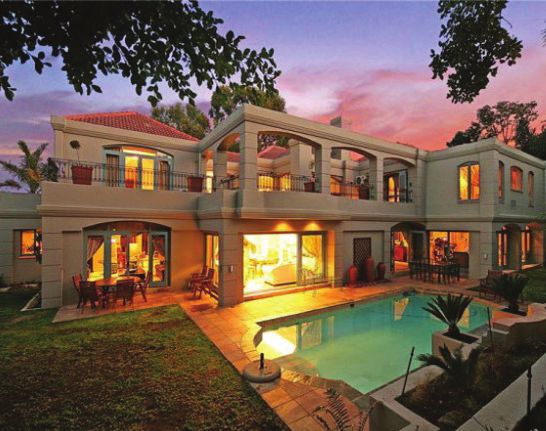
In summary:

       The Homeflex tariff has two energy charges, depending on the
     time of day that electricity is used – peak and off-peak times each
    have a different charge per kWh.

  The energy rates also differ according to the season, i.e. winter and
 summer. The winter rates (peak and off-peak) are more expensive
than the summer rates. This makes up a total of four energy rates.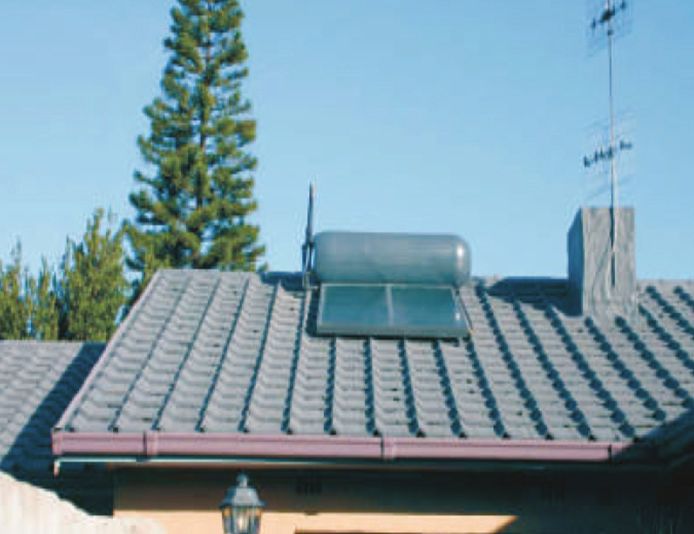
Benefits of Homeflex

              To the customer

           The Homeflex tariff will enable customers to reduce their electricity
         bills and their usage. By using electricity more wisely during the
        different time periods in the day; they can see the savings directly (in
       their bills).

     By using energy-efficient appliances during the expensive peak periods, or
    avoiding using electricity during peak periods, the customer will notice big
   savings in the cost of electricity as it will be high in these periods. Appliances
  that consume more electricity can be used in the cheaper periods. This
  means that customers have greater control over their electricity bills.

 Customers will also have their meters read through an automated metering
reading system, which will ensure near real-time accurate monthly bills
because of accurate monthly readings and no estimates.

To Eskom

The demand for electricity is not evenly spread over a 24-hour day. The
system providing electricity to customers has to have the capacity to meet the
electricity demand during the two residential peaks (morning and evening)
 during the 24-hour day.

 Different power stations are used as the demand for electricity changes
 during the day. The power stations, which come into operation at different
  times, have different operating costs. The cheaper power stations are called
   base-load stations and these come into operation first because they are
    cheapest to operate. As the demand for electricity increases, the mid-merit
     stations are brought on line, which are more expensive to operate and
      only then do the most expensive stations, called peaking power stations,
       come on line.

         Eskom’s networks are also built to cater for the peak demand. If
          electricity can be managed more efficiently, it will mean that the
           network can be used better without having to invest in additional
             capacity.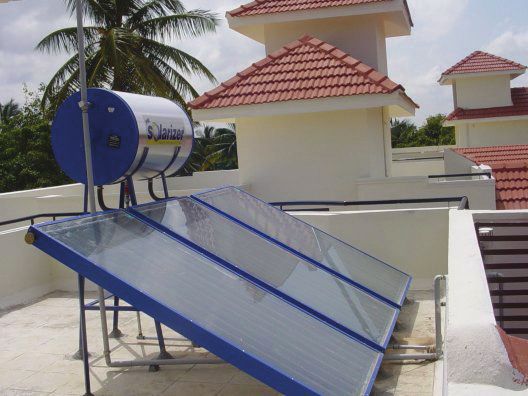
For South Africa in general

              The Department of Energy has made regulations (Regulation
            773) that customers using more than 1000 kWh per month
          should have a smart meter system in place and be on a time-of-use
         tariff.

       The success of initiatives like the time-of-use tariffs for residential
      customers will ensure better usage of the country’s resources and help
     to keep the price of electricity at manageable levels.

   The time-of-use tariff could also assist with reducing the need to build
  additional power stations, which means that less coal will be burnt. This will
  benefit the environment and will also allow Eskom to plan better for the
 future.

Explanation of terms

Account is a grouping of premises/points of delivery according to the same
voltage or location.
(Active) energy charge is a charge for each unit of energy consumed, typically
charged for as c/kWh.
Advanced Metering Infrastructure (AMI) means a metering installation
consisting of at least a meter bi-directional communication, a Customer
Interface Unit and/or an Appliance Control Device.
 Appliance means any appliance either agreed between Eskom and the
 Customer that can be interrupted, or chosen by Eskom in accordance with
  the conditions of supply.
   Billing is the process of producing and delivering a bill (an account or
    invoice) for payment by a customer, calculated from the tariff schedule or
     as per agreement between the parties (e.g. Special Pricing Agreements)
      and, for the majority of customers, the consumption measured and
        recorded by the metering system.
         Customer interface unit (CIU) means the part of the Metering
          Installation at a Customer’s premises that is used for the purposes
            of displaying information in or on the Customer’s premises and to
             which the Customer has access.
               Environmental levy is a government levy that non-renewable
                generators are charged, based on the energy they produce.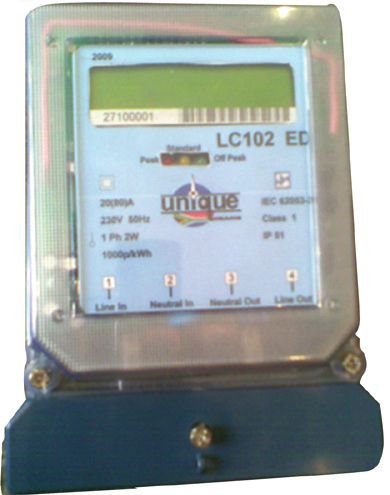
Network charge is a charge to recover the network costs
                (including capital operations, maintenance and refurbishment)
               associated with the provision of network capacity required and
             reserved by the customer.
                                          means the demand, expressed in kVA

        the Customer requires Eskom to be in a position to supply electricity
       during all time periods. It is normally the capacity that Eskom will
      reserve for a Customer in the short term, i.e. the following year.
    Peak, standard and off-peak periods mean the time periods during which
   different charges for energy are applicable in time–of-use tariffs.
  Public holiday means any day listed in the table in this annexure setting
  out the public holidays in the Republic of South Africa and/or any other day
 announced as a public holiday by the Government of the Republic of South
 Africa.
Service charge
related costs. This is charged per account and is based on the sum of the
monthly utilised capacity of all premises linked to an account.
Tariff is a combination of charging parameters applied to recover measured
quantities such as consumption and capacity costs, as well as unmeasured
quantities such as service costs. Note: the tariff rate, multiplied by the measured
service quantities, recovers the cost of service.
Time-of-use tariff (TOU) means a tariff that has different energy rates for
energy during peak, standard and/or off-peak time periods and seasons, in

    Abbreviations:
      AMI – Advanced Metering Infrastructure
       c/kWh – cents per kilowatt-hour
         IBT – Inclining block tariff
           kVA – kilovolt-ampere
             kWh – kilowatt-hour (units of electricity)
               NMD
                  POD – point of delivery
                    TOU – time of use or time-of-use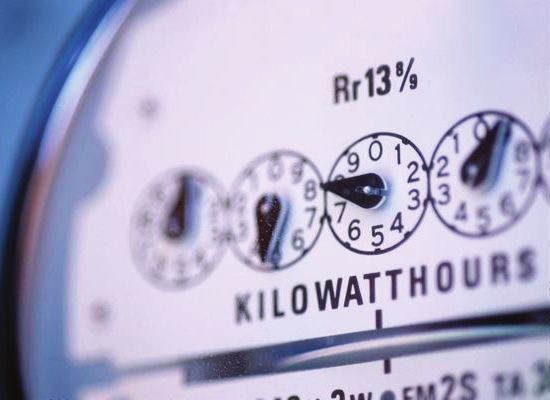
Homeflex tariff

                                                                             Eskom Defined Time-of-Use periods
                                                                                 for residential tariff (Homeflex)
                                                                        2011/12 Time and Rate Chart (Two-Part Rate Tariffs)

                                               23           24          1
                                     22                Sunday                     2
                                                     Saturday
                             21                        Friday
                                                                                           3
                                                     Thursday
                        20                                                                         4
                                                     Wednesday
                                                      Tuesday
                   19                                 M o n day                                        5
                                                    Time of Use
                 18                                   Periods                                            6

                  17                                  M on d ay                                         7
                                                       Tu e s d a y
                                                     We d n e s d a y                              8
                       16
                                                      T h u r s d ay
                             15                         F r i d ay                          9
                                                       S a t u r d ay
                                     14                 Sunday                  10
                                               13           12          11

                                                Summer                                              Winter
   2011/12 Energy Charge                       September to May                                     June to August
                                             (Low Demand Season)                                (High Demand Season)

        Peak c/kWh                                  65.86                                              174.87

      Off-Peak c/kWh                                43.89                                              55.10

• The above rates are applicable from 1 April 2011 to 31 March 2012. The Homeflex tariff rates change on
  an annual basis. For the latest rates visit www.eskom.co.za/tariffs.
• The time-of-use periods are applicable on Weekends, Winter, Summer and Public Holidays.
• Only the energy rates are affected by the time-of-use differential prices, i.e. network charges are excluded
  - refer to the Homeflex tariff rate table for the network charges.
• All rates shown are excluding the environmental levy.
• All rates shown are VAT exclusive.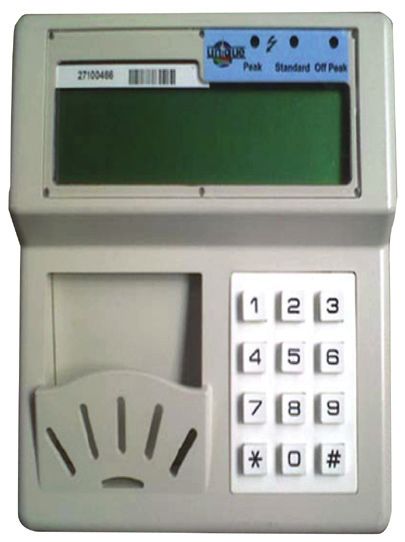
Contents						                              Page

           1. Introduction to Homeflex                    1

        2. How does Homeflex work?                        3

      3. Residential Load Profile                         4

    4. What are the Homeflex time-of-use periods?         5

   5. What is the structure of the Homeflex tariff?       6

 6. How can I save on Homeflex?                           8

7. How can I get the most out of the Homeflex tariff?     11

8. Rollout of Advanced Metering Infrastructure (AMI)      12

9. How will my consumption be measured?                   13

10. Advanced Metering Infrastructure (AMI) solution       14

11. What is the Customer Interface Unit?                  15

 12. What is the Appliance Control Device (ACD)?          16

  13. Pictures of AMI meters                              17

   14. Benefits of Homeflex                               17

     15. Managing your electricity demand                 18

       16. Energy Efficiency (Hints & Tips)             19-32
        		               - Water Heating
          		             - Thermal Efficiency
            		           - Lighting
              		         - Laundry
                         - Outside the house

                    17. Power Alert                       33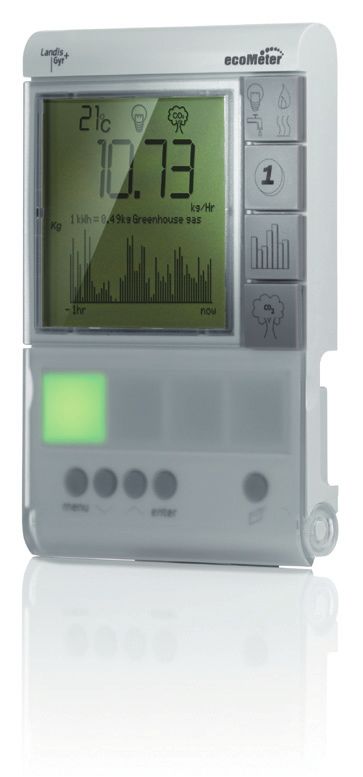
1. Introduction to Homeflex

              Homeflex is a new tariff that Eskom is introducing to the residential
            sector. It is a time-of-use (TOU) tariff suitable for medium to high
          electricity consumption residential suburban customers in urban
         areas.

       TOU means that the energy charges of the tariff are charged differently
      depending on the time of the day when electricity is consumed. This
     type of pricing allows Eskom to give signals to residential customers so
    that they will know that it costs more to provide electricity at certain
   times of the day.This pricing is intended to encourage customers to change
  their behaviour for the better so that they can see some savings on their
  electricity bills.

 Why does electricity cost more at certain times of the day?

 Eskom has different types of power stations and they are selected in order
 of merit, namely base-load, mid-merit and peaking-power stations. The base-
load power stations are the cheapest to run and peaking-power stations are
the most expensive to run – they are only used during emergency and high
electricity demand periods.

Most people have very similar lifestyles, for example they get up in the
morning, and prepare supper, bath and watch television at the same time in
the evening. This creates morning and evening peak demands for electricity.
 This customer behaviour forces Eskom to use the more expensive power
 stations to generate more electricity so that it can supply all the customers in
  the country.These energy-“constrained” periods are called the peak periods.
   The rest of the day when most people are at work is called the off-peak
    period when the demand for electricity is much lower.

     So, depending on the type of power station used to supply the customers’
      demand at the time they need the electricity, there could be variations
       in cost: a peaking station will cost more to operate than a base-load
        station. These variations in cost should therefore be reflected in the
          tariff structure, which means that peak periods are more expensive
           and off-peak periods are cheaper.

                                                                                1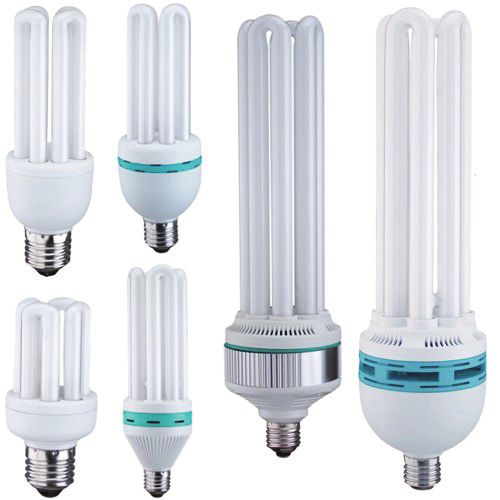
The Homeflex tariff structure and how it will work

              The Homeflex tariff was designed to have two different c/kWh
            energy charges based on the time of day when electricity is used,
          that is, peak and off-peak periods and the season i.e. winter and
         summer. The winter rates (peak and off-peak) are more expensive
        than the summer rates, and the peak rates are more expensive than
       the off-peak rates. This makes up a total of four energy rates.

     With the introduction of the Homeflex tariff, Eskom is also introducing
    new smart-metering technology (called AMI – refer to section 9) that
   can measure electricity consumption on a time-of-use usage basis. This
  technology will enable Eskom to help customers to save on their bills by
 automatically controlling a high consumption appliance in the house, such as
 a geyser, during the peak periods of the day.

 By adjusting the usage during the time of day and by controlling appliances,
customers can consume less electricity during the peak periods and save on
their overall monthly bills.The customer will have a choice to nominate a high-
consumption appliance. For more information about nominating appliances
and how they will be controlled, see section 12.

The aim of introducing a residential TOU tariff with smart metering
technology is to give pricing signals and direct cost benefits to customers; to
incentivise energy-efficient behaviour; and to manage electricity consumption
 automatically in times of system constraints.

 The next sections describe the Homeflex tariff in great detail…

                                                                            2
2. How does Homeflex work?
In order to maximise your benefits from the Homeflex tariff;
there are two important factors to keep in mind.
For Homeflex, the year is divided into two different time periods.
There is a high-demand period during winter (June, July and August)
and a low-demand period during summer (September to May). During
each season, the prices for the times of day differ, depending on the peak
and off-peak periods.
Summer Winter
2011/12 September to May June to August
Energy (Low Demand Season) (High Demand Season)
Charge
Peak c/kWh 65.86 174.87
Off-Peak c/kWh 43.89 55.10
The customer should give the most attention to appliances that use the most
electricity. In and around the home, pay particular attention to geysers, heaters,
stoves, washing machines, tumble dryers, fridges, freezers and lighting.
33. Residential load profile
A load profile shows us when and how much electricity is used
over a period of time.
The following graph shows a typical high-consumption residential
customer’s daily profile:
7
6
Average Load (kW)
5
4
3
2
1
0
Time of day (hour)
The load profile shows how the time-of-use periods of the tariff are designed
and the charges that apply for the different times of the day.
You will note that there are two peak periods of usage during the day: one in
the morning and the other in the evening. These peak periods coincide with
the Homeflex peak periods. Customers who shift or reduce their usage
from the peak periods can save on their bills.
Refer to the next section, (section 4), to understand what the time-of-use
periods are for the Homeflex tariff…
44. What are the Homeflex time-of-use periods?
The time-of-use periods are split into the peak and off-peak
times of the day. The cost of electricity is high during the peak
period when there is a high demand for electricity. During the off-
peak periods, the rest of the day, the demand for electricity is lower.
Refer to section 1 for more information.
There are five hours of peak periods in a day, during which Eskom would
switch off the high-consumption nominated appliance in the home (see
the nomination list in section 12).
• P eak periods are more expensive and the nominated appliance(s) will be
switched off during these periods (five hours a day)
- Morning (7 am to 10 am) and evening (6 pm to 8 pm)
• Off-peak periods are cheaper, so no appliances are switched off during
this period
- The rest of the day (in between the peak periods)
• These time-of-use periods apply for 365 days of a year, no matter whether
it is winter, summer, a weekend or a public holiday.
The Homeflex defined time-of-use periods
23 24 1
22 Sunday 2
Saturday
21 Friday
3
Thursday
20 4
Wednesday
Tuesday
19 M o n d ay 5
Time of Use
18 Periods 6
17 M on d ay 7
Tu e s d a y
We d n e s d a y 8
16
T h u r s d ay
15 F r i d ay 9
S a t u r d ay
14 Sunday 10
13 12 11
55. What is the structure of the Homeflex tariff?
Homeflex rates are based on the time of day, the season and
the size of the supply.
The Homeflex tariff has the following features:
seasonally and time-of-use differentiated c/kWh active energy
• A
charge
• A R/day network access charge based on the supply size
• A R/day service charge
• A c/kWh environmental levy charge applied to the total active energy
supplied in the month
Homeflex consists of four subtariffs based on the supply size, but it must
be noted that the energy rates and time-of-use periods will be the same,
regardless of the supply size. The network charges differ according to the
installed capacity (supply size) as this differentiates single-phase from three-
phase customers.
Your current bill will give an indication of your installed capacity. Compare
the notified maximum demand (NMD), measured in kVA, on your bill to the
table below to get to the Homeflex subtariff that you are currently on:
dual-phase 32 kVA (80 A per phase)
Homeflex 1
three-phase 25 kVA (40 A per phase)
dual-phase 64 kVA (150 A per phase)
Homeflex 2
three-phase 50 kVA (80 A per phase)
Homeflex 3 dual-phase 100 kVA (225 A per phase)
three-phase 100 kVA (150 A per phase)
Homeflex 4 single-phase 16 kVA (80 A per phase)
6Service Network Peak Energy Off Peak Environmental
Charge Charge Charge Enegry levy
Charge
(R/POD/day) (R/POD/day) (c/kWh) (c/kWh) (c/kWh)
VAT VAT VAT VAT VAT VAT VAT VAT VAT VAT
excl. incl. excl. incl. excl. incl. excl. incl. excl. incl.
High
174.87 199.35 55.10 62.81 2.00 2.28
www.eskom.co.za/tariffs
demand
Homeflex 1 R 2.96 R 3.37 R 3.68 R 4.20
Low
65.86 75.08 43.89 50.03 2.00 2.28
demand
High 174.87
199.35 55.10 62.81 2.00 2.28
demand
Homeflex 2 R 2.96 R 3.37 R 7.95 R 9.06
Low 65.86
75.08 43.89 50.03 2.00 2.28
demand
High 174.87
199.35 55.10 62.81 2.00 2.28
demand R
Homeflex 3 R 2.96 R 3.37 R 16.00
Low 18.24 65.86
75.08 43.89 50.03 2.00 2.28
demand
High 174.87
199.35 55.10 62.81 2.00 2.28
demand
Homeflex 4 R 2.96 R 3.37 R 1.88 R 2.14
The Homeflex tariff rates for 2011/12 are as follows:
Note: The above rates are applicable from 1 April 2011 to 31 March 2012.
Low 65.86
The Homeflex tariff rates change on an annual basis. For the latest rates visit
75.08 43.89 50.03 2.00 2.28
demand
76. How can I save on Homeflex?
How much you can save on the Homeflex tariff will depend on
how you use electricity during the day.
If you make no changes to your daily usage pattern, then on an
annual basis you should pay the same as you would have paid for
Eskom’s standard residential tariff.
It is important, however, to note the following:
• As the winter rates are more expensive than the standard tariff rates,
your bill will be higher in winter.
• For this reason it makes sense to concentrate on using energy in the
off-peak periods, to use alternative sources of energy for space heating,
cooking and water heating, to use under-floor heating wisely and to look
at making your home better insulated.
• In the summer months your bill should be lower than the standard tariff,
but this does not mean that you should not manage your electricity usage.
See the Energy Efficiency section for tips on how to save electricity.
Example of the impact on the bill:
The following shows the impact on a monthly bill if customers reduce their
peak usage by making some behavioural changes; i.e. using their high electricity
consumption appliances in the house, such as the geyser, during the off-peak
periods or by using energy-efficient appliances. See the Energy Efficient
section for more information.
Scenario:
• A customer on Homepower 4 tariff converts to the Homeflex 4 tariff.
• The Homepower 4 tariff has the inclining block tariff (IBT) structure.
• Homeflex 4 is the time-of-use tariff for single-phase supplies (16 kVA
supply size).
• The customer uses 1000 kWh of electricity on average per month.
• The assumption made is that the average residential customer with
medium to high electricity consumption uses 20% of the electricity
during the peak period and 80% (most) of the electricity during
the off-peak period.
8The impact on the customers in this scenario is as follows:
To explain the above comparison table:
Comparison between I nclining Block Tariff and Homeflex 4
Print
Inc lining Back
B loc k Tarif f Homef lex 4
(IB T) Clear
%
kWh Rand Rand D i ff.
View De
Low demand s eas on
mont hly bill - R 888. 83 R 696. 82 -22%
1000 Change T
(S ummer)
ratios
A v erage c / k Wh 88.88 69.68 -22%
High demand s eas on
mont hly bill - R 888. 83 R 1, 200. 12 35%
1000
(Wint er)
A v erage c / k Wh 88.88 120.01 35%
Annual im pac t
Inc lining
B loc k Tarif f Homef lex 4
(IB T)
%
kWh Rand Rand D i ff.
A nnual t ot als R 10,665.96 R 9,837.86 -8%
12000
A v erage c / k Wh 88.88 81.98 -8%
- O
n the inclining block tariff (IBT) structure (i.e. Homepower), a customer
using an average of 1 000 kWh per month pays the same rates throughout
the year, regardless of the season or time of the day. For this reason, this
tariff does not give a customer a pricing signal for the time when that
customer uses electricity.
- On the Homeflex tariff structure, a customer using an average of
1000 kWh per month pays different rates based on the time-of-day
(i.e. peak or off-peak) usage and whether it is winter or summer. This
is clear from the bill, and so the customer does get a pricing signal
about when it is most expensive to use electricity and when it is
cheaper.
- Because the Homeflex tariff is much more expensive in winter
than in summer, customers must be mindful of the impact on
their budgets (only during the winter months). The more
energy you save in winter also means you save much more
money on your bill.
9Homeflex vs. IBT modelling tool:
Eskom has produced an Excel modelling tool that you the
customer can use to model your individual impact and see how
much you can save by reducing consumption and/or shifting energy
use from peak to off-peak periods.
You can visit the Eskom website www.eskom.co.za/tariffs to compare
the Homeflex tariff to the other tariffs.
There is a tutorial on how to use the modelling tool:
- Open the file, save it and enable the macros.
- Click on “start”.
- Type in your average consumption (i.e kWh) per month and choose your
tariff on the first page, then click “next”.
- The results sheet will give you your winter, summer and annual impact
results in percentages, average c/kWh and rand value.
- Note that the calculations are based on the 80/20 principle (that you use
most of your electricity during off-peak i.e. 80%, and only 20% during peak
periods).
- However, many factors affect your electricity usage and you can change the
time-of-use ratios when using the model to suit your individual needs/usage
patterns.You can click on “Change TOU ratios” and do a worst-case scenario
by changing your ratios, e.g. 40% peak and 60% off-peak, and see what the
results will be.
- This will give you an idea of how much you will save on your bill or what
increases you can expect by converting to the Homeflex tariff.
Note: each customer will be affected differently. Your bill is based on your
profile (the time of day you use electricity), your usage patterns and how
big your supply is.
For the CD copy, click here to access the modelling tool and follow the
tutorial instructions.
107. How to get the most out of the
Homeflex Tariff?
Try to take advantage of the off-peak periods by scheduling laundry,
washing and drying loads for these times.You can also take advantage
of this cheapest period by doing your garden work requiring power
tools and electric lawn mowers in off-peak times.
The early to mid-mornings as well as evenings always fall into the most
expensive, peak period and, where possible, you should avoid using major
appliances until the cheaper off-peak period is in effect.
During this time, you should plan to have only the essential appliances on, i.e.
lights. Where possible, look at energy-efficient appliances and be innovative
about how you use electricity. For example, avoid using electricity in peak
time by having a braai instead of using the oven to cook. Refer to the
Energy Efficiency Section for more hints and tips.
With a bit of effort from your side, you can –
• save money on your monthly bill,
• help to minimise the national electricity shortage,
• assist Eskom with its planning for future capacity,
• go green and save the environment, and
• be more energy-efficient.
Eskom will manage your nominated appliance during peak periods to help
you save money and to help Eskom reduce the demand on the system during
the peak periods. The following sections explain the advanced metering
infrastructure (AMI) in more detail.
Remember that peak periods last only 5 hours in a day…
118. Rollout of the Advanced Metering
Infrastructure (AMI)
Together with the rollout of the Homeflex tariff, Eskom will be
investing in more sophisticated metering that can among other
things, measure energy in the time-of-use periods and manage
the nominated appliances through an appliance control device. The
existing metering system cannot do this and will have to be replaced by
a metering system called advanced metering infrastructure or AMI. The
following sections deal with the AMI system.
Some background information on the technology to be used
What is advanced metering infrastructure (AMI)?
AMI is also commonly referred to as a smart metering system. It is a Metering
Installation consisting of at least a meter with bi-directional communication
capabilities, a Customer Interface Unit (CIU) and/or an Appliance Control
Device or Devices (ACD).
AMI is a technical system consisting of the following:
Meter
A metering solution that is smarter than the normal mechanical analogue
metering device and collects customer data automatically as well as
communicating it automatically to the CIU and ACD.
Customer Interface Unit (CIU)
The CIU is a device which displays important customer electricity information
such as customer electricity consumption, meter readings and tariff time
periods in the comfort of your home. The CIU can be plugged into any
convenient household power point.
Appliance Control Device (ACD)
The ACD is a switch which helps the customers actively to manage their
demand for electricity by remotely/ automatically disconnecting the
connected appliances using a command from the control centre, also
known as the master station.
AMI communications infrastructure
This includes the following:
- The data concentrator (DC)
- GPRS
- Radio frequency
- Power-line carrier
These AMI components are explained in the following sections...
12Advanced metering infrastructure (AMI)
9. How will my consumption be measured?

             AMI is a metering solution that is smarter than a mechanical
            analogue (conventional) metering device.

         The AMI meter collects customer data automatically in real time and
        communicates the data automatically to the customer interface unit
       (CIU) and Appliance Control Device (ACD).

       • T
          he smart meter will be installed in the meter box/kiosks, replacing the
         existing meter. The meter will measure the peak and off-peak usage.
     • The installation of the new meter may involve doing work on the
        customer’s premises and therefore access may be required.
   • A customer interface unit (CIU) will be offered for installation and can be
      plugged into any convenient household plug-in point.
 • The CIU displays important customer information, such as electricity usage,
     meter readings and tariff time periods at any given time of the day in the
     comfort of the customer’s home.This information empowers the customer
     to manage his/her electricity usage proactively.
• Each month, the consumption (usage) data from the meter will be
   automatically retrieved for billing purposes. This means that no manual
   meter readings will be done and therefore the number of estimated bills
   would be reduced to almost zero. After this installation, an estimated bill
   would only need to be done if there are problems with retrieving the data
   from the system.
 • Homeflex bills will be produced and the consumption and cost will be
     indicated for the usage in the peak and off-peak periods as well as the total
     kWh usage.
    • The appliance control device (ACD) will automatically manage the
       customer’s nominated appliance/s that use a lot of electricity during the
       peak periods throughout the year.

     Please note that the meter, CIU and ACD will belong to Eskom for the initial
      phase which means that Eskom will have the right to operate and maintain
       the devices.

                                                                              13
10. Advanced Metering Infrastructure (AMI)
solution
AMI is a metering installation consisting of a meter with bi-
directional communication, a customer interface unit and/or an
appliance control device or devices.
Inside the house Outside the house In the mini substation
Install the data
Install the CIU and Install the meter. concentrator (DC).
ACD. Communication Communication to Communication to
between ACD/CIU to data concentrator Eskom via GPRS.
meter via Power-Line via Power-Line Data is sent from DC
Carrier (PLC) or Radio Carrier (PLC). to Eskom for billing
Frequency (RF). purposes.
The data concentrator (DC) accumulates and stores all the data received
from the meters and periodically transmits this data to Eskom‘s back-end
systems (Billing, Contact Centre, etc.) at Eskom’s premises. The DC is
equipped with an on-board GSM modem and utilises GPRS to transmit
data.
Two forms of communication could be used:
• Power-Line Communication (PLC) technology will transport
customer data from the meter to the data concentrator and to
the customer interface unit (CIU). The PLC technology uses the
existing electricity distribution power cabling as a communications
channel and should not interfere with other devices; or
• Radio Frequency (RF) could also be used to communicate
with the CIU. This technology utilises an open frequency
and should not interfere with other devices.
1411. What is the Customer Interface Unit?
The customer interface unit (CIU) is a device that displays
important customer information such as customer electricity
consumption, meter readings and tariff time periods in the
comfort of your home.
The CIU can be plugged into any convenient household power point
and as the customer you have access to the CIU in the comfort of your
own home.
The CIU displays information about the customer, such as:
• Real-time clock equals accurate data transmitted to Eskom’s billing system.
• Total and TOU register the aggregate consumption readings.
• Tariff consumption reading displays at that time.
• Active tariff period is displayed.
• Appliance Control Device (ACD) switching status is displayed.
Eskom will own the CIU initially and therefore it will remain Eskom’s property
to operate and maintain.
Pictures of the CIU:
Your CIU may look a little different depending on the supplier in your area but
all CIUs do have the same features.
Supplier: Unique Mbane SA Supplier: Landis & Gyr
1512. What is the Appliance Control Device?
The Appliance Control Device (ACD) is a switch which
actively helps the customers to manage their load by remotely/
automatically disconnecting the connected loads by sending a
command from the control centre/master station.
The command is sent to the nearby data concentrator (DC)
which broadcasts the command to each ACD unit via Power-Line
communication (PLC).
The switches will also disconnect automatically in line with the timetable of
the TOU tariff periods sent periodically from the data concentrator.
Eskom will initially own the ACD and therefore it will remain Eskom’s
property to operate and maintain.
Pictures of the ACD:
Your ACD may look a little different depending on the supplier in your area
but ACDs do have the same features.
Supplier: Unique Mbane SA Supplier: Landis & Gyr
The high-consumption appliances that might be nominated to be
switched off during the peak periods:
• Geyser
• Swimming pool pump
• Under-floor heating
• Air-conditioners
Appliances which are not listed will not be considered to be
controlled by Eskom during the peak periods.
1613. Pictures of AMI meters
Supplier: Unique Mbane SA Supplier: Landis & Gyr
More information about the AMI meter and system installed in your area will
be provided, based on the supplier in your area.
14. Benefits of Homeflex
Savings on bill if the electricity
usage in the home is optimized
Remote monthly time-of-use
billing (limit bill estimations)
Electricity information provided
in customer home and en-
hanced messaging from Eskom
with the in-home display
Wireless one-way
communication to the
customer
Customer ability to manage Free conversion to time-of-use
own usage & automated tariff (no conversion charge
appliance control (no manual payable)
switch on/off)
1715. Managing your electricity demand
Each customer makes a demand on the Eskom system, based on
how much electricity is being used at the same time.
For residential customers this demand is limited by a device called
the circuit breaker. The circuit breaker size is linked to the maximum
demand that you as a customer requested from Eskom and this value
also appears in your contract with Eskom.This demand is shown on your
bill and contract as the NMD (notified maximum demand). If you use too
much electricity at a given point in time, the circuit breaker will trip.
You should note that the smart meter has an internal trip switch which
is also linked to the contracted demand. This trip switch is sensitive to the
demand and may trip faster than the circuit breaker can, because these smart
meters manage the maximum demand more strictly owing to their advanced
capabilities.This means that you will have to be more vigilant when using many
appliances at the same time.
If your supply trips, here are a few simple tips:
- Reduce your usage by switching off some of the appliances in the house that
are not necessary at that particular time.
- Avoid switching on many appliances at the same time.
- A quick solution is to switch off the geyser or the swimming pool pump.
- If you have a Unique Umbane SA (UMSA) meter and customer interface
unit (CIU), press #1# on the CIU and you will be reconnected.
- If you have a Landis & Gyr (L&G) meter and customer interface unit (CIU),
the supply will automatically be reconnected as long as you have reduced
your usage.
Eskom will provide more information in brochures showing how each
meter works...
18Energy efficiency hints & tips
What are energy efficiency and Demand Side
                 Management?

             • Using energy in a sustainable manner
           • A  voiding unnecessary waste of energy in our day-to-day activities,
               e.g. bathing and cooking
        • Understanding that an uninterrupted supply of energy depends on
            all South Africans reducing their consumption of energy by 10%
     • Using less energy during peak times when the demand for energy is
         at its highest level
    • Seeing energy in a new way – as a valuable resource that has to be
       conserved

  Why save energy?

 • The current capacity is constrained
• The production of energy involves the burning of natural resources such
   as coal
• The more energy we use, the greater the amount of coal needing to be
   mined and burnt. This means that more power stations have to be built,
   using taxpayers’ money
• Burning coal also emits carbon dioxide which is one of the biggest
   contributors to global warming and climate change
• Energy is no longer a cheap and ever-present commodity
• The residential sector consumes 17% of electricity (kWh) and contributes
   up to 30% of peak demand (kW)
 • With the rising cost of living, saving energy is one way to reduce your living
    expenses

                                                                              19
Where to save energy?
The figure below shows how residential consumers use their
electricity in the home, i.e. the load that each appliance in the
home uses.
Cold Storage 15%
Space Heating 16%
Laundry 3%
Other cooking 1%
Stove & Oven 7%
Lights 6%
Geyser 19%
Pool Pump 11%
Other 12%
Energy efficiency, it’s the way that we use it!
All it takes is to start making small changes to the way
we use electricity/energy.
20How can I save energy?
Apply the golden rule: “If you’re not using it, switch it off.”
• U
nnecessary energy is consumed by electrical appliances that
are on when they are not being used for specific purposes.
For example, keeping lights and heaters on in unoccupied
rooms, or leaving the hi-fi, DVD player, computers and
televisions on in stand-by mode – because they still consume
up to 50% of the energy they would have consumed if in
operation. Also, if possible, use dishwashers, tumble dryers
and washing machines after 9 pm or at midday.
here are saving options that won’t cost you anything, where all you need
T
to do is use your current equipment/appliances in the house in a different
manner, i.e.
• Instead of putting a heater on in your bedroom, use an electric blanket
because it uses less energy. Turn it on high for a few minutes just before
you get into bed and off once you’re between the covers. But don’t leave
it on all night.
• B efore using a heater, keep warm in front of the television by covering
yourself with a blanket or by snuggling up with a hot water bottle. Or put
on an extra jersey.
• Use your microwave to cook rather than your oven – it’s quicker and
lighter on energy.
• Block spaces underneath doors and around windows – keep that warm
air in.
• Take a shower instead of a bath.
here are low-cost options where you can buy energy-efficient appliances, e.g.
T
• Change your shower heads to energy-saving shower heads as part of the
employee exchange programme
• Swap incandescent light bulbs for Compact Fluorescent Lamps (CFL)
And you can invest in your property and increase its long-term value
by making your entire home more “green” i.e. insulating the house.
21Six essential energy-saving tips for your home
1. G
eyser: switch it off from 6 am to 9 pm, reduce thermostat
to 60 degrees and insulate the geyser and water pipes
2. S hower: rather shower as it uses less water than a bath; this
means less work for your geyser. Use an efficient shower head
3. L ighting: replace incandescent bulbs with CFLs, switch off lights in
unoccupied rooms
4. S tandby electricity: switch appliances off at the main power button,
unplug the cellphone charger
5. Refrigerators: close the fridge door quickly after use
6. T
emperature control: keep room temperature 18 – 22 degrees Celsius,
wear extra clothes, use blankets and hot water bottles to stay warm in
the house in winter
22Water heating The water-heating system in your home
Energy-saving hints when using hot water
          • Insulate your geyser using water pipe insulation
        • Hot water for laundry, cooking, dishwashing and bathing
           amounts to 30% to 50% of a household’s electricity bill
     • Save energy by using hot water sparingly, take a shower instead
        of a bath
   • Your geyser starts working every time you use hot water
  • Only open the hot water when you specifically need it
 • Don’t rinse dishes under a running hot water tap – very wasteful
• Boil a kettle for the quantity of hot water you need

                                                                      23
Geyser – facts & fiction
Introduction
Since geysers, which are the heart of your home’s hot water
system, are most likely to consume the greatest amount of your
electricity, you should always think about these devices in terms of
energy efficiency. The geyser can be switched off during the peak
periods while still providing enough hot water for the customer
requirements at the time. The simple action of switching off the
geyser has a significant impact on reducing the load on the total Eskom
network, if each and every customer switches off their geyser.
Fact or fiction:
Switching a geyser on and off will not damage the thermostat.
This is a fact: the thermostat is built to switch on and off all the time. No
damage will occur if the geyser is switched on and off by the user.
Fact or fiction:
Switching geysers on and off will result in cracks in the geysers.
This statement is fiction: the thermal shocks during normal operation are
much greater than the slow cooling if the geyser is switched off and allowed
to cool.
Fact or fiction:
When a geyser blanket is used the geyser should still be switched off.
This is a fact: the geyser blanket slows down the cooling of the water
in the geyser when it is switched off, so that less electricity is needed to
heat the water up again. Tests have shown that geyser blankets have the
potential to save 20% of the 2,59 kWh of electricity required to reheat the
water when the geyser has been off for 24 hours. Using a geyser blanket
therefore adds significantly to the saving achieved by switching the geyser
off. By installing a geyser blanket and pipe insulation, your annual savings
on your electricity bill will increase between R180 to R250 for an
average household of four.
A 150-litre geyser will lose 10 degrees Celsius over a 24-hour
period.
24Shower heads
• South African shower heads use 20 litres per minute
The US standard is 9,5 litres per minute
• R eplacing 18 litres per minute with an 8 litre per minute
shower head (6-minute showers for a family of four)
Saving R3000 utility services (water and electricity)
Saving 2 000 tons of carbon emissions
• Saving 2 MWh (200 kWh per month) of electricity
1 ton of coal
90 000 litres of water
• Only to be fitted on a balanced, high-pressure system
Use less hot water
Remember, while you use hot water, you can save a lot more because when
you use hot water you are adding the charges to two bills at the same time
– your water and your electricity bills.
• A
bath uses more water than a shower and you can save on hot water
consumption by taking more showers instead of baths.
• Low-flow shower heads (pictured) are better than standard shower heads
since they can help you save hot water without reducing your comfort or
quality of life. A low-flow shower head restricts the flow of water so that,
even though the flow is lower, you can still enjoy a comfortable shower
while using up to 75% less water.
25Using alternatives sources of energy
Eskom currently offers two programmes, the solar water geyser
programme and the heat pump programme, both of which will get
the Eskom rebate and are aimed at reducing the geyser’s electricity
usage. For more information, visit http://www.eskomidm.co.za/
Make use of Eskom’s solar water geyser and heat pump programmes.
Let’s look at the solar water heater more closely …
Solar Water Heater (SWH)
• Water heating uses 30% to 50% of a household’s electricity bill
• Installing SWH can reduce hot water heating costs by up to 70% (i.e. 200
kWh/month)
• Choose the best system for your household
• If the SWH is too small, it won’t provide enough hot water
• If the SWH is too big, it may not be economical
26Thermal efficiency
Insulating the home

               An even better way to save on your heating costs is to reduce
             the need to use air conditioners (i.e. heaters or coolers). To
           achieve this, your home should be thermally efficient. The thermal
          efficiency of the ceiling is an important factor. In many parts of the
        country, ceiling insulation increases the home’s comfort and value,
       since as much as 50% of heat is lost through a non-insulated ceiling.
      Ceiling insulation varies from fibreglass insulation to a type of insulation
     prepared from a mixture of paper and other recycled materials.

  Thermal efficiency in the home

  In the winter months, one of the main sources of energy consumption in the
 home is the heating required to keep rooms at comfortable temperatures.
 By using heating appliances wisely, taking into account when the peak periods
occur during the high-demand period (June and August) for five hours a day
(see the TOU wheel), you can reduce your space-heating costs significantly.
Improving your home’s thermal insulation can also save hundreds of rand a
year in space heating costs and improve your home’s comfort.

                                                                              27
Domestic space heaters
Ways to heat a room:
• U nder-floor heating: heats the floor before the temperature of
the room increases, warm air rises to the ceiling
• Gas heaters: radiate heat immediately but gas bottles are expensive
• Infrared heaters: the most cost-effective option, heats up objects
but not the air
• Thermostatically controlled heaters,
• Oil heaters: most effective in small spaces
• Fan heaters: provide heat immediately, can be directed where most
needed
• Wall-mounted heaters: small and must be left on for long periods, heat
also radiates into the wall
Most efficient
Infrared heaters
Wallmounted
Gas heaters
Fan heaters
heaters
Bar heaters
Underfloor
Oil heaters
heating
Least efficient
28Keeping warm the smart way!
• An insulated room requires 51% less energy, so insulate the
ceiling
• Only heat rooms that are occupied
• Keep windows and doors closed when heaters are in use
• Wear thermal underwear and put on an extra jersey/blanket
• Switch on your electric blanket to the highest setting shortly before
you get into bed but switch it off after you get into bed
• Use extra blankets on your bed
• Use a hot water bottle
• Avoid using heaters during the day
• Install a closed-system fireplace which uses anthracite, coal or wood
29Lighting
Compact Fluorescent Lamps (CFLs) –
               energy saver

           Energy-efficient lighting in the home

          The amount of lighting used in the home increases in winter because
        the days are shorter and the nights are longer. As lighting contributes
       6% to your electricity bill, any steps you take to use lighting efficiently
      will save money on your bill. This is particularly true during the morning
     and evening peak periods. Energy-efficient lighting in the home can be
    achieved by replacing the commonly used but inefficient incandescent light
   bulbs with compact fluorescent lamps (light bulbs). It can also be achieved
  by simple practices that avoid wastage. See below…

 Facts about CFLs:

• Last six times longer than incandescent lamps
• Consume 80% less electricity than incandescent lamps
• Come in a variety of shapes and styles
 - 100 watt/60 watt
  - Screw-in or bayonet
  - Cool white or warm white

• C
   ontain a small amount of mercury – essential component – dispose of
  used or broken CFLs as you would a battery or oil-based paint

 Click here for more information on how to dispose of your CFLs safely.

                                                                              30
Laundry
Managing laundry efficiently

             By scheduling your laundry-related activities, you can further
            maximise your savings on the residential Time-of-Use Tariff.

            General laundry energy-saving hints
            • U se the warm and cold water settings on your washing machine as
               much as possible so that you cut down on the electricity needed
               to heat up the water.
      • A washing machine uses the same amount of electricity to wash a full
          load as it uses to wash a single item. For this reason, try to pile up the
          dirty clothes until there is enough for a full load.
   • Use the correct temperature settings on your tumble dryer to minimise
       the amount of electricity needed.
  • By removing clothes promptly from the dryer and folding them carefully,
      many items will require no ironing.
 • Take advantage of sunny days and dry clothes outside.
• Iron low-temperature fabrics first to reduce the warm-up time on your
    iron.
• Iron large batches of clothing at one time to avoid having to heat up the iron
  many times – preferably during off-peak periods.
• Remember to switch your iron off as soon as you finish using it to avoid
   wasting energy.

                                                                                31
Outside the house
Energy efficiency outside the home & energy-
             saving hints

        You can benefit in many ways from the residential Time-of-Use
       tariff outside your home. Let us look at the individual aspects
      outside the house.

    	 • Swimming pools
   		 - Use 11% of a home’s electricity consumption.
   		 - Reduce the running time of the pump from 10 to 6 hours per
           day for a month and save 40%. Reduce filter pump’s operating
           time
         - Cover pool to keep pool cleaner

	• Garden

      - Use solar-powered garden lights
      - Landscaping
     - Plan garden to control breezes and use trees to shade windows

                                                                         32
Power alert
Contact us:
     ami@eskom.co.za
electricitypricing@eskom.co.za

                                 33
You can also read


