Research and Innovation is changing the way we do business - Annual Highlights 2018-2019
←
→
Page content transcription
If your browser does not render page correctly, please read the page content below
Research and
Innovation is
changing the way
we do business
Annual Highlights 2018–2019

                              1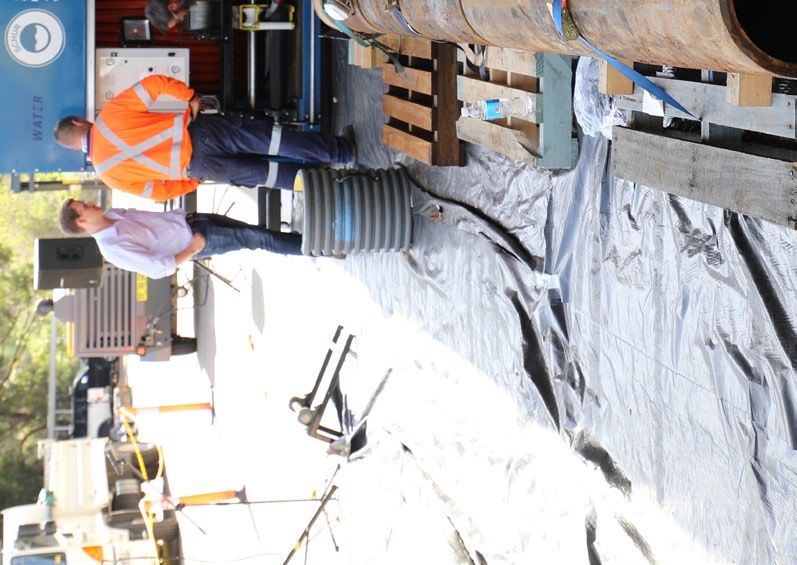
2
Our achievements
  at a glance    $10.4
          Enabling Resilient &                                                               MILLION
                                                       Delivering                           invested in R&I
          Liveable Cities                              Safe & Reliable                           *2017-18
                                                       Drinking Water
                              15                                            Customer
                                                                            Operations
                                                                                                                    WWOA
                                                 39                            Hub
                                                                                                                   Strategy
                                                                                                                     $819k
Improving                                                                     $3.4m
                                                                                           Science
Treatment                                                                                Research &    Developer
                 35                                                                      Innovation       CX

                                170+
& Resource                                                                                  Team         $1.1m
Recovery                                                                                     $3m

                                 R&I

 Protecting        11
                               projects
                                                                                    $883,000
                                                                    5
                                                                                     R&D Tax Benefit Rebate
 & Enriching                                                                                     *2017-18
 Natural
 Waterways                                                 across                   $1,000,000 worth of royalties
                                   70
                                                           Research &               raised from commercialisation
                        Enhancing Assets &                 Innovation               of the Monoclonal Antibody
                           Operations                      themes                   test kit
                                                                                    *over the past decade

  Smart Water Project of the Year – Customer Hub                Building an                     WaterAid 2018
  Australian Museum Eureka Award Winner – Data 61
  Smart Cities Award Winner – UOW SMART
                                                                Innovation Culture              Global Winnovators
  Infrastructure Facility                                       3 events & over 100             Winners – Team Praan
  Better Together Award – XDI Sydney                            Digital Disruption & Wave       Best Innovation & Solve
  AWA NSW Research Innovation                                   Challenge participants          – Team #LiveDifferently
  Award Winner – R2T2 Rapid Response Robot
  Digital Utility of the Year – Digital Utilities Awards        53 Innovation Insights          Highly Commended
  Best NSW Government Initiative                                Survey stories shared           Asia Pacific
  Award Winner – IOT Pilot                                                                      Region
                                                                250 National Science
  13 OzWater’19 Posters &                                                                       – Team Avasar
  Presentations                                                 Week attendees

                                                                    In July 2018
              7
           active
                                            26
                                         active
                                                                    our R&I strategy
          patents                     trademarks                    was approved
                                                                    We’re collaborating with over

       105+                                22
     Technologies
         reviewed
                                      Technology
                                         Trials
                                       underway
                                                                    50             research
                                                                                   partners
                                                                    including
                                                                    Universities
             83 CX Lab                                              Government departments
                                                                    Industry partners
 workshops and activities with over                                 Utilities
           726 participants                                         Consultants
                                                                                                                              3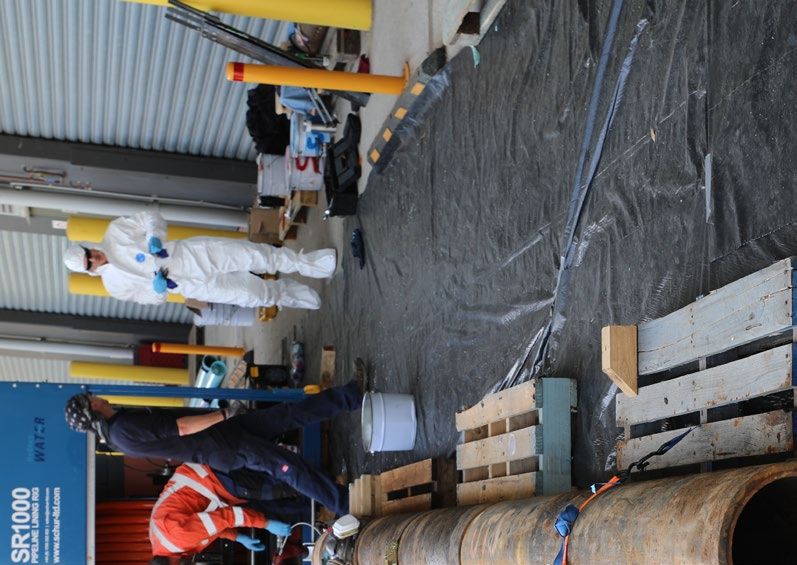
Our condition
     assessment robots
      are being used on
      the ground during
    maintenance to assess
     the condition of our
     critical water mains.

4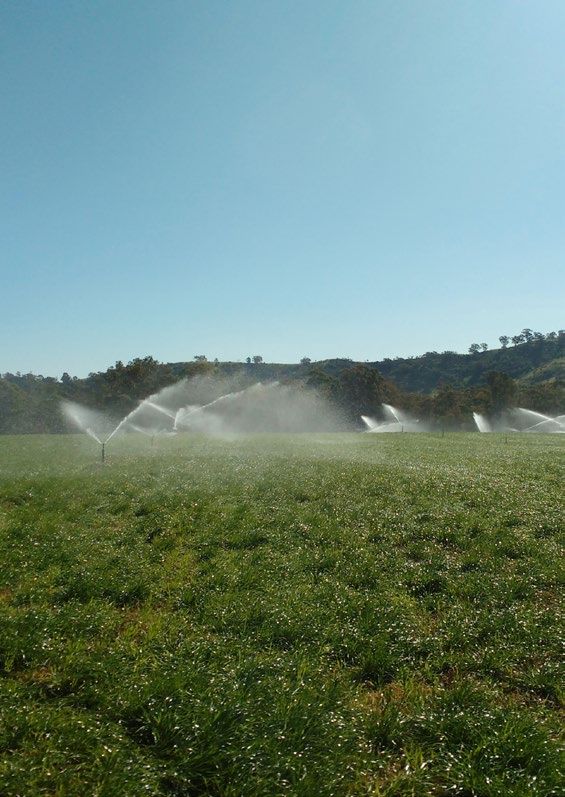
What an amazing year!
This year has been one of achievements          Our Digital and IoT teams have been
and solid progress in building our innovation   busy rolling out smart meters and
ecosystem across the business. The focus        sensors to support a reduction in water
has been on bringing people and ideas           consumption, network leakage and detecting
together and looking at how we can              sewer blockages to avoid high impact
do things differently.                          sewer overflows.

                                                Finally, we would like to thank our outgoing
                                                Managing Director Kevin Young for all his
A few of our 2018-19                            support of our R&I program over the last eight
highlights include:                             years. R&I needs strong leadership from
                                                the top down and bottom up if it is going to
• Our new Research & Innovation                 thrive and become “the way we do things
  (R&I) Strategy, setting out                   around here”.
  our vision and roadmap to
  support Sydney Water’s journey                As an organisation, we should be proud of our
  “to 2020 and beyond”.                         achievements and the innovative momentum
                                                across our business, supported by a Blue Bus
• For the first time ever, we’ve                culture that is growing every day.
  developed an Enterprise-wide
  R&I Plan to give visibility of all            We have an exciting future, with innovation
  innovation across our business.               holding our keys to success.
• Our Innovation and Culture                    Dr Nicola Nelson,
  Program is helping to promote,                Manager Science,
  connect and share innovation                  Research and
  stories across Sydney Water,                  Innovation
                                                                              Science
  driving a ‘can do’ culture                                                   Week
  that lifts the lid                                                           2018
  on innovation!

Across the business, we’re working
on over 170 projects from customer
journey mapping and design thinking
to emerging contaminants and
waterway health.

We’ve delivered some major
initiatives this year in response
to the drought, including exploring
emerging sensing technologies to
better predict leaks and breaks with the
support of the NSW Chief Scientist and
NSW Smart Sensing Network (NSSN).
                                                                                                 5
Innovation
    is in our culture
    We’ve had a busy year        Celebrating World Creativity and
                                 Innovation Week
    engaging with the business
                                 On 15 April, we held a panel discussion facilitated
    through our innovation       by Professor Ian Snape, on how we can ‘lift the lid
    and culture program. We      on innovation’, with guest speakers including:
    held a number of events      • Dr Kathryn Mumford, Associate Professor at
                                   University of Melbourne
    to promote and connect
                                 • Dr Steve Brodie, Executive Manager
    the great innovation           Innovation at CSIRO
    that is happening across     • George Fonua, Founder Locomotive
    Sydney Water.                  Consulting and Blue Bus Leader
                                 • Professor Ian Snape, Director of The
                                   Coaching Space, Antarctic Expedition
                                   Leader - facilitating the discussion,
                                   drawing on his insights coaching and
                                   mentoring organisations.

         Our inaugural
       Wave challenge –
       How can Sydney
        Water create a
       thriving circular
          economy?

6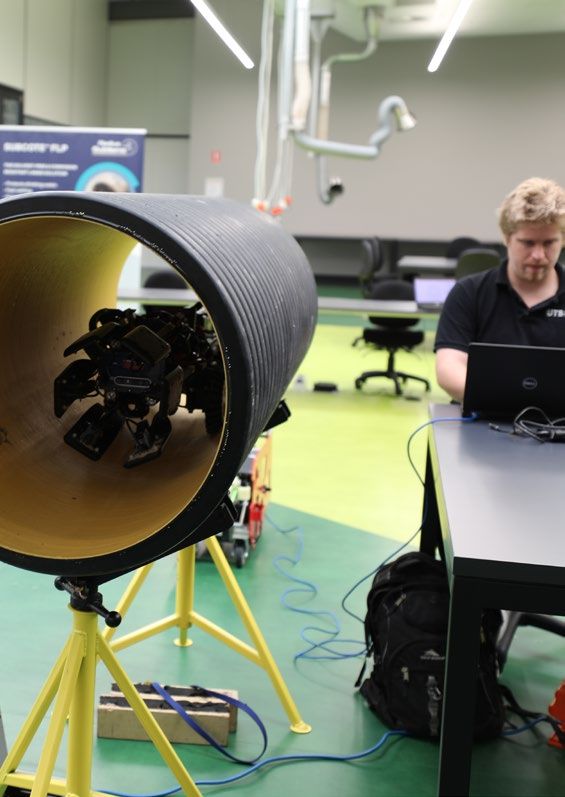
Working with the Blue Bus Program                 The event was a great success thanks
to enable innovation                              to all the participants and volunteers on the
                                                  day. We challenged teams to use their creativity
We will continue to work with our Blue Bus        and skills to create unique ideas for our Long
cultural change program to promote the ‘can       Term Strategy theme:
do’ behaviours that will support new ways of
working and enable innovation across the          ‘How can Sydney Water create a thriving
business and through collaboration with our       circular economy?’
external stakeholders.
                                                  Moving towards an open
Our inaugural Wave Session                        innovation culture
The Wave program is building on the success       We held an Open Innovation workshop at
of Digital Disruptors, to continue to foster      our CxLab to explore how Sydney Water can
innovation, creativity and collaboration across   move towards an open innovation approach
the business – for our customers and our          with our external partners. We used design
community. The first Wave Session rolled in on    thinking tools to consider how we can better
May 23, 2019 at Potts Hill.                       engage and collaborate with our supply chain
                                                  partners, share ideas, data and learnings and
                                                  to look for opportunities in areas such as the
                                                  Circular Economy to develop new value-added
                                                  products and services.

                                                                                                     7
Research and
    Innovation, from
    catchment to customer
                                           Enhancing assets and
                                           operations
                                           • Quantum sensing for pipe leaks
                                           • Pipe failure prediction model
                                           • Internet of things (IoT) trials
                                           • Smart metering
                                           • CCTV machine learning for pipe
                                Page         condition assessment
                                12-13      • + many more!
                                                                         Protecting and
                                                                         enriching natural
           Delivering safe                                               waterways
           and reliable                                                  • PFAS risk assessments
           drinking water                                                • Cyanobacteria gene testing
           • Graphene and novel                                          • Microplastics
             polyelectrolytes for                                        • Hawkesbury Nepean and
             natural organic matter                                            South Creek studies
             (NOM) treatment
                                                               Page • Pilot wetland projects
    Page • Microbial risk monitoring
                                                               14-15 • + many more!
    10-11 • Environmental E.coli
           • Monitoring nitrification in
             drinking water
           • + many more!

8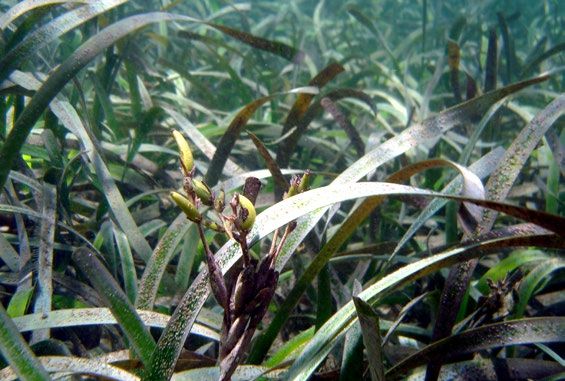
Working with our partners
    from our water catchments,
			throughout our networks,
				and all the way to our customers!

              Improving treatment and
              resource recovery
              • Co-digestion to produce energy
              • Renewable power using sodium
                ion batteries
              • Activated sludge microbiology to
                optimise biosolid production
      Page    • Optimising treatment technologies
      16-17   • + many more!

                                                   Enabling resilient and
                                                   liveable cities
                                                   • Climate change
                                                     interdependencies for critical
                                                     infrastructure
                                                   • Customer Hub
                                       Page        • Save Water Alliance
                                       18-19       • Partnerships with councils
                                                   • + many more!

                                                                                      9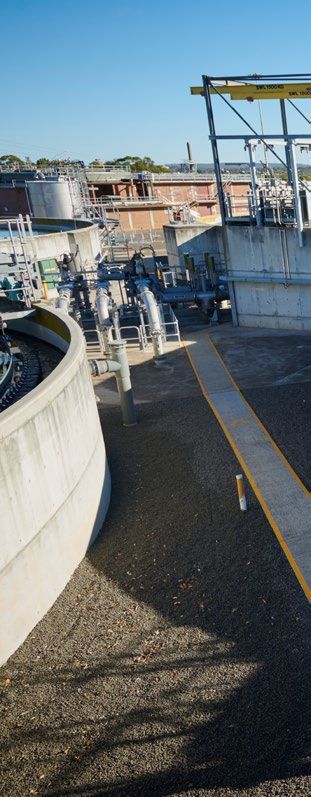
Delivering safe
                      and reliable
                      drinking water
     We are constantly improving our water quality management and monitoring systems to ensure
     we continue to provide high quality, safe and reliable water to today’s 4.9 million customers now
     and in the future. Our key objectives include:

     • Understand the long-term impacts on raw water quality to ensure treatment capacity
     • Optimise treatment and disinfection practices to
       minimise disinfection by-products and ensure
       protection of public health
     • Identify and understand emerging contaminants                        Chlorine Tablet
       of concern in drinking water                                          Dosing Kiosk
     • Optimise and identify laboratory techniques for              As a result of collaboration between
       microbial source tracking                                        the Networks, Production and
     • Develop alternative water supplies.                            Technical Services teams, we’ve
                                                                   developed a small automated chlorine
                                                                     dosing kiosk. This kiosk eliminates
                                                                      manual handling issues and the
                                                                   need to climb to the top of reservoirs,
                                                                    improving safety for our staff as well
                                                                     as ensuring consistency of chlorine
                                                                          dosing across the network.

              Lead Flushing
     NSW Health currently recommends
          flushing kitchen taps for 30
      seconds every morning to reduce
         lead impacts from household
          plumbing fittings. A Sydney
      Water study demonstrated that a
      conservative 10 second flush was
     sufficient to reduce lead levels, with
          water saving implications of
            800 megalitres per year!

10
Case Study
NOM and climate
change – Adapting
catchment monitoring
Natural Organic Matter (NOM)
Natural Organic Matter (NOM) in source water The aim is to understand the impacts of climate
can have a significant impact on treatability. change on NOM and at the same time develop
NOM impacts floc formation, increasing the innovative sensors to detect targeted changes
probability of early filter breakthrough and in NOM levels and provide an early warning
formation of disinfection by-products. system for potential water quality impacts.
In addition, climate change and drought Earlier work by UNSW and Sydney Water
impact our water supply catchments resulting developed an in-situ and portable floc
in an increase of the amount and type of NOM strength instrument, providing a rapid
present within source water. screening technology for optimisation of
treatment technologies as NOM changes.
Sydney Water is leading the way in NOM
research. We’re working with the University of
NSW, City University London and WaterNSW
on the ARC linkage project
“Adapting catchment monitoring and
potable treatment to climate change.” We’re patenting a new
graphene oxide
membrane for NOM
removal which we’ve
invented with UNSW.
11Enhancing assets
and operations
To meet customer expectations, we’re striving to improve the performance and extend the
life cycle of our assets, as well as increase the efficiency of our operations using
advanced analytics and intelligent technologies. Our key objectives include:
• Enhance current and future service standards to improve and
extend asset life
• Improve workplace health and safety We’re also trialling
• Optimise lifecycle investment decision making to enhance drone technologies
reliability of services for asset inspections,
• Improve smart monitoring, sensing and proactive remote water sampling,
maintenance to improve customer service. remote monitoring and
pipe CCTV, improving
safety and reducing
labour time.
Case Study
We’re leading
the way in IOT
80 digital / smart meters
are currently being trialled in
residential and commercial
sites to support a reduction
in water consumption and
network leakage
Sydney Water’s IOT Pilot won
Best NSW Government
Initiative at the Committee
for Sydney’s 2018
‘Smart City Awards’
A trial of 280 smart sensors have
been deployed in Liverpool,
successfully detecting 20 sewer
blockages and averting high
impact sewage overflows to
4700 properties
12Case Study
Reducing leaks and breaks to help
us save water during drought
As the drought progresses, we’re looking towards innovative technologies to help predict,
prevent, assess and repair leaks and breaks in our pipes. We’re collaborating with leading
experts including University of Technology Sydney (UTS), CSIRO’s Data 61, Water Services
Association of Australia (WSSA), NSW Smart Sensing Network (NSSN), water utilities,
universities, industry suppliers and international partners to investigate, develop and trial new
smart science and engineering to reduce failures and save water.
By using these cutting-edge technologies for preventative asset
maintenance for leaks and breaks, we’re on track to save
$70 MILLION
in efficient renewal costs over five years!
Predictive Robotic Sensing Advanced Sensing Smart Linings
Analytics Developing smart Investigating, developing Pipes and
Predicting and sensing robots to and testing advanced Infrastructure
prioritising high improve pipe condition smart sensing Spray lining machine
risk pipes assessment techniques technologies such as launched in April 2019
(2019 NSW AWA R&I Quantum Sensing to to line and coat poor
Award Winner) detect leaks condition pipes
2019 NSW
AWA R&I
Award
Winner
Rapid
response
robot on
7 NEWS
13Protecting and
enriching our
natural waterways
We will contribute to healthy waterways and clean beaches that our communities can continue
to enjoy. To achieve this in a dynamic and rapidly growing city will require new and innovative
ways of operating in a holistic catchment approach. Our key objectives include:
• Understand emerging contaminants of
concern to protect the receiving environment
• Implement smarter monitoring processes
PFAS
to understand the impact of wastewater on
the environment (per- and polyfluoroalkyl
substances) are man-made chemicals
• Incorporate a whole of catchment approach
that persist in the environment and
to protect our waterways and improve
can bioaccumulate in the food chain.
liveability for our customers
An independent expert review of
• Optimise decision support tools to predict our PFAS monitoring data and risk
environmental impacts from our operations. assessments concluded
that there is a low likelihood
of PFAS contamination
in Sydney Water’s drinking water,
wastewater, recycled water or biosolids.
However, we will continue to collaborate
with the EPA, water utilities and
researchers as the science around
PFAS develops.
Microplastics
Throughout 2018/19, we
worked with the EPA and
CSIRO to better understand
the type and quantity of
microplastics being released
Image: Dan Aveling, Cardno Ecology Lab
via wastewater treatment
plants and the potential
effects (based on a hazard
assessment of five
co-occurring chemicals) on
the marine environment. The
results from this study should
be available in early 2020.
14Case Study
Innovative approaches
for managing nutrients
in our waterways
We’ve installed
6000
wetland plants
over an area of
1000 m2
The Picton Water Recycling Plant uses This study will provide a robust and
treated effluent to irrigate our 119 ha farm, impartial assessment of the different
where fodder is grown and sold to dairy wetland configurations.
farms in the region. During wet weather,
We can then begin to introduce low
we need to discharge excess nutrient-rich
energy natural treatment systems,
water into nearby Stonequarry Creek and
reducing nitrogen loads from wastewater
downstream into the Nepean River.
where it makes sense.
We’ve recently constructed four wetland
cells at the Picton Water Recycling
Plant to test the effectiveness of
wetlands in reducing nitrogen loads in
treated wastewater.
Installing
our pilot
We’ll test the performance of floating wetland at
wetlands and shallow surface flow Picton
wetlands as low energy, natural
treatment systems to better understand
the variability, treatment time, land
required and costs.
15Improving
treatment and
resource recovery
We will look for sustainable treatment solutions, incorporating the recovery of valuable material
from our wastewater, managing the impact of our waste products, and reducing our
carbon footprint.
Our key objectives include:
• Identify energy generation and reuse
opportunities to produce new value
added products and services
Working together
• Identify and trial new emerging with our stakeholders
technologies, processes and novel
chemicals to optimise water and In collaboration with the SUEZ
wastewater treatment Technical Team and Customer
Delivery, we’ve used our pilot plants to
• Identify resource recovery opportunities
stress test the water treatment process
to contribute to the circular economy.
at Prospect Water Filtration Plant.
This has allowed us to optimise filter
capacity, offsetting significant capital
investment and achieving savings of
$100 million in avoided
upgrade costs!
With UoW, we’ve
launched a solar
energy generation
and battery
storage system at
16 Bondi SPSCase Study
The Circular Economy -
Generating energy from waste
We’re working towards a circular economy, harnessing our ‘waste’ to create enough
power to run our treatment plants.
Co-Digestion of Food Waste Optimising biomethane
In collaboration with the SMART Infrastructure production
Facility at the University of Wollongong, we’ve In collaboration with the University of Sydney,
developed a biogas optimisation model that the Science Research & Innovation team
can help us use the spare capacity of our engaged an undergraduate student to
digesters to co-digest food waste and sludge. investigate how to best optimise biomethane
Not only are we efficiently generating biogas production from cogeneration. We can apply
to power our wastewater treatment plants, the findings from this study to significantly
we’re also saving organic food waste reduce our emissions as well as increase our
from landfill. electricity production.
We’re optimising
biogas
production at
our wastewater
treatment
plants
17Enabling resilient
and liveable Cities
To build our resilience, we will need to understand the long-term challenges that face our
growing city and the contribution of water to delivering improved liveability outcomes for our
current and future customers.
Our key objectives include:
• Support the creation of climate resilient assets to meet future servicing and liveability
• Explore new technologies, materials and design to achieve urban cooling
• Test and evaluate scenarios to explore new approaches for future servicing
• Improve energy efficiency and investigate
alternative energy sources
• Explore new technologies for water
efficiency and water sources to
Case Study
conserve water.
Low Carbon
Living CRC
After 7 years, the Low Carbon Living CRC
concluded in 2019. Sydney Water’s Cooling
Western Sydney study gained widespread
praise and media attention and is currently
being adopted as part of Infrastructure
NSW’s South Creek Strategy.
18Case Study
Improving our understanding
of community public health
We provide wastewater influent samples to
a number of universities and researchers.
Increasingly, researchers are turning to
wastewater as a method of understanding public
health in the community.
Our research partners use our wastewater to
better understand:
• Drug use (UQ SewAus and National
Wastewater Drug Monitoring Program)
• Pharmaceutical use (UQ)
• Antibiotic resistance in the community (UNSW)
• Norovirus diversity (UNSW)
Case Study Cross Dependency
Initiative
(XDI - Sydney)
Protecting critical
infrastructure from climate
change impacts
Launched in 2017, XDI Sydney is a three
year pilot aiming to quantify the risks from
extreme weather and climate change,
and collaborate to develop cost-effective
adaptation pathways. XDI Sydney uses the
AdaptWater software, which is jointly owned
by Sydney Water and Climate Risk.
Over 350,000 The Pilot is being led by the NSW
assets have been Department of Planning, Industry and
Environment (formerly Office of Environment
analysed to date,
and Heritage) with founding partners
increasing to including Sydney Water, the City of Sydney,
over 4 million by the Climate Risk, Roads and Maritime Services,
end of the pilot. Sydney Trains, Transport for NSW, NBN Co.
and Northern Beaches Council. 19Looking We’ll continue to build
capacity in our networks
forward to our by implementing our
Spray Lining Machine
exciting future
for pipe renewals
We’ll be riding the
Wave into 2019-20
– fostering innovation,
creativity and collaboration
across the business –
for our customers
and community
Working with UTS
field crews to
test our condition
assessment
technology inside
our sewers
20We’re trialling photonic We’re researching nutrient We’ll be investigating
sensors in concrete offset projects such the use of sniffer dogs
structures - this has the as biofilters and bank to detect sewage leaks
potential to determine stabilisation to improve river – this trial will be an
structural damage and health in the Hawkesbury Australian first!
eliminate safety Nepean River
incidents
Digital Business is leading In response to the drought, We’re supporting Sydney
the way in Artificial we’re looking at Smart Water’s long term
Intelligence, using Bathrooms of the strategy by supporting
machine learning Future - the next step in four Cooperative Research
to complete sewer water conservation Centre bids (Future Cities,
condition assessment Transformative Cities,
SmartCrete and
RACE 2030)
21Launching our
Spray Lining
Machine for pipe
renewals
2223
For more information on
     Research & Innovation
     at Sydney Water, email
     research@sydneywater.com.au

     SW51 10/19
     © Sydney Water. All rights reserved.
24
You can also read


