RESULTS 2021 - EQ International
←
→
Page content transcription
If your browser does not render page correctly, please read the page content below
2021

                       RESULTS
          Jan Burck
       Ursula Hagen    Climate Mitigation Efforts of 57 Countries
      Christoph Bals
       Niklas Höhne
                       plus the EU. Covering 90% of the Global
Leonardo Nascimento    Greenhouse Gas Emissions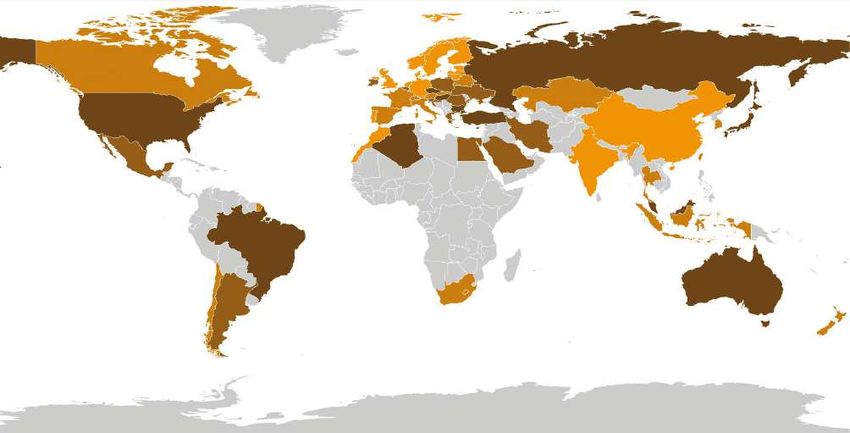
CCPI • Results 2021 Germanwatch, NewClimate Institute & Climate Action Network CCPI • Results 2021 Germanwatch, NewClimate Institute & Climate Action Network
Imprint Foreword
Germanwatch – Bonn Office
Kaiserstr. 201
Authors:
Jan Burck, Ursula Hagen, Christoph Bals,
Informing the process of raising climate ambition
D-53113 Bonn, Germany Niklas Höhne, Leonardo Nascimento, Tasneem Essop,
Ph.: +49 (0) 228 60492-0 Sophia Binz, Violeta Helling, Björk Lucas Published annually since 2005, the Climate Change sions than were predicted for 2030. Alternatively, the tril-
Fax: +49 (0) 228 60492-19 Performance Index (CCPI) is an independent monitor- lions made available worldwide could be used for green
With support of:
Germanwatch – Berlin Office Pieter van Breen voort, Luisa Hübschen, Ritika Tewari, ing tool for tracking countries’ climate protection perfor- alternatives, which could not only reduce emissions in
Stresemannstr. 72 Carmen Álvarez Campo, Luke Sherman mance. It aims to enhance transparency in international the long run but also boost the economy. It remains to
D-10963 Berlin, Germany climate politics and enables comparison of climate pro- be seen, which path countries will choose. During the
Editing:
Ph.: +49 (0) 30 28 88 356-0 tection efforts and progress made by individual countries. last quarter of the year, several major economies have
Adam Goulston, Janina Longwitz
Fax: +49 (0) 30 28 88 356-1
pledged to increase their climate ambitions for reaching
Maps:
E-mail: info@germanwatch.org The COVID-19 pandemic and the resulting need for eco- net-zero GHG emissions. Hopefully, this development will
Made by 23°
www.germanwatch.org nomic recovery have brought the world to a crossroads: bring a ripple-effect among countries, sparking much-
Design: A return to the status quo and a bail-out of fossil fuels needed commitment to our common goal of limiting global
Dietmar Putscher
could lead to even higher Greenhouse Gas (GHG) emis- warming to 1.5°C.
Coverphoto: GPA Photo Archive (CC BY-NC 2.0)
(Photo by Dennis Schroeder / NREL)
December 2020
NewClimate Institute – Cologne Office
Waidmarkt 11a You can find this publication as well
D-50676 Cologne, Germany as interactive maps and tables at
Ph.: +49 (0) 221 99983300 www.ccpi.org
NewClimate Institute – Berlin Office
Schönhauser Allee 10-11
D-10119 Berlin, Germany
Ph.: +49 (0) 030 208492742
Jan Burck Ursula Hagen Christoph Bals
(Germanwatch) (Germanwatch) (Germanwatch)
CAN
Climate Action Network International
Rmayl, Nahr Street
Contents
Jaara Building, 4th floor
P.O.Box: 14-5472 Foreword 3
Beirut, Lebanon
Ph.: +961 1 447192 1. About the CCPI 4
2. Overall Results CCPI 2021 6
2.1 Category Results – GHG Emissions 8
2.2 Category Results – Renewable Energy 10 Niklas Höhne Leonardo Nascimento Tasneem Essop
2.3 Category Results – Energy Use 12 (NewClimate Institute) (NewClimate Institute) (Climate Action Network
International)
2.4 Category Results – Climate Policy 14
3. CCPI stocktake of the COVID-19 low-carbon
economic recovery 16
4. Endnotes 20 Authors and acknowledgements
Annex 21 The Index is published by Germanwatch, NewClimate through the continued support and contributions of around
Institute and the Climate Action Network. The CCPI’s unique 400 climate and energy experts. We express our gratitude
climate policy section, evaluating countries’ national and to these experts and greatly appreciate their time, efforts
international climate policy performance, is only possible and knowledge in contributing to this publication.*
With the support of South Pole
* A full list of contributors to the climate policy evaluation can be found in the Annex of this publication.
With financial support from
the Barthel Foundation
2 3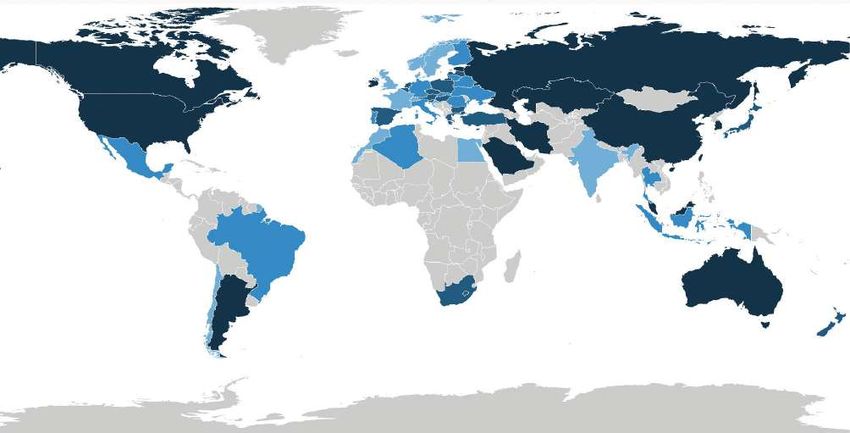
CCPI • Results 2021 Germanwatch, NewClimate Institute & Climate Action Network CCPI • Results 2021 Germanwatch, NewClimate Institute & Climate Action Network
1. About the CCPI Components of the CCPI
Country coverage: covering more than 90% Compatibility of countries’ performance with
of global GHG emissions well-below-2°C pathway and NDC analysis International Climate Policy Current Level of GHG Emissions
10% 10%
per Capita
On the basis of standardised criteria, the CCPI currently In 2017, the methodology of the CCPI was revised to fully
evaluates and compares the climate protection perfor- incorporate the 2015 Paris Agreement, a milestone in inter- National Climate Policy Past Trend of GHG Emissions
10% 10% per Capita
mance of 57 countries and of the European Union (EU), national climate negotiations with the goal to limit global 20%
TPES/Capita 2030 Target Climate
which are together responsible for more than 90% of global warming to well below 2°C or even to 1.5°C. Since then,
compared to a well-below-2°C Policy
greenhouse gas (GHG) emissions. The last country to be the CCPI includes an assessment of the well-below 2°C 40%
compatible pathway 5% GHG Current Level of GHG Emissions
added was Chile for the CCPI 2020. compatibility of countries’ current performances and their Emissions 10% per Capita compared to a well-
Current Level of TPES/Capita 20%
own targets (as formulated in their Nationally Determined compared to a well-below-2°C 5% Energy below-2°C compatible pathway
Contributions, or NDCs). Within the quantitative index cate- compatible pathway Use
Methodological approach and data sources 20%
gories – “GHG Emissions”, “Renewable Energy” and “Energy 5% Renewable
Past Trend of TPES/Capita Energy 10% GHG Emissions Reduction
The CCPI assesses countries’ performance in four Use” – current performance and the respective 2030 target
categories: 5% 2030 Target compared to a well-
are evaluated in relation to their country-specific well- Current Level of Energy Use below-2°C compatible pathway
below-2°C pathway. For the well-below-2°C pathways, (TPES/Capita) 5% 5%
5% 5%
“GHG Emissions” (40% of overall score), ambitious benchmarks are set for each category, guided
Renewable Energy 2030 Target compared Current Share of Renewables per TPES
by the long-term goals of the Paris Agreement. The three to a well-below-2°C compatible pathway
“Renewable Energy” (20% of overall score), benchmarks are: nearly zero GHG emissions (taking into
account country-specific pathways, which give develop- Current Share of Renewables per TPES compared Development of Energy Supply
to a well-below-2°C compatible pathway from Renewable Energy Sources
ing countries more time to reach this goal); 100% energy
“Energy Use” (20% of overall score) and
from renewable sources; and keeping to today’s average
global energy use per capita levels and not increasing GHG = Greenhouse Gases | TPES = Total Primary Energy Supply © Germanwatch 2020
“Climate Policy” (20% of overall score). beyond. The CCPI compares where countries actually are
today with where they should be to meet the ambitious
Aiming to provide a comprehensive and balanced evalua- benchmarks. Following a similar logic, the CCPI evaluates
tion of the diverse countries evaluated, a total of 14 indi- the countries’ own 2030 targets by comparing these to the
cators are taken into account (see figure below). Around same benchmarks. Disclaimer on comparability to previous CCPI editions
80% of the assessment of countries’ performance is The CCPI 2021 (for 57 selected countries and the EU) is 2018. However, this year’s results are comparable to the
based on quantitative data taken from the International
Interpretation of results based on the methodological design introduced in 2017 CCPI G20 Edition as well as to the CCPI 2018 to CCPI 2020.
Energy Agency (IEA), PRIMAP, the Food and Agriculture covering all greenhouse gas (GHG) emissions* and evalu- Please note that there have been slight methodological
Organization (FAO) and the national GHG inventories (sub- In interpreting the results, it is important to note that the
ates the 2030 targets and the well-below-2°C compatibil- changes compared to last year’s edition. In the categories
mitted to the UNFCCC).1 The categories “GHG Emissions”, CCPI is calculated using production-based emissions only.
ity of countries' current levels and targets in the categories “GHG emissions” and “Energy Use” the 2030 target indica-
“Renewable Energy” and “Energy Use” are each defined by Thereby the CCPI follows the currently prevailing method
“GHG Emissions”, “Renewable Energies” and “Energy Use”. tors are now calculated using an absolute difference to the
four indicators: (1) Current Level; (2) Past Trend;2 (3) well- of accounting for national emissions and the logic that
Therefore, there is only limited comparability between this 2°C-pathway rather than a relative difference.
below 2°C Compatibility of the Current Level; and (4) well- the nation producing the emissions is also the one held
year’s results and versions of the index prior to the CCPI
below 2°C Compatibility of the Countries’ 2030 Target. The accountable for them. Further, it is important to note that
remaining 20% of the assessment is based on the glob- more than half of the CCPI ranking indicators are quali-
ally unique climate policy section of the CCPI. The index fied in relative terms (better/worse) rather than absolute. Disclaimer – Data from before Covid-19
category “Climate Policy” considers the fact that climate Therefore even those countries with high rankings have no
protection measures taken by governments often take sev- reason to sit back and relax. On the contrary, the results The CCPI 2021 uses data from 2018 and thus does not take this survey, please see the blog on Covid 19 and Green
eral years to have an effect on the emissions, renewable illustrate that even if all countries were as committed as into account the most recent developments and effects Recovery on our website (www.ccpi.org) where you can
energy and energy use indicators. This category thereby the current frontrunners, efforts would still not be sufficient caused by the Covid-19 pandemic. Nevertheless, some find further information on the impact of the crisis and the
covers the most recent developments in national climate to prevent dangerous climate change. questions on the Covid-19 recovery were included in the recovery from it.
policy frameworks, which are otherwise not projected in expert survey on climate policy. Regarding the results from
the quantitative data. This category’s indicators are (1)
National Climate Policy and (2) International Climate Policy,
and the qualitative data for these is assessed annually in a More detailed information on the CCPI methodology Disclaimer on maps
comprehensive research study. Its basis is the performance and its calculation can be found in the “Background
The depictions of territorial boundaries on maps displayed We apologize if any names used/borders depicted are in
rating provided by climate and energy policy experts from and Methodology” brochure, available for download
in the CCPI do not imply a political opinion or judgement on conflict with your national identity or your general beliefs.
non-governmental organisations (NGOs), universities and at: www.ccpi.org
the legal status of any state territory. We would like to point out that the CCPI, focusing solely on
think tanks within the countries that are evaluated.3 The state boundaries shown are aligned with the official the global goal of climate protection, in no way intends to
stance of the United Nations (UN) on said matter. spark geopolitical controversy.
* All Kyoto gases (CO2, CH4, N2O, HFKW, PFKW and SF6) including the emissions coming from Land Use, Land Use Change and Forestry (LULUCF).
4 5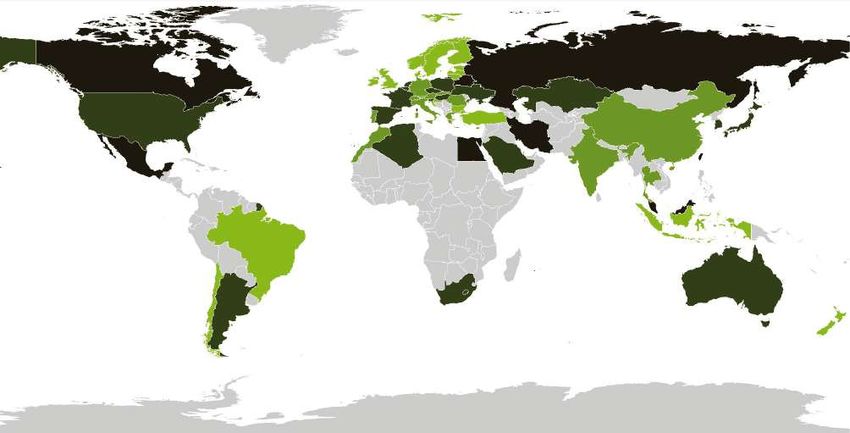
CCPI • Results 2021 Germanwatch, NewClimate Institute & Climate Action Network CCPI • Results 2021 Germanwatch, NewClimate Institute & Climate Action Network
2. Overall Results CCPI 2021 Climate Change Performance Index – Rating table
Rank Country Score** Categories
1.* – – –
2. – – –
3. – – –
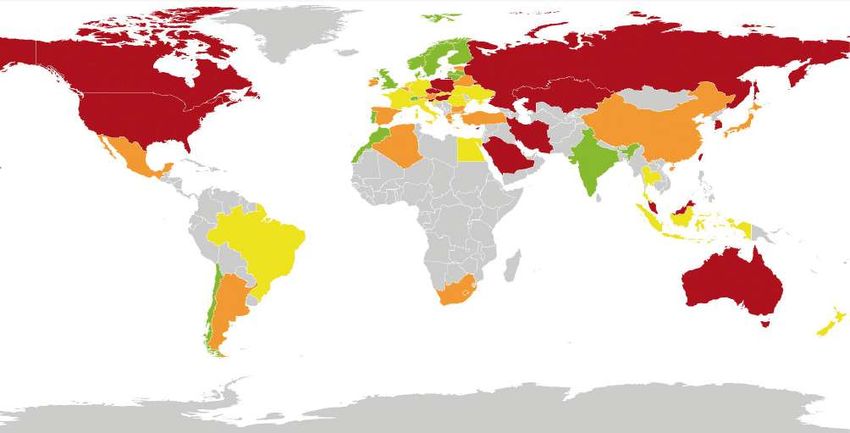
4. – Sweden 74.42
5. ▲ United Kingdom 69.66
6. ▼ Denmark 69.42
7. ▼ Morocco 67.59
8. ▲ Norway 65.45
Rating 9. ▲ Chile 64.05
10. ▼ India 63.98
© Germanwatch 2020
Very High
11. ▼ Finland 62.63
High 12. ▲ Malta 62.21
13. ▲ Latvia 61.88
Medium
14. ▲ Switzerland 60.85
Low 15. ▼ Lithuania 58.03
Very Low 16. ▲ European Union (28) 57.29
17. ▲ Portugal 56.80
Not included
in assessment 18. ▲ Croatia 56.69
19. ▲ Germany 56.39
20. ▼ Ukraine 55.48
21. ▼ Luxembourg 55.23
22. ▼ Egypt 54.33
23. ▼ France 53.72
24. ▲ Indonesia 53.59
25. ▼ Brazil 53.26
26. ▲ Thailand 53.18
Key results overall rating: Still no country made
27. ▼ Italy 53.05
it to the top three ranks 28. ▲ New Zealand 51.30
The world map shows the aggregated results and overall 29. – Netherlands 50.96
© Germanwatch 2020
30. ▼ Romania 50.33
performance of evaluated countries. The table shows the
31. ▼ Slovak Republic 49.51
overall ranking and indicates how the countries perform
32. – Mexico 48.76
in the different index categories. Headline results include: 33. ▼ China 48.18
34. ▼ Greece 48.11
â No country performs well enough in all index catego-
35. ▲ Austria 48.09
ries to achieve an overall very high rating in the index.
36. ▲ Belarus 47.27
Therefore, once again the first three ranks of the overall 37. ▼ South Africa 46.13
The following sub-chapters take a closer look at the results Rating
ranking remain empty. 38. ▼ Estonia 46.01
for the index categories: Very High
39. ▲ Ireland 45.47
â G20 performance: From the G20 countries, this year, GHG Emissions (2.1), Renewable Energy (2.2), 40. ▼ Belgium 45.11 High
only the EU as a whole, along with the UK and India, Energy Use (2.3) and Climate Policy (2.4). 41. ▼ Spain 45.02
rank among high performers while six G20 countries 42. ▲ Turkey 43.47
Medium
rank under very low performers. 43. ▲ Algeria 43.27 Low
44. ▲ Bulgaria 42.64
â EU performance: Hungary and Slovenia supersede 45. ▲ Japan 42.49
Very Low
Poland as the worst performing EU country in this 46. ▼ Argentina 40.48
year’s index, all of them ranked as very low performers. 47. ▼ Czech Republic 38.98
Seven EU countries (excluding the UK) and the EU as 48. ▲ Poland 38.94
Index Categories
a whole rank under high performers this year. The EU 49. ▼ Cyprus 38.73
50. ▼ Hungary 38.22 GHG Emissions
regains six places. (40% weighting)
51. ▼ Slovenia 37.02
52. – Russian Federation 30.34 Renewable Energy
(20% weighting)
53. ▲ Korea 29.76
Energy Use
54. ▲ Australia 28.82
(20% weighting)
55. ▼ Kazakhstan 28.04
Climate Policy
56. ▼ Malaysia 27.76 (20% weighting)
57. ▲ Chinese Taipei 27.11
58. ▼ Canada 24.82
59. ▼ Islamic Republic of Iran 24.58
60. – Saudi Arabia 22.46
61. – United States 19.75
* None of the countries achieved positions one to three. No country is doing enough to prevent dangerous climate change. © Germanwatch 2020
** rounded
6 7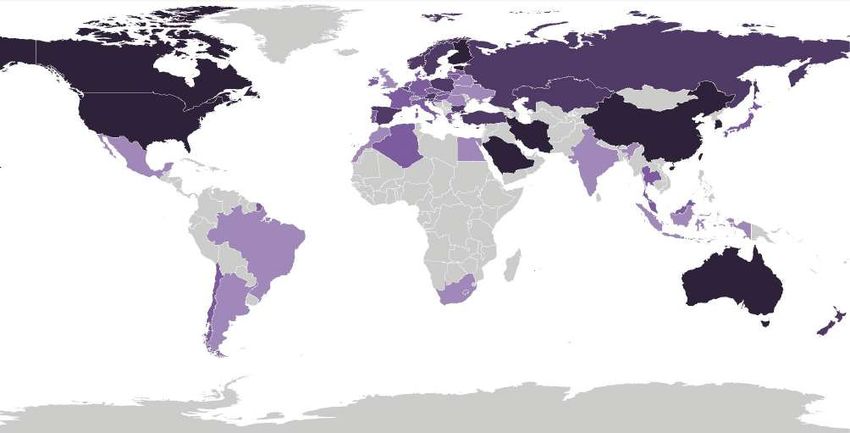
CCPI • Results 2021 Germanwatch, NewClimate Institute & Climate Action Network CCPI • Results 2021 Germanwatch, NewClimate Institute & Climate Action Network
2.1 Category Results – GHG* Emissions Greenhouse Gas Emissions – Rating table
Rank Country Score* Overall GHG per Capita GHG per Capita GHG per Capita GHG 2030 Target
Rating – current level – current trend – compared to a – compared to a
(including (excluding well-below-2°C well-below-2°C
LULUCF)** LULUCF)** benchmark benchmark
4. Sweden 33.15 High Very high High High High
5. Egypt 33.00 High High Medium Very high Very high
6. Chile 32.16 High High Low Very high Very high
7. United Kingdom 31.77 High Medium Very high High Medium
8. Malta 29.66 High High Very high Medium Low
9. Morocco 29.35 High High Very Low Very high Very high
10. Norway 29.01 High High High High High
Rating 11. Switzerland 28.53 High High High Medium Medium
12. India 28.39 High Very high Very Low Very high Very high
© Germanwatch 2020
High
13. Denmark 28.26 High Low High Medium Very high
Medium
14. Croatia 26.32 High High Low High Medium
Low 15. France 25.42 High Medium Medium Medium Medium
Very Low 16. Luxembourg 24.99 Medium Very Low High High Medium
17. Romania 24.74 Medium High Low High Medium
Not included
18. Germany 24.41 Medium Low High Medium Medium
in assessment
19. Finland 24.38 Medium Low High Low Medium
20. Ukraine 24.24 Medium Medium High High Very Low
21. European Union (28) 23.66 Medium Medium Medium Medium Medium
22. Brazil 23.45 Medium Low High Low Medium
23. Mexico 23.34 Medium Medium Low Medium Medium
24. Italy 23.19 Medium Medium Medium Medium Low
25. Algeria 22.93 Medium Medium Medium Medium Low
26. Slovak Republic 22.77 Medium Medium Low Medium Medium
27. Thailand 22.15 Medium Medium Low Medium Medium
GHG Emissions: Key developments – COVID-19 28. Belarus 21.96 Medium Medium Medium Medium Low
effects: Global emissions are declining 29. Lithuania 21.86 Medium Medium Very Low High Medium
30. Indonesia 21.39 Medium Medium Very Low Medium Medium
Owing to the COVID-19 crisis, the first half of 2020 brought
© Germanwatch 2020
31. Portugal 20.75 Medium Medium Very Low Medium Medium
a drastic 8.8% decrease in global GHG emissions.4 This is
32. Spain 20.48 Low Medium Low Low Low
the largest half-year decrease in emissions ever recorded. 33. Belgium 20.47 Low Low Medium Low Low
Studies from May 2020 suggest a 4%-7% worldwide de- 34. Latvia 20.43 Low Medium Very Low Medium Low
cline for the year, not considering successive waves of the 35. Austria 20.40 Low Low Medium Low Low
pandemic. Whether this emissions movement will continue 36. South Africa 20.39 Low Low High Low Low
over the coming years depends on how green countries’ 37. Turkey 20.33 Low High Very Low High Low
recoveries are. For 1.5°C, world emissions would need to â Eight of the G20 countries rank as very low perform- 38. Netherlands 20.31 Low Very Low Medium Low Low
ing countries. Saudi Arabia, the worst performing G20 39. Greece 20.31 Low Low High Low Very Low
continue to decline by this year’s rate.5
40. Japan 20.19 Low Low High Low Very Low
member has moved up from the last to the second last
41. Bulgaria 19.27 Low Medium Very Low Low Low
Key results: GHG Emissions rating rank.
42. Czech Republic 18.65 Low Very Low Medium Low Low
The table on the right provides detailed information on the 43. Hungary 18.55 Low Medium Very Low Medium Low
EU performance:
performance of all countries listed in the CCPI in the four 44. New Zealand 18.06 Low Very Low High Very Low Low
â As last year, the EU is rated medium for its performance 45. Slovenia 17.57 Low Low Medium Very Low Very Low
indicators defining the GHG Emissions category.
46. Poland 17.23 Low Low Very Low Low Low
in the GHG Emissions category.
47. Russian Federation 16.55 Very Low Very Low Very Low Medium Very Low
G20 performance:
â Five EU countries rank as high performers in this year’s 48. China 16.47 Very Low Low Low Low Very Low
â No country’s performance is rated very high for all indi- GHG Emissions rating (excluding the UK). Cyprus, 49. Estonia 16.17 Very Low Very Low Low Low Medium
Ireland and Estonia are the worst performing EU coun- 50. Ireland 15.94 Very Low Very Low Low Low Low
cators in the GHG Emissions category while only France
51. Argentina 15.70 Very Low Low Medium Very Low Very Low
joins last year’s two high performing G20 countries tries, all with an overall very low rating in this category.
52. Australia 15.37 Very Low Very Low Medium Low Low
India and the United Kingdom. Although India has one
53. Cyprus 14.95 Very Low Low Very Low Very Low Low
of the largest growth trends, per capita emissions stay 54. Malaysia 11.02 Very Low Very Low Medium Very Low Very Low
at a comparatively low level, rated very high for their 55. United States 10.44 Very Low Very Low Medium Very Low Very Low
well-below 2°C compatibility. 56. Canada 9.87 Very Low Very Low Medium Very Low Very Low
57. Korea 8.34 Very Low Very Low Low Very Low Very Low
58. Islamic Republic of Iran 8.00 Very Low Very Low Very Low Very Low Very Low
59. Chinese Taipei 7.92 Very Low Very Low Very Low Very Low Very Low
60. Saudi Arabia 5.98 Very Low Very Low Medium Very Low Very Low
61. Kazakhstan 2.84 Very Low Very Low Very Low Very Low Very Low
* unweighted and rounded ** Land Use, Land-Use Change and Forestry © Germanwatch 2020
* Greenhouse Gas Emissions
8 9
CCPI • Results 2021 Germanwatch, NewClimate Institute & Climate Action Network CCPI • Results 2021 Germanwatch, NewClimate Institute & Climate Action Network
2.2 Category Results – Renewable Energy Renewable Energy (RE) – Rating table
Rank Country Score* Overall Share of RE in RE current trend Share of RE in RE 2030 Target
Ranking Energy Use (excl. hydro) Energy Use (TPES) (incl. hydro) –
(TPES)** – (excl. hydro) – compared to a
current level compared to a well-below-2°C
(incl. hydro) well-below-2°C benchmark
benchmark
4. Latvia 14.17 High High High High Medium
5. Norway 13.94 High Very high High Low High
6. Sweden 13.93 High Very high Medium Medium High
7. Denmark 13.67 High High High High Medium
8. Finland 13.62 High High Medium High Medium
9. New Zealand 12.97 High Very high Low High Medium
Rating 10. Lithuania 12.38 High Medium High High Medium
© Germanwatch 2020
High 11. Brazil 11.84 High Very high Low Medium Medium
Medium 12. Chile 11.64 High High Medium High Medium
13. Croatia 11.21 High Medium Very high Medium Medium
Low
14. Turkey 10.71 High Medium Very high Medium Low
Very Low 15. Indonesia 10.29 High Medium High Medium Low
16. Luxembourg 10.11 High Low Very high Low Low
Not included
in assessment 17. Ireland 10.04 High Medium Very high Medium Medium
18. Malta 9.71 High Low Very high Low Low
19. Estonia 9.48 High Medium High Medium Medium
20. Bulgaria 9.38 High Low High Medium Medium
21. United Kingdom 9.34 High Medium Very high Medium Very Low
22. Austria 8.77 Medium High Low Low Medium
23. China 8.68 Medium Low Very high Low Low
24. Portugal 8.41 Medium High Low Low Medium
25. Morocco 8.08 Medium Very Low Very high Low Low
26. Thailand 7.94 Medium
Renewable Energy: Key developments – High Low Medium Medium
27. India 7.89 Medium Medium High Low Medium
Renewable the only energy source to profit
© Germanwatch 2020
28. Germany 7.84 Medium Medium Medium Medium Low
from COVID-19 29. European Union (28) 7.62 Medium Medium Medium Medium Medium
Renewable energy continues to expand. In 2019, installed 30. Switzerland 7.56 Medium High High Low Low
31. Italy 7.03 Medium Medium Low Medium Medium
capacity grew by over 200 gigawatts – the largest annual
32. Cyprus 6.98 Medium Low High Low Low
growth to date. Wind and solar power have also been the
33. Greece 6.80 Medium Low Medium Low Medium
cheapest sources of new electricity generation in 2020 in
34. Slovak Republic 6.50 Medium Low Medium Low Medium
most parts of the world. The expected tipping point where G20 performance: 35. Romania 6.47 Medium Low High Low Medium
new installed renewables capacity is cheaper than operat- 36. Ukraine 6.38 Low Very Low High Very Low Low
ing coal or natural gas power plants is expected in 2025.6 Eleven of the G20 countries are rated low or very low
37. Belgium 6.37 Low Low Medium Low Low
for their performance in the Renewable Energy cat- 38. Spain 6.21 Low Medium Very Low Low Medium
As it did on GHG emissions, the COVID-19 crisis had an egory. 39. Netherlands 6.14 Low Low High Low Low
impact on the renewable energy sector. Owing to lower 40. Korea 6.11 Low Very Low Very high Very Low Very Low
energy demand and renewables being given an advantage Turkey and Indonesia joined Brazil and the United
41. Kazakhstan 5.94 Low Very Low Very high Very Low Very Low
in accessing the electricity market, these were the only Kingdom as the only G20 countries rated high for their
42. France 5.86 Low Low High Low Low
sources increasing their share of the primary energy supply performance in the Renewable Energy category. While 43. Algeria 5.70 Low Very Low Very high Very Low Very Low
in 2020. Despite that, the sector had to cope with disrupted Brazil’s performance is based on the very high share of 44. Saudi Arabia 5.38 Low Very Low Very high Very Low Very Low
labour and supply chains.7 renewables in the energy mix, the United Kingdom and 45. Slovenia 5.33 Low Medium Low Very Low Low
Turkey receive a very high rating for their positive trend 46. Japan 5.32 Low Low High Low Low
Key results: Renewable Energy rating in renewable development between 2013 and 2018. 47. Hungary 5.13 Low Low Medium Very Low Low
48. Czech Republic 5.00 Low Low Low Low Low
The table provides detailed information on the performance EU performance: 49. Poland 4.75 Low Low Low Low Low
of all countries listed in the CCPI in the four indicators 50. Argentina 4.50 Low Low Medium Very Low Very Low
defining the Renewable Energy category. The EU’s performance in the Renewable Energy cat- 51. South Africa 3.96 Low Low Medium Very Low Very Low
egory shows no improvements compared to last year. 52. Australia 3.46 Low Low High Low Very Low
53. United States 3.12 Low Low Medium Low Very Low
No country is rated very high for all indicators defining Of the 18 countries rated high for their performance 54. Canada 2.59 Very Low Medium Very Low Very Low Very Low
the Renewable Energy category. Since the energy sec- in the Renewable Energy category in this year’s index, 55. Egypt 2.17 Very Low Very Low Low Very Low Very Low
tor contributes greatly to a country’s CO2 emissions, 11 are EU countries (excluding the UK). Only Sweden 56. Mexico 2.05 Very Low Low Medium Very Low Very Low
the results of the Renewable Energy rating indicate receives a high rating for its 2030 target and is also the 57. Belarus 1.70 Very Low Very Low Low Very Low Very Low
that there is much room for improvement in mitigat- only EU country with a very high share of renewables. 58. Malaysia 1.68 Very Low Very Low Low Very Low Very Low
ing emissions by means of accelerated deployment of Poland and the Czech Republic are the worst perform- 59. Chinese Taipei 1.34 Very Low Very Low Very Low Very Low Very Low
renewable energy. ing EU countries, rated low for all indicators defining the 60. Russian Federation 0.79 Very Low Very Low Very Low Very Low Very Low
61. Islamic Republic of Iran 0.55 Very Low Very Low Very Low Very Low Very Low
Renewable Energy category.
* unweighted and rounded ** Total Primary Energy Supply © Germanwatch 2020
10 11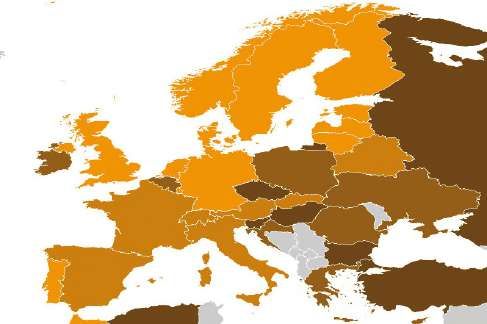
CCPI • Results 2021 Germanwatch, NewClimate Institute & Climate Action Network CCPI • Results 2021 Germanwatch, NewClimate Institute & Climate Action Network
2.3 Category Results – Energy Use* Energy Use – Rating table
Rank Country Score* Overall Energy Use Energy Use Energy Use Energy Use
Rating (TPES)** (TPES) per Capita (TPES) per Capita 2030 Target
per Capita – – current trend – compared to a – compared to a
current level well-below-2°C well-below-2°C
benchmark benchmark
4. Ukraine 18.54 High High Very high Very high Very high
5. Malta 16.82 High Very high Very high High Low
6. Mexico 16.34 High Very high High High Very high
7. Morocco 16.06 High Very high Low Very high Very high
8. Switzerland 14.95 High Medium High High High
9. Brazil 14.86 High Very high High High Medium
10. India 14.77 High Very high Low Very high High
Rating
11. Belarus 14.74 High Medium Medium High Very high
© Germanwatch 2020
High
12. United Kingdom 14.51 High Medium High High Medium
Medium 13. Indonesia 13.89 High Very high Low High High
Low 14. Egypt 13.89 High Very high Very Low High Very high
15. Argentina 13.73 High High High Medium Low
Very Low
16. South Africa 13.68 High Medium High Medium High
Not included 17. Romania 13.60 High High Very Low High Very high
in assessment
18. Greece 13.24 Medium High Medium Medium Medium
19. Thailand 12.91 Medium High Medium Low Medium
20. Algeria 12.84 Medium Very high Low Medium High
21. Germany 12.74 Medium Low High Medium Medium
22. Italy 12.70 Medium Medium Medium Medium Medium
23. European Union (28) 12.21 Medium Low Medium Low Medium
24. Denmark 12.14 Medium Low Medium Medium Low
25. Japan 11.95 Medium Low Medium Low Low
26. Lithuania 11.93 Medium Medium Very Low High High
Energy Use: Key developments – Improvements 27. Ireland 11.71 Medium Medium Low Low Medium
in energy efficiency falling further behind 28. Netherlands 11.71 Medium Low Medium Low Medium
29. France 11.67 Medium Low High Low Low
With total primary energy consumption still on the rise 30. Chile 11.55 Medium High Medium Very Low Low
© Germanwatch 2020
in 2019, the concept of energy efficiency is increasingly 31. Malaysia 11.52 Medium Medium High Very Low Low
important. According to the IEA’s latest Energy Efficiency 32. Croatia 11.40 Medium High Very Low Medium Low
Report, improvements in energy efficiency are falling be- 33. Slovak Republic 11.13 Medium Low Low Medium Low
hind targets around the world. While investment in energy 34. Czech Republic 11.07 Medium Low Medium Low Medium
35. Latvia 11.07 Medium Medium Very Low High Medium
efficiency remained stable in 2019, the COVID-19 pandemic
36. Hungary 10.87 Medium Medium Very Low Medium High
is expected to trigger a global recession, inducing spend-
37. Portugal 10.87 Medium High Very Low Low Medium
ing cuts of over 10% in energy efficiency sectors (IEA, EU performance:
38. Kazakhstan 10.67 Low Very Low High Low Very Low
Energy Efficiency Report 2020). As last year, the EU is rated medium for its performance 39. Belgium 10.50 Low Very Low Medium Low Low
in the Energy Use category. 40. Spain 10.45 Low Medium Low Low Medium
G20 performance: 41. Bulgaria 10.45 Low Medium Very Low Medium Low
Only two EU countries rank high in the Energy Use rating 42. Poland 10.29 Low Medium Very Low Low Low
Only Mexico, Brazil, Indonesia, India and Germany out
(excluding the UK). 43. Cyprus 10.27 Low Medium Very Low Low High
of the G20 are rated high for their performance in the 44. New Zealand 10.26 Low Very Low Medium Very Low Low
Energy Use category. Mexico is among the few coun- 45. Russian Federation 10.26 Low Very Low Low Low High
tries in this year’s CCPI that are rated very high for the 46. Turkey 10.24 Low High Very Low Low Medium
well-below-2°C compatibility of their 2030 energy use 47. Norway 10.20 Low Very Low High Very Low Very Low
target. 48. Austria 10.16 Low Low Medium Very Low Very Low
49. Sweden 10.12 Low Very Low Medium Low Low
Five out of the eleven very low performers in the Energy 50. Slovenia 10.09 Low Low Low Very Low Low
Use rating are G20 countries. 51. Australia 9.18 Very Low Very Low High Very Low Very Low
52. China 9.06 Very Low Medium Low Very Low Very Low
53. Luxembourg 8.93 Very Low Very Low Very high Low Very Low
54. Estonia 8.79 Very Low Very Low Low Low Very Low
55. Chinese Taipei 8.75 Very Low Low Medium Very Low Low
56. Islamic Republic of Iran 8.53 Very Low Medium Low Very Low Medium
57. United States 5.39 Very Low Very Low Medium Very Low Very Low
58. Finland 5.25 Very Low Very Low Medium Very Low Very Low
59. Korea 4.69 Very Low Very Low Low Very Low Very Low
60. Saudi Arabia 4.49 Very Low Very Low Low Very Low Very Low
61. Canada 3.50 Very Low Very Low Low Very Low Very Low
* Increases in energy efficiency in its strict sense are complex to measure and would require a sector-by-sector approach. As currently there are no comparable data * unweighted and rounded ** Total Primary Energy Supply © Germanwatch 2020
sources across all countries available, the CCPI evaluates the per capita energy use of a country to measure improvements in this category.
12 13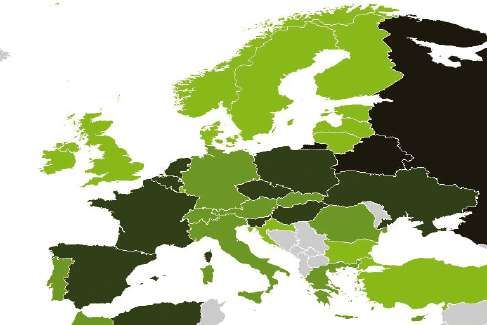
CCPI • Results 2021 Germanwatch, NewClimate Institute & Climate Action Network CCPI • Results 2021 Germanwatch, NewClimate Institute & Climate Action Network
2.4 Category Results – Climate Policy Climate Policy – Rating table
Rank Country Score* Overall National International
Rating Climate Policy Performance Climate Policy Performance
4. Finland 19.38 High High Very high
5. Sweden 17.22 High Medium Very high
6. Portugal 16.76 High Medium Very high
7. Latvia 16.20 High High High
8. Denmark 15.35 High Medium High
9. Morocco 14.10 High Medium High
10. United Kingdom 13.96 High Medium High
11. China 14.00 High Medium Medium
Rating
12. European Union 13.80 High Medium High
© Germanwatch 2020
High 13. India 12.92 High Medium Medium
Medium 14. Netherlands 12.81 High Medium Medium
15. Norway 12.30 High Medium High
Low
16. Lithuania 11.85 High Medium Medium
Very Low 17. Estonia 11.57 High Medium Medium
Not included 18. Germany 11.39 High Medium High
in assessment 19. Luxembourg 11.20 High Low High
20. France 10.76 Medium Low High
21. Korea 10.63 Medium Medium Medium
22. Thailand 10.18 Medium Medium Medium
23. Italy 10.13 Medium Low Medium
24. New Zealand 10.00 Medium Medium Medium
25. Switzerland 9.81 Medium Medium Medium
26. Slovak Republic 9.11 Medium Low Medium
27. Chinese Taipei 9.10 Medium Low Medium
Climate Policy: Key developments – A year of 28. Belarus 8.87 Medium Medium Low
29. Canada 8.86 Medium
contradiction and without sufficient targets Low Medium
30. Austria 8.77 Medium Low Medium
The political momentum on climate policy is growing de- 31. Chile 8.69 Medium Low Medium
© Germanwatch 2020
spite COP26’s postponement, as several countries updated 32. Kazakhstan 8.59 Medium Low Medium
their NDCs. China, the world’s largest emitter, commit- 33. South Africa 8.10 Medium Low Medium
34. Indonesia 8.02 Medium Low Medium
ted to a target of net zero by 2060, while Japan and the
35. Spain 7.87 Medium Low Medium
Republic of Korea even announced their aim to become
36. Ireland 7.78 Low Low Medium
carbon neutral by 2050. Despite these movements, some
37. Belgium 7.78 Low Low Medium
developments have gone the opposite way. A day after 38. Croatia 7.76 Low Low Low
the US presidential election in November, the US formally G20 performance: 39. Greece 7.76 Low Low Low
withdrew from the Paris Agreement. While some countries As last year nine of the G20 countries are rated low 40. Islamic Republic of Iran 7.50 Low Medium Low
have already submitted their NDC improvements, numer- or very low for their performance in the Climate Policy
41. Mexico 7.02 Low Low Medium
ous large emitters have yet to do so. Even the goals of net category. South Africa was able to improve to a medium
42. Poland 6.67 Low Low Low
zero by 2050 or 2060 from Asia are insufficient for a 1.5°C 43. Saudi Arabia 6.61 Low Low Low
rating, while Saudi Arabia joins the low performers. 44. Argentina 6.54 Low Low Medium
world.
Five G20 countries rank under high performers in this 45. Cyprus 6.53 Low Low Low
46. Ukraine 6.32 Low Low Low
Key results: Climate Policy rating year’s Climate Policy rating with France now scoring only
47. Malta 6.02 Low Low Low
medium.
The table on the right provides detailed information on 48. Romania 5.52 Low Low Low
the performance of all 57 countries and the EU in the two EU performance: 49. Egypt 5.28 Low Low Low
50. Japan 5.03 Very Low Low Low
indicators defining the Climate Policy category. The EU improves by eight ranks in the Climate Policy 51. Czech Republic 4.26 Very Low Low Very Low
While a few countries have a very high rating for their rating and is rated high especially for its international 52. Slovenia 4.04 Very Low Low Low
international climate policy performance, no country climate policy. 53. Hungary 3.67 Very Low Low Very Low
reaches an overall very high rating for the Climate Policy 54. Malaysia 3.55 Very Low Low Low
Ten EU countries rank under high performers in this 55. Bulgaria 3.54 Very Low Low Low
category. year’s Climate Policy rating, with five EU countries lead- 56. Brazil 3.12 Very Low Low Very Low
ing the ranking (excluding the UK). Bulgaria and Hungary 57. Russian Federation 2.75 Very Low Very Low Low
are the worst performing EU countries, both with an 58. Turkey 2.19 Very Low Low Very Low
overall very low rating in the Climate Policy category. 59. Algeria 1.81 Very Low Very Low Very Low
60. Australia 0.81 Very Low Very Low Very Low
61. United States 0.80 Very Low Very Low Very Low
* unweighted and rounded © Germanwatch 2020
14 15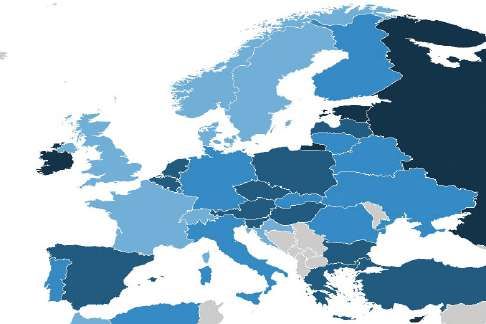
CCPI • Results 2021 Germanwatch, NewClimate Institute & Climate Action Network CCPI • Results 2021 Germanwatch, NewClimate Institute & Climate Action Network
3. CCPI stocktake of the COVID-19 low-carbon Measures included in the survey (Figure 1)
economic recovery This is a non-exhaustive list of measures that support (green) or undermine (red) a low-carbon economic recovery.
• Dedicated budget for green spending in recovery or rescue package
In a nutshell of the rescue and recovery from COVID-19, can support • Fiscal reform reducing fossil fuel subsidies
curbing emissions and avoiding a lock-in to carbon-inten-
• Corporate bailouts without conditions for a low-carbon transition
1. The COVID-19 pandemic-induced drop in emissions is sive energy sources or stranding of high-carbon assets.8 General
• Roll back economy-wide environmental and climate regulations
just temporary if no structural changes are implemented
towards a low-carbon transition. Steering fiscal rescue The economic recovery from the current crisis can catalyse • Support for zero-emissions technologies and infrastructure in energy supply
and recovery spending towards low-carbon and sustain- emissions reductions and resilience building, if it is correct-
• Revive plans for ‘shovel-ready’ fossil fuel power plants
able measures can support a systemic transformation ly designed. The ideal stimulus must account for both long- Energy • Waive environmental regulations related to fossil fuel exploration
and lead to myriad long-term benefits. term development and short-term benefits.9 Evaluation of supply • Bail out fossil fuel energy utilities without conditions for a low-carbon transition
the recovery status in terms of mitigation efforts supports
2. The unique CCPI survey gives reasons for optimism about understanding the overall direction of current plans. It also • Direct investment or support for green mobility or urbanisation projects
the direction of recovery. More countries have reported helps in identifying measures that affect the systemic trans- • Fiscal or financial incentives for zero-emission vehicles
low-carbon measures in their COVID-19 recovery plans formation required to achieve the Paris Agreement’s goals. • Support for the uptake of efficient technologies in industry and buildings
than measures that undermine a low-carbon transition. • Stimulus programmes for new buildings without energy efficiency criteria
However, there are widespread contradicting measures The Climate Change Performance Index (CCPI) overviewed Energy • Support for industry without conditions for a low-carbon transition
in current plans. This hinders low-carbon economic re- the state of the recovery in 2020 concerning its effect on use • Support to automobile companies without conditions for a low-carbon transition
covery efforts. GHG emissions. In this unique survey, in September-No-
vember 2020, we asked over 170 experts in 55 countries • Large-scale landscape restoration and reforestation
3. There are numerous examples of low-carbon measures about their governments’ COVID-19 recovery plans. These
in the recovery worldwide. Yet these may not necessarily countries were responsible for 83% of global emissions in Non-energy
sectors • Dismantling the enforcement of state protection for natural habitats
reflect investment volumes (tracked in other analyses). It 2018.10,11 In the survey, we asked about the implementa-
is crucial that high fiscal spending in a few high-carbon tion status (under discussion, in place, or not in place) of Source: Climate Action Tracker (2020a)
measures does not hamper efforts towards a low-carbon key measures that support rebuilding a more sustainable
recovery. economy or reinforce an unsustainable high-carbon status technologies in the energy sector. This is the case in both A third implemented or are considering fiscal reform to re-
quo (Figure 1). energy supply and demand. These measures result in direct duce fossil fuel subsidies. These measures can be imple-
4. Popular low-carbon interventions focus on stimulating short-term economic impacts by stimulating consumption mented because fuel prices are currently very low. They
consumption or creating demand for new jobs. Common or creating demand for new jobs.12 also provide new revenues for other rescue measures.
high-carbon interventions, however, often focus on pro- Stocktake of the COVID-19 A quarter of the countries supported large-scale landscape
tecting incumbent industries, and existing jobs, without recovery More than half of the countries considered dedicated a restoration and afforestation efforts.
conditions for low-carbon transition. particular share of recovery spending to green measures.
Most countries have implemented measures that support
5. Policymakers still have the chance to scale up low-car- a low-carbon economic recovery alongside measures that
bon interventions, because national recovery plans are
not fully laid out. The survey reveals many measures un-
then undermine their efforts.
Measures supporting a low-carbon recovery (Figure 2)
Survey results (173 experts) for measures supporting low-carbon recovery.
der discussion. These show that countries recognise the The survey shows reasons for optimism about the recov-
Percentages represent the share of surveyed countries.
need to dedicate a share of the recovery budget to low- ery’s direction. This owes to the many supportive measures
carbon measures. Future interventions must expand cur- in place or under discussion, across the board. However,
rent good practices to situate low-carbon investments at short-term rescue of high-emissions sectors, without emis- In place Under discussion Not in place No information
the centre of the recovery efforts. sions-reduction conditions, pulls efforts in opposite direc- Fiscal or financial incentives for zero-emission 68.9% 5.7% 18.2% 7.3%
tions. vehicles
Introduction Policymakers still have the chance to scale up low-carbon
Support for the uptake of efficient technologies
in industry and buildings
61.6% 5.7% 18.2% 14.5%
interventions since national recovery plans are not fully laid Support for zero-emissions technologies and 54.2% 9.4% 18.2% 18.2%
Greenhouse gas (GHG) emissions in 2020 are lower than out. It’s crucial that high fiscal spending in a few high-car- infrastructure in energy supply
in previous years. This dip is, however, induced by the bon measures does not undermine efforts towards a low- Direct investment or support for green mobility 63.4% 7.5% 20.0% 9.1%
COVID-19 pandemic and may only be temporary if no struc- carbon recovery. or urbanisation projects
tural changes are made. Decades of steady reductions of a Dedicated budget for green spending in recovery 37.2% 28.3% 25.5% 9.1%
similar rate of decrease are needed to keep the 1.5°C warm- On average, more countries reported low-carbon meas- or rescue package
ing limit within reach. ures in COVID-19 recovery plans compared with measures Large-scale landscape restoration and 25.2% 7.5% 50.9% 16.4%
that undermine low-carbon transition (Figure 2). Support reforestation
Emissions could bounce back and even overshoot previ- for low-emissions motor vehicles is part of the recovery in Fiscal reform reducing fossil fuel subsidies 19.4% 17.0% 56.4% 7.3%
ously projected levels by 2030, even despite lower eco- 3/4 of the countries surveyed. Most countries also include
nomic growth. Dedicated low-carbon interventions, as part measures supporting uptake of zero- or low-emissions 0% 20% 40% 60% 80% 100%
© Germanwatch e.V. & NewClimate Institute 2020
16 17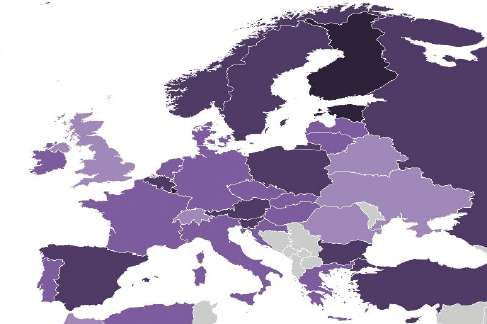
CCPI • Results 2021 Germanwatch, NewClimate Institute & Climate Action Network CCPI • Results 2021 Germanwatch, NewClimate Institute & Climate Action Network
The most prominent measures leading to high carbon lock- Countries still have room to shape the recovery, with many
in or higher greenhouse gas emissions include bailout of measures reported as “under discussion” (Figure 4). High- Number of countries with measures under discussion (Figure 4)
corporations and industries with no conditions to foster carbon measures are being discussed in some countries, Maximum number of countries per measure: 55
transition to low-carbon economies (Figure 3). Amid states but the most prevalent measures under discussion seem
of emergency, many governments simply focussed on to support low-carbon recovery. Approximately one-third
Supporting a low-carbon recovery Undermining a low-carbon recovery
keeping the economy afloat. Forward-looking strategies of countries reported discussions on setting a specific
would need to ensure that corporate and industry bailouts budget for green spending. Also, almost one-quarter had
do not reinforce unsustainable practices. discussed reform of fossil fuel subsidies. These countries Fiscal or financial incentives for zero-emission vehicles 3
probably want to seize the opportunity that recent low en- Support for the uptake of efficient techologies in industry and buildings 3
Despite these findings, the reporting of what countries ergy prices provide.
Support for zero-emissions technologies and infrastructure in energy supply 5
have not done is positive. At least two-thirds have avoided
Direct investment or support for green mobility or urbanisation projects 4
restarting plans for shovel-ready, coal-fired power plants Though there are widespread examples of low-carbon
or for weaking environmental regulations associated with measures worldwide, these are not necessarily aligned with Dedicated budget for green spending in recovery or rescue package 15
protecting natural habits or fossil fuel exploration. investment volumes. The share of low-carbon investments Large-scale landscape restoration and reforestation 4
over gross domestic production is still small, despite a rela-
Fiscal reform reducing fossil fuel subsidies 9
Countries with high dependency on fossil fuel rents tend tively high number of positive interventions.13,14,15 High fis-
Corporate bailouts without conditions for a low-carbon transition 1
to have higher prevalence of high-carbon measures com- cal spending in a few high-carbon measures must not un-
pared with measures that support low-carbon recovery. dermine efforts towards low-carbon recovery. Support for industry without conditions for a low-carbon transition 4
This owes to the focus on rescue-type measures (especially Roll back economy-wide environmental and climate regulations 1
liquidity support for emissions-intensive incumbent indus- Our survey shows signs for optimism about the direction of Bail out fossil fuel energy utilities without conditions for a low-carbon transition 2
tries) and still-unfinalized recovery-focused packages, in recovery, but a low-carbon economic transition relies on
Support to automobile companies without conditions for a low-carbon transition 3
which low-carbon measures may figure more prominently. the next steps. Recovery plans provide a chance to raise
ambition in developing long-term strategies and ratchet-up Stimulus programmes for new buildings without energy efficiency criteria 4
Our analysis also suggests developed countries are not nationally determined contributions. Policymakers still have Waive environmental regulations related to fossil fuel exploration 2
necessarily implementing either more or fewer low-carbon the chance to scale up low-carbon interventions, because Dismantling the enforcement of state protection for natural habitats 2
measures than developing countries. No substantial cor- national recovery plans are not fully laid out. Future inter-
Revive plans for ‘shovel-ready’ fossil fuel power plants 1
relation was observed between income level and type of ventions must expand current good practices to situate low-
© Germanwatch e.V. & NewClimate Institute 2020
measures. carbon investments at the centre of the recovery efforts.
Measures undermining a low-carbon recovery (Figure 3) About the methodology
Survey results (173 experts) for measures that undermine low-carbon recovery.
Percentages represent the share of surveyed countries. Our method is based on a survey conducted among sev- Experts may have diverging perspectives on the level of
eral national experts, conducted in September–November measures’ implementation. We accounted for the level of
In place Under discussion Not in place No information
2020. We approached 850 experts and had a 20% response agreement between experts by averaging the answers
rate. The method considers measures in place and under for each country and measure. Opposite answers were
Corporate bailouts without conditions for a
low-carbon transition
54.5% 1.9% 23.6% 20.0% discussion. It allows for an overview of implemented and assigned positive and negative scores. Contradicting an-
planned measures, without analysing individual interven- swers from two experts, for the same measure and country,
Support for industry without conditions for a
low-carbon transition
54.3% 7.5% 29.1% 9.1% tions. This, however, restricts analyses that account for the cancelled each other out and were not considered in the
scope of individual measures. analysis. We considered a measure in the results only if a
Roll back economy-wide environmental and
climate regulations
29.0% 1.9% 49.1% 20.0% majority of experts stated the measure was implemented or
under discussion.
Bail out fossil fuel energy utilities without 38.0% 3.8% 49.1% 9.1%
conditions for a low-carbon transition
Support to automobile companies without
25.2% 5.7% 56.4% 12.7%
conditions for a low-carbon transition
Stimulus programmes for new buildings without
16.1% 7.5% 61.8% 14.5%
energy efficiency criteria
Waive environmental regulations related to fossil
25.3% 3.8% 60.0% 10.9%
fuel exploration
Dismantling the enforcement of state protection
25.3% 3.8% 65.5% 5.5%
for natural habitats
Revive plans for ‘shovel-ready’ fossil fuel power
23.6% 1.9% 69.1% 5.5%
plants
0% 20% 40% 60% 80% 100%
© Germanwatch e.V. & NewClimate Institute 2020
18 19CCPI • Results 2021 Germanwatch, NewClimate Institute & Climate Action Network CCPI • Results 2021 Germanwatch, NewClimate Institute & Climate Action Network
4. Endnotes Annex
1 The latest available data, which allows for comparison of all 57 countries plus the EU included in the CCPI 2021, dates List of contributors to the climate policy evaluation
back to 2018 for the quantitative index categories.
About 350 climate and energy experts contributed to this year’s edition of the Climate Change Performance Index with
2 The CCPI takes into account a five-year linear trend (for CCPI 2021, the period 2013–2018). their evaluation of national climate policies and international climate policy performance. The following national experts
3 The survey for CCPI 2021 was carried out between September and November 2020. The results therefore cover recent agreed to be mentioned as contributors to the policy evaluation of this year's CCPI:
policy developments as of 1 November 2020.
4 UNEP (2020). Emission Gap Report 2020. [accessed on 02 December 2020] Country Name Organisation
5 Zhu Liu, Philippe Ciais, Hans Joachim Schellnhuber et al. (2020). Near-real-time monitoring of global CO2 emissions
Algeria Sofiane Benadjila
reveals the effects of the COVID-19 pandemic. Available at: https://www.nature.com/articles/s41467-020-18922-7.
[accessed on 02 December 2020] Argentina Bruno Giambelluca Greenpeace Argentina
6 Australia Suzanne Harter & Gavan McFadzean Australian Conservation Foundation
Hodges, Jeremy (2020): Wind, Solar Are Cheapest Power Source In Most Places, BNEF Says. Bloomberg Green.
Available at: https://www.bloomberg.com/news/articles/2020-10-19/wind-solar-are-cheapest-power-source-in-most- Graeme McLeay & Dr. John Iser Doctors for the Environment Australia
places-bnef-says. [accessed on 02 December 2020] Richie Merzian The Australian Institute
7 Austria Johannes Wahlmüller GLOBAL2000
REN21 (2020). Renewables Global Status Report. Available at: https://www.ren21.net/gsr-2020.
[accessed on 02 December 2020] Adam Pawloff & Jasmin Duregger Greenpeace
8 Karl Schellmann WWF Austria
Climate Action Tracker (2020a). A government roadmap for addressing the climate and post COVID-19 economic
crises. Climate Action Tracker (Climate Analytics, NewClimate Institute). Available at: https://climateactiontracker.org/ Belgium WWF, IEW, BBLV, Greenpeace
documents/706/CAT_2020-04-27_Briefing_COVID19_Apr2020.pdf. [accessed on 02 December 2020]
Brazil Carlos Nobre Brazil Institute of Advanced studies
9
Bals, C., Berendsen, S. and Jürgens, I. (2020). Die Krise als Katalysator für eine bessere Zukunft nutzen, German- Roberto Kishinami Instituto Clima e Sociedade
watch Blogpost. Available at: https://germanwatch.org/de/18597. [accessed on 02 December 2020]
Bulgaria Meglena Antonova Greenpeace
10
FAOSTAT (2019). ‘Land use emissions’. Rome, Italy: Food and Agricultural Organization of the United Nations (FAO). Genady Kondarev Za Zemiata - Friends of the Earth Bulgaria
Available at: http://www.fao.org/faostat/en/#data/GL. [accessed on 19 September 2019]
Canada Teika Newton, Eddy Pérez, Jay Ritchlin, Climate Action Network
11 Adréanne Brazeau, Sarah Petrevan,
Olivier, J. G. J. and Peters, J. A. H. W. (2019.) Trends in global CO2 and total greenhouse gas emissions: 2019 report.
Joanna Kyriazis, Brendan Haley, Karen
The Hague, Netherlands: PBL Netherlands Environmental Assessment Agency. Available at: Ross, Catherine Abreu
https://www.pbl.nl/sites/default/files/downloads/pbl-2019-trends-in-global-co2-and-total-greenhouse-gas-
André Bélisle AQLPA
emissions-summary-ot-the-2019-report_4004.pdf. [accessed on 02 December 2020]
12 Bora Plumptre Pembina Institute
Climate Action Tracker (2020a). A government roadmap for addressing the climate and post COVID-19 economic
Chile Nuria Hartmann
crises. Climate Action Tracker (Climate Analytics, NewClimate Institute). Available at: https://climateactiontracker.org/
documents/706/CAT_2020-04-27_Briefing_COVID19_Apr2020.pdf. [accessed on 02 December 2020] Teresita Alcántara Adapt-Chile
13
Climate Action Tracker (2020b). Pandemic recovery: Positive intentions vs policy rollbacks, with just a hint of green. Matias Asun Greenpeace Chile
Climate Action Tracker (Climate Analytics, NewClimate Institute). Available at: https://climateactiontracker.org/docu- Sara Larrain Fundación Chile Sustentable
ments/790/CAT_2020-09-23_Briefing_GlobalUpdate_Sept2020.pdf. [accessed on 01 October 2020] Chinese Taipei Ying-Shih Hsieh Environmental Quality Protection Foundation
14
O’Callaghan, B. et al. (2020). The Smith School Tracker of Recessionary Fiscal Stimulus. Available at: Robin Winkler Wild at heart Legal Defense Association
https://www.smithschool.ox.ac.uk/publications/wpapers/Oxford-Economic-Stimulus-Observatory.xlsx. Gloria Kuang-Jung HSU Mom Loves Taiwan Association
[accessed on 03 December 2020]
Cyprus Georgia Shoshilou FEO
15
Vivid Economics (2020). Green Stimulus Index - August 2020 Update. Available at: https://www.vivideconomics.com/
Czech Republic Mirek Prokeš Friends of Nature
wp-content/uploads/2020/08/200820-GreenStimulusIndex_web.pdf. [accessed on 07 September 2020]
Katerina Davidova Centre for Transport and Energy
Egypt Riham Helmy Abdelhamid EnVarious for Development
Copyright Waleed Mansour Amended FES
Estonia Sharna Terase Nolan SEI
The content and works on these pages created by the operators of these pages are subject to German copyright
law. The reproduction, processing, dissemination and all kinds of use outside the limits of copyright require the writ- EU Tara Connolly Friends of the Earth Europe
ten consent of each author or creator. Downloads or copies of this site are for private, non-commercial use only. Raphael Hanoteaux Bankwatch
If the content on this site was not created by the operator, the rights in copyright of third parties were respected. In Wendel Trio Climate Action Network (CAN) Europe
particular, content of third parties is marked as such. Nevertheless, should you notice a breach of copyright, you are
France Marine Pouget RAC
requested to let us know. If we become aware of a breach of the law, we will remove this content immediately.
20 21CCPI • Results 2021 Germanwatch, NewClimate Institute & Climate Action Network CCPI • Results 2021 Germanwatch, NewClimate Institute & Climate Action Network
Country Name Organisation Country Name Organisation
Germany Sebastian Scholz NABU New Zealand Caitlin Holling Lawyers for Climate Action
Manfred Treber Germanwatch David Tong Oil Change International
Greece Dimitris Ibrahim WWF Norway Hakon Grindheim Norwegian Church Aid
Takis Grigoriou Greenpeace Poland Andrzej Kassenberg Institute for Sustainable Development
Hungary Béla Munkácsy ELTE University Andrzej Ancygier Climate Analytics
András Lukács CAAG Wojciech Szymalski Institute for Sustainable Development
Adam Harmat WWF Izabela Zygmunt Polish Green Network
András Perger Greenpeace Kacper Szulecki University of Oslo
India NS Prasad Individual Aleksander Śniegocki WiseEuropa
Aishwarya Raj TERI Zofia Wetmańska WiseEuropa
Ajita Tiwari LAYA-INECC Portugal Laura Carvalho Quercus
Neha Pahuja & Makhala Sastry TERI Francisco Ferreira & Pedro Nunes ZERO - Associação Sistema Terrestre Sustentável
D. Raghundandan All-Indias People Science Network Romania Laura Nazare Bankwatch
Aviral Yadav WWF Alin Tanase Greenpeace
Sanjay Vashist CAN South Asia Rocana Ducata 2Celsius
Indonesia Erina Mursanti IESR Lavinia Andrei TERRA Mileniul III
Tiza Mafira Climate Policy Initiative Russian Federation Michael Yulkin Environmental Investment Centre
Satrio S. Prillianto Greenpeace Vladimir Chuprov Greenpeace
Fabby Tumiwa IESR Slovenia Barbara Kvac Focus Association for Sustainable Development
Dicky Edwin Hindarto Green Partner Foundation Renata Karba Umanotera, The Slovenian Foundation for
Sustainable Development
Ireland Sadhbh O Neill Stop Climate chaos
South Africa Prabhat Upadhyaya & James Reeler WWF
Islamic Republic of Iran Mahdjid Abbaspour
Happy Khambule Greenpeace
Italy Stefano Caserini Italian Climate Network
Richard Halsey Project 90 by 2030
Tommaso Franci Amici delle Terra Italia
Spain Josep Puig Group of Scientists and Engineers for a Non
Japan Kimiko Hirata Kiko Network Nuclear Future
Korea Jieon Lee Korea Federation for Environmental Movements Switzerland Jürg Staudenmann Alliance Sud
HyeJin An WWF Georg Klingler Greenpeace
Yong-Gun Kim Korea Environment Institute Thailand Tara Buakamsri Greenpeace
Latvia Janis Brizga & Krista Petersone Green Liberty Latvia Turkey Önder Algedik Climate change, Energy and Environment
Lithuania Domantas Tracevicius Žiedinė ekonomika Association
Malaysia Nithi Nesadurei Environmental Protection Society Özlem Katisöz CAN Europe
Anthony Tan Kee Huat candidate for Master in Sustainable Development Ukraine Yevheniia Zasiadko, Ecoaction
Management at Sunway University Konstyantyn Krynitsky, Anna Danyliak,
Mihailo Amosov, Iryna Bondarenko,
Malta Edward A. Mallia FoE Oksana Omelchuk
Mexico Sandra Guzman Climate Finance Group for Latin America and the Oksana Kysil Covenant of Mayors
Caribbean
Oksana Aliieva Heinrich Boell Foundation, Kyiv-Ukraine Office
Luisa Manzanares CEPEDES
Oksana Mariuk Ukranian Climate Network
José María Valenzuela Blavatnik School of Government, Oxford
University Oleh Savytskyi Ukranian Climate Network
Morocco Saddik Mohammed Association Homme & Environnement United Kingdom Caterina Brandmayr Green Alliance
Touria Barradi Professor Christoph v. Friedeburg CF Energy Research & Consulting UG
Said Chakri United States Christoph v. Friedeburg CF Energy Research & Consulting UG
Bauke Baumann Heinrich Boell Foundation, Rabat Morocco Office Basav Sen Institute for Policy Studies
Netherlands Jan Verhagen University of Wageningen
Robert Koelemeijer Planbureau voor de Leefomgeving
22 23You can also read


