The Research Monitor - Q3 2019 performance Investing in a low interest rate environment ESG investing gathers increasing interest + stock ...
←
→
Page content transcription
If your browser does not render page correctly, please read the page content below

The Research Monitor
                December Quarter 2019

       inside this issue
         Q3 2019 performance
Investing in a low interest rate environment
   ESG investing gathers increasing interest
            + stock recommendations
Q3 2019 Performance
The Australian Share Market, as measured by the S&P/ASX 300 Index,
recorded another positive quarter following in the footsteps of a 7.5%
in price terms (8.0% including dividends) return in the June quarter.
The September quarter saw returns of 1.2% in price terms and 2.6%
including dividends, making up in excess of 20% accumulation returns
since the start of the year.
The Australian market was more Given the continued fall in 10-year The largest component of the S&P/
volatile in the September quarter government bond yields and also the ASX 300 Index is the Banks Sector
than in previous periods this year, easing stance of the Reserve Bank, it (23.1% index weight), which rose
being up 2.96% in July, down 2.97% was not surprising to see those stocks 2.2% in price terms and 3.3%
in August before recovering to be up considered as “bond proxies” continue including dividends, building on
1.34% in September. to do well. the strong relative returns in the June
quarter and extending the period over
Bond yields continued to fall to record Food and Staples Retailing stocks which banks have outperformed the
lows, with the Australian 10-year bond that are exposed to consumer non- index. Most of this performance
ending the quarter at 1.00%, down from discretionary spending were the best came immediately post the
1.32% at the end of March and having performers (Woolworths (WOW) up Federal Election outcome as both
been as low as 0.875% at one stage in 12.2% and Coles (COL) up 15.4%), clarity around the treatment of
August - and a full 1.3% below where whereas those companies exposed to franking credits and a move by bank
they were at the start of the year. Energy prices did poorest (Woodside regulator APRA to lower the stress
Petroleum (WPL) down 10.9% and test interest rates on loans signalled
Among Australian equity sectors, Worley Parsons (WOR) down 11.6%). more accommodative macroprudential
Energy, Materials and Capital Goods
controls on credit growth.
all posted negative returns during
the quarter. Leading the charge to the
upside were the Retail and Food and
Staples Retailing sectors in somewhat
Sector Performance Market Cap
of a triumph of the optimists over
Food & Staples Retailing 15.2% 69,141
the realists due to expectations of an
improvement in Australian consumer Retailing 14.8% 64,252
spending following a cocktail of stimuli Pharmaceuticals, Biotech & Life Sciences 8.9% 110,012
including a lower dollar, higher export Media & Entertainment 7.8% 17,021
prices, tax cuts, lower interest rates and Software & Services 5.8% 47,457
easier credit.
Food Beverage & Tobacco 5.4% 38,016
Telecommunication Services was a Health Care Equipment & Services 4.2% 57,473
poor performer for the quarter, falling Diversified Financials 4.0% 91,506
8.6% in price terms, as the Australian Transportation 3.5% 88,938
Competition and Consumer Commission Banks 3.3% 424,577
threatens to derail the proposed TPG
Consumer Services 3.2% 52,983
Telecommunications merger. The four
sectors to post negative returns Insurance 2.7% 68,862
comprise 28% of the Australian Utilities 1.6% 34,015
share market and collectively Real Estate 1.1% 131,431
detracted 1.2% from returns. Energy 0.1% 92,942
Commercial & Professional Services -2.4% 44,640
Materials -3.5% 319,421
Capital Goods -6.0% 14,832
Telecommunication Services -6.8% 48,781
2 | Research Monitor | Dec 2019
There were once again some
  spectacular returns amongst
  small companies.

The second largest sector, Materials         Global equity markets performed            Market measures of risk
(17.4% index weight) fell 3.5%               somewhat more modestly than
including dividends, with bellwether         Australian markets in the September        or volatility, rose sharply
BHP down 10.8%.                              quarter, with the MSCI World ex            in August and have
                                             Australia Index in Australian dollars up
There were dramatically different            only 0.6%. World share markets also
                                                                                        subsequently retreated
outcomes in the September quarter            moved in an “up-down-up” pattern in        to June levels, suggesting
between two stocks which were                the quarter as the market oscillated
often compared against each other,                                                      investors have become
                                             between focusing on lower interest rates
Lend Lease (LLC) and CIMIC (CIM).            and then on trade war between the          less uncomfortable with
LLC rose 35.1% in the quarter as
investors stopped assuming the worst
                                             United States and China.                   the likely path of inflation,
from the company’s construction and          Bond markets rallied on the back of        interest rates, growth and
engineering business, whereas with           lower long-term interest rates with        trade.
CIMIC the opposite took place. Investors     the Bloomberg AusBond Composite
became increasingly nervous about the        (0+Y) index up 2.0% and Bank Bills
profitability of the company’s engineering   returning 0.3%.
work and marked the stock down
29.8%.                                       The spread between 90-day bank bills
                                             and cash remained at negative 5 points
There were once again some                   at the end of September – a strong
spectacular returns amongst small            sign of easing credit conditions and
companies, even as the broader Small         expectations that the RBA will continue
Ordinaries Index rose only 3.11%, with       to cut rates. Long term interest rates
gold miner Dacian Gold (DCN) up 160%         in Australia hit a record low of
and healthcare products distributor BWX      0.875%.
Group (BWX) up over 110% in three
months!

                                                                                                    Research Monitor | Dec 2019 | 3
Martin Crabb
     Chief Investment Officer

       Investing in a low interest
       rate environment

4 | Research Monitor | Dec 2019
Bank of England Bank Rate since 1694

16.00

14.00

12.00

10.00

 8.00

 6.00

 4.00

 2.00

 0.00
        1694
        1703
        1712
        1721
        1730
        1739
        1748
        1757
        1766
        1775
        1784
        1793
        1802
        1811
        1820
        1829
        1838
        1847
        1856
        1865
        1874
        1883
        1892
        1901
        1910
        1919
        1928
        1937
        1946
        1955
        1964
        1973
        1982
        1991
        2000
        2009
        2018
                                                     8.00
Investors need to face a harsh
                                                     7.00
truth: “Carry” (another name                                                                                                RBA Cash Rate

for the cash yield) is dead. As                      6.00

this chart from the Bank of                          5.00
England shows, interest rates                        4.00
are the lowest in history and
                                                     3.00
markets are suggesting that                                    Retail deposit and
they will stay low for quite a                       2.00      investment rates; Banks’
                                                               term deposits ($10000);
                                                               3 months
while.                                               1.00
                                                            1992
                                                                   1994
                                                                          1996
                                                                                 1998
                                                                                        2000
                                                                                               2002
                                                                                                      2004
                                                                                                             2006
                                                                                                                    2008
                                                                                                                           2010
                                                                                                                                  2012
                                                                                                                                         2014
                                                                                                                                                2016
                                                                                                                                                       2018

Typically, investors try to do better than cash by   1.30
investing in “duration” – or having your money                                      Swap Interest Rates
                                                     1.20
tied up for a period of time. In recent years,
specifically since the GFC, term deposits have
                                                     1.10
offered a return in excess of the cash rate. But
historically, this is not the case.                  1.00
With term deposit rates likely to fall below 1%,
perhaps investors can invest for longer periods      0.90
of several years and pick up some interest
                                                     0.80
that way? Unfortunately not, as the longest
tradeable government bond of ten year’s
                                                     0.70
duration is also yielding less than 1%. Even as
far as fifteen years from now, interest rates are    0.60
only just above 1%.
                                                            2019
                                                                     2021
                                                                                 2022
                                                                                        2024
                                                                                                 2025
                                                                                                         2027
                                                                                                                    2028
                                                                                                                            2030
                                                                                                                                     2031
                                                                                                                                                2033
                                                                                                                                                        2034
Investing in a low
     interest rate environment.

    In order to generate          In credit markets, as an example        They key here is not just the
                                  we look to the Bank Hybrid market       dividend yield and franking
    income, investors will have   where Shaw and Partners have            credits on the shares, but the
    to seek higher risk sources   significant expertise and where         expected total shareholder
    of return notably “credit”    we manage many hundreds of              return (including capital gains
                                  millions of dollars on behalf of our    or losses) and the degree of
    and “equity”. This involves   clients. A well-diversified portfolio   certainty investors have about
    buying investments which      of bank hybrids is currently            the cash flows supporting the
    derives part of their         expected to deliver a yield to call     dividend payments.
                                  of approximately 3.25% including
    return via the premium
                                  franking.
    investors demand to give
    up certainty of return.       It should be stressed, however, that
                                  investing in hybrids is not without
                                  risk and readers are encouraged
                                  to read the disclosure of this report
                                  which pertains to investing in hybrid
                                  securities.

                                  If this potential return from bank
                                  hybrids fails to excite investor
                                  interest, investors can seek equity
                                  for income.

6 | Research Monitor | Dec 2019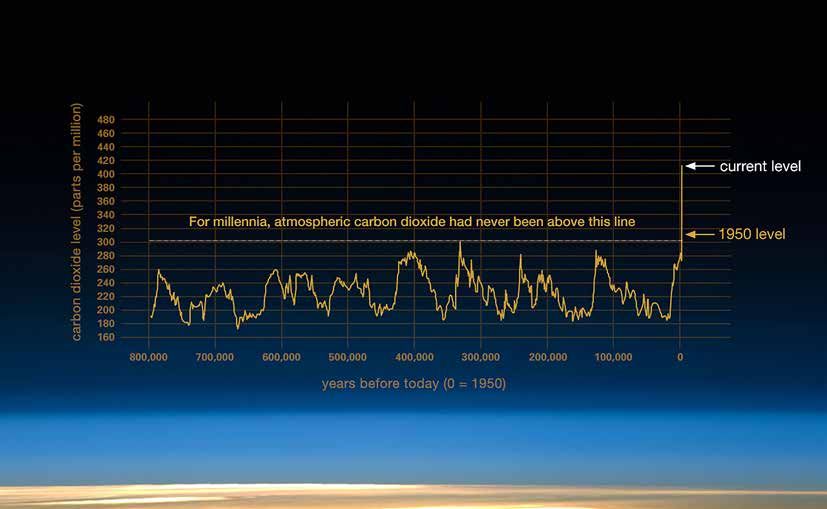
25%

                                                                                                                                                        WPL
                              20%                                                                                                  AMC
                                                                                         TLS
                              15%                                                          SKI
                                                                                                                                   DOW
   Total Shareholder Return

                                                                                                        CPU
                                                AST                                                                                                CGF
                              10%                              ANZ                          IPL               SUN            FLT
                                                                                  BXB       GMG
                                                                                                               LLC            ANN
                                                 NAB                   SHL                                                                CWN
                                                                                         DXS                                BLD            SYD
                               5%                          MGR                                         IAG                   CHC
                                                                         APA                                                              CAR
                                               SGP                      GPT                      AMP                                        AGL
                                                                     CBA
                               0%                                                                                                         TCL
                                                                       QUB
                                                BEN                                         COH
                                                                      BOQ
                              -5%                                     WES
                                                     ASX            CCL                                         ORI                                        BPT
                                                                                         WOW                                JBH
                              -10%
                                     0%   5%     10%                   15%                 20%                  25%                 30%                  35%
                                                        Coefficient of Variation of Earnings

As an exercise, we have looked at                    Generally speaking, the degree of variation of
those Top 100 Australian companies                   dividend payments is much lower than the degree
that have a ten-year profit history,
looked at the variability of that profit             of variation in earnings – so a portfolio that is
history and compared this to the                     predominantly “yield” stocks will have lower volatility
consensus view about the expected                    than one which relies of capital growth. Dividend
12-month return from holding the
shares to their expected twelve-
                                                     yield of the Australian share market is remarkably
month target price and receiving                     stable, typically yielding around 4.5%.
forecast dividends along the way.
This screen is illustrated above (with                                     Dividend Yield - Australian Share Market
outliers removed).                                   5.50%
From this group of stocks, we
are attracted to ANZ Bank (ANZ),                     5.00%
National Australia Bank (NAB),
Goodman Group (GMG) and                              4.50%
Woodside Petroleum (WPL) as
examples. We think other “lower
                                                     4.00%
risk” stocks such as Woolworths
(WOW) and Wesfarmers (WES) are
too expensive.                                       3.50%

                                                     3.00%
                                                             1991
                                                                    1993
                                                                           1995
                                                                                  1997
                                                                                         1999
                                                                                                2001
                                                                                                       2003
                                                                                                              2005
                                                                                                                     2007
                                                                                                                            2009
                                                                                                                                   2011
                                                                                                                                          2013
                                                                                                                                                 2015
                                                                                                                                                        2017
                                                                                                                                                               2019

                                                                                                                                     Research Monitor | Dec 2019 | 7
Future Leaders Panel
EFG International
ESG investing gathers
increasing interest
8 | Research Monitor | Dec 2019Signatories to the Principle for Responsible Investments (PRI)
100 2750
90 2500
80 2250
70 2000
1750
60
1500
50
1250
40
1000
30 750
20 500
10 250
0 0
2006 2007 2008 2009 2010 2011 2012 2013 2014 2015 2016 2017 2018
Number of signatories Total assets under management
Number of asset owners Asset owners’ assets under management
ESG (Environmental, Social and Governance)
investing or sustainability/responsible
investments have gathered increasing
interest from asset managers, their clients,
shareholders and society at large.
Shaw and Partners is part EFG Asset Management (EFGAM) When thinking about particular risks, it
has been committed to integrating is difficult not to consider the changing
of EFG International, a
ESG considerations into its climate. For the last few decades
global private banking group investment approach, as evidenced the scientific community has been
headquartered in Zurich. by the fact we are signatories to the PRI, increasingly highlighting this danger,
www.efginternational.com as well as being involved with Swiss comparing its outcome with a nuclear
Sustainable Finance and CDP (Carbon conflict. Ignoring the warning is neither
Disclosure Projects). We believe that it sensible nor correct.
is worthwhile to explain the reasoning
behind our approach. As a consequence of human
activity, CO2 in the atmosphere has
Investing is a question of risk and substantially increased, causing
reward and one of the duties of temperatures to rise. Through a
every investor is to consider all series of concatenated events this
the available information before risks decimating biodiversity, putting
making investments. By adding an our food supply at risk, exacerbating
ESG approach to traditional financial conflicts for water, land and forcing
analysis, it can help to better evaluate hundreds of millions of people to migrate
opportunities and mitigate the risks with incalculable social and economic
associated with the investments. On the consequences.
one hand we believe companies are in
a better position to prosper when their
activity creates value for all stakeholders,
not only for shareholders. It’s our
responsibility to accompany them in this
direction. On the other, their stronger
“licence to operate” improves the
resilience to risks such as reputational,
governance, social or operational ones.
Research Monitor | Dec 2019 | 9CO2 IN THE ATMOSPHERE
The risks at stake are Conceptually the idea of integrating ESG Another source of reticence is with
considerations to obtain a more holistic regard to the realistic impact that can be
so high that, with a few understanding of a company’s strengths achieved. Some asset managers exclude
notable exceptions, and weaknesses seems therefore a a big portion of the investable universe
logical and even an essential feature of on the basis of ESG considerations or
governments around fiduciary duty. However, the game gets remove them when issues arise. We
the world are starting tougher: integrating ESG still presents prefer to limit this approach. While we
some hurdles and it’s a process that do exclude some companies with the
to recognize them and requires continuous commitment and intention of communicating that lack
tighten legislation and learning. of transparency and short-termism
are not acceptable, we definitely
requirements. The first obstacle relates to mental prefer to engage with them positively
models and confusion with ethical by pushing for improvements. Active
Europe in particular is at the forefront
considerations. Even if the business ownership at AGMs with a sustainability
of this new push with a new range of
case for ESG investing is empirically overlay, asking for transparency and
incoming legislation, dubbed “the EU
very well founded and roughly 90% accountability is also part of our process.
action plan on sustainable finance”, that
of studies find a non-negative ESG–
will redesign the financial chain in the
financial performance relationship, many
next few years. Asia will be among those
still see ESG integration as an ethical
locations that will feel the biggest impact
approach and fear worsened financial
and pain with a relatively poor population
performance. It’s not a question of
and many cities and agricultural
contrast between ethical and unethical
production situated on deltas or coastal
behaviours, but of understanding that
areas.
the companies are able to conjugate
The pressure for change is building up profits AND value for all stakeholders
rapidly and starting to affect companies have a much higher probability of
and industries, whether it comes from prospering. Our ESG analysis, built
the consequences of the warming, from around the concept of materiality, aims
legislative and regulatory action, or from to identify these opportunities.
both.
10 | Research Monitor | Dec 2019EFGAM ESG INVESTMENT
Approach and SELECTION PROCESS
philosophy
Sector
framework
Company
score
Discussion with
Our framework is based
Research
Feedback Management analysts and on the main reporting
invested
System
companies standards in the ESG
space, meaning it can
easily adapt to any
Integration into
company research
regulatory changes.
and company
evaluation
The biggest issue is linked to the Our framework is based on the main Our rating is however not the final
quality of data and to the lack of reporting standards in the ESG space, judgment on a company; it is a starting
mandatory ESG reporting standards. meaning it can easily adapt to any point to better assess the risk of the
ESG analysis has room to improve, regulatory changes. investment and when needed to start an
but we think it is important to make engagement process with companies
The control we have on the
the effort to include, rather than we invest in.
ignore, these factors, knowing that framework allows us to clearly define
what the material aspects or the
if we do not start, we will never
ethical considerations we want to
The sustainability journey
progress.
include in our assessment for every is no easy task, yet there is
Recently, research conducted by the industry are. an important and growing
MIT Sloan School of Management1
Given we control the weights and demand for sustainable
assessed the modest correlation among
KPIs for different industries, we
ESG rating providers. The research
can easily integrate inputs from our investing. This makes
suggests that instead of using ESG
“aggregate data as it is provided, colleagues around the world and perfect financial sense and
adapt our scoring system to more
researchers may consider constructing
accurately capture the nuances
can contribute to speed up
their own measures.” This is precisely
what we decided to do at EFGAM. between industries or the emergence the solutions we all need.
Years ago we started building our own of new risks/opportunities. Although it will be a long
rating framework. Doing so, irrespective
of whether we have full transparency
journey, it will no doubt
and a complete understanding of the also be an exciting one.
underlying ESG issues, has additional
advantages:
1 M
IT Sloan School of Management, Aggregate Confusion: The Divergence of ESG Ratings,
Florian Berg, Julian F. Koelbel, and Roberto Rigobon, August 2019
Research Monitor | Dec 2019 | 11Shaw and Partners is one of Australia’s preeminent investment and wealth
management firms. With a national presence and over $18 billion of assets under
advice, Shaw and Partners offers the intimacy of a boutique investment firm,
backed by the resources and scale of a major financial group, EFG International.
The Shaw and Partners
Perth office has moved to
Level 20, 108 St Georges Terrace
Perth WA 6000 Tel: 08 9263 5200
30+ $18bn 6
WATCH OUR
CORPORATE VIDEO
YEARS OF ASSETS UNDER OFFICES IN
IN THE MAKING ADVICE SYDNEY
MELBOURNE
BRISBANE
300 180+ ADELAIDE
CANBERRA
PERTH
STAFF INVESTMENT ADVISERS
AUSTRALIA WIDE & FINANCIAL PLANNERS
IN AUSTRALIA
12 | Research Monitor | Dec 2019has the pleasure of inviting you to a global
economic and market outlook
Investing in a world
with low interest
rates.
Developments in global capital markets, key
convictions and themes for the coming months.
Please join Shaw and Partners for an evening of insights
and thought provoking investment opportunities with our
expert Research Analysts: Martin Crabb CIO, Peter O’Connor,
Leanne Truong and Brett Le Mesurier.
Sydney CBD Melbourne CBD Adelaide CBD
30th October 2019 31st October 2019 7th November 2019
6:00pm – 9:00pm 6:00pm – 9:00pm 5:30pm – 8:45pm
Perth CBD Brisbane CBD
13th November 2019 14th November 2019
6:00pm – 9:00pm 6:00pm – 9:00pm
CLICK HERE TO REGISTER YOUR INTEREST TO ATTEND
LIMITED SEATS AVAILABLE
Places are not guaranteed unless confirmed by your Shaw and Partners adviser.
For any enquiries please contact us at www.shawandpartners.com.au/contact/email-us
Research Monitor | Dec 2019 | 13Shaw Managed Accounts
Portfolio Performances – September 2019
3 Mth 6 Mth 1yr 2yr Inception
Shaw Income Goal Portfolio Total Portfolio Return 2.22% 6.94% 8.87% 8.77% 8.80%
Objective: RBA Cash +3% Portfolio Objective 1.00% 2.10% 4.36% 4.39% 4.39%
Inception: Sep-17 Excess v Objective 1.22% 4.84% 4.51% 4.38% 4.41%
Shaw Balanced Goal Portfolio Total Portfolio Return 2.34% 7.44% 8.97% 10.11% 10.22%
Objective: RBA Cash +4% Portfolio Objective 1.24% 2.58% 5.36% 5.44% 5.44%
Inception: Sep-17 Excess v Objective 1.10% 4.86% 3.61% 4.67% 4.78%
Shaw Growth Goal Portfolio Total Portfolio Return 4.61% 11.03% 9.58% 14.50% 14.40%
Objective: RBA Cash +5% Portfolio Objective 1.49% 3.08% 6.36% 6.37% 6.37%
Inception: Sep-17 Excess v Objective 3.12% 7.95% 3.22% 8.13% 8.04%
Total Portfolio Return 2.08% 4.19% 8.00% 5.51% 5.27%
Debt Securities Income Portfolio
Inception: Sep-17
Total Portfolio Return 1.22% 4.50% 7.20% 6.50% 7.62%
Hybrid Income Portfolio
Inception: Sep-16
Total Portfolio Return 4.71% 13.67% 18.04% 13.87% 13.56%
Australian Equity (Large Cap) - Income
Inception: Sep-17
Total Portfolio Return 7.78% 16.44% 16.59% 20.46% 19.82%
Australian Equity (Large Cap) - Growth
Inception: Sep-17
Total Portfolio Return 3.94% 13.18% 18.41% 15.59% 15.12%
Australian Equity (Large Cap) - Core
Inception: Sep-16
Total Portfolio Return 5.62% 15.99% 8.14% 12.40% 12.51%
Australian Equity - Small and Mid Cap
Inception: Sep-17
Total Portfolio Return 0.18% 1.94% 1.03% 0.68%
Shaw Liquid Alternatives Portfolio
Inception: Aug-18
Total Portfolio Return 3.79% 13.55% 16.63% 10.50%
AB Concentrated Global Growth
Inception: Jan-15
Total Portfolio Return -7.84% -10.60%
EFG US Future Leaders Portfolio
Inception: Jul-19
14 | Research Monitor | Dec 2019Shaw Managed Accounts
Click on the images below to download the marketing brochure and
SMA Portfolio Factsheets. Download the marketing brochure here.
Shaw Managed Accounts Shaw Managed Accounts Shaw Managed Accounts Shaw Managed Accounts
GOAL BASED PORTFOLIO GOAL BASED PORTFOLIO GOAL BASED PORTFOLIO ASSET CLASS PORTFOLIO
Shaw Income Goal Portfolio Shaw Balanced Portfolio Shaw Growth Goal Portfolio Shaw Debt Securities Income Portfolio
Investment objective Asset classes and strategies may include Investment objective Asset classes and strategies may include Investment objective Asset classes and strategies may include Investment objective The portfolio will be diversified across the
Model Portfolio Details Model Portfolio Details Model Portfolio Details Model Portfolio Details
The primary objective of the Shaw Income cash, Australian debt securities, and The primary objective of the Shaw cash, Australian debt securities, and The primary objective of the Shaw Growth cash, Australian debt securities, and The model invests in a portfolio of ASX above criteria. A key focus of the portfolio
Goal Portfolio is to provide a regular Australian equities including property Model Portfolio Manager Balanced Portfolio is to provide a regular Australian equities including property Model Portfolio Manager Goal Portfolio is to provide regular and Australian equities including property Model Portfolio Manager listed debt and shorter dated hybrid will be the mix of fixed and floating rate Model Portfolio Manager
and sustainable income stream over the securities, international equities and Shaw and Partners Limited and sustainable income stream and securities, international equities and Shaw and Partners Limited sustainable capital growth over the longer securities, international equities and Shaw and Partners Limited securities, debt based ETFs and debt exposure in order to meet the portfolios’ Shaw and Partners Limited
medium term (3–5 years) whilst minimising alternative strategies (ETF and or capital growth over the medium term alternative strategies (accessed via ASX term (5–7 years). It achieves this by alternative strategies (ETF and or specialist managed funds. These objectives. The portfolio will be monitored
risk to capital. It achieves this by investing managed funds). Benchmark Index (4–6 years), together with some capital listed ETFs and or managed funds). Benchmark Index investing in a diversified portfolio of asset managed funds). Benchmark Index products offer potential diversification against the manager’s expectations of Benchmark Index
RBA Cash rate +3% RBA Cash rate +4% RBA Cash rate +5% RBA Cash rate +1.5%
in a diversified portfolio of asset classes growth whilst minimising risk to capital. It classes and strategies. The strategy is benefits to both Australian equities and equity returns, credit market implied
Continual assessment and risk (Gross Income and Total Return) Continual assessment and risk (Gross Income and Total Return) Continual assessment and risk
and strategies. achieves this by investing in a diversified designed to have a high level of risk. It cash or term deposits. volatilities and underlying interest rates
management of bottom-up and top- Indicative Number of Securities, Stocks management of bottom-up and topdown Indicative Number of Securities, Stocks management of bottom-up and top- Indicative Number of Stocks per Indicative Number of Securities, Stocks
portfolio of asset classes and strategies. achieves this by investing in a diversified Asset Class Based Portfolio in order to ensure it is invested across and/or Funds (ETF and Managed)
The strategy is designed to have a down parameters is a core component and/or Funds (ETF and Managed) parameters is a core component of the and/or Funds (ETF and Managed) down parameters is a core component The model’s return will be generated from
portfolio of asset classes and strategies. 30–100 a range of market cycles to meet its 15–25
medium level of risk. of the model. Changes to the portfolio 40–100 The strategy is designed to have a model. Changes to the portfolio will be 60–140 of the model. Changes to the portfolio a combination of interest payments and
Minimum Suggested
return objective, while adhering to the risk Minimum Suggested
will be made as deemed appropriate Minimum Suggested moderate level of risk. made as deemed appropriate by the Minimum Suggested The strategy is designed to have a high will be made as deemed appropriate capital growth (realised and unrealised)
Investment Time Frame tolerances set. Investment Time Frame
by the investment team in order for Investment Time Frame investment team in order for the portfolio Investment Time Frame level of risk. by the investment team in order for from an actively managed portfolio
Investment Strategy and Approach 3 years 4 years 5 years 3 years
The investment process combines the portfolio to have a high probability Investment Strategy and Approach to have a high probability of meeting the portfolio to have a high probability strategy. The model manager has access to new
Asset Allocation Ranges Asset Allocation Ranges Asset Allocation Ranges Asset Allocation Ranges
quantitative and qualitative criteria and of meeting its objectives in all market Investment Strategy and Approach The its objectives in all market conditions. Investment Strategy and Approach of meeting its objectives in all market issues of listed debt securities and is
Shaw Debt Securities Income 0%–30% Shaw Debt Securities Income 0%–50% Shaw Australian Equity Growth The Shaw Debt Income Portfolio seeks to Debt and hybrid securities 70%–100%
analysis to identify asset classes, markets, conditions. The investment process takes investment process combines quantitative The investment process takes into The investment process combines conditions. The investment process takes (Large Cap) 0%–80% able to include these in the portfolio as it Cash 0%–100%
Shaw Hybrid Income 0%–35% Shaw Hybrid Income 0%–50% provide investors with a predictable level
securities and strategies which have into consideration the risk around asset and qualitative criteria and analysis to consideration the risk around asset quantitative and qualitative criteria and into consideration the risk around asset Shaw Australian Equity Growth deems appropriate.
Shaw Australian Equity Income Shaw Australian Equity Core of income whilst minimising risk to capital. Indicative Cash Holding
a focus toward producing sustainable classes and the underlying securities, (Large Cap) 0%–60% identify asset classes, markets, securities classes and the underlying securities (Large Cap) 0%–60% analysis to identify asset classes, markets, classes and the underlying securities (Small and Mid-Cap) 0%–40% 2%
income as opposed to capital growth. maintaining their income characteristics International Equity 0%–40% and strategies which have a focus toward maintaining their income and growth Shaw Australian Equity Growth securities and strategies which have a maintaining their growth characteristics International Equity 0%–40%
Designed for investors who
whilst ensuring that the risk of a Liquid Alternatives 0%–40% characteristics whilst ensuring that the risk (Small and Mid-Cap) 0%–30% whilst ensuring that the risk of a Liquid Alternatives 0%–40% Investment Strategy and Approach
producing sustainable income and capital focus toward producing capital growth Seek a sustainable income stream over Minimum Model Investment
drawdown is adequately managed. The Cash 0%–100% of a drawdown is adequately managed. International Equity 0%–40% drawdown is adequately managed. The Cash 0%–100%
The portfolio construction is based on growth. over and above income. The model manager aims to achieve the a 3 year + time frame, with a lower risk $5,000
macro-economic and thematic views of Portfolio Managers however manage the Indicative Cash Holding The Portfolio Managers however manage Liquid Alternatives 0%–40% Portfolio Managers however manage the Indicative Cash Holding investment objectives via a qualitative
Cash 0%–100% 3%
of loss than equities, and a higher rate
Shaw’s Research in order to best meet capital value of the portfolio to minimise 3% The portfolio construction is based on the capital value of the portfolio to The portfolio construction is based on capital value of the portfolio to minimise and quantitative investment process. Key of return than cash like investments
Management Fee
the risk and return objectives of the the risk of the portfolio failing to achieve macro-economic and thematic views of minimise the risk of the portfolio failing to Indicative Cash Holding macro-economic and thematic views of the risk of the portfolio failing to achieve criteria and areas of focus are: Investment Fee Nil
its risk and return objectives. Minimum Model Investment achieve its risk and return objectives. 3% its risk and return objectives.
Minimum Model Investment Focus on minimising risk to capital and Indirect Cost Ratio 0.28% p.a.
investment strategy. Shaw’s Research in order to best meet Shaw’s Research in order to best meet $100,000 Credit quality of the issuer
$100,000 low volatility of returns. Performance Fee Nil
the risk and return objectives of the the risk and return objectives of the
The portfolio is a blend of the Shaw and Minimum Model Investment Sector/Industry
Designed for investors who investment strategy. Designed for investors who $100,000 investment strategy. Designed for investors who Management Fee
Partners SMA strategic portfolios based Management Fee Call dates and final maturity details
Seek income as the primary objective Investment Fee Nil Seek a balance of income and capital Seek capital growth as the primary Investment Fee Nil
on their suitability to the income objective. The portfolio is a blend of the Shaw The portfolio is a blend of the Shaw and Indirect Cost Ratio 0.36% p.a. Structure of instrument
and some capital appreciation from a Indirect Cost Ratio 0.34% p.a. growth as the primary objective from Management Fee objective and some income from a
Each goals based portfolio has effectively Performance Fee Nil and Partners SMA strategic portfolios Investment Fee Nil Partners SMA strategic portfolios based Performance Fee Nil
broad range of Australian and Global a broad range of Australian and global broad range of Australian and global Timing and composition of cash flows
its own asset and risk allocation managed based on their suitability to the Balanced asset classes and strategies Indirect Cost Ratio 0.37% p.a. on their suitability to the growth objective.
asset classes and strategies asset classes and strategies Relative valuation of sector as a whole
by the Shaw Portfolio Strategies Team. portfolio objective. Each goals based Performance Fee Nil Each goals based portfolio has effectively
Have an investment horizon of three Have an investment horizon of four Have an investment horizon of five and between relevant securities,
portfolio has effectively its own asset and its own asset and risk allocation managed
years or more years or more years or more including the inclusion of new issues
risk allocation managed by the Shaw by the Shaw Portfolio Strategies Team.
Accept the risk of volatility in their Portfolio Strategies Team. Accept a moderate risk of volatility in Accept the risk of volatility in their Liquidity and potential changes in
investment return. their investment return. investment return. liquidity.
MODEL PORTFOLIO CODE MODEL PORTFOLIO CODE MODEL PORTFOLIO CODE MODEL PORTFOLIO CODE
SP0009 SP0008 SP0010 SP0003
Shaw Income Goal Shaw Balanced Goal Shaw Growth Goal Shaw Debt Securities Income
Shaw Managed Accounts Shaw Managed Accounts Shaw Managed Accounts
Shaw Managed Accounts
ASSET CLASS PORTFOLIO ASSET CLASS PORTFOLIO ASSET CLASS PORTFOLIO ASSET CLASS PORTFOLIO
Shaw Hybrid Income Portfolio Shaw Australian Equity (Large Cap) Income Shaw Australian Equity (Large Cap) Core Shaw Australian Equity (Large Cap) Growth
Investment objective The portfolio will be diversified across Investment objective Continual assessment and risk Investment objective The Investment Process takes into Investment objective The investment process takes into
Model Portfolio Details Model Portfolio Details Model Portfolio Details Model Portfolio Details
The model aims to invest in a portfolio of the above criteria. The portfolio will The primary objective of the Shaw management of bottom-up and top- The objective of the Shaw Australian consideration the yield and capital growth The primary objective of the Shaw consideration the primary objective of
ASX listed debt and preference securities be monitored against the manager’s Model Portfolio Manager Australian Equity Income (Large Cap) down parameters is a core component Model Portfolio Manager Equity (Large Cap) Core Portfolio is objectives of the portfolio and ensures Model Portfolio Manager Australian Equity (Large Cap) Growth capital growth. Although the portfolio will Model Portfolio Manager
that offer diversification benefits to both expectations of equity returns, credit Shaw and Partners Limited Portfolio is to provide a regular and of the model. Changes to the portfolio Shaw and Partners Limited to provide regular income, capital that both are managed simultaneously Shaw and Partners Limited Portfolio is to provide a level of capital generate income, income focused stocks Shaw and Partners Limited
Australian equities and cash or term market implied volatilities and underlying sustainable fully franked dividend income will be made as deemed appropriate appreciation and out performance of the to ensure that the portfolio is not overly appreciation over the longer term will be included if their total return criteria
deposits. interest rates in order to ensure it is Benchmark Index stream over the medium term (3–5 years). by the investment team in order for the Benchmark Index S&P/ASX 100 Accumulation Index over skewed to any style or thematic that Benchmark Index (5–7 years). The portfolio is tilted towards fits the portfolios objective. Benchmark Index
RBA Cash rate +3% S&P/ASX 100 Accumulation Index S&P/ASX 100 Accumulation Index S&P/ASX 100 Accumulation Index
invested across a range of market It achieves this by investing in a portfolio portfolio to have a high probability of the medium term (3–5 years) through would increase the risk of the portfolio stocks that have superior earning growth
The model’s return will be generated from (inclusive of franking credits) Volatility of returns will be managed with
cycles to meet its return objective, while of large-cap Australian listed companies meeting its objectives. The investment investment in large cap shares listed in failing to meet its objectives. capacity and focus is on the total return
a combination of cash (interest payments Indicative Number of Stocks Indicative Number of Stocks Indicative Number of Stocks the objective of a lower standard deviation Indicative Number of Securities, Stocks
adhering to the risk tolerances set. and managed funds. Although the process takes into consideration the risk 15–25 Australia. 15–25 of each stock rather than the dividend and/or Funds (ETF and Managed)
and dividends), franking credits and 10–30 of returns than the benchmark index.
focus is yield generation, the investment around companies growing/maintaining Designed for investors who income as the prime objective. 10–30
capital growth (realised and unrealised) The model manager has access to new process and risk management aims to their dividend characteristics with the
Minimum Suggested Minimum Suggested Investment Strategy and Approach Seek exposure to an Australian share Minimum Suggested Minimum Suggested
from an actively managed portfolio issues of debt and preference securities ensure that risk to capital is minimised result that this portfolio aims for a higher Investment Time Frame Investment Time Frame Designed for investors who
Investment Time Frame Shaw and Partners’ Investment Process portfolio that provides a franked income Investment Strategy and Approach Investment Time Frame
strategy. and is able to include in the portfolio as it 3 years with the goal of some capital appreciation dividend yield than that of the broader 3 years 3 years Seek long term capital growth as the 5 years
deems appropriate. combines quantitative and qualitative stream and capital appreciation The investment process combines
Asset Allocation Ranges via both longer term price appreciation market. The portfolio managers however Asset Allocation Ranges criteria and analysis to identify stocks Asset Allocation Ranges quantitative and qualitative criteria and primary objective from an Australian Asset Allocation Ranges
The Shaw Hybrid Income Portfolio seeks Have an investment horizon of three
Listed Australian hybrid securities 70%–100% and actively locking in gains as deemed manage the capital value of the portfolio Australian Equities 80%–100%
likely to produce above average
Australian Equities 90%–100%
analysis to identify stocks which have a equities portfolio and some income Australian Equities 80%–100%
to provide investors with a predictable The model manager’s institutional Cash 0%–20% years or more Cash 0%–10%
Listed debt securities 0%–80% appropriate to the objectives. to minimise the risk of the portfolio failing earnings growth with positive valuation favourable outlook are likely to produce Those investors in the accumulation Cash 0%–20%
level of income whilst minimising risk to market experience with this asset class Accept the risk of share price volatility.
Cash 0%–20% to achieve its risk and return objectives. Indicative Cash Holding characteristics. Indicative Cash Holding above average earnings growth with phase Indicative Cash Holding
capital. brings specialist knowledge to pricing
Indicative Cash Holding 2% 2% 2%
and liquidity. Active management of the Investment Strategy and Approach positive valuation characteristics. Have an investment horizon of five
2% Designed for investors who The portfolio construction is based on
portfolio will take advantage of relative The investment process combines years or more
Investment Strategy and Approach Minimum Model Investment
macro-economic and thematic views of Minimum Model Investment
The portfolio construction is based on Minimum Model Investment
mispricing between securities and the quantitative and qualitative criteria and Seek franked dividend income as the $5,000 $5,000
The model manager aims to achieve the Minimum Model Investment Shaw and Partners’ Research in order to macro-economic and thematic views of Accept the risk of share price volatility. $5,000
asset class as a whole, while taking into $5,000 analysis to identify stocks and strategies primary objective from an Australian
investment objectives via a qualitative best meet the risk and return objectives Shaw and Partners’ Research in order to
consideration the impact of any micro which have a relatively high dividend equities portfolio and some capital Management Fee Management Fee Management Fee
and quantitative investment process. Key of the investment strategy. Continual best meet the risk and return objectives of
and macroeconomic factors. The ability Management Fee paying capability, and are likely to appreciation Investment Fee Nil Investment Fee Nil Investment Fee Nil
criteria and areas of focus are: Indirect Cost Ratio 0.25% p.a. assessment and risk management of Indirect Cost Ratio 0.00% p.a. the investment strategy.
to lock in gains will be a key feature of the Investment Fee Nil produce above average earnings growth Have an investment horizon of three Indirect Cost Ratio 0.00% p.a.
Credit quality of the issuer Indirect Cost Ratio 0.00% p.a. with positive valuation characteristics. Performance Fee Nil bottom-up and top-down parameters is a Performance Fee Nil Performance Fee Nil
strategy in achieving its objectives. years or more Continual assessment and risk
Sector/Industry Performance Fee Nil core component of the Model. Changes
The portfolio construction is based on Accept the risk of share price volatility. to the portfolio will be made as deemed management of bottom-up and top-down
Call date, conversion dates and final Designed for investors who parameters is a core component of the
macro-economic and thematic views of appropriate by the investment team in
maturity details Seek a sustainable income stream model. Changes to the portfolio will be
Shaw and Partners’ Research in order to order for the portfolio to have a high
Structure of instrument (inclusive of franking credits) over a 3 year best meet the risk and return objectives of probability of meeting its objectives. made as deemed appropriate by the
Timing and composition of cash flows + time frame, with a lower risk of loss the investment strategy. investment team in order for the portfolio
than equities, and a higher rate of return to have a high probability of meeting its
Relative valuation of sector as a whole
than cash like investments. objectives.
and between relevant securities,
including the inclusion of new issues
Liquidity and potential changes in
liquidity. MODEL PORTFOLIO CODE MODEL PORTFOLIO CODE MODEL PORTFOLIO CODE MODEL PORTFOLIO CODE
SP0002 SP0004 SP0001 SP0005
Shaw Hybrid Income Shaw Australian Equity Shaw Australian Equity Shaw Australian Equity
(Large Cap) Income (Large Cap) Core (Large Cap) Growth
Shaw Managed Accounts Shaw Managed Accounts Shaw Managed Accounts
Shaw Managed Accounts
ASSET CLASS PORTFOLIO ASSET CLASS PORTFOLIO ASSET CLASS PORTFOLIO ASSET CLASS PORTFOLIO
Shaw Australian Equity (Small and Mid-Cap) Growth Shaw Liquid Alternatives Portfolio AllianceBernstein Concentrated Global Growth EFG US Future Leaders
Investment objective The investment process takes into Investment objective research into alternative strategies and Investment objective Designed for investors who Investment objective The investment framework is defined by a
Model Portfolio Details Model Portfolio Details Model Portfolio Details Model Portfolio Details
The primary objective of the Shaw consideration the primary objective The primary objective of the Shaw Liquid return streams is a core component The portfolio seeks long term growth Are considered longer term investors (5 To provide a return exceeding the MSCI disciplined investment process consisting
Australian Equity (Small and Mid-Cap) of capital growth. It aims to invest in Model Portfolio Manager Alternatives Portfolio is to provide regular of the model. Changes to the portfolio Model Portfolio Manager of capital by investing in an actively years +) Model Portfolio Manager US Mid Cap Growth TR index over rolling of several checklists. This ensures that Model Portfolio Manager
Growth Portfolio is to provide a level of companies where the share price does Shaw and Partners Limited and sustainable income and capital will be made as deemed appropriate Shaw and Partners Limited managed concentrated portfolio of listed Seek exposure to a concentrated AllianceBernstein 10-year periods. the investment process used by the EFG Asset Management
capital appreciation over the longer term not fully reflect the potential value of the growth over the medium term (3–5 years) by the investment team in order for securities considered by the portfolio portfolio of high quality global equities team is consistent and repeatable. The
(5–7 years). The portfolio is tilted towards underlying business of the company. Benchmark Index whilst minimising risk to capital. It the portfolio to have a high probability Benchmark Index manager to be of very high quality issued Benchmark Index investment process has four key inputs Benchmark Index
S&P/ASX Small Ordinaries Accumulation Index RBA Cash rate +3%
with superior return potential with MSCI World Index
Investment Description MSCI US Mid Cap Growth TR
small and mid-sized stocks that have achieves this by investing in a diversified of meeting its objectives in all market by companies with predictable growth. generally low turnover The US Future Leaders Model is a that determine a company’s overall
superior earning growth capacity and Designed for investors who portfolio of asset classes and strategies conditions. The investment process takes concentrated US stock portfolio, designed ranking and can be applied across all
Indicative Number of Securities, Stocks Indicative Number of Securities, Stocks Indicative Number of Stocks per Indicative Number of Stocks
focus is on the total return of each stock Seek long term capital growth as the that have low correlation with traditional into consideration the risk around asset and/or Funds (ETF and Managed) Investment Strategy and Approach Asset Class Based Portfolio to provide direct equity exposure to sectors to facilitate stock selection: 20–35
and/or Funds (ETF and Managed)
rather than the dividend income as the primary objective from and Australian equity and debt asset classes. This classes and the underlying securities 3–20 The portfolio manager seeks to achieve 25–35 rapidly growing businesses with significant
15–30 1. Company Quality Grade
prime objective. equities portfolio and some income portfolio is designed to act as a volatility maintaining their growth characteristics the investment objective by composing a opportunity to develop into future mid- Minimum Suggested
Minimum Suggested Minimum Suggested Minimum Suggested 2. Stock Technical Timing Grade
dampener and diversifier to an existing whilst ensuring that the risk of a Investment Time Frame portfolio of highly liquid, listed securities of Investment Time Frame or large-cap companies, primarily via Investment Time Frame
Those investors in the accumulation Investment Time Frame
Investment Strategy and Approach 5 years
portfolio of liquid assets. drawdown is adequately managed. The 3 years quality companies from the MSCI World 5 years organic growth. Stocks are selected 3. Short Term Earnings Growth Grade 10 years
phase portfolio managers however manage the
The investment process combines Asset Allocation Ranges universe. These companies are chosen Asset Allocation Ranges through a proprietary in-house systematic 4. Long Term Earnings Growth Grade Asset Allocation Ranges
Have an investment horizon of five Asset Allocation Ranges
quantitative and qualitative criteria and Investment Strategy and Approach capital value of the portfolio to minimise Liquid alternative assets 80%–100% for their specific growth and business International Equities 90%–100% framework. The team’s objective is International Equities 85%–99%
Australian Equities 80%–100%
years or more the risk of the portfolio failing to achieve Cash 0%–20% Cash 0%–10% The team’s investment framework is Cash 1%–15%
analysis to identify stocks which have a Cash 0%–20% The portfolio is a blend of strategies and characteristics, earnings development, to identify the highest quality, fastest
Accept the risk of share price volatility. investments that can be expected to have its risk and return objectives. Indicative Cash Holding financial position and experienced Indicative Cash Holding growing companies and trade them at the basis for portfolio construction. Minimum Model Investment
relatively high dividend paying capability Indicative Cash Holding
a lower correlation to equities, bonds and 2% management. 2% the right time by adhering to a structured This regimented process helps to $100,000
are likely to produce above average 2%
other traditional beta style investments. Designed for investors who investment process. By identifying consistently find and own the best quality
earnings growth with positive valuation Risk level
Minimum Model Investment The portfolio was designed primarily Investors seeking sustainable and lower Minimum Model Investment Minimum Model Investment
these Future Leaders early, they believe companies. Value is added through active
characteristics. Very High.
$5,000 $5,000 $65,000 management by identifying the best
to lower the downside variance of an volatility returns (mix of income and the portfolio will afford investors with Negative return 6 years in every 20 years.
The portfolio construction is based on income, balanced or growth portfolio that the opportunity to earn superior long- companies in the growth universe, then
capital growth) as the primary objective Management Fee Management Fee Management Fee
macro-economic and thematic views of Management Fee
uses a mixture of bonds and equities that will be less impacted by large term returns. Portfolio construction will owning (or adding to) them when they are
Investment Fee Nil Investment Fee Nil Investment Fee 0.55% p.a. Investment Fee 0.55% p.a.
Shaw and Partners’ Research in order to to derive a given long term return. The be rooted in our fundamentally based timely and selling (or trimming) them when
Indirect Cost Ratio 0.61% p.a. moves in underlying asset prices in Indirect Cost Ratio 0.95% p.a. Indirect Cost Ratio 0.00% p.a. Indirect Cost Ratio 0.00% p.a.
best meet the risk and return objectives of strategies and managers chosen for investment philosophy and process – they are not.
Performance Fee Nil traditional investments such as Equities Performance Fee Nil Performance Fee Nil Performance Fee Nil
the investment strategy. the portfolio have a demonstrable track and Bonds with a focus on the four primary growth
record of minimising risk to capital during As a standalone investment option, sectors of the economy (technology, Designed for investors who
Continual assessment and risk
downturns and when blended in the suitable for investors looking for a lower healthcare, consumer discretionary, and Are interested in emerging leader
management of bottom-up and top-down
appropriate weights can significantly risk/lower return exposure that is not financial services). growth stocks;
parameters is a core component of the
reduce the downside potential of a bond correlated with traditional asset class Are sophisticated investors with long-
model. Changes to the portfolio will be
and equity portfolio. returns Investment Strategy and Approach term investment horizons (5+ years);
made as deemed appropriate by the
investment team in order for the portfolio Asset classes and strategies may Blended with a traditional income, The US Growth Equity team employs Have a high tolerance for risk; and
to have a high probability of meeting its include Global Macro, Managed Futures balanced or growth portfolio to reduce a rigorous, disciplined, and repeatable Seek capital appreciation.
objectives. (Trends), Long/Short and Market Neutral, drawdown and smooth returns process that is a combination of both
Commodities and Dynamic Markets. Investors should have an investment qualitative and quantitative inputs. The
MODEL PORTFOLIO CODE MODEL PORTFOLIO CODE MODEL PORTFOLIO CODE basis of the process starts with industry
MODEL PORTFOLIO CODE
horizon of three years or more
SP0006 Only managers/investments that
have daily pricing and liquidity can be
Accept the risk of volatility in their
investment return.
SP0011 SP0012 centric research performed by the sector
experts on the team. SP0200
considered. Continual assessment and
Shaw Australian Equity Shaw Liquid Alternatives AllianceBernstein Concentrated EFG US Future Leaders
(Small and Mid-Cap) Growth Global Growth
Research Monitor | Dec 2019 | 15Australian Large Cap Model
Portfolio
Our Large Cap Model Portfolio strong performance and dial back our MARKET PERFORMANCE
performed well in both an absolute macro-play on shopping centres as it More sectors outperformed in
and relative sense in September. seems unlikely that even zero interest September than underperformed,
Benchmarked against the S&P/ rates and tax cuts will spur the Aussie with only the large defensive sectors
ASX100 index, the portfolio returned consumer. Following a strong upward (REITs, Telcos, Healthcare) dragging the
3.9% for the month, outperforming price move in anticipation of better market down. Clearly there was rotation
the index by 2.1%. This month we performance under incoming CEO Ross amongst investors who started to bid
position the portfolio for a continued McEwan, we trim our NAB position by long term bond yields higher over the
slowdown in global growth 2%, remaining overweight the stock and month, both in Australia and globally.
momentum and dial back a few of sector. At the start of September, US 10-year
our overweights. We add Goodman bonds were yielding 1.45% and by
Group (GMG) and Oil Search (OSH) The slowdown in global growth is likely
September 13th they had exceeded
to the portfolio. to remain front and centre of investor’s
1.9%. This sharp selloff in bonds spilled
minds for the next month as we head
over into equity markets, causing
The Australian share market – as into the last quarter of the year. The
interest-rate sensitive defensive stocks
measured by the ASX100 index, rose apparent weakness in global trade
to perform poorly.
1.83% in September, led by solid returns activity is unlikely to be reversed in the
from technology stocks such as Afterpay short term and this will keep some September was also a big month
Touch (APT) up 15.8% and double downward pressure on the earnings for dividends, with 38 of the top 100
digit returns from selected materials expectations of the miners and other stocks trading exdividend. We estimate
and cyclicals such as Boral (BLD), Iluka industrial cyclical stocks. We pare Rio that these 38 stocks paid $10.2bn in
Resources (ILU), James Hardie (JHX), Tinto (RIO) and add the more defensive dividends in September, and another
Oil Search (OSH) and Fortescue Metals and attractively priced growth stock $3.4bn in franking credits. This equates
(FMG). Dragging the chain were the Goodman Group (GMG) following our to a yield for the month of 0.58% (0.77%
Telecommunications and Healthcare recent initiation report. including franking). The largest cash
sectors, as 10-year government bond dividend was paid by BHP, at $3.35bn.
yields rose from 0.88% to 0.94% but Additions Reductions
were as high as 1.15% midmonth. GMG 5.00 LLC (1.36) PORTFOLIO PERFORMANCE
OSH 3.00 RIO (2.00) The absolute and relative portfolio
SECTOR HIGHLIGHTS
STO 1.50 VCX (2.00) returns were exceptional in September
Energy Boost. This month we at +4% and +2%. We would not expect
significantly increase our weighting to WPL 1.00 NAB (2.00)
to repeat this performance every month,
Energy names. Although the attacks WES (3.14) particularly in current market conditions.
on Saudi Arabian oilfield infrastructure 10.50 (10.50) Sector allocations (overweight banks,
seems to have only briefly impact underweight healthcare and telco) added
world oil supply, the potential for further RECOMMENDATION 90 basis points to returns and stock
escalation in the Gulf cannot be ruled selection (banks, food, materials, real
It is hard to get excited about the
out and this represents a real and estate) added 125 points.
prospects for the overall Australian
present “tail risk” to world markets.
share market, but once we dig into the
Given the relatively attractive valuations
weeds we can find enough compelling
of energy stocks, (~10x PE), we see this
ideas to build a well-diversified portfolio
is a prudent portfolio hedge and add Oil
capable of generating reasonable returns This month we position the
Search (OSH) back to the portfolio and
top-up our Santos (STO) and Woodside
(10.9% on our estimates). We remain portfolio for a continued
underweight Australian shares in a
(WPL) exposures as well.
balanced portfolio setting and look for
slowdown in global growth
CHANGES
a pull-back in the market to put more momentum and dial back a
capital to work. In the meantime, our
Out with WES. Following our portfolio should generate reasonable
few of our overweights.
analyst, Danny Younis’ downgrade of income returns (5.2%, 70% franked on
Wesfarmers (WES) from hold to sell, our our estimates).
portfolio rules stipulate that we remove
the stock from the portfolio. We also
trim Lend Lease (LLC) after a period of
16 | Research Monitor | Dec 2019You can also read


