The Research Monitor Is the Australian economy turning the corner? Buy Now Pay Later in a Fin-Tech World Healthcare sector diagnosis US Future ...
←
→
Page content transcription
If your browser does not render page correctly, please read the page content below

The Research Monitor
                September Quarter 2019

       inside this issue
Is the Australian economy turning the corner?
    Buy Now Pay Later in a Fin-Tech World
         Healthcare sector diagnosis
      US Future Leaders Portfolio
                + stock picks
Q2 2019 Performance
The Australian Share Market, as measured by the S&P/ASX 300 Index, recorded
another strong quarter following in the footsteps of a 9.5% in price terms (10.92%
including dividends) return in the March quarter. The June quarter saw returns of
7.2% in price terms and 8.0% including dividends, making up almost 20% returns
since the start of the year.
The Australian market was driven lower the stress test interest rates on markets in the June quarter, with
especially by the surprise Federal loans signalled more accommodative the MSCI World ex Australia Index
Election result which saw the return macroprudential controls on credit in Australian dollars up only 2.5%.
of the “market friendly” coalition. This growth. The second largest sector, World share markets reversed sharply in
saw Australian shares rise 2% in Materials (18.9% index weight) May due to concerns about the outcome
the month of May, when global rose a more modest 7.2% including of trade talks between the United States
shares fell 6% in $US terms due to dividends, with bellwether BHP up and China. Bond markets rallied on
concerns about global growth and 6.9%. Energy sector returns retreated the back of lower long-term interest
trade. Bond yields continued to fall to following a fall in the oil price. West rates with the Bloomberg AusBond
record lows, with the Australian 10-year Texas Intermediate oil prices fell 3.3% Composite (0+Y) index up 3.1% and
bond ending the quarter at 1.32%, in the quarter and this pushed the Bank Bills returning 0.4%. The spread
down from 1.78% at the end of March sector down 0.2% after dividends, but between 90-day bank bills and cash
and a full 1% below where they were at it was coal stocks such as New Hope fell from 27 basis points at the end of
the start of the year. Among Australian (NHC) and Whitehaven (WHC) which March to negative 5 points at the end
equity sectors, all sectors except dragged the index lower. There were of June – a strong sign of easing credit
Energy posted positive returns some spectacular returns amongst conditions and expectations that the
during the quarter. Leading the small companies, even as the broader RBA will continue to cut rates. Long
charge were the Healthcare Equipment, Small Ordinaries Index rose only 3.75% term interest rates in Australia hit a
Telecommunication Services, Media with medical device company Polynovo record low of 1.26%. Market measures
and Entertainment, Banks, Transport (PNV) and diversified financial Eclipse of risk or volatility, rose sharply in May
and Pharmaceuticals sectors which all Group (ECX) both up over 100% in three and have subsequently retreated to
rose double-digits for the quarter. These months! March levels, suggesting investors have
sectors comprise 48% of the Australian become comfortable with the likely path
share market and collectively added 5% Global equity markets performed of inflation, interest rates, growth and
of the 8% return. Given the dramatic much more modestly that Australian trade.
fall in 10-year government bond yields
and also the easing stance of the
Sector Performance Market Cap
Reserve Bank, it was not surprising to
see those stocks considered “bond Banks 13.4% 410,712
proxies” continue to do well. Real Estate Health Care Equipment & Services 13.4% 53,946
Investment Trusts that are exposed to Telecommunication Services 12.3% 53,365
residential real estate were the best Media & Entertainment 11.9% 16,352
performers (Mirvac (MGR) up 13.8% Transportation 11.0% 86,079
for example), whereas those Trusts
Pharmaceuticals, Biotech & Life Sciences 10.5% 100,635
focussed on retail malls did poorest
(Unibail-Rodamco-Westfield (URW) down Food & Staples Retailing 9.6% 61,115
11.2%). Commercial & Professional Services 8.9% 47,021
Consumer Services 8.8% 52,311
The largest component of the S&P/
Materials 7.2% 340,871
ASX 300 Index is the Banks Sector
Insurance 5.4% 69,272
(22.8% index weight), which rose
11.1% in price terms and 13.4% Software & Services 5.1% 43,352
including dividends, reversing Real Estate 4.1% 129,320
the period over which banks have Retailing 4.0% 55,641
underperformed the index. Most of this Diversified Financials 3.6% 87,246
performance came immediately post the Utilities 1.9% 34,052
Federal Election outcome as both clarity
Capital Goods 0.6% 15,687
around the treatment of franking credits
and a move by bank regulator APRA to Food Beverage & Tobacco 0.6% 35,481
Energy -0.2% 94,748
2 | Research Monitor | Sept 2019
Shaw and Partners is one of Australia’s preeminent investment and wealth
   management firms. With a national presence and $17 billion of assets under
   advice, Shaw and Partners offers the intimacy of a boutique investment firm,
   backed by the resources and scale of a major financial group, EFG International.

  WATCH OUR
CORPORATE VIDEO        30+
                       YEARS
                                               $17bn 6
                                               OF ASSETS UNDER               OFFICES IN
                       IN THE MAKING           ADVICE                        SYDNEY
                                                                             MELBOURNE

                       280                     160+
                                                                             BRISBANE
                                                                             ADELAIDE
                                                                             CANBERRA
                                                                             PERTH
                       STAFF                   INVESTMENT ADVISERS
                       AUSTRALIA WIDE          & FINANCIAL PLANNERS
                                               IN AUSTRALIA

                                                                      Research Monitor | Sept 2019 | 3
Martin Crabb
     Chief Investment Officer

      Is the Australian economy
      turning the corner?

4 | Research Monitor | Sept 2019
Following the surprise Coalition election
victory in May, Australian share markets have
performed well, somewhat due to greater
certainty around the tax treatment of various
investments, but also due to a number of post-
election developments.

Specifically, we refer here                  Secondly, APRA have left it up to the       Collectively, these measures are likely
                                             banks to determine the rate that they       to see a bottoming of house prices, an
to the shift in stance by the                use to “stress test” new borrowers. It      improvement in auction clearance rates
RBA in regard to monetary                    is no longer set a 7.00-7.25% so this       and an overall improvement in sentiment
                                             is likely to mean more home buyers will     toward residential real estate.
policy and also a relaxation                 qualify for a loan. Thirdly, the Federal
of “macroprudential”                         Government is due to implement a
                                             policy that will provide up to $500m to
measures engineered by                       first home buyers to help them with a
the Australian Prudential                    deposit for their first home.

Regulatory Authority
(APRA) to slow down the
housing market.                                                       RBA Cash Rate (1990-2019)
Australian’s are generally obsessed by
                                                18%
residential property values as it remains
our greatest store of wealth despite the        16%
exponential growth in superannuation.
The most recent data suggests                   14%
Australian households own $6.4 trillion
worth of land and dwellings out of a total      12%
net worth of $10.2 trillion. Considering
the residential population is 25.18             10%
million, that’s over $250,000 worth of
property for every Aussie.                       8%
A combination of policy changes are               6%
likely to boost demand for new property
and make it easier for Australians to            4%
enter the market. Firstly, interest rates
are on the way down – maybe as low                2%
as 0.5% if futures markets are right.
This could bring mortgage interest rates         0%
                                                        2011
                                                        2013
                                                       2015
                                                       2010

                                                       2016
                                                       2018
                                                        1991
                                                       1993
                                                       1995
                                                       1990

                                                       1996
                                                       1998

                                                       2001
                                                       2003
                                                       2005
                                                       2000

                                                       2006
                                                       2008

down into the twos.

                                                 Source: FactSet and Shaw and Partners
Is the Australian economy
     turning the corner?

                                                                                                    Consumption
                                                                                                    remains the largest
                                                                                                    component of
                                                                                                    Australia’s Gross
                                                                                                    Domestic Product,
                                                                                                    at 56.5%.

    CONSUMPTION                                                                   Consumption % of GDP
    Consumption remains the largest                64%
    component of Australia’s Gross Domestic
    Product, at 56.5%. Although this has been
    as high as 63% and as low as 54% over          62%
    the past several decades, it’s influence on
    changes in GDP has been critical. Recently,    60%
    consumption has waned as a combination
    of weak wages growth, falling real estate
                                                   58%
    values, tax bracket creep and generally
    low consumer confidence have impacted
    household budgets. Lower interest rates        56%
    and potential tax cuts should provide some
    boost to consumer spending in the near         54%
    term.
                                                          Sep 62
                                                          Sep 65
                                                          Sep 68

                                                          Sep 92
                                                          Sep 95
                                                          Sep 98
                                                          Sep 80
                                                          Sep 83
                                                          Sep 86
                                                          Sep 89

                                                          Sep 10
                                                          Sep 13
                                                          Sep 16
                                                          Sep 59

                                                          Sep 71
                                                          Sep 74
                                                          Sep 77

                                                          Sep 01
                                                          Sep 04
                                                          Sep 07

    INVESTMENT
    Investment is the second largest component
    of Australia’s GDP after consumption                                          Investment % of GDP
    and currently comprises 23.9% of GDP.
    Historically investment spending has           29%
    oscillated around 19% of GDP, but then
    shot up in the 2000’s in response to the        27%
    industrial development of China and its need
    for Australian resources of steel-making raw   25%
    materials and energy.
                                                    23%
    This “boom” in mining investment came to
    an end in March 2013 when investment            21%
    spending peaked at 29.1% of GDP. The
                                                   19%
    outlook is for a stabilisation of investment
    as a proportion of GDP more in line with        17%
    historical norms and for real estate and
                                                          Sep 62
                                                          Sep 65
                                                          Sep 68

                                                          Sep 92
                                                          Sep 95
                                                          Sep 98
                                                          Sep 80
                                                          Sep 83
                                                          Sep 86
                                                          Sep 89

                                                          Sep 10
                                                          Sep 13
                                                          Sep 16
                                                          Sep 59

                                                          Sep 71
                                                          Sep 74
                                                          Sep 77

                                                          Sep 01
                                                          Sep 04
                                                          Sep 07

    infrastructure spending in line with the
    constituent increase in population.

                                                   Source: FactSet and Shaw and Partners

6 | Research Monitor | Sept 2019
GOVERNMENT SPENDING                                                  Government spending % of GDP
Government spending is the third largest
component of GDP at 19.1% and has              21%
tended to be “counter-cyclical” as             21%
governments seek to boost activity when
the economy is weak and pare back
                                               20%
spending when growth is strong. Politically,   20%
the Liberal/National Party coalition is        19%
generally in favour of “smaller” government
                                               19%
and the ALP in favour of larger tax and
social welfare spending. As a result,          18%
government spending share of GDP has           18%
been quite variable over time. The strong
                                               17%
revenue boost from Australia’s mining
exports (mining GDP is now 7.7% of overall     17%

                                                     Sep 62
                                                     Sep 65
                                                     Sep 68

                                                     Sep 92
                                                     Sep 95
                                                     Sep 98
                                                     Sep 80
                                                     Sep 83
                                                     Sep 86
                                                     Sep 89

                                                     Sep 10
                                                     Sep 13
                                                     Sep 16
                                                     Sep 59

                                                     Sep 71
                                                     Sep 74
                                                     Sep 77

                                                     Sep 01
                                                     Sep 04
                                                     Sep 07
GDP) is likely to see the Federal Budget
move into surplus sooner than expected
and some of this windfall will be passed on
in tax cuts and some in the form of higher
government spending and investment.

                                                                     Exports vs Imports % of GDP
The final component of GDP
                                               25%                                                                            -25%
is net exports. Australia has
a largely open economy with                    20%                                                                            -20%
limited barriers to trade and thus
exports comprise 21.6% of GDP                  15%                                                                            -15%
and imports comprise -21.2% of
                                               10%                                                                            -10%
GDP (imports are considered a
negative item as they comprise                  5%                                                                            -5%
the GDP of other countries). Net
exports are thus 0.4% of GDP.                   0%                                                                            0%
                                                     Sep 62
                                                     Sep 65
                                                     Sep 68

                                                     Sep 92
                                                     Sep 95
                                                     Sep 98
                                                     Sep 80
                                                     Sep 83
                                                     Sep 86
                                                     Sep 89

                                                     Sep 10
                                                     Sep 13
                                                     Sep 16
                                                     Sep 59

                                                     Sep 71
                                                     Sep 74
                                                     Sep 77

                                                     Sep 01
                                                     Sep 04
                                                     Sep 07
Again, this is a very volatile
component.
                                                            Exports % of GDP           Imports % of GDP (RHS, inverted)

                                               Source: FactSet and Shaw and Partners

Overall, with lower interest rates, tax cuts and an improving fiscal
picture, the Australian economy is set to improve going forward.

We expect households to use any income windfall to first reduce
mortgage debt, but those on lower incomes and without housing
debt are likely to spend a large proportion of any extra income.

Investors should look to selectively add exposure to companies
exposed to improved consumer spending and residential
construction activity as signs of an improvement in consumer
sentiment validate this thesis.

                                                                                                     Research Monitor | Sept 2019 | 7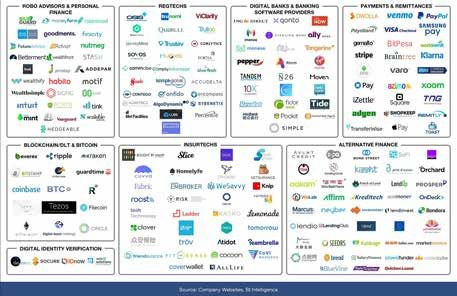
Jonathon Higgins
     Research Analyst

     Buy Now Pay Later in
     a Fin-Tech World

                                   “If you don’t jump on the new,
                                     you don’t survive”
                                   Satya Nadella, Microsoft CEO

8 | Research Monitor | Sept 2019
In CY18 there was over
US$50bn in funding
across fin-tech and
alternative payment
investments in the
Americas; up 100% YoY.
The Fintech Ecosystem
There is a structural shift underway in payment and lending channels across
the world. This structural change is associated with the shift towards digital
payments/wallets, mobile transactions, a discerning consumer that demands
more and alternative well-funded companies.
These emerging tailwinds are These channels and acquisition Over 35% of the US
generating a huge opportunity methodologies are overlaid against a
across the traditional finance and complex and typically time consuming personal loan market is
payments ecosystem. Within a process. Compare these traditional now originated by fin-
short period of time category killing channels and products with a BNPL tech lending, alternative
lending entrants have emerged, company such as Afterpay (APT) or
including well-known names Zip Co (Z1P) who acquire a customer payment and platform
Afterpay, Zip Co, Klarna and Affirm at a checkout within real time through companies - up 6 fold in
as well as business fin-techs such smarter, more transparent ways and less than 5 years.
as Kabbage, OnDeck and Prospa. across a trusted amortising product.
Banks and traditional channels will find
There are now hundreds of well-funded it difficult to keep up. Banks have an
payment and lending companies across origination issue.
the world with hundreds of billions
dollars of shareholder value and funding. This is particularly the case for millennials
and newer generations who utilise digital
Banks and traditional financial institutions transaction channels at a rate over 100x
globally are threatened by the rise of to that of branches.
these companies and should sit up
and take notice. Traditional customer US bank branch changes - Net closures since 2008
acquisition channels are broken and 3,000
these banks are no longer top of funnel
for a consumer. Traditional channels of 2,000
customer acquisition typically centre
around: 1,000
Financial arrangements through
familial connections;
0
Fixed branch network; -1,000
Brand; and
-2,000
Product led and brokers.
-3,000
1997
1995
1999
2001
2003
2007
2005
2009
2011
2013
2017
2015
Source: FactSet and Shaw and Partners
Research Monitor | Sept 2019 | 9Buy Now Pay Later in
a Fin-Tech World Retail bank branch traffic in the
US is forecasted by CACI to decline
by 36% over the next 4 years.
WHAT SHOULD BANKS DO?
Relative performances of BNPL versus Small Ordinaries
We see banks getting back to their
core competitive advantage. That
1000%
is sitting as the wholesale lender
partner and channel to customer 900%
facing fin-tech organisations
800%
that have material competitive
advantages in this space. 700%
Meanwhile a host of various Australian 600%
and global companies have created 500%
a large amount of value within a short
period of time. The combined market 400%
cap of just the three fin-tech BNPL 300%
players listed on the ASX (APT, Z1P,
SPT) is over $7bn. 200%
BNPL is one of the hottest sectors
100%
within the Australian market having 0%
seen extraordinary returns during the Jul-17 Oct-17 Jan-18 Apr-18 Jul-18 Oct-18 Jan-19 Apr-19
last 3-5 years since new entrants have
APT Z1P ASX 300
listed and notibly year to date, with both
APT and particularly Zip spectacularly
outperforming the market. Zip alone
That is that they’re best meeting Shaw and Partners estimates that
is in the top 3 best performers for ASX
iterations of consumer expectations over 10% of Australians have an
tech companies year to date.
in the digital age and are increasingly account with APT and Zip combined;
Whilst Z1P and APT are vastly different becoming a force within the Australian
From a standing start within 5 years
at product revenue and returns levels, and overseas payments landscape.
these businesses are generating
both products are fulfilling a similar value
The scale and immediacy of the sector $6bn+ of transaction volume a year
proposition.
and why banks and investors should sit and growing exponentially; and
up and take note include: Over 10% of Australian e-commerce
is generated by these companies.
10 | Research Monitor | Sept 2019Number of customers (m) Transaction volume ($m)
4.5 1,200
4.0
1,000
3.5
3.0 800
2.5
600
2.0
1.5 400
1.0
200
0.5
0.0 0
1Q16
1Q17
1Q18
2Q16
2Q17
2Q18
2Q19
3Q16
3Q17
3Q18
4Q16
4Q17
4Q18
1Q16
1Q17
1Q18
2Q16
2Q17
2Q18
2Q19
3Q16
3Q17
3Q18
3Q19
4Q16
4Q17
4Q18
APT Z1P APT Z1P
GROWTH Now sustainable cash flow It’s commonly thought that the majority
Whilst already large, both of Australia’s breakeven, with operating leverage of value in Qantas is within the frequent
major players have a material emerging across the business at an flyer program and we note that on a
opportunity to grow customers, sales increasing scale; market cap to customers basis Zip is
and earnings both domestically and Trades at a discount to major ASX worth ~$200 when it costs $150+ for
globally. Their model is one of a platform listed tech with the highest gross profit a major bank to acquire a transactional
wherein increasing scale, attractive growth trajectory; customer, $700+ for a car loan and
operating leverage characteristics and significantly more for mortgage leads.
and Potential to structurally alter the
intelligent customer acquisition provides face of lending and alternative payments
significant advantages over traditional in Australia. It took Qantas significant
players.
Longer term the value for both the infrastructure and over
Although Shaw and Partners doesn’t major BNPL companies is outside of 15 years to get to 4m
cover APT, we see significant growth lending and is through utilising active
potential for the business in terms and engaged customers. This could members and it took Zip
of sales, transaction volumes and be geared towards further product and APT combined only 3
iteration, lead generation, co-branded
expansion in years to come. Our
banking, data mining, personal financial
years to do the same.
preferred vehicle through current
coverage is Zip Co (ASX:Z1P), with management, insurance and a whole
an understanding that as a whole we host of other business models.
see the sector as winning with strong
structural tailwinds driving the adoption Sales multiples ASX popular tech
of independent and alternative payment
60
players.
50
ZIP CO
We feature Zip in our stock picks section 40
9later in the issue). Broadly we like Zip 30
for the following reasons:
20
Zip is growing at record rates,
with sales up 100% year on year. The 10
company is accelerating adding over 28 0
merchants and 1,500 customers a day; NEA WTC APX ALU APT Z1P XRO PME TNE
Westpac owns a material stake in
the business. With Zip having what we Mkt cap/sales (FY19) Median
consider to be a sustainable, profitable
and increasingly valuable operating Source: FactSet and Shaw and Partners
model;
Research Monitor | Sept 2019 | 11Buy Now Pay Later in
a Fin-Tech World
Interesting payments, tech and lending businesses around the world.
Code Company Description Size ($m)
APT Afterpay Buy Now Pay Later Provider across Australia, US and UK 5,900
Z1P Zip Co Buy Now Pay Later Provider across Australia and New Zealand 1,090
PPH Pushpay Faith giving application and software globally (particularly USA) 1,060
EML EML Payments Fin-tech provider of payment solutions, financial services and 750
payment disbursement
HSN Hansen Support, software and utility solutions globally 750
PGL Prospa Fin-tech business lender servicing SME businesses within 590
Australia
GTK Gentrack Support, software and utility solutions globally 550
CRD Credible Dominant and growing US platform for student payments and 450
loans
MNY Money 3 Alternative provider of non-conforming automotive and longer 390
term loans within Australia and New Zealand
PBH Pointsbet Expanding platform for betting solutions with leverage into 270
opening up of US markets
RMC Resimac Alternative and one of the largest providers of mortgage 250
backed securities end to end within Australia
SPT SplitIt Buy Now Pay Later Provider globally, particularly US 210
WZR Wizr Alternative provider of personal finance solutions within 110
Australia with peer to peer roots
BBC Banking Smallest listed ADI within Australia with an integrated broking 50
Corporation and mortgage backed securities business
RZI Raiz Invest Innovative financial investment platform connected to everyday 30
spend
MNW Mint Payments Omni-channel payment solution provider 20
CCA Change Financial Provides innovative mobile digital banking services globally 5
The alternative payments and lending space on the ASX is still an emerging
sector. A number of new participants and the structural shift is growing
towards independence across all of these companies within Australia.
We remain positively disposed to the overall thematic and have various
investment opportunities that are available for you to discuss with your
Shaw and Partners adviser.
12 | Research Monitor | Sept 2019Future Leaders Panel
EFG International
Healthcare sector diagnosis:
a dose of disruption
needed.
Research Monitor | Sept 2019 | 13Healthcare sector diagnosis:
a dose of disruption needed
Since the ‘Big Pharma’ boom in the 1990s, innovation in
healthcare, primarily pharmaceuticals, has stalled and the
market has faced increasing competition from generics
and biogenerics, hurting incumbents.
Public vs. Private health expenditure as % of GDP
18%
16% Public Private
14%
8.8
12%
% of GDP
10% 2.3 1.7 4.5
2.5 2.4 3.1 2.0 In 2017 the US
8% 3.1
6% spent 17% of GDP
8.7 9.5 8.5
4%
6.5 7.8 8 7.4 7.9 7.7 on healthcare
2%
compared to just 5%
0%
50 years ago.
Source: OECD Health Statistics
Other sectors have already Although countries have varying degrees services inflation in the US is around
of healthcare provisions, one thing four times greater than that of the overall
seen disruption which they have in common is the growing inflation level.
has helped to overcome costs of healthcare expenditure. We
Despite all of the spending and
are seeing ageing populations and also
inefficiencies and improved technology on offer; both are resources dedicated, there is mounting
drive innovation. These positives but contribute to higher levels concern that many of the services
provided are not strictly necessary.
disruptive forces are now of spending.
The US National Academy of Medicine
becoming more prevalent Amongst OECD countries, the US estimates that the US healthcare system
in healthcare. We expect spends the greatest proportion of wastes US$765bn per year, one quarter
GDP on healthcare. In 2017 it spent of all the money spent, on unnecessary
this trend to start in the 17% of GDP, compared to just 5% 50 or needlessly expensive care.
US, where there is most years ago. Furthermore, the sector has
Warren Buffett regards such a high
become the largest US employer, with
need, but then spread to more people employed in it than in level of healthcare spending as a
other regions. manufacturing or retail trade, with this serious impediment to US companies’
growth set to continue. Nevertheless, competitiveness in world markets.
even with vast numbers of employees, Furthermore, system inefficiencies are
healthcare systems are under strain. highlighted by stalling life expectancy
growth which declined in the US in 2016
Over the last 20 years the price of as the nation battles its obesity and
healthcare has also ballooned. Hospital opioid addiction crisis.
14 | Research Monitor | Sept 2019Healthcare has become the largest employer in the US.
22,500
20,000
Thousands of persons
17,500
15,000
12,500
10,000
7,500
5,000
2018
2013
2015
2011
1994
1996
1999
1991
1984
1986
1989
1982
2006
2008
1970
1974
1979
2003
2001
1972
1977
Manufacturing Retail Trade Healthcare
Source: FRED, US Bureau of Labor Statistics
Due to the combination of these and medical conditions); and digital developed world, informed by AI-based
factors, this historically staid industry is transformation. Within this field, Australia tools using standardised data collection
now, more than ever, open to change rolled out “My Health Record”, linking and near-constant monitoring.
and new ways of caring for patients. patient data to form a personalised
Historically, innovation was restricted record. Other countries are also taking We think we are just at the start of
from healthcare but fortunately, we measures to increase the availability of exciting new developments in the
have a whole host of new technologies digital records. healthcare sector and are actively
to address requirements within the seeking ways of gaining exposure.
sector, with innovation spanning Robotics also offers interesting
prospects, and rather than coming This will be a key theme for the next few
across genomics, new treatment
in to take jobs it allows workers to years and beyond. Looking at the three
modalities including gene therapy and
focus on more meaningful tasks. For key stakeholders in healthcare, patients,
immunotherapy, machine learning and
example robots are able to fill out digital physicians and payers, it is clear that
miniaturisation.
paperwork, take vital stats and even they will always choose the products
There has been an increase in act as companion bots to the elderly or and services which best fit their needs;
the number of companies outside mentally disabled. Despite the potential, those that provide better outcomes/
of the sector, in particular within robotics is still at the early adoption fewer side-effects for patients, enhanced
technology, forming partnerships stage, and the uptake will depend on revenues for the efficient practice and
to innovate, drive down costs and how much costs can be taken out as cheaper for payers. These goals are lofty
provide a more efficient service. In well as improved accuracy. but attainable in the long run.
2018 for example, Amazon acquired
PillPack for close to $1bn, and in EFG Future Leaders Panellist Dr Neal
Southeast Asia ride-hailing app Grab has Bangerter believes that over the next
partnered with Ping An Good Doctor to 20 years, Artificial Intelligence and deep
deliver online healthcare services. learning will make healthcare more
accessible and more accurate, helping
Digitisation within healthcare helps contain costs in the developing world.
competition and covers making Throughout this phase of development,
healthcare records available in digital Neal points out that wearables and
form; using digital technologies in very active involvement by individuals See more insights from
the management of that information in monitoring and addressing their EFG’s Future Leaders Panel at
(for example, in identifying diseases health will become commonplace in the www.efgfutureleaderspanel.com
Research Monitor | Sept 2019 | 15US Future Leaders Portfolio
now available on
Shaw Managed Accounts
Shaw and Partners is Shaw and Partners Chief Investment “At EFG, we believe that
Officer, Martin Crabb said “We are
pleased to have launched excited to be bringing this strategy great management is a key
the first of EFG Asset to our clients. One of our greatest driver behind successful
challenges is helping investors gain
Management’s (EFGAM) exposure to the new and disruptive companies and their ability
New Capital Funds, giving businesses that are poised to challenge to continually innovate or
those companies that typically
Australian investors comprise Australian share portfolios, disrupt the status quo.”
increased access to global such as banks, supermarkets and
telecommunications companies. The Measuring successful management is
equity markets. EFGAM US Future Leaders strategy is a not easily quantifiable or apparent from
union of academic research, investment traditional company analysis – something
From Monday 1st July 2019, the US
management and security selection that which EFGAM seeks to accomplish
Future Leaders strategy will be available
is unique in the market and one that with the panel. “We believe this is a
to Shaw and Partners clients as a
provides an excellent portfolio diversifier truly unique initiative as the panel’s
Separately Managed Account (SMA) via
for our clients.” input is directly linked to the investment
Praemium.
process,” Donald Klotter, Global Head
EFGAM’s New Capital Funds are a series Portfolio construction is rooted in of Institutional Sales at EFG International
of high-conviction strategies designed EFG’s fundamentally based investment said.
to produce long-term and sustainable philosophy and process – with a focus
on four primary growth sectors of the The new EFGAM investment solution
alpha opportunities for clients. The goal
economy; technology, healthcare, is the thirteenth addition to Shaw and
of the US Future Leaders Strategy is
consumer discretionary, and financial Partners’ successful SMA offering and
to identify the next Facebook, Apple
services. has been earmarked as the “first of
or Starbucks; discovering companies
a number of international investment
that are poised to dominate multi-billion
The Future Leaders Panel is comprised solutions” that Shaw and Partners
dollar markets over the next decade. It is
of industry and academic experts who intends on bringing to market over the
a concentrated US stock model portfolio
help develop a proprietary framework next 12-18 months.
that is designed to provide direct equity
that enables EFGAM to enhance its
exposure to rapidly-growing businesses
research process by being able to better
with significant opportunity to develop
identify visionary leaders in company
into future mid or large-cap companies,
management teams.
primarily via organic growth.
16 | Research Monitor | Sept 2019Since its inception
in April 2016, the
US Future Leaders
Strategy has
returned 23.12%
annualised, as at
May 2019.
Data as at 31 March 2019
2018 unless otherwise stated
INFACT Donald Klotter, Global Head
Shaw Managed Accounts
INFACT
U S F U T U R E L E A D E R S ST R AT EGY
US
FORFUTURE
USE IN Q2 LEADERS
2019 STRATEGY
of Institutional Sales at EFG
FOR USE IN Q2 2019
International, will present the
Data as at 31 March 2018 unless otherwise stated
ASSET CLASS PORTFOLIO
EFG US Future Leaders
US Future Leaders Portfolio,
AD D alongside Shaw and Partners
OA
Investment objective The investment framework is defined by a
Model Portfolio Details
To provide a return exceeding the MSCI disciplined investment process consisting
O
US Mid Cap Growth TR index over rolling of several checklists. This ensures that Model Portfolio Manager
NL PY L CIO, Martin Crabb at the end
10-year periods. the investment process used by the EFG Asset Management
team is consistent and repeatable. The
N
W OPY
investment process has four key inputs Benchmark Index
Investment Description MSCI US Mid Cap Growth TR
The US Future Leaders Model is a that determine a company’s overall
W
concentrated US stock portfolio, designed ranking and can be applied across all
Indicative Number of Stocks
sectors to facilitate stock selection:
O
to provide direct equity exposure to 20–35
DO A C DO A C of July.
rapidly growing businesses with significant 1. Company Quality Grade
opportunity to develop into future mid- Minimum Suggested
2. Stock Technical Timing Grade Investment Time Frame
or large-cap companies, primarily via
organic growth. Stocks are selected 3. Short Term Earnings Growth Grade 10 years
through a proprietary in-house systematic 4. Long Term Earnings Growth Grade Asset Allocation Ranges
International Equities 85%–99%
framework. The team’s objective is
The team’s investment framework is Cash 1%–15%
to identify the highest quality, fastest
US FUTURE growing companies and trade them at the basis for portfolio construction. Minimum Model Investment
the right time by adhering to a structured This regimented process helps to $100,000
L E A D ER S investment process. By identifying consistently find and own the best quality
companies. Value is added through active Risk level
Sydney, Tuesday 23rd July
these Future Leaders early, they believe Very High.
S T R AT EG Y the portfolio will afford investors with management by identifying the best
Negative return 6 years in every 20 years.
the opportunity to earn superior long- companies in the growth universe, then
owning (or adding to) them when they are Management Fee
Discovering companies that are term returns. Portfolio construction will Investment Fee 0.55% p.a.
be rooted in our fundamentally based timely and selling (or trimming) them when
Indirect Cost Ratio 0.00% p.a.
poised to dominate multi-billion dollar they are not.
investment philosophy and process – Performance Fee Nil
markets over the next decade. with a focus on the four primary growth
Adelaide, Wednesday 24th July
The US Future Leaders Strategy is a sectors of the economy (technology, Designed for investors who
healthcare, consumer discretionary, and Are interested in emerging leader
concentrated US stock model portfolio,
financial services). growth stocks;
designed to provide direct equity
Are sophisticated investors with long-
exposure to rapidly-growing businesses
Investment Strategy and Approach term investment horizons (5+ years);
with significant opportunity to develop
The US Growth Equity team employs Have a high tolerance for risk; and
into future mid- or large-cap companies, a rigorous, disciplined, and repeatable Seek capital appreciation.
Melbourne, Wednesday 24th July
primarily via organic growth. Stocks are process that is a combination of both
selected through a proprietary in-house qualitative and quantitative inputs. The
basis of the process starts with industry
MODEL PORTFOLIO CODE
systematic framework.
1
centric research performed by the sector
experts on the team. SP0200
Melbourne, Thursday 25th July
EFGAM InFACT brochure US Future Leaders Portfolio
Factsheet Canberra, Thursday 25th July
Brisbane, Friday 26th July
Perth, Monday 29th July
If you would like to attend the
presentation at one of our
offices, please register at the
link below.
REGISTER TO ATTEND
THE US FUTURE
LEADERS ROADSHOW
An introduction to the Future Leaders Panel.
Interview with Moz Afzal, Global CIO, EFG International
Research Monitor | Sept 2019 | 17Shaw Managed Accounts
Portfolio Performances – May 2019
1 Mth 3 Mth 6 Mth 1yr Inception
Shaw Income Goal Portfolio Total Portfolio Return 0.54% 3.74% 8.08% 8.03% 7.71%
Objective: RBA Cash +3% Portfolio Objective 0.38% 1.12% 2.23% 4.50% 4.48%
Inception: Sep-17 Excess v Objective 0.16% 2.61% 5.85% 3.53% 3.24%
Shaw Balanced Goal Portfolio Total Portfolio Return 0.37% 3.15% 8.93% 7.77% 9.11%
Objective: RBA Cash +4% Portfolio Objective 0.46% 1.36% 2.71% 5.50% 5.51%
Inception: Sep-17 Excess v Objective -0.08% 1.80% 6.22% 2.27% 3.61%
Shaw Growth Goal Portfolio Total Portfolio Return -1.46% 3.31% 10.54% 6.09% 12.04%
Objective: RBA Cash +5% Portfolio Objective 0.54% 1.61% 3.21% 6.50% 6.46%
Inception: Sep-17 Excess v Objective -2.00% 1.69% 7.33% -0.41% 5.58%
Total Portfolio Return 0.90% 2.09% 4.13% 6.08% 4.49%
Debt Securities Income Portfolio
Inception: Sep-17
Total Portfolio Return 1.03% 3.07% 4.60% 8.40% 7.22%
Hybrid Income Portfolio
Inception: Sep-16
Total Portfolio Return 3.11% 8.16% 17.88% 13.58% 11.41%
Australian Equity (Large Cap) - Income
Inception: Sep-17
Total Portfolio Return -1.22% 5.41% 18.08% 9.18% 16.12%
Australian Equity (Large Cap) - Growth
Inception: Sep-17
Total Portfolio Return 4.32% 5.37% 18.08% 12.71% 13.96%
Australian Equity (Large Cap) - Core
Inception: Sep-16
Total Portfolio Return -0.71% 5.26% 10.59% 2.66% 9.05%
Australian Equity - Small and Mid Cap
Inception: Sep-17
Total Portfolio Return -1.90% -0.67% 2.00% n/a -1.28%
Shaw Liquid Alternatives Portfolio
Inception: Aug-18
AB Concentrated Global Growth Total Portfolio Return -3.27% 5.99% 13.96% 13.98% 9.99%
Inception: Jan-15
18 | Research Monitor | Sept 2019Shaw Managed Accounts
Click on the images below to download the marketing brochure
and SMA Portfolio Factsheets
Shaw Managed Accounts Shaw Managed Accounts Shaw Managed Accounts
GOAL BASED PORTFOLIO GOAL BASED PORTFOLIO GOAL BASED PORTFOLIO
Shaw Income Goal Portfolio Shaw Balanced Portfolio Shaw Growth Goal Portfolio
Investment objective Asset classes and strategies may include Investment objective Asset classes and strategies may include Investment objective Asset classes and strategies may include
Model Portfolio Details Model Portfolio Details Model Portfolio Details
The primary objective of the Shaw Income cash, Australian debt securities, and The primary objective of the Shaw cash, Australian debt securities, and The primary objective of the Shaw Growth cash, Australian debt securities, and
Goal Portfolio is to provide a regular Australian equities including property Model Portfolio Manager Balanced Portfolio is to provide a regular Australian equities including property Model Portfolio Manager Goal Portfolio is to provide regular and Australian equities including property Model Portfolio Manager
and sustainable income stream over the securities, international equities and Shaw and Partners Limited and sustainable income stream and securities, international equities and Shaw and Partners Limited sustainable capital growth over the longer securities, international equities and Shaw and Partners Limited
medium term (3–5 years) whilst minimising alternative strategies (ETF and or capital growth over the medium term alternative strategies (accessed via ASX term (5–7 years). It achieves this by alternative strategies (ETF and or
risk to capital. It achieves this by investing managed funds). Benchmark Index (4–6 years), together with some capital listed ETFs and or managed funds). Benchmark Index investing in a diversified portfolio of asset managed funds). Benchmark Index
RBA Cash rate +3% RBA Cash rate +4% RBA Cash rate +5%
in a diversified portfolio of asset classes growth whilst minimising risk to capital. It classes and strategies. The strategy is
Continual assessment and risk (Gross Income and Total Return) Continual assessment and risk (Gross Income and Total Return) Continual assessment and risk
and strategies. achieves this by investing in a diversified designed to have a high level of risk. It
management of bottom-up and top- Indicative Number of Securities, Stocks management of bottom-up and topdown Indicative Number of Securities, Stocks management of bottom-up and top- Indicative Number of Stocks per
portfolio of asset classes and strategies. achieves this by investing in a diversified Asset Class Based Portfolio
The strategy is designed to have a down parameters is a core component and/or Funds (ETF and Managed) parameters is a core component of the and/or Funds (ETF and Managed) down parameters is a core component
portfolio of asset classes and strategies. 30–100
medium level of risk. of the model. Changes to the portfolio 40–100 The strategy is designed to have a model. Changes to the portfolio will be 60–140 of the model. Changes to the portfolio
will be made as deemed appropriate Minimum Suggested moderate level of risk. made as deemed appropriate by the Minimum Suggested The strategy is designed to have a high will be made as deemed appropriate Minimum Suggested
Investment Time Frame Investment Time Frame Investment Time Frame
Investment Strategy and Approach by the investment team in order for investment team in order for the portfolio level of risk. by the investment team in order for
3 years 4 years 5 years
The investment process combines the portfolio to have a high probability Investment Strategy and Approach to have a high probability of meeting the portfolio to have a high probability
Asset Allocation Ranges Asset Allocation Ranges Asset Allocation Ranges
quantitative and qualitative criteria and of meeting its objectives in all market Investment Strategy and Approach The its objectives in all market conditions. Investment Strategy and Approach of meeting its objectives in all market
Shaw Debt Securities Income 0%–30% Shaw Debt Securities Income 0%–50% Shaw Australian Equity Growth
analysis to identify asset classes, markets, conditions. The investment process takes investment process combines quantitative The investment process takes into The investment process combines conditions. The investment process takes (Large Cap) 0%–80%
Shaw Hybrid Income 0%–35% Shaw Hybrid Income 0%–50%
securities and strategies which have into consideration the risk around asset and qualitative criteria and analysis to consideration the risk around asset quantitative and qualitative criteria and into consideration the risk around asset Shaw Australian Equity Growth
Shaw Australian Equity Income Shaw Australian Equity Core
a focus toward producing sustainable classes and the underlying securities, (Large Cap) 0%–60% identify asset classes, markets, securities classes and the underlying securities (Large Cap) 0%–60% analysis to identify asset classes, markets, classes and the underlying securities (Small and Mid-Cap) 0%–40%
income as opposed to capital growth. maintaining their income characteristics International Equity 0%–40% and strategies which have a focus toward maintaining their income and growth Shaw Australian Equity Growth securities and strategies which have a maintaining their growth characteristics International Equity 0%–40%
whilst ensuring that the risk of a Liquid Alternatives 0%–40% characteristics whilst ensuring that the risk (Small and Mid-Cap) 0%–30% whilst ensuring that the risk of a Liquid Alternatives 0%–40%
producing sustainable income and capital focus toward producing capital growth Cash 0%–100%
The portfolio construction is based on drawdown is adequately managed. The Cash 0%–100% of a drawdown is adequately managed. International Equity 0%–40% drawdown is adequately managed. The
growth. over and above income.
macro-economic and thematic views of Portfolio Managers however manage the Indicative Cash Holding The Portfolio Managers however manage Liquid Alternatives 0%–40% Portfolio Managers however manage the Indicative Cash Holding
Cash 0%–100% 3%
Shaw Managed Accounts Shaw’s Research in order to best meet capital value of the portfolio to minimise 3% The portfolio construction is based on the capital value of the portfolio to The portfolio construction is based on capital value of the portfolio to minimise
the risk and return objectives of the the risk of the portfolio failing to achieve macro-economic and thematic views of minimise the risk of the portfolio failing to Indicative Cash Holding macro-economic and thematic views of the risk of the portfolio failing to achieve
Minimum Model Investment 3% Minimum Model Investment
investment strategy. its risk and return objectives. Shaw’s Research in order to best meet achieve its risk and return objectives. Shaw’s Research in order to best meet its risk and return objectives.
$100,000 $100,000
the risk and return objectives of the the risk and return objectives of the
Minimum Model Investment
Managing your portfolio just got easier The portfolio is a blend of the Shaw and
Designed for investors who Management Fee
investment strategy. Designed for investors who $100,000 investment strategy. Designed for investors who Management Fee
Partners SMA strategic portfolios based Investment Fee Nil
Seek income as the primary objective Investment Fee Nil Seek a balance of income and capital Seek capital growth as the primary
on their suitability to the income objective. The portfolio is a blend of the Shaw The portfolio is a blend of the Shaw and Indirect Cost Ratio 0.36% p.a.
and some capital appreciation from a Indirect Cost Ratio 0.34% p.a. growth as the primary objective from Management Fee objective and some income from a
Each goals based portfolio has effectively Performance Fee Nil and Partners SMA strategic portfolios Investment Fee Nil Partners SMA strategic portfolios based Performance Fee Nil
broad range of Australian and Global a broad range of Australian and global broad range of Australian and global
its own asset and risk allocation managed based on their suitability to the Balanced asset classes and strategies Indirect Cost Ratio 0.37% p.a. on their suitability to the growth objective.
asset classes and strategies asset classes and strategies
by the Shaw Portfolio Strategies Team. portfolio objective. Each goals based Performance Fee Nil Each goals based portfolio has effectively
Have an investment horizon of three Have an investment horizon of four Have an investment horizon of five
portfolio has effectively its own asset and its own asset and risk allocation managed
years or more years or more years or more
risk allocation managed by the Shaw by the Shaw Portfolio Strategies Team.
Accept the risk of volatility in their Portfolio Strategies Team. Accept a moderate risk of volatility in Accept the risk of volatility in their
investment return. their investment return. investment return.
MODEL PORTFOLIO CODE MODEL PORTFOLIO CODE MODEL PORTFOLIO CODE
SP0009 SP0008 SP0010
SMA Marketing brochure Shaw Income Goal Shaw Balanced Goal Shaw Growth Goal
Shaw Managed Accounts Shaw Managed Accounts Shaw Managed Accounts Shaw Managed Accounts
ASSET CLASS PORTFOLIO ASSET CLASS PORTFOLIO ASSET CLASS PORTFOLIO ASSET CLASS PORTFOLIO
Shaw Debt Securities Income Portfolio Shaw Hybrid Income Portfolio Shaw Australian Equity (Large Cap) Income Shaw Australian Equity (Large Cap) Core
Investment objective The portfolio will be diversified across the Investment objective The portfolio will be diversified across Investment objective Continual assessment and risk Investment objective The Investment Process takes into
Model Portfolio Details Model Portfolio Details Model Portfolio Details Model Portfolio Details
The model invests in a portfolio of ASX above criteria. A key focus of the portfolio The model aims to invest in a portfolio of the above criteria. The portfolio will The primary objective of the Shaw management of bottom-up and top- The objective of the Shaw Australian consideration the yield and capital growth
listed debt and shorter dated hybrid will be the mix of fixed and floating rate Model Portfolio Manager ASX listed debt and preference securities be monitored against the manager’s Model Portfolio Manager Australian Equity Income (Large Cap) down parameters is a core component Model Portfolio Manager Equity (Large Cap) Core Portfolio is objectives of the portfolio and ensures Model Portfolio Manager
securities, debt based ETFs and debt exposure in order to meet the portfolios’ Shaw and Partners Limited that offer diversification benefits to both expectations of equity returns, credit Shaw and Partners Limited Portfolio is to provide a regular and of the model. Changes to the portfolio Shaw and Partners Limited to provide regular income, capital that both are managed simultaneously Shaw and Partners Limited
specialist managed funds. These objectives. The portfolio will be monitored Australian equities and cash or term market implied volatilities and underlying sustainable fully franked dividend income will be made as deemed appropriate appreciation and out performance of the to ensure that the portfolio is not overly
products offer potential diversification against the manager’s expectations of Benchmark Index deposits. interest rates in order to ensure it is Benchmark Index stream over the medium term (3–5 years). by the investment team in order for the Benchmark Index S&P/ASX 100 Accumulation Index over skewed to any style or thematic that Benchmark Index
RBA Cash rate +1.5% RBA Cash rate +3% S&P/ASX 100 Accumulation Index S&P/ASX 100 Accumulation Index
benefits to both Australian equities and equity returns, credit market implied invested across a range of market It achieves this by investing in a portfolio portfolio to have a high probability of the medium term (3–5 years) through would increase the risk of the portfolio
The model’s return will be generated from (inclusive of franking credits)
cash or term deposits. volatilities and underlying interest rates cycles to meet its return objective, while of large-cap Australian listed companies meeting its objectives. The investment investment in large cap shares listed in failing to meet its objectives.
Indicative Number of Securities, Stocks a combination of cash (interest payments Indicative Number of Stocks Indicative Number of Stocks Indicative Number of Stocks
in order to ensure it is invested across and/or Funds (ETF and Managed) adhering to the risk tolerances set. and managed funds. Although the process takes into consideration the risk 15–25 Australia. 15–25
The model’s return will be generated from and dividends), franking credits and 10–30
a range of market cycles to meet its 15–25 focus is yield generation, the investment around companies growing/maintaining Designed for investors who
a combination of interest payments and return objective, while adhering to the risk capital growth (realised and unrealised) The model manager has access to new process and risk management aims to their dividend characteristics with the
Minimum Suggested Minimum Suggested Minimum Suggested Investment Strategy and Approach Seek exposure to an Australian share Minimum Suggested
capital growth (realised and unrealised) tolerances set. from an actively managed portfolio issues of debt and preference securities ensure that risk to capital is minimised result that this portfolio aims for a higher Investment Time Frame Investment Time Frame
Investment Time Frame Investment Time Frame Shaw and Partners’ Investment Process portfolio that provides a franked income
from an actively managed portfolio 3 years
strategy. and is able to include in the portfolio as it 3 years with the goal of some capital appreciation dividend yield than that of the broader 3 years 3 years
strategy. The model manager has access to new deems appropriate. combines quantitative and qualitative stream and capital appreciation
Asset Allocation Ranges Asset Allocation Ranges via both longer term price appreciation market. The portfolio managers however Asset Allocation Ranges criteria and analysis to identify stocks Asset Allocation Ranges
issues of listed debt securities and is The Shaw Hybrid Income Portfolio seeks Have an investment horizon of three
Debt and hybrid securities 70%–100% Listed Australian hybrid securities 70%–100% and actively locking in gains as deemed manage the capital value of the portfolio Australian Equities 80%–100%
likely to produce above average
Australian Equities 90%–100%
The Shaw Debt Income Portfolio seeks to able to include these in the portfolio as it to provide investors with a predictable The model manager’s institutional Cash 0%–20% years or more Cash 0%–10%
Cash 0%–100% Listed debt securities 0%–80% appropriate to the objectives. to minimise the risk of the portfolio failing earnings growth with positive valuation
provide investors with a predictable level deems appropriate. level of income whilst minimising risk to market experience with this asset class Accept the risk of share price volatility.
Indicative Cash Holding Cash 0%–20% to achieve its risk and return objectives. Indicative Cash Holding characteristics. Indicative Cash Holding
of income whilst minimising risk to capital. capital. brings specialist knowledge to pricing
2% Indicative Cash Holding 2% 2%
and liquidity. Active management of the Investment Strategy and Approach
Designed for investors who 2%
The investment process combines Designed for investors who The portfolio construction is based on
Investment Strategy and Approach Investment Strategy and Approach portfolio will take advantage of relative Minimum Model Investment Minimum Model Investment
Seek a sustainable income stream over Minimum Model Investment macro-economic and thematic views of
mispricing between securities and the quantitative and qualitative criteria and Seek franked dividend income as the $5,000 $5,000
The model manager aims to achieve the a 3 year + time frame, with a lower risk $5,000 The model manager aims to achieve the Minimum Model Investment Shaw and Partners’ Research in order to
asset class as a whole, while taking into $5,000 analysis to identify stocks and strategies primary objective from an Australian
investment objectives via a qualitative of loss than equities, and a higher rate investment objectives via a qualitative best meet the risk and return objectives
Management Fee consideration the impact of any micro which have a relatively high dividend equities portfolio and some capital Management Fee Management Fee
and quantitative investment process. Key of return than cash like investments and quantitative investment process. Key of the investment strategy. Continual
Investment Fee Nil and macroeconomic factors. The ability Management Fee paying capability, and are likely to appreciation Investment Fee Nil Investment Fee Nil
criteria and areas of focus are: criteria and areas of focus are: Indirect Cost Ratio 0.25% p.a. assessment and risk management of Indirect Cost Ratio 0.00% p.a.
Focus on minimising risk to capital and Indirect Cost Ratio 0.28% p.a. to lock in gains will be a key feature of the Investment Fee Nil produce above average earnings growth Have an investment horizon of three
Credit quality of the issuer low volatility of returns. Performance Fee Nil Credit quality of the issuer Indirect Cost Ratio 0.00% p.a. with positive valuation characteristics. Performance Fee Nil bottom-up and top-down parameters is a Performance Fee Nil
strategy in achieving its objectives. years or more
Sector/Industry Sector/Industry Performance Fee Nil core component of the Model. Changes
The portfolio construction is based on Accept the risk of share price volatility. to the portfolio will be made as deemed
Call dates and final maturity details Call date, conversion dates and final Designed for investors who macro-economic and thematic views of appropriate by the investment team in
Structure of instrument maturity details Seek a sustainable income stream Shaw and Partners’ Research in order to order for the portfolio to have a high
Timing and composition of cash flows Structure of instrument (inclusive of franking credits) over a 3 year best meet the risk and return objectives of probability of meeting its objectives.
Timing and composition of cash flows + time frame, with a lower risk of loss the investment strategy.
Relative valuation of sector as a whole
than equities, and a higher rate of return
and between relevant securities, Relative valuation of sector as a whole
than cash like investments.
including the inclusion of new issues and between relevant securities,
Liquidity and potential changes in including the inclusion of new issues
liquidity. Liquidity and potential changes in
MODEL PORTFOLIO CODE liquidity. MODEL PORTFOLIO CODE MODEL PORTFOLIO CODE MODEL PORTFOLIO CODE
SP0003 SP0002 SP0004 SP0001
Shaw Debt Securities Income Shaw Hybrid Income Shaw Australian Equity Shaw Australian Equity
(Large Cap) Income (Large Cap) Core
Shaw Managed Accounts Shaw Managed Accounts Shaw Managed Accounts
Shaw Managed Accounts
ASSET CLASS PORTFOLIO ASSET CLASS PORTFOLIO ASSET CLASS PORTFOLIO ASSET CLASS PORTFOLIO
Shaw Australian Equity (Large Cap) Growth Shaw Australian Equity (Small and Mid-Cap) Growth Shaw Liquid Alternatives Portfolio AllianceBernstein Concentrated Global Growth
Investment objective The investment process takes into Investment objective The investment process takes into Investment objective research into alternative strategies and Investment objective Designed for investors who
Model Portfolio Details Model Portfolio Details Model Portfolio Details Model Portfolio Details
The primary objective of the Shaw consideration the primary objective of The primary objective of the Shaw consideration the primary objective The primary objective of the Shaw Liquid return streams is a core component The portfolio seeks long term growth Are considered longer term investors (5
Australian Equity (Large Cap) Growth capital growth. Although the portfolio will Model Portfolio Manager Australian Equity (Small and Mid-Cap) of capital growth. It aims to invest in Model Portfolio Manager Alternatives Portfolio is to provide regular of the model. Changes to the portfolio Model Portfolio Manager of capital by investing in an actively years +) Model Portfolio Manager
Portfolio is to provide a level of capital generate income, income focused stocks Shaw and Partners Limited Growth Portfolio is to provide a level of companies where the share price does Shaw and Partners Limited and sustainable income and capital will be made as deemed appropriate Shaw and Partners Limited managed concentrated portfolio of listed Seek exposure to a concentrated AllianceBernstein
appreciation over the longer term will be included if their total return criteria capital appreciation over the longer term not fully reflect the potential value of the growth over the medium term (3–5 years) by the investment team in order for securities considered by the portfolio portfolio of high quality global equities
(5–7 years). The portfolio is tilted towards fits the portfolios objective. Benchmark Index (5–7 years). The portfolio is tilted towards underlying business of the company. Benchmark Index whilst minimising risk to capital. It the portfolio to have a high probability Benchmark Index manager to be of very high quality issued Benchmark Index
S&P/ASX 100 Accumulation Index S&P/ASX Small Ordinaries Accumulation Index RBA Cash rate +3%
with superior return potential with MSCI World Index
stocks that have superior earning growth small and mid-sized stocks that have achieves this by investing in a diversified of meeting its objectives in all market by companies with predictable growth. generally low turnover
capacity and focus is on the total return Volatility of returns will be managed with superior earning growth capacity and portfolio of asset classes and strategies conditions. The investment process takes
Indicative Number of Securities, Stocks Designed for investors who Indicative Number of Securities, Stocks Indicative Number of Stocks per
of each stock rather than the dividend the objective of a lower standard deviation focus is on the total return of each stock Indicative Number of Securities, Stocks that have low correlation with traditional into consideration the risk around asset
and/or Funds (ETF and Managed) Seek long term capital growth as the and/or Funds (ETF and Managed) and/or Funds (ETF and Managed) Investment Strategy and Approach Asset Class Based Portfolio
income as the prime objective. of returns than the benchmark index. rather than the dividend income as the equity and debt asset classes. This classes and the underlying securities
15–25 primary objective from and Australian 15–30 3–20 The portfolio manager seeks to achieve 25–35
prime objective. equities portfolio and some income portfolio is designed to act as a volatility maintaining their growth characteristics the investment objective by composing a
Minimum Suggested Minimum Suggested Minimum Suggested Minimum Suggested
Investment Strategy and Approach Designed for investors who Investment Time Frame dampener and diversifier to an existing whilst ensuring that the risk of a Investment Time Frame portfolio of highly liquid, listed securities of Investment Time Frame
Those investors in the accumulation Investment Time Frame
The investment process combines Seek long term capital growth as the 5 years Investment Strategy and Approach 5 years
portfolio of liquid assets. drawdown is adequately managed. The 3 years quality companies from the MSCI World 5 years
phase portfolio managers however manage the
quantitative and qualitative criteria and primary objective from an Australian Asset Allocation Ranges The investment process combines Asset Allocation Ranges universe. These companies are chosen Asset Allocation Ranges
Have an investment horizon of five Asset Allocation Ranges
analysis to identify stocks which have a equities portfolio and some income Australian Equities 80%–100% quantitative and qualitative criteria and Investment Strategy and Approach capital value of the portfolio to minimise Liquid alternative assets 80%–100% for their specific growth and business International Equities 90%–100%
Australian Equities 80%–100%
Cash 0%–20% years or more the risk of the portfolio failing to achieve Cash 0%–20% Cash 0%–10%
favourable outlook are likely to produce Those investors in the accumulation analysis to identify stocks which have a Cash 0%–20% The portfolio is a blend of strategies and characteristics, earnings development,
above average earnings growth with phase Indicative Cash Holding relatively high dividend paying capability Accept the risk of share price volatility. investments that can be expected to have its risk and return objectives. Indicative Cash Holding financial position and experienced Indicative Cash Holding
Indicative Cash Holding
positive valuation characteristics. 2% are likely to produce above average 2% a lower correlation to equities, bonds and 2% management. 2%
Have an investment horizon of five
years or more earnings growth with positive valuation other traditional beta style investments. Designed for investors who
The portfolio construction is based on Minimum Model Investment Minimum Model Investment Minimum Model Investment Minimum Model Investment
characteristics. The portfolio was designed primarily Investors seeking sustainable and lower
macro-economic and thematic views of Accept the risk of share price volatility. $5,000 $5,000 $5,000 $65,000
to lower the downside variance of an volatility returns (mix of income and
Shaw and Partners’ Research in order to The portfolio construction is based on income, balanced or growth portfolio that capital growth) as the primary objective
Management Fee Management Fee Management Fee Management Fee
best meet the risk and return objectives of macro-economic and thematic views of uses a mixture of bonds and equities that will be less impacted by large
Investment Fee Nil Investment Fee Nil Investment Fee Nil Investment Fee 0.55% p.a.
the investment strategy. Indirect Cost Ratio 0.00% p.a. Shaw and Partners’ Research in order to to derive a given long term return. The moves in underlying asset prices in Indirect Cost Ratio 0.95% p.a. Indirect Cost Ratio 0.00% p.a.
Indirect Cost Ratio 0.61% p.a.
Performance Fee Nil best meet the risk and return objectives of strategies and managers chosen for traditional investments such as Equities Performance Fee Nil Performance Fee Nil
Continual assessment and risk Performance Fee Nil
the investment strategy. the portfolio have a demonstrable track and Bonds
management of bottom-up and top-down
record of minimising risk to capital during As a standalone investment option,
parameters is a core component of the Continual assessment and risk
downturns and when blended in the suitable for investors looking for a lower
model. Changes to the portfolio will be management of bottom-up and top-down
appropriate weights can significantly risk/lower return exposure that is not
made as deemed appropriate by the parameters is a core component of the
reduce the downside potential of a bond correlated with traditional asset class
investment team in order for the portfolio model. Changes to the portfolio will be
and equity portfolio. returns
to have a high probability of meeting its made as deemed appropriate by the
objectives. investment team in order for the portfolio Asset classes and strategies may Blended with a traditional income,
to have a high probability of meeting its include Global Macro, Managed Futures balanced or growth portfolio to reduce
objectives. (Trends), Long/Short and Market Neutral, drawdown and smooth returns
MODEL PORTFOLIO CODE MODEL PORTFOLIO CODE Commodities and Dynamic Markets. Investors should have an investment MODEL PORTFOLIO CODE MODEL PORTFOLIO CODE
horizon of three years or more
SP0005 SP0006 Only managers/investments that
have daily pricing and liquidity can be
Accept the risk of volatility in their
investment return.
SP0011 SP0012
considered. Continual assessment and
Shaw Australian Equity Shaw Australian Equity Shaw Liquid Alternatives AllianceBernstein Concentrated
(Large Cap) Growth (Small and Mid-Cap) Growth Global Growth
Research Monitor | Sept 2019 | 19You can also read


