California Building Energy Efficiency Standards - Title 24 guidelines for controlled lighting
←
→
Page content transcription
If your browser does not render page correctly, please read the page content below
California Building Energy Efficiency Standards
Title 24 guidelines for controlled lighting

                                                                REV 09.10.2015

                                                  Produced in partnership with
Title 24 Guidelines for Controlled Lighting

   EATON   Title 24 Guidelines
Title 24 Guidelines for Controlled Lighting

On July 1, 2014, California Title 24 (T24) Building Energy Efficiency Standards went into effect. The lighting and
lighting controls sections were expanded clarifying the mandatory requirements for residential and nonresidential
buildings that include outdoor spaces. In keeping with the California legislation, the standards must be cost effective
and include approaches that account for equipment improvements in efficient technology. As one will see, the newer
technologies delivering higher energy savings are favored in the code. The new efficiency standards focus on lighting
controls and LED luminaires, both of which offer the greatest energy savings and control capabilities.

California Energy Commission estimated reduction benefits from code compliance:
                     Annual energy savings                                             Resulting air quality and emission reductions per year
                     • 613 gigawatt-hours                                              • 215 metric tons carbon dioxide equivalent
                     • 195 megawatts peak demand                                       • 2.4 tons sulfur oxides
                                                                                       • 41 tons carbon monoxide
                                                                                       • 59 tons nitric oxide

 TABLE OF CONTENTS

 How to use this guide                                                 4          NONRESIDENTIAL OUTDOOR APPLICATIONS                                38
 Iconography                                                           5          Pole Mounted Luminaires                                            40
 General Education on Title 24                                       10           Non-Pole Mounted Luminaires                                        41
 NONRESIDENTIAL INDOOR APPLICATIONS                                  12           Sales Luminaires                                                   42
 Small Office                                                        14           Building Façade and Outdoor Dining                                 43
 Medium or Large Office                                              15           Loading Docks                                                      44
 Corridor, Hall and Stairwell                                        16           Hardscapes and General Parking Lots                                45
 Conference Room                                                     17           Nonresidential Outdoor Controls (LumaWatt)                         46
 Entry, Waiting and Lobby                                            18           Nonresidential Outdoor Lighting Products                           48
 Restaurant and Dining                                               19           RESIDENTIAL APPLICATIONS                                           50
 Restroom - Single Stall                                             20           Single Family Home                                                 52
 Restroom - Multi-Stall                                              21           Multi-Family Home                                                  53
 Parking Garage                                                      22           High-Rise Home                                                     54
 Cafeteria, Multipurpose and Gym                                     23           Dormitory                                                          55
 Classroom                                                           24           Senior Living Quarters                                             56
 Electrical Mechanical Room                                          25           Hotel/Motel Guest Rooms                                            57
 Library Stacks                                                      26           Halo and Title 24 Residential Standards                            58
 Library Open Area                                                   27           Residential Products - High Efficacy                               60
 Warehouse Industrial Open Area                                      28           Residential Products - Low Efficacy                                62
 Warehouse Racks                                                     29           APPENDIX
 Integrated Sensor System                                            30           Interior Quick Reference Guide                                     64
 Nonresidential Indoor Room Controller System 32                                  Interior Quick Reference Guide Key                                 65
 Nonresidential Indoor Lighting Products                             34           Multi-Level Requirements Guide                                     66
 Nonresidential Indoor Ambient Products                              35           Exterior Quick Reference Guide and Key                             67
 Nonresidential Indoor Exit and Egress Products 36                                Lighting Power Density Tables                                      68
 Nonresidential Indoor Control Products                              37

While this training material was developed based upon the published Building Energy Efficiency Standards for Residential and Nonresidential
Buildings (CEC-400-201-004-CMF-REV2), Residential Compliance Manual for the 2013 Building Energy Efficiency Standards (CEC-400-2013-001-
CMF), and Nonresidential Compliance Manual for Building Energy Efficiency Standards (CEC-400-2013-002-CMF) (collectively, “the code”); it is not
intended to replace the code and experts that interpret the code. This training material is based on the code as it exists at the time of publication, and
the code may be updated without notice. Eaton accepts no liability for the content of this presentation, or the consequences of any action taken on
the basis of the information provided.

                                                                                                                  EATON    Title 24 Guidelines               3
HOW TO USE THIS GUIDE
This guide is constructed to simplify the aggressive and complex California Energy Code of Title 24 into three basic steps covering
the requirements for the most common spaces found in both Residential and Nonresidential compliance. Icons are used to describe
the luminaire and control requirements that are conveniently aligned with Eaton’s broad range of luminaires and controls delivering a
compliant Title 24 space.
Sample page from this guidebook shown below:
NONRESIDENTIAL INDOOR: Medium or Large Office Title 24 Requirements
Identify Your Space SPACE ASSUMPTIONS
• Space – 250 square feet or larger
Simplification begins by separating a building • Electrical Load – Greater than 0.5
watts per square feet planned
into spaces such as “office” and outlining the • Daylighting – Contains glazing larger
conditions of the space to walk through Title 24 than 24 square feet total requiring
daylighting for both primary and
secondary sidelit zones
requirements. Space assumptions and energy • Building – When larger than 10,000
budget requirements are located in the header area square feet Demand Response is
required (capable of lowering lighting
while the rest of the page details specific luminaire power by 15%)
and control combinations to make the space Title
24 compliant. Lighting Power Density 0.75 watts per square feet required for Area Method
For Building Method requirements see table on page 45.
Follow the 3 steps below to ensure SPACE LEVEL (AREA CONTROL)
your space meets Title 24: • Must be accessible to occupants to operate
the lighting
Reference:
See 130.1(a)
page 140
Exception when space level control not required:
• Areas or sections designed to serve as egress
lighting are not accessible to unauthorized
personnel.
1. Analyze MULTI-LEVEL LIGHTING
Four simple mandatory lighting control elements • Luminaire must provide uniform dimming Reference:
See 130.1(b)
• Capable of reducing power by at least one of
cover the changing components of Title 24. The five control functions
page 140
• When a dimming luminaire is present a manual
space defined above is analyzed against the dimmer is recommended. Other functional
options available.
code, notes are provided, and exceptions to the
(CHOOSE AT LEAST ONE)
spaces are shown. The far right shows the code SHUTOFF CONTROL
references to facilitate further understanding. • Luminaires turned off when vacant
• 120V receptacles only. Each 5,000 square
Reference:
See 130.1(c)
feet to have shutoff controls. Automatic Time page 141
Switch remain on for no more than 2 hours.
Exception when shutoff control not required:
• Areas designed to serve 24 hr 365 day
(CHOOSE ONE OR MORE)
2. Align
continuous use considered egress lighting
AUTOMATIC DAYLIGHTING CONTROL
Icons are presented to visually align the specific • Eliminate energy waste when natural light Reference:
present See 130.1(d)
requirements that satisfy Title 24 requirements. Exceptions when daylighting control not required:
page 143
The code may offer options or combined functions
• No skylights
• Glazing
TITLE 24 ICONOGRAPHY

Iconography System
The icons symbolize specific language found in the code requirements. They represent product and space characteristics. Icons not only represent
the requirements but attributes Eaton products provide. This simplifies educating one on the code, how to apply the code for a given space, and
select the products that will deliver a Title 24 compliant space.

 LUMINAIRES / CONTROLS

         Luminaire              Fluorescent Luminaire                 LED                       Metal Halide                      Exit
         Dimming                     w/ Ballast                    Luminaire                    Luminaire                      Luminaire

  Residential Recessed           Emergency Back-up                    High
  Luminaires w/ Ballast             (For Egress)                     Efficacy

 FUNCTIONAL REQUIREMENTS

        Daylighting               Vacancy Sensor                                                 Demand                   Manually Switched
         Control                 Manual On/Auto Off            Occupancy Sensor                  Response                     ON/OFF

          Manual                 Lumen Maintenance                   Tuning                     Automatic                   Astronomical
          Dimmer                      Control                        Control               Time Switch (Indoor)         Time Switch (Outdoor)

                                    Remote Signal               Captive Key-Card            Combined HVAC &               Part-night Outdoor
       Photocontrol                    Control                      Control                  Lighting Control              Lighting Control

        Receptacle                                                                        Automatic Countdown
         Control                      Reporting                    Monitoring                 Timer Switch

 CONSTRAINTS

      Square Footage             Maximum Wattage                                            BUG / Zonal Lumen                Lighting Power
          Range                  Controlled Together            Daylight Opening              Requirements                       Density

    Height of Luminaire                 24/7
        for Outdoor                   Operation

                                                                                                            EATON     Title 24 Guidelines          5
ICONOGRAPHY GUIDE: Luminaires and Controls

    High Efficacy                                                                 LED Luminaire

    In order to classify a luminaire as High Efficacy for the purpose of Title    In order for residential LED luminaires to be classified as High Efficacy
    24 compliance in residential projects, the device is qualified as High        they must meet meet Joint Appendix 8 (JA8) and be certified to the
    Efficacy. High efficacy luminaires differ by technology. Some examples        California Title 20 Appliance Database. Residential compliance includes
    are LED luminaries must meet Joint Appendix 8 (JA8) and certified             single family homes, hotel/motel guest rooms, high-rise apartment
    to California Title 20 Appliance Database, CFL residential recessed           living spaces, dormitory rooms, senior living facility quarters, etc.; all of
    luminaries must contain CFL ballast that are certified to California          which are considered generically “dwelling” spaces.
    Title 20 Appliance Database meeting select efficacy requirement, and
                                                                                  References: Tables 150.0-A and 150.0-B; Section 150.0(k), 150.2(b),
    residential fluorescent luminaires containing fluorescent ballasts that
                                                                                  110.9(e), 100.0(h)
    are certified to California Title 20 Appliance Database.
    References: Tables 150.0-A, 150.0-B; Sections 100.0(h), 110.9(e),
    110.10(b), 130.1(c), 150.0(k), 150.2(b), 110.9(f)

    Fluorescent Luminaire                                                         Residential Recessed
          w/ Ballast                                                              Luminaires w/ Ballast

    In Title 24 Residential and Nonresidential compliance, fluorescent            Fluorescent ballasts certified to the California Title 20 Appliance
    luminaires must include ballasts that are certified to the California Title   Database for use within a residential recessed luminaire would be
    20 Appliance Database. While 4-pin electronic fluorescent is generally        classified as High Efficacy. Requirements to use high-efficacy devices
    viewed as a compliant device, the ballast installed must be certified to      are found in single family homes, hotel/motel guest rooms, high-rise
    the California Title 20 Appliance Database. In order to be certified, the     apartment living spaces, dormitory rooms, senior living facility quarters,
    ballast must meet all Title 20 requirements.                                  etc.; all of which are considered “dwellings”.
    References: Tables 130.1-A, 150.0-A; Sections 100.0(h), 110.1                 References: Table 150.0-A, 150.0-B; Sections 100.0(h), 110.1, 110.9(f)

    Luminaire                                                                       Exit
    Dimming                                                                      Luminaire
    Title 24 Nonresidential indoor compliances utilize dimming luminaires         Only Emergency Exits luminaires certified to the California Title 20
    for requirements such as demand response, multi-level dimming,                Appliance Database can be used for Title 24 compliance. This does
    daylighting. Power adjustment factors that lower claimed LPD                  not include egress luminaires but those that provide egress signage
    levels can be earned when select controls strategies are applied.             such as “EXIT”, illuminated 24 hours a day and 365 days a year.
    Nonresidential outdoor compliance strategies utilize dimming
                                                                                  References: Sections 140.6(a), 140.8(b)
    luminaires during periods where the area is vacant. Part-night lighting
    control and centralized time-based zone control may also include
    dimming as part of an energy use reduction plan.
    References: Tables 130.1-A and 140.6-A; Sections 130.1(b), 130.1(c),
    130.1(d), 130.1(e), 130.2(c), 140.6(a)(2)

    Emergency Back-up
       (For Egress)
    Emergency back-up circuits are commonly used in the design of life
    safety systems such as lighting to meet the code requirements for
    safety and noted in Title 24 as low power consumption circuits shown
    on the design plans.
    References: Sections 130.1(a), 130.1(c), 140.6(a), 140.6(c), 150.0(k)

6               EATON     Title 24 Guidelines
ICONOGRAPHY GUIDE: Functional Requirements

Reporting                                                                  Monitoring

For use in commissioning, reports can be provided from the energy          An Energy Management Systems (EMS) is a computerized control
management system to demonstrate performance for lighting loads,           system designed to regulate the energy consumption of a building by
electrical distribution system results, branch circuit measurements,       controlling the operation of energy consuming systems, such as the
control impact, demand response, daylighting performance, and show         heating, ventilation and air conditioning (HVAC), lighting, and water
where adjustments were made. The ability to report results from            heating systems, and is capable of monitoring environmental and
commissioning are required for building owner for buildings over 10,000    system loads, and adjusting HVAC operations in order to optimize
square feet.                                                               energy usage and respond to demand response signals.
Reference: Sections 120.8(a), 120.8(i), 130.1(d), 130.1(e)                 Reference: Sections 120.8(a), 120.8(i)

 Vacancy Sensor                                                            Daylighting
Manual On/Auto Off                                                          Control

A manual ON with automatic off control, commonly called “vacancy           Title 24 in Nonresidential Indoor compliance mandates daylighting
sensors”, can be used to in lieu of occupancy sensors especially           controls where there are skylit and sidelit zones. In the case of sidelit
when short periods of occupancy occur and the lighting is not needed       zones, where there are 24 square feet of glazing inside buildings and 36
for the short period. Title 24 limits the amount of time a space is lit    square feet of openings or glazing for parking garages. Sidelit zones are
when a space is not occupied and requires in spaces like offices and       separated in primary and secondary zones. Self-contained sensors must
conference rooms mandatory controls to turn off a the space when           be certified to California Title 20 Appliance Database while daylighting
unoccupied.                                                                systems must be certified by approved technicians.
References: Sections 110.9(a), 110.9(b), 110.10(b), 141.0(b), 150.0(k)     References: Tables 141.0-E, 141.0-F; Sections 110.9(a), 110.9(b),
                                                                           130.1(b), 130.1(d), 140.3(c), 140.6(d)

Demand                                                                     Occupancy
Response                                                                    Sensor

Title 24 requires that buildings larger than 10,000 square feet have       The automatic on and off feature of the occupancy sensor adjusts the
demand responsive lighting controls capable of delivering a minimum        lighting load based upon the space’s activity. Title 24 code deploys this
of 15% reduction in lighting load in a uniform method.                     functionality as mandatory reducing or turning off power in residential,
                                                                           nonresidential indoor and outdoor compliance requirements. It is also
References: Tables 130.1-A, 140.6-A, 141.0-E, 141.0-F; Sections
                                                                           included to as a power adjustment factor to reduce installed lighting
110.9(a), 110.10(b), 130.1(b), 130.1(e), 130.3(a), 140.6(a), 141.0(b),
                                                                           loads to meet the lighting power budgets.
                                                                           References: Tables 140.6-A, 141.0-E, 141.0-F; Sections 110.9(a),
                                                                           110.9(b), 130.1(c), 130.2(c), 130.5(d), 140.6(a), 141.0(b), 150.0(k)

Manual                                                                     Manually Switched
Dimmer                                                                         ON/OFF
In nonresidential compliance, continuous dimming is required for certain   Title 24 requires that a manual switch control with ON/OFF be provided
luminaires such as LED, see TABLE 130.1-A; a manual dimmer is one          for each area enclosed by ceiling-height partitions. The manual switch
method to to satisfy requirements of 130.1(b). Manual dimmers are also     must be accessible within the same room and lighting types such
a part of the power adjustment factor(PAF) offering that can reduce        as general lighting and display lighting muse be separately circuited.
prescriptive lighting power densities(LPD). Residential compliance         There are some exceptions including large areas including malls, sales
utilizes dimmers in some spaces when “low efficacy” luminaires are         floors, industrial facilities, and larger public restrooms. When other
allowed.                                                                   lighting controls are included such as a manual dimmer, the ON/OFF
                                                                           functionality cannot be bypassed.
References: Tables 130.1-A, 140.6-A, 141.0-E, 141.0-F; Sections
110.9(b), 130.1(a), 130.1(b), 130.3(a), 140.6(a), 141.0(b), 150.0(k)       References: Tables 141.0-E, 141.0-F; Sections 110.9(a), 110.9(b),
                                                                           130.1(a), 130.1(b), 130.1(c), 141.0(b), 150.0(k)

                                                                                                              EATON     Title 24 Guidelines            7
ICONOGRAPHY GUIDE: Functional Requirements (continued)

          Lumen                                                                      Tuning
    Maintenance Control                                                              Control
    Lumen maintenance provides an initial lower power level by the                   Tuning control provides an initial lower power level (controlled by
    luminaire corresponding to typical lumen depreciation factor. The                authorized personnel only). The power can be increased over time up to
    power will increase over time up to the maximum rated wattage to                 the maximum rated wattage. Tuning controls is one of the five function
    accommodate the reduction in the light over time in the space. Lumen             alternatives to meet Multi-level Lighting Controls requirements.
    maintenance controls is one of the five function alternatives to meet
                                                                                     References: Sections 130.1(b)
    Multi-level Lighting Controls requirements.
    References: Section 130.1(b)

    Receptacle                                                                       Automatic Time Switch              Astronomical Time Switch
     Control                                                                               (Indoor)                            (Outdoor)
    Under Title 24, electrical distribution systems deployed with 120V               Title 24 allows for an Automatic Time Switch that controls lighting
    receptacles used in offices, lobbies, conference rooms, office space             based on the time of day and astronomical events such as sunset and
    kitchenettes, copy rooms, hotel/motel guest rooms are required by Title          sunrise, accounting for geographic location and calendar date to as one
    24 to automatically shut-OFF when space is considered unoccupied.                of the shutoff control functions to meet the requirements. Outdoor
                                                                                     applications require the Automatic Time Switch to include Astronomical
    References: Sections 110.10(b), 130.5(d), 141.0(b)
                                                                                     functionality.
                                                                                     References: Sections 110.9(a), 110.9(b), 130.1(c), 130.2(c), 130.3(a)

    Captive Key-Card                      Combined HVAC &                            Automatic Countdown
        Control                            Lighting Control                              Timer Switch

    Title 24 requires the use of captive key-cards are one of the optional           In Title 24 the use of a countdown timer switch control is limited to
    controls to automatically turn off the lighting and controlled receptacles       single-stall restrooms and closets less than 70 square feet with a
    and/or modify the HVAC setpoints reducing energy consumption upon                maximum setting of 10 minutes or in server aisles in server rooms with
    vacancy. These are commonly used in hotel/motels control in which                a maximum setting of 30 minutes.
    the key that activates the override cannot be released when the lights
                                                                                     References: Sections 130.1(c)
    are in the on position.
    References: Sections 120.2(e), 130.1(c), and 130.5(d)

      Photocontrol                                          Part-night Outdoor                                     Remote
                                                             Lighting Control                                   Signal Control

    Common control device that senses sunlight              These controls turn off or reduce the              Title 24 allows for a signal from another
    and turn on the luminaires at dusk and turns            lighting power for a portion of the night in       building system such as an Energy
    off the luminaires upon sunrise.                        outdoor lighting applications such as auto         Management System (EMS) or Building
                                                            dealerships and building facades.                  Automation System (BAS) as one of the
    References: Section 130.2(c), 130.3(a),
                                                                                                               shutoff control functions.
    150.0(k)                                                References: Sections 110.9(a) , 110.9(b),
                                                            130.2(c)                                           References: Sections 130.1(c)

8              EATON     Title 24 Guidelines
ICONOGRAPHY GUIDE: Constraints

Lighting Power                                                                 Square Footage
    Density                                                                        Range
In nonresidential compliance, once mandatory requirements are                  Title 24 utilizes the area of a space to determine when to apply
satisfied, lighting power density(LPD) allowances must be satisfied.           the mandatory requirements. Some examples include office size,
The evaluation can be done through one of three ways; Prescriptive,            controlled space, cumulative permitted work area for Demand
Performance or Tailored. Prescriptive is the simplest and can be done at       Responce, etc.
the building or space level. Be aware that the luminaries power can be
reduced by a power adjustment factor (PAF) when coupled with certain
controls that are not part of the Mandatory Requirements. The Tailored
Method uses target illuminance values and calculated based upon the
cavity ratio to determine LPD for general lighting and allows for additional
allowances for ornamental, wall display, etc. The Performance Method
combines measures based upon Time Dependent Valuation (TDV).
References: Tables 140.6-A, 140.6-B, 140.6-C, 140.6-G; Sections
130.1(d), 130.1(e), 140.3(c), 140.6(a), 140.6(b), 140.6(c),

                                                                                BUG / Zonal Lumen
Daylight Opening                                                                  Requirements

Title 24 uses the total opening area in square feet within a building          Title 24 outdoor requirements for luminaires rated greater than 150
and parking structure determine the need for daylighting controls. The         watts are required to meet the zonal lumen requirements.
opening in a parking structure can be glazing or an opening and the
                                                                               References: Tables 130.2-A, 130.2-B; Sections 130.2(b)
starting point is 36 square feet. For the inside of a building, the glazing
starting point is 24 square feet.
References: Section 130.1(d)

Maximum Wattage                                                                Height of Luminaire
Controlled Together                                                                 for Outdoor
Title 24 requirement establishes the maximum wattage that can be               In nonresidential outdoor compliance the luminaire height will
controlled together to apply the mandatory requirements.                       determine what Mandatory Measures have to be implemented to meet
                                                                               Title 24 requirements. When luminaries mounted 24 feet or below,
References: Sections 130.1(c), 130.2(c)
                                                                               automatic lighting control is required to minimize power consumption
                                                                               when unoccupied.
                                                                               References: Sections 130.2(c)

  24/7
Operation

Under Title 24, there are many conditions/constraints imposed
where 24 hours a day and 365 days a year provide exemptions
to the mandatory use of controls such as emergency egress and
tunnel lighting.
Reference: Sections 130.1(c), 130.2(c), 130.3(a)

                                                                                                                EATON    Title 24 Guidelines          9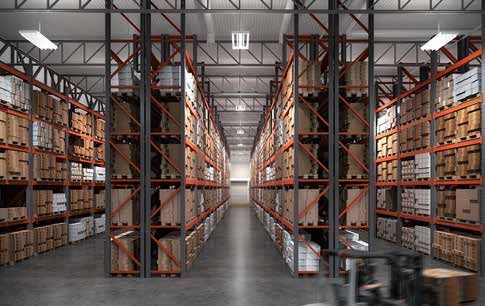
TITLE 24: General Education and Information

     When is Title 24 Compliance Required?
      CONSTRUCTION TYPE                                   REQUIRED
                                                                             Meeting Title 24 is required for all residential and nonresidential new
      New Construction                                    YES
                                                                             construction projects.

      Additions                                           YES                Meeting Title 24 is required for all residential and nonresidential additions.

                                                                             Based upon the resulting lighting power density and percentage of luminaires
      Alterations (classified as “Retrofit”)              Conditional
                                                                             altered. Refer to Table 141.0-E
                                                                             Based upon the resulting lighting power density and number of luminaires
      Modification-in-Place (classified as “Retrofit”)    Conditional
                                                                             modified. Refer to Table 141.0-F

      Repairs                                             No                 Generally, no compliance required.

     Note: As a general rule, when a permit is needed Title 24 Compliance is required.

     Overview for Nonresidential Compliance
                                      Step 1                                                    Step 2
                                      ANALYZE THE FOLLOWING MANDATORY                            STAY WITHIN ALLOWABLE ENERGY BUDGET
                                      MEASURES FOR EACH SPACE                                    USING EITHER OF THESE OPTIONS:
                                      1. Space level (area control) required to operate          1. PRESCRIPTIVE APPROACH:
                                         the lighting.                                             Based on Lighting Power Density (LPD) limits. Use of controls
                                                                                                   independent of Mandatory Measures can reduce claimed
                                      2. Multi-level lighting requirements for appropriate        lighting load by a Power Adjustment Factor (PAF) that is as high
                                          dimming based on square footage and number               as 40%.
                                          of luminaires and/or lamps.                            2. PERFORMANCE APPROACH:
                                                                                                   Combined measures based upon Time Dependent Valuation
                                      3. C
                                          ontrols providing shutoff reduce the lighting           (TDV).
                                         energy load based upon occupancy or schedule.           3. T
                                                                                                     AILORED METHOD:
                                                                                                   Uses target illuminance values and calculated based upon the
                                      4. Daylighting controls capable of shedding load to          cavity ratio to determine LPD for general lighting and allows for
                                         eliminate energy waste when enough daylight               additional allowances for ornamental, wall display, etc.
                                         is available.

     Overview for Residential Compliance
                                      Selection Process
                                       EFFICACY REQUIREMENTS
                                       Title 24 provides requirements for where High Efficacy and low efficacy luminaires can
                                       be installed on a room-by-room basis. High efficacy has different meanings for different
                                       luminaire types. In order to be classified as High Efficacy, LED luminaires are to meet JA8
                                       requirements and certified to California Title 20 Appliance database. Compact fluorescent                  High Efficacy
                                       recessed luminaires require the ballast to be certified to California Title 20 Appliance database
                                       under “Ballast For Residential Recessed Luminaires”. Fluorescent luminaries require the
                                       ballast to be certified to the California Title 20 Appliance database under “Ballast”.

                                        CONTROL REQUIREMENTS
                                        Title 24 requires the use of controls to reduce power usage based upon
                                        room/area type and the luminaire used.                                          Vacancy Sensor                  Manual
                                                                                                                       Manual On/Auto Off               Dimmer

                                        STRUCTURES CLASSIFIED AS RESIDENTIAL

                                        Single Family        Multi-Family          High-Rise         Dormitory Living        Senior Living          Hotel/Motel/
                                           Home                Home                 Home                Quarters              Quarters              Guest Rooms

10              EATON     Title 24 Guidelines
TITLE 24: General Education and Information
Title 24 and Title 20: The Basics
T24 T20
APPLIED AT THE BUILDING/SPACE LEVEL APPLIED AT THE PRODUCT LEVEL
• Similar: ASHRAE and LEED • Similar: DLC qualified and ENERGY STAR® certified products
• Product or combination of products commissioned properly meet • Certified to the California Energy Commission Title 20
the Title 24 requirements Appliance Database
• Example: Office space using Portfolio PD6 LED luminaire with • Equipment tested and certified to meet Appliance Efficiency
occupancy and daylight sensors Regulations (and listed on the T20 database)
• Example: Wall Box Dimmer, Ceiling Daylight Sensor, Occupancy
Sensor, Automatic Time Switch, Emergency Exit, etc
Egress Requirements for Meeting Title 24 (Nonresidential only)
SPACE TYPE REQUIRED
Exit Yes Exit signs must be certified to California Title 20 Appliance Database.
Building Level No No Title 24 compliances required.
Egress lighting more than 0.2 watts per square foot within an area enclosed by a ceiling height
Space Level Conditional
space must have a manual ON/OFF control switch but not accessible to unauthorized personnel.
Multi-Level Dimming Yes Code requires luminaires to be dimming capable even though the functionality is not enabled.
Up to 0.05 watts per square foot may be continuously illuminated in enforcement agency designated
Shut-OFF Conditional
egress area. Stairwells, corridors in hotel/motel and high-rise require a minimum of 50%.
No Title 24 compliances required” to “Up to 0.05 watts per square foot may be continuously
Daylighting Conditional
illuminated in enforcement agency designated egress area.
Title 24 makes special accommodations for egress lighting and must be identified on the building design documents. Egress must be shut off after
typically unoccupied times, except in offices (.05 W/ft2 allowed 24/7).
Demand Response (Nonresidential building level mandatory requirement)
Demand Response required when 10,000 square feet or more are built or altered. Nonresidential interior code
requirements call for each building, including parking garages, to be capable of responding to demand response
signals when the building is greater than 10,000 square feet. The installation must be capable of shedding a
minimum of 15% of the lighting loads with uniform dimming which utilizes the luminaire requirements of Table Demand Luminaire
Response Dimming
130.1-A for multi-level dimming. This is a required building level evaluation when determining the requirements
for Title 24 compliances.
Reference: See 130.1(e) page 144
Daylighting Details (Nonresidential only) Required
Nonresidential Interior Parking Garage
Daylighting in Title 24 Nonresidential Indoor compliance include Controls
skylit and sidelit daylighting types. Daylighting control is a • Up to 0.05 watts per square • Sidelit Openings Luminaire
mandatory requirement in spaces where daylighting is present. foot may be continuously >36 sqft. Dimming
The location of the daylighting zones considers the obstructions illuminated in enforcement • Lighting power is 60W Control
and the types when determining how the controls are specified. agency designated egress or greater in the daylit
Zones where luminaires are in or at least 50% within the area. This is the only exception. zone
Daylighting
daylighting zones must be controlled. Each luminaire within the • Sidelit or Skylight Openings • Turn off power when
Control
zone require uniform dimming. The daylighting zone must be >24 sqft. daylight provides more
controlled such that the darkest area of the zone target light • Lighting power is 120W or than 150% design
levels do not exceed 150% of designed light levels and the greater in the daylit zone illuminance
lighting would be reduced to a minumum. • Reduce at least 65% power
when daylight provides more
Reference: Nonresidential Compliance Manual section 5.4.4, than 150% design illuminance
130.1(d), 140.6(d)
EATON Title 24 Guidelines 11Nonresidential Indoor Applications
Small Office 14
Medium or Large Office 15
Corridor, Hall and Stairwell 16
Conference Room 17
Entry, Waiting and Lobby 18
Restaurant and Dining 19
Restroom - Single Stall 20
Restroom - Multi-Stall 21
Parking Garage 22
Cafeteria, Multipurpose and Gym 23
Classroom 24
Electrical Mechanical Room 25
Library Stacks 26
Library Open Area 27
Warehouse Industrial Open Area 28
Warehouse Racks 29
Integrated Sensor System 30-31
Nonresidential Indoor Room Controller System 32-33
Nonresidential Indoor Lighting Products 34
Nonresidential Indoor Ambient Products 35
Nonresidential Indoor Exit and Egress Products 36
Nonresidential Indoor Control Products 37
12 EATON Title 24 GuidelinesTitle 24 Requirements EATON Title 24 Guidelines 13
NONRESIDENTIAL INDOOR: Small Office                                                                            Title 24 Requirements

       SPACE ASSUMPTIONS
       •	Space – Less than 250 square feet
       •	Electrical Load – Greater than 0.5 watts
          per square feet planned
       •	Daylighting – Contains skylights or
          glazing larger than 24 square feet total
          requiring daylighting for both primary and
          secondary sidelit zones
       •	Building – When lighting project
          permitted area is larger than 10,000
          square feet Demand Response is
          required (capable of lowering lighting
          power by 15%). Reference: See 130.1(e)
          page 144

                                                               Lighting Power Density 1.0 watts per square feet required for Area Category Method
                                                                                         For Building Method requirements see table on page 68.

     SPACE LEVEL (AREA CONTROL)

     • Must be accessible to occupants to operate                                                                                    Reference:
        the lighting                                                                                                                  See 130.1(a)
                                                                                                                                      page 140

                                                                                 Manually Switched
                                                                                     ON/OFF

     MULTI-LEVEL LIGHTING

     • Luminaire must provide uniform dimming                                                                                         Reference:
     • When a dimming luminaire is present a manual                                                                                  See 130.1(b)
        dimmer is recommended. Other functional                                                                                       page 140
        options available.                               Luminaire   Manual   Lumen     Tuning Daylighting Demand
                                                         Dimming     Dimmer Maintenance Control Control Response
     Exceptions when multi-level control not required:
                                                                              Control
     •
NONRESIDENTIAL INDOOR: Medium or Large Office Title 24 Requirements
SPACE ASSUMPTIONS
• Space – 250 square feet or larger
• Electrical Load – Greater than 0.5
watts per square feet planned
• Daylighting – Contains skylights or
glazing larger than 24 square feet total
requiring daylighting for both primary
and secondary sidelit zones
• Building – When cumulative permitted
work area is larger than 10,000 square
feet Demand Response is required
(capable of lowering lighting power by
15%). Reference: See 130.1(e) page 144
Lighting Power Density 0.75 watts per square feet required for Area Category Method
For Building Method requirements see table on page 68.
SPACE LEVEL (AREA CONTROL)
• Must be accessible to occupants to operate Reference:
the lighting See 130.1(a)
page 140
Exception when space level control not required:
• Areas or sections designed to serve as egress
lighting are not accessible to unauthorized Manually Switched
ON/OFF
personnel.
MULTI-LEVEL LIGHTING
• Luminaire must provide uniform dimming Reference:
See 130.1(b)
• Capable of reducing power by at least one of
page 140
five control functions
Luminaire Manual Lumen Tuning Daylighting Demand
• When a dimming luminaire is present a manual Dimming Dimmer Maintenance Control Control Response
dimmer is recommended. Other functional Control
options available. (CHOOSE AT LEAST ONE)
SHUTOFF CONTROL
• Luminaires turned off when vacant Reference:
• 120V receptacles only, one within 6 feet from See 130.1(c)
uncontrolled. Each 5,000 square feet to have page 141,
shutoff controls. Automatic Time Switch Occupancy Manual On/ Remote Signal Automatic Receptacle 130.5(d) pages
remain on for no more than 2 hours. Sensor Auto Off Control Time Switch Control 151-152
Exception when shutoff control not required:
• Areas designed to serve 24 hr 365 day (CHOOSE ONE OR MORE)
continuous use considered egress lighting
AUTOMATIC DAYLIGHTING CONTROL
• Eliminate energy waste when natural light Reference:
present See 130.1(d)
page 143
Exceptions when daylighting control not required:
• No skylights
Luminaire Daylighting
• GlazingNONRESIDENTIAL INDOOR: Corridor, Hall and Stairwell Title 24 Requirements
SPACE ASSUMPTIONS
• Space – Accessible areas
• Electrical Load – Greater than 0.5 watts
per square feet planned
• Daylighting – Contains skylights or
glazing larger than 24 square feet total
requiring daylighting for both primary and
secondary sidelit zones
• Building – When cumulative permitted
work area is larger than 10,000 square
feet Demand Response is required
(capable of lowering lighting power by
15%). Reference: See 130.1(e) page 144
Lighting Power Density 0.6 watts per square feet required for Area Category Method
For Building Method requirements see table on page 68.
SPACE LEVEL (AREA CONTROL)
• Must be accessible to occupants to operate Reference:
the lighting See 130.1(a)
page 140
Exception when space level control not required:
• Areas or sections designed to serve as egress
lighting are not accessible to unauthorized Manually Switched
ON/OFF
personnel
MULTI-LEVEL LIGHTING
• Luminaire must provide uniform dimming Reference:
• When a dimming luminaire is present a manual See 130.1(b)
dimmer is recommended. Other functional page 140
options available. Luminaire Manual Lumen Tuning Daylighting Demand
Dimming Dimmer Maintenance Control Control Response
Exceptions when multi-level control not required:
Control
• NONRESIDENTIAL INDOOR: Conference Room Title 24 Requirements
SPACE ASSUMPTIONS
• Space – 100 square feet or larger
• Electrical Load – Greater than 0.5
watts per square feet planned
• Daylighting – Contains skylights or
glazing larger than 24 square feet total
requiring daylighting for both primary
and secondary sidelit zones
• Others – The general lighting is not
intended to for continuous use, 24
hours and 365 day use. Egress lighting
is not part of the general lighting use.
• Building – When cumulative permitted
work area is larger than 10,000 square
feet Demand Response is required
(capable of lowering lighting power by
15%). Reference: See 130.1(e) page 144 Lighting Power Density 1.4 watts per square feet required for Area Category Method
For Building Method requirements see table on page 68.
SPACE LEVEL (AREA CONTROL)
• Must be accessible to occupants to operate Reference:
the lighting See 130.1(a)
page 140
Manually Switched
ON/OFF
MULTI-LEVEL LIGHTING
• Luminaire must provide uniform dimming Reference:
See 130.1(b)
• Capable of reducing power by at least one of
page 140
five control functions
Luminaire Manual Lumen Tuning Daylighting Demand
• When a dimming luminaire is present a manual Dimming Dimmer Maintenance Control Control Response
dimmer is recommended. Other functional Control
options available. (CHOOSE AT LEAST ONE)
SHUTOFF CONTROL
• Luminaires turned off when vacant Reference:
See 130.1(c)
• 120V receptacles only, one within 6 feet from
page 141,
uncontrolled
Occupancy Receptacle 130.5(d) pages
Sensor Control 151-152
AUTOMATIC DAYLIGHTING CONTROL
• Eliminate energy waste when natural light Reference:
present See 130.1(d)
page 143
Exceptions when daylighting control not required:
• No skylights
Luminaire Daylighting
• GlazingNONRESIDENTIAL INDOOR: Entry, Waiting and Lobby Title 24 Requirements
SPACE ASSUMPTIONS
• Space – 100 square feet or larger
• Electrical Load – Greater than 0.5 watts
per square feet planned
• Daylighting – Contains skylights or
glazing larger than 24 square feet total
requiring daylighting for both primary and
secondary sidelit zones
• Building – When cumulative permitted
work area is larger than 10,000 square
feet Demand Response is required
(capable of lowering lighting power by
15%). Reference: See 130.1(e) page 144
Lighting Power Density 1.5 watts per square feet required for Area Category Method
For Building Method requirements see table on page 68.
SPACE LEVEL (AREA CONTROL)
• Must be accessible to occupants to operate Reference:
the lighting See 130.1(a)
page 140
Exception when space level control not required:
• Areas or sections designed to serve as egress
lighting are not accessible to unauthorized Manually Switched
ON/OFF
personnel
MULTI-LEVEL LIGHTING
• Luminaire must provide uniform dimming Reference:
• When a dimming luminaire is present a manual See 130.1(b)
dimmer is recommended. Other functional page 140
options available. Luminaire Manual Lumen Tuning Daylighting Demand
Dimming Dimmer Maintenance Control Control Response
Exceptions when multi-level control not required:
Control
• NONRESIDENTIAL INDOOR: Restaurant and Dining Title 24 Requirements
SPACE ASSUMPTIONS
• Space – 100 square feet or larger.
Excludes food prep and kitchen areas.
• Electrical Load – Greater than 0.5
watts per square feet planned
• Daylighting – Contains skylights or
glazing larger than 24 square feet total
requiring daylighting for both primary
and secondary sidelit zones
• Building – When cumulative permitted
work area is larger than 10,000 square
feet Demand Response is required
(capable of lowering lighting power by
15%). Reference: See 130.1(e) page 144
Lighting Power Density 1.1 watts per square feet required for Area Category Method
For Building Method requirements see table on page 68.
SPACE LEVEL (AREA CONTROL)
• Must be accessible to occupants to operate Reference:
the lighting See 130.1(a)
page 140
Exception when space level control not required:
• Areas or sections designed to serve as egress
lighting are not accessible to unauthorized Manually Switched
ON/OFF
personnel
MULTI-LEVEL LIGHTING
• Luminaire must provide uniform dimming Reference:
See 130.1(b)
• Capable of reducing power by at least one of
page 140
five control functions
Luminaire Manual Lumen Tuning Daylighting Demand
• When a dimming luminaire is present a manual Dimming Dimmer Maintenance Control Control Response
dimmer is recommended. Other functional Control
options available. (CHOOSE AT LEAST ONE)
SHUTOFF CONTROL
• Luminaires turned off when vacant Reference:
• Each 5,000 square feet to have shutoff See 130.1(c)
controls page 141
• Automatic Time Switch remain on for no Occupancy Manual On/ Remote Signal Automatic
more than 2 hours. Sensor Auto Off Control Time Switch
Exception when shutoff control not required:
• Areas designed to serve 24 hr 365 day
(CHOOSE ONE OR MORE)
continuous use considered egress lighting
AUTOMATIC DAYLIGHTING CONTROL
• Eliminate energy waste when natural light Reference:
present See 130.1(d)
page 143
Exceptions when daylighting control not required:
• No skylights
Luminaire Daylighting
• GlazingNONRESIDENTIAL INDOOR: Restroom - Single Stall Title 24 Requirements
SPACE ASSUMPTIONS
• Space – Greater than 100 square feet
and less than 5000 square feet
• Electrical Load – Greater than 0.5 watts
per square feet planned
• Daylighting – Does not contain
glazing larger than 24 square feet
total daylighting for both primary and
secondary sidelit zones
• Building – When cumulative permitted
work area is larger than 10,000 square
feet Demand Response is required
(capable of lowering lighting power by
15%). Reference: See 130.1(e) page 144
Lighting Power Density 0.6 watts per square feet required for Area Category Method
For Building Method requirements see table on page 68.
SPACE LEVEL (AREA CONTROL)
• Must be accessible to occupants to operate Reference:
the lighting See 130.1(a)
page 140
Manually Switched
ON/OFF
MULTI-LEVEL LIGHTING
• Luminaire must provide uniform dimming Reference:
• When a dimming luminaire is present a manual See 130.1(b)
dimmer is recommended. Other functional page 140
options available. Luminaire Manual Lumen Tuning Daylighting Demand
Dimming Dimmer Maintenance Control Control Response
Exceptions when multi-level control not required:
Control
• NONRESIDENTIAL INDOOR: Restroom - Multi-Stall Title 24 Requirements
SPACE ASSUMPTIONS
• Space – Greater than 100 square feet
and less than 5000 square feet
• Electrical Load – Greater than 0.5
watts per square feet planned
• Daylighting – Does not contain
glazing larger than 24 square feet
total daylighting for both primary and
secondary sidelit zones
• Others – The general lighting is not
intended to for continuous use, 24
hours and 365 day use. Egress lighting
is not part of the general lighting use.
• Building – When cumulative permitted
work area is larger than 10,000 square
feet Demand Response is required
(capable of lowering lighting power by Lighting Power Density 0.6 watts per square feet required for Area Category Method
15%). Reference: See 130.1(e) page 144
For Building Method requirements see table on page 68.
SPACE LEVEL (AREA CONTROL)
• May use a manual switch not accessible to Reference:
unauthorized personnel. See 130.1(a)
SPACE LEVEL CONTROL NOT REQUIRED page 140
FOR MULTI-STALL APPLICATIONS
MULTI-LEVEL LIGHTING
• Luminaire must provide uniform dimming Reference:
• When a dimming luminaire is present a manual See 130.1(b)
dimmer is recommended. Other functional page 140
options available. Luminaire Manual Lumen Tuning Daylighting Demand
Dimming Dimmer Maintenance Control Control Response
Exceptions when multi-level control not required:
Control
• NONRESIDENTIAL INDOOR: Parking Garage Title 24 Requirements
SPACE ASSUMPTIONS
• Space – 100 square feet or larger
Parking structure excluding top deck
considered hardscapes; Includes residential
carports with 8 or more vehicles; Can apply
to low-rise multifamily residential buildings
with less than 8 vehicles.
• Electrical Load – Greater than 0.5 watts
per square feet planned
• Daylighting – Does not include Daylight
transition zones or Daylight Adaptive zones
• Building – If considered a habitable space
and when cumulative permitted work area
is larger than 10,000 square feet Demand
Response is required (capable of lowering
lighting power by 15%). Reference: See
130.1(e) page 144
Lighting Power Density 0.14 watts per square feet required for Area Category Method
For Building Method requirements see table on page 68.
SPACE LEVEL (AREA CONTROL)
• Must be accessible to occupants to operate the Reference:
lighting See 130.1(a)
• Check with local building department for page 140
common exemptions.
Exception: Switch doesn’t need to be accessible Manually Switched
to occupants to operate lighting and can be ON/OFF
located in an electrical closet including a breaker
that only controls the lighting in parking garage.
MULTI-LEVEL LIGHTING
• Luminaire must provide uniform dimming Reference:
See 130.1(b)
• Capable of reducing power by at least one of
page 140
five control functions
Luminaire Manual Lumen Tuning Daylighting Demand
Dimming Dimmer Maintenance Control Control Response
Control
(CHOOSE AT LEAST ONE)
SHUTOFF CONTROL
• At least one control step between 20% and Reference:
50% power when vacant, “high level” with See 130.1(c)
occupant sensed for control zone 50% page 141
• No more than 500W controlled together in a
Occupancy
single zone
Sensor
AUTOMATIC DAYLIGHTING CONTROL
• Eliminate energy waste when natural light Reference:
present See 130.1(d)
page 143
Exceptions when daylighting control not required:
• No skylights Luminaire Daylighting
Dimming Control
• Glazing or openingNONRESIDENTIAL INDOOR: Cafeteria, Multipurpose and Gym Title 24 Requirements
SPACE ASSUMPTIONS
• Space – 100 square feet or larger
• Electrical Load – Greater than 0.5
watts per square feet planned
• Daylighting – Contains skylights or
glazing larger than 24 square feet total
requiring daylighting for both primary
and secondary sidelit zones
• Building – When cumulative permitted
work area is larger than 10,000 square
feet Demand Response is required
(capable of lowering lighting power by
15%). Reference: See 130.1(e) page 144
Lighting Power Density 1.1 watts per square feet required for Area Category Method
For Building Method requirements see table on page 68.
SPACE LEVEL (AREA CONTROL)
• Must be accessible to occupants to operate Reference:
the lighting See 130.1(a)
page 140
Manually Switched
ON/OFF
MULTI-LEVEL LIGHTING
• Luminaire must provide uniform dimming Reference:
• When a dimming luminaire is present a manual See 130.1(b)
dimmer is recommended. Other functional page 140
Luminaire Manual Lumen Tuning Daylighting Demand
options available.
Dimming Dimmer Maintenance Control Control Response
Control
(CHOOSE AT LEAST ONE)
SHUTOFF CONTROL
• Luminaires turned off when vacant Reference:
See 130.1(c)
• Each 5,000 square feet to have shutoff
page 141
controls
Occupancy Occupancy Manual On/ Remote Signal Automatic
• Automatic Time Switch remain on for no more Sensor Sensor Auto Off Control Time Switch
than 2 hours Multipurpose
Rooms (CHOOSE ONE OR MORE)NONRESIDENTIAL INDOOR: Classroom Title 24 Requirements
SPACE ASSUMPTIONS
• Space – Classroom of any size
• Electrical Load – Greater than 0.7 watts
per square feet planned
• Daylighting – Contains skylights or
glazing larger than 24 square feet total
requiring daylighting for both primary and
secondary sidelit zones
• Building – When cumulative permitted
work area is larger than 10,000 square
feet Demand Response is required
(capable of lowering lighting power by
15%). Reference: See 130.1(e) page 144
Lighting Power Density 1.2 watts per square feet required for Area Category Method
For Building Method requirements see table on page 68.
SPACE LEVEL (AREA CONTROL)
• Must be accessible to occupants to operate Reference:
the lighting See 130.1(a)
page 140
Manually Switched
ON/OFF
MULTI-LEVEL LIGHTING
• Luminaire must provide uniform dimming Reference:
• When a dimming luminaire is present a manual See 130.1(b)
dimmer is recommended. Other functional page 140
options available.
Luminaire Manual
Exception when multi-level control not required:
Dimming Dimmer
• Minimum of one control step between 30% and
70% is required
SHUTOFF CONTROL
• Luminaires turned off when vacant Reference:
See 130.1(c)
page 141,
130.5(d) pages
Occupancy Manual On/ 151-152
Sensor Auto Off
(CHOOSE ONE)
AUTOMATIC DAYLIGHTING CONTROL
• Eliminate energy waste when natural light Reference:
present See 130.1(d)
page 143
Exceptions when daylighting control not required:
• No skylights
Luminaire Daylighting
• GlazingNONRESIDENTIAL INDOOR: Electrical Mechanical Room Title 24 Requirements
SPACE ASSUMPTIONS
• Space – Non-habital space
• Electrical Load – Greater than 0.5 watts
per square feet planned
• Building – When cumulative permitted
work area is larger than 10,000 square
feet Demand Response is required
(capable of lowering lighting power by
15%). Reference: See 130.1(e) page 144
Lighting Power Density 0.7 watts per square feet required for Area Category Method
For Building Method requirements see table on page 68.
SPACE LEVEL (AREA CONTROL)
• Must be accessible to occupants to operate Reference:
the lighting See 130.1(a)
page 140
Manually Switched
ON/OFF
MULTI-LEVEL LIGHTING
• Luminaire must provide uniform dimming Reference:
• When a dimming luminaire is present a manual See 130.1(b)
dimmer is recommended. Other functional page 140
options available. Luminaire Manual Lumen Tuning Daylighting Demand
Dimming Dimmer Maintenance Control Control Response
Exceptions when multi-level control not required:
Control
• NONRESIDENTIAL INDOOR: Library Stacks Title 24 Requirements
SPACE ASSUMPTIONS
• Space – 100 square feet or larger
• Electrical Load – Greater than 0.5 watts
per square feet planned
• Daylighting – Contains skylights or
glazing larger than 24 square feet total
requiring daylighting for both primary and
secondary sidelit zones
• Building – When cumulative permitted
work area is larger than 10,000 square
feet Demand Response is required
(capable of lowering lighting power by
15%). Reference: See 130.1(e) page 144
Lighting Power Density 1.5 watts per square feet required for Area Category Method
For Building Method requirements see table on page 68.
SPACE LEVEL (AREA CONTROL)
• Must be accessible to occupants to operate Reference:
the lighting See 130.1(a)
page 140
Manually Switched
ON/OFF
MULTI-LEVEL LIGHTING
• Luminaire must provide uniform dimming Reference:
• Capable of reducing power by at least one of See 130.1(b)
five control functions page 140
Luminaire Manual Lumen Tuning Daylighting Demand
• When a dimming luminaire is present a manual Dimming Dimmer Maintenance Control Control Response
dimmer is recommended. Other functional Control
options available. (CHOOSE AT LEAST ONE)
SHUTOFF CONTROL
• At least 50% when vacant, “high level” with Reference:
occupant sensed at all accessible areas See 130.1(c)
50% page 141
• Library Stack Aisle 10 feet or longer accessible
from one end and Aisles 20 feet and longer
Occupancy
accessible from both ends. Each aisle
Sensor
independantly controlled.
AUTOMATIC DAYLIGHTING CONTROL
• Eliminate energy waste when natural light Reference:
present See 130.1(d)
page 143
Exceptions when daylighting control not required:
• No skylights
Luminaire Daylighting
• GlazingNONRESIDENTIAL INDOOR: Library Open Area Title 24 Requirements
SPACE ASSUMPTIONS
• Space – 100 square feet or larger
• Electrical Load – Greater than 0.5
watts per square feet planned
• Daylighting – Contains skylights or
glazing larger than 24 square feet total
requiring daylighting for both primary
and secondary sidelit zones
• Others – The general lighting is not
intended to for continuous use, 24
hours and 365 day use. Egress lighting
is not part of the general lighting use.
• Building – When cumulative permitted
work area is larger than 10,000 square
feet Demand Response is required
(capable of lowering lighting power by
15%). Reference: See 130.1(e) page 144 Lighting Power Density 1.2 watts per square feet required for Area Category Method
For Building Method requirements see table on page 68.
SPACE LEVEL (AREA CONTROL)
• May use a manual switch not accessible to Reference:
unauthorized personnel. See 130.1(a)
page 140
Manually Switched
ON/OFF
MULTI-LEVEL LIGHTING
• Luminaire must provide uniform dimming Reference:
• When a dimming luminaire is present a manual See 130.1(b)
dimmer is recommended. Other functional page 140
options available. Luminaire Manual Lumen Tuning Daylighting Demand
Dimming Dimmer Maintenance Control Control Response
Exceptions when multi-level control not required:
Control
• NONRESIDENTIAL INDOOR: Warehouse Industrial Open Area Title 24 Requirements
SPACE ASSUMPTIONS
• Space – 100 square feet or larger
• Electrical Load – Greater than 0.5
watts per square feet planned
• Daylighting – Contains skylights or
glazing larger than 24 square feet total
requiring daylighting for both primary
and secondary sidelit zones
• Building – When cumulative permitted
work area is larger than 10,000 square
feet Demand Response is required
(capable of lowering lighting power by
15%). Reference: See 130.1(e) page 144
Lighting Power Density 0.9-1.2 watts per square feet required for Area Category Method
For Building Method requirements see table on page 68.
SPACE LEVEL (AREA CONTROL)
• Located so that a person using the control can Reference:
see the lights or area being lit is annunciated See 130.1(a)
Exception when space level control not required:
SPACE LEVEL CONTROL NOT REQUIRED FOR page 140
• Areas or sections designed to serve as egress WAREHOUSE INDUSTRIAL OPEN AREA APPLICATIONS
lighting are not accessible to unauthorized
personnel
MULTI-LEVEL LIGHTING
• Luminaire must provide uniform dimming Reference:
• Capable of reducing power by at least one of See 130.1(b)
five control functions page 140
Luminaire Manual Lumen Tuning Daylighting Demand
• When a dimming luminaire is present a manual Dimming Dimmer Maintenance Control Control Response
dimmer is recommended. Other functional Control
options available. (CHOOSE AT LEAST ONE)
SHUTOFF CONTROL
• Luminaires turned off when vacant Reference:
See 130.1(c)
• Each 5,000 square feet to have shutoff
page 141
controls.
Occupancy Manual On/ Remote Signal Automatic Automatic
• Automatic Time Switch remain on for no more Sensor Auto Off Control Time Switch Countdown
than 2 hours. Timer Switch
• Override time of countdown timer may exceed (CHOOSE ONE OR MORE)
2 hrs where captive-key override is utilized
AUTOMATIC DAYLIGHTING CONTROL
• Eliminate energy waste when natural light Reference:
present See 130.1(d)
page 143
Exceptions when daylighting control not required:
• No skylights
Luminaire Daylighting
• GlazingNONRESIDENTIAL INDOOR: Warehouse Racks Title 24 Requirements
SPACE ASSUMPTIONS
• Space – 100 square feet or larger
• Electrical Load – Greater than 0.5 watts
per square feet planned
• Daylighting – Contains skylights or
glazing larger than 24 square feet total
requiring daylighting for both primary and
secondary sidelit zones
• Building – When cumulative permitted
work area is larger than 10,000 square
feet Demand Response is required
(capable of lowering lighting power by
15%). Reference: See 130.1(e) page 144
Lighting Power Density 0.6 watts per square feet required for Area Category Method
For Building Method requirements see table on page 68.
SPACE LEVEL (AREA CONTROL)
• Located so that a person using the control can Reference:
see the lights or area being lit is annunciated See 130.1(a)
Exception when space level control not required:
SPACE LEVEL CONTROL NOT REQUIRED FOR page 140
• Areas or sections designed to serve as egress WAREHOUSE RACK APPLICATIONS
lighting are not accessible to unauthorized
personnel.
MULTI-LEVEL LIGHTING
• Luminaire must provide uniform dimming Reference:
• Capable of reducing power by at least one of See 130.1(b)
five control functions page 140
Luminaire Manual Lumen Tuning Daylighting Demand
• When a dimming luminaire is present a manual Dimming Dimmer Maintenance Control Control Response
dimmer is recommended. Other functional Control
options available. (CHOOSE AT LEAST ONE)
SHUTOFF CONTROL
• At least 50% power when aisles are vacant, Reference:
“high level” with occupant sensed at all See 130.1(c)
accessible areas 50% page 141
• Warehouse racking are also controlled
Occupancy
independently
Sensor
AUTOMATIC DAYLIGHTING CONTROL
• Eliminate energy waste when natural light Reference:
present See 130.1(d)
page 143
Exceptions when daylighting control not required:
• No skylights
Luminaire Daylighting
• GlazingYou can also read


