A Framework (SOCRATex) for Hierarchical Annotation of Unstructured Electronic Health Records and Integration Into a Standardized Medical Database: ...
←
→
Page content transcription
If your browser does not render page correctly, please read the page content below
JMIR MEDICAL INFORMATICS                                                                                                                      Park et al

     Original Paper

     A Framework (SOCRATex) for Hierarchical Annotation of
     Unstructured Electronic Health Records and Integration Into a
     Standardized Medical Database: Development and Usability Study

     Jimyung Park1*, BS; Seng Chan You2*, MD, PhD; Eugene Jeong3, MS; Chunhua Weng4, PhD; Dongsu Park5, BS;
     Jin Roh6, MD, PhD; Dong Yun Lee5, MD; Jae Youn Cheong7, MD, PhD; Jin Wook Choi8, MD, PhD; Mira Kang9,
     MD, PhD; Rae Woong Park1,5, MD, PhD
     1
      Department of Biomedical Sciences, Ajou University Graduate School of Medicine, Suwon, Republic of Korea
     2
      Department of Preventive Medicine and Public Health, Yonsei University College of Medicine, Seoul, Republic of Korea
     3
      Department of Biomedical Informatics, Vanderbilt University School of Medicine, Nashville, TN, United States
     4
      Department of Biomedical Informatics, Columbia University, New York, NY, United States
     5
      Department of Biomedical Informatics, Ajou University School of Medicine, Suwon, Republic of Korea
     6
      Department of Pathology, Ajou University Hospital, Suwon, Republic of Korea
     7
      Department of Gastroenterology, Ajou University School of Medicine, Suwon, Republic of Korea
     8
      Department of Radiology, Ajou University School of Medicine, Suwon, Republic of Korea
     9
      Department of Digital Health, Samsung Advanced Institute for Health Sciences & Technology, Sungkyunkwan University, Seoul, Republic of Korea
     *
      these authors contributed equally

     Corresponding Author:
     Rae Woong Park, MD, PhD
     Department of Biomedical Informatics
     Ajou University School of Medicine
     164, World cup-ro, Yeongtong-gu, Suwon-si, Gyeonggi-do
     Suwon, 16499
     Republic of Korea
     Phone: 82 31 219 4471
     Fax: 82 31 219 4472
     Email: veritas@ajou.ac.kr

     Abstract
     Background: Although electronic health records (EHRs) have been widely used in secondary assessments, clinical documents
     are relatively less utilized owing to the lack of standardized clinical text frameworks across different institutions.
     Objective: This study aimed to develop a framework for processing unstructured clinical documents of EHRs and integration
     with standardized structured data.
     Methods: We developed a framework known as Staged Optimization of Curation, Regularization, and Annotation of clinical
     text (SOCRATex). SOCRATex has the following four aspects: (1) extracting clinical notes for the target population and
     preprocessing the data, (2) defining the annotation schema with a hierarchical structure, (3) performing document-level hierarchical
     annotation using the annotation schema, and (4) indexing annotations for a search engine system. To test the usability of the
     proposed framework, proof-of-concept studies were performed on EHRs. We defined three distinctive patient groups and extracted
     their clinical documents (ie, pathology reports, radiology reports, and admission notes). The documents were annotated and
     integrated into the Observational Medical Outcomes Partnership (OMOP)-common data model (CDM) database. The annotations
     were used for creating Cox proportional hazard models with different settings of clinical analyses to measure (1) all-cause
     mortality, (2) thyroid cancer recurrence, and (3) 30-day hospital readmission.
     Results: Overall, 1055 clinical documents of 953 patients were extracted and annotated using the defined annotation schemas.
     The generated annotations were indexed into an unstructured textual data repository. Using the annotations of pathology reports,
     we identified that node metastasis and lymphovascular tumor invasion were associated with all-cause mortality among colon and
     rectum cancer patients (both P=.02). The other analyses involving measuring thyroid cancer recurrence using radiology reports

     https://medinform.jmir.org/2021/3/e23983                                                              JMIR Med Inform 2021 | vol. 9 | iss. 3 | e23983 | p. 1
                                                                                                                     (page number not for citation purposes)
XSL• FO
RenderX
JMIR MEDICAL INFORMATICS                                                                                                                 Park et al

     and 30-day hospital readmission using admission notes in depressive disorder patients also showed results consistent with previous
     findings.
     Conclusions: We propose a framework for hierarchical annotation of textual data and integration into a standardized OMOP-CDM
     medical database. The proof-of-concept studies demonstrated that our framework can effectively process and integrate diverse
     clinical documents with standardized structured data for clinical research.

     (JMIR Med Inform 2021;9(3):e23983) doi: 10.2196/23983

     KEYWORDS
     natural language processing; search engine; data curation; data management; common data model

                                                                           One of the primary streams of clinical NLP is named entity
     Introduction                                                          recognition (NER), which extracts information of interest based
     Background                                                            on annotation schemas [14]. However, most NER studies have
                                                                           used a relatively narrow schema that permits restricted
     With the universal adoption of electronic health records (EHRs),      relationships and categories of medical concepts. The restricted
     the secondary use of EHRs becomes important for translational         medical concepts indicate that only limited information can be
     research and improvement of the quality of health care [1-3].         extracted from the narratives [15,16]. Conversely, hierarchical
     EHRs comprise structured (ie, diagnoses, medications,                 annotation leverages a multilevel data structure to extract a wide
     procedures, laboratory tests, and medical device use) and             range of information. Users can richly annotate clinical notes
     unstructured records, such as clinical notes with diverse formats.    and facilitate the annotations for various purposes. For example,
     Structured data have been widely utilized owing to their              the multilevel structure can contain the hierarchy and relations
     processable and standardized codes. In an international open          of the observed tumor, differentiation, gross type, invasion, size,
     science initiative, Observational Health Data Sciences and            and other characteristics, while the narrow schema cannot
     Informatics (OHDSI), the structured data of more than 200             include this information. This rich information can be extracted
     hospitals worldwide were mapped into a standardized                   through the hierarchical schema and can be facilitated for
     vocabulary and data structure referred to as the Observational        answering a variety of research questions. Therefore, a
     Medical Outcomes Partnership (OMOP)-common data model                 hierarchical annotation schema is more desirable for clinical
     (CDM) [4]. OHDSI is an open collaborative research                    research [17-20].
     community, and researchers from each country have
     collaborated for discovering medical knowledge. OMOP-CDM              Comparison With Prior Work
     version 6.0 consists of 15 clinical data tables, four health system   One of the attempts to standardize diverse EHR formats into
     data tables, two health economics data tables, three derived          CDM is the Sentinel project. Sentinel and its component (ie,
     tables, and 10 vocabulary tables. All of the tables are represented   Mini-Sentinel) have been developed by the United States Food
     with standardized medical terminologies. Using the                    and Drug Administration (FDA), with the aim to create an active
     OMOP-CDM, OHDSI has generated medical evidence through                surveillance system for monitoring the safety of medical
     large-scale observational research [5], which can be achieved         products [21]. Sentinel is a US domestic data model, and the
     by the software and user interface to facilitate standardized         OMOP-CDM was used in this study because of its international
     phenotyping [6], statistical analysis [7], and machine-learning       research network and wide coverage of standardized medical
     application [8].                                                      terminology [22].
     Clinical notes with natural language are keeping invaluable           In the aspects of NLP frameworks, many NLP information
     information that is not in available structured data, such as         extraction and retrieval systems have been developed to process
     clinician’s thoughts and medical profiles [9,10]. Although            documents in EHRs for use in clinical practice or research.
     textual data can complement structured data and provide reliable      EMERSE is a clinical note searching system developed using
     clinical evidence, consistently processing textual data across        Apache Lucene to increase the availability of EHRs and to help
     multiple hospitals has been profoundly restricted. To process         clinicians and researchers effectively retrieve information [23].
     unstructured textual data, natural language processing (NLP)          SemEHR provides a biomedical information extraction and
     technology, an area of computer science for transforming human        semantic search system for clinical notes, and several case
     linguistics into a machine-readable form, is required [11-13].        studies have proven the system’s usability [24]. SemEHR
     Clinical documents in the OMOP-CDM have not been actively             facilitates Fast Healthcare Interoperability Resources (FHIR)
     used for research in OHDSI because of difficulties in                 to represent the clinical semantic concepts extracted from free
     consistently processing the textual data and lack of standardized     text. cTAKES and CLAMP are widely used NLP systems that
     text mining pipelines. Therefore, a standardized clinical text        provide serial components for information extraction [25,26].
     framework for extracting, processing, and annotating                  CREATE is an information retrieval system based on the
     unstructured clinical documents is essential to maximize the          OMOP-CDM for executing textual cohort selection queries on
     usefulness of the large body of clinical data in the OMOP-CDM         structured and unstructured data [27]. On the other hand, Sharma
     format around the world.                                              et al proposed a phenotyping system with NLP algorithms to
                                                                           extract features from the clinical documents of the OMOP-CDM
                                                                           database [28].
     https://medinform.jmir.org/2021/3/e23983                                                         JMIR Med Inform 2021 | vol. 9 | iss. 3 | e23983 | p. 2
                                                                                                                (page number not for citation purposes)
XSL• FO
RenderX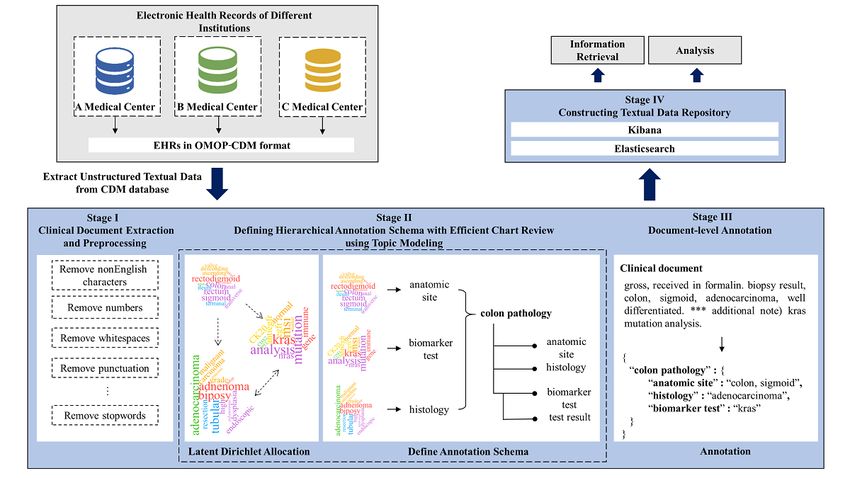
JMIR MEDICAL INFORMATICS                                                                                                                             Park et al

     Despite well-performing systems, using the systems is still                   designed (1) to define a flexible hierarchical annotation schema
     difficult since the systems require high optimization for the                 containing complex clinical information through efficient chart
     local environment and extensive domain knowledge [29].                        review, (2) to generate reusable annotations based on
     Moreover, clinical note extraction and preprocessing are needed               user-configurable JavaScript object notation (JSON)
     separately from the systems. The lack of a user interface limits              architecture, and (3) to construct a clinical text data repository
     the systems’ usability and portability. Hence, clinical NLP                   that can be integrated with the standardized structured data.
     systems that can be applied to standardized medical databases
     and provide serial NLP components to enhance research                         Methods
     continuity are required for users. In this study, we chose the
     OMOP-CDM owing to its wide coverage of standardized                           System Architecture
     medical terminology and worldwide distributed research                        SOCRATex follows a pipeline-based architecture with the
     networks.                                                                     following four stages: (1) extracting clinical notes for the target
     Objectives                                                                    population and preprocessing the data, (2) defining the
                                                                                   annotation schema with a hierarchical structure by referring
     This study aimed to integrate unstructured clinical textual data              clustered topics from the clinical notes; (3) performing
     with structured data through the framework referred to as Staged              document-level hierarchical annotation; and (4) constructing a
     Optimization of Curation, Regularization, and Annotation of                   textual data repository with a search engine (Figure 1). All
     clinical text (SOCRATex). The proposed framework was                          source codes are available online [30].
     Figure 1. The overall system architecture of Staged Optimization of Curation, Regularization, and Annotation of clinical text (SOCRATex). The system
     has the following four stages: (1) extracting clinical notes for the target population and preprocessing the data, (2) defining the annotation schema with
     a hierarchical structure, (3) performing document-level hierarchical annotation using the annotation schema, and (4) indexing annotations for a search
     engine system. CDM: common data model; EHR: electronic health record; OMOP: Observational Medical Outcomes Partnership.

                                                                                   In the NOTE table, foreign keys that can be connected with
     Stage 1: Data Extraction and Preprocessing                                    other tables exist in the CDM (Figures S1 and S2 in Multimedia
     In the first stage of SOCRATex, the user defines the target                   Appendix 1). NOTE_EVENT_ID is a foreign key identifier of
     population. OHDSI provides an open-source software stack                      the event (ie, drug exposure, visit, and procedure) during which
     known as ATLAS, which enables users to define complex and                     the note was recorded. NOTE_EVENT_FIELD_CONCEPT_ID
     transferrable phenotypes of interest based on structured data                 is a standardized vocabulary showing which NOTE_EVENT_ID
     (ie, diagnosis, medication prescription, medical device use, and              is being referred to. NOTE_TYPE_CONCEPT_ID represents
     laboratory measurements) [31]. The documents in the                           the type, origin, or provenance of the recorded clinical notes.
     OMOP-CDM are fully connected to other structured data                         SOCRATex extracts a certain type of clinical document for the
     through patient identifiers. Information regarding note type,                 target population by using NOTE_TYPE_CONCEPT_ID.
     language, and encoding system are stored with a fully
     standardized vocabulary [32].                                                 The developed framework provides conventional preprocessing
                                                                                   functions, such as eliminating stop words, white spaces,
                                                                                   numbers, and punctuations; changing text to lowercase;

     https://medinform.jmir.org/2021/3/e23983                                                                     JMIR Med Inform 2021 | vol. 9 | iss. 3 | e23983 | p. 3
                                                                                                                            (page number not for citation purposes)
XSL• FO
RenderX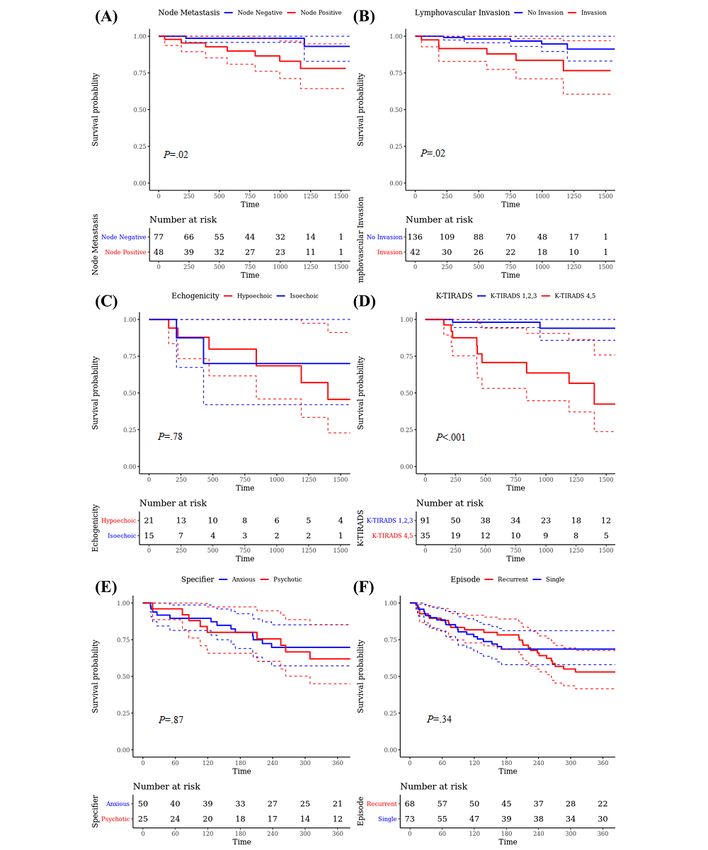
JMIR MEDICAL INFORMATICS                                                                                                               Park et al

     stemming; and generating a document-term matrix. SOCRATex            Stage 4: Constructing a Textual Data Repository for
     users can add specific regular expressions or terms to the stop      Data Exploration and Retrieval
     words list.
                                                                          Elastic Stack, a group of open-source products specialized in
     Stage 2: Defining the Annotation Schema With a                       textual data exploration and retrieval, is used for constructing
     Hierarchical Structure                                               a textual data repository for the annotations. Elastic Stack is
                                                                          composed of Elasticsearch and Kibana. Elasticsearch is a
     To define an annotation schema for organizing hierarchical
                                                                          full-text search and analytics engine for textual data, and Kibana
     entities of medical documents, researchers with domain
                                                                          is its visualization dashboard [41]. SOCRATex can index the
     knowledge need to review the overall documents of interest
                                                                          generated annotations into Elasticsearch, and users can explore
     thoroughly. By leveraging latent Dirichlet allocation (LDA),
                                                                          their data using Kibana (Figure S1 in Multimedia Appendix 3).
     which clusters similar words based on the word distributions
     over documents, SOCRATex automatically identifies topic              Validation Using EHRs
     clusters among documents of interest and provides samples of         We applied SOCRATex against hospital data to validate the
     each cluster to researchers [33,34]. It is assumed that the          usability of the framework. The following three distinctive
     sampled documents can represent the semantic characteristics         groups were defined using the OMOP-CDM database of Ajou
     of the extracted documents because the topic clusters represent      University School of Medicine [42]: (1) patients who were
     the latent semantics of the documents. Therefore, reviewing the      diagnosed with malignant neoplasms of the colon and rectum
     samples can suggest an efficient chart review process rather         between 2014 and 2017, (2) patients who were diagnosed with
     than reviewing the documents. This reduces redundant labor           malignant neoplasms of the thyroid gland and who underwent
     for reviewing charts of similar content to understand the            thyroidectomy between 2014 and 2016, and (3) patients who
     documents of interest comprehensively.                               were diagnosed with major depressive disorder and hospitalized
     To calculate the optimal number of topics in LDA, we used            via the emergency department between 2012 and 2018.
     perplexity scores, a statistical measure for probabilistic models.   From each group of patients, we extracted a specific type of
     Users can decide the best hyperparameters for LDA performance        clinical note. Among the patients with colorectal cancer, we
     based on the perplexity scores [35-39]. For the interpretation       extracted their pathology reports with the statement of cancerous
     of LDA results, SOCRATex shows both words and documents              lesions of the colon and rectum. Radiology reports of
     from their associated topics (Figures S1 and S2 in Multimedia        postoperative thyroid ultrasonography were extracted for the
     Appendix 2). Based on LDA topics, users can define the               patients who underwent thyroidectomy owing to thyroid cancer.
     annotation schema using the JSON architecture, a machine             Among the patients with major depressive disorder, admission
     readable and hierarchical architecture consisting of entity-value    notes were selected and identified with a description of the
     pairs.                                                               reason for hospitalization.
     Stage 3: Document-Level Annotation With a Defined                    Each note type was selected because of its different
     Schema                                                               characteristics (Figure 2). Pathology reports have a
     Manual annotation is notorious for being an error-prone process.     semistructured format that is similar to the synoptic pathology
     To limit the errors and ensure annotation quality, we applied        reporting form and are primarily written in English [43].
     the JSON schema that can restrict the values and data types of       Radiology reports feature a semistructured data format and
     annotation entities [40]. Users need to specify the allowed values   narrative sentences. Admission notes have narrative descriptions
     of annotation entities using the JSON format. For instance,          of medical history, disease diagnosis, and medication
     diameters of observed tumors can be restricted to numeric            prescription of the patients. Korean characters were removed
     values. The annotation schema can be distributed to other            and only English characters were included for topic modeling
     institutions for generating homogeneous annotations.                 analysis. During the annotation process, we used both languages
                                                                          for accurate annotation. To evaluate the accuracy and efficiency
                                                                          of the SOCRATex annotation process, we compared the
                                                                          annotation process of our system and traditional manual chart
                                                                          review.

     https://medinform.jmir.org/2021/3/e23983                                                       JMIR Med Inform 2021 | vol. 9 | iss. 3 | e23983 | p. 4
                                                                                                              (page number not for citation purposes)
XSL• FO
RenderX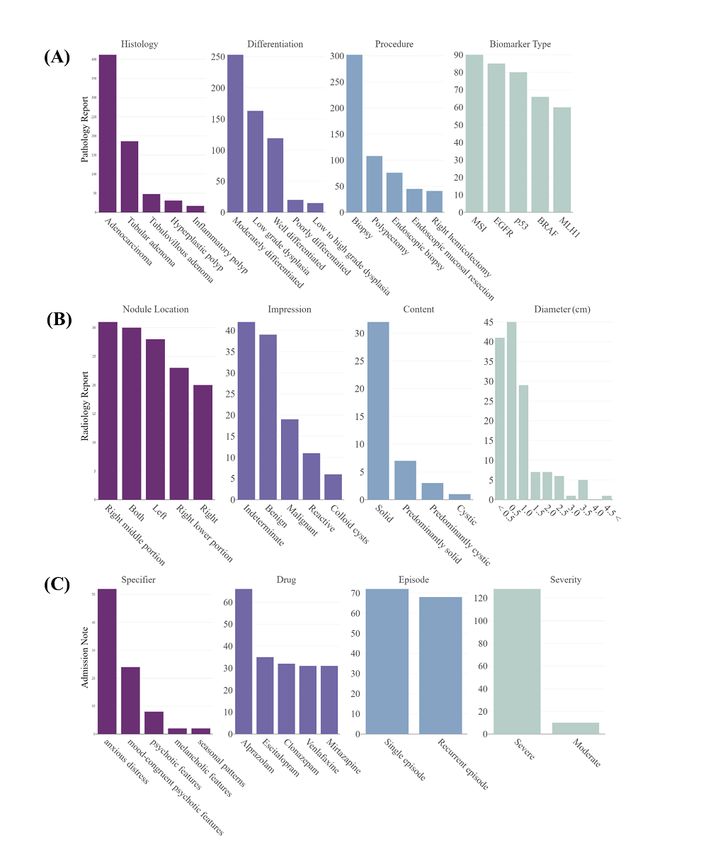
JMIR MEDICAL INFORMATICS                                                                                                                        Park et al

     Figure 2. Examples of annotating certain types of clinical documents and their annotation process. Pathology reports have a semistructured format,
     and radiology reports have a semistructured format with narrative sentences. Admission notes have narrative descriptions in both Korean and English.

     Both structured and unstructured textual data were deidentified            analyses. From the annotations, we extracted the following
     to protect patient data. The OMOP-CDM per se is a                          clinical features that were not in structured data: node metastasis,
     pseudonymized data model that does not allow identifying                   lymphovascular tumor invasion, echogenicity of thyroid nodules,
     specific individuals with the data. Hence, it is compliant with            and episodes and specifiers of major depressive disorder. The
     pseudonymization of the EU General Data Protection Regulation              episodes and specifiers were measured using the Diagnostics
     and Health Insurance Portability and Accountability Act of 1996            and Statistical Manual of Mental Disorder (DSM-5) [47].
     (HIPAA) regulations [44,45]. Moreover, the deidentification                Furthermore, we calculated the Korean Thyroid Imaging
     process in Ajou University Hospital was applied to the data sets           Reporting and Data System (K-TIRADS) score, a risk
     to ensure privacy protection (Figure S1 in Multimedia Appendix             stratification of thyroid nodules using the extracted covariates
     4). With the process, patient IDs are encrypted and only the               (ie, size, content, and echogenicity of thyroid nodules) [48]. A
     researcher with IRB approval is allowed to receive decryption              high K-TIRADS score indicates that the observed thyroid lesions
     keys. However, the unstructured textual data can still contain             are suspected to be malignant.
     private information. Therefore, a rule-based algorithm was
                                                                                In patients diagnosed with colon and rectum cancer, we
     applied to eliminate HIPAA-defined protected health
                                                                                measured all-cause mortality stratified by node metastasis and
     information (PHI) and Korean PHI from the narratives (Tables
                                                                                lymphovascular invasion. Thyroid cancer recurrence in patients
     S1 and S2 in Multimedia Appendix 4). We applied the algorithm
                                                                                who underwent thyroidectomy was measured with the
     by Shin et al that was developed on bilingual clinical documents
                                                                                K-TIRADS score and echogenicity on ultrasonography. Among
     (ie, Korean and English), was validated on 5000 notes of 33
                                                                                the patients with major depressive disorder, hospital readmission
     types, and showed 99.87% precision [46]. The rules for the data
                                                                                was measured with specifiers and episodes of major depressive
     set of this study were then optimized and updated.
                                                                                disorder. The P value of the log-rank test with Kaplan-Meier
     As proof-of-concept studies, we performed survival analyses                curves was measured on each annotation body. We used Cox
     to measure mortality rates, cancer recurrence, and hospital                proportional hazard models to assess and calculate the hazard
     readmission using information from both structured clinical                ratio (HR) between the defined groups. HRs are presented with
     data and medical narratives. All-cause mortality, thyroid cancer           95% CIs and P values. All P values
JMIR MEDICAL INFORMATICS Park et al
To demonstrate external feasibility, we applied SOCRATex to patients with major depressive disorder were included in the
pathology reports from another tertiary hospital’s OMOP-CDM study. The characteristics of the patients are shown in Table 1.
database. This study was approved by the Institutional Review To compare the cohorts, medical history of the patients was
Board at Ajou University Hospital (IRB approval number: extracted using structured coded data.
AJIRB-MED-MDB-19-579).
Moreover, the information loss and accuracy of clinical note
extraction were investigated (Tables S1, S2, and S3 in
Results Multimedia Appendix 1). It showed that data sparsity dropped
Stage 1: Defining Patient Groups and Extracting less than 1% in pathology and radiology reports and 4% in
admission notes despite eliminating non-English character
Clinical Documents
removal. The most frequent tokens in documents usually
Overall, 600 pathology reports from 588 patients with colon consisted of English characters and a few Korean characters,
and rectum cancer, 308 radiology reports from 220 patients who such as “환자는 (the patient),” “하였다 (did),” and “정신과
underwent thyroidectomy, and 147 admission notes from 145 (department of psychiatry).”
Table 1. Baseline characteristics of the patient groups.
Characteristic Patients with pathology Patients with radiology Patients with psychiatric P value
reports reports admission notes
(n=588) (n=220) (n=145)
Age (years), mean (SD) 62.65 (12.58) 46.52 (18.69) 49.12 (19.59)JMIR MEDICAL INFORMATICS Park et al
Figure 3. Defining a hierarchical annotation schema of pathology reports, which describes lesions of colon and rectum cancer. The process had the
following three steps: (1) classifying documents using clustered topics from the latent Dirichlet allocation model, (2) identifying medical entities of
interest, and (3) designing the annotation schema. PCR: polymerase chain reaction; PNA: peptide nucleic acid.
(Figure 4). Figure 4A shows the distributions of pathology
Stage 3: Document-Level Annotation With a Defined entities. It shows that adenocarcinoma was the most frequent
Schema tumor, which was observed in 412 of 600 documents (68.7%).
Document-level annotation was applied on the extracted Tubular and tubulovillous adenomas were the second most
documents, resulting in the annotation of 1055 clinical frequent tumors, which were observed in 186 (31.0%) and 48
documents with the defined schema. A total of 1000 (8.0%) documents, respectively. Among the biomarker tests,
colonoscopy pathology reports from another tertiary hospital the microsatellite instability test was identified as the most
database were annotated with the distributed annotation schema frequent biomarker test with 90 (50.3%) occurrences, followed
(Multimedia Appendix 5). The comparison between SOCRATex by epidermal growth factor receptor with 85 (47.5%)
annotation and traditional chart review is described in occurrences. The distributions of radiology entities showed that
Multimedia Appendix 6. It shows that the mean accuracy of solid or predominantly solid thyroid nodules were observed in
traditional chart review was 0.917 and its mean annotation time 34 of 148 documents, in which 209 (16.2%) nodules were
was 548 minutes. On the other hand, the mean accuracy of observed via thyroid ultrasonography (Figure 4B). There were
SOCRATex annotation was 0.937 and its mean annotation time only 4 (2.70%) documents describing cystic or predominantly
was 360 minutes. cystic nodules. Of 144 observed lesions with nodule size, 20
(14.1%) nodules were larger than 2.0 cm and the other 122
Stage 4: Constructing a Textual Data Repository for
(85.9%) nodules were less than 2.0 cm. Using the DSM-5, we
Data Exploration and Retrieval identified the severity, episode, and specifier of major depressive
The generated annotations were indexed into Elasticsearch to disorder from admission notes (Figure 4C). As a result, 52
construct a textual data repository. Table S1 in Multimedia (35.4%) hospitalized cases and 33 (22.5%) cases were identified
Appendix 3 demonstrates that the admission notes were as having anxious distress of major depressive disorder and
identified as having the largest tokens (24,319 tokens) and that psychotic or mood-congruent psychotic features, respectively.
the radiology reports were identified as having 1006 tokens. In addition, we identified the medication usage patterns of
The tokens of pathology reports were 3561. patients. The most frequently prescribed medication was
Using the constructed textual data repository, we explored the alprazolam with 66 (22.6%) prescriptions, followed by
entity distributions of the annotations using the Kibana interface escitalopram with 35 (11.3%) prescriptions.
https://medinform.jmir.org/2021/3/e23983 JMIR Med Inform 2021 | vol. 9 | iss. 3 | e23983 | p. 7
(page number not for citation purposes)
XSL• FO
RenderXJMIR MEDICAL INFORMATICS Park et al
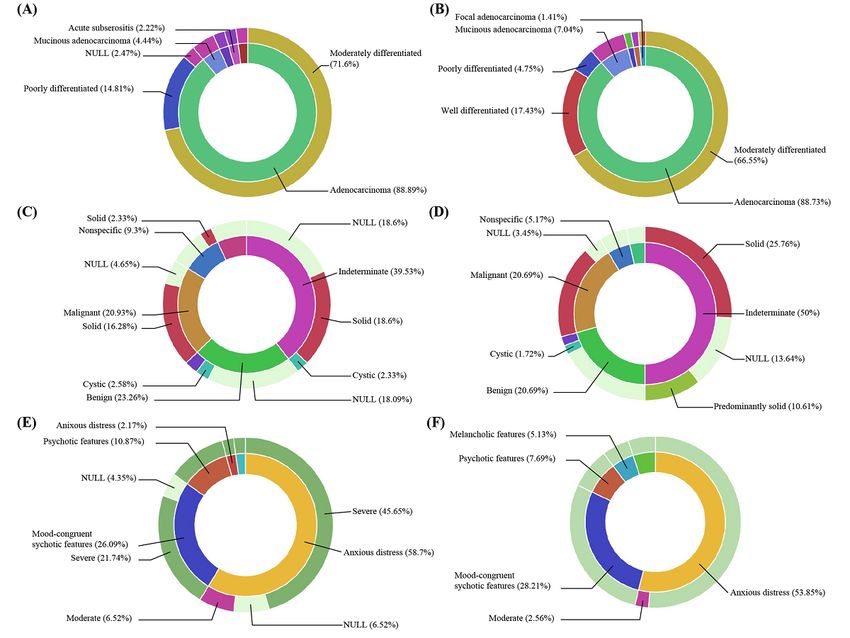
Figure 4. Histograms of annotation entities derived from pathology reports (A), radiology reports (B), and admission notes (C). (A) shows the number
of observed histologies, differentiations, procedures, and biomarkers; (B) shows the number of locations, impressions, contents, and diameters of the
observed thyroid nodules; and (C) shows the specifiers, episodes, severities, and used medications in major depressive disorder patients.
Hierarchical annotations can show further relationships between 29 (71.6%) lymph node–positive cases and 45 (66.6%) lymph
the entities. Figure 5 describes the hierarchical relations of the node–negative cases were observed. Second, frequent
entities. Using Kibana queries, we classified each annotation differentiation of adenocarcinoma differed according to lymph
body into two categories. First, the observed tumors and the node involvement as follows: 6 (14.8%) poorly differentiated
differentiation from pathology report findings are described in lymph node–positive cases and 11 (17.4%) well differentiated
(Figure 5A and 5B). Both are distinguished by lymph node in lymph node–negative cases. Additionally, relations of thyroid
positivity. Among moderately differentiated adenocarcinomas, nodule types and contents by anatomic locations are described
https://medinform.jmir.org/2021/3/e23983 JMIR Med Inform 2021 | vol. 9 | iss. 3 | e23983 | p. 8
(page number not for citation purposes)
XSL• FO
RenderXJMIR MEDICAL INFORMATICS Park et al
in Figure 5C and 5D. The results show that solid nodules with according to single or recurrent episodes of major depressive
malignancy were observed in 7 (16.3%) cases in the left thyroid disorder. Among the patients with single episodes of the disease,
and 10 (14.1%) cases in the right thyroid. On the contrary, 21 (45.7%) cases were identified as involving severe major
benign cystic thyroid nodules were observed in only 2 (2.6%) depressive disorder with an anxious distress specifier.
cases in the left thyroid and 2 (1.7%) cases in the right thyroid. Additionally, 20 (51.3%) cases of multiple episodes were
Third, the specifiers and severities of major depressive disorder identified as involving an anxious distress specifier with severe
were identified (Figure 5E and 5F). The results were divided symptoms.
Figure 5. Sunburst plots generated using the Kibana interface. (A) and (B) show the observed histologies and their differentiation from pathology
reports. (A) shows the results of lymph node–positive cases, and (B) shows the results of lymph node–negative cases. (C) and (D) are observed from
radiology reports. Each of the plots indicates the left and right thyroid in order. (E) and (F) show the disease specifier and its severity from the admission
notes. (E) shows the results of single-episode patients, and (F) shows the results of multiple-episode patients.
The annotation results of the other tertiary hospital database are 6A and 6B). The analyses measured mortality rate according
described in Multimedia Appendix 5. Tubular adenoma observed to node metastasis and lymphovascular tumor invasion. We
at the sigmoid colon was the most frequent histology with 131 found that patients with lymph node involvement had
cases among 720 observed lesions (20.1%), and hyperplastic significantly worse survival rates than those without involvement
polyps represented the second most frequent histology in the (HR 5.22, 95% CI 1.08-25.22; P=.04). Lymphovascular invasion
sigmoid colon with 76 (11.7%) cases. was also associated with significantly higher mortality in
patients with colorectal cancer (HR 3.75, 95% CI 1.14-12.32;
Association of Features From Clinical Notes and P=.03).
Structured Data
For patients diagnosed with malignant neoplasm of the colon
and rectum, 5-year survival analyses were performed (Figure
https://medinform.jmir.org/2021/3/e23983 JMIR Med Inform 2021 | vol. 9 | iss. 3 | e23983 | p. 9
(page number not for citation purposes)
XSL• FO
RenderXJMIR MEDICAL INFORMATICS Park et al
Figure 6. Kaplan-Meier curves with P values of the log-rank test. Survival analyses were performed. (A) and (B) measure 5-year mortality rates of
patients with colorectal cancer by node metastasis and lymphovascular tumor invasion, respectively. (C) and (D) measure thyroid cancer recurrence by
echogenicity of thyroid nodules and K-TIRADS scores, respectively. (E) and (F) measure 30-day readmission of patients with major depressive disorder
by disease specifiers and episodes, respectively. K-TIRADS: Korean Thyroid Imaging Reporting and Data System.
Recurrence risk of thyroid cancer stratified by the echogenicity compared with low K-TIRADS scores (K-TIRADS 1-3) (HR
of thyroid nodules and the K-TIRADS score was measured 12.43, 95% CI 2.73-56.60; PJMIR MEDICAL INFORMATICS Park et al
features. Disease episodes were classified into single or recurrent Through proof-of-concept studies, we demonstrated that the
episodes. The results showed that 30-day readmission was not generated hierarchical annotations could be used in various
significantly associated with the specifiers of major depressive settings of clinical research. The survival analyses of patients
disorder (HR 1.07, 95% CI 0.50-2.26; P=.87). Single or with colorectal cancer showed that node positivity and
recurrent episodes of major depressive disorder were not lymphovascular invasion were significantly associated with a
significantly associated with 30-day readmission (HR 0.78, 95% higher mortality rate, which is consistent with the findings of
CI 0.47-1.29; P=.34). previous studies [49,50]. The analyses of radiology reports
found that higher K-TIRADS scores were significantly
Discussion associated with the recurrence of thyroid cancer, which is
consistent with previous reports [48].
Principal Findings
Limitations
The framework succeeded in hierarchically annotating
unstructured clinical documents and integrating them into This study has several limitations that can direct future research.
standardized structured data. Through proof-of-concept studies, First, interesting clinical implications were not determined from
three different types of clinical documents (ie, pathology reports, our proof-of-concept studies. To discover novel medical
radiology reports, and admission notes) were extracted and evidence, a sophisticated study design is required. However,
processed with topic modeling to identify medical concepts. our aim here was to demonstrate that the generated textual data
The hierarchical schemas were defined with efficient chart repository could be used for clinical research. Second, the
review by sampling documents according to semantic topics. feasibility of the framework in the distributed research network
Overall, 1055 documents were manually annotated using the was not fully validated. Still, we distributed the annotation
schemas and indexed in the search engine. We attempted schema of pathology reports to the other institution and were
multidimensional validation by identifying the characteristics able to annotate 1000 colonoscopy pathology reports. Third,
of the hierarchical annotations and by performing survival the defined annotation schema was not systemically evaluated.
analyses with integrated data of structured and unstructured Three annotation schemas were defined with domain experts
textual information. The following were identified through according to their related clinical domains. However, systematic
validation: (1) the association of node positivity with mortality validation of the schemas is still required. Moreover, the
in patients with colorectal cancer, (2) the association of the applicability of FHIR standards in the system of this study will
K-TIRADS score with thyroid cancer mortality, and (3) be investigated to test its extensibility.
medication usage patterns according to depression episodes. Although the generated annotations can be reused for clinical
SOCRATex uses flexible annotation schemas for clinical text analyses of various purposes, the initial manual annotation of
annotation that can include complex information in free-text documents is still a time-consuming and costly process. In future
documents (Multimedia Appendix 7). The narrow annotation work, state-of-the-art algorithms, such as BERT, XLNet, and
schema can only extract the entities of disease, treatment, and GPT-3, could be applied to automatic information extraction
test [15,16]. These simple entities are effective to annotate and processes to reduce the annotation burden and cost [51-53].
train the model, but difficult to explain their relationships. On Conclusions
the contrary, the annotation schema on pathology reports
We propose a clinical text processing framework to generate
successfully contained the relationships among tumor type,
flexible hierarchical annotations and integrate them with the
dimension, location, and invasion. Consequently, we identified
standardized structured data of the OMOP-CDM. The
that more than 42% (253/588) of colorectal cancer patients had
proof-of-concept studies demonstrated that the generated
moderately differentiated adenocarcinoma and underwent a
annotations were integrated with the structured data and were
microsatellite instability test. In the radiology reports, 23%
successfully used for various clinical research approaches with
(34/148) of thyroid nodules were identified as having solid
efficient chart review processes. The conformance with CDM
content. The hierarchical schema of admission notes identified
allows the application of a standard annotation schema to
medication usage patterns by disease episodes, showing that
generate homogeneous annotations from different institutions.
alprazolam and escitalopram were the most frequently prescribed
medications in both patient groups.
Acknowledgments
This work was supported by the Bio Industrial Strategic Technology Development Program (20001234, 20003883) funded by
the Ministry of Trade, Industry & Energy (MOTIE, Korea) and a grant from the Korea Health Technology R&D Project through
the Korea Health Industry Development Institute (KHIDI) funded by the Ministry of Health & Welfare, Republic of Korea (grant
number: HI16C0992, HI19C0872).
Authors' Contributions
SCY, JP, and RWP contributed to the study design. JR, DYL, JYC, JWC, MK, and RWP obtained the relevant data used for the
study. JP and DP contributed to the development and evaluation of SOCRATex. JP, SCY, EJ, CW, and RWP contributed to
https://medinform.jmir.org/2021/3/e23983 JMIR Med Inform 2021 | vol. 9 | iss. 3 | e23983 | p. 11
(page number not for citation purposes)
XSL• FO
RenderXJMIR MEDICAL INFORMATICS Park et al
writing and revising the paper. All authors contributed to the writing and final approval of this manuscript. JP and SCY contributed
equally to this work.
Conflicts of Interest
None declared.
Multimedia Appendix 1
Clinical note data extraction, processing, and validation.
[DOCX File , 745 KB-Multimedia Appendix 1]
Multimedia Appendix 2
Evaluating the latent Dirichlet allocation model performance and defining annotation schemas.
[DOCX File , 1067 KB-Multimedia Appendix 2]
Multimedia Appendix 3
Staged Optimization of Curation, Regularization, and Annotation of clinical text (SOCRATex) annotation and information
retrieval system.
[DOCX File , 519 KB-Multimedia Appendix 3]
Multimedia Appendix 4
Protecting and deidentifying patient information.
[DOCX File , 434 KB-Multimedia Appendix 4]
Multimedia Appendix 5
Study results from Samsung Medical Center.
[DOCX File , 239 KB-Multimedia Appendix 5]
Multimedia Appendix 6
Comparison between Staged Optimization of Curation, Regularization, and Annotation of clinical text (SOCRATex) annotation
and traditional chart review.
[DOCX File , 14 KB-Multimedia Appendix 6]
Multimedia Appendix 7
Comparison between Staged Optimization of Curation, Regularization, and Annotation of clinical text (SOCRATex) and other
natural language processing systems.
[DOCX File , 16 KB-Multimedia Appendix 7]
References
1. Blumenthal D. Launching HITECH. N Engl J Med 2010 Feb 04;362(5):382-385. [doi: 10.1056/NEJMp0912825] [Medline:
20042745]
2. Friedman C, Hripcsak G. Natural language processing and its future in medicine. Acad Med 1999 Aug;74(8):890-895. [doi:
10.1097/00001888-199908000-00012] [Medline: 10495728]
3. Gans D, Kralewski J, Hammons T, Dowd B. Medical groups' adoption of electronic health records and information systems.
Health Aff (Millwood) 2005 Sep;24(5):1323-1333. [doi: 10.1377/hlthaff.24.5.1323] [Medline: 16162580]
4. Hripcsak G, Duke JD, Shah NH, Reich CG, Huser V, Schuemie MJ, et al. Observational Health Data Sciences and Informatics
(OHDSI): Opportunities for Observational Researchers. Stud Health Technol Inform 2015;216:574-578 [FREE Full text]
[Medline: 26262116]
5. Suchard MA, Schuemie MJ, Krumholz HM, You SC, Chen R, Pratt N, et al. Comprehensive comparative effectiveness
and safety of first-line antihypertensive drug classes: a systematic, multinational, large-scale analysis. The Lancet 2019
Nov 16;394(10211):1816-1826. [doi: 10.1016/S0140-6736(19)32317-7] [Medline: 31668726]
6. Weng C, Shah NH, Hripcsak G. Deep phenotyping: Embracing complexity and temporality-Towards scalability, portability,
and interoperability. J Biomed Inform 2020 May;105:103433 [FREE Full text] [doi: 10.1016/j.jbi.2020.103433] [Medline:
32335224]
https://medinform.jmir.org/2021/3/e23983 JMIR Med Inform 2021 | vol. 9 | iss. 3 | e23983 | p. 12
(page number not for citation purposes)
XSL• FO
RenderXJMIR MEDICAL INFORMATICS Park et al
7. Schuemie MJ, Ryan PB, Hripcsak G, Madigan D, Suchard MA. Improving reproducibility by using high-throughput
observational studies with empirical calibration. Philos Trans A Math Phys Eng Sci 2018 Sep 13;376(2128):20170356
[FREE Full text] [doi: 10.1098/rsta.2017.0356] [Medline: 30082302]
8. Reps J, Schuemie M, Suchard M, Ryan P, Rijnbeek P. Design and implementation of a standardized framework to generate
and evaluate patient-level prediction models using observational healthcare data. J Am Med Inform Assoc 2018 Aug
01;25(8):969-975 [FREE Full text] [doi: 10.1093/jamia/ocy032] [Medline: 29718407]
9. Ford E, Nicholson A, Koeling R, Tate AR, Carroll J, Axelrod L, et al. Optimising the use of electronic health records to
estimate the incidence of rheumatoid arthritis in primary care: what information is hidden in free text? BMC Med Res
Methodol 2013 Aug 21;13(1):105 [FREE Full text] [doi: 10.1186/1471-2288-13-105] [Medline: 23964710]
10. Rosenbloom ST, Denny JC, Xu H, Lorenzi N, Stead WW, Johnson KB. Data from clinical notes: a perspective on the
tension between structure and flexible documentation. J Am Med Inform Assoc 2011 Mar 01;18(2):181-186. [doi:
10.1136/jamia.2010.007237] [Medline: 21233086]
11. Uzuner Ö, Stubbs A, Lenert L. Advancing the state of the art in automatic extraction of adverse drug events from narratives.
J Am Med Inform Assoc 2020 Jan 01;27(1):1-2 [FREE Full text] [doi: 10.1093/jamia/ocz206] [Medline: 31841150]
12. Chapman WW, Nadkarni PM, Hirschman L, D'Avolio LW, Savova GK, Uzuner O. Overcoming barriers to NLP for clinical
text: the role of shared tasks and the need for additional creative solutions. J Am Med Inform Assoc 2011 Oct;18(5):540-543
[FREE Full text] [doi: 10.1136/amiajnl-2011-000465] [Medline: 21846785]
13. Chowdhury GG. Natural language processing. Ann. Rev. Info. Sci. Tech 2005 Jan 31;37(1):51-89. [doi:
10.1002/aris.1440370103]
14. Wang Y, Wang L, Rastegar-Mojarad M, Moon S, Shen F, Afzal N, et al. Clinical information extraction applications: A
literature review. J Biomed Inform 2018 Jan;77:34-49 [FREE Full text] [doi: 10.1016/j.jbi.2017.11.011] [Medline: 29162496]
15. Stubbs A, Kotfila C, Xu H, Uzuner Ö. Identifying risk factors for heart disease over time: Overview of 2014 i2b2/UTHealth
shared task Track 2. J Biomed Inform 2015 Dec;58 Suppl:S67-S77 [FREE Full text] [doi: 10.1016/j.jbi.2015.07.001]
[Medline: 26210362]
16. Styler WF, Bethard S, Finan S, Palmer M, Pradhan S, de Groen PC, et al. Temporal Annotation in the Clinical Domain.
Trans Assoc Comput Linguist 2014 Apr;2:143-154 [FREE Full text] [Medline: 29082229]
17. Hong N, Wen A, Mojarad MR, Sohn S, Liu H, Jiang G. Standardizing Heterogeneous Annotation Corpora Using HL7
FHIR for Facilitating their Reuse and Integration in Clinical NLP. AMIA Annu Symp Proc 2018;2018:574-583 [FREE
Full text] [Medline: 30815098]
18. Stewart M, Liu W, Cardell-Oliver R. Redcoat: A Collaborative Annotation Tool for Hierarchical Entity Typing. In:
Proceedings of the 2019 Conference on Empirical Methods in Natural Language Processing and the 9th International Joint
Conference on Natural Language Processing (EMNLP-IJCNLP): System Demonstrations. 2019 Presented at: 2019 Conference
on Empirical Methods in Natural Language Processing and the 9th International Joint Conference on Natural Language
Processing (EMNLP-IJCNLP): System Demonstrations; November 3-7, 2019; Hong Kong, China p. 193-198. [doi:
10.18653/v1/d19-3033]
19. Nye B, Li J, Patel R, Yang Y, Marshall I, Nenkova A, et al. A Corpus with Multi-Level Annotations of Patients, Interventions
and Outcomes to Support Language Processing for Medical Literature. In: Proceedings of the 56th Annual Meeting of the
Association for Computational Linguistics (Volume 1: Long Papers). 2018 Presented at: 56th Annual Meeting of the
Association for Computational Linguistics; July 15-20, 2018; Melbourne, Australia. [doi: 10.18653/v1/p18-1019]
20. Campillos L, Deléger L, Grouin C, Hamon T, Ligozat A, Névéol A. A French clinical corpus with comprehensive semantic
annotations: development of the Medical Entity and Relation LIMSI annOtated Text corpus (MERLOT). Lang Resources
& Evaluation 2017 Feb 15;52(2):571-601. [doi: 10.1007/s10579-017-9382-y]
21. Curtis LH, Weiner MG, Boudreau DM, Cooper WO, Daniel GW, Nair VP, et al. Design considerations, architecture, and
use of the Mini-Sentinel distributed data system. Pharmacoepidemiol Drug Saf 2012 Jan;21 Suppl 1:23-31. [doi:
10.1002/pds.2336] [Medline: 22262590]
22. Garza M, Del Fiol G, Tenenbaum J, Walden A, Zozus MN. Evaluating common data models for use with a longitudinal
community registry. J Biomed Inform 2016 Dec;64:333-341 [FREE Full text] [doi: 10.1016/j.jbi.2016.10.016] [Medline:
27989817]
23. Hanauer DA, Mei Q, Law J, Khanna R, Zheng K. Supporting information retrieval from electronic health records: A report
of University of Michigan's nine-year experience in developing and using the Electronic Medical Record Search Engine
(EMERSE). J Biomed Inform 2015 Jun;55:290-300 [FREE Full text] [doi: 10.1016/j.jbi.2015.05.003] [Medline: 25979153]
24. Wu H, Toti G, Morley K, Ibrahim Z, Folarin A, Jackson R, et al. SemEHR: A general-purpose semantic search system to
surface semantic data from clinical notes for tailored care, trial recruitment, and clinical research. J Am Med Inform Assoc
2018 May 01;25(5):530-537 [FREE Full text] [doi: 10.1093/jamia/ocx160] [Medline: 29361077]
25. Savova GK, Masanz JJ, Ogren PV, Zheng J, Sohn S, Kipper-Schuler KC, et al. Mayo clinical Text Analysis and Knowledge
Extraction System (cTAKES): architecture, component evaluation and applications. J Am Med Inform Assoc
2010;17(5):507-513 [FREE Full text] [doi: 10.1136/jamia.2009.001560] [Medline: 20819853]
https://medinform.jmir.org/2021/3/e23983 JMIR Med Inform 2021 | vol. 9 | iss. 3 | e23983 | p. 13
(page number not for citation purposes)
XSL• FO
RenderXJMIR MEDICAL INFORMATICS Park et al
26. Soysal E, Wang J, Jiang M, Wu Y, Pakhomov S, Liu H, et al. CLAMP - a toolkit for efficiently building customized clinical
natural language processing pipelines. J Am Med Inform Assoc 2018 Mar 01;25(3):331-336 [FREE Full text] [doi:
10.1093/jamia/ocx132] [Medline: 29186491]
27. Liu S, Wang Y, Wen A, Wang L, Hong N, Shen F, et al. Implementation of a Cohort Retrieval System for Clinical Data
Repositories Using the Observational Medical Outcomes Partnership Common Data Model: Proof-of-Concept System
Validation. JMIR Med Inform 2020 Oct 06;8(10):e17376 [FREE Full text] [doi: 10.2196/17376] [Medline: 33021486]
28. Sharma H, Mao C, Zhang Y, Vatani H, Yao L, Zhong Y, et al. Developing a portable natural language processing based
phenotyping system. BMC Med Inform Decis Mak 2019 Apr 04;19(Suppl 3):78 [FREE Full text] [doi:
10.1186/s12911-019-0786-z] [Medline: 30943974]
29. Zheng K, Vydiswaran VGV, Liu Y, Wang Y, Stubbs A, Uzuner, et al. Ease of adoption of clinical natural language processing
software: An evaluation of five systems. J Biomed Inform 2015 Dec;58 Suppl:S189-S196 [FREE Full text] [doi:
10.1016/j.jbi.2015.07.008] [Medline: 26210361]
30. Park J. ABMI / SOCRATex. GitHub. URL: https://github.com/ABMI/SOCRATex [accessed 2021-03-23]
31. Hripcsak G, Shang N, Peissig PL, Rasmussen LV, Liu C, Benoit B, et al. Facilitating phenotype transfer using a common
data model. J Biomed Inform 2019 Aug;96:103253 [FREE Full text] [doi: 10.1016/j.jbi.2019.103253] [Medline: 31325501]
32. Reich C, Ryan PB, Stang PE, Rocca M. Evaluation of alternative standardized terminologies for medical conditions within
a network of observational healthcare databases. J Biomed Inform 2012 Aug;45(4):689-696 [FREE Full text] [doi:
10.1016/j.jbi.2012.05.002] [Medline: 22683994]
33. Blei DM, Ng AY, Jordan MI. Latent dirichlet allocation. Journal of Machine Learning Research 2003;3:993-1022. [doi:
10.5555/944919.944937]
34. Jelodar H, Wang Y, Yuan C, Feng X, Jiang X, Li Y, et al. Latent Dirichlet allocation (LDA) and topic modeling: models,
applications, a survey. Multimed Tools Appl 2018 Nov 28;78(11):15169-15211. [doi: 10.1007/s11042-018-6894-4]
35. Griffiths TL, Steyvers M. Finding scientific topics. Proc Natl Acad Sci U S A 2004 Apr 06;101 Suppl 1:5228-5235 [FREE
Full text] [doi: 10.1073/pnas.0307752101] [Medline: 14872004]
36. Cao J, Xia T, Li J, Zhang Y, Tang S. A density-based method for adaptive LDA model selection. Neurocomputing 2009
Mar;72(7-9):1775-1781. [doi: 10.1016/j.neucom.2008.06.011]
37. Arun R, Suresh V, Madhavan C, Murthy M. On Finding the Natural Number of Topics with Latent Dirichlet Allocation:
Some Observations. In: PAKDD 2010: Advances in Knowledge Discovery and Data Mining. 2010 Presented at: Pacific-Asia
Conference on Knowledge Discovery and Data Mining; July 21-24, 2010; Hyderabad, India. [doi:
10.1007/978-3-642-13657-3_43]
38. Deveaud R, SanJuan E, Bellot P. Accurate and effective latent concept modeling for ad hoc information retrieval. Document
numérique 2014 Apr 30;17(1):61-84. [doi: 10.3166/dn.17.1.61-84]
39. Chang J, Boyd-Graber J, Gerrish S, Wang C, Blei D. Reading tea leaves: how humans interpret topic models. In: Proceedings
of the 22nd International Conference on Neural Information Processing Systems. 2009 Presented at: 22nd International
Conference on Neural Information Processing Systems; December 2009; Vancouver p. 288-296. [doi:
10.5555/2984093.2984126]
40. Pezoa F, Reutter J, Suarez F, Ugarte M, Vrgoč D. Foundations of JSON Schema. In: Proceedings of the 25th International
Conference on World Wide Web. 2016 Presented at: 25th International Conference on World Wide Web; April 2016;
Montréal p. 263-273. [doi: 10.1145/2872427.2883029]
41. Kononenko O, Baysal O, Holmes R, Godfrey M. Mining modern repositories with elasticsearch. In: Proceedings of the
11th Working Conference on Mining Software Repositories. 2014 Presented at: 11th Working Conference on Mining
Software Repositories; May 2014; Hyderabad, India p. 328-331. [doi: 10.1145/2597073.2597091]
42. Yoon D, Ahn EK, Park MY, Cho SY, Ryan P, Schuemie MJ, et al. Conversion and Data Quality Assessment of Electronic
Health Record Data at a Korean Tertiary Teaching Hospital to a Common Data Model for Distributed Network Research.
Healthc Inform Res 2016 Jan;22(1):54-58 [FREE Full text] [doi: 10.4258/hir.2016.22.1.54] [Medline: 26893951]
43. Srigley JR, McGowan T, Maclean A, Raby M, Ross J, Kramer S, et al. Standardized synoptic cancer pathology reporting:
a population-based approach. J Surg Oncol 2009 Jun 15;99(8):517-524. [doi: 10.1002/jso.21282] [Medline: 19466743]
44. Voigt P, von dem Bussche A. Practical Implementation of the Requirements Under the GDPR. In: The EU General Data
Protection Regulation (GDPR). Cham: Springer; 2017:245-249.
45. Centers for Disease ControlPrevention (CDC). HIPAA privacy rule and public health. Guidance from CDC and the U.S.
Department of Health and Human Services. MMWR Suppl 2003 May 02;52:1-17, 19 [FREE Full text] [Medline: 12741579]
46. Shin S, Park YR, Shin Y, Choi HJ, Park J, Lyu Y, et al. A De-identification method for bilingual clinical texts of various
note types. J Korean Med Sci 2015 Jan;30(1):7-15 [FREE Full text] [doi: 10.3346/jkms.2015.30.1.7] [Medline: 25552878]
47. American Psychiatric Association. Diagnostic and statistical manual of mental disorders (DSM-5®). Washington, DC:
American Psychiatric Association Publishing; 2013.
48. Shin JH, Baek JH, Chung J, Ha EJ, Kim J, Lee YH, Korean Society of Thyroid Radiology (KSThR)Korean Society of
Radiology. Ultrasonography Diagnosis and Imaging-Based Management of Thyroid Nodules: Revised Korean Society of
Thyroid Radiology Consensus Statement and Recommendations. Korean J Radiol 2016;17(3):370-395 [FREE Full text]
[doi: 10.3348/kjr.2016.17.3.370] [Medline: 27134526]
https://medinform.jmir.org/2021/3/e23983 JMIR Med Inform 2021 | vol. 9 | iss. 3 | e23983 | p. 14
(page number not for citation purposes)
XSL• FO
RenderXJMIR MEDICAL INFORMATICS Park et al
49. Lim S, Yu CS, Jang SJ, Kim TW, Kim JH, Kim JC. Prognostic Significance of Lymphovascular Invasion in Sporadic
Colorectal Cancer. Diseases of the Colon & Rectum 2010;53(4):377-384. [doi: 10.1007/dcr.0b013e3181cf8ae5]
50. Lykke J, Roikjaer O, Jess P, Danish Colorectal Cancer Group. The relation between lymph node status and survival in
Stage I-III colon cancer: results from a prospective nationwide cohort study. Colorectal Dis 2013 May 25;15(5):559-565.
[doi: 10.1111/codi.12059] [Medline: 23061638]
51. Devlin J, Chang M, Lee K, Toutanova K. Bert: Pre-training of deep bidirectional transformers for language understanding.
In: Proceedings of the 2019 Conference of the North American Chapter of the Association for Computational Linguistics:
Human Language Technologies, Volume 1 (Long and Short Papers). 2019 Presented at: 2019 Conference of the North
American Chapter of the Association for Computational Linguistics: Human Language Technologies; June 2019; Minneapolis,
MN p. 4171-4186. [doi: 10.18653/v1/N19-1423]
52. Yang Z, Dai Z, Yang Y, Carbonell J, Salakhutdinov R, Le Q. XLNet: Generalized Autoregressive Pretraining for Language
Understanding. In: Advances in Neural Information Processing Systems 32 (NeurIPS 2019). 2019 Presented at: 2019
Conference on Neural Information Processing Systems; December 8-14, 2019; Vancouver, Canada.
53. Brown T, Mann B, Ryder N, Subbiah M, Kaplan J, Dhariwal P, et al. Language Models are Few-Shot Learners. In: Advances
in Neural Information Processing Systems 33 (NeurIPS 2020). 2020 Presented at: 2020 Conference on Neural Information
Processing Systems; December 6-12, 2020; Virtual.
Abbreviations
CDM: common data model
DSM-5: Diagnostics and Statistical Manual of Mental Disorder
EHR: electronic health record
FHIR: Fast Healthcare Interoperability Resources
HIPAA: Health Insurance Portability and Accountability Act
HR: hazard ratio
JSON: JavaScript object notation
K-TIRADS: Korean Thyroid Imaging Reporting and Data System
LDA: latent Dirichlet allocation
NER: named entity recognition
NLP: natural language processing
OHDSI: Observational Health Data Sciences and Informatics
OMOP: Observational Medical Outcomes Partnership
PHI: protected health information
SOCRATex: Staged Optimization of Curation, Regularization, and Annotation of clinical text
Edited by G Eysenbach; submitted 31.08.20; peer-reviewed by Y Chu, Y Yu; comments to author 22.09.20; revised version received
14.11.20; accepted 23.01.21; published 30.03.21
Please cite as:
Park J, You SC, Jeong E, Weng C, Park D, Roh J, Lee DY, Cheong JY, Choi JW, Kang M, Park RW
A Framework (SOCRATex) for Hierarchical Annotation of Unstructured Electronic Health Records and Integration Into a Standardized
Medical Database: Development and Usability Study
JMIR Med Inform 2021;9(3):e23983
URL: https://medinform.jmir.org/2021/3/e23983
doi: 10.2196/23983
PMID: 33783361
©Jimyung Park, Seng Chan You, Eugene Jeong, Chunhua Weng, Dongsu Park, Jin Roh, Dong Yun Lee, Jae Youn Cheong, Jin
Wook Choi, Mira Kang, Rae Woong Park. Originally published in JMIR Medical Informatics (http://medinform.jmir.org),
30.03.2021. This is an open-access article distributed under the terms of the Creative Commons Attribution License
(https://creativecommons.org/licenses/by/4.0/), which permits unrestricted use, distribution, and reproduction in any medium,
provided the original work, first published in JMIR Medical Informatics, is properly cited. The complete bibliographic information,
a link to the original publication on http://medinform.jmir.org/, as well as this copyright and license information must be included.
https://medinform.jmir.org/2021/3/e23983 JMIR Med Inform 2021 | vol. 9 | iss. 3 | e23983 | p. 15
(page number not for citation purposes)
XSL• FO
RenderXYou can also read


