FUNCTIONAL ANALYSIS OF OSCIPK17 IN RICE GRAIN FILLING - FRONTIERS
←
→
Page content transcription
If your browser does not render page correctly, please read the page content below
ORIGINAL RESEARCH
                                                                                                                                     published: 25 January 2022
                                                                                                                                  doi: 10.3389/fpls.2021.808312

                                             Functional Analysis of OsCIPK17 in
                                             Rice Grain Filling
                                             Cong Gao † , Xiuru Zhu † , Shuai Lu, Jingbiao Xu, Rong Zhou, Jianying Lv, Yaoyu Chen and
                                             Yunying Cao*
                                             School of Life Sciences, Nantong University, Nantong, China

                                             We used mutant cipk17 and Nipponbare in field experiments to analyze agronomic
                                             traits, photosynthetic parameters, transcriptome, and gene expression. The results
                                             demonstrated cytoplasmic localization of OsCIPK17, while GUS allogeneic (A. thaliana)
                                             tissue-staining and quantitative analysis showed the gene was expressed in many
                                             organs, including flower buds; furthermore, it was involved in root, stem, and leaf growth.
                                             Compared to Nipponbare plants, grain filling rate and final grain weight decreased in
                                             plants of the knockout mutant owing to a delay in attainment of maximum grain filling
                                             rate. Photosystem II (PSII) efficiency was also reduced. Enrichment analysis showed
                                             that the functions of differentially expressed genes (DEGs) focused on nucleoside-,
                                             nucleotide-, and lipid-binding, as well as hydrolase, transferase, and phosphorylase
                          Edited by:
                          Ting Peng,
                                             activities. Signaling pathways mainly included starch and sucrose metabolism, as well
  Henan Agricultural University, China       as photosynthesis. Additionally, some DEGs were verified by fluorescence analysis.
                        Reviewed by:         The results showed that knockout of OsCIPK17 affected photosynthesis and starch-,
                        Zhixing Zhang,
                                             sucrose-, and amino acid metabolism-related gene expression; furthermore, the
       Fujian Agriculture and Forestry
                      University, China      mutation reduced PSII utilization efficiency, it blocked the synthesis and metabolism
                         Sachin Teotia,      of starch and sucrose, and affected the formation and transport of assimilates, thereby
              Sharda University, India
                                             reducing final grain weight.
                   *Correspondence:
                         Yunying Cao         Keywords: rice, transcriptome, photosynthesis, grain filling rate, grain weight, starch and sucrose
                      cyy@ntu.edu.cn
     † These   authors have contributed
                    equally to this work    INTRODUCTION
                   Specialty section:       Signal transduction in plant cells begins with the perception of external signals, such as different
         This article was submitted to      environmental stimuli that are recognized by specific receptors and transmitted to a second
                       Plant Breeding,      messenger in the cell, which in turn triggers a downstream cascade reaction that ultimately results
               a section of the journal     in specific physiological and biochemical changes leading to an overall biological effect (Zhu,
            Frontiers in Plant Science
                                            2001). Calcium ions (Ca2+ ) are second messengers widely involved in regulating plant growth
      Received: 03 November 2021            and development (Heple, 2005). Further, Ca2+ receptors can be structurally and functionally
      Accepted: 06 December 2021
                                            divided into two categories. The first comprises the sensor-relay receptor type containing the
       Published: 25 January 2022
                                            Ca2+ binding function, which has no kinase activity and can regulate the expression activity of
                            Citation:       downstream genes by interacting with proteins such as calmodulin (CAM), calmodulin-like protein
   Gao C, Zhu X, Lu S, Xu J, Zhou R,
                                            (CML), and calcineurin B-like protein (CBL), all of which can modulate other effector proteins
     Lv J, Chen Y and Cao Y (2022)
    Functional Analysis of OsCIPK17
                                            to trigger downstream responses that transmit signals. The second category of Ca2+ receptors
                 in Rice Grain Filling.     comprises signal sensor responders that can combine with Ca2+ to act as a kinase, such as the
        Front. Plant Sci. 12:808312.        calcium-dependent protein kinase (CDPK), which combines with Ca2+ to self-induce a required
     doi: 10.3389/fpls.2021.808312          conformational change (Kudla et al., 2010; Boudsocq and Sheen, 2013).

Frontiers in Plant Science | www.frontiersin.org                                   1                                   January 2022 | Volume 12 | Article 808312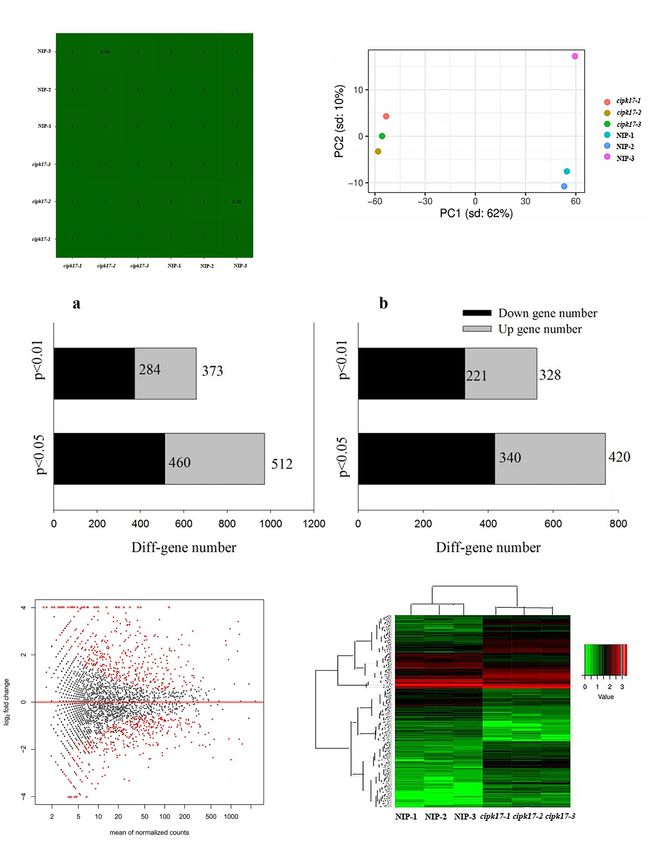
Gao et al.                                                                                                        OsCIPK17 Regulates Grain Filling

     The CBL protein belongs to the serine/threonine protein               included parent Nipponbare (NIP), and the mutant line 41
phosphatases, a peculiar category of calcium-binding proteins              (cipk17) obtained by OsCIPK17 knockout using the CRISPR-
in plants. The CBL protein has a typical Ca2+ -binding domain,             Cas9 method. In 2018, mutant cipk17 and parent NIP were
namely the EF-hand domain, which, during Ca2+ -mediated                    field planted and leaf DNA was extracted. Positive seedlings
signal transduction, must interact with Ca2+ -dependent                    were identified by cloning sequencing and primer amplification
serine/threonine protein kinase (CIPK) to transmit the signal              at the target with specific primers according to Hua et al.
to the cell (Luan et al., 2002; Xiang et al., 2007). CIPK is a             (2017). T1 and T2 generations were planted in 2019 and
CBL-dependent interacting protein kinase and its sequence is               2020, respectively. They were sown from May 17 to 19 and
relatively conserved. All CIPK proteins contain an N-terminal              transplanted in the field from June 14 to 16, with plant
kinase domain and a C-terminal regulatory domain, in which                 and row spacing of 25 cm, at 1 seedling per hill. Before
the C-terminal contains an NAF domain that specifically binds              transplant, 225 kg urea and 275 kg compound fertilizer were
to CBL (Albrecht et al., 2001; Lee et al., 2007). CIPK is a large          applied per hectare; then, 225 kg urea and 300 kg compound
family whose number of members varies among species. Thus,                 fertilizer were applied at tillering, and 300 kg compound
crop plants such as corn have the largest number of CIPK genes             fertilizer was applied at panicle initiation. Water-layer height
with up to 43 (Chen et al., 2011b), while green beans and peas             was kept at 1–2 cm during the entire growth cycle. All other
have only five and one, respectively (Mahajan et al., 2006). The           management practices were as per conventional high-yield
CIPK family was first reported for Arabidopsis thaliana, with 26           cultivation in the region.
members (Liu and Zhu, 1998). Similarly, rice has many CIPK
gene family members; 33 have been identified to date and 15                Subcellular Localization and GUS
have been cloned (Xiang et al., 2007; Chen et al., 2011a). Studies         Analysis
have shown that CIPK is involved in plant growth. For example,             The full-length CDS of OsCIPK17 was amplified using gene-
in rice CIPK31 is involved in seed germination and seedling                specific primers and cloned into the pCAMBIA-2300-35S-N-
growth under abiotic stress (Piao et al., 2010), and in millet, gene       eGFP-OCS vector (p2300-eGFP) to generate N-terminal eGFP
expression of CIPK6 and CIPK16 changes with growth stage                   fusion proteins (eGFP-OsCIPK17) using the ClonExpress                 R

under drought stress (Yu et al., 2016). Nonetheless, the function          II One Step Cloning Kit (Vazyme). All constructed vectors
of CIPK17 in plants, especially in rice, has not yet been explored.        were transformed into Agrobacterium strain GV3101. Positive
     In rice, grain filling is closely related to grain weight and         GV3101 strains carrying the above vectors were transiently
to the position of the grain on the panicle. Generally speaking,           transformed into the leaves of 4-week-old tobacco plants
superior grains in the middle and upper positions on the panicle           (Nicotiana benthamiana). Laser confocal microscopy (Leica TCS
have an advantage over inferior grains at lower positions during           SP8) was used to observe gene localization in the lower epidermis
grain filling (Yang, 2010). Compared with superior grains, the             of tobacco plants.
grain filling process in inferior grains in the lower part of the              The promoter fragment of OsCIPK17 was amplified using
panicle affects grain yield and quality more significantly (Cao            the gateway method with gene-specific primers (Supplementary
et al., 2016; Li et al., 2021). The asynchronous filling of the            Table 1). pENTR/D-Topo vectors were used to construct the
superior and inferior grains on the panicle may be closely related         entry vector. The LR reaction was ligated to pMDC163 to
to sucrose transformation and starch synthesis (Zhao et al., 2021).        obtain the GUS fusion protein (GUS-OsCIPK17). Heterologous
Some researchers have found that inferior-grain filling is easily          A. thaliana positive transgenic plants were obtained after
affected by the environment, whereas superior-grain filling is             hygromycin screening. The expression of OsCIPK17 in
affected by heredity to a greater extent (Zuo et al., 2002). To            seeds, leaves, flowers, pods, and other tissues was detected
date, many researchers have focused the molecular mechanism                by GUS tissue-staining and activity analysis using the
underlying inferior-grain filling (Zhang et al., 2015, 2019), while        fluorescence method.
much less research has been conducted on superior-grain filling.
Mutants are commonly used in gene function research (Hu
et al., 2021). In this study, we constructed a mutant line of
                                                                           Analysis of Grain Filling Characteristics
OsCIPK17. Preliminary studies have shown that this gene is                 and Determination of Photosystem II
involved in grain development in rice. The purpose of this study           Utilization Efficiency and Starch Content
was to reveal the functional role of OsCIPK17 in rice grain                Approximately 200 panicles that headed on the same day were
filling and provide a theoretical basis for further cultivation            selected and tagged as representative of the T2 generation of
of rice varieties.                                                         each genotype. The flowering date and position were recorded
                                                                           for each spikelet on the tagged panicles. Twenty to 30 tagged
                                                                           panicles from each material were selected every 6 days from
MATERIALS AND METHODS                                                      anthesis to maturity; superior grains were sampled according to
                                                                           Cao et al. (2016). The used superior grains include all grains
Planting, Identification, and Sampling of                                  except the second grain of the primary branch in the upper third
Materials                                                                  of the panicle. One part was rapidly frozen in liquid nitrogen and
The experiment was conducted in the botanical garden of                    stored at −80◦ C for RNA-Seq and gene expression analysis. The
Nantong University (32◦ 10 N, 120◦ 530 E). The materials used              remaining part of the sampled panicles was placed in an oven at

Frontiers in Plant Science | www.frontiersin.org                       2                                  January 2022 | Volume 12 | Article 808312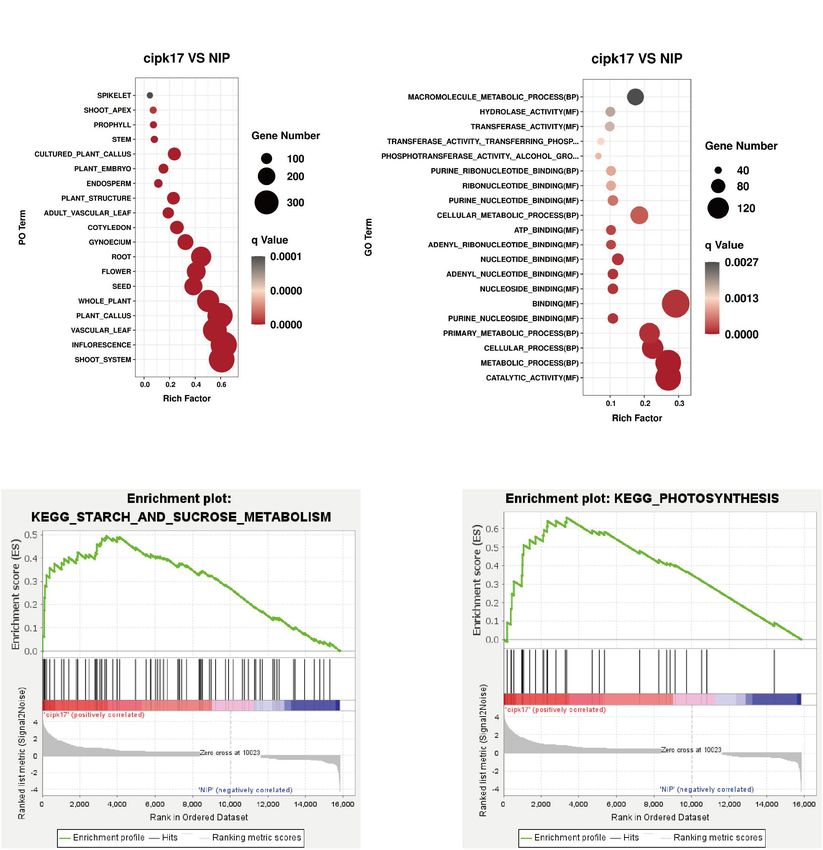
Gao et al.                                                                                                                               OsCIPK17 Regulates Grain Filling

  FIGURE 1 | Target design of cipk17 and identification of mutant lines. (A) OsCIPK17 gene structure and target location; (B) PCR amplification of the target fragment
  of cloning and sequencing method and sequencing results of the target sequence. M: DL2000 maker; 1–4: 4 individual plants of mutant cipk17; Nip: it is the
  sequencing map at the target of wild-type Nipponbare; cipk17: sequencing map at target (AATCTGGTCGCCGGCGCGGAGGG) of mutant. The underline shows
  that there is six bases CGGCGC in wild-type, while are missing in the mutant line at the arrow; (C) the mutant cipk17 was identified by Hua et al. (2017). 1–5:
  screening the annealing temperature Tm of specific primers of the OsCIPK17 gene by gradient PCR with the method of primer design at the target. Tm is 68, 69, 70,
  71, and 72◦ C, respectively; 6–10: identification of wild-type and mutant cipk17 with specific Tm (72◦ C), 6 is Nipponbare, and 7–10 is different individual plants of
  mutant cipk17; 11–20 are the identification of tillers in the same single plant of mutant. 11–12 are Nipponbare, 13–20 are different tillers of the same plant in mutant
  line, respectively; M: DL2000 maker.

105◦ C for 30 min and dried to a constant weight at 80◦ C for 72 h                       analysis was performed using the GSEA V4.1 software with
to measure grain dry mass and perform grain-filling analysis as                          default settings. Genes with significantly different expression
described by Cao et al. (2016).                                                          levels were imported into the online website String to obtain
    The photosynthetic parameter photosystem II (PSII) use-                              the protein–protein interactions. Then, Cytoscape V3.8.2 was
efficiency (Phi2) was determined at fully tillering stage (FTS,                          used to construct the interaction network and further screen
July 18–20), heading and flowering stage (HFS, August 10–                                sub-modules and hub-genes.
12), and middle milky stages (MMS, September 3–5) in parent
NIP and in the mutant cipk17 using Photosynq MultispeQ
                                                                                         Differential Gene Expression
V2.0 (United States). Each material was tested six times.
                                                                                         Total RNA of NIP and cipk17 was extracted according to
The starch content was determined by anthrone colorimetry
                                                                                         manufacturer instructions of the Total RNA Kit (TIANGEN).
(Wang et al., 2016).
                                                                                         First-strand cDNA was obtained using the ReverAid First Strand
                                                                                         cDNA Synthesis Kit (Thermo). Differentially expressed genes
RNA-Seq Analysis and                                                                     (DEGs) were determined by RT-qPCR using FS Universal SYBR
Protein-Interaction Network                                                              Green Master (Rox) according to Cao et al. (2013) for three
                                                                                         replicates with specific primers (Supplementary Table 2), and
Construction
                                                                                         actin-1 (LOC_Os03g50885) as an internal control. All RNAs were
Owing to the significant difference in the 24-DAF (days after
                                                                                         extracted from the corresponding grains.
flowering) superior grains weight of mutant cipk17 and NIP, the
24-DAF superior grains were collected and sent to Guangzhou
Yongji Biotechnology Co., Ltd., for mRNA transcriptome                                   Data Analysis
sequencing with three replicates per sample. The sequencing                              All data were collected from at least three technical and biological
platform used was an Illumina NovaSeq 6000.                                              replicates and expressed as means ± SD. Statistical analyses
   Plant ontology (PO) and gene ontology (GO) enrichment                                 were performed using SPSS V19.0. Significant differences were
analyses were performed using the online website PlantGSEA.                              determined using Duncan’s test and graphs were drawn using the
Kyoto Encyclopedia of Genes and Genomes (KEGG) enrichment                                OriginPro V2021b.

Frontiers in Plant Science | www.frontiersin.org                                     3                                          January 2022 | Volume 12 | Article 808312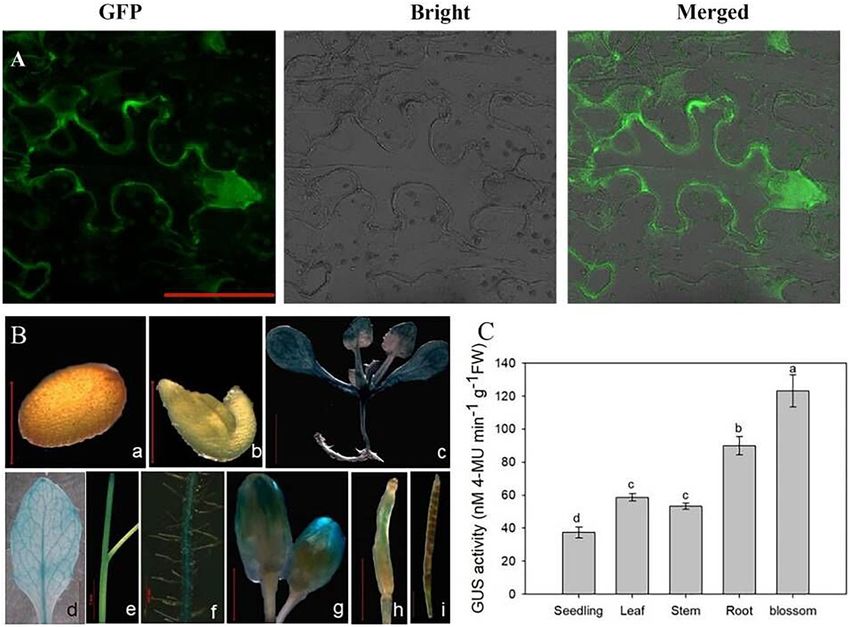
Gao et al.                                                                                                                          OsCIPK17 Regulates Grain Filling

  FIGURE 2 | Subcellular localization, tissue expression, and quantitative analysis of OsCIPK17. (A) Subcellular localization of OsCIPK17. (B) The expression of
  OsCIPK17 by GUS staining. (C) Quantitative analysis of GUS activity of OsCIPK17 in Arabidopsis tissue by fluorescence method. Different lowercase letters above
  the bar of panel (C) indicate that there were significant differences among the tissues at p < 0.05.

RESULTS                                                                              form a CBL–CIPK complex and further regulate the expression
                                                                                     of downstream genes because the cytoplasmic location of the
Identification of Mutants                                                            complex is mainly determined by CBL (Ma et al., 2020).
The     target    of    the    mutants      in    this    study                          To further understand the tissue expression pattern of
(AATCTGGTCGCCGGCGCGGAGGG) is on the first exon                                       OsCIPK17, the GUS-OsCIPK17 plasmid was transferred into
(157–174 bp downstream of ATG) (Figure 1A). The mutant                               A. thaliana and expression of the gene was determined by GUS
lines were sequenced by TA cloning, and the results showed that                      tissue-staining (Figure 2B). The results showed that OsCIPK17
the mutation caused a 6 bp deletion (CGGCGC) at the 12th                             was strongly expressed in 2-week-old seedlings and in the
bp of the target (Figure 1B). Use of the method of Hua et al.                        maturation zone of the root (Figures 2B-c/f), but not in the seed
(2017) further confirmed that different individual plants of the                     coat or the embryo (Figures 2B-a/b). OsCIPK17 was detected in
mutant and multiple tillers in the same single plant were all                        the rosette leaves and stems of A. thaliana grown in the soil for
mutants (Figure 1C).                                                                 35 days (Figures 2B-d/e). OsCIPK17 expression in flower buds
                                                                                     was high at flowering (Figures 2B-g) but became weaker during
                                                                                     pod development (Figures 2B-h/i). To further verify the results
Subcellular Localization and GUS                                                     of GUS tissue-staining, quantitative detection of GUS activity
Analysis of OsCIPK17                                                                 was analyzed in transgenic A. thaliana using the fluorescence
Understanding the subcellular localization of genes is helpful                       method (Figure 2C). The results showed that GUS activity of the
for clarifying the expression pattern and elucidating gene                           OsCIPK17 gene was highest in flower buds, approximately 3.3
functions. Subcellular localization analysis showed that the eGFP-                   times that recorded for seedlings. Meanwhile, the corresponding
OsCIPK17 fusion protein was significantly expressed in the                           activity in the root was approximately 2.4 times that observed for
cytoplasm of tobacco epidermal cells (Figure 2A), indicating that                    seedlings. Finally, in leaves and stems, the activity was 1.6 and 1.4
CBL in the cytoplasm is likely to combine with OsCIPK17 to                           times that of seedlings, respectively.

Frontiers in Plant Science | www.frontiersin.org                                 4                                         January 2022 | Volume 12 | Article 808312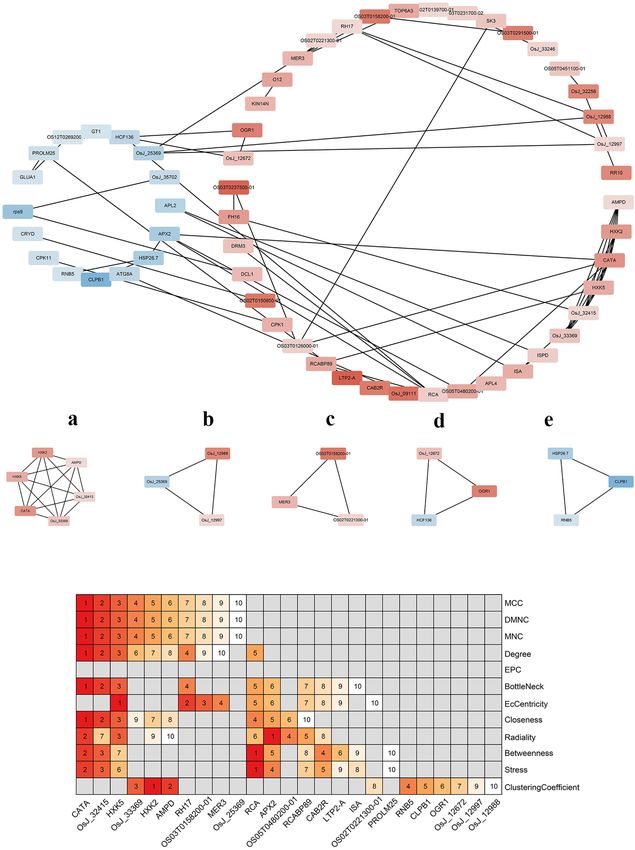
Gao et al.                                                                                                                                        OsCIPK17 Regulates Grain Filling

  FIGURE 3 | OsCIPK17 can affect grain filling process and starch accumulation. (A) Grain-weight increasing dynamics curves of superior grains; (B) grain-filling rate
  curves of superior grains; (C) changes of PSII utilization efficiency (Phi2) of rice flag leaves at different growth stages. FTS, fully tillering stage; HFS, heading and
  flowering stage; LHS, the later heading stage. Phi2: PSII utilization efficiency. (D) Linear regression equation for starch content. (E) Determination of starch content in
  rice grains at mature. ****p < 0.0001, ***p < 0.001, **p < 0.01, and *p < 0.05.

TABLE 1 | Characteristic parameters of superior grain-filling.

                       Grain weight (g)                   Tmax (d)                  Gmax (mg grain−1 d−1 )                     Gmean (mg grain−1 d−1 )                       D (d)

NIP                          21.25                          18.27                              0.86                                        0.55                              29.86
cipk17                       16.22                          25.44                              0.73                                        0.48                              27.87

Tmax , the time reaching a maximum grain filling rate; Gmax , the maximum grain-filling rate; Gmean , the mean grain-filling rate; D, active grain-filling period; d, day.

Effects of OsCIPK17 Knockout on                                                              throughout the filling period (Figure 3A). Before reaching a
                                                                                             maximum filling rate (Gmax ), the grain filling rate in NIP panicles
Superior Grains Filling, Photosystem II
                                                                                             always exceeded that of the mutant panicles. However, when the
Utilization Efficiency and Starch Content                                                    maximum filling rate was reached, the rate was higher in grains
Figure 3 shows the change in superior grains weight, grain                                   of the mutant than in those of NIP plants. The time (Tmax )
filling curves and starch content of NIP and cipk17. Clearly,                                to reach Gmax was greater in the mutant cipk17 than in the
grain weight in NIP plants was higher than that in the mutants                               NIP parent. These results indicate that knockout of OsCIPK17

Frontiers in Plant Science | www.frontiersin.org                                         5                                            January 2022 | Volume 12 | Article 808312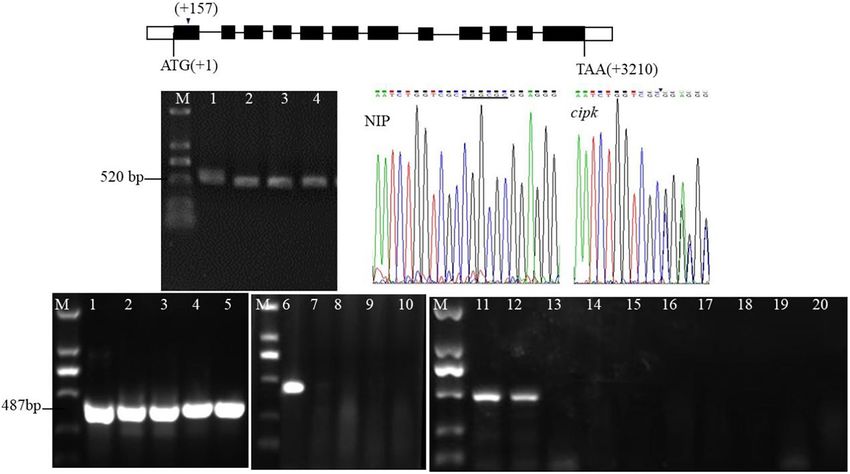
Gao et al.                                                                                                                              OsCIPK17 Regulates Grain Filling

  FIGURE 4 | Quality control of transcriptome data and expression analysis of differential genes. (A) Correlation cluster analysis of samples. (B) Principal component
  cluster analysis of sequencing samples. (C) Quantitative analysis of differential genes screened by transcriptome sequencing; a of panel (C): differential genes
  screened by p-value; b of panel (C): differential genes screened by fold change threshold. (D) Volcano map of differentially expressed genes. The X-axis is the
  average expression value of all samples used for comparison after standardization, and the Y -axis is log2 foldchange. The difference genes are marked in red with
  p-value < 0.05. (E) Cluster heat map of differentially expressed genes. Red indicates high expression genes and green indicates low expression genes.

Frontiers in Plant Science | www.frontiersin.org                                    6                                          January 2022 | Volume 12 | Article 808312
Gao et al.                                                                                                          OsCIPK17 Regulates Grain Filling

delayed grain filling and reduced grain weight. As shown in                  The variation trend of DEGs in NIP and mutant cipk17 was
Table 1, the mean grain weight in NIP was higher than that in                consistent with the results of transcriptome sequencing, which
mutant cipk17, and the grain weight of mutants decreased by                  proved the reliability of transcriptome data. The results showed
23.7%. The mutant reached Gmax approximately 7.2 days later                  that OsCIPK17 regulated grain development in rice.
than NIP. Consistently, Gmax , mean filling rate (Gmean ), and
the active filling period of NIP were all greater than those that
characterized of the mutant.                                                 Enrichment Analysis of Differentially
   In addition, the utilization efficiency of PSII in the flag leaf at       Expressed Genes
different stages of rice growth was measured (Figure 3C). The                The results of PO enrichment analysis are shown in Figure 6A.
results showed that Phi2 of the mutant was lower than that of                DEGs were enriched in rice roots, stems, and leaves, indicating
NIP at the FTS, HFS, and MMS. The difference between NIP and                 that OsCIPK17 may be widely involved in rice growth.
cipk17 was significant in the MMS. These results indicated that              Furthermore, differential genes were enriched in reproductive
the photosynthetic efficiency of the mutant was lower than that              organs, such as flowers and seeds. Through further subdivision,
of NIP, and that the difference in photosynthetic efficiency may             the differential genes were enriched in pistil and endosperm,
be the main reason for the differences in grain filling between              indicating that OsCIPK17 plays a vital role in regulating the
the two materials tested. Finally, we measured the content of                development of rice grains.
starch, a photosynthate. As can be seen from the figure, the starch             In addition, GO enrichment analysis was conducted to
content of the mutant was significantly lower than that of NIP               clarify the functions of DEGs (Figure 6B). As shown in
(Figures 3D,E).                                                              figure, differential genes were enriched in 42 functional aspects.
                                                                             Interestingly, differential genes were not enriched in the
                                                                             cellular component (CC) category, indicating that OsCIPK17
Quality Control of Transcriptome Data                                        had limited influence on cell composition. The functions
and Screening of Differentially Expressed                                    of differential genes mainly focused on biological processes
Genes                                                                        (BPs) and molecular functions (MFs). The first 20 functions
To clarify the molecular mechanism by which OsCIPK17 affects                 were drawn into bubble plots according to the degree of
grain filling, the 24-DAF superior grains of mutant cipk17                   enrichment significance. In the MF category, differential genes
and NIP were selected for transcriptome sequencing. First, the               were mainly enriched in binding and enzyme activity. The
sequencing data quality was analyzed. It is clear from the sample            binding effects mainly include nucleosides, nucleotide and lipid
correlation cluster analysis (Figure 4A) that the correlation                binding. The enrichment of many terms of nucleoside/nucleotide
coefficient of each sample reached more than 0.99. Principal                 binding indicated that OsCIPK17 may be widely involved in
component cluster analysis (Figure 4B) showed that the NIP                   the fundamental growth and development processes of rice,
and mutant cipk17 clustered together. PC1 contributed 62% of                 such as ATP and nucleotide binding. ATP is widely involved
the difference between the NIP and mutant cipk17, and PC2                    in energy metabolism as an energy carrier. Nucleotides are
contributed 10%. The two results jointly prove the reliability of            mainly involved in the synthesis of nucleic acids, an essential
the data and meet the requirements of the subsequent analysis.               component of all known forms of life, and the most essential
   The detected genes were further analyzed and the differences              substance of all biomolecules. Enzyme activities mainly include
between the two materials were reflected in a differential volcanic          hydrolases, transferases, and phosphorylases. The enrichment
map (MA) (Figure 4D). Of the 41,757 genes detected, 2963 were                of many hydrolases and transferases indicated that OsCIPK17
found to be DEGs, including 1411 upregulated genes and 1552                  may play an important role in the degradation and transfer of
downregulated genes. After preliminary p-value screening, 972                substances in rice. A large number of phosphorylases indicated
genes, including 512 upregulated genes and 460 downregulated                 that OsCIPK17 may act as a kinase in protein phosphorylation
genes, were significantly differentially expressed (p < 0.05).               and modification in rice. Phosphorylation is one of the most
Among them, 657 genes were significantly different (p < 0.01),               important covalent modification modes in organisms and is
including 373 upregulated genes and 284 downregulated genes.                 part of nearly all basic life activities. These results show that
Furthermore, despite the absence of any significant difference in            OsCIPK17 is widely involved in basic growth and developmental
expression between NIP and cipk17, the p-value was significant.              processes in rice.
Fold Change ≥ 2 was considered up-regulated, while Fold                         The KEGG was used for gene set enrichment analysis
Change ≤ 0.5 was considered down-regulated. Through the fold                 (GSEA), which revealed two important gene sets, namely, starch
change threshold screening, we found 760 genes with significant              and sucrose metabolism, and photosynthesis, that were over
differences (p < 0.05), of which 420 were upregulated and 340                represented (Figures 6C,D). Fifteen terms were significantly
were downregulated. Additionally, 549 genes were screened that               enriched whose functions mainly focused on photosynthesis,
showed highly significant differences (p < 0.01) in expression;              metabolism of its products, and amino acid metabolism
among these, 328 were upregulated and 221 were downregulated                 (Table 2). Photosynthesis and photosynthate metabolism
(Figure 4C). Concomitantly, heat maps of DEGs were drawn to                  include photosynthetic antenna-protein metabolism, starch
observe the expression in different samples (Figure 4E).                     and sucrose metabolism, carbon fixation, and fructose and
   Finally, 15 DEGs related to the synthesis and transportation              mannose metabolism. The antenna protein, a light-trapping
of starch and sucrose were selected for RT-qPCR (Figure 5).                  protein, is a component of PSII. In turn, starch and sucrose

Frontiers in Plant Science | www.frontiersin.org                         7                                  January 2022 | Volume 12 | Article 808312
Gao et al. OsCIPK17 Regulates Grain Filling
FIGURE 5 | Fluorescence quantitative expression analysis of differential genes. Asterisks above the bar indicate that there were significant differences between NIP
and cipk17 material at p < 0.05.
are the two main end-products of photosynthesis. Sucrose is suggest that OsCIPK17 is involved in secondary metabolism and
the main form of transfer of photosynthate from the leaves to that it may play an important role in maintaining normal growth,
sink organs, while starch is a storage form of carbon. These development, and defense functions in rice.
findings suggest that knockout of OsCIPK17 may affect the leaf
photosynthetic capacity for light harvesting, thus negatively
affecting photosynthesis. The end products of photosynthesis,
Differentially Expressed Genes
i.e., starch, and sucrose, affect the metabolism of fructose and Associations Based on Protein
mannose. Finally, OsCIPK17 knockout affected plant phenotype. Interaction-Network Analysis
Amino acid metabolism mainly includes phenylalanine, Protein interaction networks are used to clarify associations
cysteine, methionine, and glutathione metabolism. Thus, among DEGs. As shown in Figure 7A, upregulated and
secondary metabolism is necessary for normal plant growth downregulated proteins clustered into two classes. The number
and development. A case in point, the phenylalanine metabolic of upregulated proteins was higher than that of downregulated
pathway is an important secondary metabolic pathway in plants. ones, indicating a more complex interaction relationship among
Cysteine is an intermediate product of methionine metabolism, them than that among downregulated proteins, implying that the
participating in the absorption of important sulfur elements interaction of differential proteins is not clearly concentrated in
by plants to form sulfur-containing vitamins and glutathione. the upregulated or the downregulated proteins. Further, many
Additionally, cysteine plays a role in the enhancement of upregulated and downregulated proteins were found to interact
sesquiterpene and triterpene biosynthesis. In turn, terpenoids, with each other. These results indicate that differential genes
which are the most common category of plant secondary were not only co-expressed but also co-inhibited. Furthermore,
metabolites, play an important role in information exchange some upregulated proteins, such as AMP deaminase (AMPD)
and interaction among plants, microorganisms, and insects; and catalase isozyme A (CATA), showed significantly more
furthermore, they participate in the basic functions of plant interactions than others, suggesting that these proteins occupy
photosynthesis and hormone metabolism. Altogether, our results key positions in the interaction network.
Frontiers in Plant Science | www.frontiersin.org 8 January 2022 | Volume 12 | Article 808312Gao et al. OsCIPK17 Regulates Grain Filling FIGURE 6 | Enrichment analysis of differentially expressed genes. (A) PO enrichment analysis of differentially expressed genes; (B) GO enrichment analysis of differentially expressed genes; (C) GSEA enrichment analysis of starch and sucrose metabolism in KEGG terms; (D) GSEA enrichment analysis of photosynthesis of KEGG terms. Further analysis of the protein network identified five more and pyruvate kinase, respectively. Thus, sub-module a may important submodules (Figure 7B). Among them, a is the most affect hydrogen peroxide isozyme by participating in glucose important sub-module, which is composed of 6 proteins and metabolism to protect rice from hydrogen peroxide toxicity. 15 pairs of interactions. Hexokinase 2 (HXK2) and hexokinase The other four modules were composed of three proteins and 5 (HXK5) belong to the hexokinase family, which catalyzes three pairs of interactions. OsJ_12988 in sub-module b encodes the phosphorylation of fructose and glucose, and may be an RNA-binding protein. In turn, OsJ_12997 and OsJ_25369 involved in the phosphorylation of glucose for transport from encode an ATP-dependent RNA helicase, respectively, suggesting plastids to the cytoplasm. AMPD is an AMPD that belongs that sub-module b may be involved in RNA metabolism to the superfamily of metal-dependent hydrolases and plays from translation initiation, ribosome formation, pre-mRNA a key role in energy metabolism. CATA exists in almost all splicing, and mRNA degradation. Interestingly, one of the two aerobic organisms and protects cells from hydrogen peroxide genes encoding helicase was upregulated but the other was toxicity. OsJ_32415 and OSJ_33369 encode glucosyltransferase downregulated, suggesting an antagonistic role in regulating Frontiers in Plant Science | www.frontiersin.org 9 January 2022 | Volume 12 | Article 808312
Gao et al.                                                                                                                 OsCIPK17 Regulates Grain Filling

TABLE 2 | Kyoto Encyclopedia of Genes and Genomes enrichment analysis of transcriptome data.

NAME                                                                          ES                             NES                             NOM p-value

PHOTOSYNTHESIS                                                                0.65950525                     1.8786155                       0
PHOTOSYNTHESIS-ANTENNA_PROTEINS                                               0.71647537                     1.7724456                       0.002392344
BUTANOATE_METABOLISM                                                          0.7015285                      1.7625161                       0.004756243
STARCH_AND_SUCROSE_METABOLISM                                                 0.49470386                     1.5635237                       0.004065041
SYNTHESIS_AND_DEGRADATION_OF_KETONE_BODIES                                    0.80672485                     1.5449811                       0.02052786
CARBON_FIXATION_IN_PHOTOSYNTHETIC_ORGANISMS                                   0.48197404                     1.4935884                       0.015368853
GLUTATHIONE_METABOLISM                                                        0.5047367                      1.4905424                       0.027455121
PENTOSE_AND_GLUCURONATE_INTERCONVERSIONS                                      0.58411217                     1.4883057                       0.03583815
LIPOIC_ACID_METABOLISM                                                        0.95519745                     1.46228                         0.017889088
PHENYLALANINE_METABOLISM                                                      0.48728165                     1.4607399                       0.049356222
FRUCTOSE_AND_MANNOSE_METABOLISM                                               0.4986104                      1.4567932                       0.042207792
CYSTEINE_AND_METHIONINE_METABOLISM                                            0.48944268                     1.4549505                       0.04821803
SESQUITERPENOID_AND_TRITERPENOID_BIOSYNTHESIS                                 0.8154585                      1.446945                        0.03587444
METABOLIC_PATHWAYS                                                            0.35311216                     1.2196815                       0.002
BIOSYNTHESIS_OF_SECONDARY_METABOLITES                                         0.34965003                     1.1944193                       0.035

RNA binding activity on protein expression. Sub-module c                          protein 2 (CAB2R) mainly encoded RNA, DNA helicase, and
encodes two RNA helicases and one DNA helicase; its function                      light-trapping protein, might also seemingly be affected, thus
may be similar to that of sub-module b. However, sub-                             indicating that knockout of OsCIPK17 would strongly impact
module c has a distinct gene encoding DNA helicase that                           RNA metabolism and photosynthesis in rice. The last category
may provide the ability to interfere with meiosis to form                         includes CLPB1 and RNB5, which can affect rice heat tolerance
gametes in rice. Lastly, sub-module d is composed of high                         to a certain extent.
chlorophyll fluorescence protein 136 (HCF136), opaque and
growth retarding protein 1 (OGR1), and OsJ_12672. These last
two proteins were upregulated. HCF136 encodes a component                         DISCUSSION
of PSII that is important for maintaining the stability of the
photosynthetic system. OGR1 encodes a protein containing                          The CIPK protein family is widely distributed in plants and
a polypeptide repeat sequence involved in multisite RNA                           can regulate normal plant growth and development (Halfter
editing and translates proteins in the electron transport chain                   et al., 2000; Yong et al., 2007; Chen et al., 2011a, 2013; Li
associated with mitochondrial ATP production. Thus, OGR1                          et al., 2014; Zhang et al., 2020). However, few CIPK proteins
is seemingly necessary for RNA editing in the mitochondria.                       have been studied thoroughly. Further, due to differences among
As for OsJ_12672, it encodes TIP41-like proteins that facilitate                  species and the number of family gene members in any given
the transport of water and small neutral solutes across cell                      species, CIPK proteins can interact with CBL to produce different
membranes and from vacuoles to the cytoplasm. Overall, sub-                       regulatory effects, whereby, CIPK proteins warrant further
module d may affect photosynthesis and energy metabolism, and,                    research. Studies have shown that many members of the CIPK
ultimately, the transport of assimilates in rice cells. CLPB1 in sub-             family are stress-induced (Li et al., 2014; Peng et al., 2021), and
module e is a molecular chaperone that participates in the heat                   they are known to be involved in the regulation of a wide array of
shock response. This protein may play a role in the redissolution                 BPs in plants, including seed germination, root growth, flowering,
of protein aggregates after heat shock. Both HSP26.7 and RNB5                     pollen tube growth, and stress responses (Xiang et al., 2007; Piao
encode heat shock proteins that belong to the small heat-shock                    et al., 2010; Mahs et al., 2013; Xuan et al., 2019; Peng et al.,
protein 20 (HSP20) family, suggesting that the sub-module may                     2021). Some CIPK members show variable expression patterns at
be involved in rice stress responses.                                             different stages of plant growth (Yu et al., 2016), although there
   Hub genes in the network were screened to identify the                         are few studies on plant CIPK17 in this respect, especially with
most important ones among DEGs. According to different                            regard to OsCIPK17 roles in rice.
algorithms, the top-10 key genes of each algorithm were screened                     In this study, first, the GFP fusion protein vector of
out and a heat map was drawn according to their rankings.                         OsCIPK17 was constructed, and it was determined that the
Figure 7C shows that CATA, Os_J32415, and HXK5 occupied                           gene is likely located in the cytoplasm (Figure 2A). GUS
very important positions. These results indicate that OsCIPK17-                   staining confirmed that the gene was expressed in seedlings,
knockout might seriously affect the resistance of rice to hydrogen                root tips, rosette leaves, stems, flower buds, and pods; a
peroxide. In addition, RNA helicase 17 (RH17), helicase                           finding that was further confirmed by quantitative analysis
MER3 (MER3), ribulose diphosphate carboxylase/oxygenase                           (Figure 2B). Then, grain weight and grain filling rate of
activator (RCA), L-ascorbate peroxidase 2 (APX2), chlorophyll                     superior grains were analyzed. Grain weight and Gmax were
a/b binding protein (RCABP89), and chlorophyll a/b binding                        lower in the mutant genotype than in the parent NIP

Frontiers in Plant Science | www.frontiersin.org                             10                                    January 2022 | Volume 12 | Article 808312
Gao et al.                                                                                                                               OsCIPK17 Regulates Grain Filling

  FIGURE 7 | Protein interaction network analysis of differentially expressed genes. (A) Protein interaction regulatory network of differentially expressed genes. The
  up-regulated genes and down-regulated genes were divided into two groups. The deeper the red, the greater the expression; the darker the blue, the smaller the
  expression. (B) The important sub-modules of protein–protein interaction network are expressed in lowercase English letters according to the score. a has the
  highest score and e has the lowest score. (C) Key genes in protein–protein interaction network. On the right is the method of screening genes. The top 10 genes
  were sorted according to the score of each method. The higher the score, the higher the ranking.

Frontiers in Plant Science | www.frontiersin.org                                    11                                          January 2022 | Volume 12 | Article 808312
Gao et al.                                                                                                                            OsCIPK17 Regulates Grain Filling

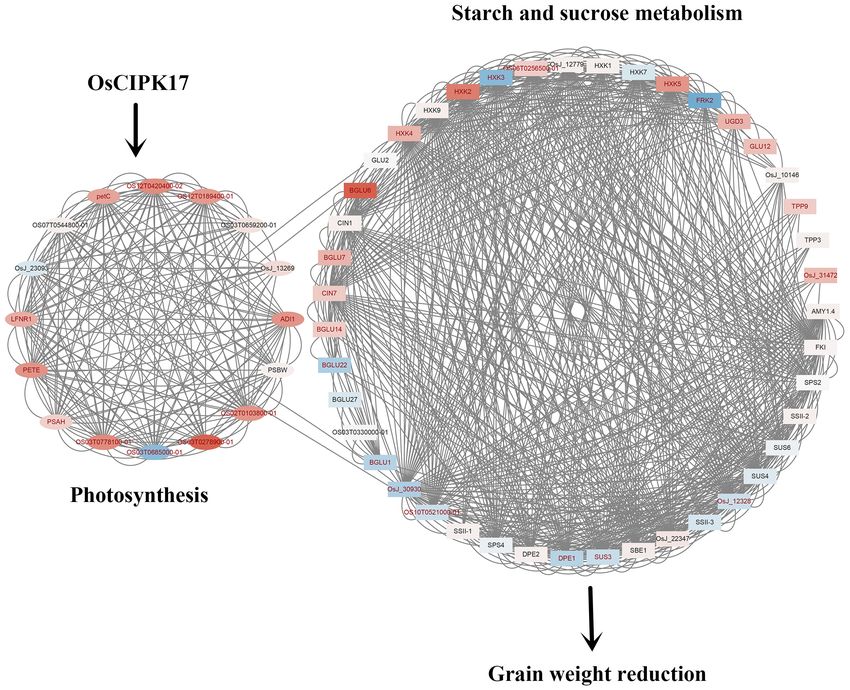
  FIGURE 8 | Mechanism diagram of OsCIPK17 affecting rice grain weight. OsCIPK17 can affect photosynthesis indirectly or directly. The deficiency of photosynthesis
  results in impaired metabolism of starch and sucrose, resulting in decreased grain weight. The up-regulated genes and down-regulated genes were mapped with
  different colors. The deeper the red, the higher the expression; the darker the blue, the smaller the expression. The names of genes with significant differences in
  expression are indicated in red. The proteins linked by lines were predicted to have interactions.

(Figures 3A,B); furthermore, Tmax was observed approximately                           involvement of the CIPK protein family in grain weight and grain
7 days later in the knockout mutant than in the parent line,                           filling has not been previously reported. Some known functions
indicating that the deletion of OsCIPK17 was not beneficial                            are related to seed germination, seedling and root growth, and
for grain filling. In addition, we found that PSII energy                              flowering. For example, rice mutant cipk31 showed a phenotype
use efficiency in mutant plants was significantly lower than                           that was hypersensitive to ABA, salt, and mannitol during seed
that of the parent genotype at the middle grain-filling stage                          germination and seedling growth (Piao et al., 2010). In turn,
(Figure 3C). The same trend was observed for starch content                            OsCIPK9 participates in NH4 + -dependent root growth (Xuan
(Figures 3D,E), suggesting that the reduced photosynthetic                             et al., 2019), while an OsCIPK3 mutation results in delayed
efficiency and starch content of the mutant may be the                                 flowering and late heading under conditions of long photoperiod
main physiological reason for the difference in grain filling at                       (Peng et al., 2021). In this study, OsCIPK17 knockout affected
the later stage.                                                                       grain filling, leading to a decrease in rice grain weight (Figure 3
    The main factors affecting rice yield were the number of                           and Table 1).
panicles, grain number per panicle, seed-setting rate, and 1000-                            In order to further clarify the molecular mechanism by which
grain weight. Grain weight may be stably inherited. Therefore,                         the OsCIPK17 knockout mutation affected grain filling and led to
understanding the molecular mechanism underlying the heredity                          grain weight reduction, we performed RNA-Seq on the superior
of grain weight is a powerful means to increase yield. The                             grains of the parent and the mutant. Through PO enrichment

Frontiers in Plant Science | www.frontiersin.org                                  12                                         January 2022 | Volume 12 | Article 808312
Gao et al. OsCIPK17 Regulates Grain Filling
analysis, we confirmed that DEGs were enriched in vegetative regulate the developmental process in this species (Punzo et al.,
organs such as roots, stems, and leaves, as well as in reproductive 2018). Here, the upregulation of this gene may largely explain the
organs including seeds, flowers, pistils, and even the component observed sustainment of grain filling rate of superior grains in the
endosperm of rice (Figure 6A). GO enrichment analysis cipk17 rice mutant.
confirmed that the functions involving DEGs were mainly related
to BPs and MFs (Figure 6B). MFs identified are mainly involved
with the binding of nucleosides, nucleotides, and lipids, as CONCLUSION
well as enzyme activities, including hydrolases, transferases,
and phosphorylase. GSEA enrichment analysis showed that In this study, we found that OsCIPK17 was localized in the
the signaling pathways were mainly concentrated in starch cytoplasm. Gus staining of heterologous tissues showed that
and sucrose metabolism and photosynthesis (Figures 6C,D). the OsCIPK17 gene was expressed in seedlings, in the root
In turn, functional enrichment in the KEGG database mainly maturation zone, in rosette leaves, stems, and flower buds
focused on photosynthesis, photosynthate, and amino acid but not in the seed coat or the embryo. Upon OsCIPK17
metabolism (Table 2). The differential genes are widely involved knock out mutation, the maximum filling rate of superior
in the nutrition and reproductive organs of rice, and their grains decreased in the cipk17 mutant, the grain filling process
functions are mainly related to photosynthesis, sucrose and starch shifted backward, the duration of grain filling became shorter
synthesis, and amino acid metabolism. This suggests that the and, consequently, final grain weight decreased. It is likely
deletion of OsCIPK17 may affect the synthesis and transport of that OsCIPK17 gene knockout affected the expression of genes
photoassimilate, leading to a reduction in grain weight. related to starch and sucrose (Figure 8), while concomitantly
To clarify the connection between DEGs, a protein-interaction inhibiting enzyme activity or hindering protein synthesis and
network was constructed (Figure 7A). There were more photosynthetic efficiency, finally affecting starch and sucrose
upregulated than downregulated proteins, and many upregulated transport and accumulation, consequently reducing grain weight.
proteins interacted with downregulated proteins. Furthermore,
some upregulated proteins, such as AMPD and CATA, showed
more interactions than other proteins. These results indicate that
these proteins play a key role in the interaction network. Further
DATA AVAILABILITY STATEMENT
analysis showed that the most important sub-modules were The raw sequence data have been deposited in the Genome
selected in the protein network (Figure 6B), whose functions Sequence Archive in National Genomics Data Center, China
are involved in protecting rice from damage caused by hydrogen National Center Bioinformation/Beijing Institute of Genomics,
peroxide and other reactive oxygen species, in participating in Chinese Academy of Sciences (GSA: CRA005385) that are
RNA metabolism and rice meiosis, and influencing the transport publicly accessible at https://ngdc.cncb.ac.cn/gsa.
of assimilates and stress response by affecting photosynthesis
and energy metabolism. In particular, sub-module d consisted
of three proteins: HCF136, OGR1, and OsJ_12672. HCF136
encodes a PSII component. This protein has also been studied AUTHOR CONTRIBUTIONS
in other species. Thus, for example, mutations or deletions of
the HCF136 gene in A. thaliana and Cyanobacteria can lead CG, XZ, SL, JX, RZ, JL, and YaC performed the material
to inactivation or loss of PSII function (Plücken et al., 2002; preparation, data collection, and analysis. CG and YuC wrote
Komenda et al., 2008). This gene mutation has also been studied the first draft of the manuscript and all authors commented on
in maize, in which case it was found to block starch synthesis (Wu previous versions of the manuscript. YuC critically revised the
et al., 2018). In the experiments reported herein, downregulation manuscript. All authors have contributed to the study conception
of the HCF136 gene in the mutant led to the obstruction of and design, read and approved the manuscript.
PSII function and affected starch synthesis, which may largely
explain the reduction observed in grain weight. OGR1 encodes
a protein containing polypeptide repeats and participates in FUNDING
mitochondrial multipoint RNA-editing. Previous studies showed
that OGR1 is located in the mitochondria of rice. Mutant rice This work was carried out with the support of the National
shows a multidirectional effect, slow growth, and late flowering, Natural Science Foundation of China (32172104) and
resulting in a dwarf, sterile phenotype (Kim et al., 2010). The the open fund of the Nantong University large scale
cipk17-mutant rice phenotype with reduced maximum filling rate instrument (KFJN2131).
and grain weight may be related to the upregulated expression
of the OGR1 gene. In turn, OsJ_12672 encodes a TIP41-like
protein that promotes the transport of water and small neutral SUPPLEMENTARY MATERIAL
solutes across the cell membrane and from the vacuole to the
cytoplasm. Previous studies have shown that deletion of TIP41 The Supplementary Material for this article can be found
can increase yeast resistance to mold (Jacinto et al., 2001). It can online at: https://www.frontiersin.org/articles/10.3389/fpls.2021.
also participate in the ABA signaling pathway in A. thaliana and 808312/full#supplementary-material
Frontiers in Plant Science | www.frontiersin.org 13 January 2022 | Volume 12 | Article 808312Gao et al. OsCIPK17 Regulates Grain Filling
REFERENCES Peng, Q., Zhu, C., and Liu, T. (2021). Phosphorylation of OsFD1 by OsCIPK3
promotes the formation of RFT1-containing florigen activation complex for
Albrecht, V., Ritz, O., and Linder, S. (2001). The NAF domain defines a novel long-day flowering in rice. Mol. Plant 14, 1135–1148.
protein-protein interaction module conserved in Ca2+ -regulated kinases. Piao, H. L., Xuan, Y. H., Je, B., and Kim, C. M. (2010). OsCIPK31, a CBL-interacting
EMBO J. 20, 1051–1063. doi: 10.1093/emboj/20.5.1051 protein kinase is involved in germination and seedling growth under abiotic
Boudsocq, M., and Sheen, J. (2013). CDPKs in immune and stress signaling. Trends stress conditions in rice plants. Mol. Cells 30, 19–27.
Plant Sci. 18, 30–40. doi: 10.1016/j.tplants.2012.08.008 Plücken, H., Müller, B., and Grohmann, D. (2002). The HCF136 protein is essential
Cao, Y., Zhang, Q., Chen, Y., Zhao, H., Lang, Y., Yu, C., et al. (2013). Identification for assembly of the photosystem II reaction center in Arabidopsis thaliana. Febs
of differential expression genes in leaves of rice (Oryza sativa L.) in response Lett. 532, 85–90. doi: 10.1016/S0014-5793(02)03634-7
to heat stress by cDNA-AFLP analysis. Biomed. Res. Int. 2013:576189. doi: Punzo, P., Ruggiero, A., and Grillo, S. (2018). TIP41 network analysis and mutant
10.1155/2013/576189 phenotypes predict interactions between the TOR and ABA pathways. Plant
Cao, Y. Y., Chen, Y. H., Chen, M. X., Wang, Z. Q., Wu, C. F., Bian, X. C., Signal. Behav. 13, 1–4. doi: 10.1080/15592324.2018.1537698
et al. (2016). Growth characteristics and endosperm structure of superior and Wang, Z., Zhang, W., Beebout, S. S., Zhang, H., Liu, L., Yang, J., et al. (2016).
inferior spikelets of indica, rice under high-temperature stress. Biol. Plant. 60, Grain yield, water and nitrogen use efficiencies of rice as influenced by irrigation
1–11. doi: 10.1007/s10535-016-0606-6 regimes and their interaction with nitrogen rates. Field Crops Res. 193, 54–69.
Chen, L., Wang, Q., and Zhou, L. (2013). Arabidopsis CBL-interacting protein Wu, Q. F., Qin, L., Dong, L., Ding, Z. H., Li, P. H., Du, B. J. (2018).
kinase (CIPK6) is involved in plant response to salt/osmotic stress and ABA. Transcriptome analysis on a maize photosynthetic mutant hcf136 (high
Mol. Bio. Rep. 40, 4759–4767. doi: 10.1007/s11033-013-2572-9 chlorophyll fluorescence 136). Acta Agron. Sin. 44, 493–504. doi: 10.3724/SP.
Chen, X., Gu, Z., and Xin, D. (2011b). Identification and characterization of J.1006.2018.00493
putative CIPK genes in maize. J. Genet. Genomics 38, 77–87. Xiang, Y., Huang, Y., and Xiong, L. (2007). Characterization of stress-responsive
Chen, X., Gu, Z., Liu, F., Ma, B. J., and Zhang, H. S. (2011a). Molecular analysis of CIPK genes in rice for stress tolerance improvement. Plant Physiol. 144, 1416–
rice CIPKs involved in both biotic and abiotic stress responses. Rice Sci. 18, 1–9. 1428. doi: 10.1104/pp.107.101295
Halfter, U., Ishitani, M., and Zhu, J. (2000). The Arabidopsis SOS2 protein kinase Xuan, Y. H., Kumar, V., and Han, X. (2019). CBL-interacting protein kinase 9
physically interacts with and is activated by the calcium-binding protein SOS3. regulates ammonium-dependent root growth downstream of IDD10 in rice
Proc. Natl. Acad. Sci. U.S.A. 97, 3735–3740. doi: 10.1073/pnas.040577697 (Oryza sativa). Ann. Bot. 124, 947–960. doi: 10.1093/aob/mcy242
Heple, P. K. (2005). Calcium: a central regulator of plant growth and development. Yang, J. C. (2010). Grain filling mechanism and regulation of weak grains in Rice.
Plant Cell 17, 2142–2155. doi: 10.2307/4130945 Acta Agron. Sin. 36, 2011–2019. doi: 10.3724/SP.J.1006.2010.02011
Hu, C., Huang, L. H., Chen, Y. C., and Liu, J. L. (2021). Fumarylacetoacetate Yong, H. C., Pandey, G., Grant, J. J., Batistic, O., Li, L., Kim, B. (2007). Two
hydrolase is required for fertility in rice. Planta 253:122. doi: 10.1007/s00425- calcineurin B-like calcium sensors, interacting with protein kinase CIPK23,
021-03632-1 regulate leaf transpiration and root potassium uptake in Arabidopsis. Plant J.
Hua, Y. F., Wang, C., Huang, J., and Wang, K. J. (2017). A simple and efficient 52, 223–239. doi: 10.1111/j.1365-313X.2007.03236.x
method for CRISPR/Cas9-induced mutant screening. J. Genet. Genomics 44, Yu, A. L., Zhao, J. F., Wang, G. H., Du, Y. W., Li, Y. F., Zhang, Z., et al. (2016).
207–213. doi: 10.1016/j.jgg.2017.03.005 Expression analysis of two CIPK genes under biotic stress in Foxtail Millet. Acta
Jacinto, E., Bing, G., and Arndt, K. (2001). TIP41 interacts with TAP42 and Agron. Sin. 42, 295–302. doi: 10.3724/SP.J.1006.2016.00295
negatively regulates the TOR signaling pathway. Mol. Cell 8, 1017–1026. doi: Zhang, Y., Zhou, X. N., and Liu, S. (2020). Identification and functional analysis of
10.1016/S1097-2765(01)00386-0 tomato CIPK gene family. Int. J. Mol. Sci. 21:110. doi: 10.3390/ijms21010110
Kim, S., Yang, J., and Moon, S. (2010). Rice OGR1 encodes a pentatricopeptide Zhang, Z. X., Tang, J., Du, T. W., Zhao, H., Li, Z., and Lin, W. X. (2015). Mechanism
repeat-DYW protein and is essential for RNA editing in mitochondria. Plant J. of developmental stagnancy of rice inferior spikelets at early grain-filling stage
59, 738–749. doi: 10.1111/j.1365-313X.2009.03909.x as revealed by proteomic analysis. Plant Mol. Biol. Rep. 33, 1844–1863.
Komenda, J., Nickelsen, J., and Tichy, M. (2008). The cyanobacterial homologue of Zhang, Z. X., Zhao, H., Huang, F. L., Long, J. F., Song, G., and Lin, W. X. (2019).
HCF136/YCF48 is a component of an early photosystem II assembly complex The 14-3-3 protein GF14f negatively affects grain filling of inferior spikelets of
and is important for both the efficient assembly and repair of photosystem II in rice (Oryza sativa L.). Plant J. 99, 344–358. doi: 10.1111/tpj.14329
Synechocystis sp. PCC 6803. J. Bio. Chem. 283, 22390–22399. Zhao, H., Li, Z., Amjad, H., Zhong, G., Umar, K. M., Zhang, Z. X., et al. (2021).
Kudla, J., Batistic, O., Hashimoto, K. (2010). Calcium Signals: the lead currency of Proteomic analysis reveals a role of ADP-glucose pyrophosphorylase in the
plant information processing. Plant Cell 22, 541–563. asynchronous filling of rice superior and inferior spikelets. Protein Expres. Purif.
Lee, S. C., Lan, W., and Kim, B. (2007). A protein 183:105875. doi: 10.1016/j.pep.2021.105875
phosphorylation/dephosphorylation network regulates a plant potassium Zhu, J. K. (2001). Cell signaling under salt, water and cold stresses. Curr. Opin.
channel. Proc. Natl. Acad. Sci. U.S.A. 104, 15959–15964. Plant Biol. 4, 401–406. doi: 10.1016/S1369-5266(00)00192-8
Li, J., Long, Y., Qi, G. N., Xu, Z. J., Wu, W. H., and Wang, Y. (2014). The Os- Zuo, Q. F., Xie, P., Song, Y., Chen, Y., Li, W., and Liu, Y. Y. (2002). Analyses
AKT1 channel is critical for K+ uptake in rice roots and is modulated by the rice of genotype and environment interaction and heredity of filling rate in the
CBL1-CIPK23 complex. Plant Cell 26, 3387–3402. doi: 10.1105/tpc.114.123455 different developmental stages of rice grain. Sci. Agr. Sin. 35, 465–470. doi:
Li, Y., Zhou, Q. L., He, M. J., and Xu, H. F. (2021). Dissection of environmental 10.3321/j.issn:0578-1752.2002.05.001
and physiological effects on the temperature difference between superior and
inferior spikelets within a rice panicle. Crop J. 9, 1098–1107. doi: 10.1016/j.cj. Conflict of Interest: The authors declare that the research was conducted in the
2020.10.016 absence of any commercial or financial relationships that could be construed as a
Liu, J., and Zhu, J. (1998). A calcium sensor homolog required for plant salt potential conflict of interest.
tolerance. Science 280, 1943–1945. doi: 10.1126/science.280.5371.1943
Luan, S., Kudla, J., Rodriguez-Concepcion, M., Yalovsky, S., Gruissem, W. (2002). Publisher’s Note: All claims expressed in this article are solely those of the authors
Calmodulins and calcineurin-B like proteins: calcium sensors for specific and do not necessarily represent those of their affiliated organizations, or those of
signal response coupling in plants. Plant Cell 14, 389–400. doi: 10.1105/tpc.00 the publisher, the editors and the reviewers. Any product that may be evaluated in
1115 this article, or claim that may be made by its manufacturer, is not guaranteed or
Ma, X., Li, Q. H., and Yu, Y. N. (2020). The CBL–CIPK pathway in plant response endorsed by the publisher.
to stress signals. Int. J. Mol. Sci. 21:5668. doi: 10.3390/ijms21165668
Mahajan, S., Sopory, S. K., and Tuteja, N. (2006). Cloning and characterization of Copyright © 2022 Gao, Zhu, Lu, Xu, Zhou, Lv, Chen and Cao. This is an open-access
CBL-CIPK signaling components from a legume (Pisum sativum). FEBS J. 273, article distributed under the terms of the Creative Commons Attribution License
907–925. doi: 10.1111/j.1742-4658.2006.05111.x (CC BY). The use, distribution or reproduction in other forums is permitted, provided
Mahs, A., Steinhorst, L., and Han, J. L. (2013). The calcineurin B-like Ca2+ sensors the original author(s) and the copyright owner(s) are credited and that the original
CBL1 and CBL9 function in pollen germination and pollen tube growth in publication in this journal is cited, in accordance with accepted academic practice. No
Arabidopsis. Mol. Plant 6, 1149–1162. doi: 10.1093/mp/sst095 use, distribution or reproduction is permitted which does not comply with these terms.
Frontiers in Plant Science | www.frontiersin.org 14 January 2022 | Volume 12 | Article 808312You can also read


