GS1 Industry & Standards Event 2019 9-13 September 2019 - Lisbon, Portugal
←
→
Page content transcription
If your browser does not render page correctly, please read the page content below
GS1 Industry & Standards Event 2019
9-13 September 2019 – Lisbon, Portugal
Transforming business together
Sessi on: Meeti ng the needs of i ndustry and consu mers - GS1 standards for fresh foods
Ti me: 11.00-12.30

Who may attend: Everyone

Moderator: Elena Tomanovich, GS1

Anti-trust caution

•    GS1 operates under the GS1 anti-trust caution. Strict compliance with anti-trust laws is
     and always has been the policy of GS1.
•    The best way to avoid problems is to remember that the purpose of the group is to
     enhance the ability of all industry members to compete more efficiently.
•    This means:
    - There shall be no discussion of prices, allocation of customers, or products, boycotts,
      refusals to deal, or market share.
    - If any participant believes the group is drifting toward impermissible discussion, the topic shall be
      tabled until the opinion of counsel can be obtained.
•    The full anti-trust caution is available via the link below, if you would like to read it in its
     entirety: http://www.gs1.org/gs1-anti-trust-caution.

                                                                                            © GS1 2019        2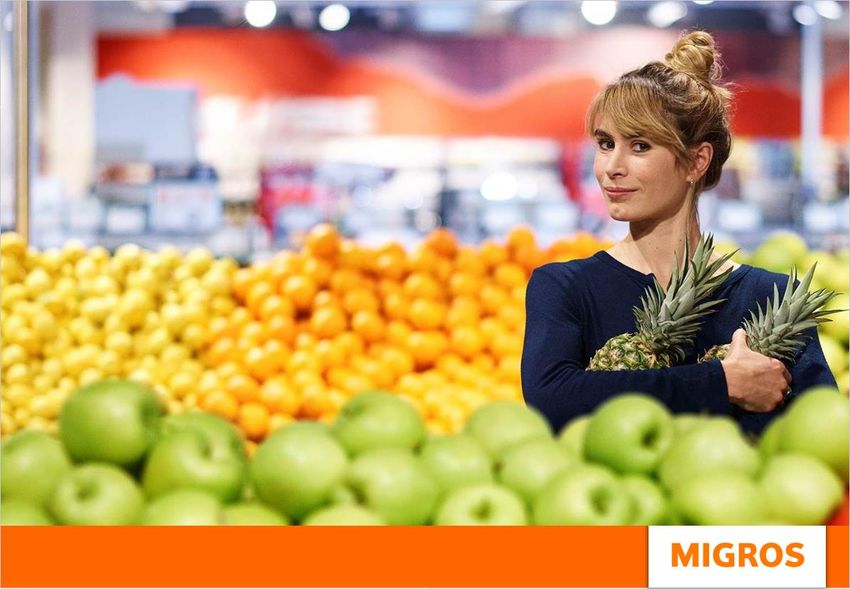
Meeting etiquette

•   Meetings will begin promptly as scheduled        •    Collaborate in support of meeting
•   Be present – avoid multi-tasking                      objectives
•   Avoid distracting behaviour:                         - Ask questions
    - Place mobile devices on silent mode                - Be open to alternatives
    - Avoid sidebar conversations
                                                     •    Be representative
•   Be considerate
                                                         - Avoid personal remarks
    - Avoid monologues
                                                         - Do not speak for your company or
    - Keep comments concise
                                                           community if you do not clearly
•   Respect work group decisions                           understand their needs
    - Avoid re-opening decisions unless there is a
                                                         - Votes should reflect the needs of your
      significant quality impact
                                                           company or community

                                                                                     © GS1 2019     4
The NEW GS1 Industry & Standards Event App

 1   Please delete the previously installed GS1 Events app from
     your phone. THIS IS VERY IMPORTANT.

 2   Download the new GS1 Events App (the icon is the same as
     the previous app, which is why it is important to delete the
     previous app first.

 3   Check your email for an invitation from GS1 Events which
     includes your personal verification code

 4   Enter the verification code into the app and enjoy!

                                                                    © GS1 2019   5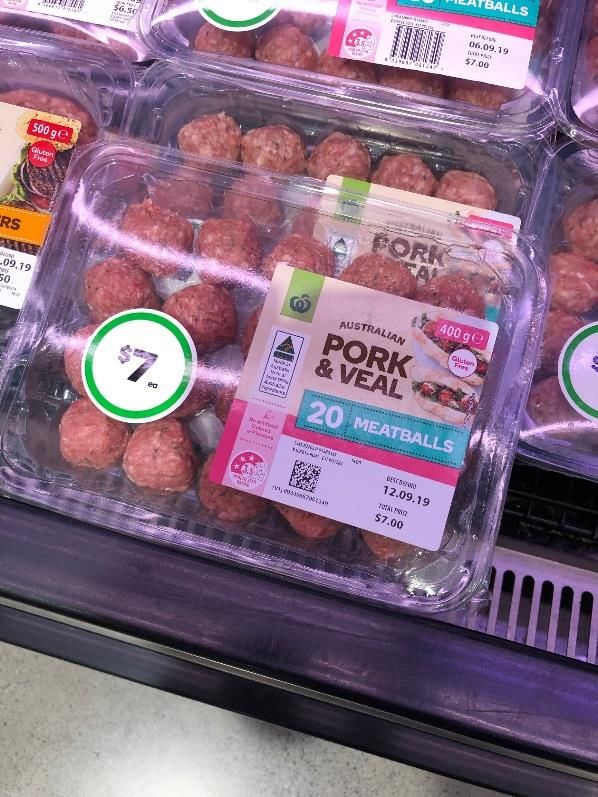
Event App – How to rate sessions

    Open session that        Scroll to the bottom
1                        2                          3   Begin the survey
    you want to survey       for Session Survey

                                                                       © GS1 2019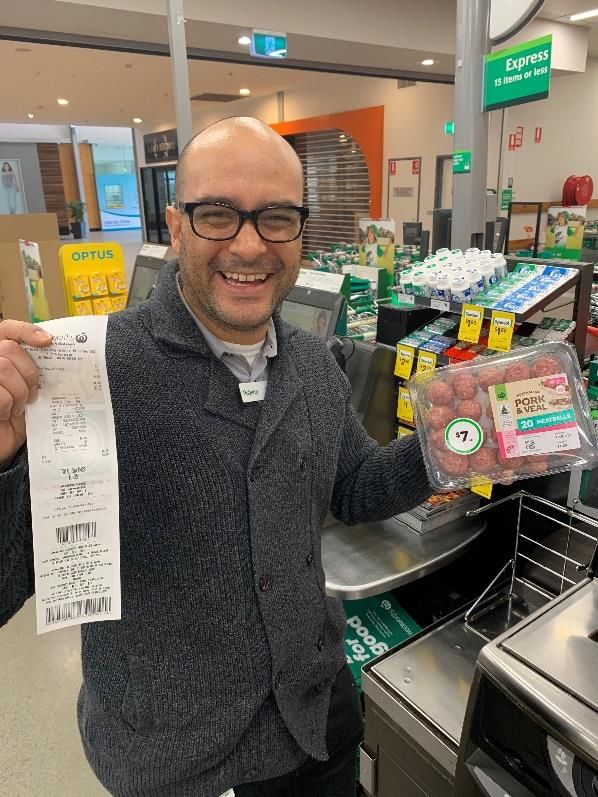
WiFi internet access

• Select network “Sheraton Lisboa” and connect
• Login: GS1events
• Password: GS1events

                                                 © GS1 2019   7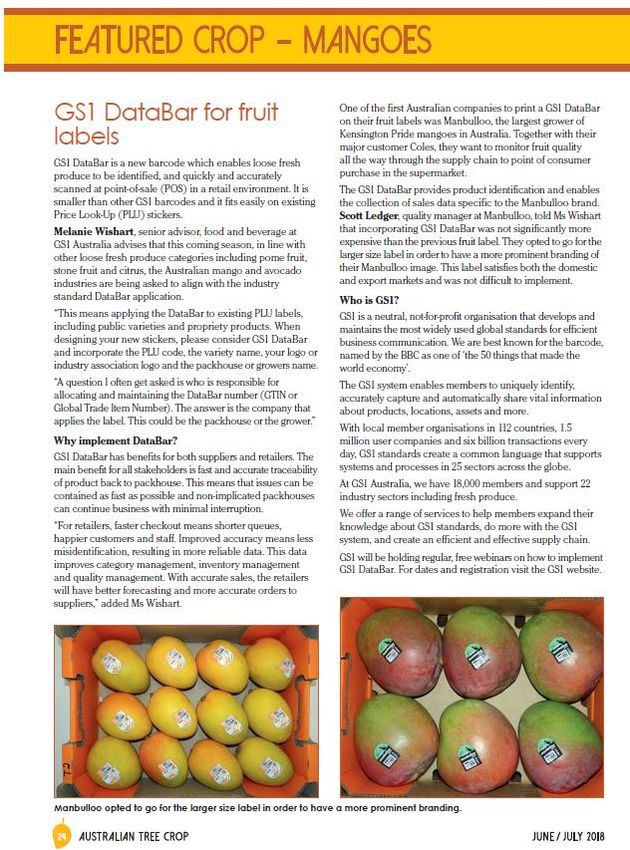
Agenda

•       Welcome, GS1 Anti-trust caution, administration
•       Fresh foods and GS1 standards – industry needs, how GS1 standards help,
        Global Standards Management Process (GSMP) work
•       Featured presentations
    -     A case study in the Fresh industry sector from GS1 Australia
    -     Whole Chain Seafood Traceability Through Interoperable Data Standards from
          the Global Dialogue on Seafood Traceability
    -     GS1 in Europe Fruit & Vegetable Implementation Group
    -     EPCIS for Fruits and Vegetables at Migros
•       Closing remarks and session evaluations

                                                                         © GS1 2019    8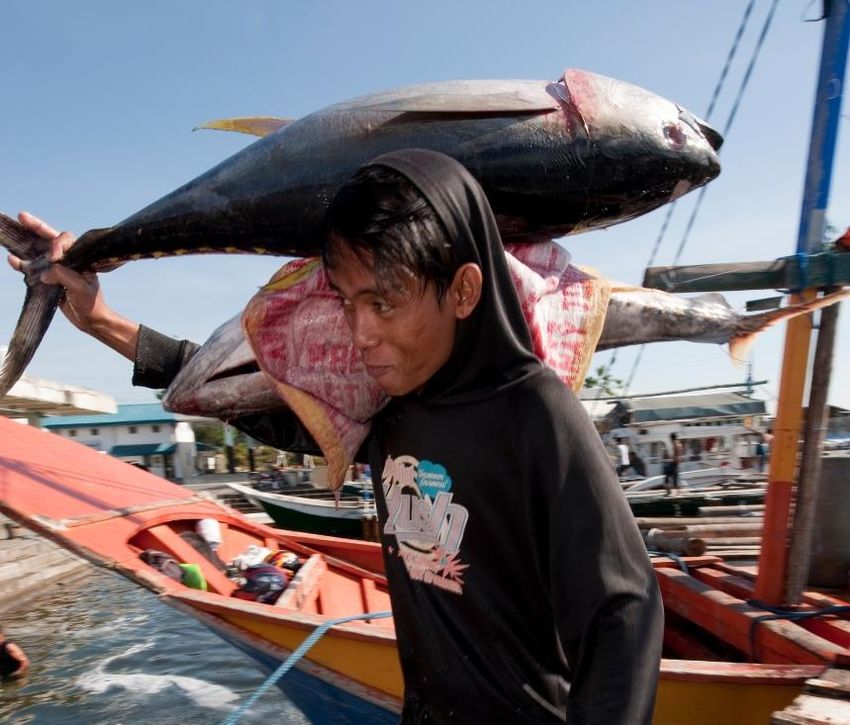
Meeting the needs of industry and consumers -
GS1 standards for fresh foods

                                         © GS1 2019   9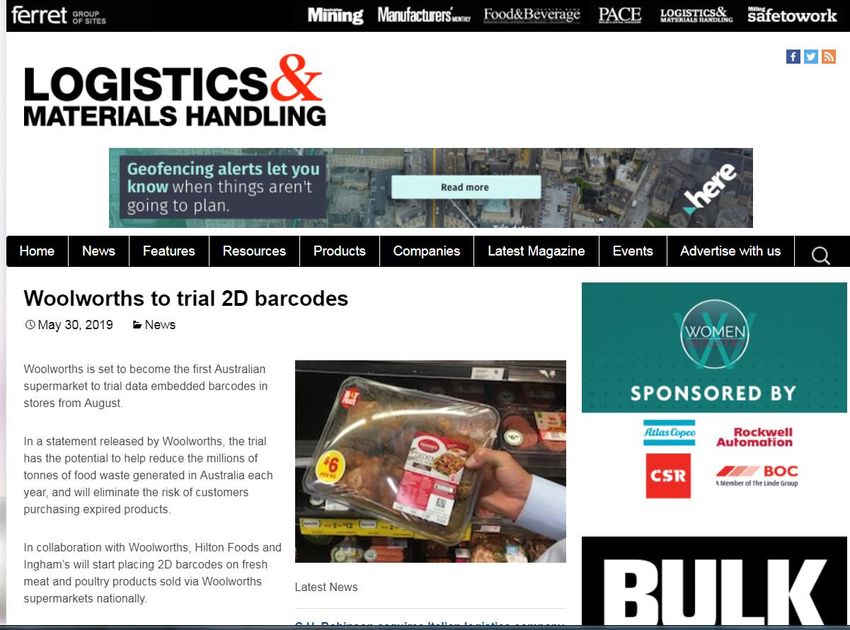
A recommendation for Wednesday

                                 © GS1 2019   10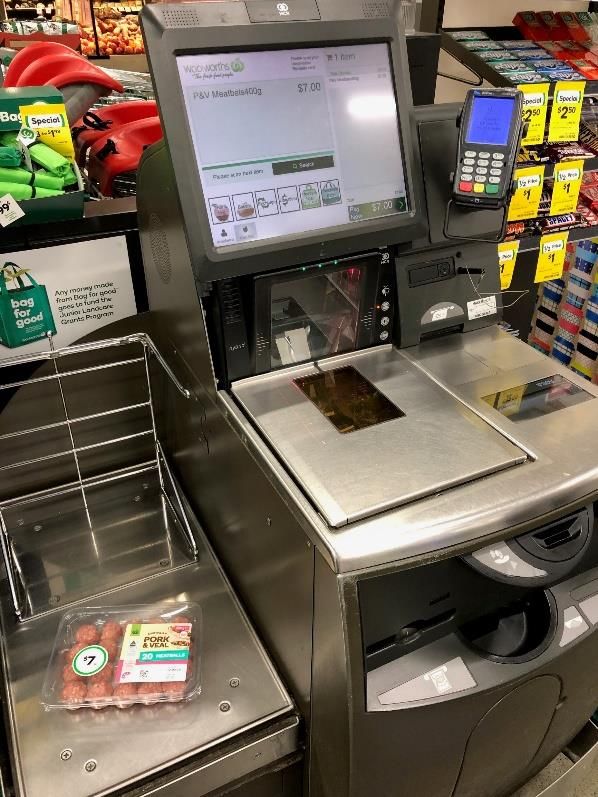
Fresh foods (perishable)
Fresh foods are important for retail and foodservice businesses. Fresh foods
can be unrefined or processed and are sold as unpackaged or pre-packaged:

   Bakery           Dairy           Meat          Produce         Seafood

                                                                 © GS1 2019
Global fresh foods trends
Increasing Omni-channel
Sector length and commerce
complexity in consumers’
growth of supply “path to
chains purchase”
Advanced and emerging
technologies Traceability
© GS1 2019 12GS1 standards play a
vital role
in the fresh
foods sector
© GS1 2019 13Provide trusted product information via
unique, persistent identification and accurate,
complete data
Deliver supply chain efficiencies and support
agility and responsiveness
Generate higher quality data at a lower overall
cost and improve the shopping experience for
consumers
© GS1 2019 14Traceability
• Improve food and consumer product safety
• Accurate and more rapid detection and
deterrence of counterfeit products
• More efficient and accurate regulatory
compliance
• Cost savings resulting from simplified and
automated business processes
© GS1 2019 15Global Standards Management Process
(GSMP) outlook – Fresh foods
as of August 2019
© GS1 2019 16Global Implementation Guidelines – Fresh Foods
https://www.gs1.org/fresh-foods/implementation-guidelines
© GS1 2019 17GSMP – Fresh foods traceability
2019-2020
• Standards development and standards maintenance
• Guidelines updates: Post GTS2 updates and sector needs (e.g. regulatory)
- Complete – Fish, Seafood & Aquaculture
- Currently preparing - Fruit & Vegetable – Traceability & Event
Sharing SMG (end of September)
- Then – Meat & Poultry
• Guidelines updates: Post EPCIS & CBV 2.0 updates and sensors (new
content)
© GS1 2019 18GSMP – Fresh foods AIDC
2019-2020
• Standards development and standards maintenance
• Complete GSCN - use of 2D in the supply chain – on trade units (only in
addition to 1D)
• Complete GSCN - use of 2D at Point-of-Sale – approved for transition from
Restricted Circulation Numbers to GTIN (consumer units)
• Next:
- Guidelines updates - AIDC @ POS Guideline, and all Traceability
Guidelines
- NEW work: Implementation Guideline – 2D at Point-of-Sale
© GS1 2019 19© GS1 2019 20
Featured Presentations

                         © GS1 2019   21
Collaboration….It’s what we do…..
A case study in the Fresh industry sector
Sue Schmid – Head of Customer Experience & Standards Office
September 2019
2© GS1 2019 23
Happy
 Customer
    Great
Collaboration
        © GS1 2019   24
Goal
Resilience Engage
Persistence Support
© GS1 2019 25The GS1 Australia Fresh
Foods story….
© GS1 2019 26© GS1 2019 27
The Goal…..

              © GS1 2019   28
Engagement….
© GS1 2019 29Support……
© GS1 2019 30Persistence….
© GS1 2019 31GS1 DataBar for fresh produce
Unique produce identification
Traceability to the farm or packhouse.
Faster and more targeted recalls, the ability
to stop the sale of an affected item.
(01)09312345678907 Providing customers with a safer supply
GS1 DataBar Stacked chain
Omnidirectional
▪ Globally unique company and ▪ Faster check-out times
produce identification ▪ Better customer experience
▪ Less shrink with accurate POS ▪ Reduce food waste in store
Scanning in all activities (organic Vs conventional) ▪ Further reduce plastic packaging
▪ Improves inventory management in store
Woolworths, Coles ▪ Better forecast demand for
varieties
and few IGA Stores ▪ Provide Country of Origin by GTIN
All loose produce items carry
GS1 DataBar
© GS1 2019 32Resilience…….
© GS1 2019 33© GS1 2019 34
The goal…..

              © GS1 2019   35
Engagement…..
Use Case
► Key Driver: enable new business cases with use of more granular data
in a compact symbology (waste reduction, reduce # of symbols,
traceability, inventory management, targeted recalls, etc.)
► Looking to extend learnings from improved use of GS1 DataBar in loose
produce
► Data encoded:
► GTIN ► Best-Before / Use-by
► Price (Variable Measure) ► Batch / Lot Number
► Weight (Variable Measure)
Key Learnings
► Phased roll-out:
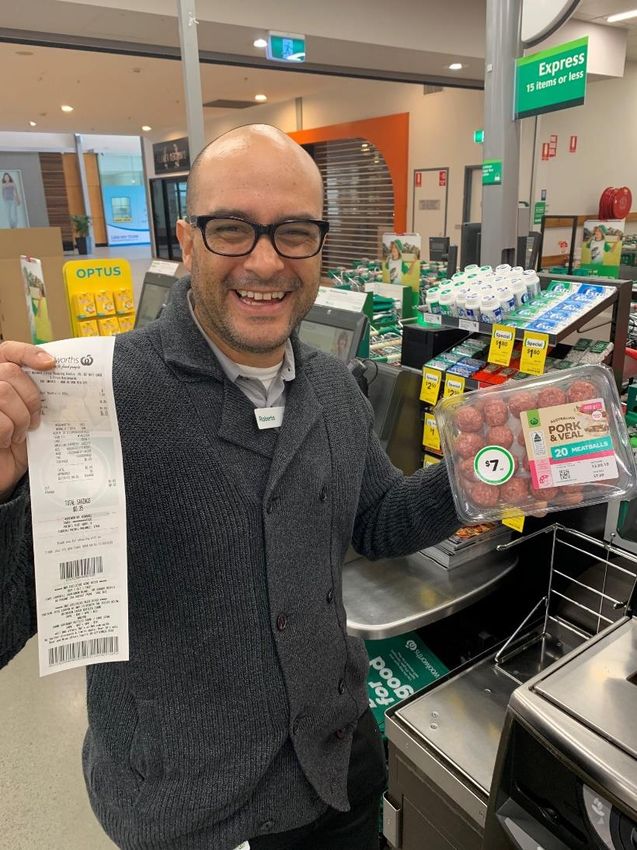
► Short-term trial with 2 meat suppliers (10 SKUs total; variable &
fixed weight) starting August 2019 across 6 supermarkets for 5 “When scanned at the point of sale, customers will be alerted
weeks that the product is past its expiry date and the system won’t
► Medium-term expansion to all store fleet (1,000 stores) and allow the purchase.”
expand to top 50 meat suppliers (optional participation) Woolworths press release, 24 May 2019
Research QR Code
Fresh meat & ❑ ❑
❑ Open ecosystem # Products
Australia ✓ Pilot ✓ GS1 DataMatrix
Poultry ❑ Implementation ❑ Other: ____
✓ Closed ecosystem
1 10 100 1k 10k+
© GS1 2019Support…
© GS1 2019 37One happy customer…
© GS1 2019 38Collaboration continues
© GS1 2019 39Data Embedded Barcodes at POS
Opportunities Drivers/Targets
• Better inventory visibility and management of fresh • 2019: GS1 2D now approved for use at POS for Variable
foods by shelf life, automatic price markdowns at POS Measure products
• Point of Sale Equipment upgrades and enablement
• Reduction in food waste through sale of product before
• Pilot Q1 2019-20 with Woolworths
Use By Date, • Engage other key retailers and targeted suppliers in
• Encode batch/ lot or serialisation for traceability to medium term
POS or to consumer via loyalty programs
• Stop the sale of expired/recalled item by batch or date Evolution, not Revolution
Attribute GTIN
Details includes : -
GTIN, Use By
• Industry Seminar 10th April Date, Weight,
• Industry Working Group Kick-off 24th July GS1 DataBar Expanded GS1 Matrix (2D) Price and
Stacked (1D) GTIN + Batch/Lot Code
• Develop industry roadmap for future of POS with Data Attribute Data
GTIN + Attribute Data
Embedded barcodes
• Global implementations and pilots underway
• Woolworths and 2 partner suppliers, 5 products each in
5 Stores – late August
© GS1 2019 40© GS1 2019 41
© GS1 2019 42
Whole Chain Seafood Traceability
Through Interoperable Data Standards
Mr. Neil Aeschliman
Senior Program Officer, Seafood Traceability
World Wildlife Fund

                                               © GS1 2019   43
The Global Dialogue on Seafood
Traceability is an international,
business-to-business platform
established to advance a unified
framework for interoperable
seafood traceability practices
© GS1 2019 44Global Dialogue on Seafood Traceability
Key Details
• Started: Spring 2017
• Motivation: IUU Seafood
• Scope: Global Seafood Industry
• Membership: 60+ Organizations
• Dialogue Advisors: 90+ Orgs (incl.
GS1)
• Primary GS1 Standards Used: EPCIS
© GS1 2019 45GDST Membership
Whole Chain Representation Geographic Dispersion
25 Members
18 Members
19 Members
© GS1 2019 46GDST Membership
Small-scale Regional Brands & Multinational
Operators Processors Conglomerates
• 178 Degrees • Mount Cook Alpine • Bolton Group
Salmon
• AP2HI • Metro AG
• Sea Delight
• Vinatuna • Thai Union Group
• Young’s Seafood
© GS1 2019 47178 Degrees — Ahold Delhaize — ALDI North Group — AP2HI — Bomar (PT.
BOGATAMA MARINUSA) — Bumble Bee — Charoen Pokphand Foods Public
Company Limited (CPF) — China Aquatic Products Processing & Marketing
Alliance (CAPPMA) — Culinary Collaborations LLC — Citra Mina — Envisible —
Fishin Company — General Tuna Corporation (Century Pacific Tuna) — Intercity
Packers Meat & Seafood — Japanese Consumers' Co-operative Union — Labeyrie
Fine Foods — LIDL Stiftung & Co, KG — Luen Thai Fishing Venture — Metro —
Nissui — Orca Bay — PT Bumi Menara Internusa (BMI) — Sainsbury's
Supermarkets Ltd — Santa Monica Seafood —Seachill Part of the Hilton Food
Group — Sea Delight — Seacore — Southeast Asian Packaging and Canning Ltd —
Stavis Seafoods — Taylor Shellfish — Thai Tuna Industry Association — Thai Union
— Tri Marine — Vietnam Association of Seafood Exporters and Producers —
Vinatuna — Young’s Seafoo
*As of May 28, 2019
(list includes only members who have granted permission to publicize their involvement)© GS1 2019 49
Delivering Outputs

Key Data Elements (KDE)
Alignment                                     Interoperability Guidance
 •   The Need: A uniform expectation of       •   The Need: guidance on HOW to
     WHAT data to be captured and shared          identify, capture, and share data

 •   Task groups divided into Wild Capture,   •   Conducting Pilots and Hackathons to
     Aquaculture and Social                       test the proto-standards and unearth
                                                  novel solutions to challenges
 •   Akin to the Core Business Vocabulary
     (CBV) in EPCIS                           •   Main deliverable: Interoperability
                                                  Guidance on Applying EPCIS for
 •   Main deliverable: Basic Universal List       Whole Chain Seafood Traceability
     of KDEs for Seafood

                                                                            © GS1 2019   50
Seafood Context
• Drivers
• Need
• Solution
• Accommodations
© GS1 2019 51Drivers for Whole Chain Traceability
• Regulatory Compliance • Consumer Transparency
- EU No 1379/2013 - “Was it caught sustainably,
- US Seafood Import Monitoring legally, socially responsible?”
Program - “Prove it!”
• Commercial Demands • External Stakeholders
- Retailers & Wholesalers - Pressure from NGOs
requesting provenance info - Implementing change requires
- Long, complex chains identifying where it is needed
© GS1 2019 52Need for Whole Chain Traceability
Back to Harvest or Not At All
• Principal need is PROVENANCE DATA
- What most stakeholders request
• Must enable SOLUTION CHOICE
- Stovepipes get clogged with
fragmented, global, and diverse supply
chains
• Supply chain VISIBILITY back to the
boat or pond
© naturepl.com / Toby Roxburgh / WWF
© GS1 2019 53Solution for Whole Chain Traceability
Data Standard On-demand Unique IDs
• KDEs/CBV incorporated into XML file format • Some actors are too small to justify
extensions – solution providers build the registering for a company prefix and GLNs
standard
• Most seafood starts as interchangeable
• Widely-accepted expectations about what commodity with no brand differentiation
data is sufficient to describe provenance
EPCIS was the foundation to build upon ─ 1) Augmented CBV
to capture seafood KDEs at seafood-specific events, 2)
Leveraged UUIDs for globally-unique identifiers
© GS1 2019 54Accommodations for Whole Chain Traceability
On-demand Unique IDs
• Section 8.8.1 of CBV 1.2.2 defines the
use of Universally Unique IDs (UUID) as
an acceptable identifier for Events within
an EPCIS event
• Accommodates small-scale vessels where
GS1 keys are too costly or too time-
consuming to secure
• UUIDs can be produced on-demand, free
of charge
© Jürgen Freund / WWF
© GS1 2019 55“METRO is a committed supporter of cross-industry
collaboration to drive the development,
acceptance, and implementation of digital
traceability solutions in the seafood industry on a
large scale. We owe it to our oceans and future
generations to work together to develop the best
possible tools and practices to ensure fish and
seafood sustainability as well a social standards
and transparent supply chain management in the
sector.”
- Britta Gallus, Director Programs & Risk
Assessment, METRO AG
© GS1 2019 56Upcoming Hackathons
• Cologne (21 – 22 October)
- Partnering w/ GS1 Germany
• Bali (26 – 27 October)
- Partnering w/ Second Muse
• Challenge topics:
- Data Verification
- Interoperability through EPCIS
- Identifier Technology
- Blockchain Integration
https://traceability-dialogue.org/gdst-news-2/gdst-seafood-
traceability-hackathon-2/
© GS1 2019Contact Information
Neil Aeschliman
Senior Program Officer, Seafood Traceability
World Wildlife Fund
D +1 202.495.4632
M +1 202.247.7707
E neil.aeschliman@wwfus.org
@SavoryOrigins
www.worldwildlife.org
© GS1 2019 58GS1 in Europe Fruit & Vegetable
Implementation Group
Mr. Radbout Buijs, FrugICom, Fresh F&V association Netherlands
Mr. Ferran Domènech Fusté, GS1 Spain and GS1 in Europe Fruit & Vegetable
Implementation Group
© GS1 2019 59Agenda
• Why Fresh Fruits & Vegetables are different?
• GS1 in Europe Fruits&Vegetables Implementation Work Group
- Who we are?
- What are our objectives?
- Outcome from traceability survey for EU Retailers
- GDSN usage for Fresh Fruits and Vegetables
© GS1 2019Why Fresh F&V are different?
F&V is a “Core Industry” in Retail
• Critical Supply Chain
- Short shelf-life (perishable produce)
- Seasonal
- Unpredictable (Impacted by weather
conditions world wide)
Produce
- Different understanding in Retail on
definition how to set up the
replenishment proces in Fresh F&V
© GS1 2019Why Fresh F&V are different?
F&V is a “Core Industry” in Retail
• Global Supply Chain
- EU is in the TOP-10 Importers
- EU exports TOP destinations: China,
US, Russia, Japan.
- Level of automation in Supply Chain
are different 1st 2nd and 3rd world
countries
© GS1 2019Why Fresh F&V are different?
F&V is a “Core Industry” in Retail
• Globally growing market
- Increasing numbers of health-conscious
consumers
- Improved access to safe, fresh products
through global trade
- The need for standards are growing on a By 2021, the trade
increasing global level of global fresh food
- Reduce IT cost in the supply chain by using product will grow to
GS1 Fresh F&V standards in this industry 2.4 billion tons
© GS1 2019 63Agenda
• Why Fresh Fruits & Vegetables are different?
• GS1 in Europe Fruits&Vegetables Implementation Work Group
- Who we are?
- What are our objectives?
- Outcome from traceability survey for EU Retailers
- GDSN usage for Fresh Fruits and Vegetables
© GS1 2019GS1 in EU Fruit&Vegetable Implementation Group
¿Who is in the Work Group?
© GS1 2019 65Objectives
• Digitalisation of the F&V Supply chain:
- Reduce errors in order-to-cash processes
- Operational excellence
- Traceability & Supply Chain visibility (consumer demands & Food Safety)
- Regulatory compliance
© GS1 2019 66Traceability Survey for EU Retailers
• 9 Retailers across EU • Objectives:
- 1 Austria - Having the understanding of Traceability from Retailers
- 1 Switzerland • Vision
- 1 Czech Republic • Process scope
- 2 Netherlands • Stakeholders involved
- 2 Germany - What do they look after by implementing Traceability
- 2 Spain Systems?
- How do they feel GS1 can help?
- Data involved in traceability scope
- Main barriers
© GS1 2019 67Outcome of the Traceability Survey
Traceabilty objectives Traceability Scope
• Improve Consumer demand / satisfaction • “From farm to fork”
• Produce origin • Customs processes not as important as others
• Food safety & regulatory compliance (for traceability purposes)
• Base for making decisions (procurement,
assortment…)
Data involved Barriers
• Data from ORIGIN • Not having visibility from ORIGIN
- Master Data: Field location, Certificates, Post • Not interoperable systems
Harv. Treatments, variety… • High investment
- Transactional: Harvest date, Pesticides,
irrigation method…
• Logistic info @ Trader Packer.
© GS1 2019 68Outcome of the Traceability Survey
Main recommendations for our work
• Lots of detailed information from Origin is demanded
- Data model can help for Master Data
- Global and standarized solutions for transactional & master data
• Do not reinvent the wheel:
- Many current tools are still useful → avoid higher investments
- Global alignment on IDENTIFICATION and DATA EXCHANGE.
© GS1 2019 69GDSN usage for Fresh Fruits and Vegetables
Accurate Product Data as a foundation for…
Making decisions
(procurement,
assortment…)
Improve consumer
Driving sales up
satisfaction
Regulatory
compliance
© GS1 2019 70GDSN usage for Fresh Fruits and Vegetables
Status of GDSN adoption in Europe for Fresh F&V
315.081 2547
GTIN Companies
29
Target Markets
Data from Global Registry for Fresh F&V bricks – June 2019
© GS1 2019 71GDSN usage for Fresh Fruits and Vegetables
Benefits for trading partners
Easier reports
Avoid mantaining through product
client’s EXCEL visibility
Detailed produce
information
© GS1 2019 72Contact information
Ferran Domènech Fusté Klaus Förderer Radbout Buijs
GS1 Standards Implementation Senior Manager eBusiness/GDSN Senior Supply Chain and IT Consultant
GS1 Standards + Products Frugicom
Ronda General Mitre, 10 Maarweg 133 Louis Pasteurlaan 6
08017 Barcelona 50825 Köln 2719EE Zoetermeer
Spain Germany Netherlands
D +0034 (93)252 39 00 D +49 221 94714 244 D +31(0)629594471
E fdomenech@gs1es.org E klaus.foerderer@gs1.de E Radbout.buijs@buijsconsultancy.nl
www.gs1es.org http://www.gs1-germany.de/ https://www.frugicom.nl
© GS1 2019 73EPCIS for Fruits and Vegetables at Migros
Mr. Alexander Hille, Migros
© GS1 2019 74EPCIS for Fruits and Vegetables at Migros
• About myself
- Project Manager for EPCIS
- Migros since 2014
- 2007-2014: Fraunhofer
Institute for Material Flow and
Logistics
• Agenda
- Migros and GS1
- Case Fruits and Vegetables
- Summary
© GS1 2019 75Migros, some facts and figures
• Largest retailer in Switzerland
• Over 2 million Cooperative Members
• Sales of over CHF 25 billion
• 10 Cooperatives
• About 600 sales locations
• 30 Migros Industry companies
• Biggest private employer in Switzerland
(over 100,000 employees)
© GS1 2019 76Migros and GS1
Early active member of EAN and ECR Switzerland
Membership GS1 Switzerland since foundation (also management board member)
Membership GS1 Germany since 2013
Engagement in mostly all working groups from GS1-CH (> 10)
First barcode developments and trials in 1972
Fully implementation of barcodes 1984
Electronic data interchange since 1988
Today 11.5 Million EDI messages per year
GRAI with RFID on every crate since 2014
EPCIS standard and system implementation since 2016
© GS1 2019 77EPCIS for fresh fruits and vegetables
© GS1 2019 78Why: Overall goal Migros purchase
Vision:
We have a supply chain which guaranties a maximum of freshness while
keeping 100% delivery security in the most efficient way.
Mission:
We create the necessary transparency along the supply chain to
streamline our incentive schemes and their controlling for continues
improvement of the supply chain together with our partners.
Plan:
EPCIS creates the technology baseline to enable all partners along the
supply chain, from field to the store, to share their delivery information
and to learn out of them.
© GS1 2019 79Why: Questions to be answered with EPCIS
© GS1 2019 80Why: What we have to day…
© GS1 2019 81Why: …and what we want tomorrow
▪ Traceability by click
▪ Real-time supply chain KPIs
▪ Digital quality measurements linked
with supply chain data
▪ Back and Forward data sharing along
the supply chain
▪ …
https://www.youtube.com/watch?v=u2CLnms3PCM&feature=youtu.be
© GS1 2019 82Why: Supply Chain challenges
Supplier
(Origin)
Migros
Supplier
(Origin)
National platform Cooperative
Supplier Stores
(external) (DC)
Farmer
Storage
Farmer
83
© GS1 2019How: Information-process model supplier origin
Supplier National Migros
origin platform platform
Harvest
Entrance
Preparing Packing Shipping
warehouse
Only Migros relevant orders
External per LOT per delivery note
producer
Harvest info Shipping
• Article and LOT • Delivery note number/id
• GGN-Number • Order number national platform
• Harvest date • List of articles with internal lot
• Origin (country code) and amount
• GGN-Number
• Date of shipment
© GS1 2019 84How: Information-process model platform national
Supplier National Migros
origin platform platform
Receiving Preparation Packaging Commissioning Shipping
Only for Migros
article and orders Returns
Storage
per LOT Per packaging
Per shipment
Receiving Packaging
Article and LOT supplier Shipping
Article and LOT old
Article and LOT platform Order/shipping reference
Article and LOT new
Quantities List of articles with LOT and quantity
Quantities
Date of receiving GLN platform
GLN platform
Order/shipment reference GLN Migros platform
GLN supplier Date of shipment
GLN platform
© GS1 2019How: Information-process model platform Migros
Supplier National Migros
origin platform platform
Preparation and
Receiving Commissioning Shipping
Storage
Returns
Samples Samples
Product-Quality-Data Shipment-Quality-Data
Order reference Order reference
Article Article
GLN platform national GLN platform national
GLN platform Migros GLN platform Migros
Sugar (°Brix) Logistic performance
Acidity (g/l) Quantity pperformance
Consistency (kg/qcm)
© GS1 2019How: Event capturing
1. Direct connection 2. Via provider
Website App Excel
System A B C
Supplier
XML over
http(s) Post
Provider
Migros
XML over
http(s) Post
Migros
© GS1 2019 87Actual situation
1. Direct connection 2. Via provider
Website App Excel
System A B C
To Kickoff Implementa Connected Connected Connected Connected
Supplier
contact tion Direct Website App Excel
Suppliers 260 47 47 32 6 0 9
XML over
National 6
http(s) Post 0 1 2 0 0 0
platforms
Provider
Migros
XML over
http(s) Post
Migros
© GS1 2019 88Overall time plan
2016 2017 2018 2019 2020 2021
GS1 Industry &
Processes
Kickoff Suppliers and Standards Event 2019
platforms
Concept
EPCIS design
Internal realization
Invest decision EPCIS Extension, BI integration,
capture apps
Pilot
10 suppliers
1 platform
Roll-out decision Wave 1 Wave 2 Wave 3 Wave 4
40 suppliers ? suppliers ? suppliers ? suppliers
89
© GS1 2019Wrap up, challenges and success factors
• Why: Missing Transparency, Data silos along the supply chain, process excellence
• How: EPCIS 1.1 with Migros specific extensions (Harvest and quality info)
• Future:
- Sharing information with all partners. Especially Quality data for suppliers
- Referencing EPCIS data with other data (sales data, metrological data, farming specific data)
- Digital Link at POS with GS1-Databar and/or DataMatrix
• Project Challenges
- GS1 membership, standards (GTIN, GLN) and Know how in fruits and vegetables
- Deeply structured supplier landscape (multiple suppliers a supplier and again… until farmer)
• Success factors
1. Provide several options for data capturing to fit suppliers need
2. We developed and tested with either small and also bigger and automated suppliers. Find a good
mix, get an understanding of their processes and share your concepts
3. Try to avoid process changes
© GS1 2019 90Thanks for your attention!
Alexander Hille
Senior project manager AutoID/EPCIS
© GS1 2019 91© GS1 2019 92
Event App – How to rate sessions

    Open session that        Scroll to the bottom
1                        2                          3   Begin the survey
    you want to survey       for Session Survey

                                                                       © GS1 2019
Contact Information
Elena Tomanovich
Senior Director, Retail Industry Engagement (CPG, Fresh Foods and Foodservice)
GS1
Princeton South Corporate Center 300 Charles Ewing Boulevard
Ewing, NJ 08628 USA
D +1 609 557 4577
M +1 585 613 1647
E elena.tomanovich@gs1.org
www.gs1.org
© GS1 2019 94You can also read


