Introduction to AJAX Bringing Interactivity & Intuitiveness Into Web Applications
←
→
Page content transcription
If your browser does not render page correctly, please read the page content below
Introduction to AJAX
Bringing Interactivity & Intuitiveness Into Web Applications

                                                     By : Bhanwar Gupta
                                                          SD-Team-Member
                                                          Jsoft Solutions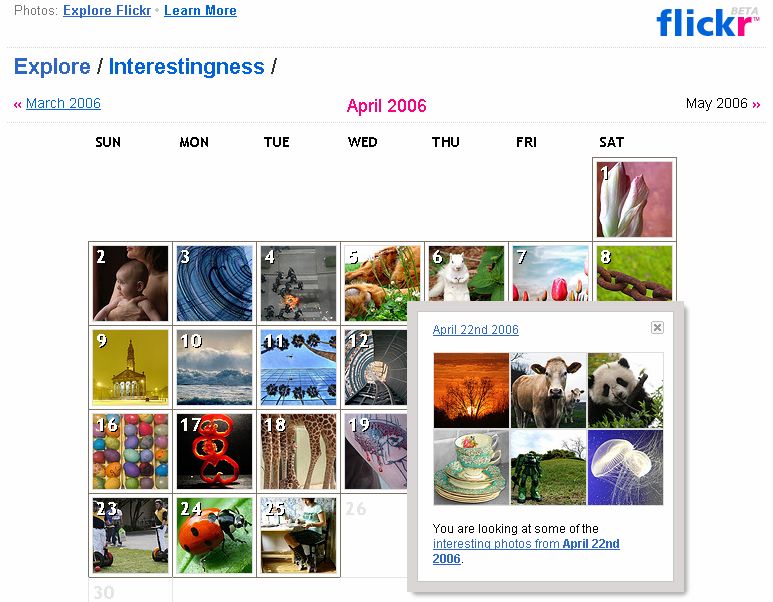
Applications today
 •    You have two basic choices: Desktop applications and Web applications

     Desktop
     Desktop applications
             applications
          It usually come on a CD and install completely on your computer.

          The code that runs these applications resides on your desktop.

          It is usually pretty fast, has great user interfaces and is incredibly dynamic.

     Web
     Web applications
         applications

          It runs on a Web server and you access the application with your Web browser

          It provides services you could never get on your desktop

          (think about Amazon.com and eBay).

          waiting for a server to respond, waiting for a screen to refresh,

          waiting for a request to come back and generate a new page.

       ☺ Ajax
       ☺ Ajax attempts
              attempts to
                       to bridge
                          bridge the
                                 the gap
                                     gap between
                                         between the
                                                 the functionality
                                                     functionality and
                                                                   and interactivity
                                                                        interactivity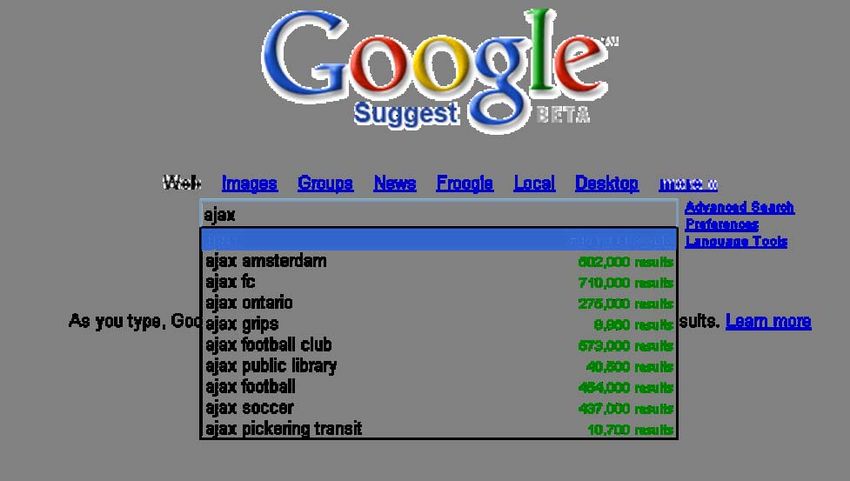
What is AJAX ?

 •    A Web development technique for creating interactive web applications
     Intension
     Intension
         Shift a great deal of interaction to the Web surfer's computer

         Used to retrieve data and update selected parts of the page without refreshing

         the entire page

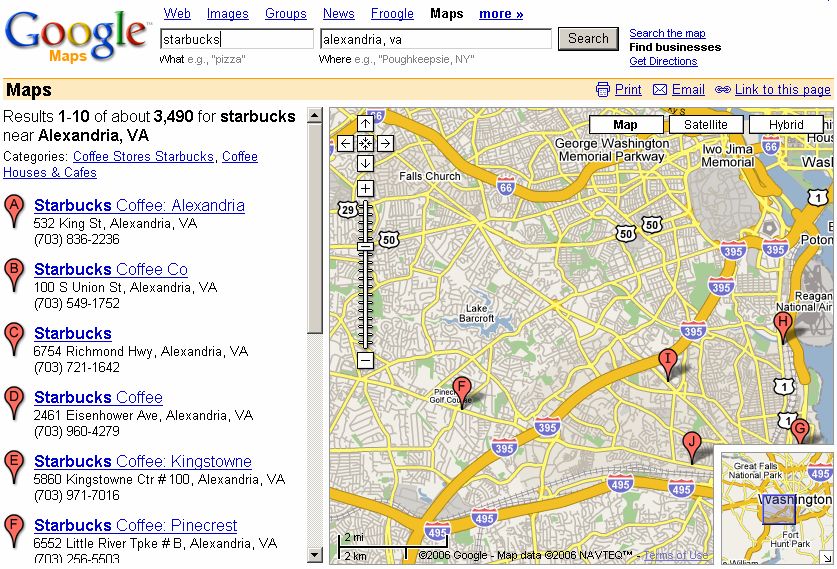
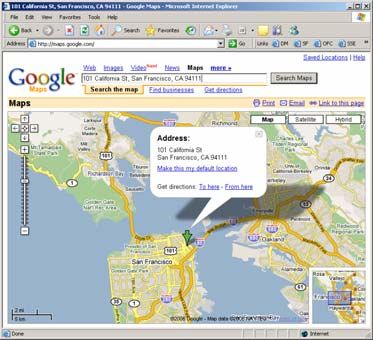
         Example: Google Suggest, Google Maps

      ☺ Increase
      ☺ Increase the
                 the Web
                     Web page's
                         page's interactivity,
                                 interactivity, speed,
                                                speed, and
                                                       and usability;
                                                           usability; better
                                                                      better user
                                                                             user experience
                                                                                  experience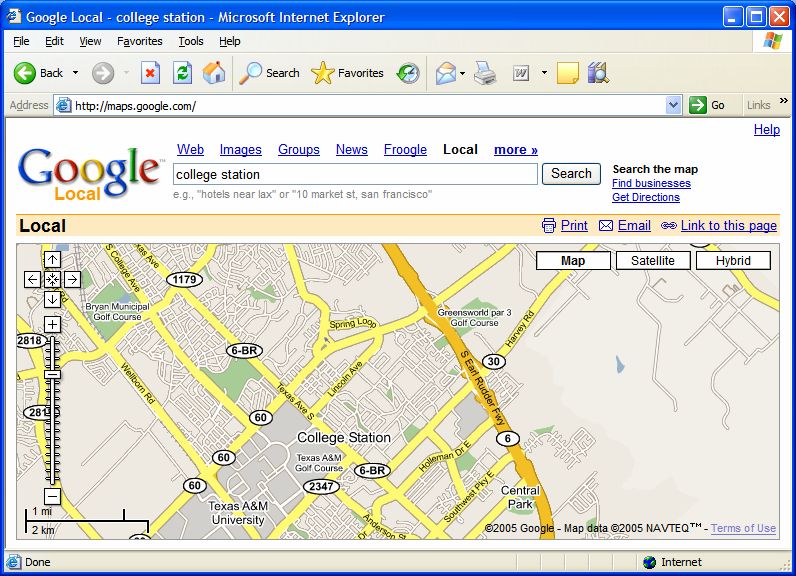
The “birth” of Ajax

  3/31/05: Google Pioneers Use of Old
  Microsoft Tools in New Web Programs

  “Ajax”
  “a big step toward the Holy Grail
  of having the kinds of speed and
  responsiveness in Web-based
  programs that's usually associated
  only with desktop software”
Ajax Enriched HTML Pages
Wow..I didn’t
 know soccer
teams did web
programming..

Technologies

 •    You might already know the components of Ajax

     XHTML
     XHTML (or
           (or HTML)
               HTML) and
                     and CSS
                         CSS

           Marking up and styling information

     DOM
     DOM accessed
         accessed with
                  with aa client-side
                          client-side scripting
                                      scripting language
                                                language

           Dynamically display and interact with the information presented

     XMLHttpRequest
     XMLHttpRequest object
                    object

           Exchange data asynchronously with the web server

     XML
     XML

           Format for transferring data
Why Do I Care About AJAX?

 • Enables building Rich Internet Applications
   (RIA)
 • Allows dynamic interaction on the Web
 • Improves performance
 • Real-time updates
 • No plug-ins required
Classic Web Application Model
Ajax web application model
Traditional Server-Client Architecture
Traditional server response
Traditional Web Applications…

                       Action
 Pick An Item                           Review Cart
  ‘Add To Cart’
                      Validation                         Action        Enter
                     Persistence          Enter Data    Validation
                     Forwarding            Submit      Persistence
                                                                      Shipping
                                                                       Enter Data
                                                       Forwarding       Submit

                                       Pages & Actions
                                                                        Action
                                                                       Validation
                   Error Page                                         Persistence
                   ‘Can’t Order 500’
                                                                      Forwarding

 Unit of work is a page                                              Enter Billing
                                                                       Enter Data
 Client code concerned with validation                                  Submit

 Submits sent to actions
 Actions perform work and then forward to next page
 Page refresh for each submit
AJAX-Model
AJAX Changes How Web Apps are Built

          Components & Events
                                                              Item List
 Order Entry                                                 Component
                       ErrorViewer          Events/Actions
     Item List (DIV)      (DIV)
                                              Validation        Shopping Cart
                                                                 Component

                                     AJAX
                                             Persistence
   Shopping Cart (DIV)
                                            Event Handlers

   Shipping Form (DIV)                                                Shipping
                                             GUI Creation
                                                                     Component
     Billing Form (DIV)
                                                                            Billing
                                                                          Component

Unit of work is a component
Three-Tier Client/Server Model
Client code has validation, flow, layout, data interchange
No submit buttons—save buttons
Only parts of pages are updated at a time
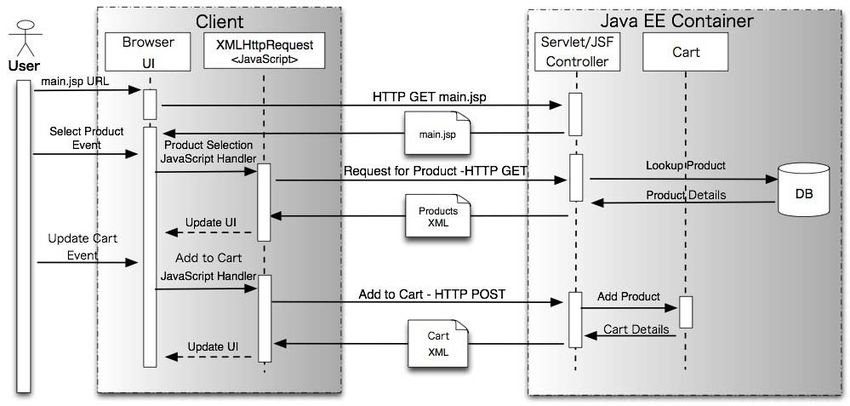
AJAX -- Message Flow
Message
Validation Servlet
name=bhanwar
Or
Bhanwar ValidateName( req, res…) {
XMLHttpRequest parse request
lookup name in database
is it valid?
if so, return OK
function handleResponse() {
otherwise
…read response from server
return error message
…get a handle to the DIV
If Not OK
Replace DIV contents with msg
}
function checkName( name ) { Message
…initialize request (url, parms) status=999
…register callback function msg=Not a valid name
…call the server
}
Database
Save
Client/Browser ServerAJAX -- Client-Server Communication
Data Exchange in AJAX

 • In AJAX:
Ajax Alternatives

                     XUL   XAML   SVG   Flash   Applets   Ajax

   Desktop-like UI

      Platform
   Independence
       Vendor
   Independence
       Skill Set
    Transferrance
The Technologies
• DHTML – HTML + JavaScript
+ CSS
• AJAX – DHTML + XML
• Flash
• Browser Extensions/Plug-ins
• Java
• ActiveX
• Others not to be discussed
– XUL, CURL, etc.
• Backend FrameworksPure Browser: DHMTL & AJAX
• Nothin’ but browser
• Uses very open technologies
• Allows for simple richness
AJAX – new info from server without refresh
• A JavaScript call makes a query to the
server
• Server returns XML
• JavaScript manipulates CSS to reformat
XML in place on existing screenwhat’s inside a browser so this works?
rendering engine -- takes HTML/CSS
data and images, and ‘knows’ how to
What really happens “under the
format and display it.
hood” of a “classic” browser.
browser
request
HTML rendering engine
browser
UI
UI HTML
HTML/ /CSS
CSS
data
data data
other
other
data
data (e.g.
(e.g.
images)
images)
data stores. Browser knows how to
save and manage data it downloads.how it all works --
1. User clicks on a link: rendering engine / browser sends of a request
for
1 2
a document.
2. Data comes back
3 browser
3. Browser knows what request
4 1 1
2
HTML rendering engine
to do with it and where
to put it
4
4. HTML and CSS go to
5
the rendering engine, UI HTML
HTML/ /CSS
CSS 3
which starts painting data
data data
the screen. This 5
engine also knows other
other
to send out more data
data (e.g.
(e.g.
requests for images, images)
images)
needed in the page.enter JavaScript (1996-8)
Javascript engine – can run programs downloaded alongside the
HTML, CSS and images.
JavaScript
programs can browser
detect UI events
(clicks, etc.) and JavaScript Engine
HTML rendering engine
run code when
the user does
something:
interactivity is
programmable. UI HTML
HTML/ /CSS
CSS JavaScript
JavaScript
data
data programs
programs
data
other
other
data
data (e.g.
(e.g.
images)
images)
JavaScript programs, via the engine, can access and modify the HTML /
CSS data, dynamically changing the UI that’s displayed.Ajax: XML data, and a new tool
a new JavaScript function.. This lets JavaScript programs send out
requests for data (images, XML, whatever) on their own, without
waiting for a user click.
JavaScript browser request
XMLHttpRequest()
programs can
now go off JavaScript Engine
HTML rendering engine
and “do their
own thing,”
including
getting data
from HTML JavaScript
UI HTML/ /CSS
CSS XML
XML JavaScript
elsewhere, data data code
code
data data
without data
waiting for
the user to do other
other
something! data
data (e.g.
(e.g.
images)
images)
XML data support. Browsers can now store XML data, and access / manipulate
from JavaScript programs via the JavaScript engine.which brings us to Ajax
browser XMLHttpRequest()
• Ajax is a pattern for building
JavaScript Engine
applications on the browser.
HTML rendering engine
A
• The pattern is:
A Use JavaScript to control the show.
A. C
Use it to asynchronously UI HTML / CSS XML JavaScript
data data Code –
request and retrieve data from
remote servers, whenever the B
other the Ajax
program thinks this is a good data (e.g. “engine”
idea (i.e. not just when the images)
user does something),
B Use XML to send numerical or text-style data to the browser. Then use
B.
JavaScript to extract data from the XML,
C.
C Use HTML and CSS for display: manipulate this using JavaScript.
A B C
control data display
JavaScript XML, other formats HTML and CSS
(e.g. images)Ajax: Pattern
Trigger
Operation
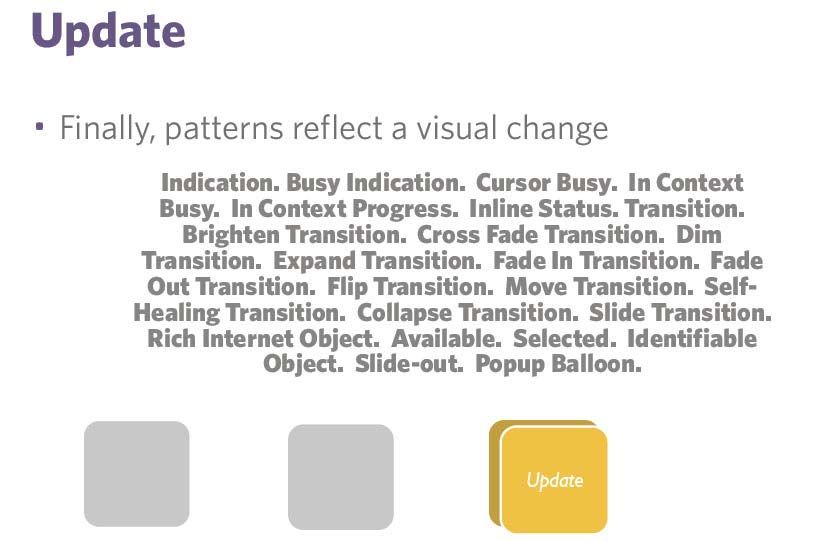
Update
Pattern – O- Matic
Ajax – XMLHTTPRequest object

 • An XMLHTTPRequest object can be created
   on the client by javascript
 • Depending on the web browser (Firefox,
   various versions of Internet Explorer), the
   code to create it is different
Ajax : XHR
Ajax – XMLHTTPRequest object

 •   // javascript code for all browsers
 •   function getXMLHTTPRequest()
 •   {
 •    var request = false;
 •    try
 •    {
 •     request = new XMLHTTPRequest( ); // Firefox
 •    }
 •    catch( err1 )
 •    {
 •     try
 •     {
 •      request = new ActiveXObject( “Msxml2.XMLHTTP”);
 •      // some IE versions
 •     }
Ajax – XMLHTTPRequest object
• catch( err2 )
• {
• try
• {
• request = new ActiveXObject( “Microsoft.XMLHTTP”);
• // some other IE versions
• }
• catch( err3 )
• {
• request = false;
• }
• }
• }
• return request;
• }XMLHttpRequest Properties
• onreadystatechange
– Event handler that fires at each state change
– You implement your own function that handles this
• readyState – current status of request
– 0 = uninitialized
– 1 = loading
– 2 = loaded
– 3 = interactive (some data has been returned)
• This is broken in IE right now
– 4 = complete
• status
– HTTP Status returned from server: 200 = OK
• responseText
– String version of data returned from server
• responseXML
– XML DOM document of data returned
• statusText
– Status text returned from serverAjax – Sending a request to the server
• // get an XMLHTTPRequest object
• // build a url variable, call it url
• // open a connection with the server
• /* prepare to receive response, i.e. give it to a
function */
• // send the requestAjax – Sending a request to the server
• var myRequest = getXMLHTTPRequest( );
• function callAjax( ) // javascript code
• {
• var url = “test.php?mike”;
• myRequest.open( “GET”, url, true );
• myRequest.onreadystatechange = responseAjax();
• myRequest.send( null );
• }Ajax – waiting for a response • The readystate property of our XMLHTTPRequest object can have the following values: • 0 uninitialized • 1 loading • 2 loaded • 3 interactive • 4 completed
Ajax – coding the response function

  • The function is called when there is a change
    in the readystate property
  • .. But we only want the function to execute
    when the readystate has value 4
Ajax – coding the response
• function responseAjax( ) // javascript code
• {
• if (myRequest.readyState == 4 )
• {
• // code here
• } // else do nothing
• }Ajax – coding the response
• function responseAjax( ) // javascript code
• {
• if (myRequest.readyState == 4 )
• {
• if ( myRequest.status == 200 ) // OK
• {
• // code goes here (success)
• }
• else
• {
• // code an error message here
• }
• } // else do nothing
• }AJAX -- Message Flow
Validation Servlet: /validate
_ajax.send( some data ) Get parameters…do some work
Return something…
XMLHttpRequest a text message
an XML document
an HTML snippet
function doResp() { a javascript method
if _ajax.readyState == 4 and whatever you want…
_ajax.status != 200 {
div=document.getElementById(‘status’)
div.innerHTML = _ajax.responseText;
Message
Save field onchange event: status=999
_ajax = new XMLHTTPRequest(); msg=Not a valid name
_ajax.onreadystatechange = doResp;
url = ‘./validate?field=’
+this.name+‘&value=’+this.value;
_ajax.open(‘GET’, url, true )
Database
Save
Client/Browser ServerStructure of System
• Client/Server architecture
• XMLHTTP object is used to make request
and get response in Client side
• Request can be done via “GET” or “POST”
methods
– “GET”: parameters are attached to the url used
to connect.
– “POST”: parameters are sent as parameters to
a function
• Not many changes in Server side
– Response is a combination of xml tagsWhat are the Issues with AJAX? • User does not know updates will occur. • User does not notice an update. • User can not find the updated information. • Unexpected changes in focus. • Loss of Back button functionality*. • URIs can not be bookmarked*. *These issues will not be discussed as they are not specific to accessibility.
Specific Accessibility Issues

  • Assistive Technology users are not aware of updates
     – Updates occur on a different section of the page than
       the user is currently interacting with.
     – Clicking a link updates a different section of the page.
     – Auto-complete fields or generated options not available
       to assistive technology.
     – User has no idea how to find new or updated content
     – Changes in focus prohibit complete review of the page
     – Changes in focus cause disorientation and additional
       navigation.
Informing the User
• Explain the interaction to the user
– Before accessing the AJAX enabled page
– Within the AJAX enabled page
• Where possible, provide a manual update
option
– Necessary for WCAG 2.0 Guideline 2.2
• Save the user’s update preferenceMake updates Noticeable • Change the background color of updated data – Use a subtle color – Change only for a few seconds – Best for small areas of the page • Briefly blink the updated data – Blink for 3 seconds or less – Avoid the flash threshold
Help Users Find Updated Information

 • Provide option for updates via an Alert
 • Provide option to set focus to new data.
 • Use HTML header tags to mark sections with
   updated content.
 • Use DHTML Accessibility Alert role in
   conjunction with a floating pop-up box.
 • Use DHTML Accessibility Description role to
   describe new content.
Back & Refresh Buttons

  • Back Button
    – Make it work as an undo?
  • Refresh Button
    – Save state in  method?
Ajax Disadvantages
• Client Side
– Poor compatibility with very old or obscure browsers, and many
mobile devices.
– Limited Capabilities like multimedia, interaction with web-cams
and printers, local data storage and real time graphics.
– The first-time long wait for Ajax sites.
– Problem with back/forward buttons and bookmarks.
• Developer Side
– Easily Abused by “bad” programmers.
– Not everyone have JavaScript enabled.
– Too much code makes the browser slow.Trends in Market
IBM
IBM
IBM AJAX Toolkit Framework
Eclipse framework support for AJAX Toolkits
Collaboration with Open Source
Mircosoft
Mircosoft
AJAX.net(code-named Atlas)
It will work across any Web browser that supports AJAX technologies
But it is not compatible with others(AJAX-style)
Others
Others
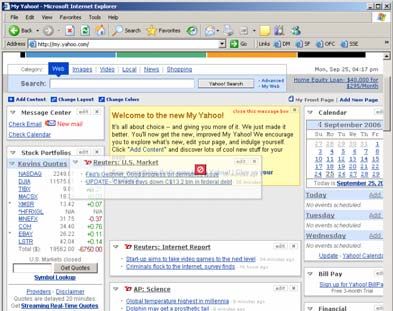
Yahoo : give the user a feeling that they are no longer in a browser
Oracle : Application Server 10g release 3, Support AJAX
Google : trogdor, an ajax webpage editorSources
• http://ajaxpatterns.org
• http://www.telerik.com/products/ajax/history-
of-ajax.aspx
• http://alexbosworth.backpackit.com/pub/67688
• http://ajaxian.com/by/topic/usability/
• http://en.wikipedia.org/wiki/Ajax_(programmin
g)Q & A ???
Thank You
Contact Details:
Bhanwar Gupta
bhanwar.gupta@jsw.inYou can also read


