Lakshmi N. Mittal Chairman and Chief Executive Officer - ArcelorMittal
←
→
Page content transcription
If your browser does not render page correctly, please read the page content below
Australia: Crown resort in Sydney
                      Courtesy of WilkinsonEyre, Architect

                                                                            Lakshmi N. Mittal
                                                             Chairman and Chief Executive Officer
European CEO Conference
Paris, 12 June 2018
Disclaimer
Forward-Looking Statements
This document may contain forward-looking information and statements about ArcelorMittal and its subsidiaries.
These statements include financial projections and estimates and their underlying assumptions, statements
regarding plans, objectives and expectations with respect to future operations, products and services, and
statements regarding future performance. Forward-looking statements may be identified by the words “believe”,
“expect”, “anticipate”, “target” or similar expressions. Although ArcelorMittal’s management believes that the
expectations reflected in such forward-looking statements are reasonable, investors and holders of ArcelorMittal’s
securities are cautioned that forward-looking information and statements are subject to numerous risks and
uncertainties, many of which are difficult to predict and generally beyond the control of ArcelorMittal, that could cause
actual results and developments to differ materially and adversely from those expressed in, or implied or projected by,
the forward-looking information and statements. These risks and uncertainties include those discussed or identified
in the filings with the Luxembourg Stock Market Authority for the Financial Markets (Commission de Surveillance du
Secteur Financier) and the United States Securities and Exchange Commission (the “SEC”) made or to be made by
ArcelorMittal, including ArcelorMittal’s latest Annual Report on Form 20-F on file with the SEC. ArcelorMittal
undertakes no obligation to publicly update its forward-looking statements, whether as a result of new information,
future events, or otherwise.

                                                                                                                            1
Safety is our priority
• Safety is ArcelorMittal’s priority Company focused on further reducing the
rate of severe injuries & fatality prevention
Health & Safety Lost time injury frequency (LTIF) rate*
Mining & steel, employees and contractors
– Build a culture of vigilance 3.10
– Improve reporting of near misses 2.50
– Understand root causes and 1.90 1.80
share knowledge 1.40
1.00
– Focus on training 0.85 0.85 0.81 0.82 0.78
0.62
2007 2008 2009 2010 2011 2012 2013 2014 2015 2016 2017 1Q18
Our goal is to be the safest Metals & Mining company
* LTIF = Lost time injury frequency defined as Lost Time Injuries per 1.000.000 worked hours; based on own personnel and contractors 2
Sustainable development - key to our resilience

• Sustainable Development is driven by our vision to make steel the material
  of choice for the low carbon and circular economy

 – Product innovation (e.g. S-in-
   motion solutions for automotive)
 – Contribution to low carbon and
   circular economy (e.g. Lanzatech
   project on Carbon Capture and
   utilisation)

 – Drive the development of
   environmental and social
   certification schemes for steel and
   mining

                    Leadership in our response to long term trends
                                                                               3
Disciplined capital allocation
• Deleveraging remains our priority building the strongest platform for
consistent capital returns to shareholders
Targeting $6bn net financial debt (NFD) to ensure lowest cost balance
Robust balance sheet
sheet Maximise FCF potential
Investing in opportunities with focus and discipline Grow FCF
Invest in strengths
potential of the business
Returns to Base dividend reinstated Capital returns to shareholders will
shareholders increase to a portion of FCF once NFD target achieved
Capital allocation policy to maximise value for shareholders
4
Deleveraging to optimise FCF potential
• Debt reduction is reducing interest cost burden and maximising ability to
  translate EBITDA to FCF*

       Net interest ($bn)                                                                                     Debt adjusted FCF ($bn)

                                                 -68%                                                                                                       $3bn cumulative FCF since
             1.9                                                                                                      FCF*                                  2012 increases to $8bn
                          1.8                                                                                         Debt Adjusted FCF**                   adjusting for 2018F cash
                                       1.5                                                                                                                  interest expense
                                                   1.3                                                       2.5
                                                                1.1                                          2.0
                                                                             0.8                             1.5
                                                                                                             1.0
                                                                                         0.6
                                                                                                             0.5
                                                                                                             0.0
                                                                                                            -0.5
                                                                                                            -1.0
            2012 2013 2014 2015 2016 2017 FY’18F                                                                         2012          2013           2014          2015      2016   2017

                                      Deleveraging bias to continue until net debt target achieved
* Free cash flow refers to cash flow from operations less capex; ** Debt adjusted FCF refers to historical FCF adjusted to reflect 2018 forecast interest expense of $0.6bn
                                                                                                                                                                                            5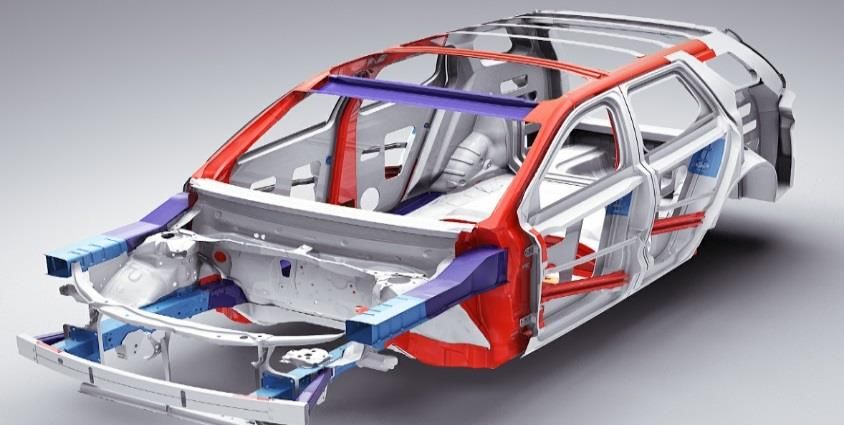
Investing in our strengths to selectively grow
• Company investing with focus and discipline
  Mexico: $1.0bn 3Yr investment for new 2.5Mt HSM                 Italy: Restore ILVA as leading
                                                                  Italian steel supplier
  ➢ Downstream investment to add value to our low-
    cost slab                                                     ➢ Underperforming asset requiring
                                                                      turnaround
  ➢ Increase capability to serve domestic Mexican
    industry                                                      ➢ Significant identified synergies
                                                                  ➢ Expand product range with new
                                                                      HAV steel grades

 Brazil: Votorantim acquisition strengthens
 long products business in Brazil
                                                        India: Essar Steel; a high growth market
 ➢ Highly complementary asset base                      ➢ ArcelorMittal submitted an offer together
 ➢ The merger is expected to unlock                        with Nippon Steel to acquire Essar Steel
   significant cost, logistical and operational            India Ltd
   synergies                                            ➢ Detailed plans to realize the full potential of
 ➢ Strong market recovery potential                        the asset
                                                        ➢ India per capita steel consumption
                                                           currently well below global average (70kg
                                                           vs 225kg)
                           In a position to capture the best opportunities
                                                                                                            6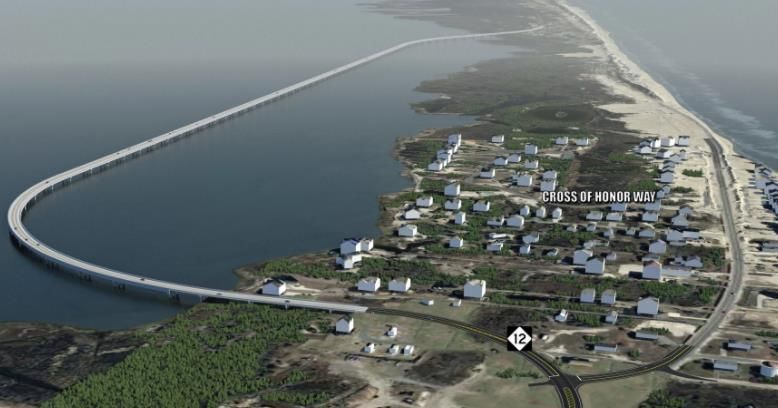
Structural improvement: Steel industry
• Structurally higher global capacity utilisation several government
initiatives to protect against global unfair trade
– Global steel industry operating at high rates of capacity utilisation
higher steel spreads
– More effort required in the ongoing government support to protect
against global unfair trade
Global steel capacity utilisation structurally higher
7
Structural improvement: ArcelorMittal
• Transformation of the business ongoing Action 2020 drives sustainable
performance improvement
Action 2020 cumulative EBITDA improvement
achievement vs. targets ($billion)
3.0
– Unique to ArcelorMittal
– Business driven improvements
– Across 3 axes: cost optimisation,
1.5
volume gains, mix improvement
0.9
2016 2017 2020 Target
Action 2020 driving structural EBITDA improvement
8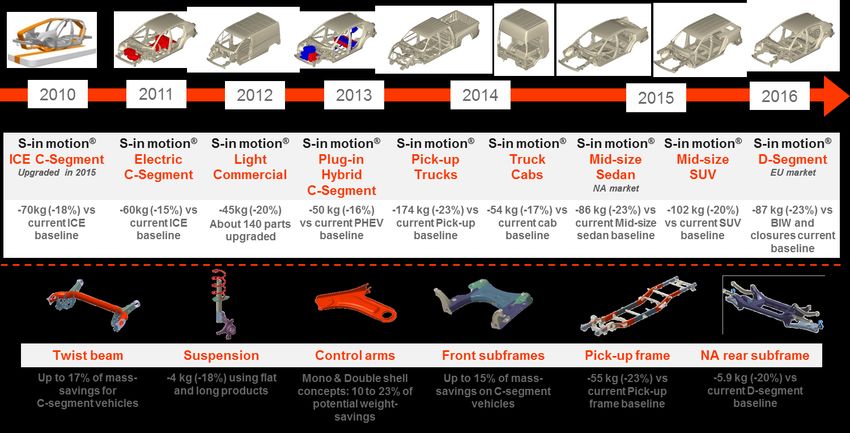
Demand outlook remains favourable
• Global steel outlook remains positive Growing demand in ArcelorMittal's
core markets
ArcelorMittal & WSA demand forecasts 2018
US EU28
ArcelorMittal CIS China
ArcelorMittal
+1.0% to +2.0% ArcelorMittal ArcelorMittal
+1.5% to +2.5%
WSA +2.0% to +3.0% -0.5% to +0.5%
WSA
+2.0% WSA WSA
+2.7%
+2.3% 0%
World ex-China
Brazil ArcelorMittal
ArcelorMittal +3.0% to +4.0%
+6.5% to +7.5% WSA
WSA - Central & South America +3.4%
+6.2%
World
ArcelorMittal
+1.5% to +2.5%
WSA
+1.8%
Strong global economic fundamentals support further expected steel demand expansion in 2018
ArcelorMittal estimates; Worldsteel Association (WSA) Short range outlook, April 17, 2018
9Performance significantly improved
• Operating results are beginning to reflect the structural improvements to the
business and the industry
EBITDA (US$ billion)
+100%
5.4
– ROE* of 12% in 2017
4.3
– ROCE** of 10% in 2017
– 1H’18* consensus EBITDA 2.7
annualising at $11bn
– All segments supporting the
improved group performance
1H’16 1H’17 1H’18 cons***
Significant EBITDA improvement
* Return on equity (ROE) is defined as net income divided by total shareholder equity; **Return on capital employed (ROCE) is defined as operating income plus impairments, income from
equity method investments and other income minus tax (20% rate) divided by capital employed (defined as total equity plus net debt); Both ROE and ROCE calculated FY’17 basis
***Includes 1Q18 reported EBITDA and 2Q18 consensus based on ArcelorMittal analysts update from May 1, 2018 10Section 1 APPENDIX
Trade cases: Ongoing focus
EUROPE
•    All key flat rolled steel products AD/CVD cases have been implemented.
•    Monitoring for unfairly traded imports ongoing
•    In response of the threat of imports into the EU, on March 26, 2018 the EU commission initiated an investigation on
     safeguard duties on 26 products (19 Long, flat and Stainless steel products, and 7 tubes and other steel products)

US
•    All key flat rolled steel products AD/CVD cases have been implemented.
•    Anti-circumvention investigations initiated by DOC for CRC and CORE imports from China (through Vietnam).
     DOC affirmative preliminary determination announced Dec 6, 2017. Final affirmative determination received on May
     17, 2018

SECTION 232
•    25% tariffs imposed on all steel product categories on March 23, 2018.
•    South Korea: Agreed quota of 70% of 2015-2017 average export volumes into US
•    Brazil: Agreed quota of 70% of 2015-2017 average export volumes into US for finished products and 100% of
     2015-2017 average export volumes into US for semi-finished products)
•    25% tariffs imposed on steel products in Europe, Canada and Mexico effective June 1, 2018
•    Australia completely exempt from tariffs and quotas

      Comprehensive solution for unfairly traded imports across geographies still required

                                                                                                                     12
Key flat trade cases: EU & US (implemented)
Europe Flat Rolled US Flat Rolled
Prod Exporter Status Timeline Prod Exporter Status Timeline
CRC AD • Definitive measures and retroactive • Measures in place Core AD/CVD • Orders issued on all countries in July 2016 and June 2021:
China implementation were voted in favour for the next 5 years China in place for 5-years from implementation 5-year Sunset Review
Russia on July 7: China: 19.8% to 22.1%, India initiation
Russia: 18.1% to 35.9% Italy
Korea
Taiwan
HRC AD • AD Provisional measures published CRC AD/CVD • Japan and China orders issued July 2016 August 2021:
China on Oct 17 - duties from 13.2% to Brazil • Brazil, India, Korea and UK orders issued 5-year Sunset Review
22.6% China September 2016 initiation
• AD final measures voted in favour on India • Orders in place for 5 years from
the10th of Feb 2017 – duties from Korea implementation
18.1% to 36.6%
AD only
Japan
UK
CVD • CVD China final measures approved 9th HRC AD/CVD • Orders issued on all countries in September September 2021:
China June 2017 Korea 2016 and in place for 5 years from 5-year Sunset Review
Brazil implementation initiation
AD AD only
Iran, Ukraine, • AD (5 Cs) Investigation started July 7, Australia
Russia & Brazil 2016; the European Commission Japan
announced in Oct‘17 fixed AD duties on Netherlands
imports of HRC (duties from €17.6/t to Turkey
€96.5/t) from Brazil, Iran, Ukraine and UK
Russia (Serbia excluded)
CRS AD • Initiation of investigation in December QP AD/ CVD • China order issued March 2017 May 2022:
(HDG – non China 2016; final duties against China China • All other orders issued May 2017 5-year Sunset Review
auto) announced Dec’17 (duties from 17.2% Korea • Orders in place for 5 years from initiation
to 27.9%) implementation
AD
Austria
QP AD • AD Provisional measures published Belgium
China on Oct 17 - duties from 65% to 74% Brazil
France
• AD final measures voted in favour on Germany
the 10 Feb 2017 – same level as Italy
provisional measures Japan
South Africa
Turkey
Taiwan
Note: Timelines provided are defined based on regulation maximum limits 13Continuous innovation
Jet Vapor Deposition (JVD) line : Jetgal ® Steel remains material of choice
• JVD line is a breakthrough technology to
produce Jetgal®, a new coating for AHSS steels
for automotive industry
New press hardenable steels (PHS) Usibor®2000 &
Ductibor®1000
• Bring immediate possibilities of 10% weight
saving on average compared to conventional
coated PHS produced by ArcelorMittal
3rd Generation AHSS products
CR980HF & CR1180HF • Electric vehicles (EV) to favour lightweight
• HF / Fortiform® provide additional weight
reduction due to enhanced mechanical properties
designs (similar to traditional vehicles)
compared to conventional AHSS • EV employ AHSS to achieve range goals
Electrical steels The mass-market Tesla Model 3 body and
iCARe®, 2nd Generation chassis is a blend of steel and aluminium,
• Family of electrical steels for electrified powertrain unlike the Tesla Model S which is an aluminium
optimization and enhanced machine performance, body (Source: Tesla website+)
Save*, Torque** and Speed*** are specifically
+ https://www.tesla.com/compare
designed for a typical electric automotive
http://automotive.arcelormittal.com/ElectricVehiclesImpactOnSteel
application.
Steel to remain material of choice for automotive
-
* Save (Steels with very low losses): Ideal for the efficiency of the electrical machine. Their key role is maximize the use of the current coming from the battery.
** Torque (Steels with high permeability): They achieve the highest levels of mechanical power output for a motor or current supply for a generator
*** Speed (Steels for high speed rotors): Specific high strength electrical steels which maintain high level of magnetic performance. They allow the machine to be more compact and have a higher power density. 14Votorantim acquisition approved
- creates new Brazil Longs market leader
• Consolidating the long products market in Brazil by combining Votorantim into
our business with combined annual crude steel capacity of 5.1Mt.
• ArcelorMittal becomes long product market leader in Brazil absorbing 12%
Barra Mansa
market share
• Combined businesses production facilities are geographically complementary, Resende
enabling higher service level to customers, economies of scale, higher utilization
and efficiencies.
• ~$110m of identified synergies to drive value creation
ArcelorMittal & Votorantim long businesses Combined operating footprint ~$110m synergies
crude steel capacity (Mt)
✓ Commercial
Minas Gerais
✓ Manufacturing
Monelevade
Votorantim ✓ Procurement
Juiz de Fora
✓ Logistics
Rio de Janeiro
5.1MT ✓ SG&A
Sao Paulo
Piracicaba ArcelorMittal
Barra Mansa plant
Resende plant
Unique opportunity to strengthen AM’s presence in one of the premier emerging markets
15Focused investment
Capex in 2018 ($ billion) • Italy: Restore ILVA as leading Italian steel supplier
• Underperforming asset requiring turnaround
Primarily steel projects focusing on
downstream optimisation in Europe and • Expanded product range with new HAV steel grades
HAV in Canada & Europe
• Synergies €310m of which €50m to benefit
0.1 3.8 ArcelorMittal’s existing operations
0.3 • 2018 investment of ~$300m for environmental capex
(full year basis)
• EC approval granted May 7, 2018; closing expected
0.5 end of 2Q 2018
• Mexico: $1.0bn three-year investment for
construction of a new 2.5Mt HSM
• High value return project improved HAV mix
0.1
2.8 • Capex investment of ~$350m in 2018 commenced
• Increase capability to serve domestic Mexican
FY17 2017 ILVA & Various Forex FY18F industry
carry Mexico strategic
over projects
Capitalising on high-return opportunities; Capex increasing to $3.8bn in 2018
16Positive market fundamentals…strategy delivering
Effective China
Supply Reform Permanent capacity closures in China
Supply Reform
Positive Demand Growing demand in ArcelorMittal core markets
Supportive Trade
Actions Governments addressing unfair trade
Transformation Action 2020 progressing
Ongoing
Growth opportunities Investing with focus and discipline
Sustainable Value
Commitment to increase returns to shareholders
Creation
Robust environment combined with self-help measures to drive performance
17Section 2 FINANCIALS
Strong 1Q’18 performance supported by
 higher volumes
• EBITDA: $2.5bn (+17.3% QoQ); higher than $2.2bn
  in 1Q’17; 1Q’18 EBITDA/t at $118/t
                                                                                  (USDm) unless otherwise
                                                                                                            1Q’18   4Q’17   1Q’17
• Steel performance: primarily benefited from higher                                      shown

  steel shipments (+1.7% QoQ) and average selling
  prices (+8.2% QoQ)                                                             Steel shipments (Mt)        21.3   21.0    21.1

• Mining performance: improvement primarily driven
                                                                                 Iron ore shipments
  by higher seaborne iron ore reference prices (+13.6%                                                       9.1     8.4     8.7
                                                                                 at market price (Mt)
  QoQ)
• Net income: increased to $1.2bn driven by higher                               Sales                      19,186 17,710 16,086
  operating results
                                                                                 EBITDA                     2,512   2,141   2,231
• Working capital: $1.9bn investment in 1Q’18
  (seasonal volumes and impact of higher selling prices
  and raw material prices)                                                       Net income                 1,192   1,039   1,002

• Net Debt: $11.1bn as of March 31, 2018 vs. $10.1bn
  as of December 31, 2017 due to working capital, forex
  and share buy back; net debt $1.0bn lower YoY

                                                      1Q’18 EBITDA supported by higher volumes
Note: QoQ refers to 1Q’18 vs. 4Q’17; YoY refers to 1Q’18 vs. 1Q’17
                                                                                                                                   19
Steel segments improved in 1Q’18
• Steel-only EBITDA up +15.4% QoQ to $2.2bn (primarily Steel-only EBITDA and EBITDA/t ($bn)
due to positive price-cost effect and higher steel shipment
volumes (+1.7%)) 15.4%
• 1Q’18 steel-only EBITDA/t increased to $101/t from $89/t 2.2
1.9
in 4Q’17 and $83/t in 1Q’17 1.8
1Q’18 vs. 4Q’17 highlights $101/t
• Brazil: Performance driven by positive price-cost effect $89/t
$83/t
(PCE) offset by seasonally lower steel shipment volumes (-
18.7%) 1Q’17 4Q’17 1Q’18
• NAFTA: Following destock that negatively impacted 4Q’17, 4Q’17 to 1Q’18 steel-only EBITDA ($bn)
performance improved primarily due to higher steel
shipment volumes (+7.9%)
• Europe: Strong performance driven by higher steel 2.2
shipment volumes (+5.4%) and forex translation effect 0.0 0.2 (0.1)
• ACIS: Performance declined primarily due to lower steel 1.9 0.1
shipment volumes (-6.9%) driven largely by Ukraine
(negatively impacted by planned (BF#9) and unplanned
4Q’17 NAFTA Brazil Europe ACIS 1Q’18
maintenance)
Steel-only EBITDA improvement largely driven by positive PCE and higher shipment volumes
Note: QoQ refers to 1Q’18 vs. 4Q’17; YoY refers to 1Q’18 vs. 1Q’17
20Mining: Improved performance
• Solid performance: 1Q’18 EBITDA improved 30.7% vs. EBITDA $m
4Q’17 primarily due to higher seaborne iron ore market
prices (+13.6%) and higher market priced iron ore 480 +30.7%
shipments (+8.1%). 349
• Growth: Market priced iron ore shipments volume increased 267
+5.5% YoY and is expected to grow ~10% in 2018.
• Liberia: The Gangra mine, haul road and related plant and
equipment upgrades have now been completed
1Q’17 4Q’17 1Q’18
– Moved ore extraction from depleting DSO deposit at
Tokadeh to nearby low impurity DSO Gangra deposit Iron ore marketable shipments
with planned production of 5Mtpa in 2018 Million metric tonnes (Mt)
– Feasibility study launched to identify the optimal +8.1%
concentration solution in a phased approach for utilising
9.1
Tokadeh ores. Result expected end of 2018
8.7
• Focus on quality: ongoing commitment on product quality, 8.4
service and delivery.
• Cost: FCF breakeven point maintained at $40/t*.
1Q’17 4Q’17 1Q’18
Mining profitability positively impacted by higher iron ore prices
* CFR China 62% Fe 21EBITDA to net results
BASIC EPS 1Q’18
1Q’18 EBITDA to net income analysis ($ million) Weighted Av. No. of shares (in millions) 1,019
Earnings per share $1.17
Related to a provision
taken in respect of an Includes
ongoing case in which a Erdemir dividend ($87m) Includes forex gain of $72m
settlement is pending and contribution from (due to 2.7% depreciation
Calvert of the USD against the
(711)
Euro) and MTM loss on
MCB call options.
(86) (164)
(146) 212
(174)
2,512 (251)
Related to impairment of
Cariacica and Itauna plants
in Brazil 1,569 1,443
1,192
EBITDA D&A Impairment Exceptional Operating Income Net interest Forex Pre-tax Taxes and Net income
charge income from expense and other income non-
investments fin. result controlling
interests
Positive net income primarily driven by positive operating income
22EBITDA to free cash flow
1Q 2018 EBITDA to free cash flow analysis ($ million)
(1,869)
2,512
(483)
160
(752) (592)
EBITDA Change in Net financial cost, Cash flow from Capex
Free cash flow
working tax and others operations
capital*
Free cashflow negatively impacted by seasonal working capital investment
* Change in working capital: cash movement in trade accounts receivable plus inventories less trade and other accounts payable 23Net debt analysis
Dec 31, 2017 to Mar 31, 2018 ($ million)
Dividends paid to
Posco (AMMC)
199
226
(76) 50
592 Includes forex of $0.2bn: Mainly
driven by USD depreciation
against the Eur 2.7%
11,133
10,142
Net debt at Free cash flow M&A* Dividend Share buy Forex Net debt at
Dec 31, 2017 back** and other Mar 31, 2018
Net debt increase driven by negative free cash flow, share buy back and forex
* Primarily proceeds from disposal of Frydek Mistek, Czech Republic; ** On March 28, 2018, ArcelorMittal announced the completion of its share buyback program. ArcelorMittal has repurchased 7 million 24
shares for a total value of approximately €184 million (equivalent $226 million) at an approximate average price per share of €26.34 (equivalent $32.36)Cash needs of the business
2017 and 2018F cash needs of business ($ billion)
5.6
1.2 • Cash needs* to rise in 2018:
4.4
Taxes**, pension and other 0.8 0.6 – Increase of $1.2bn vs. 2017 reflects
Net interest 0.8 a) higher CAPEX (increase from $2.8bn to
$3.8bn largely reflecting Mexico project
3.8 and anticipated ILVA capex)
Capex 2.8
b) expected increases in cash taxes primarily
on account of timing impacts
2017 2018F
• Working capital requirements to be driven by market conditions
ArcelorMittal remains focussed on controlling its cash requirements
* Cash needs of the business defined as: capex, net interest, cash taxes, pensions and other cash costs but excluding working capital investment
** Estimates for cash taxes in 2018 largely reflect the taxable profits of 2017
25Transformed balance sheet
Net Debt ($bn)
-53% • Net debt lowest since merger
21.8
16.1 15.8 15.7
11.1 10.1
• Investment grade rated (S&P)
• Interest costs declined by
2012 2013 2014 2015 2016 2017
~56% since 2012
Debt adjusted FCF ($bn) FCF*
Debt Adjusted FCF**
• Maximising ability to translate
3.0 EBITDA to FCF
2.0
1.0
0.0
$3bn cumulative FCF since 2012 increases to $8bn
-1.0 adjusting for 2018F cash interest expense
2012 2013 2014 2015 2016 2017
Maintain investment grade rating (through the cycle)
* Free cash flow refers to cash flow from operations less capex; ** Debt adjusted FCF refers to historical FCF adjusted to reflect 2018 forecast interest expense of $0.6bn
26Liquidity and debt maturity profile
Liquidity at Mar 31, 2018 ($ billion) Debt maturities at Mar 31, 2018 ($ billion)
7.8
Other loans Commercial paper Bonds
Cash 2.3 0.6
1.2
0.2
0.4 0.2
Unused credit lines 5.5 2.8
1.3 0.4
1.9
1.4 1.6
0.9
0.5
Liquidity at 2018 2019 2020 2021 2022 >2023
Mar 31, 2018
Liquidity lines: Debt maturity: Ratings:
• $5.5bn lines of credit refinanced and • Continued strong liquidity • S&P* – BBB-, stable outlook
extended in Dec 2016; two tranches: • Average debt maturity 5.2 Yrs • Moody’s – Ba1, positive outlook
• $2.3bn matures Dec 2019 • Fitch – BB+, positive outlook
• $3.2bn matures Dec 2021
Investment grade rated by S&P
* S&P upgrade on 1 Feb’18 27Balance sheet structurally improved
Net debt* ($ billion) Average debt maturity (Years)
-21.4
32.5 5.2
2.6
11.1
3Q 2008 1Q 2018 3Q 2008 1Q 2018
Liquidity** ($ billion) Bank debt as component of total debt (%)
12.0 75%
7.8
13%
3Q 2008 1Q 2018 3Q 2008 1Q 2018
Balance sheet fundamentals improved
* Net debt refers to long-term debt, plus short term debt, less cash and cash equivalents, restricted cash and short-term investments (including those held as part of asset/liabilities held for sale); 28
** Liquidity is defined cash and cash equivalents plus available credit lines excluding back-up lines for commercial paper programSection 3 ILVA
New ILVA – a tier 1 steel asset
• ILVA is an excellent opportunity for ArcelorMittal 97Mt
Total European
Novi Ligure: Cold rolling mill to serve Flat Steel demand
– Italy is the 2nd largest steel consuming country in end-users customers (e.g. packaging,
white goods)
in 2015
Europe (Mt)
– Large scale, underperforming asset requiring
turnaround
– Significant cost improvement potential and
synergies identified
– Opportunity to leverage AM strengths in R&D
Taranto
and product leadership and service
– Ilva will be re-established as a tier one supplier to Genova: Cold rolling, hot dip Taranto: Integrated plant for production
and sale of HRC, plates, pipes and
European & Italian customers galvanising and tin plate capacities
tubes
• Minimal Balance sheet impact, EBITDA accretive
Year 1
• Next step: merger clearance granted by EC on May
7, 2018 (Company has committed to dispose of
assets in the divestment package in Italy, Romania,
Macedonia, Czech Republic, Luxembourg and
Belgium).
ILVA is a strong fit within ArcelorMittal’s existing business & strategy
Source: World Steel, Steel Statistical Yearbook 2015; Notes: *Iberia defined as Spain + Portugal 30Our vision for ILVA
ILVA Today ILVA’s Future
• Become a world-class player in terms
• Significant environmental issues – of competitiveness, sustainability,
need to bring ILVA up to and beyond EU environmental performance, value-add
environmental standards
• Leading presence in Italy, adding
• Industrial challenge: investment and value to the Italian industrial fabric
expertise to improve operational
performance of ILVA’s assets • A company recognised for
environmental performance
• Poor financial performance: material excellence: emissions to be reduced to
decline in revenue since 2011, loss- best practice levels, in line with and
making for the past 4 years beyond European environmental
• Low share of high-value added steels standards and legislation
in the portfolio of ILVA • A sustainably profitable company:
• Need to rebuild client confidence: one that creates value for all
product quality, innovation, supply chain stakeholders, and the Italian economy
A clear vision of long-term, sustainable success for ILVA
31Investment plan to revitalise ILVA
CAPEX commitments through 2024 (€bn)
• €1.15bn environmental investment
plan to materially improve
0.3 performance, including:
– €0.3bn stock pile coverage
1.15 – €0.2bn investment at coke ovens
– €0.2bn in waste water treatment
– €0.3bn environmental remediation
2.1 (clean-up) which will be financed with
2.4
funds seized from the Riva Group
• €1.25bn industrial investment plan to
1.25 rapidly restore and improve:
– ‘catch-up’ capex for delayed
maintenance
– capex program for blast furnaces
Industrial Environmental Total CAPEX Riva Funds Net CAPEX and steel plants
2018 - 2024 2018 - 2023 2018 - 2024 utilised
– includes full €0.2bn re-vamping of
BF#5
Commitment to invest €2.4 billion over the next 7 years
32Industrial plan to restore ILVA’s market
position
Restart
BF#5
alongside,
Operating BF#1, BF#2, BF#4 supplemented by imported slabs/coils BF#1, BF#4
9.5
8.5
8.0
6.0 6.0 6.0 6.0 6.0 6.0
2018 2019 2020 2021 2022 2023 2024
2018 2019 2020 2021 2022 2023 2024
Production (Mt crude steel) Shipments (Mt finished steel)
Crude steel production is limited to 6Mt until environmental capex plan completed
33ILVA impact on ArcelorMittal financials
• Following completion of transaction, expected end of 2Q 2018, ArcelorMittal will
fully consolidate ILVA
• Purchase price of €1.8bn, will be recognized on the BS as a payable, reduced by
the quarterly instalments of €45mn that will flow through investing activities in CF
• New ILVA will be transferred with circa €1bn of net working capital and free of long
term liabilities and financial debt
• New ILVA will be transferred to ArcelorMittal with a re-calibrated labor force
• ArcelorMittal will immediately commence the environmental capex plan and other
investments
• ILVA is expected to be accretive to ArcelorMittal EBITDA in Year 1 and
accretive to ArcelorMittal cash flow in Year 3 (based on 2016 steel spreads)
On completion ILVA will be fully consolidated by ArcelorMittal
34Section 4 STEEL INVESTMENTS
Disciplined capital allocation focused on value
driven strategic initiatives: Mexico HSM
• US$1.0 billion three-year investment
  commitment
  ➢ Construction of a new 2.5Mt hot strip
    mill (expected completion 2020)
  ➢ Investments to sustain the
    competitiveness of mining operations
  ➢ Modernizing its existing asset base           ArcelorMittal Mexico:
    (~$350m capex)                               • Current production 4Mt increasing to ~5.3Mt
• Enable full production capacity to be            (2.5Mt flat; 1.8Mt long and
                                                                           No. 1Mt
                                                                               3SP:semi-finished
                                                                                     New #2
                                                   slabs)                             Caster
  achieved and significantly enhance
               Indiana Harbor                    • Vertically integrated with flat and long product
  proportion of HAV mix
                        Plant                      capabilities
• Will benefit from Lázaro Cárdenas
                                                 • ArcelorMittal Lazaro Cardenas’s raw materials
  designation as one of 5 new Special              and slabs shipped through a dedicated port
  Economic Zones in Mexico                         facility (Mexico’s largest bulk handling port)
• In-line with Action 2020 plan
   Mexico currently heavily reliant on imports of value-added steel; high growth expected
                                                                                                   36
Section 5 MACRO HIGHLIGHTS
Demand in core markets is growing
Steel shipment split by segment FY’17 End market growth prospects in US (2007=100)
120
110
Brazil 100
90
13% 80
70
60
50
40
ACIS
2007
2008
2009
2010
2011
2012
2013
2014
2015
2016
2017
2018
2019
2020
15%
Europe 48%
Construction* Machinery** Auto***
End market growth prospects in EU28 (2007=100)
110
26% 105
100
NAFTA 95
90
85
75% of shipment to 80
75
developed markets 70 2007
2008
2009
2010
2011
2012
2013
2014
2015
2016
2017
2018
2019
2020
Demand recovery in core markets has been offset by high imports…
Source: * & ** Oxford Economics Global Industry Forecasts; *** Oxford Economics Global Industry Forecasts, and LMC Automotive Global Car and Truck Forecasts; (latest update: 2Q 2017)
38Global ASC rates
Global apparent steel consumption (ASC)* (million US and European apparent steel consumption
tonnes per month) (ASC)* (million tonnes per month)
China Developing ex-China Developed
70
65
60
55
50
45
40
35
30
25 (latest data point: Feb-2018)
20
• Global ASC +3.7% in 1Q’18 vs. 4Q’17 • US** ASC +4.3% in 1Q’18 vs. 4Q’17
• Global ASC +4.8% in 1Q’18 vs. 1Q’17 • US** ASC -0.5% in 1Q’18 vs. 1Q’17
• China ASC +3.3% in 1Q’18 vs. 4Q’17 • EU ASC +10.9% in 1Q’18 vs. 4Q’17
• China ASC +7.1% in 1Q’18 vs. 1Q’17 • EU ASC +2.0% in 1Q’18 vs. 1Q’17
Global ASC improvement of +1.5% to 2.5% in 2018 vs 2017
* Source: AISI, Eurofer and ArcelorMittal estimates; ** includes pipes and tubes 39Construction markets in developed market
United States US residential and non-residential construction
indicators (SAAR) $bn*
• Residential construction growth eased back slightly to Residential Non residential
8% y-o-y in Q1’18 after growing 10% y-o-y in 2017 700
• Building permits rose in March to a SAAR of 1.354 M 600
units, just below the 10-year high reached in January 500
• Non-residential construction spending has levelled off 400
at around the level it reached before the 2009 crisis
300 (latest data point: Apr-2018)
• Architecture Billings Index (ABI) eased to 51 in March,
marking the sixth consecutive month above 50 200
Europe Eurozone and US construction indicators**
65
• European construction accelerated to almost 4% Architecture Billings Index (USA) Eurozone construction PMI
60
growth last year up from 1.8% in 2016.
55
• Initially growth in construction was led by German
residential output. But during 2017 it spread to other 50
countries and increasingly non-residential construction 45
• Civil engineering projects funded by EU funds have 40
driven double digit growth in Eastern European 35
(latest data point: Apr-2018)
countries, particularly Poland 30
• Eurozone construction PMI now >50 for 16 months
Construction growth continues into 2018
* Source: US Census Bureau; ** Source: Markit and The American Institute of Architects
40Regional inventories
German inventories (000 Mt)* US service centre total steel inventories (000 Mt)
(latest data point: Apr-2018) 13,000 (latest data point: Apr-2018) 3.6
12,000 USA (MSCI) 3.4
Months Supply (RHS)
11,000 3.2
10,000 3.0
9,000 2.8
8,000 2.6
7,000 2.4
6,000 2.2
5,000 2.0
Brazil service centre inventories (000 Mt) China service centre inventories** (Mt/mth) with
ASC%
Flat stocks at service centres (latest data point: Apr-2018) Flat and long (latest data point: Apr-2018)
1,400 Months Supply (RHS) 7.0 25 % of ASC (RHS) 45%
40%
1,200 6.0 20 35%
1,000 5.0 30%
15 25%
800 4.0
10 20%
600 3.0 15%
5 10%
400 2.0
5%
200 1.0 0 0%
Inventory trends
* Source: German steel association BDS data with 3 month moving avg MoS 41
** Source: WSA, Mysteel, ArcelorMittal Strategy estimatesChina overview
China China construction % change YoY, (3mth moving av.)*
• Economic growth steady at 6.8% in 1Q’18 helped 100%
by robust exports, resilient housing activity and Residential floor space sold (6 month lag)
80%
strong consumption growth, gradual slowdown still Residential floor space started
expected mainly infrastructure 60%
• Despite policy restrictions, real estate sales and 40%
new starts growth has shown remarkable resilience 20%
(+3.6% y-o-y 1Q’18). While sales should eventually 0%
decline as growth weakens in Tier III & IV cities –
-20%
lead times will support construction and steel
(latest data point: Mar-2018)
demand through 2018 -40%
2008 2009 2010 2011 2012 2013 2014 2015 2016 2017 2018
• ASC to grow slightly in 2018 supported by growth in Crude steel finished production and inventory (mmt)
automotive, domestic appliances and machinery
Steel inventory at warehouses (RHS) (latest data point: Apr-2018)
and without a drag from real estate 75 25
Steel inventory at mills (RHS)
• While the 1Q seasonal increase in steel inventories Finished steel production (LHS)
20
was larger than expected, this was voluntarily 65
ahead of stronger 2Q demand. Indeed, warehouse 15
stocks have fallen sharply since and year-to-date 55
real demand has been robust, supporting steel 10
spreads 45
5
35 0
2007 2008 2009 2010 2011 2012 2013 2014 2015 2016 2017 2018
China ASC demand grew +3.5% in 2017; more stable in 2018 with growth of -0.5% to +0.5%
* Source: China National Bureau of Statistics, China Real Estate Index System (via Haver) and ArcelorMittal estimates; Source: NBS, CISA, WSA, Mysteel, ArcelorMittal Strategy estimates 42China supply reform ahead of schedule
• Chinese government committed to tackle overcapacity
115Mt permanent capacity
and environmental issues closed further 25Mt
targeted in 2018
• Capacity reduction ahead of expectations: net capacity
reduction achieved vs. 140Mt target
• Steel replacement policy in favour of EAF v BF; no Additional ~120Mt illegal
induction furnace capacity
new capacity to be built ratio 1:1 for EAF and 1:1.25 closed
for BF-BOF
• Industry operating at high rates of capacity utilisation
higher domestic steel spreads Industry capacity
utilization
• Stronger domestic fundamentals plus global trade ~85-90% today
restrictions reduced incentive to export
• “Winter shutdowns” supporting fundamentals through Steel exports reduced
seasonally weaker demand period
• Domestic capacity must reflect demand outlook
Supply side reform progressing well; China ahead of initial plans to close steel capacity
43China addressing its excess capacity
2016 2017 2018 May
• Reduce 100-150Mt capacity over 5 • 50Mt net capacity cut • 115Mt net capacity reduction of
years. Timeline accelerated to 3 • Further ~120Mt induction the 140Mt target to date ~25Mt
years ie end of 2018 furnaces (IF) capacity cut left to be cut
• 65Mt net capacity cut (Jun’17) • Winter shut downs from Nov’17 to
• No projects of new capacity • Winter shut downs from Nov’17 Mar’18; capacity constraints in 2 +
• There will be a “mandatory” part to Mar’18; capacity constraints in 26 cities
and a “voluntary” part 2 + 26 cities • Extension of winter shutdowns
• The “mandatory” part uses same • Steel replacement policy in in 2 cities Tangshan and
criteria as earlier policy but adds favour of EAF v BF; no new Handan (Mid March’18 to Mid
criteria for product quality and for capacity to be built ratio 1:1 Oct’18)
safety for EAF and 1:1.25 for BF-BOF • Steel replacement policy ongoing
• The “voluntary” part will rely upon for key areas* – favours less polluting EAF
financial incentives to cut capacity. capacity
Special funds will be used for
redeployment incentives and
debt restructuring
Previous capacity closures more than offset by rapid capacity additions
China steel capacity rationalisation will take time… trade action to protect during this transition
*The ratio 1:1.25 BF-BOF is for so-called “the environmentally-sensitive areas”, which means population-intensive and pollution-intensive as well, including Beijing-Tianjin-Hebei area, Yangtze-River-Delta
area (Shanghai, Jiangsu Province and Zhejiang Province) and Zhujiang-River-Delta area (9 key cities including Guangzhou in Guangdong province). 44Lower Chinese exports
(latest data point: May’18)
12
Exports of steel products
Imports of steel products
10
Net-trade
8
6
4
2
0
-2
-4
2007 2008 2009 2010 2011 2012 2013 2014 2015 2016 2017 2018
• May’18 exports 6.9Mt, YTD exports down 16% YoY
• 1Q18 exports were 27%, 12%, and 51% below average 4Q17, 2H17, and peak 3Q15
levels, respectively
• Production cuts should constrain exports in short term
Chinese exports trending lower
Source: ArcelorMittal Corporate Strategy team analysis Highly Restricted
45
45Section 6 AUTOMOTIVE
No1 in automotive steel: Maintaining
leadership position
S-In-Motion SUV/Mid-Size Sedans
• ArcelorMittal is the global leader in steel for
automotive 40% market share in our core markets
• Global R&D platform sustains a material
competitive advantage
• Proven record of developing new products and
affordable solutions to meet OEM targets
• Advanced high strength steels used to make
AM/NS Calvert
vehicles lighter, safer and stronger
• Automotive business backed with capital with
ongoing investments in product capability and
expanding our geographic footprint:
• AM/NS Calvert JV: Break-through for NAFTA
automotive franchise
• VAMA JV in China: Auto certifications progressing
• Dofasco: Galvanizing line expansion
Continue to invest and innovate to maintain competitiveness
47Global presence and reach
Automotive production facilities
Alliances & JVs
Commercial teams
R&D centres
Vehicle production 2017
> 20 M veh
> 15 M veh & < 20 M veh
> 10 M veh & < 15 M veh
> 5 M veh & < 10 M veh
> 2.5 M veh & < 5 M veh
> 1 M veh & < 2.5 M veh
< 1 M veh
Global supplier with increasing emerging market exposure
Source: LMC figures for Western and Eastern Europe and Russia; IHS figures for all other regions; personal cars and light commercial vehicles < 6t 48Automotive growth in developed world
USA / Canada and EU28 + Turkey vehicles production
million units
• USA and Canadian automotive
23
20.5
production stabilized
21
19 • Stability supported by replacement
17
13.2
(average age of fleet 11.5 years),
15
continued economic and population
13
11
growth
9
• EU28 and Turkey production reached
7
record highs in 2017 and further growth
5
expected
USA+CANADA (LMC) USA+CANADA (IHS) EU28+Turkey (LMC)
USA/Canadian production stable, EU28 & Turkey continue to recover
49Automotive emerging market growth
China vehicle production (‘000s)
40,000 33,506
35,000
China • China production to grow steadily by +6mvh
27,636
30,000
25,000 in 2017 to ~33mvh by 2025
20,000
15,000 • India production to increase ~80% by 2025
10,000
5,000 (from 4.5mvh in 2017 to 8mvh in 2025)
0
• Mexico production is expected to increase
Brazil, India, Russia & Mexico vehicle production (‘000’s) by 6.3% (2017 vs 2025)
9,000
8,000
Russia India Brazil Mexico 8,027 • Brazil production growth expected to
7,000
6,000
continue and reach 3.9mvh in 2025
4,456 4,193
5,000
4,000 • Russia production is expected to recover
3,946
3,000 3,928
2,000 2,637 and reach 2013 level in 2022
1,000 2,327
1,446
0
Strong growth expected in India, China and Brazi
Source: IHS 50ArcelorMittal’s S-in motion®
Demonstrating the weight saving potential of new products
ArcelorMittal generic steel solutions includes body-in-white, closures, and chassis parts
From steel provider to global automotive solutions provider
51Continued investment in R&D supports
Portfolio of Next Generation Auto Steels
Fortiform® Third-generation UHSS for cold MartINsite® A family of cold rolled fully
martensitic steels with current
HF Grades stamping. Fortiform® and HF steel
grades allow OEMs to realize tensile strengths from 900 to 1700
lightweight high-strength structural MPa. ArcelorMittal’s martINsite®
elements using cold forming cold roll family of fully martensitic
methods such as stamping. steels is perfect for anti-intrusion
Commercially launched in Europe parts such as bumper and door
in 2014 and available in North beams. Some are also available
America at Calvert undergoing in with an electrogalvanized
customer qualifications coating (ArcelorMittal’s
Electrosite® family of martensitic
steels) or with Jetgal®.
Press hardenable steels (PHS) / hot JVD is a breakthrough process, In
Usibor® 2000 stamping steels offer strengths up to JVD® -Jetgal® production and product
development.
2000 MPa. Usibor® 2000 and
Ductibor®1000 Ductibor® 1000 can also be Jetskin™ Jetgal®: JVD zinc coating applied
combined thanks to laser welded to steel grades for the automotive
blanks (LWB) to reduce weight while industry. Developed for steels
achieving optimal crash behavior. including UHSS Fortiform®;
Both currently available in Europe; Jetskin™: JVD zinc coating
Usibor ® 2000 is commercially applied to steel grades for
available in Europe and available for industrial applications such as
qualification testing in North America household appliances, doors,
; Ductibor® 1000 is commercially drums and interior building
available in Europe and Nafta applications.
Widest offering of AHSS steel grades which can be implemented into production vehicles
52Automotive Industry Leadership
Audi coming
back to steel
Over 40% of the
materials in the
2018 Audi A8
body structure
will be steel, of
which 17% will
be press
hardenable steel
The head of Audi’s ‘Lightweight Construction Centre’ is quoted as saying that “There will be no cars made of
aluminium alone in the future. Press hardened steel will play a special role in this development. If you compare the
stiffness to weight ratio, PHS is currently ahead of aluminium”.
Leveraging R&D for new products, solutions and processes
53ArcelorMittal preferred AHSS supplier
AHSS evolution* ArcelorMittal market share**
40%
AHSS share of total steel
35%
30%
25%
demand
20%
15%
10%
5%
NAFTA
0%
2005 2010 2015 2020 2025
• ArcelorMittal is maintaining overall market share
in Europe, and increasing in NAFTA
• Our AHSS share is higher than overall market
share
• As the technology requirements to develop and
Europe
produce new AHSS like Fortiform® are higher,
our share in these products has further growth
potential
Market share in AHSS exceeds overall share
* Source: Ducker **Source: Regional ArcelorMittal Marketing Intelligence
54VAMA greenfield JV facility in China
• 1.5 MT state-of-the-art production facility
VAMA: Valin ArcelorMittal Automotive target
• Well-positioned to serve growing automotive market areas and markets
• China 2017 output 27.6mvh (IHS) +3.2% YoY
• VAMA has successfully completed homologation on FAW-VW &
BMW
UHSS/AHSS with key tier 1 auto OEMs (~60% complete)
Daimler &
Nissan
Latest development:
• Strong sales & order book for licensed USIBOR 1500 Beijing
• VAMA started the first commercial supply of exposed
products in 4Q 2017
• Start of production ceremony for downstream ATSs BYD, Changan,
Geely, VW, GM, KIA,
SAIC & Chery
Suzuki, CFMA &
project in 4Q 2017 FAW-VW Shanghai
Changfeng, Fiat,
DPCA, Dongfeng,
VAMA Honda, JMC & Suzuki
Loudi
SAIC, Toyota, GM,
Honda, Nissan & BYD Guangzhou
Furnace of CGL and CAL on both sides VAMA HQ in Loudi city, Hunan Province • Central office in Changsha with satellite offices in proximity
to decision making centers of VAMA’s customers
VAMA well positioned to supply growing Chinese auto market
BYD: Build Your Dreams; CFMA: Changan Ford Mazda Automobile; SAIC: Shanghai Automotive Industry Corporation; JMC: Jiangling Motors Corporation 55INDIA auto JV with SAIL
Passenger vehicles AHSS++ penetration
production (%) INDIA AUTO OUTLOOK
Million
30 ▪ 2017-2025: India passenger vehicle segment is
28% expected to grow at 8-8.5% CAGR
10
▪ New safety regulation would accelerate
25 penetration of AHSS+ UHSS steel in passenger
23%
8.2 vehicles and LCV to meet safety norms*
8
2.2 20 PV
exports INDIA AUTO JV with SAIL
6 5.8 ▪ ArcelorMittal & SAIL entered into a MoU on May
14% 15 22, 2015 for setting up an automotive steel
1.0
facility under a joint venture agreement.
4 10% 3.8 ▪ Venture to offer technologically advanced steel
3.2 0.6 5.1 10 PV
domestic products to rapidly growing automotive industry
0.5 4.0 in India.
2 2.2 2.7 5 ▪ Feasibility study currently underway for 1.5Mtpa
in phase 1 incl. PLTCM, CAL & CGL (Pickling
0.6 0.5 0.7 0.9 LCV Line & Tandem Cold Mill, Continuous Annealing
0 0 Line, Continuous Galv. Line)
2010 2015 2020 2025
2.4 2.7 4.2 5.8
Medium to high grade steel demand from auto sector, MT
Robust automotive growth / new regulation will drive demand for high grade automotive steel
*(BNVSAP) & emission standards (BS VI): Bharat New Vehicle Safety Assessment Program is a proposed new car assessment program for India; BS-VI is the last norm on emission standard (Bharat Stage Emission Standards BSES) 56Section 7 GROUP HIGHLIGHTS
GROUP (highlights)

Rodanthe Bridge
Global scale, regional leadership
                       Key performance data 12M 2017

                                                                    NAFTA                         Brazil*                      Europe                         Mining                       ACIS

                      Revenues ($bn)                                   18.0                           7.8                        36.2                           4.0                            7.6
                      % Group**                                        24%                           11%                         49%                           6%                              10%

                      EBITDA ($bn)                                      1.7                           1.0                         3.6                           1.4                            1.0
                      % Group**                                        20%                           11%                         41%                          16%                              12%

                      Shipments (M mt)                                 21.8                         10.8                         40.9                       57.4***                            13.1
                      % Group                                          25%                          12%                          48%                                                           15%

                            ~197,100 employees serving customers in over 160 countries

                                                                                     Global scale delivering synergies
 * Brazil includes neighboring countries ** Percentage calculation for Revenue and EBITDA exclude others and eliminations; *** Iron ore shipments only (market price plus cost plus tonnage)          59
Group performance 1Q’18 v 4Q’17
1Q’18 v 4Q’17 analysis: EBITDA ($ Millions) and EBITDA/t
$106/t $102/t $118/t
Crude steel production increased by +2.6% to 23.3Mt in 1Q’18 vs. 4Q’17 with
increases in NAFTA (+4.8%) and Europe (+9.1%), offset in part by lower
+17.3%
production in ACIS (-11.3%) and Brazil (-6.3%).
Steel shipments in 1Q’18 were 1.7% higher at 21.3Mt primarily due to higher 2,231 2,141 2,512
steel shipments in NAFTA (+7.9%) and Europe (+5.4%), offset in part by 1Q’17 4Q’17 1Q’18
seasonally lower shipments in Brazil (-18.7%) and ACIS (-6.9%).
Average steel selling price $/t
Sales in 1Q’18 increased by 8.3% to $19.2bn primarily due to higher average
+8.2%
steel selling prices (ASP) (+8.2%), higher steel shipments (+1.7%), higher
seaborne iron ore reference prices (+13.6%) and higher market-priced iron ore 768
649 709
shipments (+8.1%).
Operating income in 1Q’18 of $1.6bn was impacted by impairments ($86m, 1Q’17 4Q’17 1Q’18
Cariacica and Itaúna industrial plants in Brazil, related to the agreed remedy
Steel shipments (000’t)
package required for the approval of the Votorantim acquisitions) and by
+1.7%
exceptional charges of $146m related to a provision taken in respect of an
ongoing case in which a settlement is pending.
21,058 20,996 21,349
EBITDA in 1Q’18 increased by +17.3% primarily due to better operating
performance in steel segments and mining segments. 1Q’17 4Q’17 1Q’18
Group profitability increased QoQ; both steel and mining segments
60NAFTA performance 1Q’18 v 4Q’17
1Q’18 v 4Q’17 analysis: EBITDA ($ Millions) and EBITDA/t
$93/t $57/t $79/t
Crude steel production increased by 4.8% to 5.9Mt in 1Q’18 as compared to
5.6Mt for 4Q’17, primarily reflecting market improvement in the US and
+50.7%
recovery following operational issues in Mexico in the prior quarter.
524 292 440
1Q’17 4Q’17 1Q’18
Steel shipments increased by 7.9% to 5.6Mt driven primarily by an increase
in volumes in flat products on account of improved market fundamentals, Average steel selling price $/t
following the destock that negatively impacted 4Q’17. +4.3%
Sales in 1Q’18 increased by 10.6% to $4.8bn primarily due to higher steel 719 748 779
shipment volumes as discussed above, and higher average steel selling
1Q’17 4Q’17 1Q’18
prices +4.3% (for both flat products +3.5% and long products +9.1%).
Steel shipments (000’t)
EBITDA in 1Q’18 increased by 50.7% to $440m primarily due to higher steel +7.9%
shipment volumes (+7.9%).
5,610 5,150 5,559
1Q’17 4Q’17 1Q’18
NAFTA profitability increased primarily due to higher steel volumes
61Improvement
NAFTA
Crude steel achievable capacity (million Mt)
16.3 100.0%
Flat 82.0%
Flat
6.2 5.6
Long Long 18.0%
USA Canada Mexico NAFTA
Number of facilities (BF and EAF)
NAFTA No. of BF No. of EAF
USA 7 2
Canada 3 4
Mexico 1 4
Total 11 10
NAFTA leading producer with 28.1Mt /pa installed capacity
Note: IH Bar facility closed in June 2015; Georgetown wire rod facility closed in August 2015, Vinton and LaPlace sold in 2Q 2016 62BRAZIL performance 1Q’18 v 4Q’17
1Q’18 v 4Q’17 analysis: EBITDA ($ Millions) and EBITDA/t
$110/t $112/t $149/t
Crude steel production decreased by 6.3% to 2.8Mt in 1Q’18.
+8.5%
Steel shipments decreased by 18.7% to 2.5Mt due to a seasonal decrease
341 370
246
in flat product steel shipments (primarily export).
1Q’17 4Q’17 1Q’18
Sales decreased by 11.7% to $2.0bn due to lower steel shipments (-18.7%) Average steel selling price $/t
offset in part by higher average steel selling prices 9.8% (with both domestic +9.8%
and export prices increasing).
678 685 752
Operating income in 1Q’18 was impacted by impairments of $86 million
1Q’17 4Q’17 1Q’18
(Cariacica and Itaúna industrial plants in Brazil) related to the agreed
remedy package required for the Votorantim acquisition. Steel shipments (000’t)
-18.7%
EBITDA in 1Q’18 increased by 8.5% to $370m due to positive price-cost
effect offset in part by lower steel shipment volumes. 3,052 2,483
2,226
1Q’17 4Q’17 1Q’18
BRAZIL profitability increased due to positive price cost effect offset in part by lower volumes
63Improvement
Brazil
Crude steel achievable capacity (million Mt) Geographical footprint and logistics
10.5 100.0%
Flat 59.0%
Flat
Monlevade
1.4 Long 41.0%
Long Piracicaba Tubarao
Juiz de Flora
Brazil Argentina Brazil Vega
Number of facilities (BF and EAF)
Acindar
No. of BF No. of EAF
BRAZIL facilities
Flat 3 -
Flat
Long 3 6 Long
Total 6 6
The map is showing primary facilities excl. Pipes and Tubes.
Brazil leading producer with 11.9t /pa installed capacity
On April 20, 2018, following the approval by the Brazilian antitrust authority – CADE of the combination of ArcelorMittal Brasil’s and Votorantim’s long steel businesses in Brazil subject to the fulfilment of divestment commitments, ArcelorMittal Brasil agreed to
dispose of its two production sites of Cariacica and Itaúna, as well as some drawing equipment of ArcelorMittal Brasil and ArcelorMittal Sul-Fluminense. The sale was completed early May 2018 to the Mexican Group Simec S.A.B. de CV. A second package 64
of some drawing equipment of ArcelorMittal Brasil and ArcelorMittal Sul-Fluminense were sold to the company Aço Verde do Brasil as part of CADE's conditional approval. The figures on the slide do not reflect this change and will be updated at 2018 YE.EUROPE performance 1Q’18 v 4Q’17
1Q’18 v 4Q’17 analysis: EBITDA ($ Millions) and EBITDA/t
$89/t $85/t $98/t
Crude steel production increased by 9.1% to 11.2Mt in 1Q’18 following a reline
in ArcelorMittal Bremen and a blast furnace maintenance in ArcelorMittal Galati
+21.2%
in 4Q’17.
909 861 1,044
Steel shipments increased by 5.4% to 10.7Mt primarily due to a 5.6% increase 1Q’17 4Q’17 1Q’18
in flat product shipments and 5.0% increase in long product shipments.
Average steel selling price $/t
+8.7%
Sales increased by 10.7% to $10.6bn, with higher average steel selling prices
(+8.7%) (related to increases in both the flat (+8.3%) and long product business 736 801
649
(+9.4%)) and higher steel shipments.
1Q’17 4Q’17 1Q’18
Operating income in 1Q’18 was impacted by exceptional charges of $146 Steel shipments (000’t)
million related to a provision taken in respect of an ongoing case in which a +5.4%
settlement is pending.
10,208 10,151 10,697
EBITDA in 1Q’18 increased by 21.2% to $1,044m primarily due to higher steel
shipment volumes and foreign exchange translation impact. 1Q’17 4Q’17 1Q’18
EUROPE profitability increased primarily due to higher steel volumes
65Improvement
Europe
Crude steel achievable capacity (million Mt) Geographical footprint and logistics
53.0
Hamburg
100.0% Bremen EHS
Dabrowa
Duisburg
Ghent Krakow
Dunkirk Liège
Flat Ostrava
Florange
Flat 73.0% Belval; Differdange
Zenica
Galati
Asturias Fos
Long
Long 27.0%
Europe
Number of facilities (BF and EAF)
EUROPE No. of BF No. of EAF
EUROPE facilities
Flat (*) 20 5 Flat
Long
Long 5 9
Flat and Long
Total (*) 25 14
(*) Excludes 2BF’s in Florange
The map is showing primary facilities excl. Pipes and Tubes.
Europe leading producer with 53.0Mt /pa installed capacity
Note: Following merger clearance granted by EC on May 7, 2018 for the companies acquisition if ILVA in Italy, the Company has committed to dispose of assets in the divestment package in Italy, Romania, Macedonia, Czech Republic, Luxembourg and Belgium).
The deal is expected to be concluded end of June 30, 2018 an as such not reflected in the map or figures represented on the slide (to be updated as part of the full year 2018 reporting). 66You can also read


