Masterplan 2020 UWA Crawley Campus - University of ...
←
→
Page content transcription
If your browser does not render page correctly, please read the page content below

2020 UWA Crawley Campus
         Masterplan
UWA 2030
      Mission
      To provide world-class education, research and community engagement for
      the advancement of the prosperity and welfare of our communities.

      Vision
      Creating the next generation of global leaders through experience-rich
      education and world-leading, trustworthy research.

      Motto
      Seek Wisdom

      Our promise
      As a university we will:
      • prepare our students to be globally-relevant and responsible leaders
      • enable and promote trustworthy and influential research
      • build just and equitable societies
      • work closely with our communities to improve our environment
      • recognise and value the Noongar people, the traditional owners rights,
         culture and values.

      The University of Western Australia acknowledges that its campus is situated
      on Noongar land, and that Noongar people remain the spiritual and cultural
      custodians of their land, and continue to practise their values, languages,
      beliefs and knowledge.

2 | 2020 UWA Crawley Campus Masterplan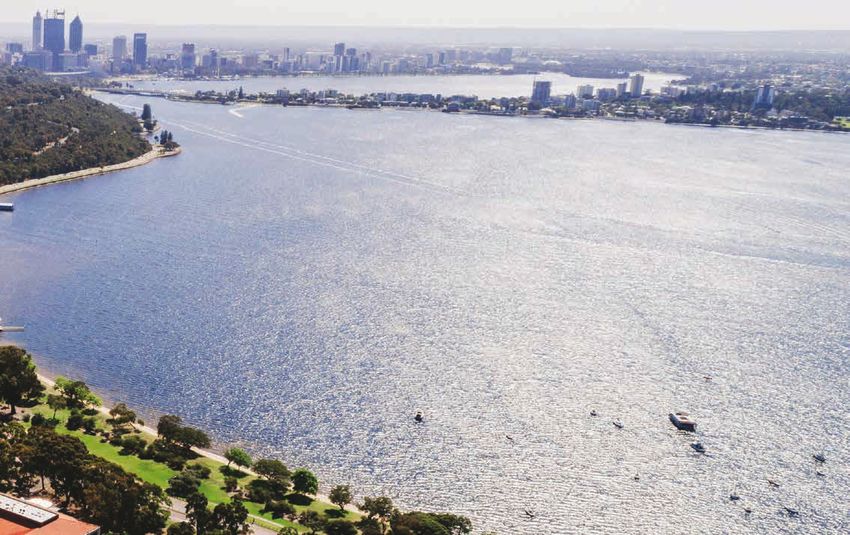
UWA 2020–25 Strategic Plan
It is our place that defines our uniqueness.    of only a handful of global top-100 universities
Western Australia is large and diverse.         in the country, with strong ties with partners
We exist in a state of rich biodiversity,       and communities.
immense coastlines with two ocean borders,
multiple climate bands, abundant natural        Our campus is situated next to the beautiful
resources, both remote and urban communities,   Kings Park and Swan River – both immensely
and radio-quiet skies. This provides a unique   important places to the Whadjuk Noongar
living laboratory for research and education    tradition. Longstanding Noongar knowledge
to flourish.                                    and culture provide a rich and unique lens
                                                through which we can view and understand
Perth is Australia’s only west–facing capital   our environment.
city, providing a gateway to the nations of
the Indian Ocean Rim. UWA is Western            We are privileged to draw on the wisdom of
Australia’s pre‑eminent university and one      our place in the world.

2020 UWA Crawley Campus Masterplan
Every 10 years The University of Western        University’s planning intentions for its Crawley
Australia prepares a Campus Plan which          campus. This Masterplan will be lodged with
provides the State Government and               the Western Australian Planning Commission
the community with information on the           on the approval of the Senate.

                                                                                                   2020 UWA Crawley Campus Masterplan | 3
Message from the
Vice-Chancellor
A Masterplan created by our community, for a progressive, resilient
and sustainable future.

We are privileged to have a beautiful campus on the lands of the
Whadjuk Noongar people. Its future development must be sensitive to
the innovative nature of our education and research, and the cultural
richness of our diverse communities.

Our masterplanning process is conducted every 10 years. In shaping the
2020 UWA Crawley Campus Masterplan, the University has consulted
extensively with the UWA community and attracted international leaders
in planning and environment.

The result is a Masterplan that optimises the scale and composition of
the University’s physical assets and identifies strategies and necessary
investments over the coming years to maintain a contemporary campus
which provides a world-leading research and learning environment. This
aligns with the University’s strategic vision, shapes the development
of the campus, and ensures it has a progressive, resilient and
sustainable future.

Importantly, this Masterplan will guide rejuvenation and activation of the
University’s core campus to consolidate activities and provide facilities
for our students, staff and the broader community to connect and
collaborate over the next decade and beyond.

I take this opportunity to thank our community for their contribution and
I am pleased to endorse the UWA 2020 Crawley Campus Masterplan.

Professor Amit Chakma
Vice-Chancellor

4 | 2020 UWA Crawley Campus Masterplan
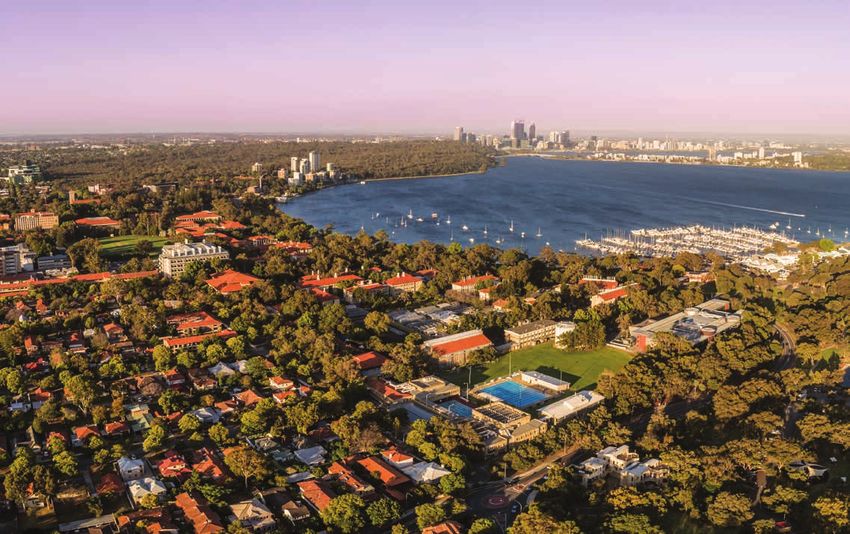
TABLE OF CONTENTS
1.0 Executive Summary 7 List of Figures and Tables Figure 37: Development corridors for the University’s external partnerships 32
2.0 Masterplan Process 8 Figure 1: Crawley site plan through to QEIIMC 6 Figure 38: The Southern Quarter – A destination of the future 33
Figure 2: The Masterplan process within the context of internal and external 8 Figure 39: Abundance – One of the Key Cultural Mapping Themes of campus 33
3.0 Context 9
environments Figure 40: Circulation and connection nodes 35
3.1 Background 9
Figure 3: UWA student growth strategy 10 Figure 41: Gateways 35
3.2 UWA Today 9
Figure 4: UWA QILT scores 10 Figure 42: The planning instruments of the Masterplan 36
3.3 UWA Student Numbers 10
Figure 5: Key international benchmarks 15 Figure 43: Cultural Heritage and Aboriginal Recognition on the Crawley 37
3.4 UWA Estate Student Satisfaction 10
Figure 6: The Masterplan Vision 18 campus
3.5 UWA Estate Performance 11
Figure 7: Activation and consolidation of the campus heart 19 Figure 44: Crawley Cultural Heritage Mapping 38
4.0 Masterplan Key Drivers and Objectives 15 Figure 8: Maximising the physical setting adjacent to the river 20 Figure 45: Precinct Studies – Ceremony + Meeting Place, Connection, Water, 38
Abundance, Language, Sharing
4.1 Masterplan Key Drivers 15 Figure 9: Fostering partnerships between industry, research 21
and the University Figure 46: The Cultural Mapping of the Crawley precicnt 39
4.2 Masterplan Objectives 16
Figure 10: The Masterplan 24 Figure 47: Noongar Six Seasons Project process 41
4.3 Masterplan Scope 17
Figure 11: The Village Quarter 25 Figure 48: Bilya Kaatajin 43
5.0 Masterplan Strategies 18 Figure 49: Environmental Sustainability within the context of all Masterplan 44
Figure 12: Sharing – One of the Key Cultural Mapping Themes of campus 25
5.1 Planning Strategy One - Activation and Consolidation 19 planning instruments
Figure 13: Active pathways through the learning precinct 26
of the Campus Heart Figure 50: Environmental Sustainability Strategy 2020-25 44
Figure 14: Permeability through the ground floor plane to maximise 27
5.2 Planning Strategy Two - Maximising the Physical Setting Adjacent to 20 the opportunities of activation and collaborative learning in Figure 51: Sustainability activities snapshot embedded in UWA 2030: Strategic 45
the River the landscape setting Plan 2020-25 Positioning and Enabling Strategies
5.3 Planning Strategy Three - Fostering Partnerships 21 Figure 15: Saw Promenade connection to Oak Lawn 27 Figure 52: Landscape Plan: Public Realm and Biodiversity within the context of 47
5.4 Planning Strategy Four – Embedding Sustainability Principles 22 all Masterplan planning instruments
Figure 16: Briana Biddi (The Banksia Walk) 27
5.5 Planning Strategy Five – Embracing the University Heritage 23 Figure 53: Wayfinding and key initiatives 47
Figure 17: Extension of Oak Lawn towards Matilda Bay 27
Figure 54: The Eight Big Ideas 48
6.0 Masterplan 24 Figure 18: Reid Square 27
Figure 55: The four main compass point entries 50
Figure 19: Concept Plan 27
6.1 The Village Quarter 25 Figure 56: Transport Plan: Access and Mobility within the context of all 51
Figure 20: Language – One of the Key Cultural Mapping Themes of campus 27
6.2 The Cultural Quarter 28 Masterplan planning instruments
Figure 21: Strengthening of Saw Promenade 27
6.3 The Southern Quarter 31 Figure 57: Transport Strategy vision 51
Figure 22: The Cultural Quarter 28
6.4 The Accommodation Quarter 34 Figure 58: Transport Strategy objectives 51
Figure 23: Early site planning of campus 28
Figure 59: Transport Strategy recommended actions 52
7.0 Supporting Strategies 36 Figure 24: Connection – One of the Key Cultural Mapping Themes of campus 28
Figure 60: Activation within the context of all Masterplan planning instruments 54
7.1 Cultural Heritage and Aboriginal Recognition on the Crawley 37 Figure 25: Ceremony + Meeting Place – One of the Key Cultural Mapping 28
Figure 61: A Market place of Ideas - Three Pillars 54
Campus: Kaatajin Boodja Themes of campus
Figure 62: Proposed stages of activation on campus 54
7.2 Environmental Sustainability 44 Figure 26: Whitfeld Court and Winthrop Hall 29
7.3 Landscape, Public Realm and Biodiversity 47 Figure 27: Permeability into campus at Whitfeld Court 29
Table 1: 2019 key statistics 9
7.4 Transport and Mobility 51 Figure 28: The Sunken Garden 29
Table 2: Institutional space 12
7.5 Activation 54 Figure 29: The Mass Rapid Transport Hub adjacent to landmark building, 30
Matilda Bay Ferry Station and UWA bus port Table 3: Space projections 12
7.6 Infrastructure and Services 56
Figure 30: New edge treatment in front of Lawrence Wilson Art Gallery 30 Table 4: G08 TEFMA benchmark area/EFTSL 12
8.0 Further Considerations 57 Table 5: UWA targets and metrics 13
Figure 31: Improved permeability along the Stirling Highway frontage 30
Figure 32: Strengthening the entries into campus from Stirling Highway 30 Table 6: UWA 2030 pillars 15
Figure 33: The Southern Quarter – developing structure 31 Table 7: Strategic development objectives 16
Figure 34: Tree Grove allocation across campus 31 Table 8: Development model 18
Figure 35: Water – One of the Key Cultural Mapping Themes of campus 31 Table 9: Student accommodation 34
Figure 36: The Southern Precinct in relation to natural setting 32 Table 10: The Eight Big Ideas 49
2020 UWA Crawley Campus Masterplan | 5
KINGS PARK AND
                                                                                         BOTANIC GARDEN

                                               UWA institutional use
                                               Residential Colleges
                                               (not UWA owned and managed)
                                               UWA non-institutional use

                                         Figure 1: Crawley site plan through to QEIIMC

6 | 2020 UWA Crawley Campus Masterplan
1.0 EXECUTIVE SUMMARY
The 2020 UWA Crawley Campus Masterplan is a shared                 The Estate Strategy highlighted the following findings, themes    Activation
vision that outlines a set of design initiatives around the        and issues for focus:
physical planning of the University for the next decade            • a significant capacity to reduce current asset holdings and     UWA boasts a vibrant community and embarking on a
and beyond. It is a strategic framework that will guide              rectify ‘thin’ utilisation                                      systematic and sustained, dynamic and exciting program of
and optimise the development of a sustainable and active           • opportunity to consolidate activity to a small number of        activation will enrich the experience of campus users and
campus, while leveraging off its physical and cultural               core sites (excluding distributed regional satellites)          create a vibrant ‘sticky campus’ - a place where students, staff
setting, allowing flexibility in development solutions and         • urgent need to contemporise the campus in terms of space        and others will want to come, and choose to stay. A review
an incremental approach.                                             and digitisation through alignment of assets to address         of the delivery and organisation of activation on campus will
                                                                     demand (with particular focus in the early years on library,    assist in improving its impact and create an experience that
The Masterplan is firmly focused on anticipating what’s next         teaching and laboratory spaces)                                 can be celebrated by the University community.
for the campus. Rejuvenation and activation of the University’s    • broaden and intensify the presence of industry, enterprise
existing built and landscaped environment are key foundations,
which will enable consolidation of activities, and enhanced
                                                                     and other partners on campus
                                                                   • opportunity to establish new campus capabilities (improve       Strategic new build
student, staff and community engagement.                             activation of current locations, conduct selected activity      construction
                                                                     in the CBD, increase health care facilities, and intensify
A primary focus of this Masterplan is to remain respectful           digitisation / smart campus)                                    With rejuvenation and activation as the foundation for the
of the University’s past, and provide resilience for its future.   • build strong linkages between Crawley and QEIIMC                Masterplan, new buildings will likely only be in response to land
It provides an agile framework to meet the needs and               • activate the campus as a vibrant destination for students,      or asset reorganisation. This could result from:
opportunities that will arise as the campus develops further.        staff and community                                             • planned campus co-location or consolidation
                                                                   • maximise the unique and culturally-significant setting          • realising the best use and ownership of landholdings
UWA continues to build on its strong foundations,                    alongside Matilda Bay, Pelican Point and the Swan River.        • where an essential scheme can be proposed, designed and
transforming in response to the changing external                                                                                       funded more rapidly.
environment to ensure we stay at the leading edge of               UWA seeks to identify resources and invest in the key areas of
knowledge creation and its translation for societal benefit.       Crawley campus and QEIIMC. A pre-requisite for determining        Guided by identified and strategic academic need, there
                                                                   how to approach the process of rejuvenation is to rationalise     is then scope for academic units to progress strategically-
The Masterplan was informed using multiple planning                outlying assets that currently produce a limited return and are   aligned and individual initiatives.
tools and through consultation with UWA staff, students,           not making a full contribution to the mission of UWA. When
Convocation, campus users and community.                           the approach to this is resolved, the University can focus on     The sum effect of focus and investment in these three distinct
                                                                   three short to medium-term strategic aims: Rejuvenation,          programs – rejuvenation, activation, strategic new build
The Estate Strategy defined the challenge:                         Activation, and Strategic new build construction.                 construction (medium to long-term) – will materially improve
                                                                                                                                     the experience for all campus users. The University’s core
‘The University needs to invest in its physical                    Rejuvenation                                                      campuses will then:
                                                                                                                                     • offer excellence in both the student and staff experience
 assets in the Crawley QEIIMC Activity                                                                                               • provide a contemporary and sustainable environment
                                                                   UWA has enough space in its current estate. It needs to
Centre and realise the value of its surplus                        commence the short to medium-term process of rejuvenation
                                                                                                                                        necessary for driving high-quality teaching, research,
                                                                                                                                        enterprise, extra-curricular, and pastoral activities
 asset holdings to fund priority activities,                       of existing facilities and associated precincts in order to
                                                                   increase efficiency, improve capacity and the experience
                                                                                                                                     • be safe and secure while simultaneously open, engaging
 including capital investment, and reduce                                                                                               and accessible
                                                                   for all. This needs to be consistent and programmatic – not
 operational costs.’                                               disregarded in favour of new buildings and the associated
                                                                                                                                     • demonstrate a visible integration of a cultural narrative
                                                                   expense. This will be ongoing as we seek to deliver and
                                                                                                                                     • have infrastructure that is resilient and digitally connected
                                                                   maintain relevant and contemporary spaces.
                                                                                                                                     • be a hive of activity, with the Activation Plan and building
                                                                                                                                        refurbishment progressing in coordinated symbiosis.

                                                                                                                                                           2020 UWA Crawley Campus Masterplan | 7
2.0 MASTERPLAN PROCESS
The Masterplan builds upon the 2010 Campus Planning The Masterplan is the sum of this document and the following
ENVIR
Review, considering changes in economic, social and planning tools:
X TERNAL State and ONMENTS
environmental contexts over the past decade. The focus • Masterplan concept (activation – rejuvenation – strategic E r e n ds |
T L o c al G
over
l obal nm
is on the decade 2020–30 however the Masterplan also new build)
n|G ent
ti o
NAL ENVIRONMEN
D ir
sets the foundations for campus development through • Environmental Sustainability Strategy eti R ec
mp E
INT sical | Financial Values | UWA TS
to 2050. It seeks to provide a continuity of the planning • Transport Strategy tio
• Crawley Cultural Heritage Mapping Co n
ethos that has underpinned the development of the
Phy 203
c| 0v
Crawley campus with greater emphasis on sustainability, • Crawley Campus Landscape Strategy
tori i si
ESTATE STRATEG
our natural environment and intercultural heritage. • Crawley Infrastructure Strategy. i s on
H
A
The Masterplan process was conducted over a two-year Engagement with identified key internal stakeholders and UW Y
period, commencing with the review of the condition of the the broader community formed a significant contribution
University’s building assets, followed by the preparation of an towards the development of the Masterplan. UWA Masterplan bility Crawl
i na ey
sta Cu
Estate Strategy in 2018. The aim of the Estate Strategy was to Conversations sought the input of campus users, community
Su ltu
aid the University in determining how to manage its physical and stakeholders as UWA looked to shape its future al ra
nt
assets in order to meet its long-term objectives. UWA’s estate Masterplan at two key points in the process. The first phase CRAWLEY
lH
e
m
e ri
exists to serve the University’s institutional mission: research, was prior to the completion of the Masterplan concept in
MASTERPLAN
r on
tage
teaching and outreach for public benefit. This mission helps early 2019 and sought extensive stakeholder input. The
Envi
guide all considerations about the planning and delivery second phase was held towards the end of 2019 and provided CONCEPT
M a p pi ng
of the University’s future space and facilities. Consultation the opportunity for stakeholders to learn more about the
during this phase was internally focused at the Executive Masterplan and give input to inform the direction and Activation
and senior leaders. A strategic outlook to the challenges, completion of the strategies. To support the communications
opportunities and priorities of each of the academic units, and engagement process with interested stakeholders, a
ap e
Tran
Research, Education, Community and Engagement (now UWA Masterplan Conversations website was established,
Refurbishment
d sc
Global Partnerships) portfolios and Corporate Services providing further opportunity for stakeholders to submit ideas
spo
was established. and feedback, as well as be aware of the Masterplan progress.
L an
rt
Contributions of note include those from the Convocation of
The Masterplan concept followed in 2019, aligning with UWA Graduates, Lady Jean Brodie‑Hall, Alumni and University New
the launch of UWA 2030 and 2020-25 Strategic Plan. Donors, as well as local and state government departments. Build
The Masterplan concept outlines the aspirations for the
University’s estate development over the next ten years. It was
guided by the strategic development principles established in
the Estate Strategy and the recommendations from a suite of
Rejuvenation is used in this document
strategies, including: to describe the process of uplifting and
• a space model to inform the size and shape of the refurbishing of existing facilities and
University’s estate improving their associated precincts for Step change to transformation
• student experience analysis to understand the campus and
better efficiency, amenity and student
its facilities through the student lens
• campus activation. experience. It is used to describe a more
holistic intervention to address the issues Figure 2: The Masterplan process within the context of internal and external environments
raised in both the Estate Condition
and Student Experience reports.
Refurbishment, on the other hand, is the
term used in the Masterplan Concept,
prepared by Turnbery Consultants.
It is one of the three pillars in the
development model.
8 | 2020 UWA Crawley Campus Masterplan
3.0 CONTEXT
3.1 Background                                                        3.2 UWA Today
Since 1915 the Crawley campus has been guided by a series             The University of Western Australia was established in 1911 as             The Masterplan provides a physical response to UWA 2030              preparing for climate change risks. These principles are guided
of decennial campus plans which have stringently governed             the State’s first university. It was also the first free university in     which promises to:                                                   by the United Nation’s Sustainable Development Goals
its growth. This has helped to create an exceptional campus           the British Empire, actively promoting equal access to tertiary            • prepare our students to be globally-relevant and                   (refer www.undp.org/content/undp/en/home/sustainable-
experience. The master planning process has determined                education for all social classes.                                            responsible leaders                                                development-goals.html).
the organisation of buildings, the structure of pedestrian                                                                                       • enable and promote trustworthy and influential research
movement across campus and enshrined the campus’ prized               More than 100 years later, the University is now home to a large           • build just and equitable societies                                 In developing the Masterplan, it has been important to
outdoor spaces. Today, the Crawley campus is a symbol                 number of schools and many research institutions and centres,              • work closely with our communities to improve our                   understand the current composition of UWA activity and
of the State and a major draw for students, researchers               all of which celebrated the University’s Centenary in 2013.                  environment                                                        relative student and staff numbers. These activities and
and visitors alike.                                                   UWA also entered the internationally recognised Academic                   • recognise and value Aboriginal peoples’ rights, knowledge,         numbers, together with growth projections to 2025, form the
                                                                      Ranking of World Universities’ Top 100 listing, continuing                   culture and values.                                                basis of several proposed actions and recommendations.
The previous 10 campus Masterplans focused almost                     to set the standard for other Western Australian universities
exclusively on Crawley, whereas this document is the product          to follow in terms of recognition for its multiple academic                A defining characteristic of UWA 2030 is to ‘embed
of consideration of the estate in its totality. Its focus is on the   achievements nationally and internationally.                               sustainability and fair-trade principles into the developmental
campus physical context adjacent to a nature reserve and the                                                                                     and operational activities of the campus’; with a key pillar of
Swan River, a deeper connection to the land and its Whadjuk           UWA 2030 establishes the University’s aspirations at its                   the strategy being the creation of a more clean, green and
Noongar significance. In addition to a more outward-looking           outset ‘Creating the next generation of global leaders                     sustainable campus. UWA aims to reduce our environmental
aspect that responds to the exceptional competitiveness of            through experience-rich education and world-leading,                       footprint by preserving the biodiversity of our grounds,
the international higher education sector, the Masterplan             trustworthy research’.                                                     preventing environmental impacts from our resource use and
transforms UWA’s approach to managing and developing its
estate. Such an approach will more readily help the University
to achieve its ambitions over the next decade.                          COMPOSITION                          STUDENT HEADCOUNT                 STAFF                          RESEARCH                         RANKINGS

                                                                        4 faculties                          25,353                            3,348                          $177,125,781 research income     2019 Academic Ranking of World Universities: 99th
The UWA Estate Strategy was ratified by the Senate in 2018.
                                                                                                                                               full-time equivalent staff     (2018 data)
All the interventions proposed in the Masterplan support
the recommendations of the Estate Strategy and have been                22 schools                           18,978 EFTSL*                     1,973 professional staff       5,410 research publications      2019 QS World University Rankings: 86th
shaped by further engagement with students, staff and the
wider community. It is this extensive process of stakeholder            32 research centres                  5,529 postgraduates               1,375 academic staff                                            2019 Times Higher Education World University Rankings (world-
                                                                                                             (by coursework)                                                                                   wide): 131st
engagement which forms the basis of the research and
recommendations in the Masterplan.                                      2 research institutes                1,553 higher degree                                                                               Good Universities Guide 2019:
                                                                                                             (by research)                                                                                     5 stars for student demand, student/teacher ratio

                                                                                                             11,896 undergraduates
                                                                      *Equivalent Full-time Student Load

                                                                      Table 1: 2019 key statistics

                                                                                                                                                                                                                                           2020 UWA Crawley Campus Masterplan | 9
3.3 UWA Student Numbers 3.4 UWA Estate Student Satisfaction
The University has an ambitious strategy for significant student
An effective estate is essential to support student growth. Extracurricular programs are organised by a number of
growth, building on a strong uplift in 2021 enrolments and
If condition, functionality and efficiency are not addressed, different bodies, including the UWA Student Guild, Student
positive results from innovative new courses, entry pathways
condition deteriorates, user experience declines, reputation Life, UWA Sport, University Club, Cultural precinct, faculties/
and student support offered throughout 2020. The University
suffers and growth stagnates. schools, residential colleges and the Conservatorium of Music,
takes pride in its student-centric approach and has prioritised
all of which collectively represent the interests of a large and
providing its current and future students the best possible
Currently, the condition of UWA’s physical estate is reflected diverse community of stakeholders. However, all of these
experience across all aspects of their learning journey –
in below-average scores for student satisfaction. At a national bodies have their own approach to planning, marketing and
educational, social and campus facilities.
level, the Quality Indicators for Learning and Teaching (QILT) timetabling events, leading to duplication and inefficiencies
exists as a barometer of student experience, measuring in the overall program and a missed opportunity for more
Underpinning these priorities, the University has
Australian universities against a number of performance systematic engagement with the student community
recognised the requirement to invest in enhancing digital
indicators. These categories relate to different types of space, and beyond.
infrastructure, the campus physical environment, research
digital infrastructure and community.
and teaching facilities.
From a student perspective, this creates activity clashes. For
Figure 4 shows how UWA’s QILT scores compare to the overall the campus, it can lead to lulls or sudden concentration in
national average. Where the line representing UWA falls below activity and makes for an uneven experience. When thinking
UWA STUDENT GROWTH STRATEGY the top of the histogram bar, it falls below the average in the about the campus, the lack of a unified program creates a
corresponding category. UWA performs below the national dispersed and fragmented experience, and while a breadth of
22500 _______________________________________________________________________________________________________________________________________________________________________
average in eight out of ten categories, including those relating activity exists, it is not being harnessed into a coherent output.
22000 _______________________________________________________________________________________________________________________________________________________________________
to buildings and infrastructure. Furthermore, running events in a disjointed way often leads to
21500 _______________________________________________________________________________________________________________________________________________________________________ duplication of infrastructure.
21000 _______________________________________________________________________________________________________________________________________________________________________
STUDENT LOAD EFTSL
20500 _______________________________________________________________________________________________________________________________________________________________________
20000_______________________________________________________________________________________________________________________________________________________________________ UWA QILT SCORES National
19500 _______________________________________________________________________________________________________________________________________________________________________ 100%____________________________________________________________________________________________________________________________________________________________________
19000 _______________________________________________________________________________________________________________________________________________________________________
18500 _______________________________________________________________________________________________________________________________________________________________________ 80%____________________________________________________________________________________________________________________________________________________________________
18000 _______________________________________________________________________________________________________________________________________________________________________
SATISFACTION
17500 _______________________________________________________________________________________________________________________________________________________________________ 60%____________________________________________________________________________________________________________________________________________________________________
0 _______________________________________________________________________________________________________________________________________________________________________
2013 2014 2015 2016 2017 2018 2019 2020 2021 2022 2023 2024 2025
40%____________________________________________________________________________________________________________________________________________________________________
YEAR
Source: Turnberry Consulting, The University of Western Australia Estate Strategy, p99; CPB Projects, University of Western Australia Space Model 20%____________________________________________________________________________________________________________________________________________________________________
Baseline report p7.
Figure 3: UWA student growth strategy
0%____________________________________________________________________________________________________________________________________________________________________
Induction Settling in
Teaching Library Student Lab spaces Computing Student Interacted Sense of and
space facilities spaces quality and IT interaction with belonging orientation
quality quality quality quality outside different
study student
QILT CATEGORY
Figure 4: UWA 2018 QILT scores
10 | 2020 UWA Crawley Campus Masterplan3.5 UWA Estate Performance
3.5.1 Building Condition and Maintenance Spend
UWA’s estate has developed over more than a century and
now encompasses a portfolio of 509 buildings. Much of this
footprint is on land granted to the University by the Western
Australian State Government under the terms of the University
Endowment Act (1904) or on lands purchased from the
Endowment Fund, which itself has generated income from
disposal of originally-bequeathed lands. In 2020, the asset
replacement value (ARV) of the University’s buildings was
calculated, giving a figure of approximately $2.4 billion ARV
including student residential accommodation.
The majority of institutional buildings are located on the
Crawley campus – the area with which UWA remains most
closely associated. However, the overall estate picture is
obfuscated by large landholdings, such as Shenton Park and
Claremont, which house only a fraction of the University’s core
activity. A number of non-core land and built assets offer at
best a modest return or functional benefit, and until now there
has been no strategy to deal with them.
The condition of all built assets was assessed in 2018. The
review demonstrated uneven space quality, utility and ‘critical’
remediation needs. Consequently, facilities and infrastructure
do not provide a contemporary experience for students
and staff.
2020 UWA Crawley Campus Masterplan | 113.5.2 The Size of the Estate ESTATE UFAsqm GFAsqm COMMENTS
UWA has a large estate that supports a diverse range of uses Total Estate (Institutional Use) 247,686 409,354 Excludes Bilya Marlee and
and needs. Table 2 indicates the size of the estate in both Gross TEFMA 2018 EZONE UWA Student Hub
Floor Area (GFA) and Useable Floor Area (UFA) terms. The
Claremont 7,225 11,809 Excludes East Claremont Primary School
primary difference between the two is the space assigned for
circulation, stairs, lifts, service ducts, lobbies, i.e. space that Regionals 6,350 9,512
cannot be counted as part of the core use for the activities
UWA Research Park and UWA Sports Park, 20,233 27,216
assigned to that building or facility.
Shenton Park
Effective management of space is vital for a university and Hospitals (excluding QEIIMC) 7,876 10,261
begins with understanding the nature of the use (activity)
Perth Metro Off Campus 4,542 9,465
and how it is being used (utilisation) set against student and
staff numbers. Furthermore, there is a need to establish, at Core Teaching Estate 201,460 341,091 Excludes Bilya Marlee and
an institutional level, control over how space is allocated and (Crawley, QEIIMC, Park Ave, Nedlands) EZONE UWA Student Hub
what amount of space is allocated to different activities. This is
normally done through an effective Space Policy. Table 2: Institutional space
To support and inform the master planning process, a UWA CURRENT POSITION PROJECTED POSITION (2025-26)
Space Model was commissioned to establish, at both a
Number of students 19,002 22,089
summary level and at a detailed school / discipline level, the
way in which UWA is currently using its space. The report Total floor area of estate (sqm)* 409,354
indicated that, based upon current activity and student and
Modelled space budget (sqm)** 215,000 +20,000
staff numbers, there is a space surplus which provides an
opportunity when contemplating consolidation and growth, Potential efficiencies (sqm) - 26,300–30,000
and if harvested effectively, will reduce the University’s overall
footprint in relative terms. Surplus (sqm) - 5,000+
Source: CPB Projects, The University of Western Australia Space Model Report p.3.
Tertiary Education Facilities Management Association *Figure provided by CPB Projects. This figure is the gross area of the estate (all sites), including non-residential and residential,
(TEFMA) benchmark data for Group of Eight (Go8) commercial and public spaces, and planned demolition.
** CPB Projects considered only the “Prime Campuses” of Crawley, Nedlands and QEIIMC. Within this, some commercial,
universities indicates the level of inefficiency in the UWA
residential and public spaces were excluded from the model. This explains the differential between the total flor area of the estate
estate. Table 4 demonstrates that UWA is allocating the most and the modelled space budget.
space per Equivalent Full-Time Student Load (EFTSL) for all
Go8 universities at 21.7 m2. The average per ETFSL is 17.6m2. Table 3: Space projections
Improving space efficiency and consolidating space
GROSS FLOOR AREA (GFA) PER EFTSL
represents a very significant opportunity for UWA and needs
very careful consideration against growth plans and the 25.00__________________________________________________________________________________________________________________________________________________
current condition of the estate. If inefficient space utilisation
can be addressed, planned student growth to 2025 can be INSTITUTE 2018
20.00__________________________________________________________________________________________________________________________________________________
accommodated without additional capital-intensive new sqm/EFTSL
buildings being required. Investment in asset uplift should
Australian National University 20.91
focus on space with the greatest student experience benefit. 15.00__________________________________________________________________________________________________________________________________________________
The University of Adelaide 18.88
10.00__________________________________________________________________________________________________________________________________________________ The University of Melbourne 17.35
Monash University 14.39
5.00__________________________________________________________________________________________________________________________________________________
The University of Sydney 16.72
University of New South Wales 13.40
0.00__________________________________________________________________________________________________________________________________________________
Australian The The Monash The University of The The University The University of Queensland 17.71
National University University of University University New South University of of Western
University of Adelaide Melbourne of Sydney Wales Queensland Australia The University of Western Australia 21.65
Table 4: Go8 TEFMA benchmark area/EFTSL
12 | 2020 UWA Crawley Campus Masterplan3.5.3 Improving the Performance of the Estate
– Targets and Metrics
There is a need to develop and agree to targets for the
improvement in the performance of the estate; reporting on
this at least annually. Several targets will be interdependent
whilst some will stand alone. Importantly, targets and
associated metrics need to be owned institutionally
as their success is dependent on strategic decision
making, particularly in terms of capital investment priority
decisions. A set of high-level metrics and targets for UWA is
provided below.
KPI 2025 TARGET
EFFICIENCY
Utilisation - Area per student EFTSL (GIA m²) 18m2
QUALITY
Percentage of GFA in Condition ratings 4 and 5 90%
SUSTAINABILITY
Maintenance expenditure as percentage of ARV 1.5%
Maintenance and refurbishment expenditure as % of >3%
ARV (3-year rolling average)
Carbon emissions scope 1 and 2, tonnes by m²3.5.4 Non-core Sites
The UWA estate includes multiple properties that provide The key outcomes of the assessment were:
limited income, are not salient to the overall mission, • UWA’s property portfolio is extremely valuable and any
nor sufficiently specialised to require their own space. action to extract this value should be managed with care.
The University’s treatment of its non-core sites is therefore • The legal, planning and environmental situation is complex;
one of the major campus strategy decisions that the University whilst certain due diligence work has been undertaken,
must resolve. if each site is approved for further consideration, a full
advisory team would be required to support the successful
The UWA Estate Strategy recommended divesting or delivery of the suggested values.
developing certain landholdings and built assets, either for • There may be a long timeframe within which the best
more practical uses or to release funds that would be better value can be realised and a fairly significant cost (including
directed towards the core academic estate in support of the relocation of UWA activities in some cases) to enable some
institutional mission. The benefit of addressing some or all of of the options at the different sites (refer strategic new build
these sites is twofold. First, a smaller asset base would help to triggers in Section 1.0).
consolidate activity on core sites and rectify thin utilisation, • The returns to the Endowment Trust and the ongoing
thereby reducing ongoing maintenance and other operational financial benefit indicate the strategy is worth pursuing.
costs. Second, many of these land assets are endowment • A strategic approach to development opportunities, in
owned. Evidence of poor performance is available and conjunction with public and private partners, may be used
implementation of a plan for divestment or for generating a to realise an asset’s optimal value.
return from these assets is essential.
The University’s core metropolitan sites are located in the
Crawley QEIIMC precinct. The potential value of University
assets considered non-core has been assessed.
14 | 2020 UWA Crawley Campus Masterplan4.0 MASTERPLAN KEY DRIVERS AND OBJECTIVES Urban
4.1 Masterplan Key Drivers
The Estate Strategy established the need for refurbishment The Masterplan will ensure the University’s landholdings and The effort should be on refurbishment and renewal and
and increased density of core sites as the key elements built assets will be aligned to meet its strategic objectives as not necessarily on the construction of new buildings. That
Efficient
that UWA requires to meet its broader strategic targets. set out in UWA 2030 (refer Table 6). is, to value-add to ensure fit-for-purpose facilities whilst
utilisation and
It recommended the investment in existing core facilities appreciating the embodied energy of existing buildings and
consolidation
and reduction of the total asset base, allowing for the release There are a several considerations clear from the evidence: improved operational outcome for existing built fabric.
of surplus assets. Selective disposals will not impact on the • there is sufficient capacity in the existing estate to
mission of the University. In general it would lead to significant accommodate growth An enhanced estate positively improves the physical
operational advantage and the opportunity to tangibly • there is potential unbuilt capacity at Crawley and QEIIMC experience of students and staff, contributing directly to the
improve and contemporise infrastructure. Ultimately, this will to deal with UWA growth for many decades increased attractiveness of UWA. There can be advances in
enable the physical campus at Crawley to maintain a leading • all evidence suggests that UWA should focus on greater the short-term but the real benefits of a rejuvenation program
position within global higher education. density with activity focused at Crawley and QEIIMC, other will be felt over a decade. Figure 5 outlines the key sectoral Activate
than where deemed essential. trends UWA should respond to.
SUSTAINABLE
EDUCATION RESEARCH AND INNOVATION GLOBAL PARTNERSHIPS PEOPLE AND CULTURE
ENVIRONMENTS Student-
focused
A UWA education will empower As one of the world’s elite, research- As an authoritative global leader in We will be recognised as a vibrant, UWA will be a remarkable place
building
students to create the best possible intensive universities, we will be education, and cross-disciplinary sustainable and connected hub to work, attracting and retaining
typologies
future for themselves and, through known for our trusted, reproducible, and translatable research, we will that blends our heritage with our world-class staff from diverse
their leadership, others. We will transformative, open research forge and nurture strong, deep future and welcomes our partners, backgrounds who want to build
be globally acclaimed for our and accessible data. We will be partnerships that reinforce our the community and the wider world. careers, drive change, provide
stimulating curriculum built on recognised for leading teams in position as the fulcrum of the Indian leadership and create opportunities
social responsibility, experience- resolving real-world challenges Ocean Rim. at an institution renowned for its
rich learning and cutting-edge that are critical to the planet and excellence.
VISION
research. its people. Residential
accommodation
Digital
technology
and behaviour
Table 6: UWA 2030 pillars
Greenness
Figure 5: Key international
benchmarks
2020 UWA Crawley Campus Masterplan | 154.2 Masterplan Objectives
The aim of the Campus Planning Review 2000 was to retain The overriding ambition is a physical experience that is fully
the ambience, beauty and functionality of the campus and aligned to UWA’s strategic ambition.
generate scope for future development.
To that end, the Masterplan will ensure the University’s core
The aim of the Campus Planning Review 2010 was to: campuses will:
• ensure there is sufficient land and buildings to • provide the contemporary, sustainable environment
accommodate teaching, research and other needs over the needed for high-quality teaching, research, enterprise,
next 10 years extra-curricular and pastoral activities
• place the University to the best advantage to meet external • be safe and secure whilst simultaneously open, engaging
and often unforeseeable situations over the next 50 years. and accessible
• demonstrate a visible integration of a cultural narrative
The 2020 UWA Crawley Campus Masterplan is a platform to • have infrastructure that is resilient and digitally connected
support future development decisions enabling alignment of • be a hive of activity, with campus activation and building
UWA’s strategic ambition with the physical experience of the rejuvenation underpinning the ambition.
Crawley campus. It provides a framework to support decisions
driving efficiencies of cost, time and space use of the built
environment. In response to its current position, UWA must
set in motion a targeted program of interventions. Emerging
from an extensive process of research and consultation,
these interventions will be guided by the eight strategic
development objectives identified in the Estate Strategy.
STRATEGIC DEVELOPMENT OBJECTIVES
Digital technology
1 Contemporise the physical and digital campus infrastructure
and behaviour
Efficient utilisation
2 Consolidate suitable activity to the core
and consolidation
Efficient utilisation
3 Reduce current asset holdings and rectify ‘thin’ utilisation
and consolidation
Establish new campus
4 Establish new campus capabilities
capabilities
The 2020 UWA Crawley Campus 5 Activate the campus as a vibrant destination for students and the community Activate
Masterplan is a platform to support 6 Build strong linkages between Crawley, QEIIMC and the City
Build strong linkages
in the Crawley
future development decisions enabling precinct
alignment of UWA’s strategic ambition 7 Broaden and intensify the presence of industry, enterprise and other partners on campus
Broaden and intensify
partnerships
with the physical experience of the 8 Maximise the unique and culturally-significant setting alongside Matilda Bay and the Swan River Greenness
Crawley campus. Table 7: Strategic development objectives
16 | 2020 UWA Crawley Campus Masterplan4.3 Masterplan Scope 4.3.2 Heritage and Conservation
The Crawley Campus Conservation Management Plan
Over the years the University has expanded beyond the
(CCCMP) 2008 identifies all buildings, places and artworks
original campus and the ‘edges’ of the University are no
of significance on campus at the time and is to be considered
longer distinctly defined or clearly delineated. The University
as the definitive conservation manual for the campus. The
has actively purchased property around the campus since
CCCMP makes recommendations for their conservation,
the 1960s and the University developments on what was
where necessary, and indicates sensitive areas which future
residential land have become commonplace. Developments
development should acknowledge.
such as the Ken and Julie Michael Building at 7 Fairway are an
example of successful campus growth into the community.
The various architectural styles present on the campus have
been named in the CCCMP and it is accepted that diversity,
The land referred to as “the campus” in this document is zoned
rather than uniformity, will govern the future built environment.
under the Metropolitan Regional Scheme for University
Where possible, examples of different styles will be retained to
Purposes. It also includes adjacent areas that have either high
show the evolution of the campus over the past 100 years.
levels of University ownership, are used for University-related
purposes or may determine the planning outcomes within
Some of the University’s off-campus properties have heritage
the campus.
significance and examples of these styles will be retained
where practicable. The Nedlands Park Masonic Hall in
Broadway is one example.
4.3.1 Planning
All buildings and landscaped areas on the campus at the
The 2020 UWA Crawley Campus Masterplan has links to time (2008) have been listed according to their heritage
numerous other Local and State Government strategic and significance. The higher the degree of significance, the
statutory plans. These plans include: more care must be taken when alterations, extensions or
• The Western Australian State Government’s Perth and Peel refurbishments are carried out. Significance does not imply a
@ 3.5m and Directions 2031 building cannot be demolished or substantially altered. Where
• Capital City planning framework necessary, guidance will be sought from a consulting heritage
• Metropolitan Region Scheme architect, landscape historian or art historian.
• City of Perth City Planning Scheme and former Town
Planning Scheme No. 4 and associated Planning Policies. Significant vistas across the campus which should be retained
have also been identified. For example, distant views of the
Planning has been a key feature of the growth and campus and Winthrop Tower, and campus engagement with
development of the University since its establishment in 1911, the river, should be maintained and enhanced.
its acquisition of the Crawley land in 1914 and its permanent
move to the Crawley site in 1929. The focus of this Masterplan is the rejuvenation and activation
of the campus and improving the campus connection to river
Campus development over the last decade includes the and the community context; recognising the extant values and
following buildings: qualities of the estate and its ongoing preservation.
• Early Learning Centre (2011)
• expansion of University Hall (2013)
• Co2 Research Facility (2014)
• Indian Ocean Marine Research Centre (2016) 4.3.3 Physical Context
• expansion of St Catherine’s College (2014 and 2019) The Campus Review 2010 and previous Masterplans have
• expansion of St Thomas More (2016) a strong history of site planning and acknowledge the
• Forrest Hall Stage 1 (2018) University’s identity by the river. The scope of this Masterplan
• expansion of St George’s College (2019) has been an even stronger acknowledgment of the social,
• EZONE UWA Student Hub (2020) cultural and environmental heritage of the precinct in which
• Bilya Marlee (Indigenous Studies) building (2020) the campus resides, and accordingly it is anchored by a cultural
awareness supporting the University’s ‘Learning by the river’
Demolition of buildings over the last decade include:
aspiration. The east and southern edges of the campus are
• Old Pharmacology (2019) particularly significant to this Masterplan as they face the river
• portion of Civil and Mechanical Engineering (2017). and the environmentally-rich Pelican Point.
2020 UWA Crawley Campus Masterplan | 175.0 MASTERPLAN STRATEGIES
This Masterplan comprises a detailed exploration of the specific qualities of the campus
precinct to identify opportunities to secure a strong, sustainable and diverse physical entity
in to the future. It focuses sharply on environmental sustainability, cultural recognition,
landscape and the public realm. Site planning to reflect long and short-term needs and
extensive consultation with the community, students, staff, Convocation, traditional owners of
the land and the Whadjuk Noongar Elders has resulted in a masterplan that will guide future
decisions of development and refurbishment. It aims to contemporise, ensure adaptability as
well as preserve the unique character and heritage significance of the campus environments,
maintaining the integrity of the original design principles, architectural language and
landscaped form of the University.
The three-pronged approach, described below and referred to model, the five key planning strategies are at the core of the
in Section 2.0, places the greatest emphasis on rejuvenation, 2020 UWA Crawley Campus Masterplan. These are:
that is the repurposing of the existing built environment, and • consolidation of activities in the heart of the campus
activation, to improve both space efficiency and address the • maximising the physical setting adjacent to the river
backlog of maintenance. The Crawley Campus Conservation • fostering partnerships
Management Plan 2008 and the 2019 Building Condition • environmental sustainability
Report will guide future investment. Within the framework • embracing the University heritage.
of the previous masterplans and the proposed development
DEVELOPMENT MODEL
Activation Equally significant to the rejuvenation program is
CRAWLEY MASTERPLAN CONCEPT stronger activation of the core campus environment
the three pillars of development through activity co-location, space consolidation
and denser utilisation. The concept of ‘a market place
of ideas’ to create an inviting and dynamic campus
Activation will be a key focus over coming years within the
central precinct.
Refurbishment Refurbishment Investment is proposed for student teaching
and learning environments, predominantly in
New the central village precinct, addressing backlog
Build maintenance requirements.
New Build Strategic new builds will be relevant where demand
and need cannot be met within the existing footprint
and additional capacity is aligned with the University’s
academic vision and funding opportunities.
University of Western Australia P r op os e d L a n d m a r k B uil d in g L i b r a r ie s NEW IDEAS THROUGH
10 Year + future vision E x is t i n g L a n d m a r k B ui l d in g A c t i vat e d P ub l ic R e a l m
SHARED DESIGN-THINKING
Table 8: Development model Fut ur e Op p or t un it y T r a n s p or t In fr a s t r uc t ur e issue date: revision:
19.12.19 B
Figure 6: The Masterplan Vision
18 | 2020 UWA Crawley Campus Masterplan5.1 Planning Strategy One - Activation and Consolidation
of the Campus Heart
A key driver of the Masterplan is the need to improve the placemaking and activation as it is about internal utilisation
student experience on the Crawley campus. This precinct, improvement and contemporising of spaces. The plans build on
at the heart of the campus, is as much about external the existing framework of pedestrian routes and meeting places.
Figure 7: Activation and consolidation of the campus heart
2020 UWA Crawley Campus Masterplan | 195.2 Planning Strategy Two - Maximising the Physical Setting
adjacent to the Swan River
The Masterplan maximises the opportunities of the natural will become more open and connected to the river foreshore
setting and the existing attributes of the campus to enhance with several locations adjacent to the University boundary
intuitive wayfinding and amenity, along with student, staff earmarked for greater campus permeability and public
and community experience. The University’s eastern edge realm activation.
Figure 8: Maximising the physical setting adjacent to the river
UWA
Maximizing the unique setting and physical assets of the campus B
20 | 2020 UWA Crawley Campus Masterplan
Issue date: Revision:
19.12.19 J5.3 Planning Strategy Three - Fostering Partnerships
A strategic approach to increasing the number of partnerships strategic development opportunities along the innovation
between the University, industry and research collaborators corridor linking the Crawley campus with QEIIMC, and further
is essential to positively impact on its competitiveness in the south on the campus towards Pelican Point, over time.
global higher education sector. The Masterplan promotes
Figure 9: Fostering partnerships between industry, research and the University
UWA
B r o a d e n a n d I n t e n s i f y I n d u s t ry a n d r e s e a r c h - r e l at e d c o m m e r c i a l c o n n e c t i o n s o n a n d a r o u n d c a m p u s C
2020 UWA Crawley Campus Masterplan | 21
Issue date: Revision:
19.12.19 J5.4 Planning Strategy Four – Embedding Sustainability Principles
The Masterplan advocates for the University to drive change The Masterplan proposes short, medium and long-term
towards a sustainable future for our local, regional and global opportunities leading towards a sustainable transport model
societies. It recognises the intrinsic need to inculcate our for the University (Transport and Mobility Strategy). Further
sustainability values and commitments into our campus stakeholder consultation is planned in this area.
operations, particularly in relation to the climate, environment
and Indigenous heritage. Our vision sets out core principles, The UWA Environmental Sustainability Strategy 2020–25
strenthening and advancing our sustainability commitment addresses our environmental challenges and provides
through ambitious goals such as global recognition for roadmaps outlining how we intend to implement this in key
leadership in public space sustainability; creating a cleaner, areas of operational activity, including improved waste and
greener and sustainable campus. water management, enhanced microclimates and built forms,
enriched biodiversity and more sustainable environments.
As the Masterplan raises our awareness of the spiritual and A key strategic and operational goal is a carbon neutral energy
cultural custodians of this site, the University acknowledges campus by 2025. To advance energy efficiency gains and
the values, languages, beliefs and knowledge of the Whadjuk offset all remaining carbon emissions from energy use through
Noongar people, which include ensuring the land, flora and generation of renewable energy.
fauna are valued and replenished, with focus on endemic and
climate-resilient species. More so than previous masterplans, An urban forest and the gradual transformation to a green
this Masterplan connects the Crawley campus to its broader campus, thriving on native and climate-resilient species,
context; the foreshore, Pelican Point, the nature reserve and constitute key goals in the next decade.
the community. The intrinsic importance of the Aboriginal
narratives and value of the campus context and setting to the
Whadjuk Noongar peoples, has been explored to understand
how this connection to country may be represented
authentically within and around the site (refer Crawley
Cultural Heritage Mapping, section 7.0).
More so than previous masterplans,
this Masterplan connects the Crawley
campus to its broader context: the
foreshore, Pelican Point, the nature
reserve and the community.
22 | 2020 UWA Crawley Campus MasterplanYou can also read


