NZ TRANSPORT AGENCY STATEMENT OF INTENT 2015-19
←
→
Page content transcription
If your browser does not render page correctly, please read the page content below
F16

NZ TRANSPORT AGENCY
STATEMENT OF INTENT
2015–19
This Statement of intent sets out our approach and
course of action for the next four years that will
contribute to the delivery of the government’s land
transport objectives and wider transport vision.
CREATING
TRANSPORT
SOLUTIONS
FOR A THRIVING
NEW ZEALAND

NZ Transport Agency
Published June 2015 (15-044)
ISSN 1173-2237 (print)
ISSN 1173-2296 (online)
Copyright: June 2015
NZ Transport Agency

If you have further queries, call our
contact centre on 0800 699 000
or write to us:
NZ Transport Agency
Private Bag 6995
Wellington 6141
This publication is also available on
NZ Transport Agency’s website at
www.nzta.govt.nz

This publication is copyright ©NZ Transport Agency. Material in it may be reproduced for personal or in-house use without formal permission or
charge, provided suitable acknowledgement is made to this publication and the NZ Transport Agency as the source. Requests and enquiries about
the reproduction of material in this publication for any other purpose should be made to: NZ Transport Agency, Private Bag 6995, Wellington 6141.
The permission to reproduce material in this publication does not extend to any material for which the copyright is identified as being held by a
third party. Authorisation to reproduce material belonging to a third party must be obtained from the copyright holder(s) concerned.
Statement of intent 2015–19   NZ Transport Agency | 1

FOREWORD
FROM THE BOARD CHAIR AND CHIEF EXECUTIVE
                                                                                       2
INTRODUCING
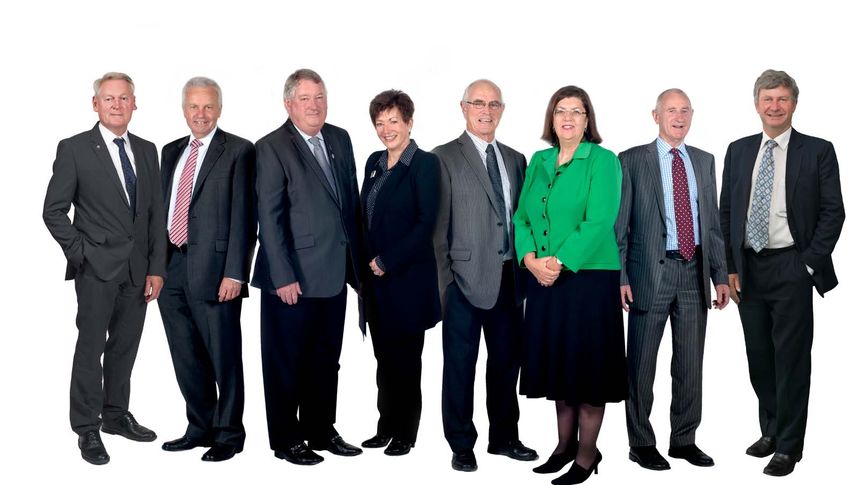
THE NZ TRANSPORT AGENCY BOARD
                                                                                       4
A THRIVING NEW ZEALAND
THE NZ TRANSPORT AGENCY’S PURPOSE AND
THE GOVERNMENT’S OBJECTIVES FOR TRANSPORT                                              6
TRANSPORT SOLUTIONS
OUR OPERATING INTENTIONS
                                                                             10
A RESPONSIBLE, COLLABORATIVE
AND AGILE ORGANISATION
HOW WE OPERATE, WHO WE WORK WITH
AND HOW WE WANT TO IMPROVE
                                                                             44
APPENDIX
SUPPLEMENTARY INFORMATION FOR
NON-FINANCIAL MEASURES                                                        54
2 | NZ Transport Agency   Statement of intent 2015–19

FOREWORD FROM
THE BOARD CHAIR
AND CHIEF EXECUTIVE
The NZ Transport Agency’s purpose is to create
transport solutions for a thriving New Zealand.
Our responsibility is to ensure an effective national
transport network that integrates the various
modes, services and systems to deliver a seamless
‘one network’ experience for transport users.
This Statement of intent will be                        Our long-term goals and the outcomes they support
                                                        have not changed, as they remain as relevant as ever. Our
accompanied by a new three-                             Statement of intent 2015–19 positions the Transport Agency
year National Land Transport                            to achieve those goals through integrating one effective
                                                        and resilient land transport network, shaping smart,
Programme for 2015–18 that                              efficient and responsible transport choices, delivering safe
provides for the completion of                          highway solutions and maximising strategic returns on the
existing work and the delivery                          resources we invest across New Zealand.
                                                        We will be working with our local government partners
of road maintenance, public                             over the next three years to deliver the 2015–18 National
transport services and new                              Land Transport Programme and facilitate a regionally
infrastructure across the country.                      responsive and nationally consistent planning and
                                                        investment system that ensures that the resources go
Both this Statement of intent                           where they have best effect.
and the National Land Transport                         We will continue to improve our relationships with public
Programme continue our strategic                        transport and freight operators in working to build long-
                                                        term sector plans. We will continue to strengthen our
focus on delivering an efficient,                       relationships with the local government sector across
safe and resilient transport system                     the country with a strong focus on shared opportunities
that helps improve New Zealand’s                        to lift vehicle and fleet productivity and public transport
                                                        effectiveness. We will ensure that our maintenance and
economic growth and productivity                        operations contracting practices support a healthy and
and connects people and their                           competitive construction industry.
communities. In striving to achieve                     The Transport Agency will continue to work with KiwiRail
                                                        to help lift the contribution of the rail network to moving
this we have set stretch targets,                       New Zealand’s freight. Our intention is to establish a
given that we are ambitious in our                      step-change in road/rail network integration, to increase
                                                        network access for high productivity vehicles and to
expectation of making a difference                      drive home the benefits of these improvements to freight
for New Zealanders.                                     operators and their customers. We will also focus on
                                                        improving the permitting process and improving weight
                                                        compliance. These efforts will help to maximise overall
                                                        freight network productivity to and from international
                                                        markets and within New Zealand as a whole.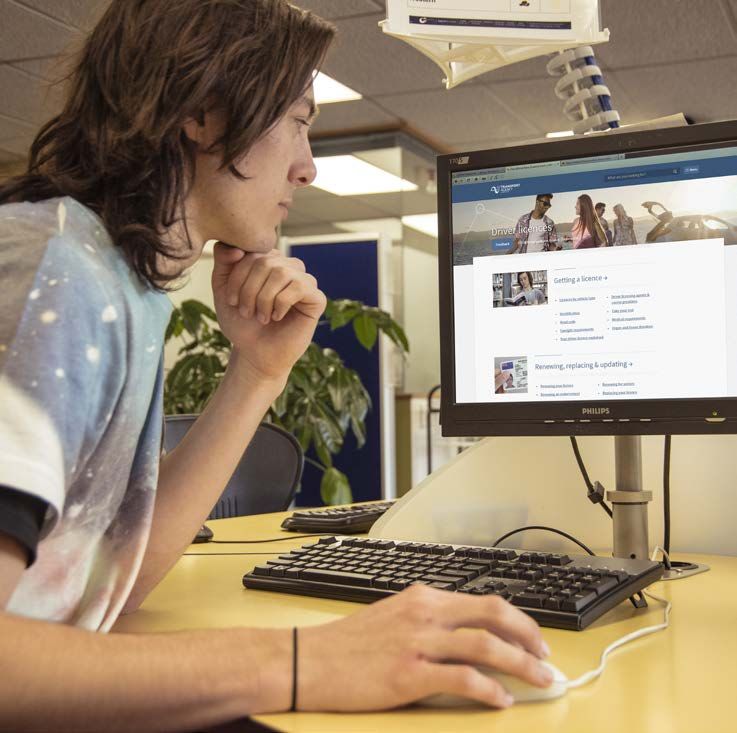
Statement of intent 2015–19   NZ Transport Agency | 3

The Transport Agency will continue to focus on building     Underlying all that we do and the investments we make
partnerships between policy and delivery agencies, road     is our goal of maximising value. With the One Network
controlling authorities and road users. We will leverage    Road Classification framework in place, the challenge
our leadership role to promote public transport and         is now to build and sustain sector collaboration,
improvements to service delivery across road and rail.      information sharing, improved activity management
We will continue working to increase the contribution       planning and procurement to fully realise efficiencies in
of public transport to the efficient performance of urban   road maintenance investment and delivery. We will also
networks by completing network operating plans for all      pursue enhanced building and sharing capability with
major urban centres and consolidating the activities of     an increased focus on seeking value from opportunities
the Transport Operations Centres.                           for public private partnerships. In these ways we will
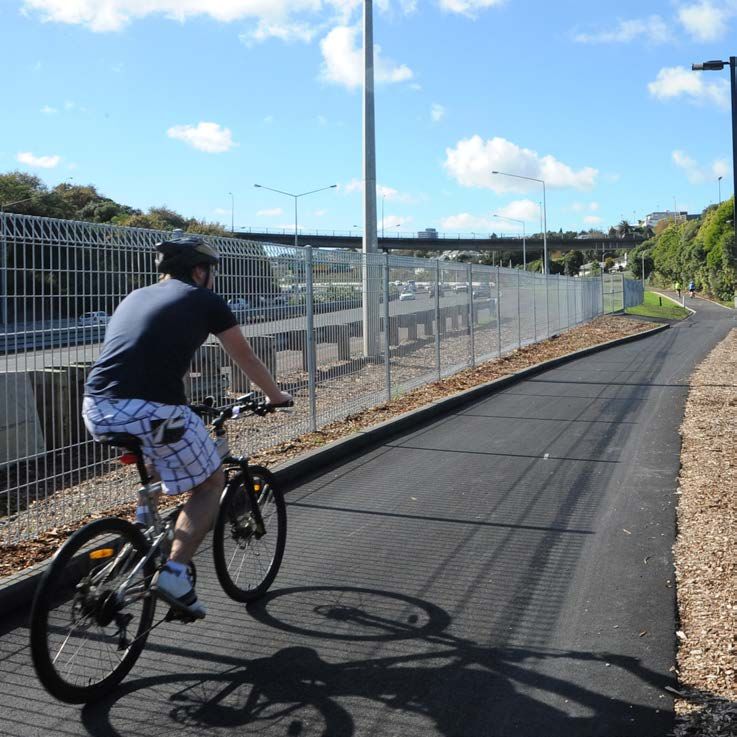
We have placed increased emphasis on making urban           align investment to agreed national, regional and
cycling a safer and more attractive transport choice and    local outcomes and improve value for money in our
increasing the percentage of trips in our major urban       investments to ensure that New Zealand has the right
centres that are made by bike. We will be working with      roads at the right times at the right cost.
councils and other transport providers to ensure people     As we design services, build infrastructure, regulate
who cycle can do so safely and efficiently.                 road and rail safety and help operate an integrated
We will maintain our focus on innovation, including         transport system, we never lose sight of the fact that we
our commitment to making it easier for customers            do this for our customers, the people of New Zealand.
to transact online, as part of the wider Better Public
Services priority for the government. Our work on
delivering the Intelligent Transport Systems Technology
Plan 2014–18 will continue.
Safety remains a key focus and we have made good
progress in developing a Safer Speeds Programme,            Chris Moller                          Geoff Dangerfield
which includes building stronger national consistency       Chair                                 Chief Executive
and prioritisation into speed management and
                                                            NZ TRANSPORT AGENCY                   NZ TRANSPORT AGENCY
developing public acceptance of change. We are
increasing our capability to leverage new technologies
and data to prioritise and track progress, and we
recognise that shifting the national culture and practice
around safe speed is a long-term challenge.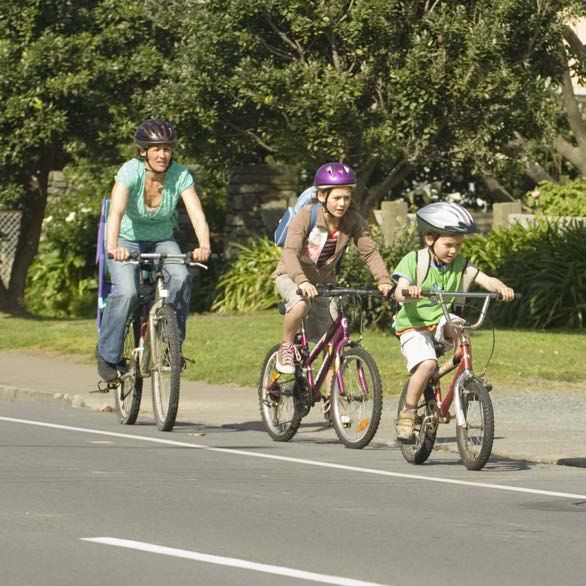
4 | NZ Transport Agency     Statement of intent 2015–19

INTRODUCING THE
NZ TRANSPORT AGENCY BOARD

CHRIS MOLLER, CHAIR (WELLINGTON)                          MARK OLDFIELD (TIMARU)
Chris is a non-executive director who chairs the boards   Mark is a director of Brenchley Farms Ltd in South
of Meridian Energy Ltd and SKYCITY Entertainment          Canterbury. He has over 30 years' experience working
Group Ltd. He is also a director of Westpac New           with businesses and communities in the Canterbury
Zealand Ltd. He was previously Chief Executive of the     region. He also has interests in Nelson/Tasman and
New Zealand Rugby Union, Deputy Chief Executive           Queenstown. From 1997 to 2010, he was a member of
of Fonterra Co-operative Group Ltd, and a director of     the Canterbury Regional Council (including Regional
a range of joint venture and subsidiary organisations     Land Transport, Public PassengerTransport and Road
within the New Zealand dairy industry, both               Safety Committees). Mark has been a board member/
domestically and internationally.                         vice president of the South Canterbury Chamber of
                                                          Commerce, as well as a board member of the Energy
DAME PATSY REDDY, DEPUTY CHAIR                            Efficiency Conservation Authority 2010–2014.
(WELLINGTON)
Dame Patsy is a non-executive director and a              JERRY RICKMAN (HAMILTON)
qualified lawyer. She is Chair of the New Zealand         Jerry is a chartered accountant and professional
Film Commission and Education Payroll Ltd and is          director. Jerry currently chairs the boards of HG
a director of Payments NZ Ltd and Active Equity           Leach Ltd, Tidd Ross Todd Ltd, Spectrum Dairies Ltd
Holdings Ltd. She is a chief Crown negotiator for         and is a director of Power Farming Holdings Ltd. He
Treaty of Waitangi settlements and a lead reviewer        was a member of Telecom’s Independent Oversight
for the Performance Improvement Framework for the         Group. He has chaired the boards of Waikato Regional
State Services Commission. Her previous directorships     Airport Ltd, Waikato District Health Board, Innovation
include Telecom Corporation of NZ Ltd, SKYCITY            Waikato Ltd and EziBuy Holdings Ltd.
Entertainment Group Ltd, New Zealand Post and Air
New Zealand Ltd.
                                                          NICK ROGERS (AUCKLAND)
                                                          Nick Rogers is a geotechnical specialist with expertise
GILL COX (CHRISTCHURCH)                                   in land stability, foundation support and natural
Gill is a chartered accountant and non-executive          disaster assessment. He has over 34 years’ experience
director. He chairs MainPower NZ Ltd, Transwaste          on major infrastructure projects and in conducting
Canterbury Ltd and Nga-i Tahu Farming Ltd. He is also     land damage assessments for the Earthquake
a director of a number of privately held companies        Commission in New Zealand. He has also worked on
involved in manufacturing, warehousing and                projects across the Asia-Pacific region. Nick has been
distribution, infrastructure, property development,       a director for Tonkin and Taylor, and the international
medical services and fishing. Gill is a member of the     development consulting firm ANZDEC. Nick was
CERA Community Forum in Christchurch and the              made a Companion of the Queen's Service Order for
Canterbury Earthquake Recovery Advisory Board.            his services in natural disaster assessment throughout
                                                          New Zealand, and in the recovery work in Christchurch
TONY LANIGAN (AUCKLAND)                                   during and after the Canterbury earthquakes.
Tony is a professional civil engineer, project
management consultant and former general manager          ADRIENNE YOUNG-COOPER (AUCKLAND)
with Fletcher Construction. Tony was the inaugural        Adrienne is a businesswoman, professional director and
Chancellor of AUT University and a director of            a Chartered Fellow of the Institute of Directors. She has
Infrastructure Auckland. He is currently Vice Chair       a 30-year career in resource management and planning
of Habitat for Humanity in New Zealand and Chair of       – specialising in spatial planning, metropolitan growth
the New Zealand Housing Foundation. He is a director      and management (including infrastructure planning
of Watercare Services Limited. Tony is the Group          and large projects). Adrienne was the Deputy Chair of
                                                          the Auckland Regional Transport Authority (replaced
Director–Estates at AUT University as well as a Senior
                                                          by Auckland Transport) and was a Board member of
Research Fellow in the AUT School of Construction
                                                          Maritime New Zealand until 2011. Her experience and
Management. Tony is a member of the Ministry of
                                                          contribution in transport governance is extensive. She
Health’s Hospitals Redevelopment Partnership Group
                                                          was Deputy Chair of Auckland Waterfront Development
for Canterbury hospitals. In March 2015, Tony was
                                                          Agency Ltd (Waterfront Auckland). She is Deputy Chair
elected a Distinguished Fellow of the Institution of
                                                          of Housing New Zealand Corporation and Chair of the
Professional Engineers (Dist. FIPENZ).                    Hobsonville Land Company Limited. She also serves on
                                                          several charitable trusts.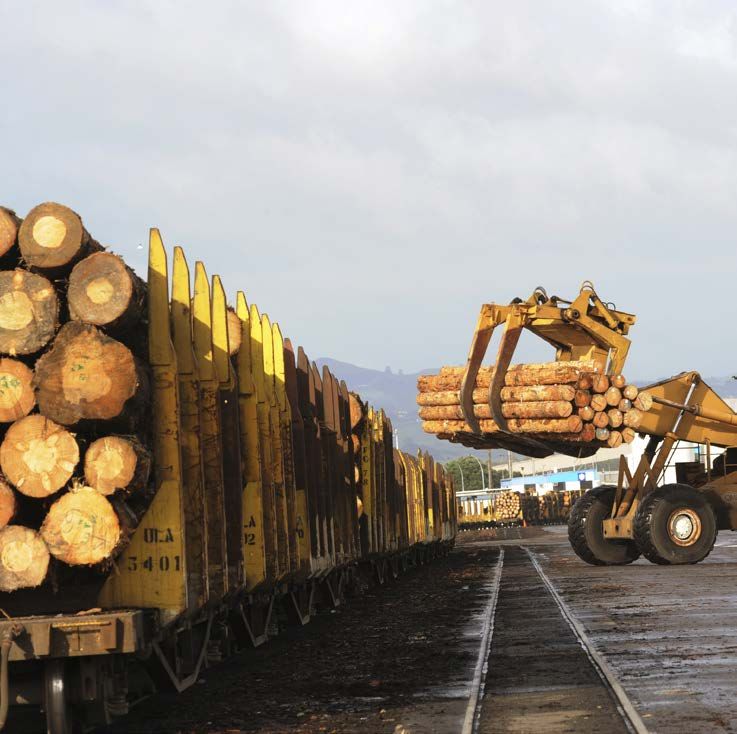
Statement of intent 2015–19     NZ Transport Agency | 5

NICK     GILL COX   CHRIS    DAME PATSY     TONY      ADRIENNE              JERRY          MARK
ROGERS              MOLLER   REDDY          LANIGAN   YOUNG-COOPER          RICKMAN        OLDFIELD
                    Chair    Deputy Chair
6 | NZ Transport Agency   Statement of intent 2015–19

A THRIVING
NEW ZEALAND
The government is seeking an effective,
efficient, safe, responsible and resilient
transport system that supports a
thriving New Zealand.
Our purpose is to deliver                               We are specifically responsible for the three following
                                                        functions:
transport solutions for a thriving                      • Providing access to, and use of, the land transport
New Zealand on behalf of the                              system.
government. An effective                                • Planning and investing in land transport networks,
                                                          bringing a national perspective.
transport system moves people
                                                        • Managing the state highway network.
and freight where they need                             The government’s principal instrument for its land
to go in a timely manner.                               transport investment strategy is the Government
                                                        Policy Statement on Land Transport 2015/16–2024/25
An efficient transport system                           (GPS), a statutory document developed under the Land
delivers the right infrastructure                       Transport Management Act 2003. The GPS sets out
                                                        the government’s policy goals for land transport, as well
and services to the right level at                      as the funding direction necessary to achieve them.
the best cost and is resilient in                       It guides not only an investment of $3.4–$4.4 billion
how it meets future transport                           per annum from central government but also about
                                                        $1.0 billion from local government. The GPS prioritises
needs and endures shocks.                               economic growth and productivity, road safety and
                                                        value for money. It is given effect to in the National Land
To help New Zealand continue                            Transport Programme, which translates the intentions
to thrive, our transport system                         in the GPS into an investment programme for the
has to be responsible in how it                         Transport Agency and its investment partners. Value for
                                                        money is a key operating principle that underpins how
reduces the harm from transport                         the programme is put together and the desired results
such as road trauma and                                 from the investments made. Relevant aspects of the
                                                        GPS are also addressed in this Statement of intent.
environmental impact.                                   The Transport Agency is also guided by a number of
                                                        other government policy documents:
                                                        • Connecting New Zealand, which summarises initiatives
                                                          in support of the growth of the country’s economy, to
                                                          deliver greater prosperity, security and opportunities
                                                          for all New Zealanders.
                                                        • Safer Journeys: New Zealand's road safety strategy
                                                          2010-2020, which has a vision of a safe road system
                                                          increasingly free of death and serious injury.
                                                        • The National Infrastructure Plan, which contains a
                                                          20-year vision for infrastructure that is resilient,
                                                          coordinated and contributes to economic growth and
                                                          increased quality of life.
                                                        • The New Zealand Energy Strategy, which sets the
                                                          strategic direction for the energy sector and the role
                                                          energy will play in the economy.
Statement of intent 2015–19   NZ Transport Agency | 7

The Minister of Transport also outlines his expectations
of the Transport Agency for the year ahead in a ‘letter
of expectations’, which focuses on matters that are
not covered in the GPS. This Statement of intent also
addresses those expectations, which are outlined below:
• Seek opportunities for innovation in both design
  and implementation in the safety space, focusing on
  partnerships between policy and delivery agencies,
  road controlling authorities and road users.
• Leverage the Transport Agency’s leadership role
  through integrated approaches to promote both
  active and public transport, and to deliver services
  across both road and rail.
• Maintain a strong focus on rail safety and make
  efforts to improve the way the NZ Transport Agency
  discharges its responsibilities for regulating railways
  under the Railways Act 2005.
• Provide technical advice to Auckland Transport as it
  manages the overall cost and procurement risks of
  the city rail link project.
• Implement intelligent transport systems where
  appropriate and work with the Ministry of Transport
  on delivering the Intelligent Transport Systems
  Technology Action Plan.
• Work with other central and local government
  bodies and industry to address barriers that
  may be hindering uptake of intelligent transport
  systems and electric vehicles.
• Continue working to support the delivery of high-
  quality public services, including digital services,
  working with other agencies when needed to deliver
  results, continuous improvement and meaningful
  engagement with New Zealanders.
8 | NZ Transport Agency      Statement of intent 2015–19

Our legislative and
policy responsibilities

LEGISLATION AND REGULATION                                 Also of key importance is the Land Transport Act
The Land Transport Management Act 2003 (LTMA)              1998, which promotes safe road user behaviour and
establishes the NZ Transport Agency, provides the          vehicle safety, provides for a system of rules governing
legal framework for managing and funding land              road user behaviour and the licensing of drivers, and
transport activities and provides for a Government         technical aspects of land transport.
Policy Statement on Land Transport (GPS).                  Other relevant legislation includes the Railways Act
Under this legislation we have the following               2005, the Government Roading Powers Act 1989 and
responsibilities to:                                       the Road User Charges Act 2012.
• contribute to an efficient, effective and safe land      Land transport rules are a form of delegated legislation
  transport system in the public interest                  similar to regulations. The Transport Agency produces
                                                           rules for the Minister of Transport under an agreement
• manage the state highway system, including
                                                           made with the Chief Executive of the Ministry of
  planning, funding, design, supervision, construction,
                                                           Transport. Land transport rules have a significant
  maintenance and operations
                                                           influence on people’s access to and use of the land
• manage funding of the land transport system,             transport network.
  including auditing the performance of organisations
  receiving land transport funding                         STATUTORILY INDEPENDENT FUNCTIONS
• manage regulatory requirements for transport             The Land Transport Management Act 2003 outlines
  on land                                                  that the Transport Agency's statutorily independent
• investigate and review accidents and incidents           functions are to:
  involving transport on land
                                                           • determine whether particular activities should be
• cooperate with, provide advice and assist any              included in the National Land Transport Programme
  government agency or local government agency at
                                                           • approve activities as qualifying for payment from the
  the Minister’s request
                                                             National Land Transport Fund
• provide the Minister with advice on our functions
                                                           • approve procurement procedures for land transport
• issue guidelines for, and monitor the development of,      activities
  regional public transport plans
                                                           • issue or suspend any land transport document or
• carry out any other land transport functions directed      authorisation
  by the Minister under the Crown Entities Act 2004
                                                           • enforce any provisions relating to its functions.
• carry out the functions required by the Land
  Transport Management Act 2003 or under any
  other act.
Statement of intent 2015–19 NZ Transport Agency | 9
We receive guidance
from these policy documents
1. CONNECTING 3. SAFER JOURNEYS 5. NEW ZEALAND
NEW ZEALAND is the government's strategy to ENERGY STRATEGY
is a summary of the government’s guide improvements in road safety sets the strategic direction for the
policy direction for transport. from 2010 to 2020.The strategy's energy sector and the role energy CONNECTING
The document notes that the vision is a safe road system will play in the New Zealand NEW ZEALAND
A summary of the government’s policy direction for transport
government is seeking a transport increasingly free of death and economy. The government’s goal is
system that supports the growth serious injury. This is underpinned for New Zealand to make the most
of our country’s economy, in order by the world leading Safe System of its abundant energy potential
to deliver greater prosperity, approach to reducing deaths and through the environmentally 1.
security and opportunities for all serious injuries from road crashes. responsible development and
New Zealanders. New Zealand is a The priority areas are those where efficient use of the country’s
trading nation, but geographically significant change is needed to diverse energy resources. The
we are further away from the make an improvement, and where New Zealand Energy Strategy 2011– GOVERNMENT POLICY STATEMENT
ON LAND TRANSPORT
2015/16-2024/25
economic centres of the world improvements can help to reduce 2021 sets out four priority areas:
than any other developed country. a large number of road deaths and diverse resource development;
Therefore to be internationally serious injuries. Safer speeds that environmental responsibility;
competitive, we need to improve are right for the road are a priority efficient use of energy; and secure
the efficiency of our transport for the Transport Agency during and affordable energy. The Energy
networks by focusing on three 2015–19. Other areas of concern Efficiency and Conservation
key areas: economic growth and are: roads and roadsides, walking, Strategy (NZEECS), a companion 2. Issued December 2014
Takes effect 1 July 2015
1
productivity, value for money and cycling and motorcycling, vehicles, strategy, is specifically focused on
road safety. and safer use including young the promotion of energy efficiency,
drivers, distracted and fatigued energy conservation and renewable
VISIT
drivers , high-risk drivers, restraints energy. The NZEECS sets out six Safer Journeys
www.transport.govt.nz/ourwork/ and older road users. objectives for six sectors, which Action Plan 20l3-20l5
KeyStrategiesandPlans/ will contribute to the overall
ConnectingNewZealand.aspx VISIT
New Zealand Energy Strategy
www.saferjourneys.govt.nz/about- 2011–2021 goal. The objective
SAFE ROADS AND ROADSIDES
SAFE ROADS AND ROADSIDES
SAFE SPEEDS
SAFE SPEEDS
2. GOVERNMENT POLICY safer-journeys/strategy-2010-2020/
SAFE VEHICLES
SAFE VEHICLES
for transport is to create a more
SAFE ROAD USE
SAFE ROAD USE
STATEMENT ON LAND energy efficient transport system,
TRANSPORT (GPS) 4. NATIONAL with a greater diversity of fuels and 3.
sets out the government’s priorities INFRASTRUCTURE PLAN alternative energy technologies.
for expenditure from the National aims to improve investment
Land Transport Fund over the next certainty for businesses by VISIT
10 years. It sets out how funding increasing confidence in current www.med.govt.nz/sectors-
is allocated between activities and future infrastructure provision. industries/energy/pdf-docs-library/ National
such as road safety policing, The government's 20-year vision energy-strategies/nz-energy- Infrastructure
state highways, local roads and for New Zealand's infrastructure strategy-lr.pdf Plan 2011
public transport. The GPS directly is that by 2030, New Zealand's
guides the investment that the infrastructure is resilient,
Transport Agency makes in the coordinated, and contributes to
land transport system on behalf economic growth and increased 4.
of the government. How the GPS quality of life. Work on the 2015
frames the Transport Agency’s infrastructure plan is currently
investment function is set out in being undertaken and is likely
relation to the ‘Maximising returns to be released in August. New Zealand Energy Strategy 2011–2021
for New Zealand’ section of this
Statement of intent.
VISIT Developing
www.infrastructure.govt.nz/ our energy
VISIT
www.transport.govt.nz/assets/
plan/2011 potential
Uploads/Our-Work/Documents/
and the New Zealand Energy Efficiency
and Conservation Strategy 2011–2016
GPS-2015.pdf
5.NZ Transport Agency | 10 Statement of intent 2015–19
TRANSPORT SOLUTIONS
FOR A THRIVING
NEW ZEALAND
Our long and short-term operating
intentions give effect to the government’s
direction for the transport sector.
OUR STRATEGIC FRAMEWORK
OUTCOME GOAL
2019 ANNUAL
OUTCOME GOAL OBJECTIVE PRIORITY PRIORITY
KEY RESULT MILESTONE
OUTCOME GOAL OBJECTIVE 2019 ANNUAL
KEY RESULT MILESTONE
OUTCOME GOAL OBJECTIVE 2019 ANNUAL
KEY RESULT MILESTONE
TRANSPORT TRANSPORT AGENCY TRANSPORT AGENCY KEY ANNUAL
SECTOR LONG-TERM GOALS MEDIUM-TERM RESULTS MILESTONES
OUTCOMES OBJECTIVES BY 2019
These describe the We contribute to the realisation For each goal there are three For each objective we have For each key result
desired future state for the of the enduring outcomes by medium-term objectives. between 1 and 8 key results there are specific
transport sector. pursuing four long-term goals. These objectives have a to deliver by 2019. Some of annual milestones
The goals shape our direction 10-year outlook and guide the results may be prioritised to achieve. These
and actions over the next 20 our 10-year work programme. – there are six clusters of are outlined in
years. Indicators track our priority results that have a the Statement
progress against each goal. specific success indicator. of performance
expectations.
The following framework provides an overview of
the relationship between the sector outcomes and
the contributions we will undertake, as well as the
indicators that will measure our progress toward
achieving the desired goals and outcomes.11 | NZ Transport Agency Statement of intent 2015–19
OUR STRATEGIC
FRAMEWORK Desired
outcomes
For the New Zealand
transport sector.
EFFECTIVE
Moves people and
freight where they
need to go in
a timely manner
EFFICIENT
Delivers the right
infrastructure and
OUR PURPOSE services to the right
level at the best cost
Creating
transport solutions
for a thriving
New Zealand
SAFE AND
RESPONSIBLE
Reduces the harms
from transport
RESILIENT
Meets future needs
and endures shocksNZ Transport Agency | 12 Statement of intent 2015–19
2013–32 2013–22 2015–19
Long-term Medium-term
Results
goals objectives
Results
Our strategic Implemented through the Transport Agency 10-year Key results to be
direction. work programme, with key results specified for 2019. delivered by 2019.
Integrate 1 Integrate land uses and transport networks to shape
one effective demand at national, regional and local levels.
Key results to
and resilient 2 Integrate national and local transport networks to be delivered
network for support strategic connections and travel choices. by 2019
customers SEE PAGE 15
SEE PAGE 14 3 Improve freight supply chain efficiency.
4 Implement the Safe System approach to create a
Shape smart, forgiving land transport system that accommodates
human error and vulnerability.
efficient, safe Key results to
and responsible be delivered
5 Incentivise and shape safe and efficient travel
transport by 2019
choices using a customer-focused approach.
SEE PAGE 19
choices
SEE PAGE 18
6 Reduce costs for transport users through better
regulation and willing compliance.
7 Greater resilience of the state highway network.
Deliver efficient, Key results to
safe and responsible, 8 Deliver consistent levels of customer service that
meet current expectations and anticipate future be delivered
and resilient demand. by 2019
highway solutions SEE PAGE 23
for customers 9 Provide significant transport infrastructure.
SEE PAGE 22
10 Align investment to agreed national, regional and
local outcomes and improve value for money in
Maximise all we invest in and deliver.
effective, efficient Key results to
and strategic 11 Ensure effective and efficient co-investment with be delivered
our partners. by 2019
returns for SEE PAGE 29
New Zealand 12 Explore innovative revenue, pricing and financing
SEE PAGE 28 approaches that enhance the value delivered by
land transport investments.Statement of intent 2015–19 NZ Transport Agency | 13
Annual
Performance expectations*
Priorities Milestones Output class
Our key areas of focus. For each key result there are Service delivery
specific milestones to be achieved. and investment.
1 Make it easy for customers
to do business with us
Four-year emphasis SEE PROVIDING
5 6 8
on objectives PAGE 32 ACCESS TO
AND USE
OF THE LAND
TRANSPORT
2 Predictable journeys SYSTEM
for urban customers
Four-year emphasis SEE
on objectives 1 2 5 7 8 10 11 PAGE 34
3 Integrate road and rail
to improve freight
network productivity
Four-year emphasis
2 3 SEE For the milestones
on objectives PAGE 36
associated with these PLANNING AND
results/priorities, INVESTING IN
see the Statement THE LAND
TRANSPORT
4 Safer speeds that are of performance
NETWORK
right for the road expectations
Four-year emphasis SEE
on objectives 4 5 7 8 10 11 PAGE 38
5 Driving value through
smart road maintenance
Four-year emphasis SEE
on objectives 7 8 10 11 PAGE 40
MANAGING
Make urban cycling THE STATE
6 a safer and more attractive HIGHWAY
NETWORK
transport choice
Four-year emphasis SEE
on objectives 1 2 4 5 10 11 PAGE 42
* For further information on output classes, refer to the annual Statement of performance expectations.14 | NZ Transport Agency Statement of intent 2015–19
GOAL
Integrate one effective and
resilient network for customers
Contributes to EFFECTIVE RESILIENT
sector Moves people and
freight where they
Meets future
needs and
outcomes need to go in endures shocks
a timely manner
Guides • Investment management
our outputs • Public transport
• Road safety promotion
• Local road improvements
• Walking and cycling
2012/13 2013/14 Desired
SUCCESS INDICATORS* Baseline Actual trend
Desired trends
How will People movement % network productivity
(vehicle speed and flow on 63% 63%
we know we is more efficient urban networks in Auckland)
and reliable
are making
INCREASING
progress? Freight movement Number of km delivered for the
0km 1,500km
high productivity freight network
is more efficient (up to 58 tonnes)
and reliable INCREASING
2009-13 2010-14 Desired
Baseline Actual trend
There is an optimal % mode share
2.7% 2.8%
range of travel and • public transport
transport choices
for each location
• cycling 1.4% 1.2% INCREASING
Our objectives 1 Integrate land uses and transport networks to shape
What we are demand at national, regional and local levels
aiming to 2 Integrate national and local transport networks to support
deliver by 2022 strategic connections and travel choice
3 Improve freight supply chain efficiency
* For trend information, see page 49: Strategic goal – success indicators (2015–19).Statement of intent 2015–19 NZ Transport Agency | 15
New Zealand’s transport network will only be truly effective and
resilient when customers experience it as fully integrated across
modes and locations, and with the surrounding land uses.
Taking a ‘one network’ approach will help to ensure that the movement of people and freight is efficient
and reliable, and that there is an optimal range of travel choices for customers in each location.
Over the next seven years, our work on integrating the network will concentrate on:
• promoting the integration of land use with transport networks to shape demand
• working to more closely integrate the national and local components of the transport network
so our customers gain maximum benefit and travel choice
• improving freight supply chain efficiency.
OBJECTIVE 1
Integrate land uses and transport networks
to shape demand at national, regional and local levels
We will work with our partners to more closely integrate the national, regional and local networks
with their surrounding land uses.
Results by 2019*
The following priorities contribute to this objective
Priority 2 Predictable journeys for urban customers PAGE 34
Priority 6 Make urban cycling a safer and more attractive transport choice PAGE 42
1.1 Land use and transport plans for the top five growth areas demonstrate improved coordination of land use
development with transport infrastructure investment.
1.2 Transport plans for government’s four regional development plan areas are developed and integrated with land
use plans.
* Please refer to our Statement of performance expectations for annual milestones of these results.16 | NZ Transport Agency Statement of intent 2015–19
OBJECTIVE 2
Integrate national and local transport networks
to support strategic connections and travel choices
We approach the land transport network as one system, regardless of the mode or who manages it. We work
with other network operators and stakeholders to ensure seamless integration and management of national and
local networks. One area of specific focus is supporting the growth of Auckland to be one of the most liveable
cities in the world. We will work closely with our partners to use new technology, information and incentives to
optimise the way networks are used.
Results by 2019*
The following priorities contribute to this objective
Priority 2 Predictable journeys for urban customers PAGE 34
Priority 3 Integrate road and rail to improve freight network productivity PAGE 36
Priority 6 Make urban cycling a safer and more attractive transport choice PAGE 42
2.1 The benefits and outcomes from key journeys in major centres are being delivered.
(Note: This is also a result for objectives 8 and 10.)
2.2 We expect public transport boardings to increase by 10–16% (from a 2013/14 baseline) in the main urban
centres of Auckland, Wellington and Christchurch.
Results by 2016 (from our Statement of intent 2014–18)*
2.3 The strategy set out in Auckland’s Integrated Transport Programme is given effect to in the 2015–18 National
Land Transport Programme.
2.4 Modern, fully integrated ticketing and fares are being implemented in Auckland, Wellington, Christchurch and
main provincial centres.
* Please refer to our Statement of performance expectations for annual milestones of these results.Statement of intent 2015–19 NZ Transport Agency | 17
OBJECTIVE 3
Improve freight supply chain efficiency
We will continue our work with other network operators, our investment partners, freight owners and freight
transport operators, to improve the efficiency of freight supply chains. To help grow our economy there will be a
particular focus on moving exports more efficiently from places of production to our international gateways. We
will find efficiency opportunities on the road network and work to ensure the different parts of New Zealand's
freight system are better connected. Our work will ensure better coordination across all modes and ensure land
use and network planning are more integrated.
Results by 2019*
The following priority contributes to this objective
Priority 3 Integrate road and rail to improve freight network productivity PAGE 36
Results by 2016 (from our Statement of intent 2014–18)*
3.1
Smarter and more comprehensive enforcement of illegally overloaded trucks encourages operator uptake of high
productivity motor vehicle permits.
3.2 A series of freight plans that improve access to markets and productivity for major freight routes through
targeted investments are guided by the Upper North Island, Central and South Island freight plans.
* Please refer to our Statement of performance expectations for annual milestones of these results.18 | NZ Transport Agency Statement of intent 2015–19
GOAL
Shape smart, efficient, safe
and responsible transport choices
Contributes to EFFICIENT SAFE AND
sector Delivers the right
infrastructure and
RESPONSIBLE
Reduces the
outcomes services to the
right level at the harms from
best cost transport
• Licensing and regulatory compliance • Investment management
Guides • Road tolling • Refund of fuel excise duty
our outputs • Motor vehicle registry • Public transport
• Road user charges collection, investigation • Administration of SuperGold cardholder
and investments and enforcement scheme and enhanced public transport
• Road safety promotion concession for SuperGold cardholders
• Road Policing Programme • Walking and cycling
(NLTF investment, but NZ Police output)
2008/09 2013/14 Desired
SUCCESS INDICATORS* Baseline Actual trend
Desired trends Speeds are safe Number of deaths and
How will serious injuries on open
roads (80–100km/h)
1577 1237
we know we DECREASING
are making Vehicles are safe % of new vehicles
progress? with a 5-star rating 51% 81%
INCREASING
Vehicles are safe % vehicles in fatal/serious
crashes with non-current 12% 9%
WoFs (or similar)
DECREASING
Vehicles are Average petrol and diesel
10.7 10.7
more efficient consumption – litres per 100 PETROL PETROL
vehicle kilometres travelled
18.1 20.0
DIESEL DIESEL
DECREASING
Freight movement % of travel by HPMVs
of total heavy vehicle 0% 20%
is more efficient
kilometres travelled
and reliable INCREASING
OBJECTIVES 1-3, PLUS
Our objectives
What we are 4 Implement the Safe System approach to create a forgiving
land transport system that accommodates human error
aiming to and vulnerability
deliver by 2022
5 Incentivise and shape safe and efficient travel choices using a
customer-focused approach
6 Reduce costs for transport users through better regulation and
willing compliance
* For trend information, see pages 50 and 51: Strategic goal – success indicators (2015–19).Statement of intent 2015–19 NZ Transport Agency | 19
Within a transport network that is fully integrated, customers should
be able to make really smart choices about their driving, vehicles,
routes and timing.
Smart customers will use the entire network safely and efficiently, which includes smart drivers making
sure that their speeds are safe. Smart buyers and operators will choose safe, efficient and environmentally
responsible vehicles.
Over the next seven years our work on shaping smart choices, within one integrated network for customers,
will concentrate on:
• creating a more forgiving land transport system so that human error does not result in death
or serious injury
• assisting customers to make safe and efficient travel choices
• making smart compliance choices easier and more attractive.
OBJECTIVE 4
Implement the Safe System approach to create a forgiving land
transport system that accommodates human error and vulnerability
The Safe System approach is at the core of the government’s Safer Journeys road safety strategy to 2020. It
recognises that mistakes are inevitable, but deaths and serious injuries from road crashes are not. In a safe
system, the performance of roads and roadsides, vehicles, speeds and road use all need to be strengthened
to ensure crashes are survivable. We will continue to embed the Safe System approach into decision-making
frameworks, including extending this approach to the wider transport network.
Results by 2019*
The following priorities contribute to this objective
Priority 4 Safer speeds that are right for the road PAGE 38
Priority 6 Make urban cycling a safer and more attractive transport choice PAGE 42
4.1 The successful elements of the safety signature programme are replicated elsewhere in New Zealand where
appropriate.
4.2 All relevant Transport Agency staff, community and business leaders, and transport practitioners understand and
apply the Safe System approach and decision-making frameworks and partnerships support the successful
implementation of a safe road system in New Zealand.
4.3 The public conversation about how individual behaviour and choices affect road safety outcomes is strong (as
measured by attitude surveys) and contributes to a positive road culture.
4.4 The Transport Agency-led actions from the 2013–15 action plan have been implemented.
4.5 Transport Agency monitoring and interventions are supporting and incentivising a strong safety culture
in rail operator organisations.
4.6 Transport Agency staff, community leaders and stakeholders are joined up and making demonstrably good
progress on reducing deaths, serious injuries and near misses for road users and pedestrians interacting
with the rail corridor.
* Please refer to our Statement of performance expectations for annual milestones of these results.20 | NZ Transport Agency Statement of intent 2015–19
OBJECTIVE 5
Incentivise and shape safe and efficient travel choices
using a customer-focused approach
We will encourage land transport users to make smart choices and adopt best practices in developing driving
skills, choosing vehicles and managing commercial drivers. We will look at ways to encourage users and
business to adopt best practices, supported by appropriate regulation, education and information.
Results by 2019*
The following priorities contribute to this objective
Priority 1 Make it easy for customers to do business with us PAGE 32
Priority 2 Predictable journeys for urban customers PAGE 34
Priority 4 Safer speeds that are right for the road PAGE 38
Priority 6 Make urban cycling a safer and more attractive transport choice PAGE 42
5.1 Increased levels of compliance with safe vehicle and safe road user requirements are reducing safety risks and
disruption on the land transport network.
5.2 Information to inform travel mode and travel time choice is readily available to customers using high-demand
networks and corridors, and this is measurably improving journey predictability.
* Please refer to our Statement of performance expectations for annual milestones of these results.Statement of intent 2015–19 NZ Transport Agency | 21
OBJECTIVE 6
Reduce costs for transport users through better
regulation and willing compliance
We will work with our partners to ensure that complying with regulations is simple and affordable, and to lift
behaviour from compliance with the statutory minimum to best practice. We envisage that the net effect of
customers making smarter land transport choices will be a more efficient, effective, responsible and safer land
transport network.
Results by 2019*
The following priority contributes to this objective
Priority 1 Make it easy for customers to do business with us PAGE 32
6.1 Reviews of the Vehicle Dimension and Mass and Driver Licensing rules have reduced compliance costs for
customers and make it easier for customers to meet their transport requirements.
6.2 The opportunities in the annual regulatory programme to improve incentives for customers to operate efficiently
and safely on the network are being identified and progressed without increasing costs.
* Please refer to our Statement of performance expectations for annual milestones of these results.22 | NZ Transport Agency Statement of intent 2015–19
GOAL
Deliver efficient, safe and responsible, and
resilient highway solutions for customers
Links to EFFICIENT SAFE AND
sector Delivers the right RESPONSIBLE
Reduces the
infrastructure and
outcomes services to the right harms from
level at the best cost transport
Guides • State highway improvements
• State highway maintenance
• Public transport
• Road safety promotion
our outputs • Investment management • Road Policing Programme (NLTF
and investments • Road tolling investment, but NZ Police output)
2010/11 2013/14 Desired
SUCCESS INDICATORS* Baseline Actual trend
Desired trends
How will Highway journeys Deaths or serious injuries in
head-on and run-off crashes 509 500
are safer
we know we on state highways
are making DECREASING
progress? Highway journeys Number of resolved state
highway closures with a 64% 90%
are efficient and duration of 12 hours or more
reliable Rural areas, two hours or 31 23
more in urban areas DECREASING
Highways are socially % of compliance with state
highway resource consent 70% 92%
and environmentally conditions
responsible INCREASING
2011/12 2013/14 Desired
Baseline Actual trend
Highways are being % of capital improvements
completed according to 90% 93%
delivered on time milestones
INCREASING
OBJECTIVES 1-6, PLUS
Our objectives
What we are 7 Greater resilience of the state highway network
aiming to 8 Deliver consistent levels of customer service that meet current
deliver by 2022 expectations and anticipate future demand
9 Provide significant transport infrastructure
* For trend information, see pages 52 and 53: Strategic goal – success indicators (2015–19).Statement of intent 2015–19 NZ Transport Agency | 23
State highways are a core element of New Zealand’s integrated
land transport network, and we will keep working on solutions
that assist customers with making smart choices about routes,
timing and driving.
For our customers we aim to offer highway journeys that are safe, efficient and reliable. We also work
to ensure that state highways are managed in a socially and environmentally responsible manner.
Over the next seven years, consistent with the one integrated network and smart choices approach,
the state highway component will concentrate on the following customer solutions:
• Improving travel time reliability through greater resilience.
• More consistent travel experiences on similar types of roads.
• Delivering the roads of national significance programme.
OBJECTIVE 7
Greater resilience of the state highway network
The resilience of the land transport network and its ability to recover from planned and unexpected events,
and return to providing the required level of service for customers, requires careful planning, investment and
management. We will improve our understanding of what resilience means in relation to 'one network' and
sharpen our investment and planning tools to ensure we have the resources to address it. We will also consider
what resilience means in relation to all roading network assets, services, systems and relationships.
Results by 2019*
The following priorities contribute to this objective
Priority 2 Predictable journeys for urban customers PAGE 34
Priority 4 Safer speeds that are right for the road PAGE 38
Priority 5 Driving value through smart road maintenance PAGE 40
7.1 A framework is in place that allows us to invest in resilience work where required on the network.
7.2 We have collaborated with local authority partners to agree alternative routes on the local road network, and can
demonstrate a joined-up approach to resilience in all areas.
7.3 We have identified the corridors that require physical improvements, and these are included in the State Highway
Activity Management Programme and the 2018–21 National Land Transport Programme.
* Please refer to our Statement of performance expectations for annual milestones of these results.24 | NZ Transport Agency Statement of intent 2015–19
OBJECTIVE 8
Deliver consistent levels of customer service that meet current
expectations and anticipate future demand
We will work to anticipate, shape and respond to new demands on state highways so we can achieve and
maintain the levels of service outlined in the One Network Road Classification over the next 30 years. This
means we need to work closely with a range of stakeholders to understand how changes in freight, business,
climate and population might affect the service level required for each category of state highway.
We will identify the gaps between the current and fit-for-purpose customer levels of service and as a first step
we will act to close the most critical gaps. Achieving fit-for-purpose levels of service will involve the use of
a wide range of approaches, including further investment and the use of longer-term transport and land use
planning approaches to influence demand on state highways and neighbouring local roads.
Our desired result is seamless and efficient journeys for our state highway customers, enabling them to have a
one network experience and move between state highways and local roads, and from vehicles to other modes
of land transport (such as walking, cycling and public transport), and to airports and ports, safely and efficiently.
Over the next two years our particular focus is on safe speeds and road maintenance delivery.
Results by 2019*
The following priorities contribute to this objective
Priority 1 Make it easy for customers to do business with us PAGE 32
Priority 2 Predictable journeys for urban customers PAGE 34
Priority 4 Safer speeds that are right for the road PAGE 38
Priority 5 Driving value through smart road maintenance PAGE 40
8.1 The State Highway Activity Management Programme clearly demonstrates value for money through:
• the benefits and outcomes of our operations
• the condition of the network and the levels of risk we are currently taking in maintenance and renewals
• our future investment needs for improvements and their return on investment.
8.2 Based on data from our current contracts:
• levels of service are consistent with the One Network Road Classification framework
• we have confirmed our future operating model for asset management
• we have reviewed the lessons learned and formalised principles for the next round of maintenance and
operations procurement, including healthy market analysis.
* Please refer to our Statement of performance expectations for annual milestones of these results.Statement of intent 2015–19 NZ Transport Agency | 25
OBJECTIVE 9
Provide significant transport infrastructure
The Roads of National Significance (RoNS) programme represents one of New Zealand’s biggest ever
infrastructure investments, and is a key part of the government’s National Infrastructure Plan and the
Government Policy Statement on Land Transport. The seven RoNS projects are based around New Zealand's five
largest population centres. The focus is on moving people and freight between and within these centres more
safely and efficiently.
The programme commenced in 2009 and one of the original seven projects (Victoria Park Tunnel in Auckland)
opened in 2012.
RoNS projects and/or sections opened prior to 2014/15: Auckland – Victoria Park Tunnel and Maioro Street
Interchange; Waikato Expressway – Te Rapa and Ngaruawahia sections; Christchurch Southern Motorway –
Southern Motorway Stage 1 and Yaldhurst to Waterloo.
Road of national Milestones for Milestones for Milestones for Milestones for
significance 2015/16 2016/17 2017/18 2018/19
Puhoi to Wellsford Milestones to be determined following evaluation of procurement options
Western Ring Route Open to traffic: Open to traffic: Construction start:
Lincoln Road Waterview Lincoln to Westgate
Interchange Connection
St Lukes Interchange SH16 Causeway
Te Atatu Interchange widening
Waikato Expressway Construction start: Construction start: Open to traffic: Under construction:
Huntly and Hamilton Longswamp section Longswamp section Huntly and Hamilton
sections Under construction: Under construction: sections
Huntly and Hamilton Huntly and Hamilton
sections sections
Tauranga Eastern Link Project open to
traffic
Wellington Northern Consenting process: Under construction:
Corridor Airport to Mount Peka Peka to Otaki
Victoria Tunnel Consenting process:
Otaki to Levin Terrace Tunnel
Duplication
Christchurch Northern Construction start: Construction start: Open to traffic: Open to traffic:
Corridor Southern Motorway Northern Arterial Western Belfast Northern Arterial
Stage 2 with QE2 Bypass with QE2
Western Belfast Open to traffic:
Bypass Groynes to Sawyers
Harewood to Memorial Ave
Avonhead Park interchange26 | NZ Transport Agency Statement of intent 2015–19
Plan for and deliver the Accelerated Auckland Transport Programme
The government is seeking to accelerate a package of transport infrastructure improvements for Auckland
focused on providing congestion relief, supporting economic growth and improving safety outcomes.
Accelerated Milestones for Milestones for Milestones for Milestones for
Auckland Transport 2015/16 2016/17 2017/18 2018/19
Programme
Northern Corridor Consenting and Construction start: Open to traffic:
(three projects) property acquisition SH1/18 Grade SH1/18 Grade
commence separation separation
Greville Interchange
improvements
Southern Corridor Construction start: Open to traffic:
(five projects) Hill Road Hill Road to Takanini
to Takanini; and Takanini on-
Takanini on-ramp ramp improvements
improvements Takanini to
Takanini to Papkura Papakura, Takanini
Takanini Interchange
Interchange SH20 to Hill Road
SH20 to Hill Road
State Highway 20A Construction start Construction
complete and open
to traffic
Auckland Manukau Open to traffic: Panmure Bridge Construction start:
Eastern Transport Sylvia Park bus opens Stage 2a (Busway
Initiative
lanes to Pakuranga,
Construction start: Pakuranga Bus
Station
Stage 2a (Panmure
to Pakuranga) Panmure
Roundabout
signalisation)
East West Link Milestones to be determined following completion of the business caseStatement of intent 2015–19 NZ Transport Agency | 27
Accelerated Milestones for Milestones for Milestones for Milestones for
Regional Transport 2015/16 2016/17 2017/18 2018/19
Programme
Kawarau Falls Bridge Construction start Construction
(Otago) complete and open
to traffic
Mingha Bluff to Rough Construction
Creek Realignment complete and open
(Canterbury) to traffic
Akerama Curves Construction
Realignment and complete and open
Passing Lane to traffic
(Northland)
Panikau Hill and Construction
Wallace Hill Slow complete and open
Vehicle Bays to traffic
(Gisborne)
Normanby Overbridge Construction
Realignment (Taranaki) complete and open
to traffic
Whirokino Trestle Milestones to be determined following completion of the business case
Bridge Replacement
(Manawatu-Wanganui)
Motu Bridge Milestones to be determined following completion of the business case
Replacement
(Gisborne)
Opawa and Wairau Milestones to be determined following completion of the business case
Bridges Replacement
(Marlborough)
Taramakau Road/Rail Milestones to be determined following completion of the business case
Bridge (West Coast)
Loop Road North Milestones to be determined following completion of the business case
to Smeatons Hill
Safety Improvements
(Northland)
Mt Messenger and Milestones to be determined following completion of the business case
Awakino Gorge
Corridor (Taranaki)
Napier port access Work on detailed
package (Hawkes business case and
Bay) pre-implementation
continues
Nelson Southern Link Work on detailed
business case and
pre-implementation
continues
Rotorua Eastern Work on detailed
Arterial business case and
pre-implementation
continues28 | NZ Transport Agency Statement of intent 2015–19
GOAL
Maximise effective, efficient and
strategic returns for New Zealand
Links to EFFECTIVE EFFICIENT
sector Moves people and
freight where they
Delivers the right
infrastructure and
outcomes need to go in a services to the right
timely manner level at the best cost
Guides • State highway improvements • Road safety promotion • Investment management
our outputs and • State highway maintenance • Road Policing Programme
(NLTF investment, but NZ
• Road tolling
• Public transport • Road user charges
investments • Administration of SuperGold
Police output) collection, investigation and
cardholder scheme and • Local road improvements enforcement
enhanced public transport • Local road maintenance • Refund of fuel excise duty
concessions for SuperGold • Walking and cycling
cardholders
Baseline Desired
SUCCESS INDICATORS* trend
Desired trends
How will NLTF investments % of activities that meet funding
priority thresholds for public transport 99.47%
we know we align to government /road (improvements)/road
investment priorities INCREASING
are making (maintenance), cycling and other
progress? National Land Transport Fund investments Refer to National
Land Transport Fund
have a high degree of effectiveness (NLTF) investment
indicators
In the NZ Transport
National Land Transport Fund investments Agency's Statement of
have a high degree of efficiency performance expectations
Our objectives 10 Align investment to agreed national, regional and local outcomes, and improve
What we are value for money in all we invest in and deliver
aiming to 11 Ensure effective and efficient co-investment with our partners
deliver by 2022
12 Explore innovative revenue, pricing and financing approaches that enhance
the value delivered by land transport investments
* For trend information, see page 53: Strategic goal – success indicators (2015–19).You can also read


