PROTECTING THE IDENTITY ECOSYSTEM - How Sharing Signals Can Help Protect the Identity Ecosystem - Open Identity Exchange
←
→
Page content transcription
If your browser does not render page correctly, please read the page content below

PROTECTING THE IDENTITY
ECOSYSTEM

How Sharing Signals Can Help Protect the Identity Ecosystem

                                     THE OPEN IDENTITY EXCHANGE |

                                 REPORT WRITTEN BY ANDREW NASH
                                                     CONFYRM INC.


                                                                1

© OIX 2014
Executive Summary

        T         his paper gives an overview of an Open Identity Exchange UK discovery project run to
                 explore the potential for a “Shared Signals” model (the exchange of “trust” and metadata,
        rather than personal data) to increase shared trust in the Identity Ecosystem (see Fig. 1) between
        Identity Providers (IdPs), Email Providers (EPs) and Service Providers (SPs).

        Email and SMS are the communication channels used in identity ecosystems for validating customer
        identity. Email in particular is used in registration, log-in, changing preferences, customer profiles and
        sensitive processes such as password resets with SPs and IdPs.

        Fraudulent takeover of consumer email accounts and subsequent misuse is a significant problem that
        occurs daily. As email accounts are frequently used by SPs as part of the log-in process for online
        accounts, or as part of the reset process for lost credentials, it is essential that SPs can assess if the
        email address is in use by its owner, or not.

        At a time when our reliance on personal accounts e.g. email, is increasing, trust in them is rapidly
        eroding. Mistrust is based on daunting statistics: “facility” or “account takeover” fraud, where a
        fraudster gains access to another person’s account and uses it fraudulently for his / her benefit has
        experienced a rise of 300% in the last five years. The cornerstone of this fraud is identified as being
        personal information e.g. email address amongst others. This sensitive data falls into the hands of
        fraudsters and is subsequently exploited to perpetrate crime.

        Digital identities can be compromised as fraudsters create or take over online email accounts. The
        subsequent misuse of an identity results in destruction of consumer information, damage to
        individual reputations, and financial loss. Detection and remediation is extremely costly due to the
        scale of accounts in existence; Gmail alone has 600+ million users. Email accounts fraudulently
        created or taken over by adversaries are then used to launch attacks on other SPs, consumers and any
        other organisation involved in the ecosystem.

        Since the beginning of private email with the advent of Hotmail in 1994, email account takeover has
        been an issue for Email Providers. In those early days, retail banks, shops and customers were not
        exchanging money online. However, with the increase of online banking and retail shopping, it is
        essential that Email Providers address this issue for customers, SPs, and IdPs to feel comfortable
        using email as part of transaction and identity verification processes. Not addressing this risk will
        result in the devaluation of email as a channel playing a role in higher risk transactions.

        Now is the time to address email privacy as the identity ecosystem has begun to work together to
        share “trust” from one provider to another. Sharing “trust” is not the exchange of personal data

                                                                                                                2

© OIX 2014
Table of Contents                               between providers. Instead of data, metadata, or signals could be

1.   The UK Identity Ecosystem
                                                exchanged to validate that an email address meets an acceptable

2.   Background
                                                level of trust defined by a policy defined by the SP.

3.   Identity Ecosystem Needs                   The Shared Signals model offers a new collaborative system that
     •      Identity Providers                  enables intelligence sharing between “Event Producers” defined
     •      Service Providers                   as Email Providers within the context of this discovery project
     •      End User or Individuals             (they could also be Mobile Operators, of any other organisation
4.   Project Methodology                        where accounts are created for example). The project
5.   Why Focus on Email?                        demonstrated the potential to reduce the impact of fraud and
6.   Size of the Problem                        account theft on IdPs, SPs and consumers.
     •      Damage to Corporations

7.   User Needs
                                                1. The UK Identity Ecosystem
     •      Identity Providers

     •      Email Providers
                                                UK Cabinet Office Identity Assurance Programme (IDAP) has
     •      End User or Individuals
                                                contracted with commercial organisations to perform the role of
8.   High Level User Needs Definition
                                                IdPs to access digital public services. Each IdP holds transaction
9.    How Would the Shared Signals Model
                                                information about a user. Metadata about the transaction can be
     Work?
                                                shared to confirm a user has performed that transaction. For
     •      Event Producers
                                                example, a mobile phone company can confirm a telephone
     •      Signal Recipients
                                                number is active and that the phone is in the possession of a user
     •      Signal Manager and Policies
                                                with a high degree of confidence. Similarly, an Email Provider
     •      Architecture and Interactions
                                                could share information to confirm that an email address is
     •      Shared Signal Interactions
                                                active and the account is being used on a regular basis (as well as
     •      Potential Use Cases for Alpha
                                                other “signals” that increase trust). This approach only works if
     •      Managing Signals
                                                the metadata (e.g. the “Shared Signal”) is reliable.
10. Privacy and Legal Framework

     •      Privacy vs Protection
                                                Confidence in the identity assurance framework is absolutely
     •      Privacy in the Context of Shared
                                                critical for its uptake and continued use. The identity ecosystem
            Signals
                                                diagram Fig 1. Notes at a high level the users and organisations
     •      User Consent
                                                involved in its function.
11. Conclusions & Next Steps

1.https://www.cifas.org.uk/annualfraudtrends-

jantwelve

                                                                                                                 3

 © OIX 2014
Attributes of Identity
      Trusted Communication
      Channels

        Email and SMS are the
        communication channels utilised in
        identity ecosystems and are used in
        sensitive processes such as
        password resets and communication
        exchanges between a user, and IdPs
        or other SPs
    •      Name
    •      Address
    •      DOB
    •      Passport
    •      Driving license

                                                      Fig 1. The UK Identity Ecosystem

    GPG45 – Activity Evidence                         Prevention of subversion and fraud in the identity ecosystem is
    Categories
                                                      of paramount importance to ensure that all parties are protected.
•         Citizen (C). Evidence that demonstrates
                                                      This success requires collaboration to protect the ecosystem,
          an interaction between an individual and
          a Public Authority as a citizen of the      protect end users and preserve privacy.
          state
•         Money (M). Evidence that demonstrates
          the individual’s financial life
                                                      2. Background
•         Living (L). Evidence that demonstrates
          where the individual lives, their working
          life and what they consume                  Similarities with the Shared Signals model can be drawn with
                                                      financial services and the mechanisms used to help prevent card
                                                      fraud e.g. signals to the payment ecosystem for lost or stolen
                                                      cards. The general public is already familiar with these kinds of
                                                      models and understand the value they bring to consumer
                                                      protection. In the same way this proposed Shared Signals model
                                                      is designed to protect the new and emerging identity ecosystem
                                                      and all it’s participants from fraud.
                                                      Email and SMS are the communication channels utilised in
                                                      identity ecosystems and are used in sensitive processes such as
                                                      password resets and communication exchanges between a user,
                                                      and IdPs or other SPs. Subversion of user accounts undermines
                                                      the efficacy and trust in these
  channels. It also accounts for
                                                      fraudulent use of the email account and can lead to financial loss
                                                      for consumer and SPs.

                                                                                                                          4

        © OIX 2014
Infographic of UK fraud                          Federated digital identities such as those distributed by the IDAP
The Identity Ecosystem
                                                 scheme through GOV.UK Verify enable a wealth of new online
Participants
                                                 services. Email is often used as a channel that SPs use to
•     Identity Providers
                                                 communicate with individuals when a digital identity has been set
      Are tasked with the purpose of
      establishing the trustworthy identity of   up for access to a plethora of services (e.g. online bank accounts,
      a user, therefore they are motivated to    retail accounts and social media networks to name a
      ensuring that users’ digital identities
                                                 few). However, the use of email accounts to establish a digital
      remain protected. This means they
      have to take steps to prevent attacks      identity is a potential risk to individuals, commercial and
      from potential attack and subsequent       government SPs, as well as the Email Provider if those identities
      fraud.
                                                 are subverted or misused. Fraudulent takeover of consumer
•     Service Providers
•     Are defined as those who rely on           email accounts occurs daily.
      assured identities. They need to have
      confidence that the identity of the
                                                 The misuse of an email account results in destruction of
      person behind the transaction is
      trustworthy.                               consumer information, damage to individual reputations and
•     End Users or Individuals                   financial loss. The financial benefits of detecting and remediating
•     Need to have confidence that the
                                                 these problems at SPs, IdPs and other identity ecosystem
      service they are using is both
      protecting their digital identity from
                                                 participants are huge. Gmail has 600+ million users and Yahoo
      fraud, but in doing so is respecting       and Microsoft have 400+ million users alone.
      their right to privacy and therefore not
      centrally holding or sharing
      unnecessary levels of personal
                                                 3. Identity Ecosystem Needs
      information about them.

                                                 Identity Providers
                                                 Identity Providers are tasked with the purpose of establishing
                                                 the trustworthy identity of a user; therefore they are motivated to
                                                 ensuring that users’ digital identities remain protected. This
                                                 means they have to take steps to prevent attacks from potential
                                                 attack and subsequent fraud.

                                                 Service Providers
                                                 Service Providers are defined as those who rely on assured
                                                 identities. They need to have confidence that the identity of the
                                                 person behind the transaction is trustworthy.

                                                                                                                     5

    © OIX 2014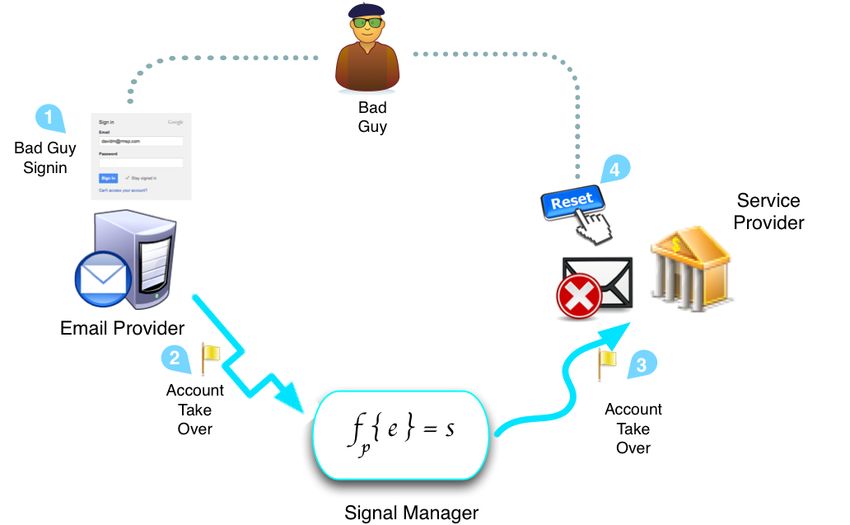
TEXT
Project Methodology                              Individuals or End Users
TEXT
                                                 Individuals or End Users need to have confidence that the
Levels of Assurance
      •    Size of the problem and               service they are using is both protecting their digital identity from
          potential
Different types      positive
                of service    impact
                           require
                                                 fraud, but in doing so is respecting their right to privacy and
     •
different  Identity
          levels of ecosystem  user the
                    assurance that   needs

digital   How does
     • identity beingthe Sharedis Signals
                      invoked     current,       therefore not centrally holding or sharing unnecessary levels of
          model
correct, and     work?
             being used(including
                        by the individual        personal information about them.
to which itdescriptions, policies and
            relates / belongs.
           technical architecture)
      •LevelPotential
             0: under use cases forreal
                                    alpha
•                     level 0, the
                                                 4. Project Methodology
            Privacy
      •identity of the individual is of no
           Potential
      •importance    avenues forAstesting
                  or relevance.     a            This discovery project was focused on understanding aspects of
           user consent
      courtesy, individuals may be               the “shared signals model” and how it could protect the identity
      offered the ability to save
                                                 ecosystem, including but not limited to:
      preferences, but no personal data is
      specifically solicited.                        •   Size of the problem and potential positive impact
                                                     •   Identity ecosystem user needs
•     Level 1: under level 1, the identity
      created and asserted by the                    •   How does the Shared Signals model work? (including
      individual need not relate to their                descriptions, policies and technical architecture)
      real identity, and is not tested or
                                                     •   Potential use cases for alpha
      checked in any way by the service
      provider. Personal information may             •   Privacy
      be solicited, but is not shared.
                                                     •   Potential avenues for testing user consent
•     Level 2: under level 2, the                Specific user testing was not completed as part of this project but
      individual assets a real identity, and     is recommended for any subsequent alpha project stage.
      the service provider takes measures
      to check the validity of that
      identity. The process of checking          5. Why Focus on Email?
      the evidence submitted in support
                                                 Email accounts created or taken over by fraudsters are frequently
      of the identity is not conducted
      face-to-face with the individual           used to launch cascading attacks on SPs and now potentially
                                                 IdPs. Recognition of a cascading pattern of attacks is difficult for
•     Level 3: under level 3, the
                                                 a single identity ecosystem participant to detect, but a Shared
      individual asserts a real identity,
      and is required to provide physical        Signal model supplies context that makes detection possible.
      proof of identity in the presence of
      the service provider (face-to-face).
                                                 Only recently has the opportunity to use significant events in an
The IDAP programme assumes the need for          identity ecosystem to alert appropriate participants to potential
Level 2 assurance for all transactions. For
                                                 problems or subversion been discussed in the previous OIX
further information on levels of assurance, as
defined by the CESG – the National Technical     Shared Signals White Paper3. Operational events that impact the
Authority for Information Assurance, see
                                                 quality or validity of sessions between IdPs and SPs such as
https://www.gov.uk/government/uploads/sys
tem/uploads/attachment_data/file/270964/G        password resets, account suspension, account takeover or
PG_43_RSDOPS_issue_1.1_Dec-2012.pdf
                                                 account recycling should be available to SPs. Technical systems
3. OIX Shared Signals white paper

                                                                                                                     6

    © OIX 2014
such as X.509 provide mechanisms to handle invalidation of
        Fraud in the UK
                                               credentials or session context. Newer identity technologies do not
                                               support these mechanisms. Notification systems that inform
                                               federation participants of significant operational events or
                                               fraudulent activity are not available in enterprise or consumer
                                               identity systems. Consumer email providers including Google have
                                               only recently begun to consider providing event notifications.

Identity fraud and facility (or account)
takeover fraud accounted for 65% of all
                                               6. Size of the Problem
frauds identified. Personal data has
undoubtedly become the key enabler of
                                               The advent of the Internet has unlocked new types of commerce,
fraud in the UK, and the links with
organised crime cannot be overlooked
                                               however it has created new avenues for fraudsters too. “White
                                               collar crime” does not carry the same criminal prosecution
                                               ramifications as historical and perhaps more traditional crimes such
                                           c as armed robbery. This makes it an attractive option to the would
                                           c be criminal. Fraud is still increasing, with identity fraud being the
                                           n most common type of fraud. In its 2013 Fraudscape report Cifas
                                           t states that in the UK:
                                           e
                                                   •   Identity fraud and facility (or account) takeover fraud
                                           6           accounted for 65% of all frauds identified. Personal data
                                           5           has undoubtedly become the key enabler of fraud in the
                                           %           UK, and the links with organised crime cannot be
                                                       overlooked
                                           o       •   80% of identity related crime was attempted or committed
                                           f           using the internet
                                                   •   Account takeover fraud has risen 300% in the last five
                                           a           years and it’s still on the increase
                                           l
                                           l

                                           f
                                           r
                                           a
                                           u
                                           d
                                           s

                                                                                                                    7

 © OIX 2014
Materially Damaging                       Damage to Corporations
Email account takeover fraud
can be materially damaging to             In May 2013 BT decided to move all its customers to a new email
corporations as well as services          system after a decade on Yahoo.
providers and individuals or
end users
                                          BT customers complained that hackers were repeatedly taking control
                                          of accounts and using them to pump out spam emails. The fall out was
                                          a move from BT to migrate all customers away from Yahoo4

                                          This demonstrates that this type of account creation and take over
                                          fraud can have significant impact on commercial organisations and
                                          their shareholder value.

                                          7. User Needs
                                          IdPs
                                          This project has been of interest to the whole ecosystem, but
                                          specifically of interest to the current IdPs. During this project a number
                                          of meetings and workshops were held with the identity ecosystem IdPs:
                                          Verizon, Experian, Mydex, Digidentity and Post Office.

                                          In the context of email it was found that IdPs are most concerned to
                                          receive signals indicating that an email address used for communication
                                          with a user may be suspect i.e. not in control by the owner of the
                                          account.

                                          In addition, it was discovered that future opportunities may exist to
                                          share signals between IdPs. This would not be necessarily using email
                                          as the key metadata point as other data points could become a valuable
                                          signal. An example of use with an IdP would be: if an account was
                                          subject to take over at IdP X (e.g. Experian) with the potential that the
                                          information gained is to be used for a registration process at IdP Y (e.g.
                                          Verizon), then the IdPs may wish to share this signal between them
                                          through the secure method of the Signal Manager.
4.http://www.telegraph.co.uk/finance/ne
wsbysector/epic/btdota/10089355/BT-
                                          Information about email accounts may be provided under two different
dumps-Yahoo-email-after-hacking-
                                          sets of conditions. In the first, an email address that is provided during

                                                                                                                      8

 © OIX 2014
Project Participants   a registration process may be queried to check its validity. In the
                          second, an email account that is believed to have been suspended
                          or taken over causes a notification to be sent to an IdP that a
                          corresponding account may be affected by the now suspect email
                          communication path.

                          IdPs could utilise an email query to help evaluate the veracity of a
                          new account registration at the IdP. An email account signal
                          notification will denote that the email channel is potentially suspect
                          and that IdP processes such as account resets that require the use
                          of the email channel to communicate to the user should utilise
                          other communication channels or take additional steps to qualify
                          the participant in the account reset process.

                          This discovery project has focused on email providers and the
                          GOV.UK Verify IdPs as Event Publishers and Signal Recipients
                          respectively but it was identified that it could be widened to include
                          all Identity Providers, Service Providers, Attribute Providers - the
                          whole ecosystem. The GOV.UK Verify hub may also be able to act
                          as a Signal Recipient for some use cases and classes of signals.

                          Email Providers
                          During discovery a number of workshops were held with Email
                          Providers. These workshops were designed to develop the email
                          providers’ understanding of the shared signals model and see how
                          they might support the model.

                          The Email Providers identified that there were issues with email
                          account takeover, some of which have been reputationally
                          damaging to their businesses.

                          There were also questions relating to the data being “shared” and
                          whether this could be an issue in relation to Data Protection. This
                          was discussed and additional weight added to this discovery in the
                          context of understanding the privacy principles of the model and
                          how it adheres to the UK Data Protection Act.

                                                                                                 9

© OIX 2014
User Needs
                                            Individuals or End Users
Below are the defined needs as part
of discovery:
                                            There is much publicised evidence that users are materially and
1. PII usage is strictly limited and does
                                            reputationally damaged by account takeover events. Therefore in
not include “real world” identifying
information
                                            relation to the user need, this is very clear.

2. No correlation occurs between            However, the issue of user or individual privacy is overlooked by
digital identifiers and real world human
                                            other account takeover fraud prevention models, many of which
identities
                                            prefer to share large amounts of personal data without explicit
3. Event information is only shared for
Usepurposes
    Cases –ofIntent                         consent.
the           identity system
operation and fraud detection
•   Tenant Repairs                          End users were addressed as part of this discovery as to how
4.
• Digital identifiers are obfuscated and
    GP Appointments                         consent could be derived within the model. The options are
not
• shared
    Creditdirectly  in order to limit the
            Union Account
                                            defined later in this document.
potential for correlation of identity
information between email providers,
                                            Whilst user testing was not completed within this discovery, user
Method
IdPs and SPs.
                                            needs should be addressed further as part of any subsequent alpha
5.
• The
    PCidentity of event publishers is
                                            phase through wireframing and testing with test subjects.
hidden
•      whenever possible
    Tablet

  •        Smartphone

                                          8. High Level User Needs Definition


                                            Based on the identity ecosystem user needs, it is recommended that


                                      the “Shared Signals” model is based on several high level

                                          architectural goals:


                                              •      PII usage is strictly limited and does not include “real
                                                       world” identifying information
                                                •      No correlation occurs between digital identifiers and real
                                                       world human identities
                                                •      Event information is only shared for the purposes of
                                                       identity system operation and fraud detection
                                                •      Digital identifiers are obfuscated and not shared directly in
                                                       order to limit the potential for correlation of identity
                                                       information between email providers, IdPs and SPs.
                                                •      The identity of event publishers is hidden whenever
                                                       possible

                                                                                                                  10

           © OIX 2014
How Shared Signals is
Different 9.How does the Shared Signals Model Work?
“Shared Signals” model the user can feel
Current fraud prevention approaches rely on amassing huge
confident that their data is safe, reducing
risk for user and SPs alike. The ‘Shared amounts of data, including personal data. It is becoming
Signals’ model does not require personal increasingly apparent that that individual or citizen is or is
details or personal data to be stored or
becoming uncomfortable with their personal data being shared
shared between participants.
without their consent or knowledge. Under the “Shared Signals”
model the user can feel confident that their data is safe, reducing
risk for user and SPs alike. The ‘Shared Signals’ model does not
require personal details or personal data to be stored or shared
between participants.
Only the signal is shared (e.g. Email Provider is queried by IdP for
a signal that the email account belongs to the owner. The Email
Provider can send to the Identity Provider a yes, no, or highly likely
response based on a pre-defined set of event indicators). Although
no personal details or personal data is shared, the “Shared Signal”
passes on the “trust”.
The service is additionally differentiated through the immediacy of
the signal. Current fraud data sharing models work on a batch basis
hourly, daily or weekly, which in the context of fraud often means
the “horse has already bolted” in that the fraudster will have had
time to use the stolen details sometimes many multiples of times
before it is finally identified and stopped.
Fig 2 Signal Manager Policy Processing
11
© OIX 2014Early Warning System
What is an Event Publisher?
Examples of early warning signals:
Respondents Event publishers represent entities that submit events to the signal
Comments manager. An example is an account manager; such an email
Below are the comments from the provider submitting an event that indicates one of its accounts has
respondents in relation to the
problems they encounter when been subverted.
trying to make a doctors
appointment online:
“I have tried and it’s useless to be In the context of this discovery and the event publishers being
fair”
email account providers below are some examples of the types of
“Yeah it’s not very good. I thought
I’dLength
have a the
go because its absolutely
email account has been live information that may be available from them and useful to the risk
shocking trying to get an
If a password
appointment reset
in me has taken place
doctors” management decision of an IdP:
(timebound)
“And so I thought’ oh I’ll have a go
andFrequency that
see if I can thethis
work email account is
online
business out,
accessed I wentin)
(logged to the doctors 1. Length the email account has been live
and they gave me two pieces of
Volumetrics
paper with loadsabout the number
of different pin of 2. If a password reset has taken place (timebound)
numbers…”
emails from that account
3. Frequency that the email account is accessed (logged in)
“If I could book an appointment
with the doctor online I’d do that 4. Volumetrics about the number of emails from that
every time…I spend ages on the
phone, trying to get through. It can account i.e. has it increased significantly is potentially
take forever then you find out they
don’t have any time to see you” being used for SPAM and therefore no longer within the
users’ control
From a technical perspective the information would be sent via a
secure Application User Interface (API) into the signal manager.
The signal manager then takes this information and applies policy
settings defined by an Event Publisher or a Signal Recipient. This
may include decisions such as prioritisation of the event type,
hiding information such as the origin or the subject of the event or
filtering based on event types. A set of appropriate Signal
Recipients is identified and the resulting signal is distributed.
What is a Signal Recipient?
Signal Recipients that register with the shared signals system will be
notified according to their policy when an event affects one of
their accounts. In the context of this discovery project signal
recipients are described as IdPs but in future this could expand out
to SPs; those recipients can also be granularly described as a
“Signalled Recipient”.
12
© OIX 2014Signal Manager Policies
Signal recipients can also query the signal manager for indications as
to the potential risk or not of linked accounts specified by a user.
In the context of this discovery IdPs were taken as being the Signal
Recipients. A number of workshops and calls were held with the
current IdPs (Verizon, Mydex, Post Office, Experian and
Digidentity) through the course of the discovery. This was to
understand the requirements of the IdPs both in relation to the
While a simple operational event
such as “Password Reset” seems GOV standards for identity called the Good Practice Guides (GPGs)
unambiguous, the conditions under
which a particular event publisher and to understand any requirements they had outside of these.
will decide to generate an event
such as “Account Takeover” will Generically from the IdPs’ perspective they want to prevent fraud
depend on internal processes, risk
evaluation criteria and business that may be indicated by the use of fraudulent email accounts during
policies
registration or account recovery processes.
Signal Manager and Policies
A signal manager is a policy enforcement and signal transformation
processor (Fig. 2 Signal Manager Policy Processing). While it has
many useful functions one of the more important ones is allowing
loose coupling of incoming event streams and outgoing signals.
Loose coupling of events and signals is important from an
architectural and deployment perspective for scaling, aggregation,
distribution and throttling perspectives.
From a policy perspective it also helps deal with some semantic
issues. While a simple operational event such as “Password Reset”
seems unambiguous, the conditions under which a particular event
publisher will decide to generate an event such as “Account
Takeover” will depend on internal processes, risk evaluation criteria
and business policies. The same reasons will cause some event
publishers to be “noisier” than others. As a result, policies allow for
functions such as event filtering based on event publisher.
13
© OIX 2014The Network Effect
Architecture and Interactions in the Shared
Signals Model
The Shared Signals pilot has three classes of entities, each of which is
represented in (Fig 3 Participant Context). The signal manager
takes incoming events from event publishers (email providers). The
The model uses the network effect signal manager applies policy filters and transformations to events to
or Metcalfe’s Law within a two-
sided model: create signals that are then sent as appropriate to signal recipients, i.e.
In economics and business, a the signal recipients Mydex, DigIdentity, Verizon, Experian and Post
network effect (also called
network externality or demand- Office.
side economies of scale) is the
effect that one user of a good or
service has on the value of that
product to other people. When a
network effect is present, the value
of a product or service is dependent
on the number of others using it
Fig 3 Participant Context
Shared Signal Interactions
This section is the high level layout of Shared Signals ecosystem
participants and services and the interactions.
The Shared Signals system, implemented on a Platform As A Service
(PaaS) utilising an amazon platform. Within the signal manager,
REST API services, processing engines, databases, and web
applications all coordinate to take in events published by event
publishers, and to output signals to signal recipients. Heavy focus is
placed on security and audit requirements.
14
© OIX 2014Use Cases
Fig 4 High Level Layout of Signals Ecosystem
Potential Use Cases for Alpha
1. New User Registration
2. Suspected Account
Takeover Two use cases were explored as part of the discovery; the creation of
a new account and an account reset process. These two use cases and
corresponding data flow diagrams are defined in this section.
It was identified that there are more use cases, however, these two
were developed as part of discovery for later testing at any
subsequent alpha phase.
Fig 5 New User Registration
15
© OIX 2014The diagram above demonstrates the process for a new user
Respondents registration with an IdP whom in this instance is a Signal
Comments
Email Account Verified Recipient. Registration for a new account at a service invariably
Below are the comments from the includes an email account. The Shared Signals model supports
respondents in relation to the
problems they encounter when verification of an email address to establish if it is active and
trying to make a doctors
appointment online: correct and how long ago it was created.
“I have tried and it’s useless to be
fair”
1. The user goes to a SP transaction e.g. the Driving Licence
“Yeah it’s not very good. I thought
I’d have a go because its absolutely Vehicle Agency (DVLA) and is asked to register with an IdP so
shocking trying to get an
appointment in me doctors”
their identity can be assured to enable the transaction as part of
“And so I thought’ oh I’ll have a go the user registration process at the IdP an email account is
and see if I can work this online
business out, I went to the doctors requested
and they gave me two pieces of
paper with loads of different pin 2. Consent is taken from the user at this point (N.B. consent is
numbers…”
possible at other points within the overall process)
“If I could book an appointment
with
the doctor online I’d do that 3. A query on the email account including possibly a “recency”
every
time…I spend ages on the
phone, trying to get through. It can indicator is sent to the signal manager other signals that could be
take forever then you find out they
don’t have any time to see you” returned include Length the email account has been live, a
password reset has taken place (timebound), frequency that the
email account is accessed (logged in), volumetrics about the
number of emails from that account. These should be investigated
further at an alpha stage in conjunction with an email provider.
4. The current status of the email account is verified with the
email account provider
5. The current status of the email account is returned to the IdP
indicating whether the email account is considered to be in good
standing or suspect. Optionally an indicator could be returned
confirming if the account is more recent than the period stated in
the original query by the request from the IdP
6. The email status (and optionally the recency indicator) are
processed by the IdP to determine if the user and email account
may be trusted.
7. The user continues through the other processes with the IdP
16
© OIX 2014Suspected Account
Takeover
Respondents
Comments
Below are the comments from the
respondents in relation to the
problems they encounter when
trying to make a doctors
appointment online:
“I have tried and it’s useless to be
fair”
“Yeah it’s not very good. I thought
I’d have a go because its absolutely
shocking trying to get an
appointment in me doctors”
“And so I thought’ oh I’ll have a go
and see if I can work this online Fig 6 Suspected Account Takeover
business out, I went to the doctors
they gave me two pieces of
and
paper
with loads of different pin
numbers…”
Account takeover at any email provider is likely to spread as this
could in turn be used against an IdP, the IdP user account taken over
I could book an appointment
“If
with the doctor online I’d do that
every time…I spend ages on the
and then that identity account used against an SP. In particular
phone, trying to get through. It can
take forever then you find out they
accounts at trusted communications services such as email or SMS
don’t have any time to see you”
weaken all user accounts by exposing the account-reset processes.
1. A email account starts to show activity which raises suspicion at
the email account provider - could be based on volumetrics i.e.
SPAM
2. The email account provider publishes an event indicating that the
email account is suspect to the Signal Manager
3. The Signal Manager in turn processes the event based on policy
settings described above and distributes a signal to the appropriate
IdPs indicating that a particular account known at the IdP may be at
risk from a compromised email communication channel to the
associated user.
4. At some point, an event such as a password reset may be initiated
by the fraudster at the IdP.
5. The signal associated with the IdP account email channel will be
considered at the IdP as part of its evaluation of how the account
reset process should be handled but this would likely start an identity
authentication process with the user to ensure that the integrity of
the identity account held by them is maintained.
17
© OIX 2014Turning Signals into
Decisions
Managing Signals
The Signal Manager would be the The options of how Signal Recipients manage event signals in
custodian of the signals and it is clear terms of the downstream actions was investigated as part of this
there would be different levels of risk
project.
associated with different signals. Some
of these signals may be of significant
risk and therefore denote that an The Signal Manager would be the custodian of the signals and it is
account is stopped until such time the
clear there would be different levels of risk associated with
user has re-authenticated him /
herself, and other signals some signals different signals. Some of these signals may be of significant risk
may be considered lower risk and and therefore denote that an account is stopped until such time the
therefore combined with other risk
user has re-authenticated him / herself, and other signals some
factors to ascertain if indeed it does
pose a risk to the ecosystem or not. signals may be considered lower risk and therefore combined with
other risk factors to ascertain if indeed it does pose a risk to the
ecosystem or not.
It is also possible that IdPs may view the risk associated with
certain signals create a different security risk and therefore
different customer journey to gain certainty over the account again.
For example in the “Account Reset” use case above IdP X (e.g.
Experian) where there is a potential fraudulent account takeover in
place may decide to ask the user for some further identity
authentication information for further verification e.g. putting the
user through Knowledge Based Authentication, IdP Y (e.g.
Verizon) may decide to immediately stop the transaction from
taking place.
10.Privacy and Legal Framework
Prevention vs Privacy
Fraud prevention is critical to ensure the integrity and continued
use of the Internet. More traditional forms of identifying would be
online fraudsters is to draw large amounts of consumer data
together into a centralised database. This personal data would
usually contain accounts the details of which have previously been
used to perpetrate fraud.
18
© OIX 2014User Privacy
Organisations would then validate the information being presented
New EU legislation around data privacy
Respondents
put requirements around companies to open an account with this datasource to see if they find any
Comments
only collecting the minimum amount of matches, and thus flag up if there is a potential fraudster trying to
data that they require for a specific
Below are the comments from the open an account. Often users are not aware that this data is being
purpose. Meaning
respondents organisations
in relation to the need to
problems they encounter when
be much clearer about what data they held about them, nor will they have given express consent for it to be
trying to make a doctors
are collecting
appointment and the purpose.
online: collected.
“I have tried and it’s useless to be
fair”
Privacy is a hot topic, and consumers are becoming increasingly
“Yeah it’s not very good. I thought
I’d have a go because its absolutely aware and concerned about use of their personal data. In a privacy
shocking trying to get an
appointment in me doctors” report completed in 2013, 89% of British consumers were worried
“And so I thought’ oh I’ll have a go about online privacy. Of those 60% had specific concerns about
and see if I can work this online
business out, I went to the doctors businesses sharing personal information with other companies.
and they gave me two pieces of
with loads of different pin
paper
numbers…”
And regulators like the Information Commissioner (ICO) in the UK
“If I could book an appointment
with the doctor online I’d do that are increasingly concerned too. The Global Privacy Enforcement
every time…I spend ages on the
phone, trying to get through. It can Network (GPEN) which is body made up of privacy regulators from
take forever then you find out they
don’t have any time to see you” around the globe, recently released findings of their survey that
shows 85% of the 1,211 apps analysed do not adequately explain the
reasons they collect personal data. As a member of the GPEN, the
U.K's Information Commissioner's Office (ICO) examined 50 of the
top apps released in the U.K. They found that more than a third of
the apps asked for significantly more data access permissions than
were deemed necessary. Furthermore, more than half of the apps
(59%) made it very hard for users to find basic privacy information.
New EU legislation around data privacy put requirements around
companies only collecting the minimum amount of data that they
require for a specific purpose. Meaning organisations need to be
much clearer about what data they are collecting and the purpose.
Online fraud clearly causes a multitude of materially damaging issues
at a corporate and user level. However the issue of user protection
doesn’t just mean protection from fraud, it relates to how users
privacy is protected too.
5. https://econsultancy.com/blog/64209-
89-of-british-internet-users-are-worried-
about-online-privacy-
report#i.1y7ovmi9pdy6v
6.http://www.bizreport.com/2014/09/apps- 19
are-asking-users-for-too-much-personal-data-
© OIX 2014
and-providi.htmlShared Signals and
Privacy
During the research it was
identified that the Shared Signals Privacy in the Context of the Shared Signals
model was fundamentally different
in respect to privacy as it aims to Model
test the concept of user consent
explicit within the transaction and
it therefore aligns fully with the UK
Part of this discovery project was to help understand in the context
IDAP goals of user consent and
privacy.
of the UK how data protection principles would be adhered to if this
service were to be deployed.
It was found that in the UK there are a number of data sharing
initiatives in place for the prevention of fraud in the UK already.
However, these models rely on personal data being collected and
stored centrally, in most cases this was without the individual's
knowledge or explicit consent.
During the research it was identified that the Shared Signals model
was fundamentally different in respect to privacy as it aims to test the
concept of user consent explicit within the transaction and it
therefore aligns fully with the UK IDAP goals of user consent and
privacy. In addition, the Shared Signals model aims to minimise
personal data, it does not hold it or store it centrally. This makes it a
significantly lower security target or risk.
Below shows the relevant data protection principle and the approach
to each one from a Shared Signals perspective.
20
© OIX 2014Fair and lawful processing As the Signal Manager does not have a direct interaction with the
1.Personal data shall be processed owner of the digital identifier, the signal manager requires that the
fairly and lawfully account managers to have addressed the requirements for fair and
lawful processing to the extent required to provide the signal
manager with a legitimate basis for processing the digital identifier
which is sufficiently transparent to the individual who owns the
digital identifier (for example demonstration that a clear notice has
been given to the owner of the digital identifier that their
information may be used for the purposes of detecting and
mitigating fraud and correction of errors.). The signal manager
makes this a requirement of participation in the Shared Signals
system.
Limitation of Purpose The Signal Manager purpose for processing of the digital identifier is
2. Personal data shall be obtained only for detecting and mitigating fraud and correction of errors (our
for one or more specified and lawful approach to legitimising this processing is outlined above).
purposes, and shall not be further
The Signal Manager does not process the digital identifiers for other
processed in any manner incompatible
purposes other detecting and mitigating fraud and correction of
with that purpose or those purposes.
errors.
Limitation of Collection
The Signal Manager utilises a number of different signals as part of
3. Personal data shall be adequate,
its processing activities, these different processing activities are likely
relevant and not excessive in relation
to require different types of information, some of which is likely to
to the purpose or purposes for which
be personally identifiable information. In the interests of helping to
they are processed.
ensure that only the minimum types and amounts of potentially
personally information are processed by the Signal Manager, the
approach developed leverages the minimal information required to
undertake the role of a signal manager in an effective manner (i.e.
email address).
To address the concerns about digital identifier correlation with
individual names, the system is architected in such a way that
whenever possible only digital identifiers already known are
propagated to a signal recipient. In use cases where some residual
leakage or correlation may be possible, an obfuscated form of the
digital identifier based on cryptographic hashing is planned to be
utilised. In the latter case this requires a signal recipient to hash an
already known Digital Identifier and compare it against the Digital
Identifier contained in the signal.
Events and signals in the context of these email addresses / hash
values are limited in scope and context as required to allow correct
evaluation of events.
Data Quality
Timely update of information from Event Publishers will be
4.Personal data shall be accurate and,
required.
where necessary, kept up to date
Where data quality errors are identified the Signal Manager will take
steps to the correct these in a timely and complete manner.
21
© OIX 2014Limitation of Retention
The signal manager plans to retain the digital identifiers for as long
5. Personal data processed for any
as the Digital Identifiers are live. The signal manager will need to
purpose or purposes shall not be kept
have controls to help ensure that retention of personal information
for longer than is necessary for that
is only for as long as is necessary to fulfil the specified purpose.
purpose or those purposes.
Data Subject Rights
The nature of the events being processed is in the context of fraud
6. Personal data shall be processed in mitigation. Under these circumstances, the accounts supporting
accordance with the rights of data trusted communications channels such as email must be assumed to
subjects under this Act. be compromised.
Thus communication with the individual associated with the account
during the fraud mitigation and account restoration processes may in
fact alert a fraudster and by extension do harm to the individual who
is the rightful owner of the account.
Security for Privacy The signal manager is to utilise experienced security resources to
support the design, implementation and hardening of the
7. Appropriate technical and
infrastructure, and technical and administrative security controls will
organisational measures shall be taken
need to be considered in the context of:
against unauthorised or unlawful
processing of personal data and
against accidental loss or destruction
o ISO27001/2/5
of, or damage to, personal data.
• Where appropriate globally recognised standards
and guidelines (e.g. ISO 22301 - Business
Continuity.)
Limitation of Transfers Transfers of Personal Information
8. Personal data shall not be The technical architecture will be located in the UK. However in the
transferred to a country or territory event that IT systems and architecture are required to be housed
outside the European Economic Area outside of the UK or access is required (e.g. USA), the signal
unless that country or territory manager will need to put in place an appropriate mechanisms to
ensures an adequate level of legitimise the transfer of this personal information.
protection for the rights and freedoms
of data subjects in relation to the
processing of personal data. All data will be processed in line with UK the Data Protection Act
1998 regardless of where processing actually takes place
geographically.
22
© OIX 2014User Consent
User Consent
During this discovery the different paths of gaining user consent for
During this discovery the different the transaction were investigated. Two options were to gain consent
paths of gaining user consent for the at the email provider / event producer or to gain consent at the IdP.
transaction were investigated. Two
The investigations for user consent were completed in the context of
options were to gain consent at the
email provider / event producer or to IDAP only.
gain consent at the IdP. The
investigations for user consent were
It is recognised that there are wider use cases and therefore the user
completed in the context of IDAP only.
consent model would differ depending on the use case. Both
methods allow the user to give complete and explicit consent.
However as there are more email accounts in circulation than digital
identities completing the consent at the email provider would likely
have a profound effect on usability of the service.
If an alpha stage were to be developed these various potential paths
would need to be tested with users to gain an understanding of the
best route for UK citizens to give explicit consent.
It is recommended that a user experience / testing lab be used for
this testing. A good demographic age spread of users with a
competent level of technical capability would be a sensible test
group. User testing would develop the understanding and responses
to requested permissions for account fraud detection, below is the
suggested method for user testing:
• Define explicit permission text
• Test references to standard Terms of Service
• Examine user response to a proposed account safety
monitoring
• 2 UX tests
23
© OIX 2014User Consent
Two paths are recommended for
testing:
Consent with the email account
provider
Consent with the IdP
Fig 7 Consent at the Event Producer Email Provider Account
Opening
1. User goes to open account at email provider e.g. Google
2. Email provider provides explicit consent at account opening,
making it clear that limited information is only shared for
the protection of the users and their account.
Fig 8 Consent within the Event Recipient / IdP Account Opening
1. User goes to open account at email provider e.g. Google
2. Email provider provides explicit consent at account opening,
making it clear that limited information is only shared for
the protection of the users account.
24
© OIX 2014Conclusion and Next Steps
T he user needs from the identity ecosystem are clear, account takeover is materially and
reputationally damaging to all that are participating.
Fraud is still on the increase in the UK, at considerable cost to UK PLC, and the protection of the
identity ecosystem is of paramount importance to all ecosystem participants and users in order for
confidence in the model, it’s uptake and subsequent continued use. Therefore if viable the Shared
Signal model would have a significant positive impact on the identity ecosystem as a whole.
It was identified that the Shared Signals model is significantly different to other methods of fraud
prevention in that it has personal data minimisation at the heart of the design, it works on a
distributed not centralised framework, and relies on user consent. This aligns with the Government
aims for the identity assurance model, and movements within the private sector towards increased
user privacy. The model is additionally viable if infrastructure is set up within a geographical location
that adheres to UK Data Protection Principles, this would deal with any cross border data concerns.
The consent and the experience for actual users would benefit from testing with a experience testing
environment at an alpha stage.
It was also concluded that signal information taken from email accounts could be developed for use
within the Good Practice Guides, which are the UK Government standards for identity, and included
in the contra-indicators to allow the IdPs to manage their risk more effectively. Configurable policies
within the Signal Manager allow the adoption of the Shared Signals concept within the UK
Government Good Practice Guides, and give the flexibility to deal with individual IdPs risk
management policies. How these are put into practice could only be tested as part of further scoping
with Event Publishers (an email or email providers), the Event Recipients (IdPs) and the identity
standards team from Government Digital Service.
From a technical standpoint it was concluded that the model was viable for deployment in the UK.
The next stage would be during alpha and would involve Event Publishers (Email Providers) and
Recipients (IdPs) allowing them to fully test an API stub to ensure that the end-to-end model works.
Therefore overall it is concluded that the Shared Signals model would have significant positive impact
on the identity ecosystem as a whole. Some of the concepts would benefit from testing through an
Alpha phase, technically and also the user experience of consent.
-End-
25
© OIX 2014You can also read


