Waterways and Drainage Investment Plan July 2021 - June 2026 - Melbourne Water
←
→
Page content transcription
If your browser does not render page correctly, please read the page content below
Waterways and Drainage
Investment Plan
July 2021 – June 2026
ABORIGINAL ACKNOWLEDGEMENT

Melbourne Water respectfully acknowledges Aboriginal and Torres Strait Islander peoples as the
Traditional Owners and custodians of the land and water on which all Australians rely.
We pay our respects to Wurundjeri Woi wurrung, Bunurong and Wadawurrung, their Elders past,
present and future, as Traditional Owners and the custodians of the land and water on which we
rely and operate.
We acknowledge and respect the continued cultural, social, economic and spiritual connections
of all Aboriginal Victorians. We also acknowledge the broader Aboriginal and Torres Strait Islander
community and their connections with lands and waters, and recognise and value their inherent
responsibility to care for and protect them for thousands of generations.
Melbourne Water acknowledges Aboriginal Victorians as Traditional Owners and, in the spirit of
reconciliation, we remain committed to developing partnerships with Traditional Owners to ensure
meaningful, ongoing contributions to the future of land and water management.
FOREWORD

Melbourne is renowned as one of the most liveable cities in the world. The city’s iconic green spaces and
waterways are a vital element in making it such a great place to live. Melbourne Water and our people
are proud of the role we play in supporting the liveability and environment of Greater Melbourne through
the services we deliver to more than five million people across the region.

Melbourne Water provides waterway management, flood             Working in partnership with community groups, local
and drainage services on behalf of the community across the     councils and government, we are enhancing waterway
Port Phillip and Westernport region. As the second largest      habitat and biodiversity, reducing stormwater runoff and
public land owner in the state, we manage over 25,000km         pollution, addressing erosion, improving access to green
of waterways and an extensive drainage network stretching       spaces and restoring drains to naturalised waterways.
across 128,000 hectares of urban, semi-urban and rural land.    Together we are also managing and reducing flood risks.
Our waterways and drainage services also help to deliver        We are continuously improving our collective knowledge
government policy and strategies such as Water for Victoria,    and capability, drawing on a wide range of flood and
Victorian Waterway Management Strategy, Victorian               stormwater management approaches to better address
Floodplain Management Strategy and Marine and Coastal           community concerns, minimise the effects of floods, and
Strategy (in development).                                      manage the challenges of urban growth and climate change.
Our region is experiencing a period of profound change.         We will continue to work harder and smarter to meet
Our waterways are under significant threat due to climate       the challenges we face and embrace new technologies for
change and rapid population growth. Without increased           monitoring, managing and improving. Embedding efficiencies
action, waterway health will decline irreversibly. Increasing   and seeking opportunities, we have developed our most
hard surfaces from urbanisation combined with more              comprehensive plan yet, delivering on our customers’
frequent intense storms and sea level rise is increasing        expectations at a price lower than they were prepared to
the risk of flooding. At the same time, our customers and       pay. We will meet our obligations and strategic objectives,
the community have been very clear they want improved           arrest further degradation, and improve water quality, and
protection of waterways and the environment, reduced            flora and fauna outcomes. This Waterways and Drainage
flooding impacts and better opportunities for community         Investment Plan 2021–2026 outlines our commitment to
use of land and waterways. The COVID-19 pandemic has            customers, stakeholders and the community. Our services
further highlighted the importance of public open space,        will help ensure our region remains resilient, sustainable,
such as waterway corridors and shared paths. Visitors to        liveable and thriving for future generations.
waterways are increasingly going for respite, connection
with nature, exercise and general wellbeing. Affordability
is also a key concern for our customers and we need to
balance service improvements with keeping prices low.
As the population has boomed, we have constructed
new waterways and wetlands and expanded the drainage
network. Every year, there are more waterways and drainage
assets to maintain. We have driven significant efficiencies
in our programs through innovation, strong partnerships,
prudent management and a more integrated approach to
delivering our services, to reduce costs to our customers.
We particularly recognise the importance of learning from
Traditional Owners, building on tens of thousands of years
of traditional knowledge. Taking a whole of landscape
                                                                Michael Wandmaker                John Thwaites
approach for waterway and associated land management,
                                                                Managing Director                Chair
we are working with Traditional Owners to identify practical
ways to deliver shared benefits on Country.

                                                                           Waterways and Drainage Investment Plan July 2021 – June 2026   1
EXECUTIVE SUMMARY
      Melbourne Water is responsible for managing waterways (rivers, creeks, wetlands and estuaries) and major
      drainage systems (including floodplains) in the Port Phillip and Westernport region as well as bulk water
      supply and sewerage services. We are also the second biggest landholder in the state. Seventeen percent
      of our land is for waterway and drainage purposes.

                                                                      Scotchmans Creek,
         Maribyrnong River, Avondale Heights                          Mount Waverley                  Dandenong Creek

      We manage magnificent rivers and creeks, natural drainage     Balancing key considerations
      areas and wetlands, forests, woodlands and grasslands – all
                                                                    In developing this investment plan we balanced our
      important ecosystems that not only support a rich diversity
                                                                    legislative obligations, policy directions, strategies, and
      of plants and wildlife but also the health and wellbeing
                                                                    customer expectations. These key considerations have
      of our community. We also manage an extensive drainage
                                                                    expanded over the last five years. For example, we are now
      network and flood retarding basins. These often double
                                                                    working with Traditional Owner groups to consider Aboriginal
      as sportsfields and parks as well as extensive stormwater
                                                                    cultural values and uses of waterways in developing our
      treatment wetlands that clean dirty stormwater before
                                                                    services. We are obliged to protect, enhance and consider
      it ends up in creeks and the bays.
                                                                    opportunities for social and recreational values for
      This Waterways and Drainage Investment Plan (the              waterways. We are required to provide advice on coastal
      investment plan) details our commitment to customers,         erosion and consider climate change in planning and
      stakeholders and the community to deliver effective and       delivering our services. And we are implementing integrated
      affordable waterways and drainage services from 2021          water management (IWM) as a key policy direction that
      to 2026. The investment it delivers aligns with our           takes a more holistic approach to water management. This
      commitment to enhancing life and liveability across           involves considering our water, sewerage, waterways and
      the region, and supports our responsibilities to protect      drainage services together, and across different scales, to
      and improve waterway health, provide regional drainage        drive more efficient and improved outcomes. IWM helps us
      services, work with partner organisations to reduce           to deliver services that achieve multiple benefits for people,
      flooding impacts, and manage river diversions.                water security, affordability and the environment. This
                                                                    includes collecting and reusing stormwater for uses such as
                                                                    irrigation, watering sporting ovals and toilet flushing, whilst
                                                                    also protecting waterway health and reducing flood risk.
                                                                    The investment plan also aligns with two key Melbourne
                                                                    Water-led strategies: the Healthy Waterways Strategy 2018
                                                                    and the Flood Management Strategy – Port Phillip and
                                                                    Westernport 2020 (draft).

2   Waterways and Drainage Investment Plan July 2021 – June 2026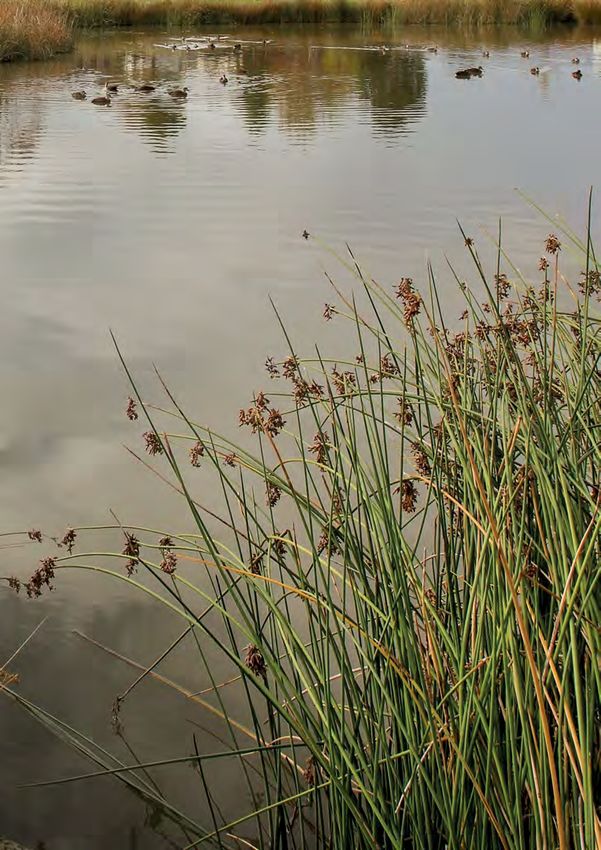
Both strategies have been co-developed and co-delivered           Listening to our customers
with communities and partner organisations. We work
                                                                  We engaged with our customers and the community from
with communities at a local level, who have an attachment
                                                                  February 2019 to June 2020. They pay for the services
to and aspirations for the places where they live. We also
                                                                  we provide, primarily through the Waterways and Drainage
work with organisations such as local government to manage
                                                                  Charge (the charge) levied on properties in the region. The
drainage infrastructure, Parks Victoria and local government
                                                                  levels of service that we provide are driven by a combination
to manage our land for public open space, and emergency
                                                                  of obligations and ‘customer value’ – that is, our customers’
services to prepare for and respond to flood events.
                                                                  preferences for levels of service, priorities, and the price they
These strategies acknowledge that over the next 50 years          are willing to pay for these services.
climate change, urbanisation and rapid population growth
                                                                  We take the need to provide affordable services very
are significant threats to the region, including our waterways.
                                                                  seriously. The global COVID-19 pandemic is causing financial
Climate change leads to longer, drier periods and more
                                                                  pressure for customers and communities across Victoria,
frequent extreme rainfall events, which degrade waterway
                                                                  Australia and around the world. Retail water companies
health and increase flood risk. Urbanisation is reducing areas
                                                                  in the region (providers of billing services on our behalf for
that can absorb water. Despite the slowing of population
                                                                  waterways and drainage, as well as our customers in delivery
due to the COVID-19 pandemic, we expect Melbourne’s
                                                                  of wholesale services relating to water and sewerage
population growth will continue to increase. All of these
                                                                  provision) have reported increased numbers of customers
factors will result in more stormwater runoff from hard
                                                                  seeking bill support. In developing our investment plan,
surfaces, which changes the natural flow regime and
                                                                  we have balanced the levels of service we provide with
degrades the waterway, and increases the risk of extreme
                                                                  affordability for customers. We will continue to work closely
heat and flooding. In turn, this increases risks for people,
                                                                  with the retail water companies and monitor the ongoing
property, infrastructure, waterways and places. Without
                                                                  impacts of the pandemic, with consideration for our
increased action, we will see an irreversible decline in
                                                                  customers, throughout the delivery of this investment plan.
waterway health and greater flooding. Our investment
plan directs our response to these challenges.                    The customer research (customer preference and willingness
                                                                  to pay survey) found that the majority of customers would
The COVID-19 pandemic and resulting restrictions pose risks
                                                                  prefer to pay a higher charge for increased services (up to
and challenges to the delivery of our services. To ensure we
                                                                  $8 for metropolitan residential customers) in relation to
continue to provide essential services in a way that is safe
                                                                  stormwater management (pollution removal and stormwater
both for our people and our customers, we have adapted
                                                                  harvesting), waterway management, flood risk management,
our ways of working. This includes enabling staff to work
                                                                  access to land and water, and community education and
from home, implementing social distancing practices, and
                                                                  involvement programs. However, some customers are
continuing to find innovative approaches to meeting any
                                                                  experiencing financial pressure, particularly relating to utility
limitations and challenges that these restrictions may pose.
                                                                  costs, and would prefer reduced services and a lower charge.
While some challenges may not yet be apparent, and we
                                                                  This customer research was undertaken during 2019, prior
will need to adaptively manage these as they arise,
                                                                  to the COVID-19 pandemic, which is creating greater
opportunities have also presented. The creation of over
                                                                  affordability issues for our customers. We are therefore
100 jobs to protect and improve waterways as part of our
                                                                  striving to deliver the vast majority of the increased services
Waterway Blitz program is one such example. This has come
                                                                  for a $5.32 total price increase over five years. This will be
about through the State government’s Working for Victoria
                                                                  staged as a 1 per cent increase per year over the five-year
initiative and will help us deliver on some of the priorities
                                                                  period and equates to an increase of approximately $1 a year
in the Healthy Waterways Strategy as well as provide much
                                                                  above CPI on metropolitan residential bills. A community
needed employment for people affected by the pandemic.
                                                                  deliberative panel supported our investment proposal in April
                                                                  2020, during the initial stage of the COVID-19 pandemic.
                                                                  The Essential Services Commission (ESC) regulates the
                                                                  prices we charge to ensure we are delivering our services
                                                                  efficiently and effectively and are guided by customer
                                                                  expectations and preferences.

                                                                              Waterways and Drainage Investment Plan July 2021 – June 2026   3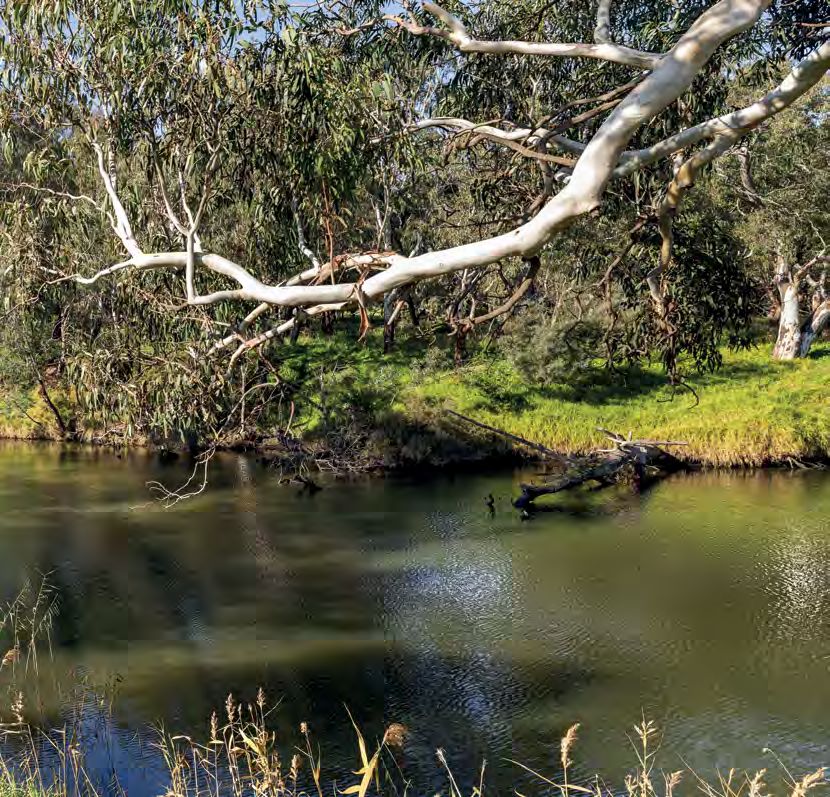
Maribyrnong River                                                Grasmere constructed wetlands for biodiversity, Berwick

      Our proposed investment plan                                      We will increase investment over the 2021 to 2026 period
                                                                        to address the significant deterioration in waterway health
      This investment plan covers our proposed expenditure to
                                                                        and increasing flood risk resulting from a changing climate
      deliver waterways and drainage services from 1 July 2021 to
                                                                        and growing urbanisation that has occurred up to the start
      30 June 2026. It informs our price submission to the ESC. To
                                                                        of this investment plan. This investment will result in the
      make sure our region remains a great place to live, subject to
                                                                        protection of waterway condition that would otherwise
      the ESC’s pricing determination, we propose $2,060 million
                                                                        decline and the improvement of waterway condition in some
      of investment (inclusive of corporate costs) in nine services:
                                                                        priority areas. For most services, it will deliver improvements
                                                                        in line with our regional strategies and customer preferences.
                                                                        It will also enable us to deliver new services to meet our new
        1. Stormwater management                         $264 million
                                                                        or expanded obligations. Future population growth and
        2. Healthy waterways                             $301 million   climate change will put even greater pressure on waterways
                                                                        and drainage services and the infrastructure that supports
        3. Flood risk management                         $271 million   these services. Key areas of increased investment include
                                                                        stormwater harvesting, flood mitigation, maintaining
        4. Aboriginal cultural values                    $2.4 million   constructed wetlands and improving access to waterways
                                                                        and land. We have balanced the need for greater action with
        5.	Community access,                            $73 million    affordability concerns to ensure the most cost-effective
            involvement and recreation                                  investments, which reflect the preferences of our customers.
                                                                        Based on the in-depth customer and stakeholder
        6. Land management                               $40 million
                                                                        engagement to establish community preferences, we are
                                                                        proposing that the Waterways and Drainage Charge for
        7.	Emergency and pollution response             $31 million
                                                                        households in the metropolitan area change from $104.32
        8. Coastal erosion advice                        $1.5 million   in 2020/21 to $105.36 in 2021/22. For the four subsequent
                                                                        years, the charge would be increased by an additional
        9. Urban development                             $723 million   1 per cent each year, an increase of just over $1 each year
                                                                        above CPI.

          Note – Funding to deliver the services and programs outlined in the Waterways and Drainage Investment Plan is
          subject to the Essential Service Commission’s pricing determination. Following the ESC’s final determination, this
          document may be updated to reflect changes in available funding. This plan was completed prior to finalisation
          of Melbourne Water’s 2021 Price Submission. In the case of any conflict in financials, the price submission document
          takes precedence.

4   Waterways and Drainage Investment Plan July 2021 – June 2026
We have balanced the need for
greater action with affordability
concerns to ensure the most
cost-effective investments, which
reflect the preferences of our
customers.

Kananook Creek Reserve, Frankston

                                    Waterways and Drainage Investment Plan July 2021 – June 2026   5
TABLE OF CONTENTS

      Aboriginal acknowledgement
      Foreword                                                                           1
      Executive summary                                                                  2
      Balancing key considerations                                                       2
      Listening to our customers                                                         3
      Our proposed investment plan                                                       4

      1      Investment proposal                                                        8
      1.1    Scope                                                                       9
      1.2    What you pay and what you receive                                          11
      1.3    Balancing key considerations for efficient and effective investment        14

      2      Meeting obligations and responsibilities                                   16
      2.1    Legislative and policy framework                                           17

      3      Aligning with regional co-developed strategies                             22
      3.1    Our co-developed strategies                                                23

      4      Responding to customer and community engagement                            28
      4.1    What we heard across all engagement activities                             29
      4.2    Key findings from the customer research                                    32
      4.3    Key outcomes from the deliberative panel                                   35
      4.4    Key feedback from local government                                         36
      4.5    Customer council                                                           37
      4.6    Traditional Owner, fee-for-service, developer and other engagement         37

      5      Determining priorities for the investment plan                             38
      5.1    Obligations and level of service                                           39
      5.2    Performance review                                                         40
      5.3    Program planning and business forecasting                                  40
      5.4    Performance, risk, engagement, management and outcomes framework (PREMO)   40

      6      Proposed services and programs                                             42
      6.1    Stormwater management                                                      44
      6.2    Healthy waterways                                                          49
      6.3    Flood risk management                                                      54
      6.4    Aboriginal cultural values                                                 58
      6.5    Community access, involvement and recreation                               59
      6.6    Land management                                                            63
      6.7    Emergency and pollution response                                           65
      6.8    Coastal erosion advice                                                     68
      6.9    Urban development                                                          69

6   Waterways and Drainage Investment Plan July 2021 – June 2026
7     Continuous improvement                                                                               72
7.1   Efficiencies                                                                                         74
7.2   Innovation                                                                                           77
7.3   Measuring performance                                                                                79
7.4   Key performance indicators                                                                           80
7.5   Reporting                                                                                            81

8     Conclusion                                                                                           82
Glossary                                                                                                  84

FIGURES
Figure 1    Melbourne Water’s service area                                                                  9
Figure 2    Revenue by customer                                                                             11
Figure 3    Number of customers                                                                             11
Figure 4    Waterways and drainage service areas                                                           12
Figure 5    Total expenditure by service area for the 5-year plan                                          14
Figure 6    Balancing key considerations to develop an efficient and effective investment plan             15
Figure 7    The Waterways and Drainage Investment Plan – informing the Price Submission
		          and delivery of actions                                                                        15
Figure 8    Legislative and policy framework                                                               17
Figure 9    Melbourne Water’s primary legislative obligations, roles and responsibilities                  18
Figure 10   Growth and urbanisation – increase in stormwater                                               25
Figure 11   Demonstrating the link between the science of our Healthy Waterways Strategy
		          and investment plan                                                                            26
Figure 12   Demonstrating our collaborative approach to managing flooding                                  27
Figure 13   Summary of our approach to engagement                                                          30
Figure 14   Summary of customer and community engagement and key statistics                                31
Figure 15   Customer preferences and willingness to pay                                                    33
Figure 16   Established requirements and customer-driven levels of service                                 39
Figure 17   Development of the investment plan                                                             41
Figure 18   Waterways and drainage services and programs                                                   43
Figure 19   Elements of the waterways and drainage system                                                  44
Figure 20 Stormwater management 5-year investment plan total forecast expenditure                          47
Figure 21   Example of a potential Sunbury integrated water management arrangement                         48
Figure 22 Healthy waterways 5-year investment plan total forecast expenditure                              52
Figure 23 Highlighting activities for healthy waterways, stormwater and land                               53
Figure 24 Flood risk management 5-year investment plan total forecast expenditure                          56
Figure 25 Highlighting activities in flood risk management                                                 57
Figure 26 Community access, involvement and recreation 5-year investment plan
		        total forecast expenditure                                                                       61
Figure 27 Highlighting projects in community access, involvement and recreation                            62
Figure 28 Land management 5-year investment plan total forecast expenditure                                64
Figure 29 Emergency and pollution response 5-year investment plan total forecast expenditure               66
Figure 30 Urban development 5-year investment plan total forecast expenditure                              71
Figure 31   The plan’s continuous improvement cycle                                                        73

TABLES
Table 1     Waterways and Drainage Charge                                                                  14

                                                                           Waterways and Drainage Investment Plan July 2021 – June 2026   7
SECTION 1        Balcombe Creek estuary

                                                                   INVESTMENT
                                                                    PROPOSAL

                              The Waterways and Drainage Charge (the charge)
                            is a fee that is applied to properties within our service
                           area. This investment plan sets out Melbourne Water’s
                             responsibilities, vision, rationale and investment for
                            waterways, drainage and flood management services
                           that are funded through the charge and fee-for-service.

8   Waterways and Drainage Investment Plan July 2021 – June 2026
1.1 Scope The charge is paid by residential, rural and business
customers in the region. Some customers pay fee-for-
Melbourne Water manages water supply catchments, treats
service for additional direct services. These customers are
and supplies drinking and recycled water, removes and treats
urban developers, property owners who pay to use river
most of Melbourne’s sewage, and manages waterways and
water or stormwater (diverters), rural drainage customers
major drainage systems in the Port Phillip and Westernport
within the Koo Wee Rup and Longwarry Flood Protection
region (see Figure 1). Melbourne Water is owned by the
District, and some Patterson Lakes residents who pay jetty
Victorian Government.
leasing and lake-flushing fees.
This investment plan sets out Melbourne Water’s
We have developed this investment plan as a requirement
responsibilities, vision, rationale and investment for
of, and to meet Melbourne Water’s legislative obligations
waterways, drainage and flood management services that
under the Water Industry Act 1994 (Vic) and our Statement
are funded through the Waterways and Drainage Charge
of Obligations (General).
(the charge) and fee-for-service.
Figure 1. Melbourne Water’s service area
Major catchments
1 Werribee 4 Dandenong
2 Maribyrnong 5 Westernport
2 3 Yarra Major Waterways
Gisborne
Whittlesea
Sunbury
Healesville
Melton 3
1
Melbourne
Werribee
4
Pakenham
Port Phillip Bay
Frankston Drouin
5
Mornington
Western Port
Rosebud
0 5 10 15 20 km
The region includes five major river basins: the Werribee, Maribyrnong and Yarra rivers, Dandenong Creek, and the
Westernport river systems. These river basins make up most of the catchments of Port Phillip Bay and Westernport.
Waterways and Drainage Investment Plan July 2021 – June 2026 9What is the Waterways and Drainage Charge? What are waterways?
The Waterways and Drainage Charge is a fee that Waterways are rivers, creeks, and their
is applied to properties within our service area. The associated estuaries and wetlands.
charge is collected by local water companies on our
behalf, and pays for services and programs that support
healthy waterways and a safe and reliable drainage
system. About two million property owners in the
region pay the charge.
Werribee River
10 Waterways and Drainage Investment Plan July 2021 – June 20261.2 What you pay and what you receive
The total projected revenue for the five-year period commencing on 1 July 2021 is $2,030 million. The revenue includes
$1,360 million (67 per cent) from the charge and $670 million (33 per cent) from fee-for-service, contributed by developers
and other fee-for-service customers, as shown in Figures 2 and 3.
Figure 2. Revenue by customer Figure 3. Number of customers
Waterways and Drainage Charge
Residential households $1,125.56 m Residential households 1,947,344
Non residential $199.32 m Non residential 158,619
Rural $35.24 m Rural 111,042
Direct Service Fees Other (diverters, rural drainage,
Developers $658.61 m jetty management & lake flushing) 6,708
Other (diverters, Koo Wee Rup– Note: Customer numbers shown for June 2020
Longwarry, Patterson Lakes) $11.31 m
Note: Total revenue for five years (2021/22 to 2025/26)
shown in real 2021 dollars
1.2.1 Our services The distribution of expenditure across the service
The investment plan includes nine distinct service areas areas is shown in Figure 5. Note revenue and expenditure
and their associated programs, as illustrated in Figure 4. don’t match due to timing around when we recover
These services are interrelated in ensuring community our expenditure. Developer contributions are received
value, healthy waterways, community protection from progressively over many years as land is developed; however,
capital assets are generally built earlier in the development
flooding and reduced impacts from urban development.
process. Also, capital assets such as pipes and channels are
To deliver these service areas, the total expenditure forecast depreciated over the life of the asset, so we spend money to
for the five-year period is $2,060 million, comprising capital build the asset up front and then recover our costs over time.
expenditure of $1,275 million and operating expenditure
of $785 million.
Waterways and Drainage Investment Plan July 2021 – June 2026 11Figure 4. Waterways and drainage service areas
Stormwater management
• Stormwater quality treatment systems
• Stormwater harvesting and infiltration
• Monitoring, planning and research
• Managing pollution
Healthy waterways
• Waterway condition
• Planting trees and shrubs
• Constructing or upgrading fishways
• Monitoring, planning and research
• Diversions (fee-for-service)
Flood risk management
• Flood preparedness and mitigation
• Flood investigation and research
• Flood information and planning
• Maintenance and upgrading of drainage
• Rural drainage (fee-for-service)
Aboriginal cultural values
• Waterway cultural values
Community access, involvement
and recreation
• Managing litter
• Recreational access to water
• Planting trees and shrubs
• Lake flushing and jetty leasing
(fee-for-service)
12 Waterways and Drainage Investment Plan July 2021 – June 2026Figure 4. Waterways and drainage service areas continued
Land management
• Sites of biodiversity significance
• Pest management
• Grass cutting and fencing
Emergency and pollution response
• Emergency preparedness
and response
Coastal erosion advice
• Provide advice on coastal erosion risks
• Provide support for the erosion
component of coastal hazard
assessments
Urban development
• Greenfield development
• Major urban renewal
• Small-scale development and renewal
• Land development capital works
Waterways and Drainage Investment Plan July 2021 – June 2026 13Figure 5. Total expenditure by service area for the 5-year plan
Fig 5
Aboriginal cultural values $2.4 m
Coastal erosion advice $1.5 m
Community access, involvement and recreation $72.7 m
Corporate $316.6 m
Emergency and pollution response $30.5 m
Flood risk management $270.5 m
Healthy waterways $301.1 m
Land management $40.3 m
Stormwater management $263.8 m
Tax $37.7 m
Urban development $722.7 m
Note: Dollars are Real 2021, including labour
1.2.2 Corporate costs The charge makes up 67 per cent of revenue. Developer
There are a broad range of business support activities not contributions make up 32 per cent of our revenue with
directly attributed to a specific waterways and drainage fee-for-service (diverters, Koo Wee Rup–Longwarry and
service that are still essential for delivering our services. Patterson Lakes–Quiet Lakes) making up the remaining
Costs of these activities are referred to as corporate 1 per cent. A full list of the prices for all our waterways
costs. Examples include our office buildings and facilities, and drainage services are provided as part of our Melbourne
vehicles, equipment and machines, and legal, financial and Water 2021 price submission and is available on our website
personnel support services. Where these costs are shared, www.melbournewater.com.au.
they are apportioned across water, sewerage, and waterways This represents an increase in the charge for metropolitan
and drainage services. For waterways and drainage residential customers of $1.04 including CPI in the first year,
services these costs are either based on total revenue from with an additional 1 per cent increase and CPI adjustments
waterways and drainage, the number of employees, or in the following four years. For rural customers, the Year 1
capital expenditure. We pay taxes, fees and levies such increase is $0.57. Non-residential (business) customers pay
as land tax, licence fees, and fire services and landfill levies a property-based charge and the minimum charge would
as part of our operations. increase by $1.57. Social research indicated that the majority
Sharing these corporate costs across our broader services of customers were willing to pay more than this for their
enables us to deliver these more efficiently. We get preferred levels of service.
economies of scale through our capital program by sharing
resources with our water and sewerage services. 1.3 Balancing key considerations for efficient
and effective investment
1.2.3 Our prices Ensuring the effective and efficient delivery of services,
To deliver these services, meet our legislative requirements where benefits to the community exceed the costs, involves
and deliver value to customers, our proposed prices from balancing investment with four key considerations:
1 July 2021 are as shown in Table 1. These prices will be 1. Meeting obligations, responsibilities and directions.
increased by 1 per cent each year plus CPI adjustments.
2. Aligning with regional co-developed strategies that
address the risks of climate change and urbanisation.
Waterways and Drainage
Customer type Charge (July 2021) 3. Responding to customer and community engagement,
Residential households $105.36 including customers’ preferences and willingness to
pay for our services.
Non-residential households $158.29 minimum
4. Ensuring our investment is efficient and effective.
Rural $57.85
Figures 6 and 7 outline these key considerations and how
Table 1. Waterways and Drainage Charge
they align with our obligations, strategies and risk. These
are presented in more detail in the following chapters.
14 Waterways and Drainage Investment Plan July 2021 – June 2026Figure 6. Balancing key considerations to develop an efficient and effective investment plan
• Planning and forecasting • Legislation, policy, strategies
• Resourcing and delivery mechanisms •
Expanded responsibilities
• Research and innovation and directions: social and
• Essential Services Commission Aboriginal cultural values,
water pricing framework coastal erosion, Yarra
(PREMO – prioritisation, risk, Determining Strategic Plan, and integrated
engagement, management priorities for Meeting water management
efficiency and obligations and
and outcomes)
effectiveness responsibilities
• Waterways and Drainage Responding to Aligning with • Healthy Waterways Strategy
Investment Plan vision customer and regional
community co-developed • Flood Management Strategy
• Customer and community engagement strategies • Port Phillip Bay
engagement Environmental
• Social research on customer Management Plan
preferences and willingness to pay
• Local government engagement
• Public engagement
Figure 7. The Waterways and Drainage Investment Plan – informing the Price Submission and delivery of actions
CO-DEVELOPED STRATEGIES LEGISLATION / OBLIGATIONS CUSTOMER RESEARCH
AND ENGAGEMENT
(Healthy Waterways Strategy, (e.g. Water Act, Planning and
Flood Strategy, Environment Act, State Environment (e.g. Waterways and Drainage
Port Phillip Bay Environmental Protection Policy, Melbourne Water customer council, deliberative panel,
Management Plan) Statement of Obligations) direct service customer engagement,
customer preference and willingness
to pay survey)
WATERWAYS AND DRAINAGE INVESTMENT PLAN
(Melbourne Water programs)
OTHER ORGANISATIONS’ DELIVERY OF ACTIONS PRICE SUBMISSION 2021
PLANNING (Including partnerships and (All Melbourne Water services –
(Other organisations’ actions) co-delivery for improved efficiency water, sewerage, waterways
and cost-effectiveness) and drainage)
Waterways and Drainage Investment Plan July 2021 – June 2026 15SECTION 2
Werribee River
MEETING
OBLIGATIONS AND
RESPONSIBILITIES
As a Victorian Government-owned corporation,
Melbourne Water operates under a comprehensive
legislative and policy framework. Changes in legislation
and policy have expanded Melbourne Water’s
responsibilities over the last five years.
16 Waterways and Drainage Investment Plan July 2021 – June 20262.1 Legislative and policy framework
The following framework (see Figure 8) establishes our statutory obligations and responsibilities as the designated waterway
and floodplain manager for the region.
Figure 8. Legislative and policy framework
Strategic policy Melbourne Water
Legislation Policy setting
implementation obligations and plans
Defining policy, setting
Requirements, measures Outlining actions and Specific obligations, tasks
values and determining
and guidelines targets to manage risks and on-ground programs
environmental quality
and protect values for achieving targets
indicators
Water Industry Act Victorian Waterway Regional Catchment Statement
1994 Management Strategy Strategy of Obligations
Healthy Flood Corporate Plan
Water Act Victorian Floodplain Waterways
Management Strategy Strategy
1989 Strategy
Waterways & Drainage
Investment Plan
Environment Environmental Port Phillip Bay
Protection Act 1970 Reference Standards Environmental
Management Plan
Healthy Flood
Waterways Strategy
Marine and Coastal Strategy action plan
Marine and Coastal Marine and
Reforms Final co-delivery
Act 2018 Coastal Policy
Transition Plan
Price Determination
Planning & Environment Victorian Planning Catchment scale
Act 1987 Provisions IWM plans
Customer charter and
Principles for Provision
Building controls of Waterway and
Building Regulations Act
Drainage Services
1993 (Cth)
Yarra Strategic Plan for Urban Growth
Have undergone major revision since the 2016 Pricing Determination
Waterways and Drainage Investment Plan July 2021 – June 2026 172.1.1 Legislative obligations and responsibilities
Figure 9 summarises the key legislative obligations and responsibilities relevant to this investment plan.
Figure 9. Melbourne Water’s primary legislative obligations, roles and responsibilities
Primary legislative obligations and responsibilities associated with waterways and drainage
Water Act 1989 (Vic): Environment Protection Act 2017 (Vic):
Designated waterway manager, with responsibility • H
ave regard to the principles of environment
for managing waterways, major drainage systems, protection when discharging functions.
floodplains, and the Environmental Water Reserve. • M
eet the requirements of the new General
• F loodplain management and major drainage Environment Duty.
functions, including: • H
elp achieve water quality objectives for individual
- Predicting floodwater extent and height and declaring waterways, and protect environmental values and
flood levels. beneficial uses of waterways (such as recreation)
by reducing nutrient, sediment and toxicant loads
- Developing and implementing plans or schemes, delivered by stormwater. In doing so, we implement
and taking action needed to minimise flooding and Victoria’s Urban Stormwater Best Practice
flood damage, bring into operation new drainage Environmental Management Guidelines for ecological
systems and improve stormwater quality in drainage protection of waterways from urban stormwater.
systems.
Water Industry Act 1994 (Vic):
- Providing advice about flooding and controls on
development, including declaring the flood level
of an event that has a 1 per cent probability of • C
ompliance with Statement of Obligations (General,
occurring in any one year. Emissions Reduction) and Water Industry Regulatory
Order issued by the Minister for Water.
- Planning, providing information, and implementing
and operating drainage infrastructure to manage Melbourne Water Statement
flood risk for existing and new developments. of Obligations 2015:
- Ensuring that adequate drainage and flood
• D
evelop and implement the Waterways and Drainage
protection standards for development are achieved
Investment Plan.
and that waterway beds and banks are protected
and enhanced. This is facilitated through the • F acilitate opportunities for stormwater capture and
preparation of development services schemes. fit-for-purpose re-use.
• T ake into account principles of integrated water
• P
repare and implement a regional waterway
management.
management strategy to improve and protect the
health and environmental values of the rivers, wetlands Climate Change Act 2017 (Vic):
and estuaries within the Port Phillip and Westernport
region, on behalf of the community. This includes
• R
equired sector pledge to reduce emissions (achieve
water quality and other uses that depend
net zero emissions by 2050). Melbourne Water has
on environmental condition.
pledged to achieve net zero emissions by 2030.
• C
onsider opportunities to provide for Aboriginal
cultural values and uses of waterways, and their social,
economic and recreational values and uses.
• Educate the public about waterway management.
18 Waterways and Drainage Investment Plan July 2021 – June 2026Figure 9. Melbourne Water’s primary legislative obligations, roles and responsibilities continued
Planning and Environment Act 1987 (Vic): Marine and Coastal Act 2018 (Vic):
• S tatutory referral authority role for planning • P
rovide technical advice on any matters relating to or
applications that may affect waterways. affecting coastal erosion in our waterway management
• E nables Melbourne Water to comment on or in some district, including matters relating to or affecting the
cases object to applications. marine and coastal environment.
• E nables Melbourne Water to place conditions on Flora and Fauna Guarantee Act 1998 (Vic)
planning permits relating to the use or development and Environmental Protection and Biodiversity
of a property, in relation to flood-related zones
Conservation Act 1999 (Cth):
and overlays.
Subdivision Act 1988 (Vic): • R
esponsibilities for biodiversity conservation for three
Ramsar wetlands (wetlands of international significance
• R
eferral authority powers for the assessment that are protected under international treaties and law).
of planning permits to subdivide land.
Emergency Management Manual Victoria
Emergency Management Act 2013 (Vic): (2018) and Non-hazardous pollution of inland
waterways response plan (Department of
• Role in contributing to flood response and recovery. Environment, Land, Water and Planning 2019)
• R
ole in risk management of owned and operated
• D
esignates Melbourne Water as the incident
critical infrastructure.
controller for non-hazardous pollution of inland water.
Catchment and Land Protection Act 1994 (Vic):
• M
ust take all reasonable steps (as a land owner) to
avoid land degradation, conserve soil, protect water
resources, and eradicate weeds and pest animals.
Dandenong Creek Grasmere natural wetlands, Berwick
Waterways and Drainage Investment Plan July 2021 – June 2026 192.1.2 Expanded responsibilities over the last five years 2.1.2.3 Coastal erosion advice
Changes in legislation and policy have expanded Melbourne Under the Marine and Coastal Act 2018, the minister
Water’s responsibilities over the last five years. may require Melbourne Water to provide technical advice
on coastal erosion in its waterway management district,
2.1.2.1 Aboriginal cultural values including matters relating to or affecting the marine and
Amendments to the Water Act in 2019 require Melbourne coastal environment. Our role does not extend beyond
Water to consider opportunities to provide for Aboriginal providing advice. The Marine and Coastal Policy 2020 clarifies
cultural values and uses of waterways. This is also in that owners of property or assets at risk from coastal
accordance with Water for Victoria (DELWP 2016), the state hazards are responsible for their own risk exposure, and that
government’s long-term plan for managing Victoria’s precious state government and Crown land managers do not have
water resources. The plan requires water corporations such an obligation to manage coastal processes or Crown land
as Melbourne Water to recognise Aboriginal values and for protection of private property.
objectives of water, include Aboriginal values and traditional 2.1.2.4 Integrated water management (IWM)
ecological knowledge in water planning, support Aboriginal Melbourne Water’s Statement of Obligations requires
access to water for economic development, and build us to take into account the principles of integrated water
capacity to increase Aboriginal participation in water management (IWM) in delivering efficient and effective
management. waterways and drainage services. Melbourne Water
2.1.2.2 Social and recreational values participates in and supports the five collaborative IWM
The 2019 amendments to the Act require Melbourne catchment forums that the Department of Environment,
Water to consider opportunities to provide for social and Land, Water and Planning (DELWP) established as part of
recreational uses of waterways. The Act defines social and Water for Victoria. These forums align with the catchments
recreational uses and values as (a) the uses of waterways of the Healthy Waterways Strategy and support IWM-related
for social and recreational purposes; and (b) the economic, services, including stormwater and flood management,
aesthetic and wellbeing benefits that the community and healthy waterways. Key benefits of IWM include the
derives from the use of waterways for social and recreational re-use of alternative water sources such as stormwater
purposes. Our Statement of Obligations states we must and recycled water. This can provide benefits to waterway
‘manage water resources in a sustainable manner that health and also reduce the need to use precious drinking
enhances environmental outcomes and amenity in urban water for uses such as irrigation or toilet flushing.
and rural landscapes’. The Ministerial Letter of Expectations
2019 states that ‘Melbourne Water will commit to
strengthening its community engagement efforts to consider
shared benefits, including recreational benefits of water
in planning and management decisions’.
20 Waterways and Drainage Investment Plan July 2021 – June 2026Integrated water management These include supporting environmental health,
community wellbeing, affordable services and
Integrated water management (IWM) is a holistic
water resilience.
approach to delivering water services. IWM considers
the natural water cycle and all water systems, For example, we can capture, filter and direct
including flooding, drainage, waterway, water supply stormwater to irrigate parks and to support healthy
and sewerage services, as one single system. flows for rivers; and we can provide access to
waterways and open spaces to develop green, cool
Adopting an IWM approach encourages development
places for refuge in a time of climate change. Local
of regional-scale to place-based responses that can
government and the water sector have implemented
provide multiple benefits.
IWM projects to maintain green spaces, cool urban
environments and increase water security.
Maribyrnong River at Footscray Park
Waterways and Drainage Investment Plan July 2021 – June 2026 21SECTION 3
ALIGNING WITH Merri Creek at Yarra Bend
REGIONAL
CO-DEVELOPED
STRATEGIES
We recognise that taking a collective
approach is the only way to ensure our
waterways remain healthy and flood
impacts are minimised.
22 Waterways and Drainage Investment Plan July 2021 – June 20263. Aligning with regional co-developed 3.1 Our co-developed strategies
strategies The Healthy Waterways Strategy was co-designed with our
While our legislative obligations and policy directions engaged community (actively involved and interested in
require us to co-develop regional strategies that direct waterways and their management) and delivery partners
activities to protect waterways and deliver drainage and including local communities, community groups, Traditional
flood management improvements, we also recognise that Owners and local government. Engagement was in-depth
taking a collective approach is the only way to ensure our and extensive, involving 23 forums across the five
waterways remain healthy and flood impacts are minimised. catchments. The process was overseen by an independently
chaired project leadership team, with representation from
Addressing the significant threats from climate change the Port Phillip and Westernport Catchment Management
and urbanisation on waterways and flooding requires the Authority, Environment Protection Authority (EPA)
combined action of many organisations and individuals Victoria, DELWP, Parks Victoria, the Municipal Association
who all have different responsibilities for various aspects of Victoria and Melbourne Water.
of waterways and drainage.
Underpinned by extensive scientific research, the strategy
This investment plan translates the shared longer-term demonstrates that urgent action is needed to protect our
strategic vision, objectives and actions developed for the waterways in the context of climate change and urbanisation,
Healthy Waterways Strategy and the Flood Management and that stormwater is a primary threat to waterway health.
Strategy – Port Phillip and Westernport into a five-year This strategy aligns with the Yarra Strategic Plan, which
investment plan, to guide the delivery of Melbourne Water’s is an integrated corridor plan developed collaboratively by
actions and ensure these are funded. the Wurundjeri Woi wurrung Cultural Heritage Aboriginal
Corporation and all 15 state and local government agencies
Both strategies were co-developed and will continue to be involved in managing the river. The strategy also aligns
co-delivered with our partners to ensure coordinated action with the Port Phillip Bay Environmental Management Plan,
for greater benefits. This approach flows through into nearly developed in collaboration with DELWP and EPA Victoria,
all our waterways and drainage programs. We aim to deliver and identifies priority areas for investment to protect
these in partnership with others to ensure the charge our environmental, social, cultural and economic waterway
customers pay for waterways and drainage services goes values.
as far as possible and delivers more than it otherwise would.
The Flood Management Strategy, focuses on collectively
This means we can keep prices as low as possible, whilst
understanding, preparing for, managing and recovering from
delivering the improved services and outcomes our
flooding events. It is currently being refreshed with our flood
customers have asked for.
management partners: local, state and federal government;
water authorities; emergency services and the insurance
sector. The process is being overseen by a flood leadership
committee comprising flood partner organisations and
Melbourne Water.
The key objectives of the strategy are:
• T he right information is available at the right time to the
people who need it.
• F lood risks and opportunities are managed to reduce
impacts and get the best social, economic and
environmental outcomes.
• L and, water and emergency agencies work together
to manage flooding effectively.
Bunyip River, Nine Mile Road The refreshed strategy recognises that despite the extensive
drainage network in the region, flood risks are growing due
to climate change and urban development. The strategy
is focusing on continuing to evolve our flood management
approaches to ensure we can keep building resilience to
flooding and making the region safer for our community.
Waterways and Drainage Investment Plan July 2021 – June 2026 23Carrum (David Hannah) Development showing urbanisation
3.1.1 The interaction of climate change and Population growth also brings urbanisation and more hard
urbanisation as key threats to waterways surfaces such as roads, roofs and pavements. Runoff from
and flooding these hard surfaces carries pollutants and litter into the
We are living in a changing climate. Climate projections drainage system and into our waterways and bays.
for Melbourne show that while overall rainfall is reducing, When urbanisation is combined with increasing storm
when storms do happen, they are more intense. Increased intensity, more stormwater enters our drains and can
hard surfaces (impervious surfaces) reduce the opportunity cause flash flooding. Flooding also occurs when the amount
for rainfall to soak into the ground, which is needed to of stormwater flowing into creeks exceeds the capacity
support local waterways in drier periods. Additionally, of river systems, and through coastal storm surges.
stormwater flows more rapidly during storms and results
in unnaturally high flows. This damages the waterways We have a greater understanding of how climate change
and degrades their ecosystems. Figure 10 illustrates how and urbanisation is impacting our waterways and their
growth and urbanisation increases stormwater and impacts environmental, social, cultural and economic values (see
our waterways. Figures 10 and 11). We also understand the impacts this will
have on the effectiveness of our services. Without increased
Over the past five years, the city’s population has grown investment, waterway health will deteriorate significantly.
faster than ever before. Even with a slowing of population
growth due to the COVID-19 pandemic, long-term The impacts of climate change and urbanisation are
population in Greater Melbourne is projected to increase increasing flood risk and a collaborative approach across
from five million in 2018 to nine million in 20561. all responsible organisations is essential to reducing the
risk and building resilience (Figure 12).
As our population grows, more people seek access to
waterways for recreation and to receive the health benefits This plan details investment in waterways and drainage
of being in nature. This has been particularly noticeable services over the next five years. This timeframe is critical.
during the pandemic when we have seen significant increases What we do now sets the region on a trajectory for the
in people using waterway corridors for these purposes. next 30 years.
1 State Government of Victoria, Department of Environment, Land, Water and Planning, (2019),
Victoria in Future 2019. Population Projections 2016 to 2056. July 2019
24 Waterways and Drainage Investment Plan July 2021 – June 2026Figure 10. Growth and urbanisation – increase in stormwater
Melbourne predicted to be 59% more impervious within 50 years
Forested Urban
Precipitation Precipitation
Permeable topsoil Evaporation Evaporation
Less permeable
subsoil on rock
Transpiration Transpiration
Infiltration
Infiltration
Wat
er table
Runoff Runoff
Base flow
Base flow
Changes to flow in local waterways: higher peak flows, more often and longer periods of zero flow
Erosion & habitat damage
Natural flows
Urban flows
Rainfall Rainfall
No flow
Time since rainfall Time since rainfall
Waterways and Drainage Investment Plan July 2021 – June 2026 25Figure 11. Demonstrating the link between the science of our Healthy Waterways Strategy and investment plan
Healthy Waterways Strategy – How research and science supports our investment plan
Scientific modelling
Over two decades Scientific models Habitat suitability Conceptual models
of biological data from to predict behaviour modelling – – which management
our waterways and under different How suitable is the actions are likely
extensive research conditions including waterway habitat for to be most effective
climate change and different animals and
urbanisation plants e.g. frogs, fish,
aquatic life?
Determining cost-effective actions
Threat analysis and management opportunities Determine appropriate actions
tool – which are the most cost-effective actions Consider actions by other co-delivery partners
Planning scenarios
Current trajectory (expected Engaged Target trajectory (expected change with increased
change in waterway health if community coordinated, collaborative and prioritised effort
current programs and investment and partner and investment) – results in maintaining and where
continues) – results in a decline involvement possible improving waterway health
across the majority of waterways
Set performance objectives and targets
50-year vision – engaged community, Melbourne Water and partners Continue to use
scientific data and
expert and community
20-50 year goals input to refine
programs through
10-20 year targets a monitoring,
evaluation, reporting
and improvement
5-10 year performance objectives (MERI) program
Customer preferences and willingness to pay Waterways and Drainage Investment Plan programs
See Healthy Waterways Strategy at www.melbournewater.com.au for detailed information on the science supporting our programs
26 Waterways and Drainage Investment Plan July 2021 – June 2026Figure 12. Demonstrating our collaborative approach to managing flooding
Our collaborative approach to managing flooding in the region – working with our 50+ flood partners
Vision Together we are aware, responsive and resilient. Communities, business and government
understand flooding, plan collaboratively for challenges and take action to manage risks and optimise
opportunities, for now and the future.
Objective 1 Objective 2 Objective 3
The right information is available Flood risks and opportunities are managed Land, water and emergency
at the right time to the people to reduce impacts and get the best social, agencies work together to
who need it economic and environmental outcomes manage flooding effectively
10-year outcomes 10-year outcomes 10-year outcomes
• Agency knowledge of flood • Flood impacts are reduced • Clear roles and responsibilities
risks has improved (relative to a do-nothing scenario) allow agencies to deliver effective
• Communities in flood-prone • Land use and development in flood-prone flood management and emergency
areas have increased awareness areas is appropriate to the level of flood risk services
of flood risk • The impacts of climate change and • Agencies collaborate to plan for
• Flood affected communities have coastal flooding are incorporated into and manage flood risk and flood
access to clear, appropriate and planning and decision-making emergencies
timely emergency information • Integrated water management and
flood infrastructure achieve maximum
public value
Focus areas Focus areas Focus areas
• Fit-for-purpose information • Flood effects reduction • Clarifying roles and responsibilities
• Community knowledge platform • Land use planning • Emergency agency preparedness
• Empowering communities • Challenges of climate change and response
• Multiple benefits embedded • Flood recovery
in decision-making
5-year action plans x2 5-year action plans x2 5-year action plans x2
Actions Actions Actions
Waterways and Drainage Investment Plan programs
Waterways and Drainage Investment Plan July 2021 – June 2026 27SECTION 4
RESPONDING Yarra River, Warburton
TO CUSTOMER
AND COMMUNITY
ENGAGEMENT
We developed this investment plan using
industry-leading engagement approaches with our
customers and community. Overall, customers and
the community strongly supported our services.
The majority of customers were willing to pay more
than the current charge for increased service levels.
28 Waterways and Drainage Investment Plan July 2021 – June 2026You can also read


