Differences in the Genital Microbiota in Women Who Naturally Clear Chlamydia trachomatis Infection Compared to Women Who Do Not Clear; A Pilot Study
←
→
Page content transcription
If your browser does not render page correctly, please read the page content below
ORIGINAL RESEARCH
                                                                                                                                                published: 12 April 2021
                                                                                                                                       doi: 10.3389/fcimb.2021.615770

                                             Differences in the Genital Microbiota
                                             in Women Who Naturally Clear
                                             Chlamydia trachomatis Infection
                                             Compared to Women Who Do Not
                                             Clear; A Pilot Study
                                             Patricia Dehon Mott 1†, Christopher M. Taylor 1†, Rebecca A. Lillis 2, Caleb M. Ardizzone 1,
                                             Hannah L. Albritton 1, Meng Luo 1, Kaitlyn G. Calabresi 1, David H. Martin 2, Leann Myers 3
                                             and Alison J. Quayle 1*
                                             1Department of Microbiology, Immunology and Parasitology, Louisiana State University Health Sciences Center, New
                             Edited by:
                      Matthew S. Payne,      Orleans, LA, United States, 2 Division of Infectious Diseases, Department of Medicine, Louisiana State University Health
         University of Western Australia,    Sciences Center, New Orleans, LA, United States, 3 Department of Biostatistics and Data Science, Tulane University School
                               Australia     of Public Health and Tropical Medicine, Tulane University, New Orleans, LA, United States

                         Reviewed by:
                         Erica Plummer,      In vitro studies indicate IFNg is central to Chlamydia trachomatis (Ct) eradication, but its
            Monash University, Australia
                                             function may be compromised by anaerobes typically associated with bacterial vaginosis
                 Martin James Holland,
         London School of Hygiene and        (BV), a frequent co-morbidity in women with Ct. Here we investigated the associations
     Tropical Medicine, United Kingdom       between natural clearance of cervical Ct infection, the vaginal microbiome, and the
                    *Correspondence:         requirements for IFNg by evaluating the vaginal microbial and cytokine composition of
                       Alison J. Quayle
                    AQuayl@lsuhsc.edu        Ct treatment visit samples from women who cleared Ct infection in the interim between
 †
  These authors share first authorship        their Ct screening and Ct treatment visit. The pilot cohort was young, predominantly
                                             African American, and characterized by a high rate of BV that was treated with
                     Specialty section:      metronidazole at the Ct screening visit. The rate of natural Ct clearance was 23.6% by
          This article was submitted to
     Microbiome in Health and Disease,
                                             the Ct treatment visit (median 9 days). 16S rRNA gene sequencing revealed that
                  a section of the journal   metronidazole-treated women who had a Lactobacillus spp.-dominant vaginal
       Frontiers in Cellular and Infection
                                             microbiota (CST 2 or 3) at the Ct treatment visit, were more prevalent in the Ct clearing
                             Microbiology
                                             population than the non-clearing population (86% v. 50%). L. iners (CST2) was the major
           Received: 09 October 2020
            Accepted: 03 March 2021          Lactobacillus spp. present in Ct clearers, and 33% still remained anaerobe-dominant
             Published: 12 April 2021        (CST1). Vaginal IFNg levels were not significantly different in Ct clearers and non-clearers
                                 Citation:   and were several logs lower than that required for killing Ct in vitro. An expanded panel of
          Mott PD, Taylor CM, Lillis RA,
   Ardizzone CM, Albritton HL, Luo M,
                                             IFNg-induced and proinflammatory cytokines and chemokines also did not reveal
Calabresi KG, Martin DH, Myers L and         differences between Ct clearers and non-clearers, but, rather, suggested signatures
    Quayle AJ (2021) Differences in the
                                             better associated with specific CSTs. Taken together, these findings suggest that BV-
    Genital Microbiota in Women Who
Naturally Clear Chlamydia trachomatis        associated bacteria may impede Ct clearance, but a Lactobacillus spp.-dominant
  Infection Compared to Women Who            microbiome is not an absolute requirement to clear. Further, IFNg may be required at
            Do Not Clear; A Pilot Study.
Front. Cell. Infect. Microbiol. 11:615770.
                                             lower concentrations than in vitro modeling indicates, suggesting it may act together with
       doi: 10.3389/fcimb.2021.615770        other factors in vivo. Data also revealed that the vaginal bacteria-driven inflammation add

Frontiers in Cellular and Infection Microbiology | www.frontiersin.org              1                                          April 2021 | Volume 11 | Article 615770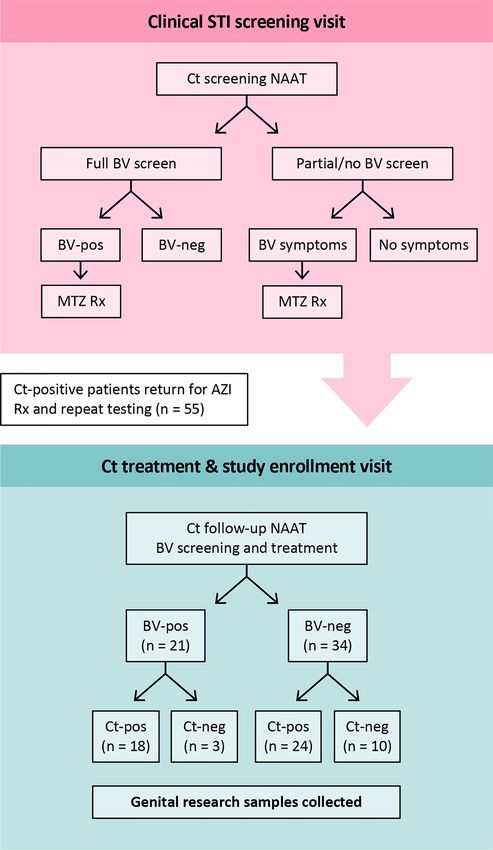
Mott et al.                                                                                                  Microbiota in Chlamydia trachomatis Clearance

                                            complexity to the genital cytokine milieu, but changes in this microbiota may contribute to,
                                            or provide cytokine biomarkers, for a shift to Ct clearance.
                                            Keywords: Chlamydia trachomatis, bacterial vaginosis, interferon-g, proinflammatory cytokines, microbiome,
                                            natural clearance, women

INTRODUCTION                                                                     clinical criteria (BV-Amsel) (Amsel et al., 1983), or by the Nugent
                                                                                 scoring system (BV-Nugent) (Nugent et al., 1991) which captures
Chlamydia trachomatis (Ct) infection is the most prevalent                       bacterial morphotypes on a Gram stain; vaginal microbiota can
national notifiable infectious disease in the US, and the most                    also be molecularly classified by 16S rRNA gene sequence
common sexually transmitted bacterial infection worldwide                        characterization of vaginal bacterial CSTs (BV-CST) (Mckinnon
(Newman et al., 2015). In some women the bacteria will                           et al., 2019). Using CST analyses, vaginal bacterial communities
ascend from the cervix, the primary site of infection, into the                  are more specifically classified based on species dominance and
uterus and fallopian tubes where chronic infection can lead to                   relative abundance (Redelinghuys et al., 2020), and ‘optimal’ and
severe reproductive pathology (Brunham and Rey-Ladino, 2005;                     ‘non-optimal communities’ defined by these molecular techniques
Brunham and Rekart, 2009). While public health initiatives have                  broadly overlap with BV defined by classical methods, although
increased Ct screening and treatment rates, leading to decreased                 are still considered distinct (Mckinnon et al., 2019).
upper tract pathologies, efforts to control the infection are                        BV is the most frequent cause of vaginal discharge and
mitigated by a lack of global access to screening, the                           malodor (Allsworth and Peipert, 2007) and is found in 20-65%
asymptomatic nature of the infection and high reinfection rate                   of Ct-infected women (Wiesenfeld et al., 2003; Ficarra et al.,
(Workowski et al., 2010; Datta et al., 2014). Vaccine initiatives                2008; Balle et al., 2018; Filardo et al., 2019). A BV diagnosis by
are being embraced, but there has been a historic absence of a                   Amsel criteria, used as a point-of-care test in many STI clinics
readily identifiable cohort to help inform correlates of protection.              including our own, prompts physicians to prescribe oral
A series of studies from one US sexually transmitted infection                   metronidazole, metronidazole gel or clindamycin cream at a Ct
(STI) Clinic, however, revealed first that ~20% of women                          screening visit. Metronidazole treatment is effective in most,
screened for Ct naturally cleared the infection in the short                     although not all women, with up to 84% clinical cure rates at 1
interim between screening and antibiotic treatment visits and                    month (Oduyebo et al., 2009). However, BV commonly reoccurs
second, that these women were also significantly protected from                   and requires retreatment; 58% of treated women will have a
reinfection (Geisler et al., 2008; Geisler et al., 2013). Thus, these            recurrence of BV-Amsel by 12 months (Bradshaw et al., 2006).
studies revealed a key patient group that may help identify the                  Recent, extensive studies in high-risk young women have shown
genital immune and environmental correlates of resolution and                    that BV can drive a local cervicovaginal pro-inflammatory milieu
subsequent protection from reinfection. The data also reveal that                (Sturm-Ramirez et al., 2000; Anahtar et al., 2015; Jespers et al.,
the rate of natural clearance may be bi-phasic since a large long-               2017; Redelinghuys et al., 2020), potentially confounding studies
term natural history study previously showed that only 50% of                    designed to investigate correlates of immunity to Ct. Thus, there
women will naturally resolve Ct infection in one year and 80% in                 is a need to better understand the interaction of the vaginal
two years (Morre et al., 2002; Molano et al., 2005). This                        microbiome and Ct infection in women in order to optimize
dichotomy needs further investigation.                                           treatment and prevention of both the latter and BV.
    In vitro and animal studies have reiterated a central role for the               The purpose of this pilot study was to determine the potential
cytokine interferon gamma (IFNg) in the resolution of Ct, an                     associations between the natural clearance of cervical Ct
obligate intracellular pathogen (Carlin et al., 1989; Rank et al.,               infection, the vaginal microbiome and requirements for IFNg.
1992; Beatty et al., 1994a; Gondek et al., 2009). Modeling in human              We approached this by evaluating the vaginal microbial and
endocervical epithelial cells, the primary site of Ct infection,                 cervicovaginal cytokine milieu of a cohort of Ct positive women
indicates IFNg induces the tryptophan-degrading enzyme                           who were returning to our New Orleans STI Clinic for Ct
indoleamine 2,3-dioxygenase (IDO-1) (Beatty et al., 1994a; Xie                   treatment approximately 9 days after a Ct screen. Since the Ct
et al., 2002). Since Ct cannot synthesize tryptophan de novo, the                screening visit was concomitant with a BV diagnosis and
bacteria can be eradicated by starvation. However, the vast                      immediate BV treatment, this allowed us to also determine
majority of human genital Ct isolates express a tightly regulated                whether BV treatment may play a role in natural clearance of Ct.
tryptophan synthase (trpBA) that can salvage indole to make
tryptophan (Caldwell et al., 2003). This would suggest indole
salvage has been selected by genital serovars of Ct as one
mechanism to evade eradication. Since neither Ct nor its human                   MATERIALS AND METHODS
host make indole, Caldwell et al. hypothesized it could be provided
by bacteria comprising the bacterial vaginosis (BV) microbiome or                Study Population
community state type (CST), typified by an abundance of                           Women aged 18-35 years and with a recent (≤1 month) positive
anaerobes which includes indole producers, and low levels of                     cervical or urine-based Ct Hologic® APTIMA® nucleic acid
Lactobacilli. A clinical BV diagnosis is generally made using Amsel              amplification test (NAAT) were recruited into the study when

Frontiers in Cellular and Infection Microbiology | www.frontiersin.org       2                                    April 2021 | Volume 11 | Article 615770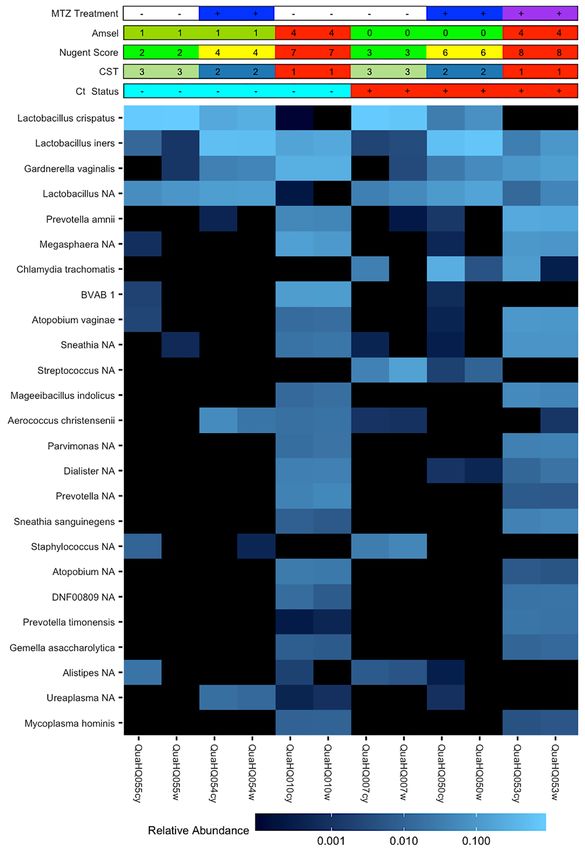
Mott et al.                                                                                             Microbiota in Chlamydia trachomatis Clearance

they returned to LSU CrescentCare Sexual Health Center, New                  Vaginal Cytokines
Orleans clinic to receive azithromycin treatment and counseling              CVLs were centrifuged at 12,000 x g for 30 minutes at 4°C and
for their Ct infection. Study exclusion criteria were: a positive            supernatants filtered through a 0.45 mm syringe filter). IFNg, IL-
Neisseria gonorrhea NAAT at the Ct screen; pregnancy or                      1a, IL-1b, IL-6, IL-17, IP-10, MIP-1a, MIP-1b, RANTES and
miscarriage in last 2 months; self-reported sexual intercourse               TNFa were quantified by a cytometric bead array assay
within the last 12 hours; current menstrual bleeding; antibiotic             (MILLIPLEX MAP Immunology Multiplex Assay; Millipore,
use in the last 8 weeks, with the exception of metronidazole                 Billerica, MA) per manufacturer’s instructions and as
treatment at the Ct screen; or documented infection with HIV.                previously described (Buckner et al., 2011; Buckner et al.,
Participants also provided information on demographics,                      2013). Samples from 34 women were suitable for cytokine
menstrual cycle and contraception, history of previous sexually              analysis. Cytokine measurements below the limit of detection
transmitted infections and sexual behavior. Approval for the                 were assigned to a value of half of the minimum detectable
study was obtained from the LSUHSC Human Research Ethics                     concentration for that cytokine. If >50% women had an
Committee, and written informed consent was obtained from                    undetectable response, this cytokine was excluded from
each patient. Fifty-seven women were recruited over 2 years and              analyses (MIP-1a, MIP-1b). Raw values were log 1 0
Ct treatment visit samples from 55 women were included in the                transformed before statistical analysis.
demographic analysis of natural clearance; two patients were
excluded due to initially overlooked exclusion criteria                      Vaginal and Cervical Microbiomes
(miscarriage, recent antibiotic treatment).                                  DNA amplification was performed to prepare the sequencing
                                                                             library using the AccuPrime Taq high-fidelity DNA polymerase
Collection and Processing of                                                 system (Thermo-Fisher/Invitrogen/Life Technologies) as
Clinical Specimens                                                           previously described (Kozich et al., 2013). The 16S rDNA
Genital secretions were collected at the Ct treatment visit using            hypervariable region V4 was amplified using 20 ng of genomic
protocols similar to those we previously described (Albritton                DNA and gene-specific primers with the following Illumina
et al., 2017). In brief, endocervical sampling included a                    adaptors: 5′-TCGTCGGCAGCGTCAGATGTGTATAAGA
(i) cervical cytobrush (endocervical microbiome); (ii) Dacron                GACAGGTGCCAGCMGCCGCGGTAA-3′ (forward) and 5′-
swab imm ersed in end ocervical transp ort m ediu m                          GTCTCGT GGGCTCGGAGATGTGTATAAGAGACAGGG
(C. trachomatis culture); and (iii) endocervical swab for Ct and             ACTACHVGGGTWTCTAAT-3′ (reverse). Purified amplicon
N. gonorrhoeae NAAT testing. Vaginal sampling included a                     DNA from the last step with 25 cycles of PCR was then
(i) Copan Swab placed in 5 ml AssayAssure (microbiome,                       amplified for 8 cycles using the following primers with
M. genitalium PCR); (ii) cotton swab for pH and wet mount                    different molecular indexes: 5′-AATGATACG GCGA
(Amsel and T. vaginalis); (iii) cotton swab used for slide                   CCACCGAGATCTACAC [i5] TCGTCGGCAGCGTC- 3′
preparation (Gram stain for Nugent scoring); and (iv) 3 ml                   (forward) and 5′- CAAGCAGAAGACGGCATACGAGAT [i7]
sterile saline cervicovaginal lavage (CVL) (vaginal cytokines)               GTCTCGTGGGCTCGG-3′ (reverse). Normalized and pooled
which was immediately supplemented with a protease inhibitor                 libraries were then run using 2x250 bp paired-end sequencing on
tablet (Roche). All samples were immediately placed on ice after             an Illumina MiSeq (Illumina) with a 500 cycle V2 full
collection and processed within 2 hours, after which they were               sequencing kit.
stored in appropriate aliquots at -80°C until analysis.                          Raw sequences were processed using DADA2 (v1.16.0)
                                                                             (Callahan et al., 2016). Region specific primers were trimmed
STI Testing                                                                  off and reads were truncated to 240 bp to remove low quality
Chlamydia trachomatis and Neisseria gonorrhoeae (Ng) were                    ends of reads. Error rates were learned and used by the dada
detected by the APTIMA Combo 2 test, a target amplification                   algorithm to infer sequence variants over a subset of >1e+08
nucleic acid probe test that utilizes target capture for detection           bases. Sequence variants were merged and merged amplicons
of Ct and Ng rRNA (Hologic). Viable Ct was determined                        outside of the expected 250-254 bp length were discarded.
by semi-quantitative culture for inclusion forming units (IFU)               Chimeras were removed using the consensus method. Over
(Ficarra et al., 2008). BV was diagnosed in the clinic by the four           95.7% of sequences remained after chimera removal and were
Amsel criteria (discharge, pH, Whiff test and presence of Clue               placed into a sequence table comprising 1137 sequence variants.
cells, ≥3=positive) and subsequently by morphology by a Gram                 Taxonomic assignment was performed using the SILVA v138
stain and Nugent scoring (0-3=negative, 4-6=intermediate, 7-                 database for assignment down to species level when available
10=positive). Trichomonas vaginalis was detected by a wet                    (Quast et al., 2013). Four negative sequencing controls were used
mount in clinic and confirmed with the APTIMA NAAT test.                      with the decontam prevalence method (Davis et al., 2018) which
DNA was extracted from vaginal swabs and used to detect M.                   identified 26 of the 1137 sequence variants as contaminants that
genitalium using a real-time quantitative PCR (qPCR) targeting a             were removed, leaving 1111 sequence variants. The decontam
92-bp region of the MG190 gene as previously described (Dehon                prevalence method is known to miss potential contaminants that
and Mcgowin, 2014). Vaginal and endocervical derived DNA                     are present in the majority of real samples as well as negative
were also used for microbiome analysis; 54 vaginal and 20                    controls (e.g. lab contaminants) so as an additional contaminant
endocervical samples were available for microbiome analysis.                 removal step, we removed any additional sequence variants that

Frontiers in Cellular and Infection Microbiology | www.frontiersin.org   3                                   April 2021 | Volume 11 | Article 615770
Mott et al. Microbiota in Chlamydia trachomatis Clearance
remained at over 5% relative abundance in the negative controls. TABLE 1 | Demographic, clinical and behavioral characteristics by Chlamydia
trachomatis clearance status.
This step removed 5 more sequence variants (one Genus
Akkermansia, two Genus Cetobacterium, and two that were Characteristic Total Cleared Ct Persisting p-
not classified at the Genus level) leaving 1106 sequence (n = 55) (n = 13) (n = 42) valuea
variants. Secondary data analysis was performed using
Age, median (range) 24 (18- 26 (18-30) 24 (18-35) 0.32b
Phyloseq (v1.32.0) (Mcmurdie and Holmes, 2013). Sequence 35)
variants that appeared in only one sample were removed by a Black Race, No (%) 42 (76.4) 9 (69.2) 33 (78.6) 0.48
prevalence filter leaving 250 sequence variants. Though the ≤ 1 partner in 30 days, No. 43 (78.2) 11 (84.6) 32 (76.2) 0.71
majority of sequence variants were removed by this filter, the (%)
Hormonal Contraceptionc, 22 (40.0) 8 (61.5) 14 (33.3) 0.11
total read count only dropped from 854,785 to 839,671. Hence,
No. (%)
this filter removed only 1.77% of sequencing reads. An Mucopurulent cervicitis, No. 16 (29.1) 2 (15.4) 14 (33.3) 0.30
abundance filter was then used to remove sequence variants (%)
that comprised less than 1% of sequencing reads per sample Prior Ct, No. (%) 28 (50.9) 5 (38.5) 23 (54.8) 0.36
resulting in 145 remaining sequence variants. The total number Coinfection, No. (%)
Noned 23 (41.8) 7 (53.8) 16 (38.1) 0.52
of sequencing reads remaining after this filter was 835,940, hence
BV Amsel (3-4) 16 (29.1) 2 (15.4) 14 (33.3) 0.30
this filter removed only 0.44% of remaining reads. Shuttleworthia BV Nugent (7-10) 21 (38.2) 3 (23.1) 18 (42.3) 0.33
genus was renamed as BVAB1 and Fastidiosipila genus was T. vaginalis 1 (1.8) 0 (0.0) 1 (2.4) >0.99
renamed as Mageeibacillus indolicus in order to reflect more Yeast 4 (7.3) 2 (15.4) 2 (4.8) 0.23
accurate taxonomic classifications recently reported in the M. genitalium 7 (12.7) 0 (0.0) 7 (16.7) 0.18
HSV 2 (3.6) 1 (7.7) 1 (2.4) 0.42
vaginal microbiome literature (Austin et al., 2015; Wessels Days to enrollment, median 9 (4-31) 9 (7-23) 9 (4-31) 0.92b
et al., 2017; Holm et al., 2020). These ASVs when searched (range)
using BLAST against the nr/nt database produced 100% identity BV Treated at Screen, No (%) 28 (50.9) 7 (53.8) 21 (50.0)e >0.99
matches to the newly named taxa. The taxonomic classifications Metronidazole Rx/Adhered at 26 (47.3) 7 (53.9) 19 (45.2)f 0.76
Screen, No (%)
were then agglomerated to Species level, thereby combining any
Treatment success (Amsel 22 (84.6) 6 (85.7) 16 (84.2) >0.99
sequence variants that were classified to the same Species. This 0-2)
resulted in the 144 sequence variants collapsing to 81 taxonomic Treatment success 17 (65.4) 6 (85.7) 11 (57.9) 0.36
classifications. Lastly, taxonomic classifications for which the (NugentMott et al. Microbiota in Chlamydia trachomatis Clearance
not assessed or assessed by partial Amsel criteria for BV-Amsel (23.6%), and the time from the Ct screening to the Ct
at the Ct screening visit; in the latter group 9/28 (32.1%) were treatment visit was a median of 9 days (range 3-31 days).
symptomatic for BV and therefore metronidazole treated for Women with a persisting Ct NAAT positive infection had an
presumptive BV and 7 were adherent (Figure 1). The cohort infectious Ct burden (median IFU 9,834 range 0 to 747,404)
was predominantly young (median age 24) and African similar to our historic cohorts (Ficarra et al., 2008; Ibana et al.,
American (76.4%) with half (50.9%) documenting a previous 2012). No significant difference was observed between Ct clearers
Ct infection (Table 1). and non-clearers with respect to number of days between
Women were classified as natural Ct clearers based on a screening and treatment/enrollment; age; black race; ≥1
negative Ct NAAT and undetectable cultivable Ct (IFU) at their partner in the last 30 days; prior known history of Ct infection;
Ct treatment visit. The natural Ct clearance rate was 13/55 use of hormonal contraception; mucopurulent cervicitis or rates
of T. vaginalis, yeast, M. genitalium or Herpes Simplex Virus
(Table 1).
Successful Metronidazole Treatment of
BV May Permit More Women to Clear
Ct Infection
Caldwell et al. hypothesized that a BV coinfection could allow Ct
to escape natural eradication in vivo (Caldwell et al., 2003). We
therefore determined if a BV diagnosis at the Ct treatment visit
would predict Ct persistence. No significant difference was noted
between Ct clearers and non-clearers when BV status at the Ct
treatment visit was classified BV-Amsel (3-4) or BV-Nugent (7-
10), (p=0.30 and p=0.33, respectively (Table 1)). We next
determined if there were differences between Ct clearers
and non-clearers when this was classified by a successful
BV treatment response, using the following criteria:
(1) Metronidazole treatment (500 mg orally twice/day for
7 days or metronidazole gel 0.75%, 5 g intravaginally once/day
for 5 days) prescribed at the screening visit, (2) documented
adherence to treatment, and (3) successfully resolution of BV by
Nugent or Amsel criteria at the Ct treatment visit. However, BV
treatment responders were no more common in Ct clearers than
in non-clearers either by BV-Amsel or BV-Nugent (p>0.99 and
p=0.36, respectively) (Table 1).
Since 16S rRNA gene sequencing provides a more
comprehensive view of the vaginal microbiota composition
than Amsel or Nugent, we next categorized Ct treatment visit
samples by CST. Observed bacterial communities were then
clustered into 3 distinct CSTs; CST3 was primarily composed of
L. crispatus (11% of samples), CST2 was L. iners dominant
(41% of samples) and CST1 lacked one clearly dominant
species, though the majority were anaerobes known to be
associated with BV (48% of samples) (Figures 2A, B). While
a higher proportion of Ct clearers had a Lactobacillus spp.-
dominant community (69% versus 46% of non-clearers) at their
Ct treatment visit, not all were a CST2 or 3, and no significant
difference was observed between Lactobacillus spp.-dominant
and non-dominant CST groupings in clearers versus non-
FIGURE 1 | Study design. At the Ct screening visit, BV-positive was defined
as an Amsel score of ≥3 of 4 by clinical assessment. All patients who were
clearers. Within the Ct clearers, 6 out of 7 (85.7%) women
BV-Amsel positive after a full BV screen (n=20), or who were symptomatic for successfully resolved BV with treatment in contrast to the non-
BV but with partial Amsel assessment (n=9), were prescribed metronidazole. clearer population in which 9/18 (50%) of those that were
All were compliant. For the Ct-treatment visit, when participants were metronidazole treated did not resolve BV. In summary, while
enrolled, BV-positive was defined as a Nugent score of 7-10 by Gram stain.
not required, a BV negative status, or successful metronidazole
Abbreviations: MTZ, metronidazole; AZI, azithromycin.
treatment of BV in the interim between screening and
Frontiers in Cellular and Infection Microbiology | www.frontiersin.org 5 April 2021 | Volume 11 | Article 615770Mott et al. Microbiota in Chlamydia trachomatis Clearance
A B
C
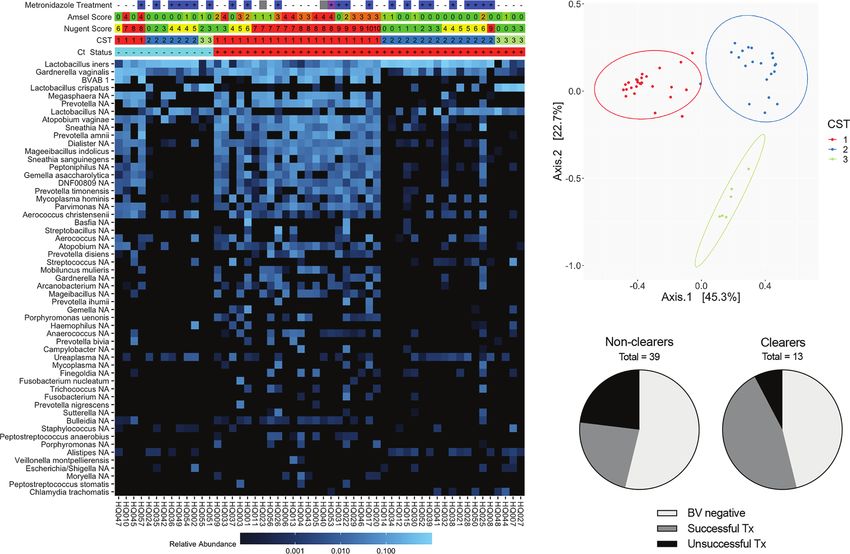
FIGURE 2 | Composition and structure of the vaginal microbiota at the Ct treatment/research enrollment visit (n=54). (A) Heatmap of the most abundant bacterial
taxa identified by 16S rRNA V4 sequencing of vaginal swabs from Ct clearing and non-clearing women. Women are categorized by BV status using Amsel (0-4),
Nugent (green, 0-4; yellow, 4-6; red, 7-10), and CST (1-3). Metronidazole treatment at the Ct treatment visit is noted (–, untreated; +, treated; blank, NA; blue,
metronidazole; purple, Metrogel; gray, treated for BV but unknown if this was metronidazole or metronidazole gel). Ct status is + and red for Ct positive and – and
blue for Ct clearer. The scale bar demonstrates relative abundance of each species. Results indicate that an optimal Lactobacillus-dominated microbiome is not
necessary to clear Ct. (B) Principal coordinates analysis demonstrating clustering into three distinct CSTs. (C) Pie chart depicting the portion of Ct clearers and non-
clearers that were clinically BV negative at the screening visit or their BV resolution status following metronidazole treatment; those women that did not adhere to
metronidazole treatment were omitted.
treatment for Ct, suggests this may aid more women to clear Ct IFNg Is Present in the Genital Secretions of
infection (Figures 2A, C). Clearers and Levels Are Not Significantly
Different From Non-Clearers
BV Bacteria Are Found in the Endocervix In vitro models consistently demonstrate that sufficient and
of Ct Patients sustained IFNg exposure can eradicate Ct in human cervical
The circumvention of host immunity by BV bacteria or their epithelial cells. Given this, we next determined whether clearing
products would require their accessibility to endocervical-located women had higher local levels of IFNg illustrative of a more
Ct. The availability of paired endocervical and vaginal-derived robust immune response, compared to women with persisting
samples from a subset of this cohort enabled us to directly infection. Low levels of IFNg in cervicovaginal lavages were
determine if BV bacteria could be found in the endocervix and if observed in all women, irrespective of clearance status, and
there were differences in relative bacterial abundances between IFNg levels were similar between clearers and non-clearers
the two sites given the distinct physiological differences. We (Figure 4A; median, 1.2 v 1.0 pg/mL; p=0.25). In sum, women
observed similar relative abundances of bacteria between the that clear Ct generally have lower levels of IFNg than that
cervix and vagina within the same woman, except for Ct which required to clear Ct in vitro; therefore, IFNg potentially could
was a dominant organism of the endocervix of non-clearers as act in concert with additional factors in the local environment to
would be expected (Figure 3). clear Ct in vivo.
Frontiers in Cellular and Infection Microbiology | www.frontiersin.org 6 April 2021 | Volume 11 | Article 615770Mott et al. Microbiota in Chlamydia trachomatis Clearance
microbiota composition. Our results showed a large overlap of
inflammatory markers in clearers and non-clearers, with the
clearers demonstrating only a slight shift toward IL-6 and IP-10
(Figure 4B; Supplemental Table 1). In contrast, women within
CST1 were characterized by a robust signature, correlating with
inflammatory markers IL-1a and IL-1b, while Lactobacillus spp.-
dominated CSTs 2 and 3 correlated more with IL-6 and IP-10
(Figure 4C; Supplemental Table 2). Overall, our results suggest
that the vaginal microbiota may be a stronger predictor of genital
cytokine signatures, which may more accurately explain
differences in Ct clearance in those with Ct/BV coinfections.
DISCUSSION
Ct employs multiple tactics to evade innate and adaptive
immune mechanisms making it challenging for the host to
establish complete, protective and long-lasting immunity.
Identification and analysis of a population with robust
immunity is one strategy to approach vaccine development in
a targeted manner via identification of immune correlates of
protection. In a series of studies from one US STI clinic, a
surprising ~20% of women naturally cleared cervical Ct infection
in the interim between Ct screening and antibiotic treatment and
were significantly protected from incident infection (Geisler
et al., 2008; Geisler et al., 2013). In our pilot study, undertaken
in a New Orleans STI Clinic with comparable demographics, we
documented a similar Ct clearance rate of 23.6%. We undertook
analyses on genital samples collected at the treatment visit, ~9
days following initial screening of Ct, to identify any differences
in the vaginal environment of clearers and non-clearers that may
provide clues to mechanisms of Ct clearance.
FIGURE 3 | Paired cervical and vaginal microbiome samples. Heatmap of 25 Our cohort was characterized by a high prevalence of BV at
most abundant bacterial taxa identified by 16S rRNA gene V4 sequencing of
the Ct screening visit, which was promptly treated when
vaginal or cervical swabs from Ct clearing and non-clearing women. Matched
samples are representative of the three CST groups and demonstrate the
diagnosed. This enabled us to evaluate the potential impact of
similarities in relative abundance of organisms between the vaginal and BV and metronidazole treatment on Ct clearance at the Ct
cervical environments within a woman. Chlamydia trachomatis is a dominant treatment visit. Initial analyses explored differences in BV
organism in the cervical samples of Ct non-clearers. status between Ct clearers and non-clearers at their Ct
treatment visit using Amsel and Nugent criteria, both of which
are used clinically to define BV. As studies progressed, we
Large Variations in Genital T Cell and Pro- focused our analyses on the most specific method used to
Inflammatory Cytokines Associate With determine the composition of the vaginal microbiota, 16S RNA
Microbiomes That Are Not Dominated by sequencing, which categorizes samples based on specific bacterial
Lactobacillus spp abundances. No significant difference was observed in BV
While IFNg is considered a major cytokine involved in Ct prevalence between Ct clearers and non-clearers at the Ct
clearance and protection, its levels are low in the lumen (Arno treatment visit, but we did observe that Ct clearers were more
et al., 1990; Jordan et al., 2017), making biologically relevant likely to have a Lactobacillus-dominant vaginal microbiota after
comparisons difficult. Therefore, we expanded our cytokine metronidazole treatment compared to non-clearers (86% vs
panel to include IFNg-induced proinflammatory cytokines and 50%). This suggests that metronidazole-induced changes in the
chemokines as a proxy for IFNg activity, as well as other broadly microbiome could aid in host-mediated eradication of Ct, an
Th1-classified cytokines and proinflammatory cytokines that observation that needs to be followed up in a larger cohort of
have correlated with positive outcomes and/or protection. We women. Presently, nitromidazoles are the main class of drug
performed principal component analysis (PCA) on the approved for BV treatment (Workowski et al., 2010). However, it
no rmaliz ed c yto kin e c onc ent ratio ns to re duc e t he is acknowledged that these drugs are less than optimal in the
dimensionality of the dataset and to identify any cytokine treatment of chronic BV given their generally temporary effect
signatures associated with Ct clearance and with vaginal and resultant shift to L. iners rather than L. crispatus dominance
Frontiers in Cellular and Infection Microbiology | www.frontiersin.org 7 April 2021 | Volume 11 | Article 615770Mott et al. Microbiota in Chlamydia trachomatis Clearance
A B C
FIGURE 4 | Associations of Ct clearance and CSTs with genital inflammation. (A) Log10-transformed IFNg levels plotted by Ct clearance indicate clearers have
slightly higher levels of IFNg than non-clearers. (B, C) PCA performed over the log10 transformed cytokine values show a large overlap between Ct clearers and non-
clearers in cytokines (B). When colored by CST the PCA performed over the log transformed cytokine values shows a distinction between the Lactobacillus spp.-
dominated CST2 and CST3 which associate more with IP-10, IL-6, and RANTES compared to the BV-like CST1 (C).
(Joag et al., 2019), an environment previously shown to increase clearance to more definitively associate factors impeding or
susceptibility to Ct (Edwards et al., 2019). Moving forward, it will promoting clearance in vivo.
be important to carefully dissect the complex vaginal milieu We expanded our cytokine study to include a panel of IFNg-
created by BV bacteria, and their associated metabolites, in Ct induced cytokines and chemokines, and proinflammatory cytokines
infections to design more targeted treatments for BV, which classically used as markers of vaginal immunity and inflammation.
could also ensure consistent, effective immunity to Ct (Aiyar We saw only small and non-significant differences in cytokine
et al., 2014; Sherchand and Aiyar, 2019). signatures between Ct clearers and non-clearers. In contrast, PCA
In vitro and animal studies indicate that IFNg is a central plots were unique in women with CST1, driven by high levels of IL-
immune mediator for Ct eradication (Byrne et al., 1986a; Byrne 1a and IL-1b and low levels of IP-10, a T cell chemokine previously
et al., 1986b; Beatty et al., 1994a; Cain and Rank, 1995; Igietseme reported to be inversely associated with BV and positively associated
et al., 1998; Morrison and Caldwell, 2002; Brunham and Rey- with Lactobacillus spp. including L. iners (Joag et al., 2019; Masson
Ladino, 2005). In human epithelial cells, IFNg induces IDO-1, et al., 2019). We are intrigued by this finding as we previously
which at sufficient and sustained concentrations can promote Ct reported that Ct abrogates endocervical epithelial cell secretion of
eradication through tryptophan starvation (Byrne et al., 1986a; IP-10 in vitro (Buckner et al., 2013), a finding recently confirmed by
Carlin et al., 1989; Beatty et al., 1994a; Beatty et al., 1994b; Belland others (Antonia et al., 2019). It is possible that IP-10, particularly if
et al., 2003). However, genital Ct isolates can salvage indole, long- modulated by effects of metronidazole treatment, may result in a
hypothesized to be provided by BV-associated bacteria, to make rapid influx of T cells to aid in Ct clearance. In summary, our
tryptophan (Fehlner-Gardiner et al., 2002). In our cohort, the findings indicate that the vaginal microbiota and BV treatment can
levels of IFNg measured were significantly below those needed to drive major changes in the local genital cytokine milieu that may
clear Ct infections in in vitro models (Shemer and Sarov, 1985; modulate Ct clearance and/or serve as useful biomarkers. However,
Arno et al., 1990), suggesting additional factors may be at work in our findings also illustrate how the vaginal microbiota can lead to
vivo in women. In vitro studies by Ziklo et al. have shown that Ct misinterpretation of the drivers of local inflammation in Ct infected
can induce IDO1 expression in the absence of IFNg, further women. A limitation of our study is the limited taxonomic
suggesting alternative regulatory pathways for IDO-1-induced resolution provided by 16S rRNA gene sequencing of the V4
tryptophan degradation (Ziklo et al., 2019). Additionally, Jordan hypervariable region and potential misclassification of certain
et al. found decreased IFNg concentrations in those that cleared Ct bacterial taxa using the SILVA database. Another limitation of
compared to those with a persistent infection, which could reflect our, and all comparable previous studies, is that data is generated
the decreased production of IFNg once Ct is cleared (Jordan et al., from samples taken post Ct clearance. This could lead to false
2017). Although the interval between screening and treatment is assumptions, particularly regarding the range and depth of local
similar in the two cohorts (9 days vs. 10 days, respectively), the genital host responses that may rapidly wane once chlamydial
exact day of clearance is unknown; therefore, conflicting IFNg antigen is removed. Ideally, host, Ct and microbiome-associated
levels may reflect variation in times at which Ct antigen was analyses should also be taken on samples taken just prior to
cleared. This indicates the need to sample women prior to Ct eradication. As a pilot study, our cohort is also small, making
Frontiers in Cellular and Infection Microbiology | www.frontiersin.org 8 April 2021 | Volume 11 | Article 615770Mott et al. Microbiota in Chlamydia trachomatis Clearance
statistical analyses challenging. These limitations are currently being Ethics Committee. The patients/participants provided their
addressed by a new larger, more extensive study in our clinic. This written informed consent to participate in this study.
should allow a more comprehensive analysis of cytokines in the
local environment and which may reveal a signature associated with
Ct clearance.
Overall, this pilot study indicates that the microbiome and BV
AUTHOR CONTRIBUTIONS
treatment have the potential to modulate the outcome of AQ, DM, and CT conceived and designed the study. PM, CT, RL,
immunity to Ct (Aiyar et al., 2014; Ziklo et al., 2016a; Ziklo CA, HA, and ML participated in data acquisition. PM, CT, CA,
et al., 2016b; Li et al., 2020). Evaluation of the microbiome and HA, KC, DM, LM, and AQ contributed to data analysis. PM, CT,
local environment immediately prior to clearance as well as post- and AQ prepared the report for publication. All authors
clearance should identify the sequence of events leading to the contributed to the article and approved the submitted version.
eradication of Ct in vivo. Analysis of bacterial metabolites,
particularly indole and its derivatives, could more completely
test the hypothesis and uncover a mechanism for the ability of Ct
to harness an environmental milieu and evade immune FUNDING
clearance. It may also reveal how some women could clear Ct
infection with an anaerobe-dominant vaginal microbiome. If The study was funded by NIH grant AI118860.
specific factors can be identified, then targeted and more effective
treatments can be designed and administered. This pilot study
serves as preliminary data for forthcoming studies that focus on
ACKNOWLEDGMENTS
the optimal microenvironment, including the microbiome,
immune milieu, and metabolome for effective Ct immunity. The authors thank the assistance of Julia Siren NP in enrolling
patients, Ashok Aiyar for discussions on study design and the
study participants for their time.
DATA AVAILABILITY STATEMENT
The datasets presented in this study can be found in online
repositories. The names of the repository/repositories and SUPPLEMENTARY MATERIAL
accession number(s) can be found below: https://www.ncbi. The Supplementary Material for this article can be found online
nlm.nih.gov/, PRJNA668201. at: https://www.frontiersin.org/articles/10.3389/fcimb.2021.
615770/full#supplementary-material
Supplementary Table 1 | Vaginal cytokine concentrations by Ct status. Values
ETHICS STATEMENT indicate median (range) in pg/ml.
The studies involving human participants were reviewed and Supplementary Table 2 | Vaginal cytokine concentrations by CST. Values
approved by LSU Health Sciences Center Human Research indicate median (range) in pg/ml.
REFERENCES Antonia, A. L., Gibbs, K. D., Trahair, E. D., Pittman, K. J., Martin, A. T., Schott,
B. H., et al. (2019). Pathogen Evasion of Chemokine Response Through
Aiyar, A., Quayle, A. J., Buckner, L. R., Sherchand, S. P., Chang, T. L., Zea, A. H., Suppression of CXCL10. Front. Cell Infect. Microbiol. 9, 280. doi: 10.3389/
et al. (2014). Influence of the tryptophan-indole-IFNgamma axis on human fcimb.2019.00280
genital Chlamydia trachomatis infection: role of vaginal co-infections. Front. Arno, J. N., Ricker, V. A., Batteiger, B. E., Katz, B. P., Caine, V. A., and Jones, R. B.
Cell Infect. Microbiol. 4, 72. doi: 10.3389/fcimb.2014.00072 (1990). Interferon-gamma in endocervical secretions of women infected with
Albritton, H. L., Kozlowski, P. A., Lillis, R. A., Mcgowin, C. L., Siren, J. D., Taylor, Chlamydia trachomatis. J. Infect. Dis. 162, 1385–1389. doi: 10.1093/infdis/
S. N., et al. (2017). A novel whole-bacterial enzyme linked-immunosorbant 162.6.1385
assay to quantify Chlamydia trachomatis specific antibodies reveals distinct Austin, M. N., Rabe, L. K., Srinivasan, S., Fredricks, D. N., Wiesenfeld, H. C., and
differences between systemic and genital compartments. PloS One 12, Hillier, S. L. (2015). Mageeibacillus indolicus gen. nov., sp. nov.: a novel
e0183101. doi: 10.1371/journal.pone.0183101 bacterium isolated from the female genital tract. Anaerobe 32, 37–42. doi:
Allsworth, J. E., and Peipert, J. F. (2007). Prevalence of bacterial vaginosis: 2001- 10.1016/j.anaerobe.2014.12.003
2004 National Health and Nutrition Examination Survey data. Obstet. Gynecol. Balle, C., Lennard, K., Dabee, S., Barnabas, S. L., Jaumdally, S. Z., Gasper, M. A.,
109, 114–120. doi: 10.1097/01.AOG.0000247627.84791.91 et al. (2018). Endocervical and vaginal microbiota in South African adolescents
Amsel, R., Totten, P. A., Spiegel, C. A., Chen, K. C., Eschenbach, D., and Holmes, with asymptomatic Chlamydia trachomatis infection. Sci. Rep. 8, 11109. doi:
K. K. (1983). Nonspecific vaginitis. Diagnostic criteria and microbial and 10.1038/s41598-018-29320-x
epidemiologic associations. Am. J. Med. 74, 14–22. doi: 10.1016/0002-9343(83) Beatty, W. L., Belanger, T. A., Desai, A. A., Morrison, R. P., and Byrne, G. I. (1994a).
91112-9 Role of tryptophan in gamma interferon-mediated chlamydial persistence. Ann.
Anahtar, M. N., Byrne, E. H., Doherty, K. E., Bowman, B. A., Yamamoto, H. S., N. Y. Acad. Sci. 730, 304–306. doi: 10.1111/j.1749-6632.1994.tb44274.x
Soumillon, M., et al. (2015). Cervicovaginal bacteria are a major modulator of Beatty, W. L., Byrne, G. I., and Morrison, R. P. (1994b). Repeated and persistent
host inflammatory responses in the female genital tract. Immunity 42, 965–976. infection with Chlamydia and the development of chronic inflammation and
doi: 10.1016/j.immuni.2015.04.019 disease. Trends Microbiol. 2, 94–98. doi: 10.1016/0966-842X(94)90542-8
Frontiers in Cellular and Infection Microbiology | www.frontiersin.org 9 April 2021 | Volume 11 | Article 615770Mott et al. Microbiota in Chlamydia trachomatis Clearance Belland, R. J., Zhong, G., Crane, D. D., Hogan, D., Sturdevant, D., Sharma, J., et al. trachomatis tissue tropism. A possible role for tryptophan synthase. J. Biol. (2003). Genomic transcriptional profiling of the developmental cycle of Chem. 277, 26893–26903. doi: 10.1074/jbc.M203937200 Chlamydia trachomatis. Proc. Natl. Acad. Sci. U. S. A. 100, 8478–8483. doi: Ficarra, M., Ibana, J. S., Poretta, C., Ma, L., Myers, L., Taylor, S. N., et al. (2008). A 10.1073/pnas.1331135100 distinct cellular profile is seen in the human endocervix during Chlamydia Bradshaw, C. S., Morton, A. N., Hocking, J., Garland, S. M., Morris, M. B., Moss, trachomatis infection. Am. J. Reprod. Immunol. 60, 415–425. doi: 10.1111/ L. M., et al. (2006). High recurrence rates of bacterial vaginosis over the course j.1600-0897.2008.00639.x of 12 months after oral metronidazole therapy and factors associated with Filardo, S., Di Pietro, M., Tranquilli, G., Latino, M. A., Recine, N., Porpora, M. G., recurrence. J. Infect. Dis. 193, 1478–1486. doi: 10.1086/503780 et al. (2019). Selected Immunological Mediators and Cervical Microbial Brunham, R. C., and Rekart, M. L. (2009). Considerations on Chlamydia Signatures in Women with Chlamydia trachomatis Infection. mSystems 4 (4), trachomatis disease expression. FEMS Immunol. Med. Microbiol. 55, 162– e00094-19. doi: 10.1128/mSystems.00094-19 166. doi: 10.1111/j.1574-695X.2008.00509.x Geisler, W. M., Wang, C., Morrison, S. G., Black, C. M., Bandea, C. I., and Hook, Brunham, R. C., and Rey-Ladino, J. (2005). Immunology of Chlamydia infection: E. W., 3. (2008). The natural history of untreated Chlamydia trachomatis implications for a Chlamydia trachomatis vaccine. Nat. Rev. Immunol. 5, 149– infection in the interval between screening and returning for treatment. Sex 161. doi: 10.1038/nri1551 Transm. Dis. 35, 119–123. doi: 10.1097/OLQ.0b013e318151497d Buckner, L. R., Schust, D. J., Ding, J., Nagamatsu, T., Beatty, W., Chang, T. L., et al. Geisler, W. M., Lensing, S. Y., Press, C. G., and Hook, E. W., 3. (2013). (2011). Innate immune mediator profiles and their regulation in a novel Spontaneous resolution of genital Chlamydia trachomatis infection in polarized immortalized epithelial cell model derived from human women and protection from reinfection. J. Infect. Dis. 207, 1850–1856. doi: endocervix. J. Reprod. Immunol. 92, 8–20. doi: 10.1016/j.jri.2011.08.002 10.1093/infdis/jit094 Buckner, L. R., Lewis, M. E., Greene, S. J., Foster, T. P., and Quayle, A. J. (2013). Gondek, D. C., Roan, N. R., and Starnbach, M. N. (2009). T cell responses in the Chlamydia trachomatis infection results in a modest pro-inflammatory absence of IFN-gamma exacerbate uterine infection with Chlamydia cytokine response and a decrease in T cell chemokine secretion in human trachomatis. J. Immunol. 183, 1313–1319. doi: 10.4049/jimmunol.0900295 polarized endocervical epithelial cells. Cytokine 63, 151–165. doi: 10.1016/ Holm, J. B., France, M. T., Ma, B., Mccomb, E., Robinson, C. K., Mehta, A., et al. j.cyto.2013.04.022 (2020). Comparative Metagenome-Assembled Genome Analysis of Byrne, G. I., Lehmann, L. K., Kirschbaum, J. G., Borden, E. C., Lee, C. M., and “Candidatus Lachnocurva vaginae”, Formerly Known as Bacterial Vaginosis- Brown, R. R. (1986a). Induction of tryptophan degradation in vitro and in vivo: Associated Bacterium-1 (BVAB1). Front. Cell Infect. Microbiol. 10, 117. doi: a gamma-interferon-stimulated activity. J. Interferon Res. 6, 389–396. doi: 10.3389/fcimb.2020.00117 10.1089/jir.1986.6.389 Ibana, J. A., Myers, L., Porretta, C., Lewis, M., Taylor, S. N., Martin, D. H., et al. Byrne, G. I., Lehmann, L. K., and Landry, G. J. (1986b). Induction of tryptophan (2012). The major CD8 T cell effector memory subset in the normal and catabolism is the mechanism for gamma-interferon-mediated inhibition of Chlamydia trachomatis-infected human endocervix is low in perforin. BMC intracellular Chlamydia psittaci replication in T24 cells. Infect. Immun. 53, Immunol. 13, 66. doi: 10.1186/1471-2172-13-66 347–351. doi: 10.1128/IAI.53.2.347-351.1986 Igietseme, J. U., Uriri, I. M., Kumar, S. N., Ananaba, G. A., Ojior, O. O., Momodu, Cain, T. K., and Rank, R. G. (1995). Local Th1-like responses are induced by I. A., et al. (1998). Route of infection that induces a high intensity of gamma intravaginal infection of mice with the mouse pneumonitis biovar of interferon-secreting T cells in the genital tract produces optimal protection Chlamydia trachomatis. Infect. Immun. 63, 1784–1789. doi: 10.1128/ against Chlamydia trachomatis infection in mice. Infect. Immun. 66, 4030– IAI.63.5.1784-1789.1995 4035. doi: 10.1128/IAI.66.9.4030-4035.1998 Caldwell, H. D., Wood, H., Crane, D., Bailey, R., Jones, R. B., Mabey, D., et al. Jespers, V., Kyongo, J., Joseph, S., Hardy, L., Cools, P., Crucitti, T., et al. (2017). A (2003). Polymorphisms in Chlamydia trachomatis tryptophan synthase genes longitudinal analysis of the vaginal microbiota and vaginal immune mediators differentiate between genital and ocular isolates. J. Clin. Invest. 111, 1757–1769. in women from sub-Saharan Africa. Sci. Rep. 7, 11974. doi: 10.1038/s41598- doi: 10.1172/JCI17993 017-12198-6 Callahan, B. J., Mcmurdie, P. J., Rosen, M. J., Han, A. W., Johnson, A. J., and Joag, V., Obila, O., Gajer, P., Scott, M. C., Dizzell, S., Humphrys, M., et al. (2019). Holmes, S. P. (2016). DADA2: High-resolution sample inference from Impact of Standard Bacterial Vaginosis Treatment on the Genital Microbiota, Illumina amplicon data. Nat. Methods 13, 581–583. doi: 10.1038/nmeth.3869 Immune Milieu, and Ex Vivo Human Immunodeficiency Virus Susceptibility. Carlin, J. M., Borden, E. C., and Byrne, G. I. (1989). Interferon-induced Clin. Infect. Dis. 68, 1675–1683. doi: 10.1093/cid/ciy762 indoleamine 2,3-dioxygenase activity inhibits Chlamydia psittaci replication Jordan, J. J., Westcott, S. L., Baxter, N. T., Highlander, S. K., Schloss, P. D., et al. in human macrophages. J. Interferon Res. 9, 329–337. doi: 10.1089/ (2013). Development of a dual-index sequencing strategy and curation pipeline jir.1989.9.329 for analyzing amplicon sequence data on the MiSeq Illumina sequencing Datta, B., Njau, F., Thalmann, J., Haller, H., and Wagner, A. D. (2014). Differential platform. Appl. Environ. Microbiol. 79 (17), 5112–5120. doi: 10.1128/ infection outcome of Chlamydia trachomatis in human blood monocytes and AEM.01043-13 monocyte-derived dendritic cells. BMC Microbiol. 14, 209. doi: 10.1186/ Kozich, S. J., Olson, K. M., Barnes, S., Wilson, L. S., Berryhill, T. F., Bakshi, R., et al. s12866-014-0209-3 (2017). Lower Levels of Cervicovaginal Tryptophan Are Associated With Davis, N. M., Proctor, D. M., Holmes, S. P., Relman, D. A., and Callahan, B. J. Natural Clearance of Chlamydia in Women. J. Infect. Dis. 215, 1888–1892. (2018). Simple statistical identification and removal of contaminant sequences doi: 10.1093/infdis/jix240 in marker-gene and metagenomics data. Microbiome 6, 226. doi: 10.1186/ Li, H., Zang, Y., Wang, C., Li, H., Fan, A., Han, C., et al. (2020). The Interaction s40168-018-0605-2 Between Microorganisms, Metabolites, and Immune System in the Female Dehon, P. M., and Mcgowin, C. L. (2014). Mycoplasma genitalium infection is Genital Tract Microenvironment. Front. Cell Infect. Microbiol. 10, 609488. doi: associated with microscopic signs of cervical inflammation in liquid cytology 10.3389/fcimb.2020.609488 specimens. J. Clin. Microbiol. 52, 2398–2405. doi: 10.1128/JCM.00159-14 Masson, L., Barnabas, S., Deese, J., Lennard, K., Dabee, S., Gamieldien, H., et al. Digiulio, D. B., Callahan, B. J., Mcmurdie, P. J., Costello, E. K., Lyell, D. J., (2019). Inflammatory cytokine biomarkers of asymptomatic sexually Robaczewska, A., et al. (2015). Temporal and spatial variation of the human transmitted infections and vaginal dysbiosis: a multicentre validation study. microbiota during pregnancy. Proc. Natl. Acad. Sci. U.S.A. 112, 11060–11065. Sex Transm. Infect. 95, 5–12. doi: 10.1136/sextrans-2017-053506 doi: 10.1073/pnas.1502875112 Mckinnon, L. R., Achilles, S. L., Bradshaw, C. S., Burgener, A., Crucitti, T., Edwards, V. L., Smith, S. B., Mccomb, E. J., Tamarelle, J., Ma, B., Humphrys, M. S., Fredricks, D. N., et al. (2019). The Evolving Facets of Bacterial Vaginosis: et al. (2019). The Cervicovaginal Microbiota-Host Interaction Modulates Implications for HIV Transmission. AIDS Res. Hum. Retroviruses 35, 219–228. Chlamydia trachomatis Infection. mBio 10 (4), e01548–19. doi: 10.1128/ doi: 10.1089/aid.2018.0304 mBio.01548-19 Mcmurdie, P. J., and Holmes, S. (2013). phyloseq: an R package for reproducible Fehlner-Gardiner, C., Roshick, C., Carlson, J. H., Hughes, S., Belland, R. J., interactive analysis and graphics of microbiome census data. PloS One 8, Caldwell, H. D., et al. (2002). Molecular basis defining human Chlamydia e61217. doi: 10.1371/journal.pone.0061217 Frontiers in Cellular and Infection Microbiology | www.frontiersin.org 10 April 2021 | Volume 11 | Article 615770
Mott et al.                                                                                                                          Microbiota in Chlamydia trachomatis Clearance

Molano, M., Meijer, C. J., Weiderpass, E., Arslan, A., Posso, H., Franceschi, S., et al.           vaginosis may increase susceptibility to human immunodeficiency virus.
   (2005). The natural course of Chlamydia trachomatis infection in                                J. Infect. Dis. 182, 467–473. doi: 10.1086/315713
   asymptomatic Colombian women: a 5-year follow-up study. J. Infect. Dis.                      Wessels, J. M., Lajoie, J., Vitali, D., Omollo, K., Kimani, J., Oyugi, J., et al. (2017).
   191, 907–916. doi: 10.1086/428287                                                               Association of high-risk sexual behaviour with diversity of the vaginal
Morre, S. A., Van Den Brule, A. J., Rozendaal, L., Boeke, A. J., Voorhorst, F. J., De              microbiota and abundance of Lactobacillus. PloS One 12, e0187612. doi:
   Blok, S., et al. (2002). The natural course of asymptomatic Chlamydia                           10.1371/journal.pone.0187612
   trachomatis infections: 45% clearance and no development of clinical PID                     Wiesenfeld, H. C., Hillier, S. L., Krohn, M. A., Landers, D. V., and Sweet, R. L.
   after one-year follow-up. Int. J. STD AIDS 13 Suppl 2, 12–18. doi: 10.1258/                     (2003). Bacterial vaginosis is a strong predictor of Neisseria gonorrhoeae and
   095646202762226092                                                                              Chlamydia trachomatis infection. Clin. Infect. Dis. 36, 663–668. doi: 10.1086/
Morrison, R. P., and Caldwell, H. D. (2002). Immunity to murine chlamydial genital                 367658
   infection. Infect. Immun. 70, 2741–2751. doi: 10.1128/iai.70.6.2741-2751                     Workowski, K. A., Berman, S., Centers for Disease, C.Prevention (2010). Sexually
Newman, L., Rowley, J., Vander Hoorn, S., Wijesooriya, N. S., Unemo, M., Low, N.,                  transmitted diseases treatment guidelines 2010. MMWR Recomm. Rep. 59, 1–
   et al. (2015). Global Estimates of the Prevalence and Incidence of Four Curable                 110.
   Sexually Transmitted Infections in 2012 Based on Systematic Review and Global                Xie, G., Bonner, C. A., and Jensen, R. A. (2002). Dynamic diversity of the
   Reporting. PloS One 10, e0143304. doi: 10.1371/journal.pone.0143304                             tryptophan pathway in chlamydiae: reductive evolution and a novel operon
Nugent, R. P., Krohn, M. A., and Hillier, S. L. (1991). Reliability of diagnosing                  for tryptophan recapture. Genome Biol. 3, research0051. doi: 10.1186/gb-2002-
   bacterial vaginosis is improved by a standardized method of gram stain                          3-9-research0051
   interpretation. J. Clin. Microbiol. 29, 297–301. doi: 10.1128/JCM.29.2.297-                  Ziklo, N., Huston, W. M., Hocking, J. S., and Timms, P. (2016a). Chlamydia
   301.1991                                                                                        trachomatis Genital Tract Infections: When Host Immune Response and the
Oduyebo, O. O., Anorlu, R. I., and Ogunsola, F. T. (2009). The effects of antimicrobial            Microbiome Collide. Trends Microbiol. 24, 750–765. doi: 10.1016/
   therapy on bacterial vaginosis in non-pregnant women. Cochrane Database Syst.                   j.tim.2016.05.007
   Rev. 8 (3), CD006055. doi: 10.1002/14651858.CD006055                                         Ziklo, N., Huston, W. M., Taing, K., Katouli, M., and Timms, P. (2016b). In vitro
Quast, C., Pruesse, E., Yilmaz, P., Gerken, J., Schweer, T., Yarza, P., et al. (2013).             rescue of genital strains of Chlamydia trachomatis from interferon-gamma and
   The SILVA ribosomal RNA gene database project: improved data processing                         tryptophan depletion with indole-positive, but not indole-negative Prevotella
   and web-based tools. Nucleic Acids Res. 41, D590–D596. doi: 10.1093/nar/                        spp. BMC Microbiol. 16, 286. doi: 10.1186/s12866-016-0903-4
   gks1219                                                                                      Ziklo, N., Huston, W. M., Taing, K., and Timms, P. (2019). High expression of
Rank, R. G., Ramsey, K. H., Pack, E. A., and Williams, D. M. (1992). Effect of                     IDO1 and TGF-beta1 during recurrence and post infection clearance with
   gamma interferon on resolution of murine chlamydial genital infection. Infect.                  Chlamydia trachomatis, are independent of host IFN-gamma response. BMC
   Immun. 60, 4427–4429. doi: 10.1128/IAI.60.10.4427-4429.1992                                     Infect. Dis. 19, 218. doi: 10.1186/s12879-019-3843-4
Redelinghuys, M. J., Geldenhuys, J., Jung, H., and Kock, M. M. (2020). Bacterial
   Vaginosis: Current Diagnostic Avenues and Future Opportunities. Front. Cell                  Conflict of Interest: The authors declare that the research was conducted in the
   Infect. Microbiol. 10, 354. doi: 10.3389/fcimb.2020.00354                                    absence of any commercial or financial relationships that could be construed as a
Shemer, Y., and Sarov, I. (1985). Inhibition of growth of Chlamydia trachomatis                 potential conflict of interest.
   by human gamma interferon. Infect. Immun. 48, 592–596. doi: 10.1128/
   IAI.48.2.592-596.1985                                                                        Copyright © 2021 Mott, Taylor, Lillis, Ardizzone, Albritton, Luo, Calabresi, Martin,
Sherchand, S. P., and Aiyar, A. (2019). Ammonia generation by tryptophan                        Myers and Quayle. This is an open-access article distributed under the terms of the
   synthase drives a key genetic difference between genital and ocular Chlamydia                Creative Commons Attribution License (CC BY). The use, distribution or
   trachomatis isolates. Proc. Natl. Acad. Sci. U.S.A. 116, 12468–12477. doi:                   reproduction in other forums is permitted, provided the original author(s) and the
   10.1073/pnas.1821652116                                                                      copyright owner(s) are credited and that the original publication in this journal is
Sturm-Ramirez, K., Gaye-Diallo, A., Eisen, G., Mboup, S., and Kanki, P. J. (2000).              cited, in accordance with accepted academic practice. No use, distribution or
   High levels of tumor necrosis factor-alpha and interleukin-1beta in bacterial                reproduction is permitted which does not comply with these terms.

Frontiers in Cellular and Infection Microbiology | www.frontiersin.org                     11                                               April 2021 | Volume 11 | Article 615770
You can also read


