Identifying the Principles of Traditional Iranian Architecture in the Light of Vastu Shastra, the Traditional Indian Wisdom
←
→
Page content transcription
If your browser does not render page correctly, please read the page content below
Identifying the Principles of Traditional Iranian Architecture
 in the Light of Vastu Shastra, the Traditional Indian Wisdom
                        1                          2
          Ali Goodarzi and Hengameh Fazeli
          Faculty of Built Environment, University of Malaya, 50603 Kuala Lumpur, Malaysia.
          1                     2
           alig2121@gmail.com, hengamehf85@gmail.com

          Traditional Iranian houses have always been recognized as examples of “good-design” in the context
          of Iranian Architecture according to many scholars. It is believed that their creation has been
          influenced by the systems of beliefs in the traditional Iranian society; an established system closely
          followed in their design process which has led to their phenomenal architectural design. The
          traditional houses of Kashan are excellent examples of such which have often been described as the
          finest examples of Traditional Iranian houses. However insufficient documentation of the design
          process of these architectural masterpieces has led to disputes among scholars in determining the
          exacct architectural system, behind their creation. The effect therefore is not only the inability in
          creating houses with the same quality in current architectural societies of Iran, but also their decay
          due to lack of attention and preservation. Historical studies point towards an influence of Indian
          Architectural system, Vastu Shastra, on the creation of traditional Iranian houses, which appears to be
          the earlier practice of house design within the Indo-Aryan communities. Using Vastu Shastra as a
          framework, the objective is to conduct case studies on 22 traditional houses of Kashan to identify the
          existence of a similar well-established system in Iran based on which all the traditional houses have
          been designed, and further to introduce it as the traditional architectural system in Iran. In this way
          the principles of traditional houses of Kashan can be identified in the light of Vastu Shastra, the
          traditional Indian wisdom.

          Keywords: traditional houses of Kashan, Iranian housing architecture, Vastu Shastra

1. INTRODUCTION                                               spiritual needs, is often called “good-design”
                                                              architecture, which is a direct result of the
Contemporary houses in Iran have been mostly                  application of a well-established architectural
underperforming in terms of design and application            system in their creation (Abedin Darkoosh, 1998;
in recent years and are often described by terms              Ansari & Talischi, 2009; Barati, 2003; Farsayi,
such as “rootless, poor, unhealthy and materialistic"         2008; Hadadian, 2007; Hojjat, 2009).
(Ansari & Talischi, 2009). They are merely being
built following an improper interpretation of                       In other words the characteristics and the
western theories, disregarding the cultural beliefs           repeated patterns in the traditional built space
and values of the society (Abedin Darkoosh, 1998;             reveal the existence of a complex system of
Ansari & Talischi, 2009; Barati, 2003). In this case          architecture applied in constructing these houses.
since the role of “tradition as a regulating factor”          This is evident especially in the traditional houses
(Rapoport, 1969) has been ignored, many new                   of Kashan, which are among the most recognized
forms and patterns have appeared in the creation of           dwelling masterpieces of Iranian architecture.
houses which are not as healthy and sophisticated             Based on Helli’s ideas, the general manager of
as before (Ghazbanpour, 1991). Through this                   Kashan Art Organization and winner of Best
Modernism, many traditional houses have been                  Traditional Architect for three decades, the
destroyed and are replaced by new and vast                    traditional houses of Kashan, which are among the
housing projects, which are significantly weaker in           finest examples of Iranian houses, have been built
design, construction and application compared to              based on certain established patterns; but at the
previous houses (Moosavi Rozati & Hossein,                    same time, no two houses could be found which are
1996).                                                        completely similar to each other. ‘Some certain
                                                              beliefs and principles in traditional Iranian
      On the other hand most of the scholars,                 architecture are fundamental, and their application
architects and traditional master builders believe            is obligatory' (Helli 2009). Although this core
that traditional dwellings in Iran provide a better           similarity proves the existence of a well-established
place of habitation compared to contemporary                  architectural system in traditional Iranian
houses. Designing such houses, which provide the              architecture which is in fact agreed by almost all,
inhabitant with all his physical, psychological and           there are disagreements among the scholars in

1 Journal of Design and Built Environment Vol. 14 (1), June 2014                         Goordazi, A. & Fazeli, H.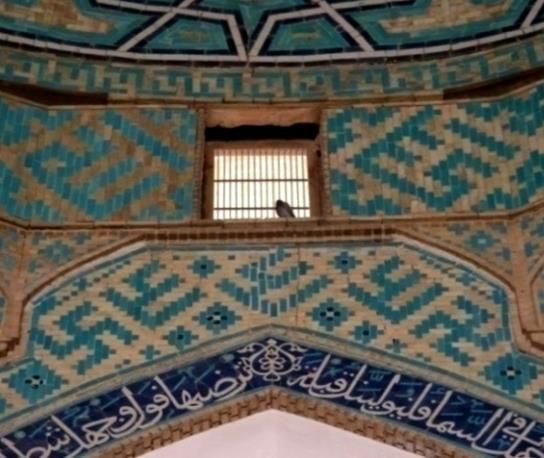
determining them (Ghazbanpour, 1991; Pirnia,                         Based on historical studies, the guidelines
2004; Pope, 1976).                                             used in traditional Iranian architecture is believed
                                                               to be similar to the architectural system of India,
      Due to the existence of a hierarchy of                   Vastu Shastra, since it has been established by the
discipleship in traditional Iranian architectural              Indo-Aryan culture in both ancient India and Iran,
societies, and loss of the written documents through           and also due to many cross-cultural exchanges
history, these principles are not currently available          between the two countries throughout history
and there are no any written rules and guidelines in           (Bausani, 1971; Hojjat, 2009; Shayegan, 2003).
Persian scriptures, which can be used to revive this           The similarity of the terms used in Vastu Shastra
traditional architectural wisdom (Babayian, 2009;              and in traditional Iranian architecture, further
Mohandes, 2009).                                               strengthens this theory. This pattern, similar to its
                                                               Iranian counterpart, is also believed to improve the
      Therefore there is a need to investigate the             human health at all levels as seen in Table 1
historical background of Iranian architecture and              (Ardalan & Bakhtiar, 1979).
the principles behind the creation of the traditional
houses in particular to use as a guideline suggesting                This similarity can also be seen in the physical
the patterns of good-design in current Iranian                 appearance of the built space including form, size
housing architecture.                                          and pattern of the plan; location, orientation and
                                                               ventilation; properties of spaces; and ornamentation
                                                               as shown in Figures 1 to 8.

 Table 1: Comparing the means of creating successful dwellings in Vastu Shastra with the Iranian architecture

                                                                  Concepts in Iranian Traditional Housing
     Universal Concepts in Traditional Architecture
                                                                                Architecture

   Physiological Health                                     Concerning Jesm
   Concerning the physical shelter, many rules and          Jesm in traditional Iranian architecture is known as
   principles were derived from environment to              the body or the physical shelter which should be
   make a micro-climate compatible with human               built from local materials, with proper stability and
   comfort. Such subjects are highly important in           in complete harmony with the surrounding
   sustainable architecture of the day.                     environment. Jesm is in fact the outer surface of
                                                            objects.

   Psychological Health                                     Concerning Ravān
   Deals with the psychological effects of forms,           Ravān is the psychological aspects of human
   patterns, spatial organizations, colour, light and       beings which is more important than jesm in
   vegetation in the human body which was                   designing any building. Therefore any dwelling
   important     issues  in    traditional    dwelling      should be built considering its psychological
   architecture. “House as a mirror of self” is a well-     impacts on human brain and his nervous system.
   known phrase signifying the importance of                Based on the concept of psychosomatic diseases,
   concerning psychological concepts in design.             any form, pattern or element which negatively
                                                            affects ravan, will lead to health problems for
                                                            the inhabitants.

   Spiritual Health                                         Concerning Rūh
   For primitive man, every object has an outer as          Rūh is the most important concept of all which
   well as an inner aspect from which the latter is         connects human to God. Rūh is the soul which
   more important and is known as the soul.                 should be considered as the most important aspect
   Therefore in constructing any structure, soul should     of dwelling design. Therefore, any form, pattern
   be regarded first. In this case, the world is            or symbolic decoration which transcends the
   considered as a united whole in which every              human soul and leads to spiritual development
   particle is connected to other parts which should        was considered auspicious and should be used in
   be built and kept in harmony with the whole.             dwelling construction.

        (Source: Authors’ compilation from Alexander, 2004; Day, 2004; Salingaros, 1995; Shabanzadeh, 2009; Sui, 2006)

2 Journal of Design and Built Environment Vol. 14 (1), June 2014                          Goordazi, A. & Fazeli, H.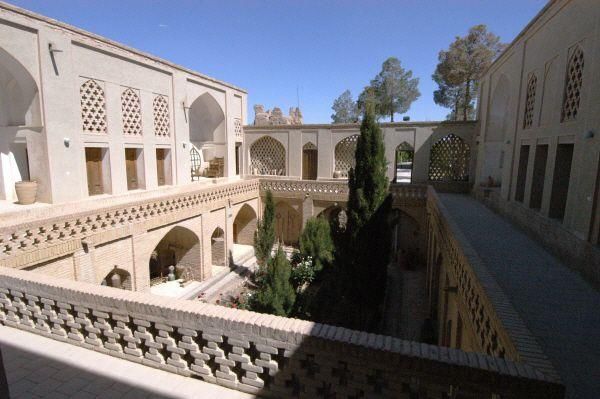
Open

                                                            Figure 2: The concept of Concentric Squares in an
                                                            Abbasian House, Kashan
                                                            (Source: Authors)
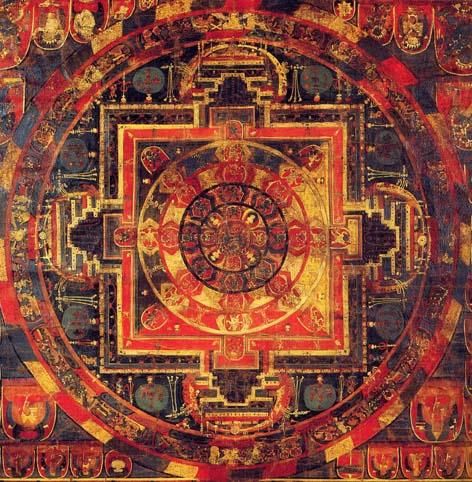
Figure 1: Concentric Squares in Vastu Purusha
Mandala
(Source: ssubbanna.sulekha.com)

Figure 3: The Vastu Purusha Mandala                         Figure 4: Decorations of the roof of Abbasian
(Source: schoolofsacredplace.com)                           House, shaping a perfect mandala, Iran
                                                            (Source: Authors)

Figure 5: The arch structure of Taj Mahal, India            Figure 6: The arch structure of Abbasian House,
(Source: flickr.com)                                        Kashan Iran
                                                            (Souce: Authors)

3 Journal of Design and Built Environment Vol. 14 (1), June 2014                    Goordazi, A. & Fazeli, H.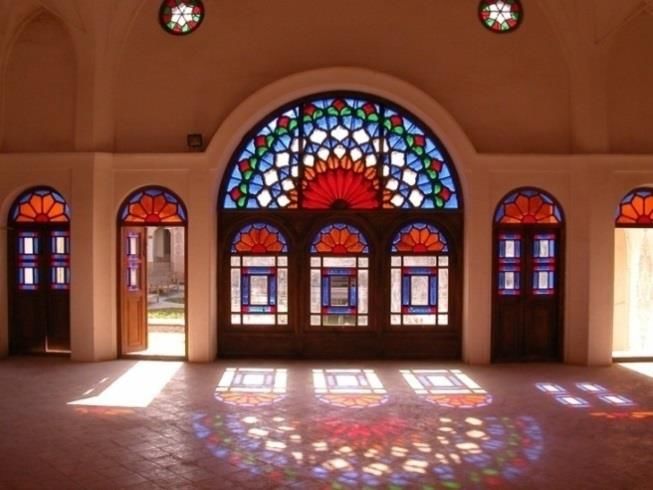
Figure 7: Swastika in decorative tiles of Friday Figure 8: Swastika on entrance gate of a Hindu
Mosque of Yazd, Iran temple in Delhi, India
(Source: paulstravelblog.com) (Source: flickr.com)
Therefore the rules and patterns of traditional category of good design. Through the direct
Iranian houses can be categorized and studied observations, the dwellings are studied and
under the same categories of Vastu Shastra compared to Vastu Shastra guidelines to extract the
architectural guideline. In this way the objective is rules and patterns that have been applied in the
to employ Vastu Shastra as a framework to identify construction of traditional dwellings in Iran.
the patterns and principles behind the creation of
traditional houses of Kashan, Iran. The results of this stage of data collection have
been analysed qualitatively and quantitatively to
Through a comprehensive literature review show the percentage of active principles of Vastu
four main concepts of Vastu Shastra have been Shastra in traditional houses of Kashan. Through
extracted, which will function as a platform to these data the research will then try to reveal the
conduct the data collection and determine the principles behind the creation of traditional houses
patterns of traditional houses of Kashan: of Kashan, in the following areas:
Form, size and pattern of the plan
1. Existence of a complex geometric diagram Location, Orientation and Ventilation
or mandala in the designed plan, which Properties of Spaces
proposes the form and size of the plan, the Ornamentation
spatial orders, the spatial organizations
and the spatial features. 2. ARCHITECTURAL PATTERNS OF
2. Concept of eight directions and the centre HOUSES OF KASHAN BASED ON THE
that suggests the auspicious directions, the GUIDELINES OF VASTU SHASTRA
location of areas in the complex, the
orientation of the plan, direction of the 2.1 THE EXISTENCE OF A MANDALIC
entrance doors and providing the proper DIAGRAM
ventilation.
3. Concept of five elements which refers to Although in traditional dwelling architecture of
the proper use of colours, forms, Iran, concepts like mandala or concentric squares,
decorations and materials to create proper which are important concepts in Vastu Shastra,
places due to their functions, proposing have not been literally mentioned, the existence of
the properties of important spaces. a well-established geometric diagram composed of
4. Concept of human chakras proposing the complex mathematical and symbolic interpretations
main elements, features and decorations of reveal the existence of such concepts.
important spaces.
Mandala is basically a mathematical diagram
The data collection is composed of two parts. which is metaphysically significant, representing a
In-depth, open-ended interviews with three master graphical shape of what exists on a more subtle
builders and one architectural theorist, and case level of reality than what is usually perceived
studies on 22 traditional houses of Kashan. The aim (Silverman, 2007). An important mandala, dealing
of the interviews is to provide a basis for direct with dwelling architecture in Vastu Shastra is
observations and a foundation on how to search for called Vastu Purusha mandala. Vastu Purusha
the principles of traditional houses in Kashan since mandala is basically the figure of a body facing the
the three master builders are able to give proper earth whose head is towards northeast direction, as
guidance on why these dwellings fall under the shown in Figure 9 (Devi Vasudev & Dash, 1998).
4 Journal of Design and Built Environment Vol. 14 (1), June 2014 Goordazi, A. & Fazeli, H.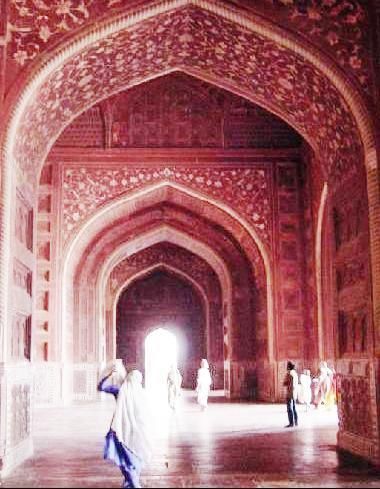
Figure 9: The analogy of house to human body in mandala of the house
                                                                                    (Source: Silverman, 2007)

Figure 10: Patterns of houses with one open space           Figure 11: Patterns of houses with two and three
based on Vastu Shastra guidelines                           open space based on Vastu Shastra
(Source: Oliver, 1997, p. 553)                              (Source: Oliver, 1997, p. 553)

      From this mandala, the organization of spaces         of different diagrams for the plans. The
in the complex, hierarchy of architectural spaces           categorization of houses, based on the number of
and spatial orders are extracted, application of            central open spaces is in fact very similar to the
which is evident in all the traditional houses. Such        categorization of houses in Vastu Shastra done by a
geometrical positioning or spatial diagram is one of        group of researchers, introduced in the
the important principles of traditional Iranian             “Encyclopaedia of Vernacular Architecture of the
houses and its application was obligatory in                World,” presented in Figures 10 and 11 (Oliver,
traditional societies (Arzandeh, 2009; Helli, 2009).        1997). Creation of these different models for the
Derived from this diagram, all houses should be             houses in this section is mainly due to the wealth of
built in a rectangular plan with a central open             the owner. While the houses of ordinary citizens
space, creating the pattern of the central courtyard.       have merely one open space around which all the
There are a few factors which decide the pattern of         spaces have been shaped, the wealthy households
this geometric diagram as:                                  often have houses with two central open spaces; in
                                                            this model one courtyard is for public areas (birūni
    1.   Number of open spaces (central                     section) and one is limited to private use (andarūni
         courtyards)                                        section). In some instances the house has another
    2.   Distribution of spaces around the                  courtyard which is limited to the workers use
         courtyard                                          (Kateb, 2005).
    3.   Number and distribution of the entrance
         doors at different levels                               As seen in the figures, houses with one open
    4.   Division of birūni and andarūni (public            space can have four models of distribution of
         and private) spaces                                spaces. Houses with two or three central courtyards
    5.                                                      often appear as one model. The categorization of
                                                            houses of Kashan based on this model is presented
Number of the Central Open Spaces                           in Table 2.

The number of open spaces in the plan of the
houses is one of the basic concepts in the creation

5 Journal of Design and Built Environment Vol. 14 (1), June 2014                      Goordazi, A. & Fazeli, H.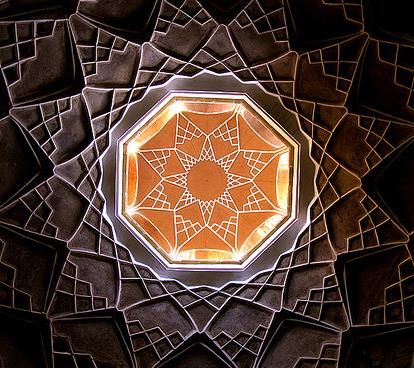
Table 2: Examples of houses built based on three models of distribution of open spaces

  Type of house based on the central yard              Example of houses among 22 houses of Kashan

  Houses with one open space                           Esfehanian
                                                       BaniKāzemi
                                                       Tahāmi
                                                       JahānĀrayi
                                                       Kheirieh
                                                       Dastmālchi
                                                       Sajjādi
                                                       Sharifiān
                                                       Sāleh
                                                       Attārha
                                                       Alāqeband
                                                       Karkhānechi
                                                       Mortazavi
                                                       Tāj
  Houses with two open space                           Āle-Yāsin
                                                       Bakūchi
                                                       RezāHoseini
                                                       Tabātabāyihā
                                                       Heshmat-allahĀmeri
  Houses with three or more open space                 Boroujerdihā
                                                       Abbāsian
                                                       The Great Āmeriha
   (Source: Authors’ compilation from Cultural Heritage Organization, 2008; Moosavi Rozati & Hossein, 1996)

                                  Figure 12 Diagrams, showing the Model 1 houses
                                                                                                 (Source: Authors)

Distribution of Spaces Around the Courtyard                    that creates a centralist order. In Vastu Shastra,
                                                               central courtyard is the place of “Brahman” (God);
Houses can also be categorized based on the                    it is holy and should be kept open (Devi Vasudev &
distribution of spaces around the central courtyard.           Dash, 1998). There are three common patterns for
                                                               the creation of living spaces around one central
     In fact central courtyard is one of the                   courtyard in traditional houses of Kashan as
important features of traditional houses of Kashan             followed:
(which has been also emphasized in Vastu Shastra)

6 Journal of Design and Built Environment Vol. 14 (1), June 2014                         Goordazi, A. & Fazeli, H.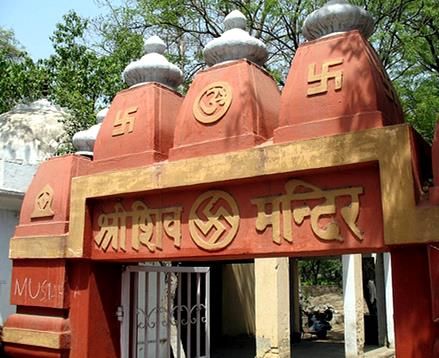
Model 1: Three wings around the central yard; Figures 12, 13 and 14

Figure 13: Attārhā house, an example of Model 1             Figure 14: Alāqeband house, an example of Model
houses                                                      1 houses
(Source: Moosavi Rozati & Hossein 1996, p. 133)             (Source: Moosavi Rozati & Hossein 1996, p. 141)

Model 2: Two large and two small wings / three large and one small wing around the central yard; Figures
15, 16 and 17

                              Figure 15: Diagrams, showing the Model 2 houses
                                                                                           (Source: Authors)

Figure 16: Tahāmi house, as an example of Model             Figure 17: Sāleh house, as an example of Model 2
2 houses                                                    houses
(Source: Moosavi Rozati & Hossein, 1996, p. 53)             (Source: Moosavi Rozati & Hossein, 1996, p. 105)

7 Journal of Design and Built Environment Vol. 14 (1), June 2014                   Goordazi, A. & Fazeli, H.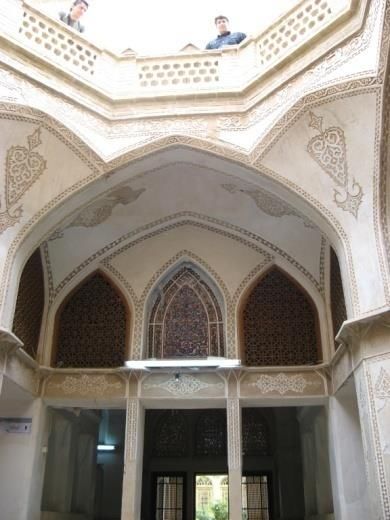
Model 3: Four wings around the central yard; figures 18 and 19

Figure 1: Diagram, showing the Model 3 houses                 Figure 2: Jahān Ārayi house, example of Model 3
(Source: Authors)                                             houses
                                                              (Source: Moosavi Rozati & Hossein, 1996, p. 61)

Model 4: Seven wings around two central yards;                Model 5: Ten wings around three central yards;
figure 20                                                     figure 21

Figure 20: Rezā Hoseini house, example of Model
4 houses
 (Source: Moosavi Rozati & Hossein, 1996, p. 83)
                                                              Figure 21: Abbasiān house, example of Model 5
                                                              houses
                                                              (Source: Cultural Heritage Organization, 2008)

                        Table 3: Number of houses, built in each of the patterns of the plan

Models of houses                             Number of houses among 22 houses of Kashan
With one central yard                        Model 1 houses       7
                                             Model 2 houses       5
                                             Model 3 houses       2
With two central yard (Model 4 houses)                            5
With three or more central yards (Model 5 houses)                 3
                                                                                                (Source: Authors)

     A summary of the models of houses and the                Number and Distribution of the Entrance Doors
number of houses built based on each model is
presented in Table 3.                                         Based on the number and distribution of the
                                                              entrances on different floors, three common models
                                                              are identified.

8 Journal of Design and Built Environment Vol. 14 (1), June 2014                        Goordazi, A. & Fazeli, H.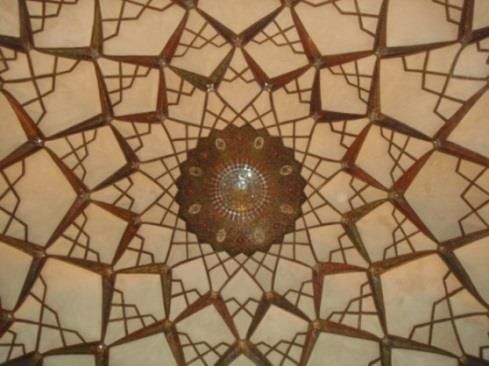
Model A: One or several entrance doors at first             Model B: One or several entrance doors at
level; Figure 22                                            second level (sunken-garden); Figure 23

Figure 22: Dastmālchi house, example of Model A
houses
(Source: Authors)
                                                            Figure 23: Sāleh house, an example of Model B
                                                            houses
                                                            (Source: Authors)

Model C: Several entrance doors in the first and second levels; Figure 24

                        Figure 24: Bani Kāzemi house, an example of Model C houses
                                                                                               (Source: Authors)

Division of Birūni and Andarūni Spaces                      their rate of privacy. It means that public spaces
                                                            have been shaped next to the entrance door and the
Another important factor in identifying the patterns        private spaces appear as we move further inside. In
of traditional houses in Kashan is the division of          many cases, a separate entrance door is even
spaces based on their privacy, which is more                dedicated for the private spaces.
connected to the cultural beliefs and values of the
Aryans. In Indo-Aryan tradition, there was a strict              In fact in traditional houses of Kashan, there
belief on the categorization of spaces into sacred          is an established order in organizing the spaces.
and profane. The indoor space was regarded as the           The entrance door in this case, is the threshold
most inner sacred space in one’s life (Babayian,            between the outer profane space and the sacred
2009; Nasr, 1978). That is why ornamental features          inner area, which through a set of spaces such as
and symbolic decorations of interiors are often             “hashti” and several corridors guides people to the
similar to places of worship in Indo-Aryan tradition        public and private areas. The public spaces are
and is only applied in the indoor space.                    mostly used by men and guests, while the use of
                                                            private areas is limited to the family including the
      After Islam, and its emphasis on “hijab” or           women, children and close relatives.
veil as one of the important concepts, the division
of spaces in the architectural plan continued to be              While the first floor and basement areas are
one of the most important principles of traditional         divided between public and private usages, the
Iranian houses. This principle has in fact imposed a        second floor is usually restricted to the private use.
hierarchical order to housing architecture in the
way that the spaces appear in the plan based on

9 Journal of Design and Built Environment Vol. 14 (1), June 2014                      Goordazi, A. & Fazeli, H.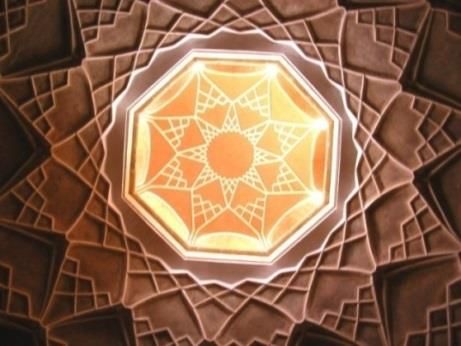
2.2 ORIENTATION  OF   PLAN  AND                                      In Vastu Shastra the categorization of
ENTRANCE   DOORS    TOWARDS   8                                directions into auspicious and inauspicious is
DIRECTIONS                                                     basically based on the knowledge of the sun rays
                                                               and the magnetic poles of the planet earth, besides
In traditional Iranian societies there was a strict            the cultural religious beliefs and values. Thus four
belief on the auspiciousness of certain directions             directions of northeast, north, east and northwest
toward which the building should be oriented. The              are considered auspicious while southeast is neutral
eight directions in Iranian beliefs are associated             and south, west and southwest are inauspicious
with ‘the gateways to heavens’ (Ardalan &                      since they absorb a wide range of destructive ultra
Bakhtiar, 1979, p. 15). In other words as observed             violet rays in the afternoons.
by the traditional master builders each direction
was believed to radiate a specific quality of energy                In Iran, after Islam, southwest suddenly
or “Barkah” in Islamic terminology which affects               became auspicious since it was the direction of the
the human system and enhances or destroys the                  Kaaba towards which people perform their prayers
human health. Every direction therefore was                    every day. Therefore a conflict appeared between
associated with a certain colour and was considered            the previous practiced beliefs and the new
either auspicious or inauspicious.                             teachings. As a matter of fact, southwest (the
                                                               direction of the holy Kaaba) was added to the
      It was also believed that the entrance door,             category of auspicious directions in Iran, which is
especially the main entrance, should be opened                 more based on the cultural religious values after
towards the auspicious directions. This belief                 Islam.
system which was practiced in ancient Iran by the
Zoroastrians, continued after Islam as well                         As displayed in Figures 27 and 28, a wide
(Ayatollahi & Haghshenas, 2003; Minorsky, 1971).               range of traditional houses (even in Islamic era),
Therefore the traditional houses of the Islamic era,           have been built based on the auspicious directions
until the advent of the Pahlavi period, were widely            of Indo-Aryan culture. Southwest direction, as the
built based on the same pattern, shown in Figures              direction of the Kaaba, has also been considered
25 and 26.                                                     auspicious.

              Orientation of the Plan                                       Orientation of the Plan

        E-W                                                      kermani ron
        N-S
                                     Orientation                 isfahani ron                       Orientation of
     NW-SE                           of the Plan                                                    the Plan
     NE-SW                                                        rasteh ron

              0       10       20                                               0   5    10 15

Figure 25: Orientation of the plan of 22 traditional           Figure 26: Orientation of the plan of 22 traditional
houses of Kashan                                               houses based on the concept of rons
(Source: Authors)                                              (Source: Authors)

                  Direction of the Public                   Direction of the Public Entrance
                         Entrance                           based on Indo-Aryan Geomancy

           W                                           Direction of
          SW                                           Kaaba (SW)
            S                                      Inauspicious (W,                        Direction of the
           SE                         Direction           S)                               Public Entrance
          NW                          of Public                                            based on Indo-
                                                       Neutral (SE)
            E                         Entrance                                             Aryan
            N                                        Auspicious (E,                        Geomancy
           NE                                         NE, N, NW)

                  0        5    10                                    0             20

                  Figure 27: Directions toward which the public entrances in 22 houses are opened
                                                                                               (Source: Authors)

10 Journal of Design and Built Environment Vol. 14 (1), June 2014                           Goordazi, A. & Fazeli, H.
Another important factor in determining the NW-SE direction. The concept of ron was strictly
orientation of houses is the concept of “ron.” Ron followed by the architects in Kashan in the
basically means the direction towards which the construction of houses. The ron is usually shown
house is stretched, or in other words the elongation through the model of a rectangle inside a hexagon,
of the plan. Houses of Kashan are mostly based on (which is used to propose the proportions of the
the “Rasteh ron” (Figure 29) in which houses are Iranian golden ratio).
orientated along the NE-SW direction. “Isfahani
ron” has also been used in building a number of The importance of ron can be studied from
houses, in which the house is elongated towards several perspectives.
Direction of the Private Direction of the Private Entrances
Entrances based on Indo-Aryan Geomancy
SW Direction of
Kaaba (SW)
SE
Inauspicious Direction of
NW Direction of Private
E Private Entrances
Entrance Neutral
based on
N Indo-Aryan
NE Auspicious Geomancy
0 5 10 0 5 10 15
Figure 28: Directions toward which the private entrances in 22 houses are opened
(Source: Authors)
Direction of
energy flow
N
Figure 29: Diagram showing the Rasteh Ron
(Source: Authors)
Figure 30: The best orientation in hot & dry region of Kashan
(Source: Kasmai & Ahmadinezhad, 2004, p. 127)
11 Journal of Design and Built Environment Vol. 14 (1), June 2014 Goordazi, A. & Fazeli, H.Figure 31: The amount and direction of the winds in Kashan
(Source: Kasmai & Ahmadinezhad, 2004, p. 148)
Figure 32: Five elements in Vastu Purusha Mandala
(Source: Sui, 2009; vaastuyogam.com)
From a cultural perspective, the northeast As a summary, the concept of eight directions
direction is one of the most auspicious directions in was significant in determining the location of areas
Indo-Aryan culture and as explained, in Vastu in the plan and the orientation of the plan and
Shastra it is believed that many positive invisible entrance doors in traditional Iranian houses.
forces or energies enter the house from
northeastern corner. Therefore the northeastern part 2.3 THE FIVE ELEMENTS
of the house is filled with positive energies and it is
advisable to put the entrance door in this section or According to ancient Indo-Aryan literature,
in eastern or northern corners of the house to let the human’s destiny is operated through the principles
beneficial energies enter. known as the basic five elements of nature: ether
(or space), air, fire, water and earth, shown in
From an environmental perspective, the Figure 32. Based on the Vedas there is nothing
application of rasteh ron will let less light and heat beyond these five principles in the physical world.
enter the house in the hot summer season, while ‘Under varying conditions these principles attract,
providing more light and heat for the inhabitants in repel, bind and blend with one another in unending
winter (Hadji Ghasemi, 2001). In fact studies on ways, always following perfect logistics’ (Krishna,
the orientation of the buildings in different climatic 2001, p. 20). These elements are not literally
regions, reveals that in the hot and dry region, the considered, but symbolically they are connected
buildings should be oriented towards NE-SW with the ‘processes, qualities and phases of cycles,
direction, to absorb less heat in summer days and inherent capabilities or changing phenomena’
more heat in winter times, as shown in Figure 30 (Bramble, 2003, p. 23).
(Hadji Ghasemi, 2001). Therefore it is a proper
pattern to create spaces compatible with human It is not known to the current scholars,
comfort. whether the existence of five elements was known
to the Iranians or four elements. The available
Furthermore, based on Kashan’s climatic documents have mainly referred to the idea of four
configurations, the winds usually blow from elements in traditional Iranian geomancy which
northeast, north and east directions which are were believed to be the essential elements of all
presented in figure 31. Therefore the elongation of creation and were commonly used to harmonize
the plan towards them, as well as having more architectural spaces. However, based on this
openings towards these directions can help in author’s findings, five elements were important in
getting the proper winds.
12 Journal of Design and Built Environment Vol. 14 (1), June 2014 Goordazi, A. & Fazeli, H.traditional spiritual beliefs of Iran, influencing the creation of the human body pleased all the
housing architecture as well. deities. Brahman then ordered them to place in
their proper position accordingly (Aitrey
Due to the Vedic mythology of creation of the Upanishads I, 2). “Panch” in Persian term also
universe, Brahman, the creator, first created the means five, which further proves the application of
five basic elements called “Panch Mahabhootas” the same patterns and concepts in traditional
in the form of lords of different senses such as Iranian architecture. Combing the Iranian beliefs
Agni, Vayu, etc. They were subjected to thirst and with the teachings of Vastu Shastra, the five
hunger so required a body to demand their needs. elements in traditional Iranian architecture can be
First Brahman created other animals but eventually determined as shown in Table 4.
The pattern of five elements in the creation of The sun, which is the symbol of fire element,
traditional houses of Kashan is basically applied in shines through the central open space. A central
two different levels. On a macro level, the pool is also located in the middle of the central
architectural design of the whole complex is based courtyard which is the symbol of water. Two or
on the concept of five elements as followed: four symmetrical gardens are situated around the
central pool representing the earth element. The
First, the central open space of the courtyard material with which the whole complex is created
is designed to absorb the invisible cosmic energies is clay which further increases the earth element
(or ether), and also to allow fresh air inside the inside the house (Figure 33). In this way, in the
house (wind). creation of the central courtyard all the elements
have been considered by the architects (Fatehi,
2009; Helli, 2009).
Table 4: The five elements and their characteristics
Element Earth Water Fire Air Ether
Shape Square Circle Triangle pentagon
Volume Cube icosahedrons octahedron tetrahedron dodecahedron
(hexahedron)
Quality Cold and Dry Cold and Wet Hot and Dry Hot and Wet -
Characteristics Heavy, passive Smoothness and Generator of Light and vivid Very subtle
and dense flexibility heat and light
Symbol Cosmic Life giving God/ The purifying The vehicle of
mountains Descent of light light
revelation
(Source: Ardalan & Bakhtiar, 1979; Nimrouzi, 2008)
Figure 33: Diagram showing the distribution of five elements in the central courtyard
(Source: Authors)
13 Journal of Design and Built Environment Vol. 14 (1), June 2014 Rashid, N.S.A, & Daud, N.I.M.K.On a micro level, the concept of five elements sandalwood) and system of four colours (red,
has been used by the architects in the creation of yellow, green and blue) (Ardalan & Bakhtiar,
architectural spaces of the houses, based on their 1979). However, the study of applied colours in
function and spatial characteristics. For example, traditional houses of Kashan highlights a slight
the earth and fire elements activate the lower difference with the above categorization and
chakras (“Basic, Navel and Solar Plexus," which furthermore reveals the importance of another
will be explained later) and therefore by activating colour which was not considered in the previous
the adrenal glands, the body will be recharged systems: the night-blue or “lājward”.
physically and become dynamic. This pattern is
appropriate for the guest halls, auditoriums and Lājward or night-blue is in fact different from
dining rooms, as shown in Figure 34. Such spaces the turquoise or “firūzeh” used in traditional art
are called “yang” in Feng Shui terminology works and is very popular in designing the mosques
(Barrett, Coolidge & Steenburgen, 2003). and houses (Barry, 1996).
Therefore in decorating the walls and windows of
yang spaces, warm colours such as red, orange and ‘Persian usage imposed this traditional name
yellow have been used widely. On the other hand, of the “Seven Colours” or Haft Rang, because the
in the bedrooms and meditation areas, more cooling number seven was held to correspond to that of the
and soothing colours have been used such as white, sanctified Seven Heavenly Bodies of determining
blue and green which deactivate the lower glands importance so identified in all the calendars
and activate the upper glands and chakras, shown stemming from Ancient Mesopotamian astronomy:
in Figure 35. Such spaces are called “yin” in Feng Saturn, the Sun, the Moon, Mars, Mercury, Jupiter
Shui terminology (Smith & Stewart, 2006). and Venus’ (Barry, 1996, p. 33).
The colours used in decorating the traditional According to the Persian poet, Nezami, the
Iranian houses were also originated from the seven planets respectively match seven colours as
concept of five elements and further with the black, yellow (or gold), green, red, blue,
qualities and influence of human chakras (which sandalwood (or brown) and white, however the
will be explained in the next section). craftsmen use slightly different set of colours in
their work. For example, based on Master Abd-ol-
2.4 THE SYSTEM OF SEVEN COLOURS Ahad Ahmadi, the seven colours are: yellow or
brown (zard), turquoise (firūzeh), white (sefid),
Ardalan and Bakhtiar (1979) have divided the black (siāh), green (sabz), red (sorkh) and night-
important colours of traditional Iranian housing blue (lājward) (Barry, 1996). The characteristics of
architecture into seven colours, based on the colours, based on the studies of current Iranian
traditional Iranian poems and the knowledge of scholars, are in Table 5.
astrology: system of three colours (white, black and
Figure 34: The proper use of warm colours in the Figure 35: The proper use of cool colours in the
guests’ hall of the Tabatabayiha House sardāb which is located at basement floor and is
(Source: Authors) used in hot seasons
(Source: Authors)
14 Journal of Design and Built Environment Vol. 14 (1), June 2014 Goordazi, A. & Fazeli, H.Table 5: Qualities of Four Elements in Traditional Iranian Architecture
Element Earth Water Fire Air Ether
Colour Blue Green Red Yellow White
Qualities Cold and Dry Cold and Hot and dry Hot and Wet -
Humid
Associations Passive, Passive, Expansive, Active, Very Subtle
Contractive and Contractive and Active and Expansive,
insoluble Soluble Insoluble Contemplative
and Soluble
Symbol Inferior Soul Superior Soul Vital Spirit The vehicle of
light
Cyclically Night, Winter Evening, Fall Morning, Noon, Summer -
and Old ages and Maturity Spring and and Youth
Childhood
(Source: Ardalan & Bakhtiar, 1979)
Table 6: Colours and their characteristics based on scientific researches on the Chakra system
Colour Blue Green Red Yellow
Qualities Inhibiting, Cooling Cleansing, Strengthening, Assimilating,
and Soothing Dissolving, Expansive, Multiplying,
Digestive and Warming and Initiating,
Disinfecting activating Cementing
Chakra Ajna Throat Basic Solar Plexus
(Source: Leadbeater, 1972; Sui, 2009)
Table 7: Re-identifying the Elements and their associated colour in traditional Iranian architecture. Since the sex
chakra is associated with water in traditional Iranian teachings it is sometimes shown with blue colour.
Element Earth Water Fire Air Ether
Colour Red Orange / Blue Yellow Green White / Violet
Chakra Basic Sex Solar Plexus Throat Crown
(Source: Ardalan & Bakhtiar, 1979; Sui, 2009)
As discussed earlier, the studies show that Based on the recent scientific discoveries,
there are still controversies between the scholars in through the use of Krilian photography, each colour
determining the exact colours of this system of is associated with a specific chakra and stimulates
seven colours. Based on author’s studies, certain physical and psychological states in the
interviews and observations, the seven colours or human body. Therefore the use of certain colours in
“haft rang” in the palette of traditional houses of certain architectural spaces by the traditional
Iran are violet, blue (composed of two shades: Iranian architects might be related to the chakra
night-blue and turquoise), green, yellow, orange, system. Since they have been aware of different
red and white which is the basic colour from which aspects of the human body and its energy centres,
all the other colours are originated (Fatehi, 2009; the colour system in traditional Iranian architecture
Helli, 2009; Mohandes, 2009). This categorization can be re-studied based on these scientific
of colours is basically very close to the knowledge discoveries, as presented in table 6.
of the chakras and their colours. In fact, black,
which is known to be one of the colours of haft In this way, the system of five elements and
rang was not used in the decorations of the their colours in Iranian architecture can also be re-
traditional houses. defined as shown in Table 7.
13 Journal of Design and Built Environment Vol. 14 (1), June 2014 Goordazi, A. & Fazeli, H.‘The purposeful use of colours creates order served as energy centres of the body from which
where otherwise chaos might exist in the mind of body absorbs fresh energy and expels the used up
the beholder’ (Ardalan & Bakhtiar, 1979, p. 50). energies (Leadbeater, 1972).
The purpose behind the wide use of colours was
both qualitative and quantitative. The primary As earth has a magnetic field around it, the
source of integration of qualitative and quantitative human body also has an invisible energy filed
aspects of colours is to be found in nature. around it, which is called the bioplasmic, etheric or
energy body. (Plasma is the fourth state of matter
Colours in nature are widely produced by and is composed of ionized gas or gas particles
dyes and pigments, by scattering, refraction and which are positively or negatively charged.) Based
diffraction as well as polarization. ‘Although the on Master Choa Kok Sui’s (2009) observations and
colour harmonies of nature are many, they exhibit several experiments of Russian scientists such as
strong group characteristics that are Dr. Semyon Davidovich Kirlian, Dr. Mikhail
predominately of analogous or complementary Kuzmich Gaikin and Viktor Adamenko, the
harmony systems’ (Ardalan & Bakhtiar, 1979, p. bioplasmic energy field around the body follows
50). The existence of both harmonies and the counters of the physical body and its function is
contrasting systems in nature is also present in to ‘absorb, distribute and energize the whole
traditional Iranian housing architecture through the physical body with prana or ki. Prana or ki is that
proper use of colours which provides observable life energy which nourishes the whole body so that
systems as well as visual clarity for the buildings. it could, together with its different organs, function
In this case not only the buildings were the properly and normally. Without energy, the body
representations of visual beauty, but also through would die… The energy body, through energy
the application of chakra system and qualities of centres or chakras, controls and is responsible for
each colour, psychological delight was achieved as the proper functioning of the whole physical body
well (Day, 2004). and its different parts and organs. This includes the
endocrine glands, which are the physical
Chakras and the Proper Use of Colours and manifestations of some of the major energy centres’
Decorations (Powell, 2005; Sui, 2006; Sui, 2009, p. 6).
Chakra is a Sanskrit word which means wheel or These energy centres were described in seven
turning disk while in Persian terms it refers to a numbers in ancient traditions; the current scientific
pathway composing of two words: “chak” meaning discoveries reveal the existence of 11 major
open and “ra” or “rah” meaning pathway. chakras, as presented in Figure 36. Each of these
Chakras in Indian tradition are the wheel-like chakras serves a different function in the entire
vortices of energy extending from the surface of the body and controls and energies specific organs.
human body to five inches outward. Chakras are
Figure 36: The eleven major energy centres of the body
(Source: lightstreams.com.au)
16 Journal of Design and Built Environment Vol. 14 (1), June 2014 Rashid, N.S.A, & Daud, N.I.M.K.‘Basic Chakra - Instinct of survival, related to Forehead Chakra - Centre for lower intuitive
dynamic activities, controlling the adrenal glands faculty and wisdom
Sex Chakra - Instinct of procreation, centre of Crown Chakra - Centre for divine love, higher
sexual derive and lower creativity, associated with intuitive faculty, centre for illumination and entry
the gonads and sexual glands point of spiritual consciousness, associated with
the pineal glands’ (Sui, 2005, p. 173).
Navel Chakra - Instinct of knowing
Chakras in modern orthodox medicine are known
Meng Mein Chakra - Regulates the upward flow of as glands, as explained in Table 8.
pranic energy from the Basic Chakra
The main colours used in the design of
Spleen Chakra – Energizer, it receives the air traditional Iranian houses are basically based on the
energy from the surroundings knowledge of the chakras.
Solar Plexus Chakra - Lower emotions, As discussed, seven colours were widely used
assertiveness and Centre of emotional will for the in the design of traditional Iranian houses referring
masses, controlling the pancreas to seven planets and seven chakras; white, violet,
blue (night-blue and turquoise), green, yellow (or
Heart Chakra - Centre for higher emotions like sandalwood), orange and red from which blue,
love and peace, cooperating with the thymus glands green, yellow, orange and red are more commonly
used in the decoration of the colourful windows.
Throat Chakra - Concrete mental faculty and
higher creativity, associated with the thyroid Based on several researches done on
glands characteristics of colours and their influences on
human chakras, it is observed that each colour
Ajna Chakra - Abstract mental faculty, direction creates certain effects on the chakras and relatively
centre and centre of will power, controlling the on the human gland, shown in Table 9 (which is
pituitary glands slightly different from the system of colours
discussed by current Iranian scholars as presented
in Table 10).
Table 8: Seven Chakras and their related glands in the body
Chakras Basic Sex Solar Heart Throat Ajna Crown
Plexus
Glands adrenal sexual Pancreas thymus thyroid pituitary pineal
glands glands glands glands glands glands
(Source: Sui, 2005, p. 173)
Table 9: Chakras and their colours based on Master Choa Kok Sui’s observations
Chakras Basic Sex Solar Heart Throat Ajna Crown
Plexus
Colours Red Orange Yellow Pink / Blue Indigo Violet
Green
(Source: Sui, 2009)
Table 10: Chakras and their colours in traditional Iranian houses introduced by current scholars
Chakra Basic Sex Solar Heart Throat Ajna Crown
Plexus
Colour Red White Yellow Green Indigo Sandalwood Black
or Red White Yellow Green Turquoise- Night-blue Black
blue
(Source: Ardalan & Bakhtiar, 1979; Barry, 1996)
17 Journal of Design and Built Environment Vol. 14 (1), June 2014 Rashid, N.S.A, & Daud, N.I.M.K.In fact, the applied colours in traditional degree. Therefore some differences between the
Iranian housing architecture are very similar to colours and their associated chakras in traditional
Master Choa Kok Sui’s findings. The application Iranian housing architecture and modern scientific
of colours in decorative walls and windows were discoveries might be due to the different influences
mostly based on their physical and psychological of colours on the chakras, their corresponding
influences on the human body; shown in Tables 11 glands and on the whole body.
and 12. Thus warm colours were used in halls,
ceremony rooms and places where more physical The belief in the existence of chakras and
activity was needed, as well as the rooms that were their influence on the body’s glands and organs as
used in winter season. In this way and through the well as their effects on psychological states of
use of warm colours by activating the lower human beings is also evident in the symbolic forms
chakras, the body would tend to get heated and and decorations of the houses. One of the most
active. The cooler colours were used in praying important examples is the decorations of the
areas, bedrooms and the areas which were used in vaulted roofs which in some cases forms the
summer so that by cooling the body and decreasing structure of the roof as well. In fact the decorations
its temperature, people could feel more of the vaulted roof symbolize a specific chakra,
comfortable. which was chosen by the architect based on the
function of each architectural space. For example
As evident from the above tables, the colours in decorations of the “hashti” in all the traditional
associated with each chakra do not necessarily houses of Kashan, example of which is shown in
activate the same chakra. For example the colour of Figures 37 and 38, the pattern of navel chakra has
the sex chakra is defined as orange, however the been used; in fact hashti literally means 8-sided or
orange colour does not activate the sex chakra but "with eight petals" which further refers to the
cleanses and loosens all the chakras; on the other geometrical pattern of its ceiling.
hand white activates all the chakras to a mild
Table 11: Seven Chakras, their functions and their related glands in the body
Chakras Basic Sex Solar Plexus Heart Throat Ajna Crown
Glands adrenal sexual Pancreas thymus thyroid pituitary pineal glands
glands glands glands glands glands
Physical Controls Centre for Controls and Controls Controls Controls Controls and
Functions the procreation, energizes the and and and energizes the
muscular controls and gastrointestinal energizes energizes energizes pineal gland,
and energizes system and the heart, the throat, the the brain and
skeletal the sex diaphragm the voice box, pituitary the entire body
system, organs, thymus air tube, glands,
energizes influences gland and thyroid and endocrine
the whole throat and lungs parathyroid glands
body the head glands and
energizes
the brain
Psychological Instinct of Instinct of Centre of lower Centre of Centre of Centre of Centre of
Functions survival procreation, emotions and higher concrete abstract divine love
and centre of lower will emotions, mental mental and higher
dynamic lower love and faculty and faculty, intuitive
activities creativity peace higher higher faculty, the
creativity will and entry point of
lower spiritual
wisdom consciousness
(Source: Sui, 2005, p. 173; Sui, 2009)
Table 12: Colours and their influences on the body based on their corresponding glands and chakras
Colours Red Orange Yellow Green Indigo Violet White
Influence Warming Expelling Assimilating Cleansing Inhibiting Has the Has the
on the stimulating cleansing multiplying Detoxifying soothing properties of properties of
body activating loosening stimulating Disinfecting cooling other other colours
effect on the colours, but in mild form
nerves amplifying so it’s
when used always safe
with other to be used
colours
(Source: Sui, 2005, p. 173; Sui, 2009)
18 Journal of Design and Built Environment Vol. 14 (1), June 2014 Rashid, N.S.A, & Daud, N.I.M.K.The function of chakras is basically to absorb Each chakra has a specific number of petals which
and expel energy or in other words exchange is decisive in the type of energy they produce, as
energy with the outside environment (Sui, 2009). In presented in Table 13.
some of the vaulted roofs, the central part works as
an open space to exchange light and air with the In the same way, it is believed that a roof with
surrounding environment which is again a 12 petals resembles the heart chakra, thus it
resemblance of their function. produces or magnifies a gentle, loving energy,
which is appropriate for meditation room, religious
One of the important issues in studying the and family gatherings. Example of using heart
vaulted roofs and their decoration which connects chakra is the family gathering room of the
them to the concept of chakras is their geometrical Tabatabayiha house, shown in Figures 39 and 40.
diagram, colours and the number of their petals.
Figure 38: The roof decoration of Hashti (meaning
eight-sided or with eight petals) in Abbasian house
Figure 37: The navel chakra with 8 petals which works as a vent to absorb light and air (with
(Source: Sui, 2009, p. 63) 8 petals)
(Source: Authors)
Table 13: The number of petals and colours of each chakra
Chakra Basic Sex Navel Meng- Spleen Solar Heart Throat Ajna Forehead Crown
Mein Plexus front/back (2 (12 (inner
divisions) divisions) &
outer)
Colors Red, Red, Yellow, Orange, - Red, Golden, Blue, Part1: Violet, Inner:
Orange Orange Green, Less Yellow, Light red / Less yellow or Blue, Golden
Blue, Red Green, Golden, Green green / Red, / Outer:
Red, Blue Red, & Part2: Orange, Blue,
Violet Orange, Violet Violet Yellow, Yellow,
Yellow Green Green,
Orange,
Red &
Violet
Number 4 6 8 8 6 10 12 16 96 144 12 /
of (48+48) (12×12) 960
Petals
(Source: Sui, 2009)
Figure 40: Pattern of heart chakra on ceiling
decorations of the family gathering room, in
Figure 39: The heart chakra (with 12 petals) andarūni section
(Source: Sui, 2009, p. 93) (Source: Authors)
19 Journal of Design and Built Environment Vol. 14 (1), June 2014 Rashid, N.S.A, & Daud, N.I.M.K.3.0 CONCLUSIONS The application of this knowledge could in
fact be the reason why many consider the
Based on the expert interviews and case studies, it traditional dwellings of Kashan a fine example of
is clearly evident that the traditional houses of good-design.
Kashan have been built following a well-
established system which is very similar to the This well-established system of architecture
patterns and beliefs of Vastu Shastra guidelines. and its principles have been partially defined by a
number of Iranian scholars, but since most of the
In fact most of the patterns, available in guidelines and patterns had not been preserved in
traditional houses of Kashan, are the evolutionary Iran and were lost due to the invasions and the
models of the traditional architectural system of system of apprenticeship, the complete concepts
Indo-Aryan culture. Therefore they share many dealing with traditional housing architecture was
similarities with Vastu Shastra, which is also not identified correctly.
originated from the beliefs and practices of the
Indo-Aryans. Although after Islam some changes Therefore at this stage and through this
have occurred in the application of this well- research we are able to employ Vastu Shastra as a
established system of architecture, still a great framework to identify the patterns and principles
portion of the rules and patterns are similar to behind the creation of traditional houses of Kashan.
Vastu Shastra. In this case the studies strongly In this case, not only the reason behind the success
suggest that the traditional Iranian houses of of such magnificent pieces of architecture have
Kashan have been designed based on a set of rules been revealed to a great extent, we are also able to
and systems of beliefs similar to Vastu Shastra define a fresh set of guidelines based on this
guidelines. knowledge and today’s technological
advancements in order to achieve good-design in
The results of case studies further reveal that the Iranian dwelling architecture of now.
the application of the four discussed concepts of
Existence of a complex geometric diagram or
mandala, Concept of eight directions, Concept of REFERENCES
five elements, and Concept of human chakras in the
construction of traditional houses of Kashan vary to Abedin Darkoosh, S. (1998). The Role of dwellings
some extent from the exact rules of Vastu Shastra as an asset and Safety for the Iranian
in a few cases. This is due to differences in the Families. Architecture and Urbanism, 43-
environment and cultural beliefs of the Iranians, 45.
especially after Islam. However it is wise to Aitrey Upanishads I, 2. (n.d.).
mention that most of the patterns are following Alexander, C. (2004). The Nature of Order: An
Vastu Shastra. Essay on the Art of Building and the
Nature of the Universe. Taylor & Francis.
In this way, Vastu Shastra has been a proper Ansari, H., & Talischi, G. (2009). The Modern
architectural system in determining the lost set of Architecture of Iran. Retrieved 11 3, 2009,
rules and systems of beliefs in traditional Iranian from Tavoos Electronic Journal:
architecture. http://www.tavoosonline.com/Articles/Art
icleDetailFa.aspx?src=79&Page=1
One of the most valuable contributions of this Ardalan, N., & Bakhtiar, L. (1979). The Sense of
comparative study is the concept of seven chakras Unity, The Sufi Tradition in Persian
which was completely forgotten in Iranian Architecture. The University of Chicago
architectural societies. The knowledge of chakra Press.
system was very significant among the architects in Arzandeh, M. (2009, 12 5). Traditional Houses of
traditional societies of Iran and India and was used Kashan. (H. Fazeli, Interviewer)
to prescribe the best form and decoration, leading Ayatollahi, H., & Haghshenas, S. (2003). The Book
to physical, psychological and spiritual health of of Iran: the History of Iranian Art. Alhoda
the inhabitants. Based on traditional beliefs, which UK.
are scientifically proven today, the environment, Babayian, M. (2009, 12 5). Traditional Houses of
through the stimulation of chakras, affects the Kashan. (H. Fazeli, Interviewer)
human body and either promotes its health in all Barati, N. (2003). Rediscovering the Concept of
the three aspects or depraves it. In designing the House in Persian Language and Culture.
traditional houses of Kashan, the pattern of chakras Art Culture, 24-55.
have been used constructively to stimulate certain Barrett, J., Coolidge, J., & Steenburgen, M. (2003).
chakras based on the functions of each space. Feng Shui Your Life. Sterling Publishing
Company, Inc.
18 Journal of Design and Built Environment Vol. 14 (1), June 2014 Goordazi, A. & Fazeli, H.Barry, M. (1996). Color and Symbolism in Islamic Mohandes, H. H. (2009, 12 5). Traditional Houses
Architecture; Eight Centuries of the Tile- of Kashan. (H. Fazeli, Interviewer)
Maker's Art. Thames and Hudson Ltd. Moosavi Rozati, M., & Hossein, S. Z. (1996).
Bausani, A. (1971). The Persian, from the Earliest Ganjnameh; Mansions of Kashan.
Days to the Twentieth Century, translated Mohammad Printing House, Originated
by J.B. Donne. London: Weatherbys from Shadih Beheshti University.
Printers. Nasr, S. H. (1978). In Toward an Architecture in
Bramble, C. (2003). Architect's Guide to Feng the Spirit of Islam. Philadelphia: The Aga
Shui: Exploding the Myth. Architectural Khan Award for Architecture.
Press. Nimrouzi, M. (2008). The Principles of Traditional
Cultural Heritage Organization. (2008). Abbasian Iranian Medicine. Retrieved 2 15, 2010,
House. Kashan: Cultural Heritage, from TheEducational Organization of
Handicrafts and Tourism Organization of Traditional Medicine and its History :
Kashan. tim.sums.ac.ir/icarusplus/export/sites/tim/j
Cultural Heritage Organization. (2008). The ournal-club/.../arkan.ppt
Amerian House. Kashan: Cultural Oliver, P. (1997). Encyclopedia of Vernacular
Heritage Organization. Architecture of the World. Cambridge
Day, C. (2004). Places of the Soul: Architecture University Press.
and Environmental Design as a Healing Pirnia, M. K. (2004). Understanding Styles in
Art. Architectural Press. Persian Architecture. Memar Publications.
Devi Vasudev, G., & Dash, N. (1998). Vāstu, Pope, A. U. (1976). Persian Architecture. Soroush
Astrology, and Architecture: Papers Press.
Presented at the First All India Powell, A. E. (2005). The Etheric Double. The
Symposium on Vāstu, Bangalore, Held on Theosophical Publishing House.
June 3-4, 1995. Motilal Banarsidass Rapoport, A. (1969). House Form and Culture.
Publication. Englewood Cliffs: Prentice-Hall, Inc.
Farsayi, A. (2008). What is House? What is Salingaros, N. A. (1995). The Laws of Architecture
Dwelling? House Journal. From a Physicist's Perspective. Physics
Fatehi, M. (2009, 12 25). The Tabatabayiha House. Essays volume 8, number 4, 638-643.
(H. Fazeli, Interviewer) Shabanzadeh, M. (2009, 8 13). Light in
Ghazbanpour, J. (1991). Iranian House. Tiss. Architecture. Retrieved 12 4, 2009, from
Hadadian, A. (2007). The Concept of House from Memar Blog:
Past until Today. Manzel Magazine, Issue http://www.memarblog.com/?p=626
5, 22-25. Shayegan, D. (2003, 9 17). Hinduism and Islamic
Hadji Ghasemi, K. (2001). Boroojerdian House. Sufism. Retrieved 1 26, 2010, from Citizen
Cultural Heritage Institue of Kashan. Newspaper:
Helli, S. A. (2009, 12 5). Traditional Houses of http://www.bashgah.net/pages-7924.html
Iran. (H. Fazeli, Interviewer) Silverman, S. (2007). Vastu: Transcendental Home
Hojjat, M. (2009, 12 12). Iranian Dwellings. (H. Design in Harmony with Nature. Gibbs
Fazeli, Interviewer) Smith.
Kasmai, M., & Ahmadinezhad, M. (2004). Climate Smith, V., & Stewart, B. L. (2006). Feng Shui: a
and Architecture. Khak Publication. Practical Guide for Architects and
Kateb, F. (2005). Architecture of Iranian Houses. Designers. Kaplan Publishing.
Ministry of Islamic Culture Press. Sui, M. C. (2005). Achieving Oneness with the
Krishna, T. (2001). The Vaastu Workbook: Using Higher Soul. Philippines: Institute for
the Subtle Energies of the Indian Art of Inner Studies Publishing Foundation, Inc.
Placement to Enhance Health, Prosperity, Sui, M. C. (2006). Miracles Through Pranic
and Happiness in Your Home. Inner Healing: Practical Manual on Energy
Traditions . Healing. Philippines: Institute for Inner
Leadbeater, C. W. (1972). The Chakras. Quest Studies Publishing Foundation.
Books. Sui, M. C. (2009). The Chakras and their
Minorsky, V. (1971). Iran and Islam. Edinburgh: Functions. Bangalore: Institute for Inner
Edinburgh University Press. Studies Publishing Foundation India
Private Limited.
19 Journal of Design and Built Environment Vol. 14 (1), June 2014 Rashid, N.S.A, & Daud, N.I.M.K.You can also read


