Limiting Ship Accidents by Identifying Their Causes and Determining Barriers to Application of Preventive Measures - MDPI
←
→
Page content transcription
If your browser does not render page correctly, please read the page content below
Journal of
               Marine Science
               and Engineering

Article
Limiting Ship Accidents by Identifying Their Causes and
Determining Barriers to Application of Preventive Measures
Chong-Ju Chae               , Kyung Hwan Kim * and Suk Young Kang

                                          Korea Institute of Maritime and Fisheries Technology, Busan 49111, Korea; katheshe76@naver.com (C.-J.C.);
                                          jesus9737@naver.com (S.Y.K.)
                                          * Correspondence: Anchormind@gmail.com

                                          Abstract: When analyzing ship accidents, there may be doubts whether appropriate countermeasures
                                          had been taken to prevent known types of accidents. This study aimed to suggest possible solutions
                                          by investigating the status and issues associated with the implementation of countermeasures using
                                          importance–performance analysis (IPA), Borich’s needs assessment, and locus for focus models based
                                          on previously identified causes of the ship accidents. As a result, firstly, we confirmed that there is a
                                          need to enhance education and training on specific knowledge, understanding, and proficiency (KUP)
                                          regarding ship stability, emergency response, and type specific training. Secondly, we confirmed that
                                          there is a need for a system of monitoring a seafarer’s KUP even while onboard a vessel—that is,
                                          after completion of identified training. Additionally, it is necessary to improve the seafarers’ working
                                          environment, which is subject to regulations. Thirdly, difficulties in solving wrong practice parts of
                                          safety and efficiency, such as the costs associated with implementation of safety regulations, were
                                identified as the main reasons for the causes of the “not amended yet” sector after accidents. Lastly,

                                          the tools that were employed in this analysis can be used to confirm the implementation status of the
Citation: Chae, C.-J.; Kim, K.H.;         actions to be taken after a ship accident.
Kang, S.Y. Limiting Ship Accidents by
Identifying Their Causes and
                                          Keywords: maritime accidents analysis; maritime accidents; Borich’s need assessment model;
Determining Barriers to Application
                                          importance-performance analysis model; locus for focus model; Costa Concordia; Sewol ferry
of Preventive Measures. J. Mar. Sci.
Eng. 2021, 9, 302. https://doi.org/
10.3390/jmse9030302

Academic Editors: Volkan Aydogdu,
                                          1. Introduction
Youngsoo Park and Jung Sik Jeong                There is significant interest in understanding the technical causes of ship accidents, as
                                          well as understanding the human factors that can cause them. In addition, the approach
Received: 17 February 2021                to studying these causes was recently expanded to address the issues related to seafarers’
Accepted: 3 March 2021                    fatigue and hours of rest, and efforts have been made to solve these underlying causes [1,2].
Published: 9 March 2021                   Although a variety of methods to determine the causality of accidents have been developed
                                          and discussed, ship accidents with previously identified causes have continued to occur.
Publisher’s Note: MDPI stays neutral      Such incidents lead us to question whether the identified known causes of ship accidents
with regard to jurisdictional claims in   are properly reflected and addressed by the maritime industry. In addition, the amendment
published maps and institutional affil-   of International Maritime Organization (IMO) conventions and practical application of
iations.                                  relevant laws in their respective countries need to be considered based on the identified
                                          ship accident causes. More than 100 years after the Titanic disaster, the accident involving
                                          Costa Concordia, a ship with state-of-art navigation and safety equipment that satisfied
                                          all requirements of various IMO conventions, has further intensified this question [3].
Copyright: © 2021 by the authors.         Therefore, investigating how the countermeasures to address the identified causes of ship
Licensee MDPI, Basel, Switzerland.        accidents have been implemented is as crucial as analyzing the causes of ship accidents
This article is an open access article    themselves [3].
distributed under the terms and                 In the past, certain ship accidents have indeed led to the development of new IMO
conditions of the Creative Commons        conventions. The Titanic and the Herald of Free Enterprise accidents both resulted in
Attribution (CC BY) license (https://
                                          several casualties, which led to the introduction of new IMO conventions, including
creativecommons.org/licenses/by/
                                          Safety of Life at Sea (SOLAS) 1978 and the International Safety Management (ISM) Code,
4.0/).

J. Mar. Sci. Eng. 2021, 9, 302. https://doi.org/10.3390/jmse9030302                                             https://www.mdpi.com/journal/jmse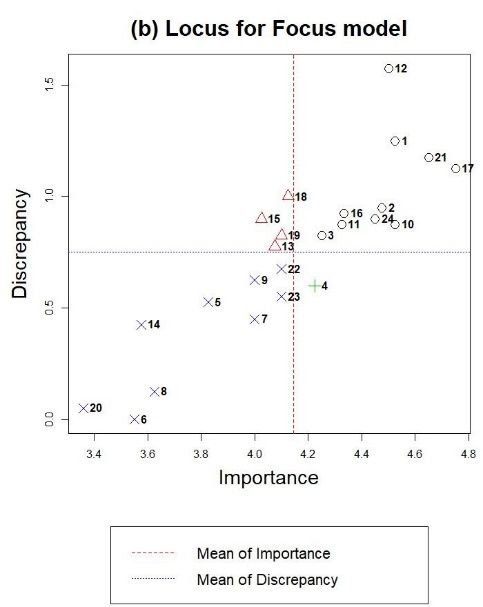
J. Mar. Sci. Eng. 2021, 9, 302                                                                                             2 of 27

                                 respectively [1]. There are studies that argue that these IMO conventions have played a
                                 role in preventing accidents to a certain degree [4–6]. Nevertheless, there have been limited
                                 efforts by researchers on the reasons why similar ship accidents continue to occur.
                                       In this study, we suggest possible solutions to this problem by investigating the
                                 status and problems related to the implementation of countermeasures using importance–
                                 performance analysis (IPA), Borich’s needs assessment, and locus for focus models based
                                 on identified causes of ship accidents. This study considered the Costa Concordia and
                                 Sewol ferry ship accident cases as these represent accidents from the last 10 years that
                                 are similar in terms of their operational perspective to the Titanic and the Herald of Free
                                 Enterprise accidents. Although the size of the ships and technical aspects are different,
                                 Costa Concordia was a state-of-art passenger ship similar to the Titanic at its time, and
                                 the Sewol ferry was a RO-RO passenger ship with an operation type similar to that of the
                                 Herald of Free Enterprise. Moreover, these two accident cases received significant public
                                 attention and various studies have been conducted to identify the cause of the accidents.
                                       The paper comprises of six sections. Following the introduction, in Section 2, we
                                 discuss the reasons why some of countermeasures are not properly implemented by
                                 conducting a literature review. In Section 3, we present and summarize the identified causes
                                 from the previous studies on the Costa Concordia and Sewol ferry accidents. Additionally,
                                 we explain the questionnaire developed for a survey of experts. In Section 4, IPA, Borich’s
                                 needs assessment, and locus for focus models are applied to the Costa Concordia and Sewol
                                 ferry accidents based on the questionnaire survey data, and the causes of ship accidents
                                 with high importance and low performance are identified. In Section 5, the meaning of the
                                 analysis’ results in Section 4 and limitations of this study are discussed. Finally, conclusions
                                 are drawn in Section 6.

                                 2. Literature Review
                                       In the past, the causes of ship accidents were mainly investigated and addressed
                                 from a technical perspective. Accordingly, the related IMO conventions focused on the
                                 improvement of the technical side. The SOLAS 1978 Convention, enacted in response to
                                 the Titanic accident, is the most typical example of such an improvement on the technical
                                 side [7]. In addition, the Torrey Canyon accident in 1967 led to the birth of important
                                 international conventions, such as the International Convention on Civil Liability for Oil
                                 Pollution Damage (1969), the International Convention for the Prevention of Pollution
                                 from Ships (MARPOL, 1969), and the International Convention on Standards of Training,
                                 Certification, and Watchkeeping for Seafarers (STCW, 1978) [8]. In particular, a significant
                                 technical improvement from the MARPOL 1978 Convention was the application of double
                                 hulls for tanker ships, which was introduced after the Exxon Valdez accident (1989).
                                 The introduction of double hulls proved crucial in reducing oil spills from tanker ships,
                                 which reduced by 20–62% on average [5,9]. After the technical amendments made to the
                                 IMO conventions, the focus shifted to identifying and addressing human factors-based
                                 causes of ship accidents [10]. For example, the ISM code was applied to reduce ship
                                 accidents that arose from human factors, and a few studies have been conducted to prove
                                 its effectiveness [4,11]. Simultaneously, electronic chart display and information systems
                                 (ECDIS) were installed according to SOLAS 1978, Chapter 5 to analyze the technical and
                                 human factors. Further, a study revealed that the officers’ awareness toward improving a
                                 given situation is instrumental in reducing ship accidents [12].
                                       However, despite the above measures, there have been cases where the amendments
                                 and application of IMO conventions were not implemented or there were certain difficulties
                                 in their implementation. In certain cases, even though they were applied, they did not
                                 function according to their intended purpose. In relation to this, Knudsen and Hassler
                                 (2011) argued that the IMO had a weak connection with the administrations of the member
                                 states [13]. This resulted in differences in implementation of the IMO conventions between
                                 states. On the other hand, new regulations negatively influenced the existing regulations,
                                 which were also influenced by the mutual interests of various parties, including the ship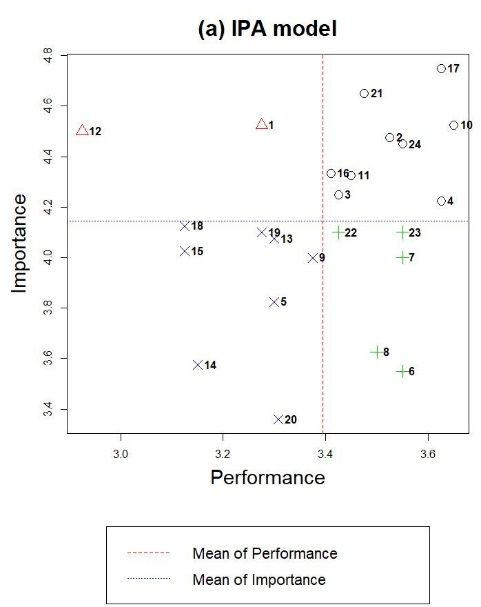
J. Mar. Sci. Eng. 2021, 9, 302                                                                                             3 of 27

                                 owners, seafarers, shippers, and governments. Viertola and Storgård (2013), Karahalios
                                 et al. (2011), and Dewan et al. (2018) referred to the cost burden of implementation as one of
                                 the obstacles to the amendment of IMO conventions or national laws [14–16]. In particular,
                                 Setyohadi et al. (2018) identified that changes in the IMO regulations for tanker owners
                                 put a significant economic burden on the operation of their tanker fleets [17]. Bhattacharya
                                 (2012) argued that the birth of the ISM code itself helped in terms of the safe operation
                                 of ships [18]. However, because the crew did not participate directly in the management
                                 system for the application of the ISM code as a result of the vulnerable employment form
                                 and a lack of trust in the managers, it was applied differently from the original intention.
                                 In order to overcome these issues, Akyuz and Celik (2014) presented a study that can
                                 help apply the ISM code more effectively by improving the conventional system and
                                 developing a tool to effectively measure the application of the ship safety management
                                 system (SMS) [19]. Tunidau and Thai (2010) also pointed out that the negative safety
                                 culture on ships, the absence of seafarers’ participation in the safety system development,
                                 and a lack of competence of flag states had a negative influence on the implementation
                                 of the IMO conventions [20]. In particular, research on the safety culture and safety
                                 management of tankers confirmed that there were significant differences in safety culture
                                 and SMS depending on the ship owner, the seafarers’ nationality, and the flag states.
                                 Knudsen and Hassler [13] maintained that the new IMO regulations acted negatively
                                 on the existing regulations. Because ship accidents put political pressure on member
                                 states, the IMO regulations were applied separately in each of the countries, resulting in
                                 differences in implementing them [13]. In addition, Eliopoulou et al. (2016) confirmed
                                 that despite the implementation of the various new IMO regulations, accidents for certain
                                 types of ships did not decrease significantly [21]. Psarros et al. (2010) argued that there
                                 were cases where it was not possible to develop appropriate regulations because the
                                 analysis of the ship accidents was not properly performed [22]. Eliopoulou et al. (2016)
                                 maintained that based on their analysis of the results of recent ship accidents, there is need
                                 to intensify training for seafarers, familiarize them with new technologies, and train them
                                 on emergency management skills [21]. However, it is difficult to verify the implementation
                                 of these findings.
                                        There have been many studies that have analyzed the causes of the Costa Concordia
                                 (2012) and the Sewol ferry (2014) accident cases. Schröder-Hinrichs et al. (2012), Di Lieto
                                 (2012), Giustiniano et al. (2016), Vidan et al. (2013), Broussolle et al. (2014), Brazier (2012),
                                 Dickerson (2013), Hasegawa and Awal (2013), and Alexander (2012) analyzed and pre-
                                 sented the causes of the Costa Concordia accident by using various ship accident analysis
                                 tools [3,23–30]. An accident investigation report published by the Ministry of Infrastruc-
                                 tures and Transports of Italy (MIT) (2012), along with the various causes of the Costa
                                 Concordia accident, confirmed that the ship manager’s unusual behavior and improper
                                 emergency response were considered to be critical factors that led to the accident [31]. As
                                 for the Sewol ferry case, Lee at al. (2017) analyzed the accident from multiple perspectives,
                                 including the government, relevant laws, shipping inspection agencies, shipping compa-
                                 nies, technology, and operational management. This analysis was achieved by applying
                                 the Accimap methodology [32]. In addition, by performing the systems-theoretic accident
                                 model and processes-based causal analysis, Kim et al. (2016) suggested improvements to
                                 the safety system, the traffic safety information system to support decision-making, im-
                                 provements to ship safety design, instructions that put the safety of ships and passengers
                                 first, and the provision of appropriate training [33]. Upon identifying a total of 23 accident
                                 causes related to the Sewol ferry by applying several accident analysis techniques, Kim et al.
                                 suggested several measures, such as identification of organizational barriers, improving the
                                 information flow, establishing independent watchdogs, and encouraging accident mindful-
                                 ness in the organizations [34]. In summary, the causes of the Costa Concordia and Sewol
                                 ferry accidents have been analyzed in a variety of ways, and various countermeasures have
                                 been suggested, including amendments to the IMO conventions and to the relevant laws
J. Mar. Sci. Eng. 2021, 9, x FOR PEER REVIEW 4 of 28
J. Mar. Sci. Eng. 2021, 9, 302 4 of 27
Sewol ferry accidents have been analyzed in a variety of ways, and various countermeas-
ures have been suggested, including amendments to the IMO conventions and to the rel-
evant
of the laws of thecountries.
respective respectiveHowever,
countries.the
However, the implementation
implementation status
status of these of these
findings find-
in actual
ings in actual
practice practice
has not has not been verified.
been verified.
3.
3. Materials
Materials and
and Methods
Methods
3.1. Procedure
3.1. Procedure and
and Methods
Methods Overview
Overview
This study
This study collected
collectedidentified
identifiedaccident
accident causes
causes of the Costa
of the Concordia
Costa Concordia and Sewol ferry
and Sewol
accidents
ferry by examining
accidents previous
by examining accidentaccident
previous studies, studies,
reports, and IMOand
reports, documents. Then, we
IMO documents.
analyzed
Then, we whether
analyzedthe countermeasures
whether against identified
the countermeasures against ship accident
identified causes
ship werecauses
accident taken
or nottaken
were takenorthrough
not taken analysis
throughof amendments made to IMO
analysis of amendments conventions
made and the relevant
to IMO conventions and
national
the laws.
relevant A questionnaire
national was developed
laws. A questionnaire was based
developedon collected
based on ship accident
collected shipcauses,
acci-
and experts
dent causes, were surveyed
and experts to confirm
were surveyed thetoimportance
confirm theand performance
importance and of the identified
performance of
causes. These were analyzed by using the IPA [35], Borich’s needs
the identified causes. These were analyzed by using the IPA [35], Borich’s needs assessment [36], and the
assess-
locus[36],
ment for focus models
and the locus [37], which
for focus have [37],
models beenwhich
mainlyhaveapplied
beenin the field
mainly of education
applied to
in the field
identify
of changes
education in the education
to identify changes insystem and perform
the education system education demand
and perform analyses
education [38,39].
demand
Through these data, the importance level of each identified cause was
analyses [38,39]. Through these data, the importance level of each identified cause was confirmed, and the
causes for why the countermeasures had not been taken were analyzed.
confirmed, and the causes for why the countermeasures had not been taken were ana- Based on this,
possible
lyzed. solutions
Based on this,based on expert
possible suggestions
solutions based onwere proposed.
expert The procedure
suggestions and method
were proposed. The
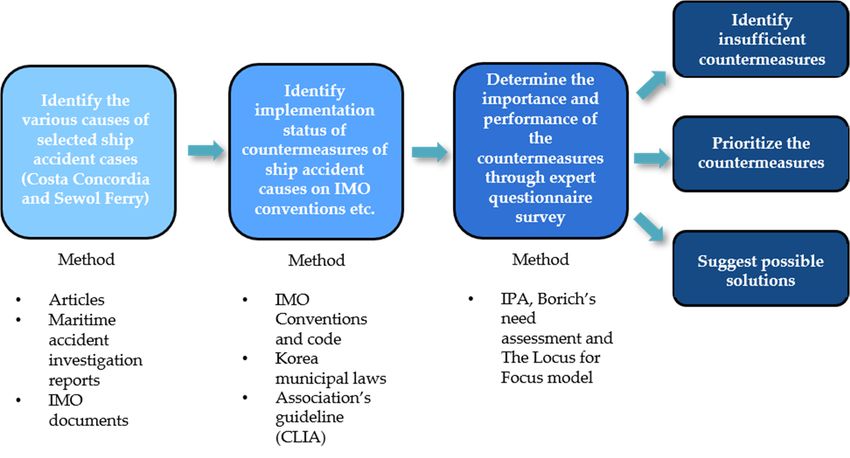
of the study are shown in Figure 1.
procedure and method of the study are shown in Figure 1.
The outcomes
The outcomes of of this
this study
study included
included identification
identification of of the
the implementation
implementation statusstatus of
of
countermeasures for identified causes of chosen ship accident cases and
countermeasures for identified causes of chosen ship accident cases and determination of determination of
insufficient countermeasures along with their prioritization.
insufficient countermeasures along with their prioritization.
Figure 1.
Figure Procedure and
1. Procedure and methods
methods performed
performed in
in this
this study.
study. IPA, importance–performance analysis.
3.2.
3.2. Analysis
Analysis of
of Causes
Causes of
of Costa
Costa Concordia
Concordia and
and Sewol
Sewol Ferry
Ferry Accidents
Accidents
3.2.1. Analysis
3.2.1. Analysis of
of Causes
Causes of
of Costa
Costa Concordia
Concordia Accident
Accident
To identify
To identify the
the causes
causes of
of the
the Costa
Costa Concordia
Concordia accident, we collected
accident, we collected and
and analyzed
analyzed
articles, the
articles, the official
officialaccident
accidentreport
report(MIT), and
(MIT), andthethe
IMO documents
IMO thatthat
documents werewere
produced after
produced
the accident [3,23–31,40]. Table 1 includes a summary of identified causes other
after the accident [3,23–31,40]. Table 1 includes a summary of identified causes other than than the
long-term action plan issued by the IMO. In total, 30 causes were classified after
the long-term action plan issued by the IMO. In total, 30 causes were classified after ex- excluding
duplicates.
cluding Of these,
duplicates. Of22 causes
these, 22 of the accident
causes alreadyalready
of the accident had countermeasures
had countermeasures prescribed
pre-
in international conventions, which were subsequently amended or
scribed in international conventions, which were subsequently amended or recom- recommended after
the accidents,
mended as shown
after the in Table
accidents, 1. In addition,
as shown in Table 1.two countermeasures
In addition, (i.e., causes 23–24)
two countermeasures (i.e.,
were added to the relevant conventions after the accident; six have been identified as
causes for which amendments of IMO regulations were not made (i.e., causes 1–6 from the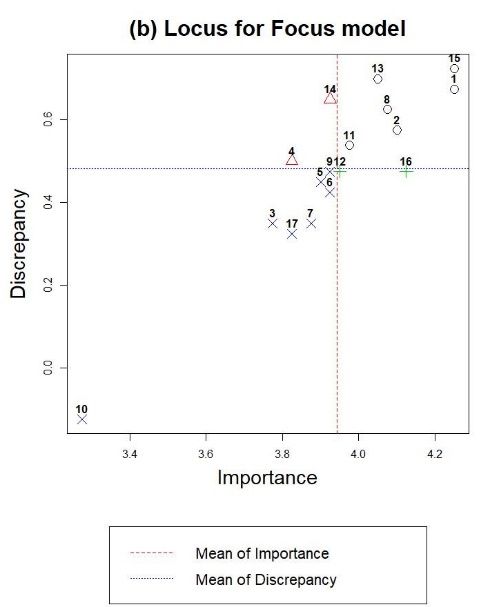
J. Mar. Sci. Eng. 2021, 9, 302                                                                                                                   5 of 27

                                        “not yet amended” section in Table 1). Most of the identified causes that were related to
                                        the SOLAS 1978 convention already existed or have been amended and added after the
                                        accident. However, the four causes that have not been amended yet are 1 [23], 2 [23], 3 [31],
                                        and 4 [31] of the “not yet amended” section in Table 1.

                                 Table 1. Causes of the Costa Concordia accident and their implementation status.

 Implementation Status of Identified Causes         Identified Causes of Costa Concordia Accident        Related International Convention and Code
                                                                                                         International Convention for the Safety of
                                                                                                         Life at Sea (SOLAS 1978)
                                                   1.    Persons on board who were assigned to           International Convention on Standards of
                                                         safety duties lacked skills and procedures.     Training, Certification, and Watchkeeping for
                                                                                                         Seafarers, 1978 (STCW 1978)
                                                   2.    The consequent loss of production and
                                                         distribution of electric system.
                                                   3.    Once production of electrical power was         International Convention for the Safety of
                                                         lost, the inability to have the pumps           Life at Sea (SOLAS 1978)
                                                         exhaust large quantities of water, and it
                                                         takes up the free water surfaces.
                                                   4.    Using inappropriate cartography,
                                                         including electronic chart display and
                                                         information systems (ECDIS), radar, and
                                                         paper chart.
                                                   5.    The distraction of the Master by people in
                                                         the hotel business department.
                                                   6.    The orders of the Master to the helmsman
                                                         given by assigning the bow to follow,
                                                         rather than ordering the rudder angle.
     Already existed and then amended or           7.    Shifting from a perpendicular to a parallel
                recommended                              course extremely close to the coast.
                                                   8.    Instead of choosing the most extreme
                                                         landmark as reference point for turning,
                                                         the ship proceeded toward the inner
                                                         coastline.                                      International Convention on Standards of
                                                   9.    Keeping a high speed (16kts) in night           Training, Certification, and Watchkeeping for
                                                         conditions too close to the shoreline.          Seafarers, 1978 (STCW 1978)
                                                   10.   Bridge Team, although more than suitable
                                                         in terms of number of crewmembers, did
                                                         not pay required attention.
                                                   11.   Handover between the Master and the
                                                         Chief Mate did not occur properly.
                                                   12.   Overall passive attitude of the bridge staff.

                                                   13.   The captain probably relied more on his
                                                         visual perception than on integrated
                                                         navigation system (INS) information, and
                                                         initially altered course with a too small
                                                         rudder angle.
                                                   14.   The alteration of course was not officially
                                                         approved by the operating company.

                                                   15.   Cancelling automated alarms.                     International Convention for the Safety of
                                                                                                                   Life at Sea (SOLAS 1978)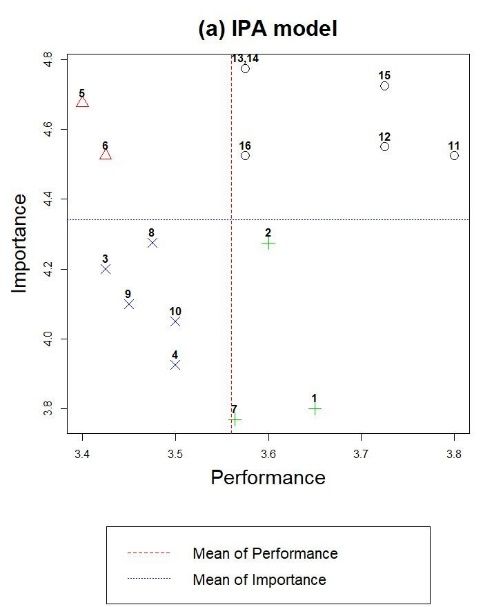
J. Mar. Sci. Eng. 2021, 9, 302                                                                                                               6 of 27

                                                                Table 1. Cont.

 Implementation Status of Identified Causes     Identified Causes of Costa Concordia Accident        Related International Convention and Code
                                                16.   Tendency to underestimate the effect of
                                                      navigational risk-taking by the Captain
                                                      and senior officers.
                                                17.   Captain’s failure to command operations,
                                                      and premature abandonment of the ship.

                                                18.   Cognitive hysteresis or
                                                      psychological fixation.
                                                                                                     International Convention on Standards of
                                                19.   Trust in technology may have affected the      Training, Certification, and Watchkeeping for
                                                      attitude of the navigators of such ships.      Seafarers, 1978 (STCW 1978)
                                                20.   Demonstration of outstanding skills in
                                                      manual ship handling might have been
                                                      the cultural driver shaping a chronic, risk
                                                      taking performance style.
                                                21.   Not promptly declaring the general             International Convention for the Safety of
                                                      emergency, despite its occurrence.             Life at Sea (SOLAS 1978)
                                                22.   Inadequate risk management, company
                                                      policies, monitoring, and enforcement          International Safety Management Code
                                                      about “salutes” (navigation close              (ISM code)
                                                      to island).
                                                23.   The SOLAS 1978 rules referable to
                                                      Concordia do not establish that the ship
                                                      was equipped with an automated system
                                                      of water detection in the free
                                                      compartments, and, consequently, a
               Added after accident                   computerized failure control system by         International Convention for the Safety of
                                                      direct information was necessary to            Life at Sea (SOLAS 1978)
                                                      calculate the residual dynamic stability.
                                                24.   Failure to conduct a drill with passengers
                                                      before departure.

                                                1.    Once defined, the guard sector was not
                                                      displayed on the screen (making it difficult
                                                      for operators to remember its parameters).

                                                2.    The clarity of electronic vector charts on
                                                      navigational display. In the worst cases,      International Convention for the Safety of
                                                      important features became unreadable.          Life at Sea (SOLAS 1978)
                                                3.    Bridge (fully enclosed by glass windows)
                                                      did not allow physical verification of
                                                      outside environment or a clear look
                                                      during nighttime.

                 Not yet amended                4.    Limited availability of emergency lines in
                                                      case of failure for flooding and direct
                                                      consequences on management of residual
                                                      dynamic stability (absolute absence of
                                                      redundancy in the production of
                                                      emergency power; lack of lines available
                                                      in emergency).
                                                                                                     International Convention on Standards of
                                                5.    Lack of type specific training.                Training, Certification and Watchkeeping for
                                                                                                     Seafarers, 1978 (STCW 1978)
                                                6.    Efficiency–thoroughness trade-off: Making
                                                      these efficiency and thoroughness
                                                      trade-offs is essential for the efficacy of    International Safety Management Code
                                                      overall performance but can also lead          (ISM code)
                                                      to accidents.

                                            There is a possibility that the international conventions were not amended for these
                                      causes because they might either be considered not to be the root causes of the accident or
                                      to lead to an additional financial burden for their implementation [14–16,22]. In particular,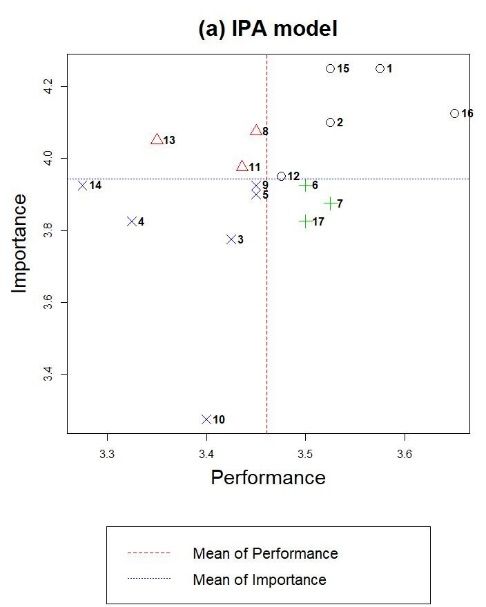
J. Mar. Sci. Eng. 2021, 9, 302                                                                                             7 of 27

                                 cause 4 in the “not yet amended” section in Table 1 is a crucial factor increasing the scale of
                                 an accident. It was confirmed that a detailed amendment of the related IMO regulations
                                 was not made, although this cause might be relatively significant [31].
                                       Preventive regulations for most of the causes of the accidents that are related to the
                                 STCW 1978 convention already existed. In particular, a number of causes related to bridge
                                 resource management (BRM) were identified [3,23,30,31]. It was confirmed in the accident
                                 analysis that not all of the bridge crew for the Costa Concordia had completed BRM
                                 training at that time, which may be one of the causes for the accident [31]. Apart from
                                 this, the tendency to neglect situation awareness and management of risks in the bridge
                                 was revealed as another reason [3,23,30,31]. The presence of people working in the hotel
                                 business department of the ship rather than the bridge members might have also had an
                                 influence on the accident [31]. In addition, incorrect plans and guidelines as well as a lack of
                                 response from the crew during the emergency were cited as causes of the accident [30,31].
                                 In relation to this, the Cruise Lines International Association (CLIA) had established
                                 operational safety guidelines related to bridge access. This helps the bridge crew respond
                                 appropriately in case of an emergency without any external influence [41]. Although these
                                 regulations already existed, additional supplementary and amendment procedures were
                                 put in place at CLIA and IMO as a result of the Costa Concordia accident [42–46]. Failure
                                 to fully utilize navigational devices, such as the integrated navigation system (INS), was
                                 also cited as one of the causes of the accident. It was indicated that the deck officer had
                                 not been trained for the use of certain navigation devices [23]. Currently, companies are
                                 responsible for this function in accordance with STCW 1978, as amended (Regulation I/14).
                                 However, we were not able to confirm whether or not it has been properly implemented
                                 for each navigation device.
                                       In relation to the ISM code, the “salute” was found to be one of the direct causes
                                 for the grounding of Costa Concordia. The cruise operator tacitly condoned it because
                                 it helped publicize their activities; they used it in advertisements. This caused the deck
                                 officer to ignore the primary importance of safety [3,30]. The intent to prevent this was
                                 clearly stated in the ISM code; however, it is highly likely to have been ignored because
                                 of the emphasis on economic benefits. Therefore, the fundamental issue still remains
                                 that the efficiency–thoroughness trade-off of the ship operation for the six items in the
                                 “not yet amended” section shown in Table 1 should be discussed in further detail at the
                                 organizational level [3]. Unaddressed, this issue increases the likelihood that seafarers will
                                 behave in a way that poses a threat to safety when under pressure, in which they must
                                 choose efficiency.
                                       Since the Costa Concordia accident, the IMO has established a long-term action plan
                                 based on the analysis of the causes of the accident. Table 2 shows the classification of
                                 improvement requirements in the long-term action plan, which was discussed by the
                                 90th–96th sessions of the IMO Maritime Safety Committee (MSC) [40].
J. Mar. Sci. Eng. 2021, 9, 302 8 of 27
Table 2. Long-term action plan of the IMO after the Costa Concordia accident.
Description of IMO’s Long-Term Action
Implementation Status of Analyzed causes Related International Convention and Code
Plan Outputs
1. Review and update arrangements for
discontinuity between compartments
containing ship’s essential systems (such
as propulsion sets or main generators sets)
in order to preserve their functional
integrity for new ships.
2. Review of the criteria for the distribution
and capacity of bilge pumps, along the
length passenger ships, for new ship.
3. Amendment to SOLAS 1978 regulation
II-1/21 and associated technical guidelines
on watertight doors maintenance.
4. Development of guidelines for
comprehensive risk assessment, passage
planning, and position monitoring;
effective bridge resource management;
and removal of distractions.
5. Review of conditions under which
passenger ship watertight doors may be
Already existed and then amended or opened during navigation and prepare International Convention for the Safety of
recommended amendments to SOLAS 1978 regulation Life at Sea (SOLAS 1978)
II-1/22 and MSC.1/Circ.1380.
6. Revision of SOLAS 1978 Chapter II-1
subdivision and related damage stability
regulations:
• Limit the down flooding points (the
lower edge of any opening through
which progressive flooding may take
place) on the bulkhead deck for new
passenger ships.
• Double hull in way of main
engine-rooms.
7. Revision of Section 3 on damage control
plans of the guidelines for damage control
plans and information to the master
(MSC.1/Circ.1245) to include
enhancements to the damage control plan
for passenger ships.
8. Review of evacuation analysis of SOLAS
1978 Chapter II-1/regulation 13,
subparagraphs 3.2, 7.1, 7.2 and 7.4.
9. Development of onboard damage
stability system.
10. Consideration of the inclusion of
inclinometer measurements within all
Voyage Data Recorders (VDRs).
11. Amendments to SOLAS 1978 Chapter II-1, International Convention for the Safety of
Added after accident
part B-4, Stability Management, to include Life at Sea (SOLAS 1978)
requirements on damage control drills for
passenger ships.
12. Onboard stability computer or
shore-based support for existing passenger
ships.J. Mar. Sci. Eng. 2021, 9, 302 9 of 27
Table 2. Cont.
Description of IMO’s Long-Term Action
Implementation Status of Analyzed causes Related International Convention and Code
Plan Outputs
13. Review of the adequacy of passenger ship
specific safety training in the STCW 1978,
as amended.
14. Development of more detailed assessment International Convention on Standards of
criteria for recognizing manning agencies. Training, Certification, and Watchkeeping for
15. Development of guidelines on the Seafarers, 1978 (STCW 1978)
appropriate assignment of trained crew to
Already existed and then amended or emergency duties.
recommended 16. Review the adequacy of shipboard safety
signs and markings.
17. Review of the effectiveness of plans for
cooperation of passenger ships with International Convention for the Safety of
appropriate search and rescue services Life at Sea (SOLAS 1978)
required by SOLAS 1978 Chapter V
regulation 7.3 (MSC/Circ.1079).
1. Review of emergency power redundancy
for existing ships.
2. Development of guidance on the use of
fire doors to prevent flooding.
3. Revision of Chapter 13 of the Fire Safety
System code (arrangement of means of
escape) to indicate the maximum capacity
of public spaces.
International Convention for the Safety of
4. Develop guidelines of administrations
Life at Sea (SOLAS 1978)
regarding substitution of lifeboats by life
rafts (SOLAS 1978 regulation
III/21.1.1—administrations “may permit
the substitution of boats by rafts of
equivalent total capacity provided that
Not yet amended there shall never be less than sufficient
boats on each side of the ship to
accommodate 37.5% of the total number of
persons on board”).
5. Review of SOLAS 1978 regulation III/27 to
add the nationality of all persons on board.
6. Guidance for flag administrations in
considering alternative arrangements
under SOLAS 1978 regulation III/11.7
(with the ship listed at an angle exceeding
20◦ ; it was demonstrated that traditional
embarkation ladders were more useful.
Therefore, in light of this it may be
necessary to consider whether the
minimum number of embarkation ladders
(one) on each side should be increased)
(MSC 92/6/3).
While considering the IMO long-term action plan in Table 2, most of the items related
to the SOLAS 1978 convention were amended for the existing regulations. The descriptions
of items 9–12 in the “added after accident” section in Table 2 lists the newly enacted
SOLAS 1978 regulations after the Costa Concordia accident. Most of the long-term action
plan items focused on the seafarers’ emergency response, the stability of the vessel, and
evacuation after contact with a reef, instead of addressing the root cause of the accident.
Presently, these items have been partially amended. However, there are items that were
identified after the accident but were not reflected in the amendment of the regulations,
such as items 1–6 in the “not yet amended” section in Table 2 [40]. These included items
that were not amended were the ones that were proposed to prevent rapid deterioration
after flooding and to help the passengers escape efficiently. They are related to the situation
after the contact. Item 5 in the “not yet amended” section in Table 2 was included in theJ. Mar. Sci. Eng. 2021, 9, 302 10 of 27
interim recommendations immediately after the accident [47]; however, we were not able
to confirm any changes in the IMO regulations made thenceforth.
The items that are related to the STCW 1978 convention are related to the emergency
response of the passenger ship crew members. These items were supplemented and
amended such that the companies could guarantee an improvement in the seafarers’
emergency response ability and emergency response familiarity training, etc. [45]. In
addition, when comparing these items with the documents of the IMO circular or resolution,
it was confirmed that the contents for the shipboard safety signs and markings related to
emergency escape and improvement in the efficiency of cooperation between passenger
ships and search and rescue services were amended [48,49].
3.2.2. Analysis of Causes of Sewol Ferry Accident
This study analyzed several reports on the Sewol ferry accident, including the mar-
itime safety investigation report that was published by the Korean Maritime Safety Tribunal
(KMST), a comprehensive report that was submitted to the Korean government by the
Hull Investigation Committee (HIC) for the Sewol ferry accident, articles that analyzed the
causes of the accident, and a report compiled by the Korea Maritime Institute [50–53].
The investigative work of the HIC started in July 2017 and ended in August 2018.
However, the report failed to present a consensus on the causes of the accident. Therefore,
separate reports were prepared for two possibilities: a Hypothesis for Internal Factors (HIF)
and a Hypothesis including External Factors (HEF) [52,53]. The commonalities of the two
reports are poor cargo securing and a lack of stability at the time of the departure [52,53].
However, the HIF report excludes the possibility of an external force, while the HEF report
includes it. All seven articles that analyzed the causes of the accident were based on
research prior to the submission of the comprehensive report of the 2018 HIC. In this study,
we excluded the presence of the external force which may have affected the Sewol ferry
accident and required an additional verification for the causes of the Sewol ferry case. In
addition, regarding the rescuing of the passengers of the Sewol ferry, because there were
many elements other than international conventions and national laws, we focused on the
causes that were related to the Sewol ferry accident only.
Table 3 shows the identified causes of the accident from the above collected data. For
classification, we identified the national laws in Korea that existed and were related to the
identified causes of the accident at the time. If they existed, we analyzed and identified whether
they were amended after the accident. If they did not exist, we analyzed and identified whether
there were any new provisions after the accident. It was found that Korea has many relevant
laws, such as the Ship Safety Act (SSA), the Seafarers’ Act (SA), the Maritime Safety Act (MSA),
the Marine Transportation Act (MTA), and the Ship Personnel Act (SPA).
Table 3. Causes of the Sewol ferry accident and their application status.
Implementation Status of Analyzed Cause Identified Cause of Accident of Sewol Ferry Related International Convention and Code
1. The maximum allowable age for a
passenger ship went from 20 years to 30
years. This enabled the shipping company
to purchase the 18-year-old Japanese International Convention for the Safety of Life
passenger ship. at Sea, 1974 (SOLAS 1978)
Already existed and then amended 2. Modification did not need any approval Ship Safety Act (Republic of Korea (RoK))
from the government since it did not Maritime Safety Act (RoK)
violate the domestic law; the company Marine Transportation Act (RoK)
only had to get approval when the usage
of the ship changed after the modification.J. Mar. Sci. Eng. 2021, 9, 302 11 of 27
Table 3. Cont.
Implementation Status of Analyzed Cause Identified Cause of Accident of Sewol Ferry Related International Convention and Code
3. Limitation of the physical system design is
that ships of this type (RO-RO passenger)
have an un-subdivided deck and a very
large superstructure compared with
other types. International Convention on Standards of
4. Use of large angle of rudder—the sudden Training, Certification, and Watchkeeping for
turn of the ferry made by an Seafarers, 1978 (STCW 1978)
unexperienced navigating officer Ship Personnel Act (RoK)
significantly contributed to the capsizing. Seafarers’ Act (RoK)
5. Improper decisions of captain in
emergency situations.
6. Failure of proper crew response.
7. Inexperienced third mate and helmsman
conning vessel at the time of accident.
8. Lack of emergency response training of
shipping company.
9. Cursory inspection by ship inspector
before ship sailing and being allowed to
sail; structural problem in the
independence of the marine operation
inspection, South Korea’s lax RO-RO ferry
regulation system—negligent in safety
checks due to the special treatment from
shipping companies.
10. Improper management and violation of International Safety Management Code (ISM
regulations by ship-owning code)
company—problem of feedback, Ship Safety Act (RoK)
compliance of regulation, management of Marine Transportation Act (RoK)
crew, etc.
11. Improper activation of life rafts.
12. Insufficient ballast water on board, large
free surfaces in the ballast tank.
13. Improper lashing of cargo—movement
of cargo.
14. Overloaded cargo.
15. Insufficient upright metacentric height
(GM) force.
16. Fail to conduct adequate inspection of
cargo movement by ship’s crew.
1. Lack of investment in safety.
2. Lack of experts in disaster management in
Central Disaster and Safety
Countermeasures Headquarters (CDSCH)
led to poor communication and
coordination.
3. Shipping company’s culture: priority of
short-term profit, employment of low-paid
contract workers, and prevalence of
operational and safety oversights. International Safety Management Code
Not yet amended (ISM code)
4. Shipping companies prefer irregular
(or not existed) Ship Safety Act (RoK)
workers—issue of employment structure.
Marine Transportation Act (RoK)
5. Although one regulator of Republic of
Korea had the knowledge that the ship
had exceeded its capacity regularly, this
information was not useful because it was
not shared with other cognizant agencies
with oversight responsibility for the Sewol,
possibly because the law did not require it.
6. Improper maintenance and inspection of
life rafts by external inspection agency.
As each law was enacted for the ratification of the SOLAS 1978 convention, STCW
1978 convention, and ISM code, this study classified them in relation to these relevantJ. Mar. Sci. Eng. 2021, 9, 302 12 of 27
international conventions. The contents related to the procedures and systems were
classified under the ISM code, those related to general safety and structure were classified
under the SOLAS 1978 convention, and those related to seafarer training and qualifications
were classified with the STCW 1978 convention.
For the identified causes of the accident, this study excluded similar and duplicate
causes and finally classified 22 causes of the accident as presented in Table 3. Of these,
16 causes in the “already existed and then amended” section were either addressed in
existing laws or laws that were amended after the accident. In addition, six causes in the
“not yet amended (or not existed)” section were identified as causes of the accident that
had no relevant national laws or regulations for them.
The regulations related to SOLAS 1978 include the SSA, MSA, and MTA. In terms of
the causes of the accident, the issue of the ship’s age [32] and the obligation to report a
modification made to the ship [32] are specified in the MTA and SSA, respectively. In the
relevant regulations after the accident, the maximum age of the ship was reduced from
30 to 25 years [50,54], and any modification that caused deterioration of the stability was
banned. In addition, ship owners were now required to seek a permit for modifications
made to the ship’s facilities as well, apart from the permits already needed for changes
in the length, width, height, and use of the ship [50,55]. Considering the items that were
identified as causes after the accident, this study confirmed that the causes related to
the SOLAS 1978 convention already existed in relevant laws or were amended after the
accident in the Republic of Korea (RoK).
STCW 1978 is related to the SPA and SA Korean laws. Rapid movement of the ship
using the rudder at big angles [32,33,56,57], the lack of swift decision-making ability of the
captain [33], an inappropriate response by the ship’s crew during an emergency [32,56,58],
and a lack of understanding of the structural constraints of the car carrier were identified
as the causes of the accident [33]. These causes are related to the seafarers’ ability and
education. For these, the appropriate laws already existed or have been amended since
the accident. More specifically, the required qualifications for captains of large passenger
ships were to obtain a second-class license and pass the ability test for the captain on the
passenger ship (ATCPS) in the first attempt. However, this requirement was strengthened
after March 2015 such that candidates were now required to obtain a first-class deck officer
license; the ATCPS schedule was also modified to enable it to be held regularly from July
2015 [59]. In addition, officers were obliged to wear uniforms, the existing exemption
from safety retraining was abolished, the training was reorganized based on practice, and
the advanced course for the passenger ship (ACPS) was established [59,60]. Since 2019, a
full-scale reorganization of seafarer-related training through practice- or discussion-based
learning has been enforced in the Republic of Korea. Through this, an effort was made to
strengthen the seafarers’ ability. Additionally, the KMST, which published the Emergency
Response Manual for the Captain (ERMC) in 2018, has made efforts to strengthen the
captain’s emergency response ability [61].
The ISM code is related to the MSA and MTA. It requires coastal passenger ships
to operate with an SMS in place according to Article 46 of the MSA, in which the ISM
code is accepted by the national laws of Korea. However, ships that are engaged in
coastal passenger transportation services, such as the Sewol ferry, are required to satisfy
the operation management regulation (OMR) under Articles 21 and 22 of the MTA in
the Republic of Korea. In addition, they are subject to inspection in accordance with the
passenger ship safety management guidelines, which is notified under the MTA. This
means that a similar ship type has to follow different laws depending on its operation type.
The details included in the OMR are specified in Article 15-2 of the enforcement ordinance
of the MTA. In addition, a ship operates with the SMS in place if it complies with the OMR
in accordance with Article 46 of the MSA [54,62].
The previous studies recognized the following as the causes of the accident: an in-
experienced third officer’s conning the vessel and helmsman’s poor steering [32], cargo
overloading [32–34,57], a lack of ballast water loading [32,34,56,57], poor cargo secur-J. Mar. Sci. Eng. 2021, 9, 302 13 of 27
ing [32,33,56,57], an improper management system in the shipping company that violated
regulations [32–34,56], structural problems in the vessel operation manager (VOM) result-
ing in superficial pre-departure checks [32–34,56], and lax SMS [32,56]. In other words,
the accident was due to the negligence of safety management by the passenger trans-
portation services provider (PTSP) and inherent problems in the overall coastal passenger
ship SMS. In order to prevent similar accidents, the authority and responsibility of the
PTSP were clarified. In addition, the safety regulations and license systems were com-
pletely revised [50,54]. In the event of a maritime accident that could pose a serious risk
to several lives due to the intentional or serious negligence of the PTSP or negligence in
the duty of care related to the supervision of the captain, a permanent disqualification
system for the coastal PTSP’s (CPTSP) license was introduced such that they cannot be
licensed again [50,54]. The provisions for the violations were also defined in detail [50,54].
First, the appointment of a safety manager for the CPTSP became mandatory. Second, in
order to secure the independence of the VOM, their institution changed from the Korea
Shipping Association, which is an interest group of shipping companies, to the Korean
Maritime Transportation Safety Authority, which is a public institution, thus clarifying
the duties of the VOM. Third, a maritime safety supervisor was appointed to strengthen
the safety inspection of coastal passenger ships [50,54,55]. In addition, the identification
process for all the passengers was strengthened by mandating ID card and boarding pass
checks. Ticketing systems for vehicle cargo have since been fully computerized to prevent
overloading of passengers and cargo [50,54]. However, no special actions were taken on
the issue of non-regular crew members [32,34,56] or information sharing related to the
Sewol ferry remodeling information [32,33].
3.3. Questionnaire Development for IPA, Borich’s Needs Assessment, and Locus for Focus Models
After identifying the causes of the Costa Concordia and Sewol ferry accidents, this
study identified whether or not the countermeasures related to the IMO conventions
and relevant laws were implemented. Therefore, we conducted an expert survey on the
importance and performance of the amendments related to IMO conventions and national
laws that were amended after ship accidents by using IPA, Borich’s needs assessment
model, and the locus for focus model. IPA analysis can achieve clear results in a simple
based on “importance” and “performance”; therefore, it has the advantage of deciding
which areas to focus on first. However, problems arise when researchers determine that
the center value separating priorities is used as a mean or median because analysis errors
in the results may occur depending on the center value set by the researcher [63]. To
compensate for this shortcoming, priority through Borich’s needs assessment may be
further considered. Unlike the simple difference comparison of the t-test, Borich’s needs
assessment gives weight to the level of importance, allowing the results to be listed in
order [64]. However, even if the priority is listed, there are limitations as to how far they
should be considered first. Thus, the locus for focus model allows us to consider differences
in importance and performance while also visually identifying the priorities [64]. However,
there may be problems, such as presenting the results of the priorities or in prioritizing
the next quadrant after the first quadrant [64]. Therefore, the model can additionally be
supplemented through Borich’s needs assessment. Furthermore, AHP analysis allows us to
compare the relative priorities of each factor, but the purpose of this study was to explore
the priorities for insufficient response; therefore, IPA, Borich’s needs assessment, and locus
for focus models were used. In addition, we confirmed the importance and performance of
the items in which the causes of the accident were identified but for which the appropriate
countermeasures were not taken.
This study conducted a survey on the importance and performance using a Likert
5-point scale for the 24 identified causes of the accident for which the items were amended
or recently added to the IMO conventions, as shown in Table 1. A survey on the importance
and performance of the 17 amended or newly added items in the IMO long-term action
plan using the Likert scale was also conducted. Similarly, this study conducted a survey onJ. Mar. Sci. Eng. 2021, 9, 302 14 of 27
the importance and performance of each item using the Likert 5-point scale by identifying
16 items from the “already existed and then amended items” section in Table 3. The higher
the value of the Likert scale used in the survey analysis, the higher was the importance of
the cause of the accident and higher was the response to the current level (1 = not at all,
2 = not like that, 3 = common, 4 = yes, 5 = it really is). We identified six “not yet amended”
causes in Tables 1–3 each that were included in the questionnaire.
The experts who participated in the survey consisted of a variety of interested parties.
These included seafarers, members of the seafarers’ union, shipping company personnel,
professors from the seafarers’ educational institutions, officials of the Korean government,
and other stakeholders. For the survey questionnaire that was sent out, replies were
received from 42 participants, including 12 seafarers, 4 representatives from shipping
companies, 18 professors from the seafarers’ educational institutions, 2 government officials,
and 6 members from the seafarers’ union, along with public institutions, a maritime
equipment research institute, and a quasi-government agency. After a primary analysis
of the completed questionnaires, two were excluded because the survey response was
incomplete. Fourteen people had 6–10 years of maritime experience, the highest number
of participants; 11 had 11–15 years; 8 people had more than 15 years; and 7 people had
0–5 years of experience. IPA was performed using R [65]. Furthermore, by performing
Borich’s needs assessment to assess the differences in importance and performance, the
results were represented using the locus for focus model. Equation (1) presents the formula
for Borich’s coefficient [36]:
∑( RCL − PCL) × RCL
Borich0 s needs coe f f icient = (1)
N
where N denotes the total number of cases, RCL denotes the required competence level
(importance level), PCL denotes the present competence level (performance level), and
RCL denotes the average of the required competence level (importance level).
According to Equation (1), by increasing the RCL value and decreasing the PCL value,
the Borich’s needs coefficient become higher. The calculated Borich’s needs coefficient
provides a basis for judging the priority using relative values instead of absolute values.
Accordingly, it should be emphasized that the items with a higher priority have a high
Borich’s needs coefficient, which should be corrected, if possible [36]. Figure 2a shows
the importance and performance grid of the IPA model, which represents relationships
between
J. Mar. Sci. Eng. 2021, 9, x FOR PEER REVIEW the importance (vertical axis) and performance (horizontal axis) [35]. 14 ofFigure
28 2b
shows a schematic representation of Mink’s locus for focus model, which represents the
relationships between importance (horizontal axis) and discrepancy (vertical axis) based
onaxis)
the current
based onlevel of importance
the current and performance
level of importance [37]. This[37].
and performance study
Thisfocused on the second
study focused
quadrant in thequadrant
on the second IPA model and
in the IPAthe first and
model quadrant
the first(HH) in the
quadrant locus
(HH) for locus
in the focusfor
model,
focus which
model, which
represents highrepresents
importance highand importance and low performance,
low performance, and highand high discrepancy
discrepancy between the
between theand
importance importance and performance,
performance, respectively.respectively.
This is an This
areaiswhere
an area a where
problem a problem
is recognized
is recognized to be of high importance while its current level (i.e., performance)
to be of high importance while its current level (i.e., performance) is low. Therefore, is low. there
Therefore, there is a need for the development of a continuous
is a need for the development of a continuous response ability. response ability.
(a) (b)
Figure
Figure 2. Schematic
2. Schematic representation
representation of the
of the analysis:
analysis: (a) (a) importance—performancegrid
importance—performance grid(IPA
(IPAmodel);
model);(b)
(b)locus
locus for
for focus
focus model.
model.
4. Results
4.1. IPA, Borich’s Needs Assessment, and Locus for Focus Models
4.1.1. Costa Concordia Case 1 from Accident Investigation Report and ArticlesJ. Mar. Sci. Eng. 2021, 9, 302 15 of 27
4. Results
4.1. IPA, Borich’s Needs Assessment, and Locus for Focus Models
4.1.1. Costa Concordia Case 1 from Accident Investigation Report and Articles
Table 4 summarizes the analysis results of the IPA [65], Borich’s needs assessment,
and the locus for focus model for the 24 identified causes (excluding the 6 causes in the
“not yet amended” in Table 1). Figure 3a provides an illustration of the IPA results. The
causes located in the second quadrant (high importance/low performance) of the IPA
model in Figure 3a include causes number 1 and 12 in the “already existed and then
amended” section in Table 1. Both causes involved seafarers. In response to these causes,
an amendment was made after the accident with a focus on strengthening the overall
emergency response ability of the crew working on the passenger ships, such as the
addition of emergency familiarization training for passenger ships [44,45,65]. Currently,
causes regarding suggestion and information sharing within the bridge team through
seafarer education/training are provided in the leadership and teamwork courses and the
leadership and managerial skills courses. At the time of the Costa Concordia accident,
training was not mandatory, and although BRM training was being conducted, nobody
in the bridge team had received the training [31]. A total of 10 causes were included in
the first quadrant (high importance/high discrepancy) of the locus for focus model in
Figure 3b—namely, 2, 3, 10, 11, 16, 17, 21, and 24, including number 1 and 12 as mentioned
in the IPA. The lowest and highest Borich’s needs coefficients were for cause numbers 3
and 12, respectively. Numbers 15 and 18 had higher Borich’s needs coefficients than that
for number 3 in the first quadrant of the locus for focus model. However, these values
are of less than the importance of the mean; thus, they belong to the second quadrant
(low importance/high discrepancy) of the locus for focus model. Number 15 represents
“cancelling automated alarms” and 18 represents “cognitive hysteresis or psychological
fixation”. Both the items do not belong to the first quadrant, in which the items that
belong to the same set of human factors are from the IPA. Numbers 2, 3, 10, 11, 16, 17,
21, and 24, which were added in the locus for focus model, were present in the first
quadrant (high importance/high performance) of the IPA, along with the items of high
importance and performance. However, because the locus for focus model determined
that the performance was relatively low in comparison to the importance, they belonged
to the first quadrant. When examining the contents of the causes, they were not the root
causes of the contact; however, the causes that were identified in the electric power system,
such as the inability to use the bilge pump and production facilities (items 2 and 3), were
seen as key elements that extended the flooding area and eventually grounded the ship
after the contact. However, the importance and performance related to them was low. In
addition, the Borich’s needs assessment model of the ship’s uncontrollable issues that were
related to electricity production exhibited a high priority level of five. Problems other
than the ship’s electric power system involved the crew members along with the problems
that were previously analyzed—problems related to situational awareness, takeover, risk
response, and the decision-making abilities of the bridge team. Therefore, it was a problem
concerning the seafarers’ behavior and the ability to respond in real situations, rather
than their practical knowledge itself. In fact, at the time of the accident, most of the
human-related causes were addressed through amendments in the form of requirements
for seafarer education/training. Nonetheless, most of the causes showed high Borich’s
needs coefficients. This indicates that the amendments were not executed.You can also read


