The Africa Report Real estate investment opportunities and insight - Real Estate Market Update 2020/21 - Invest Africa
←
→
Page content transcription
If your browser does not render page correctly, please read the page content below
Real estate investment
opportunities and insight

The Africa Report

                                    knightfrank.com/research
                                    knightfrank.com/research
Real Estate Market Update 2020/21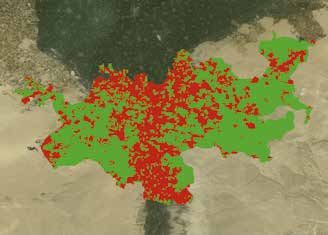
THE AFRICA REPORT 2020/21

COMMISSIONED BY

James Lewis
Managing Director,
Knight Frank Middle East and Africa

EDITED AND WRITTEN BY

Tilda Mwai
Researcher for Africa, Knight Frank

EDITORIAL STEERING BOARD

Andrew Shirley

Taimur Khan

Tilda Mwai

Peter Welborn

CONTRIBUTORS

Steve Rennie

Charles Macharia

Francis Bbosa

Gomezgani Mkandawire                                 CONTENTS
Julius Mvaa

Erhabor Ehondor
                                                     INTRODUCTION                         03
Cremio Kazembe

David Watson
                                                     INSIDE AFRICA                        04
Mumba Kapumpa

Dewi Spijkerman                                      JOINED UP THINKING                   05

PR AND MARKETING                                     R E A L E S TAT E
                                                     I N N O VAT I O N I N A F R I C A    08
Thomas Farmer

Sarah Guppy
                                                     NO PLACE LIKE HOME                   10
Mwihoti M’Mbijjewe

                                                     A C A P I TA L I N V E S T M E N T   11
CREATIVE

Quiddity Media Limited                               SHINE A LIGHT                        12

                                                 2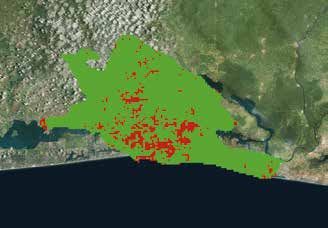
C O U N T RY F O C US                   WELCOME
Algeria                        16

Angola                         17
                                        Welcome to The Africa Report 2020/21,
                                        Knight Frank’s unique guide to real estate
Botswana                       18
                                        market performance and opportunities
Cameroon                       19
                                        in the world’s most exciting continent.
Chad                           20

Côte d ’Ivoire                 21       This year’s report comes exactly a decade since the publication
Democratic Republic of Congo   22       of the inaugural edition. Those ten years have been witness to
                                        exciting developments across both Africa and Knight Frank,
Egypt                          23
                                        and I am delighted to be taking over the reins of our Africa
Ethiopia                       24
                                        network at a time when the next ten promise to be
Equatorial Guinea              25
                                        even more exhilarating.
Gabon                          26
                                        Africa is now firmly established as a leading destination for
Ghana                          27
                                        serious investors, and the articles in the report – in particular
Kenya                          28
                                        our focus on intra-African trade opportunities, technology
Madagascar                     29       innovations and infrastructure connectivity – including detailed
Malawi                         30       insights on 30 countries, show that this trend will only grow.
Mali                           31
                                        Of course, such a diverse continent throws up challenges as well
Mauritania                     32       as opportunities, so the best advice and insight is a crucial and
Mauritius                      33       valuable commodity. Knight Frank’s Africa specialists and our
Morocco                        34       local offices have been providing this since 1964, but our ability

Mozambique                     35       to help our clients continues to strengthen.

Namibia                        36       I am delighted that we have formed an official partnership with
Nigeria                        37       emerging markets real estate specialist EMC, building on the

Rwanda                         38       many years we have been working together. And, as the article
                                        on page 12 highlights, we are also able to draw on the wider
Senegal                        39
                                        expertise of Knight Frank’s global network, including our
South Africa                   40
                                        London-based geospatial team, to offer new perspectives
Tanzania                       41
                                        on Africa’s opportunities.
Tunisia                        42
                                        Whether you are a property owner, investor or occupier, I am
Uganda                         43
                                        sure you will find The Africa Report 2020/21 extremely useful
Zambia                         44
                                        and valuable. Please do let us know what you think.
Zimbabwe                       45
                                        If my team can be of any help, do get in touch. You can find
                                        their contact details at the end of this report.

R E N TS S U M MA RY           46

CONCLUSION                     47

                                                         JAMES LEWIS, MANAGING DIRECTOR,
KNIGHT FRANK IN AFRICA         48                        KNIGHT FRANK MIDDLE EAST AND AFRICA

                                    3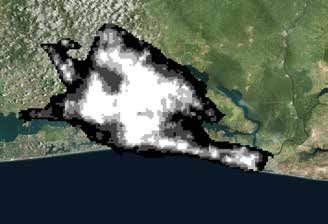
THE AFRICA REPORT 2020/21

                                       INSIDE AFRICA

                            We take a look at the latest economic and demographic numbers
                             that provide the backdrop to this edition of The Africa Report

T      he International Monetary Fund
       (IMF) forecasts that emerging
                                             will remain on a downward trend in
                                             2020 with a weighted average of 8.7%,
                                                                                                 commodities saw growth rates of just
                                                                                                 2.5% over the past two years.
market economies are set to experience       from 9.2% in 2019.
                                                                                                 This dichotomy has led to increased calls
a pick-up in growth from 3.9% in 2019
                                             While the collective growth trajectory              from across the continent for economic
to 4.6% in 2020. Sub-Saharan Africa’s
                                             of Africa is strong, there is a continuing          diversification and transition strategies
GDP is set to grow by 3.5% in 2019, and
                                             polarisation between investment-led                 that will enable a majority of countries to
is expected to marginally increase
                                             and commodity-led economies. Those                  develop into knowledge-based economies.
to 3.6% in 2020.
                                             attracting investment continued to
While this growth rate is subdued            record higher rates of growth, averaging            As the population continues to grow

compared with the rates of more than         6%, while those dependent on                        across the continent, the middle class is
5% experienced a decade ago, Africa
continues to rank among the fastest
growing continents in the world.                 Real GDP growth (annual % change)

For example, The World Bank has
highlighted Ghana, Rwanda, Ethiopia
and Côte d’Ivoire as some of the                   3.6         3.0         3.4    4.5     3.9       4.6         3.4         3.2          3.8
fastest growing global economies.
These countries continue to draw on
their improving competitiveness and
macroeconomic environment to diversify            2018         2019        2020   2018    2019     2020         2018        2019     2020

their sources of growth and trade.                             World              Emerging market and                  Africa (Region)
                                                                                  developing economies

The IMF also estimates that, despite             Source: IMF

these strong rates of growth, inflation

    Urbanisation rates

   40%                                    60%
                                                                                                           Mega-
                                                                                                          cities by
                                                                                                            2030
                                                                                                        Cairo, Kinshasa,
                                                                                                      Lagos, Dar es Salaam,
                                                                                                         Luanda, Jo'burg

    2019 547M PEOPLE                      2050 1.4BN PEOPLE
    Source:un.org

                                                                       4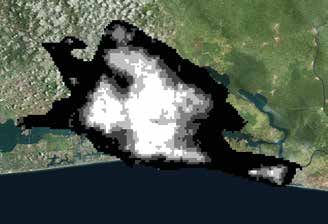
THE AFRICA REPORT 2020/21

                                                               JOINED UP THINKING

                                                               Market fragmentation has held back growth across Africa, but that
                                                               looks set to change as the continent works towards closer integration

expected to increase from 355 million
people in 2010 to 1.1 billion people in
                                                               I    n terms of global economic
                                                                    competitiveness, Africa lags behind
                                                                                                               transforming Africa over the next
                                                                                                               50 years through the continued
2050. This will drive greater demand                           the rest of the world, held back by             integration of trade, monetary union
for goods and services and the African                         fragmented markets that inhibit efficiency      and regional infrastructure, as well
Development Bank forecasts a combined                          and constrain economic growth.                  as digital integration.
business and consumer expenditure of
                                                               Over 70% of African countries have              The African Development Bank, in
US$6.7 trillion by 2030.
                                                               populations of fewer than 30 million            collaboration with the UN Economic
This growth comes in tandem with                               people and about half have a GDP of less        Commission for Africa and the African
ever more urbanisation. The number of                          than US$10 billion. This has resulted in        Union Commission, further sought
people living in Africa’s towns and cities                     various diseconomies of scale that curtail      to establish the Africa Regional
is predicted to rise from 60% in 2050                          economic development. Over 50% of               Integration Index as a measure of the
from the current 40%. Nigeria, Angola                          Africa’s cumulative GDP is accounted            progress achieved towards regional
and Ghana are expected to see the                              for by just five economies.                     integration, taking into account these
highest urbanisation rates – 80% by 2050                                                                       key dimensions.
                                                               This makes the continent vulnerable to
– and Africa is set to be home to at least
                                                               global issues such as escalating trade
six of the world’s 43 megacities by 2030.                                                                      A global business hub
                                                               tensions and uncertainty in commodity
                                                               markets. Regionally, these have been            The African Continental Free Trade Area
                                                               characterised by increasing vulnerability       (AfCFTA) forms the foundation for
   Investment-led economies                                    to debt distress, security and migration        a competitive continental market that
   vs commodity-led economies
                                                               concerns, as well as issues around              has the potential to serve as a hub
        Investment led growth                                  political transitions in some countries.        for global business.
        Commodity led growth
                                                               To help eliminate some of these barriers        It is set to transform the continent into
    8%                                                         to trade and make Africa less dependent         the world’s largest free trade area since
    7%                                                         on the global economy, we have seen a           the establishment of the World Trade
                                                               renewed push for a borderless continent         Organization in 1994. The significance of
    6%
                                                               that offers more investment opportunities       the AfCFTA cannot be overemphasised.
    5%
                                                               and deeper market integration assured           Over the past few years, intra-African
    4%                                                         by increased mobility of people, merged         trade has more than doubled. However,
    3%                                                         financial markets and improved trade.           at just 18% it lags far behind other regions
                                                                                                               of the world: 70% in Europe; 55% in
    2%                                                         Across the continent, regional economic
                                                                                                               North America; 45% in Asia; and 35%
   1%                                                          communities have continued to push
                                                                                                               in Latin America.
                                                               for further integration. The East African
                                              2020

                                                        2022
                                     2018
                   2014

                            2016

                                         2019
                       2015

                                                    2021
          2012
              2013

                                2017

                                                               Community has progressed the furthest           The commitment to eliminate up to

                                                               by allowing the free movement of people,        90% of tariffs is set to increase trade
   Sources: IMF, RMB Research, Knight Frank Research
   Note: Investment-led economies include: Côte d’Ivoire,
                                                               goods and services, hence facilitating trade.   in the region by 15% to 25% in the
   Ethiopia, Kenya, Rwanda, Senegal, Tanzania and
   Uganda, while commodity-led economies include
                                                                                                               medium term, according to the African
   Angola, Botswana, Cameroon, Congo, DRC, Gabon,              On a continental level, landmark                Development Bank, although this rate
   Ghana, Mozambique, Namibia, Nigeria, South Africa,
   Zambia and Zimbabwe.                                        progress was recorded via the African           could double if challenges around
                                                               Union's Agenda 2063, a masterplan for           infrastructure and corruption are

                                                                                   5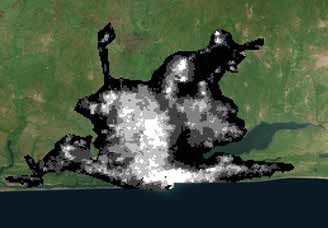
THE AFRICA REPORT 2020/21

                                                AFRICA'S
                                                INFRASTRUCTURE
                                                CONNECTIVITY                                                             Morocco Solar
                                                                                                                         Power Plant

                                                                                                                                                   MOR

          25%
        expected increase
      in intra-African trade

                                                                              The West African
                                                                              Growth Ring

dealt with. It is further expected to          Infrastructure investment                                                                                BU
improve Africa’s bargaining power with
                                               The African Development Bank estimates
the rest of the world, with regard to the
                                               that the continent’s infrastructure needs
quality of goods produced as well as                                                                                                                    G
                                               amount to between US$130 billion and                                                            IVORY
market entry.                                                                                                                                  COAST
                                               US$170 billion per annum, with the
                                                                                                                                              Abidjan
As of December 2019, all African               current financing gap in the range of
countries with the exception of Eritrea        US$67 billion to US$107 billion. Key                          Abidjan-Lagos
had signed the agreement, with 28              sectors lacking adequate funding include                      Corridor
countries ratifying and depositing their       health, education, administrative capacity
ratification instruments with the African      and security.
                                                                                                                   Lagos-Calabar
Union Commission.                                                                                                  Railway
                                               The lack of adequate intra-African
Monetary integration continues to be           infrastructure remains one of the most
a key agenda item in the drive towards         significant barriers to continental trade.
an integrated Africa. While the push for       The UN Commission for Africa previously       This has led to the development of mega
a single African currency persists, efforts    noted that it costs more to move a            initiatives such as the Grand Inga Dam,
by regional economic communities are           container from Kenya to Burundi than          the Grand Ethiopian Renaissance Dam
yielding mixed results.                        from the UK to Kenya.                         and the Turkana Wind Project, as well
                                                                                             as the Morocco Solar Power Plant.
Over the past year, the Economic               Flight connectivity in Africa also
Community of West African States               continues to be the lowest in the world,      The Single African Air Transport Market
(ECOWAS) has renewed its push for the          making it time-consuming and costly           (SAATM) is also set to play a primary role
adoption of the common currency known          to travel between countries. The UN           in the continent’s integration. Market
as the Eco for its 15 member states. This      estimates that inadequate transport           access restrictions for airlines are being
change, which has now been agreed, is          infrastructure adds around 30% to 40%         lifted along with the liberalisation of flight
expected to boost economic development         to the cost of goods traded.                  frequencies and capacity limits.
and enhance cross-border trade across
                                               However, there has been a surge in            With approximately 118 international
ECOWAS member states.
                                               the development of road and rail              airports and over 500 domestic airports,
The Eastern African Community has,             infrastructure across different regions       the number of flight passengers in African
however, had to shelve its single currency     on the continent in a bid to enhance          airlines is expected to grow to 303 million
ambition pending development of                integration. Regional energy integration      by 2035. SAATM, which has attracted
institutions including the East African        is also on the rise, notably through “power   subscriptions from 27 member countries,
Monetary Institute, which will be tasked       pools” of sustainable energy, as the drive    is set to boost both economic growth and
with the central banking role in the region.   to attract continued investment continues.    investment across the continent.

                                                                    6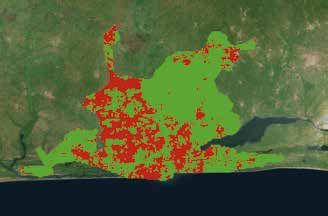
THE AFRICA REPORT 2020/21

                                           The Trans-Maghrebian                             The Northern
                                           Corridor                                         Corridor

                                                                                                             Ethiopia
                                                                                                             Renaissance
                                                                                                             Dam

                             TUNISIA
ROCCO
                                                                                                                Turkana Wind
                                                                                                                Project

         ALGERIA                         LIBYA
                                                                 EGYPT                                            Djibouti Ethiopia
                                                                                                                  Railway Line

                                                                                                                   The Northern LAPSSET
                                                                                                                   Corridor     Corridor
                                                                                                                                Program

URKINA
FASO
                                                                   SUDAN
                                                                                                         DJIBOUTI
         BENIN                                                                             Addis
GHANA              NIGERIA                                                                 Ababa
   TOGO
             Lagos
                   Calabar                                             Juba                       ETHIOPIA
                                                                                                                                  Lamu
                                                                                                                                  Port

                                                                       UGANDA
                                                          Kisangani

                                                                                      KENYA                           Standard
                                                 DEMOCRATIC     RWANDA           Nairobi                              Gauge Railway
                                                 REPUBLIC OF
                                                  THE CONGO
                                                                BURUNDI             Mombasa
                                                                                                                 Bagamoyo
                                                                                                                 Port
                                                                                TANZANIA

                                                         Lubumbashi
           Grand Inga                                                                                            Central
           Dam                                                                  MALAWI                           Corridor
                                                        ZAMBIA
                                                                                         Nacala
                                                                   Lusaka

                                                               ZIMBABWE         MOZAMBIQUE
                                       NAMIBIA

                                                  BOTSWANA

            Walvis
            Bay Port
                                                                                                     Nacala Road
                                                                                                     Corridor Development
                                                                      Durban
                                             SOUTH AFRICA

                                                                                      The North-
                                                                                      South Corridor

                                                                            7
THE AFRICA REPORT 2020/21

                                             REAL ESTATE
                  INNOVATION IN AFRICA

                              Innovation offers investors exciting opportunities in Africa’s real
                                   estate markets. We examine some worth considering

W     hile office, residential, retail
      and industrial remain the
                                              Although proptech companies in Africa
                                              currently only account for 1% of
                                                                                          Egypt, Nigeria and South Africa have
                                                                                          recorded the highest numbers of co-
go-to sectors for African real estate         global market share, the continent’s        working spaces in the continent. We
investors, demographic shifts mean            technology ecosystem is among the           have also witnessed the continued
that affordable housing, education,           fastest growing in the world.               expansion of global brands such as
healthcare and agriculture are                                                            Regus which is currently operational
                                              The World Economic Forum notes
emerging as real opportunities.                                                           in 22 African countries, together with
                                              that proptech is transforming the
                                                                                          the recent entry of WeWork into the
However, there remains an undertone           global real estate sector in three key
                                                                                          South African market.
of caution as leading indicators such as      ways: through promoting greater
cost of living and inflation levels suggest   transparency, enabling increased            The online retail sector in Africa
there are still challenges ahead. In          efficiency and encouraging a shift          continues to grow, influencing the
general, the residential and commercial       away from traditional uses.                 retail and industrial real estate sectors.
sectors have remained subdued over                                                        McKinsey estimates that online
the past two years due to fiscal policies,    Digital innovation                          shopping in Africa will generate
government regulations and a general
                                              These key trends continue to be mirrored
inability to balance demand with supply.
                                              in Africa through innovations including
                                                                                              Smartphone connections
Vacancy rates and constrained levels          the digitisation by a number of countries
of capital and rental growth across           of their land administration processes,
most countries have been fuelled by           the rise in co-working spaces and the
subdued levels of demand. This is often       continued growth in online retail.
exacerbated by ongoing local challenges
                                              The proptech solutions presented have
of land administration and bureaucracy.
                                              ranged from transaction platforms,

                                                                                                          700m
Africa’s real estate sector has been keen     management platforms, data-driven
to adopt technological innovation, laying     services to wide-ranging digital
the foundations for the emergence of          innovations, including blockchain                              2025
a vibrant “proptech” sector. What started     and virtual reality solutions.
as a trickle through the introduction
                                              At the moment there are more than
of online search platforms has become
                                              500 co-working spaces across the
a wave of disruptive and cutting-edge
technologies that continue to improve
                                              continent, 80% of which have sprung                         250m
                                              up in the past three years. This trend is                       2017
both transparency and efficiency.
                                              expected to continue to grow rapidly.
Globally, investments in proptech hit         This has been attributed to the dynamic
US$12 billion in 2016, up from just           shift towards space as a service demand,
US$20 million in 2008, with an                from individuals, entrepreneurs and
estimated US$4.6 billion invested in          corporates, as well as the growing
proptech in the first six months of 2019.     younger demographic.

                                                                   8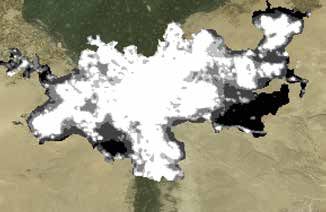
THE AFRICA REPORT 2020/21

                                                                           E GYPT

                                                                                                                                                             %
                                                                                                                                                           !'$

                                                                                                          NIGERIA                                                  &
                                                                                                                                                                 !#$

                                                                             124

CO-WORKING                                                                                   109
SPACES IN AFRICA
                                                                                                                        S OUTH
                                                                                                     76
                                                                                                                        AFRICA

                   UG ANDA
                                                77
                                               76

                                                                                                     48

                                                     7

                                                                                                33                    TUNISIA

                         ZIMBABWE                         8
                                                                                    30
                                                                      14

                                                                                                            KENYA
                                         ANGOL A

                                                              GHANA                  MORO C C O

Sources: coworker.com, Knight Frank Research

US$75 billion by 2025. This continued                    exit of various brands in the sector                Examples include the successful transition
growth of e-commerce platforms such as                   across the continent, retail outlets                by the Mauritius Land Registry to a
Jumia, Konga, Kilimall and Mall of Africa,               have had to adopt omni-channel                      paperless system; Kenya’s recent land
as well as Takealot, has been attributed                 offerings in order to ensure as a                   process digitisation efforts; and Togo’s
to the continued growth in mobile and                    measure of sustainability. As online                digital solutions for property registration
internet penetration in the continent.                   retail gains traction and critical mass,            and digitisation processes.
GSMA estimates that smartphone                           this is expected to translate into a
                                                                                                             In addition, Rwanda and Ghana have also
connections will rise to approximately                   growth in demand for sophisticated
                                                                                                             committed to introducing a blockchain-
700 million by 2025 with Kenya, Nigeria                  and centralised warehousing facilities
                                                                                                             based land administration process.
and South Africa continuing to dominate                             8
                                                         across the continent.
                                                                                                                               EG

                                                                                                             These initiatives are in line with the
e-commerce sales.
                                                                                                                                 YP

                                                         The World Bank report, Doing Business               move towards more transparent markets
                                                                                                                                   T

Formal retail space across the continent                 2019, cites a number of reforms across              for investors.
has continued to undergo rapid                           the continent geared towards easing the
transformation. Amid the entry and                                           7
                                                         burden of property registration.

                                                                              9
THE AFRICA REPORT 2020/21
NO PLACE LIKE HOME
The demand for affordable housing is far outstripping supply across Africa.
Efforts to redress this will be good for both residents and investors
A frica’s housing crisis is mounting
in the face of a growing population
Ethiopia will need to produce nearly
400,000 new housing units each year
Big Four agenda is seeking to construct
500,000 homes by the year 2022. Ghana
and increased urbanisation levels, both to meet new demand. unveiled its annual ambition to construct
of which are expected to persist in the 250,000 homes over an eight-year period,
While these large backlogs are viewed
coming years. while Nigeria intends to put up one
as obvious challenges, they present an
million homes per annum.
Overall, 17 African countries have deficits opportunity in the strong multiplier effect
of more than a million units. The UN of residential real estate and job creation. Rendeavour through its key gateway
has forecast that average densities will developments of Tatu City and Appolonia
increase from 34 people per sq km in Tackling the deficit has undertaken affordable housing
2010 to almost 80 by 2050. The number initiatives in Kenya and Ghana.
Residential holdings currently comprise
of young people is expected to grow to Alsoin Kenya, Actis invested around
only 2.5% of listed property funds in
1 billion over the same period. US$120 million in a joint initiative
Africa, compared with an average of
with Shapoorji Pallonji to put up 600
Nigeria’s housing backlog is currently 25% in developing countries and 15%
affordable homes, while in late 2019
estimated at 22 million units and is in developed countries. Shelter Afrique
Cytonn Investments announced the
expected to grow by 700,000 units estimates that Africa needs more than
launch of a US$295 million housing fund.
per annum. Tanzania, the Democratic US$1.4 trillion in funding to address its
Elsewhere, Mixta Nigeria partnered with
Republic of Congo and Egypt are 56 million housing-unit deficit. In
International Housing Solutions to deliver
estimated to have the second-highest response, African governments have
10,000 homes in 2019.
backlogs of approximately 3 million units, continued to promote new urban
while Kenya, Madagascar, Mozambique developments through the creation Housing affordability has further been
and South Africa each have a shortfall of satellite cities to offset pressure on enhanced through the establishment of
of at least 2 million units. existing urban centres. mortgage refinancing companies in Egypt,
Tanzania and most recently Kenya. Across
Kenya’s deficit is growing by 200,000 Interventions to address the housing
the continent, however, a significant level
units per year, while South Africa’s is deficit across the continent are focused
of opportunity in this sector remains.
expected to rise by 178,000 per year. on the private sector. Kenya through its
Affordable housing deficit distribution
SOUTH AFRICA
MADAGASCAR
MOZAMBIQUE
CAMEROON
ZIMBABWE
TANZANIA
ETHIOPIA
UGANDA
ANGOLA
ALGERIA
ZAMBIA
GHANA
KENYA
EGYPT
DRC
NIGERIA
22,000,000
1,350,000
1,500,000
1,500,000
1,900,000
2,000,000
2,000,000
2,100,000
2,300,000
3,000,000
3,500,000
4,000,000
1,200,000
1,200,000
1,700,000
2,000,000
Sources: CAHF, Knight Frank Research
10THE AFRICA REPORT 2020/21
A CAPITAL INVESTMENT
Africa’s share of the global real estate investment market is set to rise.
We look at some of the deals driving the trend
A s the global economy slows,
there has been a continued focus
US$12.9 million in a bid to diversify into
the hospitality sector, while Investec
46 dual listed REITs and listed
property companies.
on commercial property in Africa by invested US$12.7 million into Acorn
Other REITs markets in sub-Saharan
investors looking to diversify risk Holdings' first ever green bond, issued
Africa are still at a nascent stage. The
and achieve enhanced returns. with a focus on student housing.
recent adoption of REITs legislation
Investment activity on the continent, The nature of the continent's listed real in Ghana and Uganda for example is,
however, continues to be hampered by the estate sector has continued to evolve. however, set to contribute to continued
limited availability of investment grade Currently Africa accounts for only 1% of real estate market formalisation
stock, currency uncertainties, high inflation the global real estate market, and 90% in Africa. A recent transaction has
levels as well as general market opacity. of this is in South Africa, comprising been the acquisition of the Stanlib
a total market capitalisation of around Fahari I-REIT by ICEA Lion Asset
The real estate cycle in Africa has also
US$30 billion along with approximately Management in Kenya.
ushered in a period of market stabilisation
that has forced investors to take a
longer-term approach and lower their
Prime office yields
expectations regarding rates of returns.
The commercial sector has seen the
Tunis
increased acquisition of owner-occupied
assets, with the retail sector experiencing Lilongwe, Kampala, Lusaka, Algiers,
Yaounde, Douala, N’Djamena,
, “right sizing” across various markets. Kinshasa, Malabo, Libreville,
ko, Antananarivo, Bamako,
There was a marked increase in investment Nouakchott, Dakar
activity in 2019 – a good example being
Blantyre, Abuja, Johannesburg
Growth Point Investec’s (GIAP) acquisition
of the Achimota retail centre in Accra Lagos, Dar es Salaam,
Abidjan, Windhoek, Cape Town
and the Manda Hill Shopping Centre in
Cairo, Port Louis
Lusaka, Zambia from AttAfrica. This came
Casablanca, Maputo
after GIAP secured capital commitments
of more than US$212 million from large Gaborone, Accra
institutional and international investors.
Nairobi, Harare
Africa Capital Alliance also sold its stake
in the 12,000 sq m Cornerstone Towers Kigali
in Lagos to Everty. Addis Ababa
6 6
The growth in the number of international
7.5
7.25 developers and funds has led to increased
segmentation among investors, with a 8
8
dedicated focus on specific asset classes
8.25 11 8.25
including hospitality and affordable
8.5 8.5
housing sectors, as well as student housing. 9
9
10 9.5
Kasada Capital Management, for example,
closed on equity commitments of more
than US$500 million on its maiden
hospitality fund. Grit Real Estate acquired Source: Knight Frank Research
Senegal’s Club Med for approximately
11THE AFRICA REPORT 2020/21
SHINE A LIGHT
Satellite data from our geospatial team offers a unique perspective
on Africa’s growth hotspots
L ucrative investment opportunities
abound across Africa, but strategic
Using this approach we have identified
four cities – Cairo, Abidjan, Addis Ababa
rapid economic growth and possess
characteristics that make them unique
decision-making can be made more and Lagos – that we believe will be among and potentially attractive for investors
challenging by the lack of comprehensive, Africa’s investment hotspots over the and developers over the coming years.
consistently defined and reliable next decade.
comparable data between countries, For more information on the NTL
While these cities and their respective
cities, regions and neighbourhoods. methodology used to create
real estate markets are not necessarily these maps, please contact
Urbanisation rates, in particular, have without obstacles, they have all recorded dewi.spijkerman@knightfrank.com
been growing at a much higher rate than
cycles of traditional data collection are
able to follow. This can makes it difficult
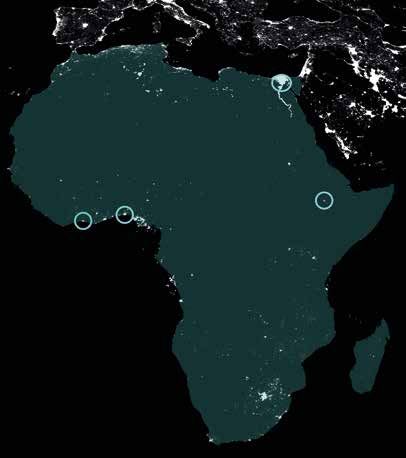
Night-time light view of Africa
to decide which markets investors
should target.
However, alternative data can be used to
fill in the gaps and provide us with useful
proxies on economic activity and potential
future growth opportunities.
Cairo
One innovative approach adopted by our
London-based geospatial team uses night-
time light (NTL) and historical satellite
data to look at urban form, direction of
growth, density and economic growth.
Lagos
The NTL data captured by satellites can Addis
Ababa
be used to produce imagery such as the
Abidjan
maps that appear throughout this article.
These provide a bird's eye view of the
distribution of Africa’s urban areas –
and highlight just how much of the
continent remains undeveloped
compared with Europe.
Premised on the fact that areas where
development – such as housing,
commercial buildings and transport
infrastructure – is occurring will generally
emit more artificial light, a measure of
brightness in terms of light density can be
used to quantify the level of development Source: All maps created by Knight Frank Research using data from The Earth Observation Group
and track how it has changed over time.
12THE AFRICA REPORT 2020/21
1 . CA IRO As a leading investment destination, Egypt has continued
to record relatively strong GDP growth and ranks as the top
KEY FIGURES foreign direct investment recipient in Africa. Cairo is the
Light density 183 largest city in Africa, both in terms of area and NTL density.
Between 2014 and 2019, NTL increased by approximately 12%
(per sq km)
against a 10% increase in population, indicating an upsurge
New satellite cities in development activity in the city.
9
in the Greater Cairo area NTL growth was recorded along the edges of the city, in
particular in the east, with varying density levels. This was
Cairo 2014 indicative of the continued focus by the Egyptian government 0
and the New Administrative Capital recording an increase
in NTL of over 200%.
Looking ahead, we anticipate that recent initiatives such as
the privatisation of the hydrocarbon sector and efforts to
expand and develop tourism will act as demand drivers for the
Light
density industrial, occupier and hospitality sectors, creating greater
(sq km)
0-2
stability in the real estate sector in the medium term.
2-4
4-8
8-16
16+
2 . AB I D JAN
KEY FIGURES
Cairo 2019
Light density 49
(per sq km)
Number of new 4- and 5-star
hotels under construction or 8
completed since 2018
Light
density
Côte d’Ivoire is the second fastest growing economy in Africa.
(sq km)
Since the end of the political and military crisis in 2011, inward
0-2
2-4 foreign direct investment has grown steadily from US$302
4-8 million in 2011 to US$913 million in 2018 with GDP growth
8-16
remaining strong at an estimated 6.7% in 2019.
16+
Abidjan has continued to be a leading investment hub in
Cairo growth in NTL 2014-19 (%) Francophone Africa due to its burgeoning middle class and
quality infrastructure development. The city recorded the
highest growth rate in terms of NTL density between 2014
and 2019 at 41.1% against a 10% increase in population during
the same period. This growth reflects the surge in development
that has taken place especially in the residential north and
the industrial south.
However, with the prospect of a presidential election looming
in late 2020, the short-term outlook for the Abidjan market is
somewhat uncertain. Nevertheless, we expect the city's real
estate market to continue growing in the long term thanks
to a combination of well established, quality infrastructure
0
and the city's commitment to positioning itself as the
gateway to West Africa.
13THE AFRICA REPORT 2020/21
3. AD D I S AB AB A
KEY FIGURES
Light density 25
Abidjan 2014
(per sq km)
Light
density Prime residential pipeline
(sq km)
over the next 2-3 years 68k
0-2
(sq m)
2-4
4-8
8-16
Addis Ababa 2014
16+
Light
density
(sq km)
0-2
2-4
4-8
8-16
16+
Abidjan 2019
Light
density
(sq km)
0-2
2-4
Addis Ababa 2019
4-8
Light
8-16 density
16+ (sq km)
0-2
2-4
4-8
8-16
16+
Abidjan growth in NTL 2014-19 (%)
0
0
14THE AFRICA REPORT 2020/21
Ethiopia has the fastest-growing economy in Africa, and the should lead to an increase in demand in alternative real estate
world. The IMF's World Economic Outlook notes that the sectors such as student housing as well as continued growth in
country averaged real GDP growth of 9.5% per year between the retail sector.
2010 and 2019. Addis Ababa has continued to record amongst
the highest urbanisation rates in Africa at approximately 4%. Lagos 2014
Between 2014 and 2019, NTL growth was recorded at 11.5%
Light
density
against population growth of 20% during the same period. (sq km)
These figures reflects an existing development deficit required 0-2
to compliment the city’s growing population. Areas such as 2-4
4-8
Bole airport and its surroundings and the areas to the south-
8-16
east between Addis Ababa and Bishoftu recorded the highest 16+
increase in NTL density as a result of the intensification in
industrial and prime residential developments.
In the short to medium term we anticipate that the real estate
market across all sectors will continue to grow in line with
the success of the government’s economic policies aimed at
transitioning Ethiopia from a public sector-led economy to
a private sector-led economy.
Lagos 2019
4 . L AG O S Light
density
(sq km)
0-2
KEY FIGURES 2-4
26
Light density 4-8
(per sq km) 8-16
16+
Affordable housing 22m
backlog
Nigeria remains Africa’s largest economy despite a significant
economic downturn over the past few years, resulting from
a drop in oil prices. However, significant potential for growth
abounds as the government embarks on a range of economic
diversification initiatives.
Lagos growth in NTL 2014-19 (%)
Lagos continues to be Africa’s most populous city with
approximately 21 million residents and an annual urbanisation 0
rate of around 4%. Between 2014 and 2019, the city recorded
12.7% growth in NTL density against a 20% increase in
population. Growth in NTL density of over 200% was clustered
in the commercial areas to the north-east and south-west of
the city while a majority of upcoming residential areas were
largely informal and did not record any significant growth in
NTL.
In the short to medium term, we anticipate that economic
recovery efforts will lead to an increase in discretionary
income. Combined with continued population growth, this
15THE AFRICA REPORT 2020/21
ALGERIA
Population
42.2m 2.6m 0.9m 0.5m
OVERALL ALGIERS ORAN CONSTANTINE
Tunisia
Official languages: Arabic, French Morocco
Currency: Algerian dinar (DZD) US$1=DZD119.77
ALGERIA
World Bank Doing Libya
Business ranking 157
1.6% (out of 190 countries)
West
Sa
st
stern
ahara
Petroleum EIU country risk D Mauritania
GDP growth Key export rating (E = most risky)
Mali
Niger
ALGIERS PRIME RENTS PRIME YIELDS Senegal Chad
Gambia
OFFICE US$27/sq m/month 10.0%
Guinea
Benin
RETAIL US$33/sq m/month 9.0% Bissau Guinea
2,381,741sq km
Côte Togo Nigeria
Sierra d’Ivoire
INDUSTRIAL US$10/sq m/month 13.0% Leone
Central African
Liberia Ghana
RESIDENTIAL* US$12,500/month 7.5% Republic
TOTAL AREA Cameroon
*Four-bedroom executive house – prime location Sources: World Bank, Oxford Economics, UN, Knight Frank Research
Equatorial
Guinea
Congo
Gabon
Democratic
Republic
Office market Sidar’s Al Qods shopping centre in At 1,000 hectares, Algiers’ largest
of the Congo
Cheraga, which was Algiers’ first mall. industrial zone is located in Rouiba-
The office market in Algiers has
Société des Centres Commerciaux et Reghaia. Other significant zones have
remained stable over the past
de Loisirs d’Algérie further developed been developed in Oued Smar, Sidi
five years, due to the low level of
Centre Commercial at Bab Ezzouar, Moussa and El Harrach. Angola
new developments in the sector. Z
Algiers’ largest shopping mall, in
Recently, however, a number of new
2010, followed by Arcofina’s Ardis Residential market
developments have come to the market
in Mohammedia in 2012. The return
including AGB Tower at El Biar and The prime residential market in Algiers,
Namibia
of international retailer Carrefour as
Geneva Tower at Les Pins Maritimes. particularly for villas, has been focused
the anchor tenant at Algiers’ newest Botswana
These developments will be achieving in Hydra, Ben Aknoun and El Biar.
shopping mall, Oceania City Centre,
rents above the prime rents that have Areas such as Cheraga, Staoueli and
is further testament to increasing
historically been achieved in Algiers. Bab Ezzouar have seen significant South Africa
investor confidence in the sector.
prime apartment tower developments.
There remains a high level of owner-
Monthly rent for a prime two-bedroom
occupied developments especially Industrial market
apartment ranges between AD350,000
in the banking sector including the
Oil and gas has been by far the and AD500,000, while newly developed
External Bank of Algeria, the National
predominant occupier sector within villas lease for approximately AD1.5
Bank of Algeria and Société Générale
Algeria’s industrial sector. However, million per month. Serviced apartments
at Bab Ezzouar.
with the collapse of oil prices, the have continued to grow in prominence
government is seeking to diversify in this market with offerings at Oriental
Retail market
the economy by attracting local and Business Park and Marriott Residences.
Algeria has one of the highest levels of foreign investments into other sectors
income per capita in Africa. The formal through tax exemptions and lending
retail sector therefore continues to grow subsidies. In 2017, it announced
due to increased consumer spending the creation of 50 new industrial
power and improved infrastructure. zones with long-term loans from the For more information:
Significant retail developments include National Investment Fund. james.whitmee@knightfrank-emc.com
16Mauritania
Mali
Niger
Eritrea
Senegal Sudan
Chad
THE AFRICA REPORT 2020/21
Gambia
Guinea
Guinea Benin
Bissau
Côte Togo Nigeria
Sierra
ANGOLA
d’Ivoire Ethio
Leone
Central African South Sudan
Liberia Ghana
Republic
Cameroon
Equatorial Uganda
Guinea Kenya
Congo
Population
Gabon
Democratic
Republic Rwanda
30.8m 7.9m 1.1m
of the Congo Burundi
Tanzania
OVERALL LUANDA HUAMBO
Official language: Portuguese
Currency: Kwanza (AOAz) US$1=AOA463.43 ANGOLA
Zambia
World Bank Doing
Business ranking 177
-0.5% (out of 190 countries) Zimbabwe
Mozambiqu
biqu
qu
ue
Namibia
Petroleum EIU country risk D Botswana
GDP growth Key export rating (E = most risky)
LUANDA PRIME RENTS PRIME YIELDS
South Africa
OFFICE US$55/sq m/month 10.0%
RETAIL US$80/sq m/month 13.0%
INDUSTRIAL
RESIDENTIAL*
US$12/sq m/month
US$9,000/month
12.0%
11.0%
1,246,700sq km
TOTAL AREA
*Four-bedroom executive house – prime location Sources: World Bank, Oxford Economics, UN, Knight Frank Research
Office market been evidenced by the recent leasing of expected to result in a dramatic increase
Kilamba Tower by Boston Consulting in speculative building of industrial/
After a decade of development, the
Group on a sub-prime rent basis. logistic properties in the medium term.
primary office location in Angola has
First mover developments such as
shifted away from central Luanda to Retail market
Viana Park, CLT Talatona Logistics Centre
Talatona. This is reflected in the recent
The economic downturn and consumer and WTC have enjoyed ongoing success
relocation of corporates including Unitel,
price inflation has resulted in a number of in the market.
Standard Bank, Banco Millennium
stalled retail developments. A decline in
Atlântico and Saham to Talatona, in
rents has been observed, with retail rents Residential market
a bid to benefit from relatively lower
currently averaging US$80 per sq m per
rents and improved working and living Demand in the prime residential market
month. There has been limited growth
environments. We estimate the total has declined as a result of expatriates
in the supply of retail malls and parks in
office stock for Luanda and Talatona at exiting the country due to the economic
a predominantly informal retail sector,
approximately 1.1 million sq m. downturn. This has resulted in an
with formal retail stock totalling 350,000
oversupply of prime villas for leasing in
The office market in Luanda has sq m. The market has remained devoid
areas such as Talatona. We recorded a 60%
remained subdued as a result of a decline of international retailers as a result of the
decline in rents in the five-year period
in oil prices and the devaluation of the economic downturn, with the exception
from 2014 to 2019 for a four-bedroom villa,
Kwanza, which have skewed the market of Shoprite and Maxi which now have a
where rents currently stand at US$8,000
in favour of tenants. Over the past two significant footprint of stores in Angola.
per month. Yields have, however,
years, vacancy rates have remained
Industrial market remained stable with increased investor
relatively high at 20% while rents fell
focus towards real estate investments
from US$180 per sq m per month in 2012 Luanda’s industrial sector has been
as a hedge against inflation and the
to US$55 per sq m per month in 2019 characterised by owner-occupied factories
devaluation of the Kwanza.
with prime rents averaging US$55 per and logistics premises. The government’s
sq m per month. Rents are expected to intention to focus production in Angola
continue to soften as landlords offer and diversify the economy away from its For more information:
incentives to potential tenants. This has reliance on the petrochemical sector is ian.lawrence@knightfrank-emc.com
17Equatorial Uganda
Guinea Kenya
Congo
Gabon
Democratic
THE AFRICA REPORT 2020/21 Rwanda
Republic
of the Congo Burundi
BOTSWANA
Tanzania
Angola
Population Zambia
Malawi
2.3m 0.2m 0.1m Mozambique
OVERALL GABORONE FRANCISTOWN Zimbabwe
Official language: English
Namibia
Currency: Pula (BWP) US$1=BWP10.86
BOTSWANA
World Bank Doing
Business ranking 87
3.6% (out of 190 countries)
South Africa
Diamonds EIU country risk B
GDP growth Key export rating (E = most risky)
GABORONE PRIME RENTS PRIME YIELDS
OFFICE US$12.35/sq m/month 8.3%
RETAIL US$23.75/sq m/month 7.8%
INDUSTRIAL US$5.2/sq m/month 8.5%
581,730sq km
RESIDENTIAL* US$1,710/month 5.3%
TOTAL AREA
*Four-bedroom executive house – prime location Sources: World Bank, Oxford Economics, UN, Knight Frank Research
Office market repealed regulation that barred non- the 85-hectare Innovation Hub Park
citizen retailers from being granted a and the Fairgrounds Office Park
The office market in Botswana has
trading licence.
continued to experience an oversupply Residential market
over the past two years, particularly in Acacia Mall is the only new addition to
Prime residential market rents and values
the secondary market. Rent renewals are the retail space in Botswana in the past
have declined over the past two years due
currently being negotiated at lower rates two years, with existing centres such
to a combination of subdued demand and
and are now generally linked to inflation, as Airport Junction, Mowana Mall and
general oversupply. The decline in returns
as opposed to being linked to pre-agreed Game City undergoing extensions of
have led to the exit of local institutions
higher fixed increases as was often the 10,000 sq m, 12,000 sq m and 10,000
from larger residential complexes
case in the past. sq m respectively. Rents have remained
investments. A notable transaction
stagnant in existing older centres, with
Prime space in new CBD buildings has been the recent sale by KFB of 75
tenants on renewal seeking to negotiate
has, however, fared better, with rents residential units at the Grand Palm to a
more favourable terms.
increasing from P120 to P130 per sq m per private investor for BWP75 million.
month. We estimate that an additional Industrial market
The new Transfer Duty Amendment Act
50,000 sq m of space was taken up in
The prime industrial sector is mainly of 2019, is set to push the duty rate to 30%
2019, mainly as a consequence of existing
located in Gaborone West and Broadhurst from the previous 5% for all non-citizen
occupiers consolidating or shifting to
Block 3. Limited availability of prime purchasers of property. This is expected to
prime developments. There is, however,
industrial space and the potential have a detrimental effect on many buyers’
limited stock availability in this segment
for higher yields has led to increased purchase costs, leading to a further
of the market, leading to unmatched
demand by pension funds. decline in values especially in the prime
demand by government institutions.
residential market.
The new Special Economic Zone
Retail market
Authority initiative has led to the
Formal retail space in Botswana recorded awarding of full enterprise zone status For more information:
full occupancy rates after a period of to the industrial areas located closest curtis.matobolo@bw.knightfrank.com
occupancy delays attributed to a now to Gaborone Airport. These comprise ian.lawrence@knightfrank-emc.com
18Western
Sahara
THE AFRICA REPORT 2020/21
Mauritania
CAMEROON
Mali
Niger
Senegal Chad
Gambia
Population
Guinea
25.8m 3.4m 3.2m
Guinea Benin
Bissau
Côte Togo Nigeria
OVERALL YAOUNDÉ
Sierra
DOUALA d’Ivoire
Leone
Official languages: French, English Central African
Liberia Ghana Republic
Currency: CFA franc (XAF) US$1=XAF589.60
CAMEROON
World Bank Doing
Business ranking 167
4.0%
Equatorial
Guinea
(out of 190 countries)
Congo
Petroleum EIU country risk D Gabon
Democratic
GDP growth Key export rating (E = most risky)
Republic
DOUALA PRIME RENTS PRIME YIELDS
of the Congo
OFFICE US$30/sq m/month 10.0%
RETAIL US$42/sq m/month 8.8%
INDUSTRIAL US$3.60/sq m/month 12.0%
RESIDENTIAL* US$3,370/month 7.5%
YAOUNDÉ PRIME RENTS PRIME YIELDS
OFFICE US$21/sq m/month 10.0%
475,440sq Angola
km
RETAIL US$33/sq m/month 9.0%
INDUSTRIAL US$2/sq m/month 15.0% Zimbabw
Za
RESIDENTIAL* US$4,200/month 7.5% T O T A L A R E A Namibia
*Four-bedroom executive house – prime location Sources: World Bank, Oxford Economics, UN, Knight Frank Research
Botswana
Office market retail locations have traditionally been processing, and aluminium production
centred in Akwa and Bonanjo with and extraction. As transport links South Africa
The occupier market in Cameroon
new developments such as the Super U between Douala and Yaoundé improve,
remains subdued due to the current
supermarket taking place in Koumassi. we are starting to see more clearance
economic downturn. Douala, the primary
We expect the retail sector to continue of land for industrial development in
office location, has a limited supply of
growing as a result of the ongoing Yaoundé, particularly around the airport.
prime offices against the backdrop of an
expansion of the middle class.
increase in demand from the recent surge Residential market
in multinationals entering the country. In Yaoundé the formal retail sector
The majority of residential developments
This lack of availability has also resulted remains very limited, with retail outlets
have been focused on affordable housing
in an increase in the refurbishment comprising branches of local chains
and are located towards the outskirts
of residential properties into office and independent stores.
of Douala. Prime residential areas are
accommodation as an alternative in
Industrial market located in districts such as Bonanjo,
areas such as Bonanjo, Akwa, Bonapriso,
Akwa, Bonapriso, Bali, Koumassi, Nkondo
Bali and Koumassi. Yaoundé’s occupier It is estimated that 80% of Cameroon’s
and Bell which offer close proximity to
market on the other hand is much smaller industrial companies are based in
the city centre and airport. In Yaoundé,
and is centred around the civil service Douala, Cameroon’s commercial capital
the prime residential areas are mainly
and the diplomatic sector, Yaoundé being city. Douala Port remains the focus of
around Centre Ville, Quartier du Lac
Cameroon’s political capital. imports and exports for Cameroon as well
and Bastos/Golf.
as for neighbouring landlocked countries
Retail market
including Chad and the Central African
The formal retail sector in Douala has Republic. The primary industrial zones
grown over the past three years through are located in Bonaberi and Bassa with For more information:
the addition of small-scale malls. Prime key industrial activities including food ian.lawrence@knightfrank-emc.com
19THE AFRICA REPORT 2020/21
CHAD Tunisia
Morocco
Population
Algeria Libya
Egypt
15.4m 1.3m 0.1m
Western
Sahara
OVERALL N’DJAMENA MOUNDOU Mauritania
Official languages: French, Arabic Mali
Currency: CFA franc (XAF) US$1=XAF589.60
Niger
Eritrea
Senegal CHAD Sudan
Gambia
World Bank Doing
Guinea
Business ranking 182
2.3%
Guinea Benin
Bissau
Côte
(out of 190 countries)
Togo Nigeria
Sierra d’Ivoire Ethiop
Leone
Central African South Sudan
Liberia Ghana
Petroleum EIU country risk D
Republic
Cameroon
GDP growth Key export rating (E = most risky)
Equatorial Uganda
Guinea Kenya
N’DJAMENA PRIME RENTS PRIME YIELDS Congo
Gabon
Democratic
OFFICE US$27/sq m/month 10.0% Republic Rwanda
of the Congo Burundi
RETAIL US$20/sq m/month 10.0%
INDUSTRIAL
RESIDENTIAL*
US$3.50/sq m/month
US$6,700/month
14.0%
10.0%
1,284,000sq km Tanzania
TOTAL AREA
*Four-bedroom executive house – prime location Sources: World Bank, Oxford
AngolaEconomics, UN, Knight Frank Research
Malawi
Zambia
Mozambique
Office market including Radisson Blu and La largely undersupplied with the majority
Zimbabwe
Namibia
Résidence. Avenue Charles de Gaulle of new developments comprising
The office market in N’Djamena is
continues to be the most significant guesthouses. This has resulted
Botswana
in an
centred in the principal CBD around
retail street in the city, offering oversupply of guesthouses with quoted
Avenue Charles de Gaulle. This area
banking, travel, and general stores. rents for a ten-bedroom guesthouse
is largely characterised by banking South Africa
averaging between XAF5 million and
institutions, government institutions Industrial market
XAF12 million. Serviced apartments
and corporates such as Bolloré, Air Chad currently ranks as the tenth largest
have also emerged as a recent trend
France, PwC and Deloitte. However, oil reserve holder in Africa. The oil sector
with approximate rents of around
the market remains undersupplied remains the primary driver for industrial
XAF2 million per month for a
by speculatively built offices and activity in the country. The majority of oil
100 sq m unit. Favoured locations for
many occupiers have resorted to activity is located outside N’djamena.
those expatriates drawn to the country
adapting residential apartments for
Major oil companies involved in the by its vibrant oil sector include the
commercial purposes. The development
exploration and extraction of oil in Klemat, Sebangali, and Farcha areas.
pipeline currently consists of planned
Chad include Esso, China National
embassy buildings, including the
Petroleum Company and Glencore.
Chinese and Saudi Arabian embassies
China National Petroleum Company
with their associated office and
currently operates a refinery at
residential accommodation.
Djermaya, being located some 40km
Retail market north of N’Djamena.
The retail market in N’Djamena remains However, N’Djamena has continued to
devoid of international retailers, with be the regional market centre primarily
the formal retail sector comprising attracting agro-processing activities.
a small mall together with boutique
Residential market
shops operating in prime hotels. There
has been a proliferation of such outlets In terms of single occupancy, the For more information:
recently, with new hotel developments residential market continues to be james.whitmee@knightfrank-emc.com
20ALGERIA
Western
THE AFRICA REPORT 2020/21
Sahara
CÔTE D’IVOIRE Mauritania
Mali
Population Senegal
25m 4.9m 0.8m 0.3m
Gam
mbia
Guinea
a
OVERALL ABIDJAN BOUAKÉ YAMOUSSOUKRO Bissau Guinea Benin
Official language: French Tog
go
g Nig
Currency: West African CFA franc (XOF) US$1=XOF``591.92
Sierra
Leone CÔTE
Liberia D’IVOIRE
World Bank Doing Ghana
Business ranking 110
6.7% (out of 190 countries)
Eq
Cocoa EIU country risk C
GDP growth Key export rating (E = most risky)
ABIDJAN PRIME RENTS PRIME YIELDS
OFFICE US$27.50/sq m/month 9.0%
RETAIL US$25/sq m/month 8.0%
INDUSTRIAL
RESIDENTIAL*
US$9/sq m/month
US$5,000/month
12.0%
8.0%
322,463sq km
TOTAL AREA
*Four-bedroom executive house – prime location Sources: World Bank, Oxford Economics, UN, Knight Frank Research
Office market destinations in the region. Retail rents Engineering Company (CHEC) a
have remained relatively high due to welcome development for the sector.
Office market rents in Abidjan have
increased retail supply being matched by
declined as a result of a combination
increasing demand. The market is now Residential market
of oversupply coupled with investor
populated by shopping malls catering
caution in the run up to the 2020 general Abidjan’s prime residential real estate
to all categories of consumer. Retailers
elections. We estimate that prime continues to be situated in Cocody and
such as CFAO/Carrefour’s PlaYce
rents currently average between Zone 4. Increasing prime residential
Marcory and PlaYce Palmeraie and the
US$27.50 per sq m per month and prices have been attributed to increased
recently opened Cosmos Youpougon
US$40 per sq m per month. demand as well as higher quality of
currently serve the high end market,
construction. In 2019, villa rents ranged
while Prosuma’s Cap Nord, Cap Sud and
The development pipeline across between US$4,000 and US$6,000 per
Sococe serve the middle classes.
the primary business areas of Plateau, month while four-bedroom prime
Marcory and Cocody mainly consists Industrial market apartments ranged between US$2,000
of the refurbishment of buildings such and US$3,000 per month.
Despite consistent investment in
as Carbone, Tour First and the Ivoire
infrastructure, Abidjan’s traditional Construction activity in this sector has
Trade Center near the Sofitel Ivoire.
industrial areas of Vridi, Zone 3-4 and been centred in Zone 3-4 and Riviera 13.
Newly developed buildings include
Koumassi have been fully utilised. Recent refurbishments in Plateau have
Privilege, Sky Park and Kharrat. These
This has resulted in the government’s shifted attention to the former prime
developments are expected to absorb
push to relocate to Yamoussoukro. We residential area in the city which is
demand in the short term, although
estimate prime industrial rent at around currently plagued by traffic congestion
further planned projects are expected to
US$9 per sq m per month. and security challenges.
be completed in the medium to long term.
The PK24 industrial zone, a joint
Retail market
venture between the government and
The formal retail market in Abidjan Afreximbank, continues to attract new
has grown considerably, making the companies with the recently announced For more information:
city one of the best served shopping extension to the zone by China Harbour arturo.pavani@knightfrank-emc.com
21Morocco
ALGERIA Libya
Egypt
THE AFRICA REPORT 2020/21
Western
Sahara
Mauritania
DEMOCRATIC REPUBLIC OF CONGO Mali
Niger
Eritrea
Senegal Chad
Gambia
Guinea Djibou
Guinea Benin
Population
Bissau
Côte Togo Nigeria
Sierra d’Ivoire Ethiopia
Leone
84m 11.6m 2.1m 2.0m 1.2m
Central African South Sudan
Liberia Ghana
Republic
Cameroon
OVERALL KINSHASA LUBUMBASHI MBUJI-MAYI KANANGA Equatorrriial Ug
Uganda
Somalia
Guin
nea
ne Kenya
Official language: French
Congo
Gabon
DEMOCRATIC
Currency: Congolese franc (CDF) US$1=CDF1666.50 REPUBLIC
Rwa
wa
and
da
Burrundi
OF THE CONGO
World Bank Doing
Business ranking 183 Tanzania
4.3% (out of 190 countries)
Copper EIU country risk D Angola
GDP growth Key export rating (E = most risky) Zambia
KINSHASA PRIME RENTS PRIME YIELDS Mozambiqu
biqu
qu
ue
Zimbabwe
OFFICE US$30/sq m/month 10.0% Namibia Madaga
RETAIL US$30/sq m/month 10.0%
2,344,858sq km
Botswana
INDUSTRIAL US$10/sq m/month 15.0%
RESIDENTIAL* US$10,000/month 8.0% TOTAL AREA
South Africa
*Four-bedroom executive house – prime location Sources: World Bank, Oxford Economics, UN, Knight Frank Research
Office market international retailers, leading to a of 2019. This supply was matched by
lack of quality anchor tenants. Retail the demand from expatriates resulting
New developments in the occupier
rental rates, however, have continued in a 5% increase in capital values.
market significantly slowed down
to track prime office rental rates at Residential rents also increased by 5%
due to market uncertainty caused by
US$30 per sq m per month. during the same period reflecting a
the two-year delay in holding general
stable and steady residential market.
elections, pushed back from December Industrial market
2016 to December 2018. Conversely, Prime residential sale prices averaged
Kinshasa’s principal industrial zone
rents on average over this period have US$3,500 per sq m. It remains the
is located to the east of the city in
increased by 15% with capital values case that many of the most significant
an area between the port and Ndjili
also edging up slightly. This trend upmarket residential schemes are
International Airport. Industrial
can be attributed to low levels of new developed to lease rather than for sale,
property is clustered around the Route
supply in the occupier market in the for example TEXAF and Belle Vue.
des Poids Lourds which crosses the
face of growing demand from incoming
industrial manufacturing areas of
government agencies.
Kingabwa and Limete.
Retail market
Rents for prime industrial units
The Kinshasa retail market remains located near the city centre have
relatively undersupplied although risen by 50% compared with standard
there have been a few modern shopping warehouses. Industrial land has
centre developments including the continued to be characterised by
10,000 sq m Le Premier Mall and large sites and relatively high values,
the 32,000 sq m City Mall, due for resulting in a fall in the number of
completion in mid-2020. With the potential purchasers.
exception of Shoprite (operating on
Residential market
the site of the old GB Supermarket),
the market has continued to be The supply of residential units in For more information:
characterised by the absence of Kinshasa increased in the first half michael.lowes@knightfrank-emc.com
22You can also read


