Application of Water Treated with Low-Temperature Low-Pressure Glow Plasma (LPGP) in Various Industries - MDPI
←
→
Page content transcription
If your browser does not render page correctly, please read the page content below
beverages
Review
Application of Water Treated with Low-Temperature
Low-Pressure Glow Plasma (LPGP) in Various Industries
Aneta Pater * , Marek Zdaniewicz                     and Paweł Satora

                                          Department of Fermentation Technology and Microbiology, University of Agriculture in Krakow,
                                          Balicka Street 122, 30-149 Krakow, Poland; m.zdaniewicz@urk.edu.pl (M.Z.); pawel.satora@urk.edu.pl (P.S.)
                                          * Correspondence: a.pater@urk.edu.pl

                                          Abstract: Plasma processing is now a key technology across the world, and nonthermal low-
                                          temperature plasmas are being increasingly used. This situation can be explained by a rapidly
                                          growing interest in the optimization of existing methods, as well as the development of new ones.
                                          Over the last few years, the production of plasma-treated water (PTW) by low-temperature low-
                                          pressure glow plasma (LPGP) under an atmosphere of various gases has been increasingly gaining in
                                          popularity. Research has been conducted on producing plasma-treated water in the presence of air,
                                          nitrogen, ammonia, carbon dioxide, and methane. All the obtained results show that the changed
                                          physicochemical properties of the water depend on the type of gas used and the duration of the
                                          plasma treatment. New research is emerging on the possibility of using this water in plant breeding,
                                          animal husbandry, cosmetology, medicine, and food. For the first time, plasma-treated water has also
                                          been tested for use in the brewing industry at the raw material preparation stage. The results obtained
                                          in all branches of science are very promising, contributing to the growing interest in plasma-treated
                                          water within the scientific community.


                                          Keywords: water; macrostructure reconstruction; clathrate hydrates; glow plasma; plasma-treated water
Citation: Pater, A.; Zdaniewicz, M.;
Satora, P. Application of Water
Treated with Low-Temperature
Low-Pressure Glow Plasma (LPGP)
                                          1. Introduction
in Various Industries. Beverages 2022,
8, 8. https://doi.org/10.3390/                 Plasma is ionized matter with a gas-like aggregation state in which a large proportion
beverages8010008                          of the particles are electrically charged [1]. In most cases, plasma is a poorly ionized gas
                                          with a low degree of ionization [2]. Plasmas are generated by thermal energy, electric
Academic Editor: Olga
                                          field energy, radiation, or beams (lasers, UV photons, electrons, or protons) [3]. These
Martín-Belloso
                                          are particle systems in the form of liquid or gaseous mixtures of free electrons and ions,
Received: 6 December 2021                 which may also contain neutral particles (atoms or molecules) of high average kinetic
Accepted: 11 January 2022                 energy or solely charged plasma components [4]. Plasma affects matter by modifying it.
Published: 29 January 2022                Cold plasma is used to modify the surface of materials, leading to simple topographic
Publisher’s Note: MDPI stays neutral
                                          changes forming surface and coating chemistry, in this case, in water. During the process
with regard to jurisdictional claims in   of excitation/ionization of gaseous products, plasma energy molecules break chemical
published maps and institutional affil-   bonds by colliding with the material surface, generating free radicals on the surface. They
iations.                                  are subject to additional reactions that depend on the type of plasma gas used. This
                                          process produces surfaces that have different properties in relation to the mass of the
                                          material. When controlling the plasma treatment process, parameters such as treatment
                                          time, power and type of gas, pressure, and frequency should be taken into account [5].
Copyright: © 2022 by the authors.         Plasma, depending on the pressure and temperatures at which it occurs, can be divided
Licensee MDPI, Basel, Switzerland.        into high- and low-temperature forms [6]. Under terrestrial conditions, low-temperature
This article is an open access article    plasma can be obtained. This plasma is not fully ionized and contains some neutral
distributed under the terms and           particles [7]. Low-temperature plasma can be divided into thermal (equilibrium) and
conditions of the Creative Commons
                                          nonthermal (nonequilibrium) forms [8].
Attribution (CC BY) license (https://
                                               The processing of nonthermal plasma (NTP) under atmospheric conditions has re-
creativecommons.org/licenses/by/
                                          cently gained a lot of interest among researchers. This is especially true when it comes to
4.0/).

Beverages 2022, 8, 8. https://doi.org/10.3390/beverages8010008                                             https://www.mdpi.com/journal/beverages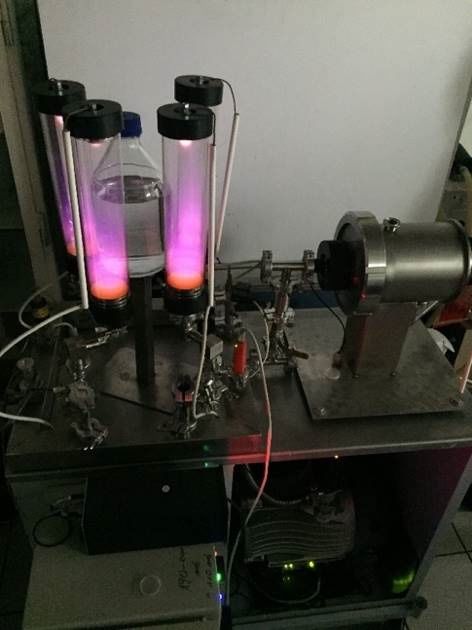
Beverages 2022, 8, 2022,
Beverages x FOR8,PEER
x FORREVIEW
PEER REVIEW 2 of 102 of 10
Beverages 2022, 8, 8 2 of 10
The processing
The processing of nonthermal
of nonthermalplasmaplasma
(NTP)(NTP)
under under
atmospheric conditions
atmospheric has re-has re-
conditions
cently cently
gainedgaineda lot ofa interest among researchers. This is especially true when
lot of interest among researchers. This is especially true when it comes it comes to to
the usetheof NTP
use of in food
NTP in production
food [9].
production NTP[9].has
NTP bactericidal
has properties
bactericidal and
properties can
and also
can bealso be
the use of NTP in food production [9]. NTP has bactericidal properties and can also be used
used for
usedtheforremoval of pesticide
the removal residues
of pesticide [10,11].[10,11].
residues In the In
foodtheindustry,
food the NTP
industry, theisNTPmainly
is mainly
for the removal of pesticide residues [10,11]. In the food industry, the NTP is mainly used
used in the
used minimal
in the processing
minimal preservation
processing method,
preservation which
method, reduces
which the
reduces
in the minimal processing preservation method, which reduces the risk of microbiological risk
theof microbi-
risk of microbi-
ological contamination
ological
contaminationcontamination
and andspoilage
spoilage [6,12]. [6,12].
and spoilage
[6,12].
UnderUnder the influence
Underthe of
theinfluence high
influenceof voltage,
ofhigh the conductivity
highvoltage,
voltage, the of water
theconductivity
conductivity (polar
ofofwater liquid)
water(polar is chang-
(polarliquid)
liquid) isischang-
chang-
ing [13],
ing which
ing[13], makes
[13],which
whichmakesthe application
makesthe of
theapplication NTP
applicationof to a
ofNTP wet
NTPto surface
toaawet or
wetsurface a liquid
surfaceor substrate
oraaliquid a moreaamore
liquidsubstrate
substrate more
complicated
complicatedprocess [14,15].
process The
[14,15].presence
The of
presence water
of molecules
water during
molecules
complicated process [14,15]. The presence of water molecules during NTP treatment affects NTP
during treatment
NTP af-
treatment af-
fects the chemical
fects the properties
chemical of
propertiesreactive
of species
reactive and
species their
and interaction
their with
interaction
the chemical properties of reactive species and their interaction with target microorganisms. target
with microor-
target microor-
ganisms.TheThe
ganisms. properties of NTP
The properties
properties of NTP ofalso
also NTPdepend
depend also ontype
ondepend
the theon
type
of theoftype
carrier carrier
gasofusedgasduring
carrierusedgas during
used
the the gener-
during
plasma the
plasmaplasma
generation
ation [16]. [16].
generation During
During [16]. the production
During the of
the production of
production NTP,
NTP, the of the
pHNTP, pH
value thevalue changes
pH value
changes depending
changes on
depending depending
the time
on theontime
and the and
time
volume volume
and ofsolution.
volume
of the the of
solution.
the An acidic
Ansolution.
acidic environment
An acidic
environment in the in
environment the in
presencepresence
the of nitrates
presence
of nitrates of nitrates
enhances the
enhances the antimicrobial
enhances
antimicrobial the antimicrobial
properties properties of the of
of properties
the solution solution [17]. [17].
the solution
[17].
2. Treating WaterWater
2.2.Treating
Treating with Low-Temperature,
Water Low-Pressure
with Low-Temperature,
with Low-Temperature, Glow Glow
Low-Pressure Plasma (LPGP)
Plasma (LPGP)
Untilthere
Until now,
Until now,has
now, there
there hasno
been
has been no known
known
been no known device
devicedevice fortreating
for treating
for treating liquidsubstances
liquid liquid substances
substances withcold
with cold
with cold
plasma
plasmaplasma
at room attemperature.
at roomtemperature.
room temperature. For
For this
For thispurpose,
purpose,
this purpose,
in 2014, inPolish
in 2014,Polish
2014, Polishscientists
scientists
scientists patented patentedaadevice
a device
patented device
for
for thefor theproduction
production
production
the oflow-temperature,
low-temperature,
of low-temperature,
of low-pressure,
low-pressure, low-frequency
low-frequency
low-pressure, glowplasma
glow plasma
low-frequency glow plasma
(LPGP) (LPGP)
(LPGP)
shown
shownshown in
in Figures Figures
1 and 21 and 2
[18,19].[18,19].
This This
device device
was was
initiallyinitially
used used
for for
water water treatment.
treatment.
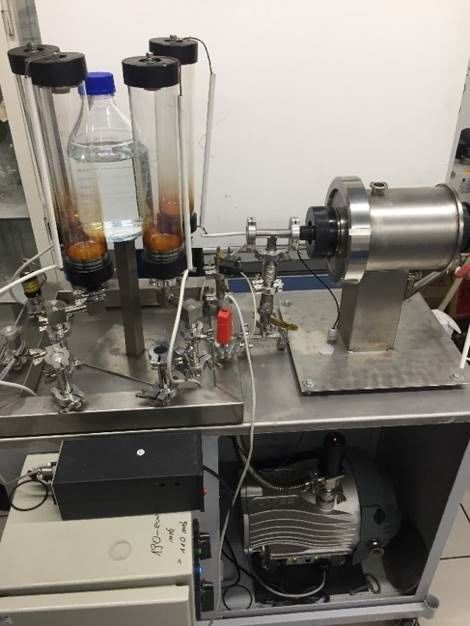
in Figures 1 and 2 [18,19]. This device was initially used for water treatment.
a a
b b
d d
c c
Figure Figure
1. Plasmothrone (without cover) cover)
used inused
this in
study. (a) Lamps, (b) pulse generator, (c) vac-(c) vac-
Figure1.1.Plasmothrone
Plasmothrone (without
(without cover) used thisstudy.
in this study. (a)Lamps,
(a) Lamps,(b)(b) pulse
pulse generator,
generator, (c) vacuum
uum pump,
uum and
pump, (d) power
and (d) supply
power [19].
supply [19].
pump, and (d) power supply [19].
Figure
Figure Figure
2. 2. Scheme
Scheme of the glow plasma
of the glow (GP) generator and the mode of treating water [18].
with it [18].
2. Scheme of theplasma (GP) generator
glow plasma and theand
(GP) generator mode
theof treating
mode water with
of treating waterit with it [18].
Plasma-treated water (PTW) is water that has been exposed to low-temperature, low-
pressure, low-frequency glow plasma. This water is obtained under laboratory conditions
by placing a glass bottle (e.g., a Pyrex bottle) with a capacity of up to 2000 mL into theBeverages 2022, 8, 8 3 of 10
reactor chamber near the plasma lamp. In the reactor chamber, the water is irradiated for a
specified period of time (from 5 to 90 min). The lamp generates plasma at 38 ◦ C under a
pressure of 5 × 10⁻³ mbar, a voltage of 600 V at 50 mA, and a frequency of 10 kHz. For this
purpose, distilled, deionized, and tap water of various mineralization levels and hardness
levels have been used. The produced water is stored at ambient temperature in closed
Teflon containers with a capacity of 2000 mL [19,20].
During the entire process, large systems—gigaclusters—of water break down. This
treatment leads to water with different physicochemical properties being obtained, e.g.,
increasing the electromagnetic conductivity permittivity (epsilon), or reducing the surface
tension. These changes affect, among other properties, the absorption of water by living
organisms, allowing for greater absorption [21]. The process that takes place in water after
the appropriate treatment with cold plasma is related to the effect of water declustering.
The physicochemical properties of plasma-treated water depend on the treatment process,
so when controlling the entire process, the following parameters should be taken into
account: treatment time, plasma power and type, gas type, pressure, and frequency [5].
In order to check whether water exposed to low-temperature, low-pressure glow
plasma (LPGP) has changed physicochemical properties, a number of analyses are typically
carried out. The obtained water samples are characterized by pH value, conductivity,
surface tension, differential scanning calorimetry (DSC), water density, FTIR–ATR (Fourier-
Transform Infrared Spectroscopy–Attenuated Total Reflectance) Spectra, ESR (Electron Spin
Resonance) Spectra, UV/VIS (Ultraviolet/Visible) Absorption Spectra, and Raman Spectra.
Thanks to these analyses, significant differences between the produced water and untreated
water can be observed [22].
3. Structure and Physicochemical Properties of Plasma-Treated Water in the Presence
of Various Gases
Until now, the plasma treatment of water has been carried out with the water in contact
with air, but now new research has been carried out on the plasma treatment of water
under atmospheres of nitrogen, ammonia, carbon dioxide, or methane. Initial research
by Mystkowska et al. [22] on the influence of LPGP on deionized water showed that
water exposed to low-temperature, low-pressure glow plasma had significantly changed
physicochemical properties. The pH value, electrical conductivity, and surface tension
changed in comparison to the control sample (not exposed to plasma). However, the origin
of the observed effects has not been elucidated, and the structure of the PTW (Plasma-
Treated Water) remained unknown. Białopiotrowicz et al. [23] presented the structure
and selected physicochemical properties of water exposed to LPGP in air. They proved
that the treatment of water with low-temperature, low-pressure glow plasma changes
the macrostructure of the water to a degree that depends on the duration of the water’s
exposure to the glow plasma. The resulting water is an aqueous solution of clathrates
with singlet oxygen molecules contained in them. The structure of the obtained clathrates
also depends on the duration of the water’s exposure to the glow plasma. It has also
been proven that PTW is stable in long-term storage, survives cooking and contact with
alkalis, but is unstable in acidic solutions. In studies conducted by Tomasik [20], it was
shown that water treated with glow plasma (GP) is characterized by a discoloration of its
macrostructure, and the molecules of gas dissolved in this water are in an excited state.
Chwastowski et al. [24] treated water with plasma in the presence of anaerobic nitrogen.
The deionized water samples were treated from 5 to 90 min with a low-temperature, low-
pressure glow plasma (GP). This operation made it possible to obtain nitrogen in various
excited states. The oxygen and carbon dioxide that were already dissolved in the water
were eliminated from the deionized water by clathrates that were generated with various
nitrogen molecules in an excited state. This change resulted in a higher order of the water
macrostructure, which was confirmed by the appropriate Raman spectra. Ciesielska, A.
et al. [25], in another paper, extended the research to the operation of low-temperature, low-
pressure glow plasma in the presence of methane. The obtained samples had completelyBeverages 2022, 8, 8 4 of 10
different physicochemical properties than the samples obtained for plasma-treated water
in the presence of air, ammonia, or nitrogen. Removal of the air dissolved in the water by
methane purging increased the number of water molecules vibrating asymmetrically. The
resulting water clathrates did not contain methane molecules. The most significant changes
were observed for water treated with plasma for 15 min. In another article by Ciesielska,
A. [26], attention was focused on studying the structure and properties of water treated
with low-temperature, low-pressure glow plasma in the presence of carbon dioxide. In this
area of research as well, significant changes to the physicochemical properties of water were
observed, compared to the control sample (not exposed to plasma). In the article devoted to
the study of water exposed to low-temperature, low-pressure glow plasma in the presence
of ammonia [27], it was observed that the formed water did not influence the formation
of the boiling scale and corrosion, which contributes to the protection of water pipes.
Thanks to this research, it was proven that not-commonly known chemical, physical, and
physicochemical methods can be used to reduce the boiling scale and corrosion. In addition,
water treated with low-temperature, low-pressure glow plasma in the presence of ammonia
can serve as an alternative, environmentally friendly nitrogen fertilizer. In his subsequent
research, Chwastowski [28] focused on the study of deionized and tap water with and
without (control sample) an increased content of molecular oxygen (WST) subjected to
low-temperature, low-pressure glow plasma (LPGP). The saturation of the water with
oxygen before the plasma process turned out to be more advantageous compared to the
saturated water after the treatment with the glow plasma. At this stage of the research,
scientists concluded that tap water dissolves oxygen better than deionized water. The
results obtained were also dependent on the duration of the treatment of the respective
samples with plasma. In studies conducted by Ikawa et al. [29], it was shown that PTW had
a strong bactericidal activity against Escherichia coli. This effect was enhanced under acidic
conditions (peritonic acid), which changed the physical properties of the obtained water,
increasing its bactericidal effect. Shaw et al. [30] highlighted the role of reactive nitrogen
species (RNS) in the inactivation of bacteria. For this purpose, they developed a plasma
system with increased sterilization efficiency. In the conducted research, it was noticed
that the plasma generated in the presence of vapors, and especially N2 + 0.5 wt% HNO3 ,
was more effective at inactivating bacteria than PTW was. Bosch et al. [31] investigated
the effectiveness of PTW in the treatment of a mealybug (Planococcus citri). The water
was exposed to plasma for several minutes (1, 3, 5, and 10 min). After this time, a clear
acidification of the water was determined, which resulted in a pH value of 1.8 after 10
min of treatment. Such a preparation of PTW led to a high mortality rate of approx. two
thousand, 90% after a 24 h follow-up period.
4. The Use of Low-Temperature, Low-Pressure Glow Plasma in Various Fields
of Science
Water treatment with low-temperature, low pressure glow plasma (LPGP) is a promis-
ing technology in various fields of science. For several years, research has been conducted
on the use of plasma-treated water, so-called nanowater, in animal husbandry and plant
breeding. Murawski et al. [32] checked the effect of plasma-treated water on insemination
in animal husbandry. Semen collected from animals before use is frozen with liquid ni-
trogen in an aqueous suspension. In this article, the researchers reported preserving the
semen of rams. After thawing the samples, both in plasma-treated water and in deionized
water (control samples), no significant differences were found in sperm mobility, viability,
and the number of defective sperm. However, significant differences were noted in the case
of samples frozen with plasma-treated water in the presence of aspartate aminotransferase
and alkaline phosphatase. The following results were obtained: 152.7 U/L for aspartate
aminotransferase and 1612.1 U/L for alkaline phosphatase, while in the control tests, they
were, respectively, 187.1 and 2198.3 U/L. According to the authors, fertilization with semen
frozen in plasma-treated water was 20% higher, and pregnancy without miscarriages was
reported for 73.3% of mothers, compared to 45.0% for samples frozen in deionized water.Beverages 2022, 8, 8 5 of 10
Szymanowicz et al. [33] assessed the suitability of plasma-treated water (so-called nanowa-
ter) as a solvent for the storage of commercial boar semen. Semen collected from boars
was appropriately diluted in plasma-treated water (treated sample) and in non-plasma-
treated water (control sample) and stored for 15 days at 16–18 ◦ C. The motility of boar
sperm was significantly greater in the samples diluted with plasma-treated water from the
5th to 13th day compared to the control sample (non-plasma-treated water). A decrease in
sperm motility (less than 40%) was observed about 24 h earlier in the treated sample com-
pared to the control sample. Plasma-treated water also increased the mean sperm survival
time: on the 5th day, the value was 314 min for plasma-treated water, compared to 284 min
for the control sample, and on the 10th day, the value was 223 min for plasma-treated water
and 182 min for the control sample. These results allowed the researchers to conclude that
the plasma-treated water contributed significantly to the prolongation of the lifespan of
boar sperm. Other studies showed that watering sows with plasma-treated water increases
the effectiveness of their insemination and the maintenance of pregnancy in its first stage,
i.e., until the embryos are implanted [34]. A report regarding the use of plasma-treated
water for watering chickens [35] showed that using plasma-treated water was related to 14
to 30% fewer falls, compared to the control sample (tap water). Additionally, watering the
chickens with plasma-treated water allowed feed consumption to be reduced by approxi-
mately 10%. Similar benefits were observed when watering turkeys with plasma-treated
water [36]. The number of falls in the group that consumed plasma-treated water decreased
by almost 60%, and the average weight of turkeys was higher by approximately 4% in
comparison with turkeys watered with non-plasma-treated water. The feed consumption
decreased by over 11.5%.
In the food industry, Jung et al. [37] investigated the possibility of using atmospheric
pressure plasma-treated water (PTW) as a source of nitrite for curing emulsion-type sausage.
The presented results showed that the obtained PTW contained the appropriate amount
of nitrite (782 ppm) necessary for the production of the above-mentioned sausages. Used
plasma water is not a chemical reagent and is not a natural source of nitrogen. The results
showed that plasma-treated water can be suggested as a safe substitute in the meat industry
instead of additional chemicals (sodium nitrite) and natural (celery concentrate) auxiliary
substances. In another scientific article, Jung et al. [38] focused on investigating the effect
of using plasma water as a source of nitrite for meat curing. Plasma-treated water, after
plasma treatment for 30 min, contained 46 ppm of nitrite. Meat stuffing was prepared
in three different variants (Control, noncured meat batter; PTW, meat batter cured with
PTW; Sodium nitrite, meat batter cured with sodium nitrite) to check the effect of PTW on
the color of sausages. The presented results confirmed that plasma-treated water can be
used as a source of nitrite in the curing process of meat without adding other sources of
nitrite. Similar studies were conducted by Young et al. [36] where they used PTW in the
production of loin ham.
With regard to plant development, Sitarska [39] proved that the watering of a nonfertil-
ized Tybalt spring wheat crop with plasma-treated water reduced the length of the sprouts
of the cultivated wheat by 24% after 7 days and by 1.8% after 14 days. Protein levels slightly
decreased, and the levels of chlorophylls a and b remained unchanged. A clearly positive
effect was observed during irrigation with plasma-treated water of the fertilized crops; how-
ever, in this case, the type of fertilizer used was important. The growth rate when watered
with plasma-treated water increased by an average of about 25%. The influences of plasma-
treated water on germination, field emergence capacity, the occurrence of other important
development stages, as well as the yield and quality of wheat, rye, and string beans, have
also been examined [40]. It was found that soaking wheat grain with plasma-treated water
significantly influenced the energy and germination capacity. The earlier occurrence of de-
velopmental phases was also observed with these seeds. In an experiment with green beans
watered with plasma-treated water, an increase in the yield of pods was observed from
54.8 to 69.0%. The first effects were already observed during the plant’s vegetative stage. A
significant effect of plasma-treated water on seed germination was also observed in the caseBeverages 2022, 8, 8 6 of 10
of pepper cultivars [41]. Pisulewska et al. [42] investigated the effects of plasma-treated
water on the irrigation of peppermint crops. The authors obtained results that showed a
significant positive effect of watering with plasma-treated water on the level of essential
oils, while their composition also changed. The use of plasma-treated water also increased
the content of chlorophylls, carotenoids, and ascorbic acid. Similar results were observed in
watercress seeds soaked in plasma-treated water [43]. Research was also conducted on the
possibility of using plasma-treated water for the production of plant protection products.
This was proven in the studies presented by Jaworska et al. [44,45]. The results showed that
fungi and nematodes, known and used as entomopathogenic pesticides, reproduce better
after contact with water exposed to low-temperature, low-pressure glow plasma, and their
offspring are more pathogenic compared to control samples (without plasma treatment).
Zhou et al. [46] focused on the use of water exposed to plasma under atmospheric pressure
(PTW) for seed germination and seedling growth of mung bean and its sterilization effect
on mung bean sprouts. The results presented in the article showed that the applied PTW
contributes to the improvement of seed germination and seedling growth. Scientists also
focused on studying the physicochemical properties of PTW in greater detail to better
understand the effect of plasma water on improving seed germination. Thanks to their
research, scientists have proven that plasma-treated water (PTW) is an environmentally
friendly and cheap agent that promotes the germination and growth of mung bean seeds.
Very interesting results were obtained during watering Lavandula angustifolia with water
exposed to a low-temperature, low-pressure glow plasma [47]. In the experiment, water
plasma in the air (LPGPA), in oxygen-free nitrogen (LPGPN), in methane (LPGPM), in
carbon dioxide (LPGPC), or in molecular oxygen (LPGPO) was used. Plants watered with
LPGPN showed a higher protein content and higher magnesium bioaccumulation. The
type of water used also influenced the composition of the essential oils. The highest oil
content was obtained after LPGPN (0.4 g/100 g dry mass) application, compared to the
control sample of nontreated water (0.2 g/100 g dry mass). Plasma-treated water (PTW)
was also used as an antimicrobial additive in the washing process of freshly cut lettuce.
The obtained promising results could lead to the industrial use of PTW in the processing of
freshly cut products to reduce the microbial load on the food surface [48]. Terebun et al. [49]
investigated the effect of plasma-treated water on the germination of beetroot (Beta vul-
garis) and carrot (Daucus carota) seeds. The conducted research showed that in the case of
beetroot, a positive effect on the number and length of germination seeds was observed,
which increased with the extension of treatment time. The influence of RF helium-nitrogen
plasma on the germination of onion seeds was also investigated [50]. Presowing plasma
stimulation of seeds improved the germination capacity and energy for all the studied
groups as compared to the control group. Pawłat et al. [51] in their research investigated
the influence of plasma-treated water on the germination process of Thuringian Mallow
(Lavatera thuringiaca L.). The stimulation of seeds with plasma improved such parameters
as: germination capacity and energy for all groups under the study in relation to the control.
The first studies on the possibility of using plasma-treated water in the malting and
brewing industries were carried out by Pater et al. [19], who investigated the effect of
water treated with low-temperature, low-pressure glow plasma, under an air or nitrogen
atmosphere, on the quality of the obtained brewing malt. In this experiment, spring water
treated with plasma (treated sample) and untreated spring water (control sample) were
used to soak the grain of two-row spring barley. After soaking the grain with plasma-
treated water, a much higher water uptake capacity and a greater grain sensitivity to
water, as well as energy and germination capacity, were observed. The resulting malt was
characterized by a suitable moisture level and thousand-grain weight. The research did not
reveal any differentiating effect of the tested malts throughout the course of the beer wort
production processes.
Plasma-treated water is also used in cosmetology, due to its superior ability to dissolve
mineral salts [52], and in medicine. Ohl et al. [53] proved that water treatment by plasma
can be used to improve various therapeutic properties of medical implants. AnotherBeverages 2022, 8, 8 7 of 10
possibility of using low-temperature, low-pressure glow plasma is in the preparation of
vascular prostheses, the purpose of which is to release a drug that reduces blood clotting
and thrombosis [54]. Schloser et al. [54] described the synthesis of biomaterials. Currently,
there are studies checking the use of low-pressure, low-temperature plasma in cleaning the
environment [55,56]. Much attention has been paid to the possibility of purifying water
from impurities by means of plasma [57]. In turn, studies carried out by Schnabel et al. [58]
investigated the synergistic antimicrobial activity of plasma-treated air and water in the
decontamination of surfaces and food processing environments. In this paper, researchers
focused on proposing a new cleaning and disinfection procedure based on a single source
of antimicrobial agent. In the article entitled “Treatment of surface water using cold plasma
for domestic water supply” [59], the authors presented the results of using cold plasma for
surface water treatment. The obtained water was used for domestic use. This is another
article that confirms that cold plasma can be effective in destroying bacteria in water. The
authors also noticed that the plasma process contributes to an increase in the content of
nitrites and nitrates in the water.
There is increasingly more interest in the use of plasma water to inactivate microor-
ganisms. Shaw et al. [30] in their research examined the inactivation of bacteria by plasma-
treated water (PTW) enhanced by reactive nitrogen species. In these studies, the authors
focused primarily on investigating the role of the reactive form of nitrogen (RNS) as an
antibacterial agent. The obtained results showed that N2 + 0.5% HNO3 vapor plasma
was most effective in inactivating bacteria, compared to the PTW generated by plasma
without the vapor system. Kitano et al. [60] focused on the extraction of bactericidal
components in cryopreserved plasma-treated water. In 2017, research was carried out on
the possibility of using plasma-treated water (PTW) as an insecticide. Bosch et al. [31]
investigated the effect of such water on mealybug (Planococcus citri). Plasma-treated water
was characterized by a lower pH. After 10 min of treatment, the researchers obtained water
samples with a pH value of 1.8. It was noticed that, compared to the classically acidified
waters with nitric and hydrochloric acid, an approx. 90% higher mortality of mealybugs
was shown after using PTW. Similar studies were carried out by scientists from Germany,
who focused on investigating the effect of plasma-treated water (PTW) on the removal of
biofilm induced by P. fluorescens [61]. In their next article, scientists focused on combining
plasma-processed air (PPA) and plasma-treated water (PTW), resulting in the synergistic
inactivation of Candida albicans SC5314 [62]. Pawłat et al. [63] investigated whether mu-
nicipal waste used for the production of alternative fuels can be effectively sterilized with
low-temperature, low-pressure glow plasma (LPGP) to prevent water contamination and
threats to workers’ health.
5. Conclusions
The use of low-temperature, low-pressure glow plasma (LPGP) for the production of
plasma-treated water is a promising method that may be commercialized in the future. This
technology is supported primarily by the results of research carried out in plant breeding,
animal husbandry, cosmetology, medicine, and the food industry. Initially, water was
treated with low-temperature, low-pressure plasma in the presence of air, which stimulated
various microorganisms, aided plant growth, and ensured the healthy breeding of selected
animals. On the other hand, water obtained by treatment with plasma (LPGP) under
anaerobic nitrogen may be used for the cultivation of anaerobic microorganisms and the
growth of plants using atmospheric nitrogen. Such studies have prompted scientists to
produce plasma-treated water in the presence of ammonia. The obtained water protected
heat exchangers and pipelines against the formation of limescale. Research has also been
carried out on water plasma in the presence of methane. The analyses of Raman spectra
suggested the formation of specific aqueous methane clathrates.Beverages 2022, 8, 8 8 of 10
Author Contributions: Conceptualization, A.P. and M.Z.; software, A.P.; validation, A.P., P.S. and
M.Z.; formal analysis, A.P., M.Z. and P.S.; investigation, A.P.; data curation, A.P.; writing—original
draft preparation, A.P.; writing—review and editing, M.Z., P.S.; visualization, A.P.; supervision, P.S.;
project administration, M.Z. and P.S.; funding acquisition, M.Z. and P.S. All authors have read and
agreed to the published version of the manuscript.
Funding: This research received no external funding.
Institutional Review Board Statement: Not applicable.
Informed Consent Statement: Not applicable.
Conflicts of Interest: The authors declare no conflict of interest.
References
1. Fernández, A.; Shearer, N.; Wilson, D.R.; Thompson, A. Effect of microbial loading on the efficiency of cold atmospheric gas
plasma inactivation of Salmonella enterica serowar Typhimurium. Int. J. Food Microbiol. 2020, 152, 175–180. [CrossRef] [PubMed]
2. Smirnov, B.M. Fundamentals of Ionized Gases; Wiley-VCH: Weinheim, Germany, 2012.
3. Meichsner, J.; Schmidt, M.; Wagner, H.E. Non-Thermal Plasma Chemistry and Physics; Taylor&Francis: London, UK, 2011; pp. 5–117.
4. Szałatkiewicz, J. The use of plasma in technology—Current trends. Meas. Autom. Robot. 2010, 2, 17–20.
5. Bonizzoni, G.; Vassallo, E. Plasma physics and technology; industrial applications. Vacuum 2002, 64, 327–336. [CrossRef]
6. Skryplonek, K. Cold plasma as an unconventional method of food preservation. J. Food Process. Eng. 2016, 20, 28–33.
7. Stryczewska, H.D. Cold plasma technologies. Manufacturing, modeling, applications. Electricity 2011, 217, 41–61.
8. Tanarro, I.; Herrero, V.J.; Carrasco, E.; Jiménez-Redondo, M. Cold plasma chemistry and diagnostics. Vacuum 2011, 85, 1120–1124.
[CrossRef]
9. Surowsky, B.; Schluter, O.; Knorr, D. Interactions on non-thermal atmospheric pressure plasma with solid and liquid food systems:
A review. Food Eng. Rev. 2015, 7, 82–108. [CrossRef]
10. Misra, N.N. The contribution of non-thermal and advanced oxidation technologies towards dissipation of pesticide residues.
Trends Food Sci Technol. 2015, 45, 229–244. [CrossRef]
11. Misra, N.N.; Pankaj, S.K.; Walsh, T.; O’regan, F.; Bourke, P.; Cullen, P.J. In-package nonthermal plasma degradation of pesticides
on fresh produce. J. Hazard. Mater. 2014, 271, 33–40. [CrossRef]
12. Kulawik, P.; Tiwari, B.K. Recent advancements in the application of non-thermal plasma technology for the seafood industry. Crit.
Rev. Food Sci. Nutr. 2019, 1549–7852. [CrossRef]
13. Sunka, P. Pulse electrical discharges in water and their applications. Phys. Plasmas 2001, 8, 2587–2594. [CrossRef]
14. Bruggeman, P.; Leys, C. Non-thermal plasmas in and in contact with liquids. J. Phys. D Appl. Phys. 2016, 42, 053001. [CrossRef]
15. Liu, D.X.; Liu, Z.C.; Chen, C.; Yang, A.J.; Li, D.; Rong, M.Z.; Kong, M.G. Aqueous reactive species induced by a surface air
discharge: Heterogenous mass transfer and liquid chemistry pathways. Sci. Rep. 2016, 6, 23737. [CrossRef] [PubMed]
16. Perinban, S.; Orsat, V.; Raghavan, V. Nonthermal Plasma—Liquid Interactions in Food Processing—A Review. Compr. Rev. Food
Sci. Food Saf. 2019, 18, 1985–2008. [CrossRef] [PubMed]
17. Oehmingen, K.; Hoder, T.; Wilke, C.; Brandenburg, R.; Hahnel, M.; Weltmann, K.-D.; Von Woedtke, T. Volume effects of
atmospheric-pressure plasma in liquids. IEEE Trans. Plasma Sci. 2011, 39, 2646–2647. [CrossRef]
18. Oszcz˛eda, Z.; Elkin, I.; Str˛ek, W. Equipment for Treatment of Water with Plasma. Polish Patent PL216025 B1. Polish Patents
Database. 2014. Available online: https://grab.uprp.pl/PropertiesProtection/Site%20pages/Quick%20search.aspx?wersja=
english (accessed on 4 February 2020).
19. Pater, A.; Zdaniewicz, M.; Satora, P.; Khachatryan, G.; Oszcz˛eda, Z. Application of Water Treated with Low-Temperature
Low-Pressure Glow Plasma for Quality Improvement of Barley and Malt. Biomolecules 2020, 10, 267. [CrossRef]
20. Tomasik, P. Essentials of Nanotechnology in Food Technology and Cosmetics; Sophia Scientific Editorial Board: Warsaw, Poland, 2019.
21. Wolski, K.; Talar-Krasa, M.; Leshchenko, A.; Dradrach, A.; Adamczewska-Sowińska, K.; Oszcz˛eda, Z. The Use of Nanowater and
Biopreparations in Agriculture; Printing House: Opole, Poland, 2014; p. 256.
22. Mystkowska, J.; Dabrowski, J.R.; Kowal, K.; Niemirowicz, K.; Car, H. Physical and chemical properties of deionized water and
saline treated with low pressure, low temperature glow plasma. Chemik 2013, 67, 722–724. (In Polish)
23. Białopiotrowicz, T.; Ciesielski, W.; Domanski, J.; Doskocz, M.; Khachatryan, K.; Fiedorowicz, M.; Graz, K.; Koloczek, H.; Kozak,
A.; Oszcz˛eda, Z.; et al. Structure and Physicochemical Properties of Water Treated with Low-Temperature Low-Frequency Glow
Plasma. Curr. Phys. Chem. 2016, 6, 312–320. [CrossRef]
24. Chwastowski, J.; Ciesielska, K.; Ciesielski, W.; Khachatryan, K.; Kołoczek, H.; Kulawik, D.; Oszcz˛eda, Z.; Tomasik, P.; Witczak, M.
Structure and Physicochemical Properties of Water Treated under Nitrogen with Low-Temperature Glow Plasma. Water 2020,
12, 1314. [CrossRef]
25. Ciesielska, A.; Ciesielski, W.; Khachatryan, K.; Koloczek, H.; Kulawik, D.; Oszcz˛eda, Z.; Soroka, J.A.; Tomasik, P. Structure and
Physicochemical Properties of Water Treated under Methane with Low-Temperature Glow Plasma of Low Frequency. Water 2020,
12, 1638. [CrossRef]Beverages 2022, 8, 8 9 of 10
26. Ciesielska, A.; Ciesielski, W.; Khachatryan, K.; Koloczek, H.; Kulawik, D.; Oszcz˛eda, Z.; Sroka, J.A.; Tomasik, P. Structure and
Physicochemical Properties of Water Treated under Carbon Dioxide with Low-Temperature Low-Pressure Glow Plasma of Low
Frequency. Water 2020, 12, 1920. [CrossRef]
27. Ciesielska, A.; Ciesielski, W.; Kołoczek, H.; Kulawik, D.; Kończyk, J.; Oszcz˛eda, Z.; Tomasik, P. Structure and some physicochemi-
cal and functional properties of water treated under ammonia with low-temperature low-pressure glow plasma of low frequency.
Open Chem. 2020, 18, 1195–1206. [CrossRef]
28. Chwastowski, J.; Ciesielski, W.; Khachatryan, K.; Kołoczek, H.; Kulawik, D.; Oszcz˛eda, Z.; Soroka, J.A.; Tomasik, P.; Witczak, M.
Water of Increased Content of Molecular Oxygen. Water 2020, 12, 2488. [CrossRef]
29. Ikawa, S.; Tani, A.; Nakashima, Y.; Kitano, K. Physicochemical properties of bactericidal plasma-treated water. J. Phys. D Appl.
Phys. 2016, 49, 42. [CrossRef]
30. Shaw, P.; Kumar, N.; Kwak, H.S.; Park, J.H.; Uhm, H.S.; Bogaerts, A.; Choi, E.H.; Attri, P. Bacterial inactivation by plasma treated
water enhanced by reactive nitrogen species. Sci. Rep. 2018, 8, 11268. [CrossRef]
31. Bosch, L.T.; Kohler, R.; Ortmann, R.; Wieneke, S.; Viol, W. Insecticidal Effects of Plasma Treated Water. Int. J. Environ. Res. Public
Health 2017, 14, 1460. [CrossRef]
32. Murawski, M.; Schwarz, T.; Grygier, J.; Patkowski, K.; Oszcz˛eda, Z.; Jelkin, I.; Kosiek, A.; Gruszecki, T.M.; Szymanowska, A.;
Skrzypek, T.; et al. The utility of nanowater for ram semen cryopreservation. Exp. Biol. Med. 2015, 240, 611–617. [CrossRef]
33. Szymanowicz, J.; Schwarz, T.; Murawski, M.; Małopolska, M.; Oszcz˛eda, Z.; Tuz, R.; Nowicki, J.; Bartlewski, P.M. Storage of boar
semen at 16–18 ◦ C in the long-term commercial extender prepared with deionized water or nanowater. Anim. Reprod. 2019, 16,
864–870. [CrossRef]
34. Rz˛esa, A. Report: Assessment of the Possibility of Using Water Treated with Plasma Generators in Improving and Perfecting the Results of
the Breeding Performance of Sows; Department of Immunology, Pathophysiology and Preventive Veterinary Medicine, University of
Life Sciences: Wrocław, Poland, 2018.
35. Center for Research on the Effectiveness of New Technologies in Animal Production. Report: Chicken Breeding; Sophia Scientific
Editorial Board: Tomaszowo, Poland, 2016; pp. 68–114.
36. Center for Research on the Effectiveness of New Technologies in Animal Production. Report: Turkey Breeding; Sophia Scientific
Editorial Board: Tomaszowo, Poland, 2016; pp. 68–114.
37. Jung, S.; Kim, H.J.; Park, S.; Yong, H.I.; Choe, J.H.; Jeon, H.J.; Choe, W.; Jo, C. The use of atmospheric pressure plasma-treated
water as a source of nitrite for emulsion-type sausage. Meat Sci. 2015, 108, 132–137. [CrossRef]
38. Jung, S.; Kim, H.J.; Park, S.; Yong, H.I.; Choe, J.H.; Jeon, H.J.; Choe, W.; Jo, C. Color Developing Capacity of Plasma-treated Water
as a Source of Nitrite for Meat Curing. Korean J. Food Sci. Agric. 2015, 35, 703–706. [CrossRef]
39. Yong, H.I.; Park, J.; Kim, H.-J.; Jung, S.; Park, S.; Lee, H.J.; Choe, W.; Jo, C. An innovative curing process with plasma-treated
water production of loin ham and for its quality and safety. Plasma Processes Polym. 2017, 15, 1700050. [CrossRef]
40. Sitarska, M. Report: Assessment of the Suitability of Plasma-Treated Water in Plant Breeding; Institute of Environmental Protection,
University of Science and Technology: Wrocław, Poland, 2013.
41. Dziamba, S.; Dziamba, J.; Kozłowski, P.; Elskin, I.; Oszcz˛eda, Z.; Prycik, M. Report: The Influence of Declustered Water on the Growth,
Development, Yielding and Quality of Some Plants; University of Life Sciences in Lublin: Lublin, Poland, 2017.
42. Pisulewska, E.; Ciesielski, W.; Jackowska, M.; Gastoł,˛ M.; Oszcz˛eda, Z.; Tomasik, P. Cultivation of peppermint (Mentha piperita
rubescens) using water treated with low-pressure, low-temperature glow plasma of low frequency. Electron. J. Pol. Agric. Univ.
2018, 21, 3. [CrossRef]
43. Ciesielska, K.; Ciesielski, W.; Kulawik, D.; Oszcz˛eda, Z.; Tomasik, P. Cultivation of cress involving water treated under different
atmospheres with low-temperature, low-pressure glow plasma of low-frequency. Water 2020, 12, 2152. [CrossRef]
44. Jaworska, M.; Domański, J.; Tomasik, P.; Znój, K. Preliminary studies on stimulation of entomopathogenic fungi with magnetic
field. J. Plant Dis. Prot. 2016, 12, 295–300. [CrossRef]
45. Jaworska, M.; Oszcz˛eda, Z.; Tomasik, P. Water treated with low-temperature, low-pressure, low-frequency glow plasma as a
stimulant of pathogenicity and reproduction of biopesticides Part I. Entomopathogenic fungi. Pol. J. Nat. Sci. 2018, 33, 561–568.
46. Zhou, R.; Li, J.; Zhou, R.; Zhang, X.; Yang, S. Atmospheric-pressure plasma treated water for seed germination and seedling
growth of mung bean and its sterilization effect on mung bean sprouts. Innov. Food Sci. Emerg. Technol. 2019, 53, 36–44. [CrossRef]
47. Ciesielska, K.; Ciesielski, W.; Girek, T.; Kołoczek, H.; Oszcz˛eda, Z.; Tomasik, P. Reaction of Lavandula angustifolia Mill. to Water
Treated with Low-Temperature, Low-Pressure Glow Plasma of Low Frequency. Water 2020, 12, 3168. [CrossRef]
48. Schnabel, U.; Handorf, O.; Stachowiak, J.; Boehm, D.; Weit, C.; Weihe, T.; Schafer, J.; Below, H.; Bourke, P.; Ehlbeck, J. Plasma-
Functionalized Water: From Bench to Prototype for fresh-Cut Lettuce. Food Eng. Rev. 2020, 13, 115–135. [CrossRef]
49. Terebun, P.; Kwiatkowski, M.; Hensel, K.; Kopacki, M.; Pawłat, J. Influence of Plasma Activated Water Generated in a Gliding Arc
Discharge Reactor on Germination of Beetroot and Carrot Seeds. Water 2021, 11, 6164. [CrossRef]
50. Starek-Wójcicka, A.; Sagan, A.; Terebun, P.; Kwiatkowski, M.; Kiczorowski, P.; Pawlat, J. Influence of a Helium-Nitrogen RF
Plasma Jet on Onion Seed Germination. Appl. Sci. 2020, 10, 8973. [CrossRef]
51. Pawłat, J.; Starek, A.; Sujak, A.; Terebun, P.; Kwiatkowski, M.; Budzeń, M.; Andrejko, D. Effects of atmospheric pressure plasma
jet operating with DBD on Lavatera thuringiaca L. seeds’ germination. PLoS ONE 2018, 13, e0194349. [CrossRef] [PubMed]
52. Tomczyk, K. Solubility of Selected Salts in Water and Nanowater; Kraków University of Health Promotion: Kraków, Poland, 2017.Beverages 2022, 8, 8 10 of 10
53. Ohl, A.; Schröder, K. Plasma assisted Surface modification of biointerfaces. In Low Temperature Plasma Physics: Fundamental
Aspects and Applications; Hippler, R., Kersten, H., Schmidt, M., Schoenbach, K.H., Eds.; Wiley-VCH: Weinheim, Germany, 2008;
pp. 803–819.
54. Walschus, W.; Schröder, K.; Finke, B.; Nebe, B.; Meichsner, J.; Hippler, R.; Bader, R.; Podbielski, A.; Schlosser, M. Application of
Low-Temperature Plasma Processes for Biomaterials. Biomater. Appl. Nanomed. 2011, 6, 6,127–142.
55. Yui, H.; Someya, Y.; Kusmama, Y.; Kanno, K.; Banno, M. Atmospheric discharge plasma in aqueous solution: Importance of the
generation of water vapor bubbles for plasma onset and physicochemical evolution. J. Appl. Phys. 2018, 124, 103301. [CrossRef]
56. Ziuzina, D.; Sarangapani, C.; Boehm, D.; Bourke, P. Hydra as a Model for Screening Ecotoxicological Effects of Plasma-Treated
Water. Plasma Med. 2018, 8, 225–236. [CrossRef]
57. Chen, Z.; Krasik, Y.E.; Cousens, S.; Ambujakshan, A.; Corr, C.; Dai, X.J. Generation of underwater discharges inside gas bubbles
using a 30-needles-to-plate electrode. J. Appl. Phys. 2017, 122, 153303. [CrossRef]
58. Schnabel, U.; Handorf, O.; Yarova, K.; Zessin, B.; Zechlin, S.; Sydow, D.; Zellmer, E.; Stachowiak, J.; Andrasch, A.; Below, H.; et al.
Plasma-Treated Air and Water—Assessment of Synergistic Antimicrobial Effects for Sanitation of Food Processing Surfaces and
Environment. Foods 2019, 8, 55. [CrossRef] [PubMed]
59. Van Nguyen, D.; Quoc Ho, P.; Van Pham, T.; Van Nguyen, T.; Kim, L. Treatment of surface water using cold plasma for domestic
water supply. Environ. Eng. Res. 2019, 24, 412–417. [CrossRef]
60. Kitano, K.; Ikawa, S.; Nakashima, Y.; Tani, A. Extraction of bactericidal components in cryopreserved plasma-treated water. In
Proceedings of the 22nd International Symposium on Plasma Chemistry, Antwero, Belgium, 5–10 July 2015.
61. Handorf, O.; Pauker, V.I.; Schnabel, U.; Weihe, T.; Freund, E.; Bekeschus, S.; Riedel, K.; Ehlbeck, J. Characterization of Antimicrobial
Effects of Plasma-Treated Water (PTW) Produced by Microwave-Induced Plasma (MidiPLexc) on Pseudomonas fluorescens Biofilms.
Appl. Sci. 2020, 10, 3118. [CrossRef]
62. Schnabel, U.; Yarova, K.; Zessin, B.; Stachowiak, J.; Ehlbeck, J. The Combination of Plasma-Processed Air (PPA) and Plasma-Treated
Water (PTW) Causes Synergistic Inactivation of Candida albicans SC5314. Appl. Sci. 2020, 10, 3303. [CrossRef]
63. Pawłat, J.; Terebun, P.; Kwiatkowski, M.; Wolny-Koładka, K. Possibility of Humid Municipal Wastes Hygienisation Using Gliding
Arc Plasma Reactor. Water 2021, 13, 194. [CrossRef]You can also read


