RNA Sequencing Reveals Key Metabolic Pathways Are Modified by Short-Term Whole Egg Consumption
←
→
Page content transcription
If your browser does not render page correctly, please read the page content below
ORIGINAL RESEARCH
                                                                                                                                                   published: 10 May 2021
                                                                                                                                           doi: 10.3389/fnut.2021.652192

                                               RNA Sequencing Reveals Key
                                               Metabolic Pathways Are Modified by
                                               Short-Term Whole Egg Consumption
                                               Amanda E. Bries 1,2† , Joe L. Webb 1,2† , Brooke Vogel 1 , Claudia Carrillo 1 , Timothy A. Day 3 ,
                                               Michael J. Kimber 3 , Rudy J. Valentine 2,4 , Matthew J. Rowling 1,2 , Stephanie Clark 1 ,
                                               Kevin L. Schalinske 1,2 and Elizabeth M. McNeill 1,2*
                                               1
                                                Department of Food Science and Human Nutrition, Iowa State University, Ames, IA, United States, 2 Interdepartmental
                                               Graduate Program in Nutritional Sciences, Iowa State University, Ames, IA, United States, 3 Department of Biomedical
                                               Sciences, Iowa State University College of Veterinary Medicine, Ames, IA, United States, 4 Department of Kinesiology, Iowa
                                               State University, Ames, IA, United States

                                               Eggs are protein-rich, nutrient-dense, and contain bioactive ingredients that have been
                            Edited by:
                      Brian J. Bennett,
                                               shown to modify gene expression and impact health. To understand the effects of egg
  Western Human Nutrition Research             consumption on tissue-specific mRNA and microRNA expression, we examined the role
Center, Agricultural Research Service,
                                               of whole egg consumption (20% protein, w/w) on differentially expressed genes (DEGs)
         United States Department of
   Agriculture (USDA), United States           between rat (n = 12) transcriptomes in the prefrontal cortex (PFC), liver, kidney, and
                        Reviewed by:           visceral adipose tissue (VAT). Principal component analysis with hierarchical clustering
                          Clara E. Cho,        was used to examine transcriptome profiles between dietary treatment groups. We
 Utah State University, United States
                    Natalia Krupenko,
                                               performed Gene Ontology and Kyoto Encyclopedia of Genes and Genomes (KEGG)
University of North Carolina at Chapel         pathway analysis as well as genetic network and disease enrichment analysis to examine
                    Hill, United States
                                               which metabolic pathways were the most predominantly altered in each tissue. Overall,
                    *Correspondence:
                                               our data demonstrates that whole egg consumption for 2 weeks modified the expression
                    Elizabeth M. McNeill
                   emcneill@iastate.edu        of 52 genes in the PFC, 22 genes in VAT, and two genes in the liver (adj p < 0.05).
     † These
                                               Additionally, 16 miRNAs were found to be differentially regulated in the PFC, VAT, and
               authors have contributed
                    equally to this work       liver, but none survived multiple testing correction. The main pathways influenced by
                                               WE consumption were glutathione metabolism in VAT and cholesterol biosynthesis in
                    Specialty section:
                                               the PFC. These data highlight key pathways that may be involved in diseases and are
          This article was submitted to
                         Nutrigenomics,        impacted by acute consumption of a diet containing whole eggs.
                a section of the journal
                                               Keywords: differential       expression    analysis,    nutrigenetics/nutrigenomics,       RNAseq,     Sprague     Dawley,
                    Frontiers in Nutrition
                                               miRNA–microRNA
          Received: 11 January 2021
            Accepted: 06 April 2021
            Published: 10 May 2021             INTRODUCTION
                              Citation:
         Bries AE, Webb JL, Vogel B,           Eggs are a low-cost, nutrient-dense food comprised of numerous vitamins and bioactive
       Carrillo C, Day TA, Kimber MJ,          compounds, and have been proposed to play a role in disease prevention (1, 2). Dietary whole
  Valentine RJ, Rowling MJ, Clark S,           eggs and their derived compounds (3) have been linked to several mechanisms of modulating gene
Schalinske KL and McNeill EM (2021)
                                               expression, such as vitamin D-mediated transcriptional regulation and methyl group metabolism,
       RNA Sequencing Reveals Key
 Metabolic Pathways Are Modified by
                                               by supplying choline, methionine, folate, B12 , B6 , and B2 (4). Despite the beneficial components
Short-Term Whole Egg Consumption.              of eggs, they remain one of the most controversial foods (5), due to their cholesterol content
                Front. Nutr. 8:652192.         (6, 7). Observational studies examining the role of long-term egg intake on the risk of developing
      doi: 10.3389/fnut.2021.652192            cardiovascular disease (CVD) have reported inconsistent results (8), but most recently, Dehghan

Frontiers in Nutrition | www.frontiersin.org                                          1                                              May 2021 | Volume 8 | Article 652192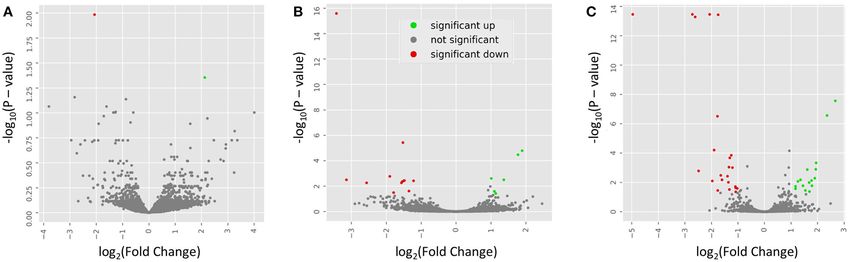
Bries et al.                                                                                                     Egg Impact on Gene Expression

and others reported no significant association between whole             limited to males, building on previous studies that provide the
egg intake and major CVD events in a conglomerate of 50                  foundation for this study. Rats were individually housed in
studies (9). Although the role of whole egg (WE) consumption             conventional cages in a temperature-controlled environment (22
has been extensively examined in population-based studies (10,           ± 2◦ C) using a 12-h light-dark cycle. All rats were acclimated
11), relatively few studies have addressed the role of whole egg         for 1 week on a standard rat chow diet, after which they were
consumption in health and disease experimentally (12, 13).               randomly assigned to one of two dietary intervention groups.
    Some studies have addressed the mechanistic role of                  There were no significant differences in baseline body weight
individual egg components. For instance, egg yolk peptides have          between the two dietary groups (p = 0.62). Rats were placed
been shown to display anti-oxidative properties (14) and lutein,         on either a control CAS-or WE-based diet (Research Diets, New
a carotenoid that is rich in egg yolk, has been demonstrated             Brunswick, NJ; Table 1) matched for 20% protein (w/w). For
to protect dopaminergic neurons from oxidative damage in a               72 h, animals underwent a controlled fasted-refeeding protocol
chemically-induced mouse model of Parkinson’s Disease (15).              to train them to consume food ad libitum within a 4 h time
Similar effects of lutein administration have also been shown in         period (Figure 1) for a serum collection. After training, 7-week
other animal models of aging and cognitive impairment (16, 17);          old animals were fasted overnight for 10 h with water provided
however, the role of these egg components and their influence            ad libitum followed by controlled feeding (4 g) of either the
on global gene expression remains not well-understood. In                CAS- or WE-based diet. Serum was collected via the tail vein
addition to WE decreasing oxidative stress, our laboratory has           at 0, 2, 4, 6, and 8 h immediately following refeeding. Following
previously reported that consuming a WE-based diet reduced               the serum time curve collection, rats were given respective
body weight gain in rats with type 2 diabetes (12, 13). To               dietary treatments, ad libitum for 2 weeks. Food intake and
date, very few studies have focused on identifying the molecular         body weight gain were monitored daily. Following the dietary
mechanisms that are influenced by WE consumption in addition             intervention, 9-week old rats underwent a 12 h overnight fast
to the global gene expression changes in rats fed WE vs. casein          with water provided ad libitum; rats were anesthetized with
(CAS)-based diets. By gaining an in-depth understanding of               a ketamine:xylazine cocktail (90:10 mg/kg bw) via a single
gene-diet interactions, we can understand how genes regulating           intraperitoneal injection. Following anesthesia, whole blood was
molecular pathways are modified by short-term dietary WE                 collected via cardiac puncture for serum sample, followed by
consumption, allowing for future research to identify more               procurement of vital organs. Euthanasia was confirmed by
mechanistic approaches examining the relationship between                performing a bilateral thoracotomy. The epididymal VAT, kidney
dietary WE and chronic disease.                                          and liver, were procured, weighed, and stored in RNAlater
    In this study, male Sprague Dawley rats were fed WE-based            (Thermo Fisher, Waltham, MA). The fresh PFC was excised and
diets to examine the influence of short-term WE consumption              rapidly micro dissected on a chilled platform. A flat edge razor
on mRNA and microRNA expression in comparison with CAS-                  was used to remove and discard the olfactory bulbs and make
based diets. We examined the transcriptome profiles of the               coronal slices through the brain. Anterior forceps of the corpus
prefrontal cortex (PFC), visceral adipose (VAT), liver, and kidney       collosum (AFCC) was used as a visual landmark to identify
tissues to identify metabolic pathways that may be altered by            the section from which to sub-dissect the PFC. Specifically, the
WE consumption, and mapped these changes to microRNAs.                   darker tissue between the AFCC and the genus corpus callosum
The primary aim of this study was to initially determine if              in roughly a diamond shape was dissected as the PFC. After
short-term WE consumption had a significant impact on gene               sub-dissection the tissue was weighed and stored in RNAlater
expression in specific tissues of interest given the relevance of        (Thermo Fisher, Waltham, MA).
these tissues in disease. Furthermore, we sought to examine if
changes in expression of miRNAs could be upstream of observed
gene expression changes.

                                                                         Large and Small RNA Extraction and
MATERIALS AND METHODS
                                                                         Sequencing
The data discussed and presented in this publication have been           Large- and smallRNAs were extracted using a SPLIT Total
made publicly available and deposited in NCBI’s Gene Expression          RNA Extraction Kit (Lexogen, Greenland, NH). RNA was
Omnibus (18) and can be found through GEO Series accession               quantified using a Qubit Fluorometer (ThermoFisher Scientific),
number GSE163193 (https://www.ncbi.nlm.nih.gov/geo/query/                and integrity was assessed using a Bioanalyzer 2100 (Agilent
acc.cgi?acc=GSE163193).                                                  Technologies). Large RNA libraries were prepared using an
                                                                         automated protocol for the QuantSeq 3′ mRNA-Seq Library
Animals and Diets                                                        Prep Kit (Lexogen, Greenland, NH) and small RNA libraries
This animal study was approved by the Institutional Animal Care          were prepared using Small RNA Library Prep Kits (Lexogen,
and Use Committee (IACUC) at Iowa State University and was               Greenland, NH). Total RNA samples were multiplexed across
performed according to the Iowa State University Laboratory              two lanes using an Illumina High-Seq 3000 resulting in an
Animal Resources Guidelines. Male Sprague Dawley rats (n =               average of 7.5 million reads per sample prior to quality control.
12) were obtained at 6 week of age (151–175 g) from Charles              Small RNA libraries were also multiplexed and run on a separate
River Laboratories (Wilmington, MA). Current studies were                lane on an Illumina High-Seq 3000 (San Diego, CA).

Frontiers in Nutrition | www.frontiersin.org                         2                                      May 2021 | Volume 8 | Article 652192
Bries et al. Egg Impact on Gene Expression
TABLE 1 | Composition of the WE- and CAS-based diets fed to male Sprague Read Alignment and Quantification
Dawley rats for 2 weeksa . Rattus norvegicus reference genome (fasta) and genome
Ingredient (g/kg) CAS WE
annotation files (gtf) were obtained from the Ensembl genome
browser2 . Reads were aligned to the RNO version 6 release 94
Casein 200 – of the Ensembl genome using the STAR v2.5.2 aligner (19).
Whole eggb – 435 Transcripts aligning to specific genes were counted using the
Cornstarch 417 365 STAR-quantMode geneCounts function to map transcripts to
Glucose monohydrate 150 150 each genome. Files containing microRNA counts and gene
Corn oil 183 – counts are located in the GEO database. Small RNA samples were
Mineral mix 35 35 processed using the smallrnaseq python tool (20), which aligns
Vitamin mix 10 10 samples using Bowtie and quantifies small RNA read counts
Choline bitartrate 2 2 using reference fasta and gtf files from RNAcentral.org.
L-methionine 3 3
Biotin (1%) – 0.4
Data Filtering and Quality Control
Macronutrients (% total kcal) c Genes were filtered out if they were not expressed in any
Protein 17 17
samples or had fewer than 10 counts in half of the samples for
each gene. Data filtering and alignment settings were adapted
Carbohydrate 48 48 ′
Fat 35 35
from Lexogen’s QuantSeq 3 mRNA-Seq Kit and integrated
Caloric content 4,715 4,715
Data Analysis Pipeline on Bluebee R platform according to the
manufacturer’s instructions. Following quality control, analysis
a All ingredients were purchased from Envigo except for dried whole egg (Rose Acre included 10,101 liver genes, 9,217 adipose genes, 11,607 kidney
Farms, Guthrie Center, IA), as well as L-methionine and choline bitartrate (Sigma-Aldrich).
genes, and 99,36 brain genes.
CAS, casein-based diet, WE, whole egg-based diet.
b Total protein and lipid content provided by 435 g of dried whole egg was 46 (200 g) and
42% (183 g), respectively. Differential Expression Analysis Using
c All diets formulated to contain total protein at 20% (w/w).
DESeq2
Read normalization was conducted using a weighted trimmed
mean of the log expression ratios [trimmed mean of M values
(TMM)] method to account for variable sequencing depth
between samples. Differential expression analysis was conducted
using the DESeq2 (21) package in the R programming language.
Heatmaps, Principal Component Analysis,
and Volcano Plots
Principal Component Analysis (PCA) was conducted for
the initial clustering and characterization of RNAseq data.
Hierarchical clustering was used to create a dendrogram
classifying samples according to similar transcriptomic profiles
using Pearson correlation coefficients. Volcano plots were
constructed to visualize genes which surpass a log-fold change of
>1.0 (upregulated) orBries et al. Egg Impact on Gene Expression
v6.8 database through the online web application (DAVID (INMT). Supplementary Table 2 describes all of the DEGs in
Functional Annotation Bioinformatics Microarray Analysis)3 . each tissue, whereas Supplementary Table 3 contains only those
MicroRNA target genes were predicted through miRPath v.3 with a significant p-value after correction in all tissues.
analysis tools (23). Genetic Interactome Analysis was completed
on DEGs from the VAT and PFC using Cytoscape version KEGG and GO Functional Enrichment
3.8.0 (24). STRING application—Protein Query generated Analysis
a node network that allowed functional enrichment data of To examine the functional pathways for the DEGs, mRNAs
all DEGs to be generated. The Kyoto Encyclopedia of Genes were mapped to KEGG/GO pathway terms, which are described
and Genomes (KEGG) database was queried to identify the in Supplementary Table 4. In the PFC, GO function analysis
functional pathways corresponding to each gene in each species. releveled genes modified by whole egg consumption were
All DEGs were cross-referenced to String—disease, specifically significantly enriched in Cholesterol biosynthetic pathways and
Diabetes, Parkinson’s and Alzheimer’s with a confidence interval lipid metabolism. Furthermore, a large genetic network of
of 0.95 and a maximum number of proteins of 500 (25). 16 genes in these two pathways were all down regulated
(Supplementary Figure 1A). Of the 12 genes differentially
qRT-PCR Validation Analyses regulated which were involved in Oxidation-reduction process,
Total RNA from each tissue was aliquoted and reverse 9 were downregulated in response to whole egg consumption. In
transcribed into cDNA using the High-Capacity cDNA Reverse the VAT, Gsta3, Gstz1, and Gstp1, all members of the glutathione
Transcription Kit (Applied Biosystems, Catalog # 4368813). The transferase activity pathway, were found to be up-regulated by
cDNA was diluted to 100 ng/µL and qPCR reactions were whole egg consumption (Supplementary Figure 1B).
performed using 200 ng of total cDNA with primers at 300 nM
concentration in 10 µL FastStart Sybr Green Master (Roche) STRING: Diseases database Enrichment
according to the manufacturer’s instructions. All qPCR reactions Analysis
were conducted in a Roche LightCycler 96 Real-Time PCR Using STRING: disease query analysis to examine disease related
System. Primers sequences for qPCR (Supplementary Table 1) genes that were differentially expressed in response to WE diet,
were obtained from Integrated DNA Technology (IDT) and we identified one gene in VAT which is known to be associated
18s RNA was used as an internal control for normalization in with Diabetes. Specifically, Secreted Phosphoprotein 1 (SPP1)
each tissue. also known as Osteopontin was found to be down regulated in
the VAT (−3.14 log2 fold change, Supplementary Table 3).
Statistical Analysis
Data analysis was conducted in Python within an IPython microRNA Sequencing Differential
notebook unless otherwise specified. Body weight and food Expression
intake group means were analyzed using an unpaired t-test to Differential expression analyses of microRNAs identified six
analyze the difference at p < 0.05 between casein and whole upregulated microRNAs and 10 downregulated microRNAs
egg treatment groups. When applying DESeq2 for differential across all four tissues based on non-adjusted p < 0.05
gene expression analysis, DESeqDataSetFromMatrix was used (Supplementary Table 5). No microRNAs survived multiple
to generate p-values and adjusted p-values were calculated testing correction with FDR correction at 5% value
using the Benjamini-Hochberg method (26) of false discovery (Supplementary Table 2). miRNAs largely changed in a tissue
rate (FDR) correction. For all analyses, FDR was controlled specific manner, but two miRNAs changed in multiple tissues
at 1% and all adjusted p < 0.05 were considered significant. including miR-10b-5p which was downregulated in both the
For functional enrichment analysis, gene identifiers were cross- VAT and PFC (non-adjusted; p = 0.03 and p = 0.02, respectively)
validated through our differentially expressed genes on the basis and miR-192-5p which was downregulated in both the liver and
of significance at FDR correction ofBries et al. Egg Impact on Gene Expression
These included: SPC Membrane Recruitment Protein 1 (Amer DISCUSSION
1), Fatty Acid Binding Protein 3 (Fabp3), Protocadherin 17
(Pcdh 17), FERM Domain Containing 4B (Frmd4b), Kinesin Specific egg components, such as hen egg lysozymes, have been
Family Member 1B (Kif1b), Collagen type V alpha 1 chain previously studied in altering gene expression in pig intestinal
(Col5a1), zinc finger protein 36, C3H type-like 1 (Zfp3611), tissues (28), but very little information is known about how
NIPA Like Domina Containing 1 (Nipal 1), and Sorting Nexin dietary WE affects endogenous gene expression across specific
33 (Snx33, Table 2). Additional gene targets of miR-192-5p in tissues. The beneficial role of a WE-based diet in maintaining
the PFC and miR-125b-5p in the VAT were predicted, but did vitamin D status and modulating adverse phenotypic outcomes
not follow traditional patterns of miRNA regulation as they and in both a type 1 diabetes (T1D) and type 2 diabetes (T2D) animal
the miRNAs were all down regulated (Table 2). models has been consistently demonstrated (12, 29); however,
we have not investigated how WE consumption modulates gene
expression in a standard rodent model. RNA-sequencing is a
Serum microRNA Refeeding Analysis powerful tool that can elucidate the influence of dietary patterns
There was no significant effect of dietary treatment on serum at the level of the transcriptome. It is important to examine the
microRNA at 0, 2, 4, 6, or 8 h immediately following refeeding global effects of WE consumption in a healthy rodent model
based on multiple testing corrective measures using FDR to better understand the pathways that link WE and chronic
adjusted p < 0.05 (data not shown). diseases like type 2 diabetes. By assessing the genes that are
influenced by WE, we can contribute to scientifically sound
Principal Component Analysis (PCA) and intervention strategies using dietary WE as a means of disease
Hierarchical Clustering mitigation. In this study, next generation sequencing revealed
To examine the similarity between transcriptomic profiles, that consuming WE for 2-weeks significantly modified the
low expression genes across all tissues were filtered and data expression of 76 different genes across the PFC, liver, and VAT.
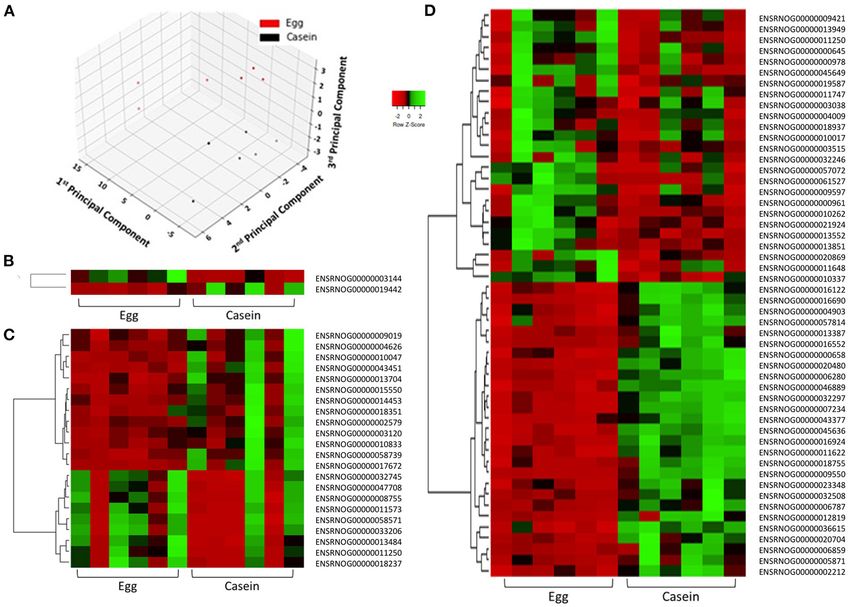
illustrated in a PCA, as shown in Figure 2A. The PCA In the PFC, where the largest number of genes were
plots indicate that these rat samples cluster by diet (WE vs. changed, the top three enriched GO pathways were cholesterol
CAS). Subsequently, the top DEGs were visualized using a biosynthetic process, fatty acid biosynthetic process and
hierarchical clustering heatmap for each tissue that displays oxidation-reduction process. A genetic network of 16 genes
distinct differential expression patterns according to each diet, highly represented in the cholesterol biosynthetic process and
as shown in Figures 2B–D. To visualize the magnitude of log- lipid metabolism were all down regulated. In addition, we found
fold changes, all DEGs were plotted for each corresponding a large number of genes (9/12) in the oxidation-reduction
tissue using volcano plots. Generally an equal distribution of process pathway to be downregulated. Dysregulation of
both up and down regulated genes were observed in each tissue oxidation-reduction pathways is a common thread in dementia,
in response to WE diet. Very few genes were differentially and modulation of this pathway is thought to be important
expressed at greater than 2 log2 (Fold Change) in either a in brain health (30). The observed reduction in expression of
positive or negative direction (Figure 3A, Liver; Figure 3B, VAT; oxidation-reduction pathway genes in our study could be due
Figure 3C, PFC). to the high choline content of WE. Recently, associations have
been observed between dietary choline intake and reduced
risk of incident dementia and improved cognitive performance
qRT-PCR Validation (31). One gene found to be highly down regulated in the
To validate the RNAseq data, five DEGs were randomly oxidation-reduction pathway was Squalene epoxidase (Sqle), a
selected for qRT-PCR analysis across each tissue. The rate-limiting gene in the sterol biosynthesis pathway (32), which
PCR gene expression validation data are contained in was significantly downregulated (−31-fold) within the PFC of
Supplementary Figure 2. suggesting that RNAseq and rats fed WE-based vs. CAS-based diets. Sqle is important for
PCR results followed the same relative fold trend for each steroidal synthesis, and previous studies have demonstrated that
corresponding gene that was validated. A value of 1 indicates ablation of Sqle may disrupt tumorigenesis, owing to blunted
no fold change where as those values above the line indicate an cholesterol biosynthesis (33). Moreover, the dysregulation of
increase in fold change and those below indicate a decrease. Sqle has been observed during the onset of diabetes (34, 35). Ge
et al. (36) indicated a significant upregulation in the expression
Food Intake and Body Weight Gain of Sqle, as well as an abundance in the protein in a chemically-
Descriptive data indicated no significant effect of dietary induced diabetic animal model (37). Interestingly Ding et al.
treatment on food intake or total energy intake throughout the (35), conducted a cross-sectional study in an obese population of
study (data not shown). Additionally, there was no statistically men, examining the relationship between body mass index and
significant effect of dietary treatment on final body weight or DEGs. They reported the close association between body mass
cumulative body weight gain at 9 week of age after 2 weeks and index and increased expression of Fads1, Sqle, Scd, Cyp51a1,
3 days on the WE diet. There were also no significant differences whereas in a weight-loss intervention study, Sqle expression
in organ weights following tissue collection except for the liver, was significantly reduced. Similar to these findings, we observed
where rats on the WE-based diets had 16% increased relative liver downregulation of Fads1 and Sqle in animals fed the WE- as
weight (p < 0.01). compared to the CAS-based diets. A small number of genes
Frontiers in Nutrition | www.frontiersin.org 5 May 2021 | Volume 8 | Article 652192Bries et al. Egg Impact on Gene Expression
TABLE 2 | Differentially expressed miRNAs and putative target genes in the PFC and VAT of Sprague Dawley rats fed dietary whole egg vs. caseina .
MicroRNA (Log2fold change) Tissue Rat symbol Log2fold change Log fold change Non-adj p-value Human GeneID
miR-10b-5p (−1.35) PFC Arrdc3 1.36E+00 1.85E+00 1.96E-05 ARRDC3
miR-192-5p (−0.82) PFC Amer1 1.26E+00 1.58E+00 2.81E-03 AMER1
Blcap −4.96E-01 −2.46E-01 1.10E-02 BLCAP
Mylk −4.61E-01 −2.12E-01 1.16E-02 MYLK
Fabp3 1.33E+00 1.78E+00 1.64E-02 FABP3
Taok1 −5.43E-01 −2.95E-01 1.74E-02 TAOK1
Pcdh17 1.21E+00 1.46E+00 2.01E-02 PCDH17
Frmd4b 8.81E-01 7.76E-01 2.62E-02 FRMD4B
Kif1b 4.56E-01 2.08E-01 3.37E-02 KIF1B
RGD1560010 −5.31E-01 −2.82E-01 3.72E-02 C4orf46
Col5a1 1.41E+00 2.00E+00 4.17E-02 COL5A1
Zfp36l1 4.13E-01 1.71E-01 4.86E-02 ZFP36L1
Nipal1 6.36E-01 4.05E-01 5.19E-02 NIPAL1
Pdhb −4.43E-01 −1.96E-01 5.49E-02 PDHB
Snx33 4.25E-01 1.81E-01 5.88E-02 SNX33
miR-125b-5p (−1.18) VAT Parm1 −1.50E+00 −2.24E+00 4.19E-06 PARM1
Dnajc14 −9.69E-01 −9.39E-01 4.79E-04 DNAJC14
a All target comparisons were made through mirPath.
FIGURE 2 | Principle component analysis demonstrates distinct separation of samples according to dietary intervention. Samples are colored in red (WE) or black
(CAS, A). Differentially expressed genes in response to dietary intervention in: liver (B), visceral adipose tissue (C), and prefrontal cortex (D) of Sprague Dawley rats
demonstrates individual and group transcriptomic response to diet using Pearson correlation coefficients (row z-score scale is indicated −2 Red, 0 Black, and 2
Green).
Frontiers in Nutrition | www.frontiersin.org 6 May 2021 | Volume 8 | Article 652192Bries et al. Egg Impact on Gene Expression
FIGURE 3 | Volcano plots indicate the directionality of significant differentially expressed genes. Genes upregulated (green) or downregulated (red) by whole egg
consumption, correspond to a 1.0 decrease or increase in log2 fold change with a log10 P > 1.0. Each panel corresponds to a tissue: (A) liver; (B) visceral adipose
tissue; and (C) prefrontal cortex.
included in the oxidation-reduction pathway were upregulated of rats fed WE-based diet. These are important considerations,
including two cytochrome P450 genes, Cyp2c22, and Cyp4A1 as the data from clinical trials regarding WE consumption on
in the PFC of the animals fed WE- vs. CAS-based diets. While inflammation-mediated cardiovascular disease are nuanced and
additional research is needed, CYPS are known to play a role in remain contradictory (7, 48–50). When specifically examining
susceptibility to neurotoxins, and the risk of developing certain genes associated with disease we identified SPP1 which was down
CNS diseases (38). regulated 8.8-fold in VAT after consumption of the WE diet.
In the VAT, functional annotation of the DEGs to GO SPP1 also known as Osteopontin is an inflammatory cytokine
terms indicated a significant enrichment of genes involved in which is highly upregulated in obesity and has been shown to
the glutathione S-transferase (GST) activity pathway including be a key player for local adipose tissue macrophage proliferation
glutathione S-transferase zeta 1 (Gstz1), glutathione S-transferase which underlies insulin resistance and type 2 diabetes (51).
A3 (Gsta3), and glutathione S-transferase pi 1 (Gstp1), which Importantly Osteopontin has been found to be required for the
were upregulated 1.9-, 2.6-, and 3.7-fold, respectively, in the VAT early onset of high fat diet-induced insulin resistance in mice
of the Sprague Dawley animals fed WE-based diets. Previously, (52). The down regulation of this gene may account for some
it was reported that deficiency of glutathione-related pathways of the benefits observed in longer term consumption of WE diet
alters antioxidant responses (39), suggesting that our data may in the Zucker Diabetic Fatty Rats (12, 13) and requires further
indicate an upregulation of the catalytic GST enzymes, which mechanistic study.
function in glutathione conjugation for detoxification reactions, To better understand what may be driving the changes in
with WE consumption providing protection against oxidative gene expression in response to WE diet, we performed small
stress. In a recent study, a Gstp1 polymorphism was associated RNA sequencing to examine miRNAs. Previous research by
with increased glucose intolerance and greater androgen Zempleni et al. has reported robust findings for meaningful
production in non-obese women with polycystic ovary syndrome dietary microRNA absorption from milk and egg sources. They
(40). Moreover, the literature indicates that dysregulated GST report a postparandial increase in plasma miRNAs in humans
production has been implicated in conditions of obesity and suggesting biological value of dietary-derived microRNAs on
T2D (41). It was previously reported that glutathione metabolism downstream target genes (53, 54). While it is controversial
is regulated by egg yolk peptide consumption in a porcine whether dietary consumption directly influences circulating
model of oxidative stress (42), while in Zucker Diabetic Fatty microRNA status (55), using a more highly processed whole egg
rats WE consumption led to an upregulation in 14 GST-related product, we did not observe any serum changes in circulating
enzymes across numerous tissues (43). In a meta-analysis of microRNAs between the two dietary treatments in the 8 h post
clinical studies with long-term egg consumption, there were no meal consumption. However, we hypothesized that over a longer
observed effects of WE consumption on blood inflammatory period of diet consumption, the tissue microRNA profile may
markers (44). Other researchers have reported elevations in change due to diet; thus, we examined the microRNA expression
endothelial and arterial inflammation from WE consumption changes in rats following a 2-week consumption period.
(45) and some report vascular inflammation to be exclusive to egg Six upregulated and ten down regulated miRNAs were
white consumption and not WE (46, 47). It is important that we identified across all tissues profiled. However, when the
examined these differences in gene expression, as we identified miRNAs putative gene targets were cross-referenced against the
upregulation not only in VAT, but also observed an increase of differentially expressed genes within each respective tissue, only
glutathione S-transferase mu 2 (Gstm2) expression in the PFC three microRNAs had putative targets which were also changed
Frontiers in Nutrition | www.frontiersin.org 7 May 2021 | Volume 8 | Article 652192Bries et al. Egg Impact on Gene Expression
in expression. Of these three, two were identified in the PFC these genes and pathways are involved in the pathogenesis
(miR-10b-5p and miR192-5p) and one was in the VAT (miR- of disease.
125b-5p) all three miRNAs were down regulated. ARRDC3, a
target gene for miR-10b-5p exhibited a ∼1.9-fold change as a DATA AVAILABILITY STATEMENT
result of WE consumption with a non-adjusted p-value of (p =
0.027) was the most relevant to observed phenotypes in our work The datasets presented in this study can be found in online
with the Zucker Diabetic fatty rats. The biological significance repositories. The names of the repository/repositories and
of ARRDC3 has been examined in both human and animal accession number(s) can be found at: https://www.ncbi.nlm.nih.
studies (56, 57). It has been suggested that ARRDC3 is critically gov/geo/query/acc.cgi?acc$=$GSE163193.
involved in obesity and energy expenditure, owing to its function
in fat pad development and role in thermoregulation (58). ETHICS STATEMENT
Although there are no mechanistic studies to date examining
the direct role of miR-10b-5p on ARRDC3 as it relates to The animal study was reviewed and approved by Institutional
obesity or subsequent diseases, to date, one study explored the Animal Care and Use Committee (IACUC) at Iowa
association between miR-10b-5p in children with obesity (59). State University.
In a population of normal weight and overweight or obese
adolescents, they assessed circulating microRNAs and identified
AUTHOR CONTRIBUTIONS
that miR-10b-5p is an obesity-associated microRNA, as it highly
correlated with body mass index z-scores (59). Based on our AB, JW, TD, MK, MR, SC, KS, and EM conceptualized the
consistent results of WE consumption on reduced weight gain original research. AB, JW, and EM curated and analyzed the
during type 2 diabetes, the results of this study could provide data. Methodology of the research studies was developed
insight into the mechanisms involved in weight reduction. Future by KS, EM, AB, and JW. Investigation, experiments, and
mechanistic studies exploring the relationship between miR- animal handling was performed by AB, JW, BV, and CC.
10b-5p, ARRDC3 as it relates to obesity, and type 2 diabetes The original draft of the manuscript was written and
are warranted. prepared by AB and JW. Funding acquisition, project
There are several strengths and limitations to consider in administration and writing, reviewing, and editing was
our research study. Given the limited data on the mechanisms carried out by AB, JW, TD, MK, MR, SC, KS, and EM.
related to whole egg consumption and disease, our profiling All authors contributed to the article and approved the
experiments provide valuable data on the altering effects of whole submitted version.
egg consumption on gene expression. Data of this magnitude will
help better define target pathways and genes that may be used to
further examine the influence of nutrition on disease progression.
FUNDING
Limitations such as the duration of dietary intervention should This work was supported by the College of Human Sciences
be noted. Furthermore, our functional pathways analysis does Intramural Collaborative Grant Program and the Presidential
have limitations. The first being that pathway analysis does not Interdisciplinary Research Seed Grant Program from Iowa
account for the tissue- and cell-specific function of genes in a State University.
given pathway. Additionally, not all gene variants are represented
in pathway analysis tools, limiting the scope of tissue specificity
in related pathway changes. ACKNOWLEDGMENTS
We would like to thank Simon Moe, for assistance with
Conclusion cytoscape and STRING Disease query analysis and Dr. Peng
In this study, we examined the effects of consuming a WE-
Liu, Department of Statistics, for assisting in the initial statistical
based diet for 2 weeks on gene expression across multiple
planning of this project. Additionally, the authors would like to
tissues in healthy rats. Our main results revealed 76 novel
thank the ISU DNA facility staff members Kevin Cavallin, Tanya
DEGs across the PFC, liver, VAT, and kidney transcriptomes.
Murtha and Dr. Michael Baker for their assistance sequencing
For VAT, GO analyses highlighted that glutathione metabolism
our samples.
was upregulated by WE consumption. Furthermore, SPP1 was
identified to be highly down regulated in the VAT after WE
consumption and should be further explored as it relates to SUPPLEMENTARY MATERIAL
outcomes of WE consumption and Diabetes. In the PFC, a
The Supplementary Material for this article can be found
large network of genes from the cholesterol biosynthetic and
online at: https://www.frontiersin.org/articles/10.3389/fnut.2021.
lipid metabolic process were all down regulated in the PFC.
652192/full#supplementary-material
In addition, multiple genes involved in the oxidation-reduction
process in the PFC were also altered by WE consumption. Supplementary Figure 1 | Network of interactome representing STRING
Network interactions of DEGs in specific tissues. Prefrontal Cortex (A) GO
These results indicate that, even short-term, WE-based diets indicated enrichment of involved network genes in cholesterol biosynthetic
modulates the expression of genes. Together, these results process (FDR 4.96E−16 ) and lipid metabolic process (FDR 4.09E−13 ) and Visceral
may provide information for follow up in models where Adipose Tissue (B) GO indicated enrichment of involved network in Glutathione
Frontiers in Nutrition | www.frontiersin.org 8 May 2021 | Volume 8 | Article 652192Bries et al. Egg Impact on Gene Expression
Transferase activity (FDR 5.1 E−04 ). Networks connected through “edge” lines with Visceral Adipose Tissue; ns, not significant.
thickness represented by STRING confidence score. Colors in nodes represent
Supplementary Table 1 | Primer sequence as used for qPCR.
gene expression changes, upregulated orange and downregulated blue. Red
border indicates gene is identified in STRING network as a Diabetes Supplementary Table 2 | Raw differentially expressed genes in the PFC, liver,
associated gene. adipose, and kidney.
Supplementary Figure 2 | Fold change comparisons between qPCR and mRNA Supplementary Table 3 | List of significantly differentially expressed genes in the
sequencing of several genes validating the directionality of sequencing results. PFC, liver, adipose, and kidney.
Those above 1 indicate a fold increase in expression due to diet. Those below 1
Supplementary Table 4 | Kegg pathway and gene ontology (GO) analysis.a,b .
indicated a decrease fold expression in relation to diet. Fold changes are
significant at p < 0.05 unless otherwise indicated. Blue bars represent qPCR data
and orange bars represent RNAseq data. Each tissue is indicated by different Supplementary Table 5 | Differentially expressed microRNAs between Sprague
shading with the name of the tissue at the top. PFC, Prefrontal Cortex; VAT, Dawley rats fed dietary whole egg compared to casein control.
REFERENCES dysfunction by ameliorating mitochondrial disruption and oxidative stress.
Nutr Neurosci. (2016) 19:237–46. doi: 10.1179/1476830515Y.0000000010
1. Andersen CJ. Bioactive egg components and inflammation. Nutrients. (2015) 16. Akbaraly NT, Faure H, Gourlet V, Favier A, Berr C. Plasma carotenoid levels
7:7889–913. doi: 10.3390/nu7095372 and cognitive performance in an elderly population: results of the EVA study.
2. Park SJ, Jung JH, Choi SW, Lee HJ. Association between egg consumption J Gerontol A Biol Sci Med Sci. (2007) 62:308–16. doi: 10.1093/gerona/62.3.308
and metabolic disease. Korean J Food Sci Anim Resour. (2018) 38:209– 17. Binawade Y, Jagtap A. Neuroprotective effect of lutein against 3-
23. doi: 10.5851/kosfa.2018.38.2.209 nitropropionic acid-induced huntington’s disease-like symptoms:
3. Nimalaratne C, Wu J. Hen egg as an antioxidant food commodity: a review. possible behavioral, biochemical, cellular alterations. J Med Food. (2013)
Nutrients. (2015) 7:8274–93. doi: 10.3390/nu7105394 16:934–43. doi: 10.1089/jmf.2012.2698
4. Wallace TC, Fulgoni VL. Usual choline intakes are associated with egg 18. Edgar R, Domrachev M, Lash AE. Gene expression omnibus: NCBI gene
and protein food consumption in the United States. Nutrients. (2017) expression and hybridization array data repository. Nucleic Acids Res. (2002)
9:839. doi: 10.3390/nu9080839 30:207–10. doi: 10.1093/nar/30.1.207
5. Miranda JM, Anton X, Redondo-Valbuena C, Roca-Saavedra P, Rodriguez JA, 19. Dobin A, Davis CA, Schlesinger F, Drenkow J, Zaleski C, Jha S, et al.
Lamas A, et al. Egg and egg-derived foods: effects on human health and use as STAR: Ultrafast universal RNA-seq aligner. Bioinformatics. (2013) 29:15–
functional foods. Nutrients. (2015) 7:706–29. doi: 10.3390/nu7010706 21. doi: 10.1093/bioinformatics/bts635
6. Alexander DD, Miller PE, Vargas AJ, Weed DL, Cohen SS. Meta-analysis of 20. Farrell D. smallrnaseq : short non coding RNA-seq analysis with Python.
Egg Consumption and Risk of Coronary Heart Disease and Stroke. J Am Coll Bioarxiv. (2017) 110585. doi: 10.1101/110585
Nutr. (2016) 35:704–16. doi: 10.1080/07315724.2016.1152928 21. Love MI, Huber W, Anders S. Moderated estimation of fold change
7. Zhong VW, Van Horn L, Cornelis MC, Wilkins JT, Ning H, Carnethon MR, and dispersion for RNA-seq data with DESeq2. Genome Biol. (2014)
et al. Associations of dietary cholesterol or egg consumption with incident 15:550. doi: 10.1186/s13059-014-0550-8
cardiovascular disease and mortality. J Am Med Assoc. (2019) 321:1081– 22. Kanehisa M, Goto S. KEGG: Kyoto Encyclopedia of Genes and Genomes.
95. doi: 10.1001/jama.2019.1572 Available online at: http://www.genome.ad.jp/kegg/ (accessed March 23,
8. Drouin-Chartier JP, Chen S, Li Y, Schwab AL, Stampfer MJ, Sacks FM, et al. 2020).
Egg consumption and risk of cardiovascular disease: three large prospective 23. Vlachos IS, Zagganas K, Parakevopoulou MD, Georgakilas G, Karagkouni
US cohort studies, systematic review, updated meta-analysis. BMJ. (2020) D, Vergoulis T, et al. Diana-miRPath v3.0: deciphering microRNA
368:m513 368. doi: 10.1136/bmj.m513 function with experimental support. Nucleic Acids Res. (2015) 43:W460–
9. Dehghan M, Mente A, Rangarajan S, Mohan V, Lear S, Swaminathan S, 6. doi: 10.1093/nar/gkv403
et al. Association of egg intake with blood lipids, cardiovascular disease, 24. Shannon P, Markiel A, Ozier O, Baliga NS, Wang JT, Ramage
mortality in 177,000 people in 50 countries. Am J Clin Nutr. (2020) 111:795– D, et al. Cytoscape: a software Environment for integrated
803. doi: 10.1093/ajcn/nqz348 models of biomolecular interaction networks. Genome Res. (2003)
10. DiMarco DM, Missimer A, Murillo AG, Lemos BS, Malysheva OV, Caudill 13:2498–504. doi: 10.1101/gr.1239303
MA, et al. Intake of up to 3 eggs/day increases HDL cholesterol and plasma 25. Doncheva NT, Morris JH, Gorodkin J, Jensen LJ. Cytoscape StringApp:
choline while plasma trimethylamine-N-oxide is unchanged in a healthy network analysis and visualization of proteomics data. J Proteome Res. (2019)
population. Lipids. (2017) 52:255–63. doi: 10.1007/s11745-017-4230-9 18:623–32. doi: 10.1021/acs.jproteome.8b00702
11. Fuller NR, Sainsbury A, Caterson ID, Denyer G, Fong M, Gerofi J, et al. 26. Benjamini Y, Hochberg Y. Controlling the False Discovery Rate: a Practical
Effect of a high-egg diet on cardiometabolic risk factors in people with and powerful Approach to Multiple Testing. J R Stat Soc B. (1995) 57:289–
type 2 diabetes: The Diabetes and Egg (DIABEGG) Study - randomized 300. doi: 10.1111/j.2517-6161.1995.tb02031.x
weight-loss and follow-up phase. Am J Clin Nutr. (2018) 107:921– 27. Livak KJ, Schmittgen TD. Analysis of relative gene expression data using real-
31. doi: 10.1093/ajcn/nqy048 time quantitative PCR and the 2-11CT method. Methods. (2001) 25:402–
12. Saande CJ, Jones SK, Hahn KE, Reed CH, Rowling MJ, Schalinske KL. Dietary 8. doi: 10.1006/meth.2001.1262
whole egg consumption attenuates body weight gain is more effective than 28. Lee M, Kovacs-Nolan J, Yang C, Archbold T, Fan MZ, Mine Y. Hen egg
supplemental cholecalciferol in maintaining vitamin D balance in type 2 lysozyme attenuates inflammation and modulates local gene expression in a
diabetic rats. J Nutr. (2017) 31:S1436.2 jn254193. doi: 10.3945/jn.117.254193 porcine model of dextran sodium sulfate (DSS)-induced colitis. J Agric Food
13. Saande CJ, Webb JL, Curry PE, Rowling MJ, Schalinske KL. Dietary whole egg Chem. (2009) 57:2233–40. doi: 10.1021/jf803133b
reduces body weight gain in a dose-dependent manner in zucker diabetic fatty 29. Jones SK, Koh GY, Rowling MJ, Schalinske KL. Whole egg
rats. J Nutr. (2019) 149:1766–75. doi: 10.1093/jn/nxz143 consumption prevents diminished serum 25-hydroxycholecalciferol
14. Yousr M, Howell N. Antioxidant and ACE inhibitory bioactive peptides concentrations in type 2 diabetic rats. J Agric Food Chem. (2016)
purified from egg yolk proteins. Int J Mol Sci. (2015) 16:29161– 64:120–4. doi: 10.1021/acs.jafc.5b04347
78. doi: 10.3390/ijms161226155 30. von Bernhardi R, Eugenín J. Alzheimer’s disease: Redox dysregulation as
15. Nataraj J, Manivasagam T, Justin Thenmozhi A, Essa MM. Lutein protects a common denominator for diverse pathogenic mechanisms. Antioxidants
dopaminergic neurons against MPTP-induced apoptotic death and motor Redox Signal. (2012) 16:974–1031. doi: 10.1089/ars.2011.4082
Frontiers in Nutrition | www.frontiersin.org 9 May 2021 | Volume 8 | Article 652192Bries et al. Egg Impact on Gene Expression
31. Ylilauri MPT, Voutilainen S, Lönnroos E, Virtanen HEK, Tuomainen TP, 47. Jiayu Y, Botta A, Simtchouk S, Winkler J, Renaud LM, Dadlani H,
Salonen JT, et al. Associations of dietary choline intake with risk of et al. Egg white consumption increases GSH and lowers oxidative
incident dementia and with cognitive performance: The Kuopio Ischaemic damage in 110-week-old geriatric mice hearts. J Nutr Biochem. (2020)
Heart Disease Risk Factor Study. Am J Clin Nutr. (2019) 110:1416– 76:108252. doi: 10.1016/j.jnutbio.2019.108252
23. doi: 10.1093/ajcn/nqz148 48. Wang MX, Wong CH, Kim JE. Impact of whole egg intake on blood
32. Boone LR, Brooks PA, Niesen MI, Ness GC. Mechanism of resistance to pressure, lipids and lipoproteins in middle-aged and older population: a
dietary cholesterol. J Lipids. (2011) 2011:1–9. doi: 10.1155/2011/101242 systematic review and meta-analysis of randomized controlled trials. Nutr
33. Garcia-Bermudez J, Baudrier L, Bayraktar EC, Shen Y, La Metab Cardiovasc Dis. (2019) 29:653–64. doi: 10.1016/j.numecd.2019.04.004
K, Guarecuco R, et al. Squalene accumulation in cholesterol 49. Zhuang P, Wu F, Mao L, Zhu F, Zhang Y, Chen X, et al. Egg and cholesterol
auxotrophic lymphomas prevents oxidative cell death. Nature. (2019) consumption and mortality from cardiovascular and different causes in
567:118–22. doi: 10.1038/s41586-019-0945-5 the United States: a population-based cohort study. PLoS Med. (2021)
34. Seiki S, Frishman WH. Pharmacologic inhibition of squalene synthase and 18:e1003508. doi: 10.1371/journal.pmed.1003508
other downstream enzymes of the cholesterol synthesis pathway: a new 50. Xia P, Pan X, Chen C, Yi Y, Ye Y, Pan A. Dietary intakes of eggs and cholesterol
therapeutic approach to treatment of hypercholesterolemia. Cardiol Rev. in relation to all-cause and heart disease mortality: a prospective cohort study.
(2009) 17:70–6. doi: 10.1097/CRD.0b013e3181885905 J Am Heart Assoc. (2020) 9:e015743. doi: 10.1161/JAHA.119.015743
35. Ding J, Reynolds LM, Zeller T, Müller C, Lohman K, Nicklas BJ, et al. 51. Tardelli M, Zeyda K, Moreno-Viedma V, Wanko B, Grün NG, Staffler G, et al.
Alterations of a cellular cholesterol metabolism network are a molecular Osteopontin is a key player for local adipose tissue macrophage proliferation
feature of obesity-related type 2 diabetes and cardiovascular disease. Diabetes. in obesity. Mol Metab. (2016) 5:1131–7. doi: 10.1016/j.molmet.2016.09.003
(2015) 64:3464–74. doi: 10.2337/db14-1314 52. Chapman J, Miles PD, Ofrecio JM, Neels JG, Yu JG, Resnik
36. Ge Q, Zhang S, Chen L, Tang M, Liu L, Kang M, et al. Mulberry leaf regulates JL, et al. Osteopontin is required for the early onset of high
differentially expressed genes in diabetic mice liver based on RNA-seq analysis. fat diet-induced insulin resistance in mice. PLoS ONE. (2010)
Front Physiol. (2018) 9:1051. doi: 10.3389/fphys.2018.01051 5:e13959. doi: 10.1371/journal.pone.0013959
37. Ge Q, Feng F, Liu L, Chen L, Lv P, Ma S, et al. RNA-Seq analysis of the 53. Baier SR, Nguyen C, Xie F, Wood JR, Zempleni J. MicroRNAs are absorbed
pathogenesis of STZ-induced male diabetic mouse liver. J Diabetes Complicat. in biologically meaningful amounts from nutritionally relevant doses of
(2020) 34:107444. doi: 10.1016/j.jdiacomp.2019.107444 cow milk and affect gene expression in peripheral blood mononuclear
38. Ferguson CS, Tyndale RF. Cytochrome P450 enzymes in the brain: emerging cells, HEK-293 kidney cell cultures, mouse livers. J Nutr. (2014) 144:1495–
evidence of biological significance. Trends Pharmacol Sci. (2011) 32:708– 500. doi: 10.3945/jn.114.196436
14. doi: 10.1016/j.tips.2011.08.005 54. Zempleni J, Baier SR, Howard KM, Cui J. Gene regulation by
39. Blackburn AC, Matthaei KI, Lim C, Taylor MC, Cappello JY, Hayes JD, dietary microRNAs. Can J Physiol Pharmacol. (2015) 93:1097–
et al. Deficiency of glutathione transferase zeta causes oxidative stress and 102. doi: 10.1139/cjpp-2014-0392
activation of antioxidant response pathways. Mol Pharmacol. (2006) 69:650– 55. Witwer KW, Zhang CY. Diet-derived microRNAs: unicorn or silver bullet?
7. doi: 10.1124/mol.105.018911 Genes Nutr. (2017) 12:15. doi: 10.1186/s12263-017-0564-4
40. Savic-Radojevic A, Mazibrada I, Djukic T, Stankovic ZB, Plješa-Ercegovac 56. Carroll SH, Zhang E, Wang BF, LeClair KB, Rahman A, Cohen DE,
M, Sedlecky K, et al. Glutathione S-transferase (GST) polymorphism could et al. Adipocyte arrestin domain-containing 3 protein (Arrdc3) regulates
be an early marker in the development of PCOS: An insight from non- uncoupling protein 1 (Ucp1) expression in white adipose independently of
obese and non-insulin resistant adolescents. Endokrynol Pol. (2018) 69:366– canonical changes in β-adrenergic receptor signaling. PLoS ONE. (2017)
74. doi: 10.5603/EP.a2018.0034 12:e181492. doi: 10.1371/journal.pone.0181492
41. Dastidar SG, Jagatheesan G, Haberzettl P, Shah J, Hill BG, Bhatnagar A, et al. 57. Lin H, Rogers GT, Lunetta KL, Levy D, Miao X, Troy LM, et al. Healthy diet is
Glutathione s-transferase p deficiency induces glucose intolerance via jnk- associated with gene expression in blood: The Framingham Heart Study. Am
dependent enhancement of hepatic gluconeogenesis. Am J Physiol Endocrinol J Clin Nutr. (2019) 110:742–9. doi: 10.1093/ajcn/nqz060
Metab. (2018) 315:E1005–18. doi: 10.1152/ajpendo.00345.2017 58. Yates AD, Achuthan P, Akanni W, Allen J, Allen J, Alvarez-Jarreta J, et al.
42. Young D, Fan MZ, Mine Y. Egg Yolk peptides up-regulate glutathione Ensembl 2020. Nucl Acids Res. (2020) 48:D682–8. doi: 10.1093/nar/gkz966
synthesis and antioxidant enzyme activities in a porcine model of intestinal 59. Iacomino G, Russo P, Marena P, Lauria F, Venezia A, Ahrens
oxidative stress. J Agric Food Chem. (2010) 58:7624–33. doi: 10.1021/jf1011598 W, et al. Circulating microRNAs are associated with early
43. Webb JL, Bries AE, Vogel B, Carrillo C, Harvison L, Day TA, et al. childhood obesity: results of the I.Family Study. Genes Nutr. (2019)
Whole egg consumption increases gene expression within the glutathione 622–626. doi: 10.1186/s12263-018-0622-6
pathway in the liver of Zucker Diabetic Fatty rats. PLoS ONE. (2020)
15:e0240885. doi: 10.1371/journal.pone.0240885 Conflict of Interest: The authors declare that the research was conducted in the
44. Sajadi Hezaveh Z, Sikaroudi MK, Vafa M, Clayton ZS, Soltani S. Effect of absence of any commercial or financial relationships that could be construed as a
egg consumption on inflammatory markers: a systematic review and meta- potential conflict of interest.
analysis of randomized controlled clinical trials. J Sci Food Agric. (2019)
99:6663–70. doi: 10.1002/jsfa.9903 Copyright © 2021 Bries, Webb, Vogel, Carrillo, Day, Kimber, Valentine, Rowling,
45. David Spence J. Dietary cholesterol and egg yolk should be avoided by Clark, Schalinske and McNeill. This is an open-access article distributed under the
patients at risk of vascular disease. J Transl Intern Med. (2016) 4:20– terms of the Creative Commons Attribution License (CC BY). The use, distribution
4. doi: 10.1515/jtim-2016-0005 or reproduction in other forums is permitted, provided the original author(s) and
46. Njike V, Faridi Z, Dutta S, Gonzalez-Simon AL, Katz DL. Daily egg the copyright owner(s) are credited and that the original publication in this journal
consumption in hyperlipidemic adults - effects on endothelial function and is cited, in accordance with accepted academic practice. No use, distribution or
cardiovascular risk. Nutr J. (2010) 9:28. doi: 10.1186/1475-2891-9-28 reproduction is permitted which does not comply with these terms.
Frontiers in Nutrition | www.frontiersin.org 10 May 2021 | Volume 8 | Article 652192Bries et al. Egg Impact on Gene Expression NOMENCLATURE Akrc1, aldo-keto reductase family CAS, casein Cyp51, Lanosterol 14α demethylase DAVID, Database for Annotation, Visualization and Integrated Discovery DEGs, differentially expressed genes DMT, N,N-dimethyltryptamine FDR, false discovery rate GO, gene ontology GST, glutathione S-transferase GSTP1, glutathione S-transferase pi 1 GSTZ1, glutathione S-transferase zeta 1 INMT, indolethylamine N-methyltransferase KEGG, Kyoto Encyclopedia of Genes and Genomes KNN, K-nearest-neighbor PCA, Principal Component Analysis PFC, prefrontal cortex RIN, RNA integrity number SAM, S-Adenosyl-methionine Sqle, Squalene epoxidase T1D, type 1 diabetes T2D, type 2 diabetes TMM, trimmed mean of M values VAT, visceral adipose tissue WE, whole egg Frontiers in Nutrition | www.frontiersin.org 11 May 2021 | Volume 8 | Article 652192
You can also read


