Nano-based adsorbent and photocatalyst use for pharmaceutical contaminant removal during indirect potable water reuse - Nature
←
→
Page content transcription
If your browser does not render page correctly, please read the page content below

www.nature.com/npjcleanwater

                  REVIEW ARTICLE                         OPEN

                  Nano-based adsorbent and photocatalyst use
                  for pharmaceutical contaminant removal during indirect
                  potable water reuse
                                            1,2
                  Sofia K. Fanourakis              , Janire Peña-Bahamonde1, Pasan C. Bandara1 and Debora F. Rodrigues1,2*

                     Increasing human activity, including commercial and noncommercial use of pharmaceuticals, personal care products, and
                     agricultural products, has introduced new contaminants that can be challenging to remove with currently available technologies.
                     Pharmaceuticals, in particular, can be especially challenging to remove from the water supply and can pose great harm to people
                     and local ecosystems. Their highly stable nature makes their degradation with conventional water treatment techniques difficult,
                     and studies have shown that even advanced treatment of water is unable to remove some compounds. As such, decontamination
                     of water from pharmaceuticals requires the development of advanced technologies capable of being used in indirect and direct
                     potable water reuse. In this review, we discuss pharmaceutical removal in indirect potable water treatment and how recent
                     advancements in adsorption and photocatalysis technologies can be used for the decontamination of pharmaceutical-based
                     emerging contaminants. For instance, new materials that incorporate graphene-based nanomaterials have been developed and
1234567890():,;

                     shown to have increased adsorptive capabilities toward pharmaceuticals when compared with unmodified graphene. In addition,
                     adsorbents have been incorporated in membrane technologies, and photocatalysts have been combined with magnetic material
                     and coated on optical fibers improving their usability in water treatment. Advancements in photocatalytic material research have
                     enabled the development of highly effective materials capable of degradation of a variety of pharmaceutical compounds and the
                     development of visible-light photocatalysts. To understand how adsorbents and photocatalysts can be utilized in water treatment,
                     we address the benefits and limitations associated with these technologies and their potential applicability in indirect potable
                     water reuse plants.
                     npj Clean Water (2020)3:1 ; https://doi.org/10.1038/s41545-019-0048-8

                  INTRODUCTION                                                                          resistant bacteria.9,16 More alarming is the amount of these
                  Potable water can be considered the most important human                              contaminants ending up in effluent streams as a result of their
                  need. However, human activities have introduced dangerous                             continuous usage in the treatment of various diseases. As such,
                  contaminants in water systems requiring a multibarrier treatment                      the existence of EPCs in water sources is a globally important issue
                  approach to purify water for potable use. From the Ganges River                       requiring increased attention on how non-target organisms are
                  Basin in India to the surface water in Milan, contaminants such as                    affected and how EPCs can be removed from potable water.
                  pharmaceuticals and personal care products have been                                     Due to the multiple concerns surrounding the decline of
                  detected.1–9 These contaminants are difficult to remove and can                        freshwater resources and increasing water demand, water
                  cause harm not only to humans but to wildlife and local                               reclamation and reuse projects are widely popularizing all around
                  ecosystems as well. Pharmaceuticals, personal care products,                          the world.17–19 With CEC detection in freshwater sources and
                  persistent organic pollutants, methanesulfonic acids, artificial                       revelations about CEC harm on human health and safety, potable
                  sweeteners, transformation products, and engineered nanomater-                        water treatment facilities require careful design of additional steps
                  ials have all been identified as current contaminants of emerging                      to ensure water is safe for consumption.20–22 Conventionally,
                  concern (CECs).10–13 In this review, we focus on emerging                             harmful contaminants are removed from wastewater with a
                  pharmaceutical contaminants (EPCs) because of their potential                         multiple barrier approach.20,22,23 Primary and secondary treatment
                  adverse effects to humans and the ecosystem (Table 1). For                            techniques are well established and capable in removing
                  instance, EPCs such as antibiotics can give rise to antibiotic                        dissolved organic matter as well as larger particles (suspended
                  resistant bacteria, which can cause irreparable harm to humans                        particles and biodegradable solids are removed via physical and
                  and the ecosystem.                                                                    biological means, respectively).19,24 In the case of CECs, many
                     Although detection of alarming concentrations of EPCs in                           stable and non-biodegradable compounds can survive these steps
                  wastewater streams has been a major concern for years, the true                       requiring further treatment.23,25
                  fate of some EPCs continues to be understudied. With the                                 The next treatment step is determined by different water reuse
                  currently available information, it can be clearly seen that EPCs                     downstream approaches, which can be categorized as unplanned,
                  bioaccumulate in animal and plant tissues and often persist in the                    direct, and indirect. The unplanned potable reuse water cycle is
                  environment.14,15 For example, antibiotic presence in water and                       the simplest, where treated water is released to a natural water
                  related ecosystems is already leading to an increase in antibiotic                    system after the primary and secondary treatment steps.19,23,24

                  1
                   Department of Civil and Environmental Engineering, University of Houston, Houston, TX 77204-4003, USA. 2Department of Materials Science and Engineering, University of
                  Houston, Houston, TX 77204-4003, USA. *email: dfrigirodrigues@uh.edu

                  Published in partnership with King Fahd University of Petroleum & Minerals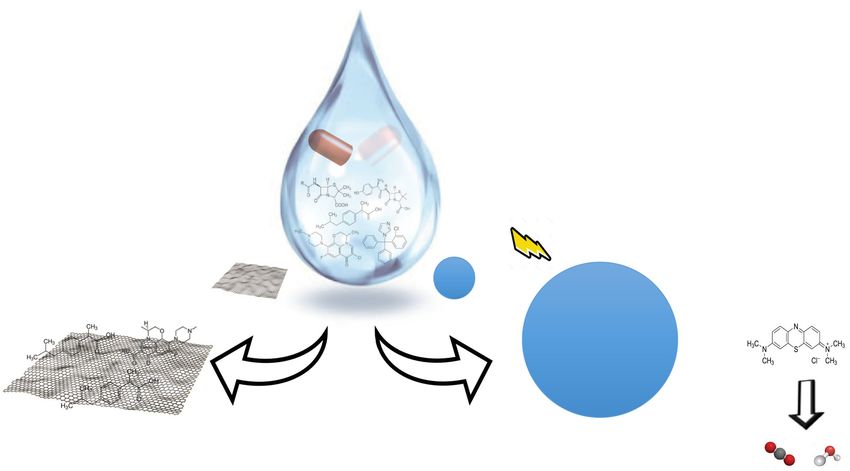
S.K. Fanourakis et al.
                  2
                       Table 1.   EPCs, examples, and their effects.

                      EPC class             EPC examples                                  EPC function                        Harmful effects

                      Analgesic             Acetaminophen, phenazopyridine, non-     Pain relief, NSAID also reduce           Ibuprofen could interfere with cardiac benefits
                                            steroidal anti-inflammatory drugs (NSAID) inflammation                              of aspirin;145 analgesics can cause negative
                                            such as diclofenac, ibuprofen, naproxen                                           developmental effects;144 diclofenac can be
                                                                                                                              bioaccumulated146
                      Antibiotics           Tetracycline, ciprofloxacin, ofloxacin,         Kill or inhibit bacterial growth    Antibiotics have been shown to create antibiotic
                                            sulfonamides (ex. sulfadiazine), amoxicillin,                                     resistant bacteria (tetracycline resistant
                                            cefixime, metronidazole, trimethoprim                                              enterococci, antibiotic resistant Escherichia coli)
                                                                                                                              and can negatively affect plant growth.147
                                                                                                                              Sulfonamides are found to be associated with
                                                                                                                              birth defects148
                      Anticoagulant         Warfarin                                      Disrupt blood clotting factor       Warfarin, after prolonged exposure, could lead
                                                                                          synthesis or function to avert      to severe bleeding due to its prolonged
                                                                                          formation of blood clots            inhibition of vitamin K149
                      Anticonvulsant        Carbamazepine                                 Treat epileptic seizures            Could cause cancer144,150 and negatively affect
                                                                                                                              reproduction and development144
                      Antidiabetic          Metformin, insulin, pramlintide, acarbose,    Lower glucose levels in the blood Antidiabetics, such as metformin, can act as an
                                            chlorpropamide                                                                  endocrine disruptor, and is not easily degradable
                                                                                                                            and is highly mobile in the environment151
                      Antihistamine         Diphenhydramine                               Block histamine action to treat     Diphenhydramine has been shown to cause
                                                                                          allergic reactions                  acute and chronic toxicity to a variety of aquatic
                                                                                                                              organisms152
1234567890():,;

                      Antipsychotic         Loxapine                                      Treat psychosis and other           Olanzapine, risperidone, chlorpromazine,
                                            Olanzapine                                    emotional or mental health          clozapine are shown to be persistent,
                                            Risperidone                                   conditions                          bioaccumulative, and toxic to human health and
                                            Chlorpromazine, Clozapine                                                         the ecosystem.14,153 They are up-taken from
                                                                                                                              hospital effluent contaminated soil and
                                                                                                                              bioaccumulate in plant tissues15
                      Antipyretic           Antipyrine, NSAIDs                            Lower fever                         Antipyrine is toxic to the mucosa and lungs and
                                                                                                                              can cause organ damage154
                      Beta-blocker          Metoprolol, propranolol                       Lower blood pressure                Can be toxic on organisms in aquatic
                                                                                                                              environments and shows more toxicity to
                                                                                                                              phytoplankton and zooplankton155
                      Fibrate               Gemfibrozil                                    Lower blood triglyceride levels     Developmental side effects and carcinogenic in
                                                                                                                              rodents,144 toxic to aquatic organisms155
                      X-ray                 Iopromide, diatrizoic acid                    Enhance visibility of internal      While x-ray contrast agents are generally non-
                      contrast agent                                                      organs or structures for            toxic,156 they persist in the environment and
                                                                                          diagnostic X-rays                   chlorination has been shown to cause
                                                                                                                              mutagenicity and acute toxicity of iopromide157

                      Both direct and indirect potable reuse plants contain a tertiary                  processes such as direct photolysis, adsorption, filtration through
                      (advanced) treatment step before being released from the plant.                   natural media, and natural microbiota.30–32 Certain CECs can travel
                      This step can include one or more of the following processes:                     through the water subsurface for up to 60 days, therefore, a longer
                      membrane filtration, carbon adsorption, ion exchange, chlorina-                    time in the buffer may reduce CEC concentrations in the source
                      tion, and advanced oxidation processes (AOPs), such as ozone and                  water making it cleaner for the subsequent drinking water
                      UV radiation.23,24,26 Selection of the appropriate combination of                 treatment step.33,34 However, communities with limited natural
                      tertiary operations in a water treatment plant is important as                    recharge opportunities may be unable to accommodate long lag
                      contaminants that are not removed by primary and secondary                        times between the discharge and reuse steps.31 The possibility of
                      processes, such as CECs, are often removed with advanced                          artificial recharge systems resembling natural buffers has been
                      processes.26,27 However, even these energy-intensive methods                      raised as a method overcoming such limitations.31,35
                      may not fully decontaminate water from CECs and may result in                        It is important to note that uncertainties related to removal and
                      the generation of harmful byproducts.28,29                                        potential hazards of unremoved contaminants can account for a
                         While direct potable reuse water plants feed treated water from                considerably larger proportion of the associated risk of maintain-
                      the tertiary step to the distribution system located before a                     ing the plant.36 In terms of cost, indirect potable water treatment
                      drinking water treatment plant, indirect potable reuse plants                     can cost more than the direct potable treatment mainly due to the
                      purposely release it to a natural water source such as a surface                  environmental buffer used along with the indirect potable reuse
                      water reservoir, river, sea, or groundwater aquifer19,23,24,30 (Fig. 1).          plant. Although, the cost of water treatment after the environ-
                      Direct potable water reuse is a common practice in areas with few                 mental buffer is less for the indirect potable reuse plants as they
                      source waters and high demands. Indirect potable reuse plant                      receive much cleaner source water making it easier to treat.
                      operation is plausible only when there is an adequate natural                     Furthermore, inclusion of reverse osmosis or other advanced
                      system downstream. The effluent from the treatment plant is                        treatment techniques increases treatment plant cost, however,
                      expected to be held in the environmental buffer for a specified                    currently, these techniques are the most successful in removing
                      retention time where the water can be treated by natural                          most pharmaceutical contaminants.31,37,38 Therefore, application

                      npj Clean Water (2020) 1                                                       Published in partnership with King Fahd University of Petroleum & Minerals
S.K. Fanourakis et al.
3
1234567890():,;
Fig. 1 Representation of indirect potable water treatment for CECs. Contaminants such as pharmaceuticals, microorganisms, and harmful
ions can be present in water. To prepare contaminated water for potable use, it first goes through a wastewater treatment plant and is
subsequently released in the environment (in lakes, reservoirs, and groundwater) where decontamination of water can occur through natural
processes. To ensure all microorganisms and harmful contaminants do not reach the end user, the water undergoes a drinking water
treatment before being released to the community.
of low-cost EPC removal techniques can have a clear effect on TECHNOLOGICAL ADVANCEMENTS
reducing water purification costs, and development of such Utilization of nanomaterials such as graphene and metal-based
techniques can potentially guarantee the complete removal nanoparticles in water treatment has shown promise due to their
of EPCs. superior adsorptive and photocatalytic properties enabling
In this review, we focus on the advancements in nanotechnol- removal and breakdown of harmful EPCs. Figure 2 shows a
ogies using adsorption or photocatalysis to decontaminate water pictorial representation of the adsorptive and photocatalytic
from pharmaceutical contaminants. Adsorption and photocata- removal of contaminants.
lysis are the two most widely studied water purification methods In this section, we present some of the recent investigations on
due to their effectiveness and potential scalability. Due to the pharmaceutical removal from water using nanomaterials such as
popularity of such material in research, literature presenting carbon-based nanomaterials and photocatalysts. We focus on
carbon-based adsorbents and/or photocatalysts for the removal understanding these technologies and their applicability in
of pharmaceuticals have been published in recent years.39–42 In indirect potable water treatment processes. Additionally, we
this review, we compile additional recent studies on graphene- address the benefits and limitations of the nanomaterials and
based adsorbents and a wide range of photocatalysts without speculate about potential new research strategies.
limiting the material presented to TiO2-based photocatalysts. In
addition, we present recent advancements on modifications that Advancements in adsorption using nanomaterials
have been made on adsorbents and photocatalysts to increase Adsorption processes utilizing carbon-based nanomaterials are
their applicability in water treatment. For instance, we present considered effective in removing organic and inorganic matter
studies incorporating adsorbents on membranes and studies on from water. Adsorption is defined as a surface phenomenon
magnetic photocatalysts and photocatalysts immobilized on where organic and inorganic matter attaches to an adsorbent’s
optical fibers. Furthermore, we focus on discussing the limita- surface by adhesion arising from physical-chemical forces mainly
tions of the material as well as the limitations of available caused by van der Waals and electrostatic interactions.
research in determining whether these materials can be utilized An effective adsorbent must present a number of different
in water treatment facilities to reduce EPCs released in the properties such as being inert, biocompatible, resistant to
environment, which has not been previously discussed in other mechanical forces, and needs to exhibit a high adsorption
review articles. capacity to guarantee waste removal. These features are
Published in partnership with King Fahd University of Petroleum & Minerals npj Clean Water (2020) 1S.K. Fanourakis et al.
4
1234567890():,;
Fig. 2 Representation of adsorption and photocatalytic process.
important as they can determine the utility of the material. π–π electron donor acceptor and electrostatic interaction with
Adsorption processes depend on a number of factors including: contaminants.56,57 The conjugated π region of graphene is
temperature, pH, concentration of pollutants, contact time, capable of removing organic and inorganic contaminants by
particle size, and the physical and chemical nature of the attracting aromatic pollutants.58 Graphene has been employed for
adsorbate and adsorbent. For example, pH can influence several applications and is receiving increasingly more attention in
adsorption capacity by altering the surface groups present on water treatment. Different attempts have been made to modify
the adsorbent and the pollutant charge,43 and an increase in graphene’s surface to increase its adsorption capacity and
temperature can improve adsorption capacity in endothermic reusability (see Table 2).
reactions. In ibuprofen adsorption on activated carbon (AC), Reduced graphene oxide57–59 and graphene52,60 have shown
adsorption is more favorable at pH 3 than at pH 7.43 Additionally, lower adsorption capacities for the majority of the reported EPCs
as temperature is increased at pH 3, adsorption of ibuprofen has compared to graphene oxide.61,62 This can be attributed to the
shown to increase.43 Depending on the adsorbent utilized, increased hydrophobicity and decreased number of oxygen
increasing contact time with the pollutant can increase the functional groups on the surface, which would hinder adsorption
adsorbed amount since the time required for the adsorbent to of EPCs present in water. The modification of graphene oxide with
become saturated varies depending on the surface and solution Fe3O4,53 MnO2,54 Fe/Cu55 and the preparation of graphene
chemistry. Thus, a material can be a good adsorbent in a certain hydrogels56 exhibit low surface area, however, show larger
system and not in other systems.44 adsorption capacities compared to the unmodified graphene.
The number of aromatic rings and the chemical structure of These modifications can alter the hydrophobicity of the compo-
EPCs make the adsorption process suitable for their removal from sites and introduce different functional groups on its surface that
water. EPCs with more aromatic rings show faster adsorption promote more EPC removal. It is worth to note that while these
rates.45 Generally, in graphene-based nanomaterials, this process material properties seem to enhance the adsorption capacity, the
is dominated by non-electrostatic interactions such as π–π surface area can also play a role in the adsorption process.
interactions between the aromatic rings,46 hydrophobic interac- Increasing the surface area can effectively increase the number of
tions,47,48 H-bonding interactions due to the presence of COOH, sites EPCs can adsorb to, thus, increasing the adsorption capacity
OH and NH2 functional groups,49 and electrostatic of the material. Comparing the adsorption capacity of magnetic
interactions.50,51 chitosan grafted GO composite63 and activated graphene,64 we
Nanotechnology, while unexplored in industrial scale adsorp- can see that activated carbon has a higher adsorption capacity
tion processes, creates a great opportunity to guarantee effec- towards ciprofloxacin (194.6 mg/g) than the magnetic chitosan
tiveness of water treatment processes for EPC removal. AC is the grafted GO composite material (36.17 mg/g). This could be due to
current industrially used adsorbent. However, there are different the differences in surface area. Activated graphene has a larger
adsorbents suitable for EPC removal that can replace AC including surface area (512.65 m2/g) than the magnetic chitosan grafted GO
materials such as graphene, carbon nanotubes (CNTs), clay composite (388.3 m2/g), which can allow for increased adsorption
minerals, siliceous adsorbents, and polymeric materials. Graphene of ciprofloxacin. While surface area can play an important role,
and graphene-based nanomaterials are being considered above comparison of material based on the resulting adsorption capacity
all as good candidates for water treatment applications due to can be more informative since it can be a better indicator as to the
their unique structures and properties.52–55 They demonstrate performance of the material. For instance, several materials with
appreciably fast adsorption kinetics due to their large surface area large surface area have lower adsorption capacities than materials
to volume ratio and other physiochemical properties, such as the with smaller surface areas. For example, graphene hydrogel65
npj Clean Water (2020) 1 Published in partnership with King Fahd University of Petroleum & MineralsS.K. Fanourakis et al.
5
Table 2. Examples of adsorbents for the removal of EPCs.
EPC class EPC Adsorbent material EPC Removal (%) Surface area Adsorption Ref
concentration (ppm) (m2/g) capacity (mg/g)
158
Antibiotic Amoxicillin Graphene 0.2 100 49.4 NA
159
Magnetic graphene 10 40–90 543.2 14.1
nanoplatelets (M-GNPs)
62
Cephalexin Graphene 0.25 81 570.2 10.9
Graphene 6.7e-5 100 – NA 160
158
Graphene 0.2 100 49.4 NA
Ciprofloxacin Graphene oxide (GO) 20 74 – 379 161
65
Graphene hydrogel 50 NA ~231.4 235.6
66
Non-covalent functionalized 10 96.2 237.4 NA
graphene oxide
Fibers of 6% graphene oxide/ 9.8 78.9 – 39.1 162
calcium alginate
Reduced graphene oxide/ 5 NA – 10.9 59
magnetite composites (rGO-M)
63
Magnetic chitosan grafted 200 ~95% 388.3 36.2
graphene oxide composite
64
Activated graphene 150 NA 512.6 194.6
Norfloxacin Reduced graphene oxide/ 5 NA – 11.1 59
magnetite composites (rGO-M)
158
Ofloxacin Graphene 0.2 100 49.4 NA
1234567890():,;
158
Sulfadiazine Graphene 0.2 100 49.4 NA
158
Sulfamethazine Graphene 0.2 100 49.4 NA
62
Sulfamethoxazole Graphene 0.1 34 570.2 6.2
Graphene 0.2 100 49.4 – 158
Graphene 0.125 98 – NA 160
TiO2-reduced graphene oxide 5 92 – – 114
Graphene oxide 40 98 – 240 161
158
Tetracycline Graphene 0.2 100 49.4 NA
Graphene oxide 266 NA – 370 50
163
Fe/Cu@graphene 100 100 108.6 201.9
164
40%MnO2/graphene 200 99.4 106 198
Fe3O4@graphene 1 96.7 – 423 165
Oxytetracycline Fe3O4@graphene 1 96.7 – 336 165
58
Analgesic Acetaminophen Graphene 20 97.4 635.2 12.7
Graphene 0.445 99 – NA 160
TiO2@Graphene – 96 (degradation) 131.0 – 166
GO/β-Bi2O3/TiO2/Bi2Ti2O7 20 μM >99 – NA 167
heterojuncted nanocomposite
58
Aspirin Graphene 20 81 17.0
168
Diclofenac Graphene 10 97 890 NA
Graphene oxide 70 NA – 653.9 169
Three-dimensional reduced 100 >80 – 56.2 60
graphene oxide (rGO)-based
hydrogels
Sodium rGO 20–200 – 98 59.7 61
diclofenac drug
168
Ibuprofen Graphene 10 95.5 890 NA
170
Metal-organic Frameworks 2–35 NA 990–3030 114–185
TiO2-reduced graphene oxide 5 81 – – 114
Three-dimensional reduced 100 >70 – 12.6 60
graphene oxide (rGO)-based
hydrogels
170
Naproxen Metal-organic Frameworks 2–35 NA 990–3030 114–185
Three-dimensional reduced 100 >65 – 39.5 60
graphene oxide (rGO)-based
hydrogels
171
Salicylic acid Functionalized graphene 50 55 68.7 NA
123
Antihistamine Diphenhydramine Reduced graphene oxide–TiO2 1000 ~100 148 NA
composites
Cetirizine Iaccase-GO/alginate 40 98 – – 69
46
Antidiabetic Metformin Graphene oxide 10 80 108.7 47.1
Published in partnership with King Fahd University of Petroleum & Minerals npj Clean Water (2020) 1S.K. Fanourakis et al.
6
Table 2 (continued)
EPC class EPC Adsorbent material EPC Removal (%) Surface area Adsorption Ref
concentration (ppm) (m2/g) capacity (mg/g)
168
Anticonvulsant Carbamazepine Graphene 10 97.0 890 NA
Graphene-P25 (Gr-P25) 0.168 100 45.0–48.1 – 172
nanocomposites
(GO)/β-Bi2O3/TiO2/Bi2Ti2O7 20 μM >99 – NA 167
heterojuncted nanocomposite
TiO2-reduced graphene oxide 5 54 – – 114
(surface area of approximately 231.38 m2/g) has an adsorption to the currently utilized adsorbents in water treatment plants,
capacity of 235.6 mg/g of ciprofloxacin, while the magnetic which tend to forgo regeneration procedures in the United States.
chitosan grafted graphene oxide composite66 (surface area of While the biocompatibility of graphene and graphene-based
388.3 m2/g) has an adsorption capacity of 36.17 m2/g. nanomaterials in terms of their antibacterial properties,72–79
As we can see in Table 2, the adsorption process by antifungal properties,80,81 and cytotoxicity on human cells82–86
nanomaterials is a fast and effective method for EPC removal has been demonstrated for biomedical and environmental
from aquatic environments. Most examples showed more than applications, only a few human cell lines have been studied.
50% removal of different EPCs, and several demonstrated removal Hence, additional research is necessary before determining the
efficiencies of more than 99%. However, adsorption processes health and environmental impacts of graphene.
have the disadvantage that the EPC attaches to the adsorbent
limiting material reusability and creating a potential new Advanced application of adsorbents
environmental contaminant after disposal. While the interaction
between the EPC and the adsorbent is not permanent, an extra As previously mentioned, there are several advanced processes for
1234567890():,;
step in the removal process must be included to separate the two. water treatment applications. Membrane processes are one of
Some investigations propose the use of organic solvents or such advanced processes, which have gained significant popular-
changes in the pH of the media to remove the organic molecule ity in EPC removal due to their effectiveness and scalability.
from the adsorbent.46,67 Membranes can be used as part of microfiltration, ultrafiltration,
Currently, high cost and reusability are the two main problems nanofiltration, or reverse osmosis systems removing pollutants
associated with (graphene oxide) GO and GO-based nanomaterial from water by acting as a physical barrier against contaminants.
since the preparation and subsequent purification of such material While nanofiltration and reverse osmosis membranes are highly
are exhausting and time-consuming processes. While production effective, they require more energy than microfiltration and
of reusable nanomaterial can reduce the overall cost, the strong ultrafiltration membranes. As such, different membrane technol-
electrostatic interactions of the material might influence the ogies are continuously being investigated, such as ceramic
adsorption/desorption equilibrium and also influence its reusa- membranes,87,88 polymer membranes,89,90 metal-organic frame-
bility making this nanomaterial inefficient for reuse.68 For works,67 or other advanced membranes.91 While a vast variety of
example, long washing process periods69 and variation in the membranes exist, polyamide-based membranes are one of the
pH46,70 need to be performed to remove the CEC. Thus, making most commonly used membranes for EPC removal.92–97 Their
large-scale production, high cost, and reusability some of the properties, such as their porosity, fouling, stability, and hydro-
unresolved problems associated with GO and GO-based nanoma- philicity, can be altered by changing the polymerization condi-
terials, which can hinder their use in environmental pollution tions via the use of different monomers.98 Furthermore, these
management. properties can be altered via the use of membrane coatings such
However, keeping in mind the rapid growth and development as AC and graphene-based material. For example, graphene and
in science and technology, material reusability problems are GO have been incorporated into different polymer membranes to
expected to be solved in the near future, which is an important alter their properties and make them more effective for water
factor for the potential application of GO and GO-based treatment. In particular, poly(N-vinylcarbazole) (PVK), polyamide,
nanomaterials on a commercial scale. Although only a few studies and polysulfone membranes modified with GO have shown
investigate graphene-based adsorbent reusability for EPC, antimicrobial inactivation and improvement of water flux across
advancements in graphene nanomaterial reusability have allowed the membrane.72,99–103
increased utilization of a single batch of material reducing the The modification of ceramic membranes with graphene was
need for additional material purchases. For instance, GO has able to remove different pharmaceutical compounds from 32 to
demonstrated high removal of metformin even after undergoing 99%.87 However, when the coating was with GO, the membrane
five sorption/desorption cycles in which sodium hydroxide and was only able to remove approximately 50% of the EPC.88
Milli-Q water were used to desorb metformin from the GO. The GO Furthermore, polymer membranes such as polyamide mem-
had a 31.60 mg/g absorption capacity after five cycles.46 branes89 were able to remove 50 to 95% of the pharmaceutical
Furthermore, a laccase-GO/alginate composite was used to compound studied.97 The modification of polysulfone with
remove cetirizine from solution where the material was washed graphene oxide showed efficiencies in removal higher than 90%.
with distilled water and acetate buffer after each removal The inclusion of GO and AC in polymer ultrafiltration membranes
experiment to recycle the adsorbent, and demonstrated a 23% has also shown to improve the retention of pharmaceutical
reduction from the original 98% in cetirizine removal after four compounds. The oxygen rich structure of GO has been shown to
cycles.69 Adsorbents can also be modified with catalysts or increase hydrophilicity, decrease pore size, as well as increase
photocatalysts to increase their removal capacity. Modification of electrostatic repulsion, thereby, improving its removal mechanism
graphene with catalysts, for instance, can make the sorption of contaminants for water treatment.88 In particular, GO coated
process easier and faster since CEC degradation will occur.71 membranes were shown to retain approximately 20% more of the
Ultimately, as with any material, the lifetime of graphene-based pharmaceuticals (ibuprofen and sulfamethoxazole) than the
material is finite, as such, its disposal will be required. Used uncoated ultrafiltration membrane.88 Furthermore, 0.22 μm mem-
graphene-based material can undergo similar disposal procedures branes coated with GO and AC have shown 98.9% removal of
npj Clean Water (2020) 1 Published in partnership with King Fahd University of Petroleum & Minerals1234567890():,;
Table 3. Examples of photocatalysts for the degradation of EPCs.
EPC Class EPC Material Reaction Source EPC Concentration (ppm) Removal Reaction rate, k Ref
(x10–3/min)
173
Analgesic Acetaminophen BaTiO3/TiO2 composite UV–Visible, 200–800 nm, 500 W 10 82.8 9.2
174
WO3/TiO2/SiO2 composite UV–Visible, 200–800 nm, 500 W 10 88 11.7
166
Graphene/titanium dioxide UV, 14 W 5 – 24.8
nanotubes
175
ZnO/Sepiolite UV < 320 nm, 450 W/m2 10 85 3.1
ZnO/Fe3O4-Sepiolite 55 1.3
ZnO/SiO2-Sepiolite 20 0.7
127
Carbon doped TiO2 440–490 nm, 5 W 15.1 94 5.0
176
TiO2/montmorillonite UVA with ozonation, 8 W 5 50.1 –
177
Acetaminophen (paracetamol Magnetic ZnFe-CLDH/RGO Solar light (>300nm), 500 W 5 95 7.4
specifically) composites
178
TiO2, TiO2/cellulosic fiber 200–280 nm, 11 W 40.1 – 10.2
121
Diclofenac (NSAID) Ag3PO4/TiO2 nanotube arrays Simulated sunlight, 350 W – 100 –
118
g-C3N4/BiVO4 photoanode Visible light, >420 nm 10 30.1 3.2
119
C-TiO2 Visible light, >400 nm, 150 W 0.05 100 33.4
136
PVDF membrane with TiO2 Low-pressure UV, 254 nm, 40 W 0.2–0.4 Too fast for analysis
135
C doped TiO2 coated on Solar, 300–400 nm (65 W/m2), 400–570 nm 0.1 >95 –
zeolites (1,844 W/m2)
179
TiO2 Solar light, 19° 19′ 42″ S and 146° 45′ 36″ E, 250 100 9.5
sunny days between July and September
116
Published in partnership with King Fahd University of Petroleum & Minerals
Diclofenac sodium (NSAID) Co3O4-g-C3N4 Visible light, >420 nm, 300 W 10 20 4.7
180
Ibuprofen (NSAID) BiOCl nanosheets UV, ~400 W 10 – 280
130
g-C3N4/TiO2/Fe3O4@SiO2 Visible light, 64 W 2 98 –
heterojunction
181
Zn-Fe mixed metal oxides Solar light, >300 nm, 500 W 250–1000 95.7 15.8
114
TiO2–2.7% rGO SOFs High pressure UV, 160 W 5 81 9.0
Low pressure UV, 39W 41 3.3
Visible, 40 W 18 1.3
182
S.K. Fanourakis et al.
TiO2 (in reactor with UV-LEDs) UV < 382 nm, 40 W 213 100 24
183
TiO2 rutile nanorods UV–Visible, 60 W 10 80 –
175
ZnO/Sep UV < 320 nm, 450 W/m2 10 100 6.4
ZnO/Fe3O4-Sep 95 4.6
ZnO/SiO2-Sep 80 2.8
184
POM-γ-Fe2O3/SrCO3 Solar light, N = 36° 18′ 41.6″, E = 59° 31′ 54.2″ 10 – –
185
Naproxen (NSAID) ZnO UV, 365 nm, 6 W 4.5 – 11.0
TiO2 6.0
2ZnO–TiO2 7.6
179
TiO2 Solar light, 19° 19′ 42″ S and 146° 45′ 36″ E, 250 96 9.2
sunny days between July and September
186
Phenazopyridine TiO2-P25 nanoparticles in UV-C, 254 nm, up to 13 W 10 100 –
photoreactor
175
Analgesic, antipyretic Antipyrine ZnO/Sep UV < 320 nm, 450 W/m2 10 70 2.2
ZnO/Fe3O4-Sep 50 1.2
ZnO/SiO2-Sep 50 1.3
187
Antibiotic 4-chlorophenol ZrO2/Fe3O4 Sunlight, 30 × 103 ± 100 lx 20 66 4.3
npj Clean Water (2020) 1
ZrO2/Fe3O4/Chitosan 88.6 8.7
7Table 3 (continued) 8
EPC Class EPC Material Reaction Source EPC Concentration (ppm) Removal Reaction rate, k Ref
(x10–3/min)
131
Cefixime Nano N-TiO2/graphene oxide/ Visible, 7.45 W/m2 5 29 w/o 9.9 w/ ozone
titan grid sheets ozone
188
Cefixime trihydrate Nano α-Fe2O3/ZnO UV–Vis, 75 27.2
120
Penicillin G (PENG) Ti3+ self-doped TiO2 (r-TiO2) Full spectrum sunlight, 35 W 100 98.7 –
nano-catalyst
192
Sulfadiazine TiO2 UV-C, 28 W 1 91.8 2092
GAC-TiO2 100
193
Zeolite coated with TiO2 (TiO2/ UV, 265 nm, 20 W 10 93.3 21.2
ZEO)
S.K. Fanourakis et al.
79
Sulfamethoxazole TiO2-rGO SOFs High pressure UV, 160 W 5 – 12.6
46
PVDF membrane with 25 ppm Low-pressure UV, 254 nm, 40 W 0.2–0.4 Too fast for analysis
TiO2
126
Sulfathiazole Lu3Al5O12:Ce Nanoparticles/ UV–Vis, 350–800 nm, 1 kW 25.5 100 –
ZnO nanostructures
194
Tetracycline TiO2 (P25) UV, 254 nm, 9 W 10 – 21.9
129
AgInS2/SnIn4S8 heterojunction Visible light, >420 nm, 300 W 10 77.2 –
195
FeNi3@SiO2@TiO2 UV, 254 nm, 18 W 10 100 25
194
Ag/AgIn5S8 UV, 254 nm, 9 W 10 95.3 23
117
CuInS2/Bi2WO6 heterojunction Visible light, >420 nm, 300 W 10 – 17.6
115
MWCNT/TiO2 UV, 240 nm, 12 W 10 100 64.2
136
Trimethoprim PVDF membrane with TiO2 Low-pressure UV, 254 nm, 40 W 0.2–0.4 – 28
196
Penicillin antibiotic Ampicillin WO3/ZrO2 Solar light, 150 W 10 96 13
Ru/WO3/ZrO2 100 17.3
125
Synthetic antibiotic Norfloxacin Ag3PO4/BiVO4 electrode Visible, >420 nm, 300 W 5 100 26.3
136
Anticoagulant Warfarin PVDF membrane with TiO2 Low-pressure UV, 254 nm, 40 W 0.2–0.4 – 34
134
Anticonvulsant Carbamazepine BiOCl microspheres Visible, >420 nm, 350 W 2.5 70 93.5
114
TiO2-rGO SOFs High pressure UV, 160 W 5 – 4.3
119
C-TiO2 Visible light, >400 nm, 150 W 0.050 100 34.8
136
PVDF membrane with TiO2 Low-pressure UV, 254 nm, 40 W 0.2–0.4 – 39
135
C doped TiO2 coated on Solar, 300–400 nm (65 W/m2), 400–570 nm 0.1 >95 –
zeolites (1,844 W/m2)
124
Antihistamine Diphenhydramine ZnO/Fe2O3/Zeolite UV, 254 nm, 6 W 100 100 –
TiO2/Fe2O3/Zeolite 95
197
Antipsychotic Loxapine TiO2, SrTiO3 Solar spectrum, 280–800 nm, 750 W m2 10 99.8 –
Published in partnership with King Fahd University of Petroleum & MineralsS.K. Fanourakis et al.
9
Ref tetracycline hydrochloride via vacuum filtration.104 Since very
136
136
136
135
198
199
117
115
little information about pharmaceutical removal is out there,
assumptions about the behavior towards pharmaceutical
Reaction rate, k
removal are complicated, however, the inclusion of graphene
(x10–3/min)
and graphene oxide have been a probe to exhibit good
antimicrobial and durability properties.72,99,105
Too fast for analysis
Although incorporation of AC and graphene-based nanoma-
48
43
–
terial onto membranes has shown increased EPC removal,
research exploring such membranes is vastly underexplored.
Immobilization of adsorbents on membrane technologies could
Removal
enable effective EPC removal. Furthermore, the lifetime and
>95
potential reusability of the material could be improved. In
–
–
35% mineralization efficiency
particular, evaluation of sorbent material reusability is necessary
EPC Concentration (ppm)
due to the continuously increasing demand for sustainable
wastewater treatment systems. Therefore, coated membrane
technologies should be further studied, and desorption and
53.7 COD removal
84.9 COD removal
83 COD removal
recyclability tests should also be taken into consideration for
potential reusability.
0.2–0.4
0.2–0.4
0.2–0.4
Photocatalysis
0.1
Photocatalysts—semiconducting materials, typically metal oxi-
des, such as titanium oxide and zinc oxide—rely on their ability
to absorb light and generate reactive oxygen species (ROS),
Solar light, 30.3398° N, 76.3869° E, October-
November from 10 am to 4 pm, 788 W/m2
which are responsible for the degradation of pollutants.106,107
Solar, 300–400 nm (65 W/m2), 400–570 nm
Composites consisting of metal doped semiconductors, as well as
adsorbent materials combined with semiconductor materials can
be used for photocatalytic processes. Table 3 presents recent
Low-pressure UV, 254 nm, 40 W
Low-pressure UV, 254 nm, 40 W
Low-pressure UV, 254 nm, 40 W
photocatalysts shown to degrade EPCs, some of which have been
Visible light, >420 nm, 300 W
modified with graphene-based materials to increase the adsorp-
Visible, >420 nm, 300 W
tive and degradative properties of the composites.
As Fig. 2 depicts, once light hits the surface of the
UV, 240 nm, 12 W
photocatalyst, if the light is equivalent to or greater than the
average intensity
Reaction Source
material’s bandgap, electrons in the material’s valence band can
(1,844 W/m2)
be excited and can then jump to the conduction band creating
an electron–hole pair. The generated electron–hole pair is
responsible for the subsequent redox reactions that ultimately
degrade pollutants. The method by which they degrade EPCs can
be complex. Briefly, the electron is responsible for the reduction
Octahedral CdS/SnIn4S8 nano-
CuInS2/Bi2WO6 heterojunction
of dissolved oxygen to form the superoxide anion (⦁O2−), and the
PVDF membrane with TiO2
PVDF membrane with TiO2
PVDF membrane with TiO2
hole is responsible for the oxidation of water forming hydrogen
C doped TiO2 coated on
gas and the hydroxyl radical (⦁OH). The superoxide anion and
hydroxyl radical are oxidative agents, which are capable of
degrading a variety of different compounds. Photodegradation
heterojunction
MWCNT/TiO2
can follow complex pathways depending on the contaminant
structure, contaminant concentration, water chemistry, experi-
Material
zeolites
Fe-TiO2
mental conditions and nanomaterial loading. For example, sulfa
drug (e.g. sulfachlopyridaxine, sulfapyridine, sulfisoxazole) degra-
dation has been found to be dominated by hydroxyl radicals and
holes created during photocatalysis.108 Holes are thought to
(antibiotics, anti-inflammatory)
initiate the reaction by breaking the sulfur-nitrogen bond of the
drug followed by hydroxyl radical incorporation in the sulfa drug
Pharmaceutical wastewater
Pharmaceutical wastewater
Pharmaceutical wastewater
Pharmaceutical wastewater
structure, which ultimately dominates the breakdown of the
drug.108 In paracetamol photocatalytic degradation, the hydroxyl
radical is also the predominant reactant causing the hydroxyla-
tion and breakdown of the aromatic rings.29,45 The compounds
Diatrizoic acid
formed due to the hydroxylation of paracetamol (ex. hydro-
Gemfibrozil
Metoprolol
Iopromide
quinone) are further oxidized producing unstable structures,
which break down in aqueous solutions.29 Furthermore, it has
EPC
been found that when the concentration of the superoxide anion
is greater than the hydroxyl radical, the superoxide anion is also
Table 3 (continued)
X-ray contrast agent
capable of degrading paracetamol by acting as a Lewis acid.29
Recent advancements in photocatalysts have effectively
enabled the degradation of numerous EPCs as shown in Table 3.
Beta-blocker
However, photocatalysts present several limitations that need to
EPC Class
be overcome to increase their effectiveness. Inherently, they
Fibrate
require energy to overcome the bandgap energy required for
N/A
electron excitation. However, they may require additional energy
Published in partnership with King Fahd University of Petroleum & Minerals npj Clean Water (2020) 1S.K. Fanourakis et al.
10
due to insubstantial light penetration and absorption, which availability of LED lighting options, the power of using visible light
effectively increase cost requirements due to the increased power photoreactors can be greatly reduced.
needed for UV lamps.109,110 Furthermore, recombination rate, Regardless of the type of lighting used, inclusion of photo-
charge carrier transfer rate, and charge carrier travel time can catalysts in water decontamination can decrease energy require-
further limit the photocatalytic efficiency of the material.111 To ments. Conventional techniques for removal of organic chemicals
improve efficiency, material alterations, such as structural changes such as EPCs may require the use of AOPs, which not only are
or doping can be performed.109 These methods can make the energy-intensive processes but may be unable to fully remove
bandgap smaller and may also decrease recombination rates. In EPCs. Use of photocatalysts, on the other hand, has been shown to
addition to bandgap engineering, use of plasmonic material can remove non-biodegradable EPCs such as carbamazepine, iopro-
further lower energy requirements.109,110 mide, and norfloxacin.114,119,125,134–136 However, as with any new
Another limitation of photocatalytic material is their potential technology additional research needs to be conducted examining
impact to the environment. The possible transformation products their safety to humans and the environment before large-scale
are of great concern especially if released in the environment. In utilization. While they are highly suitable for use in indirect
some cases, as in the case of diclofenac degradation, the potable water treatment, without a full examination of their
degradation can result in harmful constituents such as phenol properties and environmental impact, measures should be taken
derivatives.28 Pharmaceuticals commonly have aromatic rings to ensure they are not released in the environment.
which, if not degraded, can form phenolic compounds that are
known for their toxicity.28 Additionally, they could form acids (as in Advanced applications of photocatalysts
the case of paracetamol degradation29) which could alter In an effort to increase usability of photocatalysts, a variety of
environmental conditions causing harm to local organisms. materials have been developed, namely magnetic nanocompo-
Another concern with photocatalyst release in the environment sites and optical fiber coated materials. Magnetic composites can
arises due to their instability in water. The ions released during make the removal of the photocatalysts from water easier and
their dissolution in water can have harmful effects to the more effective reducing the chance that they may unintentionally
environment.112 Thus, the photocatalysts' degradation mechan- end up in the environment. Furthermore, their degradative
isms as they pertain to EPCs and photocatalyst stability in water properties have been shown to increase with the introduction of
need to be understood prior to their use in water treatment magnetic materials in the composite.137,138 Recently, magnetic
facilities. Additionally, generating composites and using stabilizing FeNi3/SiO2/CuS has been synthesized for tetracycline removal,139
agents, whether natural or chemical in nature, can improve while magnetic fluorinated mesoporous graphitic carbon
photocatalyst stability and efficiency.113 Furthermore, by improv- nitride140 and a magnetic TiO2-GO-Fe3O4137 have been synthe-
ing their stability their harmful effects in the environment can be sized for amoxicillin removal.
reduced. In addition to magnetic material, photocatalytic materials
Despite their limitations, photocatalysts offer great possibilities loaded on optical fibers have been developed. Immobilization of
in commercial applications. For example, titanium dioxide, a UV photocatalysts on optical fibers can allow light to better reach the
activated photocatalyst, has been introduced in commercially nanoparticles as less light is absorbed by other particles present in
available water purification products and could be potentially the solution. Furthermore, the nanoparticles do not require
applied to the AOPs to help degrade a variety of contaminants. specialized methods for recovery. TiO2 has been successfully
With advancements in photocatalytic materials, photocatalysts are coated on optical fibers, which has resulted in the development of
becoming increasingly more cost effective and their large-scale a compact, easy-to-use reactor utilizing light-emitting diodes for
use more feasible. For example, a number of the reported photocatalytic water treatment.141 Furthermore, TiO2-rGO compo-
photocatalysts are capable of utilizing low power UV or visible sites have also been used to coat optical fibers and have been
light to degrade EPCs. Direct comparison of many of these shown to be capable of degrading pharmaceutical compounds
photocatalysts is limited due to the complexity of the reactions, such as sulfamethoxazole and ibuprofen.142
such as structural and chemical properties of the photocatalyst, Use of magnetic materials in photocatalyst composites and
type and amount of the EPC, light source parameters, stirring rate, coating photocatalysts on optical fibers can be promising in
among others, which can affect the results. For instance, when potable water treatment. However, without modification of the
TiO2-rGO loaded on optical fibers was used for degradation of existing potable water treatment plant equipment or processes,
different pharmaceuticals (ibuprofen, sulfamethoxazole, and their use may not be as feasible. Inclusion of photocatalysts in
carbamazepine) under the same concentrations (5 ppm) and membrane technologies, similar to the introduction of graphene-
same conditions (high pressure UV light of 140 W), the results based material in membranes, can greatly improve the function-
were vastly different and with different reaction rates (8.98, 12.6, ality of the membranes and can be easily introduced in water
and 4.3 × 10⁻³/min, respectively).114 Furthermore, use of different treatment plants. While photocatalysts can reduce fouling and
light sources also yielded different results in the degradation of degrade contaminants, they can also degrade membrane
ibuprofen (160 W high pressure UV yielded a reaction rate of materials reducing the lifetime of the membranes. For instance,
8.89 × 10⁻³/min, 39 W low-pressure UV yielded a reaction rate of use of TiO2 in polyacrylonitrile membranes has been determined
3.32 × 10⁻³/min, and 40 W visible light yielded a reaction rate of to be unsuitable for long-term use.143 Thus, additional research is
1.33 × 10⁻³/min). With this in mind, we can safely say that the needed to explore potential use of photocatalysts in membrane
ability of a multiwall CNT with titanium dioxide photocatalyst to technologies.
fully remove 10 ppm of tetracycline from water at a high reaction
rate (64.2 × 10⁻³/min) utilizing a 12 W UV lamp is notable.115
Other materials tested on 10 ppm tetracycline either required CONCLUSIONS AND PERSPECTIVES
more energy to fully degrade the EPC, or did not perform as well. This review presents recent studies related to pharmaceutical
While photocatalysis effectiveness is increased when UV light is removal with nanoparticles involving two different processes,
utilized, numerous materials have been shown to be capable of adsorption and photocatalysis. We presented studies where
visible light photodegradation of pharmaceuticals.109,114,116–134 nanomaterial demonstrated superior adsorptive or photocatalytic
Although power utilization of many visible light lamps is properties in the removal of EPCs. We also included photocatalysts
equivalent to that of low-pressure UV lamps, the lifetime of UV modified with graphene in order to combine both properties,
lamps is significantly lower. Furthermore, with the increased adsorption and degradation of organic molecules. These studies
npj Clean Water (2020) 1 Published in partnership with King Fahd University of Petroleum & MineralsS.K. Fanourakis et al.
11
quantify EPC removal in simple solutions or in wastewater. 4. Miraji, H., Othman, O. C., Ngassapa, F. N. & Mureithi, E. W. Research trends in
However, most of these studies do not examine material use in emerging contaminants on the aquatic environments of Tanzania. Sci. (Cairo).
actual water treatment systems. To fill the gap between 2016, 3769690 (2016).
fundamental research and practical applications there needs to 5. Riva, F. et al. Monitoring emerging contaminants in the drinking water of Milan
and assessment of the human risk. Int. J. Hyg. Environ. Health 221, 451–457 (2018).
be a focus on the potential practical applications of the different
6. Riva, F., Zuccato, E., Davoli, E., Fattore, E. & Castiglioni, S. Risk assessment of a
EPC removal techniques in indirect potable reuse water systems. mixture of emerging contaminants in surface water in a highly urbanized area in
While EPC removal efficiencies are important, it is important to Italy. J. Hazard. Mater. 361, 103–110 (2019).
investigate at what concentration these EPCs pose a threat to 7. Lapworth, D. J. et al. Deep urban groundwater vulnerability in India revealed
humans, animals, and the ecosystem regardless of the fact that through the use of emerging organic contaminants and residence time tracers.
many recent research articles demonstrate high EPC removal Environ. Pollut. 240, 938–949 (2018).
efficiencies. Little is known about nanoparticle stability in solution, 8. Sharma, B. M. et al. Health and ecological risk assessment of emerging con-
and the effects of ingestion of the particles or their solutes is taminants (pharmaceuticals, personal care products, and artificial sweeteners) in
largely unknown. Furthermore, the production of toxic byproducts surface and groundwater (drinking water) in the Ganges River Basin, India. Sci.
Total Environ. 646, 1459–1467 (2019).
from EPC degradation should be of concern since disinfection
9. Lindim, C. et al. Exposure and ecotoxicological risk assessment of mixtures of
byproducts account for a different class of regulated contami- top prescribed pharmaceuticals in Swedish freshwaters. Chemosphere 220,
nants. Intermediate degradation products can exhibit increased 344–352 (2018).
solubility as compared to that of the original contaminant, and 10. Scheurer, M., Brauch, H.-J. & Lange, F. T. in Transformation Products of Emerging
higher toxicity values. Thus, it is important to thoroughly evaluate Contaminants in the Environment 525–544 (John Wiley and Sons Ltd, 2014).
nanoparticle toxicity (toxic amount and maximum exposure time) https://doi.org/10.1002/9781118339558.ch17.
and the risks associated with the employment of nanoparticles in 11. Mauter, M. S. et al. The role of nanotechnology in tackling global water chal-
water treatment. lenges. Nat. Sustain. 1, 166–175 (2018).
Currently, AOPs are the best strategy to remove EPCs from 12. Richardson, S. D. & Ternes, T. A. Water analysis: emerging contaminants and
current issues. Anal. Chem. 90, 398–428 (2018).
water. However, associated costs are a major concern in
13. Bennett, R. et al. White paper: aquatic life criteria for contaminants on emerging
communities with limited financial support. Scaling techniques concern. Part I General challenges and recommendations. US EPA 46 (2008).
to match industrial levels will be required. As seen in recent 14. David, A., Lange, A., Tyler, C. R. & Hill, E. M. Concentrating mixtures of neu-
studies, inclusion of different nanomaterials in membranes or on roactive pharmaceuticals and altered neurotransmitter levels in the brain of fish
optical fibers and use of magnetic photocatalysts result in exposed to a wastewater effluent. Sci. Total Environ. 621, 782–790 (2018).
significant EPC removal. Use of such technologies can help meet 15. Xiang, J. et al. The fate and risk assessment of psychiatric pharmaceuticals from
safe drinking water demands while reducing EPCs entering the psychiatric hospital effluent. Ecotoxicol. Environ. Saf. 150, 289–296 (2018).
environment. However, when used in indirect potable water 16. Mirzaei, R., Mesdaghinia, A., Hoseini, S. S. & Yunesian, M. Antibiotics in urban was-
cycles, these techniques need to break down a great variety tewater and rivers of Tehran, Iran: consumption, mass load, occurrence, and ecolo-
gical risk. Chemosphere. https://doi.org/10.1016/J.CHEMOSPHERE.2018.12.187 (2018).
of EPCs.
17. Sorenson, S. B., Morssink, C. & Campos, P. A. Safe access to safe water in low income
To guarantee water safety, the indirect potable reuse process countries: water fetching in current times. Soc. Sci. Med. 72, 1522–1526 (2011).
requires understanding environmental and health standards. As 18. Ahmed, Y., Huang, Y.-L., Martin, A. & Otten, B. Assessment of the relation
such, the employment of recent technologies needs thorough risk between water quality and water quantity for international metropolitan cities.
assessments and health and safety evaluations performed to In World Environmental and Water Resources Congress 2015 669–684 (American
mitigate potential risks of the technology itself. While no Society of Civil Engineers, 2015). https://doi.org/10.1061/9780784479162.062.
legislation pertaining to EPC maximum allowable concentrations 19. Wilcox, J., Nasiri, F., Bell, S. & Rahaman, M. S. Urban water reuse: a triple bottom
in water has been established, legislations regulating drinking line assessment framework and review. Sustain. Cities Soc. 27, 448–456 (2016).
water processes tend to be very strict to ensure human health and 20. Wintgens, T., Salehi, F., Hochstrat, R. & Melin, T. Emerging contaminants and
treatment options in water recycling for indirect potable use. Water Sci. Technol.
environmental safety. For instance, in an ongoing effort to
57, 99–107 (2008).
maintain the safety of drinking water and lessen the effect of 21. Huerta-Fontela, M., Galceran, M. T. & Ventura, F. Occurrence and removal of
EPCs, the European Union has added additional requirements for pharmaceuticals and hormones through drinking water treatment. Water Res.
pharmaceuticals whereby more extensive environmental risk 45, 1432–1442 (2011).
assessments need to be conducted for each pharmaceutical’s 22. Krzeminski, P. et al. Performance of secondary wastewater treatment methods for
use to be allowed.144 Furthermore, pharmaceutical contaminants the removal of contaminants of emerging concern implicated in crop uptake and
in the environment are to be potentially monitored more antibiotic resistance spread: a review. Sci. Total Environ. 648, 1052–1081 (2019).
extensively in order to be able to better evaluate their risk and 23. Roccaro, P. Treatment processes for municipal wastewater reclamation: the
environmental effects. Still, maximum EPC removal may be challenges of emerging contaminants and direct potable reuse. Curr. Opin.
Environ. Sci. Heal. 2, 46–54 (2018).
necessary, and the employment of nanotechnology in water
24. Rome D. R A.-M. I. M. Handbook of Wastewater Reclamation and Reuse. (Lewis
treatment can be critical when it comes to human health and EPC Publishers, 1995).
persistence in environmental systems. 25. Foureaux, A. F. S. in Separation and Purification Technology Vol. 212 (Elsevier
2018).
Received: 3 July 2019; Accepted: 5 December 2019; 26. Rojas, M. R. et al. Assessment of the effectiveness of secondary wastewater
treatment technologies to remove trace chemicals of emerging concern. Crit.
Rev. Environ. Sci. Technol. 43, 1281–1314 (2013).
27. Heberer, T., Reddersen, K. & Mechlinski, A. From municipal sewage to drinking
water: fate and removal of pharmaceutical residues in the aquatic environment
in urban areas. Water Sci. Technol. 46, 81–88 (2002).
REFERENCES
28. Banaschik, R., Jablonowski, H., Bednarski, P. J. & Kolb, J. F. Degradation and
1. He, S. et al. Occurrence and ecological risk assessment of 22 emerging con- intermediates of diclofenac as instructive example for decomposition of recal-
taminants in the Jilin Songhua River (Northeast China). Environ. Sci. Pollut. Res. citrant pharmaceuticals by hydroxyl radicals generated with pulsed corona
25, 24003–24012 (2018). plasma in water. J. Hazard. Mater. 342, 651–660 (2018).
2. Kapelewska, J. et al. Occurrence, removal, mass loading and environmental risk 29. Yang, L., Yu, L. E. & Ray, M. B. Photocatalytic oxidation of paracetamol: dominant
assessment of emerging organic contaminants in leachates, groundwaters and reactants, intermediates, and reaction mechanisms. Environ. Sci. Technol. 43,
wastewaters. Microchem. J. 137, 292–301 (2018). 460–465 (2009).
3. Peng, F.-J. et al. Occurrence and ecological risk assessment of emerging organic 30. Drewes, J. E. & Khan, S. J. Contemporary design, operation, and monitoring of
chemicals in urban rivers: Guangzhou as a case study in China. Sci. Total Environ. potable reuse systems. J. Water Reuse Desalin. 5, 1–7 (2015).
589, 46–55 (2017).
Published in partnership with King Fahd University of Petroleum & Minerals npj Clean Water (2020) 1You can also read


