Statin-mediated inhibition of RAS prenylation activates ER stress to enhance the immunogenicity of KRAS mutant cancer
←
→
Page content transcription
If your browser does not render page correctly, please read the page content below
Open access Original research
Statin-mediated inhibition of RAS
J Immunother Cancer: first published as 10.1136/jitc-2021-002474 on 30 July 2021. Downloaded from http://jitc.bmj.com/ on November 25, 2021 by guest. Protected by copyright.
prenylation activates ER stress to
enhance the immunogenicity of KRAS
mutant cancer
Gi-Hoon Nam,1,2,3 Minsu Kwon,4 Hanul Jung,4 Eunbyeol Ko,5 Seong A Kim,1,6
Yoonjeong Choi,1,6 Su Jeong Song,5 Seohyun Kim,1,6 Yeji Lee,1,6 Gi Beom Kim,1,6
Jihoon Han,1,6 Jiwan Woo,7 Yakdol Cho,7 Cherlhyun Jeong,1,8 Seung-Yoon Park,9
Thomas M. Roberts,2,3 Yong Beom Cho,10,11 In-San Kim 1,6
To cite: Nam G-H, Kwon M, ABSTRACT BACKGROUND
Jung H, et al. Statin-mediated Background Statins preferentially promote tumor- Statin is the 3- hydroxy-3-
methylglutaryl
inhibition of RAS prenylation
specific apoptosis by depleting isoprenoid such (HMG) coenzyme A reductase inhibitor of
activates ER stress to enhance
as farnesyl pyrophosphate and geranylgeranyl the mevalonate pathway instrumental in
the immunogenicity of KRAS
mutant cancer. Journal for pyrophosphate. However, statins have not yet been producing isoprenoid, coenzyme Q, doli-
ImmunoTherapy of Cancer approved for clinical cancer treatment due, in part, to chols, and cholesterol.1 Although the initial
2021;9:e002474. doi:10.1136/ poor understanding of molecular determinants on statin
drug discovery of statins was carried out
jitc-2021-002474 sensitivity. Here, we investigated the potential of statins to
with no thought of cancer therapeutics,
elicit enhanced immunogenicity of KRAS-mutant (KRASmut)
several studies have demonstrated that statins
►► Additional supplemental tumors.
material is published online only. Methods The immunogenicity of treated cancer cells
provoked effective tumor-specific apoptosis.1
To view, please visit the journal was determined by western blot, flow cytometry and One of the mechanisms of the antitumor
online (http://dx.d oi.org/10. effect of statin is that it extensively inhibits
confocal microscopy. The immunotherapeutic efficacy of
1136/j itc-2021-0 02474). diverse post- translational prenylation of
mono or combination therapy using statin was assessed
G-HN and MK contributed in KRASmut tumor models, including syngeneic colorectal oncoproteins highly expressed in tumors,
equally. cancer and genetically engineered lung and pancreatic exhibiting proapoptotic effects in tumor cells
Accepted 08 July 2021 tumors. Using NanoString analysis, we analyzed how compared with normal cells.2 3 It was found
statin influenced the gene signatures associated with that statin-induced apoptosis was rescued
the antigen presentation of dendritic cells in vivo and by exogenous isoprenoid such as farnesyl
evaluated whether statin could induce CD8+ T-cell pyrophosphate and geranylgeranyl pyro-
immunity. Multiplex immunohistochemistry was performed phosphate (FPP and GGPP) responsible for
to better understand the complicated tumor-immune protein prenylation termed farnesylation
microenvironment. and geranylation, respectively.4 Statins are
Results Statin-mediated inhibition of KRAS prenylation
clinically approved and available as generic
provoked severe endoplasmic reticulum (ER) stress by
drugs, providing immediate and affordable
attenuating the anti-ER stress effect of KRAS mutation,
thereby resulting in the immunogenic cell death (ICD)
opportunities to incorporate cancer treat-
of KRASmut cancer cells. Moreover, statin-mediated ICD ments. Despite these advantages, statins are
enhanced the cross-priming ability of dendritic cells, not used to treat cancer patients because it is
thereby provoking CD8+ T-cell immune responses still ambiguous as to which molecular subtype
© Author(s) (or their against KRASmut tumors. Combination therapy using of cancer determines the sensitivity to statins.
employer(s)) 2021. Re-use statin and oxaliplatin, an ICD inducer, significantly The KRAS (Kirsten rat sarcoma 2 viral
permitted under CC BY-NC. No enhanced the immunogenicity of KRASmut tumors and oncogene homolog) protein, one of the
commercial re-use. See rights promoted tumor-specific immunity in syngeneic and oncoproteins that can be affected by statin,
and permissions. Published by
genetically engineered KRASmut tumor models. Along is closely associated with malignant tumors,
BMJ.
For numbered affiliations see
with immune-checkpoint inhibitors, the abovementioned and treatments for KRAS-mutant (KRASmut)
combination therapy overcame resistance to PD-1 tumors remain challenging.5 Since protein
end of article.
blockade therapies, improving the survival rate of prenylation anchors the KRAS proteins on
Correspondence to KRASmut tumor models. the cell membrane, enabling them to initiate
In-S an Kim; iskim14@kist.re.kr Conclusions Our findings suggest that KRAS mutation
downstream signaling, statins have the poten-
could be a molecular target for statins to elicit potent
Yong Beom Cho; tial to be a promising therapeutic option for
tumor-specific immunity.
yongbeom.cho@s amsung.com KRASmut tumors.5 However, statin sensitivity
Nam G-H, et al. J Immunother Cancer 2021;9:e002474. doi:10.1136/jitc-2021-002474 1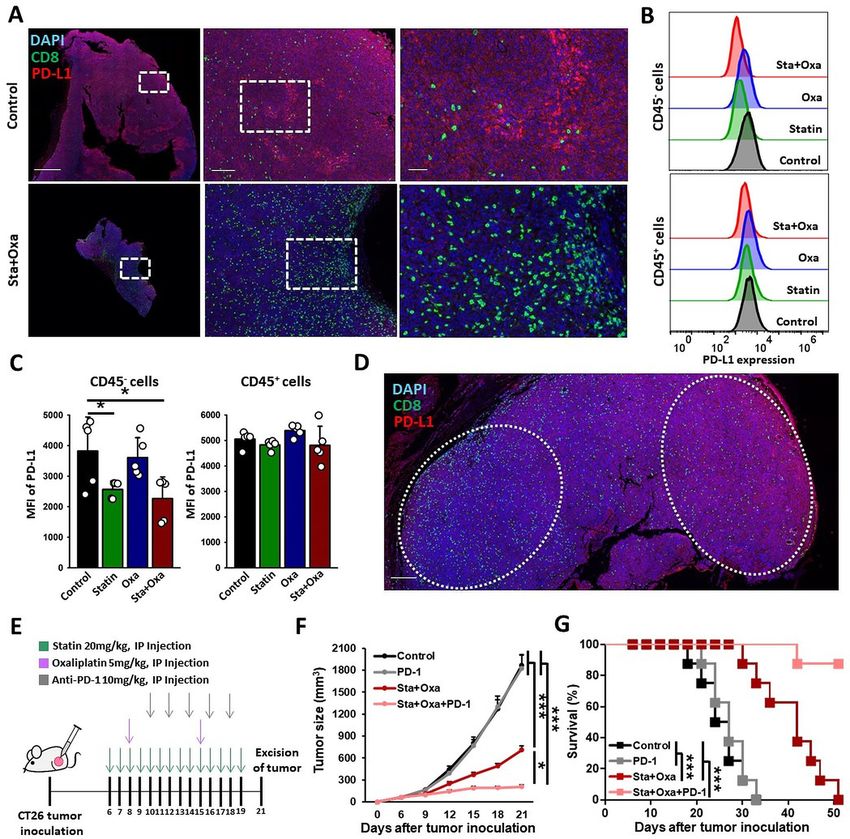
Open access
J Immunother Cancer: first published as 10.1136/jitc-2021-002474 on 30 July 2021. Downloaded from http://jitc.bmj.com/ on November 25, 2021 by guest. Protected by copyright.
on KRASmut tumor cell death is still controversial. For LS174T cell lines were obtained from the American Type
example, while some reports demonstrated that statin Culture Collection, whereas Calu-1 and H23 cell lines
exhibited enhanced cytotoxicity in tumor cells with acti- were purchased from the Korean Cell Line Bank. MC38
vated RAS,6 7 other studies have found that induction of cell lines were obtained from Kerafast. RKO, MC38, and
tumor cell apoptosis by statins is independent of RAS LS174T cell lines were cultured in DMEM-high glucose
activity.8 9 Understanding the causes of these discrepan- (Hyclone) supplemented with 10% fetal bovine serum
cies is certainly important, but fundamentally, it is also (FBS, Gibco) and 1% antibiotics–antimycotics (Gibco).
necessary to consider whether an evaluation of in vitro CT26, HCT116, HT29, Colo205, SW48, SW480, SW620,
tumor cell apoptosis is an appropriate means of deter- LS513, LS1034, SW1116, LoVo, Calu-1, and H23 cell
mining statin sensitivity. Considering that in vivo anti- lines were cultured in RPMI-1640 (Welgene) medium
tumor effect greatly depends on whether cancer cell supplemented with 10% FBS (Gibco) and 1% antibi-
death is immunogenic or tolerogenic,10 an assessment otics–antimycotics (Gibco). Patient-derived cancer cells
of immunogenicity in statin treated-tumor cells may be (PDCs) were established, and the genetic identification
needed to find a proper determinant of statin sensitivity. and culture method were described previously.14 15 Bone
Accumulating reports suggest that some therapies marrow-derived macrophages or dendritic cells (BMDMs
that cause severe endoplasmic reticulum (ER) stress can or BMDCs) differentiation method and cell viability and
elicit immunogenic cell death (ICD), while many other apoptosis analysis method were described in detail in the
therapies do not.10 Cancer cells undergoing ICD express online supplemental material.
or release danger- associated molecular pattern signals
such as calreticulin (CRT), high-mobility group box 1 Reagents
(HMGB1), ATP, and heat- shock protein 70 (HSP70), The Active Ras Pull-Down and Detection Kit (16117) was
thereby promoting the functions of antigen-presenting purchased from ThermoFisher Scientific. The negative
cells (APCs) as well as activating tumor- specific T-
cell control DsiRNA (51-01-14-03) and the siRNA targeting
immunity.10 Interestingly, it was demonstrated that statin murine KRAS were obtained from Integrated DNA tech-
significantly reduced coenzyme Q, causing severe oxida- nologies. The sequences of the siRNA targeting murine
tive stress in tumor cells.11 Furthermore, RAS signaling KRAS were 5′-GUGCAAUGAGGGACCAGUA-3′ (sense),
in human cancer cells acts as a negative regulator of ER and its complementary anti-sense 5′-UACUGGUCCCU-
stress,12 highlighting that inhibition of RAS prenylation CAUUGCAC-3′. The transfections were conducted
by statin might elicit ER stress in KRASmut tumor cells. using Lipofectamine RNAiMAX transfection reagent
Likewise, a first-in-class oral KRASG12C inhibitor enhanced (ThermoFisher) in accordance with the manufacturer’s
immunogenicity of KRAS mutated tumors, leading to a protocol. The used antibody information was described
remarkable infiltration of antitumor immune cells.13 This in detail in the online supplemental material.
evidence led us to hypothesize that statin could increase
the immunogenicity of KRASmut cancer cells through Analysis of immunogenicity of tumor cells
severe ER stress, resulting in the activation of APC- To evaluate the in vitro CRT expression, CT26 tumor cells
mediated T-cell immunity. were treated with simvastatin (10 µM) for 4 or 24 hours
Herein, we assessed the potential immunological effects or KRAS siRNA (100 nM) for 24 hours. Calu-1 and H23
of statin on KRASmut tumors. Using NanoString analysis, tumor cells were treated with simvastatin (10 µM) or
we analyzed how statin influenced the gene signatures AMG-510 (10 µM, HY-114277) for 24 hours. In the case of
associated with the antigen presentation of dendritic cells combination treatment, CT26 cancer cells are treated with
(DCs) in vivo and evaluated whether statin could induce simvastatin (1 µM); after 12 hours, oxaliplatin (300 µM) is
CD8+ T-cell immunity. We further determined the immu- added and then left for 12 hours. To evaluate the in vivo
notherapeutic efficacy of a combination therapy of statins CRT expression, tumors from tumor-bearing mice treated
and chemotherapeutic drugs in several KRASmut tumor with simvastatin were isolated and dissociated into single
models, including syngeneic colorectal cancer (CRC) cells using a Tumor Dissociation Kit (Miltenyi Biotech).
and genetically engineered lung and pancreatic tumors. The tumor cells were collected by excluding the immune
Then, we evaluated whether this combination therapy cells, endothelial cells, and fibroblasts using CD45 (130-
enhances immune checkpoint blockade (ICB) therapy 052-301), CD31 (130-097-418), and CD90.2 microbeads
against tumors showing resistance to PD-1 blockade. (130-121-278). The detailed CRT staining protocol was
Our findings suggest the potential of a novel therapeutic described in the online supplemental material. To assess
strategy utilizing statins as treatment for KRAS mutation the release of HMGB1 and HSP70 from cancer cells,
in tumors. CT26 tumor cells were treated with simvastatin (10 µM)
for 24 hours, and western blot was performed to detect
HMGB1 and HSP70 in collected supernatant.
METHODS
Cells Phagocytosis assay
The CT26, HCT116, HT29, Colo205, SW48, RKO, BMDMs were stained with green 5-chloromethylfluorescein
SW480, SW620, LS513, LS1034, SW1116, LoVo, and diacetate (CMFDA) (1 µM, C2925) for 25 min at room
2 Nam G-H, et al. J Immunother Cancer 2021;9:e002474. doi:10.1136/jitc-2021-002474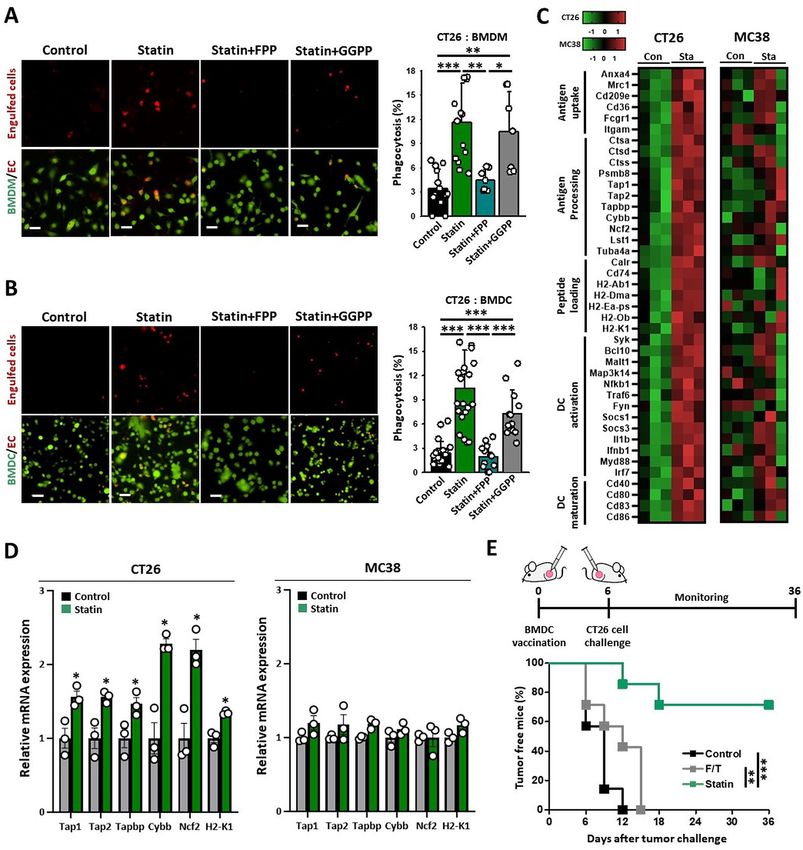
Open access
J Immunother Cancer: first published as 10.1136/jitc-2021-002474 on 30 July 2021. Downloaded from http://jitc.bmj.com/ on November 25, 2021 by guest. Protected by copyright.
temperature 24 hours before coculture with CT26 cells, mice by using the CD8α+ T-Cell Isolation Kit (130-104-
whereas the BMDCs were stained similarly on the day of 075). DCs (5×10⁴) and T cells (2.5×10⁵) were coincu-
coculture. CT26 cells were treated with simvastain (10 µM) bated using the RPMI-1640 medium containing GM-CSF
and/or FPP (13058-04-3, 5 µM) or GGPP (G6025, 5 µM) (20 ng/mL) for 72 hours. The supernatant was collected,
for 4 hours. Treated CT26 cells were stained with pHrodo and interferon-γ (IFN-γ) was analyzed with an IFN-γ
Red, succinimidyl ester (pHrodo-SE) (P36600, 120 ng/ ELISA kit (R&D Systems) following the protocol from
mL) for 30 min and added to the BMDMs or BMDCs for provider. The expression of CD107α on CD8+ T cells was
1 hour at a ratio of 1:2. The medium was refreshed with analyzed using flow cytometry (Accuri C6) with APC anti-
pH 10 phosphate-buffered saline. At least seven images mouse CD107α and FITC (Fluorescein isothiocyanate)
per sample were randomly taken and analyzed under antimouse CD3 antibodies.
a fluorescence microscope (Nikon). Phagocytosis (%)
was calculated by the following formula; the number of Multiplex immunohistochemistry (multiplex IHC)
phagocytosed cancer cells (red)/total number of BMDMs Paraffin blocks of tumor tissues were sliced into 4 µm
or BMDCs (green) × 100. thick slides and heated at 60°C for 1 hour. The slides
were dewaxed with xylene and stained with Leica Bond
Animals Rx Automated Stainer (Leica Biosystems). Afterwards,
Male C57BL/6 mice and BALB/c (6–8 weeks old) the slides were baked for 30 min, dewaxed, placed in
were purchased from OrientBio, whereas the B6.129- Bond Epitope Retrieval 2 (Leica Biosystems) and Bond
Krastm3Bbd/J mice were purchased from the Jackson Epitope Retrieval 1 (Leica Biosystems) sequentially. The
Laboratory. The Pdx1-
Cre Ink4a/Arflox/+and slides were incubated with the PD-L1 primary antibodies
LSL-
KrasG12D Ink4a/Arflox/lox mice were kindly (13 684S) and CD8 (98 941S) and detected using the
provided by Dr ANCA (INSERM, France). These mice corresponding polymer horseradish peroxidase. Visual-
were intercrossed to generate the KIC (p48Cre;LSL- ization was performed with using the Opal TSA Plus dye
KrasG12D;Cdkn2af/f) mice.16 All mice were maintained in 690 and 720, respectively (Akoya Biosciences). Anti-CD8
a pathogen-free room at the Korea Institute of Science antibody was incubated after incubation with the Opal
and Technology (KIST). We performed all animal studies TSA-DIG reagent (Perkin-Elmer). The nuclei were stained
under the Institutional Animal Care and Use Committee using DAPI (4′,6-diamidino-2-phenylindole) before the
(IACUC) guidelines of the KIST. The method of in vivo slides were covered using HIGHDEF IHC fluoromount
tumor model experiments and flow cytometry analysis (Enzo). The images were gained with PerkinElmer Vectra
were described in detail in the online supplemental V.3.0 Automated Quantitative Pathology Imaging System
material. (Perkin-Elmer) and evaluated with the InForm software
V.2.2 and TIBCO Spotfire (Perkin-Elmer).
Nanostring nCounter mouse myeloid innate immunity gene
expression analysis Statistical analysis
DCs were sorted from tumors of CT26 or MC38 tumor- All statistical analyses were performed on Prism 8
bearing mice via CD11c microbeads (130-125-835). The (GraphPad). Student’s t- test was used to analyze the
QIAZOL reagent (Qiagen Ltd) was used to extract the comparisons between two groups, whereas one-way anal-
total RNA from DCs. The quantification of samples was ysis of variance was used to analyze those among at least
assessed by Qubit Fluorimetric Quantitation (Thermo three groups, followed by Tukey’s post-hoc test. Tumor-
Scientific) and Nanodrop (Thermo Scientific). To analyze free frequency and survival benefit were evaluated using
the gene expression profiles of six samples, the NanoString Kaplan–Meier analysis with log-rank test. The error bars
nCounter System was used by evaluating 100 ng total RNA are shown as SE of the mean (SEM). P values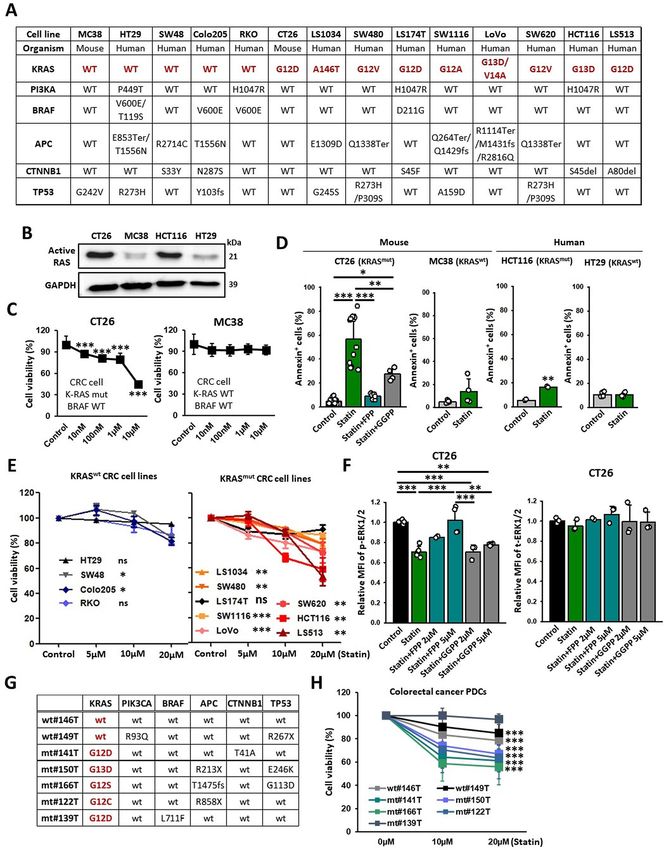
Open access
J Immunother Cancer: first published as 10.1136/jitc-2021-002474 on 30 July 2021. Downloaded from http://jitc.bmj.com/ on November 25, 2021 by guest. Protected by copyright.
Figure 1 KRAS mutation renders tumors susceptible to statin. (A) Genetic information on the CRC cell lines. (B) Western
blotting detecting active RAS form (GTP-bound Ras GTPase) on indicated tumor cell lines. (C) CCK8 assay results of KRASmut
and KRASwt cancer cells (CT26: n=8; MC38: n=16). (D) CT26 (KRAS mutation, mouse), MC38 (KRAS wild type, mouse), HCT116
(KRAS mutation, human), and HT29 (KRAS wild type, human) cells were treated with simvastatin (10 µM) and FPP (5 µM) or
GGPP (5 µM) for 24 hours, stained with Annexin-V-647, and analyzed using flow cytometry (n=4–12). (E) CCK8 assay of KRASmut
and KRASwt CRC cell lines (n=3). (F) Levels of p-ERK1/2 and t-ERK1/2 on CT26 cells were assessed using flow cytometry (n=2–
6). (G) Genetic information on PDCs. (H) PDCs were treated with simvastatin at the indicated conditions, and cell viability (%)
was assessed using the Water Soluble Tetrazolium Salts cell proliferation assay (n=15–36). The data are shown as mean±SEM.
Student’s t-test (D, H) or one-way ANOVA with Tukey’s post-hoc test (C–F) determined statistical significance. The experiment
was conducted at least three times with similar results. ANOVA, analysis of variance; CRC, colorectal cancer; FPP, farnesyl
pyrophosphate; GGPP, geranylgeranyl pyrophosphate; PDCs, patient-derived cancer cells.
To determine whether statin can suppress KRAS 1A,B). In addition, the inhibitory effect of simvastatin
signaling by blocking isoprenylation, we observed the on KRAS activity in CT26 and HCT116 cancer cells was
level of phosphorylated-ERK1/2 (p-ERK1/2), a protein impaired by FPP but not by GGPP (figure 1F and online
located downstream in the RAS signaling pathway. We supplemental figure 1A). These findings imply that FPP
found that p-ERK1/2 levels were significantly reduced depletion by simvastatin can inhibit the RAS signaling
by simvastatin in KRASmut cancer cells (CT26, HCT116, pathway in the KRASmut cancer cells.
and SW480) but not in KRASwt cancer cells (HT29 and To assess potential activity of statin in more clinically
Colo205) (figure 1F and online supplemental figure relevant models, we used PDCs with various oncogenic
4 Nam G-H, et al. J Immunother Cancer 2021;9:e002474. doi:10.1136/jitc-2021-002474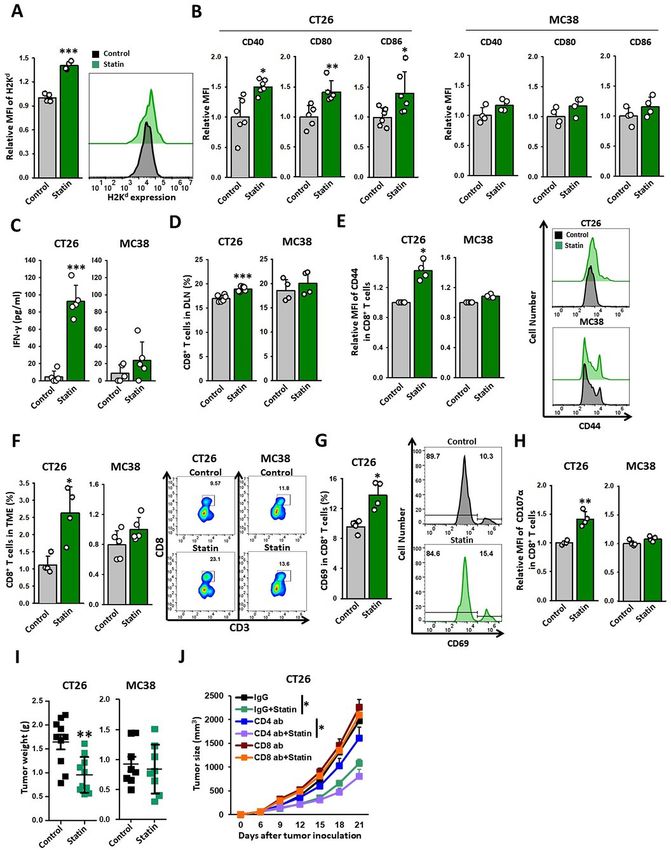
Open access
J Immunother Cancer: first published as 10.1136/jitc-2021-002474 on 30 July 2021. Downloaded from http://jitc.bmj.com/ on November 25, 2021 by guest. Protected by copyright.
driver mutations (figure 1G). Consistent with the results using pHrodo-SE that emits higher signals in the low-pH
obtained using cell lines, simvastatin substantially conditions in the phagosome.20 We found that CT26
decreased the viability of KRASmut PDCs (141T, 150T, cells pretreated with simvastatin were readily engulfed
166T, and 122T) compared with those of KRASwt PDCs by BMDMs and BMDCs (figure 3A,B), and that FPP
(146T and 149T) (figure 1H). Interestingly, 139T PDCs impaired such effects (figure 3A,B), indicating that statin-
(KRASG12D) harboring the BRAF (v-raf murine sarcoma induced-FPP depletion in KRASmut tumor cells boosted
viral oncogene homolog B1) mutation did not respond cancer cell clearance. These results strongly suggest that
to simvastatin (figure 1H). Likewise, simvastatin failed to statins can efficiently elicit ICD in KRASmut tumors via
induce cytotoxicity in LS174T cell lines that carried both suppressing the isoprenylation of KRAS.
KRAS and BRAF mutations (figure 1E). These results ICD of cancer cells allows APCs to recognize tumor cells
suggest that genetic activation of the signaling pathways as danger signals, thereby triggering tumor-specific T-cell
downstream of KRAS may also affect the susceptibility of immunity.10 To elucidate the sequence of the immunolog-
cancer cells to statins. ical events induced by simvastatin treatment, we analyzed
its effect on DCs in CT26 tumor tissues. To test whether
Statin induces immunogenic cancer cell death statin can activate tumor DCs in vivo, we analyzed the gene
To investigate whether statin could provoke ICD in signatures of DCs isolated from tumor tissues (figure 3C).
KRASmut cancer cells, we analyzed the levels of ICD DCs from CT26 tumors (KRASmut) of simvastatin-treated
markers following simvastatin treatment. One of the mice had a higher expression of genes closely related
most characteristic ICD events is the transfer of CRT, to antigen uptake, antigen processing, peptide loading,
an “eat-me” signal, from the ER lumen to the plasma DC activation, and DC maturation compared with the
membrane in the preapoptotic cell.17 18 The phosphor- controls (figure 3C and online supplemental figure 2)
ylation of PERK-elf2-α, an ER stress response, has been and exhibited enhanced expression of cross-presentation
reported to trigger CRT/ERp57 exposure on the plasma related genes, such as Tap1, Tap2, Tapbp, Cybb, Ncf2, and
membrane.19 We demonstrated that simvastatin increased H2-K1, (figure 3D and online supplemental figure 3) and
the signaling of the elf2-α phosphorylation (p- elf2-α) H2Kd proteins (figure 4A) in DCs of CT26 tumors. In
pathway including ATF4 and CHOP in KRASmut cancer contrast, in the MC38 tumor (KRASwt) model, simvastatin
cells (figure 2A,B), which was not observed in KRASwt cells did not substantially change the expression of these genes
(online supplemental figure 1C), subsequently leading to (figure 3C,D and online supplemental figure 2). These
a significant increase in the expression of CRT and ERP57 results suggest that the statin-induced KRASmut cancer cell
(figure 2C,D and online supplemental figure 1D) on the death is immunogenic to efficiently activate DCs in vivo.
plasma membrane of tumor cells. However, FPP blocked To evaluate the ability of the dying cells to initiate adap-
this translocation, whereas GGPP did not (figure 2C,D tive immunity in vivo, we assessed whether simvastatin-
and online supplemental figure 1D). Moreover, simvas- based DC vaccines could promote a prophylactic vaccine
tatin evoked the release of HMGB1 and HSP70 proteins effect against KRASmut cancers. BMDCs coincubated with
from CT26 tumor cells, which serve as damage-associated statin treated-cells or control CT26 cells were subcutane-
molecular patterns signals to activate the functions of ously injected into the left flank of immunocompetent,
APCs (figure 2E).10 Likewise, treatment with simvastatin BALB/C mice. After 7 days, the immunized and control
effectively decreased p-ERK1/2 levels in CT26 tumor cells mice were challenged with live CT26 cells in the right
in vivo and increased expression of CRT on membranes flank. Remarkably, approximately 70% of the mice vacci-
(figure 2F–H). nated with simvastatin-based DC vaccines were protected
A previous study has demonstrated that RAS signaling from the tumor growth of CT26 cells, whereas other
negatively regulates ER stress responses, including the groups were not (figure 3E). These results demonstrate
phosphorylation of elf2-α, thereby preventing ER stress- that simvastatin has the potential to generate DC-medi-
associated cell death.12 To determine whether KRAS ated T-cell immunity to prevent tumor growth.
inhibition could induce ER stress responses, we treated
KRASG12D (CT26) and KRASG12C cancer cells (Calu-1 and Statin activates DC-mediated CD8+ T-cell immunity
H23) with the specific KRAS inhibitors; KRASG12D siRNA DCs carrying tumor antigens migrate to the tumor-
and AMG-510 (KRASG12C inhibitors), respectively. These draining lymph nodes (TDLNs), where they induce T
KRAS inhibitors, like simvastatin, effectively induced cells to recognize and eradicate tumors.21 22 To assess
the apoptosis of KRASmut cancer cells and exposed CRT whether statin therapy potentiates the functions of DCs
and ERP57 on plasma membranes in preapoptotic states that are necessary to achieve potent T- cell immunity
(figure 2I–L and online supplemental figure 1E). These against cancer, we evaluated the immunological benefits
findings indicate that KRAS acts as a negative regulator of of simvastatin on DC maturation in TDLNs. Although
ER stress responses in KRASmut tumors. simvastatin did not directly induce DC maturation in
vitro (online supplemental figure 4A), systemic adminis-
Statin enhances the functions of DCs against cancer tration of simvastatin significantly increased the levels of
To verify that simvastatin can increase the phagocytosis DC maturation markers, such as CD40, CD80, and CD86,
of cancer cells, we performed in vitro phagocytosis assays in the CT26 tumor model whereas did not in MC38
Nam G-H, et al. J Immunother Cancer 2021;9:e002474. doi:10.1136/jitc-2021-002474 5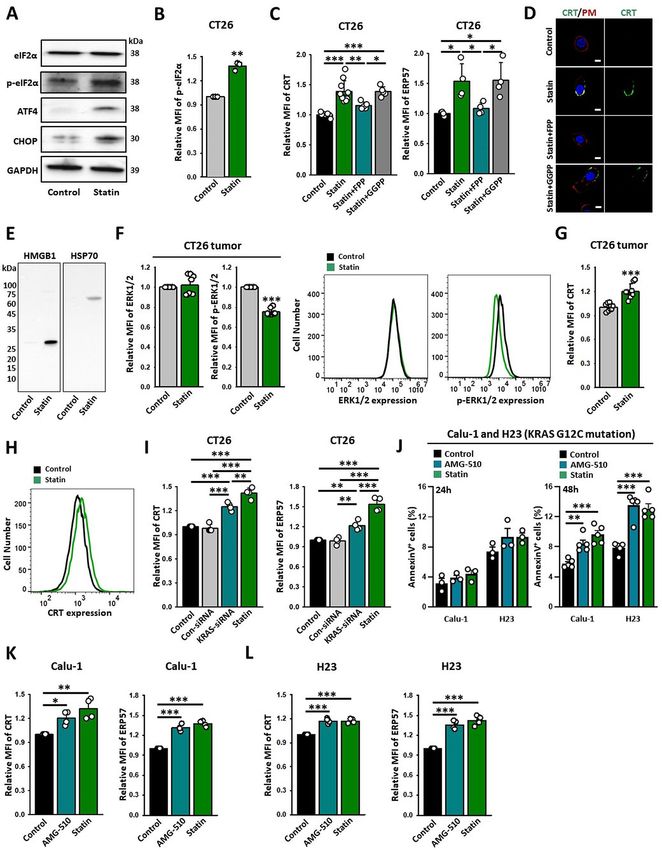
Open access
J Immunother Cancer: first published as 10.1136/jitc-2021-002474 on 30 July 2021. Downloaded from http://jitc.bmj.com/ on November 25, 2021 by guest. Protected by copyright.
Figure 2 Statin induces immunogenic cell death of cancer cells. (A–C) CT26 cells were treated with simvastatin (10 µM) and
FPP (5 µM) or GGPP (5 µM) for 4 hours. (A) Representative western blot image showing the levels of ER-stress response markers
(elf2α, p-elf2α, ATF4, and CHOP) and a loading control (Glyceraldehyde 3-phosphate dehydrogenase). (B) Quantification of p-
elF2α evaluated by western blotting. (C) Expression of CRT (n=5–11) and ERP57 (n=4–5) was assessed using flow cytometry.
(D) Representative confocal image of expression of CRT (green) and wheat germ agglutinin (red). (E) CT26 cells were treated
with simvastatin (10 µM) for 24 hours. Representative western blot image of the levels of HMGB1 and HSP70 in cell lysates.
(F–H) CT26 tumor-bearing syngeneic mice were injected with simvastatin (20 mg/kg) for seven times daily. After 24 hours,
the tumors were extracted. (F) The levels of ERK1/2, p-ERK1/2, and (G, H) CRT in the CT26 tumors as assessed using flow
cytometry (ERK1/2: n=8; p-ERK1/2: n=8; CRT: n=8). (I) CT26 cells were treated with con-siRNA (100 nM), KRAS-siRNA (100 nM),
and simvastatin (10 µM) for 24 hours. Expression of CRT (n=4) or ERP57 (n=4) was assessed using flow cytometry. (J–L) Calu-1
and H23 cancer cells were treated with AMG-510 (10 µM) and simvastatin (10 µM) for 24 hours or 48 hours. (J) Annexin-V assay
results indicated the conditions of CT26 cancer cells (n=3–5). CRT and ERP57 expression on (K) Calu-1 and (L) H23 tumor
cells after 24 hours was assessed using flow cytometry (n=3–5). The data are shown as mean±SEM. Student’s t-test (B, F, G) or
one-way ANOVA with Tukey’s post-hoc test (C and I–L) determined statistical significance. The experiment was conducted at
least three times with similar results. ANOVA, analysis of variance; CRT, calreticulin; ER, endoplasmic reticulum; FPP, farnesyl
pyrophosphate; GGPP, geranylgeranyl pyrophosphate; HMGB1, high-mobility group box 1; HSP70, heat-shock protein 70.
(figure 4B). Previous studies have demonstrated that peptides (online supplemental figure 4B). These results
lipophilic statins mediated GGPP depletion, including indicate that statins can activate the functions of DCs
simvastatin, promoted antigen presentation in APCs by effectively in KRASmut tumors.
suppressing Rab5 signaling.23 Likewise, we found that To confirm the effects of statin on T-cell priming, we
simvastatin could directly enhance cross-presentation isolated DCs from the TDLNs of simvastatin-treated CT26
by DCs via GGPP depletion when challenged with OVA and MC38 tumor-bearing mice and coincubated them
6 Nam G-H, et al. J Immunother Cancer 2021;9:e002474. doi:10.1136/jitc-2021-002474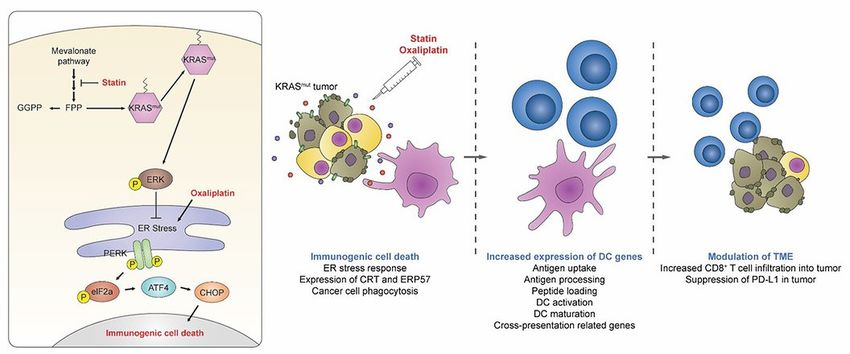
Open access
J Immunother Cancer: first published as 10.1136/jitc-2021-002474 on 30 July 2021. Downloaded from http://jitc.bmj.com/ on November 25, 2021 by guest. Protected by copyright.
Figure 3 Statin enhances the functions of DCs against cancer. (A, B) CMFDA-stained BMDMs or BMDCs were coincubated
with CT26 cells treated with the indicated drugs. Representative immunofluorescence images of pHrodo-SE-labeled CT26 cells
(red) against green CMFDA-labeled BMDMs or BMDCs (left). Scale bar: 50 µm. Phagocytosis (%) was calculated based on
the total number of BMDMs (A; n=7–14) or BMDCs (B; n=12–23) containing CT26 cells (right). (C, D) CT26 and MC38 tumor-
bearing syngeneic mice were injected with simvastatin (20 mg/kg) for seven times daily. After 24 hours, DCs (CD11c+ cells)
were sorted from extracted tumor tissues. (C) Gene expression in DCs (CD11c+ cells) sorted from CT26 or MC38 tumors using
the NanoString nCounter System (CT26: n=3; MC38: n=3). (D) Cross-presentation-related mRNA expression in DCs (CD11c+
cells) sorted from CT26 or MC38 tumors determined by NanoString nCounter System (CT26: n=3; MC38: n=3). (E) Prophylactic
vaccine effect of BMDCs coincubated with CT26 cells that were treated with simvastatin (10 µM) or frozen and thawed vs
challenged CT26 cells (n=7). These data are shown as mean±SEM. One-way ANOVA with Tukey’s post-hoc test (A, B),
Student’s t-test (D), or Kaplan–Meier analysis followed by long-rank test (E) determined statistical significance. The experiment
was conducted at least three times with similar results. ANOVA, analysis of variance; BMDCs, bone marrow-derived dendritic
cells; BMDMs, bone marrow-derived macrophages; DCs, dendritic cells.
with CD8+ T cells from the lymphoid organs of CT26 antigen-experienced status of the T cells (figure 4D,E).
and MC38 tumor models, respectively. We observed that These findings suggest that the induction of ICD in
DCs isolated from KRASmut TDLNs, but not from KRASwt KRASmut tumors by statin can promote the cross-priming
TDLNs, provoked efficient CD8+ T- cell priming as abilities of DCs, thereby producing tumor-specific CD8+
evidenced by IFN-γ expression following simvastatin treat- T cell immunity.
ment (figure 4C). Simvastatin treatment also elevated the
CD8+ T-cell proportion in the TDLNs of CT26 tumors
with increased CD44 expression, an effect related to the
Nam G-H, et al. J Immunother Cancer 2021;9:e002474. doi:10.1136/jitc-2021-002474 7Open access
J Immunother Cancer: first published as 10.1136/jitc-2021-002474 on 30 July 2021. Downloaded from http://jitc.bmj.com/ on November 25, 2021 by guest. Protected by copyright.
Figure 4 Statin triggers CD8+ T-cell-mediated eradication of KRAS mutant tumors. (A–I) CT26 and MC38 tumor-bearing
syngeneic mice were injected with simvastatin (20 mg/kg) for seven times daily. TDLNs and tumor tissues were extracted 1 day
after the end of treatment and analyzed using flow cytometry. (A) Expression of H2Kd in DCs (CD11c+ cells) of CT26 tumors
(n=4). (B) Expression of CD40, CD80, or CD86 in DCs (CD11c+ cells) of TDLN (CT26: n=5–6; MC38, n=4). (C) DCs (CD11c+
cells) of TDLN were coincubated with CD8+ T cells from CT26 or MC38 tumor models for 72 hours. The cross-prime ability
of DCs from TDLN was determined based on the released IFN-γ analyzed using IFN-γ ELISA kit (CT26: n=5; MC38: n=5). (D)
Percentage of CD8+ T cells in the TDLNs of CT26 and MC38 tumor models (CT26: n=6; MC38: n=4). (E) Expression of CD44
on CD8+ T cells (CD45.2+CD3+CD8+) in TDLN (left) (CT26: n=4; MC38: n=4). Representative histograms of CD44 expression
on CD8+ T cells isolated from CT26 and MC38 TDLN. (Right) (F) Proportion of CD8+ T cells (CD45.2+CD3+CD8+) in tumors
(left) (CT26: n=4; MC38: n=5). Representative plots of CD8+ T cells. (Right) (G) The expression of CD69 on CD8+ T cells in CT26
tumors (CT26: n=4). (H) The expression of CD107α on CD8+ T cells in CT26 and MC38 tumors (CT26: n=4; MC38: n=4). (I, J)
CT26 tumor models were injected with simvastatin (20 mg/kg), neutralizing CD4 (10 mg/kg), neutralizing CD8 (10 mg/kg), or
control IgG. (I) Tumor weight (g) was measured at the end of the experiment (CT26: n=10; MC38: n=8). (J) Tumor volume (mm3)
was measured in indicated periods (n=7). These data are shown as mean±SEM. Student’s t-test (A–H) or one-way ANOVA with
Tukey’s post-hoc test (J) determined statistical significance. The experiment was conducted at least three times with similar
results. ANOVA, analysis of variance; DCs, dendritic cells; IFN-γ, interferon-γ; TDLN, tumor-draining lymph nodes.
Statin triggers CD8+ T-cell-mediated eradication of KRAS antitumorigenic effect of statins on T- cell immunity.
mutant tumors We discovered that simvastatin treatment substantially
We next investigated the dependence of the elevated the fractions of CD8+ T cells in CT26 but not
8 Nam G-H, et al. J Immunother Cancer 2021;9:e002474. doi:10.1136/jitc-2021-002474Open access
J Immunother Cancer: first published as 10.1136/jitc-2021-002474 on 30 July 2021. Downloaded from http://jitc.bmj.com/ on November 25, 2021 by guest. Protected by copyright.
in MC38 tumors (figure 4F). Because the properties of of DCs to prime CD8+ T cells, as measured by enhanced
the TME can impair the cytotoxic T-cell immunity, the IFN- γ production and CD107α expression of primed
activation status of CD8+ T cells is important for tumor CD8+ T cells (figure 5E,F and online supplemental figure
control.24 25 We observed that simvastatin treatment 8A), as well as elevation of the number of CD8+ T cells in
increased the levels of CD69 (an early activation marker the TME and the proportion of IFN-γ+ in CD8+ T cells
for CD8+ T cells) and CD107α (an activation marker for (figure 5G,H and online supplemental figure 8B,C).
the degranulation of CD8+ T cells) in the CD8+ T cells However, combined therapy did not show any effects on
of CT26 tumors (figure 4G,H). These results suggest that other immune cells (online supplemental figure 8D–H).
simvastatin increases not only the infiltration of CD8+ In contrast with subcutaneous syngeneic tumor models,
T cells but also their activity in CT26 tumors but not in genetically engineered mouse models (GEMMs) form de
MC38 tumors. novo orthotopic tumors that display genetic heteroge-
Consistent with our immunological data, simvastatin neity resembling the tumor-immune microenvironments
treatment significantly suppressed the growth and tumor in humans.30 To confirm the efficacy of the combination
weight in the CT26 model but not in the MC38 model of simvastatin and oxaliplatin in GEMMs, we used the
(figure 4I and online supplemental figure 5A,D). There B6.129-Krastm3Bbd/J lung and the KIC pancreatic tumor
was no substantial change in body weight between the models, which harbor KRAS mutations (online supple-
two groups (online supplemental figure 5B,C). We also mental figure 8I).16 31 We found that combined therapy
assessed the correlation between the antitumor effects efficiently inhibited the number and fraction of tumor
of simvastatin and the depletion of CD4+ or CD8+ T-cell nodules in the B6.129-Krastm3Bbd/J lung tumor models
immunity in the CT26 tumor model. Antibody-mediated (figure 5I,J). Likewise, this treatment improved the
CD8+ T-cell depletion abrogated the antitumor efficacy survival rate in KIC pancreatic tumor model compared
of simvastatin, whereas depletion of CD4+ T cells did with other treatment groups (figure 5K). Furthermore,
not (figure 4J and online supplemental figure 5E–H). immunofluorescence analysis revealed that the CD8+
Overall, these results imply that CD8+ T-cell immunity is T-cell infiltration to tumors was robustly increased in the
necessary for simvastatin-mediated tumor regression. combination therapy groups (figure 5L). These results
clearly indicate that the combination of simvastatin and
Combination of statin and oxaliplatin effectively induces oxaliplatin produces substantial therapeutic effects even
antitumor immune responses in GEMMs carrying a KRAS mutation, thereby reducing
Oxaliplatin is a well-known ICD inducer that can increase tumor growth and enhancing CD8+ T cell immunity.
both the preapoptotic expression of CRT and the posta-
poptotic release of HMGB1,26 thus promoting the activa-
tion of DCs and CD8+ effector T -cell function.27 Hence, Combination therapy sensitizes tumors to PD-1 blockade
this drug has been widely used in combination therapy To better understand the complicated tumor- immune
in oncoimmunology related studies and has exhibited microenvironment, we performed a multiplex IHC on
excellent results when combined with ICBs.28 Oxaliplatin the treated tumor tissues from the CT26 syngeneic tumor
is a first-line chemotherapeutic agent for colorectal, non- model. Consistent with our Fluorescence-activated cell
small-cell lung, and pancreatic cancers, which are tumors sorting (FACS) results, the combination therapy signifi-
frequently exhibiting KRAS mutations.29 Accordingly, we cantly increased CD8+ T cells in the TME (figure 6A).
investigated whether a combined therapy of oxaliplatin In addition, we found that increased CD8+ T-cell accu-
and simvastatin could better provoke the ICD of KRASmut mulation by combined therapy was correlated with
cancer cells. We found that the combination treatment enhanced tumor cell death (online supplemental figure
significantly enhanced CRT expression in CT26 cells 9A). Although CD8+ T-cell infiltration is instrumental for
compared with monotherapy using either simvastatin or tumor control, cancer cells can evade the CD8+ T-cell-
oxaliplatin alone (figure 5A). Notably, the combination of mediated-immune destruction by expressing inhibitory
simvastatin and oxaliplatin caused a substantial increase signals, such as PD‐L1.24 PD-L1 on tumor cells is upregu-
in BMDC-mediated phagocytosis of immunogenic dying lated by IFN-γ and oncogenic signaling including RAS.32
CT26 cells (figure 5B). Given that statin could inhibit RAS activity by blocking
Furthermore, we determined the effect of the combined farnesylation, we hypothesized that simvastatin may
therapy on tumor growth and found that it effectively suppress PD-L1 expression on KRASmut cancer cells. We
suppressed the tumor without increased toxicity compared thus explored whether simvastatin treatment affects
with monotherapy (figure 5C,D and online supplemental PD-L1 expression in CT26 tumors. The overall PD-L1
figure 6). We next assessed its potential immunological expression in tumor tissues was decreased following
effect against cancer. DCs from the TDLNs of combi- combination therapy (figure 6A). Moreover, FACS anal-
nation therapy-treated mice exhibited higher levels of ysis revealed that the combination or treatment with
costimulatory markers, such as CD40, CD80, and CD86, simvastatin alone efficiently inhibited PD-L1 expression
which reflected DC maturation compared with other in tumors (CD45− cells) but not in immune cells (CD45+
groups (online supplemental figure 7). In addition, the cells) (figure 6B,C). These results suggest that the combi-
combination therapy effectively increased the capability nation therapy can markedly suppress PD-L1 expression
Nam G-H, et al. J Immunother Cancer 2021;9:e002474. doi:10.1136/jitc-2021-002474 9Open access
J Immunother Cancer: first published as 10.1136/jitc-2021-002474 on 30 July 2021. Downloaded from http://jitc.bmj.com/ on November 25, 2021 by guest. Protected by copyright.
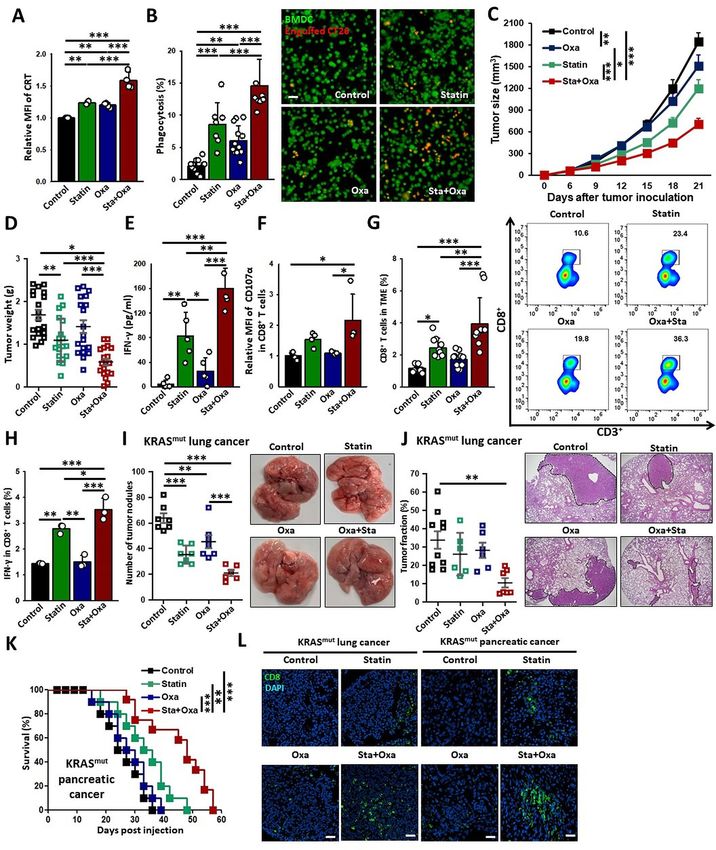
Figure 5 Combination therapy of statin and oxaliplatin effectively induces antitumor immune responses. (A) Expression of
CRT was assessed using flow cytometry (n=4). (B) CMFDA-stained BMDCs were coincubated with CT26 cells treated with
the indicated drugs. Phagocytosis (%) was calculated based on the total number of BMDCs (green) containing CT25 cells
(red) (n=7–12). Scale bar: 50 µm. (C–H) CT26 tumor models were injected with simvastatin (20 mg/kg) and oxaliplatin (5 mg/kg).
(C) Tumor volume (mm3) was measured in the indicated periods (n=19). (D) Tumor weight (g) was measured at the end of the
experiment (n=19). (E, F) Cross-prime ability of DCs from TDLN was determined based on the released IFN-γ (E, n=5) and on
CD107α expression on CD8+ T cells analyzed (F, n=4). (G) Proportion of CD8+ T cells (CD45.2+CD3+CD8+ cells) in tumors (left)
(n=10) and representative quadrant plots of CD8+ T cells in CT26 tumors (right). (H) Proportion of IFN-γ+ cells in CD8+ T cells
(CD45.2+CD3+CD8+ cells) in tumors (n=3). (I–L) B6.129-Krastm3Bbd/J lung and KIC pancreatic tumor models were injected with
simvastatin (20 mg/kg) and oxaliplatin (5 mg/kg). (I) The number of tumor nodules measured at the end of the experiment (left)
(n=6–7) and representative image of KRASmut lung cancer at the end of the experiment (right). (J) Tumor fraction (%) measured
at the end of the experiment (left) (n=6–10) and representative H&E staining of KRASmut lung cancer (right). (K) Survival rate in
the KIC models following combination treatment (n=10). (L) Representative microscopic image of CD8+ T-cell infiltration; scale
bar: 50 µm. The data are shown as mean±SEM. One-way ANOVA with Tukey’s post-hoc test (A–J) or Kaplan–Meier analysis
using long-rank test (K) determined statistical significance. The experiment was conducted at least three times with similar
results. ANOVA, analysis of variance; BMDCs, bone marrow-derived dendritic cells; CRT, calreticulin; DCs, dendritic cells;
TDLN, tumor-draining lymph nodes.
of KRASmut tumor cells even in the presence of activated expression (right white circle) showed little CD8+ T-cell
CD8+ T cells. infiltration, whereas the region with relatively low PD-L1
However, heterogenous PD- L1 expression restrains expression (left white circle) showed higher infiltration
CD8+ T-cell infiltration into tumors following combi- (figure 6D and online supplemental figure 9B). These
nation therapy (figure 6D). The area with high PD-L1 findings indicate that PD-L1 blockade may be required
10 Nam G-H, et al. J Immunother Cancer 2021;9:e002474. doi:10.1136/jitc-2021-002474Open access
J Immunother Cancer: first published as 10.1136/jitc-2021-002474 on 30 July 2021. Downloaded from http://jitc.bmj.com/ on November 25, 2021 by guest. Protected by copyright.
Figure 6 Combination therapy sensitizes tumors to PD-1 blockade. (A–D) CT26 tumor models were injected with simvastatin
(20 mg/kg) and oxaliplatin (5 mg/kg). (A) Representative multiplex IHC image of CD8 (green), PD-L1 (red), and DAPI (blue); scale
bar: 2 mm (left), 200 µm (middle), and 50 µm (right). (B) Representative histogram of PD-L1 expression. (C) PD-L1 expression on
CD45− cells or CD45+ cells in CT26 tumors was assessed using flow cytometry (n=5). (D) Representative multiplex IHC image of
CD8 (green), PD-L1 (red), and DAPI (blue) about combined therapy; scale bar: 300 µm. (E–G) CT26 tumor models were injected
with simvastatin (20 mg/kg) and oxaliplatin (5 mg/kg) with and without anti-PD-1 antibodies (10 mg/kg). (E) Illustration of the
dosing schedule. (F) Tumor volume (mm3) was measured in the indicated period (n=15). (G) Survival rate in the CT26 syngeneic
tumor model following the ternary combination treatment (n=10). The data are shown as mean±SEM. One-way ANOVA with
Tukey’s post-hoc test (C, F) or Kaplan-Meier analysis using long-rank test (G) determined statistical significance. The experiment
was conducted at least three times with similar results. ANOVA, analysis of variance; IHC, immunohistochemistry.
to enhance the therapeutic index of the combination Together, these results demonstrate that combination
therapy using statin and oxaliplatin. To investigate the therapy with simvastatin and oxaliplatin sensitizes the
effects of ternary combination therapy of simvastatin, tumors lacking CD8+ T cells to PD-1 blockade, thereby
oxaliplatin, and anti-PD-1 antibodies, we used CT26 eliciting remarkable tumor-suppressing effects.
syngeneic tumor model, resistant to PD-1 blockade
(figure 6E).33 Consistent with previous reports, anti-
PD-1 antibody monotherapy did not affect CT26 tumor DISCUSSION
growth, whereas combination therapy with statins and In this study, we demonstrated that the statin could
oxaliplatin exhibited a modest tumor-suppressing effect enhance the immunogenicity of KRASmut tumors via the
(figure 6F). Importantly, the ternary combination treat- inhibition of prenylation of the RAS protein (figure 7).
ment of simvastatin, oxaliplatin, and anti-PD-1 antibodies Simvastatin inhibited FPP production, a metabolite
dramatically suppressed tumor growth and improved the required for the farnesylation of the RAS signaling
survival rate of CT26 tumor-bearing mice (figure 6F,G). in KRASmut cancer cells, ultimately leading to the
Nam G-H, et al. J Immunother Cancer 2021;9:e002474. doi:10.1136/jitc-2021-002474 11Open access
J Immunother Cancer: first published as 10.1136/jitc-2021-002474 on 30 July 2021. Downloaded from http://jitc.bmj.com/ on November 25, 2021 by guest. Protected by copyright.
Figure 7 Graphical abstract of the anticancer immunotherapeutic strategy using by statins.
phosphorylation of elf2α and the subsequent induc- licensing of DCs against cancer.40 NanoString analysis
tion of the exposure of the preapoptotic CRT/ERP57 highlighted the prominent role of statin-induced ICD of
complex on cancer cell membranes. These cancer cells KRASmut tumors in the activation of DCs in the tumors
exhibiting high CRT expression, the hallmark of ICD, via an increase in the expression of 41 genes related to
were readily engulfed by APCs, such as macrophages and antigen presentation, including cross- priming, which
DCs. Although the KRAS oncoprotein can be activated induces CD8+ T-cell immunity. In addition, sequential
through the cross-prenylation by GGPP,34–36 we excluded immunological studies revealed that statins provoke DC
the possibility that GGPP depletion induced by simvastatin maturation and T-cell priming in DLNs, leading to exten-
might elicit the ICD of cancer cells. However, numerous sive CD8+ T-cell infiltration into KRASmut tumors. More
studies have demonstrated that GGPP depletion is also studies investigating the molecular mechanisms under-
important in antitumor effects. For example, a recent lying the promotion of DC-mediated CD8+ T-cell immu-
study showed that simvastatin could act as a potent adju- nity by statins are necessary to develop its use more fully
vant for cancer vaccines by suppressing GGPP-mediated for cancer immunotherapy.
Rab5 signaling in APCs, resulting in delayed antigen Previous studies have demonstrated that monotherapy
degradation, enhanced T-cell priming, and promotion of with an immunogenic chemotherapy may not be suffi-
tumor-specific T-cell immunity.23 Statins are also known to cient to trigger successful antitumor immunity for tumor
inhibit GGPP-dependent macropinocytosis essential for eradication.41 42 In addition, the high-dose chemotherapy
nutrient uptake in cancer cells,37 resulting in the selective causes unwanted toxicity, thus hampering the acquisition
killing of tumor cells. These findings collectively high- of effective anticancer immunity.43 Furthermore, statins
light the therapeutic potential of statin targeting both the have been found to induce chemosensitizing effects by
GGPP and FPP to evoke improved antitumor effects. It blocking prenylation of proteins in cancer cells.44 These
is important to note that ICD induction in cancer cells findings prompted us to investigate the potential of combi-
has been reported to be closely related to the inhibi- nation therapy in the immunogenic killing of tumor cells.
tion of the RAS/ERK signaling pathway.38 In agreement In this study, we combined simvastatin with oxaliplatin,
with these reports, we found that KRAS-specific inhib- another ICD inducer, to stimulate ICD of KRASmut cancer
itors, such as KRAS siRNA or AMG-510, showed similar cells by inducing severe ER stress responses. We found that
results to simvastatin, suggesting that the suppression of this combination therapy substantially augmented cancer
the KRAS signaling plays a critical role in ICD induction cell phagocytosis by significantly enhancing CRT expres-
of KRASmut tumors. However, the precise mechanism by sion. Although low- dose oxaliplatin treatment (weekly
which the KRAS activity suppresses the induction of ICD 5 mg/kg) did not significantly inhibit tumor growth,
remains to be elucidated. systemic administration of statin and low-dose oxaliplatin
The composition, function, and location of CD8+ T promoted potent DC- mediated CD8+ T- cell immunity
cells in tumors are crucial factors in determining the clin- without significant toxicities, leading to successful tumor
ical efficacy of anticancer immunotherapy.24 The number control in KRASmut tumor model. Furthermore, the above-
of activated CD8+ T cells infiltrating the tumor correlates mentioned combination therapy could enhance the ther-
with a positive survival outcome across many cancer apeutic efficacy of PD-1 antibodies even in PD-1-resistant
types on ICB treatment.24 To achieve optimal conditions, tumor models. Overall, our ternary combination therapy
sufficient CD8+ T-cell priming by DCs is required.39 It is should be a crucial strategy for potentiating CD8+ T cell
well known that the ICD of cancer cells can promote the immunity against cancer in KRASmut tumors.
12 Nam G-H, et al. J Immunother Cancer 2021;9:e002474. doi:10.1136/jitc-2021-002474Open access
J Immunother Cancer: first published as 10.1136/jitc-2021-002474 on 30 July 2021. Downloaded from http://jitc.bmj.com/ on November 25, 2021 by guest. Protected by copyright.
Numerous clinical trials and epidemiological studies Contributors G-HN, MK, I-SK, and YBC designed the project and contributed to
have also investigated the potential antitumorigenic the interpretation of data. G-HN, MK, HJ, EK, SAK, YC, SJS, SK, YL, GBK, and JH
contributed to the acquisition and analysis of data. JW and YC supported animal
effect of statins on KRASmut tumors.45 Contrary to expec- experiments. G-HN and MK wrote the manuscript with the feedback from all the
tations, however, the results of these clinical studies are authors. CJ, S-YP, and TMR advised and supported this project with expertise.
not yet conclusive.46 47 There are several reasons for this Funding This research was supported by a National Research Foundation of
controversial efficacy of statins against KRASmut cancers. Korea (NRF) grant funded by the Ministry of Science and ICT (2020R1C1C1003539
Owing to an extensive first-pass metabolism in the gastro- and 2017R1A3B1023418); the KU-KIST Graduate School of Converging Science
and Technology Program; the KIST Institutional Program; SMC-KIST Collaborative
intestinal wall and high albumin binding of the lipo- Research Program; and a grant of the Korean Health Technology R&D Project
philic statins, the systemic bioavailability of statin via oral through the Korea Health Industry Development Institute (KHIDI), funded by the
administration is less than 5%.48 For these reasons, the Ministry of Health & Welfare, Republic of Korea (grant number: HI19C0753).
dose of statin used in these studies may be insufficient Competing interests None declared.
to achieve the therapeutic concentration range necessary Patient consent for publication Not required.
for antitumor effects. Furthermore, because tumors are Ethics approval All animal studies were conducted with the approval of the
caused by combinations of genetic abnormalities, statin Institutional Animal Care and Use Committee (IACUC) of the KIST.
sensitivity may be more closely correlated with multiple Provenance and peer review Not commissioned; externally peer reviewed.
oncogenic mutations than with a single mutation. Given Data availability statement All data relevant to the study are included in the
that our data indicate that combination mutation of article or uploaded as supplementary information. The datasets used and/or
KRAS and BRAF make cancer cells resistant to statin, it is analyzed during the current study are available from the corresponding author on
reasonable request.
important to create an optimal predictive biomarker for
patient stratification by evaluating heterogenous tumor Supplemental material This content has been supplied by the author(s). It has
not been vetted by BMJ Publishing Group Limited (BMJ) and may not have been
mutations. Therefore, future clinical studies that comple- peer-reviewed. Any opinions or recommendations discussed are solely those
ments these points could be warranted to improve the of the author(s) and are not endorsed by BMJ. BMJ disclaims all liability and
potential of statin in cancer immunotherapy. responsibility arising from any reliance placed on the content. Where the content
includes any translated material, BMJ does not warrant the accuracy and reliability
In conclusion, we demonstrated that systemic adminis- of the translations (including but not limited to local regulations, clinical guidelines,
tration of statins could elicit effective antitumor immune terminology, drug names and drug dosages), and is not responsible for any error
responses by inducing ICD as well as enhancing DC-me- and/or omissions arising from translation and adaptation or otherwise.
diated CD8+ T- cell immunity against KRASmut tumors. Open access This is an open access article distributed in accordance with the
We expect that the use of statins, which are frequently Creative Commons Attribution Non Commercial (CC BY-NC 4.0) license, which
permits others to distribute, remix, adapt, build upon this work non-commercially,
prescribed for hyperlipidemia, as a cancer therapeutic
and license their derivative works on different terms, provided the original work is
strategy would quickly benefit cancer patients, particu- properly cited, appropriate credit is given, any changes made indicated, and the use
larly those with KRASmut tumors. Further research focused is non-commercial. See http://creativecommons.org/licenses/by-nc/4.0/.
on developing newly formulated statins to improve their
ORCID iD
antitumorigenic effect may offer a promising option for In-San Kim http://orcid.org/0000-0003-1714-4521
cancer immunotherapy.
Author affiliations
1
Center for Theragnosis, Biomedical Research Institute, Korea Institute of Science
and Technology, Seoul 02792, Republic of Korea REFERENCES
2
Department of Cancer Biology, Dana-Farber Cancer Institute, Boston, MA 02215, 1 Longo J, van Leeuwen JE, Elbaz M, et al. Statins as anticancer
agents in the era of precision medicine. Clin Cancer Res
USA 2020;26:5791–800.
3
Department of Biological Chemistry and Molecular Pharmacology, Harvard Medical 2 Mullen PJ, Yu R, Longo J, et al. The interplay between cell
School, Boston, MA 02215, USA signalling and the mevalonate pathway in cancer. Nat Rev Cancer
4 2016;16:718–31.
Department of Otorhinolaryngology-Head and Neck Surgery, Korea University Anam
Hospital, Korea University College of Medicine, Seoul 02841, Republic of Korea 3 Berndt N, Hamilton AD, Sebti SM. Targeting protein prenylation for
5 cancer therapy. Nat Rev Cancer 2011;11:775–91.
Institute for Future Medicine, Samsung Medical Center, Seoul, Republic of Korea 4 Cafforio P, Dammacco F, Gernone A, et al. Statins activate the
6
KU-KIST Graduate School of Converging Science and Technology, Korea University, mitochondrial pathway of apoptosis in human lymphoblasts and
145, Anam-ro, Seongbuk-gu, Seoul 02841, Republic of Korea myeloma cells. Carcinogenesis 2005;26:883–91.
7
Research Animal Resource Center, Korea Institute of Science and Technology 5 Cox AD, Fesik SW, Kimmelman AC, et al. Drugging the undruggable
(KIST), Seoul 02792, Republic of Korea Ras: mission possible? Nat Rev Drug Discov 2014;13:828–51.
8 6 Elsayed M, Kobayashi D, Kubota T, et al. Synergistic antiproliferative
KHU-KIST Department of Converging Science and Technology, Kyunghee University, effects of zoledronic acid and fluvastatin on human pancreatic
Seoul 02447, Republic of Korea cancer cell lines: an in vitro study. Biol Pharm Bull 2016;39:1238–46.
9
Department of Biochemistry, School of Medicine, Dongguk University, Gyeongju 7 Rigoni M, Riganti C, Vitale C, et al. Simvastatin and downstream
38066, Republic of Korea inhibitors circumvent constitutive and stromal cell-induced
10
Department of Surgery, Samsung Medical Center, Sungkyunkwan University resistance to doxorubicin in IGHV unmutated CLL cells. Oncotarget
2015;6:29833–46.
School of Medicine, Seoul, Republic of Korea 8 DeClue JE, Vass WC, Papageorge AG, et al. Inhibition of cell
11
Department of Health Sciences and Technology, SAIHST, Sungkyunkwan growth by lovastatin is independent of Ras function. Cancer Res
University, Seoul, Republic of Korea 1991;51:712–7.
9 Wong WW-L, Clendening JW, Martirosyan A, et al. Determinants of
sensitivity to lovastatin-induced apoptosis in multiple myeloma. Mol
Acknowledgements We would like to thank Wiley Editing Services for English Cancer Ther 2007;6:1886–97.
language editing. Also, we are grateful to Dr ANCA (INSERM, France) for providing 10 Kroemer G, Galluzzi L, Kepp O, et al. Immunogenic cell death in
the Pdx1-Cre Ink4a/Arflox/+ and LSL-KrasG12D Ink4a/Arflox/lox mice. cancer therapy. Annu Rev Immunol 2013;31:51–72.
Nam G-H, et al. J Immunother Cancer 2021;9:e002474. doi:10.1136/jitc-2021-002474 13You can also read


