Research progress on the therapeutic effect and mechanism of metformin for lung cancer (Review)
←
→
Page content transcription
If your browser does not render page correctly, please read the page content below
ONCOLOGY REPORTS 49: 3, 2023

                     Research progress on the therapeutic effect and
                    mechanism of metformin for lung cancer (Review)
                 PENGKAI HAN1,2*, JUNHAO ZHOU1,2*, JIANHUA XIANG1,2, QIPING LIU1,2 and KAI SUN1,2

           1
               Department of Pulmonary and Critical Care Medicine; 2Chongqing Municipality Clinical Research Center for
                    Geriatric Diseases, Chongqing University Three Gorges Hospital, Chongqing 404100, P.R. China

                                          Received May 6, 2022; Accepted August 25, 2022

                                                     DOI: 10.3892/or.2022.8440

Abstract. Lung cancer is the most common type of cancer              3. Application of metformin in lung cancer treatment
and the leading cause of cancer‑associated death worldwide.          4.	Limitations and challenges of using metformin in lung
Despite the availability of various treatments such as surgery,          cancer
chemoradiotherapy, targeted drugs and immunotherapy, treat‑          5. Conclusion
ment is expensive and the prognosis remains poor. At present,
lung cancer drugs and treatment programs remain in a state of
continuous exploration and research to improve the prognosis,        1. Introduction
and to reduce the pain and economic burden for the patients.
Type 2 diabetes is a common chronic disease in middle‑aged and       Metformin is a biguanide developed from galegine, a guani‑
elderly patients, leading to significantly increased complications   dine derivative; it is a hydrophilic base, present as a cationic
of cardiovascular and cerebrovascular diseases. Epidemiology         species at physiological pH. Metformin is absorbed mainly in
shows that type 2 diabetes also increases the incidence of malig‑    the small intestine, and then taken up by the liver to play an
nant tumors, including lung, liver, colorectal and pancreatic        antihyperglycemic role. Metformin is excreted unchanged in
cancer. Metformin is a biguanide, widely used as a first‑line oral   the urine (1). As the primary drug for treating type 2 diabetes,
drug in treating type 2 diabetes. Metformin has a hypoglycemic       it controls blood glucose by reducing glycogen decomposi‑
effect and a biological antitumor impact, reducing the incidence     tion, inhibiting gluconeogenesis, inhibiting intestinal glucose
of various tumors, including lung cancer, and improving the          absorption and increasing insulin sensitivity in the surrounding
prognosis of patients with tumors. The anti‑lung cancer effect of    tissues (2,3). The molecular target of metformin is presenilin
metformin involves a variety of mechanisms that can improve          enhancer protein 2 (PEN2). Metformin binds PEN2 and initi‑
the therapeutic effect and prognosis of lung cancer, as a single     ates a signaling pathway that interacts with the glucose‑sensing
drug or in combination with other therapies. The present study       pathway via V‑type proton ATPase subunit S1 to activate the
aims to review the associated literature and the therapeutic         lysosomal 5'‑adenosine monophosphate‑activated protein
effects of metformin on lung cancer.                                 kinase (AMPK) pathway, which is an indispensable mechanism
                                                                     that enables metformin to inhibit hepatic gluconeogenesis and
                                                                     improve insulin sensitivity (4,5). Recent studies have found
Contents                                                             that metformin can inhibit the occurrence and development
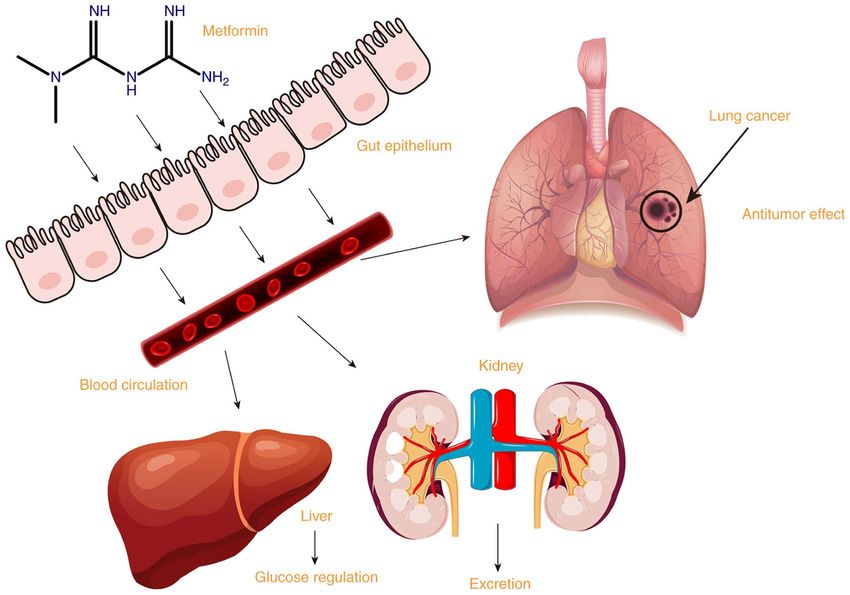
                                                                     of lung cancer in addition to its hypoglycemic effect (Fig. 1).
1. Introduction                                                          An extensive cohort study published in 2009 discovered
2. Mechanisms of metformin in the treatment of lung cancer           lower cancer morbidity rates (6), while another study discov‑
                                                                     ered lower mortality rates (7), including those for lung cancer, in
                                                                     patients with type 2 diabetes treated with metformin compared
                                                                     with patients who had never used metformin. Cancer was
                                                                     diagnosed in 7.3% of 4,085 metformin users compared with
Correspondence to: Dr Qiping Liu or Dr Kai Sun, Department of        11.6% of 4,085 comparators (6). In patients taking metformin
Pulmonary and Critical Care Medicine, Chongqing University Three
                                                                     compared with patients not taking metformin at baseline,
Gorges Hospital, 165 Xincheng Road, Wanzhou, Chongqing 404100,
P.R. China                                                           the adjusted hazard ratio (HR) for cancer mortality was 0.43
E‑mail: liuqp1113@163.com                                            (95% CI, 0.23‑0.80) (7). Several studies have indicated that
E‑mail: 75480634@qq.com                                              metformin inhibits tumor growth (6,8‑10). A meta‑analysis
                                                                     found that metformin increased the survival time of patients
*
    Contributed equally                                              with lung cancer plus type 2 diabetes, suggesting that metformin
                                                                     may improve the prognosis of these patients (11). A study using
Key words: lung cancer, metformin, antitumor effect, mechanism       Surveillance, Epidemiology, and End Results public data
                                                                     included 750 mergers of patients with type 2 diabetes plus stage
                                                                     IV non‑small cell lung cancer (NSCLC), with 61% patients on
2                              HAN et al: RESEARCH PROGRESS ON METFORMIN FOR LUNG CANCER

metformin. After controlling for social‑demographic charac‑        mTOR contributes to the control of protein synthesis. There
teristics, the types of lung cancer and treatment, the results     is a positive correlation between protein synthesis rates and
showed that patients with advanced lung cancer undergoing          proliferation rates. In turn, the production of mitochondrial
metformin treatment had higher survival rates compared with        ATP is needed to fuel protein synthesis and proliferation.
patients not treated with metformin (12). Therefore, certain       The production of mitochondrial energy, protein synthesis
researchers began to study metformin in lung cancer treatment      and proliferation are co‑regulated processes, and mTORC1
and its mechanism, using animal tests and clinical studies.        stimulates the synthesis of numerous nuclear‑encoded mito‑
Studies have shown that metformin has cytotoxic effects on         chondrial regulators, such as TFAM, mitochondrial ribosomal
human lung cancer cell lines (including squamous cell carci‑       proteins and complex I and V components via the upregulated
noma (13), adenocarcinoma (14), large cell carcinoma (15),         translation of corresponding mRNAs (27). mTOR plays a
small cell carcinoma and non‑transformed cell lines (16).          major part in coupling mitochondrial functions and transla‑
Tan et al (17) conducted clinical trials to compare the efficacy   tion. As well as regulating nuclear‑encoded mitochondrial
of metformin with insulin and other hypoglycemic drugs in          regulator synthesis, mTOR regulates the translation of mRNAs
the treatment of NSCLC, and discovered that patients treated       encoding proteins that promote proliferation, including
with metformin had longer overall survival (OS) (P=0.007)          cyclins, ornithine decarboxylase (ODC) and Myc. Through
and progression‑free survival (PFS) (P=0.002) times. In a          the aforementioned mechanisms, the synthesis of cyclins,
meta‑analysis of 14 randomized controlled trials (RCTs),           ODC and Myc, which can promote tumor cell proliferation,
Stevens et al (18) discovered no significant effect of metformin   are inhibited by the downregulation of PI3K/AKT/mTOR
on cancer mortality. Therefore, the effect of metformin on the     signaling (28). Therefore, tumor cell proliferation is inhibited.
treatment and prognosis of lung cancer remains controversial,          Metformin in the treatment of type 2 diabetes can improve
requiring confirmation from further studies.                       type 1 diabetes insulin resistance and the inflammatory
                                                                   response through the p53/RAP2A pathway, and regulate
2. Mechanisms of metformin in the treatment of lung                the p53/RAP2A pathway to improve insulin resistance (29).
cancer                                                             Similarly, AMPK‑dependent p53 activation has been associ‑
                                                                   ated with the antitumor effects of metformin. p53, a tumor
Antitumor effects through liver kinase B1 (LKB1)‑dependent         suppressor protein and one of the downstream targets of AMPK,
AMPK kinase pathways. Metformin can produce antitumor              achieves its antitumor function by increasing transcriptional
effects through the LKB1‑AMPK kinase pathway. LKB1 is a            expression of proteins involved in DNA repair, apoptosis and
tumor suppressor gene; its encoding product, LKB1 protein,         the prevention of cell proliferation, alteration and senescence.
is a serine/threonine kinase that can regulate various cell        When DNA suffers oxidative damage, intracellular damage
physiological and pathological processes. Somatic LKB1 gene        recognition signals activate p53 and its transcriptional targets,
mutations exist in numerous malignant tumors, including            protecting genomic integrity and regulating cell metabolism
lung cancer, colon cancer, breast cancer and Peutz‑Jeghers         and the cell cycle. p53 inhibits tumors by activating multiple
syndrome (a cancer susceptibility disease) (19,20). Gene muta‑     genes that inhibit the AKT and mTORC1 pathways; it can be
tions in the somatic LKB1‑AMPK pathway increase the risk of        phosphorylated by serine and activated by AMPK (30‑33).
precancerous lesions (21). In NSCLC, 13% of adenocarcinomas        According to a previous study, metformin‑treated p53 mutant
and 5% of squamous cell carcinomas have LKB1 mutations.            cells had significantly higher apoptosis rates than wild‑type
However, the LKB1‑AMPK pathway can still be activated by           colon cancer cells (34). However, another study has shown
metformin and inhibit tumor growth (22). These results suggest     that metformin can enhance the efficacy of radiotherapy,
that metformin may have other mechanisms to inhibit tumor          independent of AMPK and p53 status (35). Metformin can
genesis and development. Mammalian target of rapamycin             inhibit mTOR and slow cell cycle progression through regu‑
(mTOR), the downstream target of the LKB1‑AMPK pathway,            lated in DNA damage and development 1 independently of
is an important target of metformin in tumor inhibition. mTOR      AMPK (36). In addition, metformin selectively inhibits tumor
is the catalytic subunit of two multi‑protein complexes, mTOR      growth and triggers apoptosis in p53‑deficient HCT116 xeno‑
complex 1 (mTORC1) and mTORC2, regulating cell growth              grafts (34). Therefore, metformin can act through AMPK or
and integrating input signals from various hormonal and            p53, but the specific pathway is complex. In addition, AMPK
energy‑sensing pathways (23). These signals include insulin and    can induce endoribonuclease DICER (DICER) expression,
insulin‑like growth factor 1 (IGF‑1), IGF‑2 and AMPK (24).         an enzyme involved in microRNA (miRNA/miR) synthesis,
AMPK activates tumor suppressor gene binding sclerosis             whose change and loss of function can lead to complex tumor
complex 1 (TSC1) and TSC2/mTORC1 to form mTOR inhibi‑              syndrome, suggesting that metformin‑induced DICER expres‑
tory complex, leading to mTORC1 downregulation. AMPK can           sion may be one of the antitumor mechanisms (37). DICER
also directly inhibit the positive regulator of mTOR, namely       belongs to the double‑stranded RNA‑specific endonuclease
regulatory‑associated protein of mTOR, leading to its down‑        family, which are able to convert the miRNA precursor
regulation (25). Metformin can also inhibit the IGF‑1 insulin      forms into their mature forms through a stepwise process.
signaling pathway through the AMPK‑dependent insulin               The methylation levels of DICER are significantly higher in
receptor substrate 1 (IRS‑1) phosphorylation pathway, inhib‑       patients with lung cancer. Methylation analysis of the first
iting the phosphatidylinositol 3‑kinase (PI3K)/AKT pathway         region of the DICER can distinguish patients with NSCLC
and downregulating the mTOR signaling pathway to interfere         from healthy individuals (38). In one study, DICER was
with protein synthesis, affecting tumor cell proliferation (26).   regulated by MDA‑7/interleukin (IL)‑24 through the down‑
As the target molecule of PI3K/AKT/mTOR signaling,                 regulation of microphthalmia‑associated transcription factor
ONCOLOGY REPORTS 49: 3, 2023 3
Figure 1. Absorption, uptake, excretion and antitumor effect of metformin.
in lung cancer cells (39). Dicer expression of NSCLC was growth factor (VEGF) production, angiogenesis and perme‑
significantly increased in stage II tumors compared with that ability, provides more oxygen and nutrients for tumor cells, and
in stage I tumors, and in stage III tumors compared with that ensures the proliferation of tumor cells (47). On the other hand,
in stage II and I tumors (40). Dicer contributes to the resistance HIF‑1α can also induce anti‑apoptotic factors to make cells
to gefitinib in lung cancer (41), and can promote autophagy and resist apoptosis, or increase the transcription of other enzymes
cisplatin resistance in NSCLC by downregulating let‑7i‑5p, associated with glycolysis and glycogen generation, in order to
as well as inhibiting the activation of the PI3K/AKT/mTOR increase the proliferation activity of lung cancer cells, enable
pathway (42). Activated AMPK can also trigger UNC‑51‑like invasion and metastasis, and shorten the survival period of
kinase 1 (a serine/threonine kinase that is an autophagy affected patients (48). These studies indicate that the AMPK
promoter in mammals), inducing apoptosis, cell cycle arrest signaling pathway is a promising new target for tumor therapy.
and autophagy to exert antitumor effects (43). Metformin also However, another study has found that AMPK may lose its
inhibits proto‑oncogene c‑Myc and hypoxia‑inducible factor regulatory role in cancer cells due to mutations/deletions of
1α (HIF‑1α) via AMPK (44). HIF‑1α is a transcription factor its upstream regulatory kinase Lkb1/Stk11 or ubiquitination
that promotes the expression of glycolysis enzyme glucose of the MAGE‑A3/6‑TRIM28 E3 ligase complex. This results
transporter 1 (GLUT1) and monocarboxylic acid transporter in autophagy inhibition, mTOR signaling pathway activation
4, both of which play a key role in the metabolic transforma‑ and metformin hypersensitivity (49). Therefore, further animal
tion of cancer. There is no expression of HIF‑1α in human experiments and clinical studies are required to explore the
normal lung tissues, while HIF‑1α is highly expressed in lung role of this pathway in the antitumor effect of metformin.
cancer tissues. HIF‑1α is mainly expressed in the nucleus and
cytoplasm of lung cancer cells, presenting with obvious hetero‑ Downregulating the GRB/IRS‑1/PI3K/AKT/mTOR pathway.
geneity (45). In a previous study, the expression of HIF‑1α IGFs are multifunctional cell proliferation regulators that
around the tumor necrosis area and the infiltrating edge of the promote cell differentiation, proliferation and individual
tumor was significantly increased, and the expression intensity growth and development. IGFs include IGF‑1 and IGF‑2.
in SCLC with a high degree of malignancy, strong invasion Type 1 IGF receptor (IGF‑1R) belongs to the receptor tyrosine
and early metastasis was significantly higher than that of squa‑ kinases (RTKs) family. It can be activated by IGF‑1 or IGF‑2,
mous cell carcinoma and adenocarcinoma (46). The expression causing phosphorylation of its tyrosine kinase domain and
intensity of HIF‑1α was also closely associated with the degree initiating intracellular signal transduction, thereby regulating
of differentiation and postoperative survival of lung cancer cell growth and differentiation, development, senescence and
cells. HIF‑1α promotes the increase in vascular endothelial other life activities (50). Studies have revealed that IGF‑1R can4 HAN et al: RESEARCH PROGRESS ON METFORMIN FOR LUNG CANCER
regulate blood glucose and stimulate the growth of NSCLC produce amino acids used to convert glucose, resulting in an
cell lines, promoting carcinogenic transformation, growth and imbalance in glucose homeostasis. However, severe hypo‑
survival of tumor cells (51,52). In addition, IGF can activate glycemia did not inhibit mTORC1 in RagAGTP/GTP newborn
the Ras/Raf/ERK signaling pathway through growth factor mice (62). We hypothesize that the Rag pathway may signal the
receptor‑bound protein 2 and promote tumor cell prolif‑ availability of glucose and amino acids to mTORC1, inhibiting
eration (53). Downstream activation of IGF‑1R upregulates mTORC1 (63). In RagAGTP/GTP fibroblasts, mTORC1 is resistant
the PI3K/AKT/mTOR pathway and the mitogen‑activated to glucose deprivation, and glucose, like amino acids, controls
protein kinase (MAPK)/ERK pathway (also known as the its recruitment on the lysosomal surface, where mTORC1 is
KRAS‑Raf‑MEK‑ERK pathway) to enhance cell proliferation. activated (64). Therefore, Rag GTPases transmit glucose and
IGFs are associated with the occurrence, development and amino acid concentration signals to mTORC1, playing a key
metastasis of tumors. Metformin can downregulate IGF‑1 role in autophagy induction, nutritional homeostasis and the
by inhibiting the PI3K/AKT and MEK/ERK signaling survival ability of newborn mice (62).
pathways, regulating lung cancer cell metabolism and inhib‑ Metformin directly affects glucose metabolism and
iting cell proliferation (54,55). In NSCLC, activating the inhibits tumor growth. Glucose metabolism in lung cancer
PI3K/AKT/mTOR signaling pathway leads to more aggressive mainly includes the glycolysis, aerobic oxidation and pentose
lung cancer and a worse prognosis, especially in squamous phosphate pathways. The glycolysis pathway produces less
cell lung cancer. Metformin can block the IGF‑1‑insulin energy (ATP) per mole of glucose than the aerobic oxida‑
signaling pathway by phosphorylating IRS‑1, inhibiting the tion pathway, but glycolysis pathway can provide energy
IRS‑1/PI3K/AKT and PI3K/AKT/mTOR signaling path‑ more quickly. Under aerobic conditions, tumor cells also
ways, thereby preventing mTOR activation and inhibiting preferentially utilize glucose glycolysis capacity as their
NSCLC (55). Other studies have demonstrated that abnormal primary energy source (Warburg effect) (55). In NSCLC,
activation of the PI3K/AKT/mTOR signaling pathway is one of adenocarcinoma uses glycolysis for energy under normal
the mechanisms of acquired imported epidermal growth factor oxygen conditions. Squamous cell carcinoma is more likely
receptor (EGFR)‑tyrosine kinase inhibitor (TKI) resistance to have a high rate of anaerobic glycolysis due to hypoxia
in patients with adenocarcinoma and EGFR activation muta‑ in the tumor microenvironment, slow diffusion and metas‑
tion (56). Inhibiting the PI3K/AKT/mTOR signaling pathway tasis. Metformin can promote glycolysis by changing the
may also overcome radiotherapy and chemotherapy resistance, activity of certain glucose metabolism enzymes (including
as well as immune escape in NSCLC (57). Animal experiments fructose‑2,6‑biphosphatase) and can promote the conversion
have indicated that nicotine derivatives can reduce the number of glucose metabolism to glycolysis in NSCLC cells (65). This
of tumor‑related regulatory T cells (Tregs) by inhibiting mTOR may stimulate the growth of the NSCLC cells. However, due
in tumor cells (58) and creating a favorable environment for to less energy per unit provided by glycolysis, reduced ATP
the occurrence and development of nicotine‑induced lung production leads to increased AMP levels, which results in an
tumors (59). Rapamycin activation by metformin can prevent increased intracellular ratio of AMP to ATP and an imbalance
the occurrence of lung tumors. Metformin mildly inhibits the of energy metabolism, thereby realizing the antitumor effect
mTOR pathway in tumors, which can reduce the occurrence of metformin (66).
of lung tumors by 40‑50%. One study discovered that mTOR A study has revealed that squamous cell carcinoma has
inhibition in lung tissue is associated with lower circulating a higher uptake rate of 18F‑fluorodeoxyglucose (FDG) than
IGF‑1 and insulin levels rather than lower AMPK (60). adenocarcinoma, but adenocarcinoma has a higher metastasis
A variety of anti‑IGF‑1R monoclonal antibody drugs have potential and poorer disease‑free survival time (67). Another
been developed. A study has disclosed that metformin alone phase II study in advanced NSCLC cancer randomized patients
or combined with figitumumab (anti‑IGF‑1R monoclonal to receive metformin (1,000 mg twice daily) combined with
antibody) can achieve antitumor effects on NSCLC by inhib‑ platinum‑containing chemotherapy in a controlled diet with or
iting the PI3K/AKT and MEK/ERK signaling pathways, and without metformin. It discovered that the uptake of 18F‑FDG
downregulating the IGF‑1R signaling pathway. It has been on baseline positron emission tomography (PET) images was
suggested that metformin combined with figitumumab may significantly higher in squamous cell carcinoma than that in
have a good therapeutic value in treating NSCLC (54). non‑squamous NSCLC. Metformin significantly reduced the
risk of tumor progression and death in lung squamous cell
Inhibiting mTORC1 to regulate glucose and amino acid carcinoma with high uptake of 18F‑FDG, indicating that the
concentration. Metformin can inhibit the mTORC1 signal antitumor effect of metformin is highly dependent on glucose
by inhibiting and regulating the activity of the Rag GTPases metabolism (68). In a recent single‑blind phase II trial (69),
complex. A number of environmental signaling factors, metformin was used to treat inoperable early‑stage NSCLC.
including nutrition and growth factors, activate the mTORC1 PET scans were performed at the beginning of treatment, in
pathway to regulate the growth of organisms (61). Cell‑based the middle of treatment (after 2 weeks of metformin or placebo
studies showed that mTORC1 senses amino acids through administration) and after 6 months. The results revealed that
the RagA‑D family of GTPases (also known as RRAGA, most metformin‑treated subjects had PET Response Criteria
B, C and D) (62). However, their importance in mammalian in Solid Tumors (PERCIST) (70) metabolic responses on PET
physiology is unclear. In animal experiments, mice expressed imaging, leading to increased glucose metabolic activity in most
the active form of RagA (RagAGTP) by inserting endog‑ tumors, demonstrating that the effect of metformin on tumor
enous promoters through a gene knock‑in method. Fasted growth may be influenced by glucose metabolism in the tumor
RagAGTP/GTP newborn mice could not trigger autophagy and environment. In addition, insulin is a growth hormone thatONCOLOGY REPORTS 49: 3, 2023 5
promotes division, while metformin can directly or indirectly that metformin significantly upregulates miR‑7 in a time and
inhibit tumor growth by reducing serum insulin levels and dose‑dependent manner through the AMPK pathway, and
improving glucose metabolism in hyperinsulinemia (71,72). that the upregulation of miR‑7 reduces growth, migration
and invasion of NSCLC cells. Recently, Jin et al (85) found
Inhibiting complex I of the mitochondrial respiratory chain. that metformin reduced the growth, migration, invasion and
Studies have found that metformin can cross the plasma (1,55) epithelial‑mesenchymal transition (EMT) of NSCLC cells by
and mitochondrial (73) membranes to affect tumor metabo‑ regulating miR‑381/yes‑associated protein (YAP) activity.
lism by reaching the mitochondria. Metformin gets positively
charged at physiological pH, and organic cation transporters Affecting the tumor and its microenvironment. Peripheral
mediate the movement of metformin across the cell membrane immune cells and angiogenesis are two major components
in NSCLC. Metformin targets mitochondrial complex I, of the interaction of a tumor with its microenvironment.
inhibits mitochondrial complex I and attenuates the oxidation Altering the tumor microenvironment can significantly
of nicotinamide adenine dinucleotide, reducing the proton affect tumor growth and the therapeutic effect. A study
gradient across the mitochondrial intima and proton‑driven on tumor cell lines, including those for NSCLC, found that
ATP synthesis. Metformin directly inhibits adenosine deami‑ metformin enhanced CD8+ T cell memory by altering fatty
nase to increase AMP, leading to an increase in the ratio of acid metabolism, and promoted rejection of solid tumors in
AMP to ATP in cells, catalyzing the conversion of ATP to control mice, but did not exert this effect on T cell‑deficient
cyclic AMP (cAMP), resulting in imbalanced cell energy mice (86). Metformin treatment of tumor tissue significantly
metabolism and inhibiting tumor cell growth (74). Therefore, increased the number and activity of CD8+ tumor‑infiltrating
metformin increases the cAMP level, which activates 5'‑AMPK lymphocytes (TILs), and protected them from apoptosis and
and its downstream signaling pathway, inhibiting tumor exhaustion. Metformin‑mediated effects were significantly
growth and proliferation (55). Simultaneously, metformin reduced when AMPK was knocked out (87). Furthermore,
reduces reactive oxygen species production, oxidative stress metformin treatment reduced the expression of Ki67 (a prolif‑
and DNA damage by inhibiting mitochondrial complex I, eration signal) and caspase‑3 (an apoptosis signal), but this
thus reducing the risk of mutation (75). In addition, interac‑ effect was attenuated when CD8+ T cells were deficient. These
tions between biguanides and mitochondrial copper ions are results suggested that metformin reduces Ki67 and caspase‑3
critical for metformin metabolism, with copper chelators expression through CD8+ TILs in the tumor microenviron‑
inhibiting metformin‑activated 5'‑AMPK‑dependent signaling ment (80). Similarly, when CD4+ T cells were depleted in the
and S6 protein phosphorylation (76). Extensive P‑electron tumor microenvironment, the antitumor effect of metformin
delocalization can stabilize the binding of the biguanides to was significantly weakened (88).
mitochondrial copper, enabling the biguanides to regulate In addition, the antitumor effect of metformin is closely
AMPK, glucose production, gluconeogenesis gene expression associated with the adaptive immune response to the tumor
and mitochondrial respiration (77). microenvironment. Studies on animals have confirmed that
metformin treatment can reduce lung cancer‑associated Foxp3+
Regulating lung miRNA. An animal study revealed that Tregs by 65% and tumor‑associated Tregs by 50% (88). Foxp3+
metformin regulated 42 out of 1,281 pulmonary miRNAs in Tregs are necessary for KRAS‑mediated lung tumorigenesis in
smoke‑free mice through multiple mechanisms, including the tumor microenvironment (58). In addition, due to changes
AMPK, stress response, inflammation, NF‑κ B, Tlr9, TGF, in blood supply and the energy imbalance of tumor cells, the
p53, cell cycle, apoptosis and antioxidant pathways, Ras, Myc, concentration of glucose and other metabolites in the tumor
Dicer, angiogenesis, stem cell recruitment and angiogenesis. microenvironment is low, resulting in an acidic interstitium
In smoke‑exposed mice, metformin significantly reduced and low oxygen content (89), and a lack of energy supply for
DNA adduct levels and oxidative DNA damage, normal‑ locally infiltrating tumor T cells. Recent study has revealed
ized the expression of certain miRNAs, and thus protected that metformin inhibits tumor cell oxidative metabolism and
mouse lungs from smoke‑induced changes in DNA and oxygen levels in the tumor microenvironment. Metformin
miRNA, thereby inhibiting pretumor lesions of the lungs increases oxygen supply to TILs, rescues T cells from an
and kidneys (78). Among the miRNAs involved, miR‑148b anoxic environment and enhances their role, and may have
and miR‑30b are known miRNA families that can regulate potential for the immune treatment of patients (90).
AMPK (79) and are associated with the activation of AMPK
by metformin. In addition, metformin regulates the expression Downregulation of silent information regulator T1 (SIRT1)
of a number of miRNAs involved in cell cycle regulation, such can enhance the antitumor effect of cells. SIRT1 is involved
as let‑7f, miR‑30b, miR‑362, miR‑376c, miR‑466h, miR‑490 in the development of a variety of tumors through the deacety‑
and miR‑574. They are also important mediators of the anti‑ lation of histones and non‑histones. A study found that 62% of
tumor activity of metformin through the AMPK pathway (80). NSCLC tissues overexpressed SIRT1, significantly reducing
miR‑137 targeting SLC22A18 has been revealed to significantly the OS rate of affected patients (91). In NSCLC cell lines with
inhibit the proliferation, invasion and migration of NSCLC different LKB1 expression states, metformin combined with
cells (81). miR‑7 regulates the occurrence and development SIRT1 inhibitor Tenovin 6 could synergically inhibit SIRT1
of lung cancer through PI3K regulatory subunit γ/AKT, Bcl‑2, expression in NSCLC cells regardless of LKB1 status. Even in
IGF‑1R and other signaling pathways. In NSCLC, metformin LKB1‑deficient A549 cells, the combination of metformin and
regulation of the AMPK pathway is also associated with the Tenovin 6 significantly reduced SIRT1 expression, increased
upregulation of miR‑7 (82,83). Dong et al (84) also found the acetylation of p53 at lysine 382 and enhanced the stability6 HAN et al: RESEARCH PROGRESS ON METFORMIN FOR LUNG CANCER
of p53 (91). Metformin inhibited SIRT1 promoter activity by response network system, and is required for DNA repair and
upregulating the hypermethylation binding of hypermethylated cell cycle control. As a cellular stressor, metformin partici‑
in cancer 1 protein on the SIRT1 promoter and synergistically pates in ATM‑mediated repair through AMPK‑dependent and
induced caspase 3‑dependent apoptosis. The research has AMPK‑independent mechanisms and activates the cell repair
confirmed that metformin combined with Tenovin 6 enhances process, which may have a protective effect on the malignant
the antitumor effect by downregulating SIRT1 expression transformation of cells (97).
independently of LKB1 (91). Metformin promotes apoptosis through the MAPK
In a previous study, the activation of protein phosphatase 2 signaling pathway and upregulation of GADD153. MAPKs,
(PP2A) by metformin inhibited the growth, invasion and serine/threonine proteases, regulate various cell physiological
activity of A549 and H1651 tumor cells and promoted apop‑ processes and play an important role in apoptosis. Metformin
tosis (92). PP2A is a tumor suppressor in a number of cancer can induce lung cancer cell cycle arrest through the MAPK
types; it inhibits the carcinogenic activity of AKT and Myc signal transduction pathway, thus playing an anti‑proliferative
by catalyzing serine dephosphorylation. PP2A inhibitor α4 is and pro‑apoptotic role in lung cancer cells (98).
often overexpressed in cancer cells (92). Metformin activates In summary, the antitumor mechanisms of metformin
PP2A by preventing PP2A inhibitors (PP2A regulatory subunit are not completely clear. However, certain pathways have
α4 and E3 ubiquitin ligase midline 1) from interacting with been established as aforementioned. One of these pathways
their catalytic subunits, resulting in increased BAX expression, acts to block protein synthesis by inhibiting mTORC1.
decreased Myc expression and AKT inactivation (92). This effect can be achieved through AMPK‑dependent and
AMPK‑independent pathways. Anabolic events in the plasma
Inhibiting YAP expression in lung cancer cells. YAP is a membrane, cytoplasm and mitochondria of tumor cells are
carcinogenic protein whose overexpression and activation are tightly regulated by the LKB1‑AMPK pathway. AMPK is
associated with lung, liver, colon, ovarian and breast cancer; it indicated to regulate the PI3K/AKT/mTOR pathway, which
has been linked to a poor prognosis, metastasis and progres‑ stimulates gene expression, cellular growth and survival.
sion of lung cancer due to its ability to promote cell cycle Activation of the LKB1‑AMPK pathway by metformin leads
progression and inhibit apoptosis (93). Jin et al (94) found to downregulation of the downstream target mTOR. Inhibition
that YAP mRNA and protein levels in NSCLC tissues were of mTORC1 blocks protein synthesis. The inhibition of mTOR
higher than those in normal lung tissues. Metformin treatment can also be achieved by inhibiting IGFs and their downstream
significantly reduced YAP mRNA and protein levels and targets. In addition, metformin can inhibit the mTORC1 signal
their downstream targets. Metformin was shown to interfere by inhibiting and regulating the activity of the Rag GTPases
with the binding of the transcription factor interferon regu‑ complex. This process is mediated by regulating glucose and
latory factor‑1 to YAP promoter. Thus, YAP expression in amino acid concentration. Metformin also inhibits tumor
lung cancer cells was decreased. Inhibition of YAP promoter growth by affecting tumor energy metabolism; it suppresses
activity reduced cell proliferation, migration, invasion and tumor progression by inhibiting glycolysis and the mito‑
EMT, and increased cell senescence and apoptosis. In mice chondrial respiratory chain. The immune microenvironment
with lung cancer, 250 mg/kg/day metformin reduced tumor is critical for tumor growth. The effects of metformin on
volume, increased survival rate and decreased YAP expression the tumor microenvironment are closely associated with the
level in transplanted tumors (94). decrease in Foxp3+ Tregs and the increase in CD8+ T cells.
Metformin promotes survivin degradation, induces Metformin regulates pulmonary miRNAs associated with
apoptosis and inhibits NSCLC cell proliferation through the DNA damage or the cell cycle. The mechanisms of metformin
AMPK‑dependent protein kinase A (PKA)/glycogen synthase in the treatment of lung cancer are summarized in Fig. 2.
kinase 3β (GSK‑3β) pathway. Survivin is an anti‑apoptotic
protein that is often overexpressed in malignant cells (95). 3. Application of metformin in lung cancer treatment
Luo et al (95) found that metformin downregulated survivin
level, without changing its mRNA level, enhancing its Metformin and chemotherapy in lung cancer. Chemotherapy
proteasome degradation by inhibiting PKA activity through is one of the main treatments for lung cancer, but most patients
downstream GSK‑3β activation. PKA activator (8‑Br‑camp and will develop drug resistance as the treatment progresses,
forskolin) and GSK‑3β inhibitor (LiCl and small interfering resulting in tumor recurrence and progression. Several
RNA) can increase survivin activity and enhance lung cancer metformin trials have proved that metformin can increase
cell proliferation (94). chemotherapy sensitivity, reverse the resistance of chemo‑
Salani et al (96) demonstrated that microcystin 1 in therapy drugs and improve the therapeutic effect of tumor
NSCLC can inhibit the effect of metformin on the IGF‑1 chemotherapy.
pathway and that microcystin is necessary for tumor inhibition
by metformin. The study also proposed that metformin can Metformin increases the sensitivity of chemotherapy in lung
significantly upregulate the transcription levels of intracellular cancer. The interaction between metformin and chemotherapy
matrix metalloproteinase 2 (MMP2) and MMP9, enhancing drugs has been studied using a mouse lung adenocarcinoma
the migratory rate and invasive ability of human lung transplanted tumor model. Metformin and doxorubicin were
adenocarcinoma A549 cells in vitro (96). combined to treat lung adenocarcinoma in mice. Compared
with the doxorubicin alone group, the metformin treatment
Others. Ataxia telangiectasia mutated (ATM) encodes a tumor group did not exhibit an increased tumor recurrence rate,
suppressor protein, a key component of the DNA damage even in the lower doxorubicin dose group, suggesting thatONCOLOGY REPORTS 49: 3, 2023 7 Figure 2. Mechanisms of metformin in the treatment of lung cancer. AMPK, adenosine monophosphate‑activated protein kinase; LKB1, liver kinase B1; ULK1, UNC‑51‑like kinase 1; HIF‑1α, hypoxia‑inducible factor 1α; IRS‑1, insulin receptor substrate 1; IGF‑1, insulin‑like growth factor 1; TSC, tumor suppressor gene binding sclerosis complex; mTOR, mammalian target of rapamycin; mTORC1, mTOR complex 1; IGF‑1R, type 1 IGF receptor; GRB2, growth factor receptor‑bound protein 2; IRS‑1, insulin receptor substrate 1; PI3K, phosphatidylinositol 3‑kinase; AKT, serine/threonine kinase; c‑MYC, myelocytomatosis oncogene; RAS, renin‑angiotensin system; MAPK, mitogen‑activated protein kinase; Raf, v‑raf‑leukemia oncogene; ERK, extracellular signal‑regulated kinase; Bcl‑2, B‑cell lymphoma 2; miR, microRNA; KRAS, Kirsten rat sarcoma viral oncogene homolog; Foxp3, forkhead box P3; ATP, adenosine triphosphate; cAMP, adenosine 3'5'‑cyclic monophosphate; NADH, nicotinamide adenine dinucleotide phosphate; Treg, regulatory T cell; Rag, recombination activation gene; GTPases, guanosine triphosphatases. metformin can increase the chemotherapy sensitivity of terms of PFS time (17). In addition, another study has revealed doxorubicin to lung adenocarcinoma (99). Iliopoulos et al (99) that metformin can increase the antitumor effect of cisplatin or used mice injected with A549 lung cancer cells in the right etoposide on large cell lung cancer (15). flank as a research model to explore the antitumor effect of To date, two clinical trials of metformin combined with metformin combined with chemotherapy drugs and found chemotherapy in NSCLC have been conducted, including that the tumor volume decreased more significantly in the a phase II trial in which all patients received metformin in metformin + chemotherapy group than that in the chemo‑ combination with chemotherapy [carboplatin (area under the therapy group alone, and no tumor recurrence was found in curve (AUC)=5) + pemetrexed (500 mg/m 2) intravenously the metformin group. However, tumor recurrence occurred every 21 days for 4 cycles]. Subjects maintained pemetrexed in the group with chemotherapy alone (99). Tseng et al (52) treatment until disease progression or until they could no found that metformin at 0.1 mmol/l combined with paclitaxel longer tolerate treatment. Oral metformin (500 mg), admin‑ had a stronger cytotoxic effect on lung cancer cell lines than istered twice daily for 1 week, starting from the 1st day of paclitaxel chemotherapy alone, suggesting that metformin chemotherapy cycle 1 (C1D1), and increased by 500 mg/day could improve the therapeutic effect of paclitaxel on lung at C1D8 and C1D15, eventually reaching 1,000 mg twice cancer (52). One RCT included 99 patients with stage IV daily, was continued as oral metformin treatment until disease NSCLC who received platinum‑based chemotherapy (without progression or intolerance (100). In another open‑label phase II radiotherapy) from five hospitals (including 19 patients whose trial, patients were randomized 3:1 to receive chemotherapy lung cancer recurred after treatment), although there was no with or without metformin. The chemotherapy regimen in this statistical difference in OS time between the groups. However, study was carboplatin (AUC 6) + paclitaxel (200 mg/m 2) + the metformin chemotherapy group (n=39) was superior to the bevacizumab (15 mg/kg), in an intravenous infusion every insulin (n=35) and other hypoglycemic drug (n=25) groups in 21 days for 1 day, for a total of 46 cycles (101). However, the
8                              HAN et al: RESEARCH PROGRESS ON METFORMIN FOR LUNG CANCER

two trials remain in progress, and the results are expected to     to the efficiency of the insulin receptor, including the repair
guide the therapeutic dose and course of metformin in lung         of tumor cell DNA damage, cell redistribution in the cell
cancer, and evaluate the adverse reactions and therapeutic         cycle, re‑replication (tumor cell replication) and the reoxy‑
effects of metformin combined with chemotherapy. A pooled          genation ability (the degree of hypoxia in the tumor) (109).
analysis of individualized data from two phase II trials           The study by Storozhuk et al (30) confirmed that metformin
evaluated metformin in combination with platinum‑based             combined with radiotherapy could continuously activate the
chemotherapy with or without bevacizumab in untreated              ATM/AMPK/p53/p21cip1 signaling pathway and inhibit the
non‑diabetic patients with advanced NSCLC (102). A total           AKT/mTOR/eukaryotic initiation factor (eIF) 4E‑binding
of 33 patients were included in the pooled analysis, and the       protein 1 (4EBP1) signaling pathway, thus improving the sensi‑
combined median PFS and combined median OS times for               tivity of radiotherapy. EIF4E and 4EBP1 have been found to
all patients were 6.0 and 14.8 months, respectively. PFS and       be overexpressed in cancer tissues, such as lung cancer, breast
combined median OS were 6.6 and 13.3 months, respectively,         cancer and colorectal cancer (110). This leads to a significant
in patients with EGFR mutation, and 17.5 and 13.3 months,          increase in the activity of the eIF4F complex, which further
respectively, in patients with KRAS mutation. This study           promotes the translation initiation process of various proteins,
confirmed the efficacy and tolerability of metformin combined      such as c‑myc, cyclin D1, VEGF and ODC, and induces tumor
with chemotherapy, suggesting that KRAS or EGFR mutations          resistance to radiation. Inhibiting the 4EBP1 pathway would
may be key molecules affecting the difference in efficacy of       enhance sensitivity to radiotherapy (111). DNA damage after
metformin combined with standard chemotherapy (102).               irradiation (mainly DNA double‑strand breaks) can activate
    An open‑label randomized controlled study of gemcitabine       serine/threonine‑protein kinase Chk2 through ATM to block
plus cisplatin + metformin in patients with stage IV NSCLC         the cell cycle for DNA repair, thereby activating AMPK and
showed no improvement in objective response rate (ORR) or          p53, and p53‑mediated apoptosis is one of the main mechanisms
OS compared with gemcitabine plus cisplatin (P=0.109 and           of cell death after irradiation (112). ATM inhibition has been
P=0.119) (103). Another prospective study of the pemetrexed +      revealed to enhance the sensitivity of radiotherapy combined
carboplatin + metformin regimen in the treatment of advanced       with cisplatin in NSCLC cell lines (112). Notably, a study found
NSCLC also yielded negative results (100). In summary,             that metformin can enhance the effect of radiotherapy in the
most current studies suggest that metformin can enhance the        absence of AMPK, suggesting that there are other mechanisms
efficacy of chemotherapy drugs for lung cancer. However,           to enhance the sensitivity of radiotherapy (113). The interac‑
some clinical trials have shown no further benefit, so more        tion between the tumor and its microenvironment (including
in vitro experiments and clinical studies are needed to verify     immune cells) is also considered to impact radiotherapy
the efficacy of metformin combined with chemotherapy for           response significantly (114,115). Irradiation increases the
lung cancer. Metformin can reduce the chemotherapeutic drug        number of TILs, induces upregulation of programmed death
resistance in lung cancer. At present, platinum‑based chemo‑       ligand 1 (PD‑L1) on tumor cells and diversifies T‑cell receptor
therapy is the first‑line treatment for advanced NSCLC, but        libraries (116,117). In a retrospective analysis of 74 patients
drug resistance is inevitable at the late stage of treatment. A    with NSCLC who received concurrent chemoradiotherapy,
study has found that cisplatin resistance is related to signal     CD8+ TIL density was associated with good survival (118).
transducer and activator of transcription 3 (STAT3) phos‑          The effect of irradiation and metformin on TILs is one of the
phorylation, reactive oxygen species (ROS) production and          mechanisms of increasing radiotherapy sensitivity. In addition,
IL‑6 secretion, while metformin can inhibit cisplatin‑induced      metformin has been shown to be a good radiosensitization
ROS generation, STAT3 phosphorylation and autocrine IL‑6           agent by inhibiting the G1 phase of the cell cycle, angiogenesis
secretion, thus improving the chemical sensitivity of NSCLC        and the AMPK/AKT/mTOR/4EBP1 pathways in different
to cisplatin (104). STAT3 promotes tumor proliferation,            NSCLC cell lines (30). Storozhuk et al (30) studied NCI‑H1299,
tumor cell survival and angiogenesis through overexpression        A549, SK‑MES and other lung cancer cells, and found that
of anti‑apoptotic proteins (Bcl‑2‑like protein 1 and myeloid       metformin combined with radiotherapy could significantly
cell leukemia 1), cell cycle regulating proteins (cyclin D1 and    reduce the tumor proliferation capacity and survival coeffi‑
c‑Myc) and VEGF in NSCLC (105). The STAT3 signaling                cient of cells. In an A549 transplanted mouse tumor model, the
pathway activates various cytokines and growth factors, which      tumor inhibition in the metformin combined with radiotherapy
are critical in tumor cell growth and apoptosis. Metformin         group was more prominent than that in the radiotherapy group.
improves the cisplatin resistance of lung cancer cells by inhib‑   Metformin activated the ATM/AMPK/p53/p21cip1 pathway,
iting STAT3 activity through the LKB1‑AMPK pathway and             inhibited the AKT/mTOR/4EBP1 pathway, induced G1 phase
mTOR pathway‑dependent mechanisms (106). Studies have              cell cycle arrest and enhanced apoptosis. Metformin or irra‑
revealed that metformin can improve cisplatin cytotoxicity         diation inhibited xenograft growth, while the combination
and improve the cisplatin resistance of tumor cells (107,108).     treatment enhanced it more than each treatment used alone.
                                                                   Ionising radiation and metformin induced sustained activation
Metformin and radiotherapy for lung cancer. Radiotherapy           of the ATM/AMPK/p53/p21cip1 pathway and inhibition of the
is another important treatment for lung cancer, especially for     AKT/mTOR/4EBP1 pathway in the tumors, reduced expres‑
patients who lose the opportunity for surgery at a later stage     sion of angiogenesis and enhanced expression of apoptotic
or cannot tolerate chemotherapy. However, radiotherapy may         markers (30). The cytotoxicity of metformin in cancer stem
cause radiation‑related side effects, such as insensitivity to     cells, a rare cell pool, could theoretically also partially improve
bone marrow suppression pneumonia secondary to lung infec‑         the efficacy of irradiation, but further studies are needed to
tion. Koritzinsky suggested that radiosensitivity was related      confirm this (119,120).
ONCOLOGY REPORTS 49: 3, 2023 9
Metformin synchronous chemoradiotherapy for lung CGMT trial consists of >200 patients in a multicenter, phase II,
cancer. Since 2013, three studies have involved metformin randomized, double‑blind, placebo‑controlled study and aims
combined with radiotherapy for NSCLC. In a retrospective to assess the safety and efficacy of treatment with metformin
multicenter study of all patients with stage III NSCLC plus as first‑line therapy for stage IIIb‑IV NSCLC with EGFR
type 2 diabetes who received platinum‑based chemotherapy mutation; the main purpose of this experiment is a compara‑
and chest irradiation (mean total dose, 66.1 Gy), metformin tive study of the 1‑year PFS rate. The secondary objective of
improved radiotherapy response in reoxygenated tumors. The this trial was to compare the 2‑year OS rate, the 2‑year PFS
results suggested that metformin could improve PFS during rate, the ORR and the DCR between the two treatments and
concurrent chemoradiotherapy in diabetic patients with locally evaluate their relative therapeutic safety. The METLUNG trial
advanced (LA)‑NSCLC (121). Simultaneously, metformin was designed to evaluate the efficacy and safety of metformin
combined with concurrent radiotherapy and chemotherapy for + erlotinib as a treatment for patients with EGFR mutant‑type
treating LA‑NSCLC was studied, and it was found that this stage IIIB‑IV NSCLC.
type of treatment in LA‑NSCLC could effectively improve the Metformin combined with targeted drugs can overcome
short‑term efficacy and prolong the survival time of patients, the resistance to targeted drugs. Applying targeted drugs
without increasing the adverse reactions. Although metformin in lung cancer has significantly improved the prognosis of
has enhanced radiotherapeutic effects on NSCLC in vitro, patients with lung cancer, but almost all targeted drugs will
these effects have not been proven in the clinic. The combi‑ cause resistance in the treatment process and affect the thera‑
nation of metformin and radiotherapy in NSCLC treatment peutic effect. TKI drug resistance is a common and intractable
shows an antagonistic effect. Therefore, the design of future problem in the clinical treatment of lung cancer, resulting
clinical studies of metformin and radiotherapy in NSCLC in poor treatment effects and shortened survival times for
treatment should be cautious. patients. There are multiple mechanisms of drug resistance,
which can be divided into primary resistance and acquired
Effect of metformin on targeted drug therapy for lung cancer. resistance. Currently, the identified acquired drug resistance of
Metformin combined with targeted drug therapy exhibits a first‑generation EGFR‑TKIs is mainly caused by the mutation
synergistic effect. Targeted drugs for lung cancer have been of EGFR‑T790M and the gene amplification of c‑Met, which
widely used in clinical practice. The main medications used account for ~50 and 20% of cases, respectively (128). Other
are monoclonal antibodies and small‑molecule TKIs. In human possible drug resistance mechanisms include the occurrence
lung squamous cell carcinoma cells, gefitinib downregulated of phenotypic EMT of tumor cells, the interaction between
the expression of DNA mismatch repair protein MSH2 through IGF‑1R and the EGFR receptor signaling pathway, and the
the p38/MAPK pathway, and enhanced the cytotoxic and activation of P13K/AKT/mTOR signaling by the loss of the
growth inhibitory effects of gefitinib on lung cancer cells (122). PTEN gene (129).
Retrospective analysis showed that metformin and EGFR‑TKIs Metformin can reverse EGFR‑TKI resistance by inhibiting
have a synergistic therapeutic effect on patients with NSCLC the PI3K/AKT/mTOR signaling pathway (56). Li et al (130)
plus type 2 diabetes with EGFR mutation (123,124). In addi‑ reported that metformin combined with EGFR TKI blockers
tion, metformin combined with EGFR‑TKIs has been reported (gefitinib or erlotinib) in vivo and in vitro inhibited the
to significantly improve the clinical efficacy in patients with IL‑6/STAT3 signaling pathway, reversed EMT and overcame
NSCLC plus type 2 diabetes (125). In a study targeting the drug resistance in NSCLC cells. In a study of lung cancer
treatment of LKB1 wild‑type NSCLC cells, the addition of cell lines with KRAS/LKB1 mutation, EGFR‑TKIs induced
gefitinib to metformin inhibited EGFR phosphorylation and apoptosis and drug resistance through the PI3K/AKT/mTOR
its downstream signaling. Increased c‑Raf/B‑Raf isomeriza‑ signaling pathway. The addition of metformin and mTOR
tion induced MAPK activation, thereby inducing significant inhibitor MLN0128 induced a significant therapeutic response.
apoptosis in vitro and in vivo, which suggests a synergic effect The adenocarcinoma cells showed a higher therapeutic
of metformin combined with EGFR‑TKIs on LKB1 wild‑type response than squamous cell carcinoma cells. Furthermore,
NSCLC cells (126). the addition of an AKT inhibitor (MK2206) in squamous
The main studies on metformin combined with TKIs in lung cell lung cancer cells also reversed the drug resistance of
cancer treatment include the trial NCT03071705 (127), which KRAS/LKB1 mutant cell lines and led to growth inhibition of
evaluated the efficacy and safety of various TKIs (erlitinib, lung squamous cell tumors (131).
afatinib or gefitinib) ± metformin as a second‑line treatment Similarly, in combination with MEK inhibitors, metformin
for diabetic patients with advanced NSCLC and EGFR muta‑ has shown anti‑proliferative/pro‑apoptotic effects and reduced
tion. The results have been published. The median PFS time EMT in LKB1 wild‑type human NSCLC cell lines indepen‑
was significantly longer in the EGFR‑TKI plus metformin dent of KRAS mutation status (132). In addition, metformin
group (13.1 months; 95% CI, 9.8‑16.3) compared with the can overcome IL‑6‑induced EGFR‑TKI resistance in lung
EGFR‑TKI group (9.9 months; 95% CI, 7.5‑12.2) (hazard ratio, cancer cells by inhibiting STAT3 and AKT phosphorylation,
0.60; 95% CI, 0.40‑0.94; P=0.03). The median OS time was and by enhancing AMPK activation (133). Pan et al (134)
also significantly longer for patients receiving the combination investigated whether metformin sensitized primary resistant
therapy (31.7 months; 95% CI, 20.5‑42.8; vs. 17.5 months; 95% NSCLC cells to gefitinib and found that primary resistance
CI, 11.4‑23.7; P=0.02) (127). Two ongoing studies to determine was more dependent on the IGF‑1R pathway than acquired
whether metformin and EGFR‑TKIs have a synergistic effect resistance. The IGF‑1R pathway is more highly activated in
in patients with non‑diabetic lung cancer are the CGMT primary EGFR‑TKI resistant cells than in EGFR‑TKI sensi‑
(NCT01864681) and METLUNG (NCT05445791) trials. The tive cells or those with acquired resistance. Compared with10 HAN et al: RESEARCH PROGRESS ON METFORMIN FOR LUNG CANCER
gefitinib alone, combined metformin treatment can lead to EGFR‑TKI resistance in T790M mutant NSCLC cells (139).
growth inhibition, IGF‑1R signaling pathway inhibition and These findings suggest that metformin may delay the
increased apoptosis via the inhibition of AKT and the upregu‑ emergence of EGFR‑TKI resistance in patients with NSCLC.
lation of Bcl2‑like protein 11, resulting in increased sensitivity
of primary drug‑resistant cells to gefitinib (134). A study has Metformin and immunotherapy of lung cancer. Overexpression
shown that metformin can restore the sensitivity of drug‑resis‑ of PD‑L1 often occurs in NSCLC, resulting in a poor prog‑
tant NSCLC cells to the anaplastic lymphoma kinase (ALK) nosis for patients with lung cancer (140,141). Immunotherapy
inhibitor crizotinib by inhibiting the IGF‑1R pathway (135). is currently approved as the standard first‑ and second‑line
However, a study comparing metformin alone with metformin treatment for advanced NSCLC and has achieved marked
in combination treatment with crizotinib in a xenograft mouse results in the treatment of NSCLC. Animal experiments found
model of ALK‑positive lung cancer found that metformin that LKB1 and PD‑L1 expression in NSCLC tissues were
alone (100 mg/kg per day for 14 days) had a statistically significantly correlated (142). Downregulated LKB1 reduced
significant effect on tumor growth inhibition. When combined the PD‑L1 level in TC‑1 cells cells, while overexpressed LKB1
with metformin, treatment with crizotinib (25 mg/kg) did not increased the PD‑L1 level in A549 cells, further confirming
produce a stronger tumor‑suppressive effect than crizotinib that AMPK mediates PD‑L1 upregulation through LKB1. The
alone (136). inhibition of AMPK significantly reduced PD‑L1 levels in
Furthermore, increased expression of hepatocyte growth NSCLC cells with intact LKB1. The combination of metformin
factor (HGF) and its RTK c‑Met has been observed in and anti‑programmed cell death protein 1 (PD‑1) antibody
certain ALK‑positive NSCLC tumor tissues, associated with effectively inhibited the growth of tumors expressing LKB1.
acquired resistance to various TKIs (137,138). Alectinib, a LKB1 upregulated the expression of PD‑L1 in NSCLC by acti‑
second‑generation ALK inhibitor, has become an important vating the AMPK and KEAP1/NRF2 signaling pathways, and
drug in the first‑line treatment of advanced ALK‑positive improved the therapeutic effect of PD‑1 inhibitors on LKB1
NSCLC. It was found that HGF level in the supernatant of wild‑type NSCLC (142). In addition, to study the association
ALK‑positive cell lines increased over time. Neither exog‑ between AMPK activation and NK cells in PD‑1 therapy,
enous nor endogenous HGF showed resistance to crizotinib, metformin was used as an AMPK activator to induce AMPK
an ALK/MET dual‑targeted small molecule inhibitor, but activation. The results showed that metformin‑induced AMPK
it was an important cause of alectinib resistance (137). activation combined with NK cell‑mediated killing of tumor
GRB2‑associated binding protein 1 (Gab1) is a key effector cells could significantly inhibit tumor growth in mice (143).
of the HGF/MET signal transduction pathway mediating Studies showed that NSCLC with KRAS mutation was more
alectinib resistance. Metformin combined with alectinib sensitive to PD‑1/PD‑L1 inhibitor therapy (144‑147), and LKB1
overcomes HGF by destroying the complex between MET loss was detected in one‑third of KRAS‑mutant NSCLC (148).
and Gab1, inhibiting Gab1 phosphorylation and activating However, NSCLC with this mutant subtype was more aggres‑
downstream signal transduction pathways, suggesting that sive and resistant to immunotherapy (149,150). Another study
metformin combined with alectinib may help overcome the showed that the efficacy of PD‑1 inhibitors was reduced in
alectinib resistance caused by the activation of the HGF/MET patients with lung adenocarcinoma with LKB1 mutation, but
signaling pathway and improve the efficacy of alectinib (137). not in patients with KRAS mutation (151). In addition, patients
Third‑generation EGFR‑TKIs, including lochitinib, have with lung adenocarcinoma without concurrent LKB1 or EGFR
been used to treat patients with T790M mutations selectively, mutations and TP53 mutations had prolonged PFS times when
but resistance to third‑generation EGFR‑TKIs can still emerge treated with anti‑PD‑1 inhibitors, suggesting that LKB1 plays
during the treatment. Pan et al (139) investigated the effect of a key role in NSCLC response to PD‑1/PD‑L1 inhibitors (149).
metformin on rociletinib sensitivity in drug‑resistant NSCLC Afzal et al (152) studied the clinical efficacy of metformin
cells. The drug‑resistant cells showed higher expression of in combination with immune checkpoint inhibitors (ICIs) in
p50/p65 heterodimer, phosphorylated (p)‑AKT, IKK and patients with NSCLC. A total of 50 patients with NSCLC
IKBα, as well as higher phosphorylation levels of IKBα and received ICIs plus metformin or no metformin. The results
IKK, compared with the parental control cells. Drug‑resistant revealed that the total response rate, DCR, median OS and PFS
cells mediated NF‑κ B activation through the PI3K/AKT times were higher in the combined metformin group than those
pathway leading to increased p‑AKT level. Adding NF‑κ B in the non‑combined metformin group, and the same results
inhibitor TPCA‑1 to the rociletinib treatment decreased cell were obtained in the subgroup analysis (second‑line/third‑line
viability, increased proliferation inhibition and apoptosis, and ICIs) (152). These results suggest that the prognosis of patients
significantly reduced p‑AKT, p50/p65, p‑IKK and p‑IKBα with NSCLC is better for those who receive both metformin
levels. These results suggested that inhibition of NF‑κ B may and ICI therapy. A study reported a unique case of a patient
sensitize the drug‑resistant cells to rociletinib. A combination with SCLC who received nivolumab monotherapy for 2 years
of metformin and rociletinib had a similar effect. Metformin until disease progression, and then metformin plus nivolumab,
inhibited NF‑κ B activity, resulting in increased sensitivity which resulted in a sustained partial response for >6 months.
to rociletinib, decreased p‑AKT, p‑IKBα, p‑IKK, p50 and These results suggest that metformin may help overcome the
p65 levels, and reduced nuclear translocation of p50/p65. acquired resistance to PD‑1 inhibitors (153). However, further
Compared with treatment alone, combination therapy signifi‑ clinical studies are required to confirm this. At present, studies
cantly reduced the proliferation, viability and invasion of have indicated that metformin has anticancer effects, and
NSCLC cells. Therefore, metformin and rociletinib synergisti‑ numerous clinical studies have demonstrated that metformin
cally inhibited the NF‑κ B signaling pathway and overcame significantly improves anticancer activity in patients withYou can also read


