SANS Institute InfoSec Reading Room - SANS.org
←
→
Page content transcription
If your browser does not render page correctly, please read the page content below
Interested in learning more
                                                                   about cyber security training?

SANS Institute
InfoSec Reading Room
This paper is from the SANS Institute Reading Room site. Reposting is not permitted without express written permission.

 Windows 10 as a Forensic Platform
 Microsoft Windows is widely used by forensic professionals. Windows 10 is the latest version available today.
 Many popular forensic packages such as FTK, Encase, and Redline are only running on Windows. Other packages
 such as Python, Volatility, The Sleuth Kit and Autopsy have Windows versions. This paper will detail the
 process of configuring a Windows 10 computer as a forensics investigation platform. It will show the necessary
 steps to set up the operating system, install Windows Subsystem for Linux, Python, VMware,...

                               Copyright SANS Institute
                               Author Retains Full Rights
   AD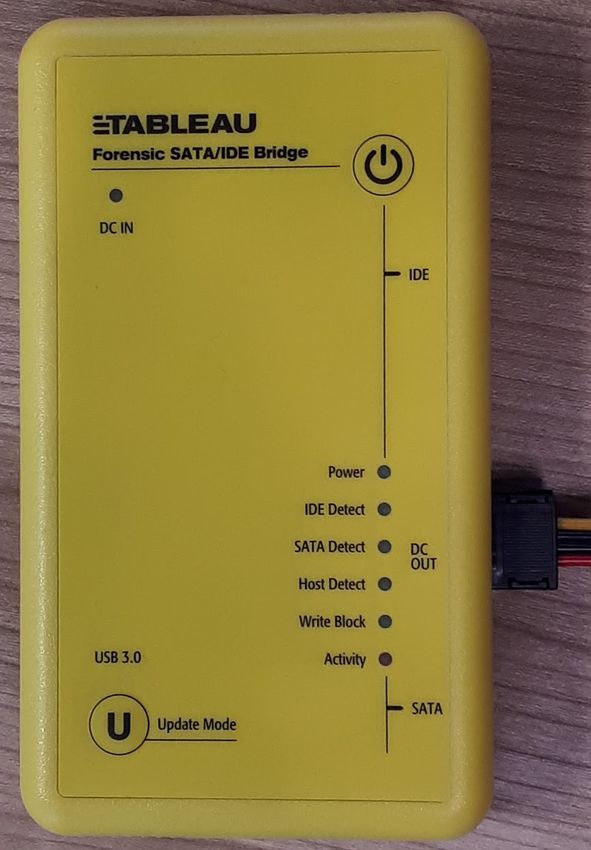
ts
                                                                                               gh
                             Windows 10 as a Forensic Platform

                                                                                           Ri
                                                                                        ll
                                                                                   Fu
                                                                              ns
                                                   GIAC GCFA

                                                                          ai
                                   Author: Ferenc Kovacs, ferii.kovacs@gmail.com

                                                                        et
                                              Advisor: Sally Vandeven

                                                                  rR
                                                            ho
                                               Accepted: June 4, 2018

                                                         ut
                                                   ,A
                                                te     Abstract

               Microsoft Windows is widely used by forensic professionals. Windows 10 is the latest
                                           itu

               version available today. Many popular forensic packages such as FTK, Encase, and
               Redline are only running on Windows. Other packages such as Python, Volatility, The
                                       st

               Sleuth Kit and Autopsy have Windows versions. This paper will detail the process of
                                    In

               configuring a Windows 10 computer as a forensics investigation platform. It will show
               the necessary steps to set up the operating system, install Windows Subsystem for Linux,
                             NS

               Python, VMware, and VirtualBox. The research will examine the setup of dd.exe, FTK
               Imager, Encase Forensic Imager, Redline, The Sleuth Kit, Autopsy, the SANS SIFT
                        SA

               workstation, Volatility and Log2Timeline. This research will also highlight the external
               devices that will be used such as write blockers and external drives. Metrics will be
                     e

               collected to show the effectiveness of the software tools and hardware devices. By
                Th

               following the described steps, the reader will have a configured Windows 10 workstation
               that provides a useful platform for conducting forensic investigations.
          18
     20
 ©

© 2018 The SANS Institute                                                                       Author retains full rights.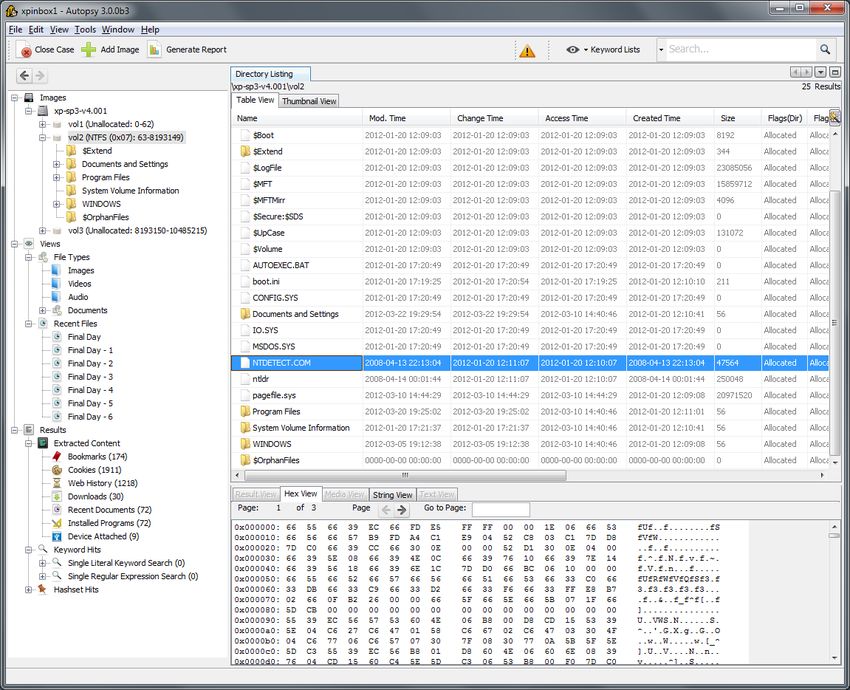
ts
                                                                  Windows 10 as a Forensic Platform 2

                                                                                                      gh
                                                                                                Ri
               1. Introduction

                                                                                                ll
                                                                                        Fu
                      Microsoft Windows is an operating system widely used by home, education,
               government, and business users as well as forensic professionals. Many popular forensic

                                                                                  ns
               packages such as FTK, Encase, and Redline are only available on Windows. Other

                                                                              ai
               packages such as Python, Volatility, The Sleuth Kit and Autopsy have Windows

                                                                          et
               versions. Virtualization tools such as VMware and VirtualBox are available which allow

                                                                    rR
               virtualized computers to run within Windows. The aim of this research is to provide a

                                                               ho
               guide for analysts who want to create a Windows 10 environment for computer forensics.

                                                           ut
               This includes selecting the hardware for the platform, installing the operation system,

                                                      ,A
               setting it, choosing the necessary software tools, and installing these tools.
                                                  te
                      The forensic investigation process includes three main stages: the evidence
                                             itu

               acquisition, the analysis of the collected evidences, and reporting the results. The
                                         st

               majority of the forensic tools provide solutions for the first two stages, as the reporting
                                     In

               stage is not tool-dependent but rather depends on the personal skills of the analyst. The
                              NS

               investigation process and the required reporting format also depend on the organization.
                        SA

               An effective forensic platform provides tools that will allow the analyst to perform each
               of these tasks in a timely manner. Using the tools included in such a platform, the
                     e
                Th

               investigator should be able to collect all of the necessary evidence and analyze it to create
          18

               the report of investigation (Martin, 2017). An effective forensic investigation platform
               will comply with the requirements of the forensic analysis tools. The results generated by
     20

               using the platform should be usable, comprehensive, accurate, deterministic, and
 ©

               verifiable (Carrier, 2003).

                      This paper will detail the process to configure a Windows 10 computer as a
               forensics investigation platform. It will show the necessary steps to set up the operating
               system and install forensic tools on the machine. The tools will be grouped by their
               functions. The system setup will cover the configuration of Windows and the installation
               of Python scripting environment. The sections which follow will discuss the
               configuration of Virtualization software, evidence acquisition tools, and analysis tools.
               The performance comparison will demonstrate the effectiveness of the software tools and
               hardware devices based on the collected metrics. By following the described steps, the

               Author Name, email@address;Ferenc Kovacs

© 2018 The SANS Institute                                                                             Author retains full rights.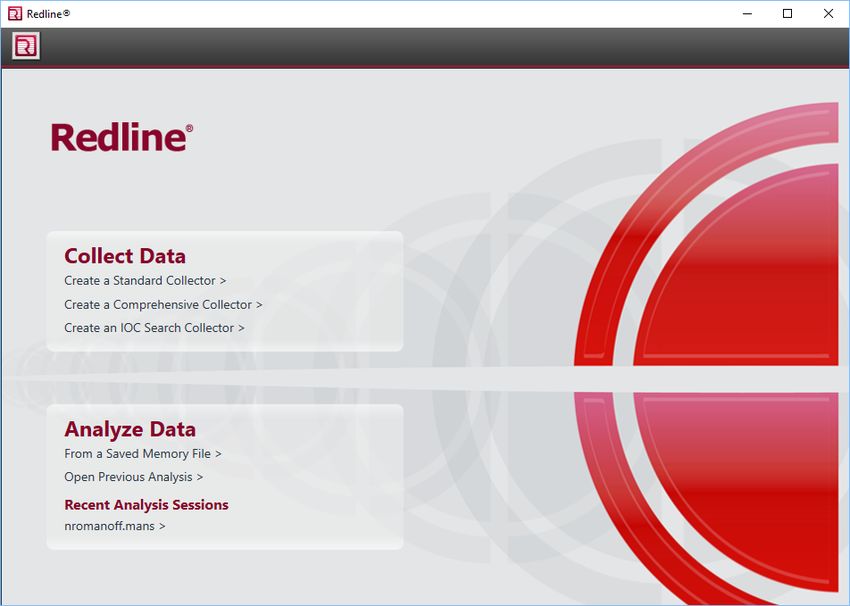
ts
                                                                  Windows 10 as a Forensic Platform 3

                                                                                                    gh
                                                                                               Ri
               forensic analysts will have a configured Windows 10 workstation that provides a useful

                                                                                            ll
               platform for conducting forensic investigations.

                                                                                       Fu
                                                                                 ns
               2. System Setup

                                                                             ai
                                                                         et
                      The physical computer that will be used for testing the environment in this study

                                                                    rR
               is an HP Z640 mini tower workstation containing 2.4 GHz Intel Xeon CPU with two

                                                              ho
               processors (2x12 virtual CPUs) and 32 GB RAM. The operating system installed is 64-bit

                                                           ut
               x64 Windows 10 Professional. The system is installed on a 250 GB SCSI hard disk. For

                                                     ,A
               data storage, there is an Intel Raid 5 SCSI disk array with 5.18 TB capacity.
                                                  te
                      Windows 10 is the latest version running on desktop computers. Microsoft
                                            itu

               designed it to be safer and more user-friendly than previous versions. It collects
                                         st

               diagnostic and personal- related information to improve user experience and to help
                                     In

               Microsoft in troubleshooting problems. Microsoft published their privacy statement for
                              NS

               Windows 10 that explains what data is collected and also not collected (Myerson, 2015),
                        SA

               (Nadella, 2018). Microsoft collects Safety and Reliability Data (such as device ID, device
               type, and application crash data) to provide a secure and reliable experience. They collect
                     e

               Personalization Data to provide users with a customized look and feel of Windows.
                Th

               Microsoft aims to deliver targeted advertising, but they will not collect the content of
          18

               emails, other communications, or files. Microsoft states that the user remains in control to
     20

               determine what information is collected.
 ©

                      The operating system has to be set to make sure the information acquired for
               analysis will not leak from the workstation. Keeping the workstation off the network
               would stop any data leakage but it would also prevent the installation of security updates.

                      The current installation is a clean install of Windows 10 Professional. Windows
               10 installation media can be downloaded from https://www.microsoft.com/en-
               gb/software-download/windows10. The activation code is not included in the package; it
               has to be purchased separately.

                      Microsoft encourages users to connect the machine to their Microsoft Live
               account that allows synchronizing the settings between various computers and devices

               Author Name, email@address;Ferenc Kovacs

© 2018 The SANS Institute                                                                           Author retains full rights.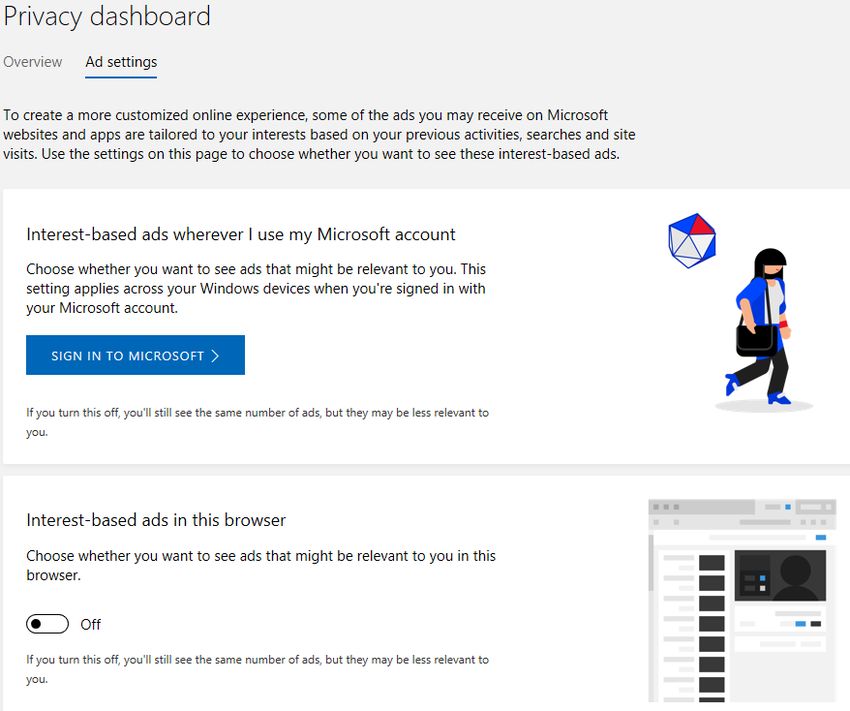
ts
                                                                    Windows 10 as a Forensic Platform 4

                                                                                                       gh
                                                                                                  Ri
               that belong to the user. This workstation will be used to perform forensic analysis. All the

                                                                                               ll
               tasks intended to run on the machine are related to that function so personalized setup is

                                                                                          Fu
               not needed. The options for customizing privacy settings are summarized in The

                                                                                    ns
               Complete Guide to Windows 10 Privacy Settings (Phillips, 2016).

                                                                                ai
                         During installation, the analyst should choose to use a local account on the

                                                                            et
               computer and should not sign in with a Microsoft account. Cortana is not activated by

                                                                      rR
               default. To verify it is disabled click the Cortana icon on the Taskbar and check the

                                                                 ho
               status.

                                                                ut
                         It is possible to modify the privacy settings. In order to do so, the analyst should

                                                           ,A
               open the Windows menu and navigate to “Settings > Privacy” as shown in Figure 1.
                                                      te
                                                 itu
                                             st
                                         In
                                 NS
                           SA
                     e
                Th

                         Figure 1: Setting Up Privacy Options
          18
     20
 ©

               To disable the advertising integration, the analyst should navigate to the General Tab and
               uncheck the radio button “Let apps using Advertising ID”. Then he or she should open
               the browser, go to https://choice.microsoft.com/en-us/opt-out and set “Off” for “Interest-
               based ads in this browser” as shown in Figure 2. The analyst should do this for each
               browser that is installed and used on the machine.

               Author Name, email@address;Ferenc Kovacs

© 2018 The SANS Institute                                                                               Author retains full rights.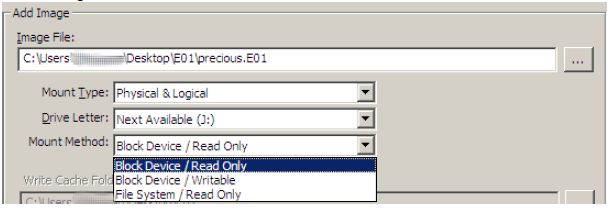
ts
                                                                        Windows 10 as a Forensic Platform 5

                                                                                                    gh
                                                                                                Ri
                                                                                             ll
                                                                                         Fu
                                                                                    ns
                                                                                 ai
                                                                              et
                                                                          rR
                                                                   ho
                                                               ut
                                                         ,A
                                                     te
                                               itu
                                           st
                                      In

                      Figure 2: Disabling the Advertising Integration
                              NS
                        SA

               In the menu “Settings > Privacy” uncheck the Location, Camera Microphone,
                     e

               Notifications and Speech services. Switch Wi-Fi Sense off, go to Settings > Network &
                Th

               Internet > Wi-Fi > Manage Wi-Fi Settings. Then slide the option “Connect to suggested
          18

               open hotspots” to “Off”.
     20

                      Microsoft updates can no longer be turned off. It is possible to pause updates for a
 ©

               maximum of 35 days. It can be set it in “Settings > Update &Security > Advanced
               options” to pause the updates during daily operation on the machine and activate it
               manually for idle time. The update cycle will automatically resume after 35 days. Set
               “Restart options” “Off” to avoid an unwanted reboot of the machine.

               2.1. Windows Subsystem for Linux
                      Windows Subsystem for Linux (WSL) is a compatibility layer integrated into
               Windows 10 that enables Linux binary executables to be run on the Windows machine.
               WSL provides a Linux-compatible kernel interface developed by Microsoft. The analyst

               Author Name, email@address;Ferenc Kovacs

© 2018 The SANS Institute                                                                           Author retains full rights.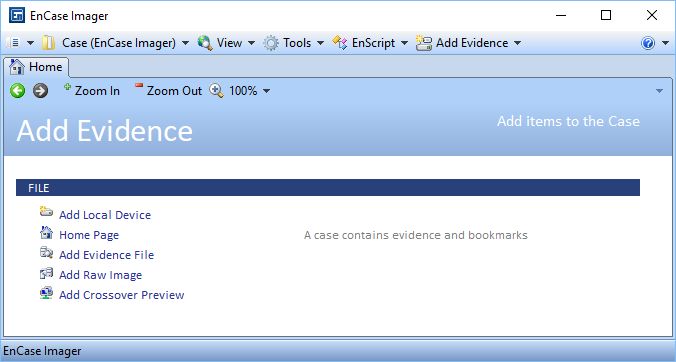
ts
                                                                  Windows 10 as a Forensic Platform 6

                                                                                                   gh
                                                                                               Ri
               can install it through PowerShell by opening PowerShell as an Administrator and then

                                                                                           ll
               running the command: Enable-WindowsOptionalFeature -Online -FeatureName

                                                                                      Fu
               Microsoft-Windows-Subsystem-Linux.           After installation, the computer should be

                                                                                ns
               rebooted. Another way of installation is through the Windows GUI. Open “Control Panel

                                                                               ai
               > Programs and Features > Turn Windows features on or off” and select the checkbox

                                                                           et
               “Windows Subsystem for Linux” as indicated in Figure 3.

                                                                     rR
                                                                ho
                                                           ut
                                                      ,A
                                                  te
                                             itu
                                         st
                                     In
                              NS
                        SA
                      e
                Th
          18
     20
 ©

                      Figure 3: Turning on WSL in Programs and Features Menu

                      Several Linux packages are available in the Microsoft store. Installation from the
               Microsoft store does not require the linked Microsoft account. The configured system for
               this research uses the Ubuntu package, which provides a Terminal window and runs
               Ubuntu command line utilities such as bash, ssh, and apt. The Ubuntu command line is
               shown in Figure 4. The command line version of SANS SIFT workstation will also be
               installed under the Ubuntu package. The details of the SIFT setup are described in section
               5.3.

               Author Name, email@address;Ferenc Kovacs

© 2018 The SANS Institute                                                                          Author retains full rights.
ts
Windows 10 as a Forensic Platform 7
gh
Ri
ll
Fu
ns
ai
Figure 4: Ubuntu Command Line
et
rR
ho
2.2. Python
The Python scripting language is the foundation of several open-source forensic
ut
,A
tools including Volatility and the Plaso/Log2Timeline tool. Since its release in 1991,
Python has been gaining popularity as a scripting language (Donaldson, 2003). The
te
itu
downside of Python is its relative slowness and its rigid conventions compared to other
languages. The development of Python diverged in 2008 with the introduction of version
st
In
3.0 which is incompatible with the predecessor 2.x. Both versions have updated releases
as of the time of this writing (Python Software Foundations, 2017). The main reason to
NS
stick with the older version is that Volatility requires Python 2.7.x to operate.
SA
The Python releases for Windows can be downloaded from www.python.org; the
e
current versions are Python 3.6.4 and Python 2.7.14. The Windows 64-bit install package
Th
can be found at https://www.python.org/ftp/python/2.7.14/python-2.7.14.amd64.msi.
18
20
©
3. Virtualization Software
Virtualization techniques are commonly used in computer forensics. Running
multiple instances of operating systems as a virtual machine provides the opportunity to
run and analyze malicious software on the isolated guided environment. In the event of
an issue, it is easy to stop the infected virtual machine and revert to a previous snapshot
of the VM. The tradeoff for using virtual machines is the degraded performance and
limited resources as the host operating system must allocate its memory and disk to the
guest. In this case, Microsoft Windows is the host operating system that will be used, and
which will host one or more virtual machines that look like separate computers with
Author Name, email@address;Ferenc Kovacs
© 2018 The SANS Institute Author retains full rights.ts
Windows 10 as a Forensic Platform 8
gh
Ri
Windows or Ubuntu Linux operating systems. In
ll
the test environment set up for this research,
Fu
VMware and VirtualBox will also be installed.
ns
SANS Investigative Forensics Toolkit (SIFT)
ai
will be running on both Virtual Machines. The
et
installation of SIFT is detailed in section 5.3.
rR
Measurements will be made to compare the
ho
speed of the tools running natively versus the
ut
tools running on the VMs.
,A
The performance of virtualization will depend on the tasks executed, the type of
te
virtualization and the virtualization platform used. The differences in response time are
itu
not so visible when the operator performs shorter tasks but are much more significant
st
when long batch processes are running.
In
NS
3.1. VMware Workstation
SA
VMware Inc. is a subsidiary of Dell and provides cloud computing and platform
e
virtualization software and services. It was the first company that successfully virtualized
Th
the x86 architecture. VMware isn’t a single product but rather an ecosystem of connected
18
tools and applications. VMware Workstation, their desktop virtualization tool for
20
Windows and Linux, is a commercial product. VMware Workstation player is free for
©
personal, non-commercial use. The latest release is version 14.1.1 and can be downloaded
from the URL https://www.vmware.com/go/tryplayer.
3.2. Oracle VirtualBox
VirtualBox is the host-based virtualization solution owned by Oracle. Originally
developed by Innotek Gmbh, it was first acquired by Sun Microsystems in 2008 then by
Oracle in 2010. VirtualBox is a free and open-source solution that works with all x86 and
x64 platforms including Windows, Mac, Linux, and Solaris. The latest version 5.2.8 can
be downloaded from the URL https://www.virtualbox.org/wiki/Downloads.
Author Name, email@address;Ferenc Kovacs
© 2018 The SANS Institute Author retains full rights.ts
Windows 10 as a Forensic Platform 9
gh
Ri
ll
Fu
4. Evidence Acquisition Tools
ns
This section covers the installation and setup of different evidence acquisition
ai
tools that will be used on the workstation. Software tools such as Dd.exe, FTK Imager
et
and EnCase forensic imager are used to acquire forensic images of system memory
rR
(RAM) and Hard Disks (HDD). Write blockers are used to protect the source media from
ho
accidental modification. The terminology used for evidence acquisition is discussed in
ut
the Appendix.
4.1. Dd.exe ,A
te
The ‘dd’ utility was originally developed for UNIX back in the 1970’s. The free
itu
‘dd’ is available on UNIX, Linux, OS X and Windows. It is a simple utility that reads the
st
In
source disk and writes it to a bit-by-bit raw image.
NS
The Windows version ‘Dd.exe’ is part of the Forensic Acquisition Utilities (FAU)
package written by George Garner (Garner, 2016). FAU can be downloaded free from the
SA
URL http://www.gmgsystemsinc.info/fau/. The package comes with a ZIP compressed
e
file that contains the executable and all the ".dll" files needed to run it. There are separate
Th
file sets for x86 and x64 environments. To use DD.exe in Windows, the analyst only
18
needs to decompress the content of the appropriate folder. The Windows-based Dd.exe
20
has additional functions compared to the UNIX dd. It can send its output directly to a
©
TCP or UDP port which allows it to perform remote acquisition over the network. The
built-in help can be viewed using:
C:\> dd.exe --help or C:\> dd.exe /?
4.2. FTK Imager
The Forensic Toolkit (FTK) created by AccessData is a commercial product, but
the company also offers a free of charge acquisition tool. Using FTK Imager the analyst
can acquire disk images, memory images, and review them to determine if further
Author Name, email@address;Ferenc Kovacs
© 2018 The SANS Institute Author retains full rights.ts
Windows 10 as a Forensic Platform 10
gh
Ri
forensic analysis is required (AccessData, 2016). It has a graphical GUI and command
ll
line version as well.
Fu
FTK Imager can be downloaded from the URL https://accessdata.com/product-
ns
download. The latest 4.2.0 version was released on December 11, 2017. The instructions
ai
to operate the software are detailed in the FTKImager_UG.pdf that is included in the
et
download package.
rR
The program creates images from hard drives and other types of storage devices.
ho
FTK can create images in four different file formats: .E01, SMART, AFF, and raw.
ut
These images can be written in a single file or can be split into file segments that can be
,A
constructed at a later point. When the file is split into segments, the files can be moved
te
and stored in several locations. With the compression option, the image size can be
itu
decreased by 50% or more at the cost of slower compression speed (AccessData, 2016).
st
With FTK Imager the user can create a forensic image of a physical disk or a
In
logical volume by selecting the menu item “File > Create Disk Image”. The wizard walks
NS
through the possible options for selecting the type of the source drive, the destination
SA
image type, filename, and compression as shown in Figure 5 and Figure 6.
e
Th
18
20
©
Figure 5: Selecting Source Evidence Type in FTK Imager
Author Name, email@address;Ferenc Kovacs
© 2018 The SANS Institute Author retains full rights.ts
Windows 10 as a Forensic Platform 11
gh
Ri
ll
Fu
ns
ai
et
rR
ho
ut
,A
Figure 6: Selecting Destination Image Type in FTK Imager
te
itu
FTK Imager can also create a logical image that only holds the contents of a folder. There
st
is a warning message indicating that resulting image file isn't considered a forensic image
In
as it doesn’t contain any file system metadata, deleted files, or unallocated space. The
NS
message is shown in Figure 7.
SA
e
Th
18
20
©
Figure 7: Message from FTK Imager when imaging a folder
Author Name, email@address;Ferenc Kovacs
© 2018 The SANS Institute Author retains full rights.ts
Windows 10 as a Forensic Platform 12
gh
Ri
The RAM image of the computer can be captured by selecting the menu item
ll
"File > Capture Memory". It will write the memory in raw format with the option of
Fu
including the pagefile.
ns
FTK Imager can also mount physical and logical disks and disk images. The
ai
function can be found when selecting the menu item “File >Image Mounting.” It supports
et
mounting of raw images and E01 images but does not include support for the newer
rR
EnCase Ex01 image format. FTK Imager recognizes the file systems FAT 12, FAT16,
ho
FAT32, Ext2FS, Ext3FS, Ext4FS, ReiserFS3, exFAT, NTFS, HFS, HFS+, CDFS and
ut
VXFS according to the User Guide. Figure 8 shows the three mounting types available in
,A
FTK Imager: te
itu
st
In
NS
SA
e
Figure 8: Image Mounting Types in FTK Imager
Th
18
Selecting Block Device/Read Only reads the evidence as a block device. The mounted
20
device must be viewed using any Windows application that performs Physical Name
Querying. Selecting the "Block Device/Writable" will allow writing to the evidence. The
©
"File System/Read Only" method will read the evidence as a read-only device that can be
viewed using Windows Explorer.
AccessData offers a standalone version of the imager that doesn't need to be
installed on the computer. The FTK Imager Lite has the latest version 3.1.1 that was
released on October 16, 2010. It can be downloaded from the URL
https://accessdata.com/product-download. The package comes in a single ZIP file. The
compressed file can be extracted to an external drive or its content can be written to a
CD. For using the tool the analyst should connect the external drive to the computer to be
acquired and execute the FTK Imager.exe file.
Author Name, email@address;Ferenc Kovacs
© 2018 The SANS Institute Author retains full rights.ts
Windows 10 as a Forensic Platform 13
gh
Ri
The FTK Imager has command line versions for Windows, OSX, and Linux. The
ll
command line version is also 3.1.1 similar to the Lite version but was released in 2012.
Fu
The Windows version is 32-bit only; the Linux versions are available in 32-bit and 64-bit
ns
as well. The command line version has most of the same functionality as the GUI version
ai
with few differences. The download package doesn't include a user manual, but there is
et
built-in help with instructions for usage. The help option can be accessed using the
rR
command:
ho
C:\> ftkimager –help
ut
,A
te
4.3. Encase Forensic Imager
itu
Encase Forensic from OpenText is a full-featured forensic package that can create
st
images and perform forensic analysis on them. It is an industry-accepted tool used by law
In
enforcement and private companies. EnCase is used to acquire, analyze, and report on
NS
evidence. OpenText also offers its imaging module, the Encase Forensic Imager, as a free
product. It can be downloaded from the URL https://www.guidancesoftware.com/encase-
SA
forensic-imager/forensic-imager-download. The latest 7.10 version was released on June
e
30, 2014. The usage instructions to operate the software are detailed in the
Th
EnCase_Forensic_Imager_v7.10_User's_Guide.pdf that is included in the download
18
package.
20
The Encase Forensic Imager creates images of physical drives, logical volumes,
©
individual files, folders or other image files. The output image is the Expert Witness
Format E01 or Ex01. The newer Ex01 format is available starting with Encase version 7.
It provides compression AES256 encryption and options for MD5 and SHA-1 hashing
(Guidance Software, 2014).
As Figure 9 indicates, evidence can be acquired by selecting the menu item “Add
Evidence” then selecting “Add Local Device” “Add Evidence file” or “Add Raw Image”.
The supported evidence files for acquisition are EnCase evidence files (.E01, .Ex01),
logical evidence files (.L01, .Lx01), DD images, VMware files (.vmdk), or Virtual PC
files (.vhd).
Author Name, email@address;Ferenc Kovacs
© 2018 The SANS Institute Author retains full rights.ts
Windows 10 as a Forensic Platform 14
gh
Ri
ll
Fu
ns
ai
et
rR
ho
ut
,A
te
Figure 9: Adding Evidence in EnCase Imager
itu
st
Encase Forensic Imager doesn’t provide mounting functionality, but rather
In
provides a simple preview of the image within that utility only. Encase Forensic is the
NS
full commercial package that allows one to perform analysis and reporting on the
SA
evidence.
e
Th
4.4. Write blockers
18
Write blockers are small hardware devices that are used to prevent any data from
20
being written back to the source during the imaging process. To acquire hard drives that
©
are connected to Windows, the analyst should always use write blocker hardware.
According to Guidance Software, "Windows writes to any local hard drive visible to it.
Windows will, for example, put a Recycle Bin file on every hard drive that it detects and
will also change Last Accessed date and time stamps for those drives" (Guidance
Software, 2014 page 22). The source disk is connected to the input port of the write
blocker. The computer which performs the acquisition is connected to the output. These
devices connect an IDE or Serial ATA hard drive to the analysis computer through one of
several interfaces. Most write blockers support USB, FireWire and eSATA connections,
though the speed of these interfaces varies depending on the age of the device.
Author Name, email@address;Ferenc Kovacs
© 2018 The SANS Institute Author retains full rights.ts
Windows 10 as a Forensic Platform 15
gh
Ri
The performance of two write blocker devices was tested in this research. One is
ll
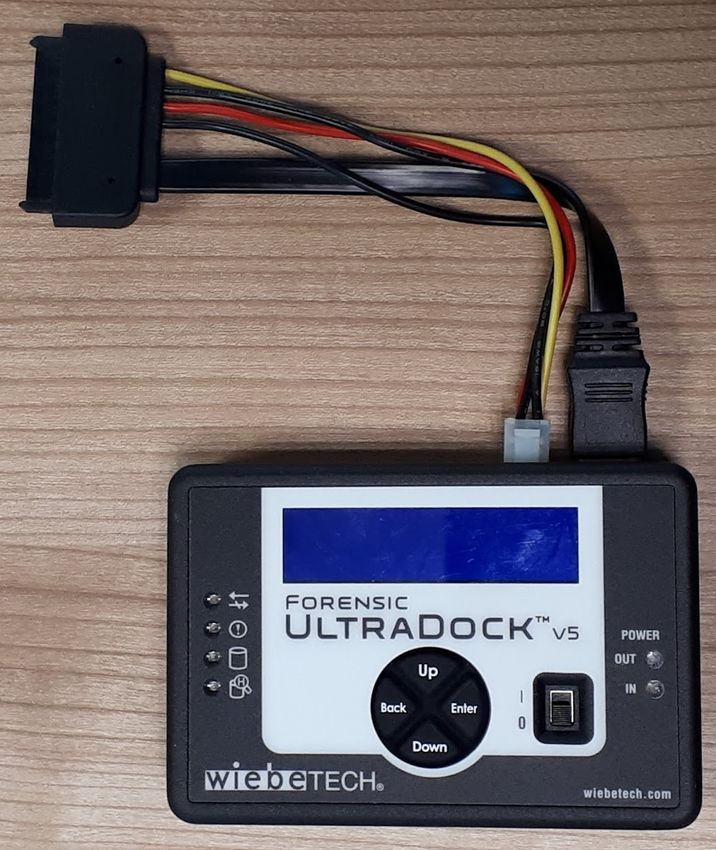
the Forensic UltraDock (FUD) v5 from Wiebetech by CRU as shown in Figure 10. The
Fu
device was distributed with the SANS FOR408 course materials and supports IDE,
ns
SATA disks with eSATA, Firewire, USB 2.0 / 3.0 interfaces (Wiebetech by CRU, 2018).
ai
et
rR
ho
ut
,A
te
itu
st
In
NS
SA
Figure 10: Forensic UltraDock v5
e
Th
18
The second device that will be used for the test is Tableau Forensic T35u-RW
20
from Guidance as shown below in Figure 11. It is an older device that supports IDE,
SATA disks, and USB 2.0 / 3.0 interfaces. The device can be configured to operate read-
©
only or read/write mode by setting a 4-position DIP switch (Guidance Software /Tableau
Hardware, 2017).
Author Name, email@address;Ferenc Kovacs
© 2018 The SANS Institute Author retains full rights.ts
Windows 10 as a Forensic Platform 16
gh
Ri
ll
Fu
ns
ai
et
rR
ho
ut
,A
te
itu
Figure 11: Tableau Forensic T35u-RW
st
In
4.5. Destination media
NS
The acquired image files then have to be stored on the analysis computer either on
SA
the internal Hard Drive or on an external Disk connected by the USB interface. The
e
workstation used for this research has an internal Raid storage disk with 5.18 TB of
Th
capacity. The acquired images can be stored on this internal disk which is feasible for
18
storing relatively small images. The downside is that storing multiple images can use up
20
available space. To acquire images of 250 GB to 2 TB hard drives, it is necessary to have
enough storage space on the destination media. Additional external storage can also be
©
connected to the computer to increase the available capacity.
5. Evidence Analysis Tools
There are two main types of evidence analysis: disk forensics and memory
forensics. Memory forensics is important when dealing with memory-resident malware.
Early memory analysis was mainly limited to byte and string searches. Current memory
structures are better understood, and new tools exist that allow more detailed analysis of
the contents of memory. RAM is now the best place to discover malware running on the
system. Malware “wants to hide”, but it also has to be executed to be effective. As the
Author Name, email@address;Ferenc Kovacs
© 2018 The SANS Institute Author retains full rights.ts
Windows 10 as a Forensic Platform 17
gh
Ri
size of system’s memory is steadily increasing it is becoming less volatile and looks like
ll
a secondary file system. The tracks of running processes, threads, and DLLs are visible in
Fu
the RAM (Lee, Tilbury, 2016).
ns
ai
et
5.1. Mandiant Redline
rR
Mandiant Redline is probably the most user-friendly free memory analysis
software available. It guides investigators through the process of evaluating the system
ho
for finding compromise or infection. It provides a series of investigation steps to find
ut
malware to review processes, network connections, memory sections, untrusted handles,
,A
hooks, and drivers. Redline attempts to quickly point out potentially malicious objects via
te
behavioral analysis and known bad heuristics. The latest 1.20.1 version was released on
itu
October 23, 2017. It can be downloaded from
st
https://www.fireeye.com/services/freeware/redline.html. The following options are
In
provided when an analyst opens Redline, as Figure 12 indicates:
NS
SA
e
Th
18
20
©
Figure 12: Redline data collection and analysis options
Author Name, email@address;Ferenc Kovacs
© 2018 The SANS Institute Author retains full rights.ts
Windows 10 as a Forensic Platform 18
gh
Ri
Create a Standard Collector. A “collector” is a portable agent used to collect data from
ll
a live system. It is implemented as a batch script that should be run from a removable
Fu
media such as a USB drive. It collects the data necessary for a full live memory analysis.
ns
The result is written back to the USB drive and can then be imported back to Redline.
ai
Create a Comprehensive Collector. This option is similar to the previous function but
et
additionally collects file metadata, Registry hives, Event Logs, and Prefetch files.
rR
Create an IOC Search Collector. This option collects the host-based artifacts to
ho
perform a scan for specified Indicators of Compromise (IOC).
ut
,A
Analyze Data / From a Saved Memory File. This option allows the analyst to open a
raw memory image file for analysis. It is the main menu that should be used for memory
te
forensics.
itu
st
Open Previous Analysis. This option is used to review previous analysis results.
In
NS
5.2. The Sleuth Kit and Autopsy
SA
The Sleuth Kit (TSK) and the Autopsy Forensic Browser are open-source forensic
e
analysis tools that were first released by Brian Carrier in 2001. They are available on
Th
Linux, Windows, and OSX platforms. TSK is a C library and a collection of more than
18
twenty command line tools that can analyze disk and file system evidence. The tools are
20
organized into five groups called layers (Carrier, 2017). These layers are: File System
Layer, Filename Layer, Metadata Layer, Data Unit Layer, and File System Journal tools.
©
Each tool name has two parts, where the first part identifies its group and the second part
identifies its function. The File System Layer includes the data that describes the layout
and general information about a file system. The tool fsstat belongs to this layer. Fsstat
reads the boot sector or superblock and other data structures that are specific to the
different types of file systems. The File Name Layer tools (such as ffind and fls) process
the file name structures, which are typically located in the parent directory. The Metadata
Layer tools (such as icat, ifind, ils, istat) process the metadata structures, which store the
details about a file. The Data Unit Layer tools (such as blkcat, blkls, blkstat, and blkcalc)
process the data units where file content is stored. The File System Journal tools (such as
Author Name, email@address;Ferenc Kovacs
© 2018 The SANS Institute Author retains full rights.ts
Windows 10 as a Forensic Platform 19
gh
Ri
jcat and jls) process the journals of some filesystems. The journal records the metadata
ll
(and sometimes content) updates that were made which could help recover recently
Fu
deleted data. The TSK supports Ext2/3 (Linux-ext2, linux-ext3), FAT (fat, fat12, fat16,
ns
fat32), NTFS (ntfs), and UFS1/2 (freebsd, netbsd, openbsd, Solaris) file system formats.
ai
Autopsy is a graphical frontend for TSK which allows browser-based access to
et
the TSK tools as shown in Figure 13. Autopsy has an intuitive design. Its main modules
rR
are Timeline Analysis, Hash Filtering, Keyword Search, Web Artifacts, Data Carving,
ho
Multimedia, and Indicators of Compromise (Carrier, 2017).
ut
,A
te
itu
st
In
NS
SA
e
Th
18
20
©
Figure 13: The Graphical Interface of Autopsy
The latest 4.6.0 version of TSK and Autopsy was released on February 23, 2018.
The TSK Windows binaries and Autopsy can be downloaded from the URL
http://sleuthkit.org/sleuthkit/download.php and http://sleuthkit.org/autopsy/download.php
respectively.
Author Name, email@address;Ferenc Kovacs
© 2018 The SANS Institute Author retains full rights.ts
Windows 10 as a Forensic Platform 20
gh
Ri
5.3. SANS SIFT
ll
As the SANS Investigative Forensics Toolkit (SIFT) homepage explains “The
Fu
SIFT Workstation is a group of free open-source incident response and forensic tools
ns
designed to perform detailed digital forensic examinations in a variety of settings”
ai
(SANS, 2018). SIFT was created and maintained by Rob Lee at the SANS Institute.
et
The current version is based on Ubuntu LTS 16.04. It can be downloaded from
rR
SANS as a pre-configured Virtual Machine appliance in ".ova" format. Manual
ho
installation can also be done on an existing Ubuntu system running the SIFT-CLI
ut
command line tool. SIFT can be installed on Windows 10 Creators Edition or later
,A
version using the “Windows Subsystem for Linux” tool. Installation of the tool and the
te
Ubuntu bash shell was discussed in section 2.1. The SIFT-CLI command line tool has to
itu
be used from the bash shell. The latest v1.5.2 version of SIFT was released in 2018. It
st
can be downloaded from http://digital-forensics.sans.org/community/downloads.
In
After downloading the preconfigured “SIFT-Workstation.ova” virtual appliance,
NS
it has to be imported to the Virtualization software. The settings used for importing SIFT
SA
virtual appliance into VMware are shown in Figure 14.
e
Th
18
20
©
Figure 14: SIFT Virtual appliance in VMware
Author Name, email@address;Ferenc Kovacs
© 2018 The SANS Institute Author retains full rights.ts
Windows 10 as a Forensic Platform 21
gh
Ri
The settings used for importing SIFT virtual appliance into VirtualBox are shown
ll
in Figure15 below.
Fu
ns
ai
et
rR
ho
ut
,A
te
itu
st
In
NS
SA
e
Figure 15: Importing the SIFT Virtual appliance in VirtualBox
Th
18
SANS provides extensive documentation for installing and using SIFT including
20
the description and usage of all the embedded packages. Cheat sheets are also available to
©
provide concise reference material for the daily use of forensic investigations. The SIFT
documentation can be found on the URL http://sift.readthedocs.io/en/latest/.
SIFT supports the NTFS, iso9660, HFS, RAW, swap, memory, FAT (fat12, fat16,
fat32), EXT (ext2, ext3, ext4), UFS(ufs1, ufs2), and VDMK file system formats. The
following evidence image formats are supported: raw (Single raw file (dd)), aff
(Advanced Forensic Format), afd (AFF Multiple File), afm (AFF with external metadata),
afflib (All AFFLIB image formats including beta ones), ewf (Encase Expert Witness
format), split raw (Split raw files), affuse, and split ewf (Split E01 files).
Author Name, email@address;Ferenc Kovacs
© 2018 The SANS Institute Author retains full rights.ts
Windows 10 as a Forensic Platform 22
gh
Ri
The SANS SIFT workstation includes the mounting utilities mount, ewfmount,
ll
xmount, and affuse. There are 100+ software tools included in SIFT such as log2timeline
Fu
(Timeline Generation Tool), Rekall Framework (Memory Analysis), Volatility
ns
Framework (Memory Analysis) with 3rd Party Volatility Plugins, bulk_extractor,
ai
SleuthKit with Autopsy, log2timeline, Plaso, Qemu, and regripper with its plugins.
et
rR
5.4. Volatility
ho
The Volatility Framework is the most well-known memory analysis tool. The first
ut
version was released publicly at Black Hat DC in 2007 and has recently evolved
,A
dramatically with improved functionality. The latest version, Volatility 2.6 was released
te
in December 2016. It can be downloaded from
itu
http://www.volatilityfoundation.org/releases.
st
In
Volatility supports 32 and 64-bit Windows 10, 8, 7, XP, Vista, Windows Server
NS
2012 (64bit), 32 and 64-bit Windows Server 2008, 2003, Linux kernels from 2.6.11 to
4.2.3+, and Mac OSX. The supported memory formats include Raw Physical Memory,
SA
Expert Witness Format (.E01), Windows Crash Dump, Windows Hibernation,
e
VirtualBox Core Dumps, VMware Saved State (.vmss) and Snapshot (.vmsn).
Th
Volatility is not as user-friendly as Redline, but it is far more powerful. It is a
18
command line tool written completely in Python (Volatility Foundation, 2017). Volatility
20
is included in the SIFT workstation and can be started with the vol.py command. It is also
©
available as a Windows standalone executable file, which can run without the need to
install the Python environment. The usage syntax of Volatility is:
vol.py –f [image] [plugin] –-profile=[PROFILE]
The –f option is required, and it should be followed by the [image] option that
describes the name and path of the memory image file to be analyzed. The [plugin]
option tells Volatility which plugin to run to analyze the image. Finally, the system type
of the memory image has to be specified using the [PROFILE] parameter.
To begin, the [PROFILE] has to be determined. The imageinfo plugin reads the
image and recovers metadata such as the system time the image was captured, and the
Author Name, email@address;Ferenc Kovacs
© 2018 The SANS Institute Author retains full rights.ts
Windows 10 as a Forensic Platform 23
gh
Ri
suggested profile (or profiles) describing Operating System and service pack information.
ll
The analyst must always indicate this profile when running Volatility analysis. The
Fu
KDBG (Kernel Debugger Block) information is also needed to speed up the processing
ns
time of some plugins. Figure 16 shows the result of the imageinfo plugin running within
ai
the Ubuntu bash shell:
et
rR
ho
ut
,A
te
itu
st
In
NS
Figure 16: Volatility imageinfo in Ubuntu bash
SA
e
Figure 17 indicates the result of imageinfo plugin running within the Command Prompt:
Th
18
20
©
Figure 17: Volatility imageinfo in Windows Command prompt
Author Name, email@address;Ferenc Kovacs
© 2018 The SANS Institute Author retains full rights.ts
Windows 10 as a Forensic Platform 24
gh
Ri
There are several plugins in Volatility; listed below are some important ones that
ll
can be used to identify the rogue processes running in the memory and collecting network
Fu
artifacts:
ns
pslist Prints all running processes within the EPROCESS doubly linked list.
ai
psscan Scans physical memory for process blocks. Psscan doesn’t simply
et
rR
follow the EPROCESS list. Hidden processes may be identified by using
this plugin.
ho
pstree Prints the process list as a tree showing parent relationships (using the
ut
,A
EPROCESS linked list).
te
netscan Identifies network sockets and TCP structures resident in memory.
itu
malsysproc Scans system processes for anomalies to find malware
st
“pretending” to be legitimate system processes.
In
malfind Scans process memory sections by looking for indications of code
NS
injection.
SA
The help option can be invoked using the -h or –help option to list all of the
e
available options:
Th
$ vol.py –h or $ vol.py –help
18
20
©
5.5. Log2timeline with Plaso
Timeline analysis is one of the most important capabilities which helps to find
malicious activity in the system. It allows the investigator to automatically collect
artifacts from the registry, filesystem, and operating system and arrange them in order of
their occurrence time. Intruders are using anti-forensic techniques to cover their tracks on
the system. But it is nearly impossible to delete all of the footprints; there are too many of
them. Timeline data is extremely useful in tracking the activity of adversaries. Because it
is handled in the OS level, using encryption and covert channels is useless. Anything that
an attacker does will interact with the system (starting programs, opening, modifying,
deleting files, etc.).
Author Name, email@address;Ferenc Kovacs
© 2018 The SANS Institute Author retains full rights.ts
Windows 10 as a Forensic Platform 25
gh
Ri
Log2timeline is a tool that can extract the timestamps from files found on a
ll
computer system and aggregate them to create a Super Timeline. It was created by
Fu
Kristinn Guðjónsson as part of SANS Gold Paper discussion (Guðjónsson, 2010). Plaso
ns
is a Python-based back-end engine used by log2timeline to create Super Timelines. The
ai
name plaso is an acronym: “Plaso Langar Að Safna Öllu” (in Icelandic) which means
et
“Plaso Want to Collect Everything”. The goal of log2timeline is to provide a single tool
rR
that can parse various log files and forensic artifacts from computers to produce a single
ho
correlated timeline. Plaso is a suite of tools that collects timestamps from a system,
ut
archives them, and searches through the data (Metz, 2016).
,A
The key tools in Plaso: te
log2timeline This is the main front-end that is used to extract events from a file,
itu
mount point, or an image file and then saves the events to a .plaso
st
storage file.
In
pinfo The .plaso storage file contains information about how and when
NS
the collection took place. Pinfo prints out this information.
SA
psort This tool is used to filter, sort, and process the .plaso storage file to
e
convert the results into a human-readable format.
Th
There are numerous plugins/parsers that exist in plaso and which are used to
18
collect different Windows, Registry, Webhistory artifacts. Parsers for Linux, Android,
20
and Mac are also available. Plaso and Log2timeline are preinstalled in the SANS SIFT
©
workstation, either in the Virtual Machine appliance or in Ubuntu bash shell under
Windows 10. The usage syntax of log2timeline.py:
$ log2timeline.py [arguments] [STORAGE FILE] [SOURCE]
The Command options:
STORAGE FILE Plaso output database file - /path/to/output.dump
SOURCE Source of device, image, file - /path/to/image.dd
Author Name, email@address;Ferenc Kovacs
© 2018 The SANS Institute Author retains full rights.ts
Windows 10 as a Forensic Platform 26
gh
Ri
arguments -z TIMEZONE_OF_IMAGE
ll
-f FILE_LIST
Fu
--parsers PARSER_LIST
ns
Creating the overall Super Timeline is a time-consuming task. It is also possible
ai
to create more focused timelines to collect data from the relevant files based on the
et
interest of the analyst. This method is called Targeted Timeline Collection. The syntax of
rR
usage is:
ho
$ log2timeline.py -f FILE_LIST --parsers PARSER_LIST
ut
[STORAGE FILE] [SOURCE]
,A
The FILE_LIST argument defines the list of files to include for targeted collection
te
in “/path/to/file” format. The PARSER_LIST argument defines the parsers used by the
itu
tool. The parser list is a comma separated file where each entry is the name of a parser or
st
another parser list.
In
NS
The output of Plaso is a ZIP compressed archive that stores several files. Psort is
the post-processing tool that reads the .plaso file and extracts the events in chronological
SA
order. It can remove duplicates and present the output in human-readable format. The
e
output can include several varieties of CSV, JSON, MySQL, and SQLite. The resulting
Th
data can then be imported to Excel for analysis.
18
20
©
6. Performance Comparison
To measure the evidence acquisition performance, multiple tests were run using
different acquisition software with the two write blockers with write destinations to
internal and external storage media. The source media to be acquired was a 250 GB
Samsung SSD 850 SATA Disk Device. This source disk was used for all tests.
Two kinds of acquisition software were used for the tests, first the FTK Imager
then the Encase Forensic Imager. FTK was used creating raw file output and compressed
E01 file output. Encase doesn’t support raw format, only the compressed E01 output file
format was used with it.
Author Name, email@address;Ferenc Kovacs
© 2018 The SANS Institute Author retains full rights.ts
Windows 10 as a Forensic Platform 27
gh
Ri
One set of tests were made with using the Forensic UltraDock v5 write blocker.
ll
The source disk was connected to the SATA data interface of the UltraDock. The
Fu
UltraDock is powered by its own power adapter; the source disk was powered by the
ns
SATA power interface of UltraDock. The UltraDock device was connected to the
ai
forensic workstation through a USB3 port.
et
Two types of destination media were used for the tests. During the first test, the
rR
acquired image files were written to the internal hard disk of the workstation. The second
ho
time, the image files were written to a 1.8 TB external Maxtor portable USB3 Hard Disk.
ut
All tests were repeated with using the Tableau Forensic T35u-RW write blocker.
,A
This write blocker also has an external power adapter. The source disk was connected to
te
the SATA data input port and SATA power connector of the write blocker. The Tableau
itu
device was connected to the forensic workstation through a USB3 port.
st
Table 1 populates the measurement setups grouped by the Acquisition software
In
tools, Write blockers, Destination media, and Image File formats. The measurement
NS
results are indicated in (hours: minutes: seconds) format.
SA
e
Th
Acquisition Destination Image File format
Write blocker
software media raw E01
18
Acquisition time (h:m:s)
FTK Imager UltraDock Internal 1:30:42 1:26:33
20
External USB 1:24:10 1:32:44
Tableau Internal 1:12:29 1:11:34
©
External USB 0:56:19 1:13:29
Encase Forensic UltraDock Internal 2:12:00
Imager
External USB 1:17:40
Tableau Internal 2:03:02
External USB 1:15:04
Table 1: Image Acquisition Times
The graphical representation of the results of the tests is shown in Table 2.
Author Name, email@address;Ferenc Kovacs
© 2018 The SANS Institute Author retains full rights.ts
Windows 10 as a Forensic Platform 28
gh
Ri
Disk Acquisition Times
ll
time [h:m:s]
Fu
2:24:00
2:09:36
ns
1:55:12
ai
1:40:48
et
1:26:24
rR
1:12:00
0:57:36
ho
0:43:12
ut
0:28:48
,A
0:14:24
0:00:00
te
Internal External Internal External Internal External Internal External
itu
USB USB USB USB
UltraDock Tableau UltraDock Tableau
st
FTK Imager Encase Forensic Imager
In
NS
File format : E01 raw
SA
Table 2: Disk Imaging Performance
e
Th
According to the results, there is no significant difference in the acquisition times
18
of the uncompressed raw format and the compressed E01 format files. The 2.4 GHz Intel
20
Xeon CPU provides sufficient computing power for compressing the data. There is a
©
difference in the acquisition times when comparing the Tableau and UltraDock write
blockers. Tableau performs slightly better in all measurement setups. There is a
significant difference in the processing time of the two imaging software. FTK Imager
performs better than Encase except in one case when UltraDock is used with external
USB storage. Encase needs more time when writing to the internal Raid storage, more
specifically, 53% more time using UltraDock and 72% more time with Tableau. In
overall comparison, FTK Imager produces better results in disk acquisition times.
Another set of tests were ran to measure the performance of the forensic
workstation performing memory analysis. Two memory images were used for testing.
Author Name, email@address;Ferenc Kovacs
© 2018 The SANS Institute Author retains full rights.ts
Windows 10 as a Forensic Platform 29
gh
Ri
The first image is originated from a Windows 7 SP1 64-bit computer with 2:00 GB data
ll
size. The second image is from a Windows 10 Professional 64-bit computer with 8.00 GB
Fu
data size. To test the analysis performance of the workstation Volatility imageinfo plugin
ns
was running against both memory images. For the first test, Volatility2.6.exe was running
ai
in the Windows Command prompt. The second test was running under bash shell of
et
Windows Subsystem for Linux fitted with SIFT workstation that includes Volatility.
rR
Then to test the impact of virtualization, Volatility was running within the Virtual
ho
appliance of Ubuntu based SIFT workstation. An updated copy of SANS SIFT
ut
workstation was installed on VMware and on VirtualBox. Both VMs were configured
,A
using two processor cores and 8 GB RAM. The results of the tests are shown in Table 3.
te
Redline was only ran on Windows, its performance was tested with the 2 GB and
itu
8GB memory images. The execution time of the function “Analyze data / From a Saved
st
Memory Image” was measured with both RAM images. The Redline results are also
In
incorporated in Table 3.
NS
SA
Memory Analysis Performance
e
Th
01:06:38
01:12:00
Processing time [h:m:s]
8
01:04:48
1
00:57:36
20
00:50:24
00:43:12
00:25:50
©
00:36:00
00:28:48
00:21:36 00:13:18 00:12:03
00:05:15
00:14:24 00:04:26 00:00:44 00:00:59 00:00:46 00:01:02
00:07:12
00:00:00
Windows Win10 native Win10 VMware SIFT Virtualbox
Ubuntu bash SIFT
Redline Volatility imageinfo
2 GB RAM 8 GB RAM
Table 3: Memory Analysis Performance
Author Name, email@address;Ferenc Kovacs
© 2018 The SANS Institute Author retains full rights.ts
Windows 10 as a Forensic Platform 30
gh
Ri
The analysis time of the 2 GB image with Volatility imageinfo plugin did not
ll
show significant differences in any environment. All results indicated around a one-
Fu
minute running time. The native Windows command produces the best result followed by
ns
the VMware SIFT installation. VirtualBox SIFT VM took the longest time to run. The
ai
analysis times needed to process the 8 GB was significantly greater. The Windows
et
environments, either the Command prompt or the Ubuntu bash in Windows Subsystem
rR
for Linux were close with the shortest 12 minutes and 3 seconds of Ubuntu bash.
ho
VMware SIFT required 25 minutes to run while VirtualBox SIFT ran for 1 hour and 6
ut
minutes. The assigned 8 GB memory size for both Virtual Machines were the same size
,A
as the analyzed 8 GB image that utilized the memory handling capabilities of the VMs.
VMware performed significantly better with the larger memory image. Redline produced
te
itu
similar processing times for both memory images.
st
In
NS
7. Conclusion
SA
It is time and labor -intensive process to create and set up a forensic platform on
Windows 10. There are precooked forensic environments available on Linux, such as the
e
Th
SANS SIFT workstation. Using Windows 10 gives analysts the opportunity to use
software available on Windows only, and the new Windows Subsystems for Linux
18
environment allows them to run Linux-based tools. Virtualization software such as
20
VMware and VirtualBox are available to run virtualized tools. The Windows native setup
©
provides more system resources such as CPU utilization and allocated RAM to the
running programs. Since it is a part of the operating system, WSL can take advantage of
the available resources. Programs running on Virtual Machines can use resources limited
by the settings of the VM.
The forensic investigation platform built on the Windows machine is effective if it
will comply with the requirements of the forensic analysis tools (Carrier, 2003). The
platform is effective if the results of the measurements are usable, comprehensive,
accurate, deterministic, and verifiable.
Author Name, email@address;Ferenc Kovacs
© 2018 The SANS Institute Author retains full rights.ts
Windows 10 as a Forensic Platform 31
gh
Ri
As demonstrated by the paper it is possible to install the listed forensic tools on
ll
Windows 10 computer that cover all of the forensic functions. The measurement results
Fu
show that the installed platform is effectively usable. Those professionals in the industry
ns
can use this guide to set up their Windows 10 computer to perform forensic analysis.
ai
et
rR
ho
ut
,A
te
itu
st
In
NS
SA
e
Th
18
20
©
Author Name, email@address;Ferenc Kovacs
© 2018 The SANS Institute Author retains full rights.ts
Windows 10 as a Forensic Platform 32
gh
Ri
Figures and Tables
ll
Fu
ns
Figure 1: Setting up privacy options
ai
Figure 2: Disabling the advertising integration
et
Figure 3: Turning on WSL in Programs and Features menu
rR
Figure 4: Ubuntu command line
ho
ut
Figure 5: Selecting Source Evidence Type in FTK Imager
,A
Figure 6: Selecting Destination Image Type in FTK Imager
te
Figure 7: Message from FTK Imager when imaging a folder
itu
Figure 8: Image Mounting Types in FTK Imager
st
In
Figure 9: Adding Evidence in EnCase Imager
NS
Figure 10: Forensic UltraDock v5
SA
Figure 11: Tableau Forensic T35u-RW
e
Figure 12: Redline data collection and analysis options
Th
Figure 13: The Graphical Interface of Autopsy
18
Figure 14: SIFT Virtual appliance in VMware
20
Figure 15: Importing the SIFT Virtual appliance in Virtualbox
©
Figure 16: Volatility imageinfo in Ubuntu bash
Figure 17: Volatility imageinfo in Windows Command prompt
Table 1: Image acquisition times
Table 2: Disk Imaging Performance
Table 3: Memory Analysis Performance
Author Name, email@address;Ferenc Kovacs
© 2018 The SANS Institute Author retains full rights.ts
Windows 10 as a Forensic Platform 33
gh
Ri
References
ll
Fu
Myerson, Terry (September 28, 2015) Privacy and Windows 10 Retrieved from
https://blogs.windows.com/windowsexperience/2015/09/28/privacy-and-
ns
ai
windows-10/.
et
Nadella, Satya (2018) Privacy at Microsoft Retrieved from
rR
https://privacy.microsoft.com/en-US/.
ho
ut
Phillips, Gavin (October 6, 2016) The Complete Guide to Windows 10 Privacy Settings
,A
Retrieved from https://www.makeuseof.com/tag/complete-guide-windows-10-
te
privacy-settings/.
itu
st
Martin, David M. (February 22, 2017) OS X as a Forensic Platform. Retrieved from:
In
https://www.sans.org/reading-room/whitepapers/forensics/os-forensic-platform-
NS
37637.
SA
Vandeven, Sally (September 19, 2014) Forensic Images: For Your Viewing Pleasure
e
Th
Retrieved from https://www.sans.org/reading-
18
room/whitepapers/forensics/forensic-images-viewing-pleasure-35447.
20
Giesbrecht, Shelly (July 22, 2015) Coding For Incident Response: Solving the Language
©
Dilemma Retrieved from https://www.sans.org/reading-
room/whitepapers/forensics/coding-incident-response-solving-language-dilemma-
36107.
Donaldson, Toby (2003, April 25). Python as a First Programming Language for
Everyone. Retrieved from
https://www.cs.ubc.ca/wccce/Program03/papers/Toby.html.
Author Name, email@address;Ferenc Kovacs
© 2018 The SANS Institute Author retains full rights.ts
Windows 10 as a Forensic Platform 34
gh
Ri
Python Software Foundations (2017, September 10). Should I use Python 2 or Python 3
ll
for my development activity? Retrieved from
Fu
https://wiki.python.org/moin/Python2orPython3.
ns
ai
Garner, George M. Jr (May 19, 2016.) Forensic Acquisition Utilities Retrieved from
et
http://www.gmgsystemsinc.info/fau/.
rR
AccessData (March 31, 2016) Imager User Guide Retrieved from
ho
ut
http://marketing.accessdata.com/e/46432/FTKImager-UG/531gls/1237892476.
,A
Guidance Software (July 30, 2014) EnCase Forensic Imager Version 7.10 User’s Guide
te
Retrieved from https://www.guidancesoftware.com/encase-forensic-
itu
imager/forensic-imager-download.
st
In
Guidance Software /Tableau Hardware (2017) Tableau Forensic SATA/IDE Read-Write
NS
Bridge. Retrieved from
SA
https://www.guidancesoftware.com/tableau/hardware/t35u-rw.
e
Wiebetech by CRU (2018) Forensic UltraDock FUDv5.5 product sheet. Retrieved from
Th
https://www.cru-inc.com/products/wiebetech/forensic-ultradock-v5-5/.
18
20
Carrier, Brian (2003) Defining Digital Forensic Examination and Analysis Tools Using
©
Abstraction Layers. Retrieved from: http://www.dfrws.org/conferences/dfrws-
usa-2002/sessions/defining-digital-forensic-examination-and-analysis-tools.
Carrier, Brian (March 17, 2005). File system forensic analysis. Addison Wesley
Professional.
Carrier, Brian (2017) The Sleuth Kit. Retrieved from http://sleuthkit.org/index.php.
Author Name, email@address;Ferenc Kovacs
© 2018 The SANS Institute Author retains full rights.You can also read


