East Midlands Rail Franchise Stakeholder Briefing Document and Consultation Response - Driving Growth in the East Midlands June 2018
←
→
Page content transcription
If your browser does not render page correctly, please read the page content below
East Midlands Rail Franchise
Stakeholder Briefing Document
and Consultation Response
Driving Growth in the East Midlands

June 2018

Stakeholder Briefing Document | East Midlands Rail Franchise
Stakeholder Briefing Document | East Midlands Rail Franchise

The Department for Transport has actively considered the needs of blind and partially sighted people in accessing
this document. The text will be made available in full on the Department’s website in English and Welsh. The text
may be freely downloaded and translated by individuals or organisations for conversion into other accessible formats.
If you have other needs in this regard, please contact the Department:
Department for Transport
Great Minster House
33 Horseferry Road
London SW1P 4DR
Telephone 0300 330 3000
Website: www.gov.uk/government/organisations/department-for-transport
General enquiries: https://forms.dft.gov.uk

© Crown   copyright 2018
Copyright in the typographical arrangement rests with the Crown.

You may re-use this information (not including logos or third-party material) free of charge in any format or medium,
under the terms of the Open Government Licence. To view this licence, visit
http://www.nationalarchives.gov.uk/doc/open-government-licence/version/3/
or write to The Information Policy Team, The National Archives, Kew, London TW9 4DU.
Further contact details are available on http://apps.nationalarchives.gov.uk/Contact/
Where we have identified any third-party copyright information you will need to obtain permission from the copyright
holders concerned.
Stakeholder Briefing Document | East Midlands Rail Franchise
Stakeholder Briefing Document | East Midlands Rail Franchise

Contents

1. Foreword
   Foreword by the Secretary of State          3

2. Introduction
   What is this document for?                  7

3. Background
   The current East Midlands rail services     9

4. Our vision
   Objectives for the franchise               13

5. Consultation responses
   Main themes                                15
   a) Alliancing and stakeholder partnering   18
   b) Train services and connectivity         23
   c) Journey experience                      49
   d) Looking to the future                   67

6. Summary
   Specification summary                      70

7. Appendices
   List of questions                          75
   Figures and tables                         77
   Annex A: List of stakeholder respondents   79
   Annex B: Acronyms                          83
   Annex C: Bidder contact details            84

                                                                                                        1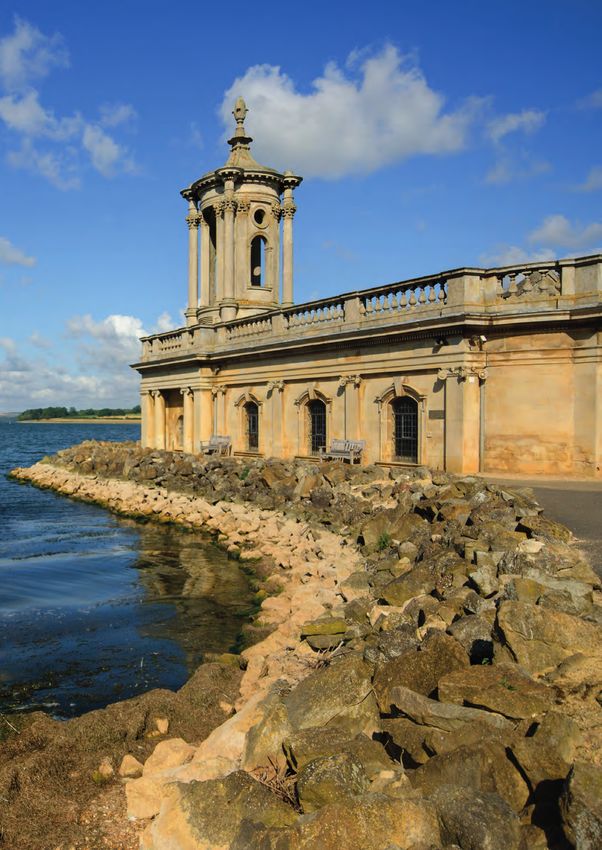
East Midlands Rail Franchise | Public Consultation

                                                      1
                                                     Foreword

                                                                Salt Cellar, Peak District
2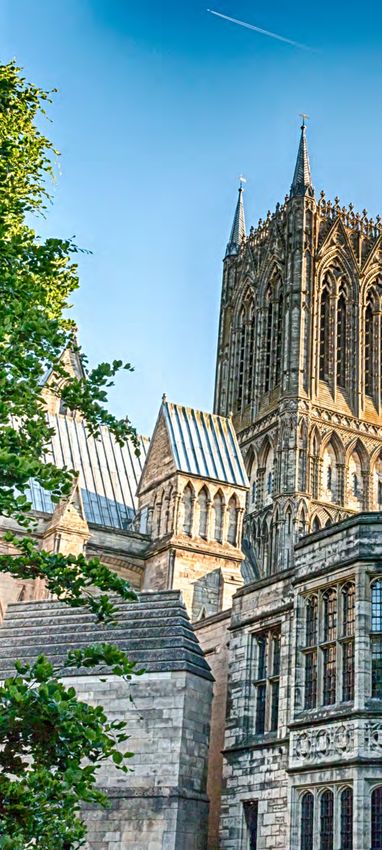
Stakeholder Briefing Document | East Midlands Rail Franchise

1. Foreword

                 The Rt Hon Chris Grayling MP
                 Secretary of State for Transport

Introduction
I am delighted to publish the Invitation to Tender (ITT)        In March this year I published plans for the innovative
for the East Midlands (EM) franchise and the associated         West Coast Partnership, which will revolutionise high
Stakeholder Briefing Document.                                  speed travel between several of our major cities. I set
                                                                out plans for the integration of track and train on our
Our proposals for the next EM franchise set out an exciting
                                                                railways and plans for the transition to the operation
future that will deliver a brand-new fleet of bi-mode
                                                                of HS2 as it opens after 2026.
trains, more seats for passengers, reduced peak journey
times between Nottingham, Sheffield and London and a            Now our vision for stronger performance and reliability
dedicated, high quality, express service between Corby          on the EM franchise will be delivered through a brand
and London. These improvements mean more comfortable            new collaborative partnership between the next operator
journeys for both long distance and commuting passengers        and Network Rail. This will include joint initiatives to
at the busiest times of the day. We are also mandating          ensure that both organisations work together to put
improvements to local services, particularly in Lincolnshire.   the passenger first, delivering a more reliable, efficient
                                                                railway for passengers and the taxpayer.
The ITT, which was informed by a public consultation
last year, specifies an ambitious programme of benefits         All of this is transforming the travel experience for UK
and improvements that we require to be delivered in the         passengers and giving them the quality and value they
next franchise. As always, the winning bidder will be the       quite rightly expect from a railway fit for the 21st Century.
one that impresses the most by going furthest beyond
the minimum requirements while ensuring value for               The Consultation
money and a good deal for taxpayers.
                                                                The response to the public consultation was significant,
                                                                with over 2,300 passengers and stakeholders taking
Strategic Vision for Rail
                                                                the time to provide their views. Responses came
Last November in my strategic vision for the future of          from individual members of the public, businesses,
the UK’s railways – “Connecting People: a strategic             rail passenger groups, Community Rail Partnerships,
vision for rail” – I set out the conditions that will secure    Local Authorities, MPs, Trade Unions and other
a new era for rail travel in the UK:                            interested parties across the East Midlands network.
• across the country we are now fixing the operational          We have listened carefully to every response. All of these
  divide between track and train so that both the               contributions have helped us design a specification
  operator and Network Rail share one imperative:               for the EM franchise that reflects government’s
  putting the passenger first;                                  commitment to put passengers at the heart of decision-
                                                                making on the railway. This document provides a
• we are creating innovative new public-private
                                                                summary of these responses and how we have tried
  partnerships for the delivery of vital rail services
                                                                to take them into account.
  and infrastructure;
• we are exploring plans to open new lines and
  connect hitherto poorly served communities
  and business areas; and
• we are investing in digital technology, introducing
  state of the art smartcards, high quality Wi-Fi and
  improving redress for passengers when things
  go wrong.
                                                                                                                               3
Stakeholder Briefing Document | East Midlands Rail Franchise

The next East Midlands rail franchise                          The responses we received also highlighted the need
                                                               for more frequent services and increased capacity,
We are investing in the biggest upgrade of the Midland
                                                               particularly on the local services in Lincolnshire. We will
Main Line since it was completed in 1870. It will enable
                                                               be requiring that services start earlier in the morning
improved long distance passenger services between
                                                               and finish later in the day, with more trains running
Sheffield, Nottingham and London, as well as improved
                                                               throughout the day to deliver a railway that meets the
services between Corby, Kettering and London. During
                                                               needs of the communities that they serve.
the next franchise there will be more seats available to
both commuters and long-distance passengers and                Improved Delay Repay compensation will be introduced,
faster intercity journeys during the peak.                     with compensation for passengers if their journeys are
                                                               delayed by more than 15 minutes – reduced from 30
For long-distance journeys, we will reduce journey times
                                                               minutes currently. Smart ticketing will be introduced
between Nottingham and Sheffield and London by up
                                                               across the franchise to allow passengers a technological
to 20 minutes in the peak, and we will be delivering a
                                                               alternative to the current paper ticket.
brand-new fleet of bi-mode trains, with the first train
delivered in 2021 and entering passenger service in
early 2022. There will be a brand new fleet of bi-mode         Conclusion
trains from early 2022.                                        Record levels of government and private sector
For journeys between Corby and London St Pancras,              investment are funding a renaissance of our railways that
passengers will benefit from a new and dedicated express       is unparalleled in Europe. As a result the competition to
service. From 2020, the journeys will be fast, like today,     operate the EM franchise has attracted a world class
but on longer trains, with more seats which means              field of companies, all of them determined to operate
more comfortable journeys for both long distance and           this important franchise.
commuting passengers at the busiest times of the day.          The proposals we have set out today for the EM
Overall, once the MML infrastructure improvements              franchise mark yet another step in that transformation
are delivered, there will be over 50% more seats into          programme, and one that will deliver a once-in-a-
London in the peak compared to today.                          generation change for the people, the communities,
                                                               the towns, the cities and the businesses across the
The consultation responses highlighted the importance          breadth of one of Britain’s most important railways.
of getting both the basics right – providing high quality,
frequent and reliable services, with more capacity –
and developing a better railway fit for the future. Many
respondents were also concerned about the reduction
in calls by intercity services at the southern end of the
Midland Main Line.
Passengers have also requested: improved accessibility
to the railway; stronger integration of the door-to-door
journey; more visible and proactive staff on trains and
at stations; and reliable real time integrated journey
information that is accurate and consistent. We will
be requiring all of this and more from the new East
Midlands operator.
The publication of the ITT today demonstrates
how we will meet these ambitions, and ensure that
East Midlands rail services also contribute towards
broader objectives of supporting economic growth
and opportunity, sustainability, and connecting local
communities and businesses.

4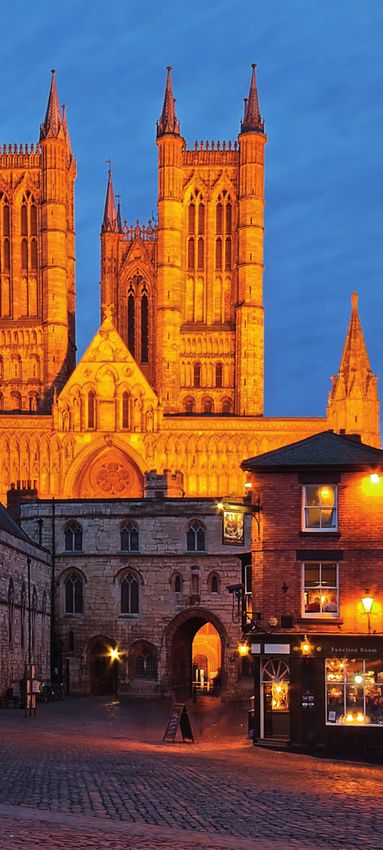
Consultation Response | East Midlands Rail Franchise

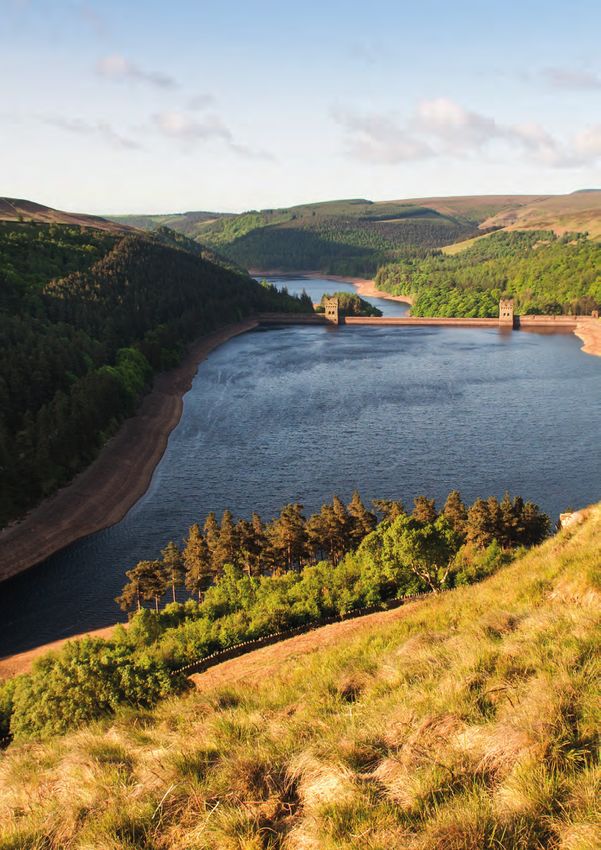
Derwent Valley, Peak District
                                                                                  5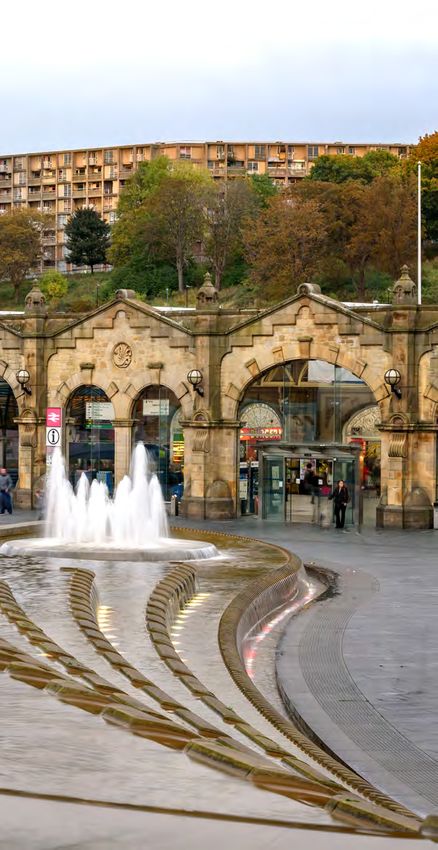
East Midlands Rail Franchise | Public Consultation

                                                       2
                                                     Introduction

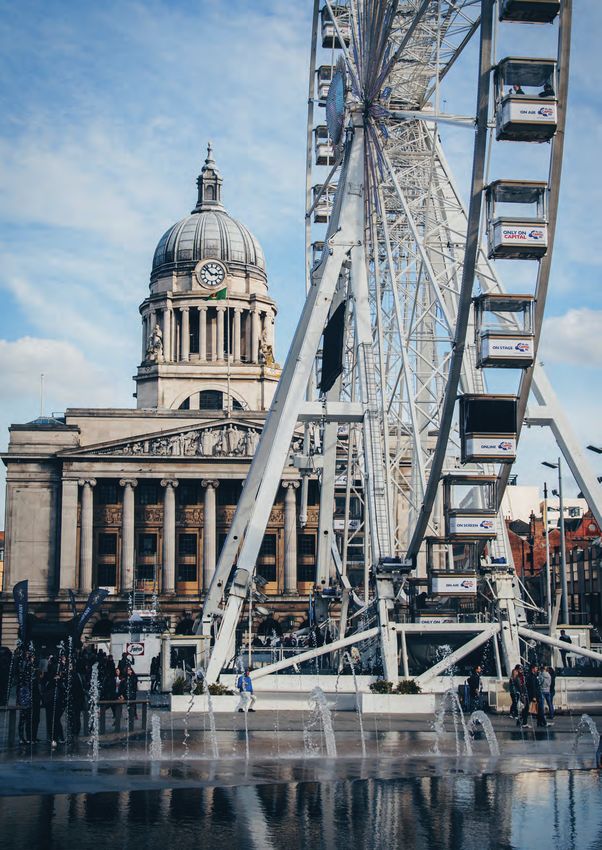
                                                                    Old Market Square, Nottingham
6
Stakeholder Briefing Document | East Midlands Rail Franchise
2. What is this document for?
Passenger services in the East Midlands have been This Stakeholder Briefing Document:
operated by East Midlands Trains (EMT) since 2007.
• summarises the consultation process;
It is intended that EMT will continue to provide
passenger services until August 2019, made possible • outlines your views regarding the future of the
by extending the current contract and making a further EM franchise;
interim agreement. • responds to your feedback and identifies how your
From August 2019 the next operator will be in place thoughts have informed the specification for the new
to run the services in the East Midlands region. franchise; and
Running a franchise competition, where operators • summarises the improvements to services, stations,
compete against one another to provide the passenger trains, performance and ticketing that we have specified
services, means we can use this opportunity to deliver for the franchise in the Invitation to Tender (ITT), which is
a range of improvements for the passengers on the also published today.
franchise, as well as to deliver value for money for
the taxpayer. It should be noted that the Department has endeavoured
to produce a summary of the responses to each of the
The three bidders that have been shortlisted to take part 30 questions asked in the EM franchise public consultation
in the competition are: document. Any significant omission or incorrect emphasis
• Abellio East Midlands; is entirely unintentional. The shortlisted bidders for the
franchise have access to all consultation responses
• Arriva Rail East Midlands; and
submitted (subject to the restrictions described on page
• Stagecoach East Midlands Trains. 46 of the Consultation Document), so bidders are fully
aware of the issues raised by respondents and can take
The Department for Transport (DfT) has consulted
representations into account during bid preparation.
with stakeholders and the public to understand the
opportunities to improve passenger services. The franchise This document is separate from and does not amend
consultation, which ran between 20 July and 11 October or vary the ITT. It does not supplement or detract from
2017, received over 2,300 responses from passengers, the Department’s requirements as described in the Delivery
businesses, Local Authorities and other stakeholders as Plans in Section 5 of the ITT.
well as the submission of two petitions with over 10,000
We have considered the responses to the consultation
signatures combined.
and the views of the shortlisted Bidders for the EM
The Department is very grateful to all the organisations franchise when developing our requirements for the
and individuals who took the time and effort to respond franchise, which have now been issued to Bidders in
to this consultation, and to those who attended the the ITT. Bidders are expected to consider the
consultation events we held. We have considered the proposals and suggestions that respondents have
comments and suggestions made, and have explored made and, subject to value for money and affordability
how these opportunities could be incorporated into the considerations, have the flexibility to offer enhancements
EM franchise specification, which bidders are asked to that go beyond our specified requirements.
provide plans for.
Bidders can receive additional credit in the evaluation
This document summarises the responses we received process for doing so. Stakeholders wishing to pursue
in hard copy, by e-mail and through our online survey. particular aspirations that are not fully met by the
specification in the franchise ITT should therefore
engage with the Bidders directly. Contact details for
the Bidders can be found in Annex C.
?
Throughout this document you will see a number of questions in boxes,
looking like this. These correspond to the questions that were asked in our
public consultation last year.
7Stakeholder Briefing Document | East Midlands Rail Franchise
3
Background
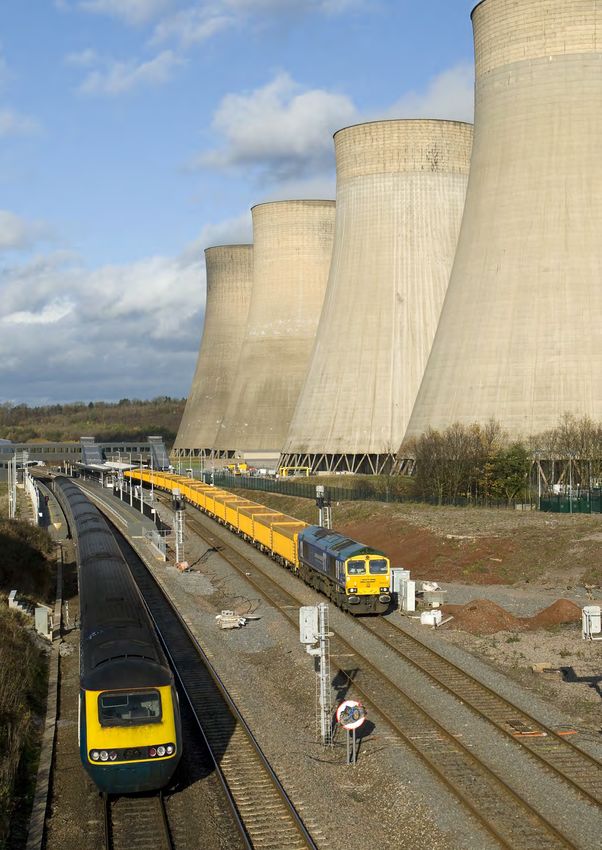
Ratcliffe Power Station, Sheffield
8Stakeholder Briefing Document | East Midlands Rail Franchise
3. The current East Midlands rail service
Overview Midland Main Line Programme
The EM Franchise, currently operated by EMT – part of A major infrastructure investment programme is
the Stagecoach Group, provides passenger services underway to electrify the MML between Corby/Kettering
across the East Midlands region, linking towns and cities and Bedford. This is supported by further investment
such as Nottingham, Derby, Sheffield and Leicester with at locations such as Market Harborough and Derby,
each other and to a range of destinations beyond the which will improve journey times and reduce conflicts
region, including Liverpool, Manchester and Crewe to the at these pinch points. Delivering these enhancements
west, Peterborough and Norwich to the east and London whilst continuing to reliably provide passenger services
to the south. is essential. The operator faces the challenge of enabling
these projects to be delivered and then making the most
There are currently four key markets that the
of the new infrastructure.
franchise serves:
May 2018 saw a major recast of the timetable for the
• Intercity services along the Midland Main Line
Thameslink Programme, which increases the number
(MML), connecting Nottingham, Sheffield via Derby
of Thameslink services on the MML and other routes,
and Leicester to London St Pancras;
and has been designed to enable the MML Upgrade to
• London commuter services into London deliver an additional long-distance train path from 2020.
St Pancras stopping at Corby, Kettering, Over £7bn is being invested in delivering the Thameslink
Wellingborough, Bedford, Luton programme, alongside the biggest upgrade of the MML
and Luton Airport Parkway; since it was completed in 1870. These programmes will
• Inter-urban services linking a number improve rail journeys for passengers using the MML to
of major towns and cities between Liverpool travel into London St Pancras.
and Norwich; and From May 2018, passengers between Bedford and
• Local and regional services centred on London benefit from more frequent Thameslink trains,
Nottingham, Derby and Lincoln but also serving with over 2,000 extra peak-time Thameslink seats at
a large number of smaller, rural locations. Bedford and over 3,000 from Luton each morning.
The Thameslink programme provides improved journey
The EM franchise provides a much-used and times and better connections on Thameslink services
increasingly popular rail service. 470 rail services are from Bedford to Farringdon, for Crossrail when it opens,
offered each day and 26 million passenger journeys as well as to London Bridge and further south.
are undertaken each year. EMT has performed well
in the National Rail Passenger Survey (NRPS) when To enable improvements to current and future services,
compared to other similar operators and is well- the EM franchise cannot offer the same timetable
regarded by many as an operator that is delivering beyond May 2018. This means that peak-time EM
services well. The franchise also operates reliably, services between Bedford, Luton and London St
and consistently outperforms the long-distance Pancras are being removed for the period between
average punctuality figures. May 2018 and 2020. There will also be changes to some
intercity journey times between Sheffield, Nottingham
When we mention, in this document, the ‘next’ or ‘new’ and London, with some journeys slightly longer and
franchise this refers to the one scheduled to start in some slightly shorter.
August 2019, and ‘the operator’ refers to the winning
bidder who will operate services from August 2019.
9Stakeholder Briefing Document | East Midlands Rail Franchise
Departure and arrival times for most services also
change. The Department has funded three extra
trains to the EM franchise fleet to minimise
this disruption.
Passengers at Bedford and Luton continue to be served
by Thameslink, and Thameslink provides an alternative
fast service with fewer stops, delivering journeys of
around 45 minutes between Bedford and London,
and of around 30 minutes between Luton and London.
Passengers travelling from the north to Luton in the
peak need to change trains at Luton Airport, which
continue to be served by East Midlands services in the
peak, and then travel back for around three minutes on
a Thameslink service. For passengers travelling from the
north to Bedford in the peak, there is a fully accessible
coach service between Wellingborough and Bedford.
This situation will be resolved from 2020 with the
completion of the upgrade of the MML, which will add
extra capacity to the route, enabling more trains to run.
Future franchise
We have presented the challenges of the franchise
and our expectations to the shortlisted bidders in the
ITT, and invited them to detail how they will deliver
improvements across the franchise. Our ITT takes into
account findings from stakeholders and the public
consultation, as well as our development of options
and detailed assessment process.
The shortlisted bidders will have until September 2018
to prepare their bids. The DfT will assess and evaluate
their proposals, with the next operator scheduled to
be announced and in-place to start operating services
from August 2019.
Lincoln, Lincolnshire
10Stakeholder Briefing Document | East Midlands Rail Franchise
The East Midlands Franchise Network
11Stakeholder Briefing Document | East Midlands Rail Franchise
4
Our vision
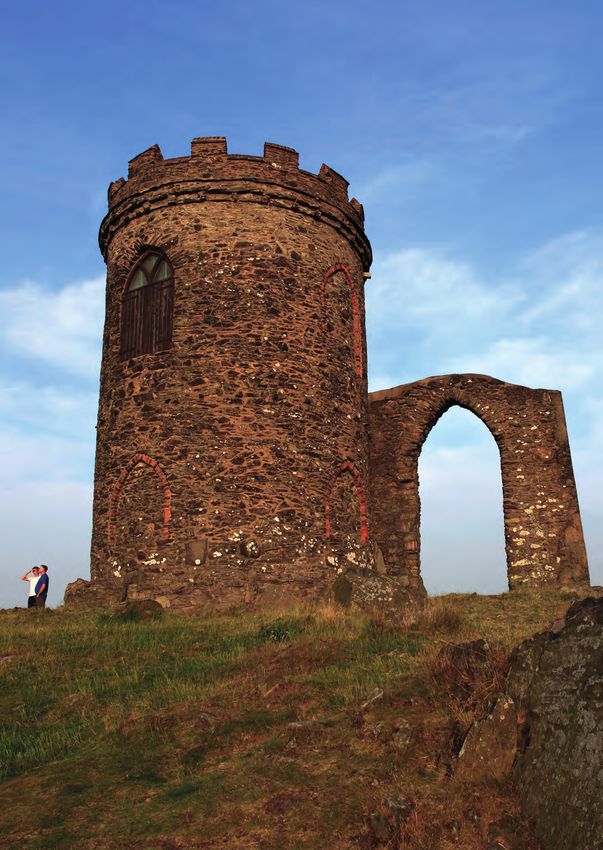
Bradgate Park, Leicestershire
12Stakeholder Briefing Document | East Midlands Rail Franchise
4. Objectives for the franchise
The Department has developed the specification for
the next EM franchise around the needs of passengers
and to deliver the government’s broader vision for rail in
Lincoln, Lincolnshire
the UK. The Secretary of State published his ‘Strategic
Vision for Rail’ on 29 November 2017.
This document sets out the government’s plans to
deliver a more reliable, competitive railway with greater
co-operation between Network Rail and train operators;
more accountability; improved skills and training of the
rail workforce; the delivery of new lines and new routes
and a much improved customer experience
for passengers.
The government’s long-term plan is to build a stronger,
more competitive economy and a fairer society.
Rail is crucial to this and plays a vital role in delivering
economic growth and opportunity. Rail services provide
access to markets, employment, leisure and
tourism and make an important contribution towards
building a One Nation Britain. The Department’s
objectives for the franchise will serve passengers
and support these goals.
Our vision is a world-class railway that delivers
continuous improvement for passengers and maximises
opportunity for people and businesses. The franchise
competition enables the DfT to explore opportunities
to require improvements to the franchised passenger
services, and deliver this continuous improvement.
Within the consultation document, published last year,
the Secretary of State set out objectives for improving
performance and passenger services, maximising
benefits from the planned upgrade programme and
investment in the workforce of the new operator.
The objectives include:
• enhancing the rail industries’ contribution to the
East Midlands economy;
• improving the passenger services;
• accommodating future growth in demand;
• investing in the train fleet;
• looking after passengers and improving their overall
experience before and during travel;
• delivering the benefits of infrastructure investment
and working more closely with Network Rail;
• investing in people working in the franchise; and
• being part of the East Midlands community.
13Stakeholder Briefing Document | East Midlands Rail Franchise
5
Consultation
responses
Normanton Church, Rutland
14Stakeholder Briefing Document | East Midlands Rail Franchise
5. Consultation overview and responses
Summary of responses
The EM franchise public consultation ran from well attended. These events were for local people
20 July 2017 to 11 October 2017. The purpose and stakeholders to ask questions about the
of the consultation was to: franchising process, discuss options for the future
specification and put forward their views.
• explain why we are running a competition
to find the next operator and the benefits Over 2,300 responses to the consultation were
that will bring; received, as documented in Tables 1 and 2 below
and a list of respondent organisations is in Annex A.
• set out our aims and options for improving
90% of responses received were from individuals
the services;
and 10% were from stakeholder organisations.
• seek views on these aims and options for
Two petitions were received. The first concerned
improving services; and
proposed service levels to Bedford, Luton,
• identify other priorities for improvement. Wellingborough, Melton Mowbray and Oakham
The consultation was published on the DfT website and the reinstatement of the programme of full
and advertised through both the Department’s Twitter electrification of the MML. The second objected
account and leaflets and posters at stations. to the proposed withdrawal of intercity trains calling
at Bedford. The two petitions combined included
Public events were held in Bedford; Derby; Kettering; over 10,000 signatures.
Leicester; Lincoln; Liverpool; London; Norwich;
Nottingham; Sheffield and Wellingborough and were
15Stakeholder Briefing Document | East Midlands Rail Franchise
Respondents most popular journeys were between
Table 1: Breakdown of responses
Bedford – St Pancras (32%), Wellingborough –
Method of response Number of responses
St Pancras (5%), Chinley – Manchester (2%), Kettering –
Online survey 1,699
St Pancras (1%) and Luton – St Pancras (1%).
Email 711
The majority of respondents to the consultation were
Letter 49
commuters (50%). 30% were leisure travellers and 20%
Total 2,459* were business users.
Over 35% of respondents used the East Midlands
*This number includes 86 duplicate responses to
network 5 days a week or more and a further 19%
the consultation.
accessed the network more than once a week.
Table 2 below provides a breakdown of the stakeholder
Figure 1: Frequency and reason for travel
groups who responded to the consultation.
Travel Frequency
Table 2: Breakdown of stakeholder responses 30
26.3%
Organisational category Number of responses
Airport 5 25
Borough/District Council 31 19.2%
18.6%
20
Business 28
% of respondents
Business Chamber of Commerce 9 15 12.8%
Campaign Group 24
9.1%
8.2%
Community Rail Partnership 9 10
6.0%
Consumer Watchdog 6
5
County Council/Unitary Authority 19
Disability Association 4 0
Daily Five days Two to Weekends Once a Once a Less than
Education/medical establishment 4 a week four days mainly week month once a
(Mon-Fri) a week month
LEP/Economic Partnership 4
This information was obtained from responses to
Local Residents Group 14
Section A of the consultation document, in which
MP/Politician 21
respondents provided information regarding their
Parish/Town Council 34 nearest station and their usual journeys on the East
Rail User Group 18 Midlands network and the Barton Line, between
Barton-on-Humber and Cleethorpes. We asked for this
Trade Unions 5
information to determine whether there were different
Transport Operator 11 themes raised by passenger and stakeholder groups.
None specified 2
Total 248
Key themes
The majority of respondents to the consultation The consultation asked 30 questions grouped into
were users of Bedford (39%), Wellingborough (9%), broad themes of:
Chinley (4%), Luton (2%) and Market Harborough (2%)
stations. These stations represent the top five in terms A Alliancing and stakeholder partnering
of number of respondents, but are not necessarily
B Train services and connectivity
proportionate with revenue or passenger journeys.
C Journey experience
D Looking to the future
16Stakeholder Briefing Document | East Midlands Rail Franchise
The consultation offered respondents an opportunity Question by question responses
to put forward their view on a wide range of issues,
Where figures or tables in the following section
for example how to improve the passenger experience,
show percentage of respondents, please note this
amendments to the current rail service, better
is the percentage of people that responded to the
connectivity and service levels and the ticketing
specific question, and not of overall respondents
and fares structure.
to the consultation.
Not all respondents commented on every question.
Some figures or tables are broken down to show
The majority of respondents were concerned with
the responses by passenger market, for example:
proposals to improve intercity journey times between
Sheffield (via Derby), Nottingham and London St Pancras • Intercity
by reducing frequency of stops on intercity services.
• London commuter
Question 4, regarding our proposed approach to
• Inter-urban
reducing journey times on long distance services
and increasing the likelihood of getting a seat, had • Local & regional
the greatest number of responses (1,996). Some (These routes are defined in Section 3 of this document.)
respondents gave a yes/no answer but did not explain
their selections. Respondents also reiterated their views A total of 3 respondents used the Barton line,
on this proposal throughout the consultation. one individual respondent and two organisations.
There was general opposition to proposals to alter Note: Percentages in all subsequent tables may total
or change current service levels and calling patterns, more or less than 100% as responses frequently fell into
particularly those highlighted above but also services multiple themes. Only the top five themes are shown,
on the Liverpool – Norwich route and direct services and may not add up to the total number of responses
from Melton Mowbray and Oakham to London. for that question, due to some responses to a given
question being applicable to multiple themes.
In the remainder of this section, we summarise the
responses to each question in turn, and explain how
respondents’ thoughts have informed the specification
in the ITT. These are structured in line with the themes
above. Where respondents have offered more general
comments, these have been included within the analysis
of the most relevant question or theme. The summaries
below are an attempt to encapsulate the broad range
of views submitted by individuals and stakeholders in
response to the consultation questions.
Figures in this document refer to the number of
people who responded to each question in the online
consultation form, or who specifically addressed that
topic within the e-mail or postal response.
17Stakeholder Briefing Document | East Midlands Rail Franchise
A – Alliancing and Stakeholder Partnering
Q1: How do you think closer co-operation between staff in Network Rail and the operator
of the next East Midlands franchise can be achieved?
985 people responded
Our thoughts Your response
Improved, joined-up working between the operator 36% of respondents to question 1 believed greater
of the next franchise and Network Rail, a key objective integration and alignment of objectives from staff on
of the Secretary of State’s ‘Strategic Vision for Rail’, both sides was necessary. 27% of respondents called
will improve delivery of maintenance or enhancement for improved internal communications between Network
programmes and will ensure faster resolution of Rail and the operator, with better planning and co-
problems on the network. We believe that passengers ordination for maintenance and engineering works.
will benefit through the alignment of targets and Respondents also highlighted that improvements in
incentives between Network Rail and train operators. communication to the travelling public were required,
including face to face meetings and improved feedback
This question looked for ideas from respondents for how
(16%). 10% also wanted to see improved planning on
closer collaboration between the operator and Network
both sides to deliver better timetabling and connections
Rail could be achieved.
and delivery of new services.
Figure 2: Question 1 responses
How do you think closer co-operation between staff
in Network Rail and the operator of the next East Our response
Midlands franchise can be achieved?
A Delivery Plan dedicated to stakeholder partnering
Train services 10% is included in the franchise ITT. This seeks initiatives
and commitments to improve integration and
Accountability 10% collaboration between the next operator and Network
Rail. Specifically, we are requiring joint, co-located
Public communication 16% teams to improve leadership, project planning and
both internal and passenger-facing communications.
Internal communication 27%
We are also requiring the operator to work with local
stakeholders to develop and deliver initiatives to
Integration 36%
improve passenger experience and future planning.
0 8 16 24 32 40
A requirement will be included to ensure that change
% of respondents within the Franchise is managed in partnership with
stakeholders to minimise disruption to passengers,
and the operator will improve communications, aiming
to provide a single point of accountability
to passengers and stakeholders.
18Stakeholder Briefing Document | East Midlands Rail Franchise
Q2: How can the operator of the next East Midlands franchise engage with Community Rail
Partnerships or heritage railways to support the local economy to stimulate demand for rail
services in the region?
Community Rail Partnership 985 people responded
Heritage railways 575 people responded
Our thoughts Similar themes and issues came from respondents
regarding heritage railways. 31% were in favour of
The East Midlands network has a number of
greater partnership working, 28% better communication,
local and rural routes that have been designated
19% improvement of services and 17% called for station
by the Department as community rail lines and/or
and train improvements whilst 14% suggested ticketing
community rail services. There are also a number
initiatives to promote heritage railways.
of heritage railways around the East Midlands region,
which provide important leisure and tourism links.
Table 3b: Question 2 responses, Heritage Railways
We want the operator to work with Community Rail
Partnerships (CRPs) and heritage railways to ensure Rank Theme Count % of Total
that the EM franchise meets the needs of the 1st Partnerships 181 31%
communities they serve. This question sought ideas 2nd Communication 159 28%
for how both CRPs and heritage railways could be 3rd Services 110 19%
supported by the franchise.
4th Investment 99 17%
5th Ticketing 82 14%
Your response
Community Rail Partnerships
Our response
32% of respondents to question 2 wanted improved
communications with CRPs including forums, Community rail is continuing to be a great success,
surveys and better advertising of services and routes. which is clearly highlighted by the volume of
26% wanted better partnership working between the responses to this question, and we want to
operator and CRPs. 26% called for the improvement continue supporting it in the new franchise.
of train services including better timetabling and The franchisee will be required to support, and work
on-board facilities. 13% called for station and train with existing and future CRPs, including providing
improvements whilst 7% felt that more use should be a substantial level of financial support amounting
made of ticketing initiatives to promote the CRP links. to £250,000 a year over the duration of the franchise
Heritage railways term to maintain and further enhance their positive
impact on the railway. Our engagement expectations
Table 3a: Question 2 responses, CRPs will be set out in the ITT, with our requirements
including regular dialogue, joint marketing, and
Rank Theme Count % of Total
supporting innovative third-party funding mechanisms.
1st Communication 293 32%
2nd Services 236 26% Bidders will be encouraged to include proposals for
making use of heritage railway trains, for example to
3rd Partnerships 233 26%
provide extra capacity for special events or to provide
4th Investment 116 13% a special customer experience to commemorate
5th Ticketing 62 7% significant events.
19Stakeholder Briefing Document | East Midlands Rail Franchise
Q3: Do you think the operator of the train service, stations and support services should take the
following into consideration when they run the franchise:
The environment 1,855 responses
Equality 1,831 responses
Communities in the areas they operate 1,842 responses
Our thoughts Your response
Delivering rail operations that improve the environmental The environment
sustainability of both trains and the stations they serve Figure 3a: Environment responses
is important for the benefit of the environment,
Do you think the operator of the train services,
passengers and staff, and supports the government’s stations and supporting services should consider
wider policy to reduce transport-related emissions. and support the environment?
Improved rail services will further encourage a shift from
passengers to more sustainable and environmentally
friendly modes of transport.
Investment in staff, their training and development
and the support that they receive enables and
empowers them and creates an environment they
are enthusiastic to work in and ensures they treat
all passengers with impartiality. 94% Yes
Engaging with local communities and stakeholders 6% No
ensures the operator better understands and therefore
meets the needs of the communities it serves. It
maximises the value, in environmental, economic, social
and commercial terms, of investments and a franchisee
which serves the East Midlands is well placed to
contribute to enhanced regional growth, as noted in
the Transport Investment Strategy.
We also recognise the need in our decision making Respondents were overwhelmingly in favour of the
to have due regard to the requirements of those groups operator considering the environment when delivering
that share a relevant protected characteristic franchise services (94%). The table below shows the key
(as described in section 4 of the Equalities Act 2010). themes behind respondent’s answers to this question.
Table 4a: Reasons for considering the environment
Rank Theme Count % of Total
1st Environmental awareness 630 34%
2nd Need more effort 154 8%
3rd Promote rail 150 8%
4th Electrification 119 6%
5th Not a priority 37 2%
20Stakeholder Briefing Document | East Midlands Rail Franchise
Greater environmental awareness was called for
Table 4c: How the operator should consider equality
(34%) with better promotion of rail as an alternative
Rank Theme Count % of Total
to car usage (8%) and greater effort being made by
1st Staff 338 37%
the operator to meet and deliver environmental targets
by improved working practices (8%). Some respondents 2nd Public Facing 256 28%
(6%) called for electrification of the route to reduce the 3rd Rail Services 116 13%
franchise’s carbon footprint. Other measures called 4th Legal 107 12%
for included rolling stock fuel efficiency measures and
5th Stations 107 12%
improved recycling both on-board trains and at stations.
Respondents were asked how the operator should Respondents (37%) wanted to see actions, both in
consider and support the environment and the the recruitment process and staff development.
responses were ranked in the following priorities: Respondents (28%) also wished to see staff interactions
with the travelling public to be fair and unbiased.
Table 4b: How the operator should consider the environment Some respondents (13%) interpreted this question
Rank Theme Count % of Total to mean that services themselves should be more equal
1st Rolling stock improvements 343 31% for example by removing First Class and making rail
tickets more affordable.
2nd Electrification 339 31%
3rd Better Working Practices 327 30% Communities
4th Modal shift 264 24% Figure 3c: Question 3 responses, Communities
5th Recycle 154 14%
Equality
Figure 3b: Question 3 responses, Equality
Do you think the operator of the train services, stations and
supporting services should consider and support equality?
93% Yes
7% No
94% Yes
6% No
93% of respondents were supportive of greater
community involvement by the operator.
Once again, respondents were very supportive of the
operator considering equality as an integral part of the
delivery of franchise services (94%).
21Stakeholder Briefing Document | East Midlands Rail Franchise
Figure 4: Question 3 responses, Communities Greater engagement and interaction (50%) was
Do you think the operator of the train services, stations called for including forums, surveys and interviews.
and supporting services should consider and support the 28% wanted equal access to services and service
communities in the areas they operate? levels in comparison to better served locations.
9% of respondents were in favour of greater community
Table 4d: How the operator should consider communities
support from the operator in the form of investment.
Rank Theme Count % of Total 9% felt that community engagement wasn’t important
1st Engagement 538 50% and the operator’s emphasis should be on delivering
2nd Services 303 28% train services.
3rd Investments 104 10%
4th Stations 95 9%
5th Rail focus 92 9%
Our response
The operator will be required to follow the ‘Rail Industry Sustainable Development Principles’ in managing and
operating its franchise. This will include taking a long-term, whole railway industry view of the benefits of investing
in environmental and socio-economic sustainability.
Environment Communities
We are interested in proposals to reduce the We expect the operator to reflect its important role
environmental footprint of the franchise, alongside within local communities, including ensuring that
electrifying the railway to Corby to reduce emissions stations are integrated into the community, developing
from diesel trains and using bi-mode trains to deliver partnerships with local enterprises and enabling the
the benefits of the electrified sections of the MML. To use of redundant buildings at stations. The operator
achieve this, the operator will be required to meet targets will also be required to produce a Community and
for improvements in respect of its carbon emissions, Stakeholder Engagement Strategy with regular
energy consumption, water usage and recycling. updates to the Department.
Equality There is great potential for the next operator to further
engage with local communities, organisations and
Reflecting respondents’ expectation that the franchise
stakeholders. They will need to engage with local
should have equality at the centre of its business
communities by asking them about the improvements
model, we will require a franchise operator who will
they would like to see to their services and stations.
lead, structure and manage its organisation and
workforce throughout the franchise term, including Bidders will be required to detail how they will use
in areas such as staff wellbeing, apprenticeships their dialogue with stakeholders to make customer
and training. The operator will need to develop experience improvements in the latter years of the
management and leadership skills throughout the franchise, specifically through a Customer and
organisation, understanding and improving the skills Communities Improvement (CCI) fund. We are also
and abilities of staff members through investment incentivising bidders to identify stations that have
in training to create a modern working environment. commercial development potential or could be
Furthermore, in-line with the Rail Technical Strategy, developed for social purposes, serving the needs
plans to reduce the gender gap and increase the of customers and local communities.
number of BAME employees across the franchise
will be requested.
22Stakeholder Briefing Document | East Midlands Rail Franchise
B – Train services and connectivity
Q4: Do you agree with our proposed approach, which could reduce journey times on long
distance services and increase the likelihood of getting a seat?
1,996 people responded
Our thoughts of Kettering (e.g. Luton Airport to Nottingham or
Leicester to Wellingborough) would no longer have direct
We want to both reduce journey times on intercity
through-trains and some passengers would potentially
services and ensure that everyone gets a seat.
have to change trains at Kettering. This question
Currently trains in the peak going south are often full
sought views on this proposal.
by Kettering and passengers travelling north in the peak
often do not get a seat.
Your response
At peak times, intercity services into and out of London
and local services into Nottingham, Derby and Lincoln This question was received the highest number of
are busy, with many passengers unable to get a seat for responses and the theme of opposition to any
part, if not all, of their journey. Capacity and crowding is reduction in current service levels was noted regularly
also a challenge on the inter-urban services, particularly in responses to other questions in the consultation too.
at the western end of the Liverpool-Norwich service. 1,405 (57%) of respondents were opposed to the
Across the franchise demand is expected to grow, proposal and 591 (24%) were supportive. 463 (19%)
placing further pressure on these already busy services. did not respond to the question.
On the intercity routes there are also competing needs; Respondents who did not support the proposal were
currently the same trains serve the long-distance market concerned their journey times would increase and did
and London-bound commuter market, extending journey not wish to see any reduction in current service levels,
times for through passengers whilst also increasing
crowding and the instances of standing passengers. Figure 5: Question 4 responses
Do you agree with our proposed approach, which could
In some areas, the current configuration of services
reduce journey times on long distance services and
delivers comparatively poor levels of connectivity increase the likelihood of getting a seat?
between key regional centres, and to and from major
transport hubs such as Crewe and Peterborough.
In addition, low off-peak frequencies and infrequent
Sunday services do not necessarily match passenger
and stakeholder expectations.
In the public consultation we included a proposal
to improve journey times by not stopping intercity
services at stations on the London commuter route 24% Yes
such as Luton, Bedford, Wellingborough and Kettering. 57% No
Passengers, at these stations, would instead be served 19% No response given
by dedicated high quality express trains on the Corby-
London route.
However, a consequence of this change would mean
that journeys between destinations north and south
23Stakeholder Briefing Document | East Midlands Rail Franchise
Table 5a: Reasons for response to the proposed approach
Rank Yes – Theme Count % of Total No – Theme Count % of Total
1st Journey Time 124 6% Journey Time 527 26%
2nd Seating 78 4% Don't reduce service 442 22%
3rd Don't reduce service 58 3% Connectivity 229 11%
4th Crowding 41 2% Frequency 214 11%
5th Train Services 37 2% Passenger Experience 183 7%
stopping patterns or frequencies. This concern is due Stations with the highest number of respondents were
to some loss of intercity connectivity, with a reduction Bedford (39%) and Wellingborough (9%).
in calls at the southern end of the MML. Many stated
Although a number of Chinley station users (4%)
that they did not experience a problem with getting a
responded and were opposed to the proposals we
seat on trains in and out of London but that they would
believe they were probably referring to the Liverpool –
rather not have a seat than an increased journey time
Norwich route proposals (see Q15).
or reduced frequency in service. Respondents also
stated that a reduction in service would have impacts Supporters of the proposal favoured a reduction in
on their personal and professional lives, worsening their journey times (6% of the total) and seating
experience as a passenger. improvements (4% of the total).
42% of respondents to this question describe themselves
as commuters, 25% leisure users and 16% business users
(not all respondents provided a journey type).
Our response From May 2018, East Midlands services do not call
at Luton and Bedford, but these trains are replaced
We have considered this proposal in detail, and
by an uplift in Thameslink services. These additional
have balanced the concerns raised during the
services are operated by longer trains and reduce
consultation with:
Thameslink journey times to London St Pancras to
• current and future demand and capacity challenges; around 45 minutes from Bedford and from Luton to
around 30 minutes. In December 2020 the timetable
• financial and economic impact on the franchise;
will be adapted, through the electrification of the
• market needs; railway to Corby, to allow two dedicated commuter
trains per hour to Corby, providing capacity to prevent
• connectivity requirements; and
passengers from having to travel on busy intercity
• available track capacity and timetable options. trains. At least one intercity service per hour will call
at Kettering to retain connections with stations served
We will require the operator to provide two trains
by the Corby services, and we are also requiring peak
per hour between London St Pancras and Corby,
time calls at stations between Leicester and Bedford
using trains that are capable of utilising the electrified
in the counter-peak direction, maintaining some direct
infrastructure, with calls at all existing EMT intermediate
journeys between stations intercity route.
stations on this route, bringing significant capacity
benefits on this route. This forms the minimum specification, and Bidders
are incentivised to operate services which enhance
We will require the operator to run four trains per hour
or maintain existing connectivity where possible.
for most of the day between Leicester and London St
Pancras. Two of these trains will run to Sheffield and
two will run to Nottingham, with two services per hour
calling at Market Harborough and one per hour at
Kettering. The Corby services will call at all of the other
southern MML stations that are currently served by the
EM franchise.
24Stakeholder Briefing Document | East Midlands Rail Franchise
Q5: What are your suggestions about how to mitigate the potential loss of some direct services
between Oakham, Melton Mowbray and London?
809 people responded
Our thoughts
There could be a loss of direct services (currently
2 per day Melton Mowbray – London and 1 per day
London – Melton Mowbray, both calling at Oakham)
between London and Oakham and Melton Mowbray
as a consequence of running electric trains on the
line between London and Corby, as there are no plans
to electrify the line beyond Corby to Oakham and
Melton Mowbray.
Table 6: Reasons for response to the proposed approach
Rank Theme Count % of Total
1st Don't Reduce 395 49%
2nd Extra Service 207 11%
3rd Connectivity 160 8%
4th Bi-Mode Trains 60 3%
5th Ticket prices 36 2%
Your response
There were a relatively small number of respondents
to this question. 49% of whom do not support proposals
to reduce the number of direct services between Melton
Mowbray, Oakham and London St Pancras.
Respondents’ suggestions included calling for the line
to be electrified beyond Corby to Melton Mowbray,
extra services (11%), ensuring a good level of connecting
services with timings that minimise journey times (8%),
the use of bi-mode trains on the route so that services
could travel beyond Corby (3%) and ticket price incentives
to ensure people continue to use the service. The
operator will have flexibility as to when this service runs.
Our response
One direct service per day to London St Pancras in
each direction will be specified, originating at Melton
Mowbray and calling at Oakham, reflecting consultation
feedback to retain this service. The operator will have
flexibility as to when this service runs.
Sheffield railway station, Sheffield
25Stakeholder Briefing Document | East Midlands Rail Franchise
Q6: What are the particular services, routes and times of day when you think additional seats
for passengers are most needed?
Services 1,245 people responded
Routes 1,229 people responded
Times of day 1,301 people responded
Our thoughts The highest number of respondents to this question
were users of local and regional services (46%) followed
Passenger numbers on East Midlands routes have
by users of the London commuter route (42%). 31%
grown in recent years and will continue to rise.
of respondents were users of inter-urban services.
Some peak services are already very crowded.
We have looked at various options to address this Respondents believed that more seats should be
including providing more seats on intercity trains, provided during the morning peak (92%) and evening
introducing high-quality 12 carriage trains on the peak (96%). The next priority for improved capacity
London commuter route and using longer trains was early morning (23%) and morning off peak (23%)
on inter-urban and regional and local routes, where services followed by evening off peak (22%) and finally
the infrastructure can accommodate this. afternoon off peak (21%) and late evening services (21%).
Your response Our response
Table 7: When are more services required? A capacity uplift will be provided by the increase from
5 trains per hour going into/out of London St Pancras
Rank Theme Count % of Total
to 6 trains, along with electrification of the line to
1st Evening Peak 1247 96% Corby from December 2020. This, combined with
2nd Morning Peak 1199 92% the increased capacity of trains serving the London
3rd Early Morning 295 23% commuter route, will result in a significant increase in
seats, particularly during the peak periods – and will
4th Morning Off-Peak 294 23%
release capacity on intercity services. The operator will
5th Evening Off-Peak 291 22% be required to meet the capacity needed during the
peaks on regional and local routes.
Figure 6: Question 6 responses
What are the particular services, routes and times of day when you think additional seats for passengers are most needed?
1400
1247
1199
1200
1000
800
600
400 277
295 294 276 291
200
0
Early Morning Morning Peak Morning Afternoon Evening Peak Evening Off-Peak Late Evening
Off-Peak Off-Peak
at which times of day?
26Stakeholder Briefing Document | East Midlands Rail Franchise
Q7: Which on-board facilities in order of preference are most important to you?
On short distance journeys (up to 60 minutes) 1,663 people responded
On long distance journeys (over 60 minutes) 1,513 people responded
Our thoughts Passenger expectations are increasing, and without
action the EM franchise may fall behind other operators
We are looking to improve the on-train facilities, with
in passenger satisfaction. On long-distance services,
substantial changes expected, therefore we asked this
passenger satisfaction is lower than comparable
question to understand the preferences for passengers
operators, and on local and regional services the
on both shorter distance journeys up to 1 hour and
passenger facilities are falling behind passenger’s core
those travelling for longer distances, as their needs can
requirements. Some stations are similarly in need of
be different.
improved facilities and services to support growing
passenger numbers.
Your response
Figure 7a: Question 7 responses (journeys up to 60 minutes)
Which on-board facilities, in order of preference, are most important to you (1 – highest, 13 – lowest)?
1st. luggage space 9.7
2nd. Free wi-fi 9.3
3rd. Power sockets 8.9
4th. CCTV 8.8
5th. Wheelchair space 8.5
6th. Seat back tables 8.2
7th. Table seating 8.1
8th. USB sockets 7.4
9th. Cycle storage 7.3
10th. Pushchair space 7.1
11th. Catering 5.9
12th. Baby changing facilities 5.7
13th. First class areas 3.8
Short Journeys (Up to 60 minutes)
Figure 7b: Question 7 responses (journeys over 60 minutes)
Which on-board facilities, in order of preference, are most important to you (1 – highest, 13 – lowest)?
1st. luggage space 10.4
2nd. Free wi-fi 10.0
3rd. Power sockets 9.6
4th. CCTV 9.1
5th. Wheelchair space 9.1
6th. Seat back tables 9.0
7th. Table seating 8.8
8th. USB sockets 8.6
9th. Cycle storage 8.1
10th. Pushchair space 7.8
11th. Catering 7.6
12th. Baby changing facilities 7.5
13th. First class areas 5.7
Long Journeys (Over 60 minutes)
27Stakeholder Briefing Document | East Midlands Rail Franchise
For both short distance and long distance journeys
passenger top priorities for on-board facilities were
(in order of preference):
• Luggage
• Free Wi-Fi
• Power sockets
• CCTV
Improved wheelchair space was 5th priority for shorter
distance journeys and more table seating was 5th priority
for longer journeys.
Our response
The operator will be required to introduce modern
trains that meet passengers’ needs and provide the
on-board facilities passengers have identified as
important, with trains that are suitable to the market
that they will serve. This means that trains operating
on the MML will be intercity trains and the Corby
electric-capable trains will be suitably comfortable
and provide for the needs of the passengers on the
London commuter route.
In direct response to the issues raised in the
consultation, we will require the operator to improve
passenger information systems on all trains, provide at
seat power and appropriate luggage space. They will
also be required to provide high quality Wi-Fi. Bidders
will be incentivised to provide trains that exceed these
requirements, such as offering air conditioning and
the fitment of USB ports where these facilities are not
currently provided on existing trains that will be used in
the long term.
Beetham tower, Manchester
28Stakeholder Briefing Document | East Midlands Rail Franchise
Q8: What other on-board facilities should be:
Introduced? 582 people responded
Improved? 849 people responded
Our thoughts of temperature (either too hot or too cold) and no alcohol
served. 5% of respondents also requested seating
There may be on-train facilities that would improve the
improvements, for example more leg room or better
overall passenger experience that we have not considered,
alignment with windows. Respondents also (4%) wanted
that respondents would also like to see introduced or
an improved catering offer with suggestions for free
improved and we are keen to understand what these are.
water to be provided at water fountains.
Your response With regard to on-board improvements respondents
felt that toilet facilities were a priority, both an increase
Respondents (22%) wanted the introduction of better in numbers and their cleanliness (25%).
provision of information between staff and passengers
with announcements made regarding any delays, Again, the provision of free and fast Wi-Fi was requested
the distance to the next station and the estimated time (17%) together with seating improvements with
of arrival of the service. The provision of Wi-Fi (6%) was respondents calling for more leg room and seats aligned
seen as a necessity by some respondents, who believed with windows (17%). A better catering offer (14%) was
it should be both free and fast. Respondents (5%) once more a priority for improvement and more luggage
also requested improvements to the ambience of the space (12%) including increasing the space available for
journey including the introduction/re-introduction of luggage storage and increasing the size of the overhead
quiet carriages and family carriages, better control luggage space.
Figure 8a: Question 8 responses, facilities introduced Figure 8b: Question 8 responses, facilities improved
What other on-board facilities should be: What other on-board facilities should be:
140 250
128
215
120
200
100 90
81 146 145
80 76 150
66 120
106
60
100
40
50
20
0 0
Provision of Free wi-fi Environmental Seating General Catering Toilet Facilities Seating General Free wi-fi Catering Luggage
Information space
Introduced (Top 10) Improved (Top 10)
Our response
We will require that all trains are fitted with enhanced passenger information systems by December 2023, which will
offer user-friendly real-time travel and delay information, as well as provision of high quality Wi-Fi. Bidders will be
further incentivised to invest in refurbishing trains beyond the minimum requirements, and innovative personalised
information schemes or exceptional customer service initiatives will similarly be rewarded. This could extend to
include investment in better information provision to passengers, such as working with third party suppliers to
expand the opportunities for the operator to communicate with passengers using Smart ticketing initiatives and
improved technology.
The on-board condition of regional and local trains will be monitored through a Service Quality Regime (SQR).
Our expectation is that bidders will work with stakeholders and passengers to identify opportunities for
improvement and to illustrate the need for change.
29You can also read


