English Monday 11th January 2021 - Today you will find out all about wombats, learn to recognise different types of texts and answer some ...
←
→
Page content transcription
If your browser does not render page correctly, please read the page content below
English
      Monday 11th January 2021
  Today you will find out all about wombats,
learn to recognise different types of texts and
 answer some questions about a text. There’s
    also a vocabulary challenge for you to
                   complete.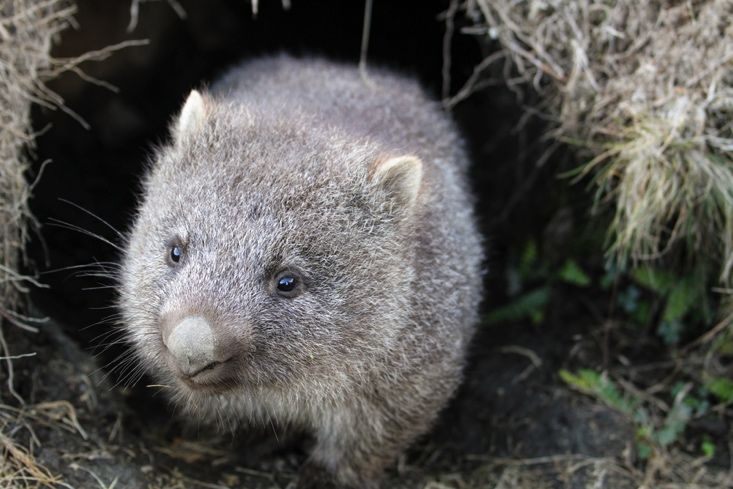
1. Reading time
                                  Look at the pictures on ‘Wombats’ and carefully
                                  read the text about these intriguing Australasian
                                  animals. You’ll find it on pages 8 and 9. You will
                                  find some key words on page 5 that will help
                                  you understand the text and a vocabulary
      Monday’s                    challenge on page 7.
                                  Discuss the text with your grown up. What was
                                  the most interesting thing you learned about

      activities                  wombats?

                                  2. Different sorts of writing
                                  Look at the list of different types of writing on
                                  ‘Text Types’ on page 11.
IMPORTANT! Parent or Carer –      Read each heading and its definition. Highlight
  Please read this page with      all the headings that describe the kind of text
                                  that ‘Wombats’ is.
  your child and check that       Pssstt! There is more than one. Check with the
                                  Answers page which is on page 17.
   you are happy with what
they have to do and with any      3. Answering questions
                                  Look at the set of ‘Wombat Questions’ on pages
weblinks or use of the Internet   13 and 14.
                                  Read each question carefully.
           required.              Answer each question.
                                  Go back and check in the text if you need to.
                                  Re-read your answers to be sure you have said
                                  what you wanted to.
                                  Make sure that you write your answers in full
                                  sentences using capital letters and full stops.
                                  Use the text to help you with your spellings.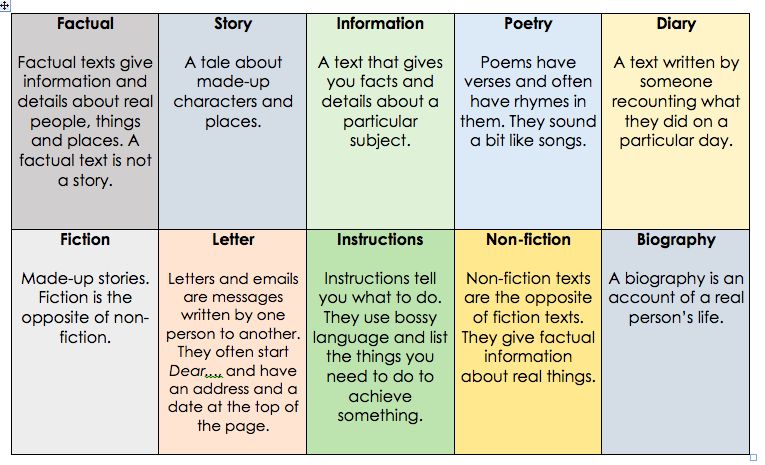
Reading
             Activity 1: Reading time

Your Task
Look at the pictures on the              After
next two pages, which is all           finish you have
                                              e
                                      think d readin
about ‘Wombats’ and                           a
                                      most bout the
                                                         g
carefully read the text about      thing interestin
                                           y          g
these intriguing Australasian      abou ou learne
                                           t wo         d
animals. There are some key      Tell a
                                                mba
                                                    ts.
                                         grow
words on the next page to           abou n up al
                                                      l
                                            t the
look at before you start. They                   m
will help you understand the
text.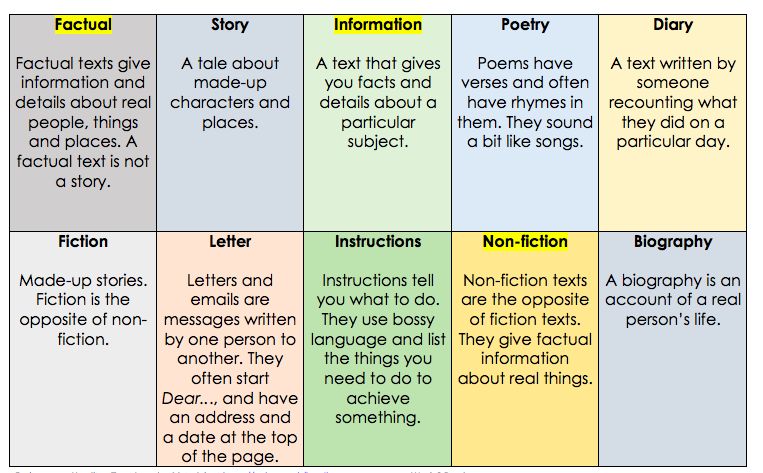
Reading
             Activity 1: Reading time

Your Task
Look at the pictures on the                 After
                                          finish you have
next two pages, which is all                     e
                                         think d readin
                                                abou           g
about ‘Wombats’ and                        was
                                                 th e
                                                       t Wha
                                                                t
                                        inter         m  o
carefully read the text about                 e
                                    you l s t i n g t h i n
                                                           s t
                                           ear n
these intriguing Australasian                      ed a g
                                          wom            b
                                                 bats out
animals. There are some key        Tell a
                                           gro
                                                      ?
words on the next page to             abou wn up al
                                              t the         l
                                                     m
look at before you start to help
you understand the text.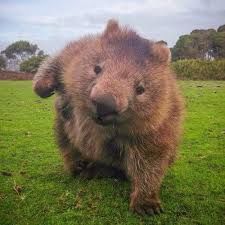
Key Vocabulary
                                       gnaw
marsupial                              chew
A marsupial is an animal that
gives birth to live young, which
they then carry and feed in a
pouch. A kangaroo is another                nocturnal
example of a marsupial.
                                            A nocturnal animal is active at
                                            night and sleeps during the
                                            day.
incisor teeth
The teeth at the front of your
mouth.                                      excavate
                                            This means to dig.
continually
Does not stop.       predator
                     An animal that hunts
                     eats other animals.          vegetation
                                                  plants.
Vocabulary Challenge
Activity 2: A word Map
Your Task
Synonym
Think about the word gnaw. It is a verb = a word
(action word) that means eat .Can you that
means
think of any other verbs that also mean the same
eat. A good example might be nibble.
Antonym
Can you think of any other words that = a word
mean the opposite of eat. Good that
means
examples might be starve or hunger. the
Complete the word web on the next opposite.
page with your ideas.Vocabulary Task Activity 2: A word Map You might also want to create a ‘Word Rap’! Have a look at https://www.youtube.com/watch?v=428l9PIED_I to find out how.
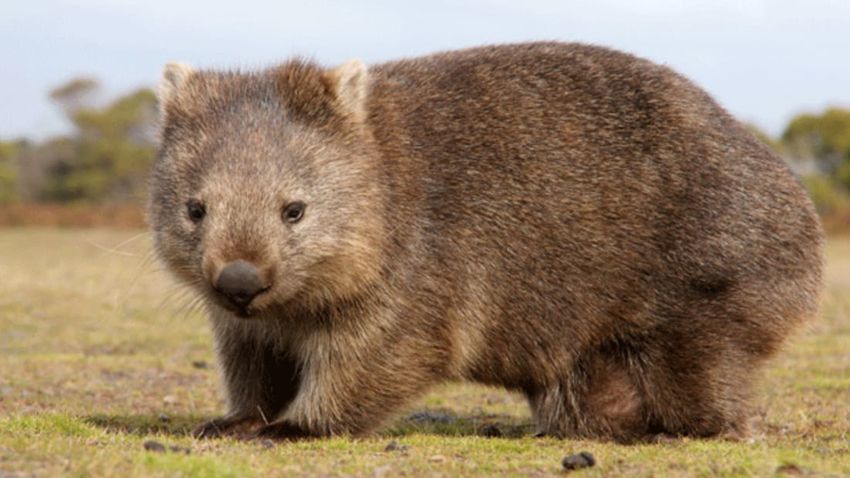
Wombats
                                      Where do wombats live?
                                      Wombats live in Australia and some
                                      of the small islands surrounding
                                      Australia.

                                      What do wombats eat?
                                      Wombats are mainly nocturnal and
                                      emerge at night to feed on grasses,
                                      herbs, bark and roots. The incisor
                                      teeth of a wombat are continually
                                      growing, so to keep them in check
What is a wombat?                     wombats gnaw on bark and tough
Wombats are short-legged,             vegetation.
muscular marsupials. A marsupial is
an animal that gives birth to live    Why do wombats burrow?
young, which they then carry and      Wombats have wide, barrel shaped
feed in a pouch. Wombats can          bodies and strong feet with long
                                      claws which mean they are made
grow to about 1 metre long and        for digging. Wombats excavate
can weigh as much as 30kg (which      extensive systems of tunnels and
is the same as 200 bananas!).         chambers called burrows. Wombats
                                      sleep, rest and raise their family in
                                      the burrow.
What’s special about a wombat?
A wombat’s pouch is unusual among
marsupials because it faces backwards
towards the rump (the area around its
bottom). This is so the wombat won’t spray
mud into the pouch when it is digging.
Wombats have a tough rump. When they feel
threatened, a wombat will dive into a tunnel,
blocking the entrance with its rump. The sturdy
rump prevents predators from being able to
remove and attack the wombat
Did you know?
Wombat poo is shaped like a cube.
Using the scent from their poo and
having cube shaped poo stops it from
rolling away.What type of text?
Activity 3: Different sorts of writing
Your Task
Look at the list of different types of writing
listed on the next page.
Read each heading and its definition.
Pssstt! There is
Highlight all the headings that describe the more than one.
kind of text that Wombats is.
Check your
answers on page
12Highlight all the headings
Text Types
that describe the kind of
text that Wombats is.
Remember there’s more
than one! You can just
write your answers on
paper.Comprehension Activity 4: Answer questions about the text. Your Task Look at the set of 9 Wombat Questions on the next two pages. Read each question carefully. Answer each question. Go back and check with the text of Wombats if you need to. Re-read your answers to be sure you have said what you wanted to. You must write your answers in full sentences using capital letters and full stops.
Questions
              Write your answers on paper
1. Wombats can grow to be 1 metre in length. How many kilograms (kg) can they
weigh?

2. What do wombats do to stop their incisor teeth growing too long?

3. The text says that ‘Wombats excavate extensive systems of tunnels and chambers’
in the ground. Copy out the word in the sentence which means the same thing as
dig.

4. True or false? ‘Marsupials have pouches that their young grow and feed in.’ Circle
either true or false.

5. True or false? ‘Wombats eat frogs, mice and big insects.’ Circle either true or false.

6. In your own words, say why the opening of a wombat’s pouch faces away from its
front paws.
7. Why is a wombat’s poo cube shaped?
8. For what reason do wombats sometimes dive into their burrows and block the
entrance with their sturdy rumps?
9. Write a caption to go with this picture
A ca
p
a sen tion is
te
that nce
you tells
ab
a pi c out
ture.
Can you make your
caption amusing or
funny?Answers 1. Wombats can grow to be 1 metre in length. How many kilograms (kg) can they weigh? Wombats can weigh as much as 30kg. 2. What do wombats do to stop their incisor teeth growing too long? They gnaw on bark and tough vegetation. 3. The text says that ‘Wombats excavate extensive systems of tunnels and chambers’ in the ground. Copy out the word in the sentence which means the same thing as dig. excavate 4. True or false? ‘Marsupials have pouches that their young grow and feed in.’ It is true. 5. True or false? ‘Wombats eat frogs, mice and big insects.’ It is false. They eat grasses, herbs, bark and roots. 6. In your own words, say why the opening of a wombat’s pouch faces away from its front paws. A wombat’s pouch faces backwards to stop mud getting into it when it is excavating a burrow.
7. Why is a wombat’s poo cube shaped?
A wombat’s poo is shaped like a cube to stop it rolling away.
8. For what reason do wombats sometimes dive into their burrows and block the
entrance with their sturdy rumps?
Wombat’s do this to protect themselves from predators.
9. Write a caption to go with this picture
Answers to task 2
Thank you for all your hard work today. I
can’t wait to see what you have done
so don’t forget to send your work to me
using our class e-mail.
You can also read


