Fentanils and synthetic cannabinoids: driving greater complexity into the drug situation - An update from the EU Early Warning System - Europa EU
←
→
Page content transcription
If your browser does not render page correctly, please read the page content below
Fentanils and synthetic
 cannabinoids: driving
 greater complexity into
 the drug situation
An update from the EU Early Warning System
June 2018
Bookmarks
Introduction
Overview of seizures, 2016-17
Seizures reported by law enforcement during 2016
Synthetic cathinones
New benzodiazepines
Other substances
Synthetic opioids
Fentanils: background
Situation in Europe
Synthetic cannabinoids
Background
Situation in Europe
New challenges, new responses
Strengthening early warning and response
Discussion and conclusion
Acknowledgements
References

      Front cover photos
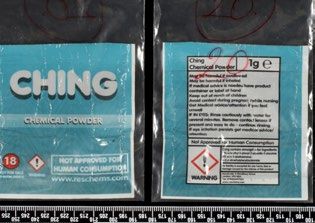
      1. ‘Ching’ typically sold as a ‘legal’ replacement to cocaine. In this case the product contained
         methoxyacetylfentanyl. Credit: Slovenian National Forensic Laboratory (Police).

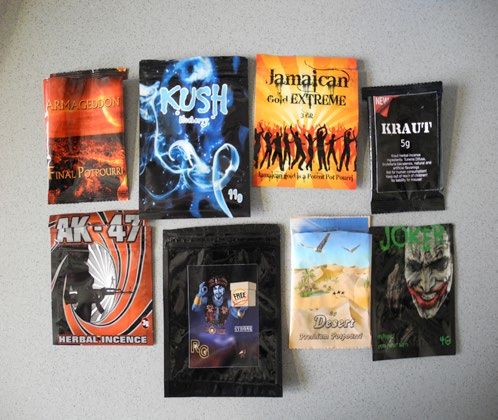
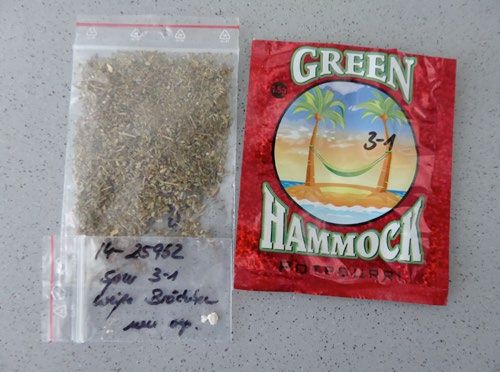
      2. Plant material from a ‘Spice’ product that contained CP-47,497 C8 homolog.
         Credit: Slovenian National Forensic Laboratory (Police).

      3. Package containing CUMYL-4CN-BINACA powder that shipped from China.
         Credit: Slovenian National Forensic Laboratory (Police).

      4. Fake Xanax tablets that contained cyclopropylfentanyl. Credit: WR Brede, H-M Krabseth
         and co-workers, St. Olav University Hospital, Trondheim, Norway.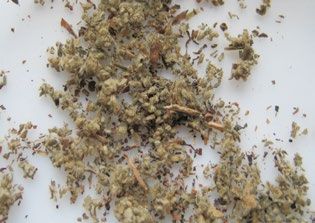
Fentanils and synthetic
 cannabinoids: driving
 greater complexity into
 the drug situation
An update from the EU Early Warning System
June 2018
I Legal notice
This publication of the European Monitoring Centre for Drugs and Drug Addiction (EMCDDA) is protected by
copyright. The EMCDDA accepts no responsibility or liability for any consequences arising from the use of the data
contained in this document. The contents of this publication do not necessarily reflect the official opinions of the
EMCDDA’s partners, any EU Member State or any agency or institution of the European Union.

Luxembourg: Publications Office of the European Union, 2018

© European Monitoring Centre for Drugs and Drug Addiction, 2018
Reproduction is authorised provided the source is acknowledged.

For any use or reproduction of photos that are not under EMCDDA copyright, permission must be sought directly
from the copyright holders.

Photo credits: Front cover (1, 2 and 3), Slovenian National Forensic Laboratory (Police), (4), WR Brede, H-M Krabseth
and co-workers; page 12, fake Xanax tablets, Swedish Police, Figure 6, Anders Helander; pages 14 and 15,
Jan Schäper; page 16, Norwegian National Criminal Investigation Service.

    Print             ISBN 978-92-9497-279-8         doi:10.2810/006358          TD-01-18-414-EN-C

    PDF               ISBN 978-92-9497-280-4         doi:10.2810/603753          TD-01-18-414-EN-N

Recommended citation: European Monitoring Centre for Drugs and Drug Addiction (2018), Fentanils and synthetic
cannabinoids: driving greater complexity into the drug situation. An update from the EU Early Warning System
(June 2018), Publications Office of the European Union, Luxembourg.

Praça Europa 1, Cais do Sodré, 1249-289 Lisbon, Portugal
Tel. +351 211210200
                                I
info@emcdda.europa.eu www.emcdda.europa.eu
                           I
twitter.com/emcdda facebook.com/emcdda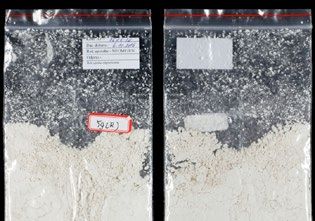
     I Contents

4    I Introduction
6    I Overview of seizures, 2016-17
8    I Synthetic opioids
12   I Synthetic cannabinoids
18   I New challenges, new responses
18   I Discussion and conclusion
19   I Acknowledgements
20   I References

     Authors: Michael Evans-Brown, Ana Gallegos, Rachel Christie, Sofía Sola,
     Anabela Almeida, Rita Jorge, Joanna De Morais and Roumen Sedefov
Fentanils and synthetic cannabinoids: driving greater complexity into the drug situation

       I Introduction                                                                        EU Early Warning System
       New psychoactive substances are a broad range of drugs
                                                                                             The EU Early Warning System, operated by the
       that are not controlled by the 1961 and 1971 United
                                                                                             EMCDDA and Europol, plays a central role in
       Nations drug control conventions but may pose similar
       threats to public health. Many of them are traded as ‘legal’                          supporting national- and EU-level preparedness and
       replacements to established controlled drugs such as                                  responses to new psychoactive substances. In
       cannabis, heroin, cocaine and MDMA.                                                   operation for the past 20 years, it comprises those
                                                                                             two agencies, 30 national early warning systems
       Over the last decade, there has been a large increase in                              across Europe, the European Medicines Agency and
       these substances as globalisation and new technology                                  the European Commission. The national systems
       have allowed production to shift from small-scale illicit                             routinely report data, such as seizures of new
       laboratories in Europe to commercial chemical and                                     psychoactive substances from police and customs as
       pharmaceutical operations in China that are capable of                                well as poisonings, to the EMCDDA. These data are
       making hundreds of different substances on an industrial
                                                                                             then used both to identify emerging threats and as
       scale. Once in Europe, they are sold openly in branded
                                                                                             the basis of the EMCDDA’s risk assessment activities.
       products advertised as ‘legal highs’, under the guise of
                                                                                             The EMCDDA transmits essential and urgent
       being ‘research chemicals’, and as ‘food supplements’, in
                                                                                             technical information as well as risk communications
       attempts to make these substances attractive to users.
       They are also sold on the illicit drug market, either under                           (such as public health alerts) to the Early Warning
       their own names or passed off as established controlled                               System network by email. It also operates an
       drugs to unsuspecting users. In parallel with the growth in                           information system called the European Database on
       the range of substances and products that are offered, the                            New Drugs (EDND). The system offers round-the-
       consumer base has also grown and includes recreational                                clock access to information on more than 670 new
       users, chronic and marginalised drug users, those who                                 substances based on data reported by the network,
       self-medicate, and people wanting to improve how they                                 identified by the EMCDDA through its additional
       look or their performance at work or when studying. The                               monitoring systems, and reported by other partners.
       growth in the market is also reflected in a large increase in
       the number of seizures reported by law enforcement as
                                                                                             Learn more: http://www.emcdda.europa.eu/
       well as in poisonings.
                                                                                             activities/action-on-new-drugs

       For more than 20 years, a three-step legal framework of
       early warning, risk assessment and control measures has
       allowed Europe to rapidly identify and react to public
       health threats caused by new substances (Council of the                             large majority of the new synthetic opioids that have been
       European Union, 2005). The European Monitoring Centre                               reported in Europe) and the synthetic cannabinoids. For
       for Drugs and Drug Addiction (EMCDDA) is responsible for                            the purpose of this report, the term ‘seizures’ means any
       the first two steps in this system, namely operating the EU                         encounters of new psychoactive substances by law
       Early Warning System with Europol (the European Union                               enforcement, including seizures, samples recovered from
       agency for law enforcement cooperation) (see ‘EU Early                              crime scenes, and shipments detained for inspection.
       Warning System’) and conducting risk assessments; while
       the European Commission, the Council of the European                                Since the previous publication, in March 2015, there have
       Union and the European Parliament are responsible for                               been a number of major developments in Europe
       control measures.                                                                   (EMCDDA, 2015). Some of these are encouraging. The
                                                                                           number of new substances reported for the first time each
       This is the second update from the EU Early Warning                                 year during 2016 and 2017 has fallen by around 40 %
       System. In these publications, the EMCDDA aims to                                   compared with 2015. Much of this is related to a decrease
       provide some insights into what is happening with new                               in the number of new synthetic cannabinoids and synthetic
       psychoactive substances in Europe, based on data from                               cathinones appearing each year. In part, this may reflect
       the agency’s early warning and risk assessment activities.                          the results of sustained efforts to control new substances
       This issue covers the period from January 2016 until                                in Europe, including their open sale as ‘legal highs’ on the
       December 2017, with aggregated data on seizures                                     high street. Law enforcement operations in China leading
       reported by law enforcement limited to 2016 data. A focus                           to the closure of laboratories making these substances
       of this publication is the new fentanils (which form the                            might be another reason.

   4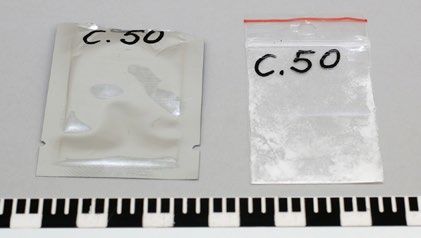
I
                                                                                   An update from the EU Early Warning System June 2018

Other developments are less encouraging. The analysis             Key methodological points
presented here suggests that the availability of many new
substances remains relatively high and, in places, stronger        Seizures of new psychoactive substances in Europe
links are developing with the established illicit drug market.
                                                                   that are reported by law enforcement agencies must
It also appears that there is increasing interest from crime
                                                                   be understood as minimum values, as data are drawn
groups in making new substances, such as synthetic
                                                                   from case reports rather than monitoring systems.
cathinones, in Europe. Another major challenge in the last
                                                                   Reports are influenced by a range of factors such as
few years has been the large number of highly potent new
substances that have appeared on the market. These pose            increasing awareness of new substances, their
a high risk of life-threatening poisoning to users and are         changing legal status, law enforcement capacities
capable of causing explosive outbreaks that can                    and priorities, and the reporting practices of law
overwhelm local healthcare systems. In some                        enforcement agencies. For the purpose of this report,
circumstances, law enforcement and laboratory personnel            the term ‘seizures’ means any encounters of new
may be at risk of poisoning from occupational exposure.            psychoactive substances reported by law
These substances are also easier to conceal and smuggle,           enforcement, including seizures, samples recovered
with a few grams sufficient to make many thousands of              from crime scenes, and shipments detained for
doses for the drug market. Given the globalised nature of          inspection.
the market, these substances can pose a serious cross-
border threat to health. Currently, two groups that
                                                                   Some seizures contain more than one active
particularly stand out in this respect are the new synthetic
                                                                   ingredient, therefore more than one identification can
opioids (particularly the fentanils) and the synthetic
                                                                   be made from a single seizure.
cannabinoids.

During 2016-17 there was a large increase in the                   There have been changes in the methodology used to
availability of new synthetic opioids in parts of Europe.          analyse seizures of new psychoactive substances,
While they appear to play a small role in the overall market,      some of which have occurred since previous report.
they are one of the fastest-growing groups monitored by            This has led to the revision of a number of estimates
the EMCDDA. These substances, most of which come                   from previous years; hence the figures presented
from the highly potent fentanyl family, are of special             here may differ from those in the previous report.
concern to public health because they pose a high risk of
life-threatening poisoning, as an overdose can quickly stop
a person from breathing. This makes them especially
dangerous to users, particularly as many will be unaware
that they might be sold as heroin and other illicit opioids or
even sold as falsified (fake) medicines. Here, we provide an     not particularly well understood, but the high potency of
overview of the current situation with new fentanils in          the substances and the unintentionally high doses that
Europe — which in 2016-17 were involved in more than             users are exposed to are important factors. Here we take a
250 deaths — as well as reviewing the key findings of the        look at these factors in more detail, as well as reviewing
risk assessments conducted by the EMCDDA on five of              the key findings of the risk assessments conducted by
them during 2017.                                                the EMCDDA on five of these cannabinoids during 2016
                                                                 and 2017.
While the number of new synthetic cannabinoids reported
each year is falling, they continue to be the largest group of   This report also highlights how the EMCDDA is responding
substances monitored by the EMCDDA. Seizures reported            to these challenges by helping strengthen preparedness
by law enforcement also indicate that they continue to be        and responses at national and EU levels. New EU
available across much of Europe. These substances are no         legislation that was adopted in November 2017 will also
longer just touted as ‘legal’ replacements to cannabis, but      significantly support this work. Finally, we reflect on the
have developed a reputation as powerful and cheap                overall conclusion of this analysis, which suggests that,
intoxicants among vulnerable groups, such as the                 while sustained growth of the market may not be
homeless and prisoners, who use them for their                   inevitable, new substances are driving greater complexity
‘mind-numbing’ effects. Over the last few years, there has       into the drug situation; we also ask what this may mean for
been an increase in the number of deaths reported to the         Europe, and highlight the central role that early warning
EMCDDA involving these substances. The reasons for the           systems can play in responding to this complex public
pronounced psychoactive effects and severe poisoning are         health problem.

                                                                                                                                  5
Fentanils and synthetic cannabinoids: driving greater complexity into the drug situation

       I Overview of seizures, 2016-17                                                      Key figures
       By the end of December 2017, the EMCDDA was
       monitoring more than 670 new substances that have
                                                                                            ↑     670+ substances monitored overall

       appeared on Europe’s drug market over the past 20 years.
       This total includes 51 substances that were reported for                             ↓     66 substances reported for the first time in 2016
       the first time during 2017 (Figure 1), namely 13 opioids, 12
       cathinones, 10 cannabinoids, 4 phenethylamines, 3
                                                                                                  70 769 seizures reported by law enforcement in
       benzodiazepines, 2 tryptamines, 1 arylcyclohexylamine, 1                             ≈
                                                                                                  2016
       arylalkylamine, 1 piperidine/pyrrolidine and 4 substances
       that do not belong to these other groups. This was the                               ↓     4.1 tonnes seized by law enforcement in 2016
       second year in a row when the number of new substances
       reported for the first time has decreased, from a high of                            ↓     51 substances reported for the first time in 2017
       around 100 substances in 2014 and 2015 to around 50 to
       60 substances per year (roughly one new substance every
       week). It also marked the first time when the new opioids
                                                                                            ↑     38 new opioids monitored, of which 28 are highly
                                                                                                  potent fentanils
       were the single largest group of new substances to appear
       on the drug market in any one year — a position that has                             ↑     250 deaths linked to fentanils between 2016 and
                                                                                                  2017
       previously been dominated by the cannabinoids and
       cathinones. With 38 substances overall, 2017 saw the
       opioids become the fourth largest group of substances
       monitored, after synthetic cannabinoids (179 substances),
       cathinones (130) and phenethylamines (94) and not                                   EMCDDA by law enforcement agencies from across
       including the miscellaneous category ‘other substances’.                            Europe (Figure 2). While the number of seizures was
                                                                                           similar to those reported in 2015, there was a drop of
                                                                                           around 30 % in the quantities reported, mostly due to a dip

       I    eizures reported by law enforcement
           S
           during 2016
                                                                                           in reports involving synthetic cannabinoids. Overall,
                                                                                           seizures during 2016 were once again dominated by
                                                                                           cannabinoids and cathinones, which, together, accounted
       During 2016, more than 70 000 seizures of new                                       for around 80 % of the total number and quantity of new
       substances, weighing 4.1 tonnes, were reported to the                               substances reported during the year (Figure 2). Similarly to

       FIGURE 1
       New psychoactive substances notified to the EU Early Warning System for the first time 2005-17: number per year (left)
       and total number per category (right)

                                                                     101
                                                                            98
                                                                                                             127                     27           7         4
                                                                                                                                                  14   13
                                                                81                                                                   35
                                                          74
                                                                                                                                                  23    16
                                                                                   66
                                                                                                                                     38

                                                                                           51                179
                                                  48
                                           41                                                                                        77          72

                                     24

           13          15      13
                  7

           2005                           2010                             2015            2017

            Other substances        Aminoindanes         Plants and extracts      Piperazines       Piperidines and pyrrolidines      Arylcyclohexylamines
            Benzodiazepines         Tryptamines        Arylalkylamines     Opioids         Phenethylamines         Cathinones      Synthetic cannabinoids

   6
I
An update from the EU Early Warning System June 2018
FIGURE 2
Number and quantity of seizures of new psychoactive substance reported to the EU Early Warning System:
trends and distribution by category in 2016
80 000
Cannabinoids Phenethylamines
32 152 1785
70 769
60 000
Opioids
1601
40 000 Tryptamines
Cathinones 1361
23 177
755 Piperidines and
20 000
pyrrolidines
698 Arylalkylamines
Others Benzodiazepines
1470 3657 3122 381 Plants and extracts
0
Piperazines 171
2005 2006 2007 2008 2009 2010 2011 2012 2013 2014 2015 2016 Arylcyclohexylamines Aminoindanes 108
1801
6000
Cathinones Plants and extracts
1885.6 88.2
5000
4000 4101 kg Tryptamines
57.5
3000
Cannabinoids Others Benzodiazepines
1466.5 271.5 38.3
2000 Phenethylamines
36.5
Piperidines and
1000 pyrrolidines 33.9
Arylalkylamines 15.3
18.9 kg Opioids 8.7
0
2005 2006 2007 2008 2009 2010 2011 2012 2013 2014 2015 2016 Arylcyclohexylamines Piperazines 4.5
193.3 Aminoindanes 1.3
Source: EU Early Warning System
previous years, around half (approximately 360) of the new Synthetic cathinones
substances currently being monitored were detected in
Europe during 2016. Among other problems, this increases Reflecting their use as legal replacements for cocaine,
the risk of them being sold either deliberately or amphetamine and other controlled stimulants, there were
accidentally as other drugs. Sometimes, such as when more than 23 000 seizures of synthetic cathinones
new fentanils are sold as heroin or as fake medicines, this reported from across Europe in 2016 (Figure 3). These
can have fatal consequences. account for almost one-third of the total number of
seizures of new substances over the year, and amounted
The section below provides an overview of seizures reported to almost 1.9 tonnes, making synthetic cathinones the
for the synthetic cathinones, new benzodiazepines and most commonly seized new psychoactive substances by
some of the other groups of substances monitored by the quantity in 2016. The EMCDDA is currently monitoring 130
EMCDDA. Data for the new opioids and synthetic of these substances, including 14 that were reported for
cannabinoids are discussed in separate sections. the first time in 2016 and 12 during 2017. Synthetic
cathinones are generally found in powder form. The five
7Fentanils and synthetic cannabinoids: driving greater complexity into the drug situation
FIGURE 3 flubromazolam, flunitrazolam and fonazepam were reported
Seizures of synthetic cathinones reported to the EU Early during 2016 — which was about 70 % more than in 2015.
Warning System: trends in number of seizures and Some of these new benzodiazepines were sold as tablets,
quantity detected, 2005-16 capsules or powders under their own names. In other cases,
they were used to make fake versions of commonly
Number of seizures prescribed benzodiazepine medicines, such as diazepam
30 000
and alprazolam, and sold directly on the illicit drug market.
25 000
20 000
15 000 Other substances
10 000
During 2016, there were increases in the quantities
5 000
reported for some of the other groups of substances that
0
2005 2006 2007 2008 2009 2010 2011 2012 2013 2014 2015 2016
are monitored by the EMCDDA, including arylcyclohexyl
amines, indolalkylamines, and piperidines and pyrrolidines.
Quantity (tonnes)
2.0
1.5
I Synthetic opioids
1.0
With a total of 38 different opioids reported, the number of
synthetic opioids has grown rapidly in Europe since the
0.5
first substance was reported in 2009. In fact, most of
0.0 these substances have been reported for the first time
2005 2006 2007 2008 2009 2010 2011 2012 2013 2014 2015 2016
during the past two years, with 9 reported in 2016 and 13
Powder All other forms during 2017. Although they play a small overall role in
Europe’s drug market, many of the new opioids are highly
potent substances that pose a risk of life-threatening
most commonly seized cathinones in 2016 were alpha- poisoning because an overdose can cause respiratory
PVP, 4-chloromethcathinone, 3-chloromethcathinone, depression (slowing down of breathing), which can lead to
4-methyl-N,N-dimethylcathinone and respiratory arrest (stopping breathing) and death. The
3-methylmethcathinone. The top five cathinones detected public health importance of this risk is reflected in the fact
in powders were 4-chloromethcathinone (890 kg), that most deaths involving illicit opioid use are caused by
4-chloroethcathinone (247 kg), N-ethylhexedrone (186 kg), respiratory depression (White and Irvine, 1999). Of
3-methylmethcathinone (126 kg) and mexedrone (50 kg). particular concern are the new fentanils. These substances
In recent years, there have been indications of increasing currently dominate this group, with a total of 28 reported
interest in making synthetic cathinones in Europe, since they first appeared in 2012.
including seizures of precursors, equipment and illicit
laboratories used to make mephedrone (which is now Reflecting their small share of the market as well as their
under international control), as well as high potency, new opioids accounted for only around 2 %
4-chloromethcathinone and 3-chloromethcathinone. of the total number of seizures of new substances and
about 0.2 % of the total quantity reported to the EU Early
Warning System during 2016. New opioids are found
New benzodiazepines mainly in powders but also in tablets and, since 2014,
liquids. For the most part, seizures are dominated by
Reflecting consumer demand, the market in new fentanils. There were around 1 600 seizures of new opioids
benzodiazepines appears to have grown over the past few reported by law enforcement during 2016, of which 70 %
years. The EMCDDA is currently monitoring 23 of these were related to fentanils. These included 7.7 kg of powders
substances, including six that were reported for the first (of which 60 % contained fentanils), approximately 23 000
time in 2016 and three during 2017. While the overall tablets (of which 13 % contained fentanils) and 4.5 litres of
number of seizures reported by law enforcement during liquids (of which fentanils accounted for 96 % of the total).
2016 decreased compared with 2015, the quantity reported Some of these liquids are from seizures made by police
increased. More than half a million tablets containing new and customs of nasal sprays, which appear to be growing
benzodiazepines such as diclazepam, etizolam, in popularity as a way of using these substances.
8I
An update from the EU Early Warning System June 2018
I Fentanils: background additional doses of naloxone have been required in some
cases in order to reverse the respiratory depression (Faul
During the 1960s, attempts to develop better and safer et al., 2017; Klar et al., 2016; Somerville et al., 2017; Sutter
analgesic medicines led to the synthesis and testing of a et al., 2017). While this finding needs further study, it
series of new opioid narcotic analgesic drugs by the could be due to factors such as the high potency of the
pharmaceutical company Janssen Pharmaceutica. fentanils, the dose an individual is exposed to and the fact
Fentanyl was the first substance in this highly potent that the effects of these substances may last longer in the
family to be synthesised and was followed by a series of body than those of naloxone. Patients who have
related substances, which together are known as the overdosed with fentanils may need longer periods of
fentanils (Janssen, 1982; Janssen and Van der Eycken, observation after initial treatment in case respiratory
1968). Since then, dozens more of these substances have depression reoccurs.
been synthesised and tested by scientists. A small number
— fentanyl, alfentanil, sufentanil and remifentanil — have Alongside their legitimate uses as medicines and in
become widely used in human medicine in anaesthesia research, the fentanils also have a long history of illicit use
and for pain management, while some are used in veterinary as replacements for heroin and other controlled opioids.
medicine in anaesthesia and for pain management, and, in Between 1979 and 1988, more than 10 fentanils that had
the case of carfentanil and thiafentanil, to immobilise large been made in illicit laboratories were detected on the drug
animals. Some of the fentanils are also used to study how market in the United States (Henderson, 1991). The first
the body works, provide insights into disease and help was alpha-methylfentanyl, followed by substances such as
develop new medicines (Ujváry et al., 2017). 3-methylfentanyl and 4-fluorofentanyl. Typically, they were
sold as heroin or ‘synthetic heroin’. Together, these
Like other types of opioid analgesics, such as morphine substances were involved in more than 100 deaths, mostly
and heroin, the fentanils produce their main effects by in the state of California. Later, in the mid-2000s, illicitly
activating a receptor in the brain called the mu-opioid manufactured fentanyl was sold as heroin or in mixtures
receptor (Cox, 2011; Pasternak and Pan, 2013; Ujváry et al., with heroin, and was responsible for outbreaks of
2017). The effects include euphoria, relaxation, analgesia, overdoses that involved hundreds of deaths in the eastern
sedation, slowing of the heart, hypothermia and respiratory United States (Schumann et al., 2008). It appears that,
depression (Cox, 2011; Dahan et al., 2001; Kieffer, 1999; with the exception of Estonia, where 3-methylfentanyl and
Pattinson, 2008; Romberg et al., 2003). It is this last effect fentanyl were responsible for an epidemic of fatal
that poses the greatest danger to users, as, because of the poisonings during this time, these substances caused
high potency of these substances, small amounts can limited problems elsewhere in Europe (Berens et al., 1996;
cause severe, life-threatening poisoning from respiratory de Boer et al., 2003; Fritschi and Klein, 1995; Kronstrand et
depression. Left untreated, this can be fatal (Cox, 2011; al., 1997; Ojanperä et al., 2008; Poortman-van der Meer
Dahan et al., 2010; Pattinson, 2008; Somerville et al., 2017; and Huizer, 1996).
White and Irvine, 1999). Fentanils also have an abuse
liability and dependence potential. In recognition of their Over the past few years, there has been a large increase in
potential to cause these serious harms, 21 fentanils are the availability of fentanils in the United States, Canada
controlled by the United Nations international drug control and Europe (Gladden et al., 2016; US CDC, 2015). This has
system (1). been driven by the opioid epidemics in North America,
interest in selling these substances in Europe and broader
Timely administration of the antidote naloxone can rapidly changes in the illicit drug market.
reverse the severe respiratory depression caused by
fentanils (Kim and Nelson, 2015). Of note is that recent
experiences in the United States and Canada suggest Situation in Europe
that, compared with treating heroin overdoses, larger and
Since 2012, a total of 28 new fentanils have been
identified on Europe’s drug market. This includes eight
(1) A total of 21 fentanils are controlled under the United Nations Single substances that were reported for the first time in 2016
Convention on Narcotic Drugs, 1961, as amended by the 1972 Protocol.
and 10 during 2017. During this period, there has also been
These are 3-methylfentanyl, 3-methylthiofentanyl, acetyl-alpha-
methylfentanyl, alpha-methylfentanyl, alpha-methylthiofentanyl, beta- a large increase in seizures reported by customs at
hydroxy-3-methylfentanyl, beta-hydroxyfentanyl, para-fluorofentanyl, international borders and police at street-level (Figure 4)
thiofentanyl, acetylfentanyl and carfentanil, which are controlled under
Schedules I and IV; and alfentanil, fentanyl, sufentanil, remifentanil, (see also ‘Reducing the risk of occupational exposure to
butyrfentanyl, ocfentanil, furanylfentanyl, acryloylfentanyl, fentanils’, page 11). While the picture differs widely
4-fluoroisobutyrfentanyl and tetrahydrofuranylfental, controlled under
Schedule I. across Europe, 23 countries have reported detections of
9Fentanils and synthetic cannabinoids: driving greater complexity into the drug situation
FIGURE 4 one or more of these substances (Figure 5) (2). Reports to
Seizures of fentanils reported to the EU Early Warning the EMCDDA of fatal poisonings have also increased
System: trends in number of seizures and quantity substantially from some countries (EMCDDA, 2016a;
detected, 2012-16 EMCDDA, 2017a,b,c,d,e,f,g; EMCDDA, 2018a,b).
Number of seizures
It appears that most shipments of new fentanils coming
1 200
into Europe originate from companies based in China.
1000
Production in illicit laboratories, including in Europe, has
800 also been reported occasionally. Typically, production of
600 fentanyl and other fentanils is relatively straightforward,
400 which adds to the challenges in responding to these
200
substances.
0
2012 2013 2014 2015 2016 Like other new substances, one of the reasons behind the
increase in these fentanils is that they are not controlled
Powder (kilograms) under the United Nations drug control conventions. This
5 means that in many countries they can be manufactured
and traded relatively freely and openly — a situation which
4
has been exploited by entrepreneurs and crime groups
3 using companies based in China to make the substances.
2 The fentanils are typically shipped to Europe by express
mail services and courier services. From here, they are
1
then sold as ‘legal’ replacements for illicit opioids on the
0 surface web and on the darknet. Unknown to users, they
2012 2013 2014 2015 2016
are also sold as heroin or mixed with heroin and other illicit
opioids. Occasionally they have also been used to make
Tablets (thousands) fake medicines and, less commonly, sold as cocaine (see
3.5 ‘Fentanils in fake medicines and cocaine’, page 12).
3.0
2.5 Fentanils have been found in a variety of physical and
2.0 dosage forms in Europe. The most common form is
1.5 powders, but they have also been detected in liquids and
1.0 tablets. Depending on the circumstances, seizures of
0.5 powders have ranged from milligram to kilogram
0.0 quantities. They may be relatively pure, especially when
2012 2013 2014 2015 2016
seized coming into the European Union. They may also be
mixed with one or more substances. In the latter case,
Liquid (litres) these include commonly used cutting agents (such as
5 mannitol, lactose and paracetamol), as well as heroin and
other fentanils/opioids. To a much smaller degree, other
4
drugs, such as cocaine and other stimulants, have also
3 been detected in mixtures with fentanils in Europe. During
2 2016, more than 4.6 kg of powder containing fentanils was
reported, while almost 4.5 litres of liquid and around 2 900
1
tablets were also reported. Less commonly, fentanils have
0 also been found in blotters and plant material. In these
2012 2013 2014 2015 2016
cases, there may be no indication that they contain
(2) Austria, Belgium, Croatia, Cyprus, the Czech Republic, Denmark, Estonia,
Finland, France, Germany, Hungary, Ireland, Latvia, Lithuania, Luxembourg, the
Netherlands, Poland, Portugal, Slovenia, Spain, Sweden, the United Kingdom
and Norway have all reported one or more detections of new fentanils that
have been formally notified as new psychoactive substances under the terms
of Council Decision 2005/387/JHA.
10I
An update from the EU Early Warning System June 2018
FIGURE 5 Reducing the risk of occupational
Number of different fentanils detected by country reported exposure to fentanils
to the EU Early Warning System, 2012-17
Given the increase in availability of fentanils in
Europe, the issue has been raised that first
responders, law enforcement and laboratory
personnel may encounter them as part of their work.
Law enforcement officers could encounter fentanils
in a range of operational settings. These could
include consignments in transit, for example vehicles
(such as aircraft and courier vans), ports of entry
(which may include courier and mail centres), illicit
laboratories, storage/processing/distribution
facilities (such as sites where vendors re-package
into smaller quantities for onward sale), tableting and
nasal spray/e-liquid production facilities, sites used
to mix fentanils with heroin/illicit opioids, and at
street level. Fentanils may also be encountered during
Number of substances
the transport, processing, forensic investigation,
0 1–2 3–5 6–9 ≥10 storage and disposal of seized materials. As a result,
there could be a potential risk to personnel from
occupational exposure, which may need to be risk
assessed. With appropriate measures — protocols
fentanils, which could pose a risk of poisoning to people and procedures, equipment and training — fentanils
who use them. can be handled safely. For further information on this
issue, including assessing and responding to such
During 2016, the top five fentanils detected in powders scenarios, agencies may wish to refer to
reported by law enforcement were valerylfentanyl ‘Recommendations on selection and use of personal
(0.98 kg), ocfentanil (0.70 kg), carfentanil (0.57 kg), protective equipment and decontamination products
4-fluoro-isobutyrylfentanyl (0.52 kg) and furanylfentanyl for first responders against exposure hazards to
(0.47 kg). The top five fentanils detected in liquids were synthetic opioids, including fentanyl and fentanyl
acryloylfentanyl (2.23 l), furanylfentanyl (1.41 l),
analogues’, published by the United States
tetrahydrofuranylfentanyl (0.50 l), 4-fluoro-isobutyryl
InterAgency Board for Equipment Standardization
fentanyl (0.21 l) and cyclopentylfentanyl (0.06 l). The
and Interoperability (2017), as well as ‘Fentanyl
fentanils detected in tablets during 2016 were
safety recommendations for first responders’,
acryloylfentanyl (1 451 tablets), 4-fluoro-isobutyrylfentanyl
(1 155), acetylfentanyl (150), cyclopentylfentanyl (105) published by the White House National Security
and furanylfentanyl (45). Council (2017).
Fentanils are sold and used as ‘legal’ substitutes for illicit
opioids and prescription opioid medicines; this may
include for self-medication, such as treating pain and/or While fentanils are often injected, their high potency and
opioid withdrawal. In addition, they are also sold as or in ease of use mean that nasal sprays containing diluted
mixtures with heroin and other illicit opioids. Information solutions have become an increasingly common way of
from law enforcement and death investigations in Europe using these substances in some parts of Europe in recent
have found that fentanils are used by vulnerable and years. Unlabelled nasal sprays containing acryloylfentanyl,
marginalised opioid users, including those who inject offered for sale online, were detected in Sweden in 2016
heroin and other illicit opioids. In many cases, these (Figure 6). This substance was involved in 47 deaths in
individuals will not be aware that they are using them. This Europe during 2016. E-liquids containing fentanils that can
can place them at greater risk of life-threatening overdose. be vaped using electronic cigarettes have also been
Other groups who may use fentanils include those who are reported. Compared with injecting, these make it easier for
experimenting with the substance (such as psychonauts). people to use fentanils while still giving them a similar
11Fentanils and synthetic cannabinoids: driving greater complexity into the drug situation
Fentanils in fake medicines and cocaine
Recently, there has been a large increase in the number of seizures have been reported since 2016. This
of seizures by police in the United States and Canada of includes recent seizures by police in Sweden of fake
fake medicines containing fentanils. These fakes are Xanax benzodiazepine tablets that contained
sold directly on the illicit drug market as commonly used cyclopropylfentanyl, a substance that was involved in
opioid analgesics (pain killers) and benzodiazepines. At more than 80 deaths in Europe during 2017.
the same time, there has also been an increase in
reports of fentanils being mixed with or sold as cocaine. Fake Xanax tablets
As users are unaware of this, it can increase the risk of
life-threatening overdose. A number of mass poisonings
have been reported in North America due to this type of
adulteration (Arens et al., 2016; Klar et al., 2016; Sutter
et al., 2017; Tomassoni et al., 2017). Those at particularly
high risk include users who may not have any tolerance
to opioids, such as cocaine users. While similar reports
have been comparatively rare so far in Europe, a number Copyright: Swedish Police.
psychoactive effect. Their use may also pose a high risk of
accidental overdose. Nasal sprays and e-liquids could
make using fentanils more attractive and socially
acceptable, helping them spread more widely.
FIGURE 6
Unlabelled nasal sprays containing acryloylfentanyl that Since late 2015, the EMCDDA has conducted eight joint
were sold online in Sweden in 2016 investigations with Europol on fentanils that have caused
serious concern at European level. The two agencies
investigated acetylfentanyl in 2015, acryloylfentanyl and
furanylfentanyl in 2016, and 4-fluoroisobutyrylfentanyl
(4F-iBF), tetrahydrofuranylfentanyl (THF-F), carfentanil
(see ‘Carfentanil in Europe’, page 16), methoxyacetyl
fentanyl and cyclopropylfentanyl during 2017. Together,
these substances have been involved in more than 250
deaths, many of which were attributed directly to these
substances. Five of these substances were formally risk
assessed by the EMCDDA during 2017 (Table 1), and
methoxyacetylfentanyl and cyclopropylfentanyl were
assessed early in 2018. So far, acryloylfentanyl and
furanylfentanyl have been subject to control measures at
EU level because of the risks they pose to Europe.
I Synthetic cannabinoids
I Background
Synthetic cannabinoids, also known as synthetic
Source: Image kindly provided by Prof Anders Helander, cannabinoid receptor agonists, are a group of drugs that
Department of Laboratory Medicine, Karolinska Institutet, mimic the effects of a substance found in cannabis called
Stockholm, Sweden. Copyright: Anders Helander. tetrahydrocannabinol (THC). THC is responsible for many
12I
An update from the EU Early Warning System June 2018
of the psychoactive effects of cannabis which give that called ‘Spice’ that were sold as ‘legal’ replacements to
feeling of being ‘stoned’ or ‘high’ (Gaoni and Mechoulam, cannabis. In these products, powders containing synthetic
1964; Huestis et al., 2001; Pertwee, 2005a; Pertwee, cannabinoids were mixed with plant material which could
2014). These effects are caused by activating a receptor in then be smoked as cigarettes (‘joints’) (Auwärter et al.,
the brain called the cannabinoid receptor type 1 (CB1 2009; EMCDDA, 2009; Jack, 2009). Since then, 179
receptor) (Huestis et al., 2001; Pertwee, 2014). The cannabinoids have been identified on the drug market in
receptor is part of a signalling system in the body called hundreds of different products (Figure 7). The products are
the endocannabinoid system, which helps regulate, among commonly referred to as ‘herbal smoking mixtures’, ‘Spice’,
other things, behaviour, mood, pain, appetite, sleep and ‘K2’, ‘synthetic cannabis’ and ‘synthetic marijuana’. Most of
the immune system (Pertwee, 2015). the synthetic cannabinoid powders are made in China,
with the final products made in Europe.
Similar to the fentanils, the synthetic cannabinoids were
originally developed by scientists to study the body, Because synthetic cannabinoids work in a similar way to
provide insights into disease and help develop new THC, many of their effects are similar to those of cannabis
medicines (Pertwee, 2005b; Reggio, 2009). Around the (Auwärter et al., 2009). Most prominently, they are able to
mid-2000s, they began to appear in Europe in products create the feeling of being ‘stoned’. This includes
TABLE 1
Key findings of the risk assessments of acryloylfentanyl, furanylfentanyl, 4-fluoroisobutyrylfentanyl (4F-iBF),
tetrahydrofuranylfentanyl (THF-F) and carfentanil conducted by the EMCDDA
Common name Acryloylfentanyl Furanylfentanyl 4F-iBF THF-F Carfentanil
Chemical name N-(1-Phenethyl- N-Phenyl-N-[1-(2- N-(4-Fluoro- N-Phenyl-N- Methyl 1-(2-pheny-
piperidin-4-yl)- phenylethyl) phenyl)-N-(1- [1-(2-phenyl- lethyl)-4-[phe-
N-phenylacryl- piperidin-4-yl] phenethylpiperi- ethyl)piper-idin- nyl(propanoyl)
amide furan-2-carbox din-4-yl)isobutyr 4-yl]oxol-ane-2- amino]piperi-
amide amide carboxamide dine-4-carboxylate
Chemical structure
Category Synthetic opioid Synthetic opioid Synthetic opioid Synthetic opioid Synthetic opioid
Pharmacology μ-opioid receptor μ-opioid receptor μ-opioid receptor μ-opioid receptor μ-opioid receptor
agonist agonist agonist agonist agonist
Formal notification to 7 July 2016 3 November 2015 26 August 2016 23 December 2016 12 February 2013
the EU Early Warning
System
Number of deaths 47 23 20 14 61
Number of countries 3 6 2 1 8
where associated
deaths occurred
Number of seizures 162 143 24 53 801
by law enforcement
Number of countries 5 14 4 1 7
where it has been
seized
Total quantity seized 113 g powder 1 036 g powder 379 g powder 99 g powder 3.3 kg powder
1 495 ml liquid 6 g plant material 208 ml liquid 950 ml liquid
896 tablets 1 559 ml liquid 6 727 tablets
45 tablets
13Fentanils and synthetic cannabinoids: driving greater complexity into the drug situation
FIGURE 7 FIGURE 8
Products containing CUMYL-PeGACLONE, a synthetic Seizures of synthetic cannabinoids reported to the EU
cannabinoid, seized in Germany in 2016 Early Warning System: trends in number of seizures and
quantity seized, 2005-16
Number of seizures
35 000
30 000
25 000
20 000
15 000
10 000
5 000
0
2005 2006 2007 2008 2009 2010 2011 2012 2013 2014 2015 2016
Quantity (tonnes)
3.0
2.5
2.0
1.5
Source: Image kindly provided by Dr Jan Schäper, Bayerisches
1.0
Landeskriminalamt, Munich, Germany. Copyright: Jan Schäper.
0.5
0.0
2005 2006 2007 2008 2009 2010 2011 2012 2013 2014 2015 2016
relaxation, euphoria, lethargy, depersonalisation, distorted
Plant material Powder All other forms
perception of time, impaired motor performance,
hallucinations, paranoia, confusion, fear, anxiety, dry
mouth, bloodshot eyes, tachycardia (an abnormally fast
heart rate), nausea and vomiting. In some cases, these
effects appear to be much more pronounced and severe millions of doses. Of note is that there has been a marked
than those produced by cannabis (Ford et al., 2017; drop in the amount of seizures reported by law enforcement of
Zaurova et al., 2016). synthetic cannabinoids in powder form, from a high of
almost 600 kg in 2013 to around 190 kg in 2016 (Figure 8).
The reasons for this 70 % drop are unclear, but it might
I Situation in Europe signal a decrease in the production of smoking mixtures in
Europe in the past few years as laws have been tightened.
Synthetic cannabinoids are the largest group of substances
that are monitored by the EU Early Warning System. In The five most commonly seized synthetic cannabinoids
2016-17, there was a marked decrease in the number of reported by law enforcement in 2016 were
new cannabinoids reported for the first time. Despite this, MDMB-CHMICA, AB-CHMINACA, UR-144, 5F-AKB48 and
the cannabinoids were the most frequently seized new AMB-FUBINACA. The top five cannabinoids seized in plant
psychoactive substances in 2016, with just over 32 000 material (smoking mixtures) were AB-FUBINACA (361 kg),
reports (Figure 8). This is an increase of almost 10 000 on 5F-AMB-PINACA (116 kg), AMB-FUBINACA (20 kg),
the previous year and accounts for nearly half the total 5F-MDMB-PINACA (15 kg) and AB-CHMINACA (13 kg),
number of seizures of new psychoactive substances while the top five cannabinoids seized in powders were
reported in 2016. Almost 1.5 tonnes of the substances 5F-NAPICA (AM-6527 5-fluoropentyl derivative) (54 kg),
were reported during 2016. Of this, almost 40 % was in the CUMYL-4CN-BINACA (50 kg), AMB-FUBINACA (27 kg),
form of plant material (smoking mixtures), with powders 5F-MDMB-PINACA (15 kg) and AB-FUBINACA (7 kg).
accounting for almost another 13 %. Seizures in Europe of
synthetic cannabinoids in powder form together with other Data reported to the EMCDDA through the EU Early
raw ingredients, and of processing facilities, demonstrate Warning System as well as other sources suggest that
that smoking mixtures are made in Europe. When made severe and fatal poisoning is much more common with
into ‘smoking mixtures’, the amount of powder that was synthetic cannabinoids than with cannabis (EMCDDA,
reported in 2016 could have been used to make many 2016c; EMCDDA, 2017h,i,j,k,l; Tait et al., 2016; Winstock
14I
An update from the EU Early Warning System June 2018
and Barratt, 2013; Zaurova et al., 2016). The reasons for FIGURE 9
the more pronounced psychoactive effects and severe and Uneven distribution of cannabinoid in a herbal mixture
fatal poisoning seen with synthetic cannabinoids are not seized by German police in 2014
particularly well understood, but at least two factors are
likely to be important: the high potency of the substances
and the unintentionally high doses that users are
exposed to.
Firstly, studies have found that many of the cannabinoids
sold on the drug market are much more potent than THC
(behaving as so-called ‘full agonists’). This means that
even at very small doses they can activate the CB1
receptor much more strongly than THC (Banister et al.,
2016; Ford et al., 2017; Longworth et al., 2017a,b; Reggio,
2009; Tai and Fantegrossi, 2017). It is worth noting that
little is known about the effects of synthetic cannabinoids
on other signalling systems in the body, which may also
explain some of the effects of these substances.
Note: This product contained MDMB-CHMICA, a synthetic
Secondly, the process for mixing the synthetic cannabinoid that was linked to more than 28 deaths in Europe
between 2014 and 2016. Large white lumps of MDMB-CHMICA
cannabinoids with the plant material to make smoking
can be seen at the bottom left of the image. Given the high
mixtures (which are the most common way of using these
potency of MDMB-CHMICA, such large amounts pose a risk of
substances) can lead to dangerous amounts of the
severe and even fatal poisoning to users.
substances in the products. This is because producers Source: Originally published by Schäper (2016, p. 112).
have to guess the amount of cannabinoids to add, while Image kindly provided by Dr Jan Schäper, Bayerisches
the mixing process makes it difficult to dilute the Landeskriminalamt, Munich, Germany. Copyright: Jan Schäper.
cannabinoids sufficiently and distribute them consistently
throughout the plant material. This can result both in
products that contain toxic amounts of the substances in
general, as well as in products where the cannabinoids are emergency departments). Many of the outbreaks that have
clumped together, forming highly concentrated pockets been reported so far are from the United States, but they
among the plant material (Figure 9) (Ernst et al., 2017; have also occurred in Russia and Europe (Adams et al.,
Frinculescu et al., 2017; Langer et al., 2014, 2016; 2017; Kasper et al., 2015; Schwartz et al., 2015; Shevyrin et
Moosmann et al., 2015; Schäper, 2016). These issues are al., 2015; Springer et al., 2016; Trecki et al., 2015; Tyndall et
made worse because the products are smoked (or vaped), al., 2015).
allowing the substances to be rapidly absorbed into the
bloodstream and to reach the brain, where they cause While the poisoning caused by synthetic cannabinoids can
many of their effects. be similar to that caused by cannabis, severe effects are
also commonly reported. These include serious
The combination of these two factors makes it difficult for cardiovascular toxicity (including sudden death), rapid loss
users to control the dose that they are exposed to. This can of consciousness/coma, respiratory depression, seizures
lead them to unintentionally administer a toxic dose (see and convulsions, hyperemesis, delirium, agitation,
‘Other risks related to synthetic cannabinoids and smoking psychosis, and aggressive and violent behaviour (Adams et
mixtures’, page 18). Accounts from patients and people al., 2017; Bäckberg et al., 2017; Hill et al., 2016; Kasper et
who witness poisonings suggest that in some cases a al., 2015; Schwartz et al., 2015; Shevyrin et al., 2015;
small number of puffs from a joint have been sufficient to Springer et al., 2016; Trecki et al., 2015; Tyndall et al., 2015;
cause severe and fatal poisoning. Waugh et al., 2016).
These factors are also responsible for outbreaks of mass In addition, the effects of poisoning — particularly loss of
poisonings caused by smoking mixtures. These have consciousness, respiratory depression and behavioural
ranged in size from a handful of victims to over 800 people, effects — may place users at additional risk. This includes
some of whom have died. Such outbreaks can also rapidly choking on/inhaling vomit, drowning, falling, hypothermia
overwhelm the capacity of emergency responders and as a result of falling unconscious outside in cold weather,
other parts of local healthcare systems (such as hospital and self-inflicted violence/injury (Tait et al., 2016; Yeter,
15Fentanils and synthetic cannabinoids: driving greater complexity into the drug situation
Carfentanil in Europe
Carfentanil is one of the most potent fentanils opioid supply chain. In one case, more than 400 g of
developed by scientists (Janssen, 1982). It is used in carfentanil was seized by police, which would probably
research and, in some countries, as a veterinary have been sufficient to produce millions of doses for the
medicine to immobilise large animals. The substance drug market. Between November 2016 and April 2017,
was first detected in Europe in December 2012 in a carfentanil was involved in at least 61 deaths in eight
seizure made by police in Latvia. Until 2016, detections countries. In many cases, those who died were people
were limited to Latvia, Lithuania and Estonia. During who used heroin.
2017, there was a spike in reports of these substances
from law enforcement as well from death investigations
in parts of Europe. This led to a joint investigation by the Carfentanil seized in Norway
EMCDDA and Europol in May 2017 and risk assessment
later in the year. These found that during 2017 there had
been a rapid increase in the availability of carfentanil in
Europe. Overall, seizures were reported in seven
countries. This increase was thought to be linked to
supply by companies based in China, with sales of
wholesale and consumer amounts on the surface web
and the darknet helping the substance to spread.
Law enforcement agencies have reported more than
800 seizures of carfentanil to the EMCDDA since Note: Foil packet containing a ziplock bag labelled ‘C.50’ that
January 2013, with around 25 % of these seizures contained carfentanil as a white powder. It was bought on a
occurring in the first four months of 2017. Overall, in darknet market and recovered from a scene of death in Norway
almost 50 % of these cases, carfentanil was detected in in 2017. Image kindly provided by Norwegian National Criminal
mixtures with heroin and/or another opioid. In at least Investigation Service (Kripos). Copyright: Norwegian National
three countries, carfentanil was in the heroin/illicit Criminal Investigation Service (Kripos).
2017). The aggressive and violent behaviours reported cases, these users are specifically seeking out these
with synthetic cannabinoids may also place others at risk substances because they have a reputation for causing
of injury. Driving while under the influence of synthetic profound intoxication at relatively low cost. Reports
cannabinoids places users and others at risk of injury suggest that this has exacerbated existing health and
(Capron, 2016; Kaneko, 2017; Karinen et al., 2015; social problems as well as creating new ones for these
Musshoff et al., 2014). groups. For example, in prisons, alongside the adverse
health effects, the market in synthetic cannabinoids has
People who use synthetic cannabinoids include been linked to an increase in aggression, violence, bullying
recreational users (including cannabis users), high-risk and debt. In some cases, this has caused a serious threat
drug users and groups who experiment with the to the overall safety and security of the prison environment
substances (such as psychonauts). This may also include (Blackman and Bradley, 2017; HMIP, 2015; Ralphs et al.,
individuals who are subject to drug testing (such as people 2017; User Voice, 2016).
in drug treatment, prisoners and drivers) because some
drug tests/screens cannot detect some of the Since 2016, the EMCDDA has conducted five joint
cannabinoids; this may be especially the case with those investigations with Europol on synthetic cannabinoids that
substances that are relatively new to the drug market. Of have caused serious concern at European level. The two
particular concern is that synthetic cannabinoids are agencies investigated MDMB-CHMICA in 2016, and
increasingly used by vulnerable groups, such as the AB-CHMINACA, ADB-CHMINACA, 5F-MDMB-PINACA and
homeless and prisoners, in some areas. In at least some CUMYL-4CN-BINACA during 2017. Together, these
16I
An update from the EU Early Warning System June 2018
TABLE 2
Key findings of the risk assessments of MDMB-CHMICA, AB-CHMINACA, ADB-CHMINACA, 5F-MDMB-PINACA and
CUMYL-4CN-BINACA conducted by the EMCDDA
5F-MDMB- CUMYL-4CN-
Common name MDMB-CHMICA AB-CHMINACA ADB-CHMINACA
PINACA BINACA
Chemical name Methyl 2-[[1- N-(1-Amino-3- N-(1-Amino-3,3- Methyl 2-{[1-(5- 1-(4-Cyano-
(cyclohexyl- methyl-1-oxobu- dimethyl-1-oxo- fluoropentyl)- butyl)-N-(2-phe-
methyl)-1H-in- tan-2-yl)-1-(cy- butan-2-yl)-1-(cy- 1H-indazole-3- nylpropan-2-yl)-
dole-3-carbonyl] clohexylmethyl)- clohexylmethyl)- carbonyl] 1H-indazole-3-
amino]-3,3-di- 1H-indazole-3- 1H-indazole-3- amino}-3,3-di- carboxamide
methylbutanoate carboxamide carboxamide methylbutanoate
Chemical structure
Category Synthetic Synthetic Synthetic Synthetic Synthetic
cannabinoid cannabinoid cannabinoid cannabinoid cannabinoid
Pharmacology Full agonist at the Full agonist at the Full agonist at the Full agonist at the Full agonist at the
CB1 receptor; CB1 receptor; CB1 receptor; CB1 and CB2 CB1 and CB2
agonist at the CB2 partial agonist at agonist at the CB2 receptors receptors
receptor the CB2 receptor receptor
Formal notification to the EU 12 September 10 April 2014 24 September 8 January 2015 4 March 2016
Early Warning System 2014 2014
Number of deaths 29 31 13 28 11
Number of countries where 6 6 3 2 2
associated deaths occurred
Number of seizures by law >3 600 6 422 3 794 1 986 2 461
enforcement
Number of countries where it 25 26 19 27 12
has been seized
Total quantity seized 67 kg plant 190 kg plant 139 kg plant 100 kg plant 261 kg plant
material material material material material
46 kg powder 44 kg powder 10 kg powder 13 kg powder 52 kg powder
293 ml liquid 25.5 g blotters 309 g and 94 ml blotters
194 g blotters liquid
blotters
substances have been involved in more than 100 deaths, control measures at EU level because of the risks it poses
many of which were attributed directly to these to Europe.
substances. All five of these substances were formally risk
assessed by the EMCDDA during either 2016 or 2017
(Table 2). So far, MDMB-CHMICA has been subject to
17Fentanils and synthetic cannabinoids: driving greater complexity into the drug situation
I New challenges, new responses Other risks related to synthetic
cannabinoids and smoking mixtures
I Strengthening early warning and response Unknown to users, synthetic cannabinoids have also
been sold as ecstasy/MDMA and other illicit drugs. In
The rapidly changing nature of the market in new
some cases, this has led to severe poisoning (Allibe
substances, its growing links with the established illicit
et al., 2016; Brenneman et al., 2016; Pap, 2016).
market and the large total number of substances that need
to be monitored present challenges for early warning
activities. In response to this, the EMCDDA has undertaken Potent opioids have also been identified in smoking
a rolling programme of work to strengthen early warning mixtures sold in Europe, which users will often be
and response activities in order to better protect public unaware of. These include O-desmethyltramadol,
health. This includes developing a range of interconnected U-47,700 and furanylfentanyl (Coopman and
systems as part of the EU Early Warning System — Cordonnier, 2017; Dresen et al., 2010; EMCDDA,
including a toxicovigilance system, signal management 2017c). Using these types of products could cause
system, open source information monitoring system and life-threatening poisoning. This risk will be especially
risk communication system — that allows it to better high in people with no tolerance to opioids.
identify, understand, prioritise and respond to public
health threats. The foundation of the system continues to
be the chemical identification of new substances in
seizures made by law enforcement and in poisoning cases.
In addition, the EMCDDA has also conducted an increasing At EU level, the legal framework for responding to public
number of risk assessments on substances causing health and social threats caused by new psychoactive
particular concern to the European Union. substances, which dated from 2005, has been revised,
with the aim of establishing a swifter, more effective
The toxicovigilance system allows the EMCDDA to identify, system. The new legislation retains the three-step
manage, understand and, through other components of approach of early warning, risk assessment and control
the EU Early Warning System and risk assessment measures, while strengthening existing processes by
process, react to serious adverse events associated with streamlining and accelerating data collection and
new substances. Much of the initial work has focused on assessment procedures, and introducing shorter deadlines
strengthening the detection, reporting and assessment of (European Parliament and Council, 2017a,b).
such events reported by the countries which are part of
the EU Early Warning System, as well as those events The EMCDDA has also further strengthened its
identified by the EMCDDA from the scientific and medical cooperation with United Nations agencies. In particular,
literature and other open sources. The signal management over the past few years the EMCDDA has provided data,
system provides a framework for identifying, understanding analysis and expertise to the World Health Organization
and prioritising threats related to new substances. (WHO) and United Nations Office on Drugs and Crime
(UNODC) in order to inform the global response to this
It is clear from recent developments that the early issue and ultimately help protect public health. Reflecting
identification and response to emerging threats can be current concerns, one focus of this work has been on new
strengthened by proactive data collection systems working synthetic opioids, and particularly the fentanils.
alongside existing reporting systems. As a result, the
EMCDDA is working to improve the ability of the EU Early
Warning System to detect signals of public health
relevance from open source information by developing a
monitoring system that can provide new data on areas
I Discussion and conclusion
such as the online drug markets, epidemiology and reports Over the last decade, there has been a large increase in
of serious adverse events. The EMCDDA has also looked at new psychoactive substances in Europe. As a result, there
ways to improve risk communication related to threats and have also been large increases in seizures reported by law
other important signals identified through its early warning enforcement as well as severe poisonings, deaths and
and risk assessment activities. This work is intended to other types of harms. As the range of substances and
support the work of the EU Early Warning System’s products has grown, groups of consumers have also
network, including strengthening national preparedness. diversified. There are also growing interactions between
the market in new substances and illicit drugs, as new
18You can also read


