Stool Banking for Fecal Microbiota Transplantation: Methods and Operations at a Large Stool Bank - Frontiers
←
→
Page content transcription
If your browser does not render page correctly, please read the page content below
METHODS
                                                                                                                                        published: 15 April 2021
                                                                                                                               doi: 10.3389/fcimb.2021.622949

                                             Stool Banking for Fecal Microbiota
                                             Transplantation: Methods and
                                             Operations at a Large Stool Bank
                                             Justin Chen †, Amanda Zaman †, Bharat Ramakrishna †, Scott W. Olesen *†
                                             on behalf of OpenBiome Team

                                             OpenBiome, Cambridge, MA, United States

                            Edited by:
                                             Objectives: Fecal microbiota transplantation (FMT) is a recommended therapy for
                       Gianluca Ianiro,
     Catholic University of the Sacred       recurrent Clostridioides difficile infection and is being investigated as a potential therapy
                            Heart, Italy     for dozens of microbiota-mediated indications. Stool banks centralize FMT donor
                       Reviewed by:          screening and FMT material preparation with the goal of expanding access to FMT
                      Stefano Bibbò,
    Catholic University of the Sacred
                                             material while simultaneously improving its safety, quality, and convenience. Although
                           Heart, Italy      there are published consensuses on donor screening guidelines, there are few reports
         Simon Mark Dahl Baunwall,
                                             about the implementation of those guidelines in functioning stool banks.
 Aarhus University Hospital, Denmark

                   *Correspondence:          Methods: To help inform consensus standards with data gathered from real-world
                      Scott W. Olesen        settings and, in turn, to improve patient care, here we describe the general
              solesen@openbiome.org
                                             methodology used in 2018 by OpenBiome, a large stool bank, and its outputs in that year.
                            †
                              ORCID:
                         Justin Chen         Results: In 2018, the stool bank received 7,536 stool donations from 210 donors, a daily
     orcid.org/0000-0003-4924-106X           average of 20.6 donations, and processed 4,271 of those donations into FMT
                     Amanda Zaman
     orcid.org/0000-0002-0743-1159           preparations. The median time a screened and enrolled stool donor actively donated
                 Bharat Ramakrishna          stool was 5.8 months. The median time between the manufacture of an FMT preparation
     orcid.org/0000-0003-3395-9077
                     Scott W. Olesen
                                             and its shipment to a hospital or physician was 8.9 months. Half of the stool bank’s
     orcid.org/0000-0001-5400-4945           partner hospitals and physicians ordered an average of 0.75 or fewer FMT preparations
                                             per month.
                  Specialty section:
        This article was submitted to        Conclusions: Further knowledge sharing should help inform refinements of stool banking
   Microbiome in Health and Disease,         guidelines and best practices.
              a section of the journal
             Frontiers in Cellular and       Keywords: Clostridioides (Clostridium) difficile infection, microbiome, stool banks, stool donor screening, fecal
               Infection Microbiology        microbiota transplantation
          Received: 29 October 2020
           Accepted: 22 March 2021
            Published: 15 April 2021
                                             INTRODUCTION
                                 Citation:
Chen J, Zaman A, Ramakrishna B and           Fecal microbiota transplantation (FMT), the transfer of minimally manipulated stool and its
  Olesen SW (2021) Stool Banking for
                                             associated microbiota from a healthy donor into the gastrointestinal tract of the patient (Khoruts
     Fecal Microbiota Transplantation:
                Methods and Operations
                                             and Sadowsky, 2016; Allegretti et al., 2019a), is a recommended therapy for recurrent Clostridioides
                   at a Large Stool Bank.    difficile infection (Surawicz et al., 2013; Debast et al., 2014; McDonald et al., 2018; Mullish et al.,
Front. Cell. Infect. Microbiol. 11:622949.   2018; Davidovics et al., 2019). C. difficile infection is the most common healthcare-associated
       doi: 10.3389/fcimb.2021.622949        infection in the United States, with 462,000 cases and 20,500 deaths in the US in 2017 (US Centers

Frontiers in Cellular and Infection Microbiology | www.frontiersin.org          1                                       April 2021 | Volume 11 | Article 622949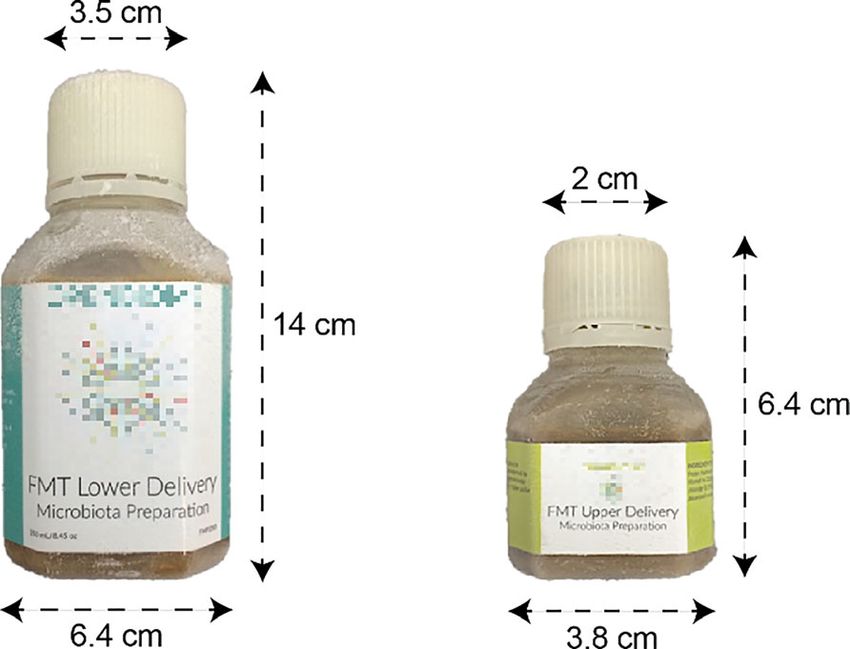
Chen et al.                                                                                                                    Stool Bank Operations

for Disease Control and Prevention., 2019; Guh et al., 2020).                2019), stool banks generally adhere to a common-six part
FMT’s reported safety profile and efficacy in preventing                       methodology, shown below (Smith et al., 2015; Terveer et al.,
recurrence of C. difficile infection, approximately 80-90% (van               2017; Jørgensen et al., 2018; Mullish et al., 2018; Cammarota
Nood et al., 2013; Youngster et al., 2014a; Youngster et al., 2014b;         et al., 2019; Kragsnaes et al., 2020; Haifer et al., 2020; McCune
Cammarota et al., 2015; Hirsch et al., 2015; Youngster et al.,               et al., 2020). In some banks, these six elements are joined
2016; Allegretti et al., 2016; Kelly et al., 2016; Kao et al., 2017),        together by rigorous quality systems (Kragsnaes et al., 2020;
has inspired research using FMT to treat a wide range of                     McCune et al., 2020).
microbiota-mediated indications (Allegretti et al., 2019a;
Olesen et al., 2020).                                                        1. Donor recruitment: Encourage candidate donors to undergo
    There are two main models supplying stool for FMT: patient-                 evaluation
selected donors and stool banking (Smith et al., 2015; Costello              2. Donor evaluation: Assess whether candidate donors qualify
et al., 2016; Terveer et al., 2017; Panchal et al., 2018; Kragsnaes             to donate stool
et al., 2020; McCune et al., 2020).                                          3. Manufacturing: Process donated stool into formulations
    Under the patient-selected donor model, the patient or their                suitable for use in FMT
guardian identifies their own stool donor candidate. The treating             4. Health monitoring and release: Confirm donor health before
physician screens the candidate and processes the donor’s stool                 releasing FMT material from quarantine
into an FMT preparation. The donor typically donates material for            5. Fulfillment: Provide FMT material to clinicians and
only that single patient. This approach places substantial logistical           researchers, and track that material
burden on the physician (Bakken et al., 2013) and creates delays             6. Patient Safety: Evaluate FMT safety and quality, and respond
between the determination that FMT is indicated and the delivery                to emerging safety and quality issues
of therapy. For example, if a patient’s first candidate donor fails the
                                                                                 Despite the field’s coalescence around this overall
screen, another must be found, who may also fail the screen, all
                                                                             methodology, stool banking continues to evolve, delivering
before the patient can be treated (Kim and Gluck, 2019; Kim et al.,
                                                                             material that is more rigorously screened and more carefully
2019). Furthermore, the patient-directed model poses certain
                                                                             prepared, with greater efficiency and reliability. Because
risks. First, different practitioners may use variable screening
                                                                             consensus guidelines for stool bank operations have been
standards, potentially exposing the patient to substandard
                                                                             strongly informed by the practice of existing stool banks
screening. Second, the donor stool may be processed into an
                                                                             (Costello et al., 2016; Cammarota et al., 2017; Cammarota
FMT treatment in an uncontrolled, ad hoc workspace, like a
                                                                             et al., 2019; Haifer et al., 2020), improved sharing of different
physician’s office, increasing the risk of contamination. Barriers
                                                                             banks’ methodologies (Woodworth et al., 2017), exemplified by
to prompt access to FMT have also been reported as reasons for
                                                                             recent reports from English and Danish stool banks that
patients to seek “do-it-yourself” (DIY) FMT, which comes with
                                                                             emphasized the importance of quality management systems
significant risk to patient safety (Ekekezie et al., 2018).
                                                                             (Kragsnaes et al., 2020; McCune et al., 2020), should help
    Stool banks address many of the logistical limitations
                                                                             advance consensus standards and, in turn, to improve patient
inherent to the patient-selected donor model. A stool bank is a
                                                                             care. Improved sharing will also support the development of
centralized facility that screens donors, processes stool, stores
                                                                             other stool banks and invite broader participation in the
FMT preparations, fulfills clinicians’ and researchers’ requests
                                                                             improvement of stool banking methods.
for those preparations, and monitors the safety and efficacy of the
                                                                                 Here we report on the methodology used in 2018 by
material (Panchal et al., 2018; Kim and Gluck, 2019). Centralized
                                                                             OpenBiome (Cambridge, MA, USA), a large stool bank, to
donor screening enables more rigorous and consistent safety
                                                                             fulfill clinicians’ requests for FMT material to treat recurrent
standards, with donor qualification rates as low as 2.5% (Kassam
                                                                             C. difficile infection under enforcement discretion (United States
et al., 2019). Centralized processing is more cost-efficient and
                                                                             Food and Drug Administration., 2013). Since its founding in
controlled: qualified donors provide material that can be used to
                                                                             2013, this bank has shipped more than 56,000 FMT preparations
treat many patients, and a purpose-built facility allows for
                                                                             to a network of 1,250 healthcare facilities. We describe the bank’s
stringent manufacturing quality standards (Cammarota et al.,
                                                                             overall methodology in 2018, the most recent complete year
2019; Kragsnaes et al., 2020; McCune et al., 2020). Centralized
                                                                             when this study began, and the bank’s outputs in that year.
distribution minimizes the delay in treating the patient, as
physicians can access a well-screened, quality-assured FMT
preparation delivered overnight. Centralized safety reporting                METHODS
may also contribute to improved FMT safety through a better
understanding of the risks associated with human-derived                     The stool bank follows phase-appropriate current good
microbial therapeutics and subsequent implementation of                      manufacturing practices (cGMP) (US Food and Drug
improved screening and manufacturing processes. Thus, stool                  Administration., 2008), which includes well-defined
banking aims to improve both the safety and accessibility of                 procedures, a highly-controlled manufacturing environment,
FMT material.                                                                and meticulous record-keeping.
    Although there are differences between stool banks, in part                 In 2018, the bank used the six-part methodology described
due to variation in FMT regulation between countries (Scheeler,              above and outlined previously: donor recruitment, donor

Frontiers in Cellular and Infection Microbiology | www.frontiersin.org   2                                    April 2021 | Volume 11 | Article 622949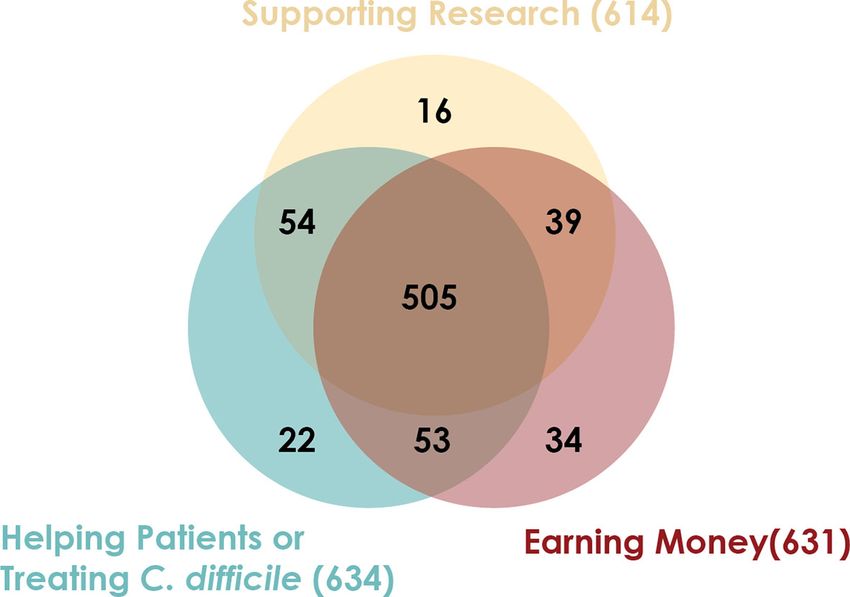
Chen et al.                                                                                                                     Stool Bank Operations

evaluation, manufacturing, health monitoring and release,                        Candidates who pass the in-person clinical assessment
fulfillment, and patient safety (Smith et al., 2015). This                    undergo a three-part laboratory screening: blood, stool, and
methodology does not necessarily reflect the bank’s current                   nasal swab. Samples are sent to external laboratories for testing
operation as changes are continuously being made to stool                    (Table 1), including tests suggested by the European FMT
bank operations based on the latest scientific evidence and                   Workgroup guidance and international consensus
regulatory guidance. The bank fulfills requests for FMT                       recommendations (Bakken et al., 2011; Cammarota et al.,
material to treat C. difficile infection under enforcement                    2019). Any abnormality is reviewed by the bank’s supervising
discretion as well as requests for material for research                     clinician. Candidates who pass the laboratory screens are
purposes. Some procedures differ between enforcement                         accepted into the stool donation program. Candidates who fail
discretion and research. For clarity, only the enforcement                   the laboratory screens are either temporarily deferred or
discretion procedures are described here.                                    permanently excluded from the program. For example, if any
                                                                             screened multi-drug resistant organism is detected, the candidate
Donor Recruitment                                                            is permanently excluded as a stool donor, but a patient carrying a
The bank encourages members of the public between 18 and 50                  transient enteric pathogen may be invited to re-screen after a
years old to enroll as stool donors using conventional press and             temporary deferral. Candidates and donors are informed of any
social media campaigns. Because the bank requires that donated               significant incidental findings observed during the health
stool be passed and donated inside the stool bank’s facility, rather         evaluation and monitoring process and referred to the
than at home, the campaigns only target the metropolitan area                appropriate healthcare services. To protect the security and
where the stool bank is located. Individuals interested in                   quality of the donor program, candidates are generally not
becoming stool donors complete an initial, online health                     informed about the reason for their deferral or exclusion other
questionnaire focused on eligibility criteria that commonly lead             than to share significant incidental findings.
to a priori exclusion (Supplemental Material). Important
categories used for preliminary screening include logistics (e.g.,           Manufacturing
ability to donate at the stool bank at least three times per week),          Donors provide donations by visiting the stool bank’s collection
infectious risk (e.g., high risk travel history) (Tangden et al.,            facility, where they are given a stool collection kit. After passing
2010), and compromised microbial diversity (e.g., recent                     the stool on site, donors close the container’s lid and place it in a
antibiotic use) (Kassam et al., 2019). Candidates who meet                   resealable plastic bag for secondary containment. A staff member
eligibility on the pre-screen questionnaire are invited for an               labels the donation with a donor identification number and the
on-site evaluation.                                                          time of passage. The donor’s health status is re-assessed at each
    To protect the security and quality of stool donation                    donation as described below. Donors are remunerated for the
programs, the bank does not publicize the precise inclusion                  time and travel required to provide each processed donation.
and exclusion criteria for donors nor the precise methodology                    The donation is transferred to a dedicated biosafety cabinet
for donor recruitment or evaluation, described below. This policy            that is cleaned with a sporicidal agent and ethanol. A trained
is intended to ensure that donors or donor candidates provide                technician opens the container and evaluates the stool for any
truthful information to the bank, rather than answering                      visible pathology (e.g., contamination, discoloration, blood, or
questions in a way that ensures that they are permitted to                   mucus). Donations with poor consistency (Bristol stool scale
donate stool.                                                                outside 3-5) or visual pathology are destroyed, and clinical staff
                                                                             are notified of the abnormality. Donations that do not meet a
Donor Evaluation                                                             minimum weight of 55 grams are not cost-effective to process
During on-site evaluation, candidates provide informed consent               and are destroyed. After visual inspection and weighing, the stool
and sign an affidavit attesting that the health information they              is transferred to a sterile 330 mm filter bag, diluted in a sterile, US
provide is true and complete (Paramsothy, 2015). Next,                       Pharmacopeia-grade glycerol-saline solution (12.5% glycerol in
candidates complete an in-depth donor health questionnaire,                  0.90% w/v NaCl in water), and fully homogenized while still in
which includes questions about gastrointestinal comorbidities,               the filter bag using a paddle blender for at least 180 seconds.
metabolic conditions, neuro-psychiatric comorbidities,                       Fibrous material remains on one side of the filter while bacteria,
infectious diseases, autoimmune diseases, atopy, asthma and                  small molecules, and water are pressed to the other side of
allergies, malignancy (e.g., colorectal cancer), surgeries or other          the filter.
medical history, current symptoms and behaviors (e.g., bowel                     The filtrate is diluted and aliquoted depending on the final
habit), medications (e.g., antimicrobial therapy), diet, social              FMT preparation. Each FMT preparation is derived from a single
history, and family history. The screening criteria were                     donor; filtrates from different donors are never mixed. All
previously outlined by the bank in more detail (Kassam et al.,               donations are processed within six hours of the donor’s initial
2019). A clinical staff member then meets with the candidate to              passage, and material that cannot be processed in time is
review and clarify their answers. Next, the clinical staff member            destroyed (Chu et al., 2017).
measures the candidate’s body temperature, blood pressure,                       The bank produces two liquid preparations (Figure 1) and
heart rate, respiratory rate, body mass index, and waist                     one capsule preparation. The first liquid preparation is 250 mL
circumference. Finally, a supervising clinician reviews the                  diluted at a 10:1 ratio (i.e., approximately 22.7 g of stool per
questionnaire and vital signs.                                               preparation) and is intended for delivery by colonoscopy,

Frontiers in Cellular and Infection Microbiology | www.frontiersin.org   3                                     April 2021 | Volume 11 | Article 622949
Chen et al. Stool Bank Operations
TABLE 1 | Donor evaluation, including clinical assessment and laboratory screenings,
used by the bank in 2018. This list does not reflect the bank’s current screening*.
A
Clinical Assessment
Infectious risk factors
Known HIV or viral hepatitis exposures B
High risk sexual behaviors
Tattoo or body piercing within previous 6 months
Known history of infectious disease
Travel history to endemic regions with a high risk acquiring infectious pathogens
Risk factors for multi-drug resistant organisms (MDROs) including work in
clinical environment or long-term care facility, recent hospitalization, or recent
discharge from a long term care facility
Potentially microbiota-mediated conditions and factors
Gastrointestinal conditions (e.g., history of inflammatory bowel disease, irritable
bowel syndrome, chronic constipation, chronic diarrhea, celiac disease)
Atopic conditions (e.g., asthma, atopic dermatitis, eosinophilic disorders of the
gastrointestinal tract)
Autoimmune conditions
Chronic pain syndromes
Metabolic conditions (i.e., clinician assessment of height, weight, and waist
circumference) FIGURE 1 | Liquid FMT preparations. (A) 250 mL preparation intended for
Hypertension lower delivery. (B) 30 mL preparation intended for upper delivery.
Neurological conditions
Psychiatric conditions
Malignancy history sigmoidoscopy, or enema. The second liquid preparation is
Surgeries/Other medical history
30 mL diluted at a 5:2 ratio (i.e., approximately 8.6 g of stool)
Current symptoms
Medications including antibiotics, antifungals, antivirals, and
and is intended for delivery by esophagogastroduodenoscopy or
immunosuppressants nasoenteric tube. Liquid FMT preparations are transferred to
Diet sterile polyethylene terephthalate bottles using sterile, disposable
Family history (e.g., family history of inflammatory bowel disease or colon cancer) serological pipettes.
Laboratory Testing The capsule formulation is designed to be swallowed and
resist degradation from stomach acid until reaching the small
Serological Testing
Complete blood count with differential intestine (Stollman et al., 2015). Each capsule (size 00) consists of
Hepatic function panel (AST, ALT, ALP, bilirubin, albumin) approximately 275 mg of stool. The stool, combined with a lipid
HIV-1/2 antigen and antibodies (fourth-generation test) buffer and a glycerol buffer, is contained within an inner gelatin
Hepatitis A (IgM) capsule and an outer acid-resistant shell. A capsule dose consists
Hepatitis B panel (HBsAg, HBsAb, HBcAb)
Hepatitis C (antibody)
of 30 capsules (approximately 8.25 g of stool). From each
Treponema pallidum (cascade with reflex to RPR) donation that is processed into an FMT preparation, a 30 mL
Human T-lymphotropic virus I and II (antibody) safety aliquot is set aside for safety testing and quality purposes.
Strongyloides (IgG) Additional aliquots are retained for safety testing or research
Stool Testing purposes. All liquid and capsule preparations are sealed with
Clostridioides difficile toxin B (PCR)
Enteric pathogens including Salmonella, Shigella, Campylobacter, and Vibrio (culture)
tamper-evident bottle caps and stored at –80° C.
Shiga toxin (EIA, with reflex to E. coli O157 culture)† To support traceability, each FMT preparation and aliquot is
Helicobacter pylori (EIA) labeled with a barcode that links it to the donation. All steps in
Ova and parasites the manufacturing process are monitored and logged according
Giardia lamblia (EIA and microscopy)
to cGMP standards. Completed FMT preparations are kept in
Cryptosporidium (EIA)
Cyclospora and Isospora (microscopy)
quarantine until they are determined to be free of specific risk
Microsporidia (microscopy) factors, as described below.
Rotavirus (EIA)
Norovirus (real-time PCR) Health Monitoring and Material Release
Adenovirus (EIA)
A donor’s health and eligibility for continued donation are
Vancomycin-resistant Enterococcus (culture)
Extended spectrum beta-lactamase producing Enterobacteriaceae (culture)
continually assessed by five mechanisms.
Carbapenem-resistant Enterobacteriaceae (culture) First, donors must report travel or change in health status
Nasal Swab Culture while actively part of the program, including fever, cough,
Methicillin-resistant Staphylococcus aureus (culture) congestion, change in bowel habit, nausea, vomiting, seasonal
AST, aspartate transaminase; ALT, alanine transaminase; ALP, alkaline phosphatase; HBsAg, allergies, medical or dental procedures, bodily injury, and use of
hepatitis B surface antigen; HBsAb, hepatitis B surface antibody; HBcAb, hepatitis B core antibody; oral or topical over-the-counter medications. If an illness or
RPR, rapid plasma regain; EIA, enzyme immunoassay; PCR, polymerase chain reaction. *Screening
travel event is reported, the donor is further evaluated by a
for SARS-CoV-2 via nasopharyngeal swab PCR was implemented in March 2020. Material
donated in December 2019 and onward will also be subject to a stool-based PCR test for SARS- member of the clinical staff, who determines if the donor should
CoV-2. †EIA for Shiga toxin was replaced by stx1/2 PCR in March 2020. be temporarily deferred or permanently excluded from the stool
Frontiers in Cellular and Infection Microbiology | www.frontiersin.org 4 April 2021 | Volume 11 | Article 622949Chen et al. Stool Bank Operations
donation program. For example, travel to certain countries If a donor newly tests positive for any infectious pathogens or
entails a high risk for acquiring antibiotic-resistant bacteria other clinically significant abnormalities indicating there may be
and may lead to temporary deferral or permanent exclusion. a potential underlying exclusionary medical condition, all FMT
Any donor who is temporarily deferred undergoes a partial or preparations produced from the corresponding collection period
complete re-screening before being re-admitted to the program. are destroyed. Donors who newly test positive for certain
Second, at each stool donation, donors complete a short heath pathogens, including C. difficile as well as chronic infections
questionnaire. If the donor reports a change in health status or a like hepatitis B and HIV, are permanently excluded from the
clinical staff member’s direct observation of the donor leads them donor program and all material collected since the donor’s last
to suspect a change in the donor’s health status, a clinician screening is destroyed. In other cases, such as rotavirus,
interviews the donor to gather additional information. Clinical infections are transient, and donors are temporarily deferred.
staff may determine that the donation should be destroyed, and As stated above, temporarily deferred donors must undergo a
the donor may be temporarily deferred or permanently excluded. partial or complete re-screening before being re-admitted to
If a donor is temporarily deferred because of a transient illness, the program.
the donor must pass a partial or complete re-screening before
being re-admitted to the program. Fulfillment
Third, if a manufacturing technician observes a suspected The stool bank provides FMT preparations to gastroenterologists
stool pathology in the donation as described above, the and infectious disease physicians treating patients with recurrent
technician takes a photograph of that donation, destroys the C. difficile infection not responsive to standard therapies (United
donation, and shares the photograph with the clinical staff. States Food and Drug Administration., 2013). The bank also
Clinical staff review the photograph and follow up with the fulfills requests for FMT material for research purposes, but
donor to determine if the abnormal stool pathology is related to a procedures for fulfillment and patient safety monitoring in that
risk of infection or an underlying disease. case differ. For clarity, only the enforcement discretion
Fourth, donors must agree to undergo random health checks. procedures are described here.
A clinician examines the donor’s vital signs and assesses the The stool bank’s website provides information on FMT
donor’s health status, with a focus on bowel habits, infectious risk regulations in the United States, description of FMT treatment
factors, and new behaviors that may impact the microbiota. If the modalities, and clinical guidance, as well as registration forms
clinician detects any clinical concerns, the donor may be that interested facilities must complete and submit in order to
temporarily deferred or permanently excluded. Any donor who receive material from the bank. Institutional shipping and billing
is temporarily deferred undergoes a partial or complete re- information, as well as contact information for material control,
screening before being re-admitted to the program. the overseeing physician, and adverse event reporting, are
Finally, every donor repeats the complete set of clinical and collected during registration. When registered partners submit
laboratory assessments, the same set that they passed when first a written purchase order, FMT preparations are removed from
enrolling as a donor, approximately every 60 days. These re- storage at –80° C and shipped via overnight air on dry ice in
assessments “bookend” 60-day collection periods. FMT Styrofoam containers. Each container is shipped with a
preparations produced from stool donations during a temperature indicator verifying that the preparations remained
collection period are released from quarantine only after the frozen during shipping. Preparations are marked as expiring 6
donor passes the second full assessment at the end of the months after shipping, contingent on being stored at –20° C.
collection period. It is not the case that every donation is Registered physicians or healthcare facilities who received
screened. Instead, the assessments of a donor’s health at the stool bank material submit three kinds of information back to the
beginning and end of a 60-day period and a review of all clinical stool bank. First, they must complete a log confirming that each
data collected during the collection window are taken as FMT preparation was frozen upon arrival and report whether it
sufficient evidence that the intervening donations are fit for use remains in inventory, was used in treatment, or destroyed due to
as FMT preparations (Kazerouni et al., 2015; Smith et al., 2015). expiration or other reasons. Second, they are asked to complete a
Individuals exposed to HIV or other pathogens may not test clinical follow-up form for each patient within 8 weeks of the
positive until some days after their initial infection (CDC., 2014). FMT procedure, indicating the severity and subtype of C. difficile
To account for the possibility that a donor acquires a pathogen infection that was treated and the patient’s outcome following
with an extended seroconversion time, FMT material release is FMT. Finally, they are contractually required to report any
offset from reassessments: FMT preparations produced from serious adverse event (defined as death, life-threatening health
stool donated less than 21 days before the reassessment are event, hospitalization, disability or permanent damage,
only released if the donor passes the assessment at the end of the congenital anomaly, or other serious important medical event)
following 60-day collection period. to the stool bank within 24 hours of the event.
Material is released from quarantine only after a full review of
all clinical and laboratory data in each collection period and Patient Safety
requires approval from two clinicians and one quality assurance When a clinician reports a serious adverse event to the bank, the
staff member. All material releases are performed in accordance bank begins an investigation. Safety staff appraise the event with
with cGMP standards. respect to seriousness, severity, expectedness, and relatedness.
Frontiers in Cellular and Infection Microbiology | www.frontiersin.org 5 April 2021 | Volume 11 | Article 622949Chen et al. Stool Bank Operations
Safety staff engage subject matter experts, including the stool
bank’s clinical advisory board, which is an independent group of
gastroenterologists, infectious diseases specialists, and other
subject matter experts.
Barcoding, tracking, and quality assurance systems allow
the bank to identify the donation and donor associated with an
adverse event. If the adverse event presents a risk to other
individuals who would receive material from the same donor,
existing material from that donor is immediately placed
in quarantine and no more is shipped until safety and quality
staff have determined that it is safe to do so. If the event involves
an infectious pathogen, safety and quality staff can retrieve the
safety aliquot taken from that donation and test it for
the presence of the pathogen. If the adverse event is linked to
the FMT material, quarantined material from the donor
is destroyed, material from the donor that was already shipped
may be recalled, and the donor may be permanently
FIGURE 2 | Stool donors have multiple motivations for providing stool.
excluded from the donation program. If the adverse event is
Between March 2018 and July 2018, 731 candidate stool donors completed
found to be unrelated to FMT, the quarantined material will a survey asking their motivations for donating stool. The survey instructed
be released. candidates to indicate all motivating factors that applied to them.
Findings from the investigation are entered into a safety
database with MedDRA terminology. (MedDRA, the Medical
Dictionary for Regulatory Activities terminology, is the
international medical terminology developed under the
auspices of the International Council for Harmonisation of
Technical Requirements for Pharmaceuticals for Human Use).
Data are analyzed through an analysis of similar events to detect
safety signals which may indicate a trend or safety risk. Serious
adverse events considered related to the FMT are reported to the
appropriate regulatory authorities through the Council for
International Organizations of Medical Sciences or the
MedWatch (Craigle, 2007) system. Regular reviews of safety
data inform additional safety practices and risk management
strategies in a continuous improvement process.
RESULTS
Between March 2018 and July 2018, 731 candidate stool donors
completed a survey asking for their motivations for donating
stool. Most donors’ motivations include helping C. difficile
infection patients, advancing research, and receiving the per-
donation compensation (Figure 2). Donors who pass screenings
and enroll in the program remain for varying amounts of time:
more than half of donors who donated in 2018 were active
donors for less than 6 months, but one donor who donated in FIGURE 3 | Stool donors are active over a wide range of time. During 2018,
2018 had been active for 3.4 years (Figure 3). 120 donors made at least 1 donation that was processed into an FMT
In 2018, the stool bank received 7,536 donations (Figure 4A) preparation. For each of those donors, enrollment duration was calculated as
from 210 donors (Figure 4B), an average of 20.6 donations the time between a donor’s first donation (which may have taken place before
2018) and their last donation in 2018. The minimum enrollment duration was
per day. 7% of donations (516/7,536) were used for stool 21 days, and the maximum was 3.4 years. The median enrollment duration
screening purposes, to assess the donors’ health. 36% of was 5.8 months (interquartile range 3.2 months to 12.1 months).
donations (2,749/7,536) were rejected due to the donation’s
low weight, poor Bristol stool score, visual stool pathology, or
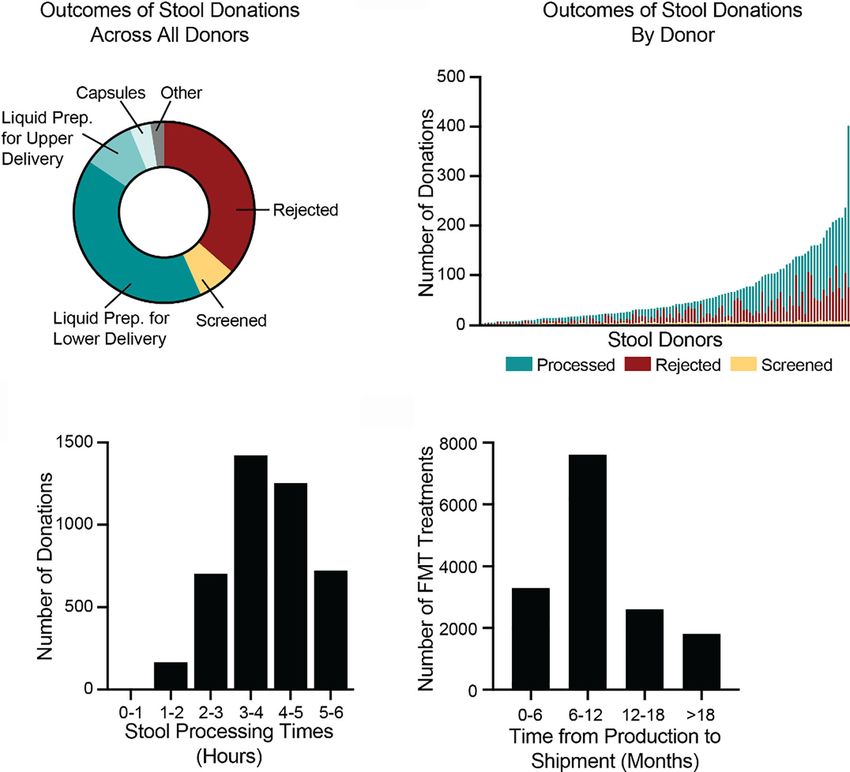
because the donation could not be processed within 6 hours of (Figure 4A). Donors varied in their productivity and the
passage. The remaining 57% of donations (4,271/7,536) were proportion of their samples that were rejected or processed
processed into 22,068 liquid and 2,755 capsule FMT preparations (Figure 4B). The time between a donation’s passage and when
Frontiers in Cellular and Infection Microbiology | www.frontiersin.org 6 April 2021 | Volume 11 | Article 622949Chen et al. Stool Bank Operations
A B
C D
FIGURE 4 | Donated stool is inspected for quality, processed into FMT treatments, and shipped to hospitals and physicians. (A) In 2018, the bank received 7,536
donations. 2,749 donations (36%) were rejected, due to visual detection of potentially pathological morphology, low weights, or failure to process the stool within six
hours of passage. 516 donations (7%) were used for screening purposes to assess the health of donors. Of the remaining 4,271 donations (57%), 3,099 were
processed into lower-delivery liquid preparations (e.g., for colonoscopy), 701 into upper-delivery liquid preparations (e.g., for nasoenteric delivery), 285 into capsule
preparations, and 186 into other preparations. (B) During 2018, 120 stool donors provided at least 1 stool donation that was processed into an FMT preparation.
Donors varied in the number of donations as well as proportion of donations that were processed, rejected, and screened. The most productive donor made 402
donations in 2018. (C) In 2018, the bank processed 4,271 stool donations into FMT preparations. All donations were processed within six hours of passage. The
fastest time to processing was 47 minutes. The longest time was 5.99 hours. The median processing time was 3.9 hours (interquartile range 3.2 to 4.7 hours).
(D) By 1 July 2020, the bank had shipped 15,323 of the FMT preparations produced in 2018. Preparations were shipped between 2.2 and 28 months after
production. The median time to shipment was 8.9 months (interquartile range 6.3 to 13.3 months). Because not all material produced in 2018 had been shipped
as of 1 July 2020, the data are skewed toward earlier shipment.
it was processed into an FMT formulation varied but was always of health screening and quarantine releases, very few FMT
less than 6 hours (Figure 4C). preparations are shipped less than 4 months after they are
As of 1 July 2020, 23% (5,049/22,068) of the liquid FMT produced. The median time between production and
preparations manufactured in 2018 had been destroyed before fulfillment was 8.9 months (Figure 4D).
leaving quarantine. The most frequent reasons for destruction To quantify how different hospitals and physicians used
were a failed bookend laboratory screening (47%; 2,367/5,049), a different amounts of the bank’s material, we measured the
change in donor’s clinical status, such as the onset of an illness number of FMT preparations shipped to each recipient in
(32%; 1,616/5,049), a donor not completing a re-screen within 2018, regar dle ss of whe n thos e p rep a rations we re
the required window (7%; 378/5,049), and deviations during the manufactured. In 2018, 12,453 preparations were shipped to
manufacturing process (5%; 273/5,049). By 1 July 2020, the bank 968 recipients (Figure 5). One recipient received 141
had shipped 62% (15,323/24,823) of the FMT preparations preparations, an average of 11.75 per month, but the median
produced in 2018 to physicians and hospitals for clinical use to number of preparations was 9, or 0.75 per month. Thus, half of
treat recurrent C. difficile infection. Due to the complex logistics hospitals and physicians who received material from the bank
Frontiers in Cellular and Infection Microbiology | www.frontiersin.org 7 April 2021 | Volume 11 | Article 622949Chen et al. Stool Bank Operations
treated an average of less than 1 patient per month with FMT explore the thematic areas in which stool banking protocols
using that material. could be improved and adapted, we lay out and discuss five
scenarios about a hypothetical donor’s lifecycle.
DISCUSSION Scenario 1: A Healthy Donor
In this scenario, the hypothetical donor passes initial screening
In 2018, the stool bank’s protocol was designed principally to
and subsequent health checks. Donated stool is used to prepare
improve the safety and accessibility of FMT for treating C.
FMT preparations, which successfully resolve patients’ C. difficile
difficile infection in a specific regulatory environment (United
infection. No adverse events related to this donor’s material are
States Food and Drug Administration., 2013), using donors from
reported, and the donor eventually leaves the program for their
a limited geographic location and guided by the scientific and
own reasons. Even this scenario presents multiple questions
medical understanding of FMT at the time. The protocol
about optimal stool banking protocols.
described here would require modification if implemented in a
First, the stool bank compensates donors $40 USD to
different regulatory environment (Scheeler, 2019; McCune et al.,
remunerate them for the time and effort associated with
2020) or geography (Paramsothy et al., 2015), or with different
making a usable on-site donation. Compensation should be
resource requirements. Furthermore, as the field’s understanding
high enough to fairly remunerate donors for their efforts.
of the safety profile and molecular mechanisms of FMT
However, compensation should also avoid perverse
improves, there will be further opportunities to optimize
incentivization or coercing candidate donors into sharing
human-derived microbial therapies in general and stool
private health information and human biospecimens. The
banking protocols in particular. Even if the use of FMT to
optimal compensation for stool donors is an open question:
treat C. difficile infection ceases to fall under enforcement
while whole blood donors and organ donors in the US are not
discretion and is instead regulated as a biological drug product,
compensated, plasma donors, sperm donors, and egg donors are
the overall methodology described here still informs best practice
(National Organ Transplant Act of 1984; Rodriguez del Pozo,
for stool banking.
2008; Glauser, 2014; Farrugia et al., 2015; American Association
We shared these methods to help inform consensus standards
of Blood Banks., 2019; Cammarota et al., 2019).
with data gathered from real-world settings, to support the
Second, the requirement that donations be passed on-site
advancement of similar operations, and to invite broader
limits the bank’s donor pool to one metropolitan area. Although
participation in the improvement of these methods. To help
stool from any donor passing the stool bank’s screens appears
equally efficacious for treating C. difficile infection (Budree et al.,
2017a; Budree et al., 2017b; Budree et al., 2018; Osman et al.,
2018; Olesen, 2020), the same may not hold true for other
diseases. For example, it may or may not be important for
donors and recipients to be geographically “matched” to
ensure maximally safe and effective FMT (Yatsunenko et al.,
2012; Gaulke and Sharpton, 2018; Pasolli et al., 2019).
Third, because stool from any donor in the bank’s program
appears nearly equally efficacious (Olesen, 2020), the stool bank
does not direct material from particular donors to particular
patients except as part of specific research protocols. However, it
may at some point become clear that individual donors (“super
donors”) (Wilson et al., 2019) or donations with particular
characteristics (“superstool”) (Olesen et al., 2018a) yield more
effective FMT preparations for treating C. difficile infection or
other indications. As the field’s understanding of FMT grows, the
universal donor approach may require adjustment.
Fourth, the active ingredient of human-derived microbial
therapeutics like FMT, although suspected to be live or viable
bacteria, is not definitively known (Ott et al., 2017), which makes
the optimal manufacturing protocol unclear. Current
FIGURE 5 | Monthly volume of preparations by physician/hospital during manufacturing processes, such as aerobic preparation and
2018. The number of preparations per month was computed by dividing the freezing FMT preparations, are supported by clinical evidence
total number of shipped units by 12. The median number of ordered
preparations across physicians/hospitals was 9 per year, or 0.75 treatments
(Lee et al., 2016; Mendolia et al., 2019; Allegretti et al., 2020) but
per month (interquartile range 0.25 months to 1.4 months). The maximum may require adjustment as clinical and scientific understanding
number of preparations ordered was 11.75 per month. The majority of of FMT grows. In particular, the optimal dosing of FMT to treat
physicians/hospitals ordered an average of less than 1 FMT preparation C. difficile is not well understood (Ianiro et al., 2018; Allegretti
per month.
et al., 2019b). FMT preparations with smaller or larger volumes,
Frontiers in Cellular and Infection Microbiology | www.frontiersin.org 8 April 2021 | Volume 11 | Article 622949Chen et al. Stool Bank Operations
or with proportionally more or less donor stool, may be more alternatives to FMT should be considered. The label on the
optimal. Furthermore, a human-derived therapeutics active bank’s shipped material includes a disclaimer to this effect.
ingredient may not be the same for all theorized indications Second, the optimal screening battery may be different for
(Olesen et al., 2018b). Current testing for FMT potency focuses different patient populations or geographies. As a hypothetical
on donations’ viable bacterial density (Carlson, 2020), but there example, it may become clear that testing for some pathogen or
is the possibility that future research into the variability of risk factor is important for FMT safety, but only when used in a
human stool and the correlation between those variations and certain patient population, such as immunocompromised
the efficacy of FMT for treating various indications may reveal a patients, thus requiring a tailored match between donor
more accurate predictor of FMT potency (Olesen et al., 2018a). screening and patient population. This tailoring is practiced in
Fifth, even with rigorous health screenings, human-derived blood banks, which provide, for example, CMV-negative blood
microbial therapeutics present risks that patients should be to CMV-naïve patients. Similarly, stool banks in different
counseled on during the informed consent process. Screening geographies should determine their screening criteria based on
standards used by the bank for FMT material are informed by the local burden of disease to design locally appropriate
criteria set forth by regulatory bodies, blood banks, an screening programs.
independent clinical advisory board, national and international
stool banking consensus guidelines (Bakken et al., 2013;
Cammarota et al., 2017; Mullish et al., 2018; Cammarota et al., Scenario 3: A Donor Is Permanently
2019; United States Food and Drug Administration., 2019), and Excluded From the Program
patient outcomes reported by partner hospitals and physicians. In this scenario, an active donor contracts an exclusionary
However, not all known pathogens are screened for, and infection, such as C. difficile or HIV, or is diagnosed with a
previously unknown pathogens or other risk factors can arise disqualifying, potentially microbiota-related condition, such as
in human-derived material (Ianiro et al., 2020). Thus, screening hypertension or rheumatoid arthritis, for the first time. The
standards for human-derived microbial therapeutics require donor is permanently excluded from donation program, and
continuous re-evaluation and updating. FMT preparations made from their donations since their last
Finally, even if human-derived microbial therapeutic material battery of negative screens are destroyed. The stool bank may also
is screened for a pathogen or condition, different test modalities destroy material made before the previous negative screening.
may lead to different results. Ideally, a screening assay reliably Similar to Scenario 2, the optimal procedures for determining
determines whether a donor’s material carries the minimum criteria for permanent donor exclusion are an area of active
infective dose of a pathogen. In practice, the fact that a donor development. While HIV, hepatitis B, and hepatitis C are
or their material screens negative for a pathogen on an available obvious criteria for permanent exclusion, the need to
assay does not fully negate the risk that their donated material permanently exclude donors because of other infectious
carries that pathogen, and patients should be counseled diseases or because of potentially microbiota-mediated
on the risk of acquiring pathogens during the informed conditions will continue to be refined. As the field’s
consent process. understanding of the microbiota’s role in disease grows and
the potential risk for transmission of microbiota-mediated
diseases becomes clearer, human-derived microbial
Scenario 2: A Donor Fails the Initial Screen therapeutics, including FMT and stool banking procedures,
In this scenario, the potential donor is excluded during the pre- will likely adapt to improve patient safety (Bibbò et al., 2017;
screen survey, on-site evaluation by a clinical staff, or laboratory Giles et al., 2019; Kassam et al., 2019).
testing. The candidate never provides a stool sample. This
scenario highlights two major areas of ongoing development.
First, just as blood donation regulations aim to reduce risk “to Scenario 4: A Donor Is Temporarily
the lowest level reasonably achievable without unduly decreasing Deferred After Contracting an Acute
the availability of [blood]” (United States Food and Drug Infectious Disease
Administration., 2021), so stool donor screening procedures In this scenario, a donor self-reports, tests positive for, or is
aim to limit the risk of FMT without unduly restricting access diagnosed with an acute infection, such as a viral upper
to FMT. However, the optimal screening battery remains an area respiratory infection or acute gastrointestinal illness. The
of active development, and screening for every possible pathogen donor is temporarily deferred and any material from the
may not be the best approach. For example, given the high current stool collection period is destroyed. The deferral is
prevalence of prior exposure to Epstein-Barr virus (EBV) and maintained at least until the donor is asymptomatic, usual
cytomegalovirus (CMV) as well as the lack of reported patient stool patterns have returned, and the donor passes a partial or
events related to transmission of these viruses via FMT, complete re-screening, which includes tests for infectious
international guidelines do not recommend that donors be diseases. Stool bank clinical staff use their clinical judgment to
excluded based on their exposure to these viruses (Cammarota determine if the deferral should be extended to account for
et al., 2019). Instead, patients at risk of CMV or EBV infection pathogen shedding that can continue after resolution of
should therefore be appropriately counseled on the risks, and symptoms. Although the fecal shedding periods for some
Frontiers in Cellular and Infection Microbiology | www.frontiersin.org 9 April 2021 | Volume 11 | Article 622949Chen et al. Stool Bank Operations
pathogens have been studied, there is no published clinical samples retained by stool banks, may not yet be common
guidance about the appropriate intervals for stool donor practice at most facilities (Kragsnaes et al., 2020).
deferrals after acute infection, making this an aspect of stool
banking that requires further discussion and development.
CONCLUSION
Scenario 5: Patient Experiences an
Adverse Event Following FMT Optimal stool banking methods likely depend on the target
In this scenario, a clinician treating a patient with FMT material patient population, evolving regulations, and emerging
from the stool bank under enforcement discretion reports that scientific understanding about the microbiome. Here we
the patient experienced an adverse event. Centralized safety described and discussed the stool banking protocol used by a
reporting and surveillance may contribute to improved FMT large stool bank in 2018 to illustrate current practice and to
safety through a better understanding of the risks associated with highlight areas for potential improvement. We hope this report is
human-derived microbial therapeutics and subsequent a step toward analyses that can help inform evidence-based stool
implementation of improved screening and manufacturing banking protocols.
processes, but there are important areas of active development
with respect to FMT safety.
First, improving methods for collection, integration, and
operationalization of safety data for human-derived microbial
OPENBIOME TEAM MEMBERS
therapeutics is an important area of ongoing development. Safety (The “OpenBiome Team” includes current and former
data about FMT is obtained from three main sources. Clinical OpenBiome employees, members of OpenBiome’s Board of
trials carefully track adverse events from a relatively small Directors, and members of OpenBiome’s independent, unpaid
number of enrolled patients. Registries like the National Clinical Advisory Board.) Jessica R. Allegretti, Kanchana
Pediatric FMT Registry (Nicholson et al., 2020) and the Amaratunga, Daniel Blackler, Michael Bougas, Shrish Budree,
American Gastroenterological Society’s FMT National Registry Laura Burns, Jessica W. Crothers, Michael Dickens, Jacob Dixon,
(Kelly et al., 2017), which aims to track 4,000 FMT patients for Nancy DuBois, Carolyn Edelstein, Michael Edmond, Ryan J.
ten years, are critical tools in identifying and informing the Elliott, Monika Fischer, Dinara Gabdrakhmanova, Richard
mitigation of any long-term risks of FMT, an area of ongoing Hunt, Stacy Kahn, Daelyn Kauffman, Deberly Kauffman,
clinical interest (Agrawal et al., 2016). Stool banks can collect Colleen Kelly, Ciaran Kelly, Clara Kerwin, Kelly Ling, Daniel
large amounts of real-world data (Osman et al., 2016) that may Martin, Gina Mendolia, Rodrigo Munoz, Kelsey O’Brien, Majdi
be more representative of relevant patient populations than data Osman, Allison Perrotta, Sonny Qazi, Alexandra Scheeler,
collected from clinical trials (Kelly et al., 2019), but improved Monica Seng, Madeline Sovie, Neil Stollman, Zac Stoltzner,
reporting of adverse events to stool banks remains an important Elaine Vo, Kurt Warren, Karl Yoder, Charles Young.
challenge for the field. Data from each of these 3 sources are
valuable and complementary, and they should be used in concert
to improve donor screening and manufacturing protocols for all
human-derived microbial therapeutics. DATA AVAILABILITY STATEMENT
Second, assessment of any potential causal relationship
between FMT material and a single reported adverse event is The original contributions presented in the study are included in
often complicated by the patient’s comorbidities. For example, the article/Supplementary Material. Further inquiries can be
although several reports describe worsening inflammatory bowel directed to the corresponding author.
disease flares after FMT, it has not yet been determined whether
or not FMT contributed to those flares: patients may have
experienced those flares even if they had not undergone FMT
(Qazi et al., 2017). Controlled trials and registries remain key AUTHOR CONTRIBUTIONS
tools to address these questions. JC and SO conceived the project and performed the analysis. JC,
Third, in the case of an adverse event caused by an infection, AZ, BR, and SO wrote the original draft. All authors contributed
linking pathogens in donated stool to the infective pathogen in to the article and approved the submitted version.
the patient is an area of active development. Whole genome
sequencing has emerged as the leading tool to assess whether
FMT transferred a pathogen (DeFilipp et al., 2019), but definitive
proof of transmission or non-transmission via human-derived SUPPLEMENTARY MATERIAL
material is not always possible. In particular, retained stool
samples from the donor and the patient are essential for The Supplementary Material for this article can be found online at:
definitively investigating a possible pathogen transmission but https://www.frontiersin.org/articles/10.3389/fcimb.2021.622949/
collecting patient samples, to support comparison with the donor full#supplementary-material
Frontiers in Cellular and Infection Microbiology | www.frontiersin.org 10 April 2021 | Volume 11 | Article 622949Chen et al. Stool Bank Operations
REFERENCES Chu, N. D., Smith, M. B., Perrotta, A. R., Kassam, Z., and Alm, E. J. (2017).
Profiling living bacteria informs preparation of fecal microbiota
Agrawal, M., Aroniadis, O. C., Brandt, L. J., Kelly, C., Freeman, S., Surawicz, C., transplantations. PloS ONE. 12, e0170922 doi: 10.1371/journal.pone.0170922
et al. (2016). The long-term efficacy and safety of fecal microbiota transplant Costello, S. P., Tucker, E. C., La Brooy, J., Schoeman, M. N., and Andrews, J. M. (2016).
for recurrent, severe, and complicated Clostridium difficile infection in 146 Establishing a Fecal Microbiota Transplant Service for the Treatment of
elderly individuals. J. Clin. Gastroenterol. 50, 403–407. doi: 10.1097/ Clostridium difficile Infection. Clin. Infect. Dis. 62, 908–914. doi: 10.1093/cid/civ994
MCG.0000000000000410 Craigle, V. (2007). MedWatch: The FDA Safety Information and Adverse Event
Allegretti, J. R., Fischer, M., Papa, E., Elliott, R. J., Klank, J., Mendolia, G., et al. Reporting Program. J. Med. Library Assoc. 95, 224–225. doi: 10.3163/1536-
(2016). Su1738 Fecal Microbiota Transplantation Delivered via Oral Capsules 5050.95.2.224
Achieves Microbial Engraftment Similar to Traditional Delivery Modalities: Davidovics, Z. H., Michail, S., Nicholson, M. R., Kociolek, L. K., Pai, N., Hansen,
Safety, Efficacy and Engraftment Results From a Multi-Center Cluster R., et al. (2019). Fecal Microbiota Transplantation for Recurrent Clostridium
Randomized Dose-Finding Study. Gastroenterology 150, S540 doi: 10.1016/ difficile Infection and Other Conditions in Children. J. Pediatr. Gastroenterol.
S0016-5085(16)31855-8 Nutr. 68, 130–143. doi: 10.1097/MPG.0000000000002205
Allegretti, J. R., Mullish, B. H., Kelly, C., and Fischer, M. (2019a). The evolution of Debast, S. B., Bauer, M. P., and Kuijper, E. J. (2014). European Society of Clinical
the use of faecal microbiota transplantation and emerging therapeutic Microbiology and Infectious Diseases: Update of the Treatment Guidance
indications. Lancet (London England) 394, 420–431. doi: 10.1016/S0140-6736 Document for Clostridium difficile Infection. Clin. Microbiol. Infect. 20, 1–26.
(19)31266-8 doi: 10.1111/1469-0691.12418
Allegretti, J. R., Fischer, M., Sagi, S. V., Bohm, M. E., Fadda, H. M., Ranmal, S. R., DeFilipp, Z., Bloom, P. P., Torres Soto, M., Mansour, M. K., Sater, M. R. A.,
et al. (2019b). Fecal Microbiota Transplantation Capsules with Targeted Huntley, M. H., et al. (2019). Drug-Resistant E. coli Bacteremia Transmitted by
Colonic Versus Gastric Delivery in Recurrent Clostridium difficile Infection: Fecal Microbiota Transplant. New Engl. J. Med. 381, 2043–2050. doi: 10.1056/
A Comparative Cohort Analysis of High and Lose Dose. Digest. Dis. Sci. 64, NEJMoa1910437
1672–1678. doi: 10.1007/s10620-018-5396-6 Ekekezie, C., Simmons, S., Perler, B., Burhke, T., Duff, C., Hott, B., et al. (2018).
Allegretti, J. R., Elliott, R. J., Ladha, A., Njenga, M., Warren, K., O’Brien, K., et al. Understanding the Scope of Do-It-Yourself (DIY) Fecal Microbiota Transplant
(2020). Stool processing speed and storage duration do not impact the clinical (FMT). Am. J. Gastroenterol. 113, S102. doi: 10.14309/00000434-201810001-
effectiveness of fecal microbiota transplantation. Gut Microbes 11, 1806–1808. 00180
doi: 10.1080/19490976.2020.1768777 Farrugia, A., Penrod, J., and Bult, J. M. (2015). The Ethics of Paid Plasma Donation: A
American Association of Blood Banks. (2019). FAQs about blood and blood Plea for Patient Centeredness. HEC Forum. 27, 417–429 doi: 10.1007/s10730-014-
donation. Available at: https://www.aabb.org/for-donors-patients/faqs-about- 9253-5
blood-and-blood-donation [Accessed March 30, 2021] Gaulke, C. A., and Sharpton, T. J. (2018). The influence of ethnicity and geography
Bakken, J. S., Borody, T., Brandt, L. J., Brill, J. V., Demarco, D. C., Franzos, M. A., on human gut microbiome composition. Nat. Med. 24, 1495–6 doi: 10.1038/
et al. (2011). Treating Clostridium difficile infection with fecal microbiota s41591-018-0210-8
transplantation. Clin. Gastroenterol. Hepatol.: Off. Clin. Pract. J. Am. Giles, E. M., D’Adamo, G. L., and Forster, S. C. (2019). The future of faecal
Gastroenterol. Assoc. 9, 1044–1049. doi: 10.1016/j.cgh.2011.08.014 transplants. Nat. Rev. Microbiol. 17, 719 doi: 10.1038/s41579-019-0271-9
Bakken, J. S., Polgreen, P. M., Beekmann, S. E., Riedo, F. X., and Streit, J. A. (2013). Glauser, W. (2014). Payment for plasma raises ethical issues. CMAJ : Can. Med.
Treatment approaches including fecal microbiota transplantation for recurrent Assoc. 186, E446. doi: 10.1503/cmaj.109-4855
Clostridium difficile infection (RCDI) among infectious disease physicians. Guh, A. Y., Mu, Y., Winston, L. G., Johnston, H., Olson, D., Farley, M. M., et al. (2020).
Anaerobe. 24, 20–24. doi: 10.1016/j.anaerobe.2013.08.007 Trends in U.S. Burden of Clostridioides difficile Infection and Outcomes. New Engl.
Bibbò, S., Ianiro, G., Gasbarrini, A., and Cammarota, G. (2017). Fecal microbiota J. Med. 382, 1320–1330. doi: 10.1056/NEJMoa1910215
transplantation: Past, present and future perspectives. Minerva Gastroenterol. Haifer, C., Kelly, C. R., Paramsothy, S., Andresen, D., Papanicolas, L. E., McKew,
e Dietol. 63. doi: 10.23736/S1121-421X.17.02374-1 G. L., et al. (2020). Australian consensus statements for the regulation,
Budree, S., Tu, E., Leith, T., Allegretti, J. R., Rao, S., Day, R., et al. (2017a). The production and use of faecal microbiota transplantation in clinical practice.
Association of Stool Donor Diet on Microbial Profile and Clinical Outcomes of Gut 69, 801–810. doi: 10.1136/gutjnl-2019-320260
Fecal Microbiota Transplantation in Clostridium Difficile Infection. Hirsch, B. E., Saraiya, N., Poeth, K., Schwartz, R. M., Epstein, M. E., Honig, G.,
Gastroenterology 152, S630–S631. doi: 10.1016/S0016-5085(17)32234-5 et al. (2015). Effectiveness of fecal-derived microbiota transfer using orally
Budree, S., Wong, W. F., Tu, E., Rao, S., Allegretti, J. R., Fischer, M., et al. (2017b). administered capsules for recurrent Clostridium difficile infection. BMC Infect.
Do Specific Bacteria Drive Clinical Cure in Fecal Microbiota Transplantation Dis. 15. doi: 10.1186/s12879-015-0930-z
for Clostridium Difficile Infection?: Clinical, Microbial and Metabolomic Ianiro, G., Maida, M., Burisch, J., Simonelli, C., Hold, G., Ventimiglia, M., et al.
Characterization of Universal FMT Donors. Gastroenterology 152, S349. doi: (2018). Efficacy of different faecal microbiota transplantation protocols for
10.1016/S0016-5085(17)31428-2 Clostridium difficile infection: A systematic review and meta-analysis. U. Eur.
Budree, S., Osman, M., Panchal, P., Shu, E., Carrellas, M., Kassam, Z., et al. (2018). Gastroenterol. J. 6, 1232–1244. doi: 10.1177/2050640618780762
618. Do Clinical Factors Affect Microbial Engraftment After Fecal Microbiota Ianiro, G., Mullish, B. H., Kelly, C. R., Sokol, H., Kassam, Z., Ng, S. C., et al. (2020).
Transplantation in Recurrent Clostridium difficile Infection? Open Forum Screening of faecal microbiota transplant donors during the COVID-19 outbreak:
Infect. Dis. 5, S225–6 doi: 10.1093/ofid/ofy210.625 suggestions for urgent updates from an international expert panel. Lancet
Cammarota, G., Masucci, L., Ianiro, G., Bibbò, S., Dinoi, G., Costamagna, G., et al. Gastroenterol. Hepatol. 5, 430–432. doi: 10.1016/S2468-1253(20)30082-0
(2015). Randomised clinical trial: Faecal microbiota transplantation by colonoscopy Jørgensen, S. M. D., Erikstrup, C., Dinh, K. M., Lemming, L. E., Dahlerup, J. F.,
vs. vancomycin for the treatment of recurrent Clostridium difficile infection. Hvas, C. L., et al. (2018). Recruitment of feces donors among blood donors:
Aliment. Pharmacol. Ther. 41, 835–843 doi: 10.1111/apt.13144 Results from an observational cohort study. Gut Microbes. 1–11 doi: 10.1080/
Cammarota, G., Ianiro, G., Tilg, H., Rajilić -Stojanović , M., Kump, P., Satokari, R., 19490976.2018.1458179
et al. (2017). European consensus conference on faecal microbiota Kao, D., Roach, B., Silva, M., Beck, P., Rioux, K., Kaplan, G. G., et al. (2017). Effect
transplantation in clinical practice. Gut. 66, 569–580 doi: 10.1136/gutjnl- of oral capsule– vs colonoscopy-delivered fecal microbiota transplantation on
2016-313017 recurrent Clostridium difficile infection: A randomized clinical trial. JAMA 318,
Cammarota, G., Ianiro, G., Kelly, C. R., Mullish, B. H., Allegretti, J. R., Kassam, Z., 1985. doi: 10.1001/jama.2017.17077
et al. (2019). International consensus conference on stool banking for faecal Kassam, Z., Dubois, N., Ramakrishna, B., Ling, K., Qazi, T., Smith, M., et al.
microbiota transplantation in clinical practice. Gut 68, 2111–2121. doi: (2019). Donor screening for fecal microbiota transplantation. New Engl. J. Med.
10.1136/gutjnl-2019-319548 381, 2070–2072. doi: 10.1056/NEJMc1913670
Carlson, P. E. (2020). Regulatory Considerations for Fecal Microbiota Kazerouni, A., Burgess, J., Burns, L. J., and Wein, L. M. (2015). Optimal screening
Transplantation Products. Cell Host Microbe 27, 173–175. doi: 10.1016/ and donor management in a public stool bank. Microbiome. 3. doi: 10.1186/
j.chom.2020.01.018 s40168-015-0140-3
Frontiers in Cellular and Infection Microbiology | www.frontiersin.org 11 April 2021 | Volume 11 | Article 622949You can also read


